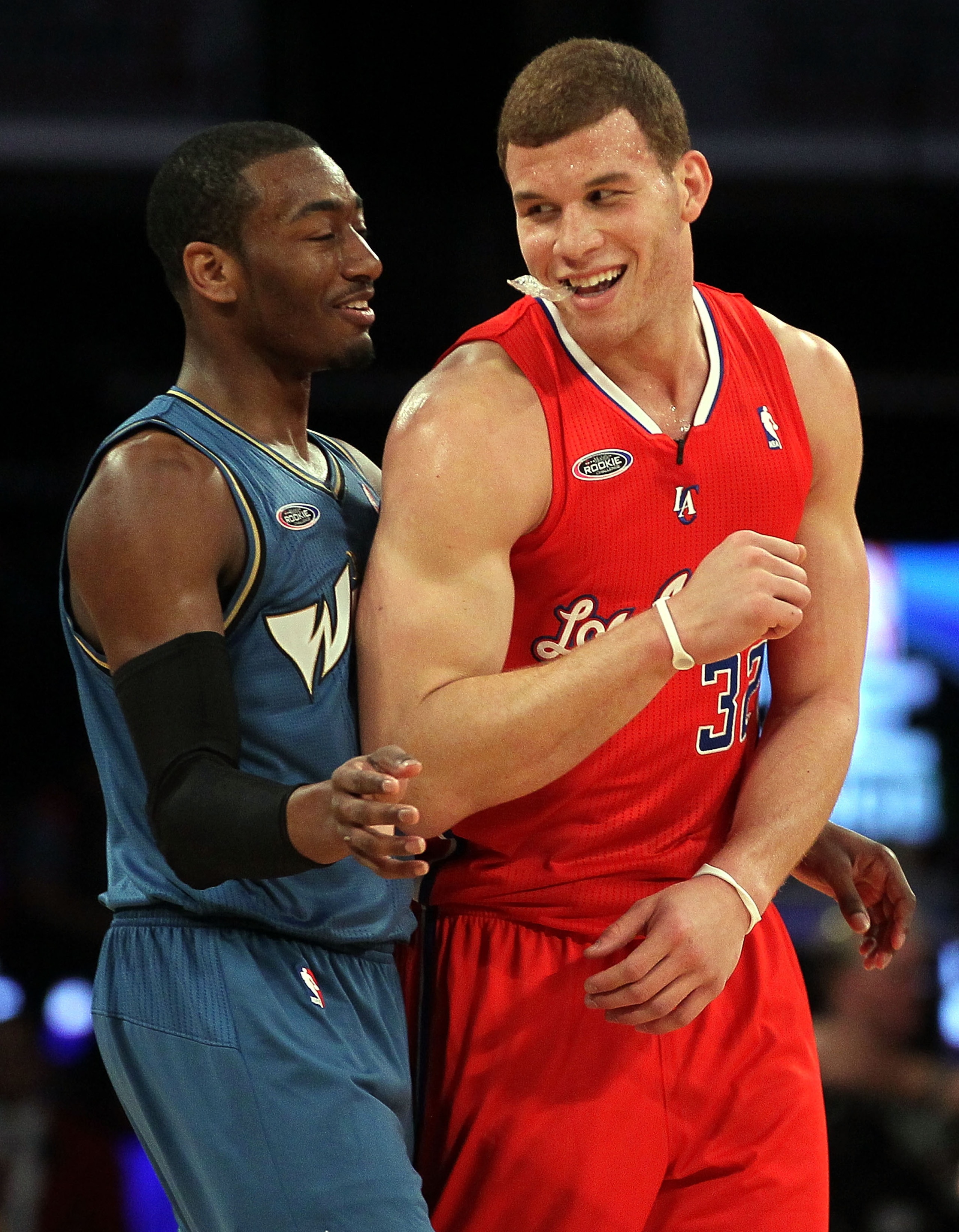

John Wall: 10 Reasons the Washington Wizards Star Will Steal Some ROY Votes
Back in October, many pre-season predictions had John Wall as the favorite for NBA Rookie of the Year honors. In fact, click on that final link again. Before the season, 68 percent of NBA GMs thought Wall would take home ROY honors—more than twice as many as Blake Griffin, who had won the previous year's survey with almost 80 percent of the vote.
Of course there was the matter of Griffin's major knee injury, and people weren't sure if his style of play would translate into an 82-game season. As a result, few expected he'd be sweeping the boards at a rate unseen since Shaquille O'Neal entered the league. Still, from where were currently sitting it seems ludicrous to think at one point in time, we had been skeptical of his phenomenal talent.
But despite numerous nagging injuries, Wall has been no slouch himself, and at times he's seemed worthy of the ROY label. There's still some time left for John Wall to make this race at least a tad more interesting.
Admittedly, empirical evidence is not in his favor. So for argument's sake, I'm going to lay out 10 reasons Wall could actually give voters something to think about when casting their ROY ballots.
Reason No. 1: Griffin Really Isn't a Rookie
1 of 10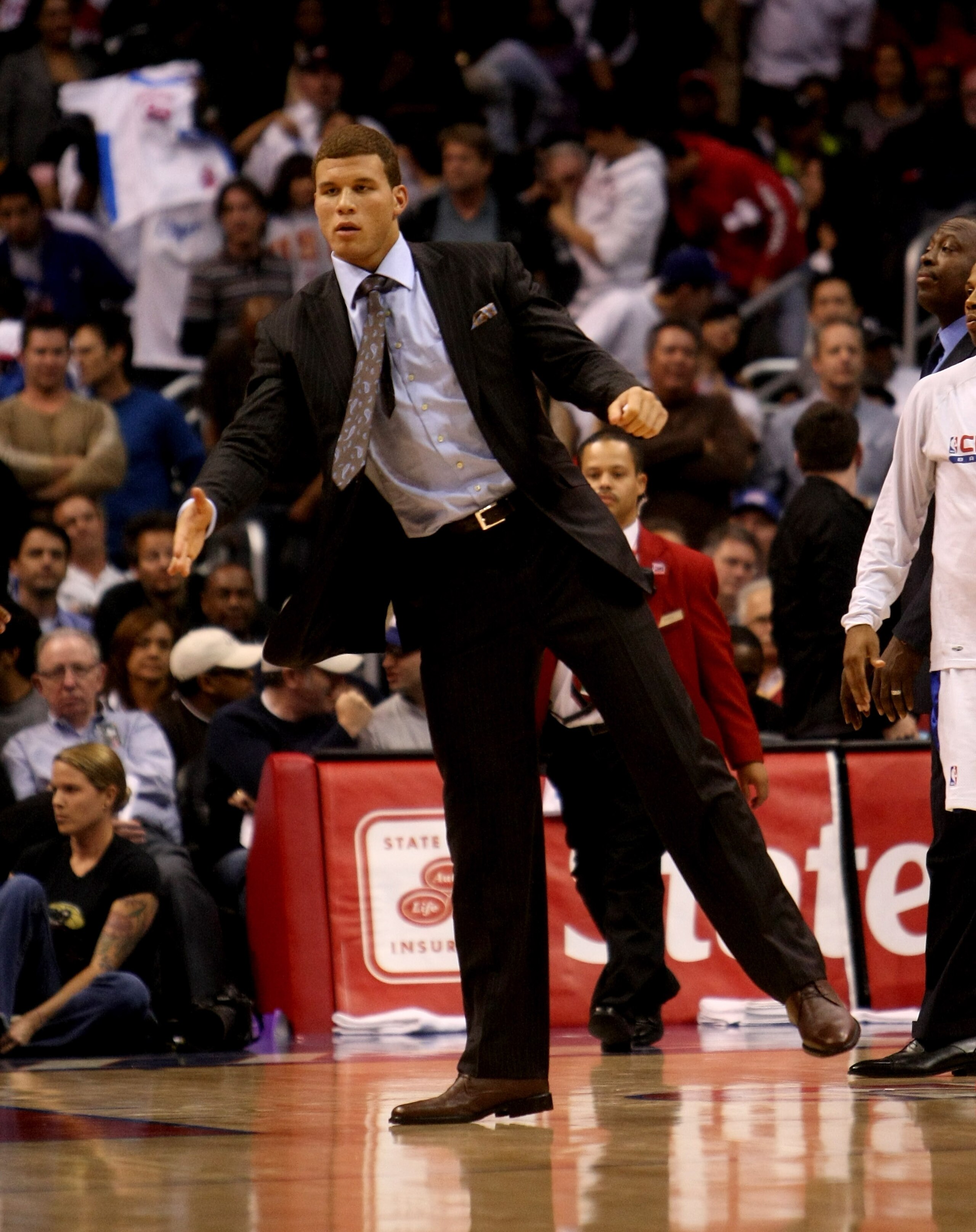
Any attempt at discrediting the Blake Griffin Rookie of the Year campaign has to start with the fact that, by many standards, he's not really an NBA rookie.
The most common characteristic of rookie seasons is inconsistency—young players oscillating between flashes of brilliance and the occasional stinker that partially defines that first season. While Griffin is still young—often younger than players actually taken in the 2010 NBA draft—he does have the distinct advantage of having acclimated to life in the NBA. And his consistency has been particularly noteworthy.
This experience encompasses the constant, lengthy traveling schedule and learning the expectations of player conduct. More essentially, it exposes the rookies to the training and workout regimen of the best athletes on earth.
So much has been made of Kevin Durant's Olympic experience in 2008, where he was introduced to the kind of dedication and work ethic it takes for players of Kobe Bryant's caliber to stay at the top of their game. Whether it's dieting, weight room techniques or training and physical maintenance, having insider access to these athletes (and their trainers) for a year gives Griffin a distinct advantage over the remainder of the rookie class.
If some voters take that extra experience into consideration, Griffin may not be at the top of everyone's ballot.
Reason No. 2: PG Is the Hardest Position in the NBA
2 of 10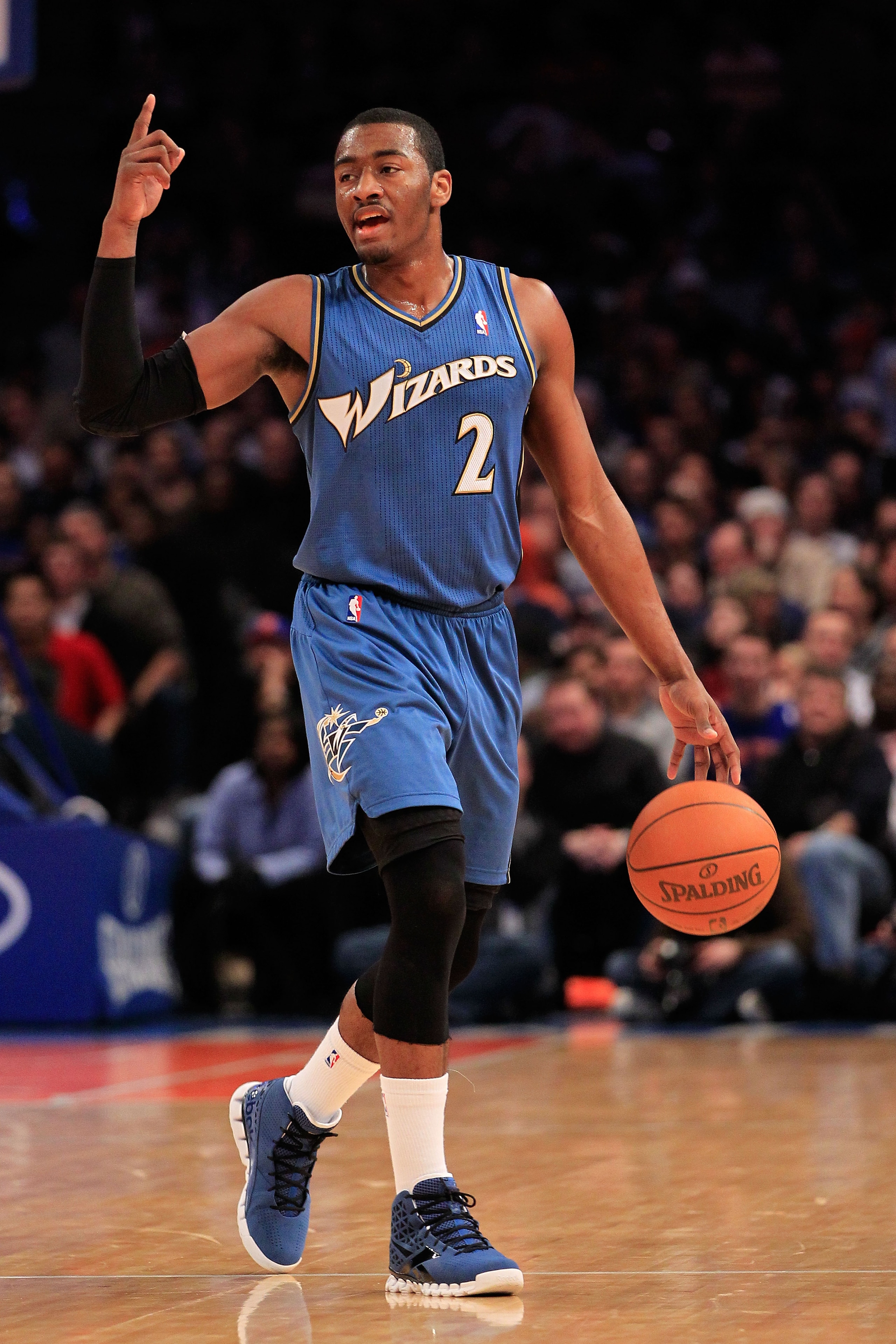
Griffin already ranks among the best power forwards in the game today, as evidenced by his All-Star nod in the already PF stacked Western Conference. But for the most part, his production is a result of receiving the ball when he's already in a position to score—where he can use his strength and athleticism to out-maneuver the opposition's defender—and hustle plays in transition.
Conversely, John Wall has been tasked with leading the Wizards from the point guard position—and the woebegone Wiz are one of the youngest teams in the NBA. He has led the team admirably and effectively, especially considering the two mid-season trades and slew of buyouts that drastically changed the character and make-up of the team.
Wall has responded to his "franchise player" status by scoring 15 points and dishing out more than 9 assists per game, accounting for about 34 of the Wizards' 97 points per game (over 35 percent). That easily outpaces Griffin's rate of 31 percent (30 of 98 points per game). If his recent comment about his teammate's effort is any indication, he's not afraid to speak up and be a leader—something we haven't really seen out of Blake up to this point.
Reason No. 3: The Best Offense Is a Good Defense
3 of 10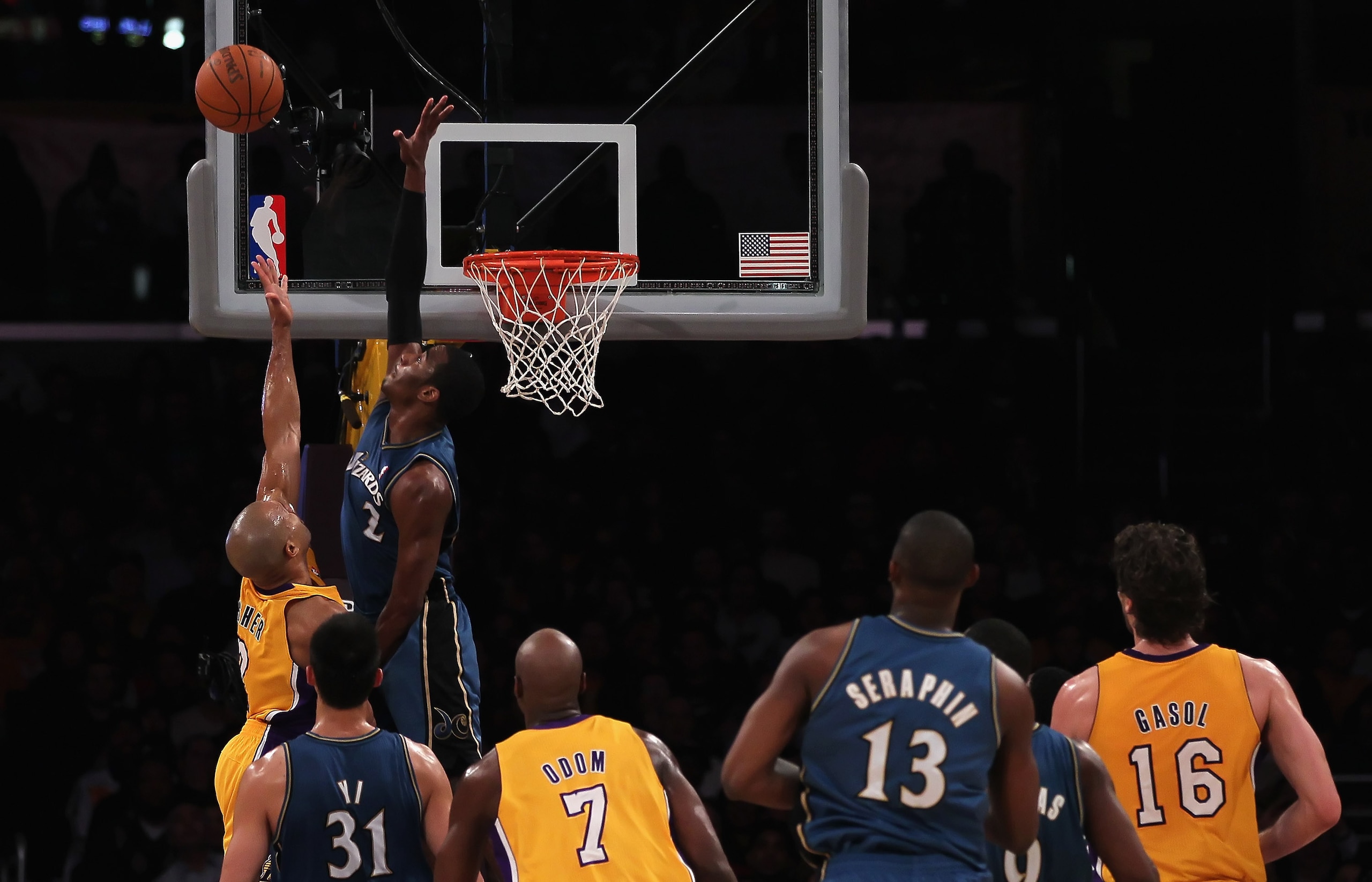
The one area where Wall has arguably already outperformed Griffin is on the defensive side of the ball.
He's averaging more than one and a half steals a game, including three per game in the month of November and nine in his third professional game. He's also blocking shots at a rate exceeding his LA counterpart—inexcusable considering Griffin's six-inch height advantage and well-chronicled hops.
Wall is a great on-the-ball defender and can help create the high efficiency transition opportunities he excels in. Meanwhile, Griffin has struggled at times defending NBA forwards on the block, despite his powerful frame and leaping ability.
Wall is establishing himself as one of the best perimeter defenders in the game, both statistically and by reputation, which presents an opportunity for voters to identify Wall as superior to his LA counterpart.
It will take a November-like finish to the season, but Wall may approach the two-plus steals per game Allen Iverson recorded in his rookie season. If he can, Wall will move from 13th to fourth in the league in that category.


Reason No. 4: Wall Wins with Historical Perspective
4 of 10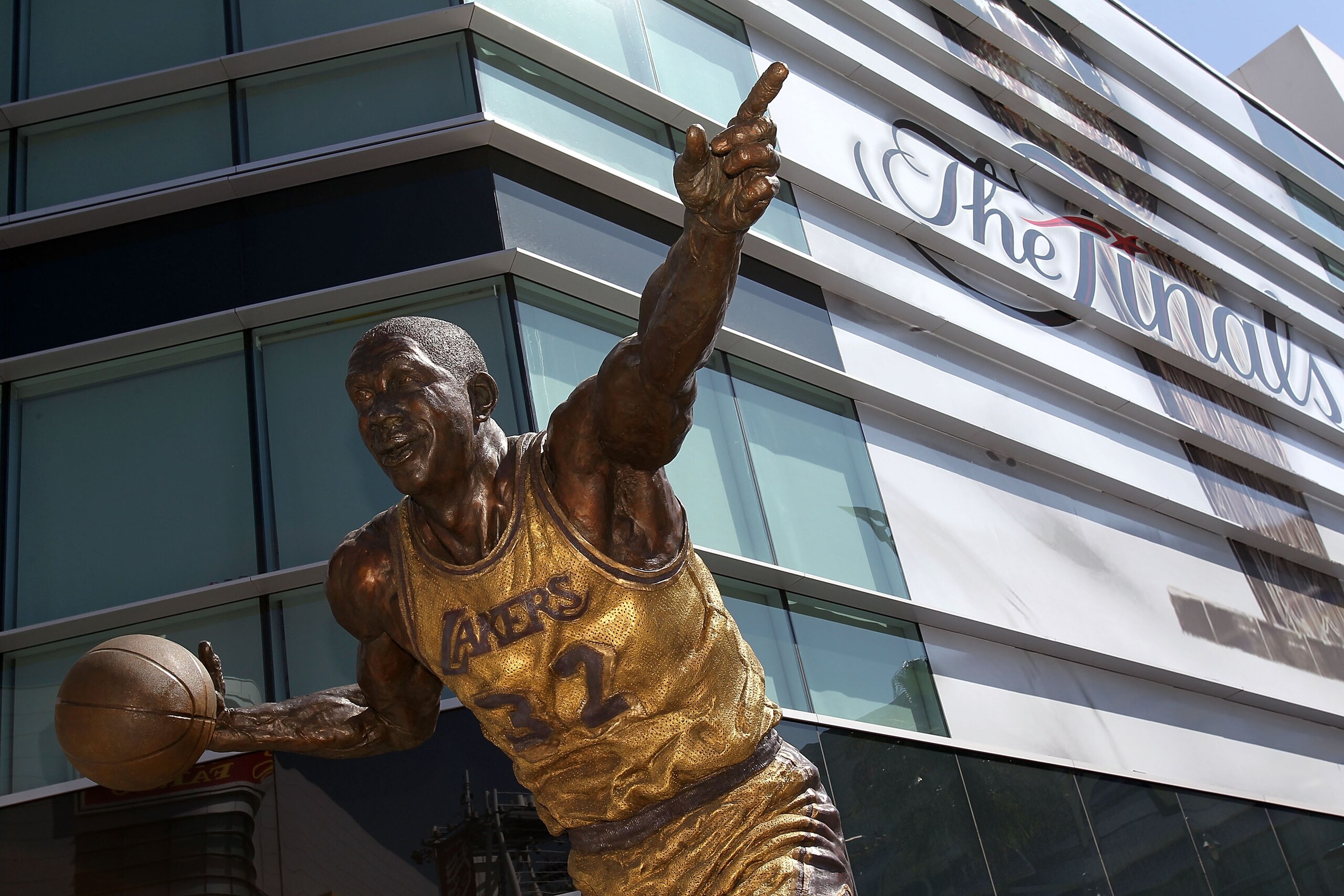
If you use the "25 Best Rookie Seasons in NBA History" articles published on Bleacher Report as evidence (such as here and here), it becomes clear that big men make an easier transition to the NBA game. Out of the seasons typically ranked on such a list, 18 on average were produced by big men—most of whom played the majority of their minutes at Power Forward.
This is not meant to belittle what Griffin has done this season, but merely to suggest that it's not as rare as one might think. In the last 30 years alone there have been six big men who put up similar or better stats during their rookie season: Ralph Sampson (21/11, 2.5 blocks), Hakeem (21/12, 2.7 blocks), David Robinson (22/12, 4 blocks), Tim Duncan (21/12, 2.5 blocks), Alonzo Mourning (21/10, 3.5 blocks) and Shaq (23/14, 3.5 blocks).
When it's all said and done, Wall may be delivering the best rookie season for a point guard since Allen Iverson, and the fourth-best in NBA history behind only Iverson, Magic Johnson and Oscar Robertson (apologies to Damon Stoudemire and Tim Hardaway who also had impressive rookie campaigns). He's also besting Derrick Rose's rookie numbers in most categories—a guy who's now a leading MVP candidate in only his third season.
Considering he's younger than AI, Magic or the Big O during their rookie seasons, it becomes clear we're watching something extraordinary.
Reason No. 5: Hit Some Milestones
5 of 10
While familiar, round numbers don't determine success at the NBA level, they can certainly make a difference in the minds of ROY voters. If Wall was able to finish the season averaging 9.8 assists or more, for example, he'll have the second highest per game average for a rookie in history—just behind Mark Jackson and surpassing The Big O's mark of 9.7 APG.
Since Wall missed a number of games this season due to injury, he's still got about a third of his season left to build his resume. If Wall averaged 20 points, 6 rebounds and 11 assists for the remainder of the season, he'd end up with an 17/5/10 average stat line—very similar to the 18/8/7 Magic put up in the 1979-80 season when he won the award, with a better A/T ratio.
Wall has averaged 21 points, 10.5 assists, and 5 rebounds over the course of a month already this season, albeit in separate months. If he can continue to learn and improve in the homestretch, this line is certainly in the realm of possibility.
Reason No. 6: Relative Team Performance
6 of 10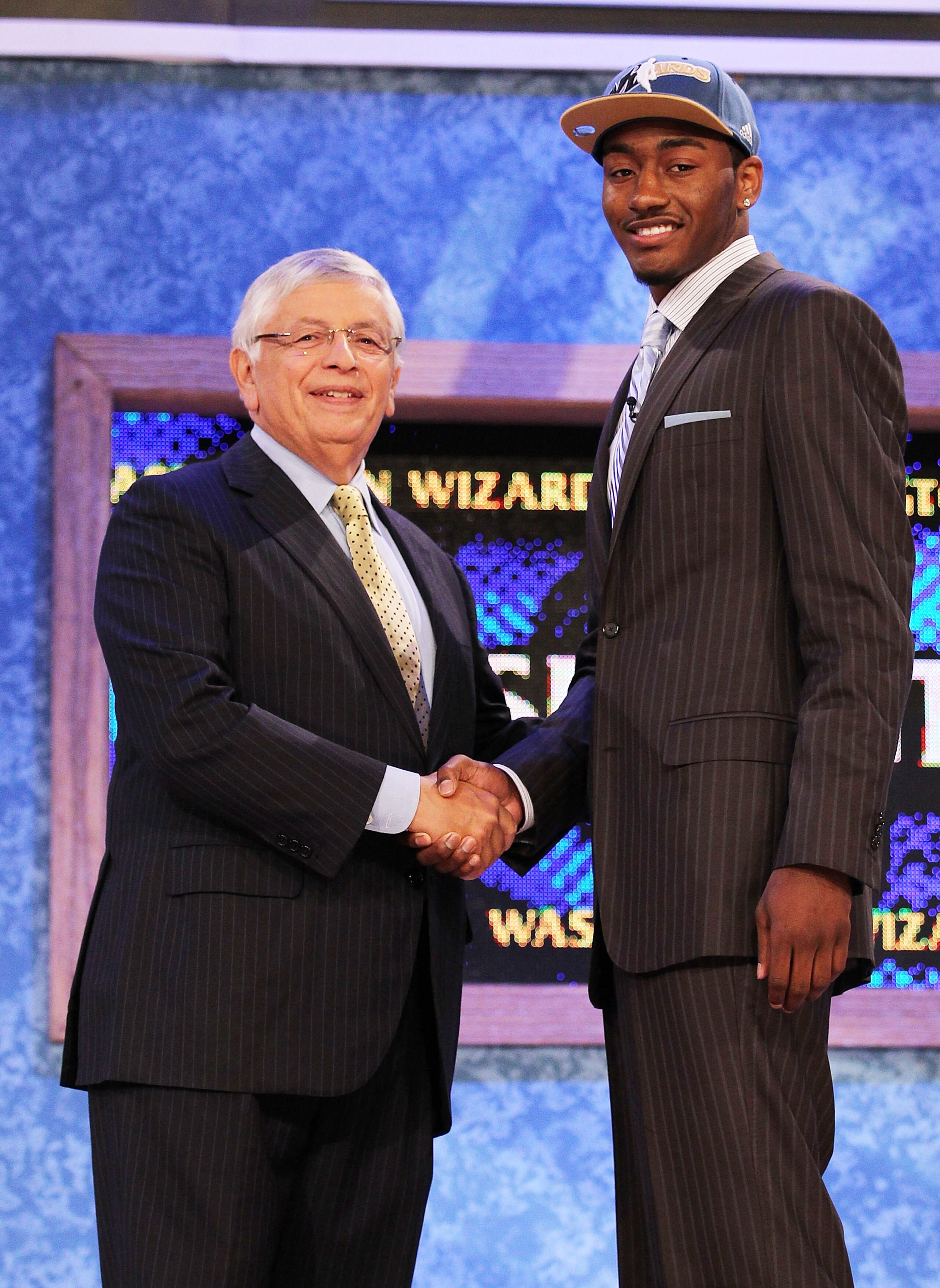
The Wizards and Clippers aren't exactly the darlings of the NBA—both rank near the bottom of their respective conferences and won't be contenders for years to come. Currently, the Clippers have won 21 games while the Wizards are sitting at 15.
In comparing the two, however, the Wizards clearly have the less established roster, with Rashard Lewis the only starter over the age of 25. The Clippers have Eric Gordon, another budding star, and had Baron Davis before he was sent over to the Cleveland Cavs in a salary cutting move. Mo Williams should be able to give the Clippers three legitimate scorers in addition to their passable front court rotation of Chris Kaman and DeAndre Jordan.
The Wizards, meanwhile, have lots of first round draft picks but nobody who could be considered a top player at their position. This makes the Wizards' difficult season more expected, so if they can win some games down the stretch it will be hard to ignore that Wall is the main reason the team is winning any games at all.
For evidence, see the Wizard's 3-16 record when Wall doesn't play more than 32 minutes. The Clippers are 2-5 when Blake plays more than 32, and aren't on pace to win any more games than last year despite a similar roster and the emergence of Griffin and Gordon.
Reason No. 7: Turnover a New Leaf
7 of 10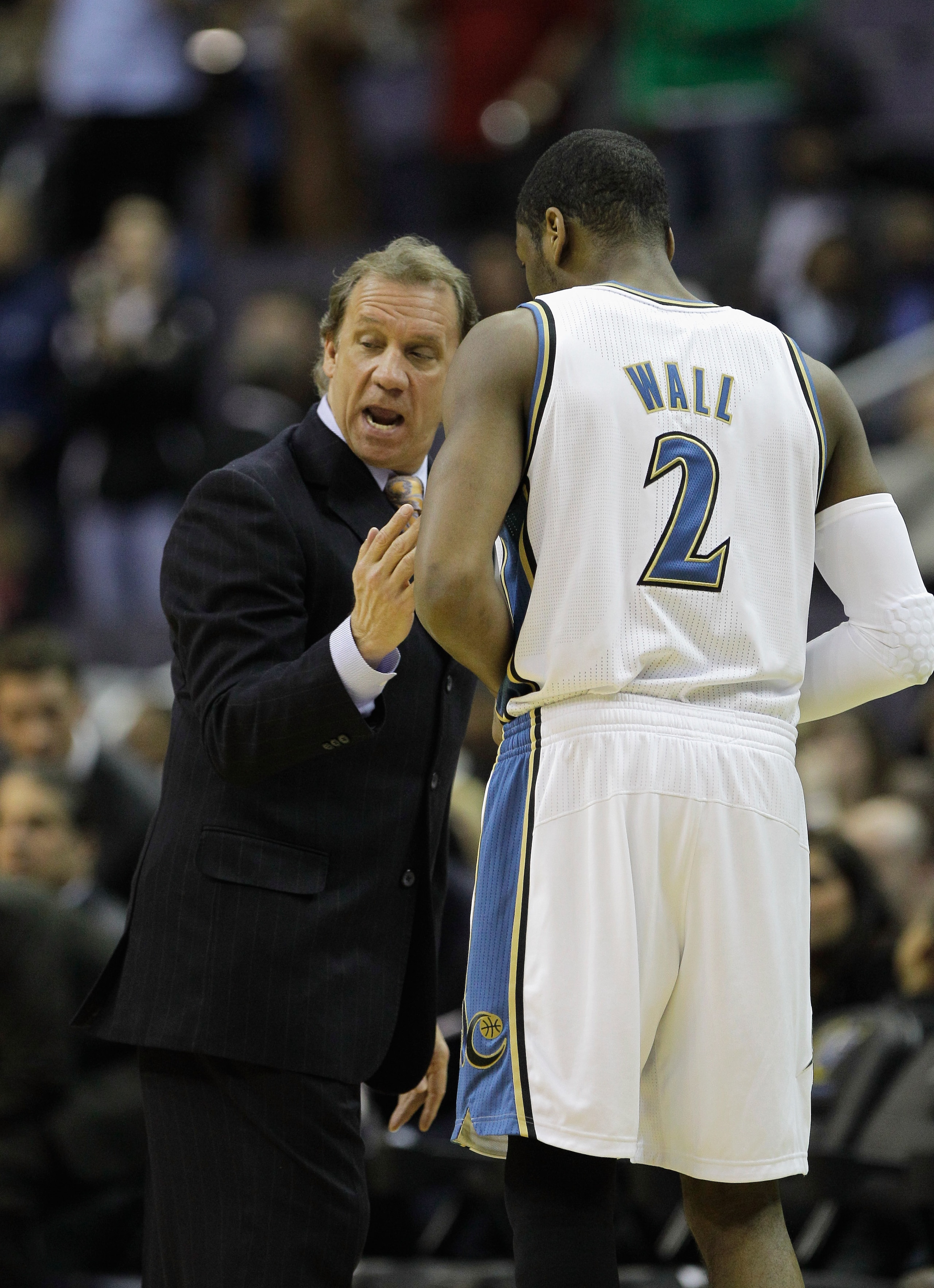
Wall has been at times spectacular this season, but he's also been turning the ball over at a rate not befitting his talents. With 3.7 turnovers a game, he's tied for third in the league in that category.
While the rest of the names in the Top 10 of that list might surprise you (here's a preview: Westbrook, Rondo, James, Nash, Williams, Rose), and even considering Allen Iverson and Magic Johnson turned it over at a higher rate their rookie years, it's still a must-fix for Wall. It has been obscured by his high assist totals and passable A/T ratio, but it's a glaring weakness on his stat line.
If he can learn to slow his pace when there's no offensive advantage in transition, he'll cut down on almost half of those turnovers and post a ratio usually reserved for seasoned veterans like Chris Paul.
Ultimately he will learn when to press the ball and when to pull back, but if he can start that evolution this season, he will have shown he can address weaknesses quickly and effectively—putting himself in the conversation of the league's best distributors.
Reason No. 8: An Improving Jump Shot
8 of 10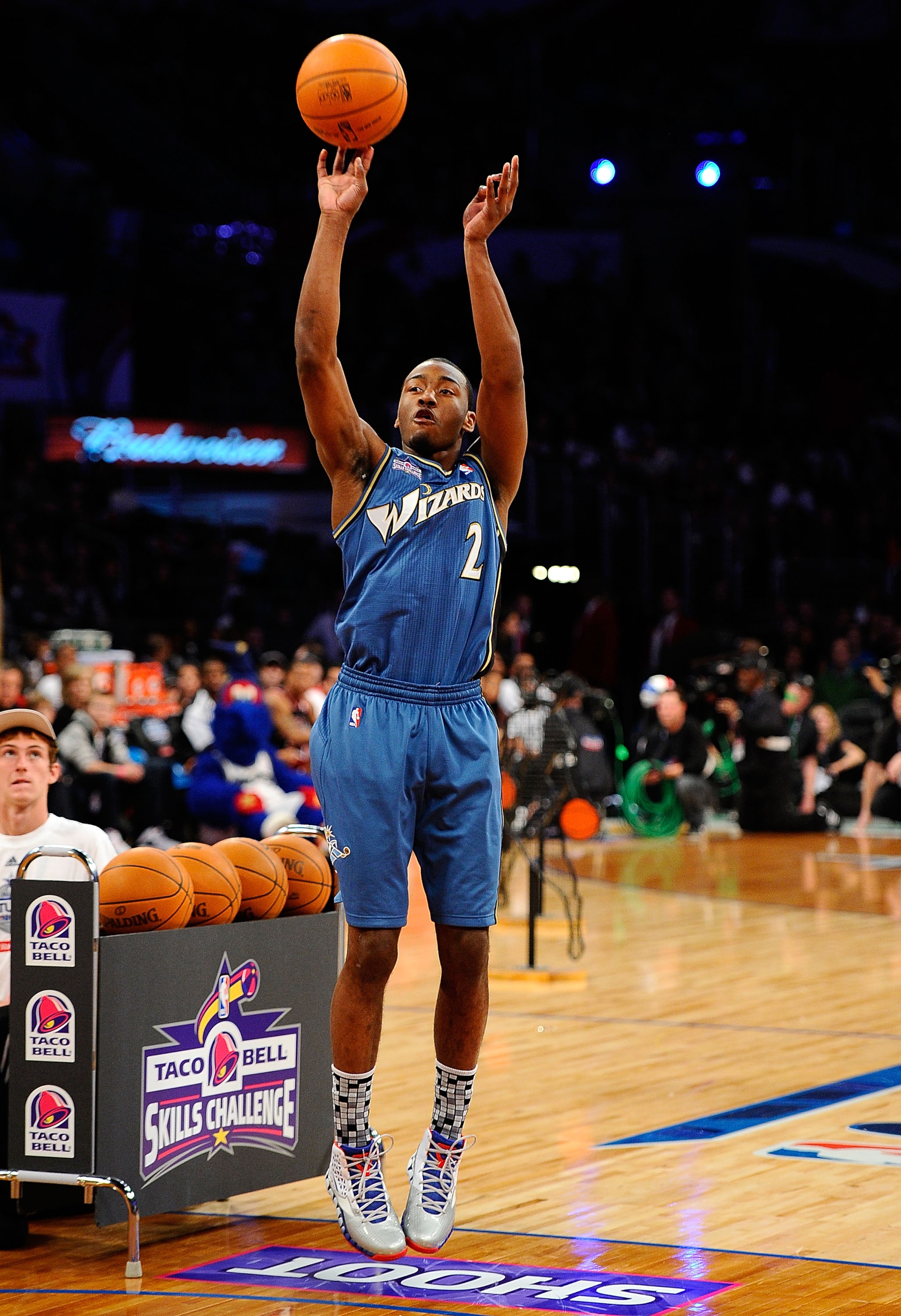
Wall's jump shot was probably the most critiqued part of his game coming out of college—and with good reason. He's shooting a mediocre 41-percent from the field this season, despite a better than expected 3PT percentage (currently 31-percent).
His free throw percentage has also declined in recent weeks. He'll need to return to the mean if he wants to keep his efficiency up and give the Wizards a chance in close games.
It appears, though, that Wall is trying to remedy his inconsistent jump shot. Since the beginning of February, he's converting on 43-percent of his shots and 38-percent of his three-pointers.
Wall's injuries have also certainly taken a toll on his shooting. He converted on only 37-percent of his shots in the five games he didn't start coming back from injury. Given better health, improved endurance and the consistent minutes that come with it, Wall will get plenty of opportunities to improve his effectiveness from the field—which is already better than Russell Westbrook's first two seasons.
If his shooting efficiency ends up around the league average, it will be an amazing improvement—and an item of weakness that won't be noted when discussing his ROY candidacy.
Reason No. 9: What Have You Done for Us Lately
9 of 10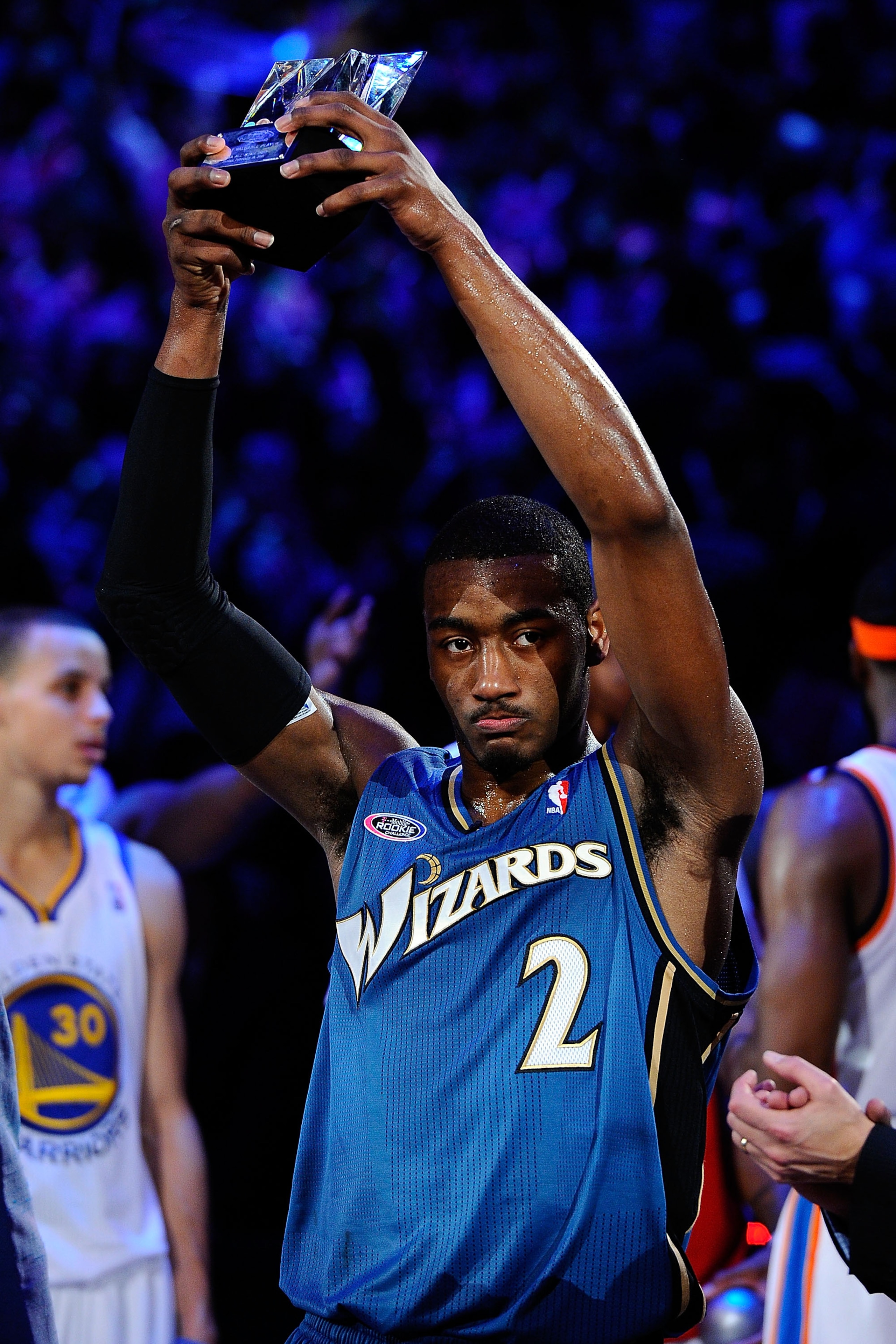
Between February 14 and February 25th , Wall averaged 21.2 points on 45-percent shooting, 5.2 rebounds, 9.8 assists, 1.2 steals and .5 blocks, accumulating 4 double-doubles during that span. That stacks up favorably with Blake's February averages of 23.1 points, 11.6 rebounds, 3.6 assists, .4 steals and .5 blocks a game.
Since the Clippers swapped their floor general and best distributor at the trade deadline, Blake may have a more difficult time getting the ball in the post and in transition—Mo Williams is not really a distributor, though he should help space the floor, and Eric Bledsoe is young and turnover prone. Eric Gordon, the team's leading scorer, also just made his return, which will surely affect Griffin's usage rate.
Conversely, the Wizards have traded away all semblance of a veteran presence on the team—sending Kirk Hinrich to the Hawks and buying out his replacement, Mike Bibby. And then came news that the team's only starter over age 25, Rashard Lewis, would likely have knee surgery that would keep him out for the rest of the season. This should mean more minutes for Wall, with fewer guards and scorers in the rotation to eat into his totals.
If the change in team makeup has any effect, Wall should benefit and can outperform Blake down the stretch, reminding voters what he's capable of given the opportunity.
Reason No. 10: Creating Signature Moments
10 of 10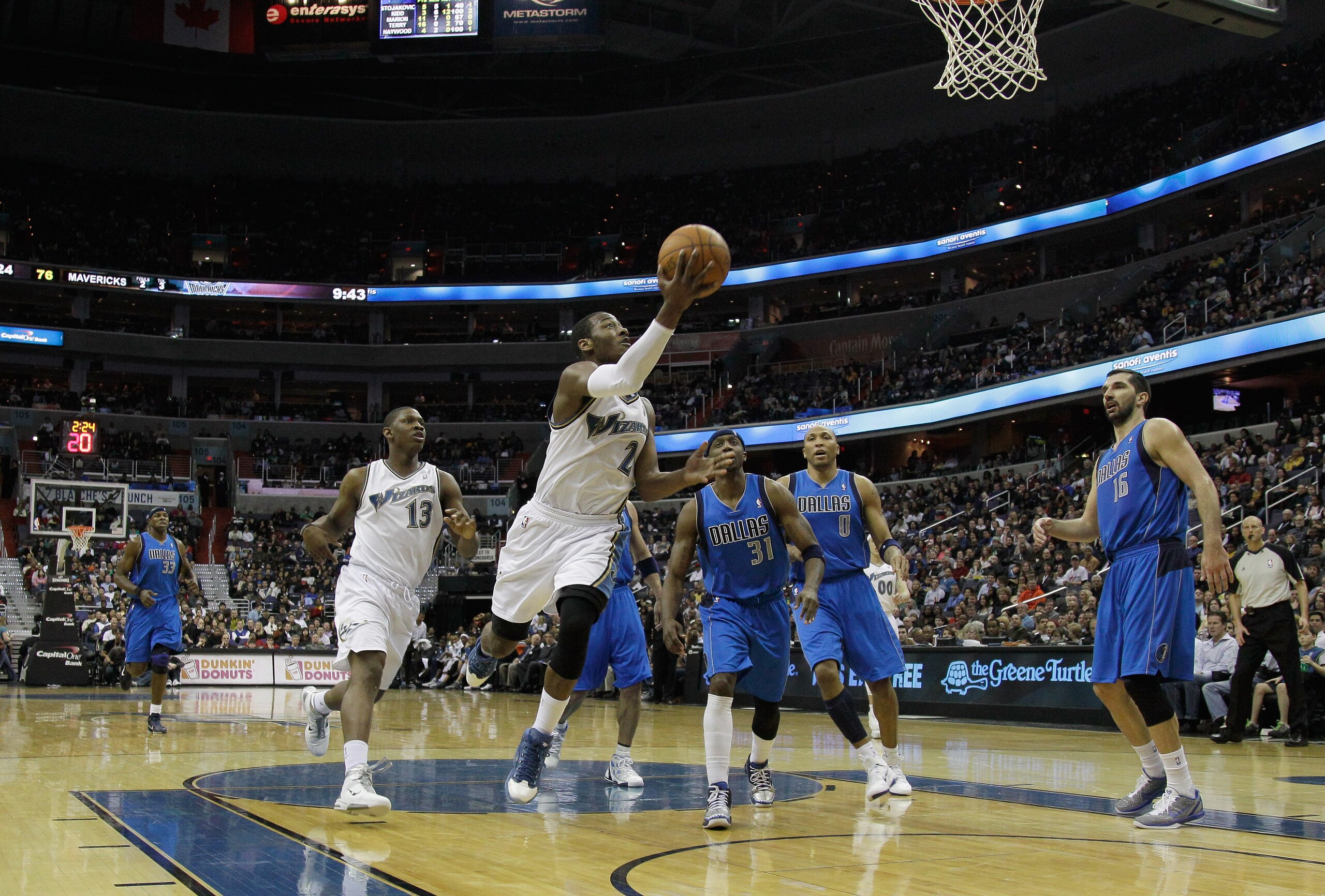
For the most part, people tend to equate greatness with performance in the clutch. Kobe Bryant is often cited as being the best player in the league, primarily because of the volume of clutch shots he's made (and ignoring the larger number of clutch shots he's missed). In this same way, John Wall can make a name for himself as the best clutch player in his rookie class.
As evidence: the Washington Wizards are 6-2 in games decided by 3 points or less—and 5-0 when John Wall is playing. Conversely, the Clippers are 3-5 in those same close games.
Blake Griffin shoots 33-percent from the field, scores 10 fewer points per 48 minutes and has a negative 32 +/- on the season in crunch time. This puts the title for best crunch-time contributor in the rookie class up for grabs, and if Wall can prove that he's the reason for the Wizards' impressive performance in tight games, it will be a new narrative for voters to remember from his first pro season.




.jpg?w=2560 "Latest Peyton-Colts Rumors")