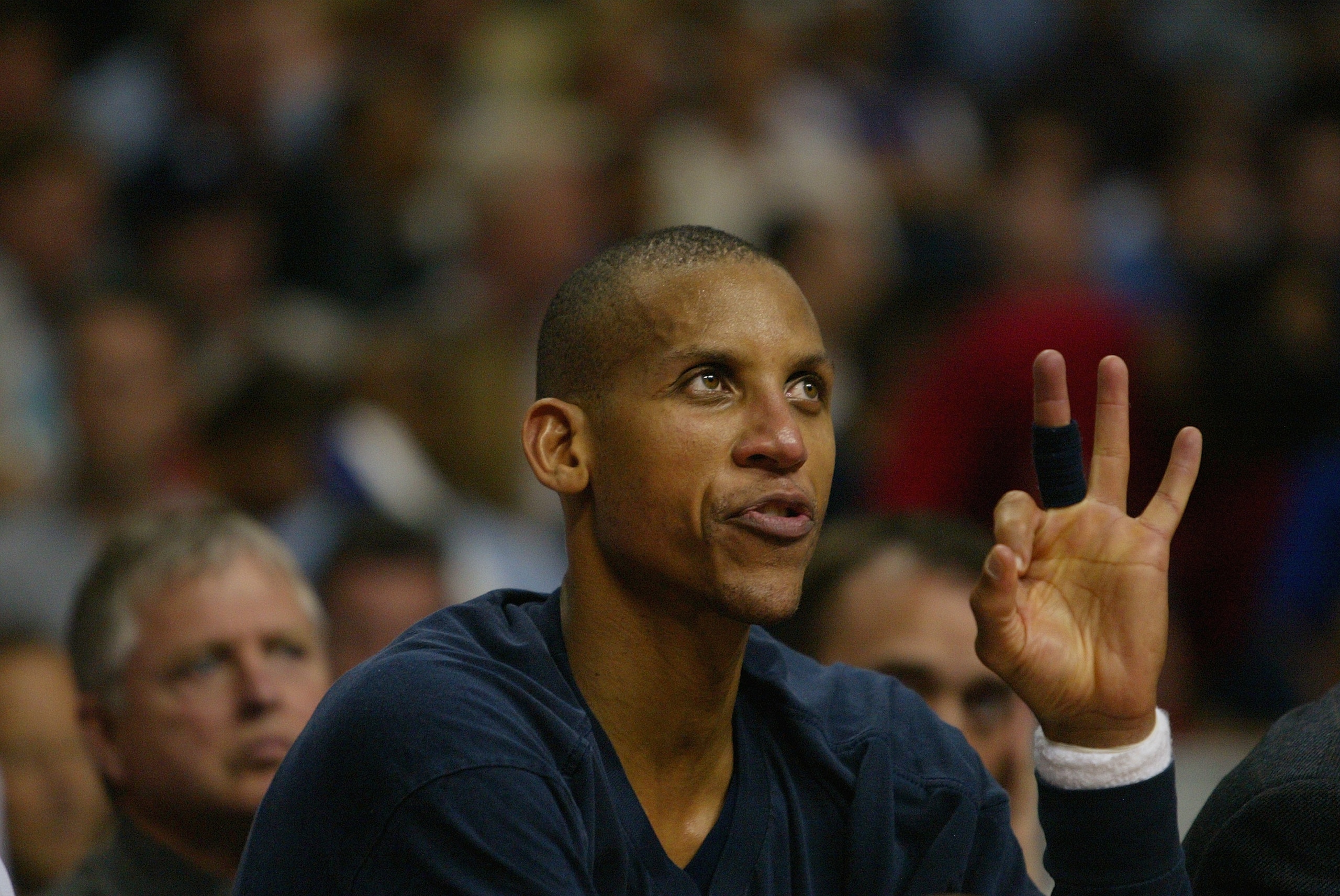

Ray Allen, Reggie Miller and the 50 Greatest Shooters In NBA History
Ray Allen recently broke Reggie Miller's all-time three-point shots made record, firmly cementing himself as one of the best shooters to ever play.
It's been said that a pure shooting stroke is not something that can be taught; rather the great shooters come out of the womb with perfect form.
With the advent of the three-point line in the 1979-80 season, shooters were able to separate themselves from the pack by stepping out and drilling long-range shots. Prior to that, great shooters stood apart at the free-throw line, where their ability was on full display.
It stands to reason that a player who was able to shoot 88 percent from the line in the '60s or '70s would have been able to hit three-pointers had the shot been an option.
This makes comparing shooting percentages across generations difficult, however. Surely the two mentioned at the top rank highly on a list like this, but what about guys from the '50s and '60s who were great shooters. We can't just assume that because shooting percentages were lower back then that there wasn't anyone who could stroke it, can we?
If players from 50 years ago had available to them all the lifelong coaching, drills and camps that players take part in these days, can't we reasonably figure that their shooting percentages would have been higher?
So, in an effort to offset the generational differences that exist in basketball statistics and devise a ranking of this nature, here's what I did.
I looked at what the average field goal, free throw and, eventually, three-point percentages were for each decade to determine which players had significant advantages in those departments.
I found that some of the best shooters in the history of the game actually had field-goal percentages around the league average, but, as said earlier, rose above the pack due to their three-point and free-throw percentages.
To sort all that out, I looked through each decade to find players who were either at or above the league average in field-goal percentage and were significantly above (at least five percent) the average for free-throw percentage and three-point percentage once it was instituted.
I believe this is the fairest way to calculate statistical greatness in this category, as there is a pretty even distribution of players from each decade on this list. A brief rundown of how shooting percentages have changed since the NBA formed will be provided on the next slide.
Now that all of that is out of the way, let's get started. As always, feel free to debate.
Shooting Percentages By Decade
1 of 51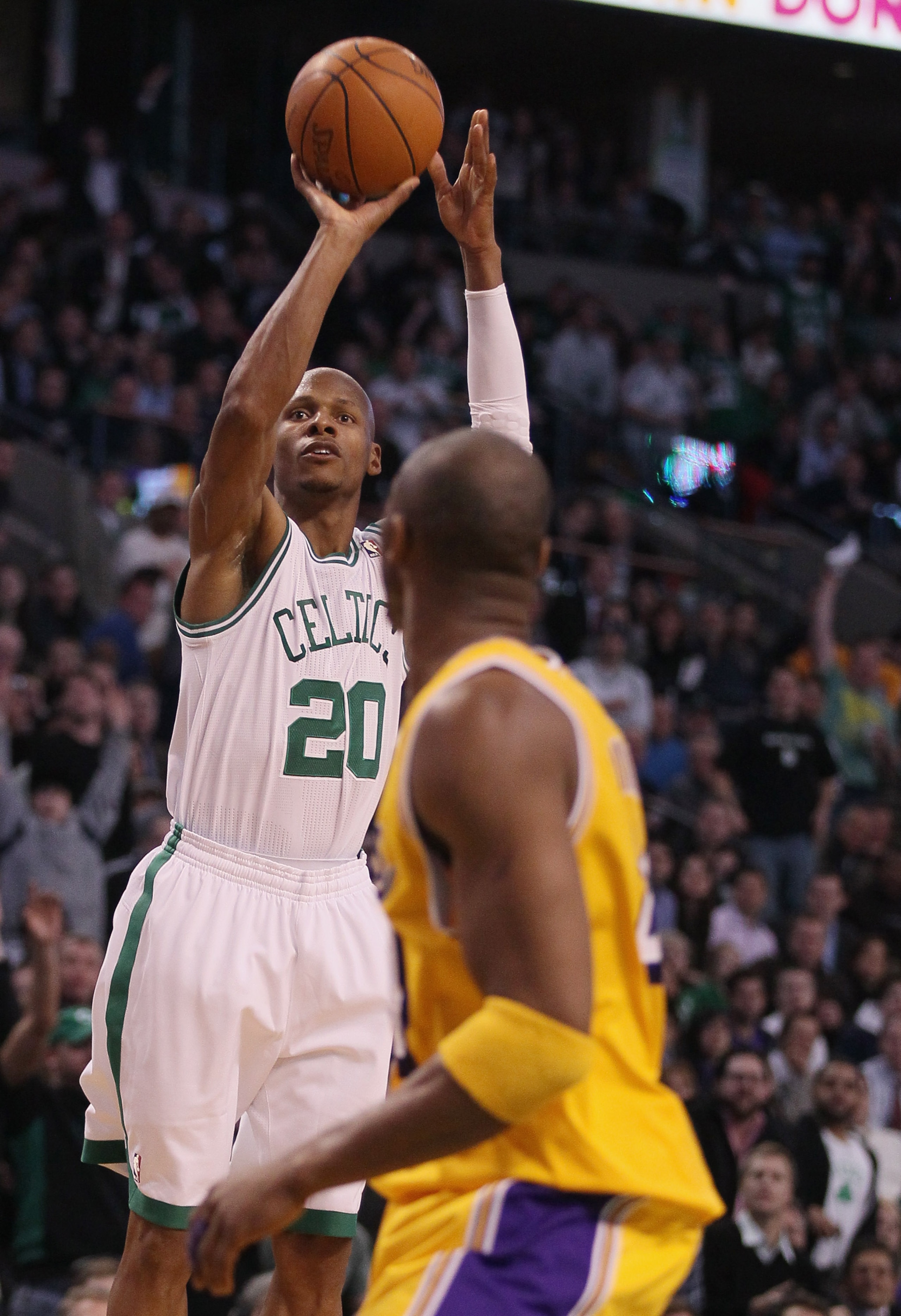
Here is a quick look at how shooting percentages have changed by decade. I've omitted the four years the league had in the '40s, as no player from then qualified. Also, keep in mind that the three-point shot was only available to shooters in the '70s for one year.
| FG% | FT% | 3PFG% | |
| 1950s | 38.2 | 73.3 | N/A |
| 1960s | 43.6 | 72.7 | N/A |
| 1970s | 46.3 | 75.5 | N/A |
| 1980s | 48.5 | 75.8 | 29.7 |
| 1990s | 46.2 | 74.5 | 34.8 |
| 2000s | 45.1 | 75.5 | 35.6 |
From looking at the table, you can see that field-goal and three-point percentages have changed drastically since their respective starts.
On the other hand, free-throw percentages have remained relatively stable since the league's beginnings. Sure, there's been some fluctuation, but the type of marked differences shown in the other two shooting categories.
What does this tell us?
This shows that great shooters will, first and foremost, differentiate themselves at the free-throw line. Once the three-point line was instituted, there was another area where players could rise above their peers, but in trying to put together this ranking, I felt there was a need to find a measurement that did not punish the early NBA players.
Based on the statistics, the free-throw line is the only area where this is plausible.
Of course, I took field-goal percentage and three-point percentage into account, but I looked at the free- throw percentages first.
Are there flaws to this? Of course there are, but if there was a perfect system to rank players, there would be no point in anyone writing or reading articles of this nature. We'd simply know and there would be no debating allowed.
That wouldn't be much fun, would it?
So, now that you understand how this list was figured out, let's get to the rankings!
50. Clyde Lovellette
2 of 51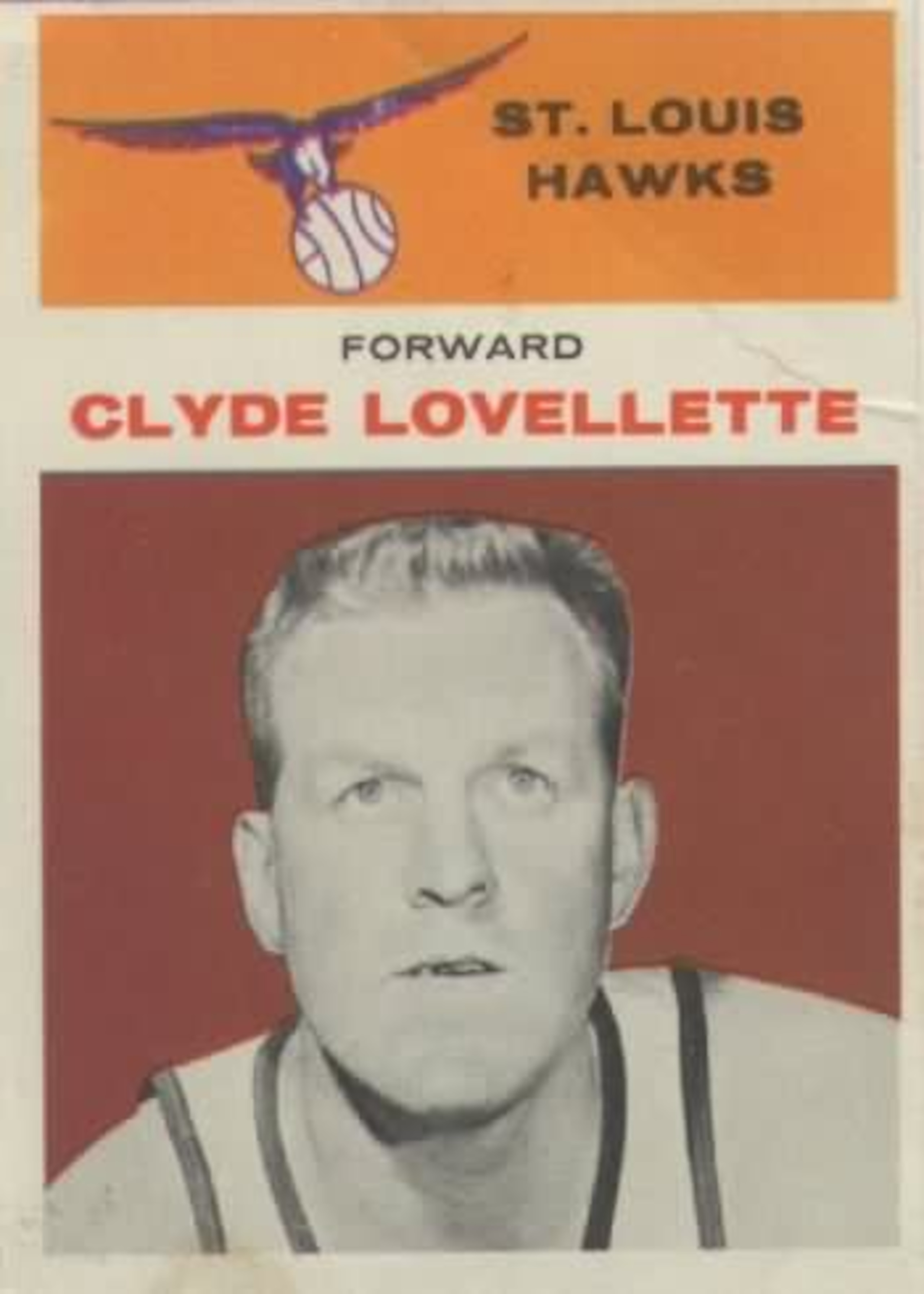
Clyde Lovellette makes this list mainly due to his role as an innovator.
Lovellette was one of the first big men to move his game outside and take longer-range shots. His shooting percentages of 44.3 from the field and 75.7 from the line are by no means outstanding, but they were above the league averages for his era.
Any player who changed, or helped to change, the game needs to be mentioned in any ranking involving the category he advanced. Lovellette's statistics certainly won't blow anyone away, but his contribution to professional basketball cannot be overlooked.
49. Kyle Macy
3 of 51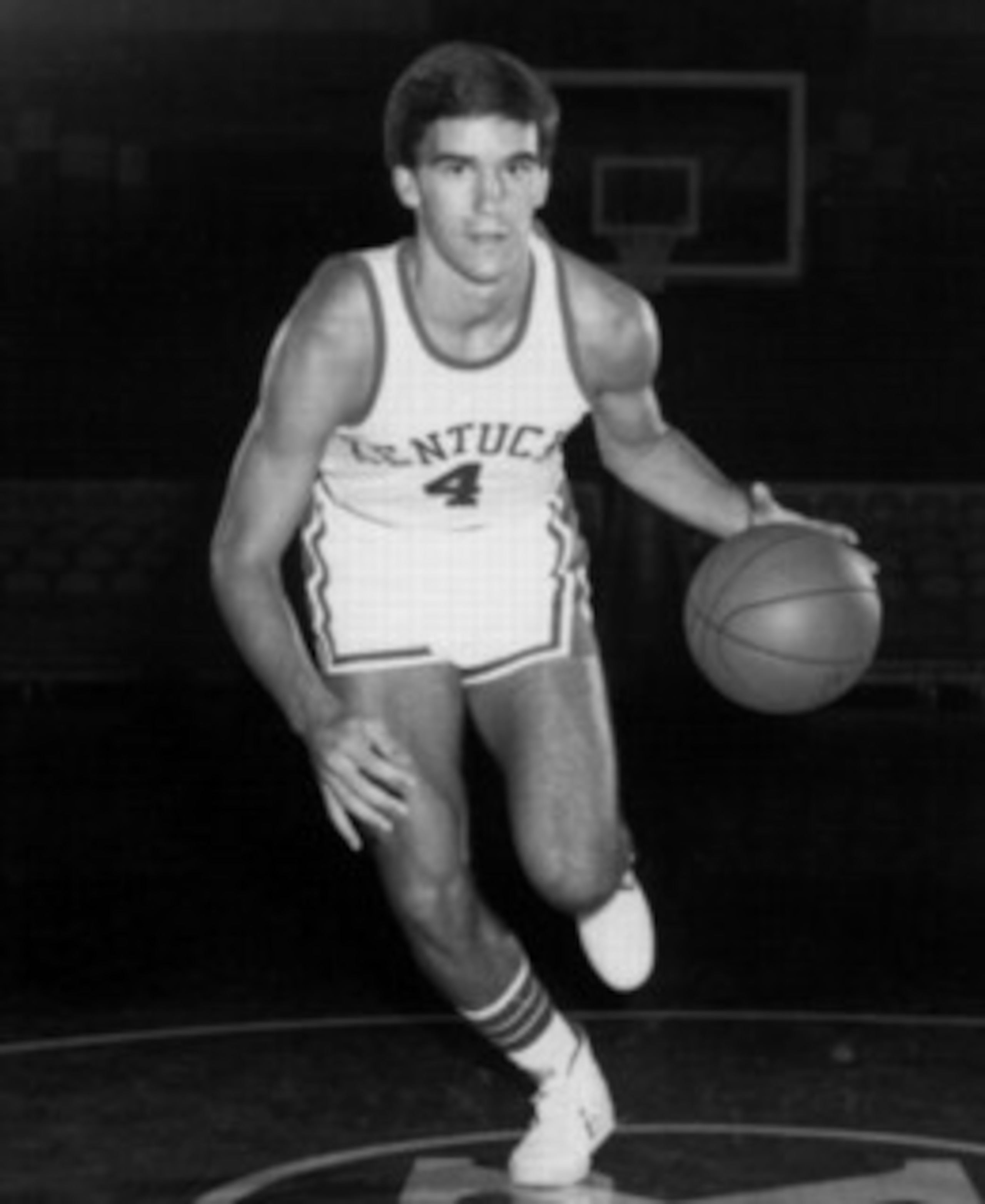
Macy's seven-year career was not particularly long, but he managed to lead the league in free-throw percentage twice during his run as a pro.
For his career, Macy hit 87.3 percent of his free-throws and 50.1 percent of his field goals. His three-point percentage of 33.7 also ranks highly for the time he played in.
48. Mike Newlin
4 of 51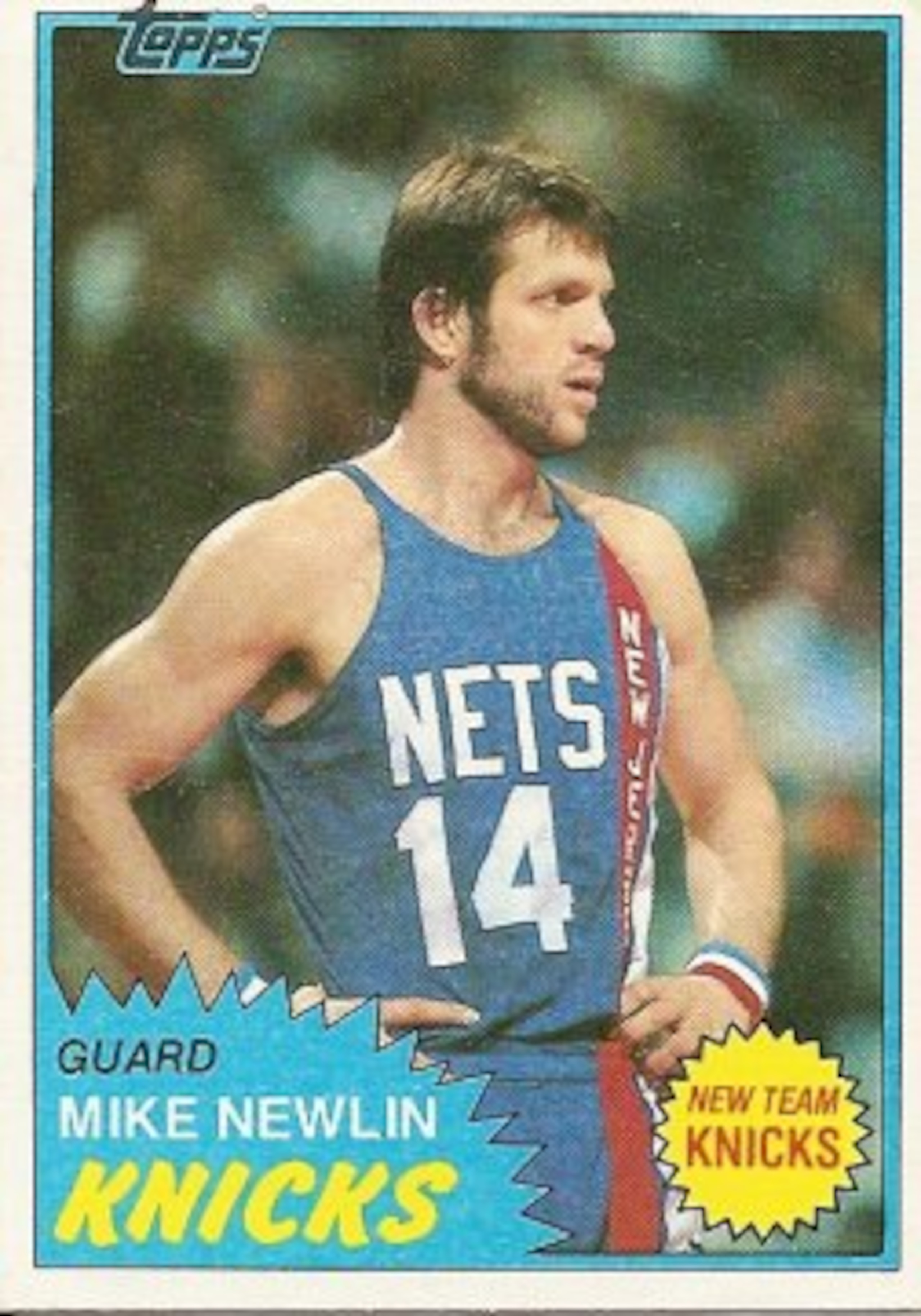
In his 10-year career, Newlin made 46.6 percent of his field goals and 87 percent of his free throws.
He ranked in the top-10 in free-throw percentage nine times and is 23rd on the all-time free-throw percentage rankings.
The three-point line was not put on the floor until the last three years of his career, and he managed to be a serviceable deep threat (30.2 percent) in his those final years.
47. Brad Davis
5 of 51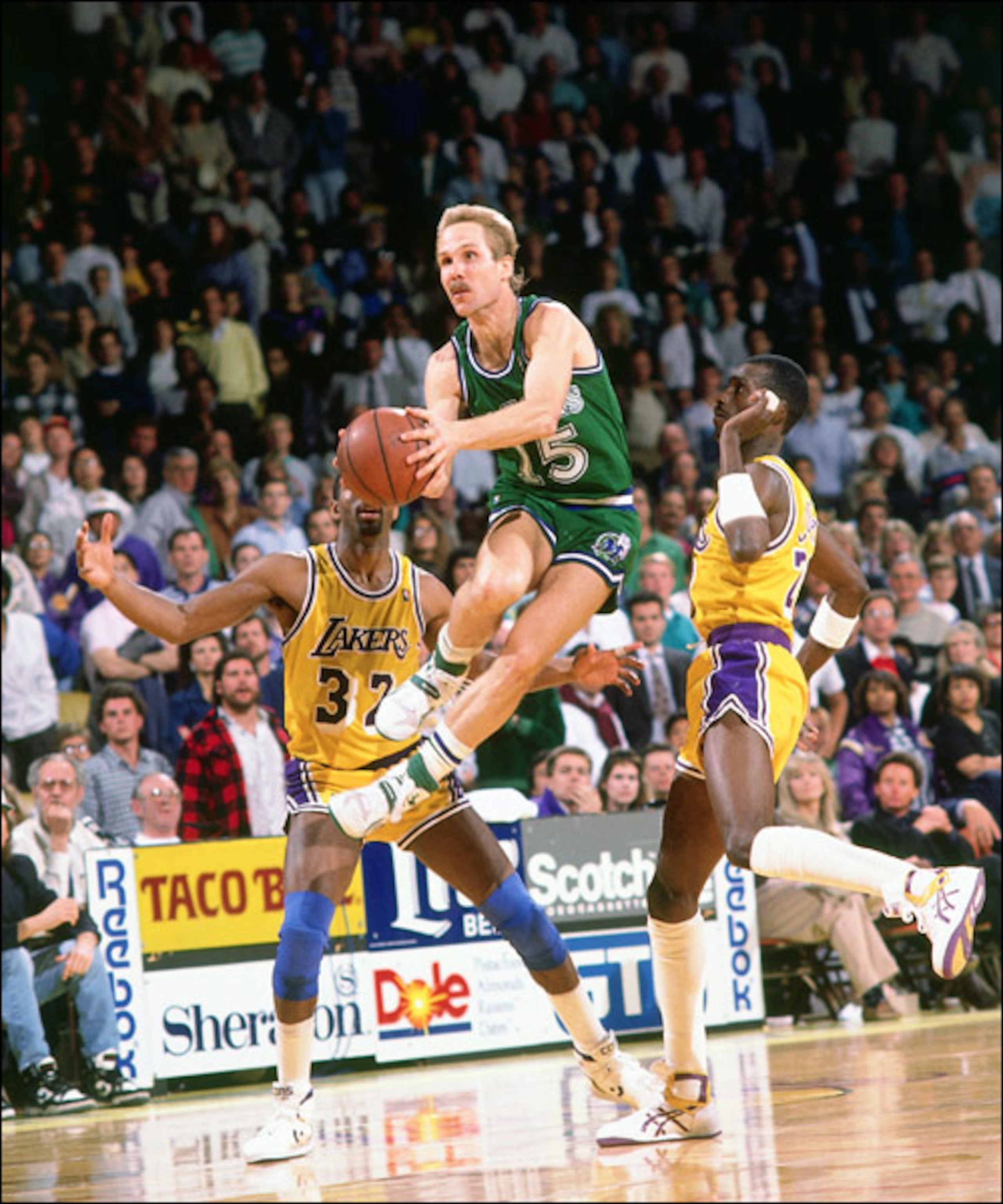
Davis was never a star or household name. Only five times did he score at least 10 PPG, yet he was able to hang around the league for 14 seasons.
Why, you ask? Because the dude could shoot!
In those 14 years, Davis shot 51 percent from the field and 82.8 percent from the free-throw line. The three-point shot came into existence during his third year in the league, and though it took him some time to adjust to it, Davis shot over 40 percent from downtown twice in his career.
Maybe he's not one of the greatest players ever, but he is one of the greatest shooters.
46. Mike Dunleavy
6 of 51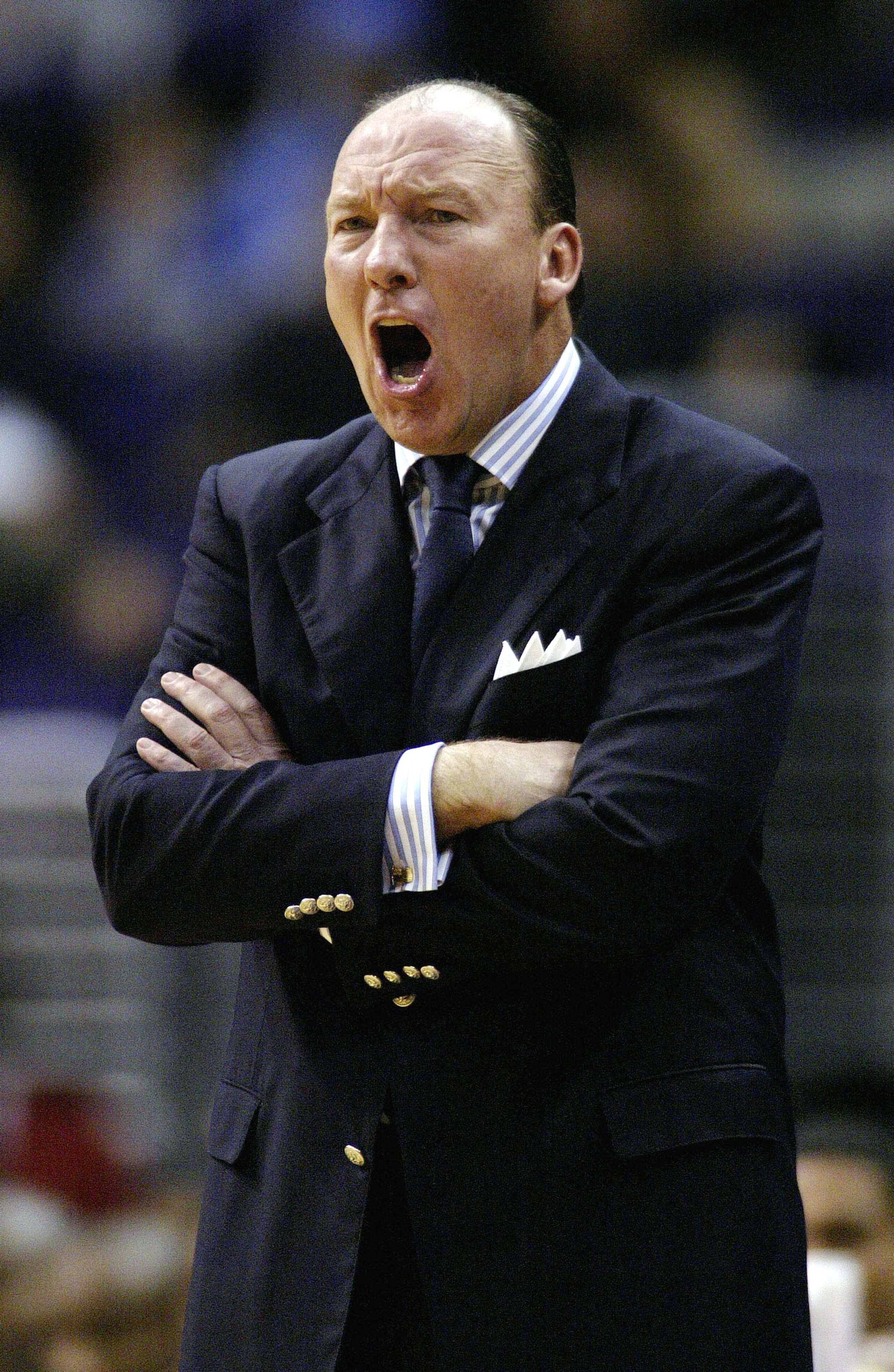
Dunleavy began his 11-year playing career before there was a three-point line, yet was still able to be a productive three-point shooter once the marker was put in place.
His career 33.9 percent three-point percentage may not look great by today's standards, but we must remember that the league average at that time was below 30 percent, and it is important to note that he would not have been practicing the shot as a youth.
He had to figure out how to drill long-range shots after becoming a pro, yet in the 1982-83 season, Dunleavy still managed to lead the league in three-point attempts, makes and percentage.
He owns a career field-goal percentage of 46.7 and hit 81 percent of his shots from the free-throw line.
45. Doug Collins
7 of 51
Although he's more known for his career as a coach, Doug Collins was a very good pro player whose career was cut short by an injury he suffered during the 1978-79 season.
In his relatively brief eight-year career, Collins shot 50.1 percent from the field and 83.3 percent from the line.
He would later go on to coach the Chicago Bulls, Detroit Pistons and Washington Wizards and is currently manning the sidelines for the Philadelphia 76ers, the team he spent his playing career with.
44. Mike Glenn
8 of 51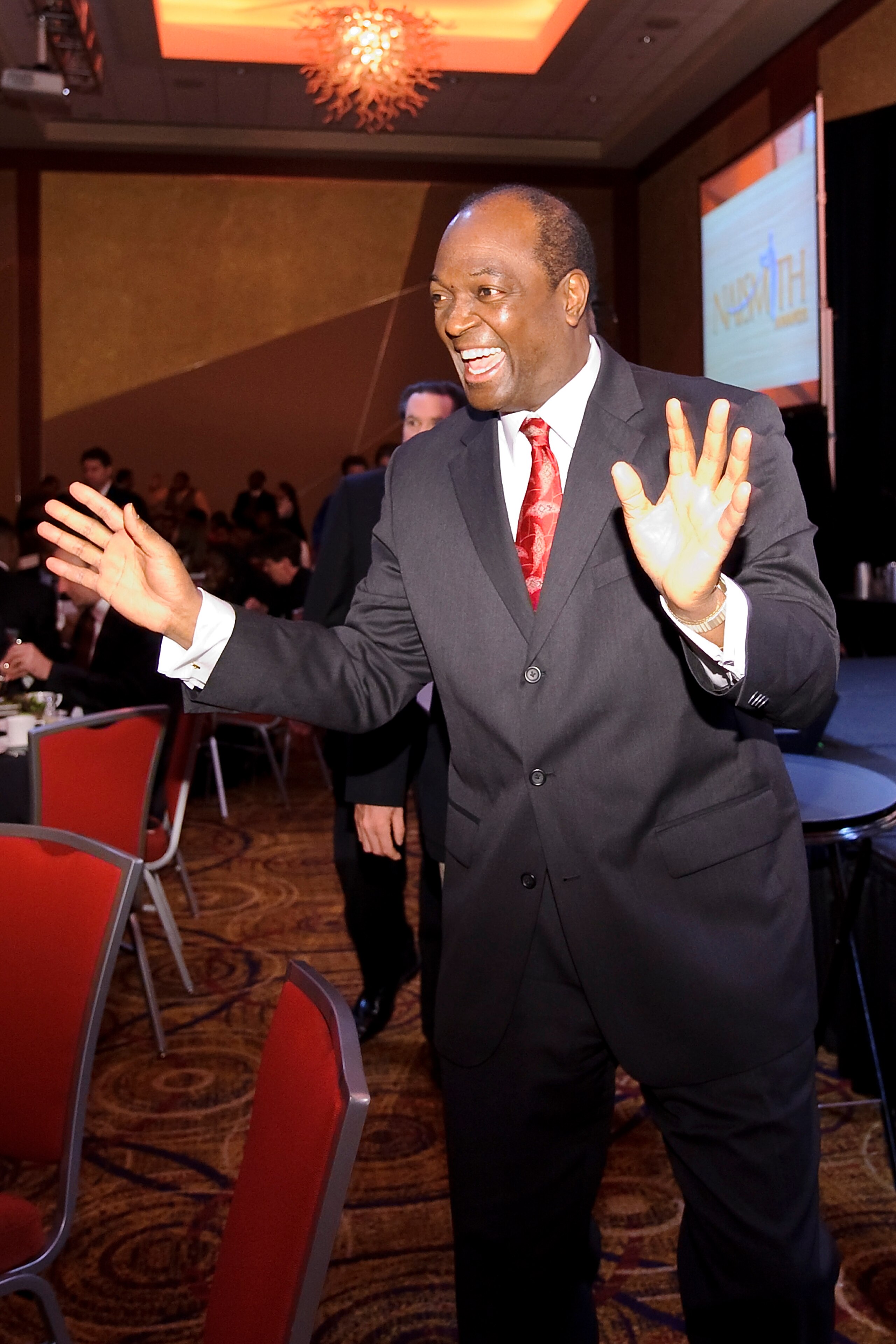
A deadly mid-range jump shot earned Glenn the nickname "The Stinger," and his career field-goal percentage of 54.2 percent is a testament to that.
The amazing thing about Glenn's story, though, is that he made it in the NBA after breaking his neck in a car accident and being released by the Chicago Bulls after being drafted. He made a rather quick recovery, starting his playing days with Buffalo that same year.
In addition to his fantastic overall shooting percentage, Glenn hit 85.5 percent of his attempts from the free-throw line and spent a total of 10 years in the league.
43. Willie Naulls
9 of 51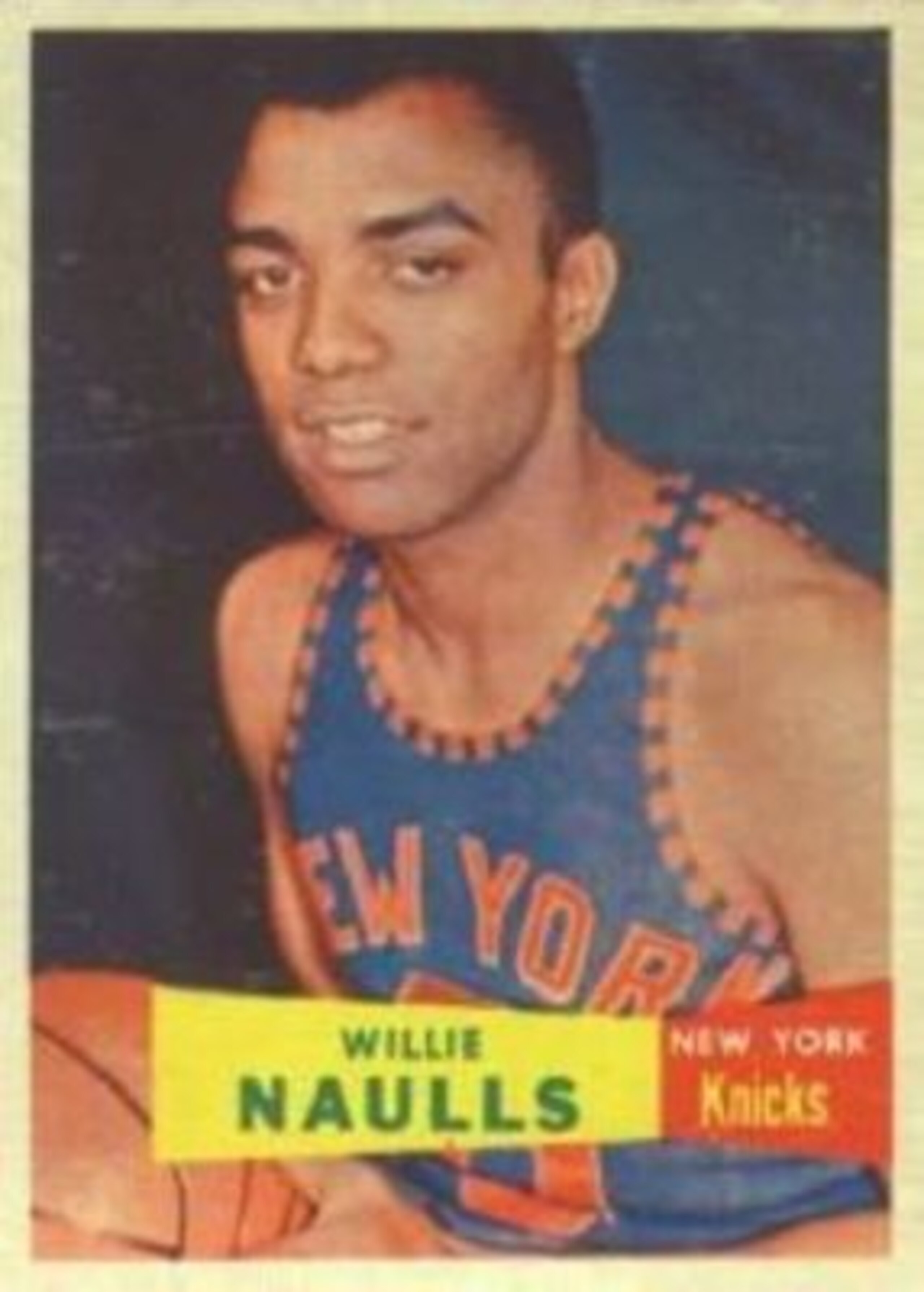
Spreading his 10-year career evenly across the '50s and '60s, Naulls ranked in the top-10 in free-throw percentage four times. His 81.2 percent career free-throw average doesn't look all that great today, but it was eight percentage points higher than the league average during his playing days.
After spending most of his first seven seasons with New York, Naulls was traded to the San Francisco Warriors and then the Boston Celtics, with whom he won three NBA Championships.
42. Sidney Moncrief
10 of 51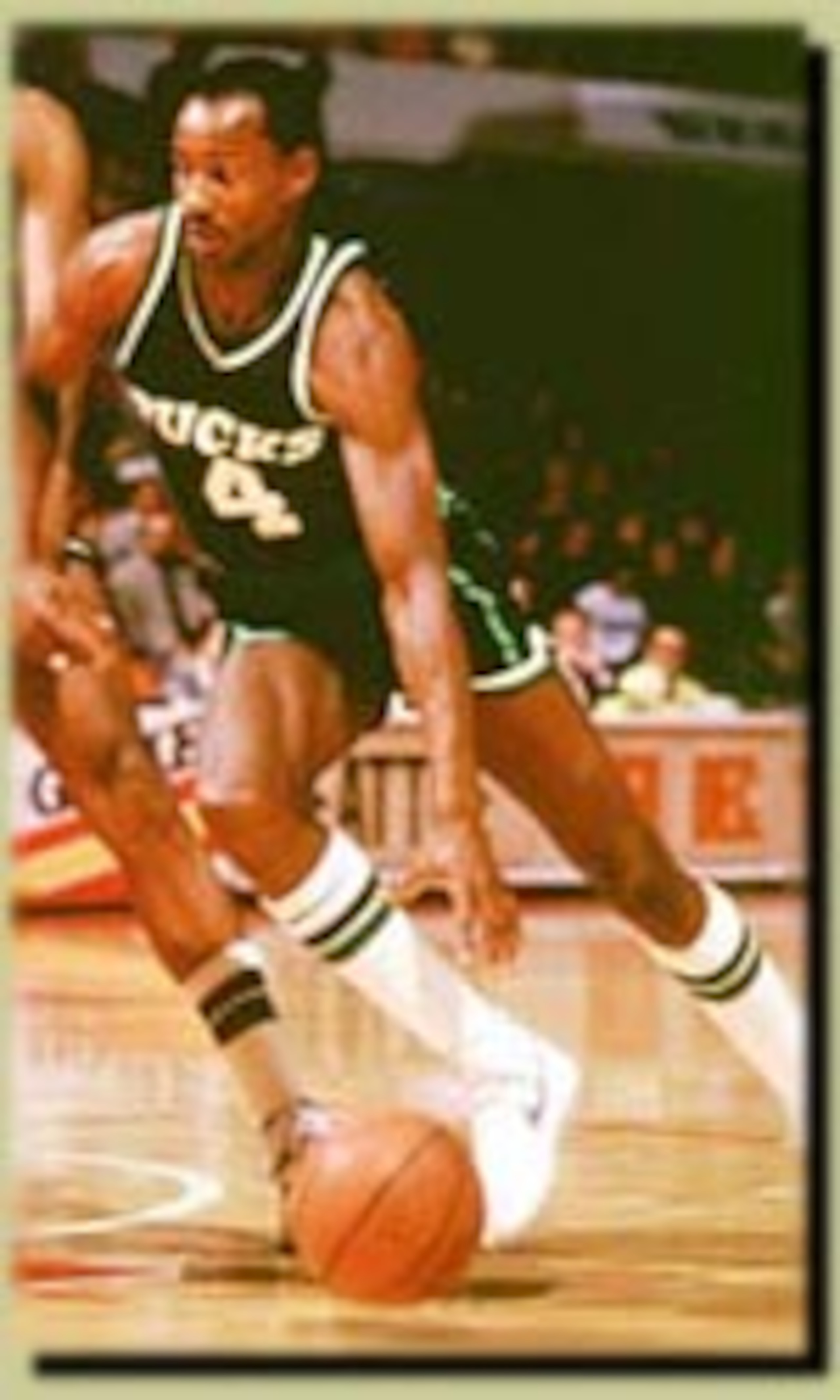
Moncrief is one of the best all-around players to ever play in the NBA.
His career 50.2 field-goal and 83.1 free-throw percentages don't lie, and he improved as a three-point shooter as his career went along.
He began his NBA journey in the 1979-80 season—the first with the three-point line—and was initially reluctant to shoot from downtown. By the end of his run, however, Moncrief was a capable long-range shooter, going over 32 percent from distance three times, a good enough number for the era he played in.
In an 11-year playing career, Moncrief made five All-Star Games and was in the top-seven in free-throw attempts four times.
41. Brent Barry
11 of 51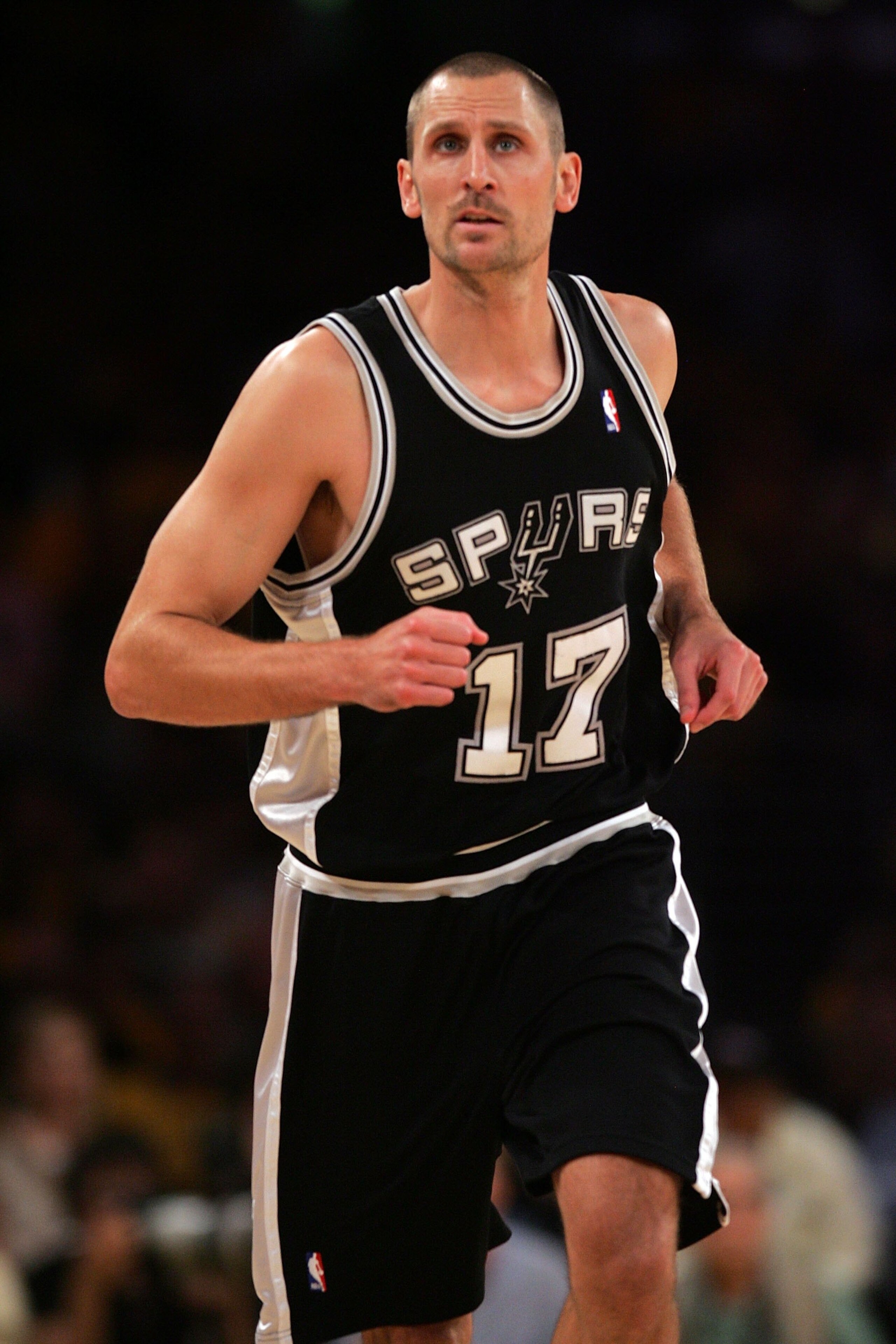
A career 40.5 percent three-point shooter, Barry led the league in that category in the 2000-01 season at 47.6 percent.
Barry shot over 40 percent on threes eight times in his career and is a lifetime 82.3 percent free-throw shooter.
Serving as a reserve for much of his career, he was one of the best at what he did and his contributions to the San Antonio Spurs helped the team win two of its NBA Championships.
Barry also had some leaping ability as he won the Slam Dunk Contest in 1996.
40. Chauncey Billups
12 of 51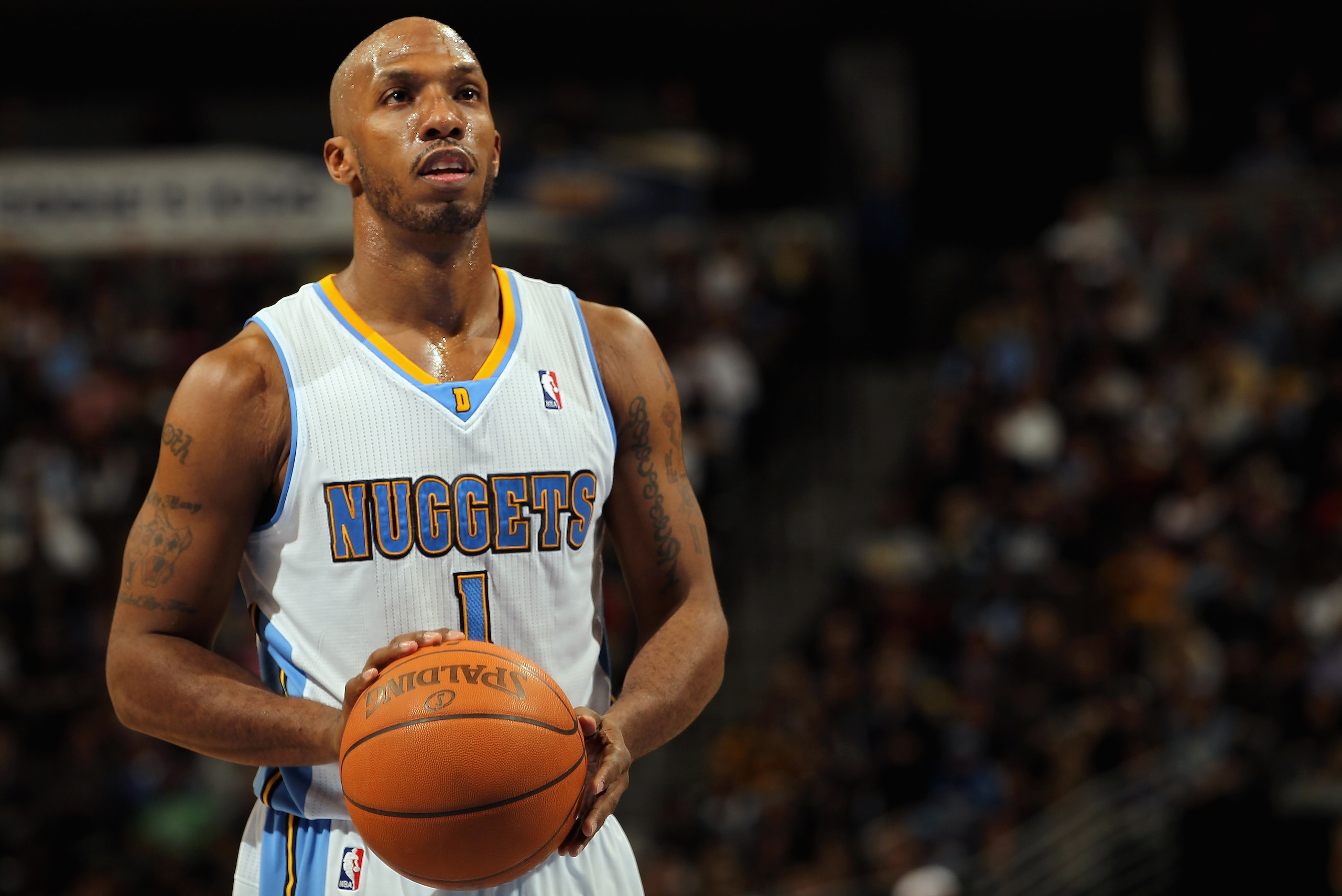
Even though "Mr. Big Shot" hasn't been able to hit many big shots recently, he is currently No. 6 all time in three-pointers made and, at 89.3 percent, is fourth all time in free-throw percentage.
Billups was named Finals MVP when he won his lone title with the Pistons in 2004, and he has been an All-Star five times.
39. James Silas
13 of 51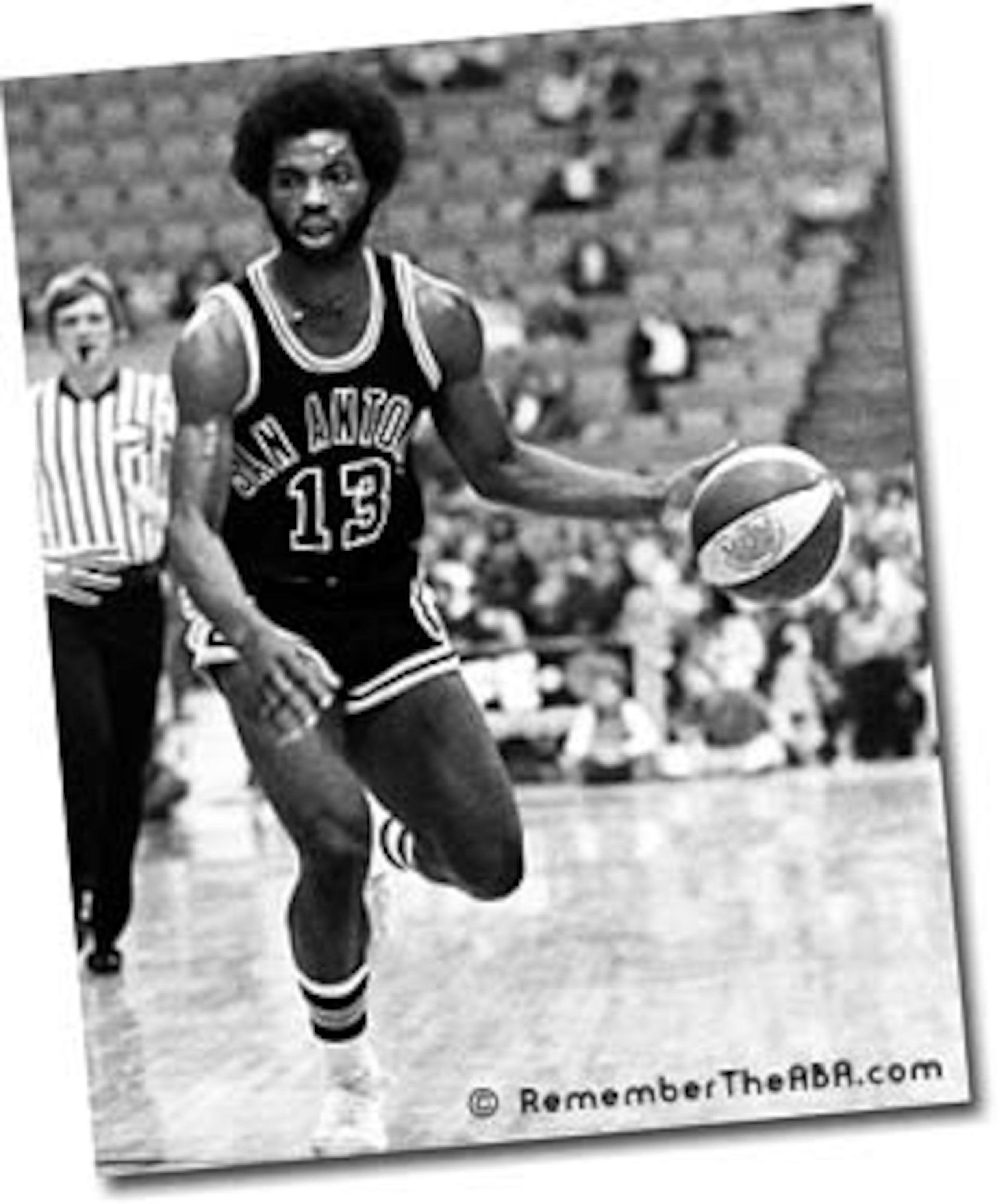
Silas spent his early years in the ABA, but was still able to be a very good shooter upon entering the NBA when he was 27.
In six NBA seasons, he shot 48.5 percent from the floor and 85.2 percent from the free-throw line, ranking in the top-10 in free-throw percentage for the 1981-82 season.
He was the first player to have his number retired by the San Antonio Spurs in 1984.
38. B.J. Armstrong
14 of 51
Winner of three NBA Championships with the Chicago Bulls, Armstrong led the league in three-point percentage for the 1992-93 season at 45.3 percent.
Playing point guard for three of Chicago's six championship teams of the '90s, Armstrong's career averages are 47.7 percent on field goals, 42.5 percent on three-point field goals and 85.6 percent on free throws.
He made one All-Star game and is 10th on the all-time three-point percentage list.
37. Dale Ellis
15 of 51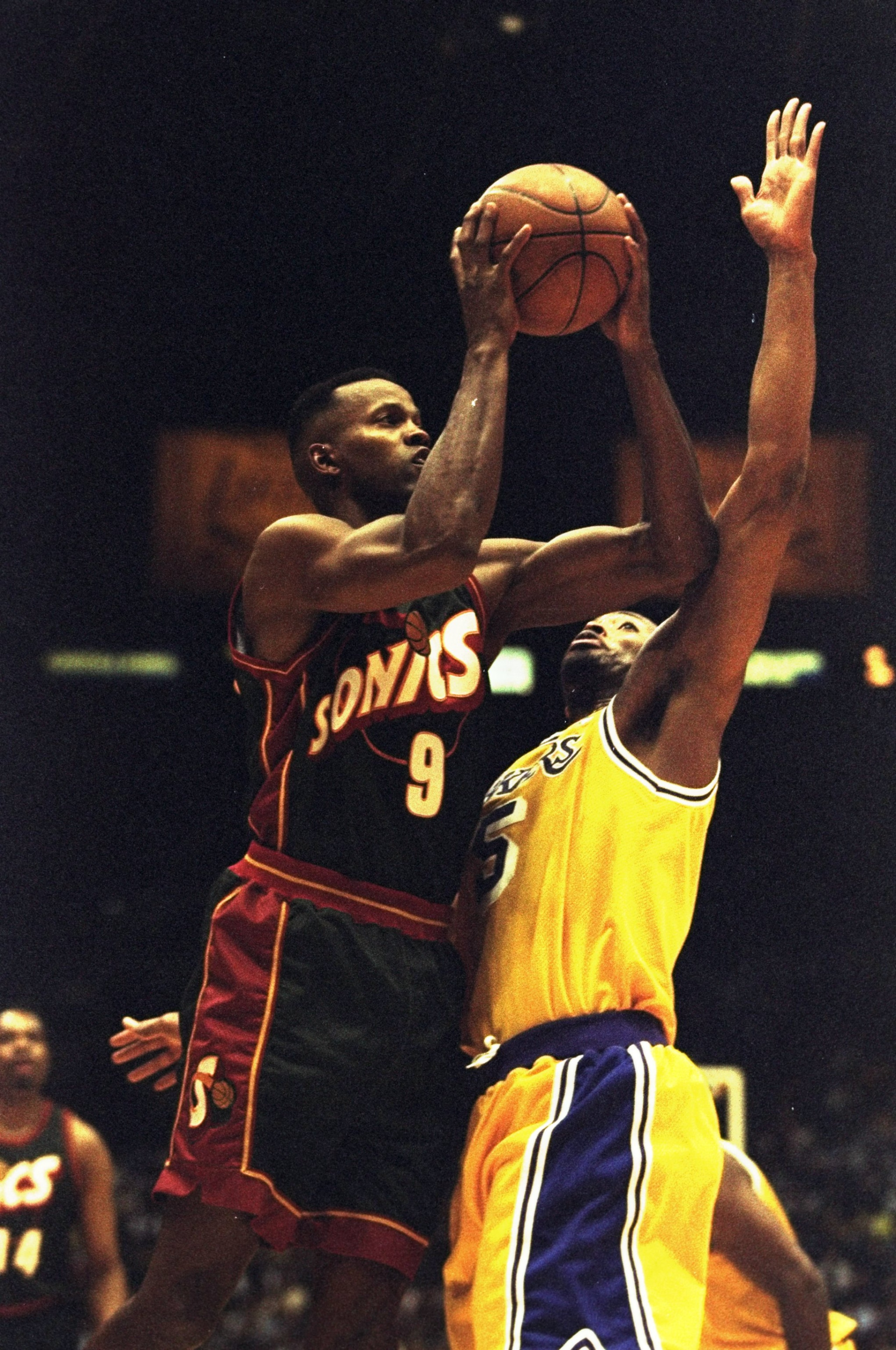
After a rather inglorious start to his career in Dallas, Ellis moved to Seattle and established himself as a deadly long-range shooter.
He would eventually play for Milwaukee, San Antonio and Denver as well, finishing his career with a three-point shooting average of 40.3 percent and a field-goal percentage of 47.9.
Surprisingly, despite being such a good shooter from distance, Ellis was quite mediocre from the line, hitting shots from the charity stripe at a rate of 78.4 percent, which knocks him down some on this list.
He posted a career-high three-point percentage of 47.8 in the 1988-89 season and led the league in three-point percentage in the 1997-98 season at 46.4 percent.
36. John Stockton
16 of 51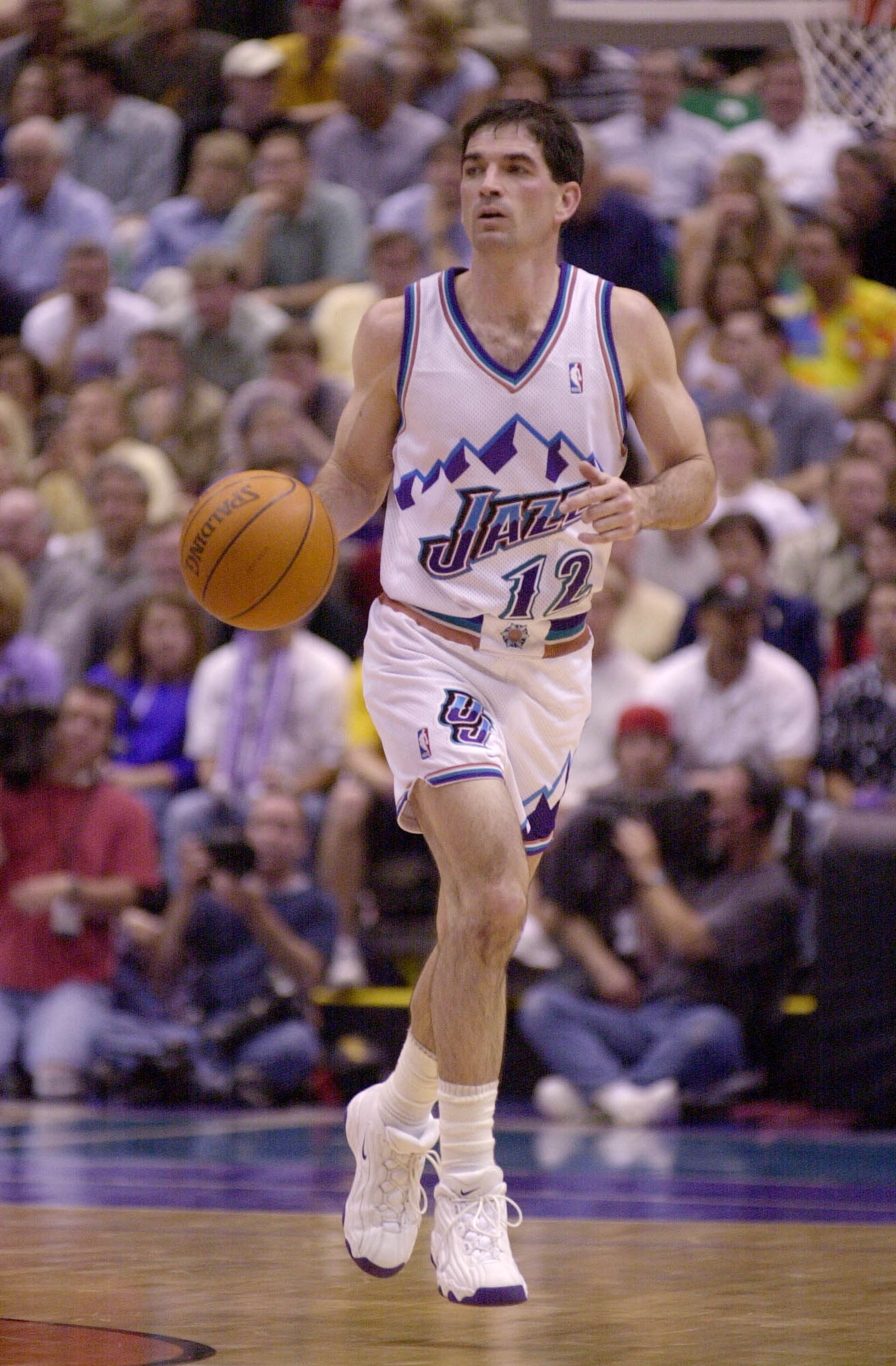
Not only was Stockton a fantastic distributor—he led the league in APG nine times—he could also hit shots at a very high rate when needed.
Over the course of a 19-year career, Stockton posted averages of 51.5 percent shooting from the field, 38.4 percent on threes and 82.6 percent from the free-throw line.
He entered the Hall of Fame in 2009.
35. Wally Szczerbiak
17 of 51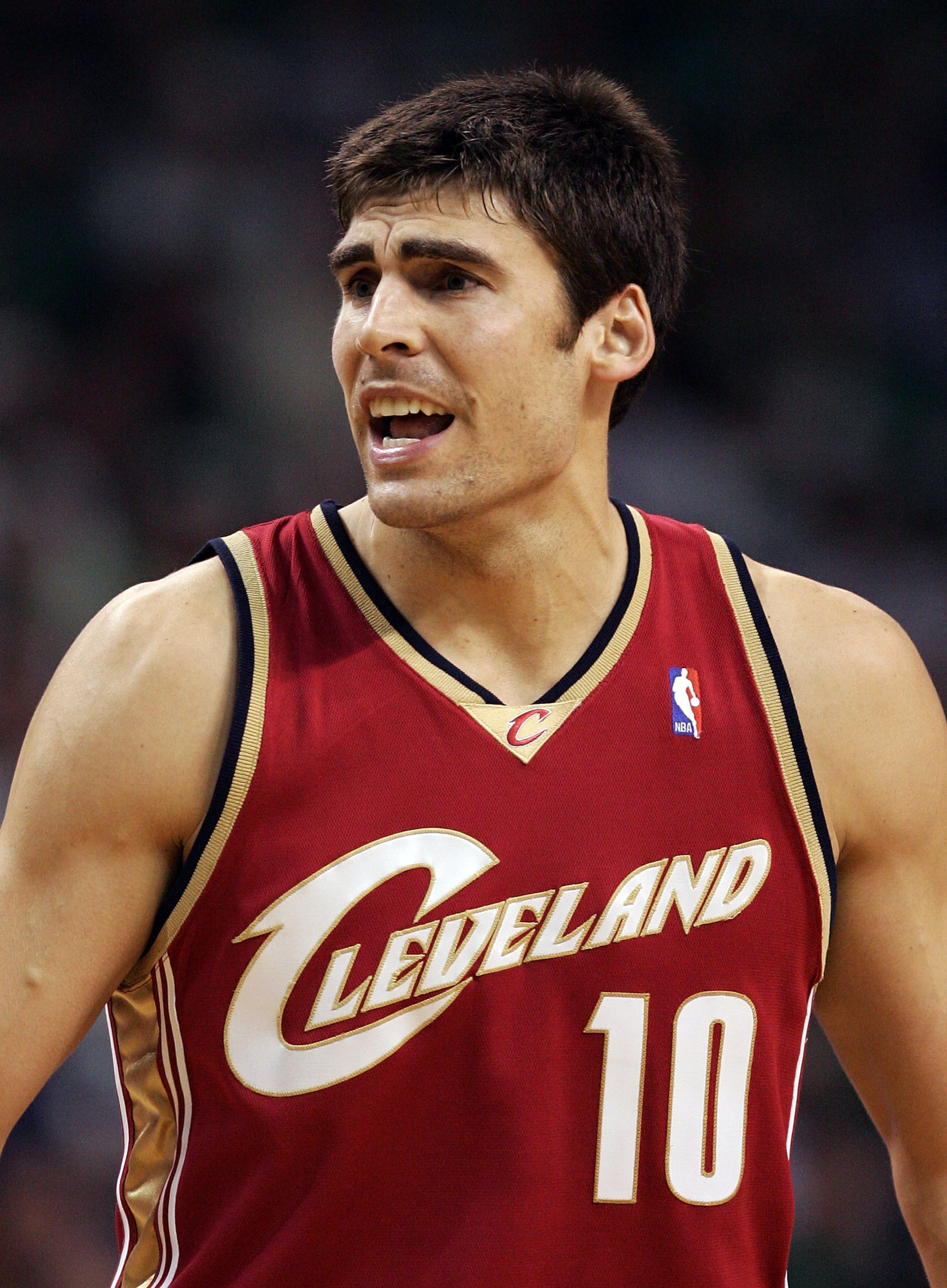
An oft-injured player during his 10-year career, Szczerbiak nonetheless was able to put up career averages of 48.5 percent from the field, 40.6 percent on threes and 86 percent from the free-throw line.
Unfortunately for him, his body did not allow him to participate in enough games to rank him higher, although the ability was certainly there.
34. Hubert Davis
18 of 51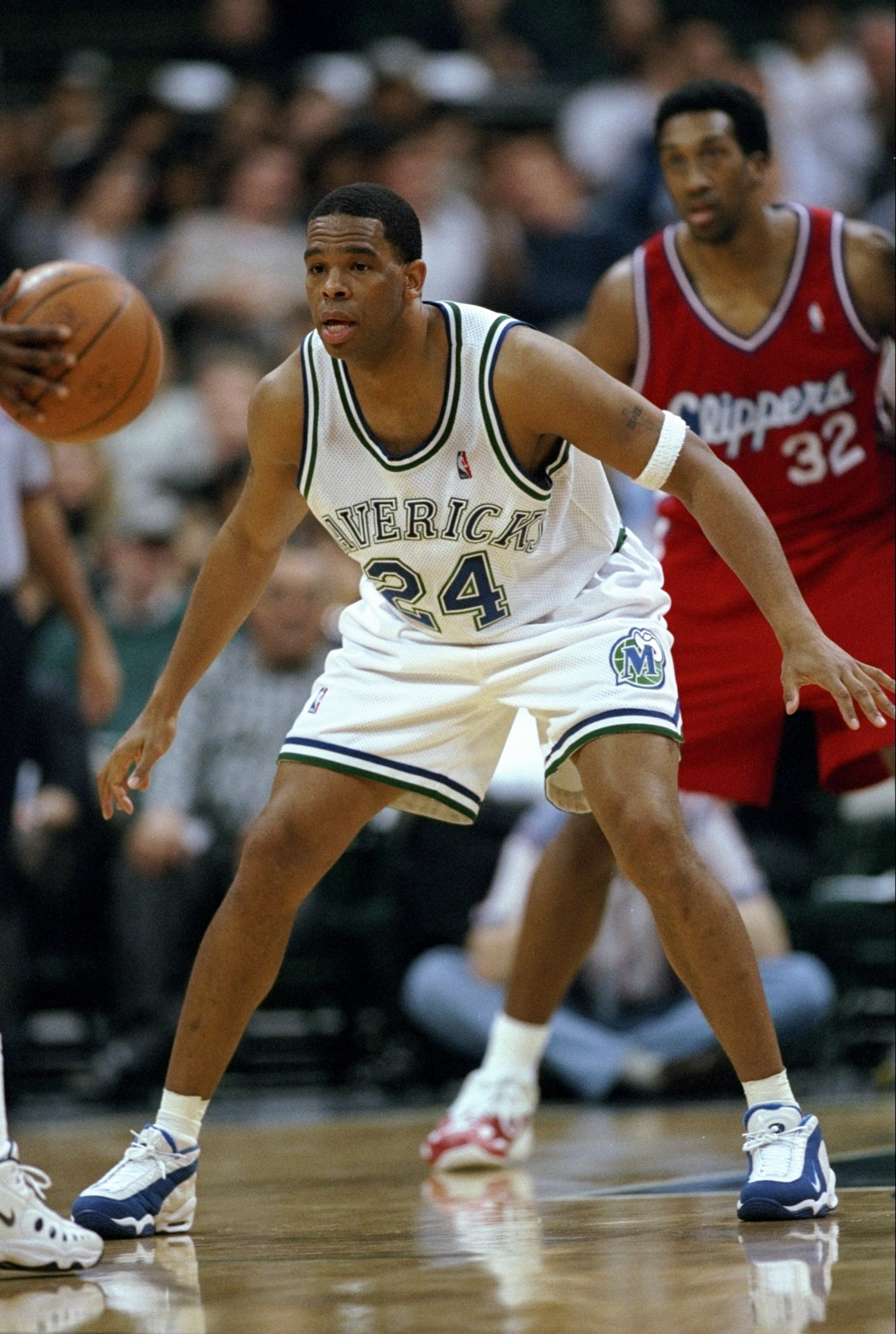
His biggest claim to fame these days is as a college analyst for ESPN, but Hubert Davis was a lights-out three-point shooter during his 12-year NBA career.
In those 12 seasons, Davis shot 45.8 percent on field goals, 44.1 percent on threes and 83.7 percent on free throws. He led the league in three-point shooting in 1999-00 at 49.1 percent and climbed above 45 percent on three-point shots six times.
33. Brian Winters
19 of 51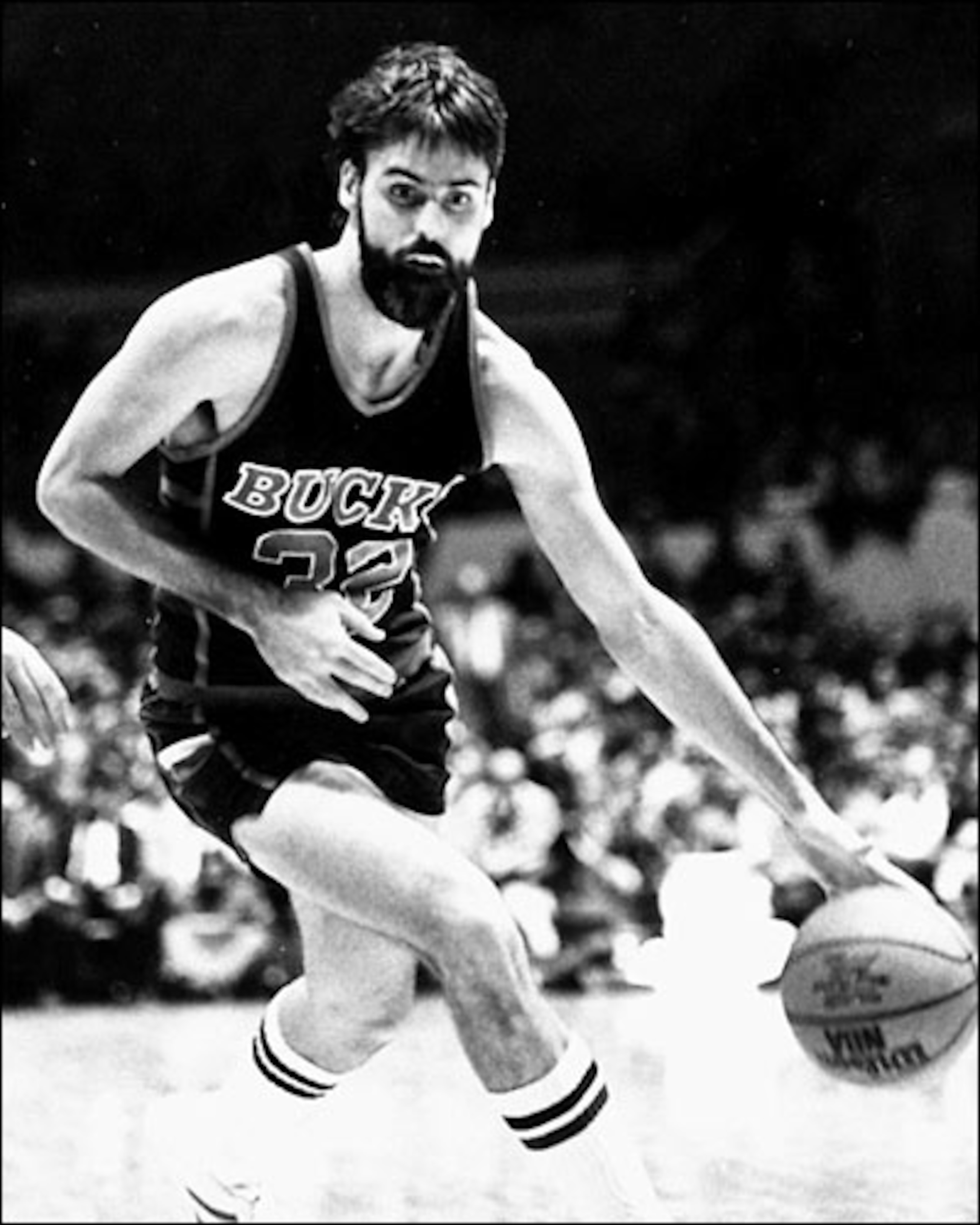
When the Milwaukee Bucks were forced to trade Kareem Abdul-Jabbar to the Los Angeles Lakers, they were fortunate to get a player the caliber of Brian Winters in return.
Winters spent eight of his nine NBA years in Milwaukee, shooting 47.5 percent from the field and 84.2 percent from the free-throw line. When the three-point line came into existence in the sixth year of his career, he quickly adapted and hit threes at a rate of 36.3 percent over the next four seasons.
The Bucks retired his No. 32 jersey soon after his retirement in 1983.
32. Byron Scott
20 of 51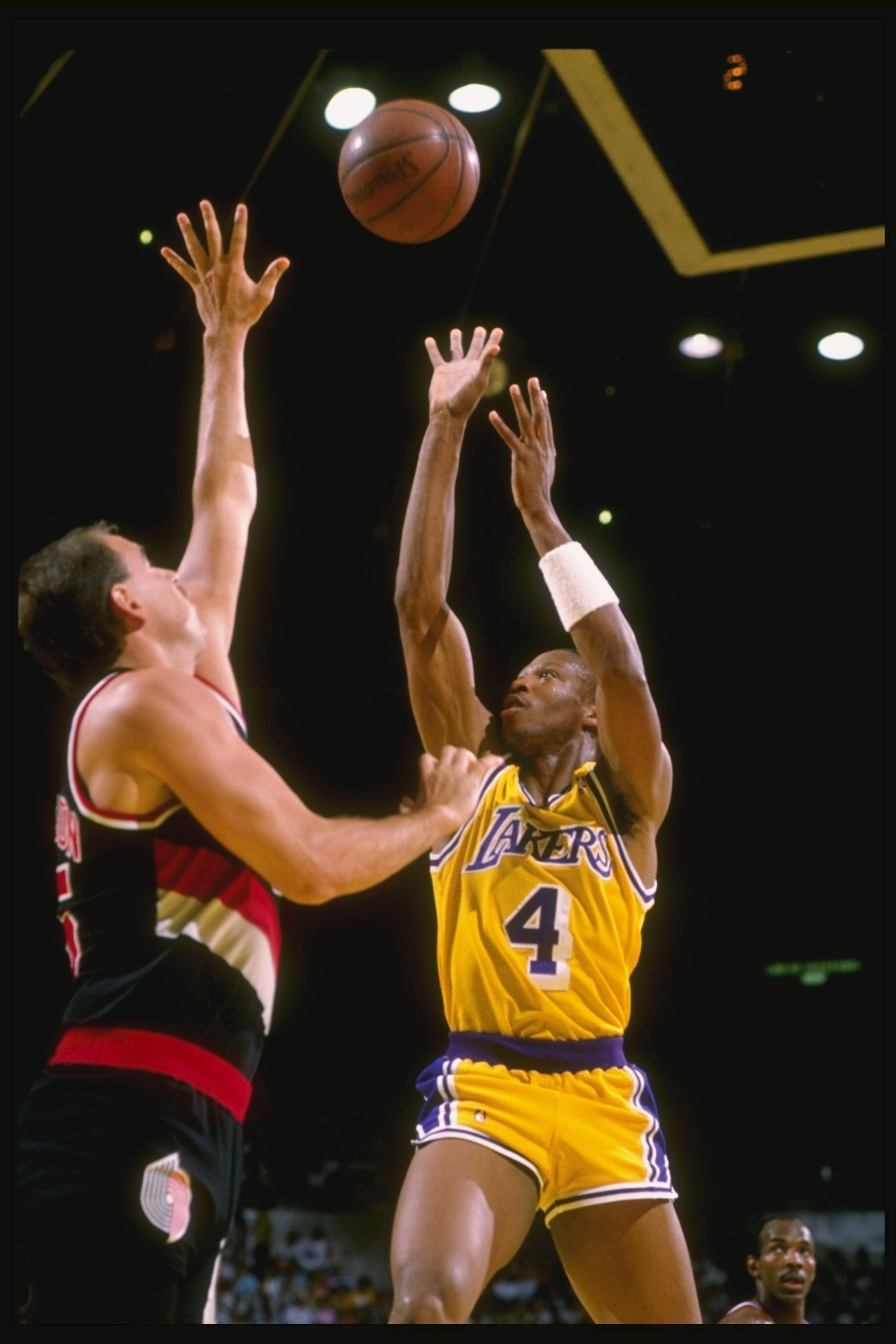
A three-time NBA champion, Scott's three-point shooting percentage of 43.3 in the 1984-85 season led the league in that category. For his career, he shot threes at 37 percent, hit his field goals at a rate of 48.2 percent and shot 83.3 percent from the free-throw line.
At the conclusion of his playing career, Scott became coach of the New Jersey Nets and led them to consecutive Finals appearances.
He has since gone on to coach the New Orleans Hornets and currently presides over the Cleveland Cavaliers.
31. Sam Jones
21 of 51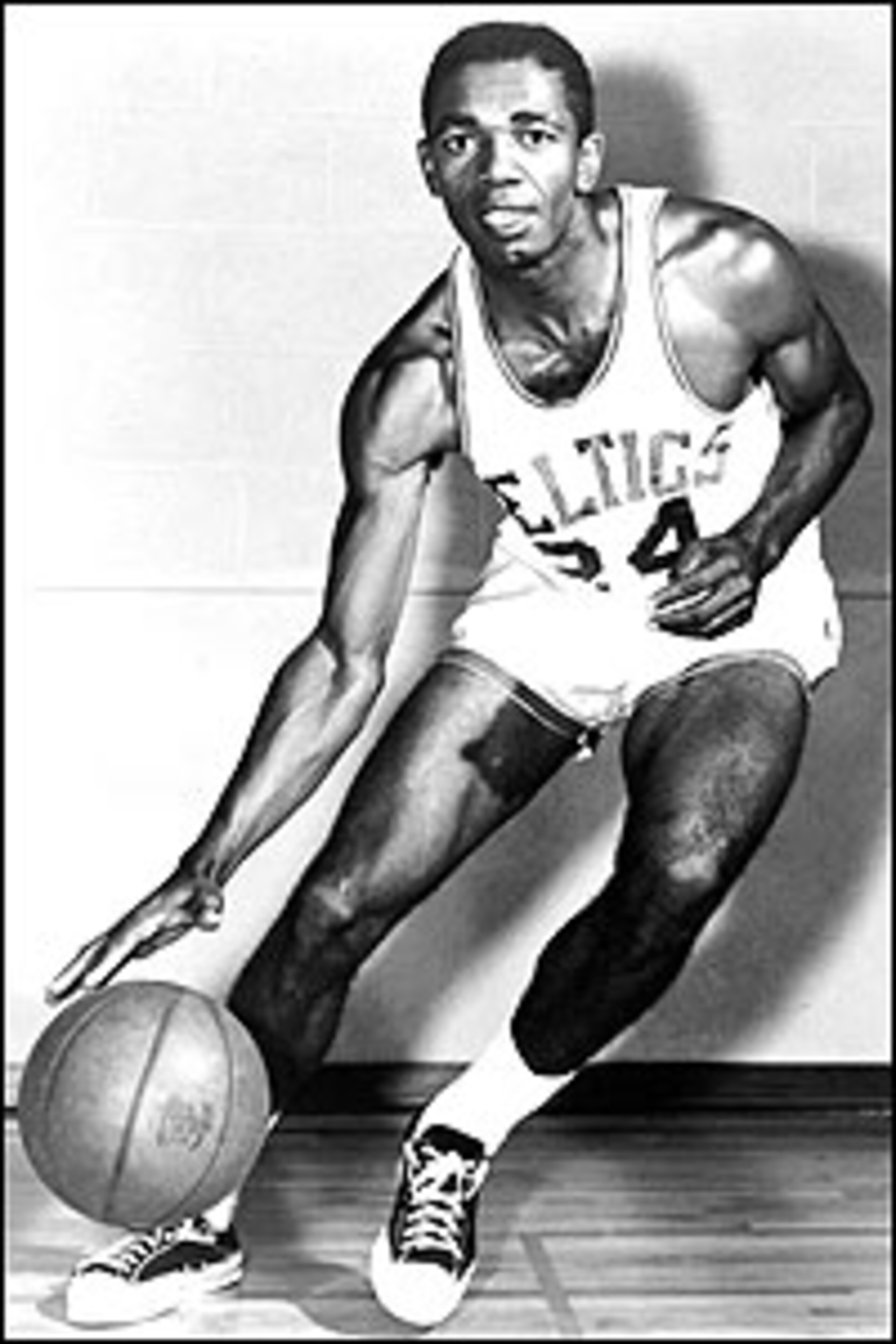
Inducted into the Hall of Fame in 1984, Jones' career field-goal and free-throw percentages of 45.6 and 80.3 were well above their 43.6 percent and 72.7 percent respective league averages.
Jones worked tirelessly on his shot when he was in high school for a simple yet unexpected reason: He couldn't make layups.
Because of his inability to hit what should be the easiest shot in the game, Jones spent his time perfecting the bank shot until he could make it at will.
Playing on the dominant team of the '60s, Jones won 10 championships with the Boston Celtics.
30. Lou Hudson
22 of 51
Hudson's 48.9 career field-goal percentage is fantastic, but it doesn't even begin to tell the whole story.
Hudson shot over 50 percent from the floor four times in his career, doing so while averaging at least 20 shots per game twice. He was a career 79.7 percent shooter from the free-throw line and scored 21.9 or more PPG seven times in his career.
By themselves, those numbers are very impressive, and would have likely been even greater had the three-point line been available to him.
29. Walter Davis
23 of 51
The 1978 Rookie of the Year, Davis ranked in the top-10 in field-goal and free-throw percentage three times.
Known as "The Man with the Velvet Touch," Davis averaged 18.9 PPG for his career, a number that would likely have been much higher if not for back and drug issues that plagued him during his playing years.
For his career, he shot 51.1 percent from the field and 85.1 percent from the line. He remains Phoenix's all-time leading scorer.
28. Anthony Morrow
24 of 51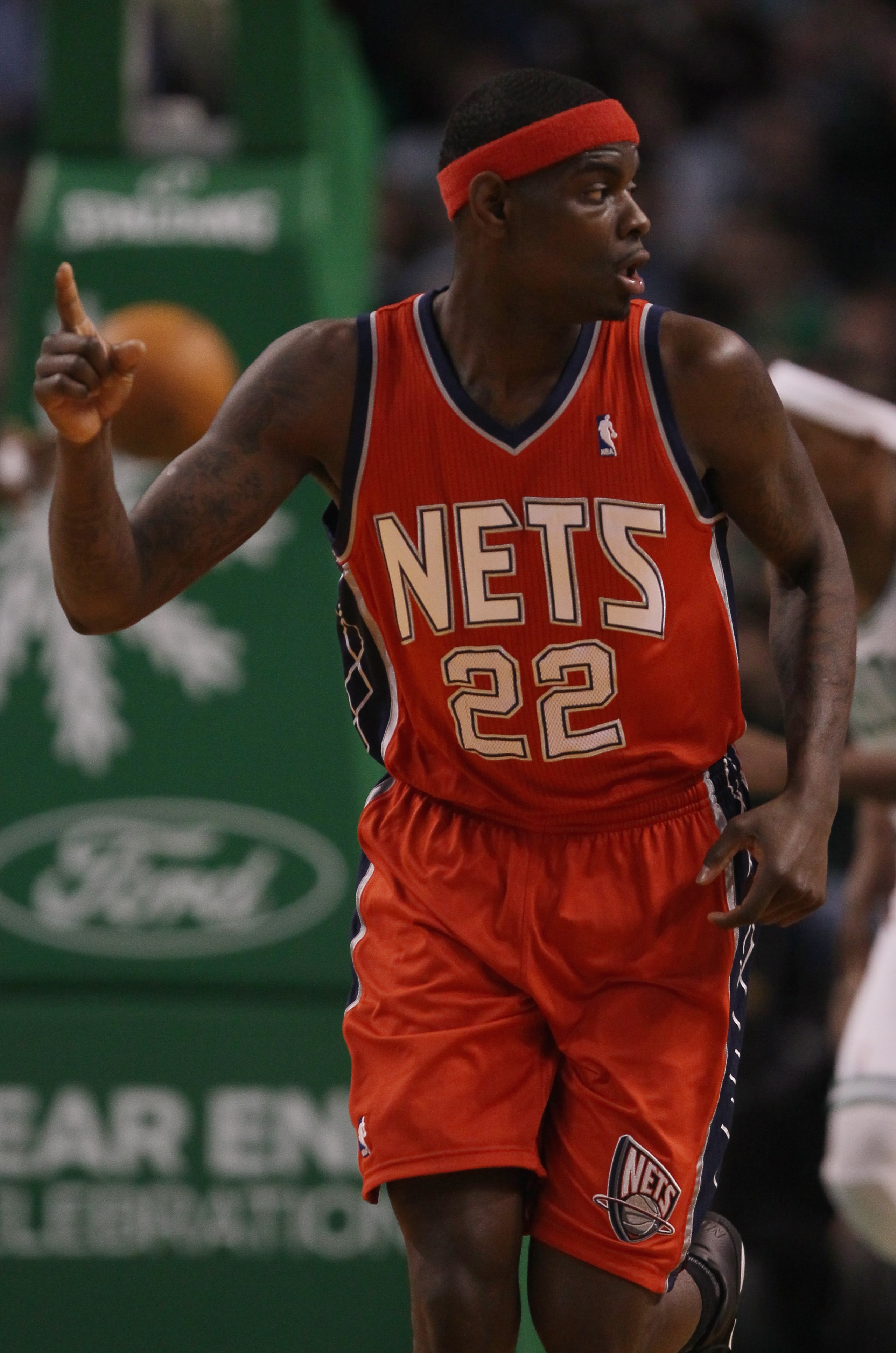
Morrow has spent the 2009-10 season jostling with Steve Kerr on the all-time three-point field-goal percentage list. He'll make a few threes one night and jump up to No. 1, then go cold for the next game and fall back to No. 2.
Still, Morrow is one of the best shooters in the game today, and if he can sustain his percentages of 47.1 from the floor, 45.4 on threes and 88.4 from the line, he will skyrocket up this list.
There is reason for concern with the Georgia Tech product, however, as he is currently hitting threes at a career-low 43.6 percent. He is either due to explode for the rest of this season or next, or his first two years in the league will be proven to be a fluke.
Only time will tell.
27. Joe Dumars
25 of 51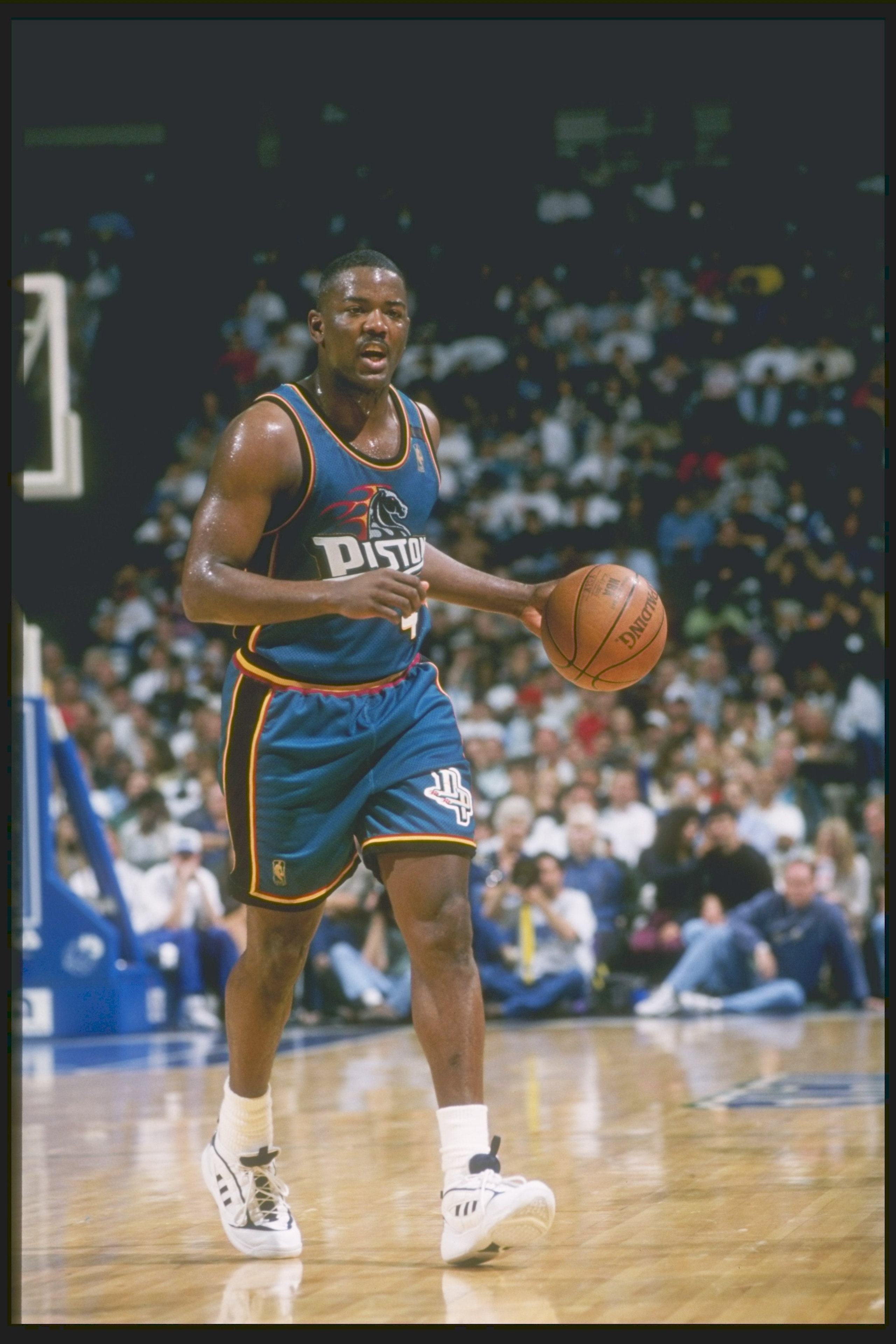
A six-time All-Star and two-time NBA champion, Dumars is Detroit's all-time leader in three-point makes and attempts.
In a 14-year playing career, Dumars shot 46 percent from the field, 38.2 percent on threes and hit 84.3 percent of his foul shots.
He is also second all-time in scoring for the Pistons and was inducted into the Hall of Fame in 2006.
26. George Gervin
26 of 51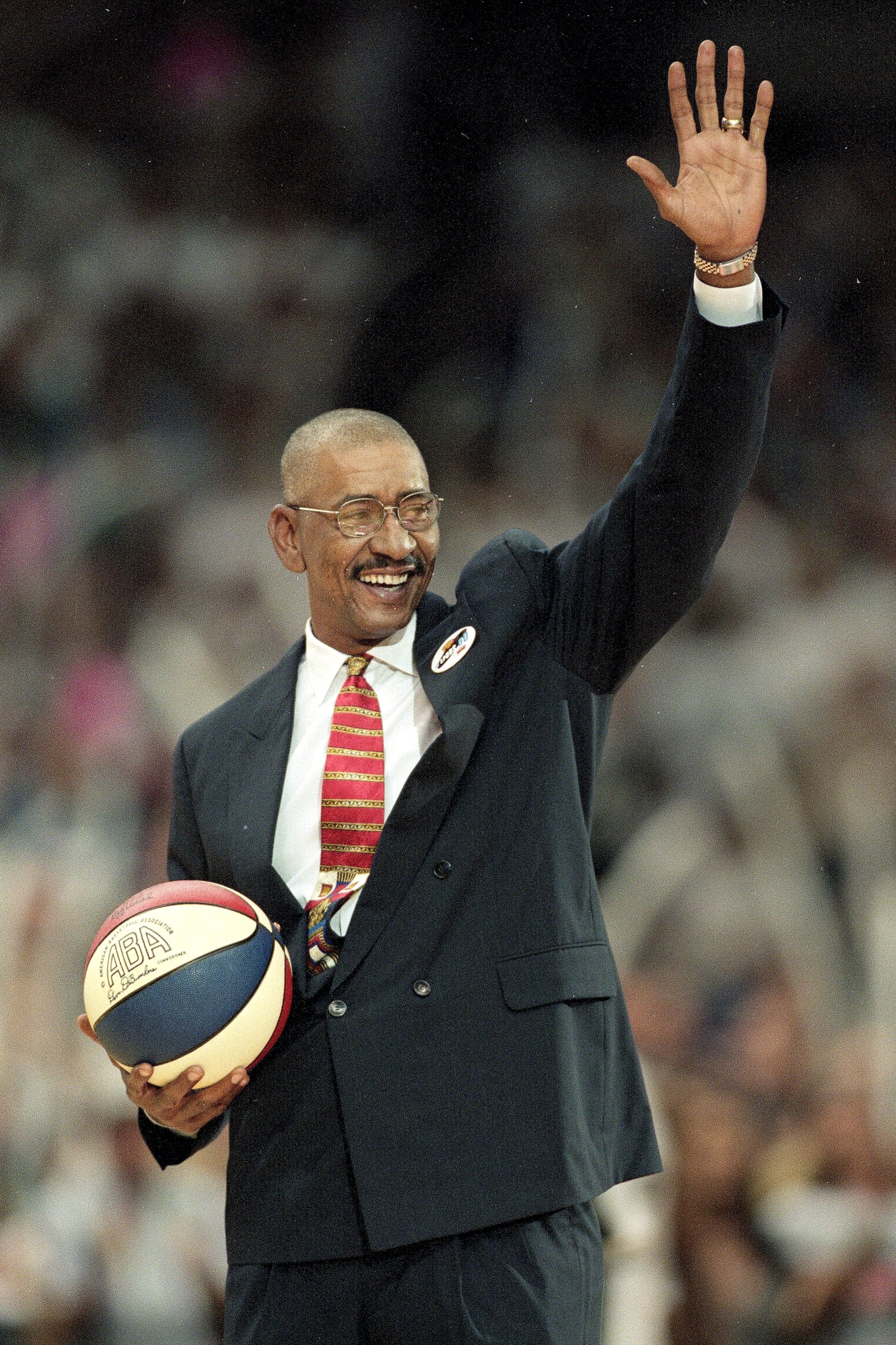
A 1996 Hall of Fame inductee, Gervin led the NBA in field goals made four times and field-goal attempts three times.
"The Iceman" didn't shoot the three often, but his 29.7 percent career three-point shooting average was good for its time. A truer measure of his shooting ability can be seen in his career field-goal and free-throw percentages of 51.1 and 84.4.
He averaged 26.2 PPG and led the league in scoring four times.
25. Allan Houston
27 of 51
Dubbed "H20" to acknowledge his jump shot as being "smooth as water," Houston ranks 27th on the all-time three-point shooting percentage list.
In a 12-year career that saw him spend time in Detroit and New York, Houston posted a field-goal percentage of 44.4, a three-point percentage of 40.2 and a free-throw percentage of 86.3.
Houston would likely have been able to climb higher up the ranks in many statistical categories had a knee injury not forced him into early retirement.
Even so, he is second on New York's all-time three-point field goals list, just barely behind John Starks.
24. Dana Barros
28 of 51
Named the NBA's Most Improved Player for the 1994-95 season, Barros became one of the deadliest three-point shooters around before that, leading the league in three-point percentage in the 1991-92 season.
For his career, Barros shot 41.1 percent on threes, 46 percent from the field and 85.8 percent from the free-throw line.
His career-high 46.4 three-point percentage came in his Most Improved season and he is 16th all-time in three-point percentage.
23. Glen Rice
29 of 51
Although weight and knee issues brought down Rice's averages towards the end of his career, he was still able to post a 40-percent career three-point percentage to go along with career averages of 45.6 percent from the floor and 84.6 percent at the free-throw line.
He also led the league in three-point percentage for the 1996-97 season at 47 percent, the same season he led the league in minutes played.
He is ninth all-time on the career three-point field goals list.
22. Oscar Robertson
30 of 51
The definition of an all-around player, "The Big O" remains the only player in NBA history to average a triple-double for a season, which he did in just his second year in the league.
In terms of just shooting, Robertson led the league in free-throw percentage twice and finished his career with averages of 48.5 percent from the field and 83.8 percent from the line.
He is third all-time in free throws made, won the MVP award in 1964, won a title in 1971 and was inducted into the Hall of Fame in 1980.
21. Dolph Schayes
31 of 51
Like many of the players on this list, Schayes was a bit ahead of his time. At 6'7" he was one of the taller players in the league during his career, yet he was able to step outside and hit shots from distance like the smaller guards would.
Playing in the '50s, Schayes' career field-goal percentage of 38 was about average. Where he really stood out was the free-throw line, where he knocked down his attempts at a rate of 84.9 percent.
Even that does not do his stroke justice, however, as he led the league in free-throw percentage three times, posting marks of 90.4, 89.3 and 89.7 percent.
He was inducted into the Hall of Fame in 1973.
20. Drazen Petrovic
32 of 51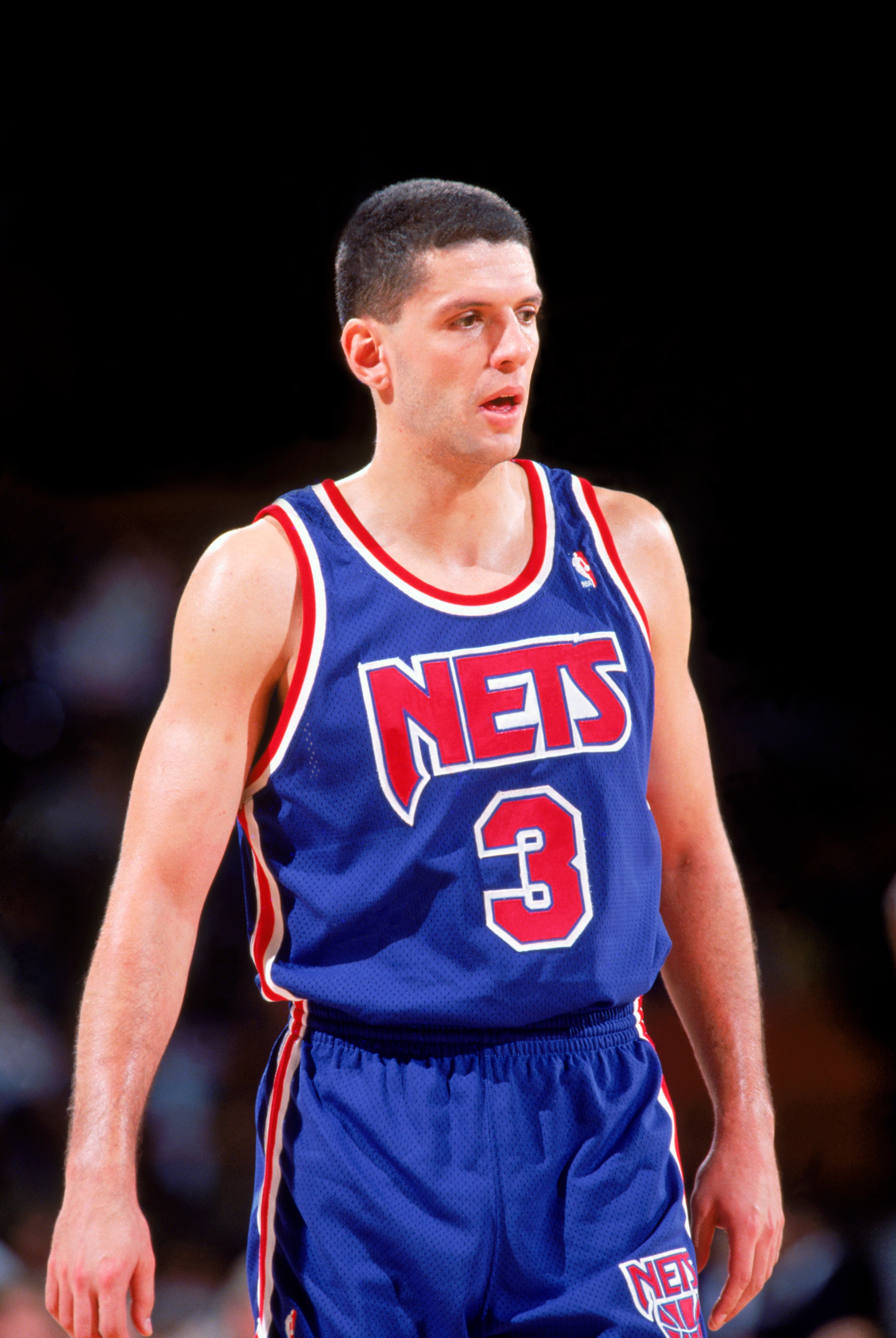
It is not very often that someone plays in just four NBA seasons and still makes the Hall of Fame, but Drazen Petrovic was able to do so.
In his short career, Petrovic hit 50.6 percent of his field-goal attempts, shot 43.7 percent on threes and hit free throws at a rate of 84.1 percent.
At the age of 28, Petrovic was sadly killed in a car crash in Germany. His talent was great enough that he was able to make a lasting impact on the game and he helped pave the way for European players to make it in the NBA.
His relationship with Vlade Divac and brief career were explored in the recent documentary Once Brothers.
19. Jeff Hornacek
33 of 51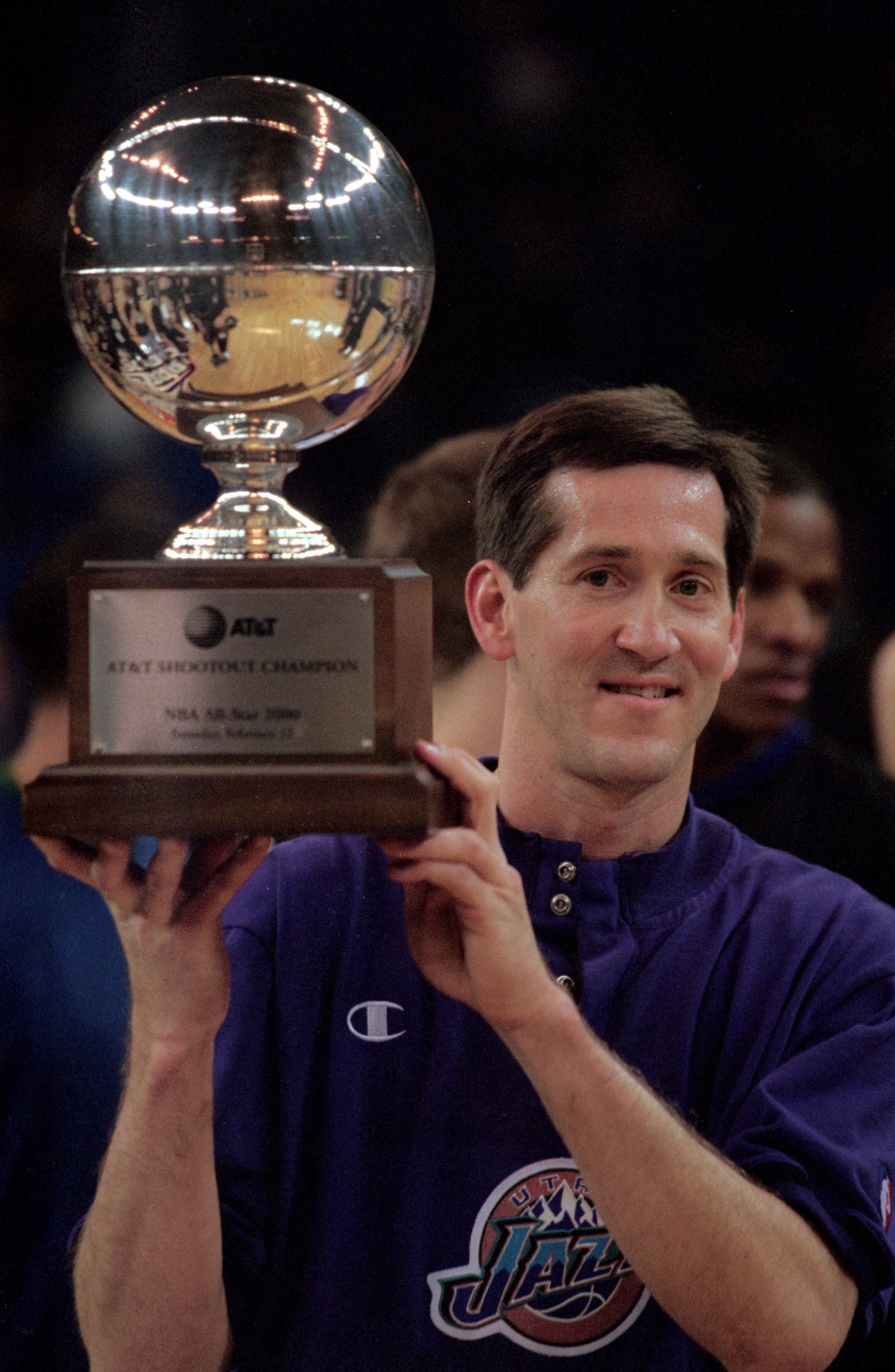
A two-time winner of the annual Three-Point Shootout, Jeff Hornacek ended his remarkable shooting career in 2000.
Over his 14 years in the league, Hornacek shot 49.6 percent from the field, 40.3 percent on threes and 87.7 percent on free throws—leading the league in the final category in his last season.
The shooting guard currently ranks No. 13 overall in career free-throw percentage and No. 24 in career three-point percentage. He likely would have added a championship or two to his resume if not for Michael Jordan and those pesky Bulls.
18. Hersey Hawkins
34 of 51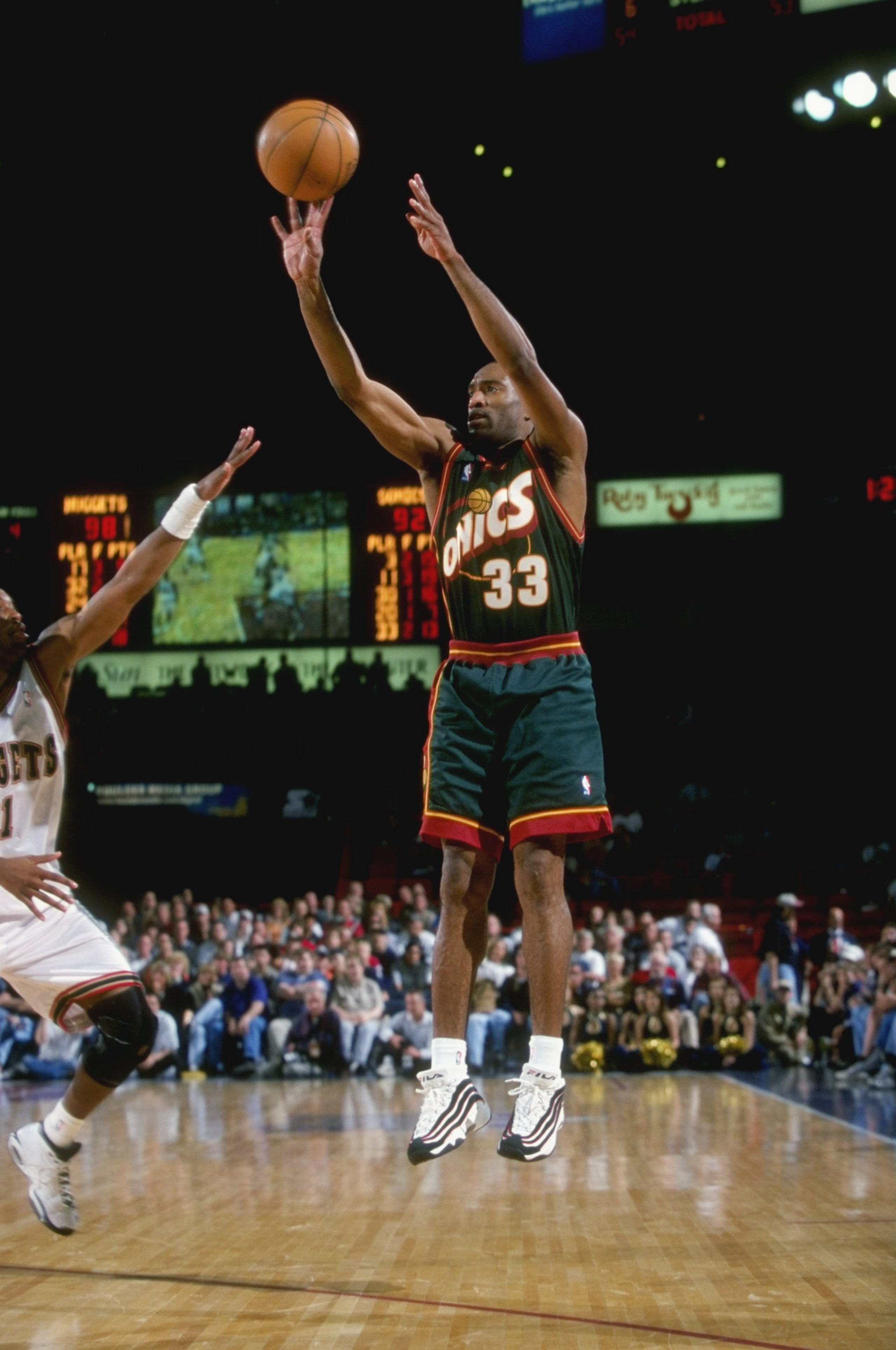
Hawkins was a very good outside shooter used as a complementary piece throughout his 13-year career.
He led the league in games played five times and posted career averages of 46.1 percent from the field, 39.4 percent on threes and 87.0 percent from the line.
Hawkins made the All-Star team one time and is currently No. 22 overall in career free-throw percentage.
17. Paul Arizin
35 of 51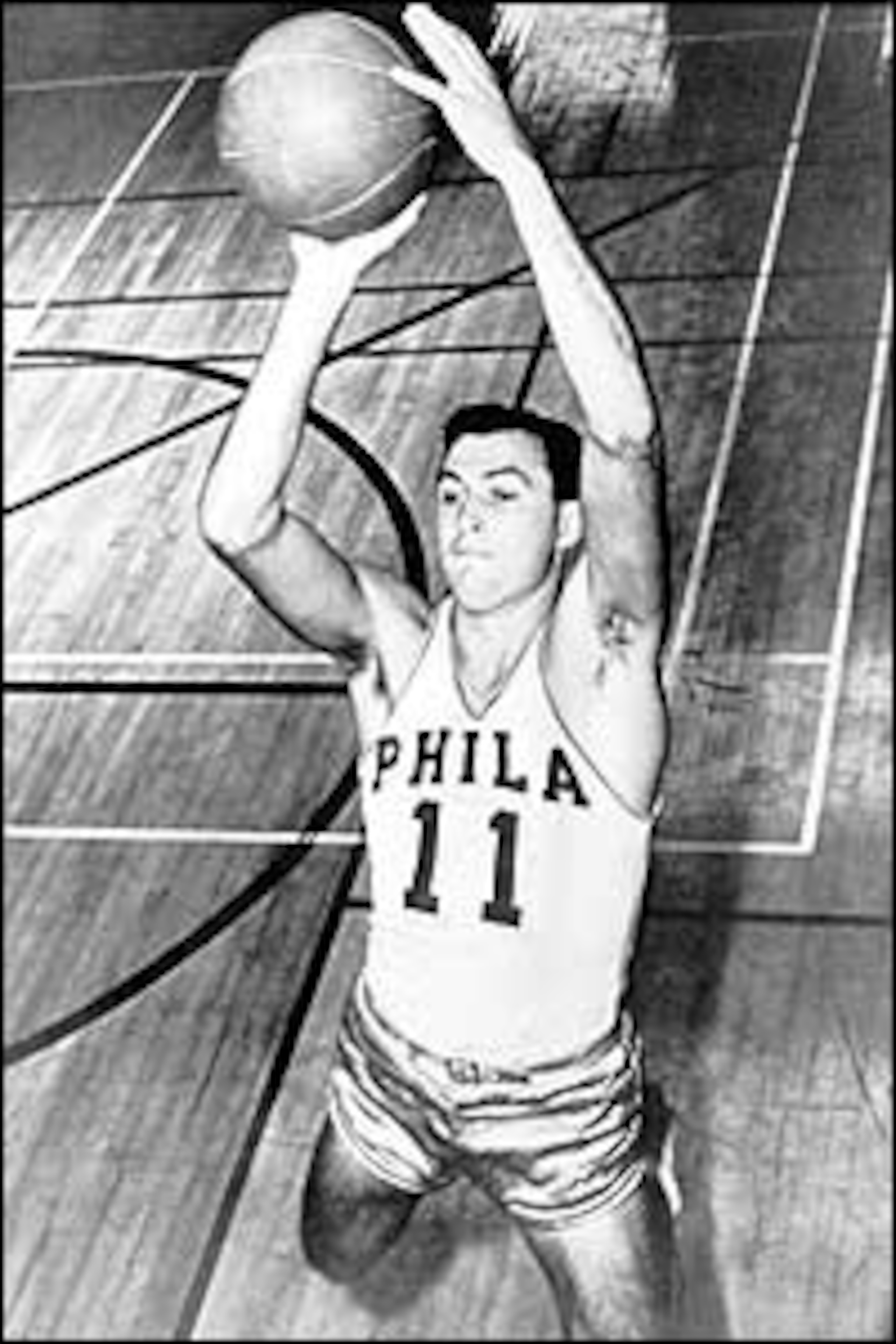
Arizin was one of the first players to master the jump shot. Using this to his advantage, he led the league in scoring and field-goal percentage in just his second pro year.
He would again lead the league in scoring in his fifth season, finishing with a career average of 22.8 PPG to go along with a 42.1 field-goal percentage. He also shot 81 percent from the line.
Arizin spent the bulk of his career playing in the '50s, when the average field-goal percentage was 38.2 and the average free-throw percentage was 73.7, making him a player who was truly ahead of his time.
He was inducted into the Hall of Fame in 1978.
16. Fred Brown
36 of 51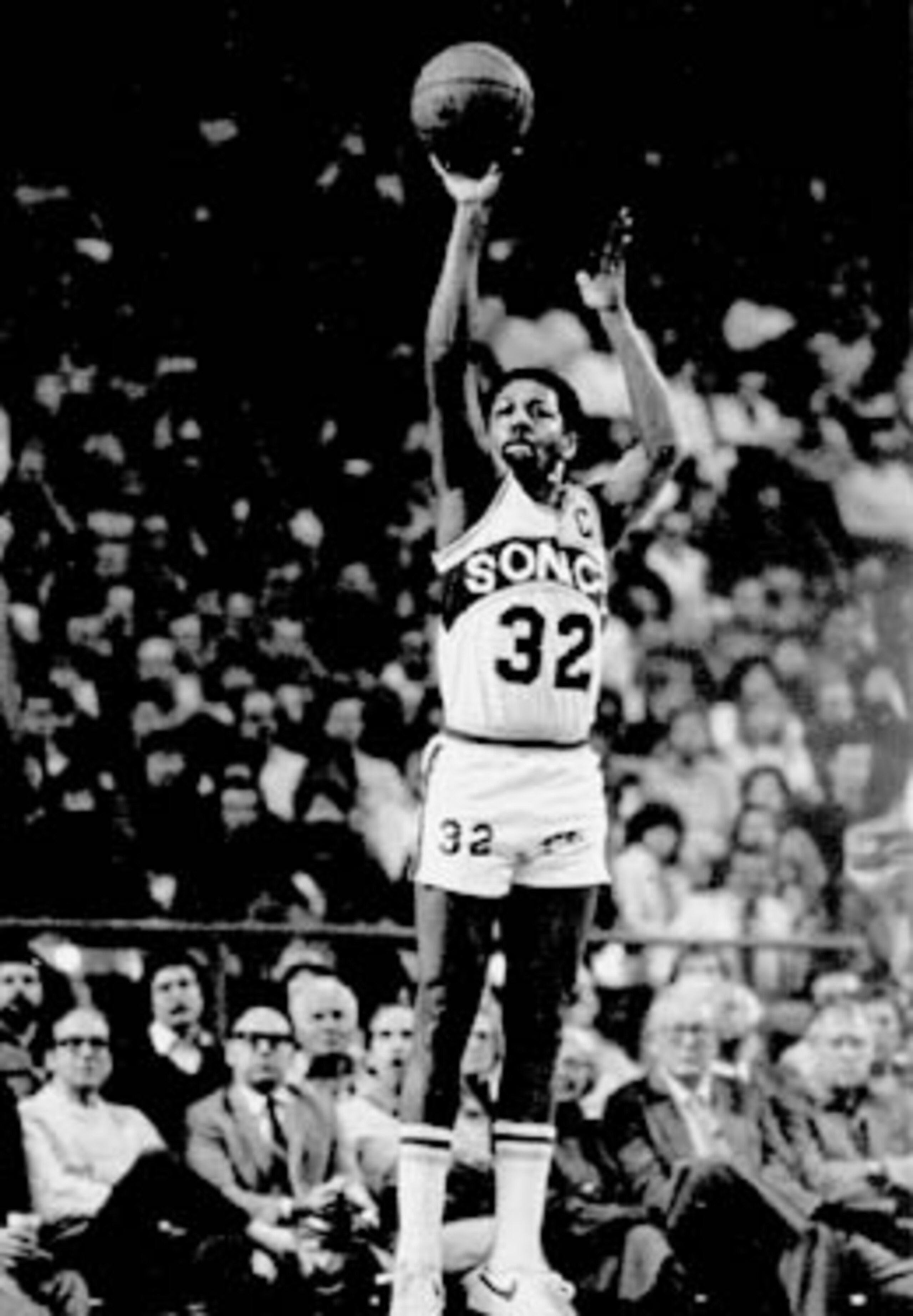
The league leader in three-point field goal percentage in the line's first year of existence at 44.3 pecent, Brown would go on to hit 37.3 percent of his three-point tries in his 13-year career.
He also had career averages of 47.8 percent from the field and 85.8 percent at the free-throw line.
At the time of his retirement following the 1983-84 season, Brown was Seattle's all-time leader in games played, points scored, field goals and free throws.
The team retired his No. 32 jersey in 1986.
15. Jerry West
37 of 51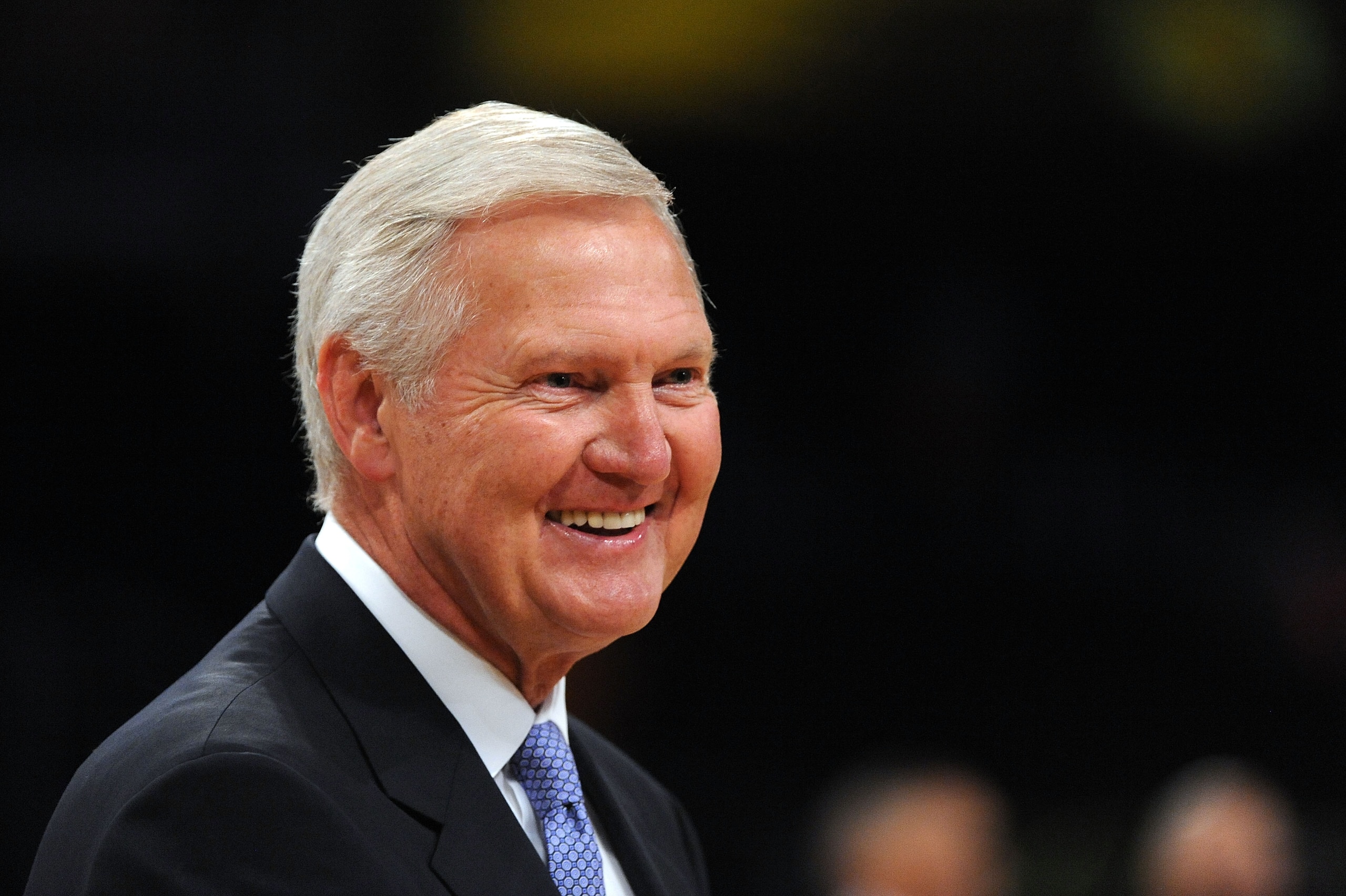
With career shooting averages of 47.4 percent from the field and 81.4 percent from the line, it's pretty obvious why Jerry West is the man the NBA chose to model its logo after.
Among his accomplishments, West won the Finals MVP award despite losing the series in 1969, won an NBA Championship in 1972, was selected as an All-Star 14 times and was inducted into the Hall of Fame in 1980.
He also led the league in scoring for the 1969-70 season with 31.2 PPG and led the league in free throws and free-throw attempts twice.
14. Bill Sharman
38 of 51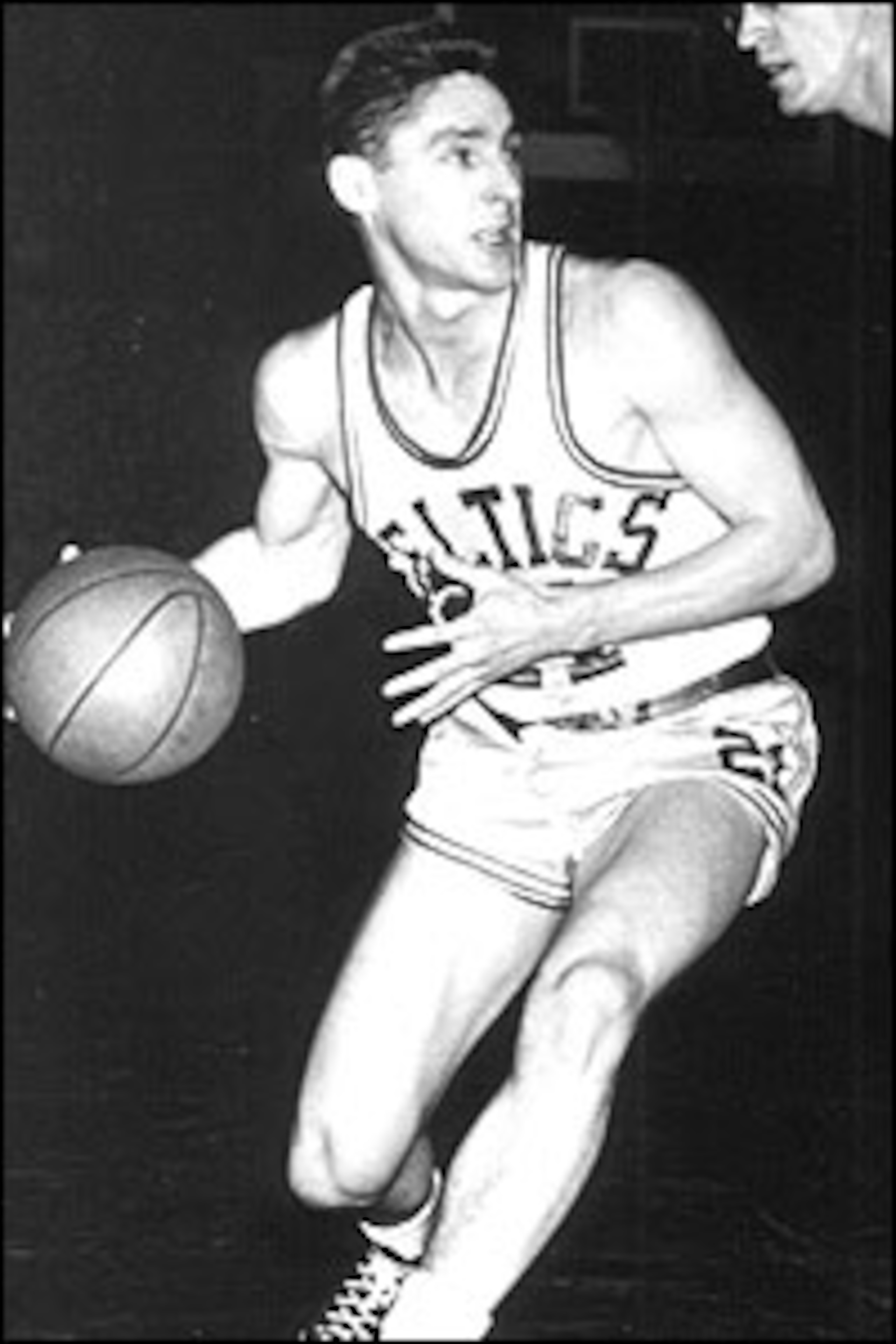
A Hall of Fame inductee, Sharman began his playing career in 1950 with the Washington Capitols before being dealt to the Boston Celtics prior to the 1951-52 season.
Upon making the move to Boston, Sharman became one of the first guards to push his field-goal percentage above 40 percent (his career number is 42.6 percent) and he would eventually lead the league in free-throw percentage seven times.
For a bit of perspective on how great he was, consider that Sharman's career 88.3 free-throw percentage still ranks 11th all-time. Then remember that the average free-throw percentage during his playing years was around 73.7 percent.
13. Steve Kerr
39 of 51
His lack of attempts from beyond the three-point line brings his ranking down a bit, but Kerr was incredibly accurate on his shots whenever called upon.
Kerr led the league in three-point percentage twice during his career and owns a career three-point percentage of 45.4, good for No. 2 in league history.
He also knocked down his free throws at an 86.4 percent clip and his field-goal percentage of 47.9 is very good.
Kerr won five titles in his 15 years as a pro, ranking in the top-five in three-point field-goal percentage six times.
12. Peja Stojakovic
40 of 51
The No. 2 active player in career free-throw percentage, Stojakovic began his career in 1998 with the Sacramento Kings.
He struggled some in his rookie year, but would go on to become one of the best three-point and free-throw shooters in the game.
For his career, Stojakovic has averages of 45.0 percent from the field, 40.0 percent on threes and 89.4 percent at the line.
He was tops in the league in free-throw percentage twice and led the pros in three-pointers made once.
11. Michael Jordan
41 of 51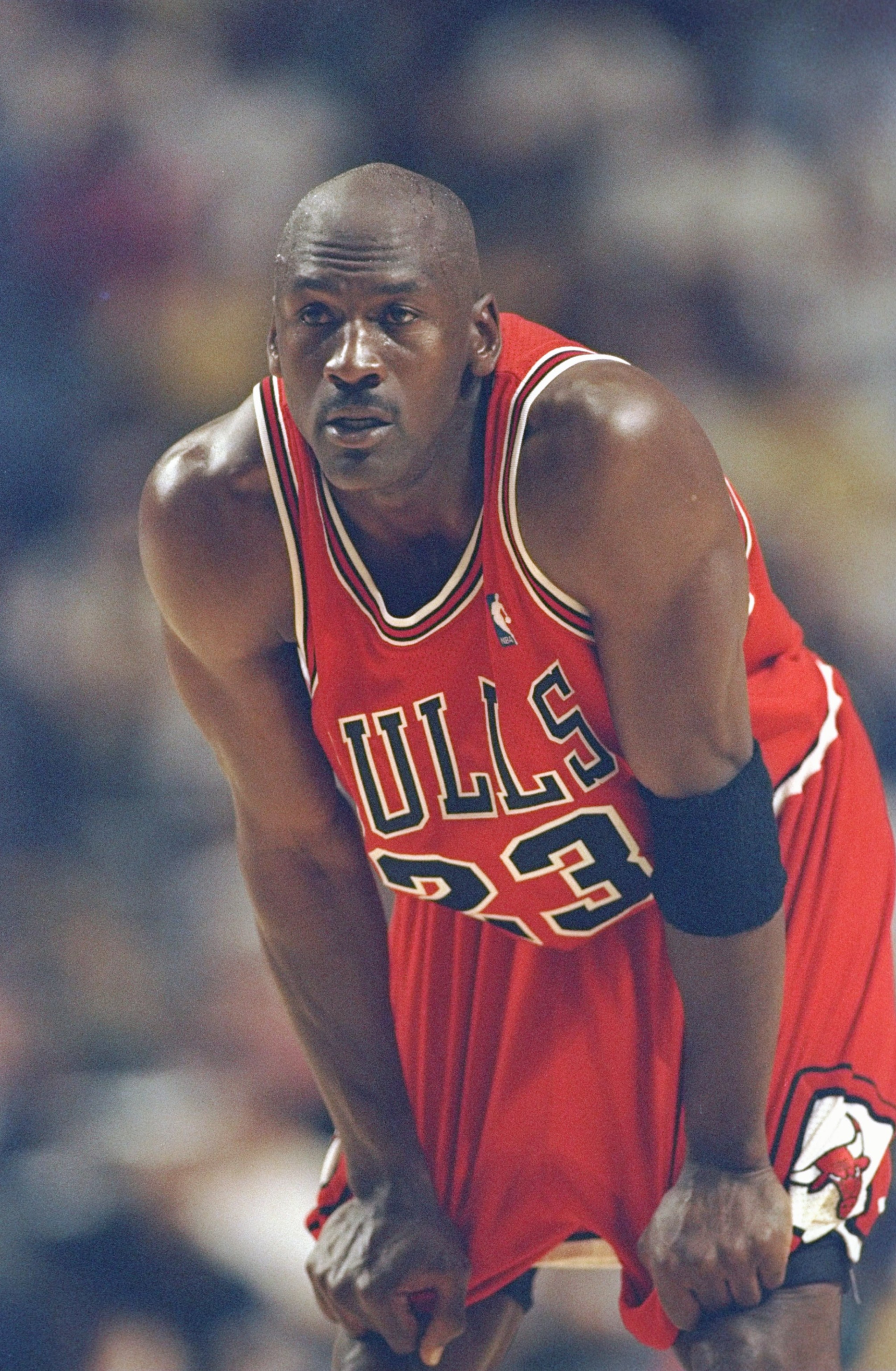
MJ may be the greatest player ever to don a jersey, but the biggest knock on him coming into the league was that he couldn't shoot.
His field-goal percentage was always extremely high for his position, and his career mark of 49.7 percent from the field would have been higher had he not played two seasons in Washington in his late 30s.
Known as possibly the hardest worker in professional sports, Jordan made an effort to improve his shooting stroke from all areas of the court and would eventually become a consistent threat from downtown.
In his last five seasons with Chicago, Jordan posted a three-point percentage of 36.9, and he always knew how to get it done from the free-throw line, with an 83.5 percent career free-throw percentage.
While it's commonly held that shooters are born, Jordan is proof they can be made with enough time in the gym.
10. Calvin Murphy
42 of 51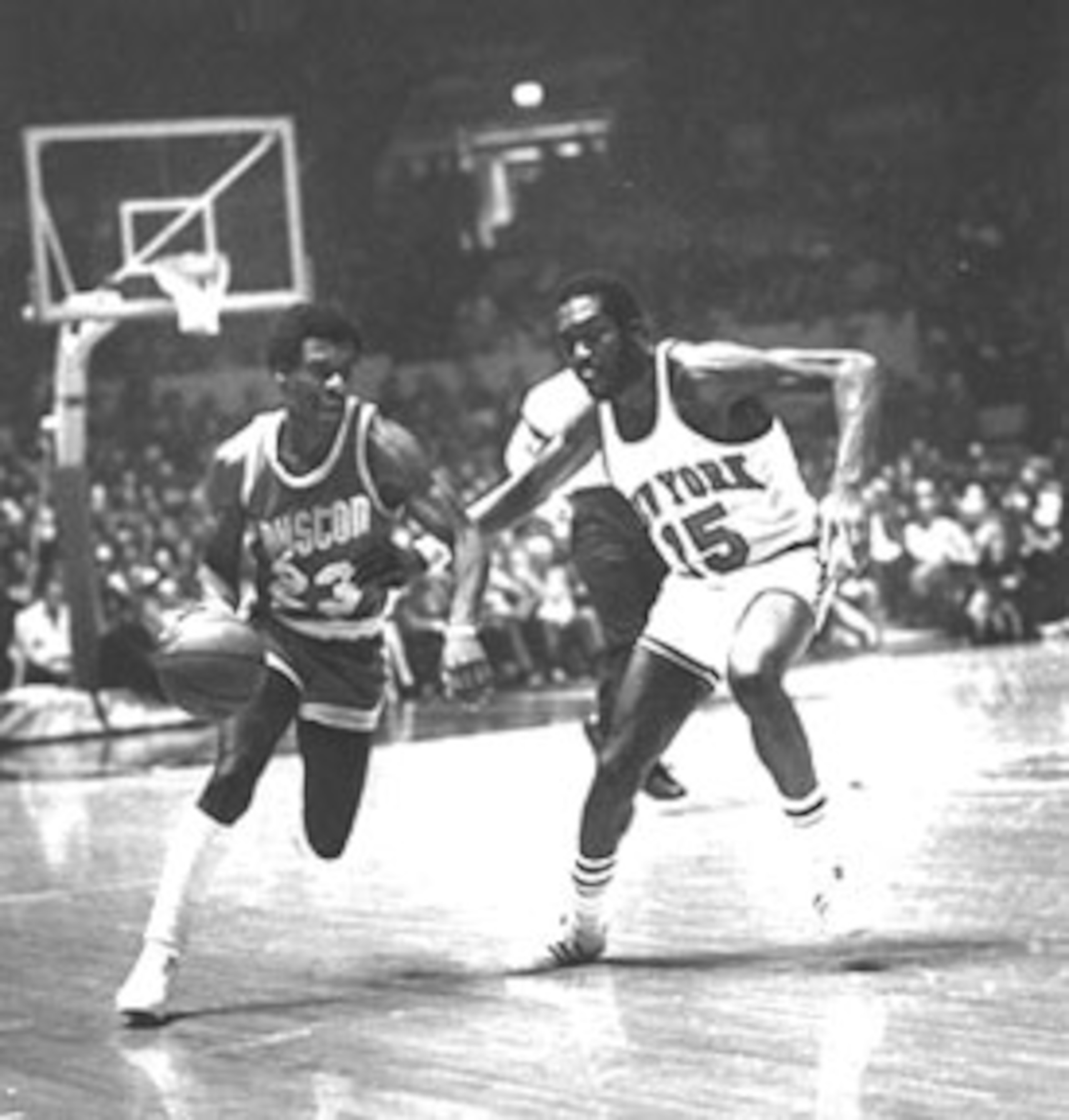
Averaging 17.9 PPG for his career, Murphy was very efficient in doing so.
In 13 seasons in the NBA, he hit 48.2 percent of his field goals and 89.2 percent of his free throws. He led the league in free-throw percentage in the 1980-81 (95.8 percent) and 1982-83 (92.0 percent) seasons.
Murphy was an All-Star in 1979 and was inducted into the Hall of Fame in 1993.
9. Alex English
43 of 51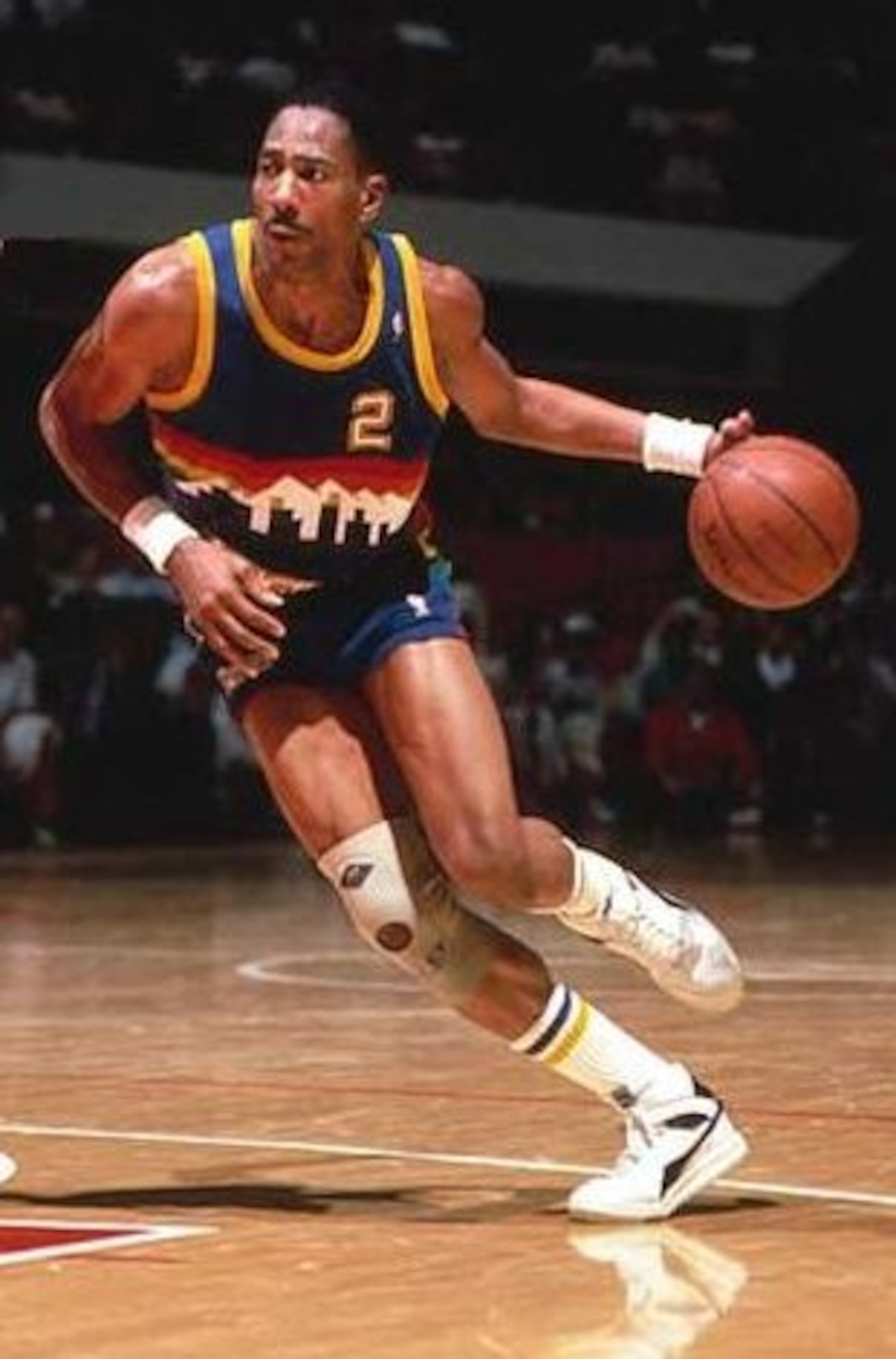
English never made the three-point shot a part of his game, but his career field-goal percentage of 50.7 and free-throw percentage of 83.2 speak to his shooting ability.
He averaged 21.5 PPG for his career and led the league in scoring for the 1982-83 season with 28.4 PPG.
English also topped the NBA in field goals made three times and entered the Hall of Fame in 1997.
8. Rick Barry
44 of 51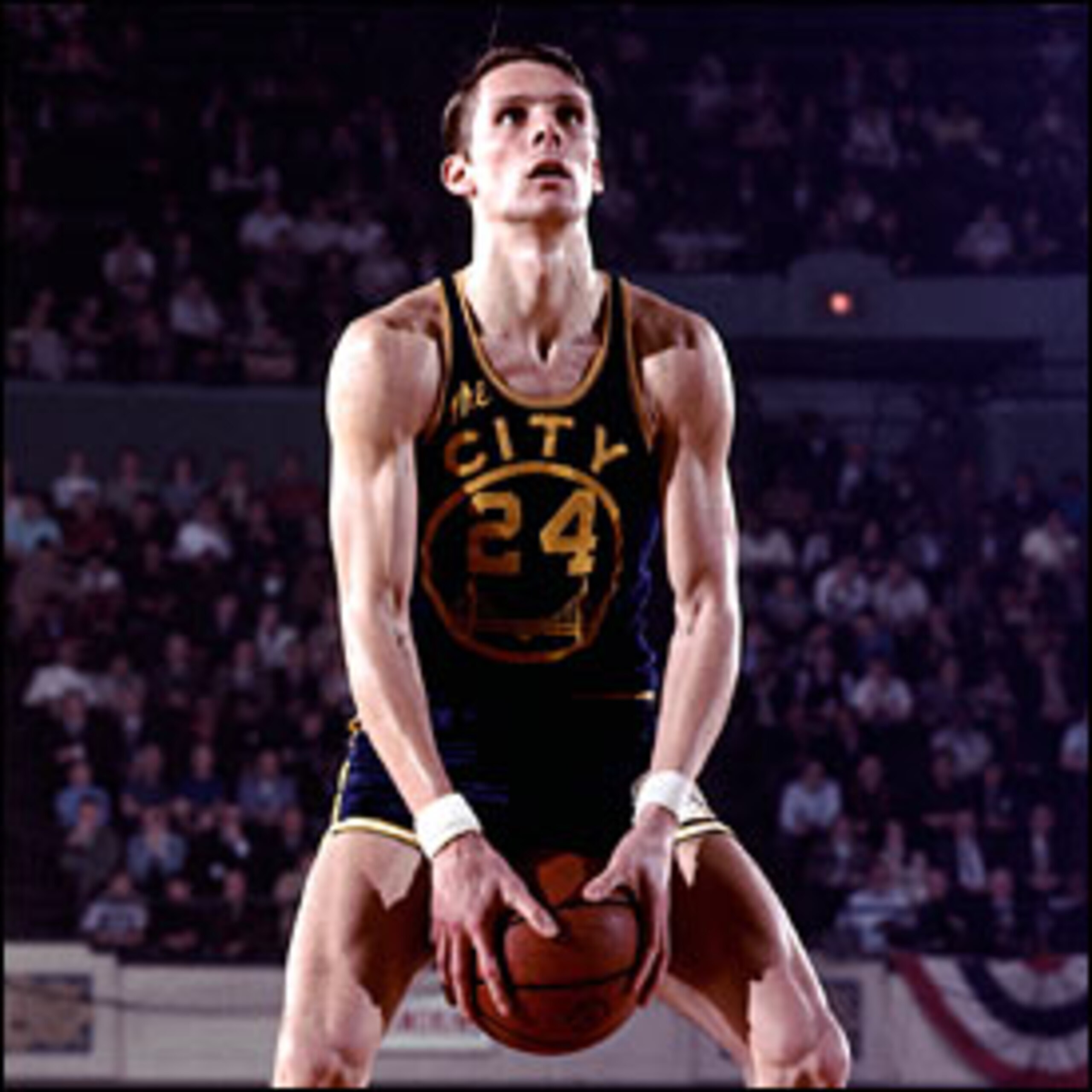
At the time of his retirement in 1980, Rick Barry was the all-time leader in free-throw percentage. He has since been bumped to No. 3, but we needn't look any further than his 90 percent shot-making rate from the line to see how good he was—even if he did shoot it underhand.
Coincidentally, his final year in the league was the same season the three-point line was instituted, and Barry knocked down 33 percent of his shots from downtown that year, well above the league average of 28.2 percent.
A 1987 Hall of Fame inductee, Barry averaged 30.6 PPG in the 1974-75 season and won the NBA Championship that same year.
7. Mark Price
45 of 51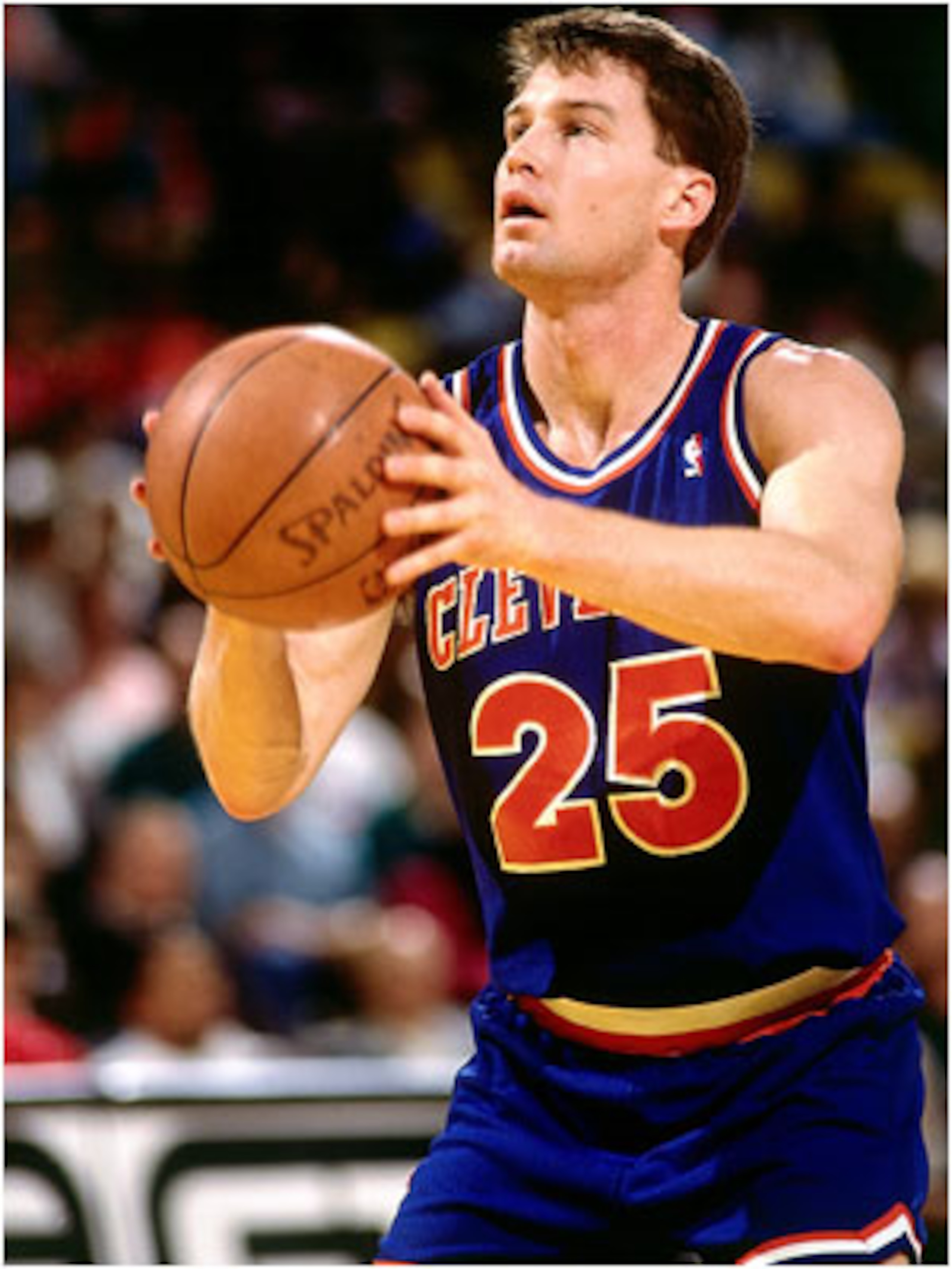
Price spent 12 seasons in the NBA, leading the pros in free-throw percentage three times and ranking in the top-six in three-point percentage three times as well.
For his career, Price posted averages of 47.2 percent from the field, 40.2 percent on threes and 90.4 percent from the free-throw line.
He is second all-time in free-throw percentage and is holding down the No. 26 spot in three-point percentage.
Price also hit the 50-40-90 mark—50 percent from field, 40 percent on threes and 90 percent from the line, the Holy Grail for shooters—in the 1988-89 season.
6. Chris Mullin
46 of 51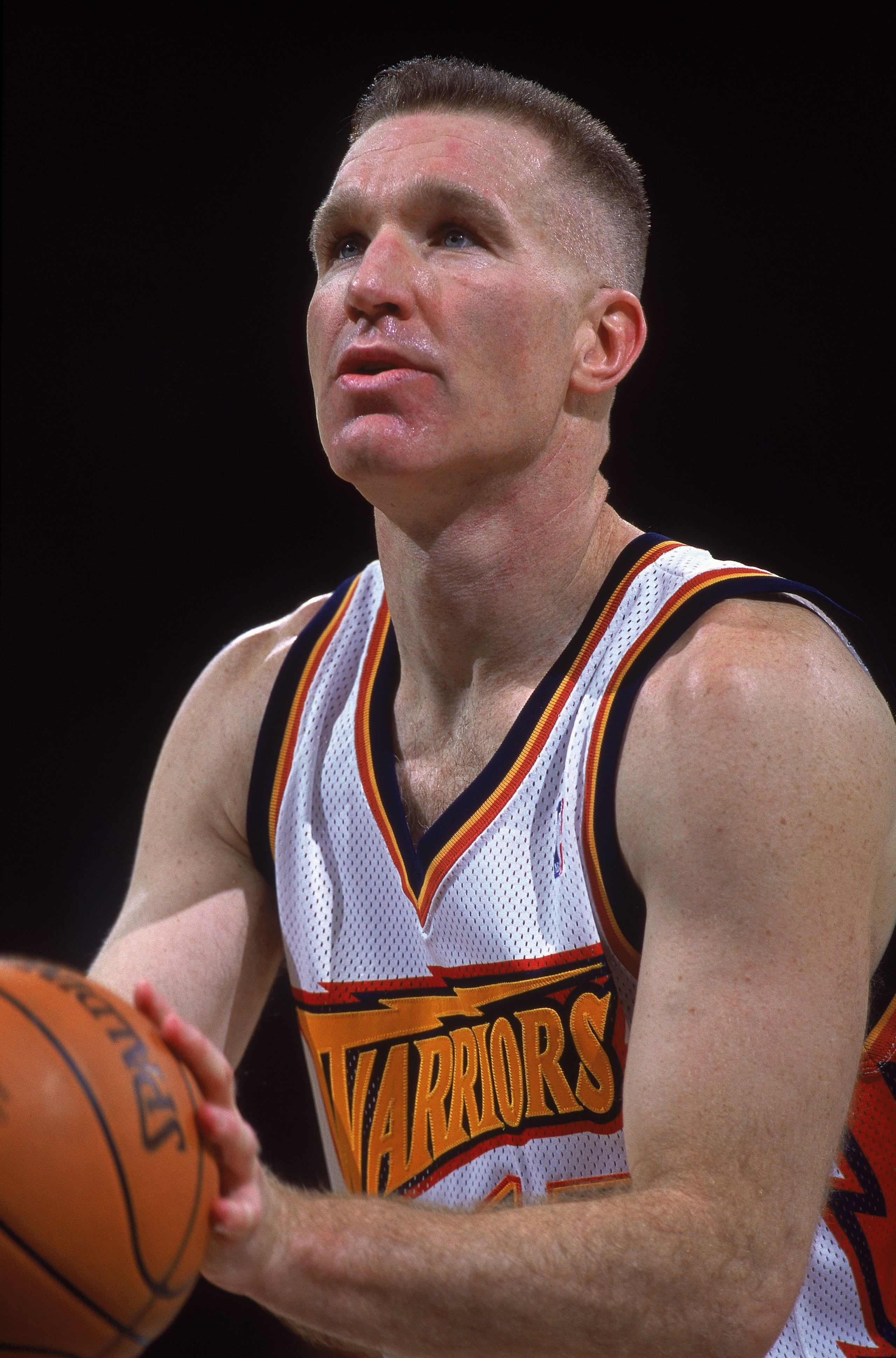
After getting past some drinking problems in his younger years, Chris Mullin became a shooting and scoring machine.
In a 16-year career spent mostly with the Golden State Warriors, Mullin averaged 18.2 PPG while shooting 50.9 percent from the field, 38.4 percent on threes and 86.5 percent from the free-throw line.
Mullin was selected to five All-Star Games, led the league in games played five times currently sits at No. 25 on the all-time free-throw percentage list.
5. Dirk Nowitzki
47 of 51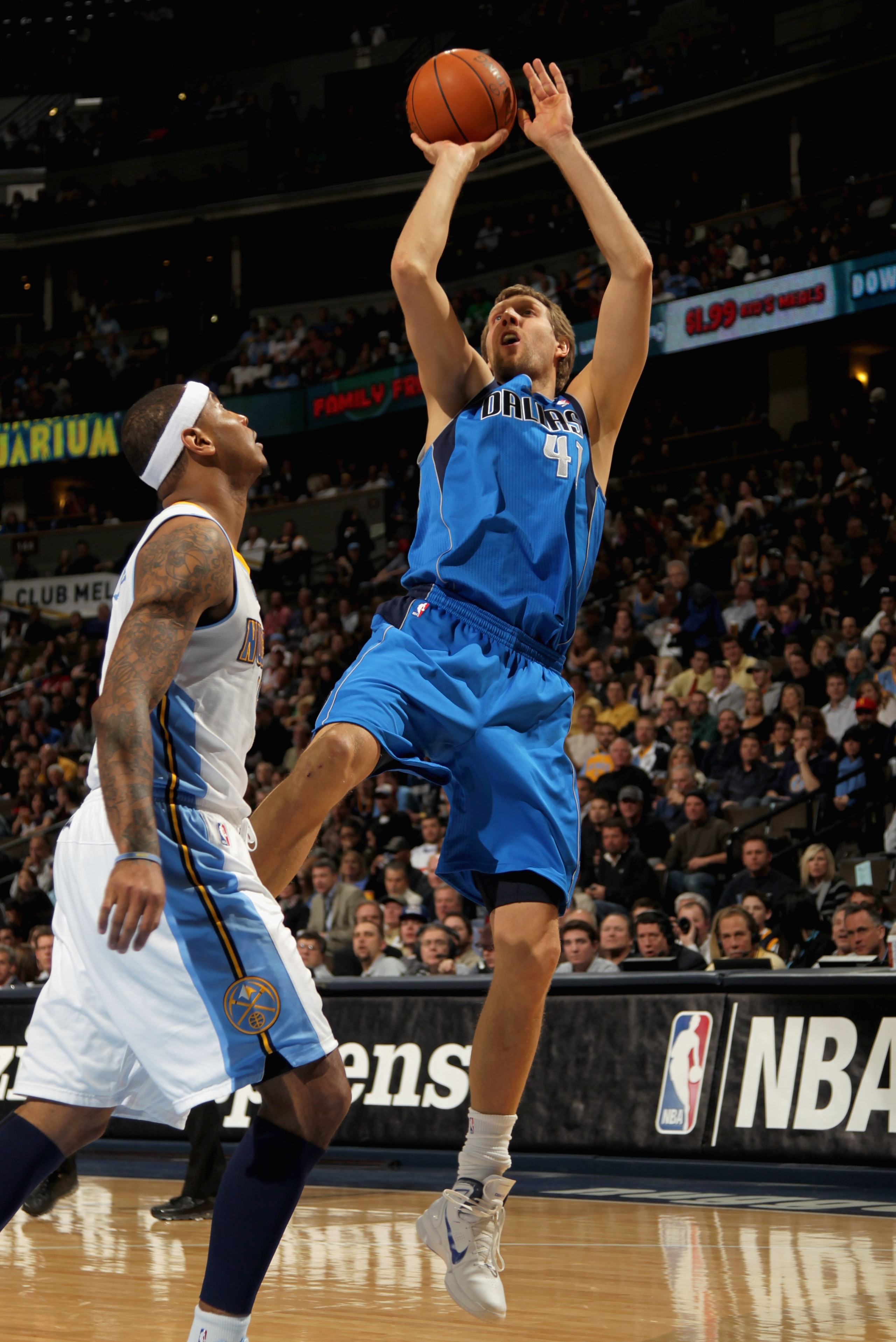
An incredibly good shooter for his size, Nowitzki has averaged 22.9 PPG on 47.5 percent shooting from the field, 38.1 percent on threes and 87.6 percent from the free-throw line in his ongoing 12-year career.
Selected to 10 All-Star Games and winner of the 2007 MVP award, Nowitzki is currently trying to win that elusive championship to cap off what has surely been a Hall of Fame career.
Nowitzki is also one of only four players in NBA history to record a 50-40-90 season, which he did in 2006-07.
4. Steve Nash
48 of 51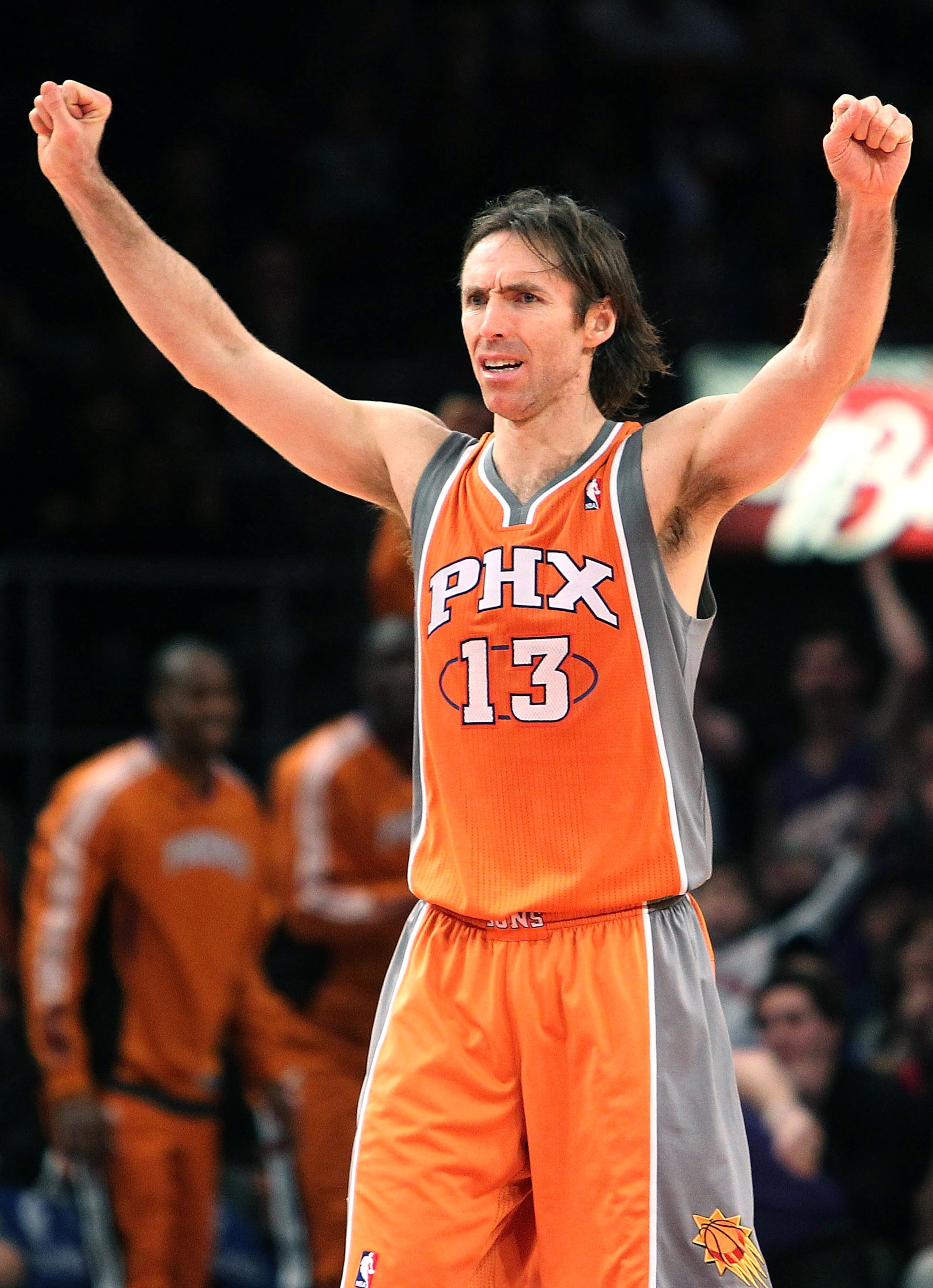
Nash is not only one of the best shooters in league history, he is simply one of the best to ever play the game.
Having logged 14 years in the pros, Nash has had more (four) 50-40-90 seasons than anyone in league history and, along with Larry Bird, is the only player to achieve that feat multiple times.
A two-time league MVP, he has hit 49 percent of his career field goals, 43.1 percent of his threes and 90.4 percent of his free throws.
He will undoubtedly enter the Hall of Fame in his first year of eligibility.
3. Ray Allen
49 of 51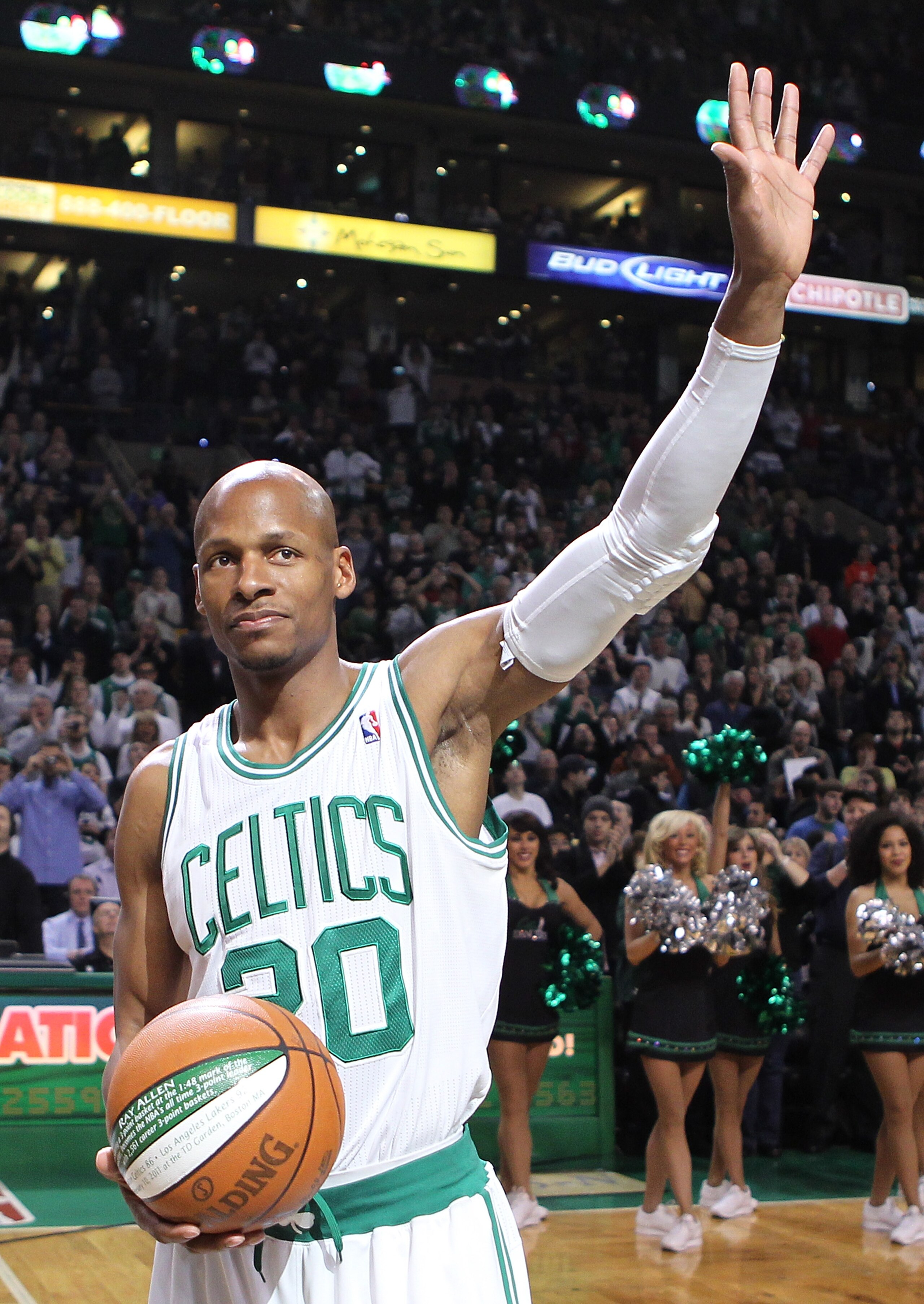
What is there really left to say about Ray Allen?
In 15 pro seasons, the former UConn star has put up averages of 45.2 percent from the field, 39.8 percent on threes and 89.3 percent from the charity stripe.
His recent breaking of the career three-pointers made record served as the inspiration for this list, and he still appears to have plenty left in the tank.
He could eventually bring that mark to a point it where it will never again be broken. At the very least, it will take many, many years for someone to pass him.
2. Reggie Miller
50 of 51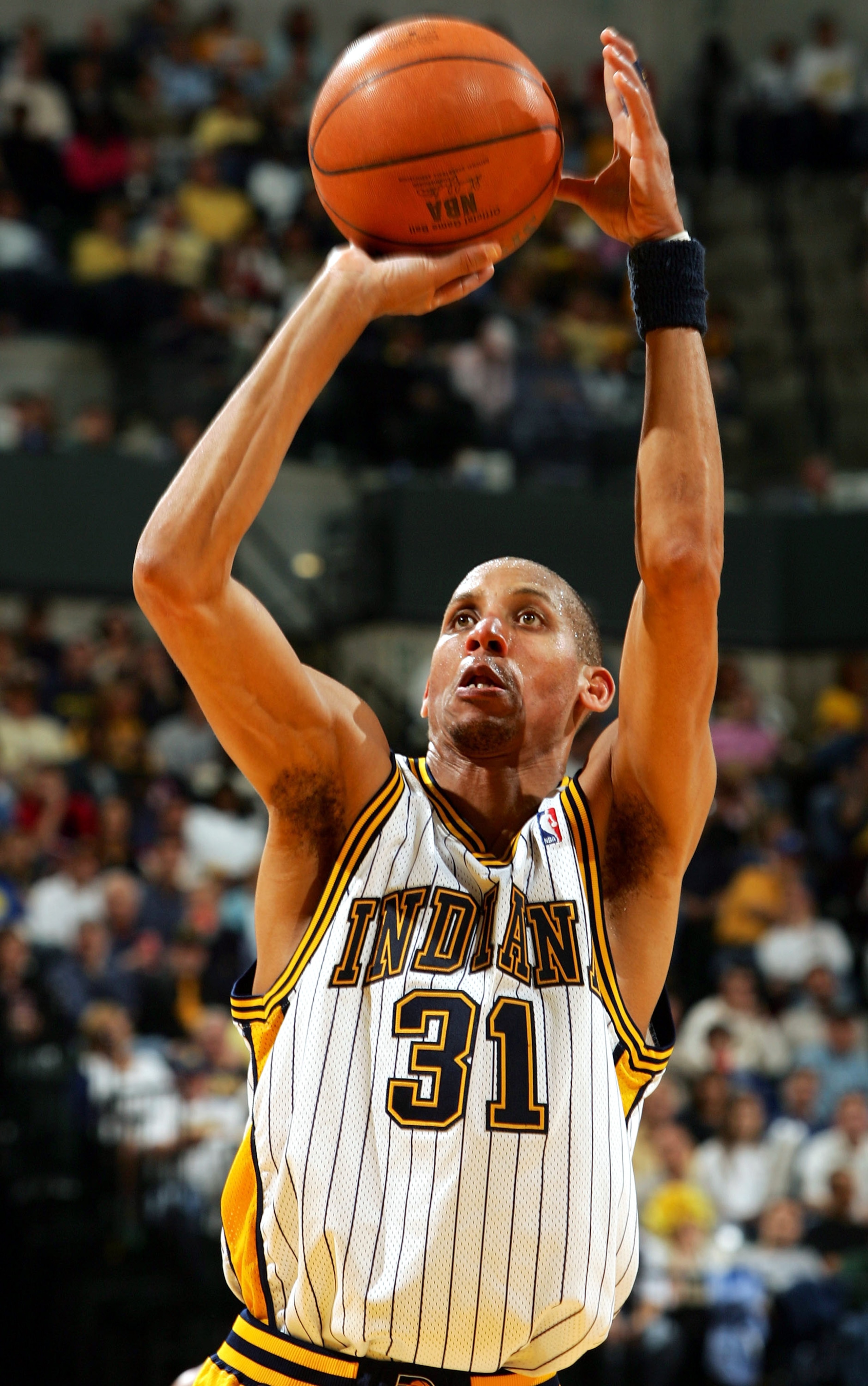
It had to be painful for Miller to sit and watch Ray Allen break his record, but he'll be happy to know he still ranks ahead of him on this list.
The future Hall of Famer led the NBA in free-throw percentage five times and owns a career three-point percentage of 39.5 to go along with an overall field-goal percentage of 47.1. And, oh yeah, he hit 88.8 percent of his free throws during his 18-year career.
Miller also had one of the more entertaining pregame routines throughout his time in the NBA.
First, he would take a sip of different types of soda depending on whether he was home or away and would then proceed to rabidly insult a member of Indiana's staff. The only thing off limits were the staffer's wife and dog.
Whatever that did for Miller, it obviously worked, as he was the only player to notch a 50-40-90 season during the '90s.
1. Larry Bird
51 of 51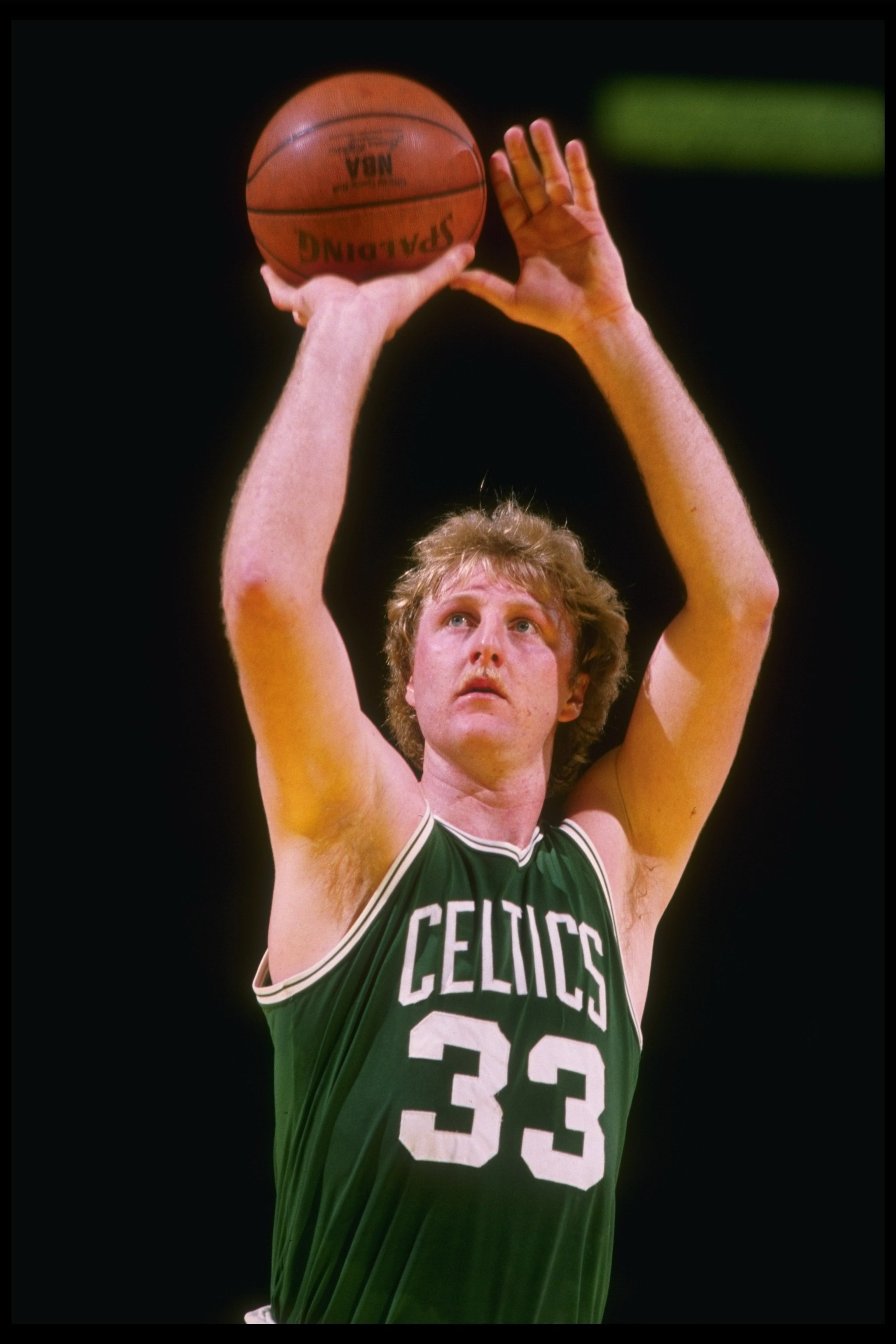
Bird's career three-point percentage of 37.6 was amazingly far ahead of where everyone else in the league was during his playing years. What's even more impressive is that he would likely have been even better he didn't break his finger in a fashion that caused it to forever be nastily curved.
Bird had to deal with severe back problems in the later stages of his career, yet was still able to post averages of 49.6 percent from the floor and 88.6 percent from the line. He led the league in free-throw percentage four times.
He was the first player to record a 50-40-90 season. In fact, he did it twice and in consecutive years to boot.
Hailing from the basketball hot bed of Indiana, Bird won three MVP's, three titles and was selected to the All-Star Game 12 times in addition to his 1998 Hall of Fame induction.
Ahead of his era and firmly entrenched in NBA lore, Bird is the greatest shooter of all time.

.png?w=2560 "Money In The Bank Ends In Shocker 💼")
.jpg?w=2560 "Buzz: Saints Dealing with 'Major Sickness'")
.jpg?w=2560 "Eagles, Jags Kickoff Ejections 😳")
.jpg?w=2560 "Cardinals Finalizing MHJ Trade")
.png?w=2560 "Shocking CFB Top 25 Shakeup 🔢")
.jpg?w=2560 "EVERY Fantasy Update")