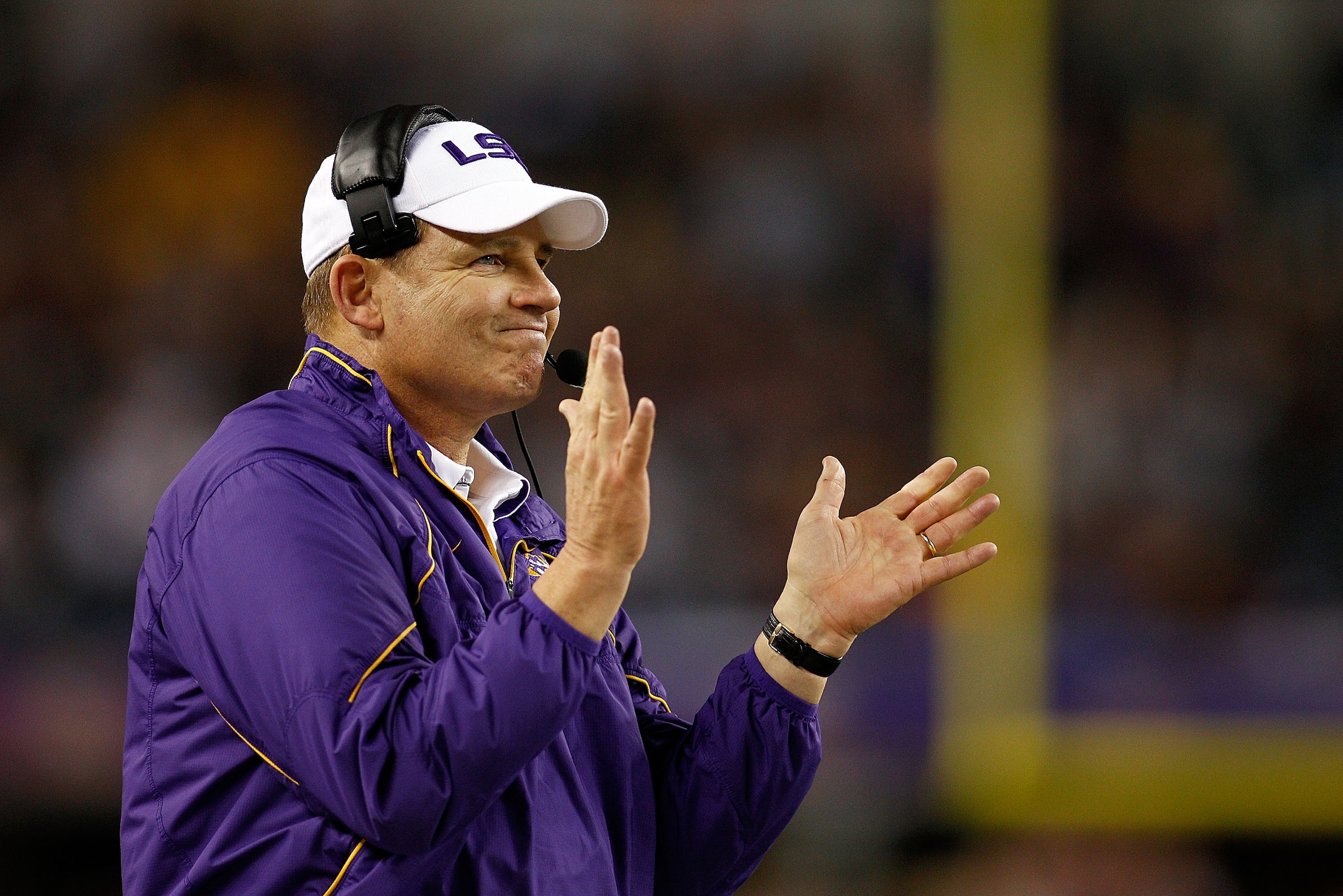

College Football: Bear Bryant and the 25 Greatest Coaches in SEC History
The Southeastern Conference began playing football in 1933.
All it has done since then is send hundreds of players to the professional ranks and win almost 20 football national championships including the last five in a row.
Behind all that success on the field has been coaches who prodded and motivated and schemed and recruited and innovated and changed the fabric and history of the game.
This slideshow will take a look, in no particular order, at the 25 greatest SEC coaches in history and culminate with arguably the greatest college football coach of all time, Paul W. Bryant.
(To keep track of all breaking recruiting news today, see: http://bleacherreport.com/articles/591689-national-signing-day-2011-tracking-where-the-top-100-recruits-sign. You can follow the live blog of today's exciting events by going here: http://bleacherreport.com/articles/594117-national-signing-day-2011-follow-latest-signings-news-reaction)
Charlie McClendon
1 of 25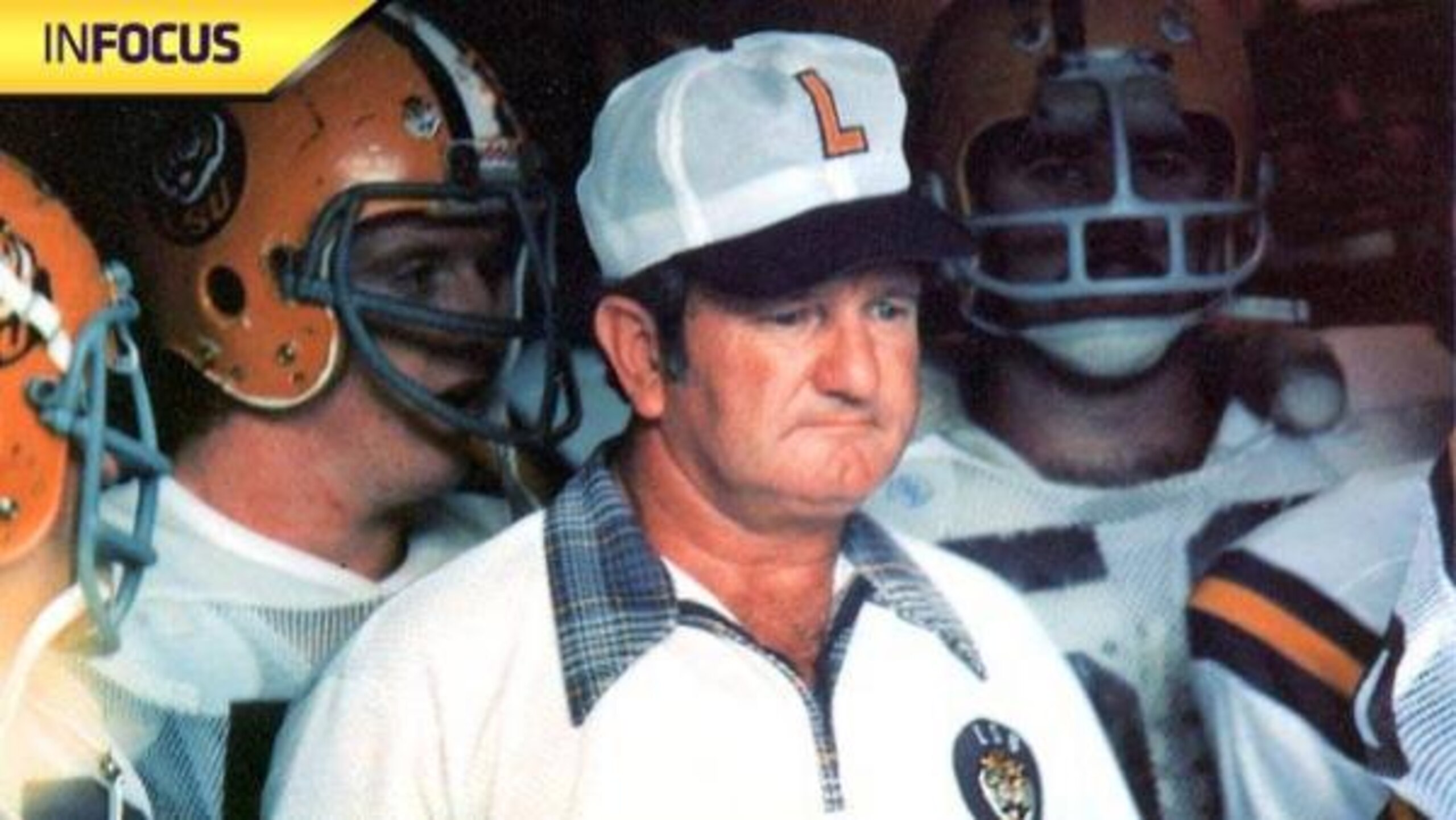
McClendon took over in Baton Rouge after Paul Dietzel left to coach Army in 1961. When he left, he held the record for most wins (137) in the program.
While Cholly Mac didn't win a national title, his teams finished in the top 20 nine times in his career; four of those teams were in the top 10.
His Tigers played in 13 bowls while he coached, and he won two SEC titles.
Lou Holtz
2 of 25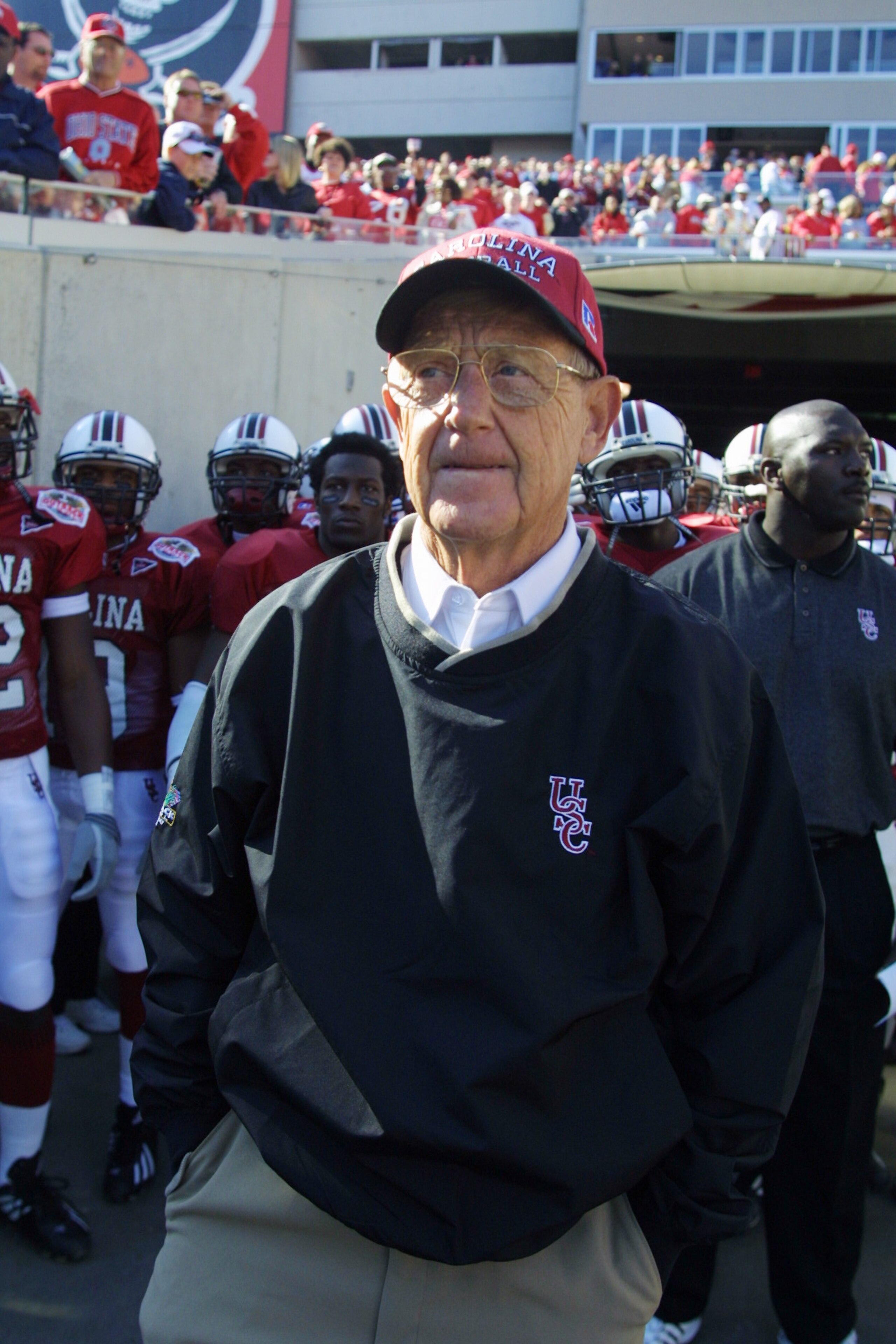
Six of the seven years he was at Arkansas, Holtz took teams to bowl games. However, the Razorbacks weren't in the SEC at that time.
He then left Arkansas and eventually won a national title at Notre Dame.
He never won one in the SEC, but that didn't keep him from producing some quality teams in the conference.
At South Carolina, Holtz went 0-11 in his inaugural campaign, but he quickly changed the team's fortunes.
2000 saw the Gamecocks go 8-4 and improve to 9-3 the next campaign. Those years included back-to-back wins against Ohio State in the Outback Bowl.
Those two seasons were Holtz's best; he was 17-7 overall and 10-6 in SEC play. The team also made it to the national rankings, coming in at No. 19 in 2000 and No. 13 in 2001.
It would be interesting to see what Holtz could do with the players Steve Spurrier is bringing to Columbia.
Gene Chizik
3 of 25
We don't care if you like him or not.
Gene Chizik has won at Auburn, doing what no one since Shug Jordan did at the school.
He has been there only two seasons, but his 22-5 record there is sweet.
With Auburn's great run of good recruiting classes, it looks like he can continue to be competitive in the SEC West for some time.
Sure, he's the flavor of the month, but we see good things for him at Auburn.


Houston Nutt
4 of 25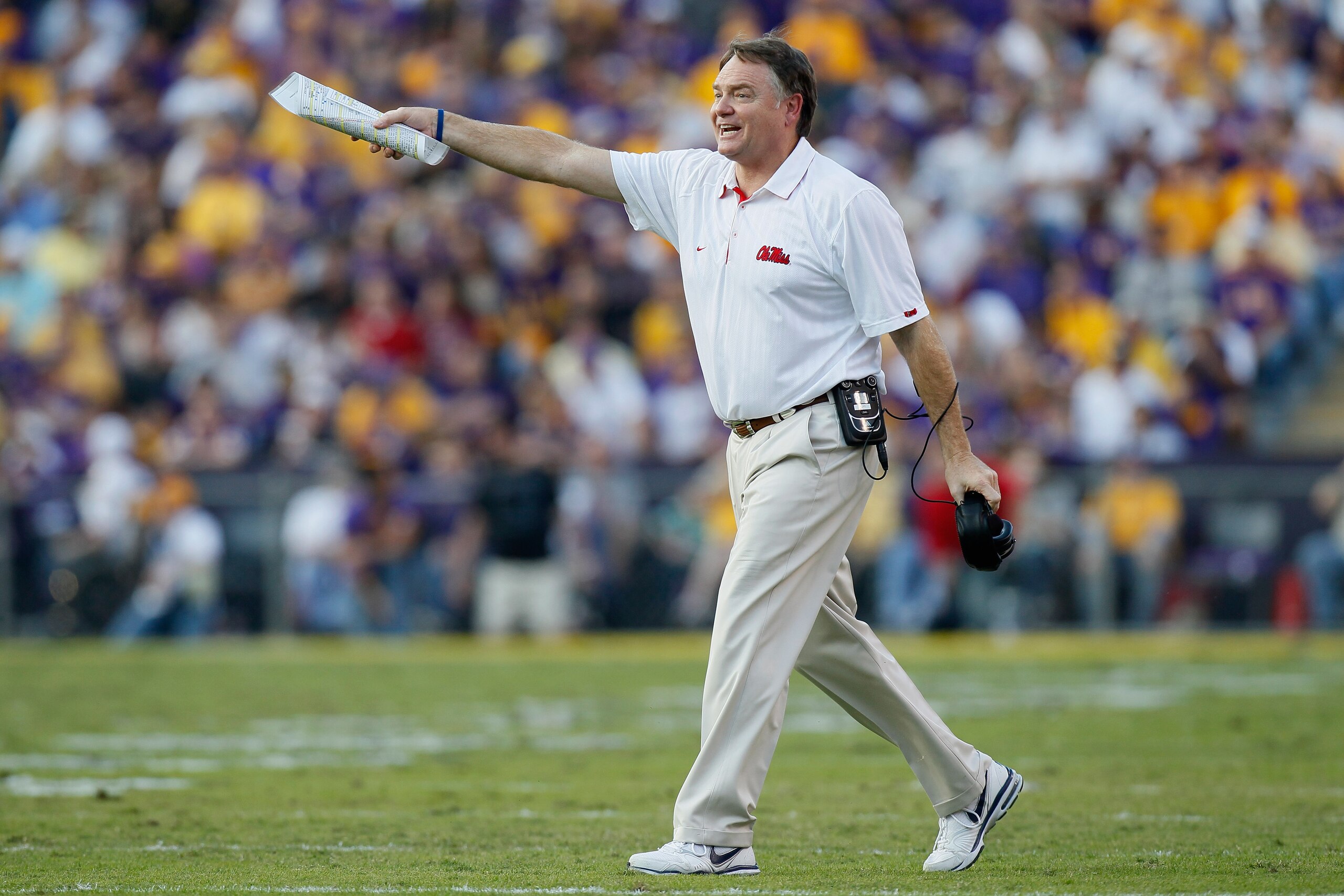
Houston Nutt is not one of our favorite coaches, but he rates inclusion here for his successes at two SEC schools.
Six of his SEC teams have finished in the top 25 nationally (out of 13 total SEC coaching seasons).
At Arkansas, Nutt had good success, compiling three SEC West crowns (one outright; two shared). That type of success has yet to occur at Ole Miss, but Nutt is garnering good recruiting classes (including the 2011 signing class).
Only three of his teams (including last year's Rebel squad) have had losing records.
Ten of his SEC teams have played in bowl games; his 97-64 record as an SEC head coach at the two schools speaks for itself.
Les Miles
5 of 25
The often maligned Miles is extremely savvy as a coach and recruiter. His record at LSU is better than his predecessor, Nick Saban.
And his players are loyal to him to a fault.
Besides, Miles has a national title ring on his finger.
He has also led the Tigers to bowl games in each of his six seasons. His recruiting ranks among the best in the nation, and his clock management issues aside, he has averaged 10 wins a season at LSU.
Phillip Fulmer
6 of 25
As a player, assistant coach and then head coach, Phillip Fulmer learned to bleed orange.
Fulmer won two SEC titles and the inaugural BCS title in 1998. His 152-52 record speaks for itself.
His teams went to bowl games every year but two. Across 17 seasons, Fulmer also made it to the SEC title games three other times.
With the recent turmoil in Knoxville, some Vol fans long for the days of Fulmer. He recruited nation-wide and brought the Volunteers to a national audience.
Bobby Dodd
7 of 25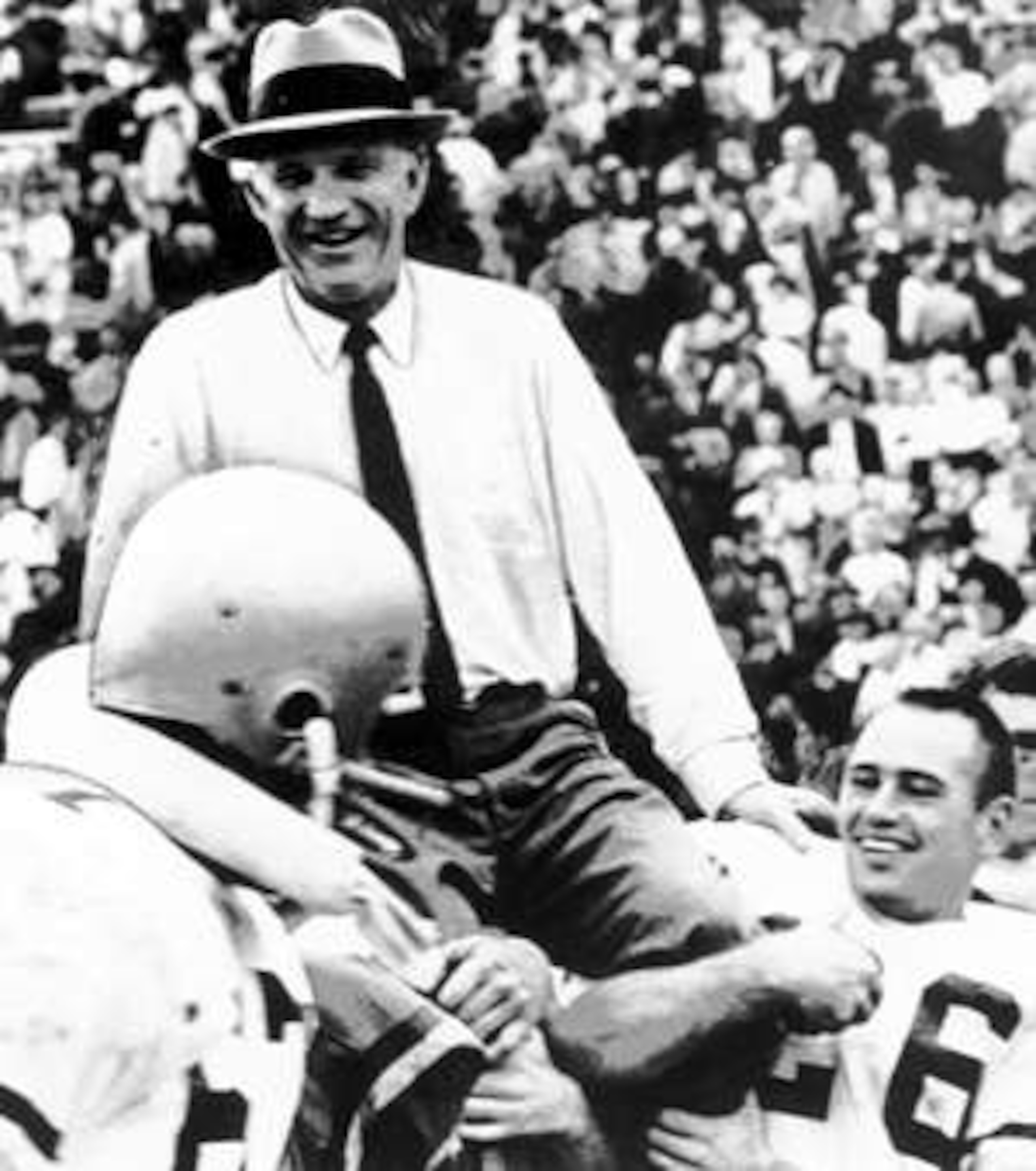
Dodd posted 165-64-8 overall record. The head man of the Yellow Jackets for 22 seasons, Dodd led Tech to eight top-10 finishes, a national championship and two SEC titles.
The stadium at Georgia Tech is named after Dodd. He's in the College Football Hall of Fame as a player and a coach (he played for Tennessee, becoming an All-American).
Dodd also understood the Georgia rivalry, and his teams won eight in a row against the Bulldogs—the longest streak in the series.
After a feud with Bear Bryant, Dodd insisted that Georgia Tech leave the SEC, which it did after the 1963 season. Dodd cared deeply for his players, and an on-the-field mistreatment of one of his boys by a 'Bama player was instrumental in his decision for Tech to leave the conference.
Pat Dye
8 of 25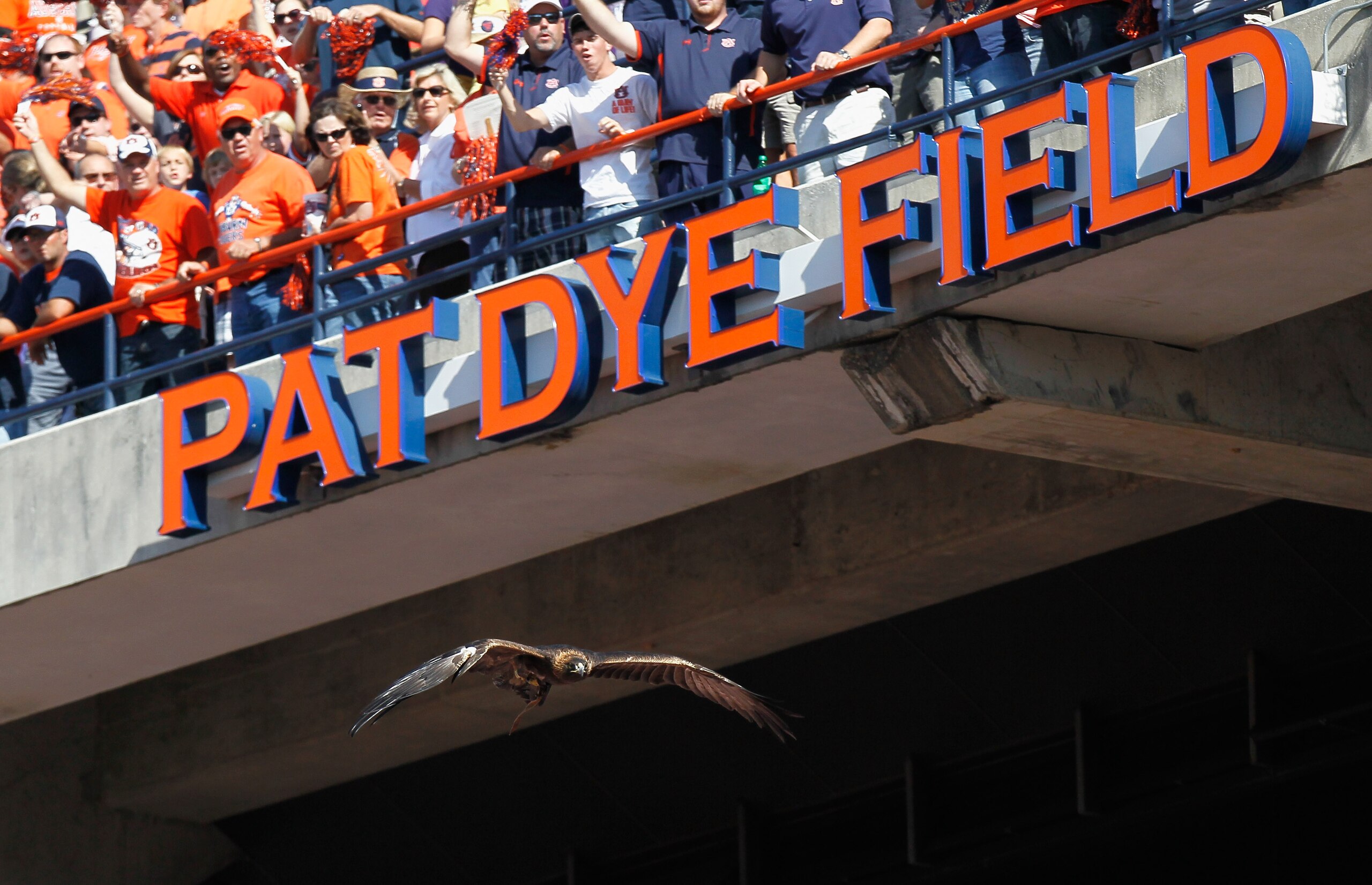
Pat Dye came to Auburn in 1981. At Auburn, Dye achieved a record of 99–39–4 (71.1 percent) over his 12 seasons there.
Dye won four SEC Championships with the Tigers and coached the 1985 Heisman Winner Bo Jackson. Dye's teams finished in the top 10 nationally on five different occasions.
His 1983 team posted an 11–1 record against one of the toughest schedules in SEC history, including seven wins over bowl teams. Auburn was ranked No. 1 in the nation by the New York Times at the end of the 1983 season.
He is a member of the College Football Hall of Fame, and the field at Auburn is named in his honor.
Frank Thomas
9 of 25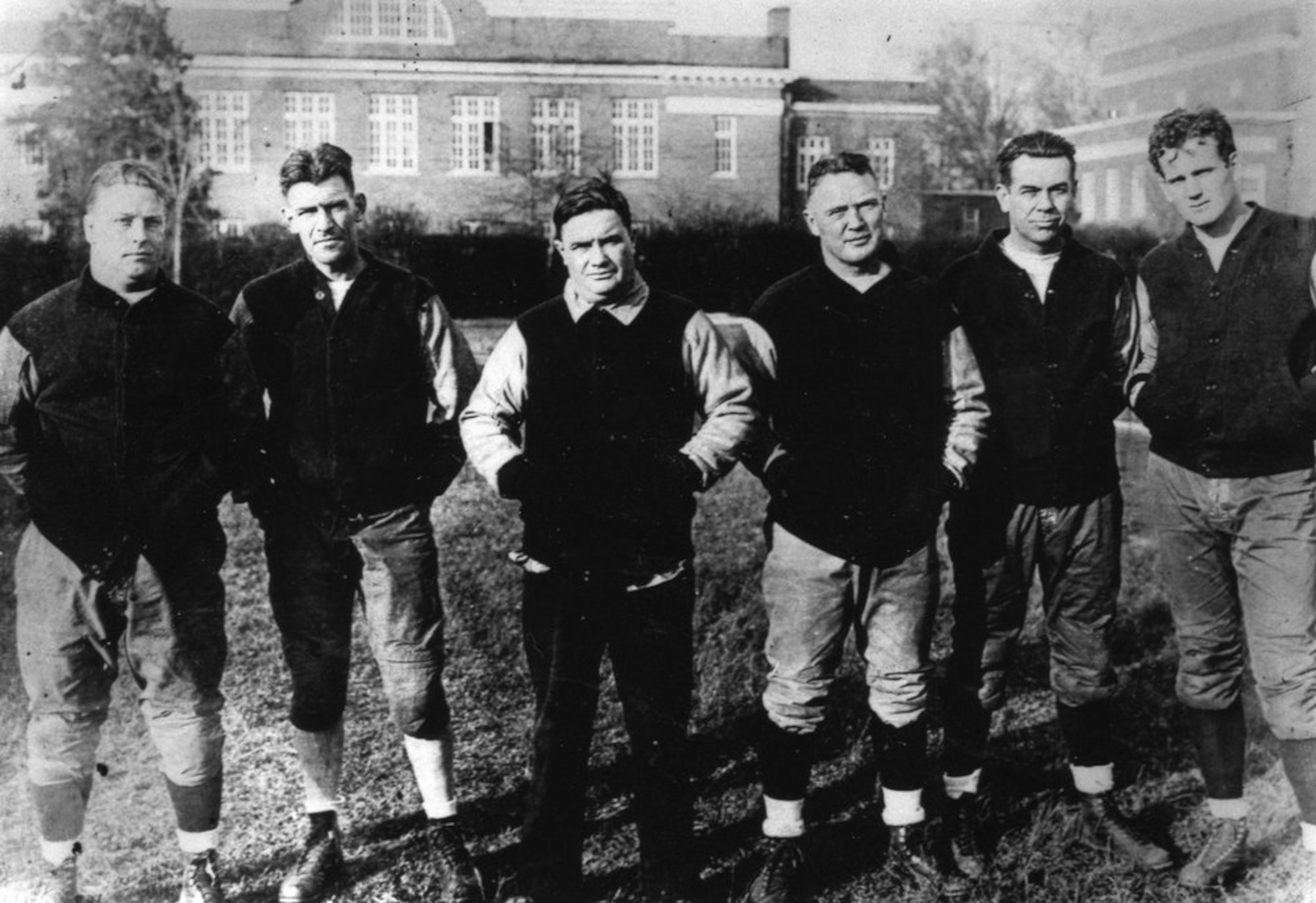
Coming on the heels of Wallace Wade's defection to Duke, Frank Thomas won the SEC five times and even won the 1934 and 1946 National Championships.
Under Thomas, the Tide appeared in multiple Rose Bowls, the Orange Bowl, Cotton Bowl and even the Sugar Bowl.
During his tenure at Alabama, Thomas compiled a record of 115–24–7 (.812); his defense during all those years allowed an average of just over six points per game.
Thomas never coached a losing season, and twice his teams had undefeated, 10-win campaigns.
He died at age 55 of cancer, and Alabama entered into a down period until brought back to prominence by that tall assistant coach on the right in the picture.
Wally Butts
10 of 25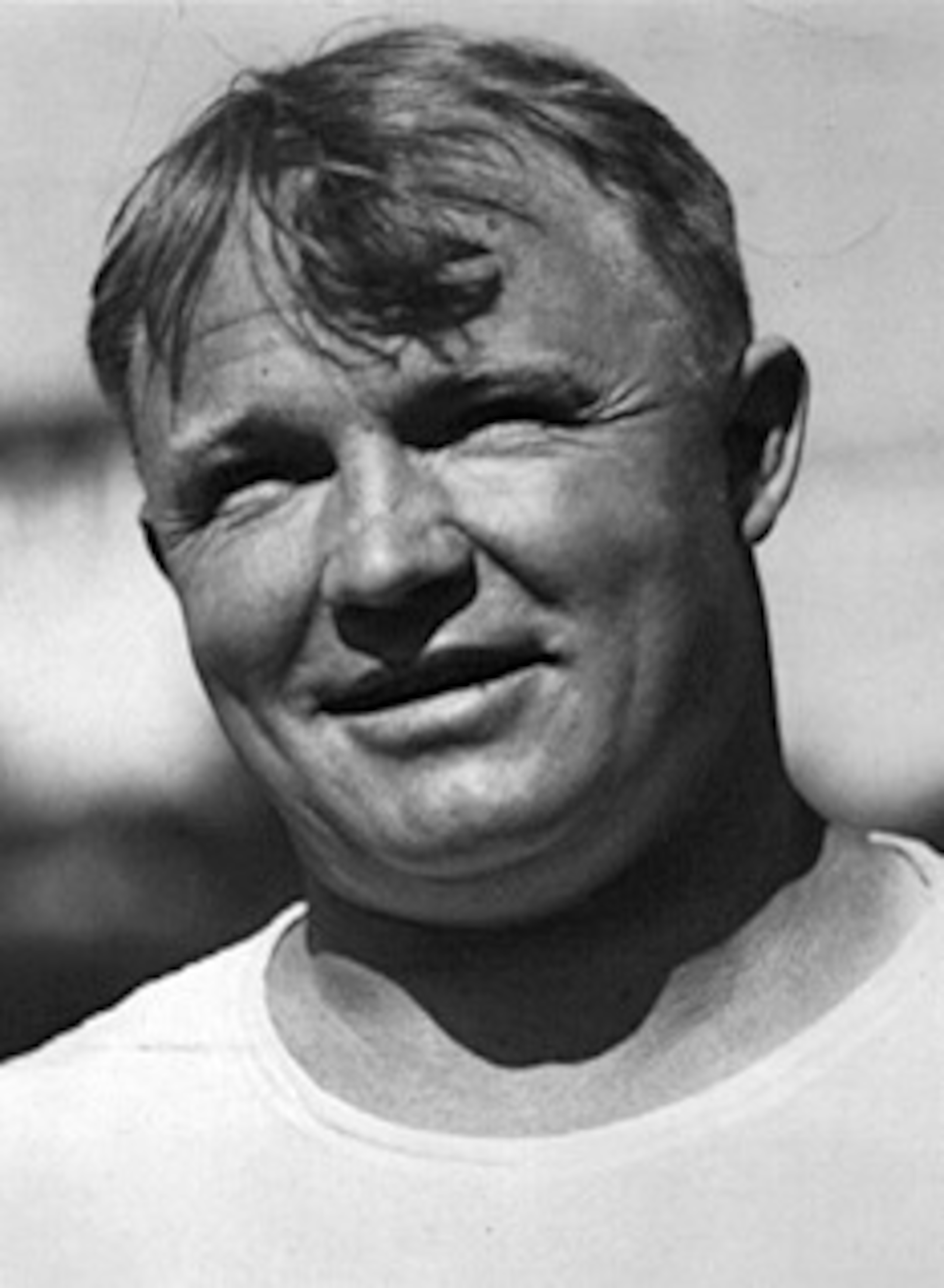
Wally Butts was Georgia's greatest coach before Vince Dooley, and some argue he was better than Dooley.
Butts did win two national crowns—1942 and 1946.
He also garnered four SEC crowns and eight bowl appearances in an era when bowls weren't as prevalent.
With a career record of 140–86–9, Wally Butts ranks among the greatest coaches of SEC history. Georgia would have to wait a generation before returning to the prominence Butts brought them.
Tommy Tuberville
11 of 25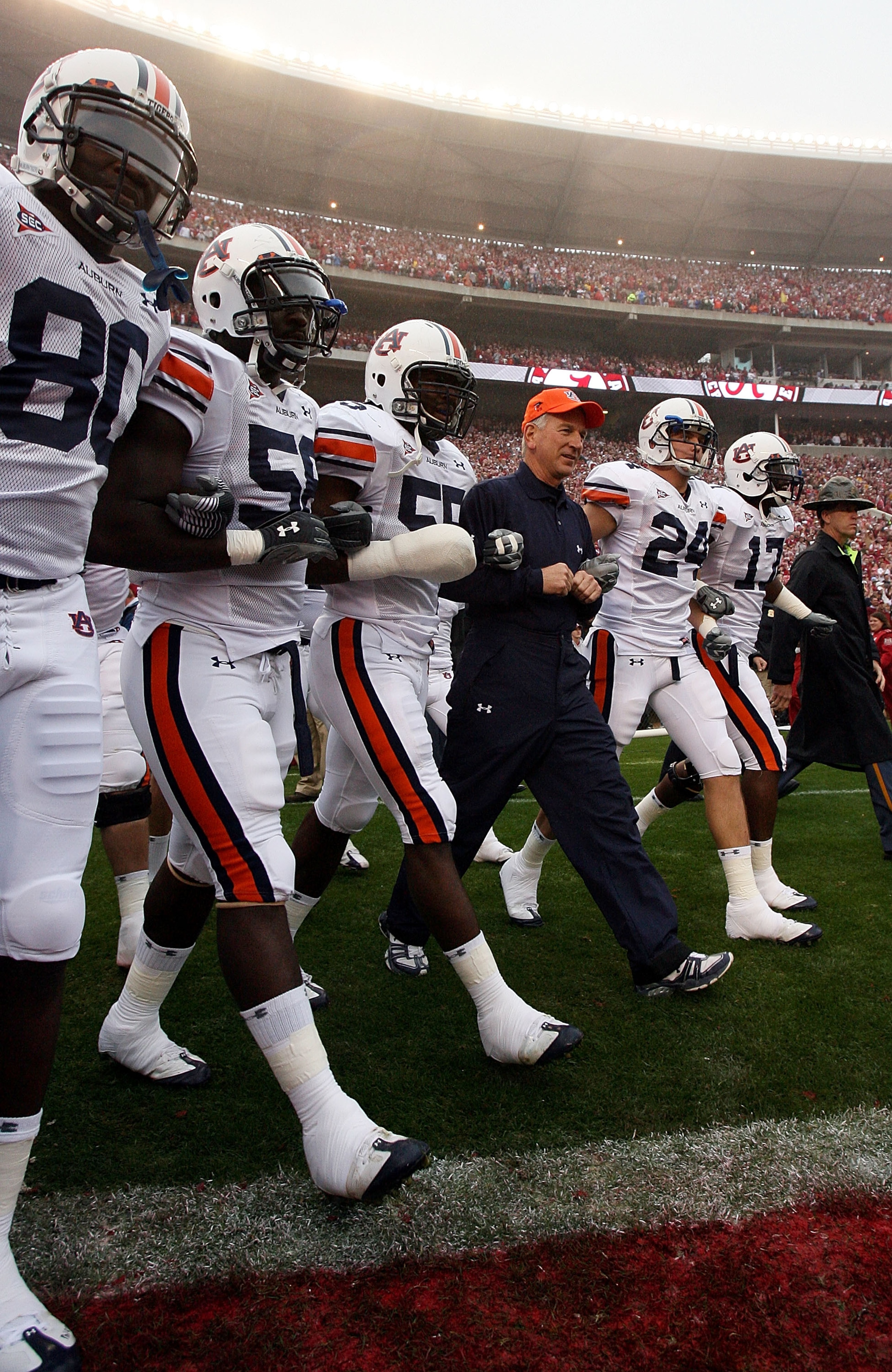
Despite not having a National Champship, Tuberville was the last Auburn coach to finish a season undefeated in the last decade before Chizik's feat this past season. Tuberville's first and last seasons were the only ones the Tigers didn't finish with a bowl game. Ten of his SEC teams went bowling in his career in the conference.
Tuberville was the 2004 recipient of the National Coach of the Year award after Auburn's 13–0 season. . He is also the only football coach in Auburn history to beat Alabama six years in a row. Tuberville had a 5-2 career record versus Top Five teams, including three wins against Florida
With one SEC title and five SEC West crowns, Tuberville's SEC resume includes another school as well.
Still respected by many in the Auburn community, The "River Boat Gambler" helped turn around an Ole Miss program that was in trouble with the NCAA before heading to Auburn.
Oxford was his first stop. There, he built the program that had suffered extensively as a result of NCAA sanctions. He led the Rebels to consecutive bowl games before leaving.
Jackie Sherrill
12 of 25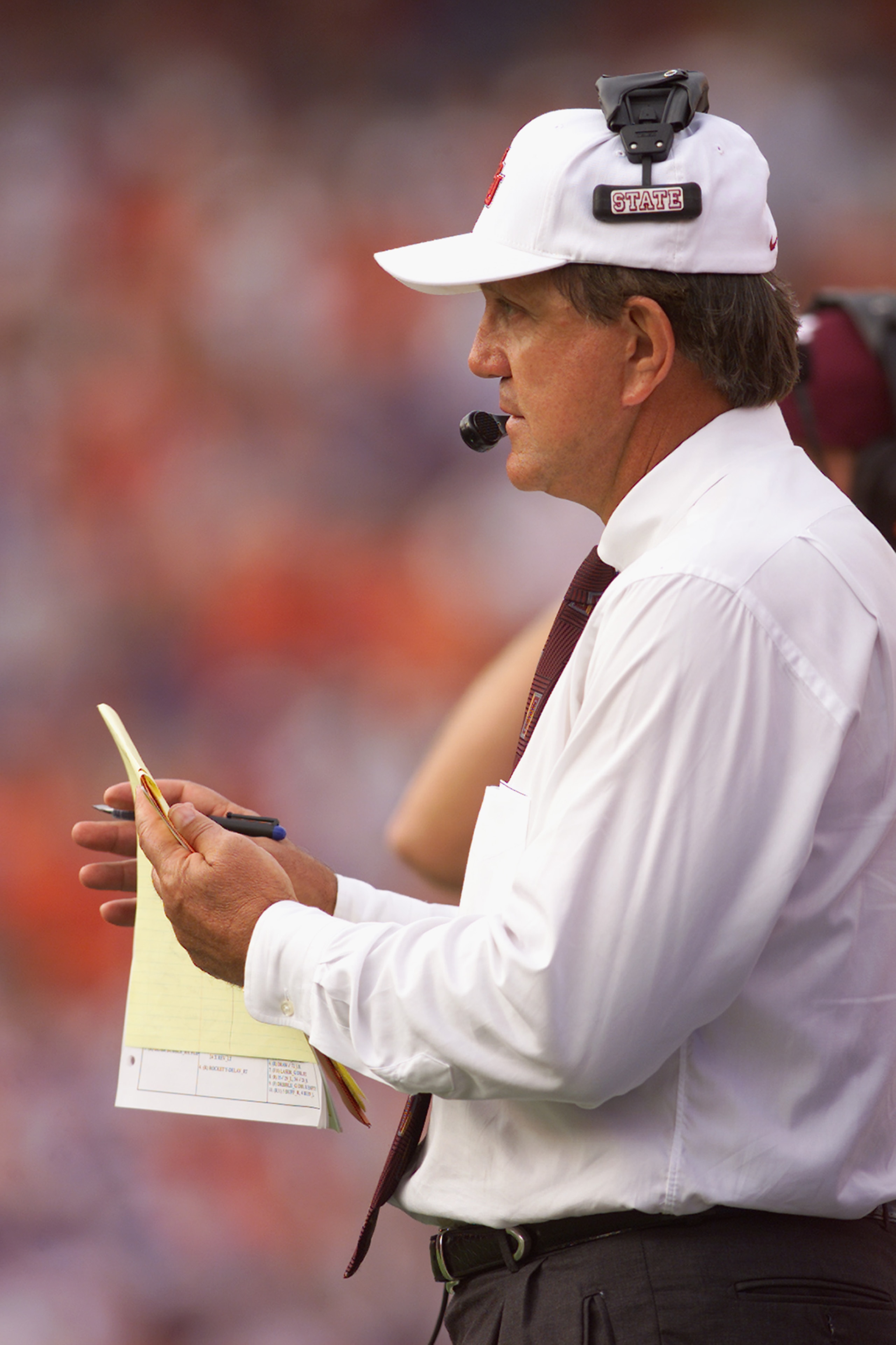
How can a coach who won no SEC or national title get on this list?
It's because of the way he built the program.
The winningest coach in Mississippi State history, Sherrill brought the program to respectability in the modern era. He also reached out (and was among the first to do so) to the talent-laden Mississippi Juco ranks for players.
Any success Sylvester Croom and now Dan Mullen had or will have was built on Sherrill's foudation. He took the Bulldogs bowling six years, and in 13 seasons in Starkville, Sherrill coached the team to a record of 75–75–2. He got the program and the fans used to being competitive in the tough SEC West.
His greatest success was leading the team to an SEC West title in 1998 and a berth in the Cotton Bowl.
A year later, he notched a 10–2 record and No. 12 final ranking. That ranking was the highest final ranking achieved by any school in Mississippi in over 30 years.
Fran Curci
13 of 25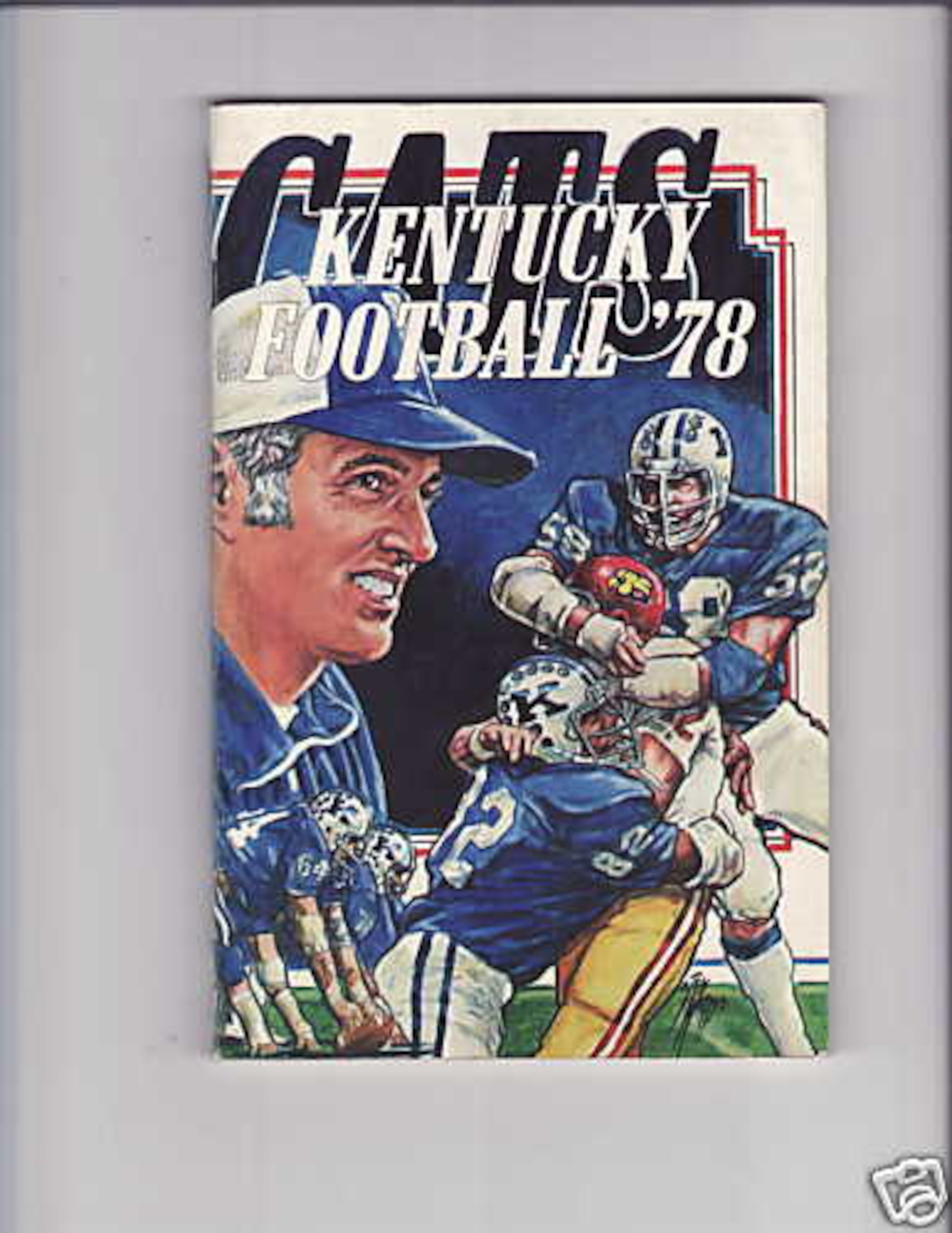
Frank Curci did the impossible.
He led Kentucky football to two SEC titles in the 1970s.
That's something that even Rich Brooks, with all his recent Kentucky bowl teams, couldn't do.
Curci led the Wildcats to a 5-1 record in conference play, and the team defeated North Carolia in the Peach Bowl in 1976. His team was ranked No. 18 in the final season polling.
The next season, the 'Cats went 10-1 with a win at Penn State over the No. 4 ranked Nittany Lions. That season led to the team being ranked No. 6 in the final AP poll that season.
True, the Curci era ended with NCAA sanctions, but it was about the only bright spot between the Bryant era and the current one at Kentucky.
Mark Richt
14 of 25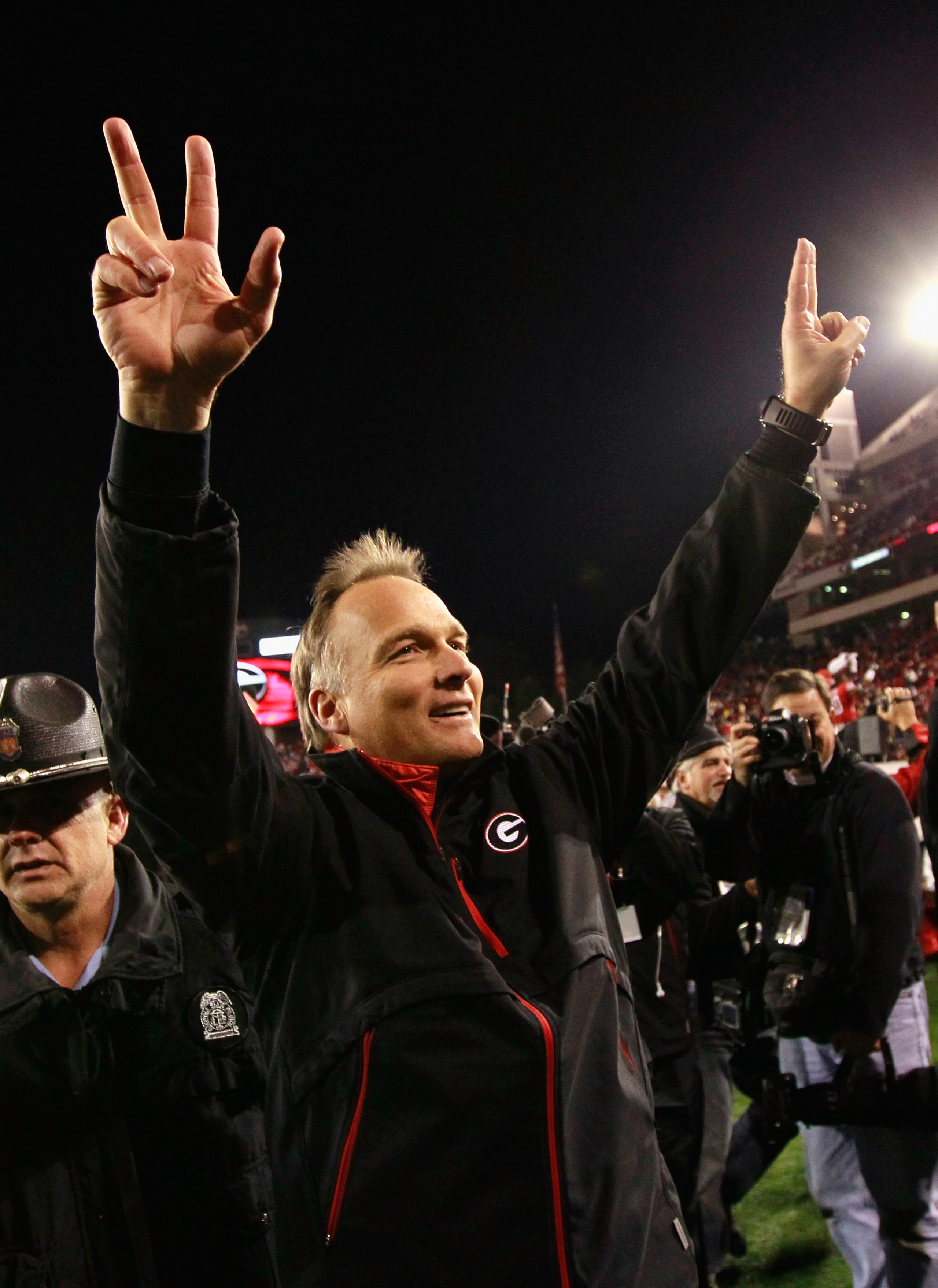
Six top-10 finishes, two SEC crowns and one of the best winning percentages in college football.
This past year's 6-7 mark was the first time his Bulldogs failed to finish with a winning record. Despite this blemish on his resume, Richt's teams have been to bowl games each of his 10 seasons in Athens.
The Bulldogs under Richt has finished in the top 25 all but two of his years. But many of the Bulldog faithful feel that 2011 will be his year to break through and win at least the SEC East crown and, maybe, the national title. Given the caliber of talent Richt brings to Athens yearly, this may be his last chance to prove he can produce with that level of talent.
Few coaches in SEC history have amassed the success Mark Richt has achieved in the first decade of coaching.
Gene Stallings
15 of 25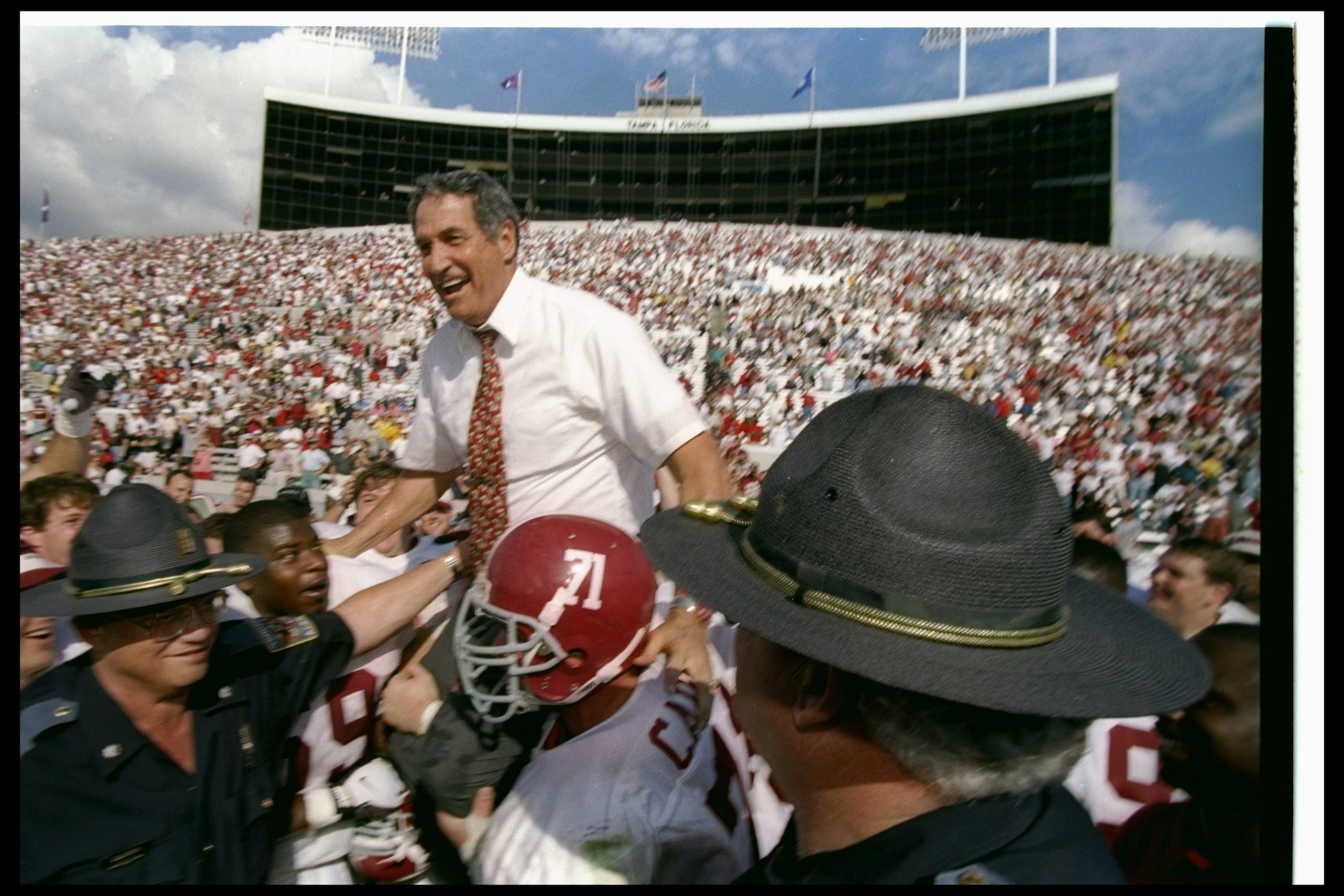
Gene Stallings is another SEC coach who had great success in a limited time. His 70–16–1 record in his short stay at the Capstone includes a national title in 1992.
Stallings' teams dominated the SEC regular season in the early 1990s; they won 45 games and lost only five from 1991 to 1995. Six bowl games (a seventh was denied due to NCAA sanctions despite an 8-3 record) in seven years for Stallings at 'Bama make him one of the program's most successful coaches.
His teams went to the SEC title game four times, winning it once and losing the last appearance to eventual national title winner Florida.
He's a member of the College Football Hall of Fame.
Johnny Majors
16 of 25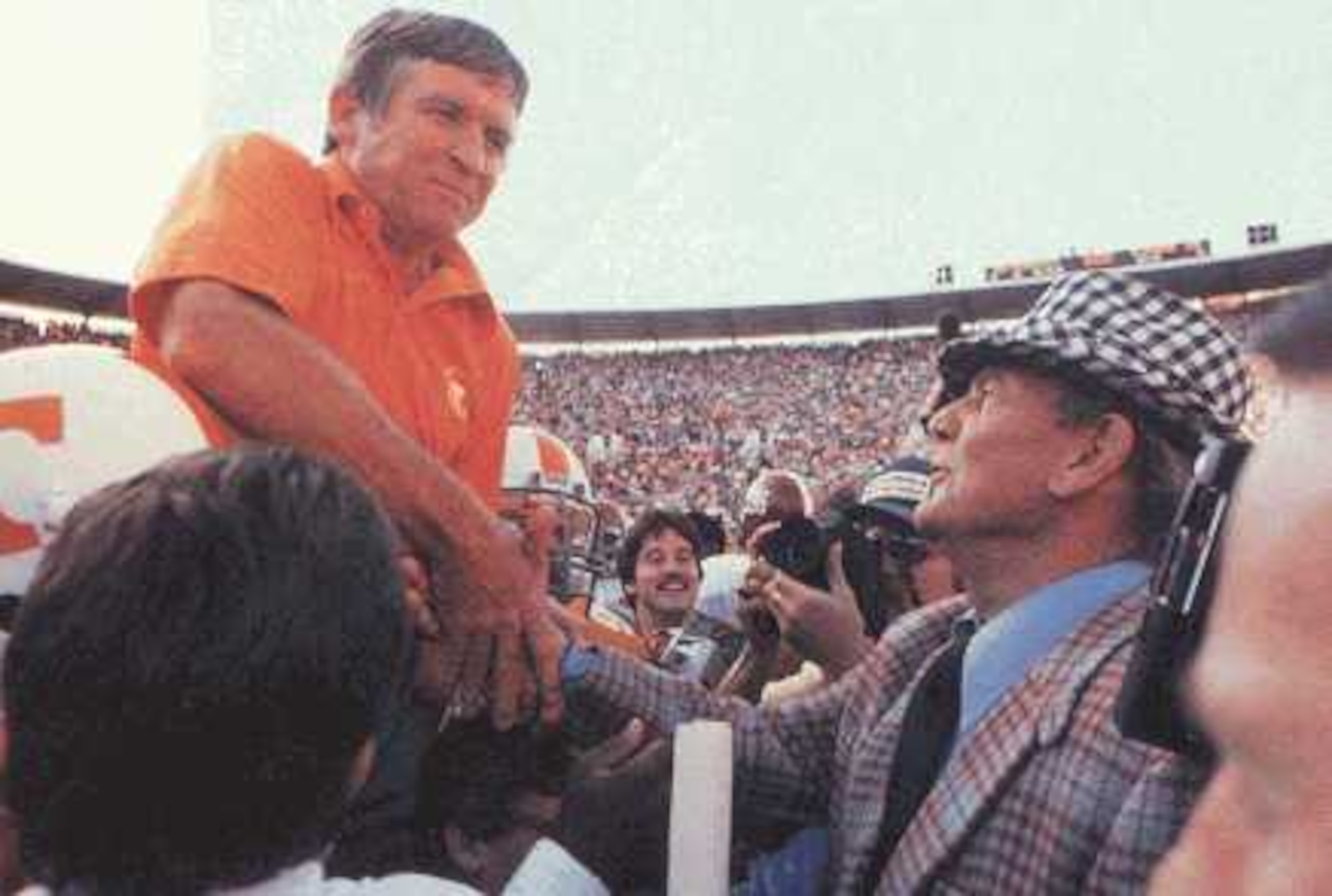
Johnny Majors had awfully big shoes to fill. In a program that featured legendary coach Bob Neyland, Majors had left Pittsburgh, where he guided the Panthers to a national title, to come to Tennessee and restore that team's fortunes.
Majors achieved success in the 1980s and early 1990s winning three SEC Championships (in 1985, 1989 and 1990) but falling short of a National Championship.
Eleven of his Vol squads played in bowl games. Six times, his teams finished in the top 20 nationally; three of those squads were in the top 10.
In his 16 years at Knoxville, Majors compiled a record of 116-62-8.
Nick Saban
17 of 25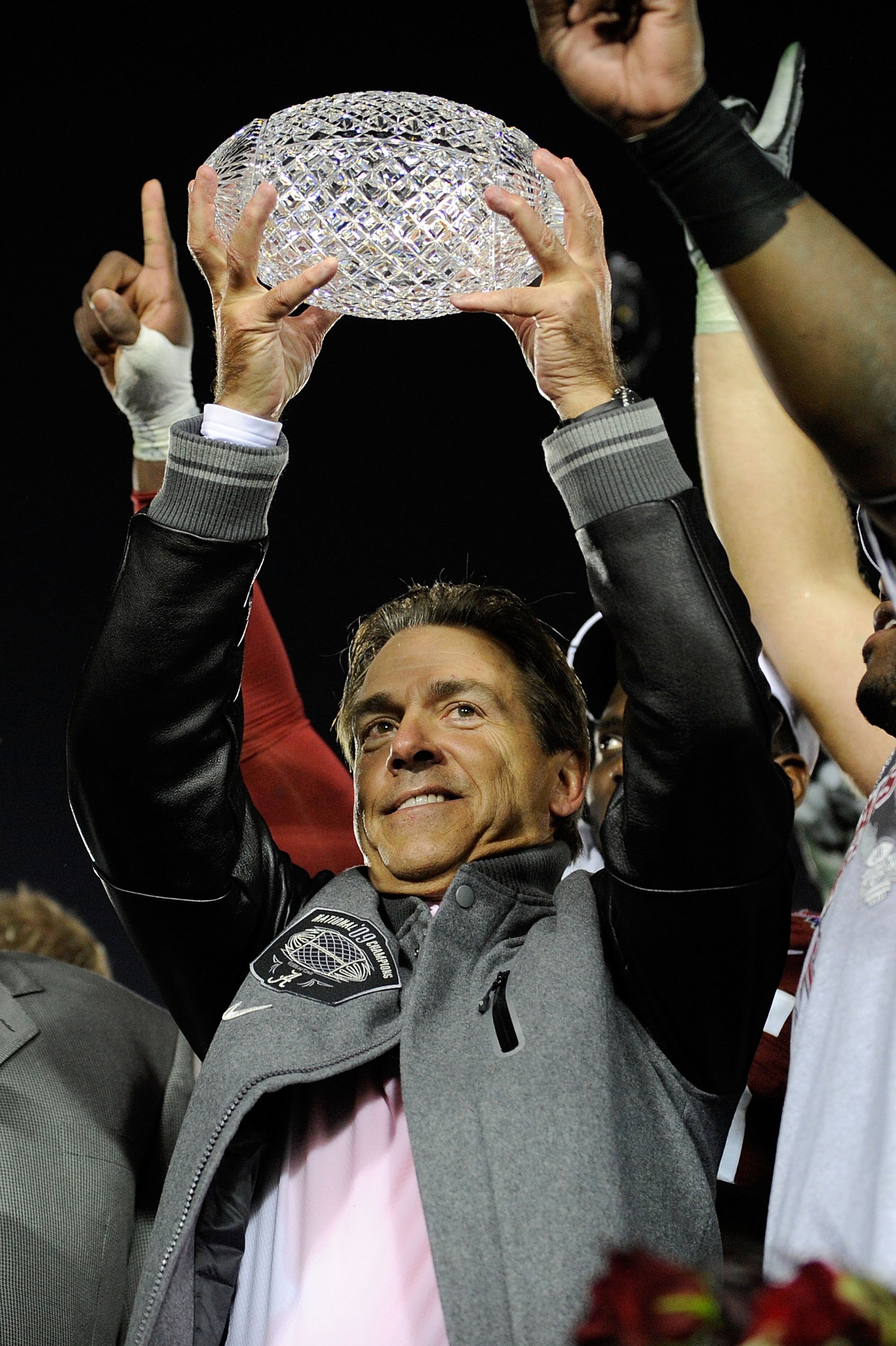
Saban proved he could do it at two schools and maintain a consistent, high level of play. His recruiting skills are legendary, some say almost criminal.
But he gets results. And in the rabid, football mad atmosphere of Tuscaloosa, that's what's important, ultimately.
His tenure at LSU saw Saban win his first national title. At Alabama, the faithful believe he will soon add to the one he has there already.
His SEC teams at LSU and 'Bama have gone bowling each year he has roamed the sidelines.
Two of his former assistants are now SEC head coaches, so the Bryant-like legacy is building for Saban.
Vince Dooley
18 of 25
A disciple of Shug Jordan, Dooley carved his own niche in SEC history by winning more SEC titles than his mentor as well as the national title in 1980. That year, he also coached Heisman winner Hershel Walker.
During his 25-year coaching career at UGA, Dooley compiled a 201–77–10 record. His teams won six SEC championships. Dooley won the 1980 National Coach of the Year as well.
Only five of his 25 years saw his teams not go bowling at season's end; 14 of those years saw his teams finish in the top 20 nationally.
Truly, Dooley is Georgia's greatest coach.
Paul Dietzel
19 of 25
Two SEC crowns and one National Championship certainly qualify Dietzel for this list.
He coached in Baton Rouge for less than a decade, but he brought the Bayou Bengals into the national spotlight.
A Bear Bryant protege, Dietzel was among the youngest coaches in the land when he took over in 1955. He compiled a 46-24-3 record in seven seasons
Along the way, he mentored Billy Cannon on that 1958 title squad, and he set the bar high for the later successes of the program.
Urban Meyer
20 of 25
With two national titles and a Heisman Trophy winner in three seasons, Urban Meyer's short tenure in Gainesville produced fantastic results.
Sporting a winning percentage of .842, Meyer's 2006 and 2008 championship teams rank among some of the best in college football history according to some.
He won two SEC titles in his time at Florida and was a game away (the 2009 SEC championship) from returning to the national title game for a third time.
Meyer may have enhanced his reputation long-term by retiring, leaving us at almost his peak, just like Jim Brown or Barry Sanders did.
Robert Neyland
21 of 25
General Robert Neyland stands as the giant of the University of Tennesse program.
Besides having the stadium named for him, Neyland's records at Tennessee coach will likely never be broken.
"Neyland remains the all-time winningest coach in Vol history with 173 wins in 216 games, six undefeated seasons, nine undefeated regular seasons, seven conference championships, and four claimed national titles."
In 1938 and '39, Neyland's Volunteers shut out seventeen (17) consecutive opponents.
Wow.
"Neyland was also an innovator. He is credited with being the first coach to utilize sideline telephones and game film to study opponents. His teams also were some of the first to wear lightweight pads and tearaway jerseys."
His seven SEC crowns alone would qualify him for this list.
Steve Spurrier
22 of 25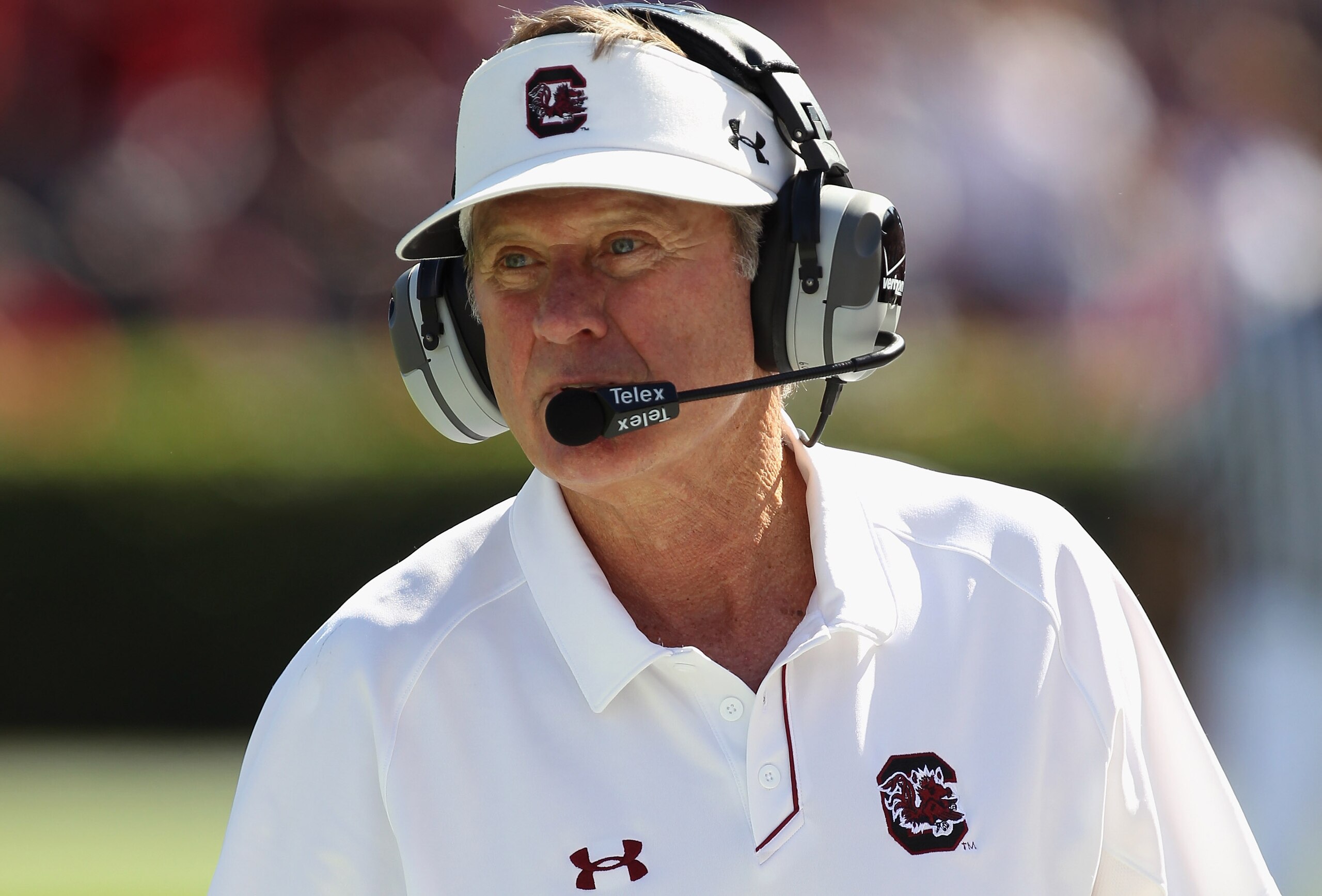
Steve Spurrier won the Heisman Trophy as a Florida Gator. That alone puts him in an elite fraternity.
But as a coach, Spurrier revolutionized SEC football, turning what was a three yards and cloud of dust league into one that opened up the passing game.
Returning to coach at his alma mater, Spurrier won a national title in 1996 and six SEC titles. His Gator teams averaged 10 teams a year. Never before in the history of the program had the school won any title in football.
Now, because of him, Florida football is synonymous with winning.
And he's adding to his resume by turning the moribund South Carolina program into a consistent winner; he had his Gamecocks in the SEC title game this past season. His consistently high recruiting classes seem to insure that Spurrier's teams will continue to perform at a high level.
John Vaught
23 of 25
Coach Vaught knew a good college prospect when he saw it. According to former Ole Miss star, Bobby Franklin, Vaught could "look at a kid and tell you how fast he was without running a step. And he'd be right."
Only two coaches hold winning records against Vaught: Bryant and Neyland.
Vaught's overall record at Ole Miss was 190-61-12. One hundred-and-six of those wins were against SEC foes.
"When Vaught was named Ole Miss head coach, the university ranked 9th in all-time Southeastern Conference football standings. When he retired in 1970, Ole Miss had moved up to third."
Along the way, Ole Miss won three national titles and six SEC titles to go along with six conference coach of the year honors. The stadium at Oxford shares his name.
Being one of the smallest universities in the conference, Vaught used that eye for talent to mine mostly local boys and teach them his hard-nosed style of winning. It worked.
Vaught died in 2006 at age 96 and is still mourned by the Rebel faithful.
Shug Jordan
24 of 25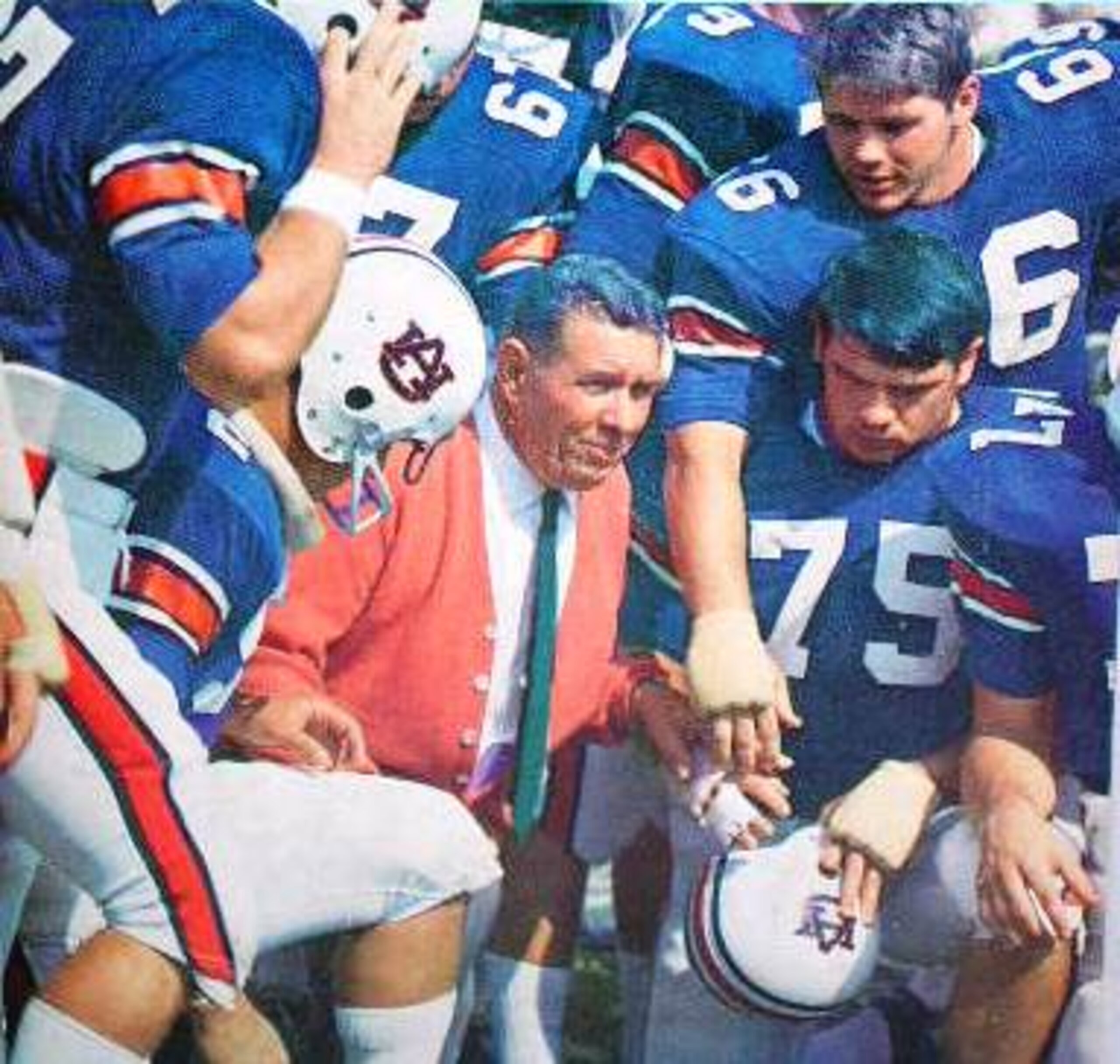
James Ralph Jordan got the name "Shug" because he loved sugar cane as a child. Shug coached Auburn for more seasons than any other coach and has recorded more victories than any other Auburn coach.
His teams won more than they lost 22 of the 25 years he was on the sidelines. His success was so key to Auburn's program the stadium on the plains shares his name.
His Tigers won the national title in 1957 and was the last Auburn team to do so until last month. In 12 seasons, he led his team to bowl games.
All of his record of 176–83–6 was at Auburn, although he was head coach of Georgia's basketball team at one time.
Twenty of his Tiger players went on to be All-Americans, and his only Heisman Trophy winner was Pat Sullivan. All of this was accomplished in the shadow of that "other" coach across the state from him.
Bear Bryant
25 of 25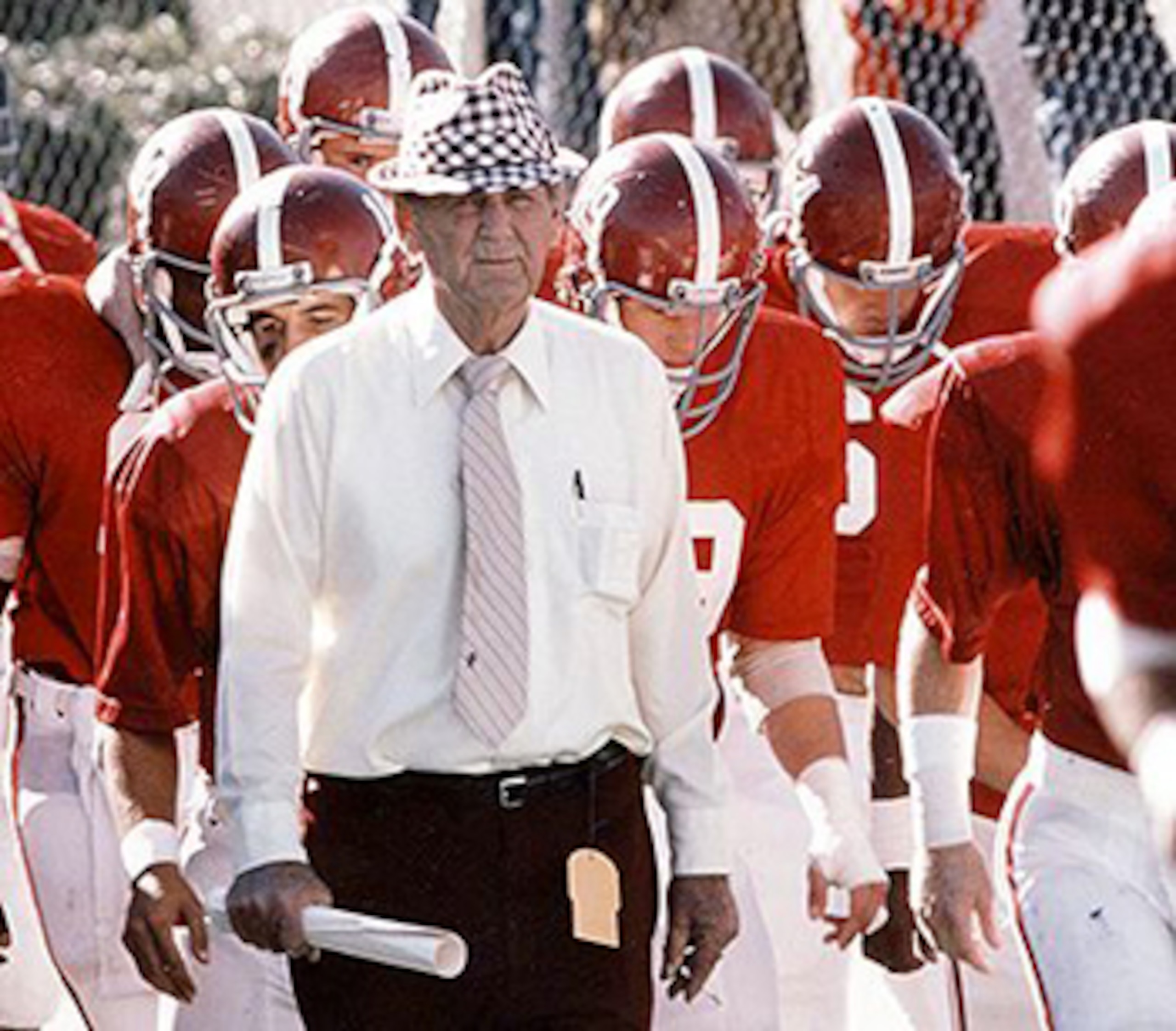
It's not the 323-85-17 overall record. It's not that he's a legend at Kentucky as well as at Alabama. It's not even the 10-time SEC Coach of the Year award or three-time National Coach award wins. It's not the huge legacy of head coaches in college and pro ranks who were among his former players and assistants.
Ok, part of it is the success of the six national championships and 13 SEC titles, but there's much, much more.
It's the mystique, the legend.
Who else does the nation think about when southern football is mentioned?
Most Alabamians, even those who are of the Auburn persuasion, have stories about their memories of Bryant.
And it doesn't hurt that the National Coach of the Year trophy is named for him.
The respect he garnered is perhaps best reflected by the fact that if you played for him, you never called him "Bear," the nickname he got as a kid in Arkansas.
No, if you were his player, you forever called him, "Coach Bryant," even if you were an old man.
He is SEC football.
_0.png?w=2560)



.jpg?w=2560 "Viral Rams Coach Vid 🖕")
.jpg?w=2560 "Injury-stricken Seahawks signing veteran RB")
.jpg?w=2560 "2 NFL Officials Suspended")


.jpg?w=2560 "Mahomes' Wife Trolls Kubiak 💀")

.jpg?w=2560 "Grading WWE Raw 🔠")