

The draft success of the Cowboys can be best defined by a three-year stretch (1988-90) in which Dallas nabbed famed "Triplets," WR Michael Irvin, QB Troy Aikman and RB Emmitt Smith, building the foundation for three Super Bowl titles and Hall of Fame inductions for all three.
Yet, for each legend the Cowboys have grabbed off the board, the first round has also led to its share of inexplicable selections, players that looked as if they would help keep "America's Team" afloat, but eventually became shining examples of how a franchise that revolutionized the approach to drafting can be imperfect.
As Dallas sits on the ninth-overall selection in this year's draft, the following takes a look back at some of the biggest first-round flops in franchise annals. General manager Jerry Jones can only hope that time will be kind to whoever the Cowboys take on April 28. When compared to the following players, the bar is set pretty darn low for Dallas' next first rounder.
12. Danny Noonan, DT, Nebraska (12th Overall, 1987)
1 of 12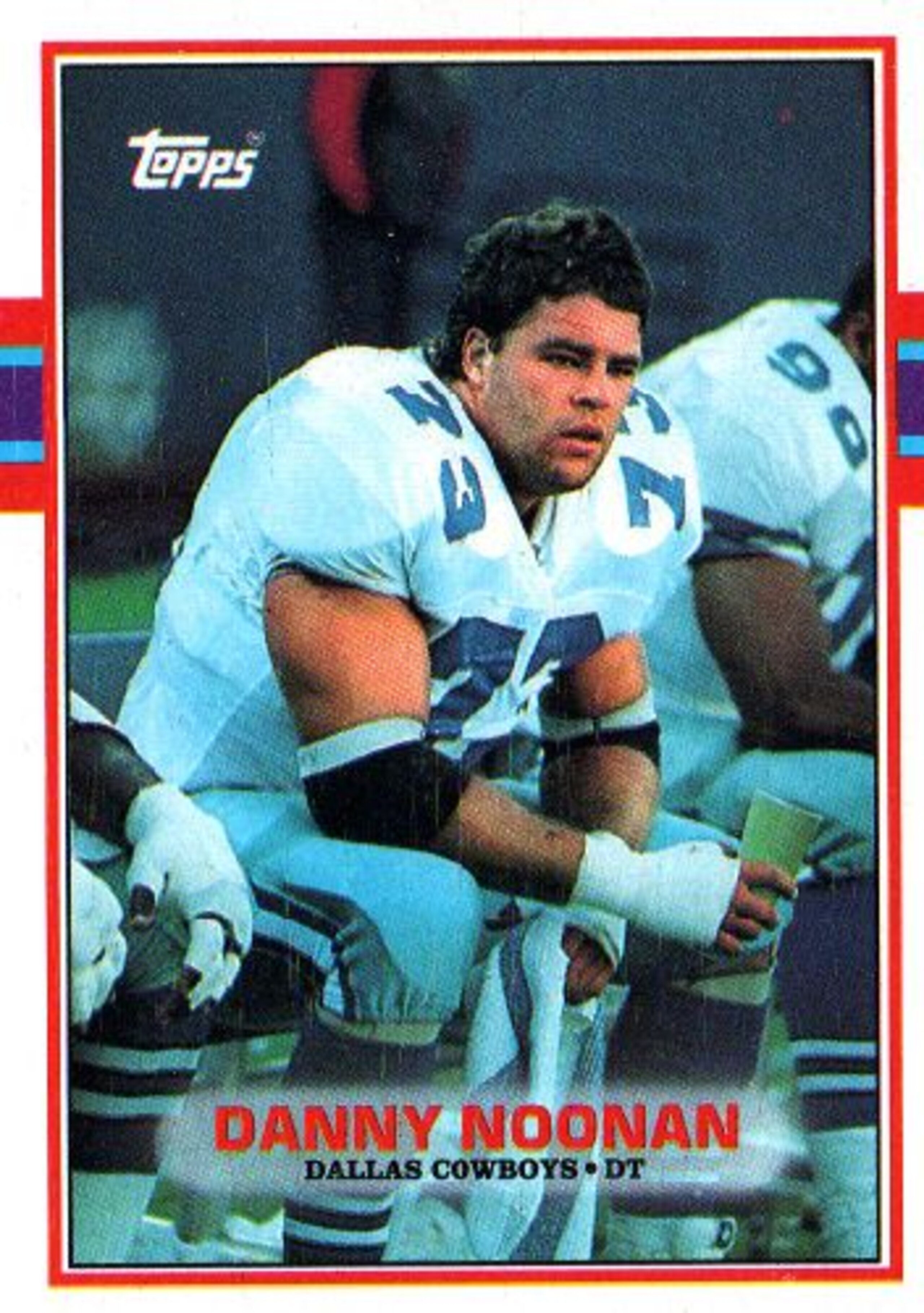
Not to be confused with golfer Danny Noonan from the classic movie, "Caddyshack," this Noonan couldn't find the hole—nor plug one—during a nondescript six-year career. Noonan looked like he would live up to his All-America press clippings when he recorded 7.5 sacks in 1988, but injuries and the wave that came from the arrival of Jimmy Johnson led him to the bench before he was released after two games during the 1992 season. Instead of being part of the revival of "America's Team," Noonan ended his career with the Packers, appearing in six contests.
Among the players the Cowboys missed in the first round were WR Haywood Jeffires (20th to Houston), Harris Barton (22nd, San Francisco) and Bruce Armstrong (23rd, New England).
11. Billy Cannon, Jr., LB, Texas A&M (25th Overall, 1984)
2 of 12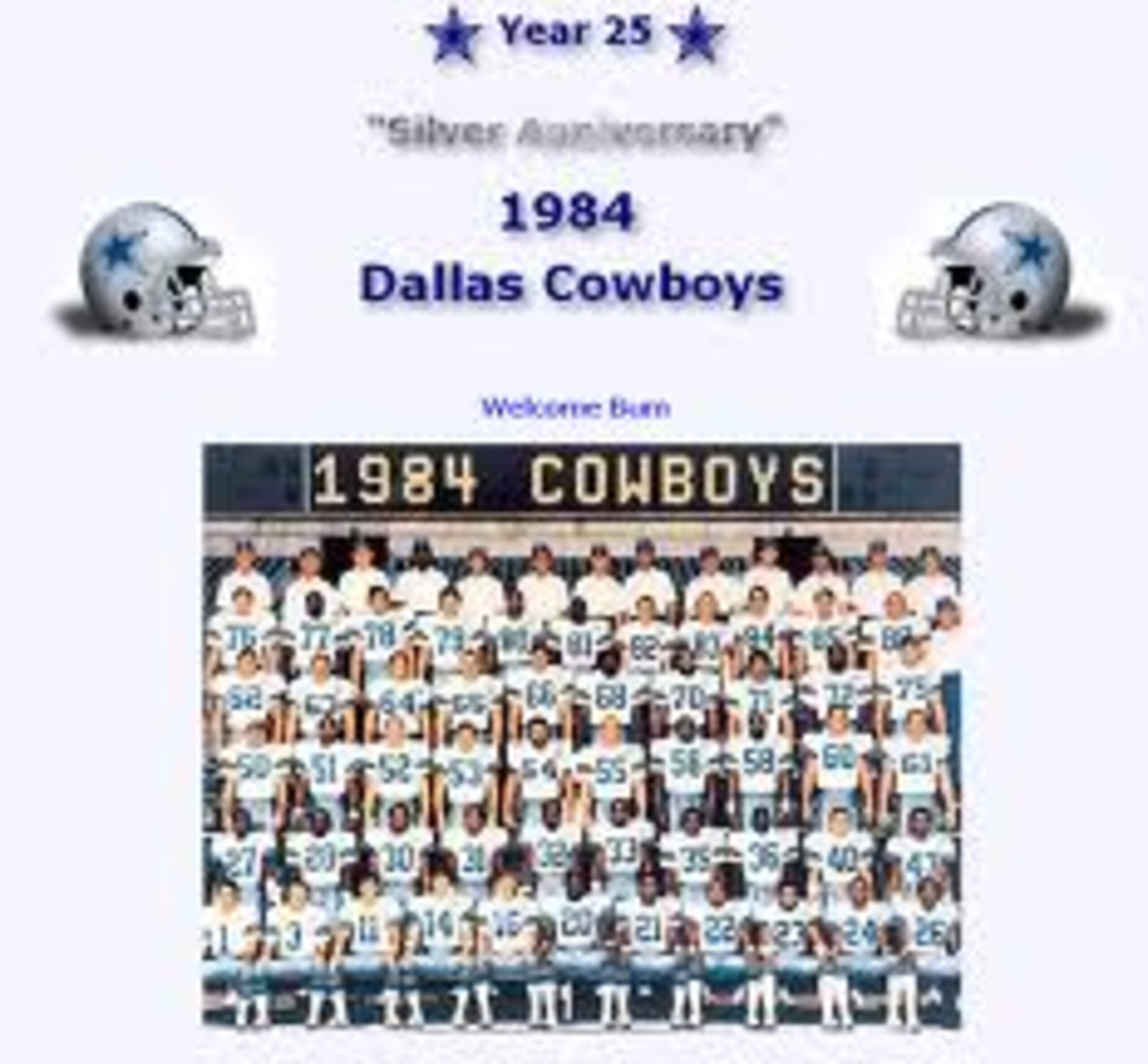
For starters, Cannon had huge shoes to fill. The son of former Heisman winner and American Football League icon Billy Cannon, the younger Cannon (No.52 on the above team photo) played only eight games before a neck injury ended his career.
Junior never started a game and was considered a bit of a reach to begin with. Coupled with the failure of DT/DE Kevin Brooks (don't worry, we'll get to him), it shouldn't come as a shock that the Cowboys' aging defense would finally give way in 1986, leading to the franchise's worst four-year stretch since the early 1960s.
10. Howard Richards, OT (25th Overall, 1981)
3 of 12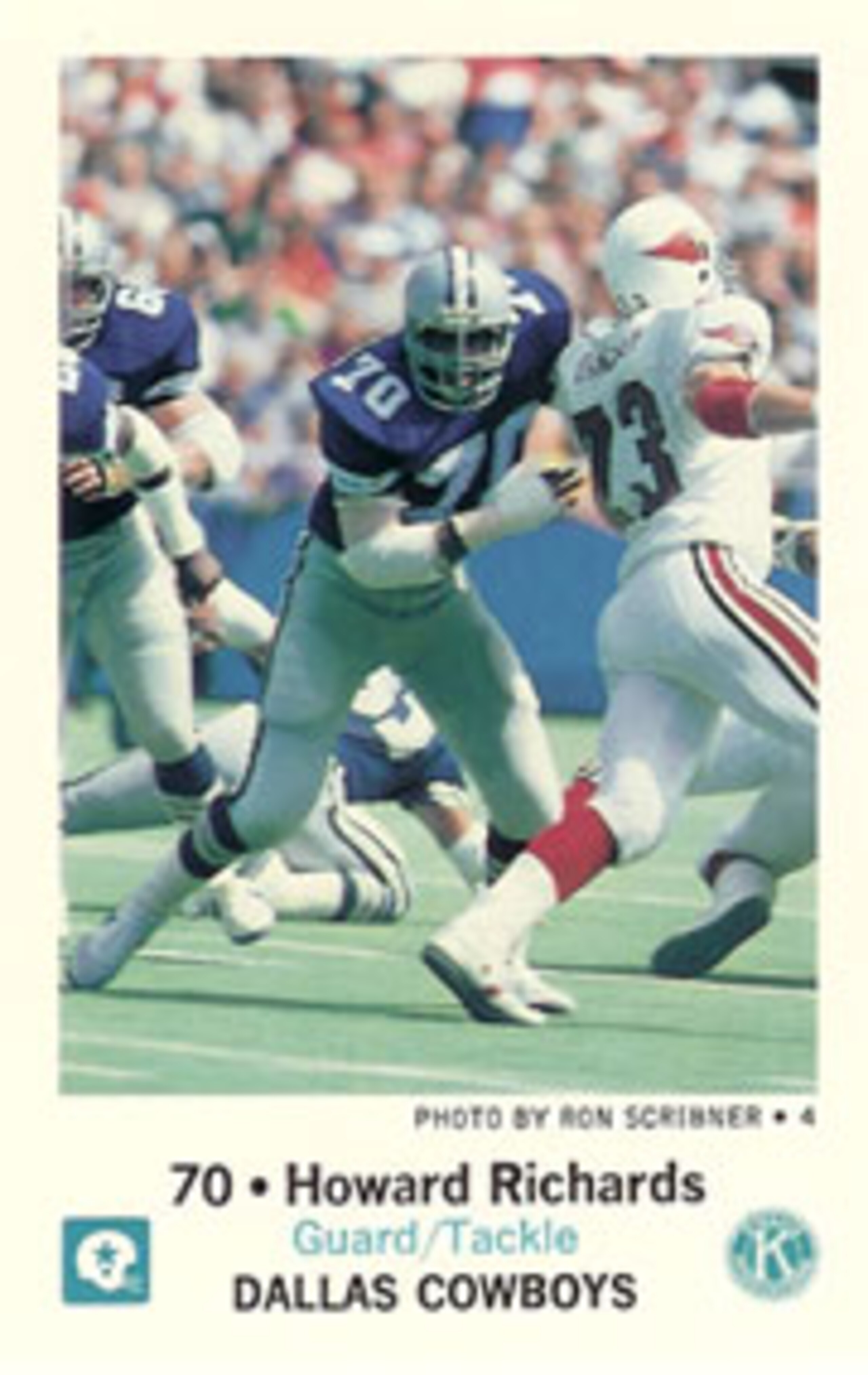
If you've noticed, this list thus far has one clear theme: the Cowboys' first-round drafting success from 1978-87 flat-out stunk.
The latest Dallas flop in this period comes in the form of Richards, a 6'6", 263-pounder who showed very brief flashes of his potential before injuries and his knack for allowing defensive linemen into the backfield led to his release after the 1986 season. Richards appeared in just 67 games for the Cowboys, managing only 18 starts.
Once again, the Bears happened to benefit from the misfortune of the Cowboys' brain trust. Early in the second round, Chicago chose Baylor's Mike Singletary, who turned out to become one of the game's greatest linebackers en route to getting a bust in Canton. Dallas also missed out on two other future Hall of Famers, as DE Howie Long (48th, Oakland) and LB Rickey Jackson (51st, New Orleans) were still on the board.
.jpg?w=2560 "Commanders 49ers Football")
.jpg?w=2560 "Colts Football")
.jpg?w=2560)
9. David LaFleur, TE, LSU (22nd Overall Pick, 1997)
4 of 12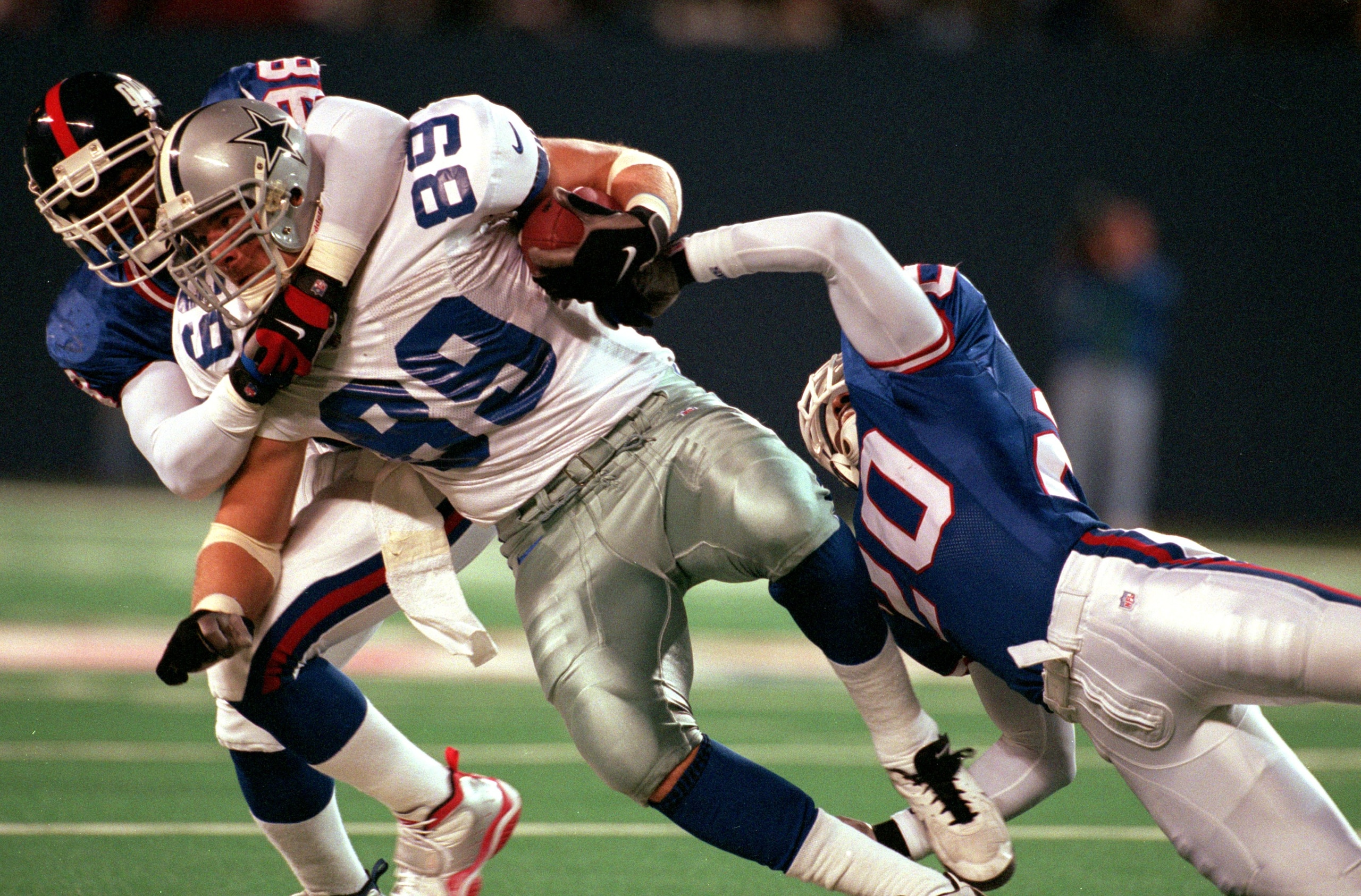
The 6'7", 270-pound LaFleur was brought in as the heir apparent to Jay Novacek, and while he looked the role of future Pro Bowler, the results proved otherwise.
Injuries helped conspire to limit LaFleur to just four seasons, but he managed only 85 receptions for a mere 729 yards and 12 touchdowns. LaFleur appeared to have turned a corner after catching seven TDs in 1999, but pulled in only 12 receptions the following year. Expected to be a threat in the open field, LaFleur's glacial-like speed translated into just 8.6 yards per catch.
8. Rod Hill, CB (25th Overall, 1982)
5 of 12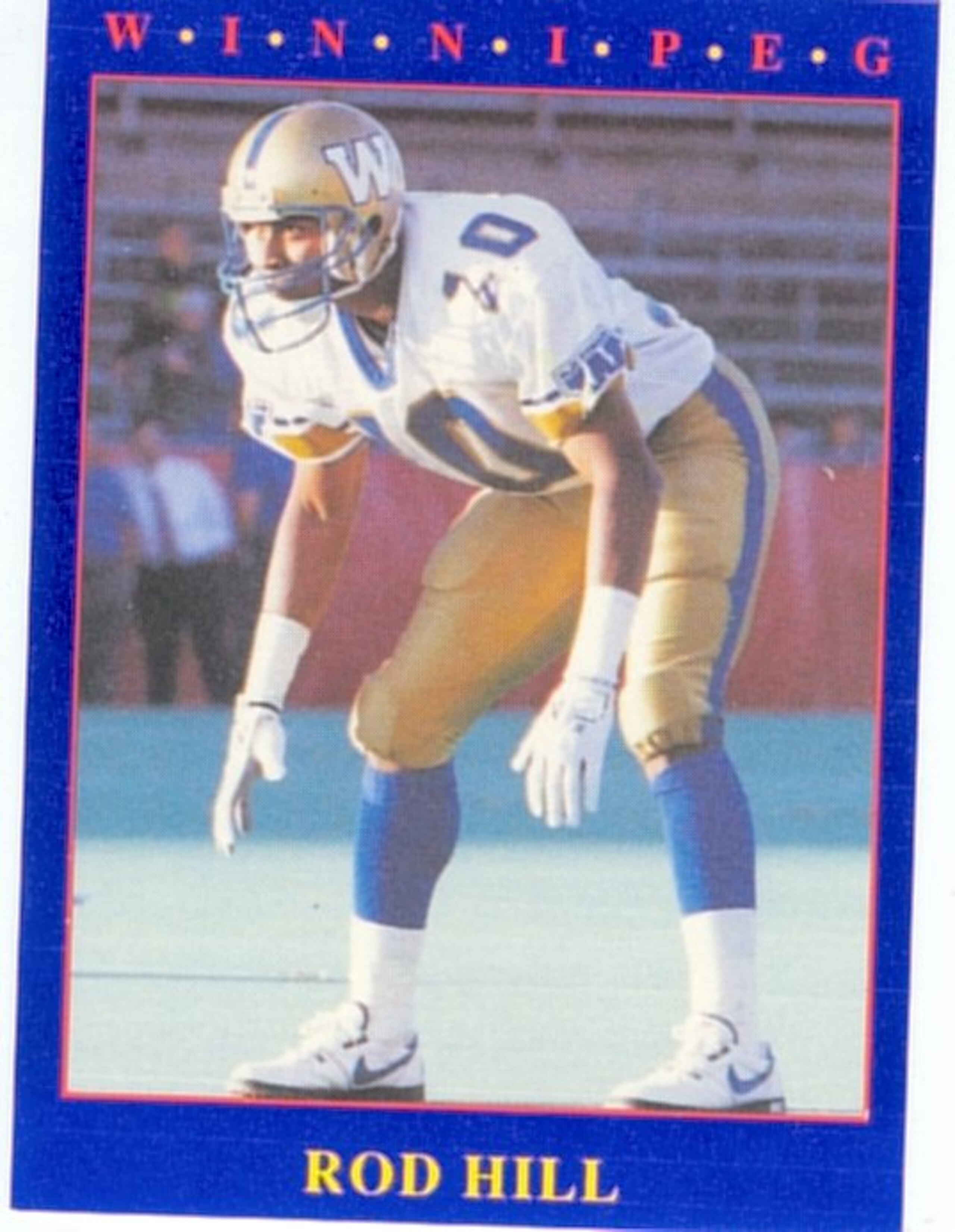
Wondering why there's a photo of Rod Hill in a Winnipeg Blue Bombers jersey? Simple: He stunk as a Cowboy.
The former Florida standout was drafted by the Cowboys to provide depth in the secondary for Everson Walls and Dennis Thurman. His return skills was also a calling card for Dallas, but Hill gave the Cowboys precious little of either over 23 games in two years, recording a pair of interceptions while averaging a measly 17.4 yards per kickoff return.
Brief stints with Detroit and Buffalo led to being exiled to Canada, where Hill did find a home with Winnipeg, where he earned two All-Star nods (1989-90) in his five-year career up north. He still holds the Blue Bomber record for career interceptions.
If only they paid more attention to the linebacker taken 16 picks later. All Andre Tippett did for the Patriots was give them 100 sacks over a 12-year career that led to an induction into the Pro Football Hall of Fame.
7. Robert Shaw, C (27th Overall, 1979)
6 of 12
Unlike the Robert Shaw most known for his role as the gritty World War II vet Quint in the original Jaws, this one was unable to navigate the deep waters of his profession.
A two-time All-SEC performer, Shaw sat behind incumbent John Fitzgerald his first two seasons before winning the starting nod in 1981. Sadly, his career came to an abrupt end on a Monday night against the Patriots, when he tore his knee. An attempted comeback fell short the following season, leading to his retirement.
This one is a tough one to add on this list, but it does show just how erratic the Cowboys' drafts were from 1978-87. The '79 draft was especially brutal for Dallas; including Shaw, four of their first five picks were out of the league by the end of the 1981 campaign.
6. Shante Carver, DE (23rd Overall, 1994)
7 of 12
Looking to add to an already stellar defense, the two-time defending champions grabbed Carver,a two-time All-American from Arizona State and a former collegiate teammate of S Darren Woodson.
Carver served as a backup in his first three seasons, but he worked his way into the starting lineup in 1997, when he recorded six of his 11 career sacks.
Drug issues led to his departure from the NFL after the '97 season, but Carver played briefly in the Arena League and was a member of the Memphis Maniax in the only year of the XFL's existence.
5. Larry Bethea, DE/DT (28th Overall, 1978)
8 of 12
The Cowboys thought they had a versatile gem in Bethea, who terrorized Big Ten backfields as a standout at Michigan State. Instead, they ended up with a talented, yet troubled young man whose five seasons in Dallas were mixed with injuries, broken promises and substance abuse.
Bethea was unable to take advantage of the one-year departure of defensive end Ed "Too Tall" Jones in 1979 and only started two games in his career. Frustrated by his failed potential, the Cowboys parted ways with him after the 1982 season, but Bethea bounced around the United States Football League before his career ended in 1985.
Sadly, Bethea's life came to an abrupt end on the afternoon of April 24, 1987. Identified as the prime suspect in two armed robberies, Bethea shot himself to death as police closed in.
4. Kevin Brooks, DT, Michigan (17th Overall, 1985)
9 of 12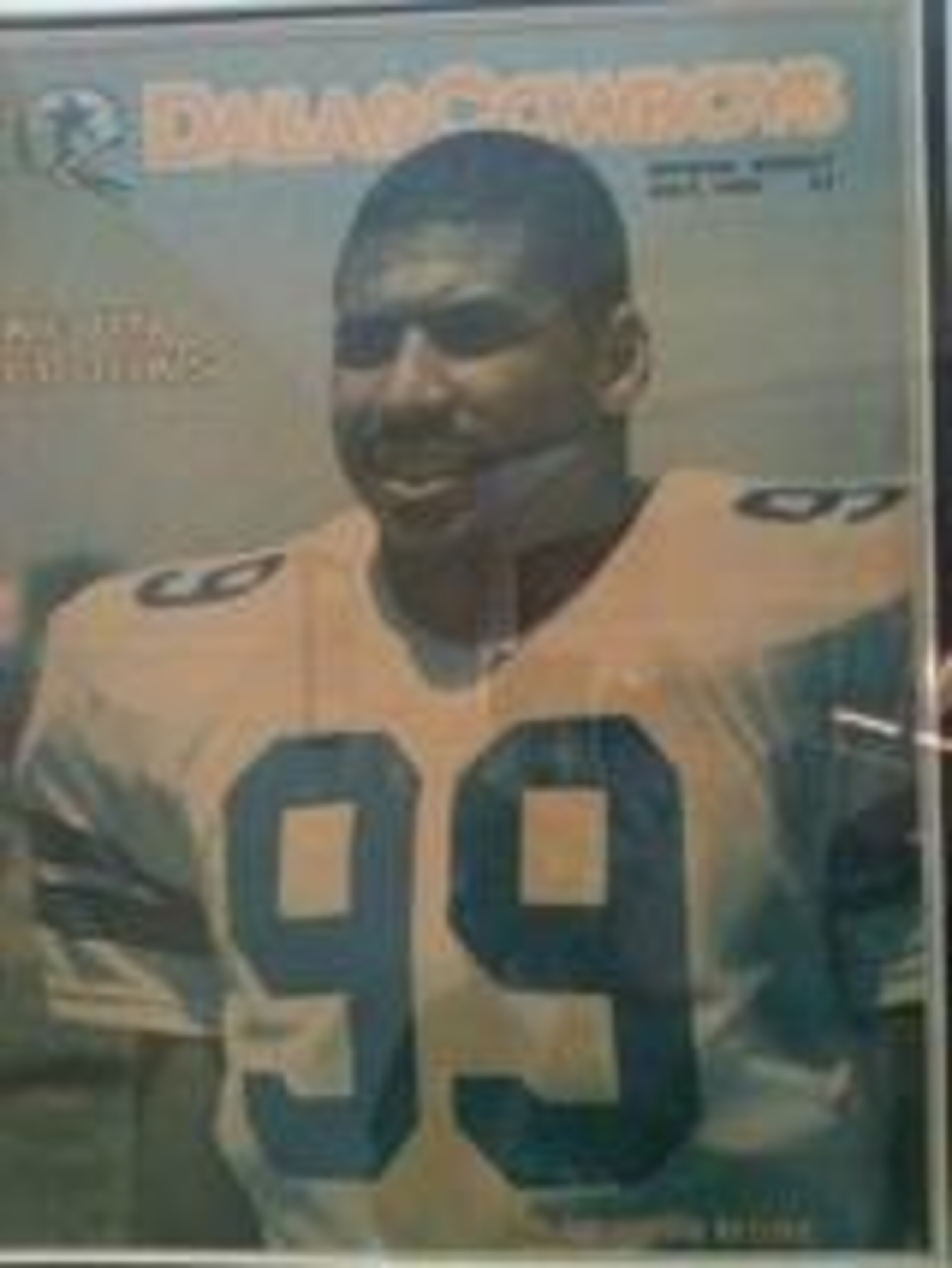
The Cowboys thought that Mississippi Valley State WR Jerry Rice would fall to them, but the 49ers orchestrated a deal with the Patriots that allowed San Francisco to jump in front of Dallas, thus changing the course of NFL history.
Brooks' four years with the Cowboys only compounded the pain from not getting Rice. With future Hall of Fame DT Randy White and DE Ed "Too Tall" Jones approaching the end of their careers, Brooks was expected to carry the mantle well into the next decade, but he managed just 12 sacks in his 48 games (26 starts) with Dallas.
Brooks left the Cowboys after the 1988 season, spending the final two years of his nondescript career in Detroit, where injuries forced him out of the league following the 1990 campaign.
3. Scott Appleton, DT (4th Overall, 1964)
10 of 12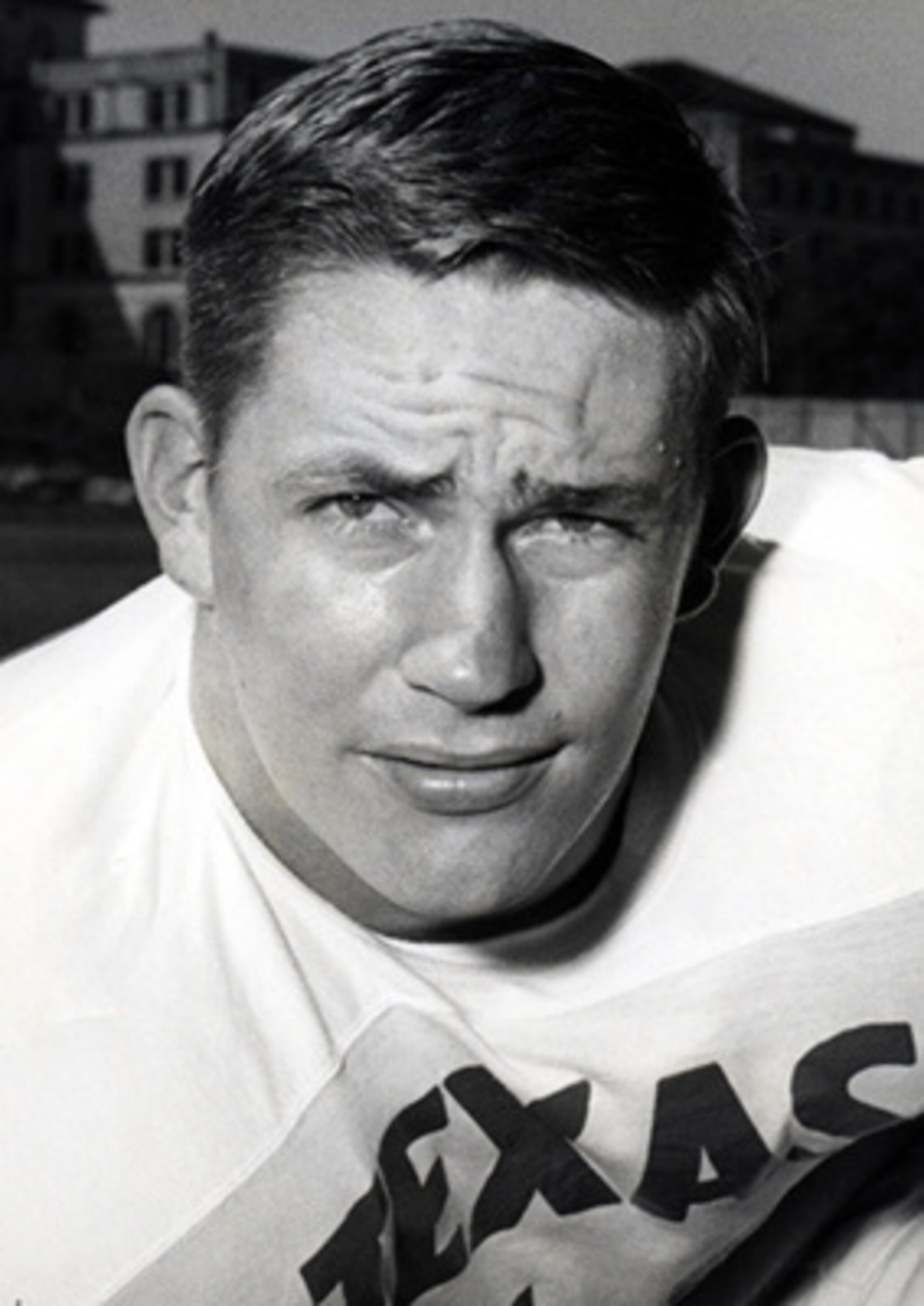
Appleton was named the 1963 Outland Trophy winner while leading the Texas Longhorns to the national title. Anxious to grab such a defensive stalwart, the Steelers traded veteran WR Buddy Dial to Dallas in exchange for the Cowboys using their pick to get Appleton to don the black and gold.
As it turned out, Appleton never played a down in the NFL; the Houston Oilers picked him in the first round of the AFL draft and were able to procure the rights to the rugged Texan. Appleton never started a game in his three years with Houston before spending the last two seasons of his career with the San Diego Chargers.
Appleton turned out to be a footnote in what proved to be a heralded draft for Dallas. The Cowboys grabbed three future Hall of Famers in CB Mel Renfro (second round), WR Bob Hayes (seventh) and QB Roger Staubach (10th).
2. Dennis Holman, WR (20th Overall, 1968)
11 of 12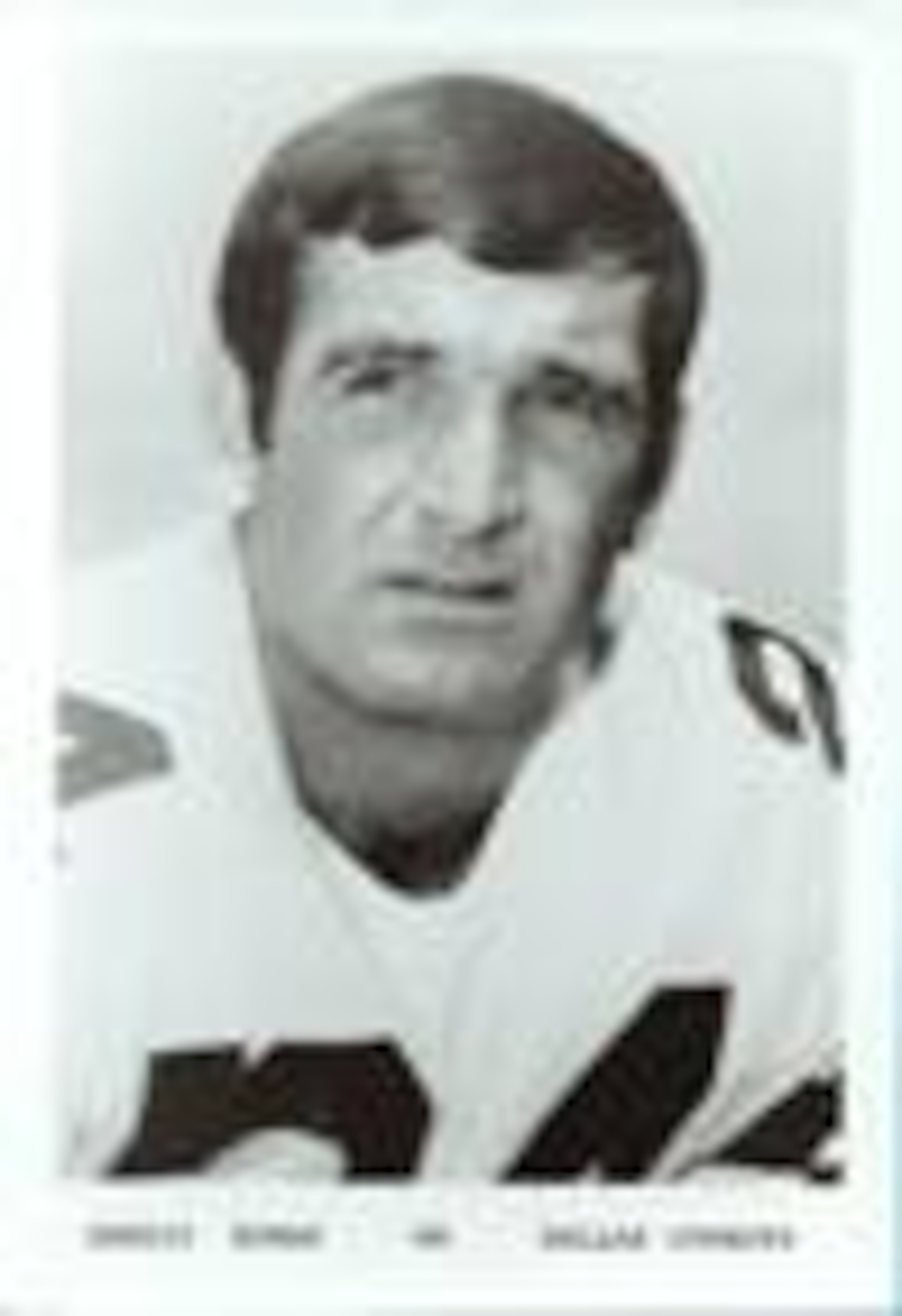
The Cowboys envisioned years of Homan and future Hall of Famer Bob Hayes pairing up to devastate NFL secondaries when they grabbed the Alabama star, but grandiose dreams turned into wishful thinking.
Homan caught just 23 passes in three seasons with the Cowboys before getting cut in 1971. In a weird blessing in disguise, Homan's failure provided the spark that enabled Dallas to trade for Lance Alworth prior to the '71 season; the future Hall of Famer became a key contributor in the Cowboys' run to their first Super Bowl title and scored the game's first touchdown in the 24-3 rout of Miami.
Making matters worse, the Cowboys followed the selection of Homan with WR Dave McDaniels, who appeared in only four games without catching a pass in his only professional season.
1. Bill Thomas, RB (26th Overall, 1972)
12 of 12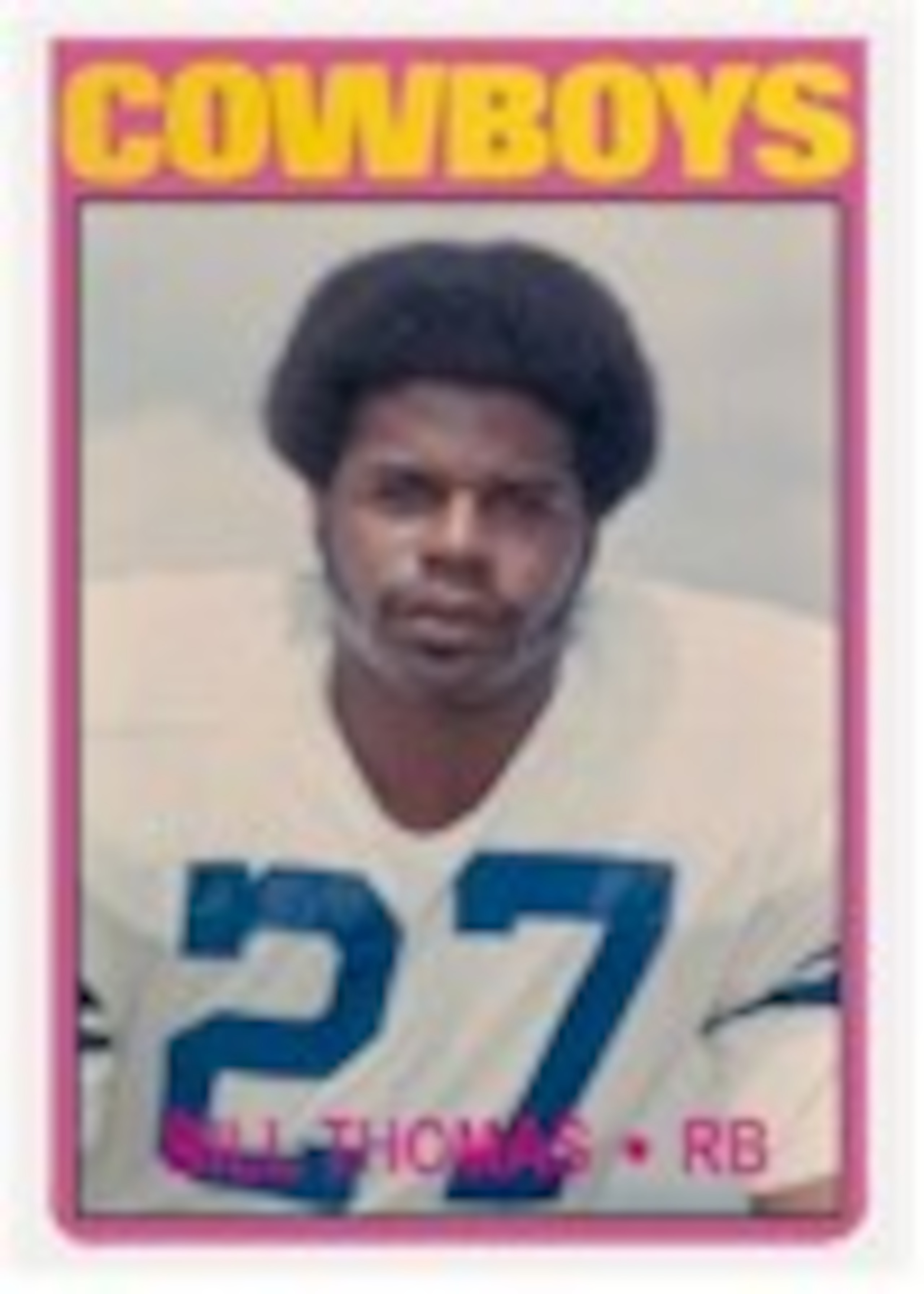
Yes, the afro is pretty cool, but one has to think that's not the reason why the then-defending Super Bowl champs selected him.
The Cowboys were pretty deep in the backfield at the time, with Duane Thomas, Calvin Hill and Walt Garrison atop the roster. Duane Thomas' flaky nature may have the impetus to pick Bill Thomas, but the point was moot as the former Boston College star never had a regular season carry for Tom Landry, returning just two kickoffs for 50 yards. Thomas played a season each with Houston and Kansas City before calling it a career in 1975.
Fortunately, Dallas found a back with their next pick. Second-rounder Robert Newhouse lasted 12 seasons with the Cowboys and is the franchise's fourth-leading rusher in team annals.
.jpg?w=2560 "DOLPHINS-AIKMAN")



.jpg?w=2560 "Malik Beasley Negotiating Plea Deal (AP)")