Denard Robinson's Play Hints at Troubling Reality for Some College Players
 If Michigan quarterback Denard Robinson's performance against Michigan State is a good indicator of the depth of his skills against a great defense, Robinson may serve as this season's manifestation of a nasty, lingering dilemma in college football.
By prohibiting players from receiving personal stipends or hiring agents, the NCAA attempts to bill college athletics as a cultivator of skills necessary for long-term success. Yet, at the same time, boosters force most college football programs like corporations, with wins as their revenue.
To reconcile the interests of both parties, colleges seek middle ground by treating players as both students and employees. Students play for free, while coaches recruit and train players for immediate results. Under this system, some athletes thrive, but other potentially great athletes fizzle.
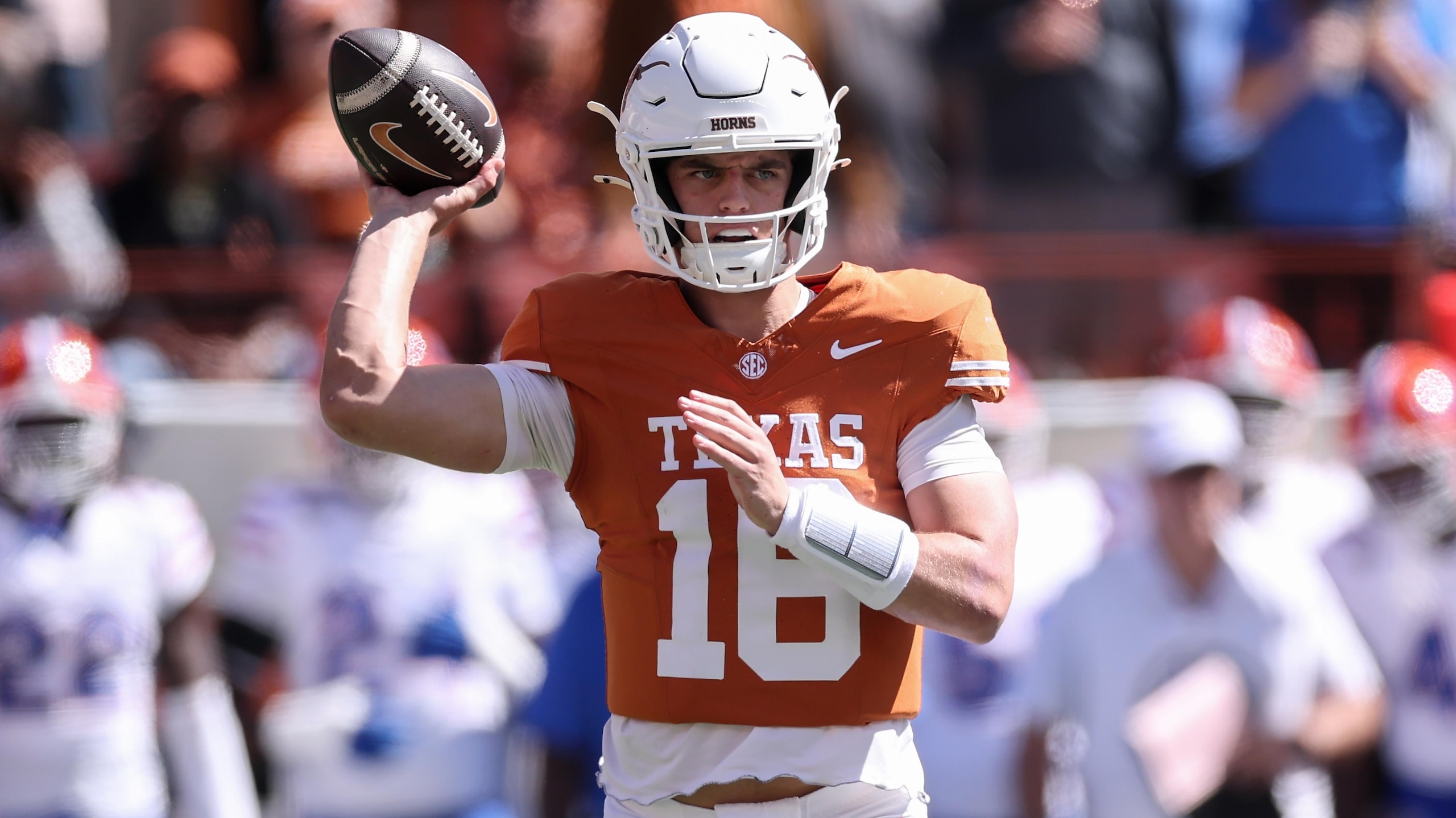

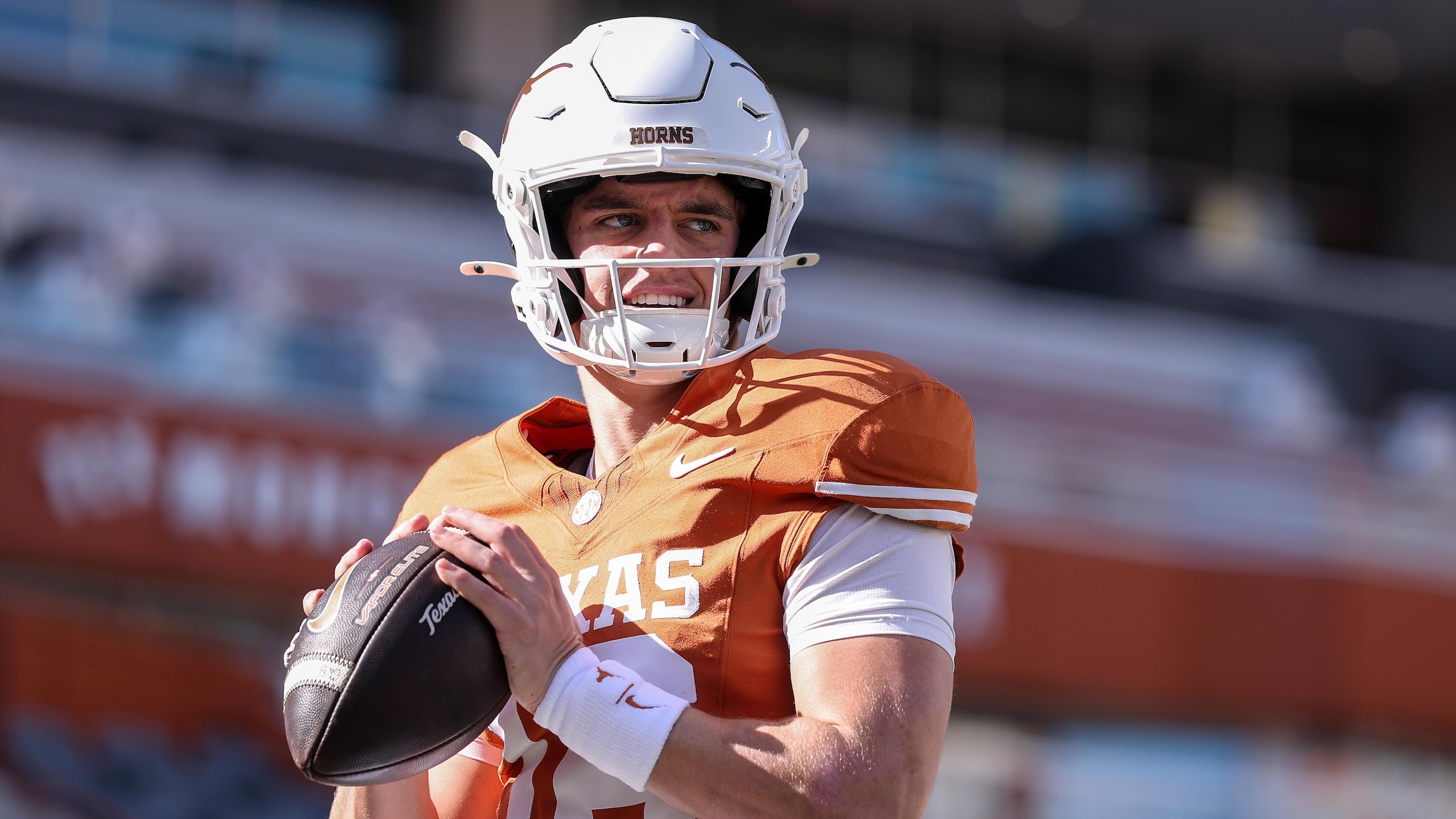
Robinson's play has been superb through six games. He has thrown for over 1,200 yards and ran for nearly 1,000. He is a favorite for this year's Heisman Trophy. But against Michigan State, his first taste of an elite defense, he ran with great success—he gained 86 yards rushing—but he threw three interceptions, which is two more than he had thrown all season.
His elite dual-threat ability as a quarterback is perfectly suited to coach Rich Rodriguez's spread offensive system at Michigan. Yet, because the Wolverines defense is so suspect, his play will be more and more crucial to Michigan's success against quality Big Ten opposition.
Robinson will need to show utilize the skills he showed in his first five games as a starter, but with fewer mistakes than he made against Michigan State. Perhaps nothing could be worse for Robinson.
The stiff competition and high demands of the rest of this season—and, indeed, the rest of his seasons at Michigan—will help Robinson to mature, but they will do little to help him improve the skills necessary to be successful on the professional level.
Rodriguez's spread offense is tailored to quarterbacks who are able to make plays with their feet. High accuracy from throws out of the pocket is of less importance to a quarterback in a spread offense than one in a pro-style offense. Robinson's system, while it requires some degree of consistency throwing, will demand less of his arm than would other systems.
For Michigan to succeed, he will need to show improvement from Saturday's performance, but he must also continue to be the dual-threat that has proved so effective this season. In this scenario, Robinson reaps the benefits of Michigan's success, but he also reaps the costs of putting off his training in pro quarterback skills.
Robinson's abilities and style of play compare closely with those of Vince Young while at Texas. Throughout his college career, Young drew criticism for his raw throwing mechanics and low accuracy, but he was lauded for his ability to make plays running the football.
The impact of Young's versatility peaked with his performance in the 2006 Rose Bowl, perhaps the greatest performance of any player in bowl history. It helped him to secure the third overall pick in the 2006 NFL Draft. Yet, since then, his play with the Tennessee Titans has been marred by streaks of inconsistency, inaccuracy and instability. His unpolished passing ability has prevented him from becoming any better than an average NFL quarterback.
Young's disappointments in the NFL have troubled him personally at times. In late 2008, Young reportedly told several people close to him that he wanted to quit football, mentioning the possibility of suicide several times. Earlier that year, he had tried to keep himself out of a game after being booed for throwing an interception.
Young's behavior in 2008 is uncommon in the NFL, but it emphasizes the tragic irony high-profile college players face when their skill sets do not fit the needs of their NFL positions. Hopefully this won't be the case for Denard Robinson. Hopefully Saturday's performance was just a fluke.
The acclaimed quarterback of Rich Rodriguez's spread offense at West Virginia, Pat White, lasted only one season in the NFL. It's safe to say that Rodriguez worries little about whether Robinson will fare any better. Rodriguez is on the hot seat at Michigan. If the Wolverines don't win now, and keep winning later, he's gone.
Boosters want wins, and they demand coaches and players who will bring those wins. Coaches like Rodriguez, for the sake of their careers, are forced to bear the same mindset.
On the other hand, many of their players, whose careers are mere potentialities due to NCAA regulations, are forced to put their own careers at risk to execute systems that exploit their raw physical gifts at the expense of their long-term development. Vince Young has been blessed with opportunities to adapt to the NFL system. Many players only slightly less gifted than Young have not.
There are good reasons why the NCAA treats players first as students and second as athletes. Yet, so long as it does, there always will be players whose potential never fully materializes because the institutions designed to nurture that potential perversely inhibit it.
Sources:
Michael Rosenberg, “Titans' Vince Young shows that he might have a second act.” Sports Illustrated.
.jpg?w=2560)

.jpg?w=2560 "Jonathan Taylor Landing Spots")
.jpg?w=2560 "Malik Beasley Negotiating Plea Deal (AP)")
.jpg?w=2560 "NFL House in Paris Closes for Protests (AP)")