
Seven Lessons UCLA Football Must Learn Before Pac-10 Opener Vs. Stanford
While most Division 1 programs began their seasons against double-digit underdogs last week, the UCLA Bruins faced off against the comparably-talented Kansas State Wildcats.
A 33-21 victory by K-State put the Bruins’ daunting schedule in perspective and provided some insight on UCLA’s weaknesses, as well as how they can turn their season around in time for Saturday’s Pac-10 Conference opener against Stanford at the Rose Bowl.
UCLA needs to improve in seven different facets of their game this week if the team thinks it has a shot against the Cardinal on Saturday, Sept. 11.
1. Improve the Run Defense
1 of 7
The Bruins’ front seven got trampled by tailback Daniel Thomas and Kansas State for 313 team rush yards in the opener. While Thomas is a very talented back, the Bruins will surely face even better running games further along in their schedule.
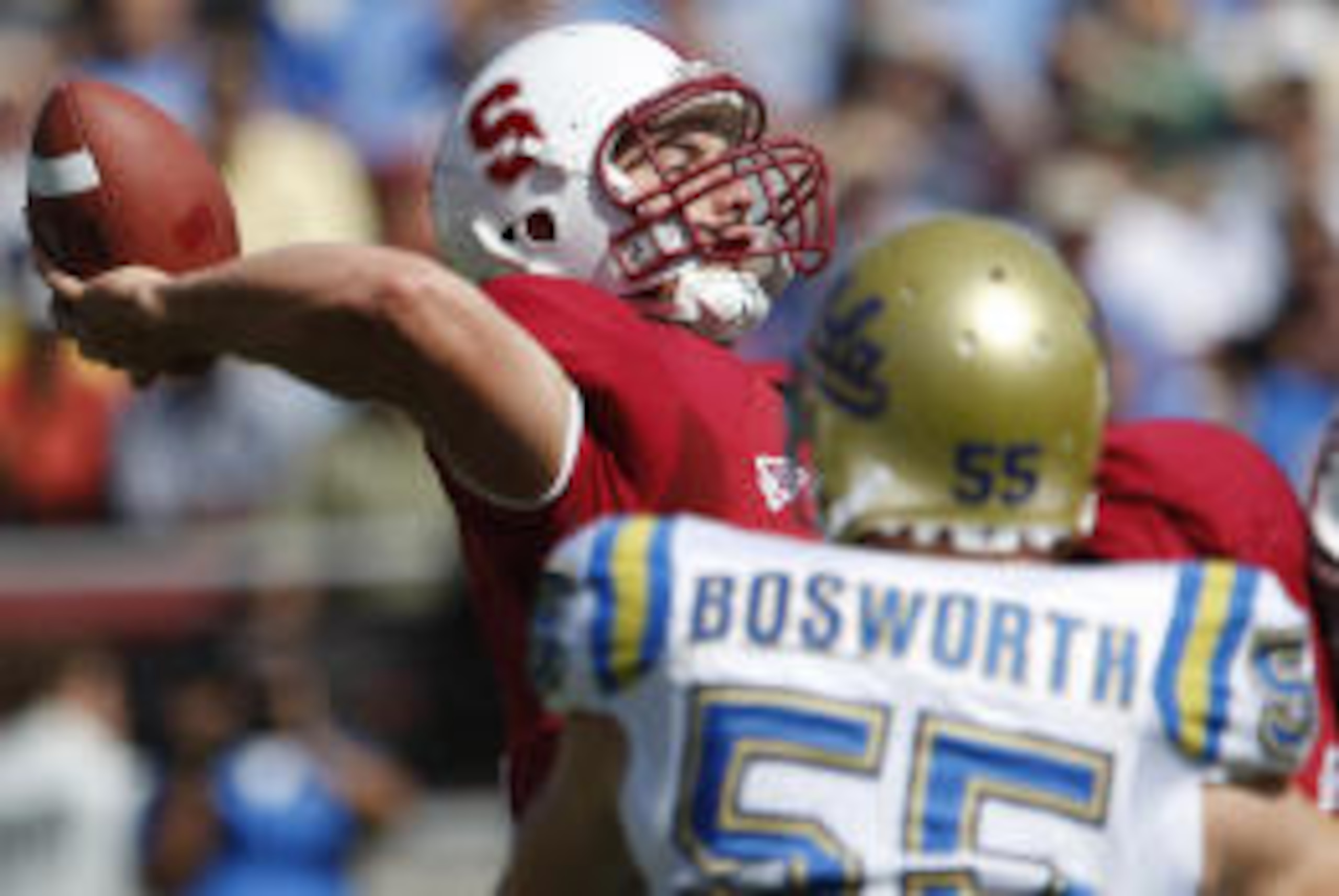
Although Stanford employed a run-first attack in 2009 before former “bell cow” tailback Toby Gerhardt went pro, the 25th ranked Cardinal is now quarterback Andrew Luck’s offense.
Luck fared well in his first 2010 game against cupcake Sacramento State with 316 yards and four touchdown passes. Furthermore, Stanford head coach Jim Harbaugh now has plenty of game film on the pitiful performance by the Bruins down lineman and linebackers against KSU, and will likely exploit this weakness in UCLA’s defense.
Bruin head coach Rick Neuheisel addressed the defensive line issues by stating that, moving forward, he’ll employ a more consistent rotation to minimize starters’ fatigue as the game progresses. While many of the backup d-linemen are young and inexperienced, CRN may be forced to play freshmen he planned on having redshirt their first year.
A prime example is DT Seali’i Epenesa, of whom Neuheisel said, “You make sure if you're going to use his year, you don't use him for three or four plays a game. If he can play 10-15 plays, obviously that's a legitimate freshman year.”
Whether or not Epenesa doffs his red shirt, Neuheisel and defensive coordinator Chuck Bullough will have to find ways to keep the defensive starters fresh throughout the game.
2. Fewer Mental Mistakes
2 of 7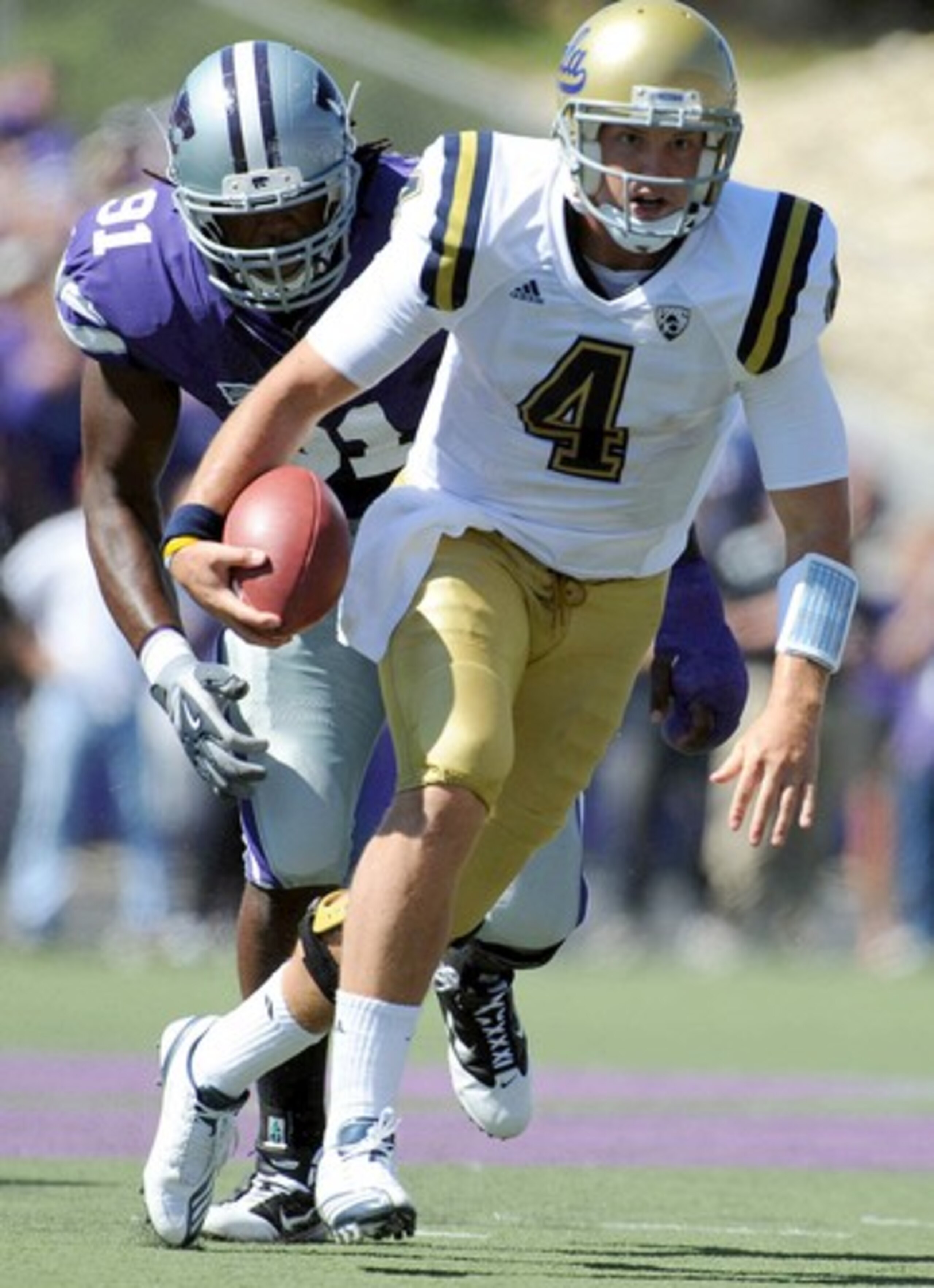
The players and coaches can share the blame on some of the more critical mistakes made during the loss to the Wildcats.
Getting penalized for having 12 men on the field on the Wildcats’ opening drive was inexcusable. After K-State failed on a 4th down conversion that would have given the Bruins the ball back on their 1-yard-line, the momentum swung back towards the Wildcats. “I was trying to call timeout, but where I was standing, [the referees] couldn't see me," Neuheisel said.
When Prince fumbled the ball on the KSU 44 in the fourth quarter, he was convinced he was down by contact, and didn’t bother scrambling for the loose ball. Had he made more of an effort, perhaps UCLA might have retained possession, and taken the lead when they were trailing 17-13 at the time. Any football coach worth his headset mandates that you “play until the whistle blows.”
On many occasions, including KSU’s last scoring drive, UCLA defenders were caught out of position. Bullough and CRN will work with the defense so that they perform better as a unit as opposed to a bunch of individual athletes flying all over the field, trying to make highlight reel-type plays.
3. Consistency from Receivers
3 of 7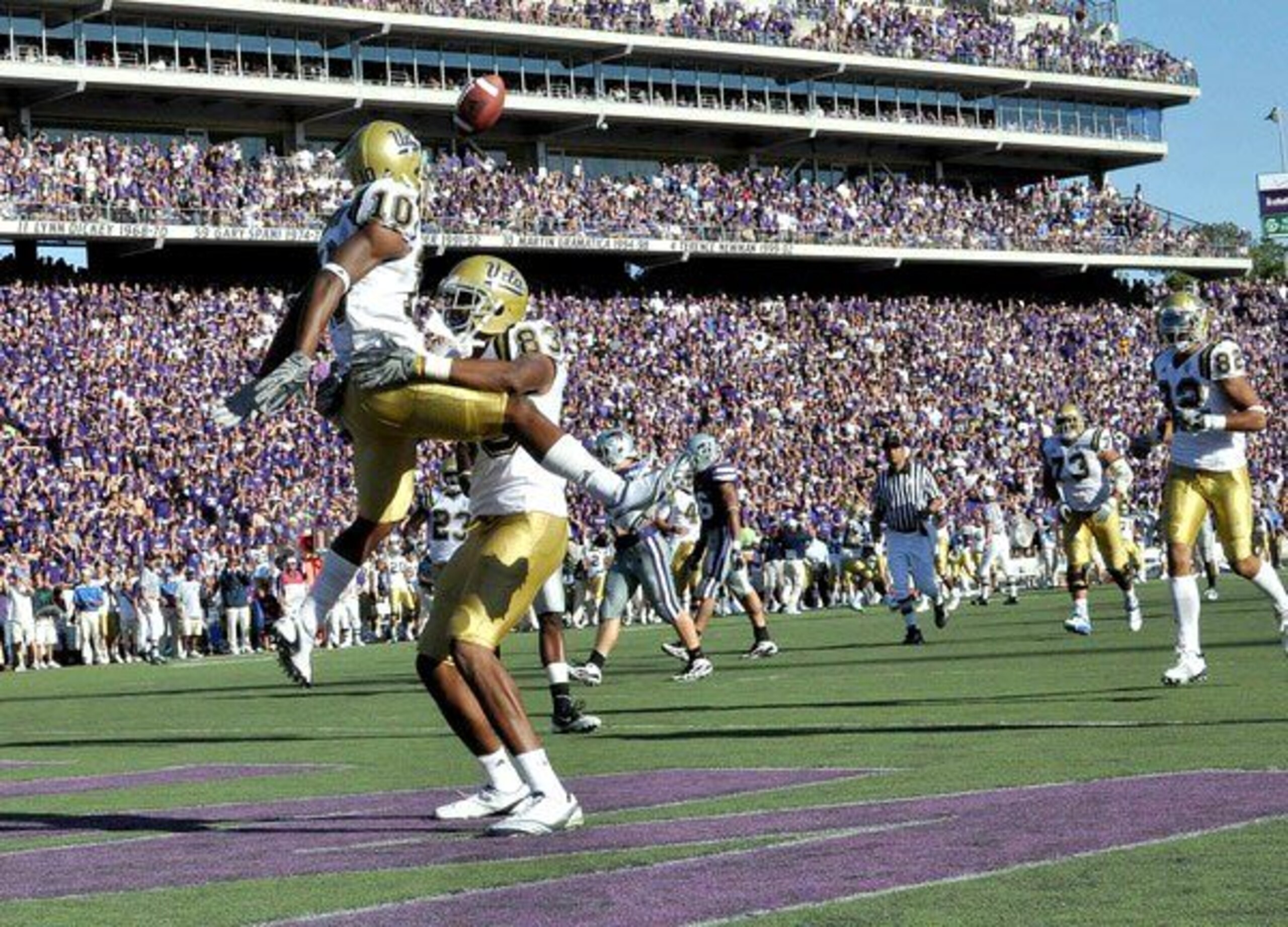
Morrell Presley displayed impressive catching skills in training camp. Whatever caused his typically soft hands to turn to stone during his two drops early in the Kansas State game may eventually cost him a spot atop the F-Back depth chart. Backup Anthony Barr’s one catch for five yards didn’t exactly light up the stat sheet either, but his blocking ability was impressive for a true freshman, and offers a more dynamic skill set than Presley.
Taylor Embree could have played the hero had he hauled in the late pass in traffic on the two-point conversion from Prince, but a combination of good defense coupled with a lack of execution on the offensive end prevented the Bruins from tying the game.
If the Bruins stand a chance against Stanford on Saturday, the Bruin wideouts, tight ends, F-Backs, and running backs need to catch the ball, regardless of whether it’s thrown perfectly or they need to sacrifice their bodies to maintain possession.

_0.png?w=2560)
4. Crispness in Passing from Prince
4 of 7
While his detractors will point out that he lacks big-game playmaking ability as a quarterback, Kevin Prince deserves a mulligan for his shoddy passing numbers against K-State given that he was rusty from limited practice throughout training camp. Prince’s noted accuracy should improve as the season progresses.
His stats from the K-State game (9-26, 120 yds, 1 TD, 2 INT, 12 rushes, 31 yds, 1 TD) look ugly on paper, but one should take these with a grain of salt given that Sept. 4 provided Prince’s first live action. Neuheisel labeled this performance “his scrimmage.”
Once he practices with the first team offense all week in preparation for Stanford, we should see an improved, more comfortable Prince under center for UCLA at the Rose Bowl.
5. Improve Third Down Conversion Rate
5 of 7
Three of 13 conversions on third downs will not win the Bruins many ball games. The playcalling needs to be toned down on first and second down so that Prince doesn’t face too many third-and-long situations.
UCLA went a nauseating 0-8 on third down conversions longer than five yards, so this alarming stat should serve as a primary reason for the loss to Kansas State.
Last season, Stanford’s defense allowed 43 percent of opponents’ 3rd downs to be converted (KSU allowed a comparable 41 percent in ‘09), so UCLA again faces an uphill battle against the Cardinal on third down.
6. Effectiveness in Enemy Territory/Red Zone
6 of 7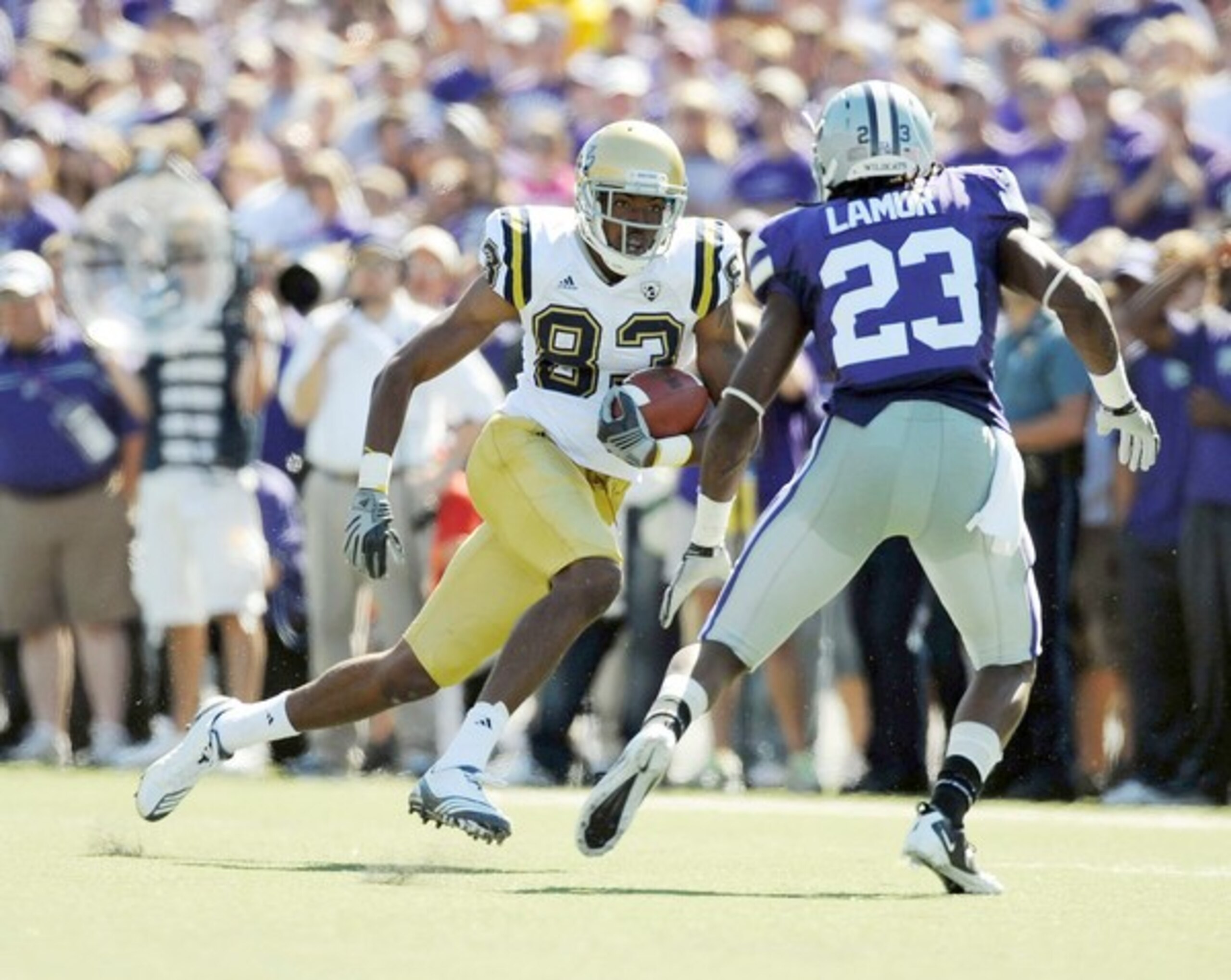
Once UCLA reaches Stanford territory, they need to improve their scoring efforts outside the reliable leg of Kai Forbath. Last Saturday, the Bruins only scored from inside the red zone once on a gift turnover after KSU quarterback Carson Coffman fumbled on the Wildcat 11-yard line.
The Bruins should rely on their large, experienced offensive line to open holes for the running game. Stanford has one player on their entire front seven (DL Sione Fua) who exceeds 300 pounds while the entire starting O-line for the Bruins averages approximately 317 pounds per person.
Size typically matters in football. Neuheisel would be remiss not to take advantage of the weight discrepancy between UCLA’s O-line and Stanford’s defensive front to facilitate a ball control offense though the red zone, wear down the smallish Cardinal defense, and keep Andrew Luck off the field while the clock ticks down.
7. Win the Turnover Battle
7 of 7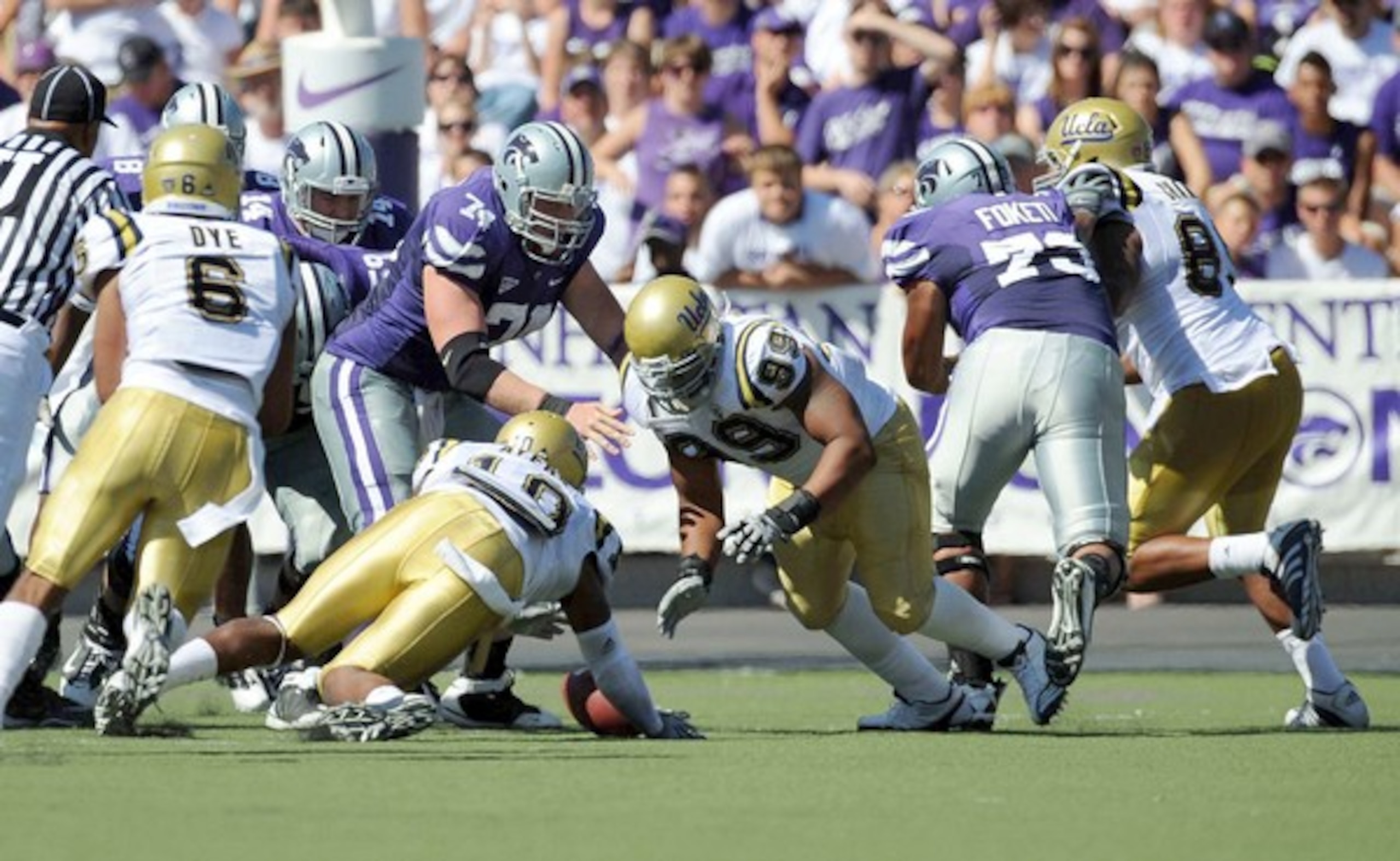
For all of Kevin Prince’s efforts to keep his team in the game late in the fourth quarter, he made many plays that ultimately prevented a Bruin victory.
If the Pistol offense is to consistently succeed, Prince cannot throw interceptions and lay the ball on the ground like he did against K-State. Furthermore, he doesn’t benefit the Bruin offense by carrying the ball 12 times a game, as the Bruin QB is not exceptionally quick on his feet like many other quarterbacks in college football.
Andrew Luck has only thrown four interceptions thus far in his Stanford career dating back to the beginning of 2009. Known as a smart passer who doesn’t take too many unnecessary chances, the only way Luck is likely to turn the pigskin over is if he’s pressured in the pocket, if his pass gets deflected, or if he gets blindsided by a Bruin defensive end.
.jpg?w=2560 "OBJ Calls Out Giants After Release")



.jpg?w=2560 "Saquon Out for Game")
