

Malcolm Brown vs. Aaron Green: Who's a Better College Football Recruit?
Malcolm Brown is rated as the top high school running back in the country and a top five overall prospect on both Scout and Rivals. Aaron Green is rated as the No. 3 running back on Scout, No. 5 running back on Rivals, and a top 30 overall prospect on both.
But who's really the better back?
Texas already has a commitment form Brown and is in the running for Green, along with Nebraska, California, and Florida State.
There has been a ton of speculation about where Green will commit, but the better question is will he turn out to be better than the running back most closely linked to him.
Both recruits hail from Texas and were both linked to the Longhorns for months, but now that Brown has made the commitment, it appears Green will look for greener pastures somewhere else, possibly with the Longhorns Big 12 rival.
No doubt the two will be compared to each other throughout their careers, it's only natural, especially if they face up against each other every year.
When you're talking about elite prospects like these, the difference in talent and potential is minimal, these are two fantastic football players.
So who's better? Here's the breakdown of both prospects divided into five key attributes: Speed and Acceleration, Field Vision, Power, Change-of-Direction Ability, and Pass-Catching Ability.
Speed/Acceleration
1 of 8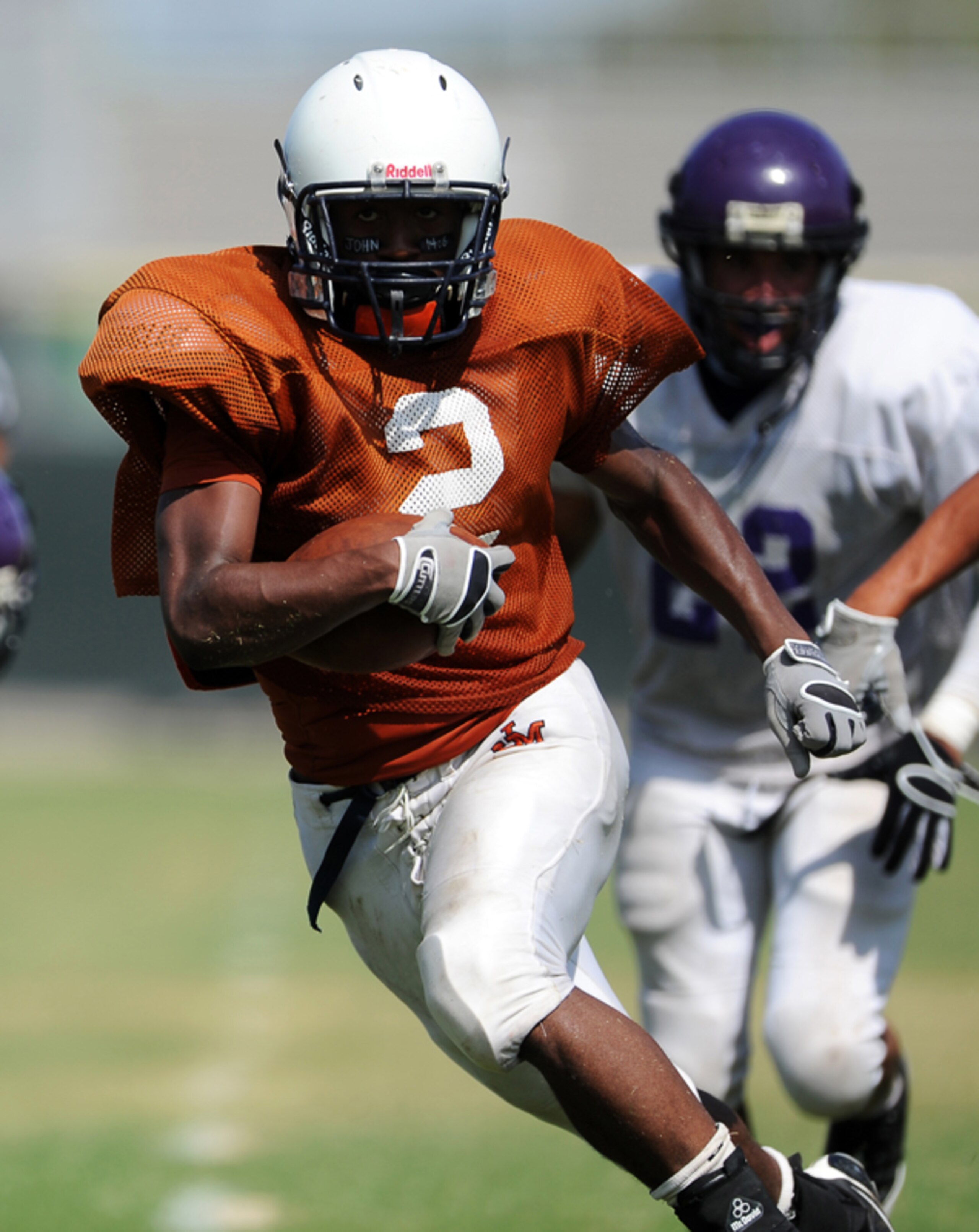
When it comes to speed, we're talking about two very fast prospects, but there's a clear edge in this category and it belongs to the smaller of the players.
At 5'11" and 185 lbs, Green runs a 4.4-second 40-yard dash and accelerates about as fast as anyone in the 2011 class. He reaches top-end speed almost immediately and can maintain it all the way through the play, even if that means an end zone to end zone sprint.
Did we mention he's also a track star? That always helps.
At 6'1" and 22 lbs, Brown is the big bruiser, but he's no slouch in the speed department either. He runs a 4.5-second 40-yard dash, but his top end speed and acceleration aren't at the level Green's are.
Edge: Green
Field Vision
2 of 8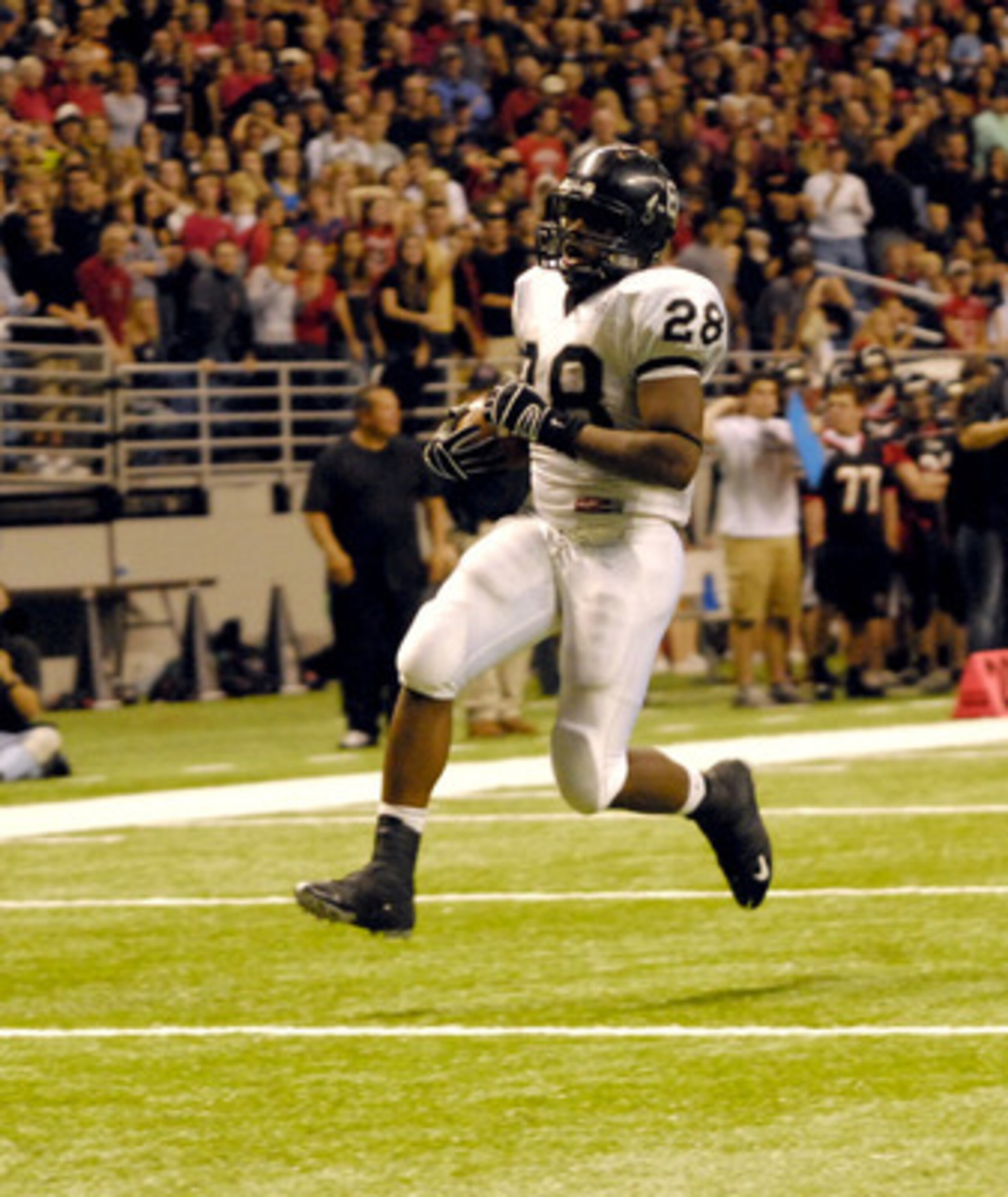
Both backs see their holes and hit the jets, but while Green is more of an outside rusher, splitting for the edge more times than pounding it between the tackles, Brown is the king of patience and vision.
He'll let his blockers set up and then simply explode through the middle when even the smallest hole opens up. He may not have the acceleration that Green has, but in terms of using his talents to find space, Brown holds the edge.
As a smaller back, it makes sense that Green relies on superior athleticism to overcome defenders by aiming for the open field and beating them to the punch.
He knows how to get free and will read the flow of a play very well, but doesn't find the holes along the line of scrimmage the way Brown does.
Edge: Brown
Power/Tackle-Breaking Ability
3 of 8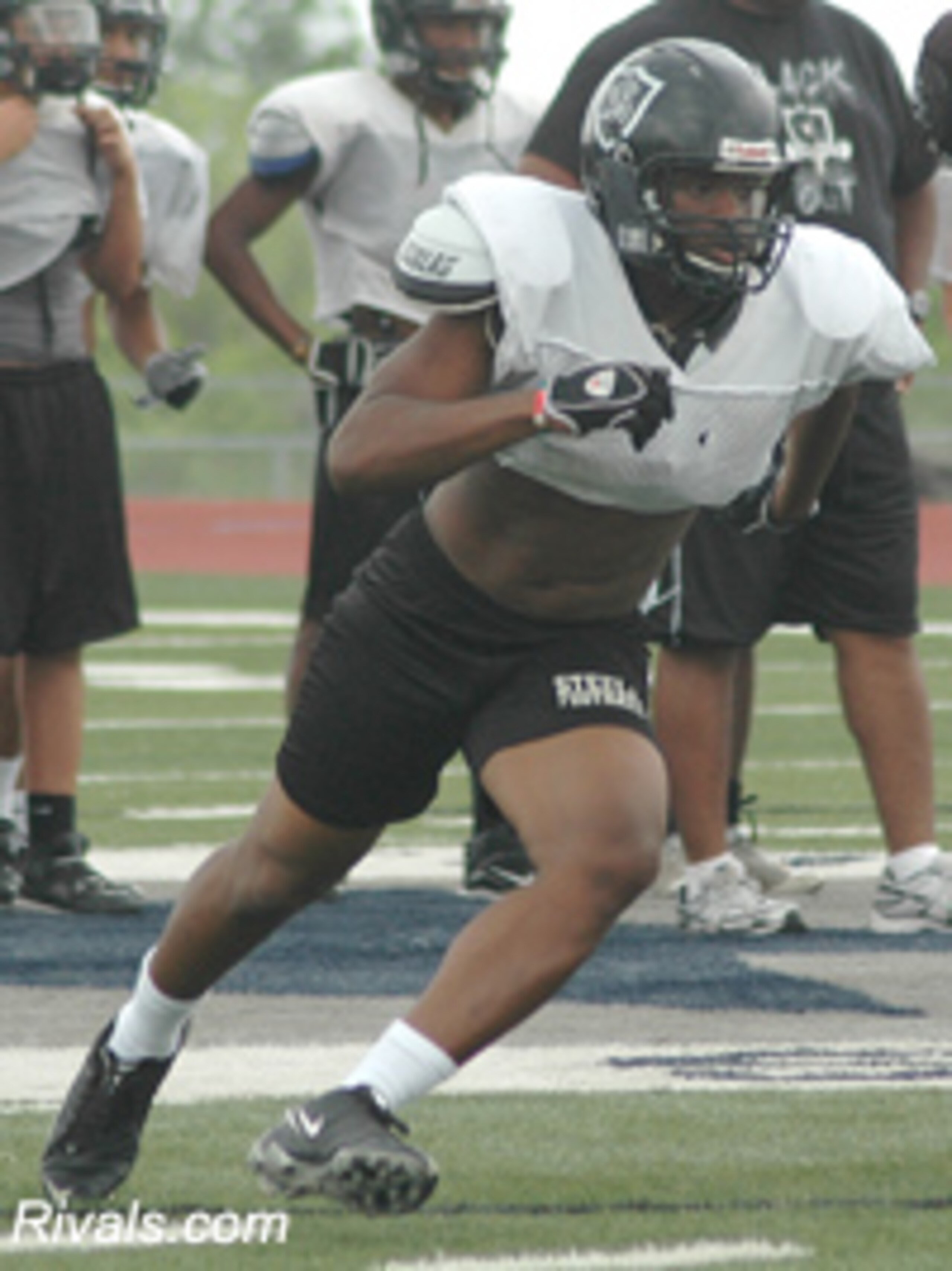
The reason scouts are so in love with Brown is because he's an ideal running back in terms of his size, speed, and power combination. We mentioned he explodes through the hole and to take that a step further, it means he explodes through contact quite unlike anyone in the 2011 class.
He's got incredible balance and knows how to keep his center of gravity low. It makes him a very difficult target to bring down. Brown will lower his shoulder and plow into defenders, knocking them on their backsides like a man amongst boys.
If Green was bigger than 185 lbs, he might have been considered the top back of the class, but his lack of size also makes him a durability concern.
Where Brown uses power and calculated steps, Green is a firecracker who tries not to be touched.
Edge: Brown


Juke Moves/Change-Of-Direction Ability
4 of 8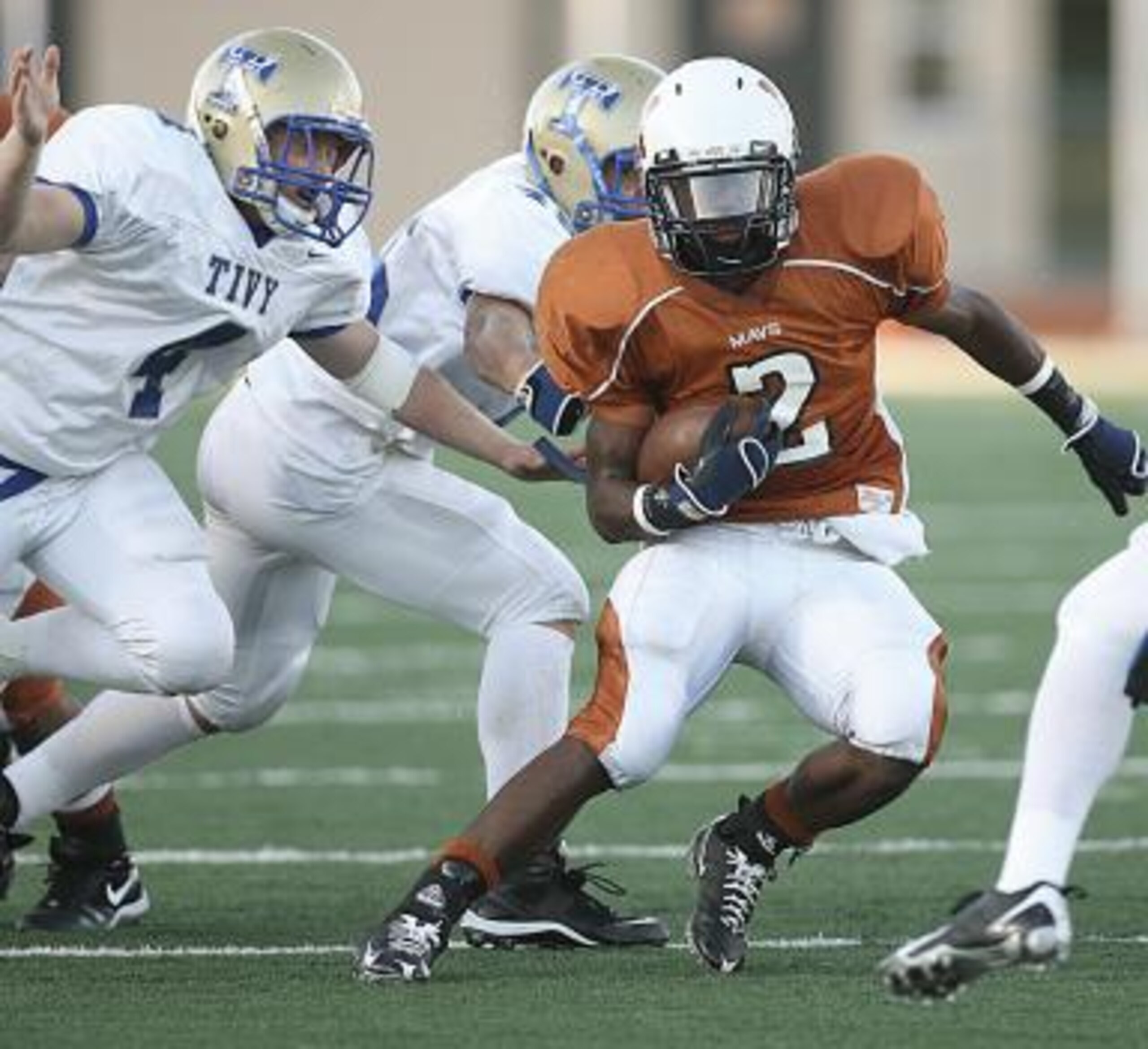
The advantage of a smaller back is that they are usually more agile and have the ability to change direction faster than a bigger player would.
That holds true in the comparison of Green and Brown.
It's not as if Brown doesn't have a good set of juke moves, he's just more subtle in his approach and uses patience and vision to plot a north-south course down the field.
Green is able to stop on a dime, bolt in any direction at near top-speed just as quickly, and has nearly unnatural balance doing so. A defender can find themselves less than a yard in front of Green and fail to get a hand on him as he blows past.
It's one of the reasons Green is projected as a dangerous return man as well.
Edge: Green
Pass Catching/Hands
5 of 8
Pass catching isn't necessarily a strength of either player, but in Brown's case its a weakness. He isn't a good route runner at the moment and has a bad habit of catching the ball with his body rather than his hands.
If he's going to develop into a complete back there needs to be improvement in those categories.
Green actually runs pretty smooth routes and knows how to find space downfield when he gets involved in the passing game, but he struggles with inconsistency catching the ball and has a bad habit of turning upfield before he's brought the ball into his hands.
For both it's nearly a matter of practice, repetition, and concentration, but currently Green is ahead in this regard.
Edge: Green
Brown Highlights
6 of 8You've head the talk, now see for yourself. Here are Malcolm Brown's junior season highlights from 2009.
Green Highlights
7 of 8You've head the talk, now see for yourself. Here are Aaron Green's junior season highlights from 2009.
Overall Edge
8 of 8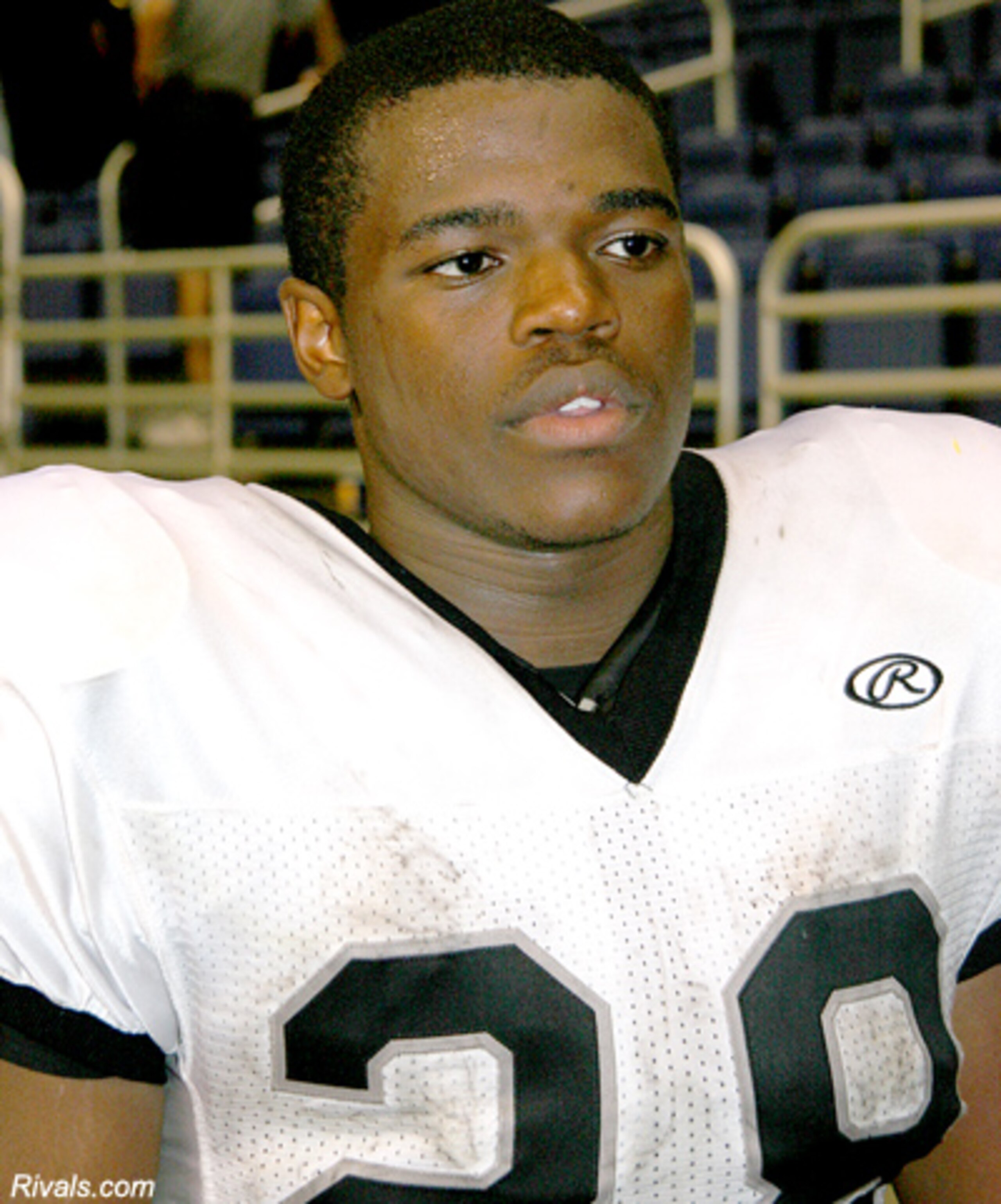
Green might hold the edge in three of the five categories we compared the two prospects in, but Brown isn't very far behind him in any of them and when it comes to power and vision he's got a distinct advantage.
We're talking about two very, very good recruits here and as we said before, the margin of difference is slim.
Brown is the superior talent because it is very difficult to find big backs who move as well as he does or running backs with the type of unteachable field vision he has.
Green might be faster and have better change-of-direction ability, but Brown isn't too far behind him. He may not ever be as fast as Green, few are, but he's still got near-elite jets and the smarts to makeup for it.
We'll have four years to decide who the better college back is and hopefully another 10 after that to decide who the better pro is, but for now the vote goes to Brown.
But it's really not by much.
.png?w=2560)

.jpg?w=2560 "Chiefs, Steelers Eye WR Trades")