The Halfguard: 'Beatdown Position' No More
Once called the 'Beatdown Position' by Randy Couture, the halfguard is experiencing a renaissance in MMA, quickly becoming a key position for playing off the back.
In the halfguard, the bottom fighter wraps both legs around his top position opponent's legs. The move prevents the opponent from gaining side mount, aka side control, although it lacks the mobility, control and submission options provided by the full guard.
As MMA evolved stylistically from the 1990s to the 2000s, and fighters learned the defensive positions, the close guard drew heavy attention. This move presents the best defensive position in preventing damage and submissions. Initially, only fighters with competitive Jiu-Jitsu backgrounds utilized the half guard.
TOP NEWS
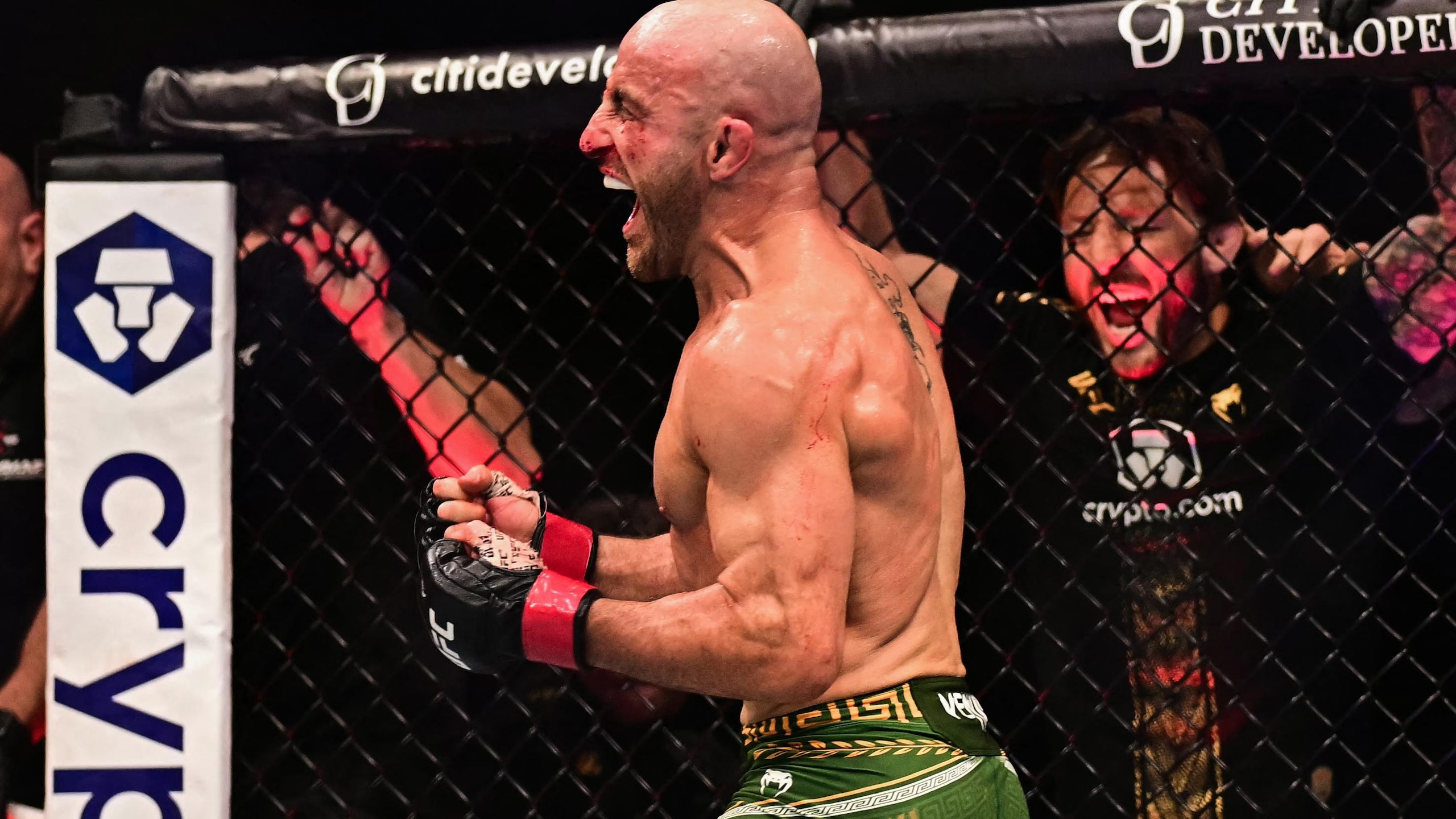
Volkanovski breaks record after title win at UFC 333
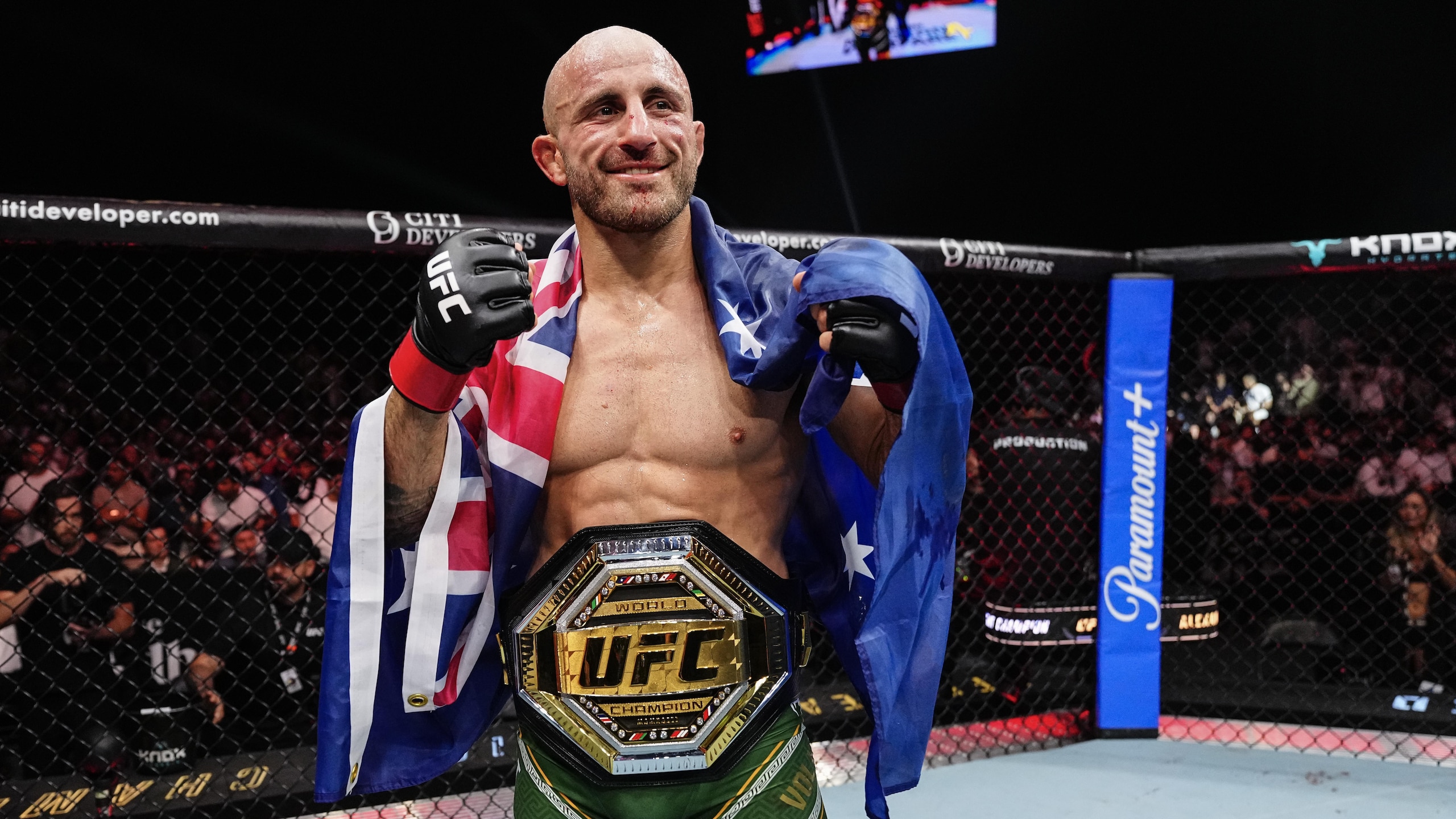
UFC 333 Prize Money 💰
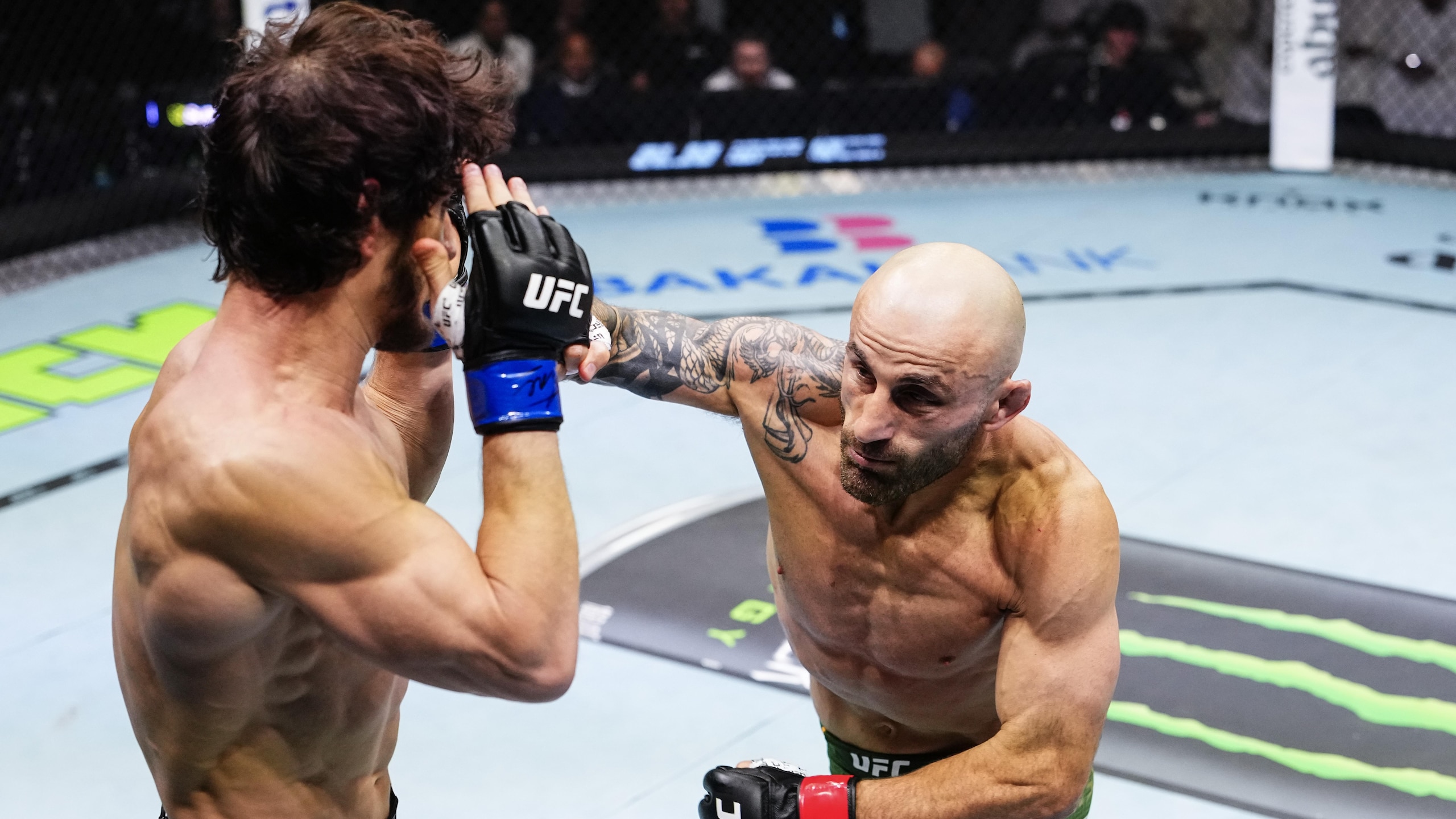
Fights to Make After UFC 333 ➡️
Most fighters learned the basic striking defense and strategies for regaining the full guard and little else. Many wrestlers who flooded the sport exploited MMA fighters' rather limited half guard skill sets.
Tactics included pinning a fighter’s back to the fence, preventing opponents from creating space to reguard, getting head and arm control to pin the bottom fighter to the mat and using a cross face to pin a fighter while raining down elbows and punches.
Over the last five years, in both competitive grappling and now MMA, fighters are shying away from using the closed guard and many prefer the open guard due to the more dynamic nature of the position.
Some grapplers now prefer the half guard to sweep back to top position.
We are seeing bottom fighters use half guard to sweep more and more in MMA while top position, half guard dominance has become rare.
Fighters are employing several techniques, some prefer to sneak their knee out to play a one butterfly hook guard. Some get their entire body underneath the top position fighter, protecting themselves from strikes. This opens up opportunities to pull the top position fighter’s weight on to them and roll them over.
Others still switch the feet, get to their knees and either escape to standing or drive into the top position fighter to end up in side control.
These are just a few halfguard techniques; yet another example of the ever-evolving nature of mix martial arts. This is a prime example of Brazilian Jiu Jitsu and Free Style Wrestling adapting to each other and evolving in the context of MMA.


.jpg?w=2560 "Mahomes Told Teammate to Leave Meeting")
.jpg?w=2560 "Rodgers Iced Out on Plane 💎")
.jpg?w=2560 "🚨 Week 8 AP Top 25 Poll")


.jpg?w=2560 "Lamar Being Out Shocked Ravens")
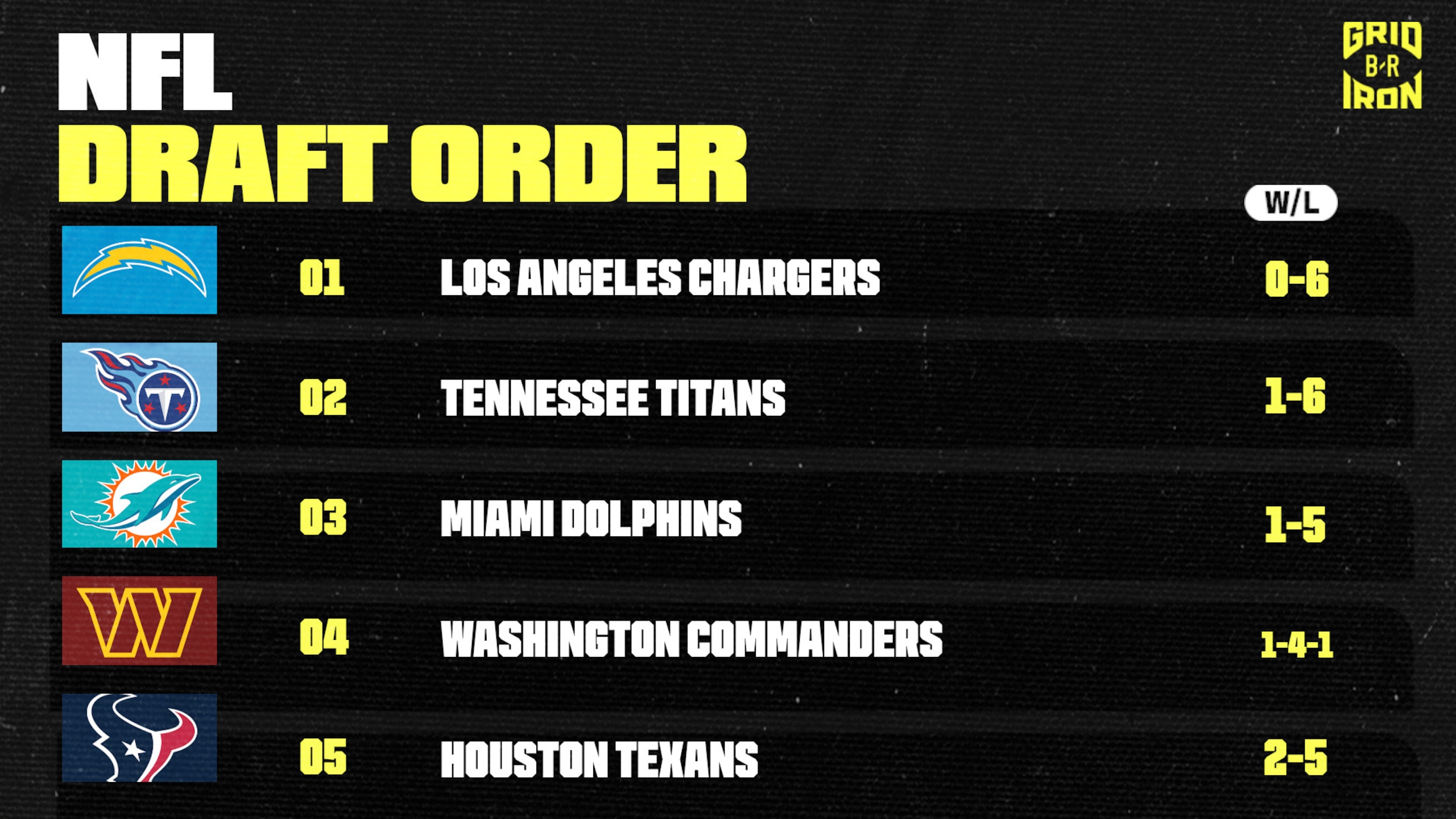
.jpg?w=2560 "Raiders Could Start Mendoza")