
Parity in the NHL Is Alive and Well
Written By: Mark “The Hard Hitter” Ritter
When NHL Commissioner Gary Bettman announced that the NHL was going to adopt the salary cap, many NHL fans scoffed at the idea.
Fast-forward to today, and what you have is a league that is full of parity and, for the most part, has star players sprinkled throughout the conferences instead of with just a few teams that had the ability to outspend their counterparts.
Through Monday night’s results, the difference between 29th place overall and 10th place is a mere 10 points. To underline the parity even further, the difference between 26th and 11th is a mere six points—hardly insurmountable, especially when you consider there are still more than 50 games to play in the NHL season.
As has become the norm the past few NHL seasons, the difference between making the playoffs and hitting the golf course early is often as little as one point, which, in some cases, can be a bad result in a shootout.
A total of four teams are tied with 29 points apiece (St. Louis Blues, Minnesota Wild, Philadelphia Flyers, New York Islanders), while three teams are tied with 30 points apiece (Tampa Bay Lightning, Edmonton Oilers, Montreal Canadiens), meaning there are seven teams that are within three points of the coveted 16th and final playoff spot, currently occupied by the Ottawa Senators with a total of 32 points.
When you look around the league, there are still a few teams that can be considered powerhouses. The Washington Capitals with Alex Ovechkin, Alexander Semin, and Mike Green come to mind, as do the San Jose Sharks with Joe Thornton, Patrick Marleau, and Dany Heatley, and the Pittsburgh Penguins with Sidney Crosby, Evgeni Malkin, and Marc-Andre Fleury are another example.
That said, despite a lineup that is still widely considered to be amongst the best in the NHL, the once mighty Detroit Red Wings are sitting in 15th place overall with a total of 33 points. The Vancouver Canucks, whom many pundits felt were going to represent the Western Conference in the Stanley Cup Finals, sit in 17th place overall with 32 points.
The Canucks and Red Wings are proof that even the clubs that are assumed to be “stacked” can find hardship along the way and seemingly have lost the depth they once enjoyed as an advantage.
Now, faced with salary cap restrictions, teams must be careful not to overload on a few star players. Teams that do risk their prized ponies getting injured, thus crippling them until such time as they come off the IR, which is often the case.
The Buffalo Sabres, Colorado Avalanche, Dallas Stars, Phoenix Coyotes, and, to a lesser extent, the New Jersey Devils are proving to every NHL team that you do not have to have an assortment of star players to get it done in today’s NHL. In fact, many of those teams are getting it done despite having numerous “faceless” players on their rosters.
Quick—name four players not named Shane Doan that play for the Coyotes. Who is the Avalanche’s second line left winger? Which defenseman leads the Devils in points? Who leads the Stars in goals scored? Which Buffalo Sabres player is tied with Thomas Vanek for the goal scoring lead?
If you got more than one of those questions right, congrats! The reality is, most NHL fans haven’t got a clue, which in my opinion is not necessarily good for the NHL, but a necessary evil nonetheless.
Like it or not, parity, it seems, is here to stay. Very rarely will we see players stay with one franchise for more than a five-year stretch. What the NHL (in all its wisdom) has created is a league in which players will constantly be on the move, trading jerseys for a more lucrative contract.
In the end, I think parity is good for the League, but the NHL must be cognizant that it is giving up a lot in the process.
Hockey, by in large, is regarded as the faceless sport, one in which many fans would not recognize a player if they ran over him with a snowblower. The NHL’s salary cap perpetuates this by forcing management to bail on players and players to follow the almighty dollar, which diminishes the connection between fans, players, and their beloved franchise they support and play for.
Want proof? Just ask Chicago Blackhawks fans how they are feeling about having to consider giving up some of their young talent just to get the team under the cap next season. Ask Boston Bruins fans if they really wanted to rid themselves of the young and talented Phil Kessel.
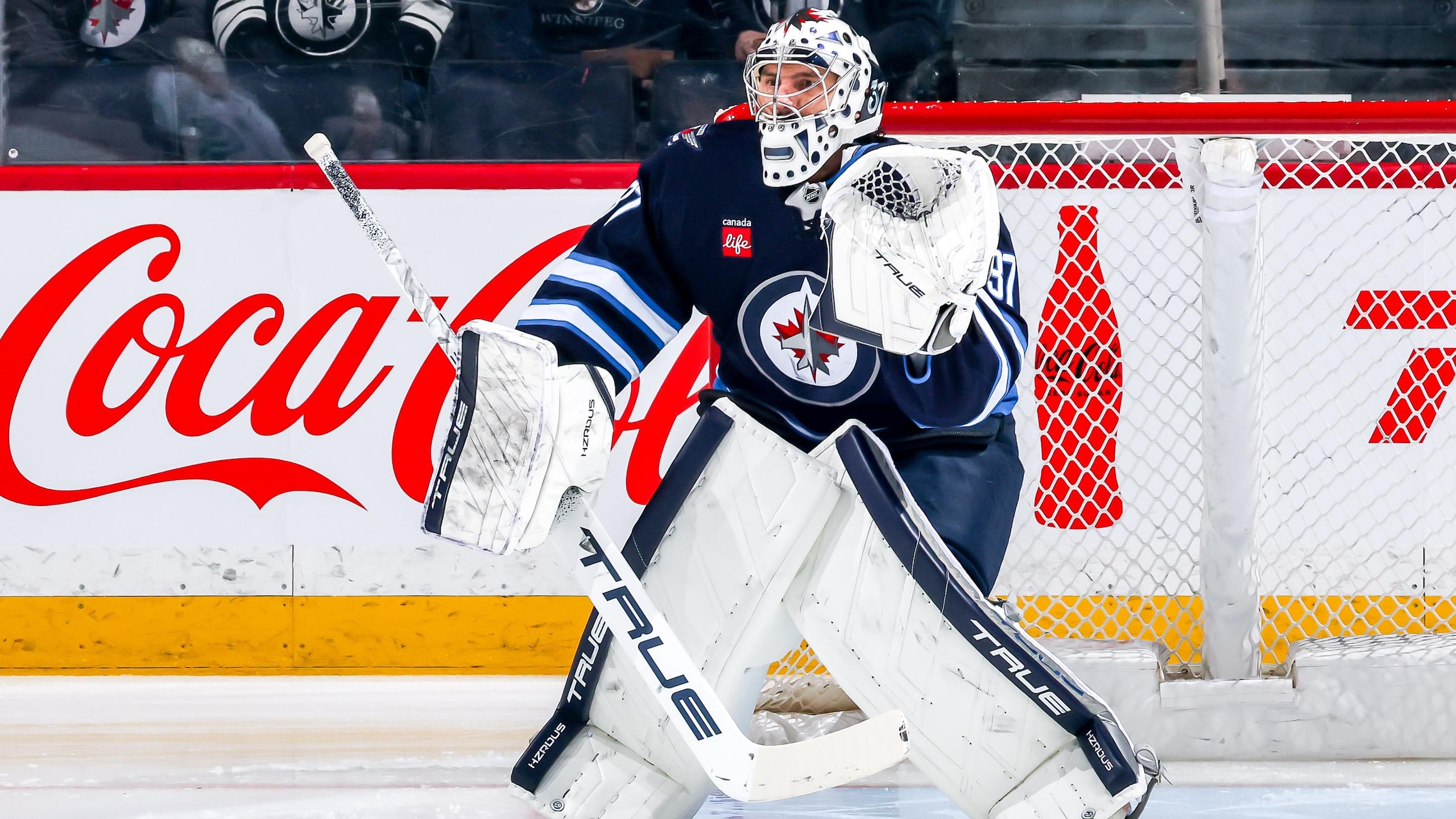

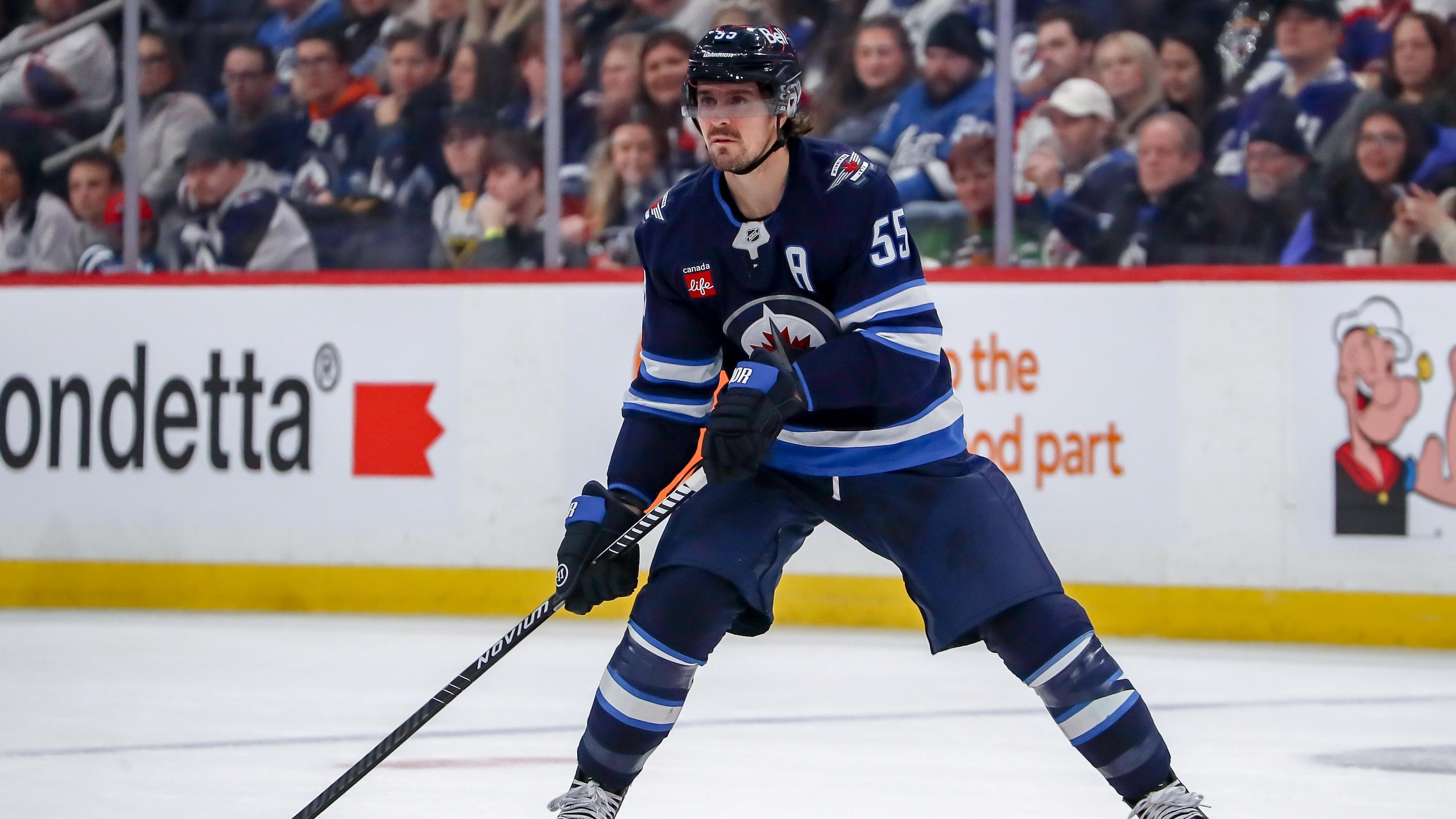
The reality is, in both cases, given the salary cap restrictions, these clubs are essentially being punished for drafting and developing good talent.
Given the free-spending ways of some NHL owners, Bettman and the NHL were essentially forced to step in and protect owners from themselves. There were far too many owners out there that would simply outbid another suitor if a player they desired was on the market, resulting in ridiculous salaries for aging free agent players.
The New York Rangers, Toronto Maple Leafs, and, to a lesser extent, the Philadelphia Flyers were all guilty of escalating player salaries to the point that only a few NHL clubs were considered legitimate candidates to land premium NHL free agents, which resulted in an inferior overall product throughout the NHL, not unlike what we see in Major League Baseball today.
To use the baseball comparison, I would have no problem betting that the New York Yankees, Boston Red Sox, Los Angeles Dodgers, or New York Mets were going to win the World Series each of the next 10 years.
The reality is, all of these teams can outbid most MLB clubs for free agents, and while not a perfect recipe for success, it certainly gives you a leg up and, if nothing else, gives a team a tremendous advantage in the depth department, which is what we were seeing in the NHL in the '90s.
Overall, the salary cap is the only way for the NHL to ensure a level playing field. Sure, there will still be some teams that will not be able to spend right up to the cap limit, but the majority of the teams will be in the same ballpark.
Only five NHL teams started the season with a cap hit of under $50 million: the Phoenix Coyote’s ($43,686,121), the New York Islanders ($44,305,066), the Nashville Predators ($45,361,609), the Dallas Stars ($47,857,464), and the Columbus Blue Jackets ($49,741,084).
The Coyotes, Islanders, Stars, Blue Jackets, and Predators are all good teams, but how good could they be if they were able to land a player of Marian Hossa’s ilk? Clearly, none of these teams had enough dead presidents in the bank to pay the likes of Hossa, which underlines that, while the salary cap keeps the big market teams honest, there still is some disparity in the NHL.
Of these five teams, the Columbus Blue Jackets (18th) and the New York Islanders (25th) are the only two teams that are out of the playoffs (and not by much).
The only team amongst the NHL’s elite top 10 are the Phoenix Coyotes, and from all accounts, it’s safe to say that their success has been more by good luck than good management, as witnessed by many of the so-called “experts” slotting the Coyotes in the 25-30th overall position at the beginning of the season, citing financial issues and a lack of talent as the main factors for their demise.
Toronto Maple Leafs general manager Brian Burke is on record as stating that he would like to see the NHL allow teams to acquire extra salary cap room via trade. This would involve a team, such as the Leafs, sending a prospect or a draft pick to another NHL team that had unused cap space, say the Coyotes.
In return, the Leafs may get $1 million in cap room, which may allow the team to acquire players that they otherwise may not have access to at the trade deadline or, in the case of the Chicago Blackhawks, allow them to hold on to one of their young assets for another year.
It’s an idea that has its merits. The NHL Players Association would likely be in favor of such a move; obviously they cannot be happy when a team elects to spend under the cap. That unspent money is cash that one of their members could enjoy. Electing to stay under the cap limits the pie from which the players can eat from.
It is clear that, while not perfect, the salary cap is working in the NHL. Each season we are privileged to watch most teams battle for a playoff spot right down to the wire. Rarely can any NHL team say that their favorite team is out of the playoff race by February, and in some cases that was becoming an annual occurrence for some NHL franchises. For that, I, like many NHL fans, am grateful.
In case you didn’t know, starting Dec. 5 Gabe Morency (formally of The Score ) will be launching his new website. Louis Pisano, my B/R counterpart, and I will be throwing down our Podcast “Get The Puck Out ” every Saturday from 6:00 PM to 7:00 PM.
The Live Podcast will be broadcast in studio from Toronto featuring some betting analysis, fantasy advice, trivia, team analysis, player updates, and more puck talk than you can imagine.
Be sure to call in and let your opinion be known. Check back with “Ritter’s Rant” on The Bleacher Report for further details and the call-in number. The inaugural show is set for Dec. 12. Don’t miss it, puckheads!
You can catch Morency (Monday through Friday) and “Get The Puck Out” (Saturday’s) at www.morencysports.com. To phone in, call 1-866-964-5710. SPORTS RAGE- it’s the “Evoluiton of the Rageulation".....
Until next time,
Peace!
***Salary cap numbers were sited from The Hockey News magazine's "Bucks and Pucks" issue in an article written by Ken Campbell.

.jpg?w=2560 "Grading WWE Raw 🔠")




.jpg?w=2560 "Viral Rams Coach Vid 🖕")
.jpg?w=2560 "2 NFL Officials Suspended")
