
Exposing the NBA's Worst Shooters This Season
We're roughly a quarter of the way into the 2021-22 NBA season, and plenty of numbers are starting to take hold.
Shooting percentages, for example, are a little easier to trust than they were a few weeks ago. Hot streaks can still have dramatic impacts on season-long production, but plenty of players are probably within shouting distance of the efficiency marks with which they'll end the season.
If the following five are in that group, they'll likely look back on this campaign with an eye toward improvement. So far, no one's been worse at jump-shooting.
To arrive at these names, we used a simple formula that was previously deployed in an article detailing the best three-point shooters of all time (though it can be applied to any range): Take the player's points per shot from the given range and subtract the league-average points per shot from the same range and during the relevant time period. Then, multiply by the number of attempts from that range.
For example, if a player attempts 100 shots from 10 feet and out (the range we'll use for this list) and makes 20 threes and 20 twos, he scored exactly one point per attempt. Right now, the league average from that range is 0.97 points per attempt. The shooter is 0.03 points above average per attempt. Multiply that by the 100 attempts, and you'd have three points above average.
This season, the top five yielded by this formula is:
- Stephen Curry (66.3)
- Patty Mills (56.6)
- Kevin Durant (48.9)
- Grayson Allen (45.6)
- Pat Connaughton (38.7)
Stephen Curry (a terribly unsurprising reveal, I'm sure), two Nets and two Bucks. The bottom five, on the other hand...well, you can find them below.
432. Davion Mitchell (-31.5)
1 of 5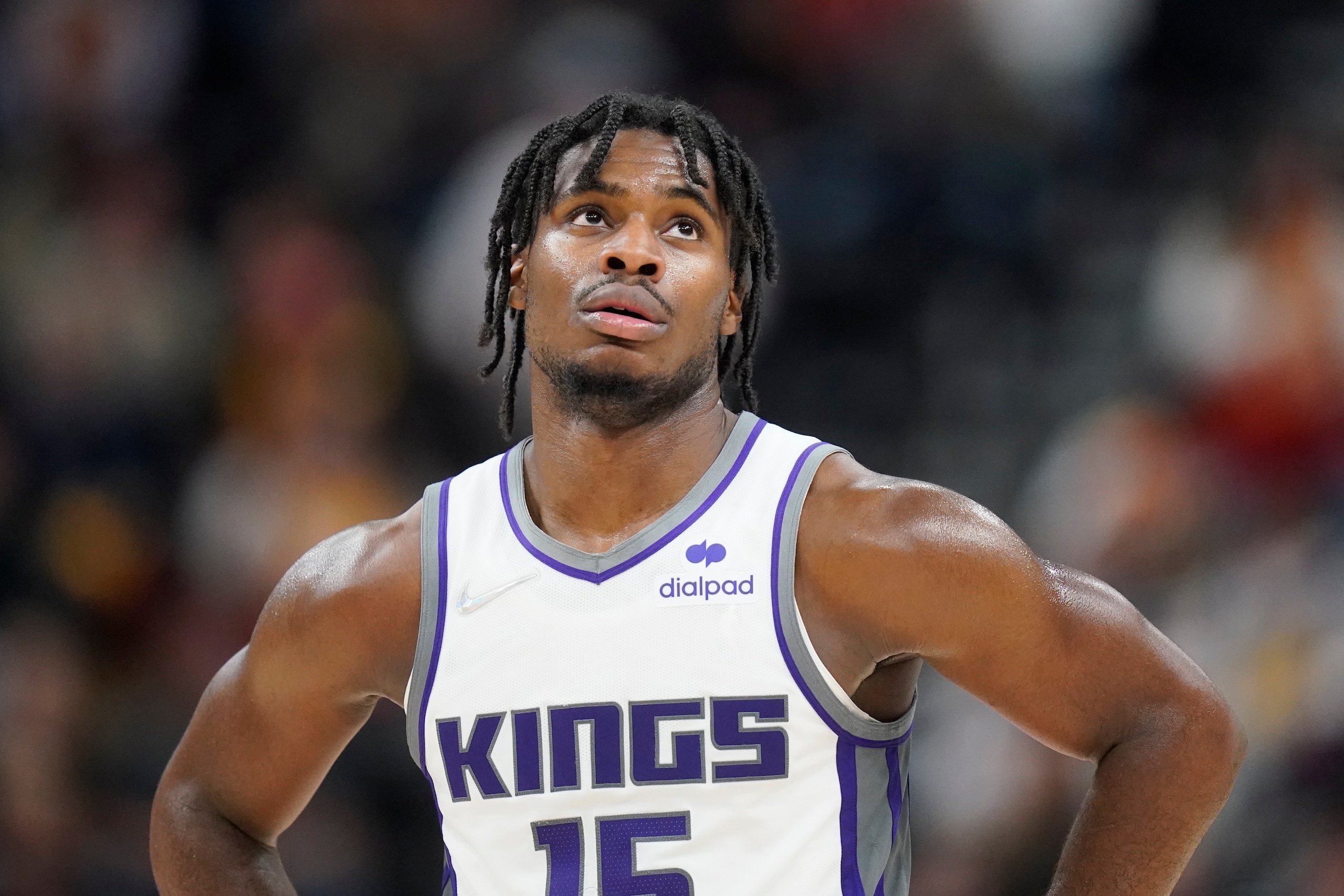
The first of three rookies in the bottom five (which should be another non-surprise) is Davion Mitchell.
Though he's rightfully gotten plenty of credit from fans and media for consistently high effort on defense, he has gotten off to a horrendous start as a shooter.
Nearly two-thirds of Mitchell's shot attempts this season have come from the subject range (10 feet and out), and his effective field-goal percentage there is a paltry 36.1.
There's obviously still plenty of time to turn things around, but this start from Mitchell may have fans worried that his 44.7 three-point percentage in his last year at Baylor was an outlier.
Mitchell shot just 31.2 percent from three on 157 attempts prior to that campaign, and his career free-throw percentage in college was 65.7.
On the bright side, Mitchell's form on his jumper looks fine. Repetition and turning basketball from an extracurricular to a career should help. Plus, given his defensive upside, Mitchell may only need to get to around average as a jump-shooter to be a plus player overall.
At 23, he's a bit older than most high-upside rookies, but there are still years between now and his prime to find that kind of a stroke.
433. Cade Cunningham (-33.6)
2 of 5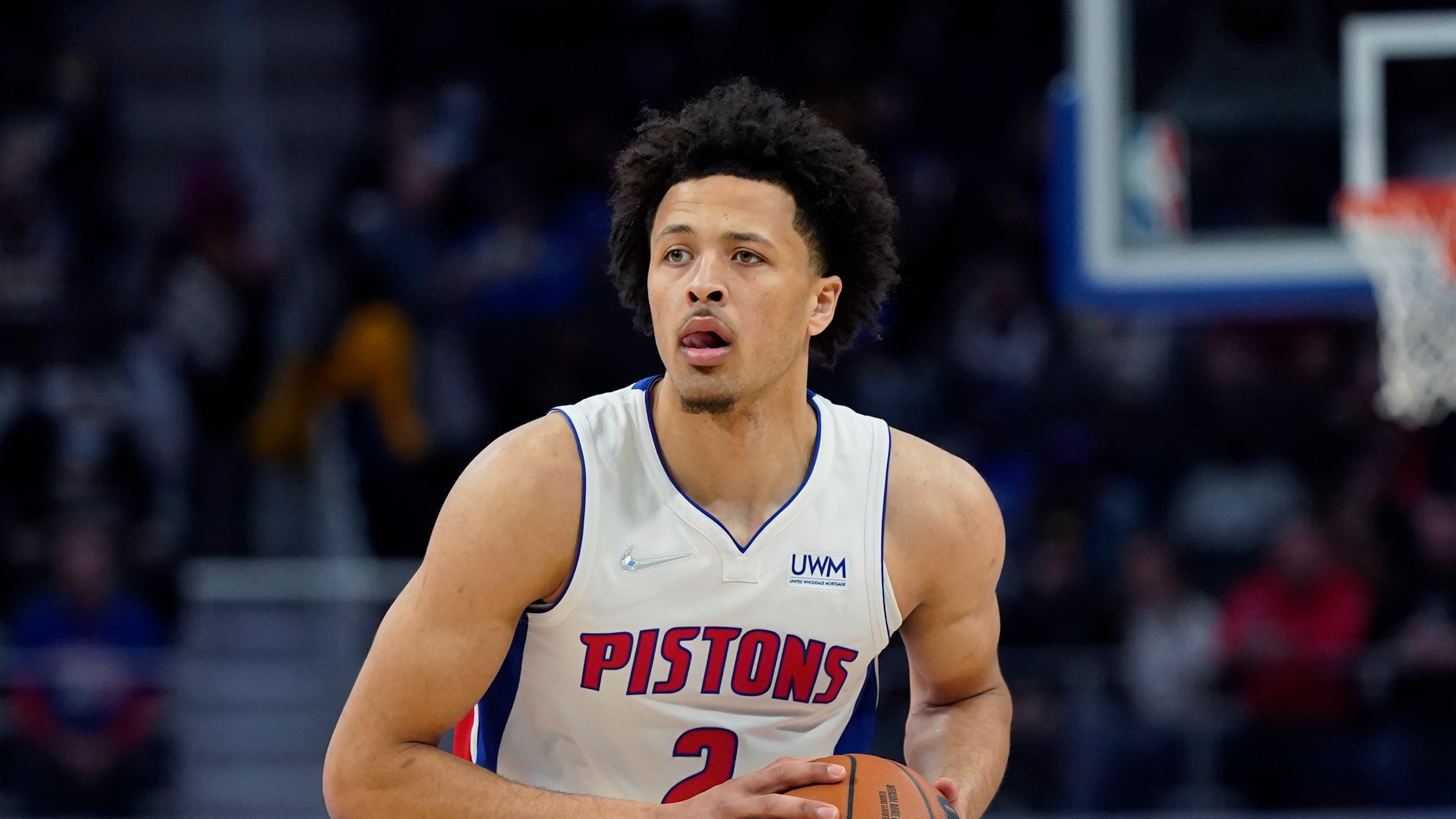
Cade Cunningham being here might actually be a bit more concerning than Mitchell. The latter was expected by many to struggle as a jump-shooter. It was supposed to be a bankable skill for the former.
As a freshman at Oklahoma State, Cunningham shot 40.0 percent on 5.7 three-point attempts per game. His 84.6 free-throw percentage was encouraging too. And the pace at which he played—Cunningham was (and is) one of those players who lets the game come to him—suggested he had the kind of composure many great shooters possess.
If you can be rattled or sped up by ball pressure or hard closeouts, you're more prone to rough stretches from the outside. Those weren't common for Cunningham in college, but his entire rookie season in the NBA has been a rough stretch.
It doesn't really seem to be the product of fretting under pressure, though. Cunningham is still playing at a nice, controlled pace, directing traffic and finding open teammates. He's simply not hitting shots he could be relied on to make at OSU.
As is the case for Mitchell, there is a lot of time for things to turn around, even within this particular season. And for someone who shot so well as a freshman, an upturn wouldn't be surprising.
434. De'Aaron Fox (-34.31)
3 of 5
After what felt like a breakout campaign in 2020-21, De'Aaron Fox has struggled to follow up on his success in large part because of a catastrophic drop-off (from an already subpar mark) in three-point percentage.
Nearly a quarter of Fox's shots have come from three this season, and he's shooting a career-low 25.0 percent from out there.
Fox doesn't necessarily have to be average from deep to have a positive impact on offense (as evidenced by the last two seasons). His speed on drives and ability to finish with touch inside will always bring some value.
But leaving as many points off the board as Fox is from three this season is hard to overcome. And the longer this goes on, the more comfortable opposing defenders will be in giving him a cushion and playing for the drive.
For the best offensive players, there's a sort of symbiosis from range to range. The better you are from three, the easier it is to drive, and vice versa.
Right now, Fox may be experiencing the downside of that symbiosis. Last season, he shot 76.1 percent on attempts within three feet of the rim. This season, he's down to 64.1 percent.



435. Jalen Suggs (-34.33)
4 of 5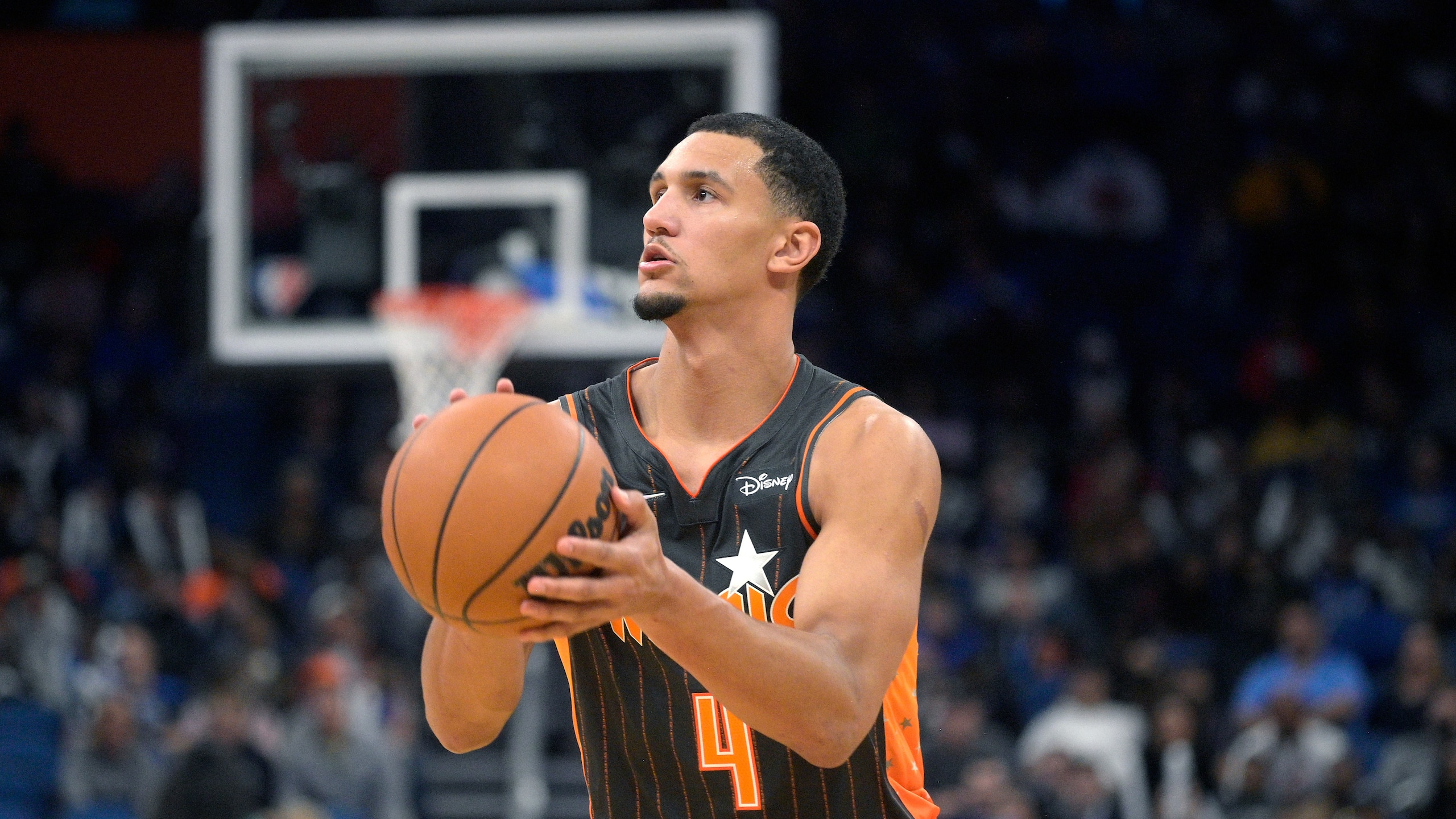
Jalen Suggs, our third and final rookie of this exercise, really hasn't been able to score from anywhere yet.
No, really. Check out his season-long shot chart. It's painted almost entirely red, which indicates a conversion rate worse than 10 points below the league average.
If you're looking for a silver lining, it may be the shot profile. Most of his attempts are coming from three or near the basket, but he has a ways to go to be effective in either area.
As was said with Mitchell, the form for Suggs looks workable and consistent. There doesn't seem to be a ton of wasted motion to cut out. So, merely getting up tons of shots during and outside of games over the next few years could be the fix.
But it's fair to say we may already be in dangerous territory. Suggs has attempted 244 shots in his first 20 games. Among the 105 three-point era players with at least as many shots in their first 20 games, Suggs is 104th in field-goal percentage (ahead of only Emmanuel Mudiay) and 103rd in effective field-goal percentage.
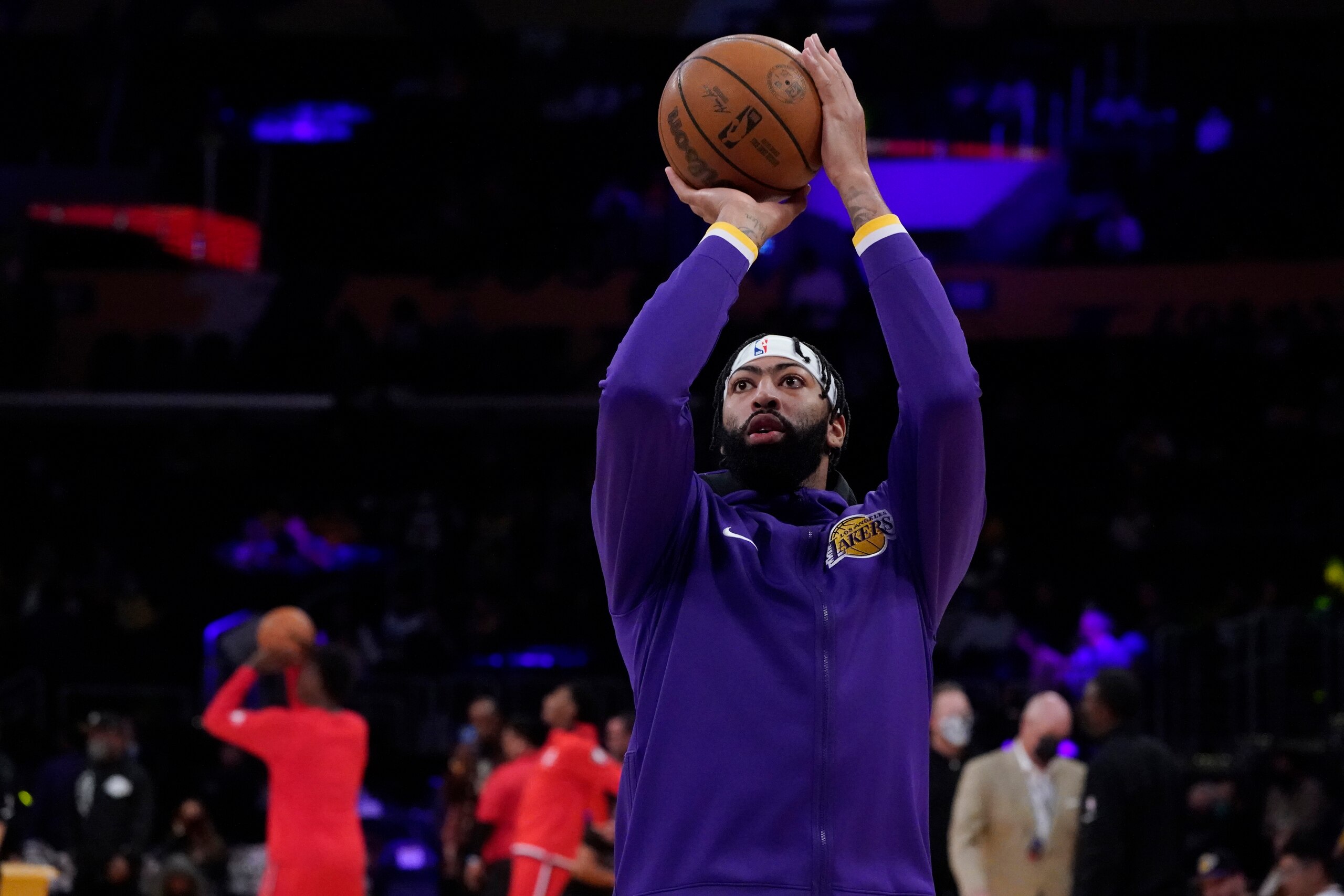
436. Anthony Davis (-45.3)
5 of 5
Plenty of blame for the Los Angeles Lakers' sluggish start to the 2021-22 season has rested on Russell Westbrook and coach Frank Vogel. Eleven absences from LeBron James certainly didn't help, either.
Lost in much of the criticism, though, has been the decline of Anthony Davis on the offensive end. He's posting his worst offensive box plus/minus since his rookie campaign, nearly half of his shots have come from the 10-plus-foot range we're looking at here, and he's posting a dismal 35.4 effective field-goal percentage in that range.
What really separates him from the rest of the list (notice his mark is over 10 points worse than Suggs') is volume. Davis is currently 44th in total attempts from 10 feet and out and sixth in two-point attempts from 10 feet and out.
It seems like the easiest fix would be to simply have Davis work more inside. Cut out some of the mid- to high-post catches. Have him run more pick-and-roll and a bit less pick-and-pop. Play him more at the 5.
As difficult as that might be to sell to AD (they may just circumvent that discussion by playing LeBron more at that position), it's time.
In today's game, he's a center. For his sake and his team's, it's time.


.jpg?w=2560 "Weather Channel Trolls Texans-Titans 💀")