

Gene Smith: Ohio State May Not Play California Teams over 'Fair Pay to Play'
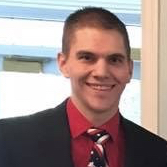
Ohio State athletics director Gene Smith has gone on the record and let it be known that his Buckeyes will not schedule games against California universities if the Fair Pay To Play Act goes into effect, as "they won't be members of the NCAA."
Smith told USA Today's Steve Berkowitz on Tuesday:
"If the California law goes into effect in '23 and let's say the NCAA legislation, how ever it emerges, doesn't quite meet what California wants it to be and they continue to hold that law, who's going to play (California schools)? We're certainly not. They won't be members of the NCAA. I think that's going to be the problem."
TOP NEWS
.jpg?w=2560 "AP Poll Top Five Week 9")
🚨 Week 8 AP Top 25 Poll
.jpg?w=2560)
CFP Bracket After Week 8 🏆

More top teams upset and more takeaways from CFB Week 8
He continued:
"[California schools are] going to have a model where they can almost pay for play – not quite – but I think they're going to be challenged to maintain their membership in the association because, as an association, we have the authority as a group to make our own rules and regulations, and they will be outside those rules and regulations. So, I'm not quite sure how they will stay in the association."
Earlier this month, the California State Assembly passed SB206, which would make it easier for student-athletes to profit off their name and likeness, by a vote of 72-0 (with seven no-votes). The state's senate previously approved a version of the bill 31-5.
The bill is awaiting California governor Gavin Newsom's approval. If approved, it is expected to officially go into effect Jan. 1, 2023.
The NCAA has since responded to the bill, via Berkowitz:
Smith is a co-chairman of the NCAA Board of Governors Federal and State Legislation Working Group, which has been tasked with looking into issues that come from the commercial use of student-athletes' names, images and likenesses.
SB206 would potentially have major ramifications for one Power Five conference in particular: the Pac-12. The Pac-12 features four schools—California, Stanford, UCLA and USC—located in the Golden State. That leaves eight other schools competing within the same conference while operating under different rules.
Smith addressed that concern with Berkowitz:
"So, my position would be, yes, and actually I would really be interested in how the Pac-12 (Conference) will handle those schools who are not in California that are members of the Pac-12. And how those schools will compete against those schools in California who have an unfair advantage because they'll be able to offer student-athletes benefits that the other schools will not be able to offer. So, yeah, my position would be we walk."
Smith noted that the new bill could make the competition "unbelievably unlevel." Meanwhile, Ohio State president Michael Drake told USA Today that the NCAA would consider legal action if the bill becomes a law, as "it does raise constitutional challenges."
For now, the NCAA must wait to see what Governor Newsom decides to do. He can sign or veto the bill, but if he fails to act within a 30-day period, the bill will become a law.


.jpg?w=2560 "Raiders Could Start Mendoza")



.jpg?w=2560 "Rodgers Iced Out on Plane 💎")
.jpg?w=2560 "Packers Safety Slams Refs 🤬")