
Wolf, Washburn Highlight Second Tier Free Agent Starters
Los Angeles Angels of Anaheim starting pitcher John Lackey is going to command a lot of money in free agency this offseason, putting him out of the reach of all but Major League Baseball’s biggest wallets.
So for everyone else, who’s up for grabs?
The type B free agents in the 2010 class are: Erik Bedard, Doug Davis, Justin Duchscherer, John Garland, Rich Harden, Braden Looper, Jason Marquis, Vincente Padilla, Carl Pavano, Andy Pettitte, Joel Pineiro, Tim Wakefield, and Brandon Webb. All of these pitchers would earn their former teams a sandwich pick in the 2010 draft if they departed.
TOP NEWS
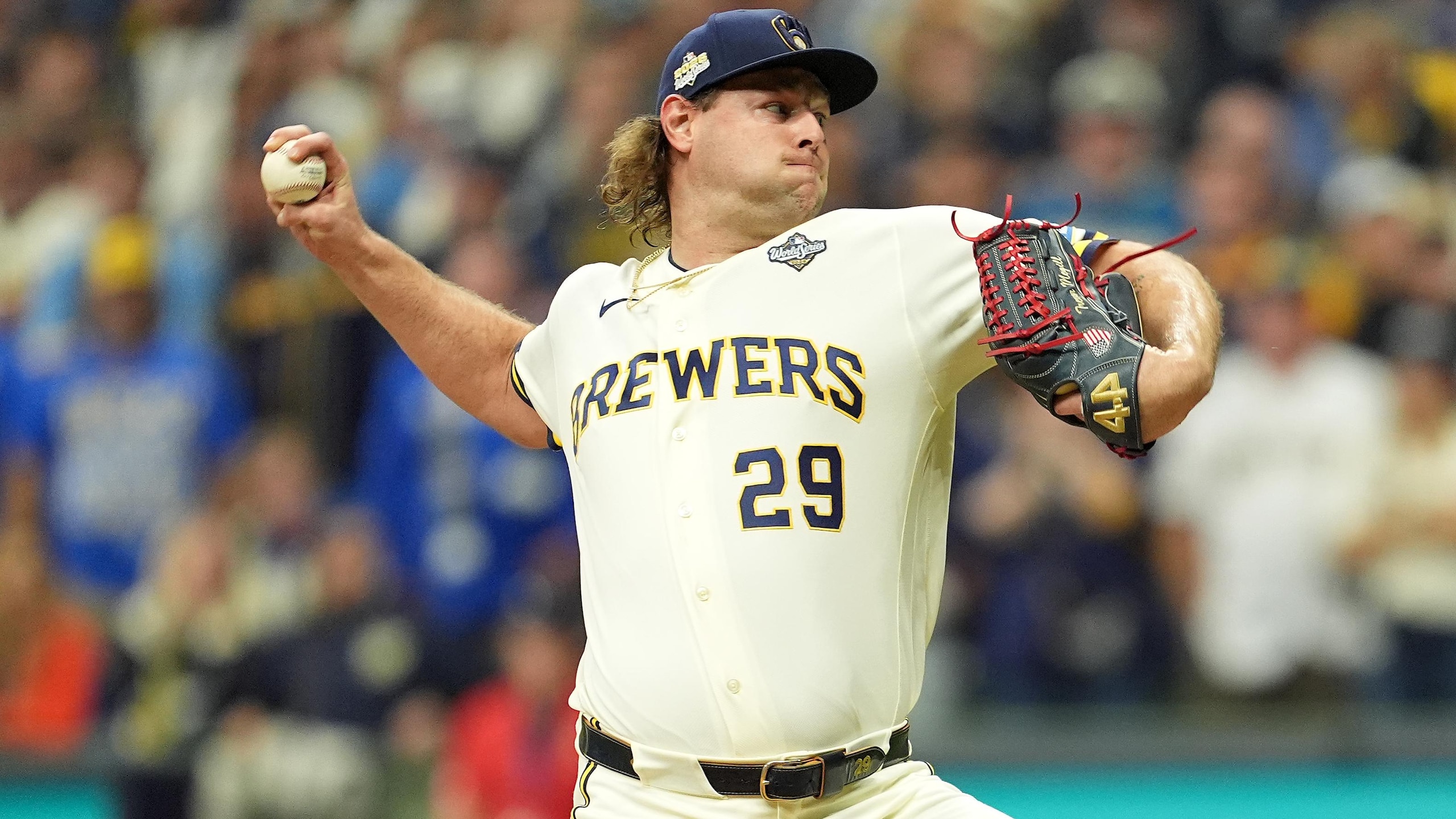
Brewers Closer Blasts Tropicana Field Roof

Latest MLB Trade Rumors 👂
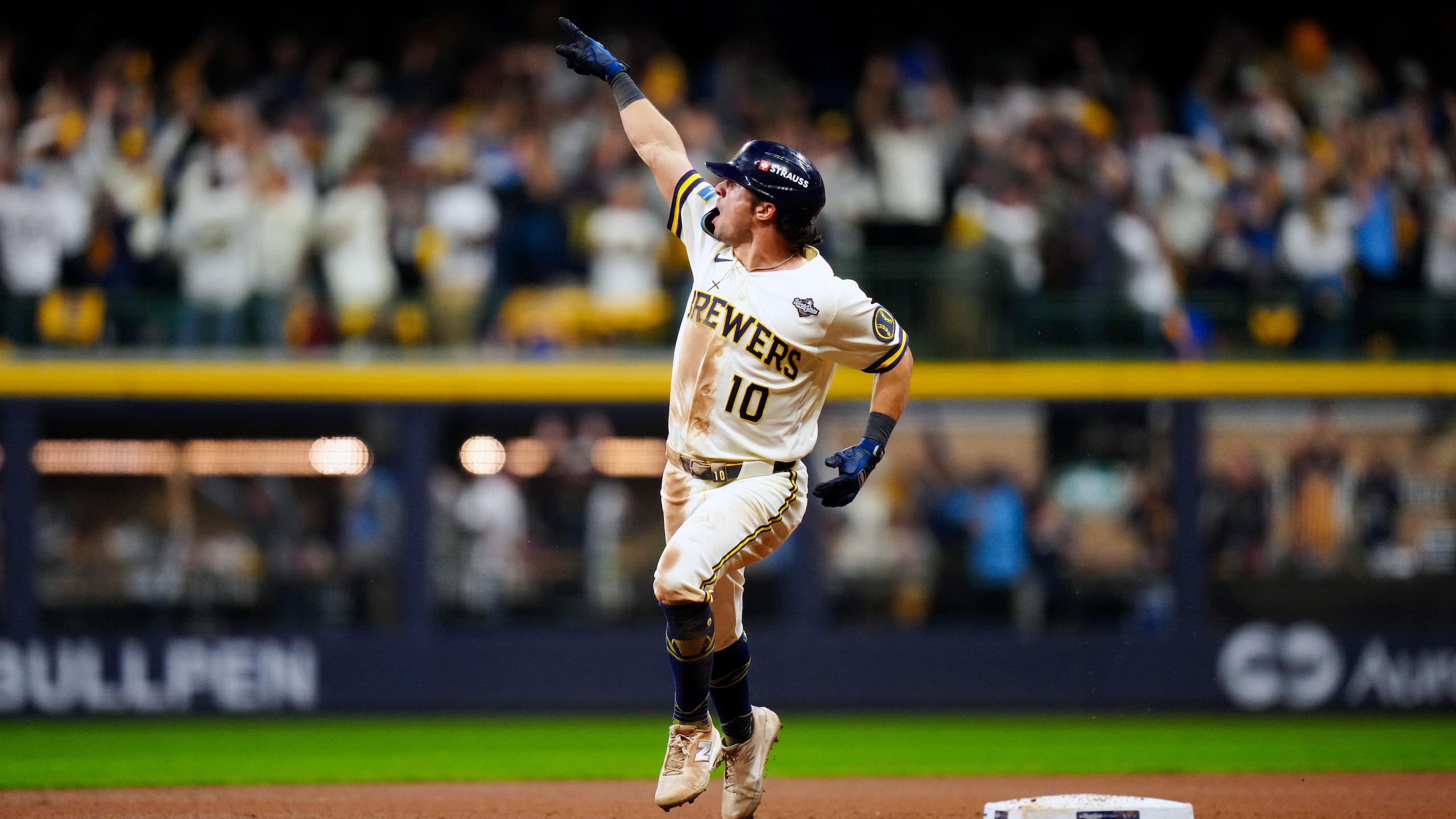
Tying HR Had Bauers Emotional
Wakefield will most likely renew his contract with Boston for $4 million, Pavano will get a contract offer from Minnesota, Pettitte will be resigned by New York, and Webb’s option is certain to be picked up, meaning the crop will be reduced to a handful of resurgent or injured veterans and unreliable and finicky innings eaters.
Besides Lackey, however, there is one other type A free agent: Randy Wolf. Wolf compiled his strongest campaign in a major league uniform in 2009, reaching 200 innings pitched for just the fourth time in his 11 year career. He posted a 3.23 ERA and an 11-7 record.
Many analysts tab Wolf as an option for the teams that do not land Lackey.
In those conversations, another name usually mentioned is Jarrod Washburn, an unclassified free agent.
Washburn had a topsy-turvy season in 2009, dominating the American League for much of the first half, and struggling mightily following his acquisition by the Detroit Tigers at the trade deadline. In 20 starts with Seattle, he posted a 2.64 ERA and earned eight wins. After the trade, he went 1-3 with a 7.33 ERA.
According to news reports today, MLB&id=2815" target="_blank">neither Wolf nor Washburn are in their current teams’ 2010 plans. They will not be tendered contracts.
I do not see Wolf or Washburn as solutions to any contending team’s pitching woes. Both have proven that they can pitch effectively, but neither has been reliable. During his eight seasons with the Philadelphia Phillies, Wolf’s arm was as durable as uncooked spaghetti. And while Washburn’s 2002 campaign with the Anaheim Angels proved he has ace-potential, he’s been just as consistent as a Charlie Zink knuckleball since.
For many, the ship has sailed on the two revived starters. According to Dodger’s General Manager Ned Colleti, “This [free-agent] class doesn’t have…allure to it.”
To sign either starter to a big money, multi-year contract, despite their recent successes, would be disastrous. So what plan of action should GM’s take?
This will be the offseason of one-year, low-money, incentive-laden contracts for starting pitchers. Every free agent starter proved in 2009 that they can pitch successfully when there’s a contract on the line (Jason Marquis and Joel Pineiro being the best examples), so make them do it again. Much like the 2008 offseason, this will be a buyer’s market and players will be forced to sign deals offering less years and less money than expected.
When Wolf signed with the Dodgers in 2009, he was inked for just $5 million. By reaching 200 innings pitched, he earned an extra $3 million in incentives. During the previous three seasons, Wolf averaged a little over 90 innings pitched so the Dodgers were hesitant to sign him for anything spectacular. Any team looking to hire him for a substantial sum of money should also work within those parameters.
According to FanGraphs, his incredible 2009 drove his worth up to $13.6 milion on the open market, an unfathomable figure for someone with his track record.
As a GM, I’d get into a bidding war over just a few guys: the oft-injured Erik Bedard and Ben Sheets and Justin Duchscherer, who could come on the cheap because of his battle with clinical depression.
I’m thinking this could be a strange offseason for last year’s best pitchers.
This article can be found at www.bloggingaboutbaseball.com



.jpg?w=2560 "Raiders Could Start Mendoza")

.jpg?w=2560 "Rodgers Iced Out on Plane 💎")

.jpg?w=2560 "Packers Safety Slams Refs 🤬")

.jpg?w=2560 "🚨 Week 8 AP Top 25 Poll")
