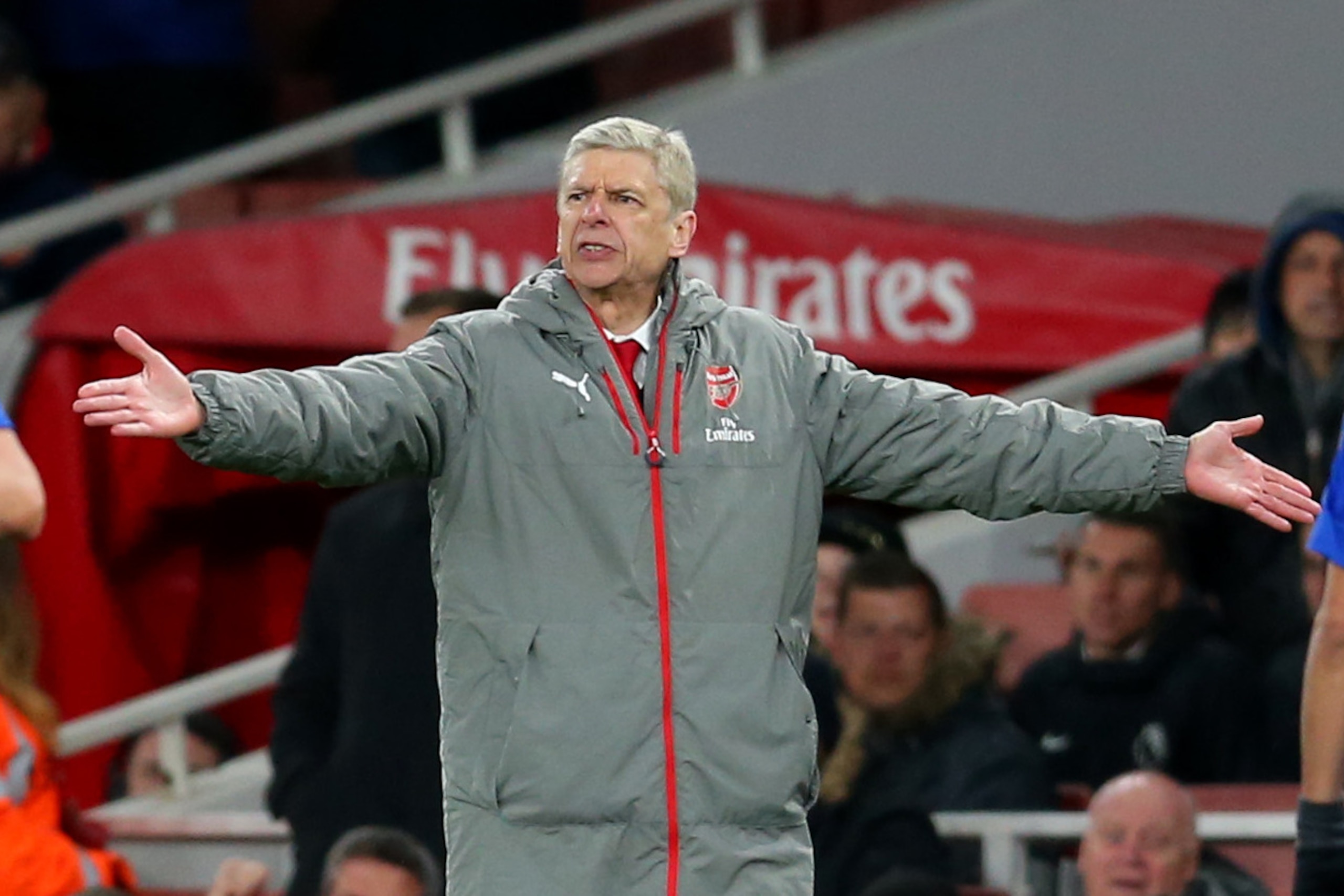

Time Up for Arsene Wenger? Answering the Big Questions on Arsenal's Boss
It's the longest-running issue in world football: When will Arsene Wenger finally leave Arsenal?
Since taking charge 22 years ago, he has won three Premier League titles as well as enjoying success in the FA Cup seven times. These days, the good times are heavily outnumbered by bad days, though, and it really does feel like time is running out.
The appalling fashion of their Carabao Cup final defeat to Manchester City on Sunday put Wenger's future back under the spotlight—and the champions-elect then added to his problems by thrashing the Gunners 3-0 in their own back yard on Thursday night.
Wenger will continue to remain defiant. Earlier this week, he said his own position is "the last worry" on his mind—and that could be part of the problem. The man who arrived in England with fresh insight and innovation has become stale and stagnated.
Wenger has been untouchable for too long, and with every season that drifts by without a league title, you have to wonder whether he deserves to remain at the helm.
The problems at Arsenal run deeper than the manager—they have lacked a long-term plan to keep pace with the country's other elite clubs.
As questions are once again posed over the club's direction, here's a look at their managerial situation.
Do the Players Really Want Him Gone?
1 of 5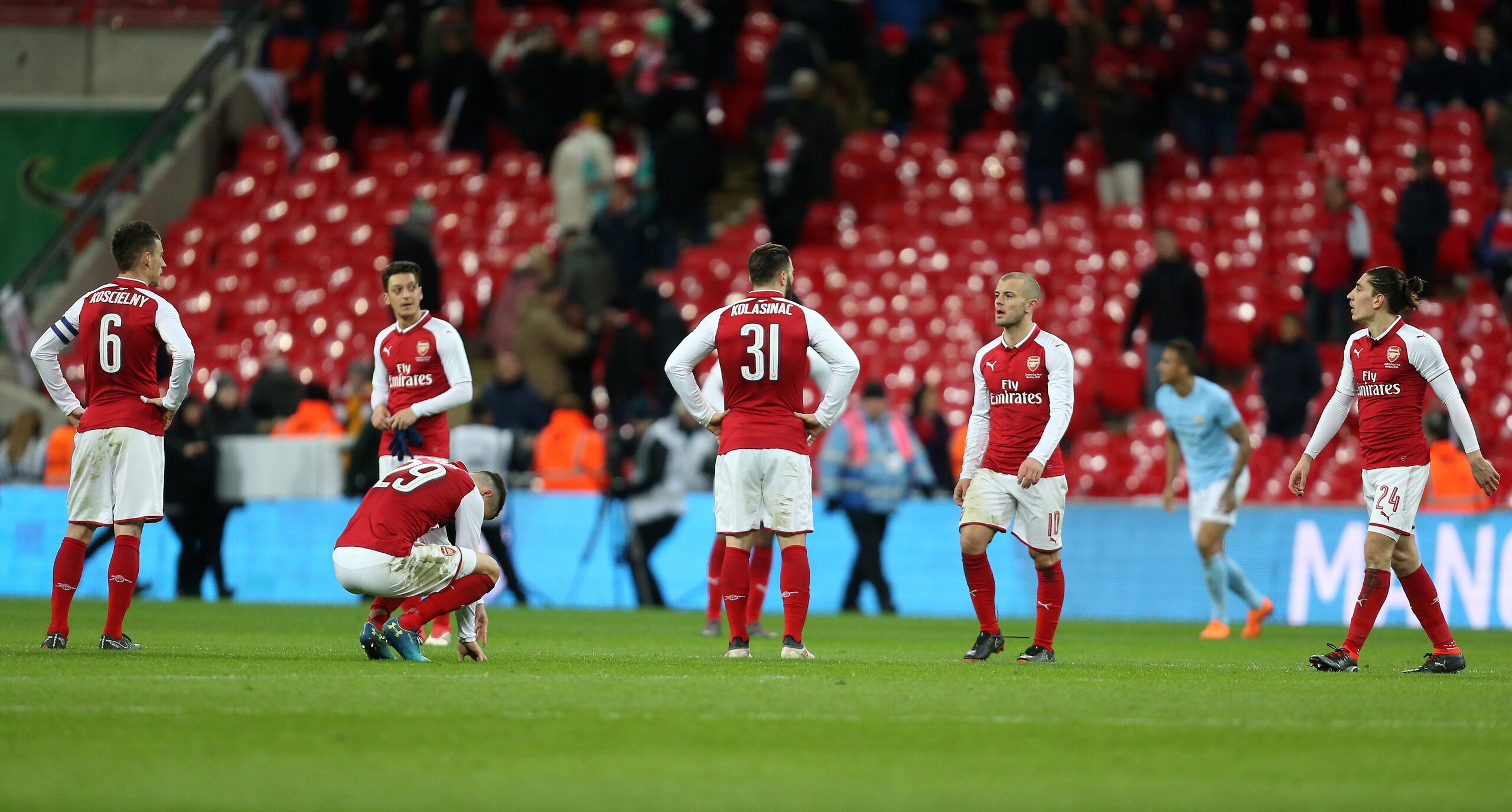
It's a confusing time for the Arsenal squad, as almost every player has a deep respect for their manager.
That stems not only from his success but also his personality. He makes a point of getting to know them as individuals and takes his place on the training field with them each day. He works tirelessly in a bid to help the club back to past heights.
His vision is not for everyone. If you are on the fringes and watch the same routines and techniques year after year without improvement, it is understandable you would begin to question the boss. Alex Oxlade-Chamberlain and Theo Walcott would account for that.
Of those left at the London Colney training base, though, it is the older professionals who stand as Wenger's fiercest allies. Men such as Per Mertesacker and Nacho Monreal remain driven to help the manager prove his critics wrong. The German defender has even warned the squad they are fighting to save the manager's job.
Their opinions are respected and rub off on other members of the team. While there is no chance of a mutiny, sources have admitted there is an underlying feeling among some first-team members that they are not going to make significant enough progress with Wenger in charge.
What Is Different This Time?
2 of 5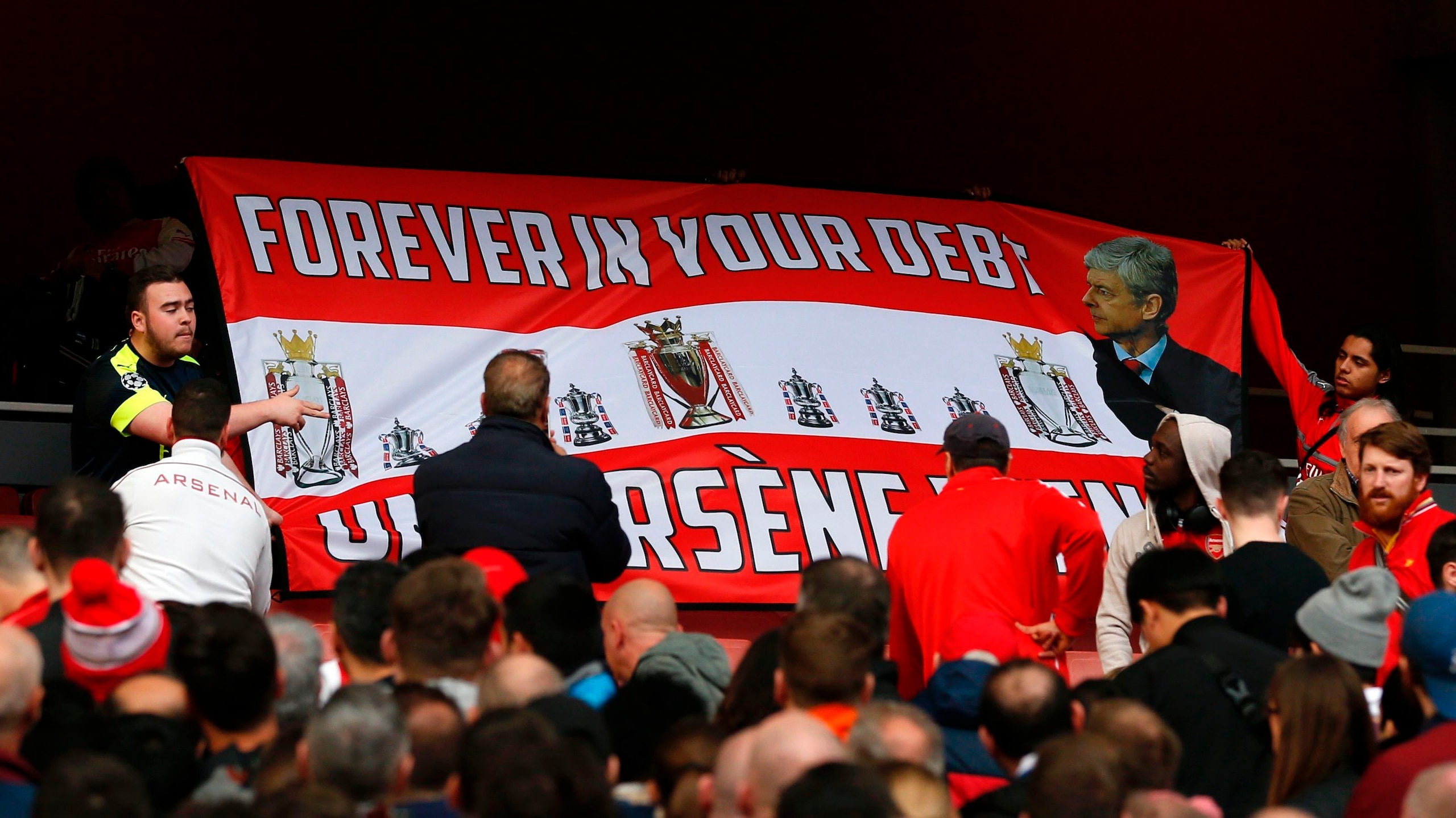
Wenger has become used to the routine of proving himself, so he should be well-prepared for any showdown with the board at the end of the season.
Last year was the biggest test of resolve, failing to qualify for the Champions League and having his contract up for renewal. Yet he survived.
At the end of this season, there will be an inquest into Arsenal's campaign and a judgement of Wenger's position as manager. To decide to part ways would still be a huge decision, though, halfway through the two-year extension that was agreed last May.
There is no doubt Wenger's power has already begun to fade. The appointments of head of recruitment Sven Mislintat, head of football relations Raul Sanllehi and contract guru Huss Fahmy have taken away key aspects of the administration side of the Frenchman's job.
Wenger accepted that when signing his latest contract last season, and since then the club has also changed tack in the transfer market by making significant signings in Alexandre Lacazette, Henrikh Mkhitaryan and Pierre-Emerick Aubameyang.
Wenger has tried to be more laid-back in all areas of his professional life in order to keep focus, and he described the reaction to Arsenal's defeat on Sunday as an "earthquake" in an attempt to play down the situation.
He did the same thing when questioned over the positioning of key figures at the club. On the back of another shattering defeat on Thursday, he's left to reflect on more rumblings.
On Wednesday, Wenger was at pains to insist the visit of Josh Kroenke, son of American majority shareholder Stan, was nothing to do with a reflection of his own position at the club.
During that same press conference, though, reporters described to me how Wenger appeared more irritable and frustrated than usual. He has had questions over his future posed for years, but one reporter told me there seems something about this current bad patch that feels "a little different."
Wenger hates having his authority questioned—he always has done. He is generally great with members of the press, but when he feels threatened he becomes sarcastic and sometimes childish with his responses. His behaviour and body language since the Carabao Cup final proves he is feeling pressure right now.
Who Are Candidates to Be Next Boss?
3 of 5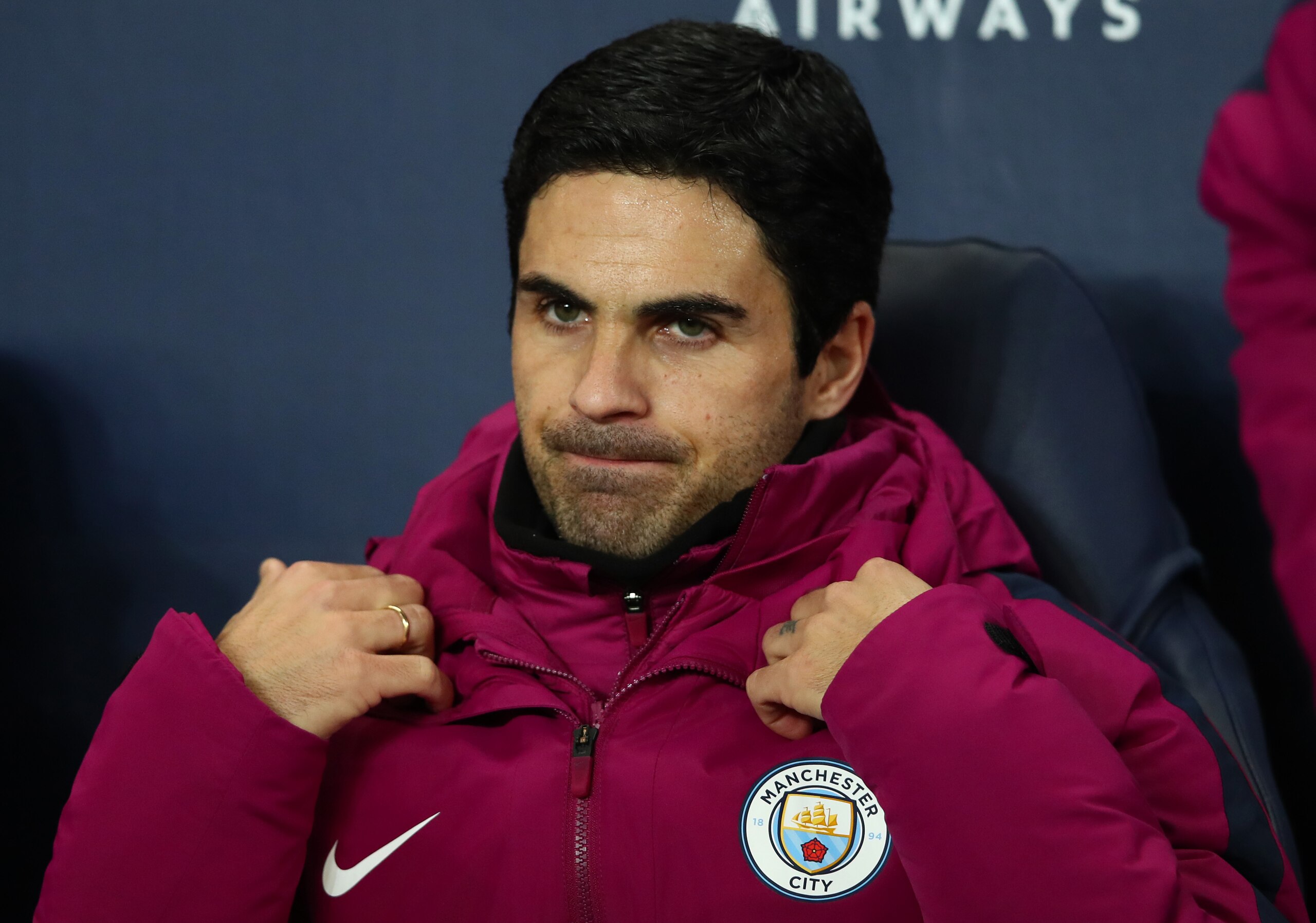
One of the most significant reasons Wenger could remain at the club for another year is that Arsenal do not have a clear plan for what happens next.
Do the club's hierarchy have managers in mind? Yes. But there is no obvious pattern to the options being considered, and it suggests a complete lack of forward thinking.
AS Monaco boss Leonardo Jardim, Germany manager Joachim Low, Manchester City assistant coach Mikel Arteta and Celtic's Brendan Rodgers are the names being spoken of in the corridors of power at the Emirates Stadium, and the scattergun approach shows why Wenger will feel confident there is not a change coming imminently.
Former Arsenal midfielder Arteta should already be in the setup, not being groomed at City under Pep Guardiola. Jardim is at Monaco, as Wenger once was, but he has a style that would perhaps be considered too risky.
Germany head coach Low has not worked in club football since 2004, so there is no guarantee he would slot easily into life as a high-profile Premier League boss. Rodgers was largely considered a failure when he was ditched by Liverpool in October 2015, so Arsenal fans would likely not be overjoyed to see him arrive.
Another issue with Arsenal's search for a new manager is that it is a new experience for the board. It was former vice-chairman David Dein who pulled a masterstroke by nabbing Wenger from Nagoya Grampus Eight in 1996. To stumble across such a success story again is unlikely.


Would He Walk Away?
4 of 5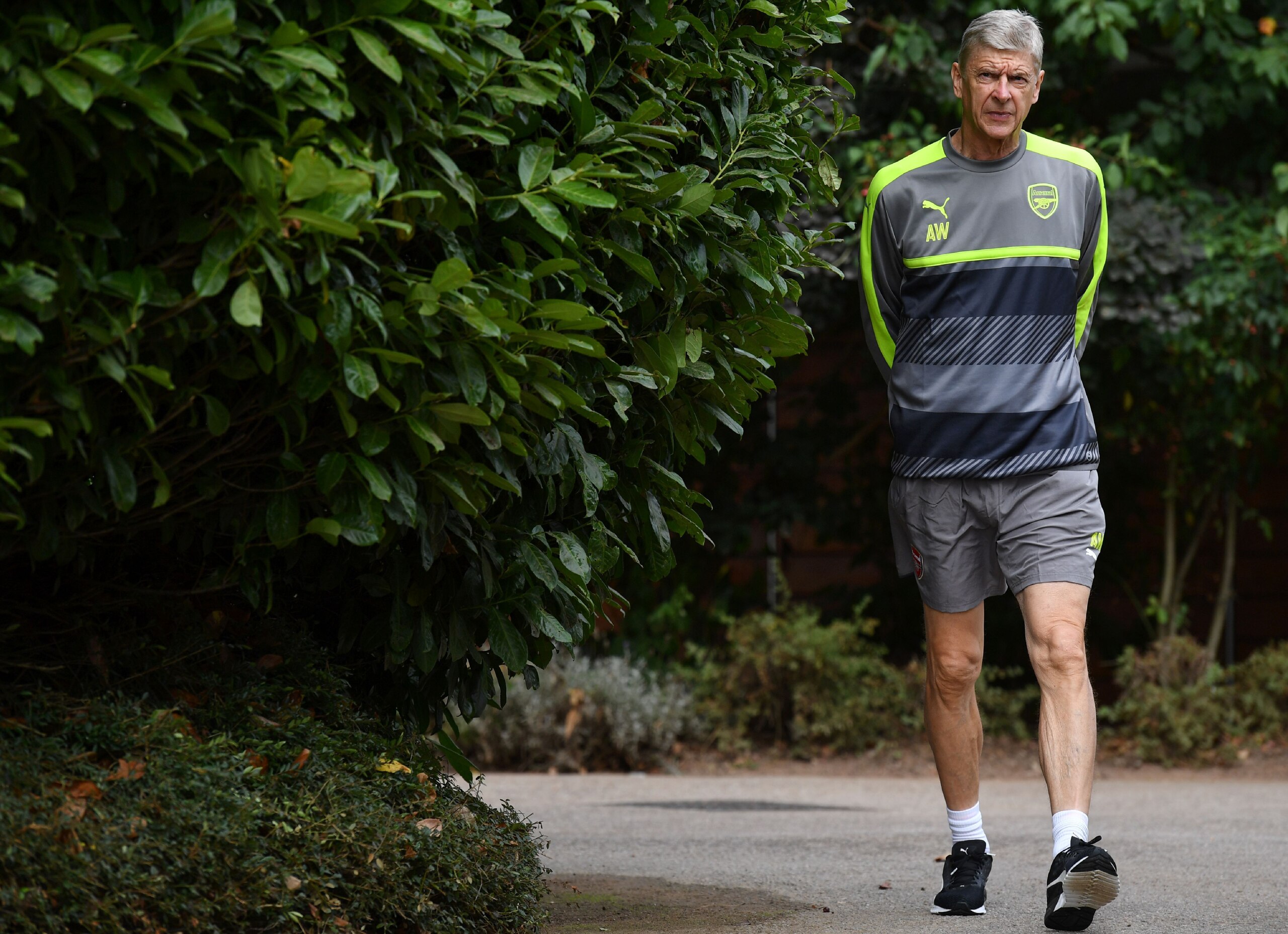
Unless he has the Premier League trophy in his hands and is ending on a high, Wenger is highly unlikely to walk away. If he were willing to do so for any less, he would have packed his bags after winning the FA Cup in May.
He still feels he has it in him to turn around this situation, however bizarre that may seem at this juncture. It's a stubbornness he simply can't change.
In fairness to Wenger, no one cares more about results than him. I recall one press conference a few years back when he described to a group of us how significant defeats have sometimes seen him not leave the house for two days afterwards. The pain hits him hard, and he will be feeling that right now.
Sources who know Wenger believe he is determined to continue managing into his 70s. He turns 69 in October, so there is motivation to make it through the tenure of this current contract. If he has his way, he'll sign another contract on top of it, too.
What Can Save Him?
5 of 5
Wenger should prioritise the Europa League because Arsenal sources admit the club would leave him in charge for another season if he wins the trophy.
The domestic outlook is not good, with a Champions League position looking almost impossible as they trail fourth-placed Tottenham by 10 points, which puts extra importance on their mouth-watering round-of-16 tie with AC Milan.
Wenger claims publicly he isn't setting the competition as a matter of most importance yet in the back of his mind, but he will have memories of how the trophy was used to Jose Mourinho's advantage with Manchester United last term.
If he does not win the European pot and fails to qualify for the Champions League by means of a top-four finish, the writing really could be on the wall.
Arsenal are in decline, and with every passing season, there is an increasing notion that perhaps Wenger has lost his magic.
For the first time in his 22 years at the club, a decision over whether he will remain as manager is likely to be taken out of his hands.
The outcome of Thursday's first leg in Milan could have huge implications over the future of Arsenal Football Club. It could be the beginning of the end for Arsene Wenger, finally.
.jpg?w=2560 "Rams Raiders Football")


.jpg?w=2560 "Rodgers Iced Out on Plane 💎")
.jpg?w=2560 "Packers Safety Slams Refs 🤬")

.jpg?w=2560 "🚨 Week 8 AP Top 25 Poll")
