

Griffin Blockbuster May Have Been Right for Clippers, but It Was Also 'Cold'
The path to the Los Angeles Clippers' practice court takes visitors by a large trophy case, and if you're now laughing derisively, you're forgiven.
Yes, the Clippers have a trophy case. A rather large one.
It contains no MVP awards, no brass tributes to conference titles, or any other achievements of note. The Clippers don't really do achievement.
What the case contains is a memento: four numbered pingpong balls (5, 3, 6, 10) that secured the No. 1 pick in the 2009 draft.
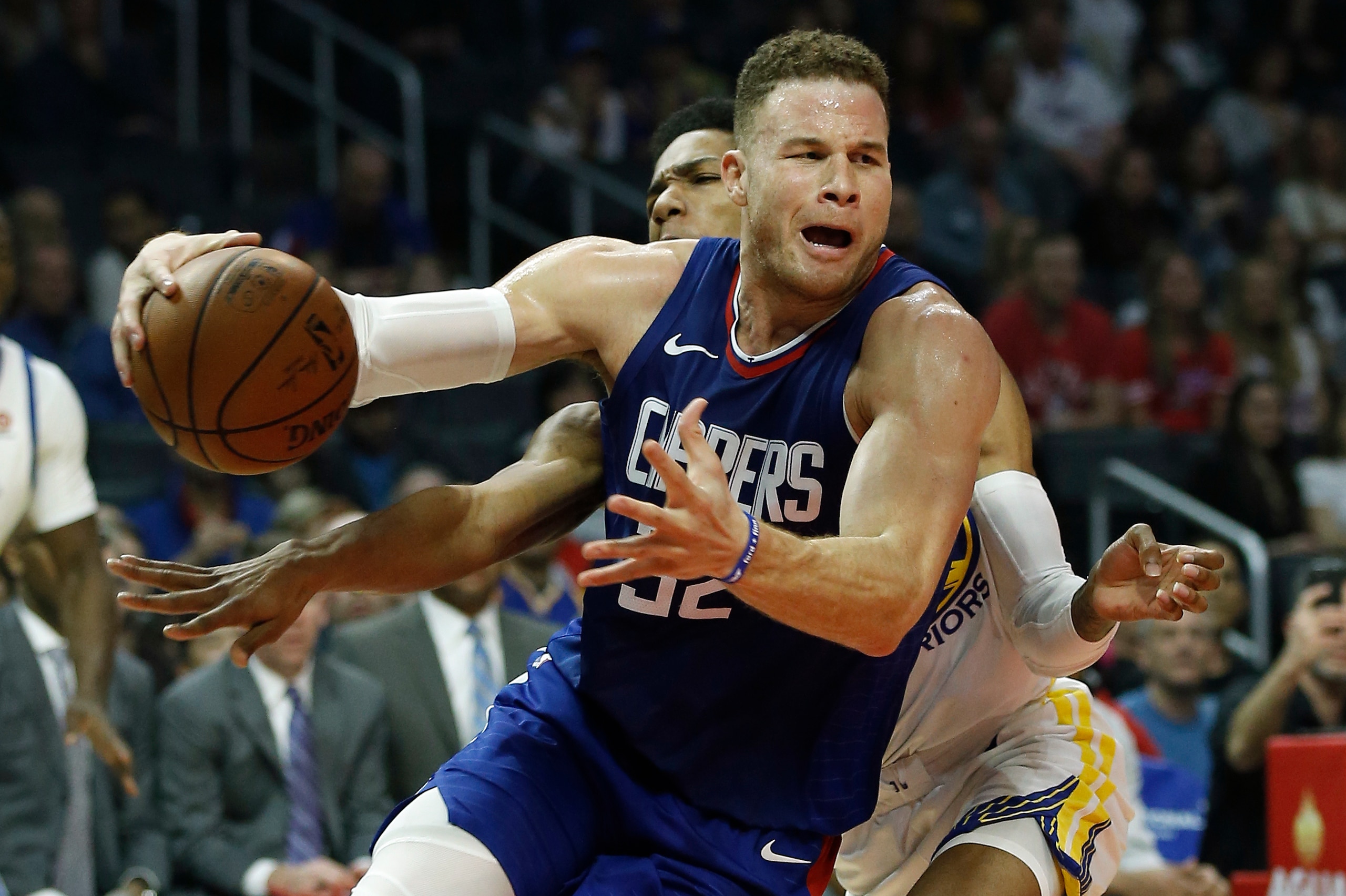
That pick became Blake Griffin, the spring-loaded forward from Oklahoma, who would quickly enchant fans, hurdle small cars and large humans, score a ton of points and secure a measure of respect for the NBA's most woebegone franchise.
As Clippers coach Doc Rivers put it, "I really believe Blake put this franchise on the map."
Rivers said this on Tuesday–right after the Clippers unceremoniously shipped Griffin to Detroit in a trade that netted them two solid players, two draft picks and that vague-yet-virtuous sounding NBA commodity: flexibility.
By modern NBA metrics, it was a deal worthy of praise. Griffin, after all, is a soon-to-be-29-year-old veteran with a messy medical chart and a contract that will pay him $141.7 million over the next four seasons. It peaks at nearly $39 million in 2021-22, when he'll turn 33.
The logic was virtually unassailable. If your team is capped-out for years to come (the Clippers were), struggling to make the playoffs (check), with no budding prospects (check) and a deficit of draft picks (check), and your best player is approaching 30 with a history of health problems and a massive contract (check, check and check), it makes sense to hit the reset button.
And the Clippers met every goal in the deal. They got a little younger, gained more freedom in their finances, replenished their draft-pick stock by adding one first-rounder and one second-rounder, and got two players who can help them now or be used as trade chips later in Tobias Harris and Avery Bradley.
So why did the deal feel so hollow? So joyless? Callous, even.
A team just voluntarily jettisoned the most significant, most popular player in its modern history, and we're all sort of coldly applauding.
"It is sad," J.J. Redick, who played four seasons alongside Griffin, told B/R. "For me, it's the tradeoff that we all make as athletes: We get to do something we love, we get paid really well. But in the end, we're"–Redick paused–"an asset. And there is an element of us where we get dehumanized a little bit. For them to do what they did with Blake over the summer, and then ship him out seven months later—that's cold, man. That's tough."
Last July, the Clippers wooed Griffin back with an elaborate presentation that included a mock jersey-retirement ceremony at Staples Center. They called him a Clipper for life. They gave him that contract.
It was fanciful, but it was also the practical move. Chris Paul had forced his way to Houston and left Griffin as the sole face of the franchise. Losing him outright would have been devastating, humiliating even. It would have felt like a throwback to the Donald Sterling era, when the Clippers were a laughingstock and star players treated the franchise like a toxic waste site.
Keeping Griffin was the right call. It ensured the Clippers would remain respectable and reasonably competitive. When injuries–including a 14-game absence for Griffin–wrecked the season, it was reasonable to recalibrate. Trading Griffin also felt like the right move for the sake of long-term viability.
The Clippers are indisputably in a healthier position now. They have room to maneuver and the tools to rebuild methodically. The allure of palm trees, sun-scorched afternoons and a newfound sheen of success aid future recruitment efforts.
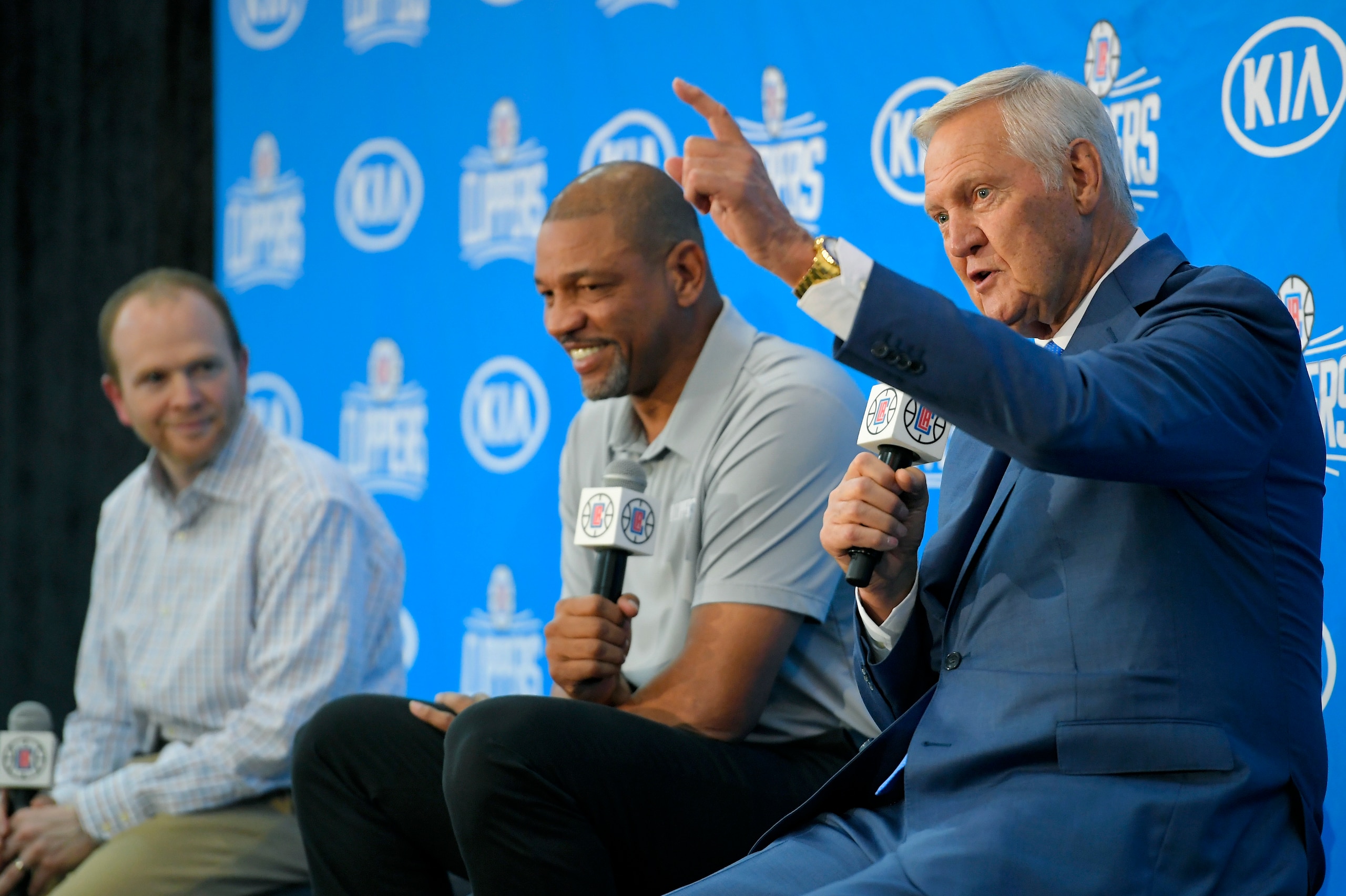
Their newly reconfigured front office, headed by Lawrence Frank and progressive executives Michael Winger and Trent Redden, with Jerry West consulting, has the creativity and brainpower to do it right.
There's no room for sentimentality in these calculations, and you'll find few rival execs or pundits who would disagree. (You'll also find few execs or pundits who like the deal for Detroit. The word "desperate" comes up a lot.)
This is where we—fans, columnists, execs, owners, all of us—are in the NBA of 2018. We've become so salary-cap savvy, so well-versed in the analytics and economics of the game, so studiously and reflexively pragmatic, that the humanity of the game is almost lost. The thrill of the transaction has numbed our senses.
Griffin made them relevant and interesting and eventually respectable, which is no small achievement for a team that had won one playoff series in three decades prior to his arrival.
Without Griffin, the Clippers never could have attracted Paul, lured Rivers from Boston or landed a coveted sharpshooter like Redick. Without Griffin, the Clippers wouldn't have averaged 55 wins over the last five seasons. Without Griffin, there's no Lob City. Without Griffin, the franchise probably doesn't sell for $2 billion to Steve Ballmer.
We view the Clippers through an entirely different prism today than we did in 2009, in part because they swapped Sterling for Ballmer, but mostly because Griffin swooped into Los Angeles and, like the superhero he once played in a car commercial, spent the next several years righting all wrongs.
If the new front office persuades another star to plant his flag in Playa Vista, it will be because Griffin made it palatable.
"I think Doc said it best," Redick said. "That before Blake Griffin, there was no hope if you were a Clippers fan. He represented hope for the franchise."
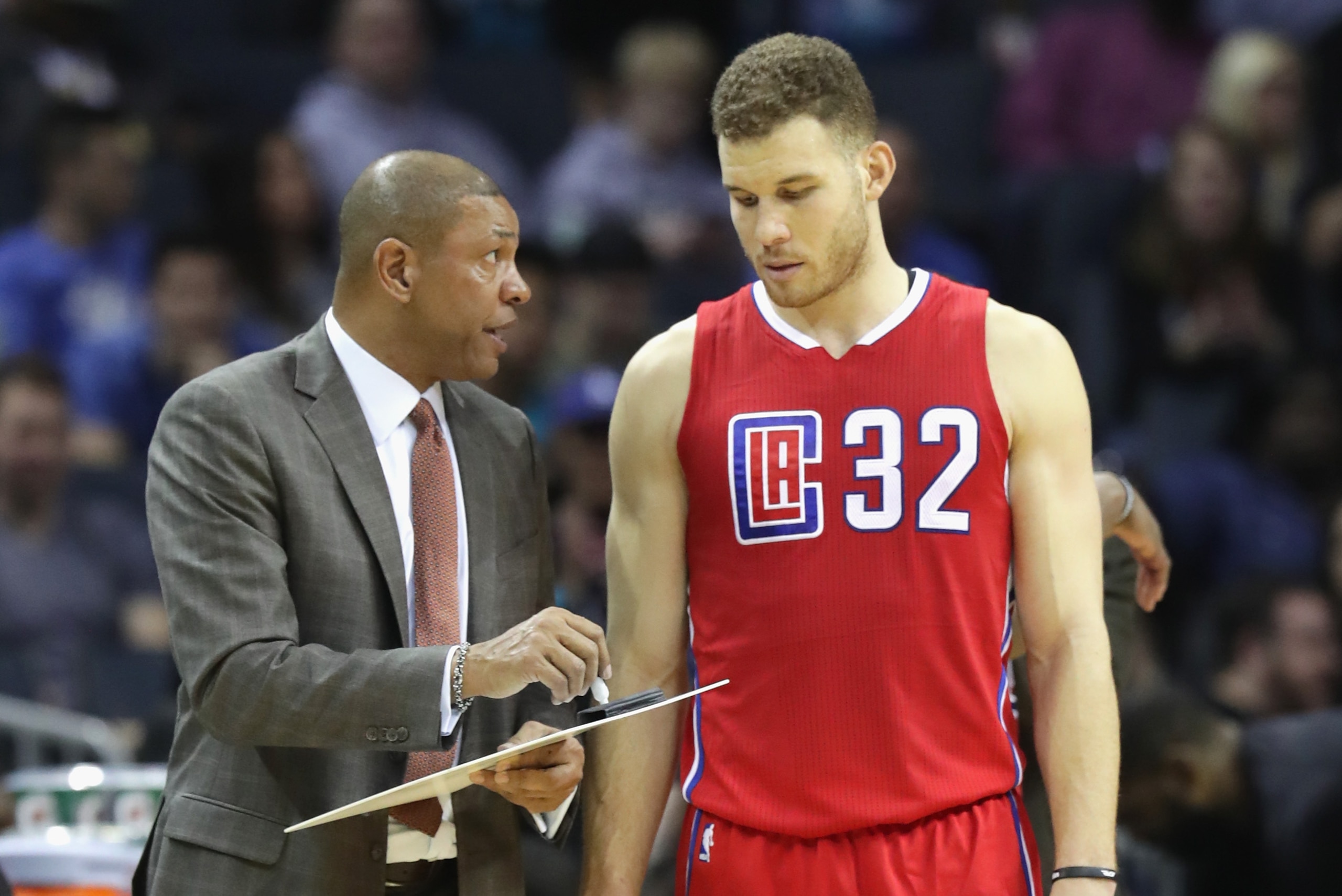
Paul, a surefire Hall of Famer, will be remembered as the Clippers' best player. But it was Griffin who defined the era. That the 6'10" power forward was traded should hurt. It should make us all wince, even if you're not a Clippers fan. Those emotional bonds should still mean something, even in the Age of Analytics.
Some day, the Clippers will find another franchise star or two, and that team might exceed everything Lob City ever did. The Clippers might even put some hardware in that glass case. But no memento will mean as much as those four pingpong balls.
Howard Beck covers the NBA for Bleacher Report and BR Mag. He also hosts the Full 48 podcast, available on iTunes. Follow him on Twitter, @HowardBeck.
.jpg?w=2560 "Aiyuk Slammed by Ex-Teammates 😬")
.jpg?w=2560 "Report: Eagles to Sign Cowboys QB")

.jpg?w=2560 "Josh Jacobs Can Play in Week 7")
.jpg?w=2560 "Ranking Tarik Skubal's Top Landing Spots 🛬")