
Hell in a Cell: 20 Years of WWE's Most Iconic (and Watered Down) Gimmick Match
On October 5, 1997, the wrestling world journeyed through The Devil's Playground for the first time.
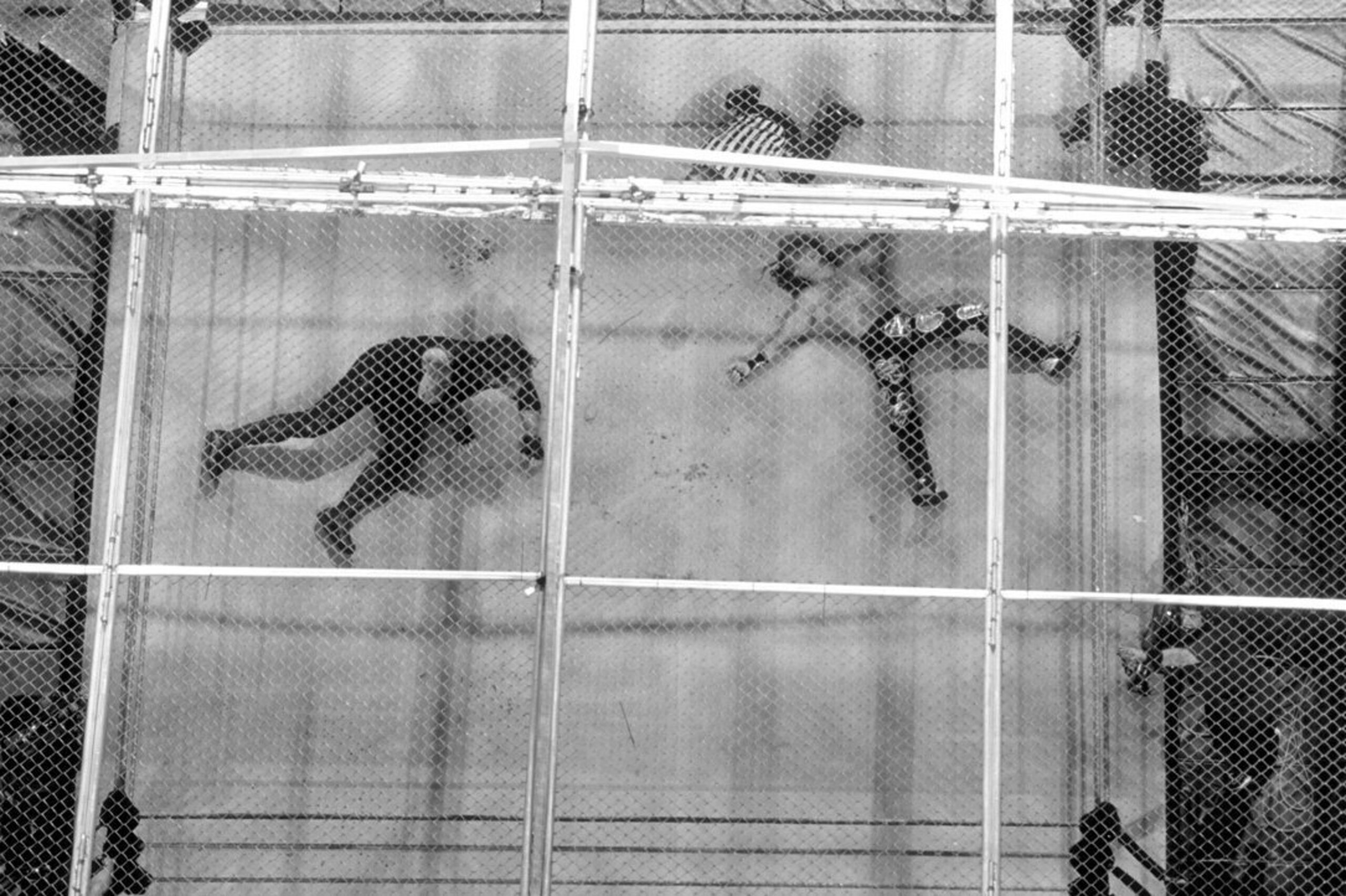
At WWE In Your House: Badd Blood, fans witnessed the first Hell in a Cell match. A structure unlike any fans of Vince McMahon's wrestling empire had ever seen before, it promised brutal pain and unfathomable violence for The Undertaker and Shawn Michaels, who would become the first two Superstars to venture inside the unforgiving steel of the intimidating structure.
In the years that would follow, the match would house some of the most intense rivalries and unforgettable moments in WWE history.
The end of the 2000s and the dependence on gimmick pay-per-views to make up for lackluster creative direction, though, created a scenario in which the once-iconic match was overexposed and lost its aura.
No longer the ultimate culmination of wrestling's most intensely personal rivalries, it was a match that existed for the sake of existing.
Now, 20 years after its inception, Hell in a Cell is at a crossroads.
With a rich history that includes the epic encounter between Undertaker and Mankind in 1998, the match is undeniably a fan-favorite.
But should it be tabled, tucked away for use only when a rivalry is strong enough to warrant a showdown between the steel?
Unleashing Hell
1 of 4The fall of 1997 saw a heated rivalry between The Undertaker and Shawn Michaels engulf WWE. After two straight years as a babyface, Michaels had turned heel and was thriving as the attitudinal degenerate he would become synonymous with. Undertaker, the victim of an errant chair shot from Michaels, was filled with rage and hellbent on avenging his WWE Championship loss and the frustration he experienced in its wake.
After a double disqualification at the In Your House: Ground Zero pay-per-view, it was decided that the only way to properly conclude the program was in a new, revolutionary match known simply as Hell in a Cell.
The enormous, roofed structure encapsulated the ring and promised a bloody blowoff to the feud.
It delivered.
Undertaker battered, bloodied and beat up Michaels. The fans in St. Louis had seen classic battles before, featuring the likes of Lou Thesz, Gene Kiniski, Ray Stevens, Dory Funk Jr. and Harley Race. They had never, though, seen a match that proved to be as raw, guttural and visceral as this one did.
The idea of the vengeful babyface beating the unholy hell out of the cowardly, brazen and loudmouthed villain was a story fans could sink their teeth into. Its simplicity fueled it, and the bumps taken by Michaels helped sell the brutal and savage nature of the bout.
While all signs pointed to The Deadman emerging from the cell the victor, his animosity for Michaels extinguished via decisive, painful victory.
The debut of Kane, though, wrote the latest chapter in the most epic storyline in WWE history. The Big Red Machine stalked toward the ring, pulled the door of the cell off its hinges and confronted his older brother. A Tombstone piledriver led to Michaels' shocking victory and the start of a feud that would carry into WrestleMania XIV the following March.
The layered story, the in-ring action, brutality and unforgettable debut made for a sports entertainment blockbuster that set the stage for every one of the Hell in a Cell bouts that followed.
Iconic Battles
2 of 4Undertaker and Michaels set the bar so incredibly high that the idea of someone else eclipsing their efforts was unfathomable.
Yet The Deadman returned to the match less than a year later, battling longtime rival Mankind inside the confines of Hell in a Cell.
The King of the Ring 1998 match set the bar for barbarism and violence in WWE.
Mick Foley, the man behind the brown leather mask of Mankind, would admit to a dislocated shoulder, missing teeth and being legitimately knocked unconscious during the match in his 1999 autobiography Have a Nice Day: A Tale of Blood and Sweatsocks.
That match, the first to introduce the concept of a death-defying fall/leap from the top of the cell, was as iconic as it was gut-wrenchingly violent. It also enhanced the reputation of the bout as the final destination for any long-running rivalry.
In 2002, Undertaker returned to the structure for a much more personal war with Brock Lesnar, whose comments about The Deadman's wife and unborn child enraged the veteran. Their match, one of the best of that year, established Lesnar as an unstoppable force while the bloodied and defeated Undertaker had once again portrayed his toughness to the masses.
Three years later, Triple H and Batista would battle inside the cell at Vengeance 2005.
The match, the first inside Hell in a Cell not to feature Undertaker, was the culmination of a months-long rivalry between teacher and student that saw The Animal defeat The Game and send him away for a number of months.
The Deadman would once again add to the legacy of the match in 2008, battling Edge in a bout that wrapped up a rivalry that began five months earlier at WrestleMania.
Those four matches represent what Hell in a Cell was all about. They were the culmination of long-running rivalries that brought a certain level of violence and physicality to WWE pay-per-view. They were the end of a program rather than the next chapter, a philosophy that would ultimately water the match down and diminish its meaning.
A Watered Down Gimmick
3 of 4In 2009, WWE instituted the concept of gimmick pay-per-views, the idea being that fans would be more inclined to buy B-level events if there was a specific gimmick involved. That October, the company introduced Hell in a Cell, replacing the previously annual No Mercy event.
The event, headlined by three Hell in a Cell matches, was the epitome of overkill.
None of the three bouts that took place inside the steel structure had stories strong enough or rivalries intense enough to warrant inclusion in the Hell in a Cell pantheon.
Almost instantly, the foundation laid by Undertaker, Michaels, Mankind, Triple H, Batista and Edge was crumbled by the ridiculous notion that D-Generation X vs. Legacy somehow needed to conclude inside the storied structure.
Over the years, B-level feuds such as Randy Orton vs. Sheamus would invade the cell. CM Punk defended the WWE Championship against Ryback in a main event thrown together at the last second when it became clear John Cena would not be able to compete.
In 2016, Charlotte and Sasha Banks headlined the pay-per-view with a match that actually warranted the Hell in a Cell stipulation. Unfortunately, it was not the end of their program, and as a result, it felt like a rest stop en route to the countless other matches they would wrestle against each other through April 2017.
What started as a match steeped in hatred, the final resting place for WWE's most intense rivalries, had become a gimmick to sell a few pay-per-views, despite none of the stories, Superstars or rivalries really necessitating the match.
It became watered down.
Just another match on the schedule.
Perhaps that is the greatest indictment of the creative process over the last decade. A guaranteed money-maker, a match so beloved by fans, devolved into an excuse to get eyes on a pay-per-view because the writers and management were too lazy to come up with any other way to encourage buzz or excitement for the product.
.jpg?w=2560)

.jpg?w=2560)
Can It Be Salvaged?
4 of 4Sunday night in Detroit, SmackDown Live will present the 2017 edition of Hell in a Cell, headlined by Kevin Owens vs. Shane McMahon inside the steel structure.
It is the culmination of a rivalry that has run...one month.
Yes, Owens has been phenomenal as the antagonist. His interactions with the McMahons ahead of the match have drummed up interest in the showdown between him and the prodigal son, but at the same time, it does not have nearly enough back story or intensity befitting a war inside the cell.
It is the latest chapter in the book of WWE missteps and further proof of a habit that has diminished the significance of the gimmick bout.
While that is disheartening to fans who fondly remember the heyday of Hell in a Cell, there is a silver lining.
The second cell match on Sunday's card is the SmackDown Tag Team Championship battle pitting The New Day against The Usos.
That match, months in the making and the culmination of several show-stealers, is reflective of the type of rivalry originally intended for the match. It is a program that has intensified with every passing week. Most recently, the teams battled in a Las Vegas Street Fight, won by New Day.
Sunday, those two teams will bring their rivalry to a definitive end in the most dangerous match known to the WWE Universe. It is, as it should be, the final chapter in a long-running story.
Programming New Day vs. Usos inside the cell rather than Nakamura vs. Mahal gives the impression that WWE can still devote the match to the right feud, at the right time, when the opportunity arises. Perhaps the success of New Day vs. Usos will give the writing staff a moment of pause and the opportunity re-evaluate what makes Hell in a Cell such a great match.
Unfortunately, it does not appear as though WWE will eliminate the pay-per-view from its schedule, creating a scenario where the Hell in a Cell match continues to be watered down and undervalued by management.


.jpg?w=2560 "Bijan's INSANE 1st Half 🤩")
.jpg?w=2560 "Viral Rams Coach Vid 🖕")
.jpg?w=2560 "Injury-stricken Seahawks signing veteran RB")


.jpg?w=2560 "2 NFL Officials Suspended")
