
Everything Charlotte Hornets Need to Know About Malik Monk
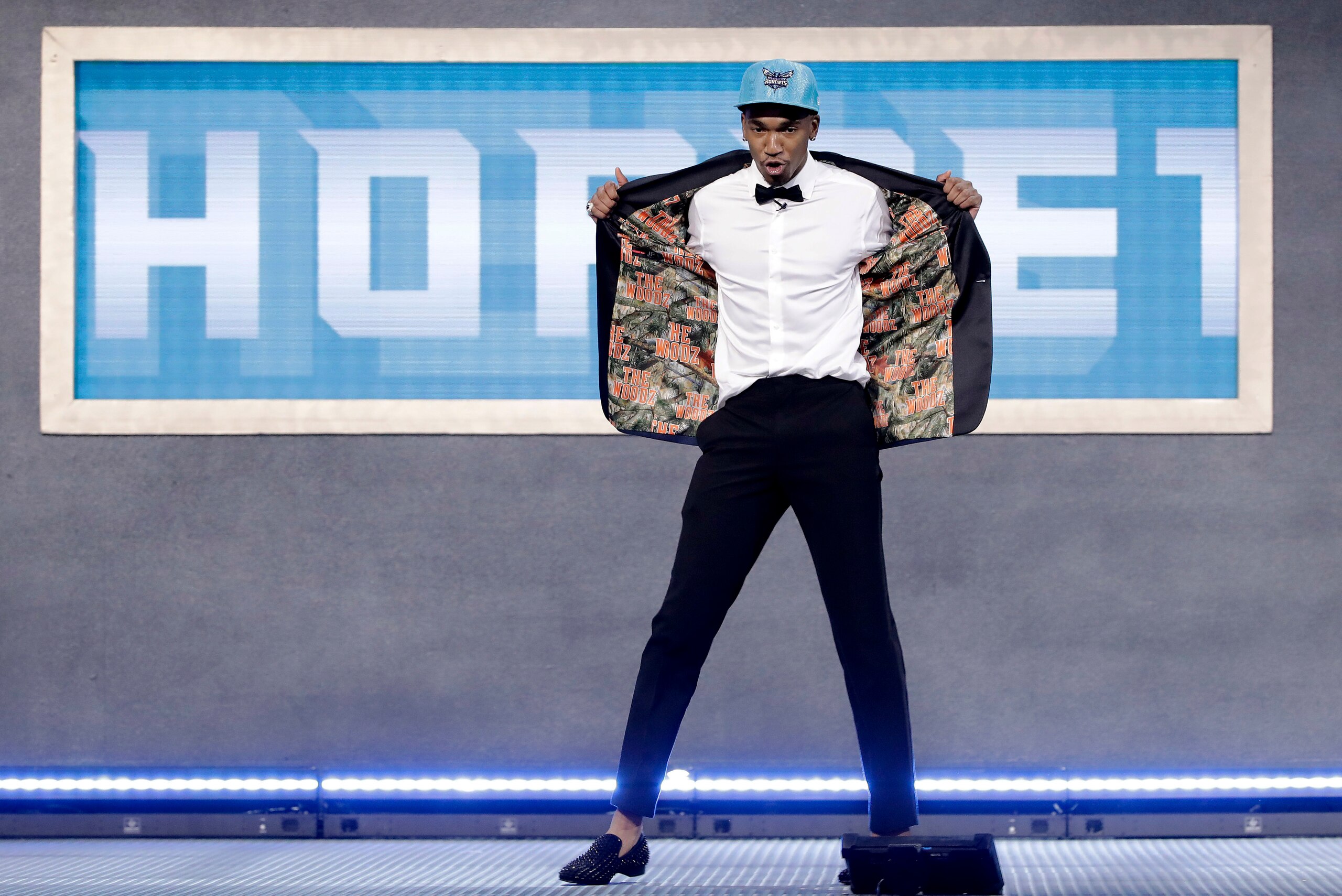
Malik Monk slipped right into the lap of the awaiting Charlotte Hornets during the 2017 NBA draft.
Kentucky's leading scorer was perceived as a top-10 pick for much of the year, but a few out-of-the-box selections led to Monk falling to No. 11.
Coming off a highly productive one-and-done campaign, he'll immediately gives the Hornets needed backcourt depth and firepower.
An ankle injury he suffered during workouts will likely force him to miss summer league, the Hornets announced Tuesday. But with a projected role that's built to illuminate his strengths and mitigate his weaknesses, Monk still appears poised to emerge as a contributing rookie.
He Has JJ Redick's Physical Tools and Victor Oladipo's Vertical Bounce
1 of 7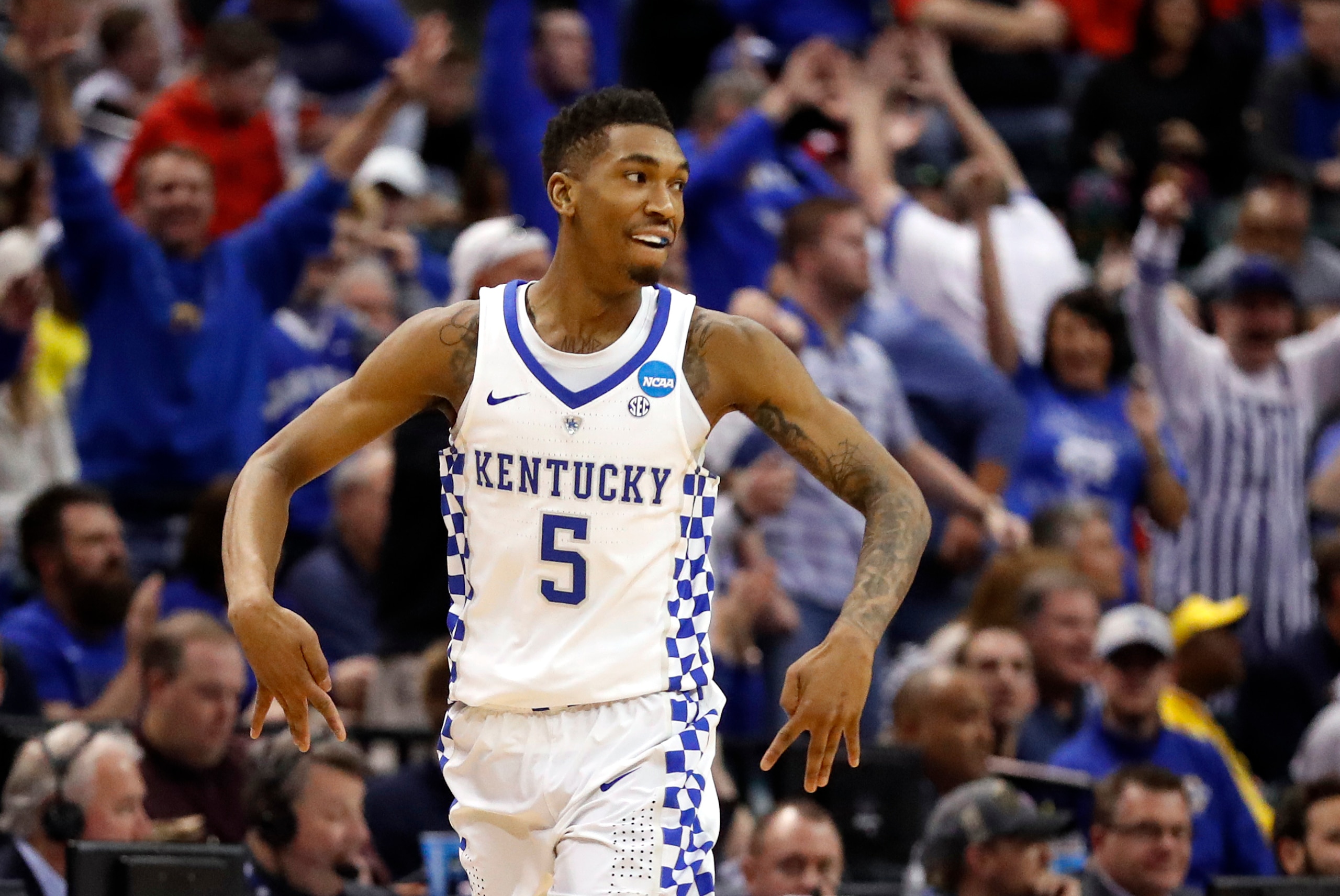
Monk's last measurements were taken before the season at the combine Kentucky held for NBA scouts.
He measured 6'3" and 197 pounds with a short 6'3½" wingspan, close to JJ Redick's numbers from the 2006 draft.
Average size and limited length hasn't stopped Redick from carving out a successful career as a shot-maker. And it shouldn't stop Monk, who got up nine inches higher than Redick on his max vertical leap (42") to tie with current Oklahoma City Thunder 2-guard Victor Oladipo.
Monk's bounce comes into play in transition at the rim and on jumpers. He gets good elevation when shooting off the dribble, which helps make up for a few inches in height.
He Scores in Bunches
2 of 7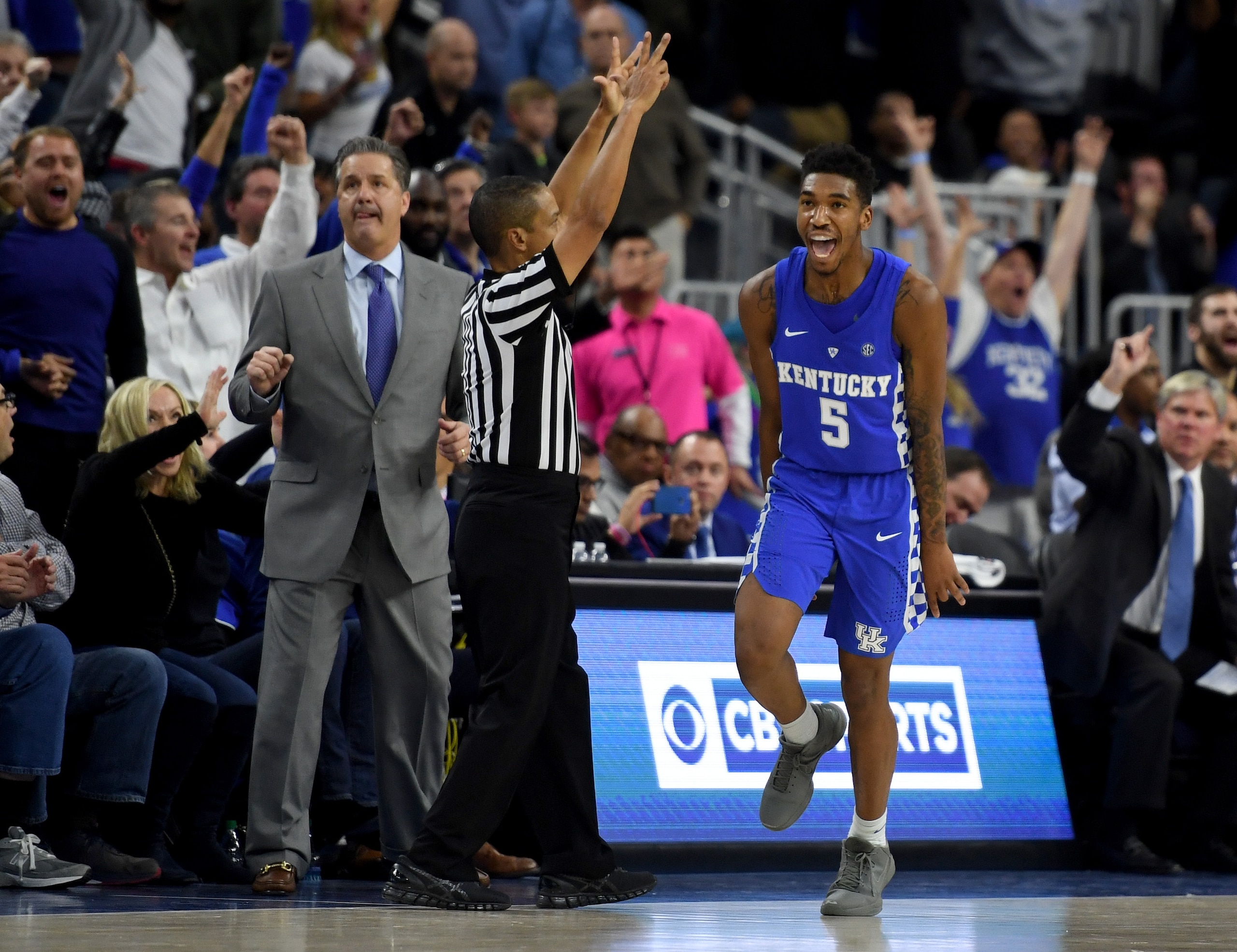
Tight defense isn't enough when Monk's confidence is pumping. He gets in a zone that's difficult to disrupt.
Monk has the ability to convert contested shots whether he's spotting up, pulling up or running off screens. Throughout the season, he demonstrated a knack for catching fire and scoring in bunches.
Monk went for 47 points (including eight three-pointers) against North Carolina in a huge nationally televised game in December. He had 34 points while missing only five shots against Ole Miss nearly two weeks later. The following game, he poured in 26 points on 11 field-goal attempts.
Monk also dropped 37 points against Georgia in January and 30 second-half points against Florida in February. His instant offense should make him a natural fit for the Hornets' sixth-man role.
He Can Be Streaky and Vulnerable to Off Nights
3 of 7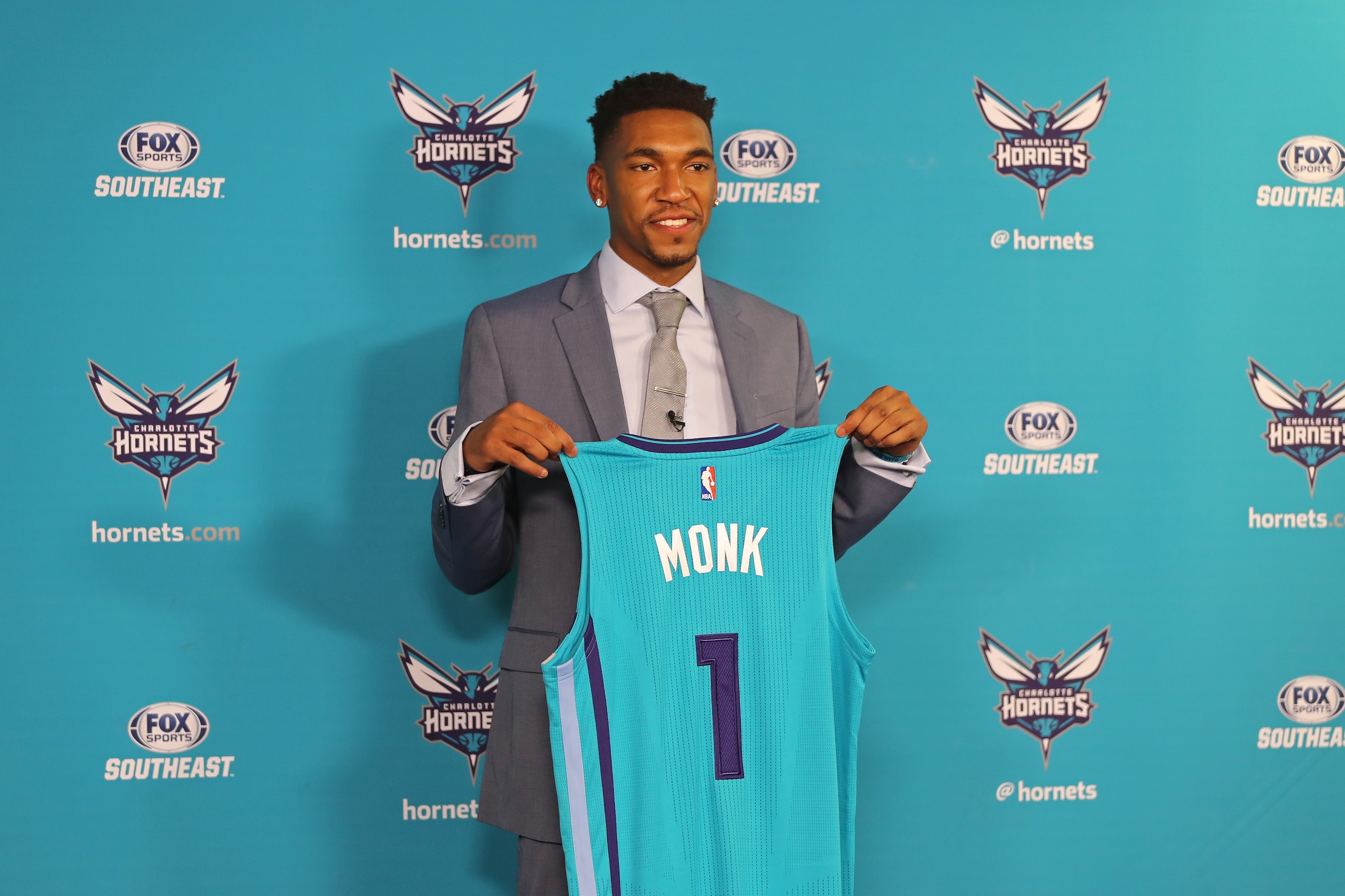
Monk was scorching hot through January, but he cooled off significantly in February and March.
He finished below 43 percent from the floor during 12 of Kentucky's final 14 games. In six of those games, he converted four or fewer field goals on at least 10 or more attempts.
Monk's jumper-heavy shot selection makes him vulnerable to streakiness, which is another reason why he may be better coming off the bench.


He Had a Historical Shooting Season for a Freshman
4 of 7
Monk is on a short list of freshmen since 1992 to make 100 three-pointers and finish with a true shooting percentage above 58 percent. Stephen Curry and Jamal Murray were right there with him.
Monk hit 2.7 triples a game at a solid 39.7 percent clip, including 14 games where he hit four or more. He also shot an impressive 82.2 percent from the free-throw line.
Even if Monk's big 19.8 point-per-game scoring average fails to translate, his shooting should still hold plenty of value in the NBA. It creates a high floor and assures him a role as a shot-making specialist if nothing else.
He Rarely Gets to the Basket in the Half Court
5 of 7
Monk's perimeter game is his bread and butter, but he rarely gets himself easy baskets at the rim once the game slows down.
He only converted 23 field goals at the rim (14 unassisted) in the half court all season. 2017 first-round shooting guards Luke Kennard, Donovan Mitchell, Derrick White and Josh Hart each finished with more, as did 2016 first-round 2s Buddy Hield, Jamal Murray, Denzel Valentine, Malik Beasley and Malachi Richardson.
Monk has a tendency to stop-and-pop or step back into a fallaway before traffic. He appears more comfortable and confident rising up into a jumper than trying to finish off one foot among the trees in the paint.
Overall, only 20.4 percent of his total shots came at the rim.
He Works Mostly Off the Ball
6 of 7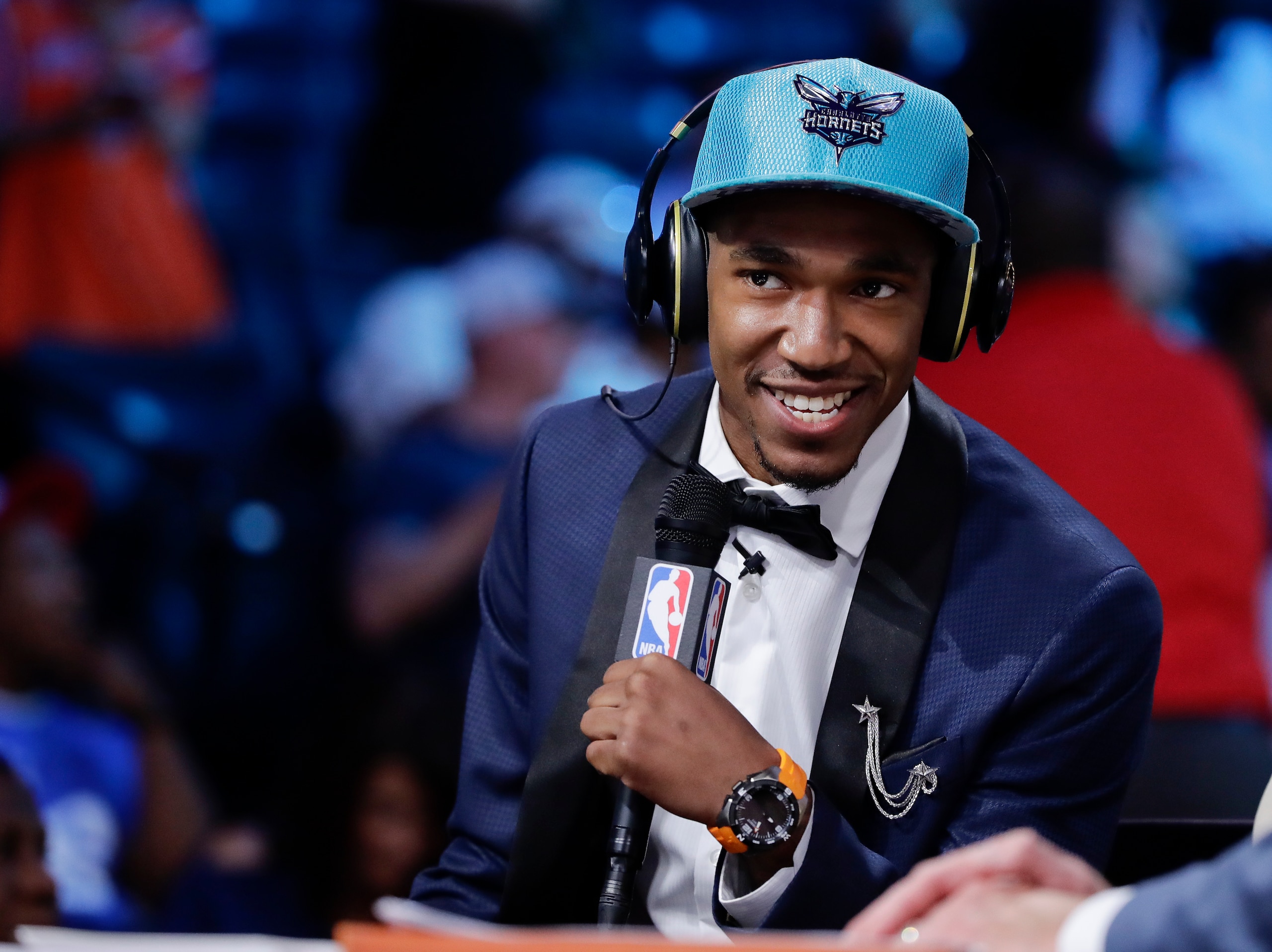
Monk posted the majority of his offensive production by working off the ball.
With De'Aaron Fox running the show at Kentucky, Monk did very little creating—just 10 percent of his offense came out of isolation or ball screens, per Mike Schmitz and Matt Kamalsky of DraftExpress. Three-quarters came off screens, spot-ups and transition.
Though the idea of experimenting with Monk at the point is enticing given his lack of traditional size for a 2-guard, he hasn't shown much as a ball-handler, facilitator or playmaker. On the other hand, he's proved he can score in volume without needing to hold the ball or dribble the air out of it.
That should help with Monk's transition from No. 1 option to sixth man. Having played in a lineup with Fox and Bam Adebayo, moving to one with Kemba Walker and Dwight Howard shouldn't be all that different.
His Defense Could Be Trouble
7 of 7
Monk's underwhelming defensive tools won't do him any favors against NBA 2-guards, many of whom will be significantly taller, longer and stronger.
But he also experienced lapses in concentration and effort during his one year at Kentucky. There were enough instances where he'd allow himself to get screened easily or he'd lose track of his man off the ball.
There are some questions about how he'd fit defensively next to Walker, who isn't known for locking down the perimeter. The Hornets may be better off with a tougher defender next to Walker like Nicolas Batum.
Monk has enough lateral quickness to stay in front of opposing ball-handlers. But between Walker's defense and Monk's limitations against 2s, head coach Steve Clifford could be hesitant to promote his new rookie to the starting lineup.

.jpg?w=2560 "Grading WWE Raw 🔠")


.jpg?w=2560 "2 NFL Officials Suspended")
.jpg?w=2560 "Viral Rams Coach Vid 🖕")