
Biggest Challenges Facing Pittsburgh Steelers in 2017 Offseason
The Pittsburgh Steelers closed out the 2016 season with an 11-5 record and made it all the way to the AFC Championship Game against eventual Super Bowl winners, the New England Patriots. But even if the Steelers had managed to hoist the Lombardi Trophy for yet another time, that wouldn't have indicated that this is a flawless team.
All 32 teams in the NFL have room to grow in the months leading up to the start of the 2017 season. There are areas of weakness each team, including the Steelers, will try their hardest to neutralize, whether via roster additions, coaching improvements or in other manners.
Here are the six biggest challenges the Steelers need to address in order to maintain their status as one of the NFL's top contending teams.
Improving Red-Zone Scoring
1 of 6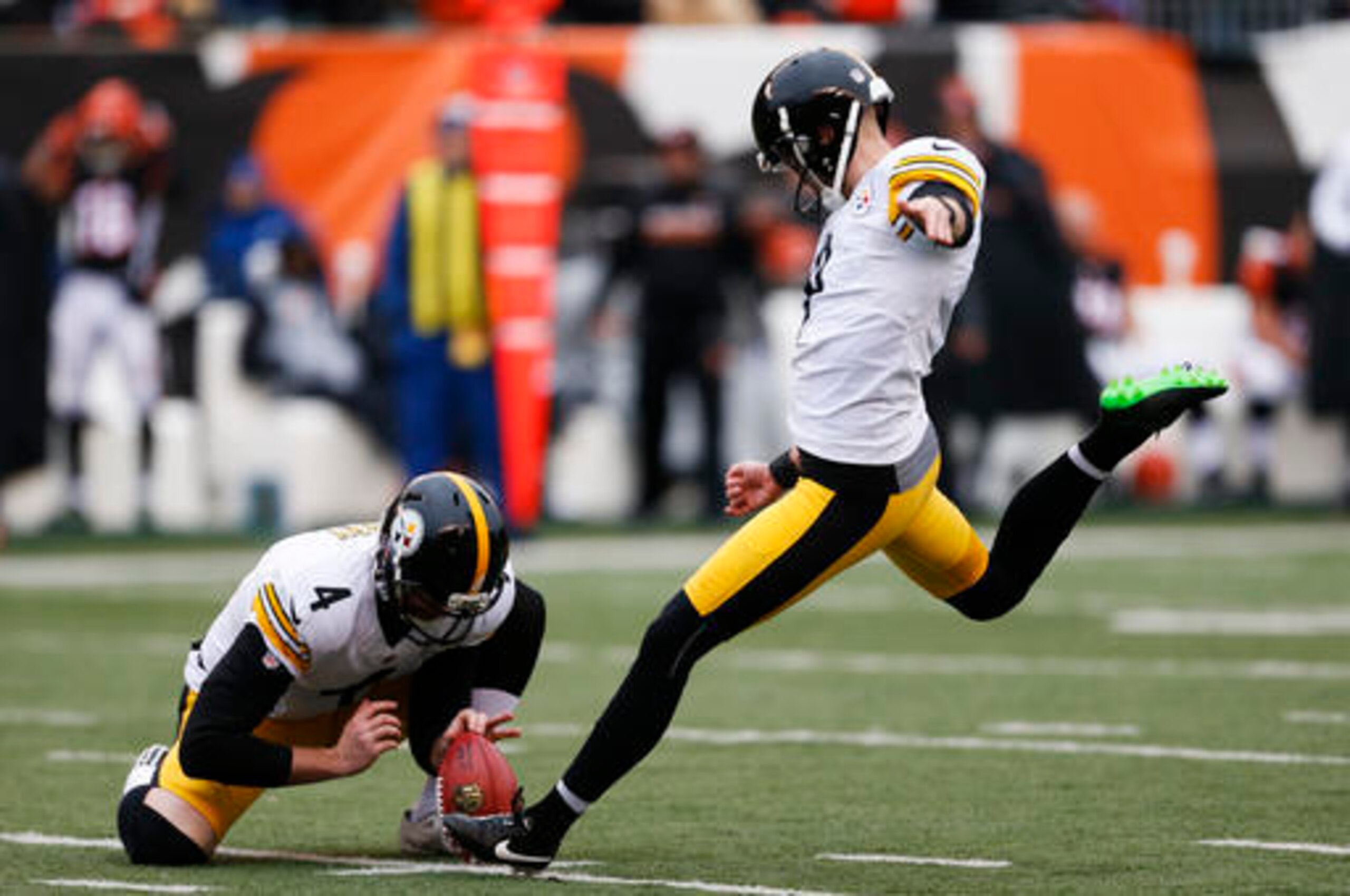
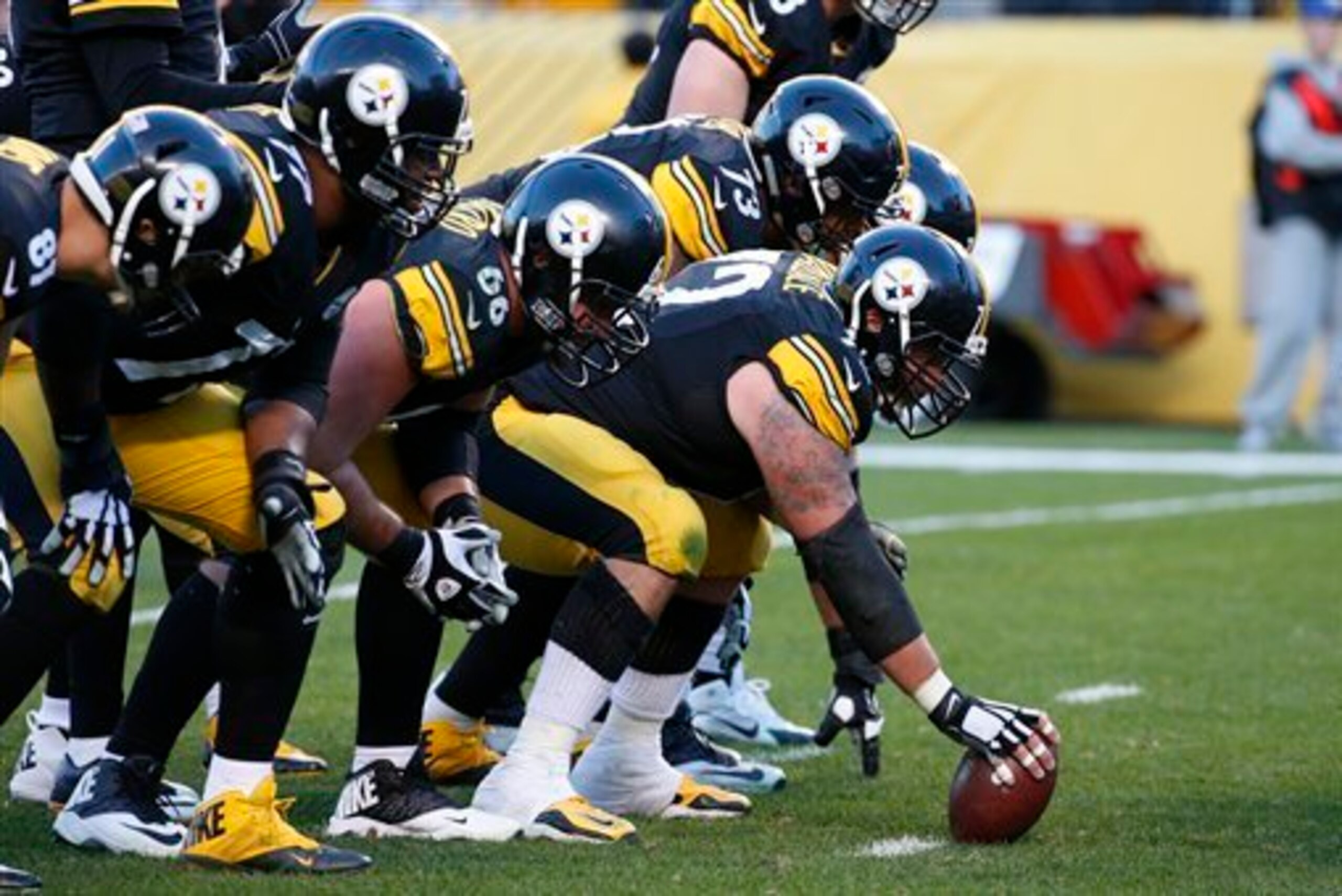
The Steelers ranked 10th in points scored in 2016, but that ranking could have been higher had they not left so many points on the field. Red-zone scoring, in particular, was a struggle for the Steelers last season and is an area they will need to clean up in order to have a successful 2017 season.
Pittsburgh tied for ninth among all NFL teams last year in the average number of red-zone appearances it made on offense, at 3.1. But the Steelers only came away with touchdowns on 54.24 percent of those red-zone appearances, ranking them 14th.
Though it does help that the recently re-signed kicker Chris Boswell was so reliable last year, leading to the Steelers being tied for third at points per field goal (2.7), coming away with three points when possessing an offense that should more regularly bring them six (or even eight) is not a way to be and remain dominant.
Pittsburgh must better identify the red-zone plays that work best with their personnel and to find a reliable end-zone passing target for quarterback Ben Roethlisberger. Perhaps if the team gets suspended wideout Martavis Bryant back in 2017, these numbers will improve.
Road-Game Woes
2 of 6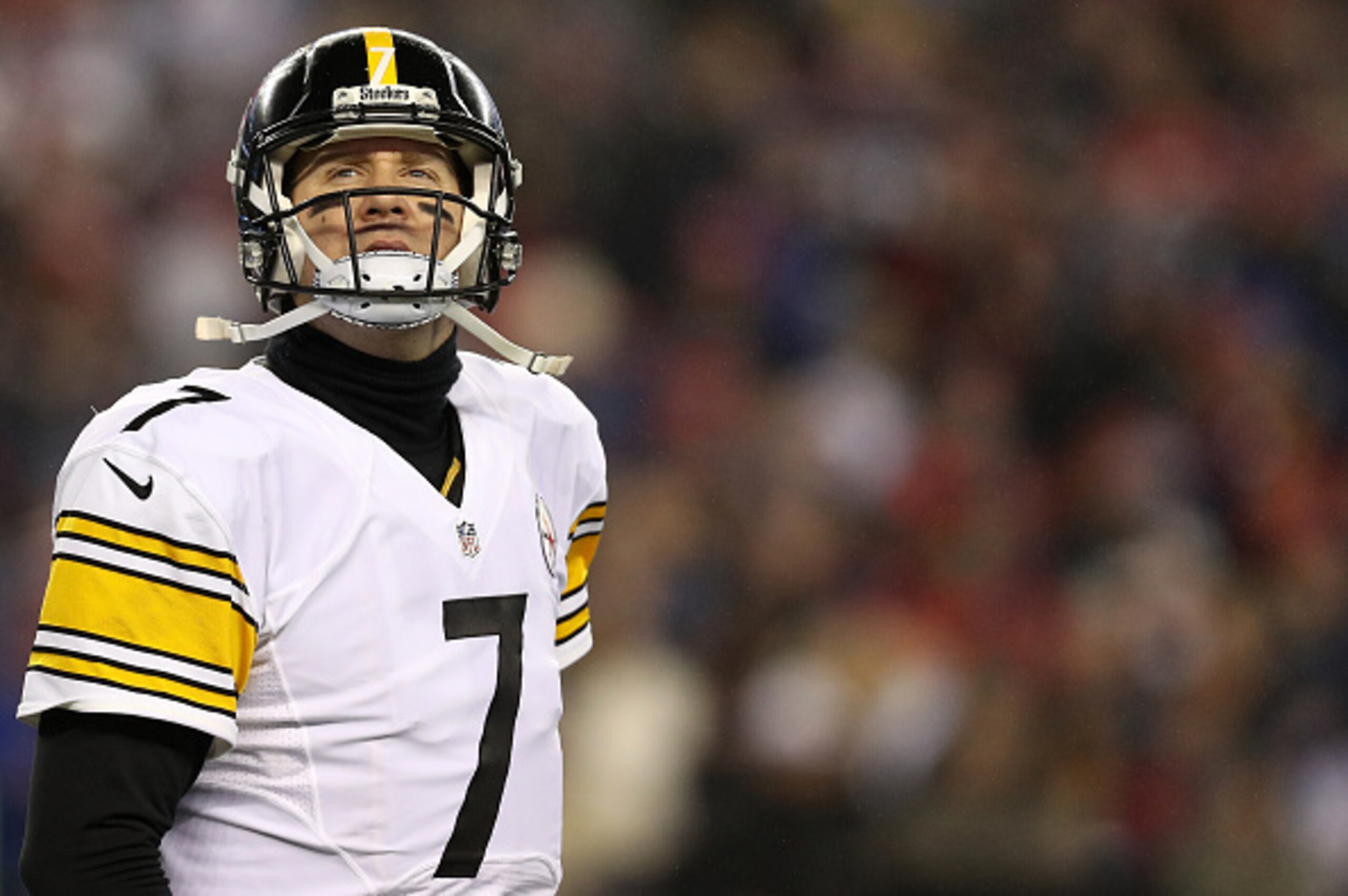
Something that greatly impacted the Steelers' red-zone struggles in 2016 was the offense's performance on the road. Three of Pittsburgh's five regular-season losses (as well as their defeat in the AFC Championship Game) occurred while being the visiting team. Points were very much at a premium for the Steelers when playing on the road.
The Steelers averaged three red-zone appearances per game when playing on the road last year, not so different than their 3.1 overall average or their 3.2 average at home. But their red-zone touchdown percentage dipped from 54.24 in total—and 72.41 percent at home—to 36.67 when on the road, with only three teams performing more poorly when traveling.
The main culprit was the passing game. The Steelers—and by extension, quarterback Ben Roethlisberger—threw 26 touchdowns at home in 2016 but only 10 when on the road. Roethlisberger also threw 10 interceptions on the road, compared to nine at home.
For Pittsburgh and its offense, specifically, to be taken seriously, it must play as well on the road as it does at home.
Backup Quarterback?
3 of 6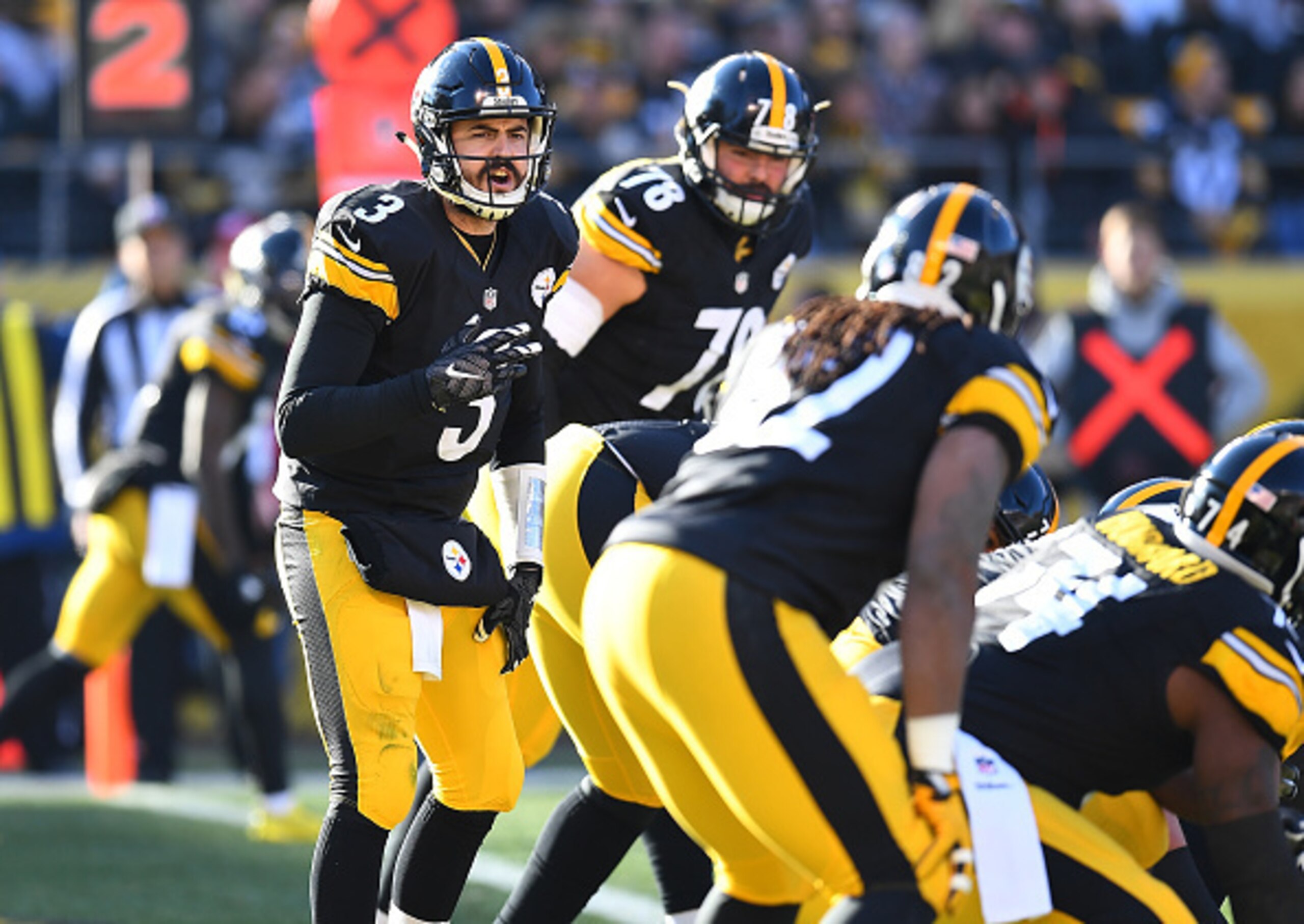
Third-string Steelers quarterback Bruce Gradkowski spent all of 2016 on injured reserve with a hamstring injury. Landry Jones stepped in for two starts while Ben Roethlisberger nursed his own knee injury. But both Jones and Gradkowski are unrestricted free agents this offseason, which means the Steelers may be bringing in a new stable of quarterbacks to round out the depth chart behind Roethlisberger.
That doesn't necessarily mean that Jones' time in Pittsburgh is up, but after four years the Steelers certainly know what he can and cannot do if and when he's called upon to take over for Roethlisberger. Though he threw four touchdowns to two interceptions in spot-duty in 2016, he was also sacked six times and has struggled to produce points even in the preseason (two touchdowns and four picks in Pittsburgh's four exhibition contests last year).
Whether the Steelers find solutions to this problem via free agency or the draft isn't the main issue. Roethlisberger, though tough, has seen his fair share of injuries over his career, and the Steelers need to find a No. 2 they can trust to steer the ship should he miss more time again.
.jpg?w=2560 "Colts Football")
.jpg?w=2560)
.jpg?w=2560 "Commanders 49ers Football")
What to Do About Ladarius Green
4 of 6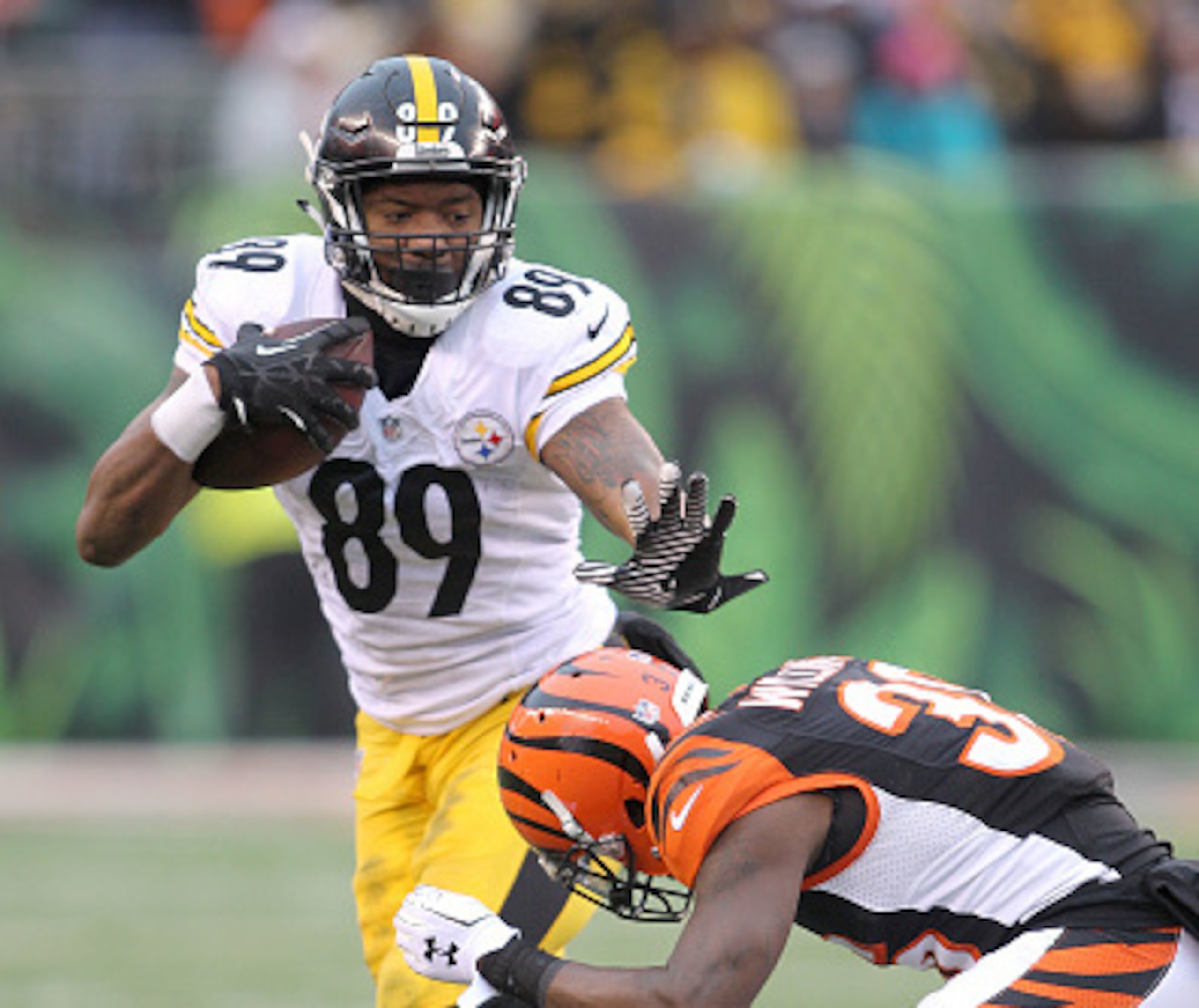
When the Steelers signed Ladarius Green to a four-year, $20 million contract last March, they envisioned the tight end becoming a major receiving threat in their offense. But it was not to be. Instead, Green began his Steelers career on the physically unable to perform list (either due to a lingering ankle injury or headaches related to his concussion history, depending on the report) and was then placed on injured reserve, not taking the field until Week 9.
That comeback lasted only five games, before a concussion suffered in Week 14 cost him the last few games of the regular season as well as the postseason. Though talented—Green caught 18 passes for 304 yards and a score and had six catches for 110 yards and the touchdown in Week 12—Green's injury-related lack of availability is a mark against him.
The question is whether the Steelers will give Green a second chance to prove he can be the player they expected upon signing him. Green is set to have a total salary cap charge of $6,187,500 in 2017 but costs only $3,562,500 in dead money to release (the remaining of his guaranteed money, all of which was divided up into a prorated signing bonus of $1,187,500 per year), per Spotrac.
Green says he's ready to play in 2017, but Steelers head coach Mike Tomlin said to the Pittsburgh Post-Gazette, that "I don't have an assessment, long term, of where [Green] is. I think that's one of the chief medical decisions and questions that we have to have moving forward."
If Green stays, the Steelers would be wise to still add another tight end during the offseason given Green's unpredictable health. But if they release him, the priority level of creating depth at the position rises considerably.
Paying Antonio Brown and Le'Veon Bell
5 of 6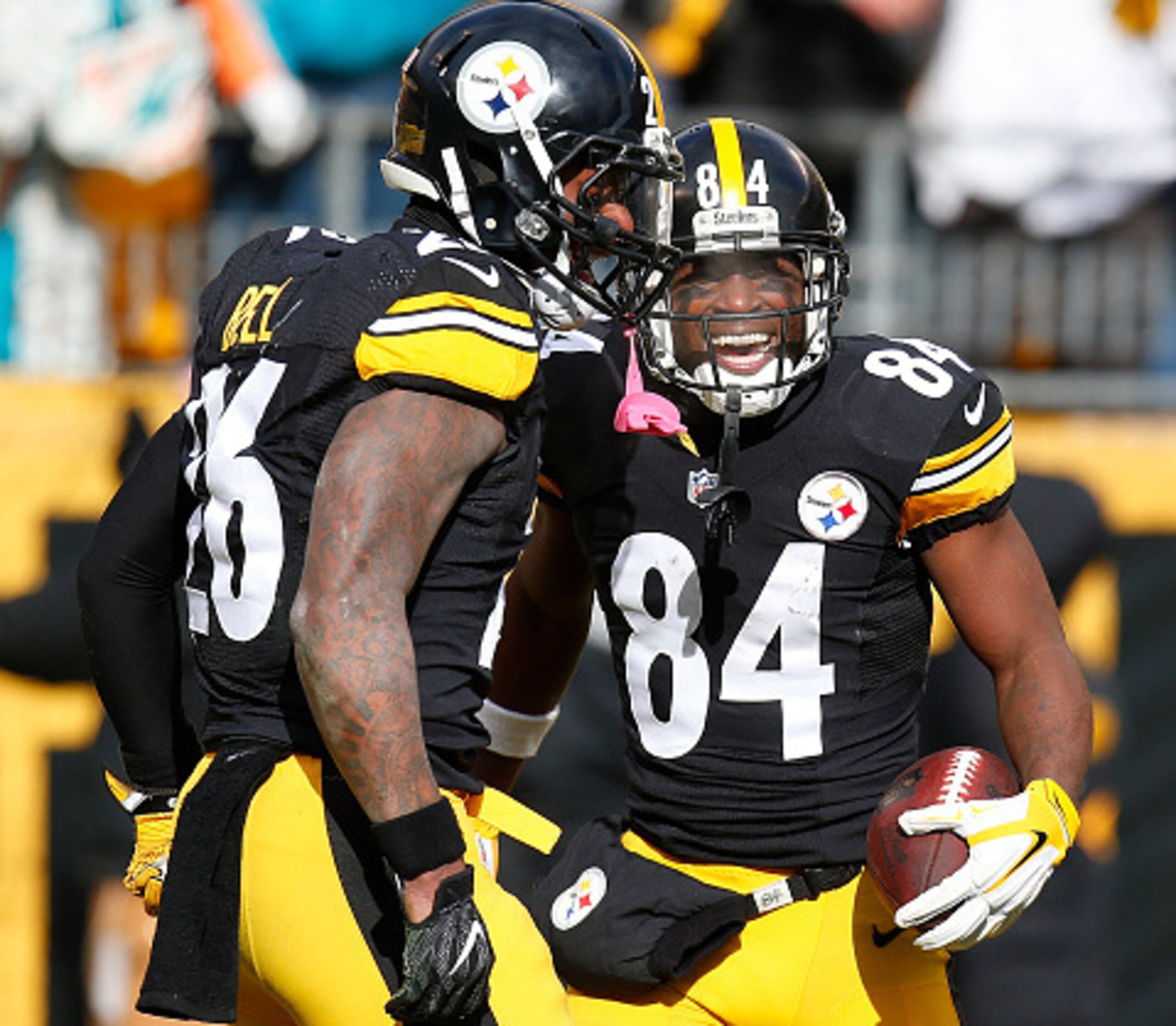
The Steelers should be relieved that they aren't in the cash-strapped salary-cap situation that often defined their offseasons in the past decade, because it's time to start spending money.
After two years of salary advances, the Steelers plan to make good on the promise they made to receiver Antonio Brown to negotiate in earnest a long-term deal following the 2016 season.
At the same time, star running back Le'Veon Bell is on the precipice of free agency unless the Steelers make a move, either to offer a contract or the franchise tag. Both moves will be expensive and perhaps historically so.
Bell and Brown are arguably the best back-and-receiver combo in the NFL and have also been individually better than nearly any of their counterparts at their respective positions. In 2016 alone, the duo combined for 3,123 total yards from scrimmage and 21 touchdowns. So it's not surprising why they will be commanding top-level salaries in short order.
At this point, Brown seems the most likely to get a contract done in 2017. Joe Rutter of the Pittsburgh Tribune-Review reported this week that Brown was joined in Pittsburgh by his agents Drew and Jason Rosenhaus, a potential indication that contract talks could be underway. Spotrac.com projects Brown's market value at $16 million; if he gets that, he'll be the highest-paid receiver in the NFL.
Bell, meanwhile, will likely get the franchise tag. That's a $12.2 million payday for 2017, a huge increase from the just under $1.2 million he made in 2016. The tag, though, would be a jumping-off point for any longer-term negotiations.
Luckily the Steelers are coming into 2017 with a projected $36.8 million in cap room, per Spotrac. Unluckily, though, is that these two players could eat up the vast majority of it. But it's worth it: The alternative—no Bell and no Brown—is the real price that is too high to bear.
Filling out the Receiving Corps
6 of 6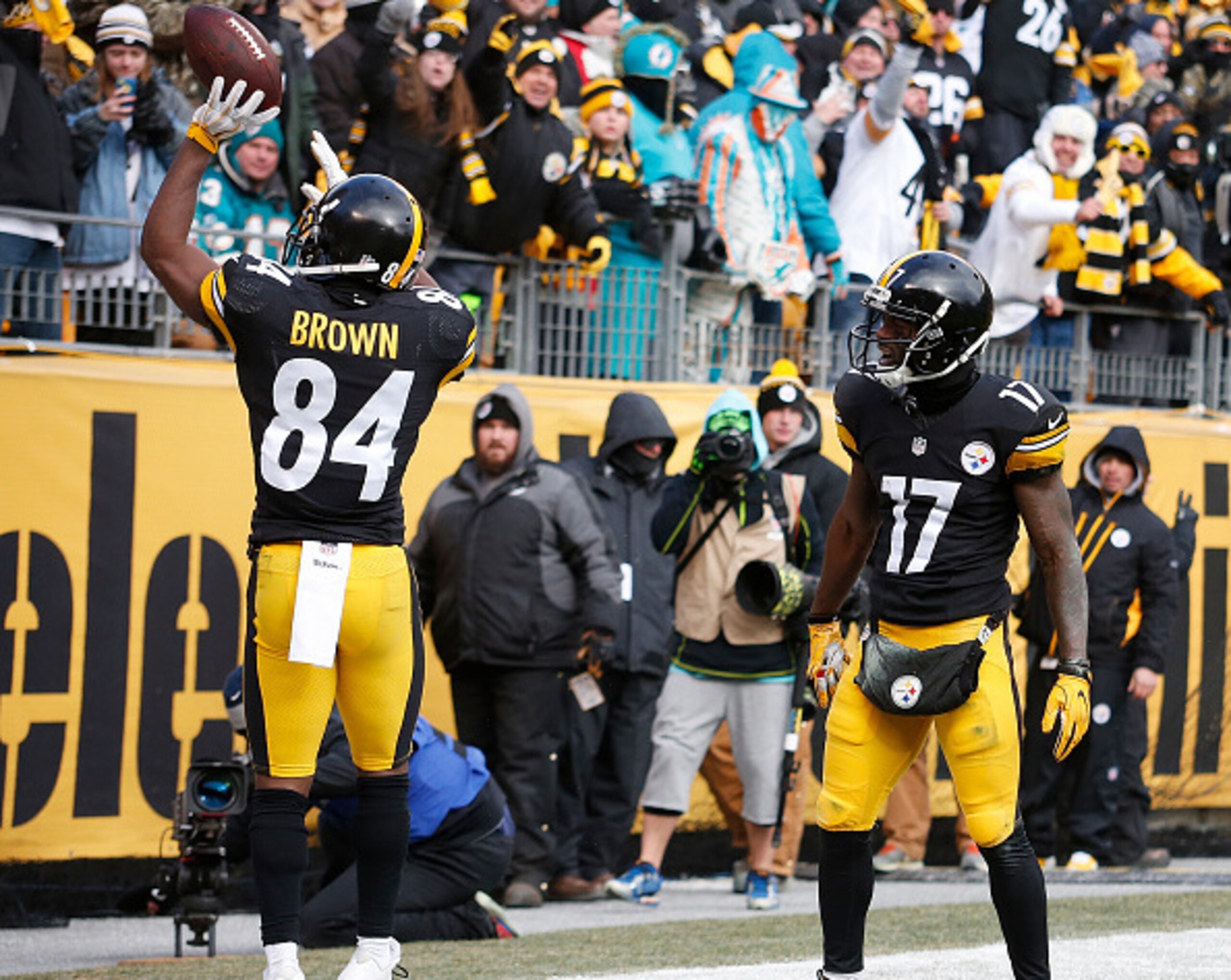
While it's good news that Antonio Brown should be remaining with the Steelers for years to come—granted the contract talks go as planned—one top receiver does not a receiving corps make. The Steelers need to start thinking about the players around Brown, the players who will be helping Ben Roethlisberger and coordinator Todd Haley succeed on the field.
In 2016, the Steelers did a good enough job of making-do while Martavis Bryant served his suspension, Markus Wheaton was mostly on injured reserve and Sammie Coates tried, with little success, to play most of the season with broken fingers. Coates has since also undergone surgery for a groin injury, per ESPN.com.
Eli Rogers and Cobi Hamilton did most of the fill-in work, alongside Brown, and both should have futures of one degree or another in Pittsburgh. But Bryant's suspension being lifted is not guaranteed, and Wheaton is likely to head elsewhere in free agency. Coates, meanwhile, is still a work in progress.
How the Steelers will round out their wideout depth chart will be crucial to what the offense looks like in 2017. Do they add veterans, or do they draft young players? Do they do both? Because Pittsburgh's pass-heavy offense, one that threw the ball more than 23 other teams, relies on who is catching Roethlisberger's passes as much as it does on Roethlisberger himself.
.jpg?w=2560 "DOLPHINS-AIKMAN")
.jpg?w=2560 "Ravens Browns Football")

.png?w=2560 "Week 8 Winners & Losers 📊")

_0.png?w=2560 "Unranked Teams Cause Chaos in Rankings 📊")