Is a College Education an Edge in MMA?
The 10th season of The Ultimate Fighter has pitted two bitter rivals against each other as coaches, Rampage Jackson and Rashad Evans.
Now, if you haven't seen any of this season, Rashad has been coaching circles around Jackson and has won the first four fights. Jackson's inability to pick fights, develop fighters, or do corner work have been badly exposed.
Rashad had expertly matched styles and game planned each of his fighters to maximize their chances to win. Meanwhile Jackson firmly believes that it’s the heart and effort of the fighter rather than matchups and techniques.
This clash of styles is not unique of these two coaches. Across MMA, fighters, coaches, and gyms all have their own approaches of the best way to prepare for a fight. Recently the fighters that subscribe to game planning and film watching have been performing very well, approving their physical abilities in some cases.
The central figures of these game-planning centers mostly have a common theme; they were NCAA athletes with college degrees.
Other combat sports don't often have college degrees, as there is no NCAA boxing or kickboxing. But in a sport like football, there are certain franchises that value education over physical ability. Teams like the Patriots or the Colts have the highest percentage of college degrees on their roster, and many consider their rosters to have the highest "football IQ."
While much of the information given in college will do a fighter no good in the cage, the analytical thinking it promotes is an invaluable tool for any profession.
There have been highly adaptive fighters who work hard on studying not just their own game, but also that of their opponents and making adjustments to focus on weak points. The first fighter who really made a career out of maximizing his strengths and targeting weaknesses of opponents was Randy Couture.
Couture went on to found his own gym, based on the principle of rounding out a fighter's skills, conditioning, and preparation based on a specific opponent’s skill set. The gym has been on the premier groups in MMA and a location for struggling fighters who are searching to reinvent their game.
Xtreme Couture was really the first gym of its kind, and Randy was the brain trust behind it. Couture is a graduate of Oklahoma State University and, along with Mark Coleman, was the among the first college wrestlers to really establish themselves in MMA.
Couture's adaptive style flew in the face of the prevalent wisdom of the time; be excellent at one thing and impose your will. Fighters like Tito Ortiz, Chuck Liddell, Vitor Belfort, and Tim Sylvia all fell to the much older fighter.
As Couture's fame grew, more and more college athletes flocked to MMA. College wrestlers have flooded into MMA, bringing with them the unique skill set required in NCAA athletics: outstanding athleticism, work ethic, and a level of education not normally seen in combat sports.
College athletes also tend to be more coachable, understanding there is value in learning. As a result we see that almost no brand of fighter progresses their skill set faster than college wrestlers.
From Josh Koscheck to Ryan Bader to Anthony Johnson to Rashad Evans, college wrestlers add skills and progress faster than any other background of fighter. And this success isn't just limited to wrestlers.
Kenny Florian, one of the must successful and intellectual game planners in MMA today, was a soccer player at Boston College. Florian has out-thought opponents on numerous occasions and uses this intelligence to perform beyond what he's physically able to do.
This combination of athleticism, skill base, analytical thinking, and coach-ability has made college athletes form-able in MMA.
TOP NEWS
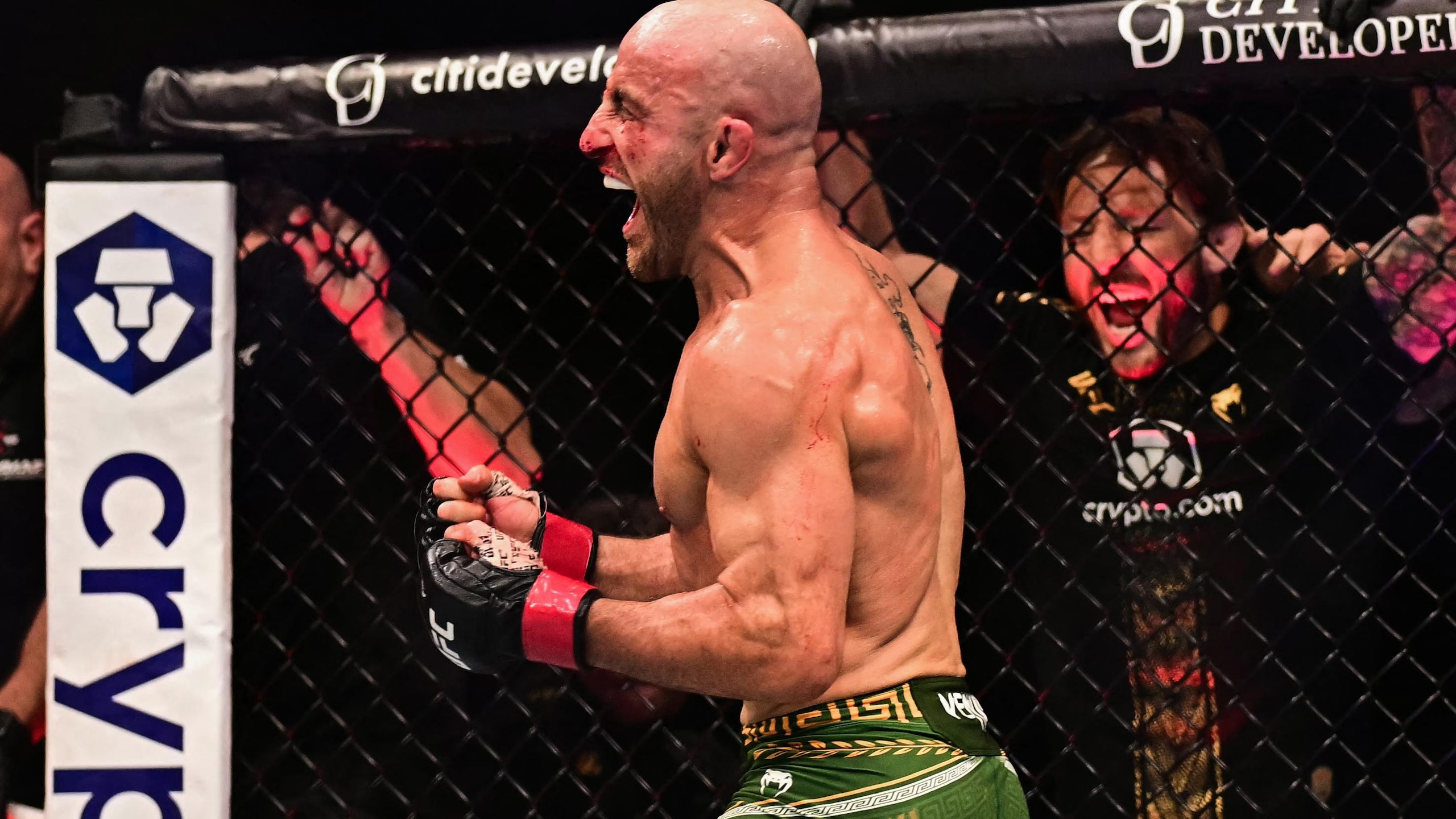
Volkanovski breaks record after title win at UFC 333
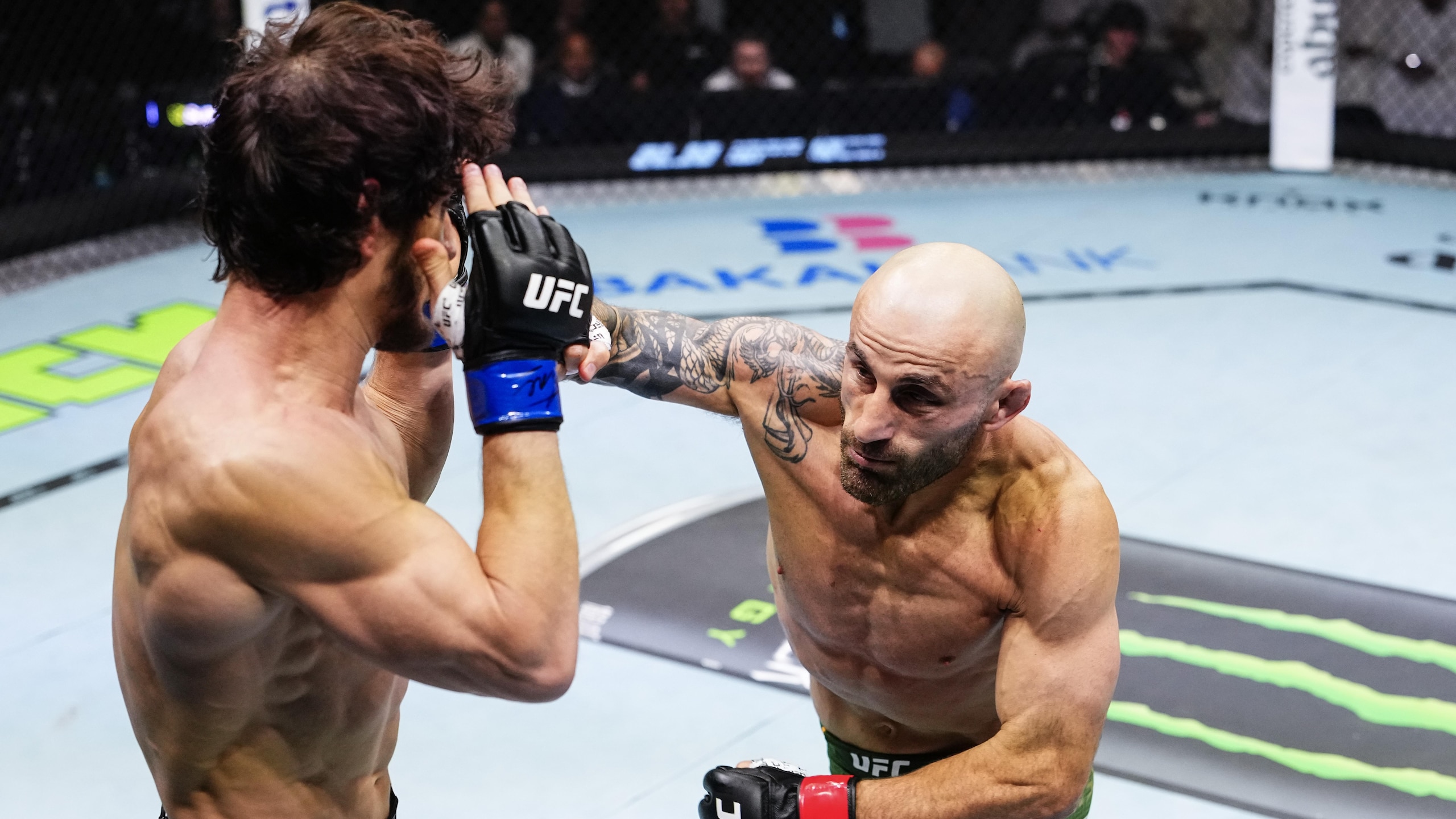
Fights to Make After UFC 333 ➡️
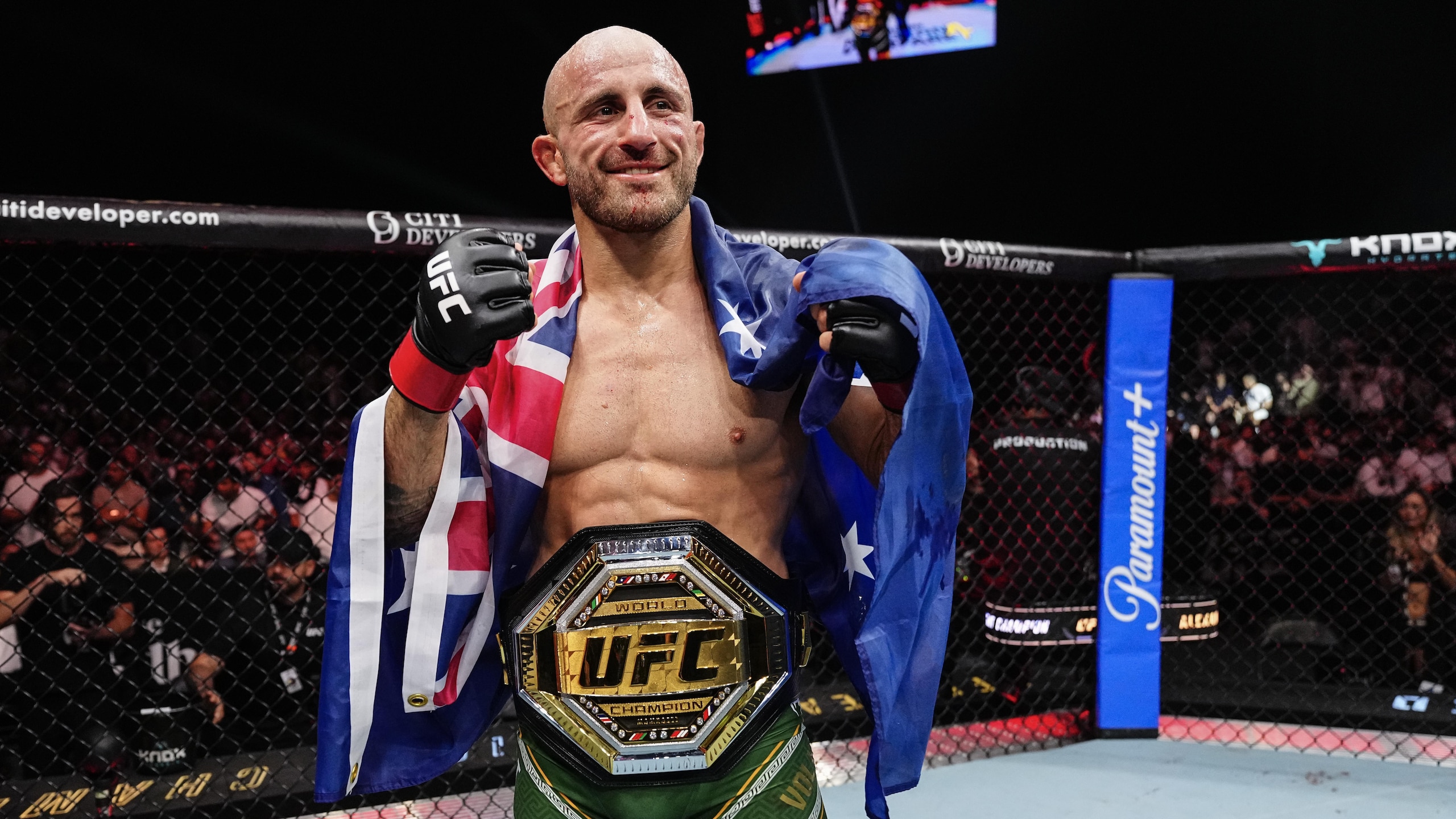
UFC 333 Prize Money 💰
This is not to say that this is an end all, be all. Greg Jackson has demonstrated amazing abilities to adapt and coach and he has an education really only in fighting, being a lifetime martial artist. He seeks out only the most coachable, forward-thinking fighters to join his gym and then blends their skills with his own style of coaching for success.
Similarly almost all Brazilian fighters don't have a chance to go to college but are able to attain many of the same skills through an education in martial arts.
The purpose of this article isn't to devalue their skills but simply to point to a skill that is currently being looked over by many in the MMA world, the education level of a fighter.

.jpg?w=2560 "Raiders Could Start Mendoza")


.jpg?w=2560 "Rodgers Iced Out on Plane 💎")

.jpg?w=2560 "Packers Safety Slams Refs 🤬")
.jpg?w=2560 "🚨 Week 8 AP Top 25 Poll")