The 10 Biggest Surprises from the Start of the 2016 College Football Season
We're two weeks into the 2016 college football season. A winter, spring and summer of speculation and hype has been replaced by two weeks' worth of game film, and the results have been surprising. Some preseason predictions are on track to be proved correct, while others are looking shaky at best.
That's the beauty of college football, right? We enjoy the games, the eyebrow-raising teams and players as well as those that disappoint us. Here's a look at the 10 biggest surprises from the start of the 2016 season. They're both positive and negative, and they're picked for how they've either come out of nowhere or impressed college football fans. Agree? Disagree? Let us know in the comments.
10. Arizona State RB Kalen Ballage Is a TD Machine
1 of 10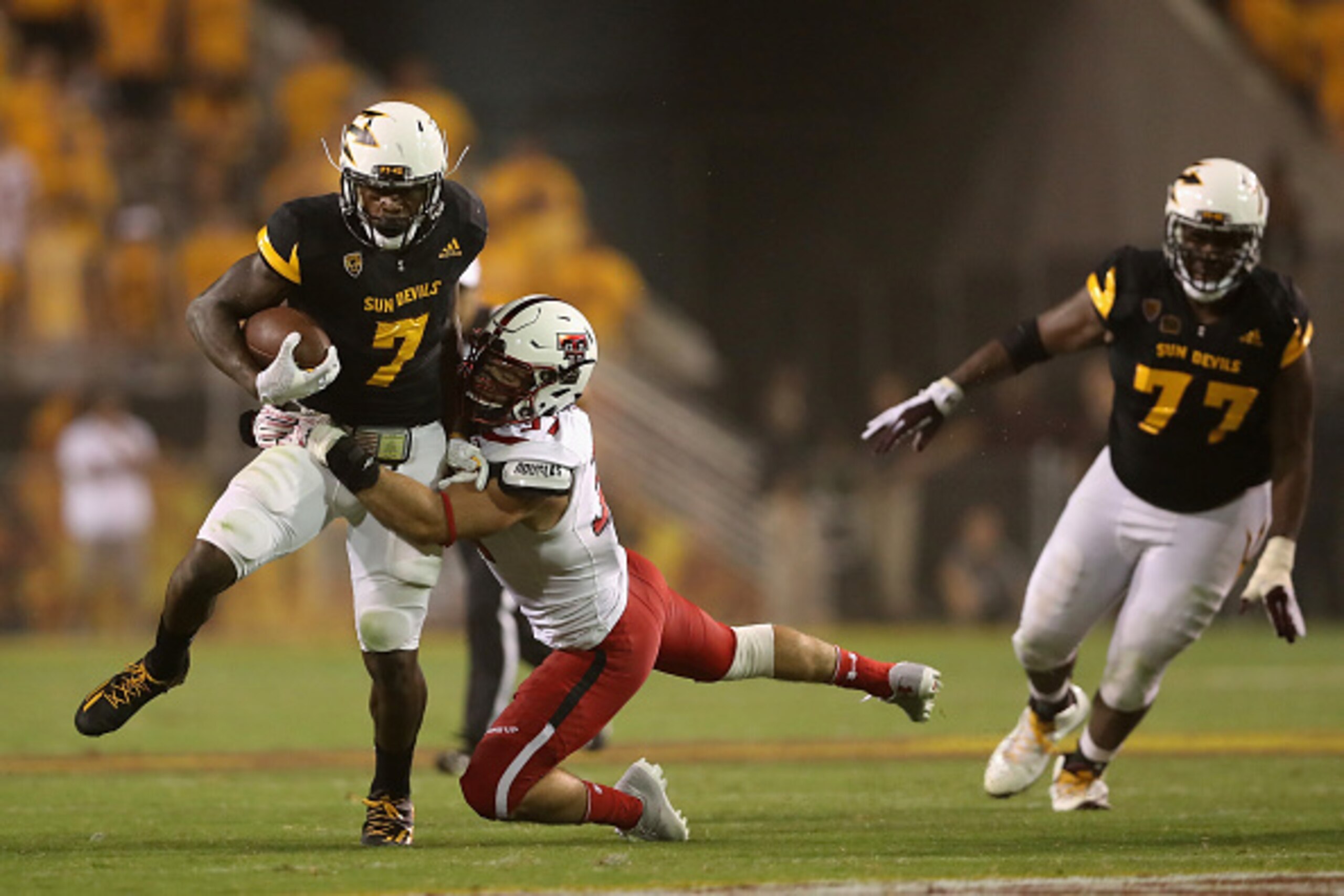
Arizona State junior tailback Kalen Ballage entered this season as a key focus of the Arizona State offense, but he was a player America didn't know much about. After all, he had 779 yards and seven rushing touchdowns in two seasons with the Sun Devils.
If you stayed up late enough to watch ASU's wild 68-55 victory over Texas Tech Saturday night, you certainly know him now, though. Ballage had one of the most prolific nights in NCAA history, scoring eight total touchdowns (seven on direct-snap runs and another on a double-reverse flea-flicker. That tied the FBS single-game record previously set by Illinois' Howard Griffith in 1990.
Remarkably, Ballage scored seven times on just 13 rushing attempts. If Arizona State hopes to be a factor in the Pac-12 South, here's a suggestion: Get Ballage the ball more often.
9. Vanderbilt's Ralph Webb Leads the SEC in Rushing
2 of 10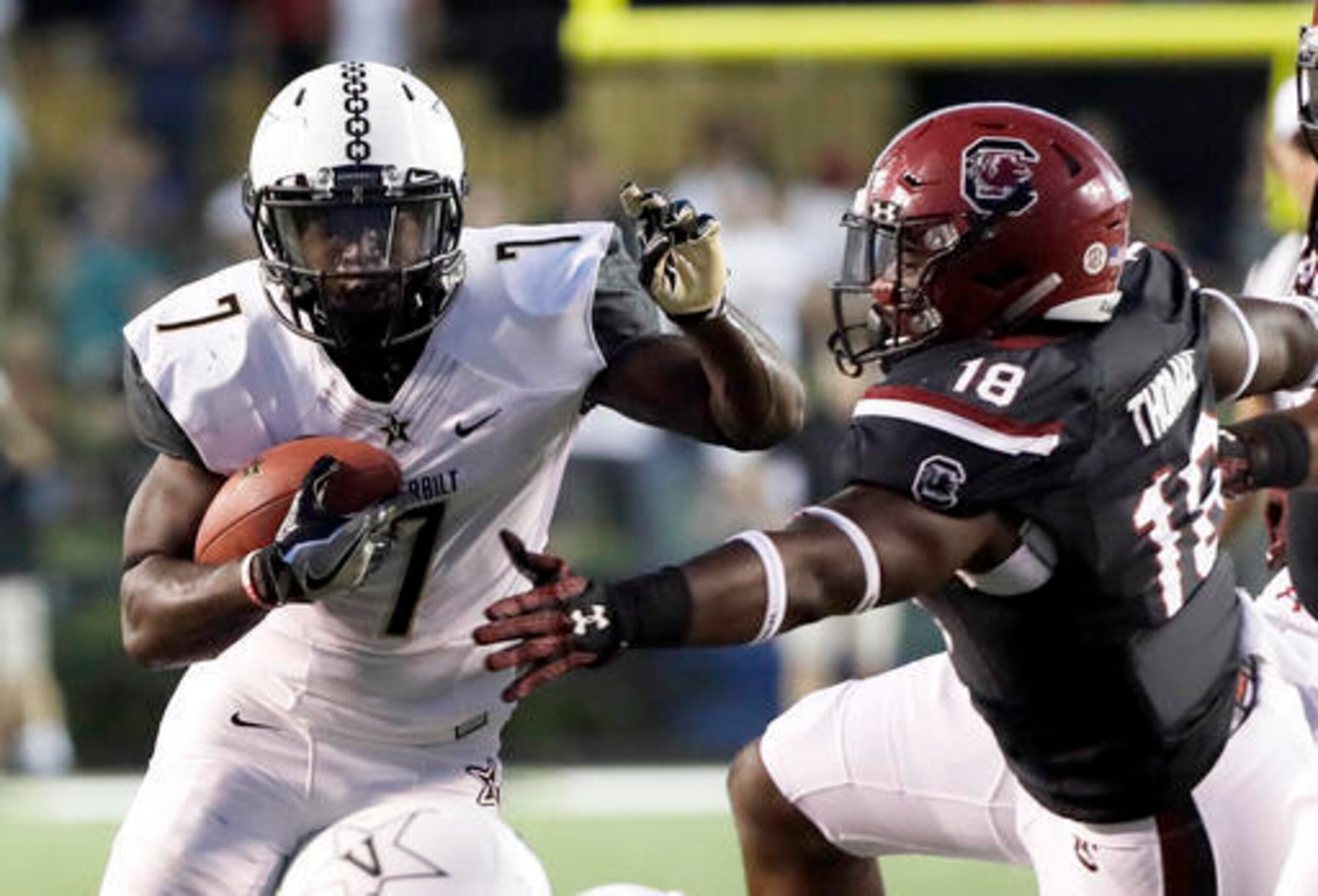
When you think of the best running backs in the SEC, a few names come to mind: LSU's Leonard Fournette, Georgia's Nick Chubb, maybe Tennessee's Jalen Hurd. Take a look at the league's rushing standings, though, and you'll find an unfamiliar name in Vanderbilt junior Ralph Webb.
Webb has been an under-the-radar SEC star over the last two years (rushing for 1,152 yards as a sophomore), but he's been even better this season, leading the league with 308 rushing yards and two touchdowns through two games and averaging an excellent 6.3 yards per carry.
He rushed for 97 yards against South Carolina and ripped Middle Tennessee for 211 yards and two touchdowns. It doesn't hurt that Fournette missed a 34-13 win over Jacksonville State with a leg injury, but more people getting to know Webb and his game isn't a bad thing—no matter how it happens.
8. Texas A&M and Kevin Sumlin Have Stabilized Themselves
3 of 10
Kevin Sumlin was a fixture on hot-seat lists entering this season, and with good reason. Following an 11-2 debut as Texas A&M's head coach in 2012, the Aggies slipped precipitously over the next three years, going 25-14 with an 11-13 SEC record. After last season, highly regarded quarterbacks Kyler Murray and Kyle Allen both transferred, and Sumlin parted ways with offensive coordinator Jake Spavital.
He hired UCLA offensive coordinator Noel Mazzone and landed Oklahoma graduate transfer Trevor Knight as his new quarterback. Both look like solid moves. The Aggies are 2-0 with an upset of then-No. 16 UCLA. Knight has thrown for 583 yards with four touchdowns against two interceptions.
Meanwhile, A&M's defense, led by defensive end Myles Garrett, has shown signs of further improvement in its second season under defensive coordinator John Chavis. The Aggies are allowing 12.0 points per game (No. 14 nationally). Tough SEC tests against Tennessee, Alabama, Ole Miss and LSU await, but this looks like a different team thus far.


7. Texas and Charlie Strong Are Vastly Improved
4 of 10
Entering 2016, head coach Charlie Strong needed wins at Texas, and he needed them quickly. Strong was hired to clean up the mess Mack Brown had left behind and add toughness to the Longhorns program, but fans surely hoped for better than an 11-14 record in his first two seasons. He lured Sterlin Gilbert away from Tulsa to run the Air Raid offense, and the results have been great thus far.
Texas is 2-0 and ranked No. 11 nationally, and it averages 45.5 points per game (No. 22 nationally). The Longhorns made an early splash with a 50-47 double-overtime upset of then-No. 10 Notre Dame and backed it up with a 41-7 rout of UTEP. True freshman quarterback Shane Buechele has been a perfect fit for the offense, throwing for 524 yards with six touchdowns and an interception and completing 71.7 percent of his passes.
Bigger tests are ahead, with a trip to Oklahoma State Oct. 1 followed by the Red River Showdown against Oklahoma Oct. 8, Baylor on Oct. 29 and TCU on Nov. 25. But thus far, this appears to be a different (and much-improved) Longhorns outfit, which will do wonders for Strong's job security.
6. Big 12 College Football Playoff Contenders Have Stumbled
5 of 10
The Big 12 entered this season hoping to make a strong case for another College Football Playoff berth. After Baylor and TCU were snubbed in 2014, Oklahoma made the four-team field with an 11-1 record. Two weeks in, however, those hopes have taken a big hit. The 10-team league has only three unbeaten teams remaining: Baylor, Texas and West Virginia. The Longhorns are one of the most pleasant surprises in college football, but Baylor is coming off a scandal-ridden summer that rocked the program, and West Virginia was not considered a serious league contender and owns wins over Missouri and FCS Youngstown State.
Several expected league and CFP contenders have taken hits in the nonconference slate. Oklahoma began the season No. 3 but lost to then-No. 15 Houston to open the season. Oklahoma State suffered a controversial loss to Central Michigan on a final-play Hail Mary hook-and-ladder play that MAC officials admitted should never have happened. In fact, the MAC and Big 12 suspended the officiating and replay crews two games apiece for their roles. And TCU gave up a late lead to Arkansas and fell to the Razorbacks in double overtime.
As Oklahoma showed last fall, you can make the playoff with a single defeat, and none of those losses are especially damning. But the early stumbles make navigating a tough Big 12 slate and emerging with a playoff-worthy resume far tougher, which has to concern league coaches and commissioner Bob Bowlsby.
5. Cal WR Chad Hansen Leads FBS in Receiving Yards, Receptions
6 of 10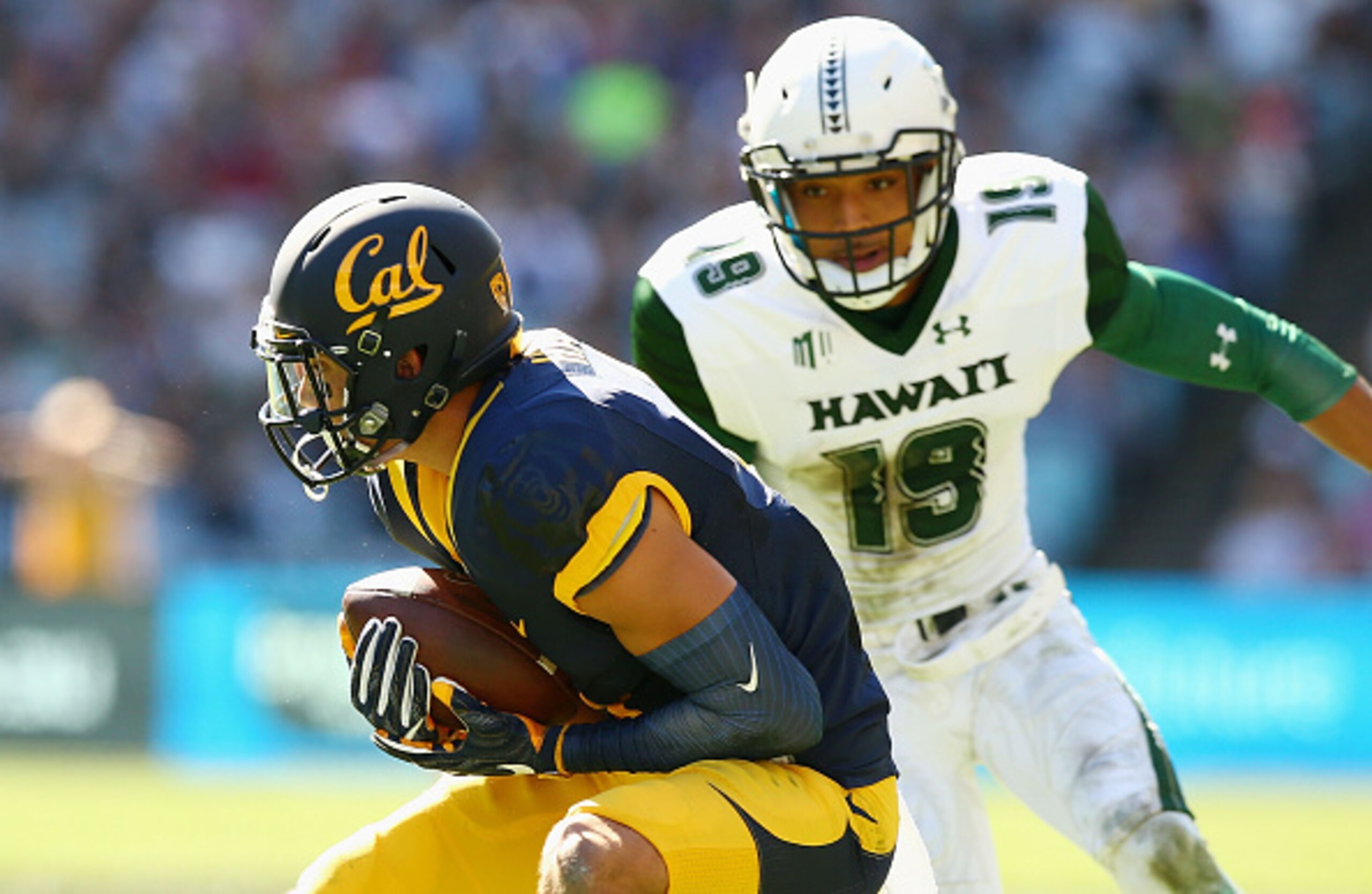
Cal's Air Raid offense is designed to put up flashy passing-game numbers, but 2016 loomed as a year of change. Texas Tech graduate transfer Davis Webb replaced NFL top overall pick Jared Goff at quarterback, but he and head coach Sonny Dykes put out a "Help Wanted" sign at receiver; the Bears lost 86.6 percent of their receiving yards from 2015.
Someone had to pick up the slack. That someone? Junior receiver Chad Hansen. Hansen has emerged as Webb's favorite target. He has 28 catches for 350 yards and three touchdowns, leading the nation in both receptions and receiving yardage through two games.
Maybe Hansen just needed a chance. He had no receptions as a freshman and had 19 catches for 249 yards and a touchdown as a sophomore. He has already blown past those numbers, and while it's unrealistic to expect him to average 14 catches per game, Hansen appears capable of putting up some gaudy stats this fall.
4. Louisville QB Lamar Jackson Is a Heisman Trophy Candidate
7 of 10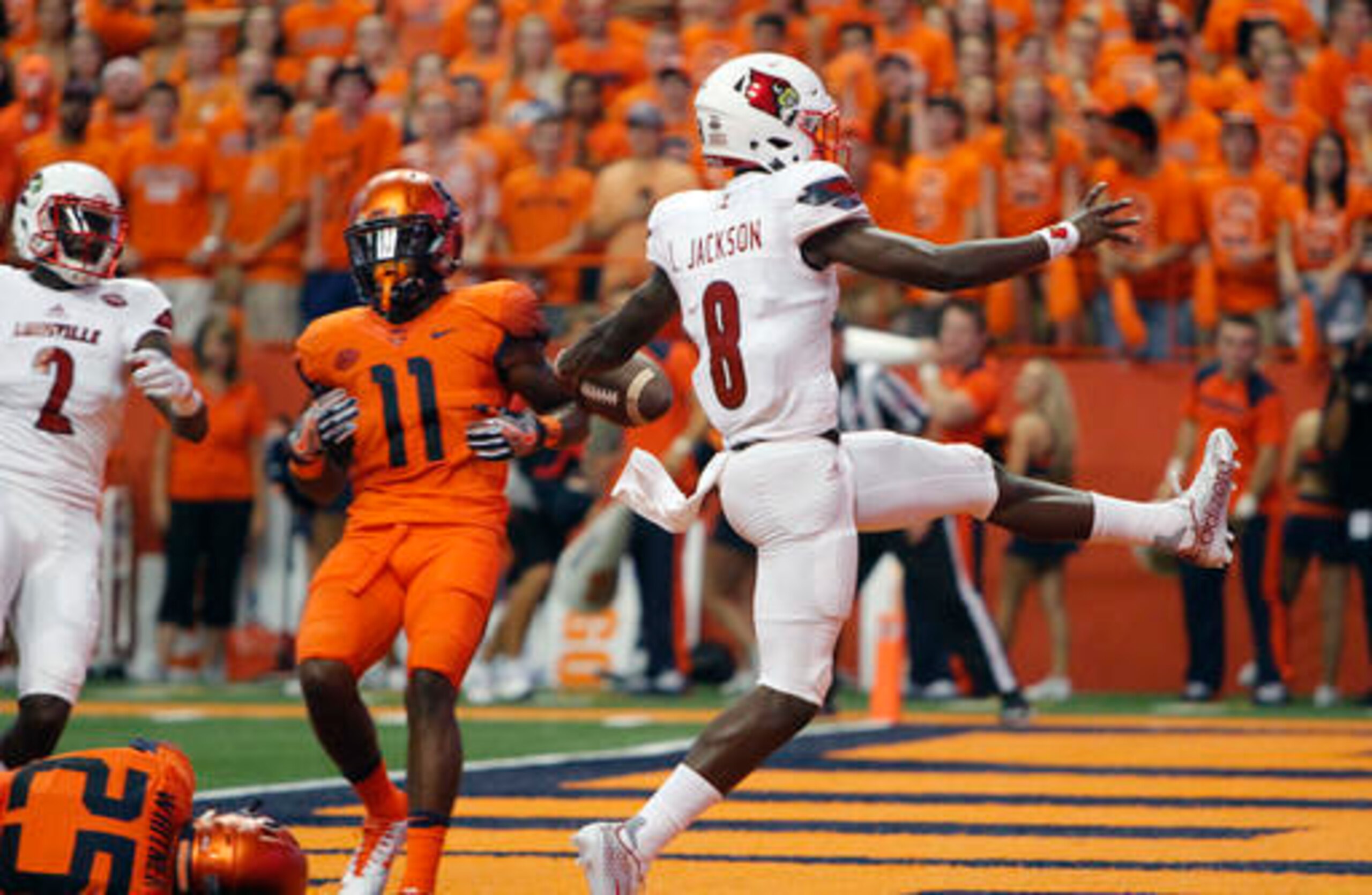
Louisville was an ACC dark horse for many entering 2016, and the play of sophomore quarterback Lamar Jackson was a big reason why. Jackson claimed a starting role and ran with it, and he finished last season strong with a 453-yard, four-touchdown effort against Texas A&M in the Music City Bowl.
Through two games, he's been even better. Louisville is 2-0 and has outscored Charlotte and Syracuse by a combined 132-42 score. Jackson has been the key. He has yet to play a full four quarters, but he has 697 passing yards with seven touchdowns against one interception and also leads the Cardinals with 318 rushing yards and six touchdowns, averaging 9.9 yards per carry.
Jackson is an explosive threat through the air and on the ground. Friday, he rolled up 610 yards of total offense (411 through the air and 199 on the ground) and accounted for five touchdowns against Syracuse. Louisville looks like a legit contender to battle Clemson and Florida State in the ACC Atlantic, and Jackson can compete for a Heisman Trophy if the Cardinals win an ACC title.
3. Wisconsin Looks Like a Big Ten Contender
8 of 10
Despite winning 10 games in Paul Chryst's first season at the helm, expectations were a bit lower for Wisconsin this fall. Many projected the Badgers as a middle-of-the-pack Big Ten West team after losing defensive coordinator Dave Aranda to LSU and key cogs like safety Michael Caputo and linebacker Joe Schobert from a defense that finished No. 1 nationally in scoring defense and No. 2 in total defense.
Two weeks in, they've been a major surprise. Wisconsin did enough to stun then-No. 5 LSU 16-14 at Lambeau Field and routed Akron 54-10. Fifth-year starting quarterback Bart Houston has been capable, throwing for 436 yards with two touchdowns and two interceptions. Tailback Corey Clement has 197 yards and three touchdowns, and the defense is allowing 12 points per game.
We'll find out soon enough if the Badgers are for real. Following this week's home game with Georgia State, a brutal stretch unfolds: at No. 12 Michigan State, at No. 4 Michigan, vs. No. 3 Ohio State and at No. 13 Iowa. If Wisconsin survives that stretch relatively unscathed, it will be a Big Ten and College Football Playoff contender.
2. Alabama Has Committed to a Freshman Quarterback
9 of 10
Alabama head coach Nick Saban and offensive coordinator Lane Kiffin have made their preferences clear for a starting quarterback: seniority, seniority, seniority. That was obvious both two years ago when they picked Blake Sims over Jake Coker and last fall when they tabbed Coker over a host of younger players. And who can argue with the results? Two SEC championships, two College Football Playoff appearances and a national title.
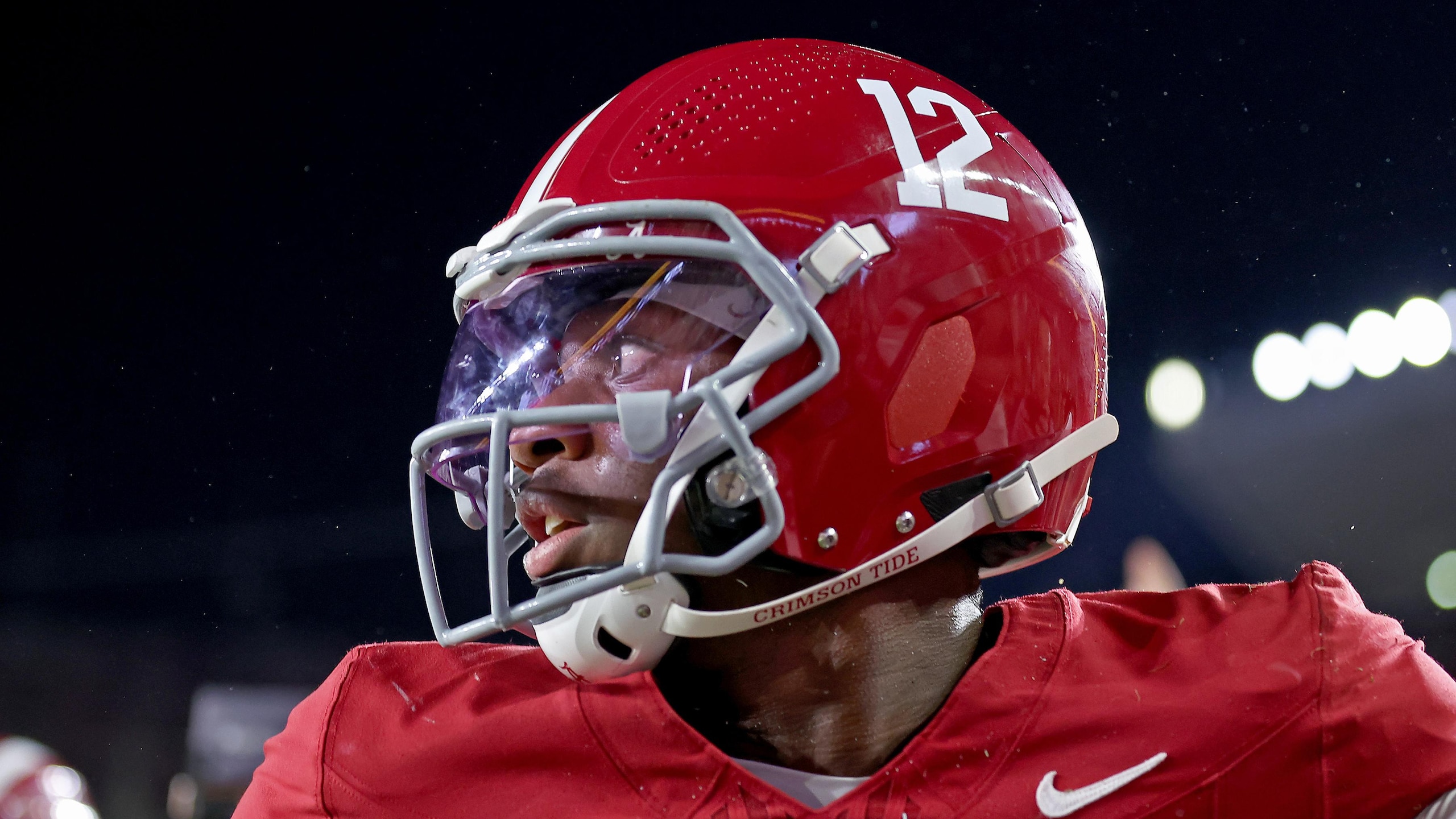
So it would have been no surprise if the Crimson Tide brain trust followed a similar path when selecting its third starting quarterback in as many seasons. Junior Cooper Bateman was the favorite following spring practice, but he was passed in August by a pair of freshmen in true freshman Jalen Hurts and redshirt freshman Blake Barnett.
Both have played in the first two games, but Hurts has taken the lion's share of snaps and appears to be the superior player. He's completed 61.7 percent of his passes and thrown for 405 yards with four touchdowns and an interception, adding two rushing touchdowns. Hurts will get a big test this week at Ole Miss, but establishing a freshman under center and eliminating yearly uncertainty is a huge boost for the Tide offense.
1. Clemson's High-Powered Offense Is Sputtering
10 of 10
Big things were expected from Clemson's offense this fall. After all, the Tigers returned eight starters, including Heisman Trophy third-place finisher Deshaun Watson, from an offense that averaged 38.5 points per game and 514.5 yards per game. They added All-ACC receiver Mike Williams after he redshirted last fall due to broken bones in his neck. Two games in, however, that offense is sputtering.
Clemson is 2-0, but Auburn and Troy have pushed the Tigers. Saturday's 30-24 win over the Trojans—a team coming off a 4-8 record in the Sun Belt—was especially concerning, and Clemson tumbled from No. 2 to No. 5 in the Associated Press Top 25 as a result.
The Tigers are averaging 24.5 points (No. 92 nationally) and 406.5 yards per game, both well off 2015's averages. Watson hasn't been himself, either. He's thrown for 540 yards with four touchdowns against three interceptions and completed 52.9 percent of his passes. After rushing for over 1,000 yards last fall, he has 76 yards in two games. Clemson averages 136.5 rushing yards per game as a team, which also ranks No. 92 nationally.
Clemson head coach Dabo Swinney said the Tigers are "missing layups," according to Dan Hope of OrangeAndWhite.com.
"We're a team right now that's not playing to our capabilities, and too many mistakes, so it's on me to get all of that corrected," Swinney said. "We're going to have to do that, or otherwise, we're not going to have the season we're capable of having."
Offensive line play has been an issue, forcing Watson to rush throws and put the offense in poor spots. The Tigers have time to turn this around, with FCS foe South Carolina State in town this week. But the road gets tougher after that with a Thursday night trip to Georgia Tech followed by an Oct. 1 visit from surging Louisville. Swinney and co-offensive coordinators Tony Elliott and Jeff Scott must identify the problems and quickly fix them.

_0.png?w=2560)

.jpg?w=2560 "Love's Body Already 'Tired'")
.jpg?w=2560 "NFL investigating 2 referees for separate viral exchanges")
.jpg?w=2560 "Ward Nearly Walks Out of Presser ▶️")
.jpg?w=2560 "OBJ Calls Out Giants 😳")
.jpg?w=2560 "Tyreek Deal May Come Soon")