

Dominique Wilkins Talks Finals, Difference Between Today's and Yesterday's NBA
Unlike some of his NBA peers from yesteryear, Dominique Wilkins doesn't begrudge where the game of basketball is going.
"These guys are great players today, make no mistake about that," Wilkins told Bleacher Report. "It's just that we played the game differently. It was a different era of basketball, a different brand of basketball, and that's OK. There's change in every sport. We're not by ourselves in the NBA."
The combatants in this year's NBA Finals have made that much clear. Stephen Curry and the Golden State Warriors shattered pretty much every three-point mark in the book on the way to a record 73 wins. The Cleveland Cavaliers, with an offense orchestrated brilliantly by LeBron James, devoured the Eastern Conference from beyond the arc on the way to a second straight trip to the championship round.
TOP NEWS

Pic of LeBron's Helicopter Commute 🚁

Duren Calls Out 'False' Rumors

NBA Power Rankings Entering Preseason 🔢
Wilkins witnessed the impact of the three-point line on his own career. He went from making two of 11 treys as a rookie in 1982-83 to draining 120 of 316 (38 percent) a decade later.
Nowadays, the Hall of Famer and two-time Slam Dunk champion wears as many hats off the court as he once did on it. Aside from serving as a color commentator and vice president for the Atlanta Hawks, Wilkins renovates basketball courts around town. He has also partnered with the city and Carnival Cruise Line for the grand opening of Splash Island, a family-friendly community water attraction at Adams Park in Atlanta, on June 21.
B/R caught up with Wilkins by phone before Game 6 of the Finals to talk Warriors-Cavaliers, LeBron's greatness, the evolution of the NBA and his summer scrimmages with fellow basketball legends. What follows is a transcript of that conversation, which has been edited for clarity and length.
Bleacher Report: You've been a part of some great games between competitors, going back to that classic game between you and Larry Bird in the 1988 playoffs. But have you ever seen two teammates have great games at the same time like we saw from LeBron James and Kyrie Irving in Game 5 of this year's Finals?
Dominique Wilkins: I can't remember the last time I've seen that. I have seen it before, but not in a playoff situation like this. Those were two incredible performances by LeBron and Kyrie, but you know what? They had to perform that way to get a win in Golden State. They did what they needed to do.
B/R: What's it like to be in a game like that where you know you have to leave everything out on the floor to give your team a chance to win?
DW: It's all about matching the other guy's will. It comes down to who's going to be the last one to hit. Who's going to be the last one to perform on a very high level? Fortunately for Cleveland, it had two guys perform on a very high level.
B/R: What do you make of the way the game has gone, to where a guy like Kevin Love is valuable not just because of his size and rebounding ability but because of his three-point shooting? So many guys' worth is determined now by their ability to shoot the three-ball.
DW: You know, I don't really buy into that too much. Kevin Love, yes, he can make threes, but he's also a guy who can play in the paint. He's a good post-up player, and he's totally abandoned that. At the end of the day, you've got to get people in foul trouble. You have to attack. The three-ball is great when it's going, but when it's not going, you don't put any pressure on the defense. He's going to have to get back to doing things he's comfortable with. The three-ball is going to always be there, but he has to get points in the paint.
B/R: If you were Cleveland head coach Tyronn Lue, what would you do to get Love involved?
DW: Well, I would run some plays for him down low. Run some turnouts where you've got guards coming off catching, throw it inside and see what he gives you early in the game. If that ain't working, you go to something else. You know what LeBron's going to do. You know what Kyrie Irving's going to do. But I think he has to get more points in the paint because, again, you don't put any pressure on the defense, especially the bigs.
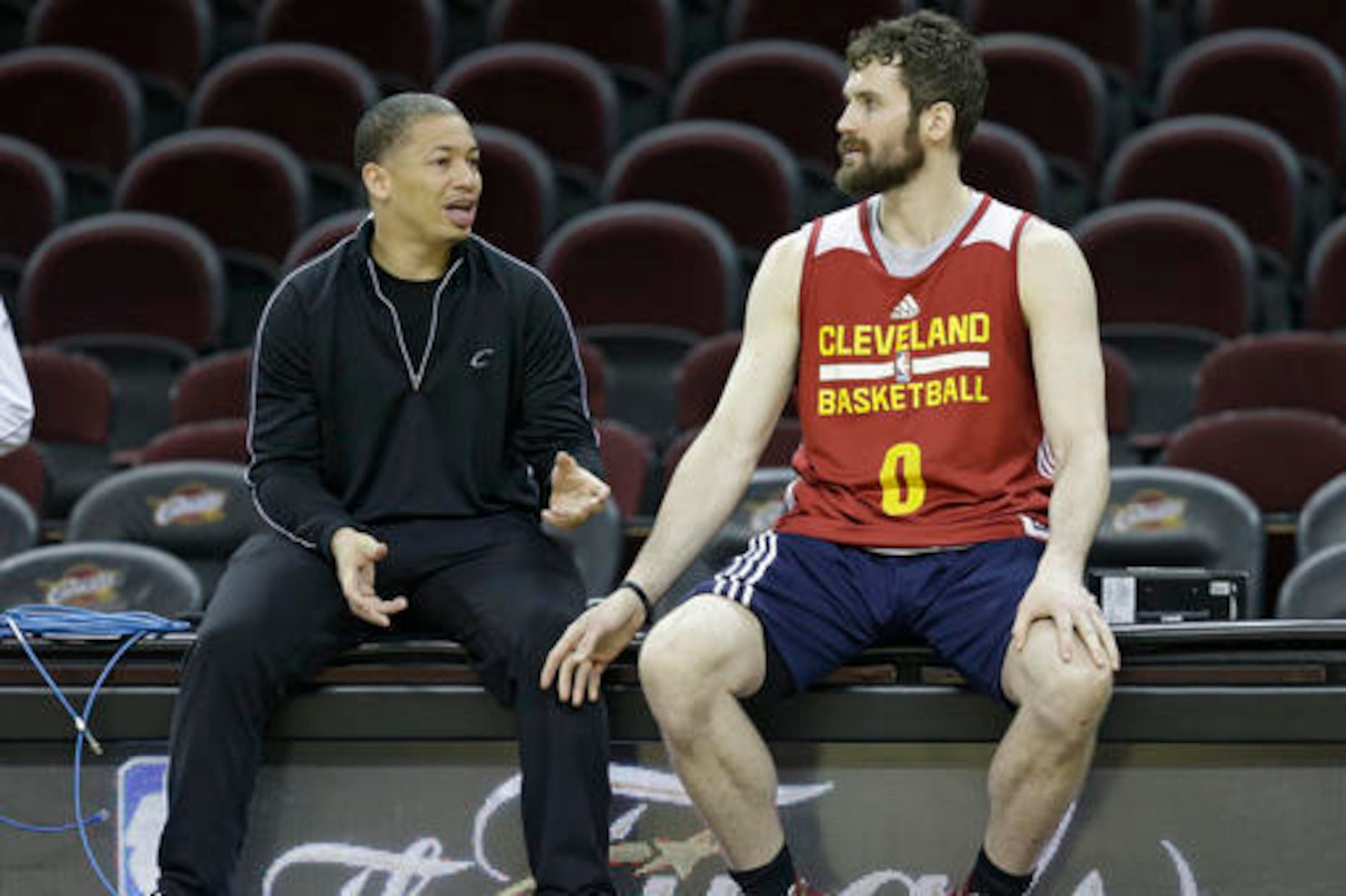
B/R: Love has gotten a lot of criticism of late for not being the toughest player around. I know some guys from your generation look at today's athletes and see softer, more entitled players participating in an easier game. Do you buy into that sort of ethos?
DW: It's a different era, and it's really unfair to compare them to us and us to them. Our era was full of physical, skilled big guys who competed. The competition level was off the charts. Look, it is what it is. That era of basketball you'll never see again.
B/R: When you were playing, did you ever hear from guys from previous generations who would talk down about guys from your generation?
DW: No, no. The guys before us—the thing is, we took pride in emulating everything they did. We appreciated them more than I think they do now. But that's a change of time. You've got to be able to adjust with change. But as far as the guys before us, they respected us, and we respected them.
B/R: Do you think that disparity in respect between generations has anything to do with the extent to which the game has changed in recent years?
DW: I think it's more a hybrid game where it's more about three-point shooting and jump shooting than actually points in the paint. You look at the Warriors: They take a lot of threes, but they also get in the lane; they get in the lane, and they get points in the paint. So does Cleveland. I mean, you've got LeBron driving, Kyrie Irving driving. Their problem is you don't have guys on either team who you can throw it into and say, "Get me two points." It's not a post-up game anymore. There's only a couple of teams in the league that still do that, and San Antonio is one of them.

B/R: If the Spurs were in this year's Finals, would people still find reasons to nitpick them like what we see happening with the Warriors?
DW: They can nitpick all they want, but they win, and they win repeatedly. You can't bargain with that. You really can't say anything to what San Antonio has done. It has won championships. Golden State won a championship last year and is on the brink of winning one again. You can't discount them at all.
B/R: Are there any players from your generation who, when they chime in on the debate between the old school and the new school, leave you shaking your head when you hear what they have to say?
DW: Well, I think what happens is they get baited into saying negative things about current players. I mean, look: These guys are great players today, make no mistake about that. It's just that we played the game differently. It was a different era of basketball, a different brand of basketball, and that's OK.
B/R: How do you think you would have fared on a team like the Warriors?
DW: How would I have fared? You can't touch me. You can't put your hands on my hip. I'll tell you this: I scored close to 30 points per game in the hand-check era. I can tell you it would be over 35 per game. I can tell you that with sheer certainty!
B/R: At least.
DW: Oh, yeah. I mean, I was getting 30 and 40 in games where it was very physical. Guys could hand-check. They could use their elbow. There were a lot of things that you could do back then defensively to try to slow a great offensive player down. The thing you had to have was counters to their counter. That's what made you great.
B/R: Rules aside, do you feel like guys played harder defensively back then than they do today?
DW: Oh, yeah. You had to, or you got embarrassed. You had to play tough, tough defense. I mean, ourselves, Boston, Detroit, Chicago—we had some of the best defensive teams in the Eastern Conference. A lot of times, it was just a lot of bump and grind. It was a tough game.
B/R: Who were some of the toughest defenders you had to deal with in your day?
DW: The toughest defender I think made me work a little bit more than most was Dennis Rodman because he concentrated on two things: rebounding and defense. I mean, I'd still get 30, but it was a hard 30. He was a great defender. Scottie Pippen was a great defender. We had a lot of great defenders. Kevin McHale was a great defender. Most of the guys who guarded me were 6'8", 6'9", 6'10", 6'11", some 7'0" and guarding me. I never had small guys guarding me.

B/R: When you look at a guy like Draymond Green, what is it that allows him to stand out in today's game and might have served him well in your day?
DW: He's a throwback type of player as far as his attitude. I think he'd have probably played small forward back in our era because power forwards were big, big guys—physical. Karl Malone, Kevin Willis, [Charles] Oakley, [Otis] Thorpe. Look: I was 6'9" and wanted no part of power forward. Those guys were physical.
B/R: You would probably be playing center in this series.
DW: Yeah, exactly.
B/R: Would you have wanted to play center in any era of basketball?
DW: Absolutely not.
B/R: What is it about the frontcourt positions, playing inside, that has a lot of guys shying away from it?
DW: I was a guy who was a physical player. I played inside. I spent my career playing inside-outside, so I loved to bang, I loved the physical contact. For me, it was not a big deal. Some guys are not made that way. They're not built that way—more of the finesse big guys. There have been a lot of those guys through time. This era is not the only one that has big guys who play on the perimeter. That's been a part of our league for a very long time.
B/R: Is it the physical pounding that some guys don't want to deal with?
DW: The thing with guys like us—like Larry Bird, myself, Bernard King, those guys—is that we wanted to feel the contact because if I could feel you, I knew where you were, and I knew how to play you. It's like Michael Jordan said one time: We could play you like a puppet. As long as I can feel you, I know where you're at. I know if I can make you go one way and I go the opposite, I got you. That was our mentality. But some guys don't like that physical contact. That has been guys in every era. That's not just now, so you can't just choose one era and say, "Oh, OK. This guy's not very physical, so he's soft." I don't get into the "soft" thing.
B/R: What do you make of the style of play now, where it's less physical but maybe more fluid? Do you like it that way?
DW: I wouldn't say that because if you look at some of the teams back in our era, they were averaging over 115, 118 points per game. You look at the Denver Nuggets, the L.A. Lakers with Showtime—we averaged over 105 points per game. It still was a high-octane game. Our game was about getting out in the open floor and entertaining. We played uptempo basketball. It wasn't a slowdown game. You had some teams that did do that, but we weren't one of those teams. Too athletic.
B/R: In that regard, would it be weird to say that maybe the Warriors, in a way, are a throwback team? They pull up for threes on the break, but they love to push the pace, get up and down and score a ton of points just like you guys.
DW: They do score a lot of points, but I wouldn't say they're a throwback team. I would say they're an anomaly right now in today's era. Teams make a major mistake when they try to play their game because their game is uptempo, fast, pull up from deep. They have a lot of guys who can shoot threes, so when you have those types of guys, they spread you out on the floor, and it becomes very hard to guard them. And they play defense.
B/R: That's the big thing that folks overlook with the Warriors: how good they are defensively. Their style of defense is different from what you guys played. They can play physical, but all that switching...was that ever a part of the game back in your day?
DW: No, we didn't believe in switching a lot. We believed in: You blitz a guy, or you trap him. But you don't ever want to have a great ball-handler like a Steph Curry and have a center guarding him. That's in any era. We just didn't do that. We trapped him and got the ball out of his hands and let somebody else try to beat us.
B/R: The Warriors love to switch their own screens so much defensively, and it seems to work well against the Cavaliers.
DW: The reason why that happens: When they switch, none of those big guys are rolling down to the basket—they're on the perimeter. So, you can have a guard guard a small forward, a power forward on the perimeter because he's not really going to hurt you out there. It's when the big guy rolls to the lane when you've got a Steph Curry, you've got a Klay Thompson or Kyrie Irving trying to guard him—but against a guy who's 6'8", 6'9", 6'10" around the basket, you don't see a lot of that rolling to the basket.
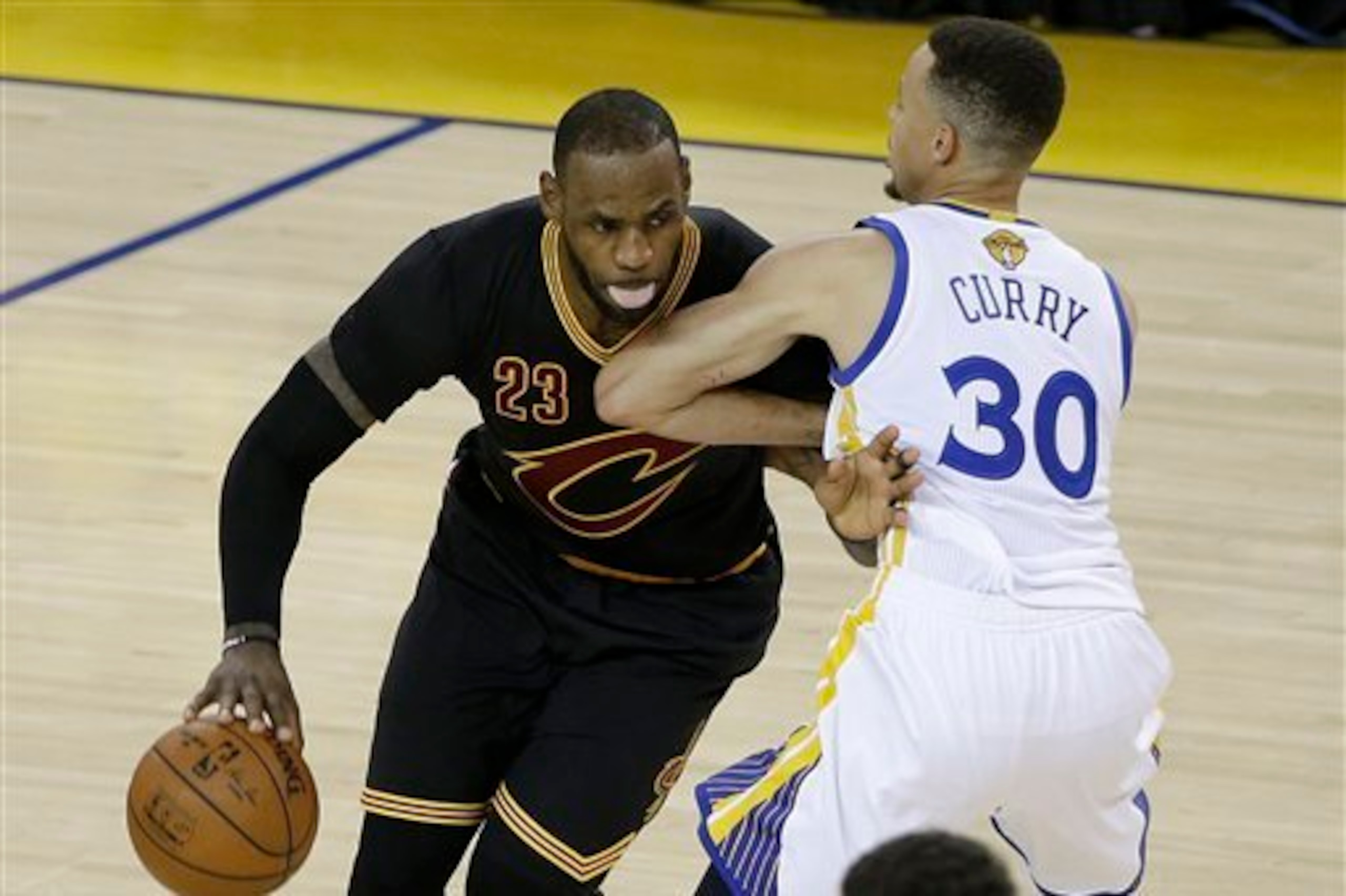
B/R: If you were the Cavaliers, then, would you go more to having big guys play in the pick-and-roll, maybe have LeBron set screens and roll to the basket against the Warriors defense?
DW: Absolutely. Who's going to guard LeBron when he gets down there with his skill and size?
B/R: When you look at the great open-court athletes who've played in the NBA, you'd probably be right up there with Michael Jordan and some others. Would you put LeBron up there?
DW: He's a great open-floor player. With his speed and size, he's like a freight train. When he's coming at you, there's nothing you can do. He's a great open-floor player. I'd put him in that same category with us—the way we ran the break—because if I've got a guy backpedaling on a fast break, he's at my mercy. There's no way he's going to stop me. That's what LeBron does.
B/R: Do you buy any of this talk about what this Finals means to LeBron's legacy or if his legacy will be affected by another Finals loss?
DW: Let me tell you: Win or lose, his legacy has been pretty much set. The guy has won a couple of championships. No matter if he wins or loses, it's not going to change one thing about his legacy.
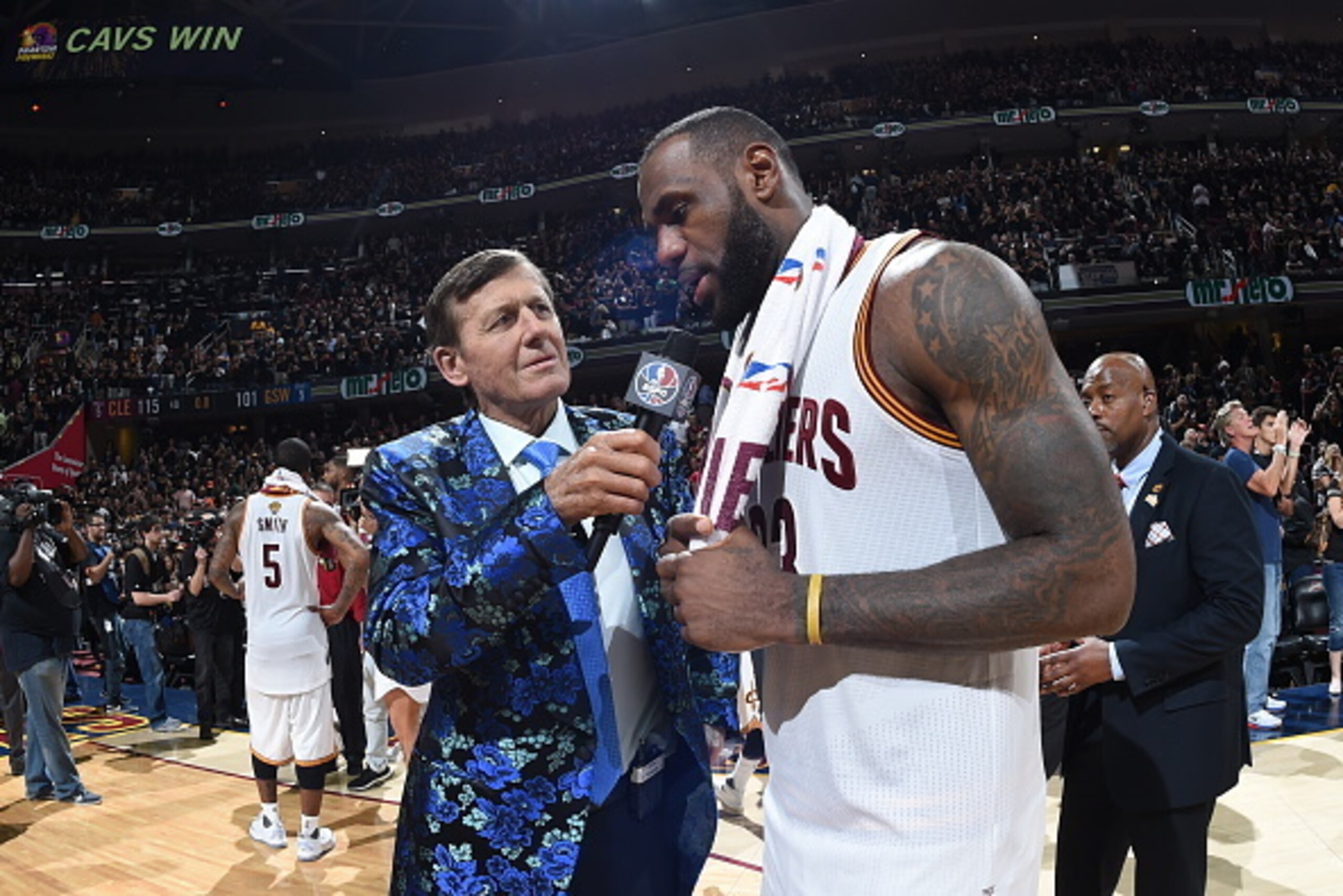
B/R: What does it say to you that he's reached the Finals six straight years now?
DW: It's just unbelievable. It's something that you don't see happen very often. That's something to be very proud of, and I'm sure he is.
B/R: Do you have a pick for Game 7? Or are you going to wait on that one?
DW: I think I'm going to wait.
B/R: In the last few years, LeBron's run up against great teams in the Finals. In your day, you were up against the Pistons, the Bulls, the Celtics…
DW: There were too many teams [laughs]. Too many teams.
B/R: What's that like to butt up against history like that when you're a great player, you've got a great team, but year after year, you're running into those same roadblocks?
DW: Well, see, the problem is you had a great Boston Celtics team that had five Hall of Famers. You had a great Detroit Pistons team that had four Hall of Famers. You had a great Chicago team that had Hall of Famers. You had a great Indiana, New York...I mean, it was too many great teams. That's just in the East in those days. That was brutal, man. The talent was off the charts.
B/R: Do you think the talent is more diffuse around the league today than it was back then?
DW: We have more teams now. Times have changed. The game has changed somewhat. Then you have a lot of guys who are very young coming into the NBA, so those kids need a little more time to get seasoning. Once those guys are two or three or four years in, now they become that veteran player who played four or five years; now they're ready to be those star types of players. You look at some of the young guys like [Kristaps] Porzingis and guys like that, you look at [Karl-Anthony] Towns—those guys are going to be great players.
B/R: Is there anyone you watch in the league today who reminds you of yourself?
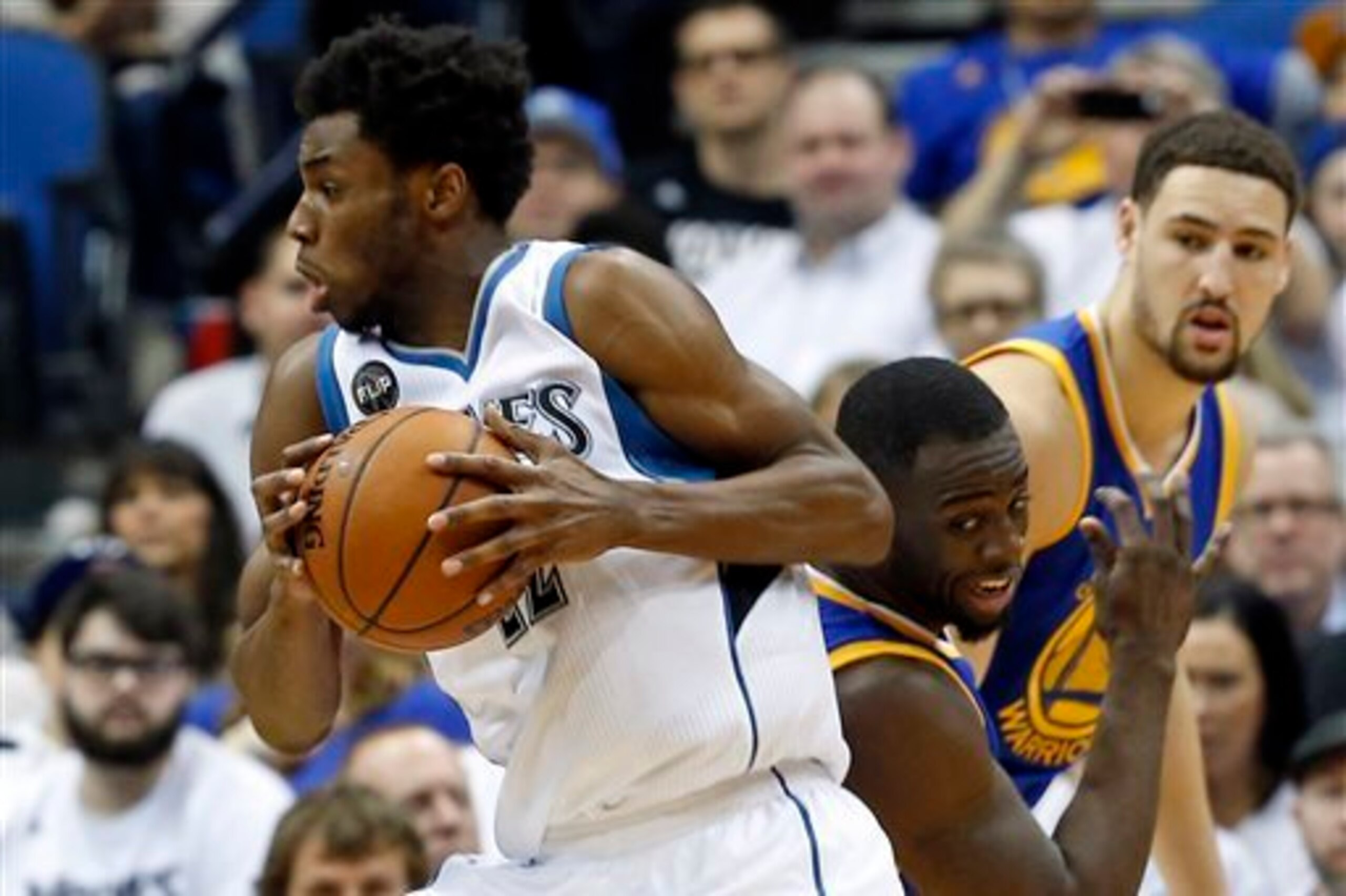
DW: I think it's a combination of players. I don't see just one. I think a little bit of [Dwyane] Wade, a little bit of LeBron, a little bit of [Andrew] Wiggins—the way they play, above the rim and able to put the ball on the floor to get from A to B anytime they want. I think it's kind of a mixture. I wouldn't say just one guy is out there that's me other than my son one day.
B/R: I was thinking Wiggins too because of his athleticism and the way he moves around the court.
DW: I say him because of the way he eludes contact in the air. He's able to get around people. That was a thing that I was very big on: Get the defense moving so when I did jump and they tried to take charges I was able to get around them without creating a charge.
B/R: What was your offseason regimen like back in the day? Nowadays, you'll see guys working with multiple trainers in different locales.
DW: We didn't do any of that. I'll tell you what made us great: playing the game, playing the game, playing the game. We didn't go for workouts; we went to play because workouts only do so much. It can make you strong and all those different things, but does it make you a better player? No. It's nothing going to make you a better player like playing the game. That's all we did.
We used to put teams together. Moses Malone would put a team together in Houston, I would put one together in Atlanta and we would travel to play against one another. That's how we got better as players.
B/R: It sounds almost like adult AAU.
DW: Exactly, but it was professional players—professional and college players. We all played.
B/R: Who did you get on your teams?
DW: I had all the local guys who lived in Atlanta like myself, Kevin Willis. We would have guys like Joe Barry Carroll, who never played in Atlanta, but a lot of those pros lived in Atlanta. Moses used to bring teams. All those guys who played with the Rockets, they would bring them to Atlanta, and we would play games. That's all we did all summer. We'd go to L.A. Summer League with Magic [Johnson], and I would play in classic games where you had all the top NBA players in the league playing summer basketball against one another. That's how we got better.
B/R: What were those games like?
DW: They were up and down, fast-paced. It was pure entertainment.
B/R: Any moments from those games that stick out?
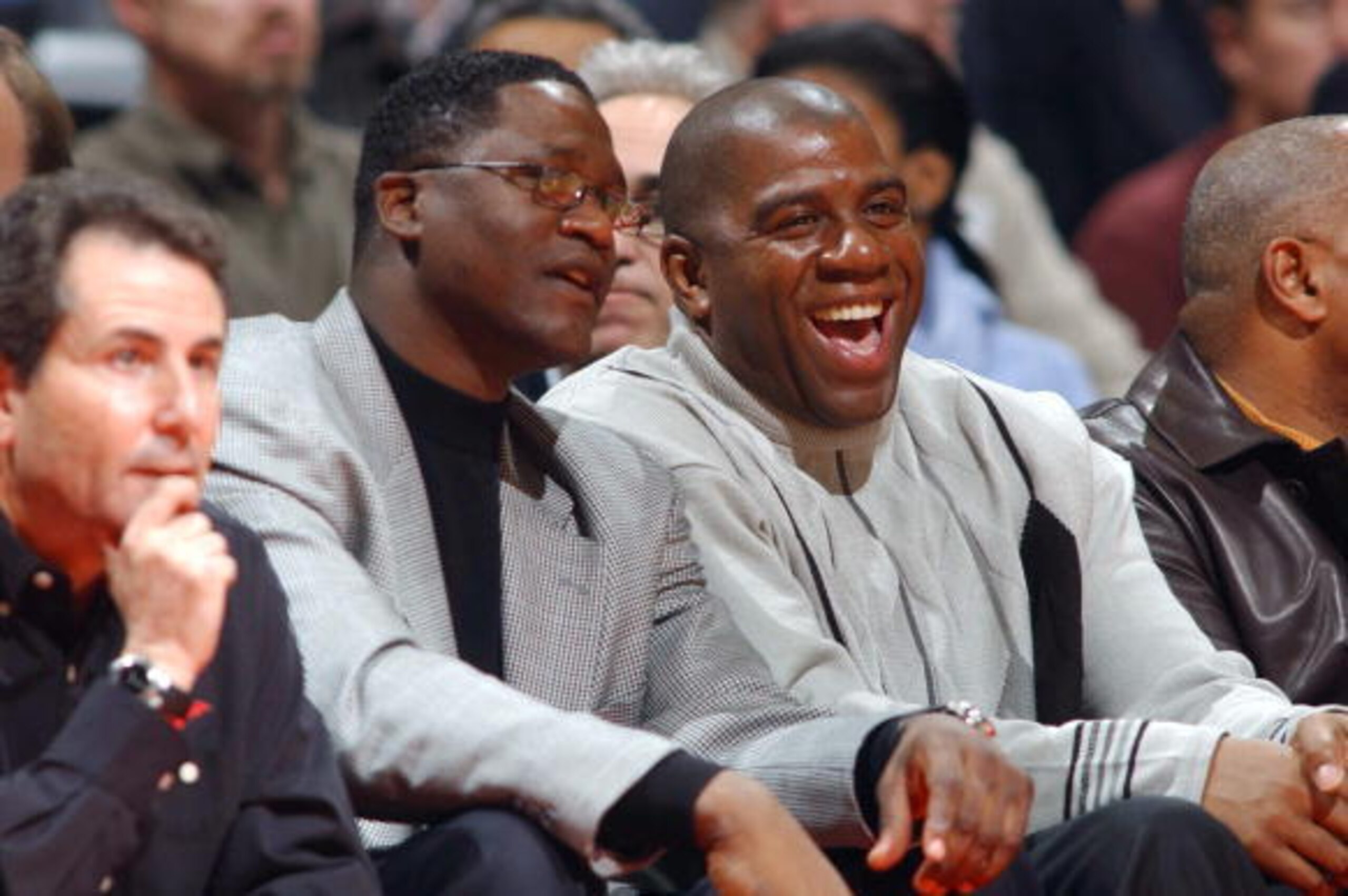
DW: The only thing I would say is if it hadn't been for Magic Johnson putting all those games together back in them days, I don't know how good some of the guys would've been. When I came in the NBA, I was ready because I traveled with Magic Johnson, Dr. J [Julius Erving], Larry Bird, Kareem [Abdul-Jabbar], Moses—during the summer! All the top NBA players: McHale, Karl Malone. All these guys played. Everybody played. [Charles] Barkley, Isiah Thomas, Joe Dumars. All these guys played.
B/R: Did they all have separate teams in their different cities?
DW: Some did, but most of it—the times that we would take these teams and travel around the country—Magic would do in L.A., and I would do it in Atlanta and we would travel around the country with some of the best players to ever play this game during summertime. How many people do that now?
B/R: You have summer leagues around, like the Drew League in L.A., and you'll have guys get together to train and scrimmage with one another, but I don't think you see quite that level.
DW: No, it ain't like that level. I mean, one team, you've got Dr. J, you've got myself, you've got Moses, you've got Isiah Thomas—all on one team. On the other team, you've got Magic, you've got Larry Bird, you've got Kareem, Karl Malone in the starting five. It's those type of teams.
B/R: If you were to put together a team of five from today's active players, who would you pick?
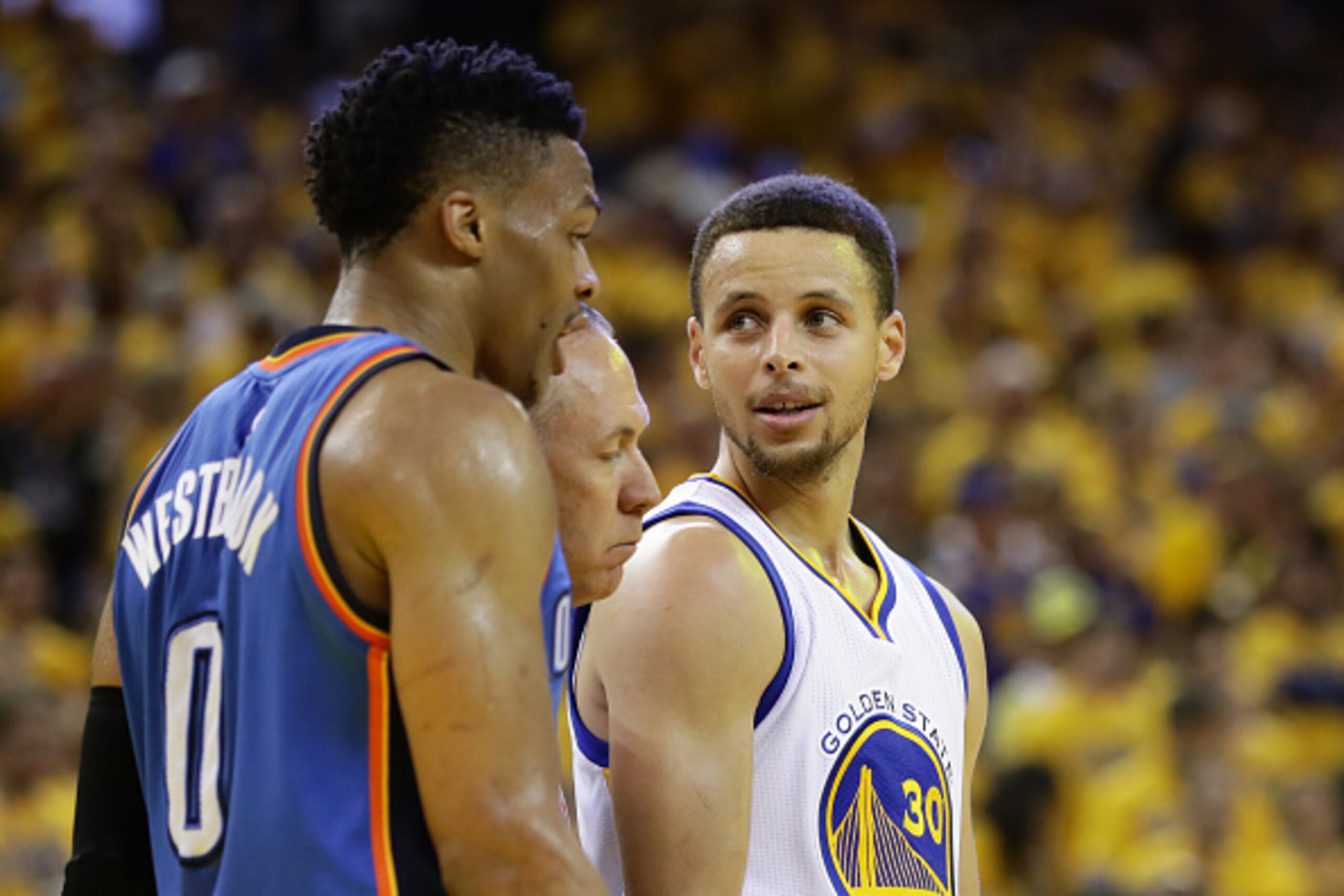
DW: Active today? Of course, LeBron would be at the top of the list. Steph Curry, [Russell] Westbrook, [Kevin] Durant. [Tim] Duncan is a little older, but I'm going to put him in there because he earned that respect [laughs]. Kobe [Bryant] as well.
B/R: Duncan hasn't retired yet, but from watching him in the playoffs, what do you think the future holds?
DW: Duncan has done everything a player can do. The thing is, when he's ready to retire, when he's ready to give it up—when you have the love for the game, it's hard to walk away from it.
B/R: Could you have ever imagined a final game in which you scored 60 points like Kobe did?
DW: That was pretty impressive, like he saved everything for the last game [laughs]. Fifty shots—you had to know he was going to get close to 60.
B/R: Did you ever come close to putting up that many shots?
DW: No.
B/R: Would you have wanted to?
DW: The thing that I would've wanted to do was whatever I could to help us win. I never thought about it like that.
All quotes obtained firsthand.

.jpg?w=2560 "NFL investigating 2 referees for separate viral exchanges")

.jpg?w=2560 "Report: Chiefs Contact Hill's Agent")
.jpg?w=2560 "OBJ Calls Out Giants After Release")
.jpg?w=2560 "Tyreek makes another cryptic post amid Chiefs rumors")

.jpg?w=2560 "Greenlaw Talks Payton Exchange")