

Trail Blazers Must Correct Offensive Woes to Dream of an Upset
PORTLAND, Ore. — In a first round that has been heavy on blowouts and light on real drama, the Portland Trail Blazers were supposed to be the Western Conference’s one shot at an upset. So far, it hasn’t worked out that way.
The Blazers return to the Moda Center on Saturday trailing 2-0 in their series against the Los Angeles Clippers after suffering two losses that started off competitive and eventually grew lopsided. Blake Griffin's return to form and unexpectedly strong play from the Clippers’ bench have prevailed.
That, and Portland simply hasn't been able to knock down shots.
TOP NEWS

J-Dub Suffers Gruesome Injury
Mazzulla Weighs In on Brown-Tatum Drama

Blockbuster Trade Idea To Shake Up the East
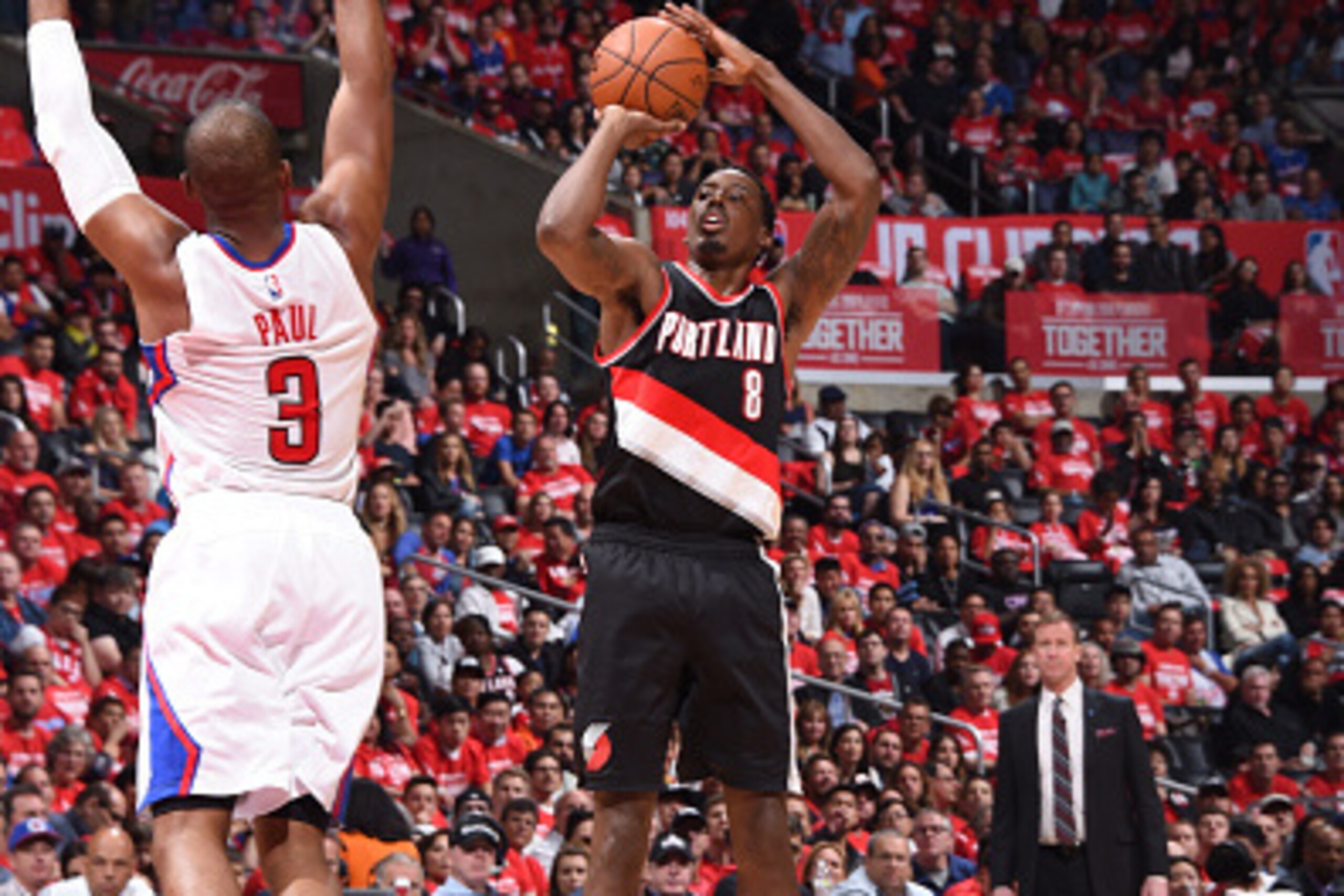
By any measurement, the Blazers have been among the worst offensive teams in the playoffs so far. They’re scoring just 92.4 points per 100 possessions, per NBA.com. In true-shooting percentage, they’re 15th out of 16 teams at 45.7 percent. Their effective field-goal percentage is 41.1 percent, also second-worst of the playoffs.
It wasn’t for a lack of looks that the Blazers fell behind in the first two games—they simply couldn’t get anything to go down. That’s not something that can be corrected with any particular adjustment, just better execution.
“I was pleased with the shots that we got," Blazers coach Terry Stotts said Friday following practice. "I was pleased with some of the changes going into Game 2. Listening to the Clippers, they felt like they could have defended better, so I would expect them to make some changes because of the looks that we did get. As series go on in general, there are fewer things to change.”
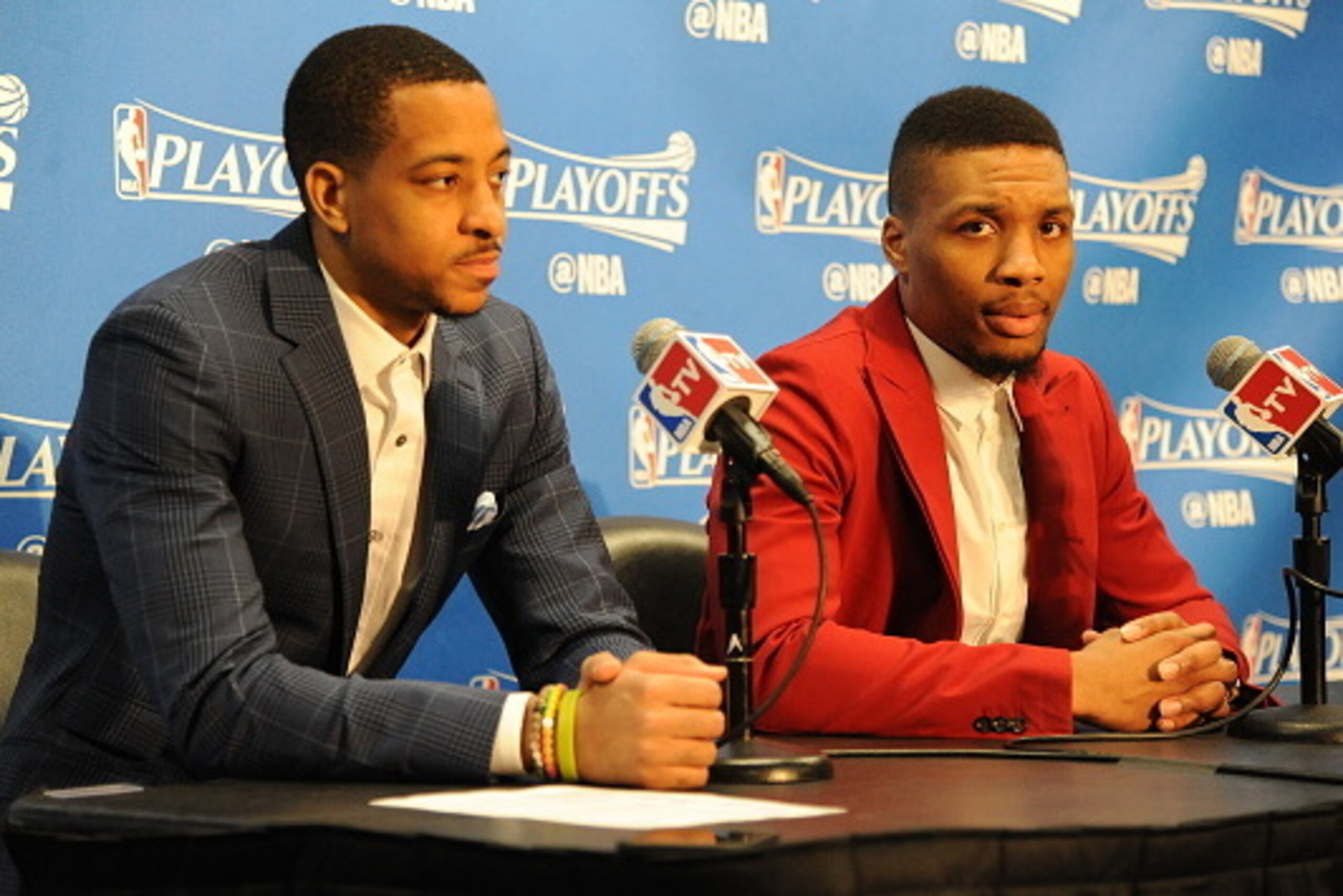
The biggest positive change the Blazers can hope for is a stronger performance from their normally high-scoring backcourt. During the regular season, Damian Lillard and C.J. McCollum averaged a combined 45.9 points per game. So far in the playoffs, the two have yet to put together solid showings in the same contest.
In Game 1, Lillard scored 21 points and hit three three-pointers as McCollum shot just 3-of-11 from the field (1-of-5 from deep). In Game 2, McCollum scored 16 points, while Lillard shot 6-of-22 (0-of-6 from deep).
For Lillard specifically, his postseason shooting has haunted him since he hit the most important shot in Trail Blazers franchise history in 2014. Per SI.com's Ben Golliver:
The Clippers' defenders have successfully neutralized Portland’s two most dangerous weapons, and its role players haven’t been able to compensate.
For his part, Lillard doesn’t want to force bad shots to get himself going.
“You don’t want to go out there and try to play hero ball,” he said. “Two guys guarding you with a help defender waiting for you. You don’t want to try to force it too much and end up not helping the team because another guy may be open.
"But that’s a part of it. Just finding a way, I guess. I think four times maybe last game, I got around a double-team and there was a guy just waiting there to block my shot. I’ve just got to stick with it. I’m a believer in you just keep putting your time in and you’re going to get results.”
The Blazers’ struggles have been a matter of results, not process. At some point, the hope among everyone in this group is that the ball will start going in the basket.
Not that they don’t still have to work to get those good looks.
“I think we understand that the way we play, we will get shots,” Stotts said. “We have to trust that. We have to trust our teammates. In playoff basketball, it’s always tough to get good shots. You can’t let your guard down. You have to compete just as hard on offense as you do on defense.”

That’s a lesson many of these players have had to learn. This is the Blazers’ third straight year in the playoffs but their first with this reconstituted group built around Lillard, McCollum and unproven youngsters such as Mason Plumlee, Noah Vonleh and Moe Harkless.
The radical roster overhaul and influx of youth led almost every analyst to project a trip to the lottery for Portland. Instead, it won 44 games and captured the fifth seed in the Western Conference. That unexpected success has given the Trail Blazers an underdog mentality all year, which could help them with their backs almost against the wall.
“I don’t think it hurts,” guard Gerald Henderson, one of the few veterans in this group, said. “We’re in a position where I don’t know how many people still think we’re going to win this series other than us. We believe that we can come out and play two really good games at home. They took care of their home court; we feel like we can do the same.”
As the leader of this young team in just his fourth season, Lillard hasn’t had to remind his teammates they’re still in this.
“They don’t believe that it is [over],” he said. “They don’t see it that way. That makes my job as a leader easier. During a timeout, they’re telling me, ‘We’re good, we’re good.’ And I’m like, ‘I know.’ But that’s encouraging for me because I can see it and I can feel it, what they say in timeouts and how passionate they are about these playoffs. They want it. They’re going to keep fighting, and that’s encouraging.”




.jpg?w=2560 "Latest Peyton-Colts Rumors")

.jpg?w=2560 "Landing Spots for Trade Candidates 📍")
.jpg?w=2560 "Ugly Jets Scoring Stat 😳")