Big Ten Q&A: Has the B1G Topped the SEC in Recruiting?
It's the biggest spring game weekend of the offseason in the Big Ten, with six schools from the conference—including Illinois' open practice—holding their annual exhibitions on Saturday.
But while the Fighting Illini, Ohio State, Maryland, Penn State, Nebraska and Purdue will each bring an end to their respective spring practices this weekend, Michigan continues to steal this headlines, this time thanks to the NCAA's decision to bring an end to satellite camps.
With the league so prominent at the moment, what better time to run a Big Ten Q&A? This week we'll tackle the state of the conference's recruiting, the Buckeyes' wide receiver targets, the league's new starting quarterbacks and, of course, the battle over satellite camps.

As always, you can tweet your questions to me each week @BenAxelrod. Let's get started.
So you're asking which conference is a bigger draw on the recruiting trail?
Even with the recent surge by the Big Ten—mostly thanks to Urban Meyer and Jim Harbaugh—it's still tough to make an argument against the SEC as the nation's top recruiting conference.
Just going off of the 2016 rankings alone—since the 2017 cycle isn't even halfway over yet—the SEC laid claim to half of the nation's top 10 classes. That includes two classes ranked above the Big Ten's only two top-10 classes (No. 4 Ohio State and No. 5 Michigan) in No. 1 Alabama and No. 3 LSU.
Extend your standard out to the top 25, and the SEC held a 9-5 advantage over the Big Ten in the most recent recruiting cycle.
Factor in that Nick Saban and the Crimson Tide have signed the nation's top-ranked class in each of the past six years, and it's going to be even harder to make a convincing case for the Big Ten as football's most prominent conference on the recruiting trail.
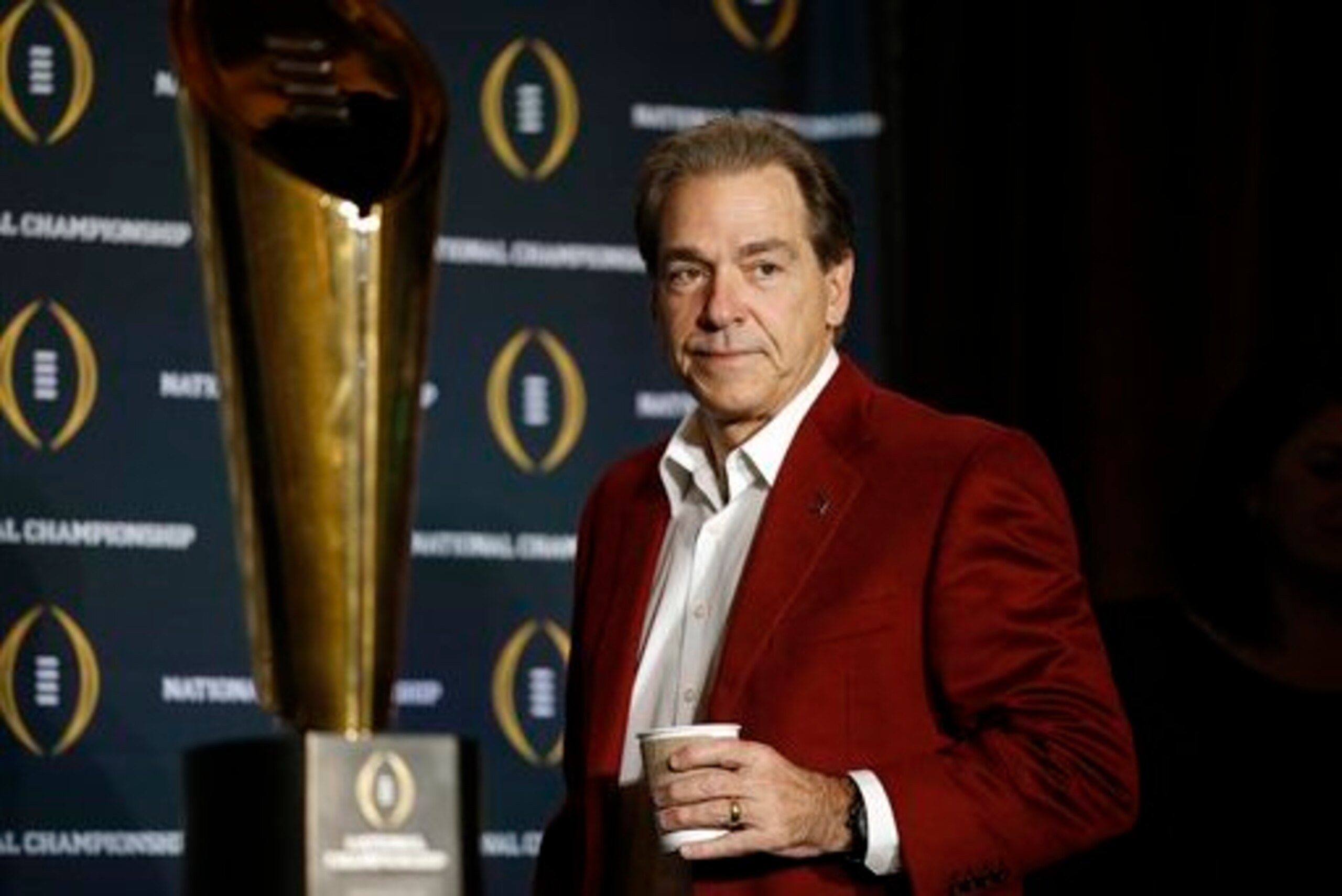
I will say this though: While Saban is still king, there's not a duo in the SEC I would take over the Meyer-Harbaugh Big Ten tag team. Les Miles' job at LSU seems far from secure, Hugh Freeze, Butch Jones and Gus Malzahn may each lack staying power and neither Kirby Smart nor Jim McElwain are proven entities as head coaches.
Meyer, meanwhile, is the nation's second-best recruiter behind Saban and, satellite camps or not, Harbaugh likely isn't far behind. The problem, however, is neither Michigan State, Penn State, Nebraska nor Wisconsin have taken their respective recruiting to the next level, creating a top-heavy dichotomy in the conference, at least as far as recruiting's concerned.
Even with the addition of a coach like Lovie Smith at Illinois, the Big Ten still trails the SEC—by a significant margin—when it comes to recruiting prowess. On-field performance and recruiting are inevitably—and correctly—linked, and while the Big Ten has improved plenty when it comes to the former, it's time to catch up in the latter as well.
Admittedly, I'm not the guy to ask recruiting questions to—at least not in the "Which player is Team X going to land?" or "What school is Player X going to choose?" variety. There are plenty of people who get paid to follow that stuff and actually talk to recruits on a daily basis; I'm just not one of them.
The 247Sports.com Crystal Ball predictions do, however, peg Trevon Grimes as a likely Buckeye, with 88 percent of participating reporters predicting him to land at Ohio State. That would obviously be good news for Ohio State, considering the 6'4", 195-pound Grimes is the 22nd-ranked player overall in the 2017 class.
But what I find even more interesting about the seeming inevitability that Grimes will wind up a Buckeye is that Ohio State put in some work with him on the recruiting trail last season when it hosted its first—and apparently only—satellite camp. Then just a high school junior-to-be, the Fort Lauderdale, Florida, native made the short trip to FAU's campus in Boca Raton, where he could be seen chatting with Buckeyes wide receivers coach Zach Smith.
Sure, Grimes' high school, St. Thomas Aquinas—the former home of both Joey and Nick Bosa—has been an Ohio State pipeline since Meyer came to Columbus, and the Buckeyes still likely would have had a strong chance at landing the blue-chip receiver with or without the satellite camp. But any advantage one can potentially gain on the recruiting trail is definitely worth exploring, especially for a recruiter as aggressive as Meyer.
It also makes one wonder whether or not there's more to the Ohio State head coach being in favor of the existence of satellite camps than his desire to have MAC schools be able to attend the Buckeyes' camp. Ohio State had a satellite camp planned in Georgia this offseason before last weekend's announcement of the ban, and it's probably a safe bet the Buckeyes will still be making the trek to the Peach State if the recent ruling somehow winds up repealed.
When it comes to the Big Ten's quarterbacks in 2016, the makeup of the league's stable of signal-callers is certainly interesting.
The presumed favorites in each division—Ohio State and Iowa—each have established quarterbacks in J.T. Barrett and C.J. Beathard, respectively. And then there are other programs like Maryland and Penn State with jobs up for grabs on teams not expected to be contenders.
But in between, there are some ongoing quarterback competitions that could go a long way toward determining the championship races in both of the Big Ten's divisions. With that in mind, here are three conference quarterbacks to get to know before September.
Wilton Speight
Although John O'Korn was expected to take over for Jake Rudock entering Harbaugh's second season in Ann Arbor, redshirt sophomore Wilton Speight may have emerged from the spring as the front-runner to be Michigan's next starting signal-caller. At an open practice in Detroit during the Wolverines' final week of spring practice, it was the 6'6", 239-pounder who could be seen taking reps with Michigan's first-team offense, according to the Detroit Free Press' Mark Snyder.
If Speight can hold on through the rest of the offseason, he'll become the biggest wild card on a Wolverines team that is expected to contend for a national title in 2016. His experience may be lacking, but if Speight can beat out both O'Korn and Shane Morris, Harbaugh's faith in the third-year player will speak volumes.
Bart Houston
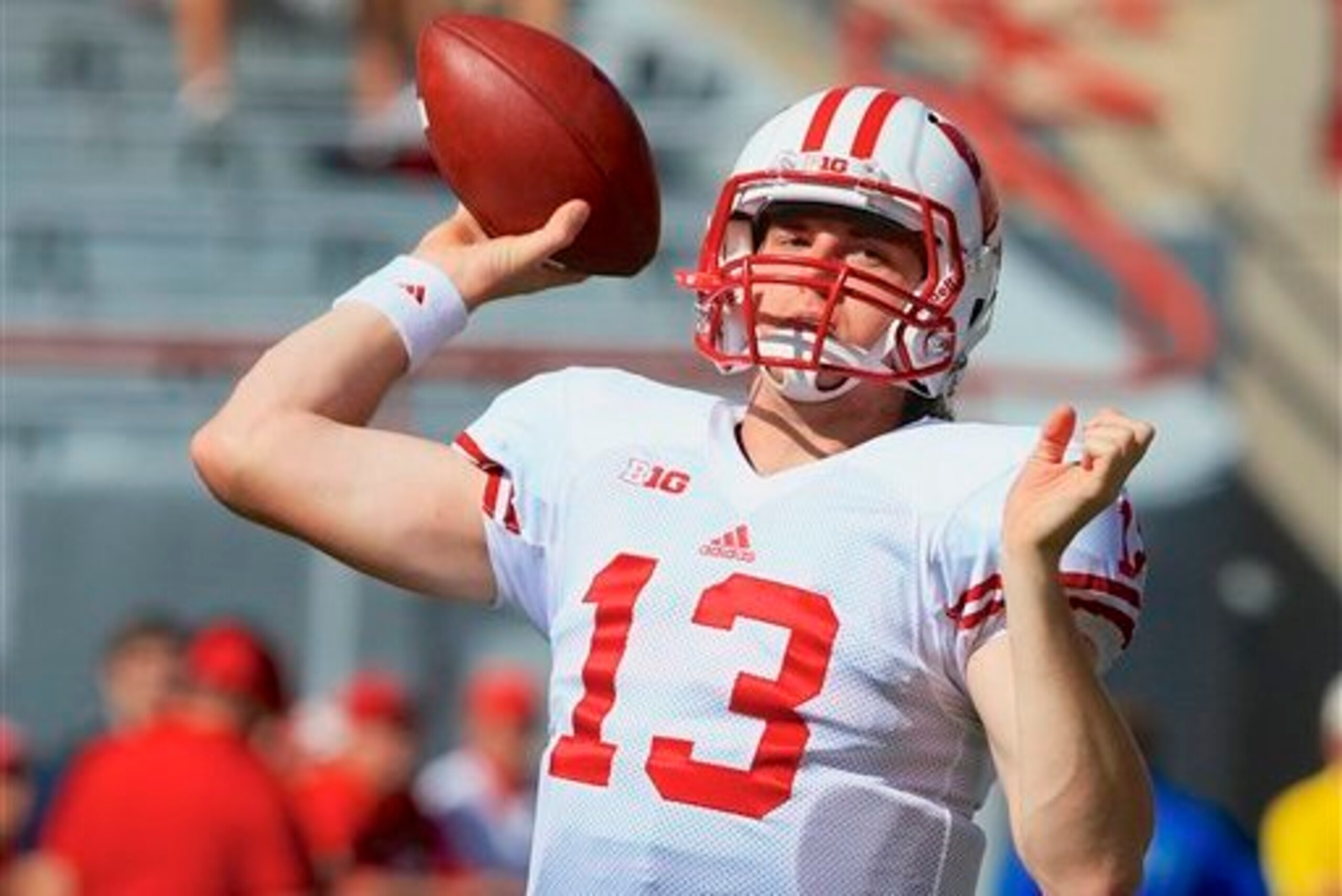
With Joel Stave being a four-year starter, quality reps in Madison have been hard to come by for Bart Houston. But when the Wisconsin quarterback did get on the field, he sure was impressive, leading the Badgers to a 24-13 win over Illinois last season while subbing in for an injured Stave.
Houston's 22-for-33, 232-yard, two-touchdown performance even led some to call for him to take over for Stave in Wisconsin's starting lineup. A fifth-year senior, the 6'4", 224-pounder will now get his chance, albeit against the toughest schedule in all the Big Ten in 2016.
Tyler O'Connor
Of all the new starting quarterbacks in the Big Ten, Michigan State's Tyler O'Connor already has the most impressive win on his resume. After all, it was O'Connor who quarterbacked the Spartans to last season's 17-14 win over Ohio State in Columbus in Connor Cook's absence, a game that helped propel Michigan State to the College Football Playoff.
With Cook now headed to the NFL, the fifth-year senior appears to be the front-runner in the battle to replace the Spartans' most accomplished quarterback in program history. Starting for a whole season is a lot different than doing so for just one game, but at the very least, O'Connor has some semblance of experience on his side.
I gotta admit, even though I'm a big pro wrestling fan, the tag team questions I get each week are a little played out.
Plus, at this point, Harbaugh's chief SEC rival wouldn't be Bret "Bert" Bielema, but rather Ole Miss' Huge Hugh Freeze.
I'm not going to get in a hypothetical fight between the two coaches/conferences, but I will say this: I think there's an easy solution to this whole satellite camp mess. Because on the one hand, Harbaugh's use of the practice was somewhat excessive, but on the other, the solution definitely shouldn't have been banning satellite camps as a whole.
At least in this sportswriter's opinion, the easiest fix would be to allow satellite camps to exist, but either limit the miles coaches are allowed to travel to attend them or the number of camps each coach is allowed to attend each offseason.
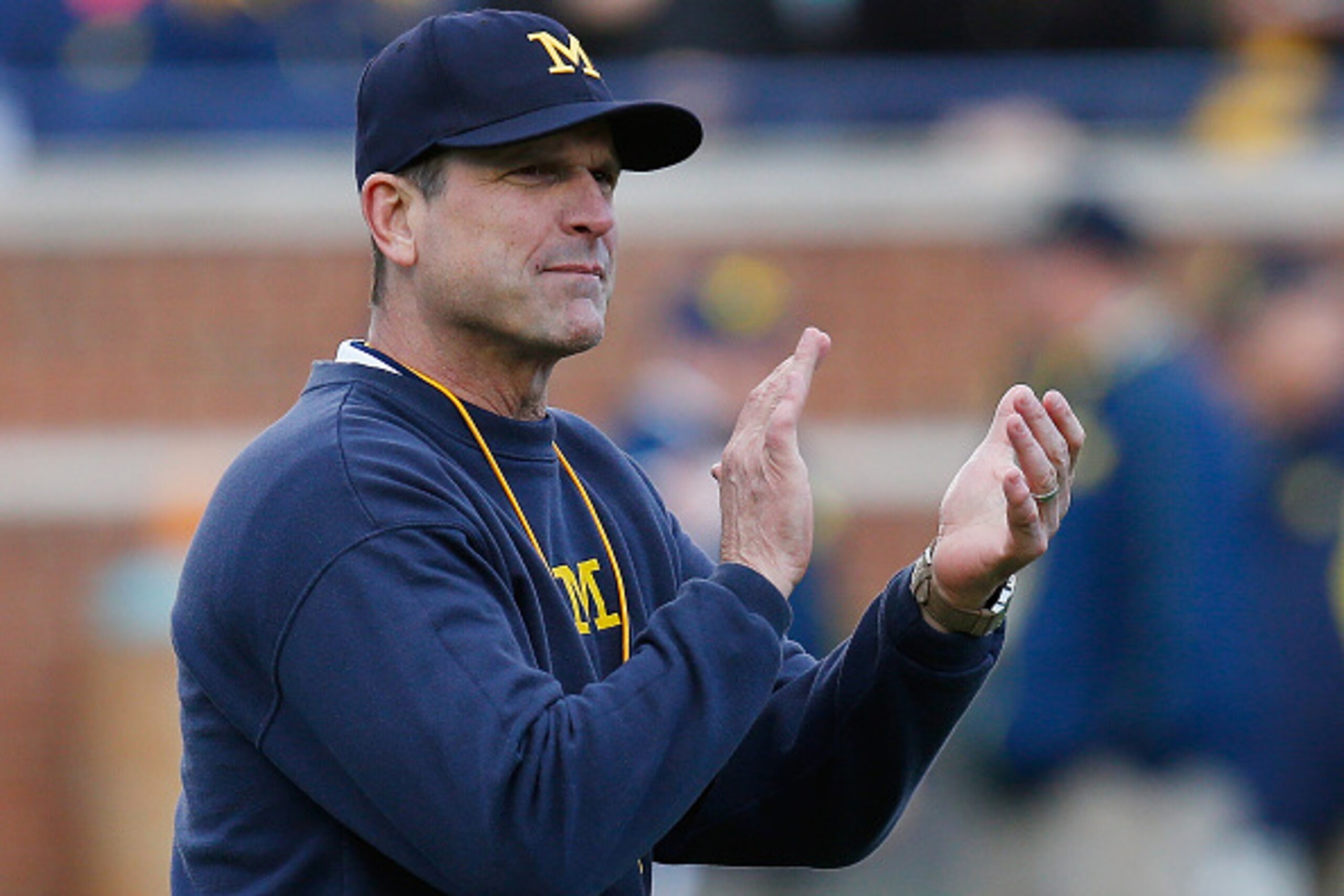
Ideally, you'd limit the number of off-campus camps coaches are allowed to attend, so smaller schools—for example, Bowling Green—could still benefit from being present for a bigger school's camp—like Ohio State's. Then the bigger schools—like Michigan—can hold either one or two (or whatever you decide the number is) camps in either the South or out West, limiting them from turning the practice into the traveling circus Harbaugh did last offseason.
If the SEC doesn't want to participate in it—or in Freeze's case, use his vacation time instead—so be it. It wouldn't be an absurd advantage, but it still would allow schools up north to set up shop off-campus once or twice each year.
Most importantly, it'd allow the smaller schools to attend the camps at the bigger schools, something many people—including Meyer—didn't realize would be outlawed with the banning of satellite camps. If the NCAA is truly about providing as many opportunities for student-athletes as possible, then there's certainly a compromise that can be reached in this instance.
Ben Axelrod is Bleacher Report's Big Ten lead writer. You can follow him on Twitter @BenAxelrod. Unless noted otherwise, all quotes were obtained firsthand. All statistics courtesy of cfbstats.com. Recruiting rankings courtesy of 247Sports.
.png?w=2560)
.jpg?w=2560 "Colts Texans Football")


.jpg?w=2560 "Chiefs, Steelers Eye WR Trades")


.jpg?w=2560 "Latest Peyton-Colts Rumors")