Breaking Down the Adjustments Real Madrid Have Made Under Zinedine Zidane
For a time the specific changes were minimal, and yet the sense of encompassing change was anything but.
In the wake of Zinedine Zidane's appointment as head coach in early January following the sacking of Rafa Benitez, Real Madrid quickly looked vibrant and unshackled, instinctive and re-born.
In Zidane's managerial debut, Madrid hammered Deportivo La Coruna 5-0 with a previously absent swagger and joy; soon after, similar sensations radiated during the explosions against Sporting Gijon, Espanyol and Athletic Club Bilbao.
Under the former France international, Madrid suddenly looked different, but the contradiction was that they weren't very different at all.
"I don't see a lot of differences," said Athletic manager Ernesto Valverde when asked about the specifics of Zidane's Madrid against that of Benitez.
"They're virtually the same as they've always been," added Atletico Madrid boss Diego Simeone a couple of weeks later.
What was different, then?
"They're much looser now," explained Espanyol manager Constantin Galca. "You don't need me to point that out."
Some did need him to. What Galca was getting at was an emotional shift in Madrid players. After the tumultuous final months of Benitez's reign, Zidane's arrival had galvanised them, put out fires and altered their collective disposition. They weren't shy in expressing it, either.
Thus, despite some slight systematic tweaks, this was psychological more than it was tactical. Concurrently, though, it was recognised that such a state was temporary. So then the questions came: When would Zidane begin to make significant changes? When would he mould the team in his image? Make it his?
Interestingly, we're beginning to see answers to those questions. Already, Zidane's tenure in a tactical sense is split into two very distinct phases.
The Madrid derby of late February has, for now, come to represent a before-and-after juncture.
Initial Return to Familiarity
BBC Realignment

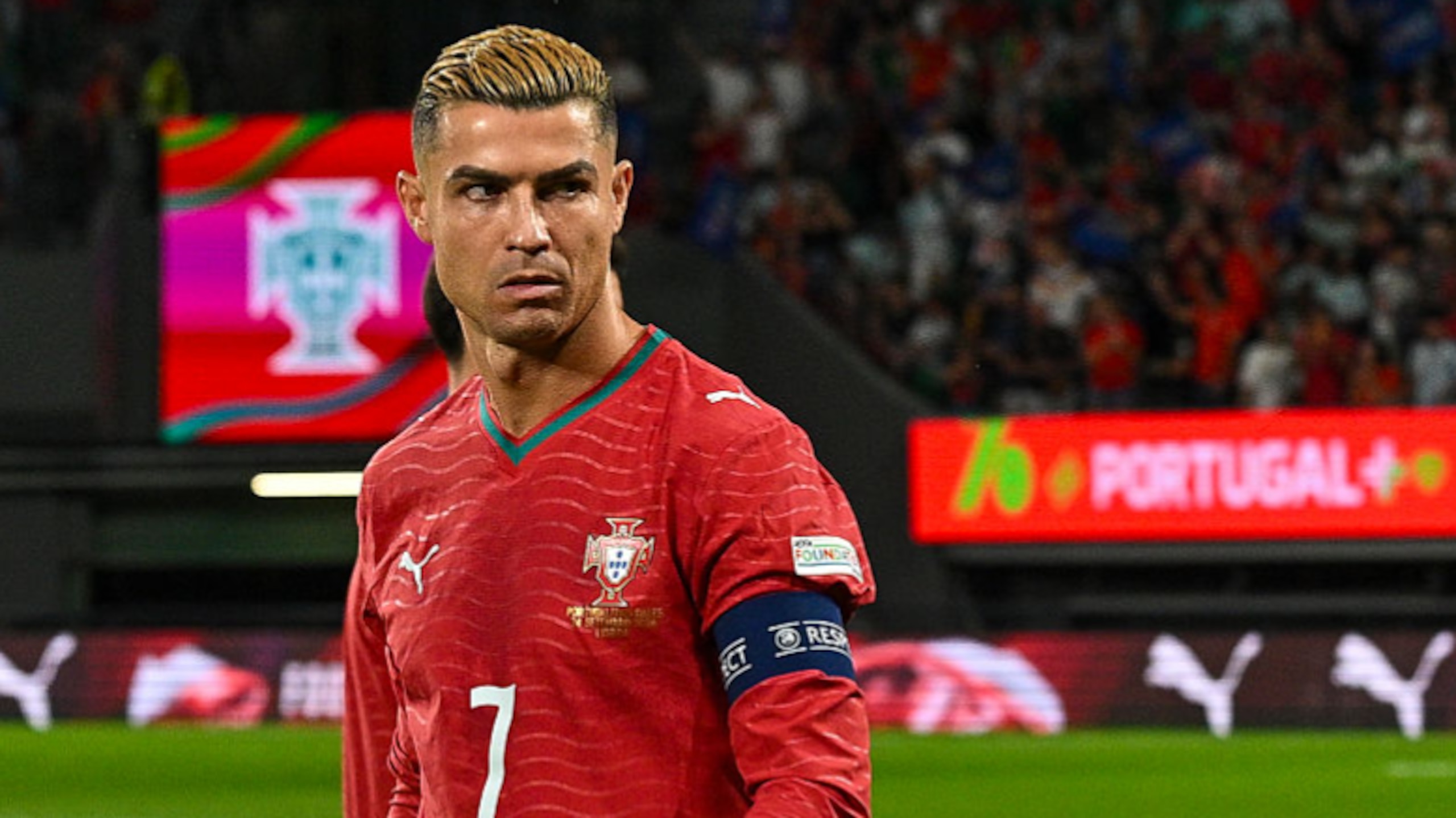
Upon replacing Benitez, Zidane's first move was to abandon his predecessor's plan to reshape Madrid's attack and return to what he knew from his time spent as assistant to Carlo Ancelotti: the "BBC" leading a 4-3-3; Cristiano Ronaldo on the left, Gareth Bale on the right, Karim Benzema down the middle.
Simple.
The impact was immediate. After the 5-0 thrashing of Deportivo La Coruna, Madrid led by the BBC produced a volcanic first half versus Sporting Gijon in a 5-1 triumph, and though injury disrupted the trio thereafter, the three were united once more as Los Blancos tore apart Sevilla 4-0 prior to the international break.
It means Madrid's aggregate score with the BBC intact under Zidane is 14-1.
This setup looks more natural. Under Benitez, the use of a 4-2-3-1 with Bale used through the middle never quite worked out. In patches—against Real Betis and Espanyol early in the season—there were signs that it might, but too often the system lacked clarity and definition: Ronaldo, Benzema and Bale were often looking to inhabit the same space; Ronaldo lost freedom on the left; the right wing became problematic.
Admittedly, the sample size of the BBC's realignment under Zidane is small, but the early evidence suggests the return to familiarity has helped.
Playmaker Overload

Just as he did with the front three, Zidane opted to revert to the Ancelotti method in midfield upon taking over from Benitez. That meant returning Toni Kroos to the deep-lying position, and flanking him with Luka Modric and another playmaker in the form of Isco or James Rodriguez (both of the latter pair featured when Bale was sidelined).
Again, the shift was about returning to familiarity.
Prior to Zidane's appointment, Benitez had looked to craft a midfield of a different essence. Wanting more power and energy, the Madrileno introduced Casemiro and Mateo Kovacic regularly, often moving Kroos from his anchor role into a number of others.
New systems were also tried. In addition to a 4-2-3-1, Benitez used his own version of a 4-3-3, trialled a 4-4-1-1 against Paris Saint-Germain, opted for a 4-4-2 against Eibar and even changed to a 4-3-2-1 during the early season clash with Athletic Bilbao.
Zidane, however, disposed with the tinkering. Returning to a playmaker-heavy 4-3-3, the Frenchman sent his side out to dominate possession rather than attack space, Modric tucking in to support Kroos and Isco drifting in front of them as a midfield-to-attack connector.
It meant Madrid had familiar strengths and familiar flaws, but amid a gentle fixture list in Zidane's opening weeks, the strengths prevailed.
Now, though, we're seeing change.
Post-Derby Rejig
Reintroduction of Casemiro

The Madrid derby triggered it, but what had gone before had been important too.
As Real Madrid prepared to take on Atletico at the Bernabeu in late February, the familiar flaws of the Ancelotti/early-Zidane method had begun to show again. A week earlier, Malaga's intense pressing had got the better of Madrid's midfield; before that, a wasteful Roma had got in behind them again and again; prior to that, ditto for Athletic Bilbao.
Then Atletico arrived at the Bernabeu and Atletico-ed their neighbours. They preyed on Real's soft underbelly and picked them off. Antoine Griezmann, with a run from midfield to score, settled it. Kroos didn't run with him.
Madrid haven't set up that way since.
Recognising his team's vulnerabilities, Zidane has started Casemiro in the anchor role in all five games since the Madrid derby. Injuries and rotations have seen an array of faces surround him, but the physical Brazilian has been the constant at the heart of the 4-3-3 that's played differently (more on that below).
Against Sevilla, when a combination of Casemiro, Kroos and Modric started behind the BBC, it had the feel of Zidane settling on a preferred lineup.
One or The Other, but Never Both
At the same time as Casemiro has been reintroduced, Zidane appears to have settled on a policy of Isco or James—one or the other, but never both as it had often been previously.
Against Levante and AS Roma, it was James; against Celta Vigo and Las Palmas, it was Isco.
Against Sevilla, it was neither. A sign of things to come?
Amid this shift, Zidane's intent has felt clear: trend away from the playmaker-heavy system, introduce added grunt and establish a more traditional sense of systematic balance.
Indeed, along with Casemiro, Lucas Vazquez has enjoyed prominence in recent weeks, while on the bench, Jese has been the first man turned to.
| Under Benitez | 55.6 | 550.9 | 22.4 |
| Under Zidane - up to Madrid derby | 61.1 | 619.0 | 30.3 |
| Under Zidane - since Madrid derby | 53.9 | 534.3 | 19.0 |
Suddenly, as made evident in the table above, Madrid's approach has changed markedly since the Madrid derby.
In using fewer playmakers and incorporating a greater number of direct and athletic options, Zidane right now looks to be taking Madrid away from the method of possession dominance that he initially reinstated upon taking the job.
What it suggests is that Zidane is now beginning to place his own stamp on the side. This is no longer just the Ancelotti template; part of it is being used, but other parts are changing.
Now three months into the job, Zidane looks to be in the process of making this Real Madrid outfit his. The coming two months will reveal if the adjustments work.



.jpg?w=2560 "Dak to Stroud: Get Some Wins 💯")
.jpg?w=2560 "5 NFL Players Getting Trade Buzz")
.jpg?w=2560 "Vikings HC Called OBJ Before Release ☎️")