Comparing Christian Eriksen's Role for Denmark vs. Role for Tottenham
Christian Eriksen is experiencing something Denmark international footballers have not in generations: life without Morten Olsen.
The longtime national-team boss departed in November after his side's Euro 2016 playoff loss to Sweden. His hoped-for plan to end a 16-year reign following the European Championship were dashed by their Zlatan Ibrahimovic-inspired Scandinavian rivals.
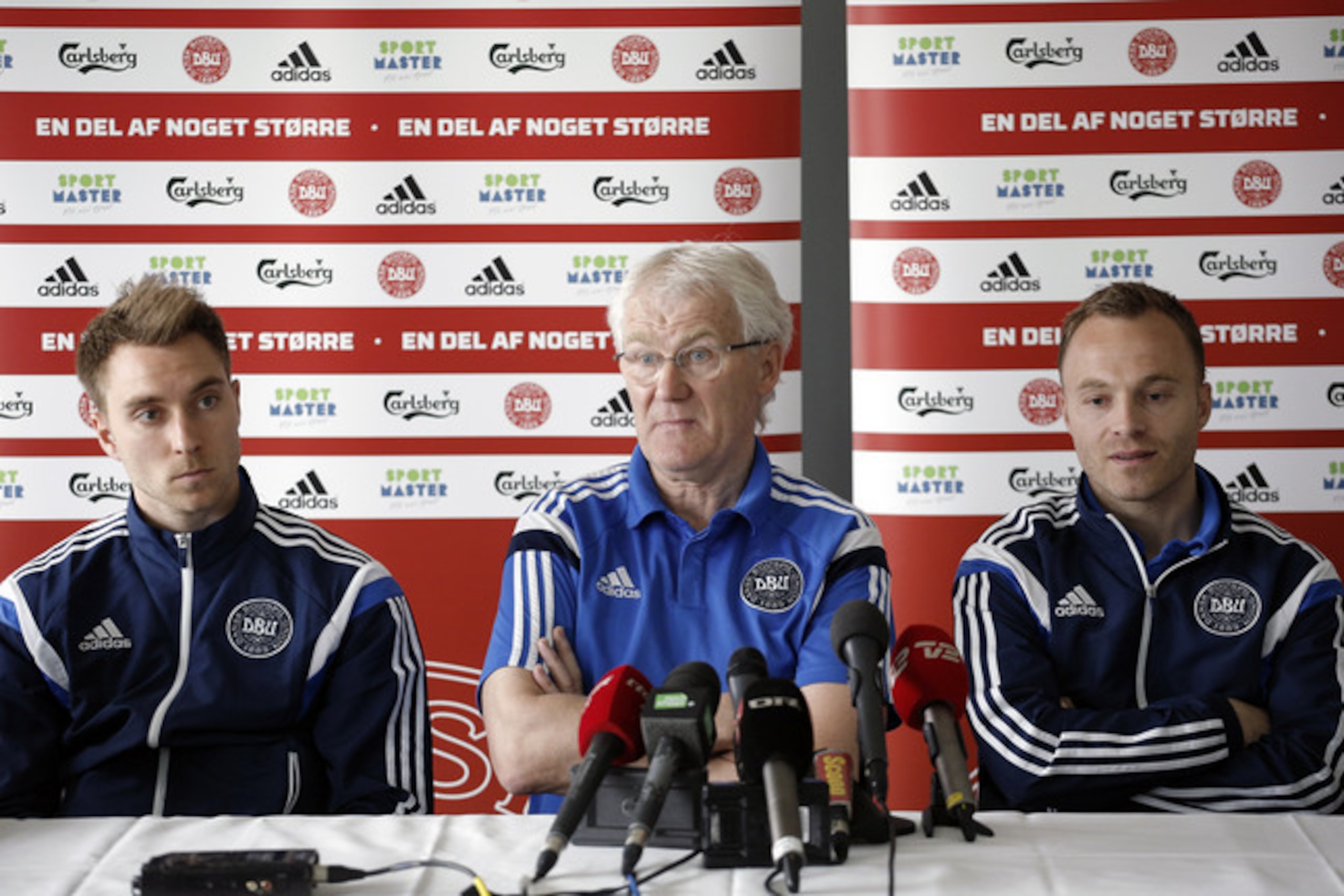


Eriksen—only 24 but well familiar with Olsen after half a decade under his tutelage—this week reflected on the strangeness of life without the veteran coach. He was slightly nostalgic but also optimistic about the new era, one that could see his role for Denmark begin to produce as effectively as club life with Tottenham Hotspur has.
"When we met up last week and he [Olsen] wasn't at the lunch table or on the training ground, it was not the same," Eriksen said, per the Scotsman's Stephen Halliday. "Obviously the training has been different as well but I believe we needed something new after the disappointment of not reaching Euro 2016."
The "new start for us, with a new manager and a new a style of play," Eriksen went on to talk about has begun brightly.
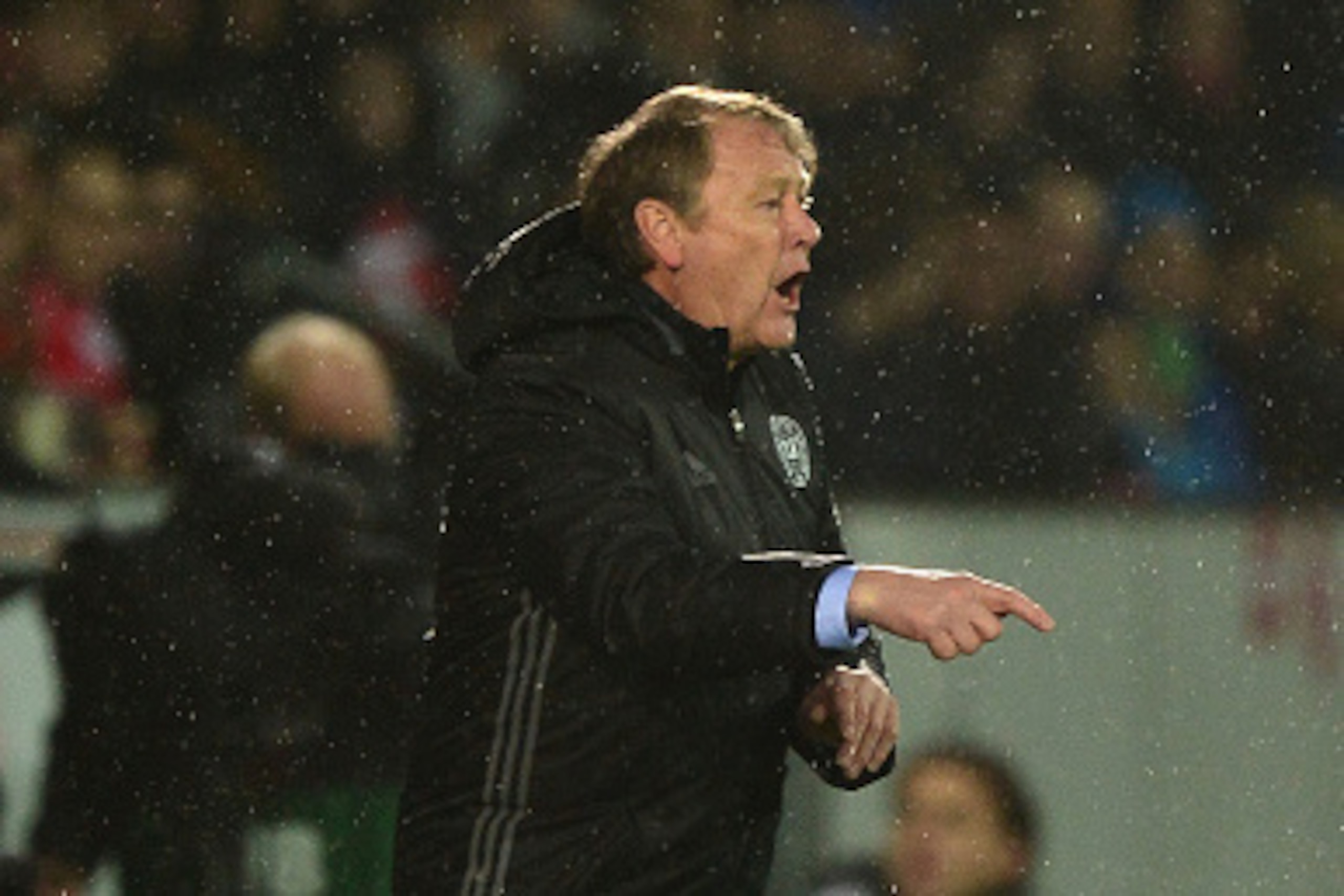
Denmark beat Iceland 2-1 last Thursday in new boss Age Hareide's first game in charge. It was a good result against a team that did qualify for this summer's tournament, and it also hinted that the Norwegian coach may be better equipped for getting more out of Eriksen.
Unlike in Olsen's final game in charge, the futile 2-2 draw against Sweden (a 4-3 aggregate loss), the majority of Denmark's attacks progressed via Eriksen.
He was again in the central role he also began that qualifier in, but here his team-mates were clearly encouraged to look for him. As opposed to against the Swedes when he was frequently bypassed in favour of balls out wide with the creation of crossing opportunities in mind.
Denmark still went down these routes, but it was Eriksen who was tasked with deciding when. Wing-backs Henrik Dalsgaard and Riza Durmisi benefited from timely switches of play as well as attempts to play them in behind the Iceland defence—one enticing through ball for the former agonisingly just missing him.
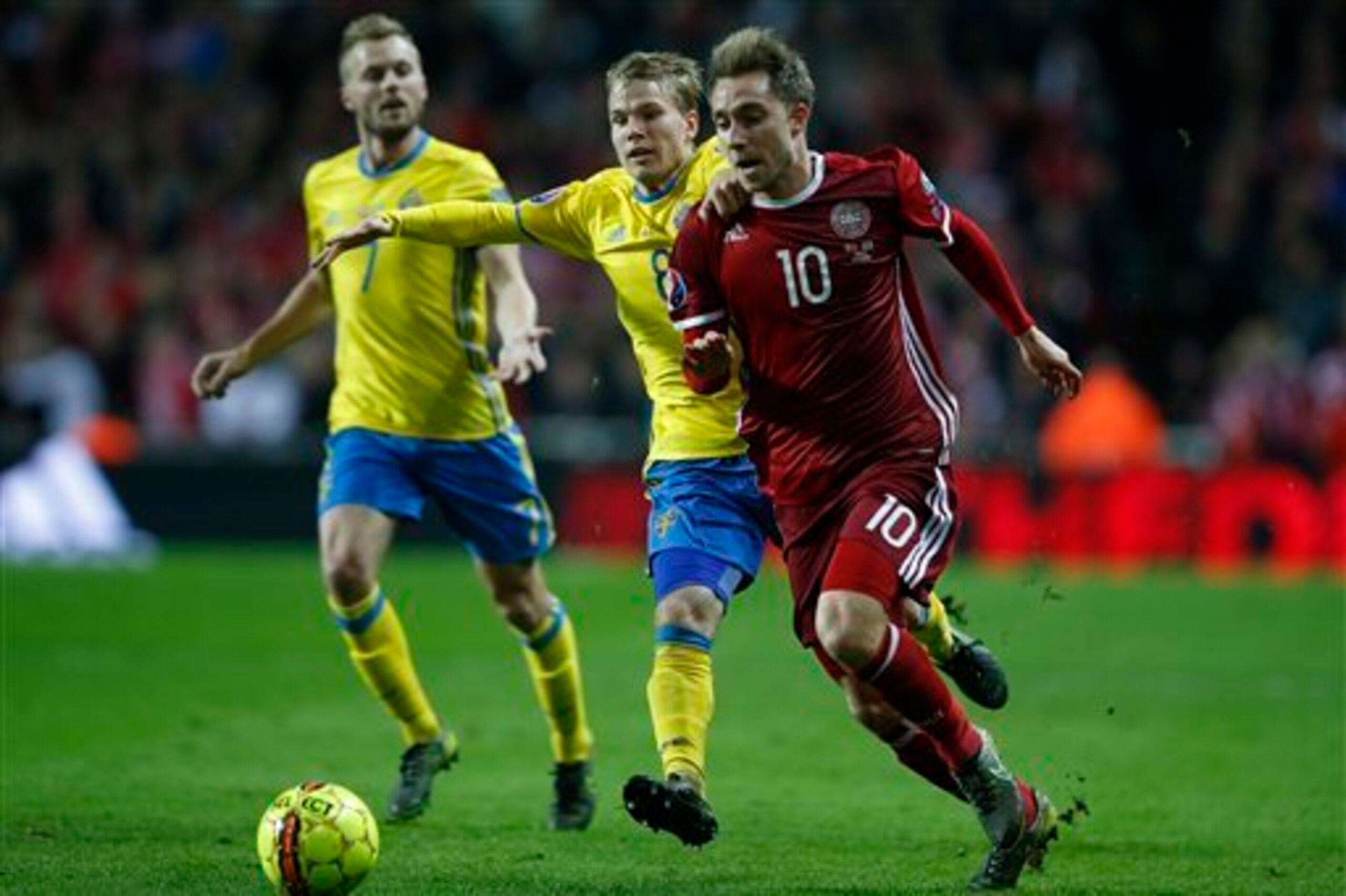
Compared to that Sweden game, or another like last summer's win over Serbia (stationed restrictively out left from the start), Denmark were much better off for getting Eriksen involved. He had been a peripheral figure in Olsen's set-up, partly out of his own timidity but also by baffling design (a strange call given the then-coach had called him out on it back in autumn 2014).
Against Iceland, Eriksen was the central pivot-point, receiving the ball deep then methodically figuring out where the away side might be exposed. The realisations of which were followed up by him upping the tempo—the wide looks as well as penetrating forward passes for team-mates like Pierre Hojbjerg—and his own increasing participation in his team's final-third pressure.
The Denmark players looked altogether more comfortable in each other's company, and it showed in the five-minute second-half salvo that won the match.
Yussuf Poulsen set up strike partner Nicolai Jorgensen for their first after his determined drive to the byline pegged Iceland back. Shortly after, he played in Eriksen after a clever turn, and the midfielder squared for the unmarked Jorgensen to net his second.
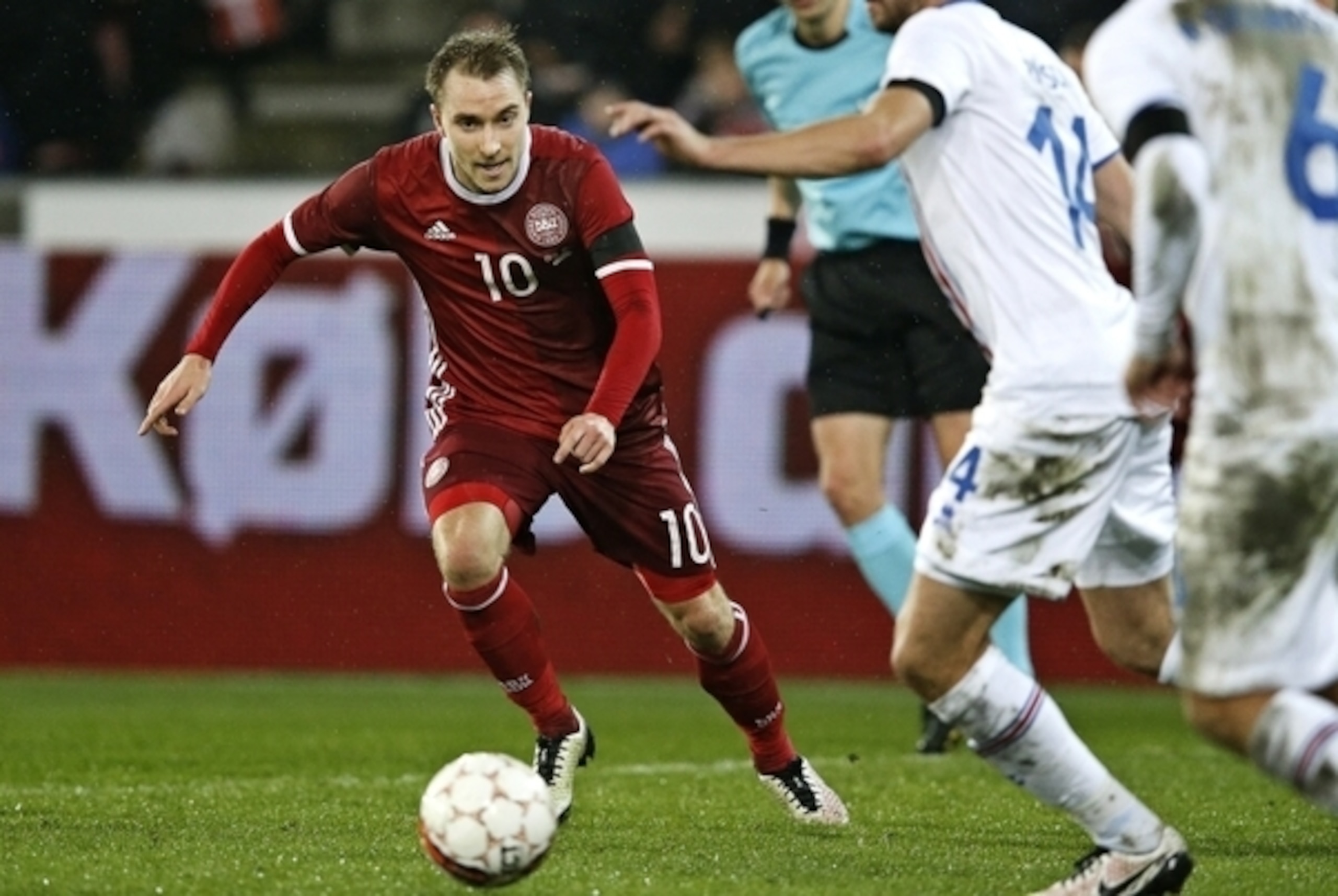
The Tottenham man was substituted soon after, but he had every right to be pleased about his part in a solid win—one that drew high praise from a national team and Premier League predecessor.
"He has certainly not hit the heights for the Danish team," 1992 European Championships winner Brian Laudrup told BBC Sport. "But he certainly showed against Iceland he was back to his best, playing one of his best games for the Danish national team in years."
Ironically, this seeming refocusing of Eriksen as Denmark's main playmaker (the next test of which is/was their next friendly away at Scotland on Tuesday) is coming at a time his level of influence in north London is changing.
After two seasons in which Eriksen had predominantly operated as the linchpin of Spurs' attacking midfield, the emergence of Dele Alli—backed up by the resurgent Mousa Dembele—has lessened the creative burden on him.

With the swashbuckling Alli and Dembele driving the team on centrally, Eriksen is being deployed in a nominal wide role. Yet, rather than consigning him to the margins, it is allowing him to operate with a freedom that aids Spurs' movement and flexibility while not diminishing his production.
His eight Premier League assists are only bettered by Alli, per WhoScored.com, while his 3.3 key passes per game is a team-best. His winner away at Manchester City and his rebound goal against Bournemouth highlighted his threat if left unchecked.
It makes sense.
At Tottenham, there are others who can pitch in with shaping the team's play. For Denmark, Eriksen is clearly the best at leading the design.
"I think with this new system, with the way Mr Hareide sets out his team up, he would like to give Christian Eriksen as much freedom as possible," Laudrup noted. "You will see other players playing in midfield trying to do all the hard work, all the dirty work and let Christian Eriksen do what he is best at."

Eriksen is more of a passenger when it comes to participation in Denmark's defensive work than he is Tottenham's. The latter's boss, Mauricio Pochettino, requires more for his collective-minded, front-foot style.
In the past, this was a criticism that could also be used to hit his attacking contributions at international level. There are encouraging signs the future may be altogether more positive.

.jpg?w=2560 "Dak to Stroud: Get Some Wins 💯")
.jpg?w=2560 "5 NFL Players Getting Trade Buzz")