Charting the Differing Paths of Manchester United and City Since Sir Alex Left
When Sir Alex Ferguson left Manchester United in 2013, he did so having wrested back the Premier League title from Manchester City.
This was a big deal, given Manchester's less successful club had roared to prominence, winning their first league title in 44 years in 2011/12, turbo-charged by the vast wealth of their owners.

TOP NEWS

Pep's Message to Man City Fans 🫂

Man City Inflated $1B+ Profits 🤯

USMNT Wins Again as it Drops Chile 4-2 🇺🇸
Sir Alex's side had blown the league that season, throwing away an eight-point lead with six games left to play. City had capitalised, keeping their heads and keeping the pressure on, eventually winning the title in the most exciting way imaginable.
More than a decade after 1999, United fans were on the receiving end of a turnaround as dramatic as their UEFA Champions League win had been.
Sir Alex set out his stall in an inspirational speech at United's end-of-season awards that followed. "I'm a dinosaur. I'm an absolute dinosaur. But what I am, I'm a winner," he said, per the Manchester Evening News, and rarely had words been filled with such obvious authenticity and truth.
It was a moment to make the hairs of United fans stand up on the backs of their necks. He spoke with such conviction, it was very easy to buy in.
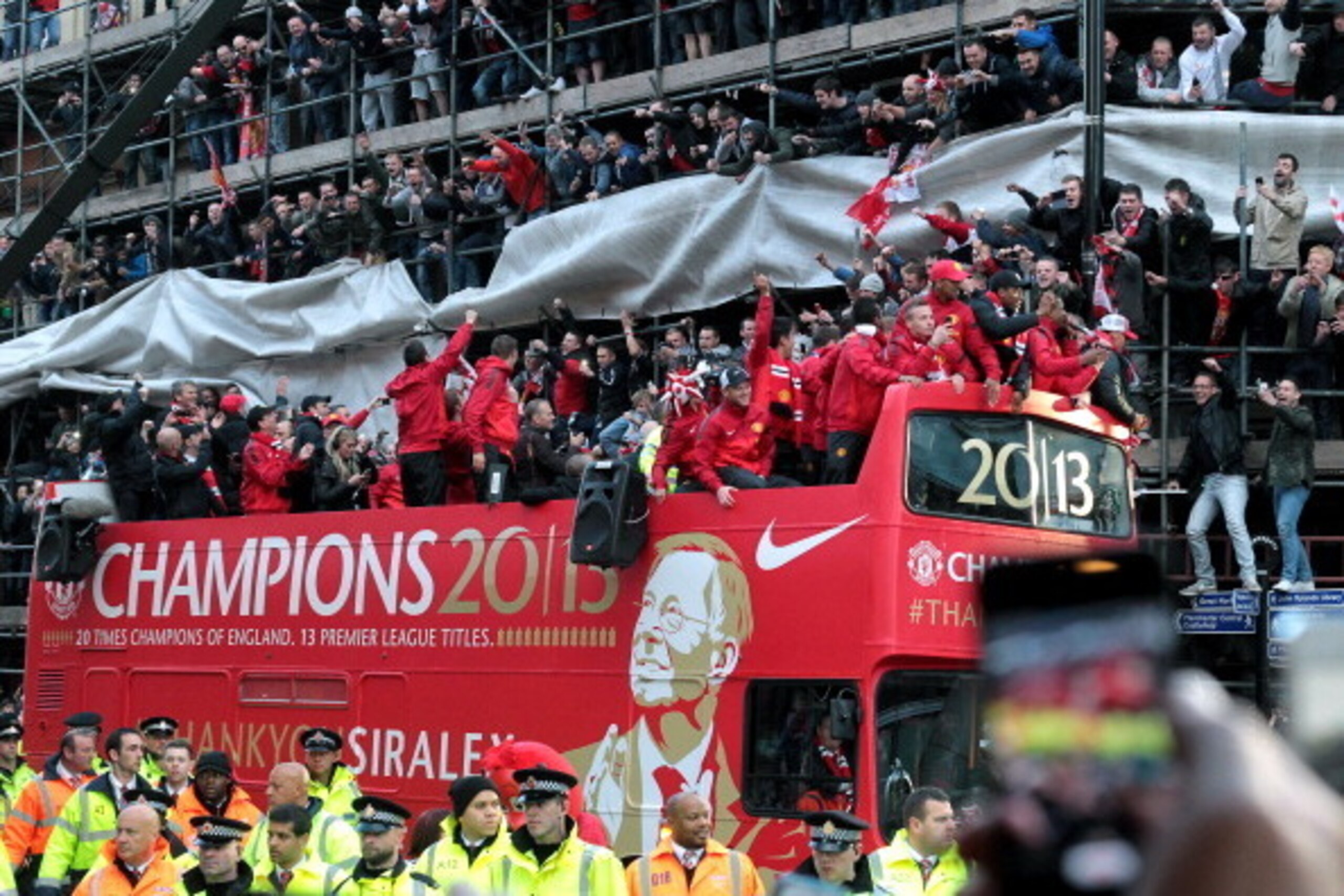
Then in came Robin van Persie, and Sir Alex's assertion was proven absolutely accurate. United won the league at a canter in his final season—his last triumph in a career filled with them. The open-top bus parade of that league title saw Manchester painted red, as fans in their thousands turned out to celebrate the title and thank their legendary manager.
And then he left, and United completely fell apart.
City, having replaced Roberto Mancini with Manuel Pellegrini—ensuring one last managerial competitor was seen off by Fergie—capitalised by winning the league. It looked then as if the two clubs were on an opposite trajectory. City, emboldened by United's collapse, would surely go on to dominate...
They have not won the title since, and they themselves are on the verge of beginning a new chapter, just as United presumably will given Louis van Gaal's dismal performance. Let's take a detailed look at what has happened to the Manchester clubs since Fergie called it a day.
David Moyes was a terrible choice to replace Sir Alex. Pundits and writers claimed he was "cut from the same cloth"—Dominic King in the Daily Mail, for example, but there are many more. Those claims tended to be based on geography rather than footballing success, though.
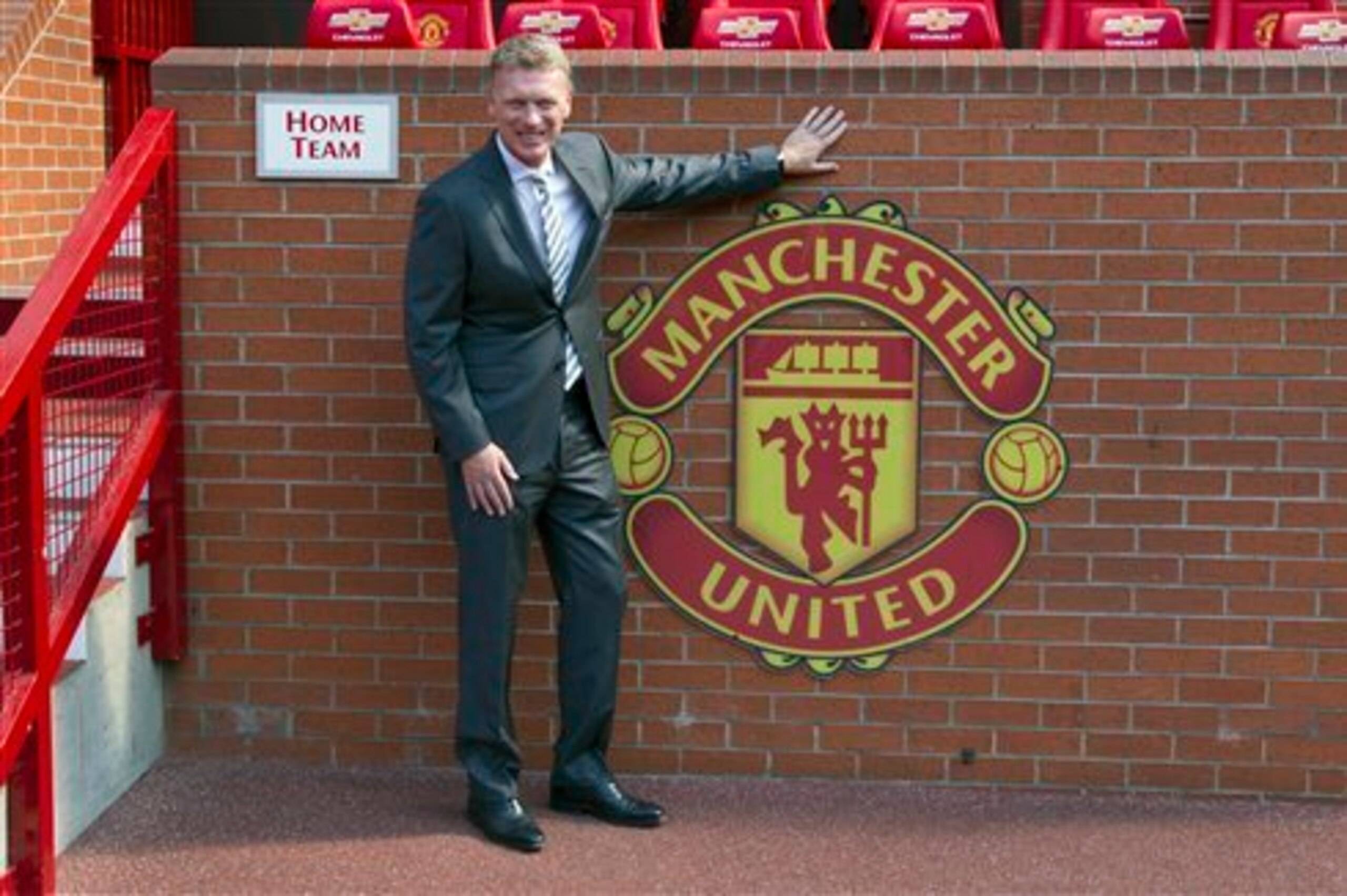
Ferguson, a serial winner long before he arrived at United, had winning in his veins. Moyes' grandest achievements were winning the third tier of English football with Preston North End and occasionally enabling Everton to finish slightly higher up the table than expected.
Meanwhile, no one was claiming Pellegrini was cut from the same cloth as Mancini. The latter a combustible, fiery character—who had been through a high-profile falling out with Carlos Tevez, for example—and the former a calm, dignified manager, popular with his players.
Pellegrini got off to a shaky start. Dominant at home, the Sky Blues struggled on the road, losing to Cardiff City, drawing 0-0 with Stoke City and losing to Aston Villa in their first three away fixtures.
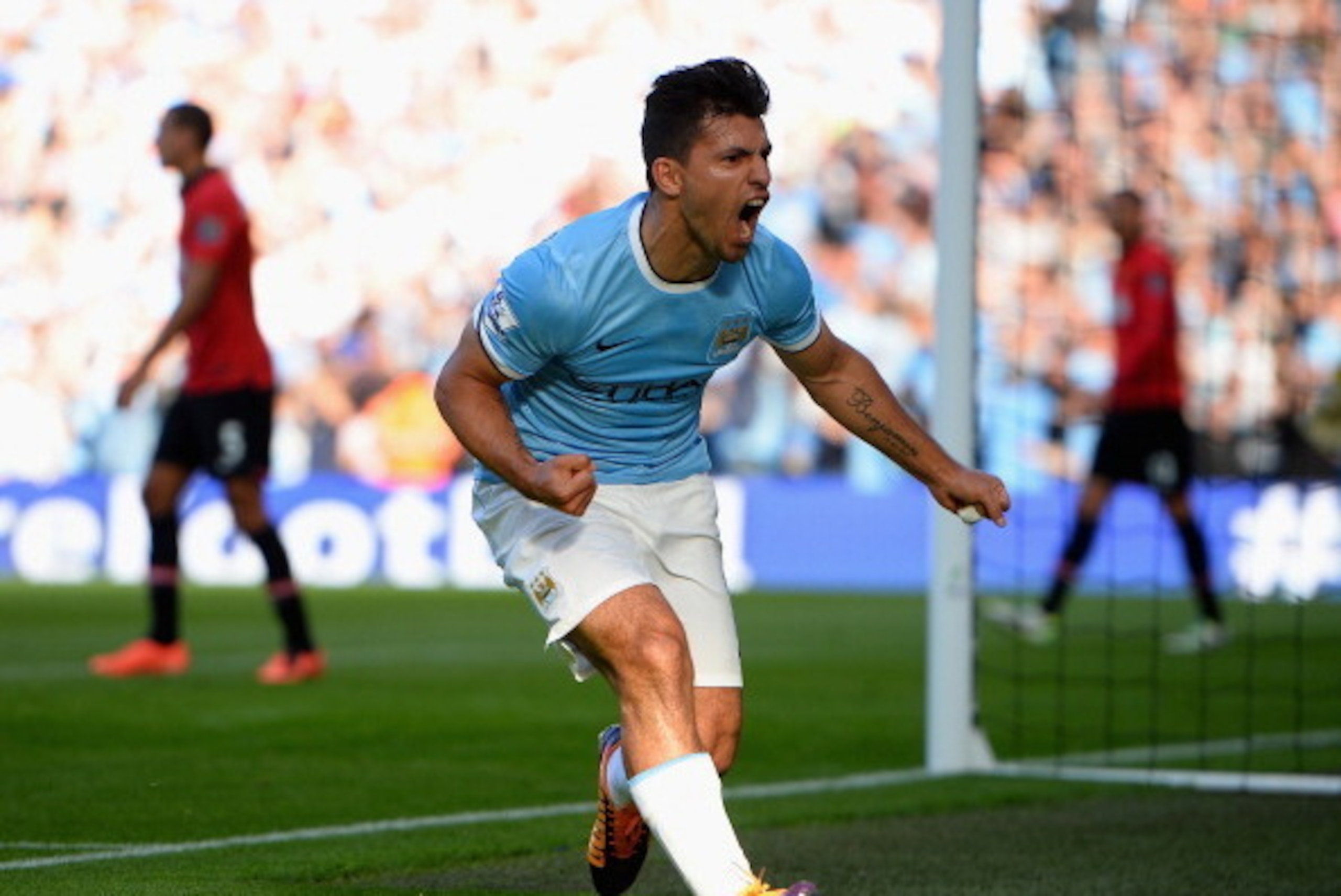
In between the Stoke and Villa games, though, came the first post-Sir Alex Manchester derby. The derby had been increasingly uncomfortable for the Red Devils in Fergie's later years. In 2011/12 came the infamous 6-1 Old Trafford loss and the 1-0 loss at the Etihad that had signalled the shift in momentum in the run-in.
Robin van Persie's dramatic late winner at the Etihad in 2012/13 was a symbol of United's season, but that seemed a distant memory by the time Pellegrini's side turned Moyes' over 4-1. United were outclassed, barely putting up a fight, and by the time the season was done had lost their ties with City by an aggregate total of 7-1.
Tevez had left by this point and City had brought in Martin Demichelis, Alvaro Negredo, Stevan Jovetic and Jesus Navas in the summer. They were still clearly looking to build an elite squad, but none of those signings has been an unqualified success.
United, on the other hand, had brought in only Marouane Fellaini in the summer. They added Juan Mata in January, but the sense that they were slipping further behind their rivals was clearly felt.
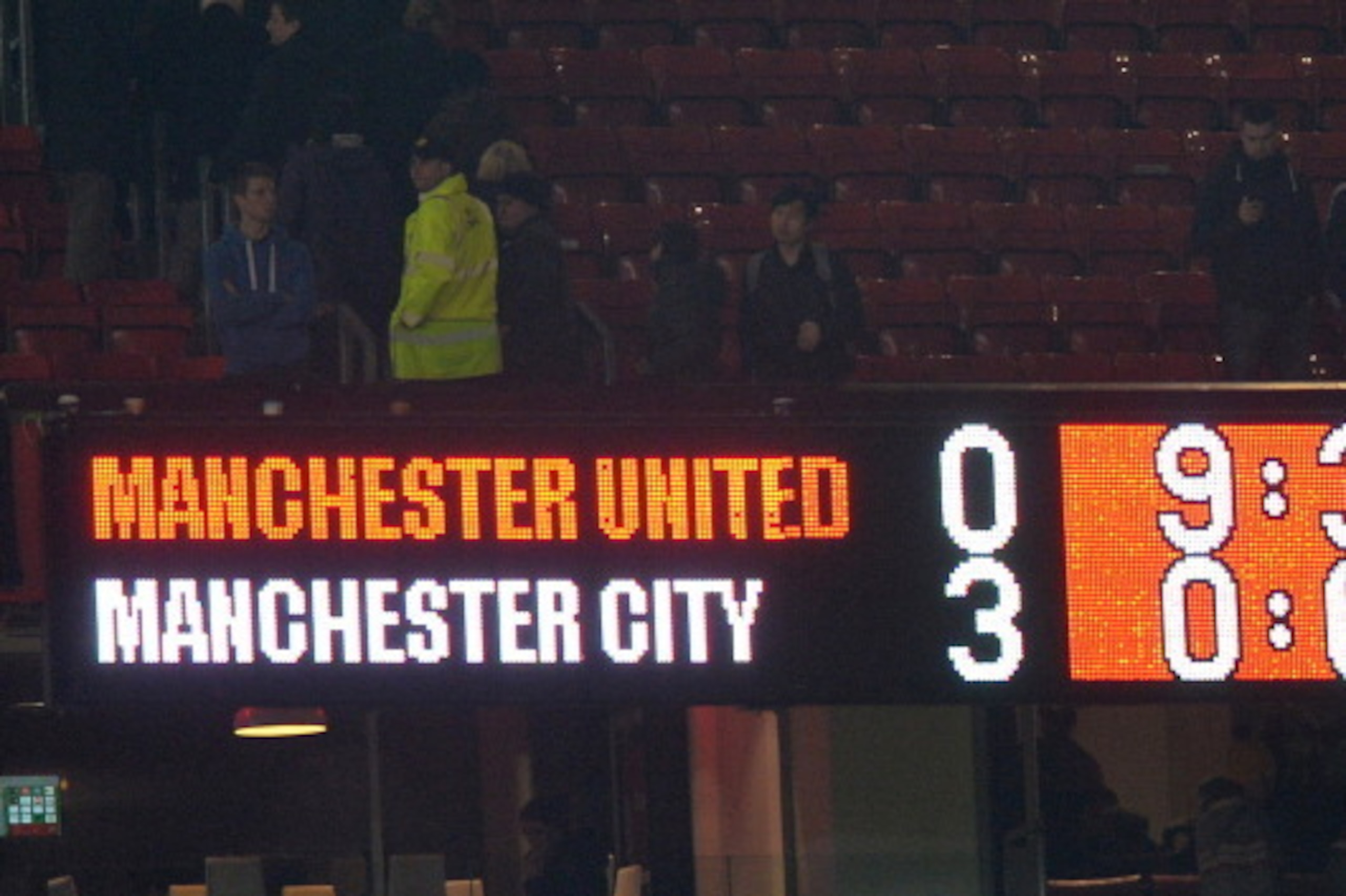
The Old Trafford edition of the derby that season was an absolute capitulation from United. In truth, while that obviously hurt, by that point it had become abundantly evident that Moyes' tenure was a failure. They had lost 3-0 to Liverpool at Old Trafford two short weeks earlier and the City loss felt par for the course.
City had not exactly dominated the season as a whole, in spite of eventually winning the league. After the second week of the season, it had taken them until matchday 19 to get back to the summit.
They bounced back and forth between first and second until matchday 24 when they lost the top spot, not getting it back until matchday 36—they were not unseated again.

In truth, while seeing City win the league was a little painful for United fans, particularly given the season they had just witnessed, it was not the nightmare scenario. City were legitimate rivals, they would clearly be part of the Premier League title race for many years to come.
No, the nightmare scenario was that Sir Alex's retirement had emboldened the real enemy—Liverpool. Seeing the team whose dominance had been replaced by United immediately regaining power upon Fergie's retirement would have been too much to take.
United finished the season seventh, chastened and bowed, but there was hope. City may have won the league, but they were not altogether impressive, and Moyes was out. In his place would come United's saviour, the man perfectly equipped to pick the staggered giant off its knees and getting it punching its weight again—Louis van Gaal!
Okay, so history has shown it was a false dawn, but there was a time when Van Gaal's arrival felt like a much-needed tonic. United were very active in the summer transfer window, bringing in Angel Di Maria and Radamel Falcao among others. Here were signings that made a bold statement about the relative merits of the two Manchester clubs.
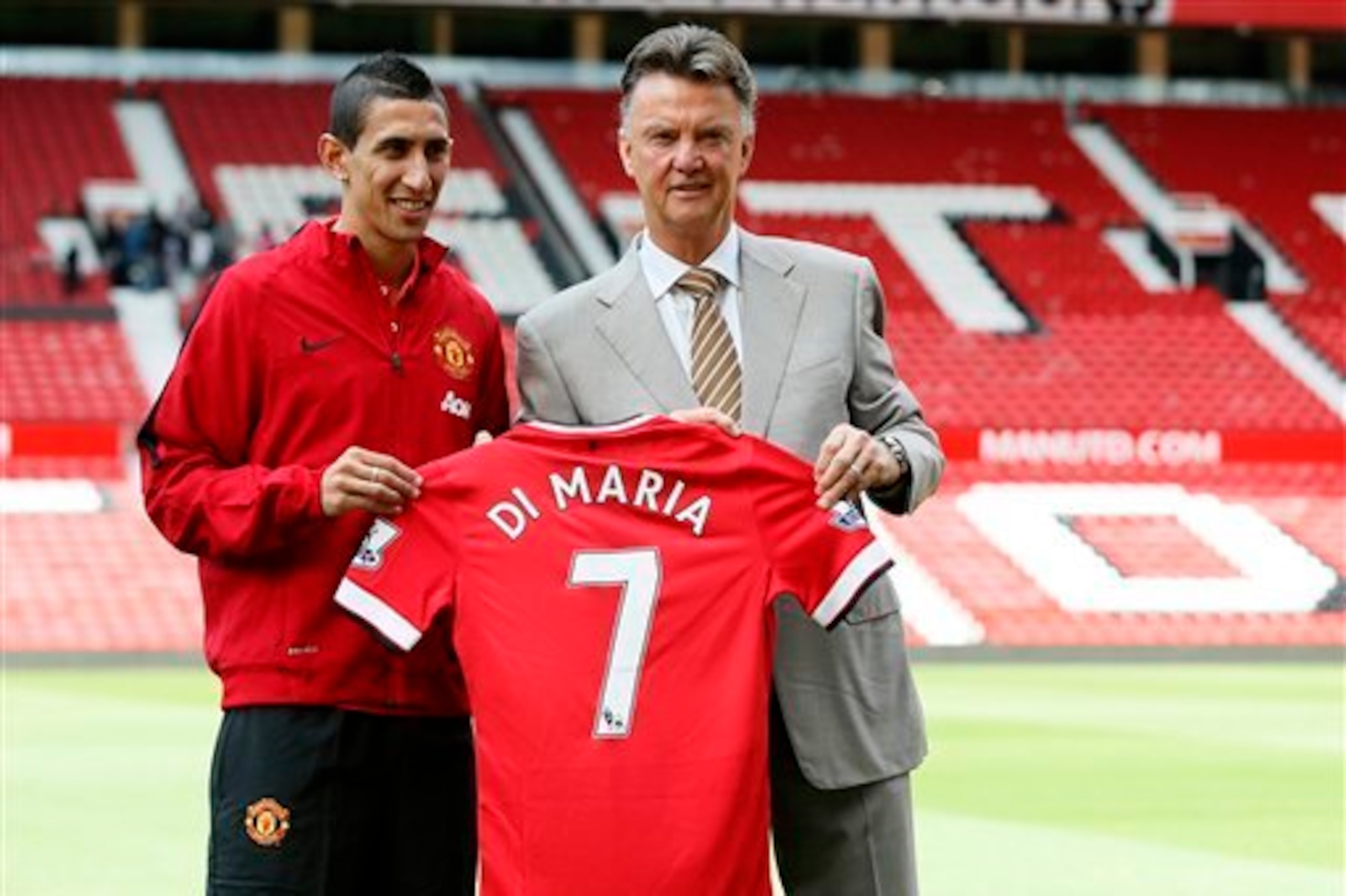
City had brought in Eliaquim Mangala, a promising centre-back with a huge fee attached—£32 million per Soccerbase. Fernando and Bacary Sagna also arrived, but it was hardly a summer of glamour signings.
The season was kind of a mess for City, in truth. Jose Mourinho's Chelsea were the front-runners for the vast majority of the campaign and finished eight points clear of the Sky Blues. The Citizens had kept pace for the first half of the campaign but failed to win eight of the 19 games they played following the turn of the year.
One of the games they lost was, of course, the Old Trafford leg of the Manchester derby. Although 12 April, 2015 is less than a year ago at the time of writing, it feels like a bygone era. United's dominance that day was near total.
They had gone behind to an early goal—as they had done the season before—but their reaction was markedly different. After a fortunate bounce of the ball allowed Ashley Young to equalise, the Red Devils played some of the best football they had done since Ferguson left to win 4-2.
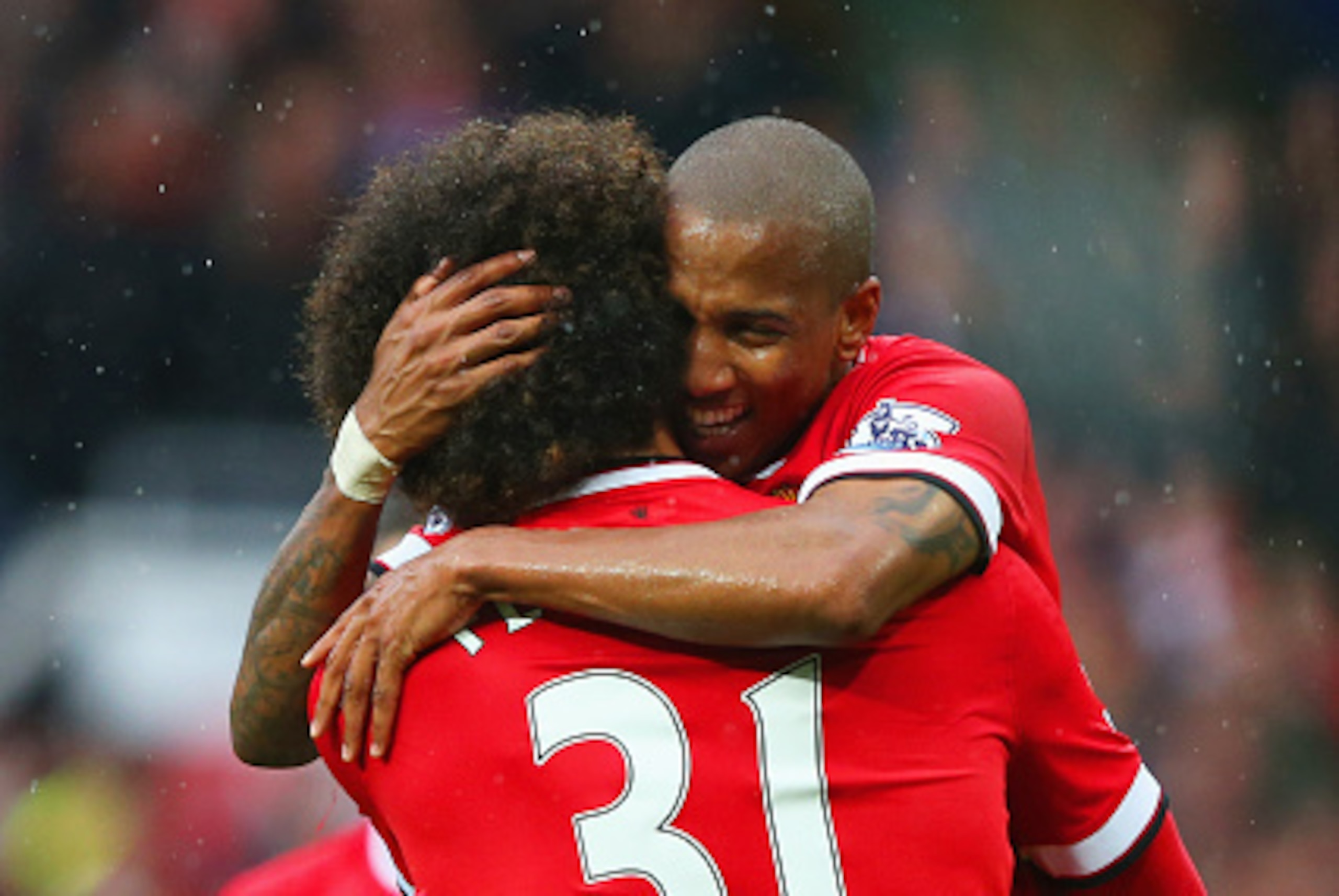
This was the last of the run of four fixtures that had seen them find themselves again, beating Tottenham Hotspur, Liverpool and Aston Villa in style. At the end of that game, United looked in with a definite shout at if not the title, then at least overhauling City and Arsenal and finishing second.
They won just one more game that season—a scrappy 2-1 victory at Crystal Palace. City, on the other hand, won their final six games of the season, ensuring they comfortably held on to second place. Presumably their intention was to build on that the next season.
While the 2014/15 season may have been worse for United than this season—though time will tell whether that proves to be the case in terms of where the clubs finish—2015/16 has certainly been the cumulatively worst season for the Manchester clubs of the three since Sir Alex left.
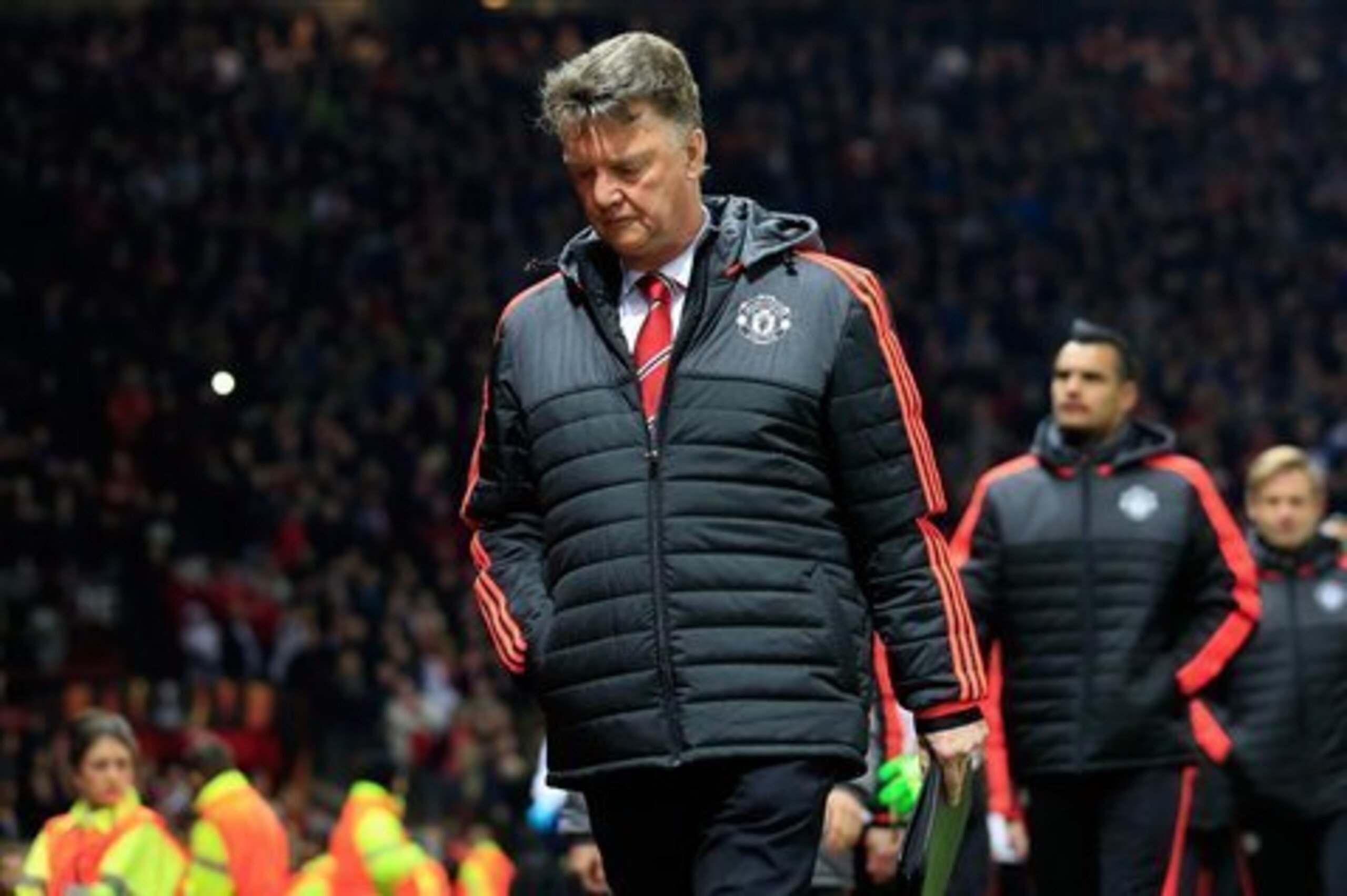
United are a shambles, but in truth, City are not all that much better off—indeed they have only earned four more points in the league, which is remarkable given how inconsistent United have been.
Instead of building on their strong end to last season, City have stumbled. It would be tempting to put this down to the club's confirmation that Pep Guardiola will be taking over in the summer. However, the instability began long before that confirmation was in place.
After winning the first five league games of the season, City have played 24 times, losing eight and drawing six, including 0-0 draws with Aston Villa and Norwich City on the road.

Five of those losses came before the Guardiola news was made public on February 1.
United's troubles have been well-documented, and Sunday's derby represents their last real chance to salvage their league season. A win would narrow the gap on City, but even if they do win, it is hard to imagine them sustaining enough consistency to capitalise.
Both clubs are presumably deeply disappointed with what should have been a much better campaign.
The future
This derby arrives at something of a crossroads. City's direction is clear. They have invested heavily in youth development and they have appointed Guardiola, the hottest property in football management.
"EXCLUSIVE: Manchester City want to sell captain Vincent Kompany once Pep Guardiola arriveshttps://t.co/wtDPzECzot pic.twitter.com/Q9qmtikWDO
— Football News™⚽️ (@fcb10Msn) March 18, 2016"
There is a lot of work to be done both in terms of the first-team squad and in bringing through those youngsters, but the structures would seem to be in place to enable that to happen. It is very clear that—in spite of their current, obvious on-pitch struggles—there is a plan in place.
Of course, Guardiola's history suggests he will not stick around all that long, but that same history suggests City fans are in for quite a ride while he does.
United's future is much less clear. Van Gaal has, in his defence, focused on youth, both in terms of bringing through academy players and buying players like Anthony Martial and Memphis Depay who can be an asset to United for a long time to come.
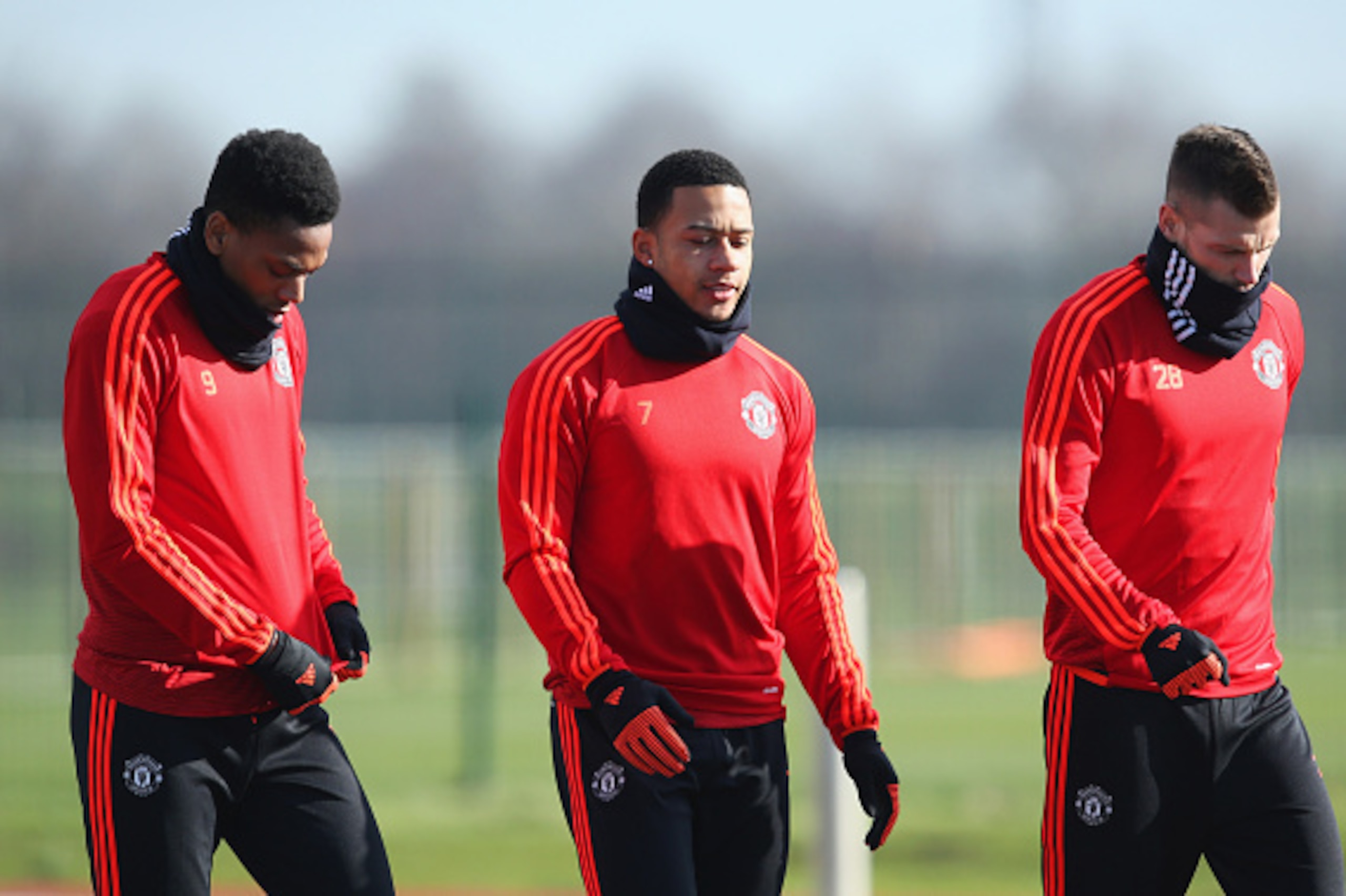
The succession plan was obvious—give Van Gaal three seasons to rebuild the squad and drill them into shape, all the while developing Ryan Giggs for the top job.
However, that has obviously not gone to plan. Van Gaal's second season in charge has been a disaster while his first was not exactly an unadulterated triumph. Giggs has been tarnished by association, and it would seem an enormous risk to gamble on putting him in sole charge.
Many United fans want a proven winner—Jose Mourinho, for example—to come along to challenge City and Guardiola.
For City, the future looks bright; for United, it looks as unclear as it has done since Sir Alex retired.
Whoever the Red Devils' next manager is, there should be a focus on the structures at the club that can bring about some long-term stability, something that has been a key part of the current City project.
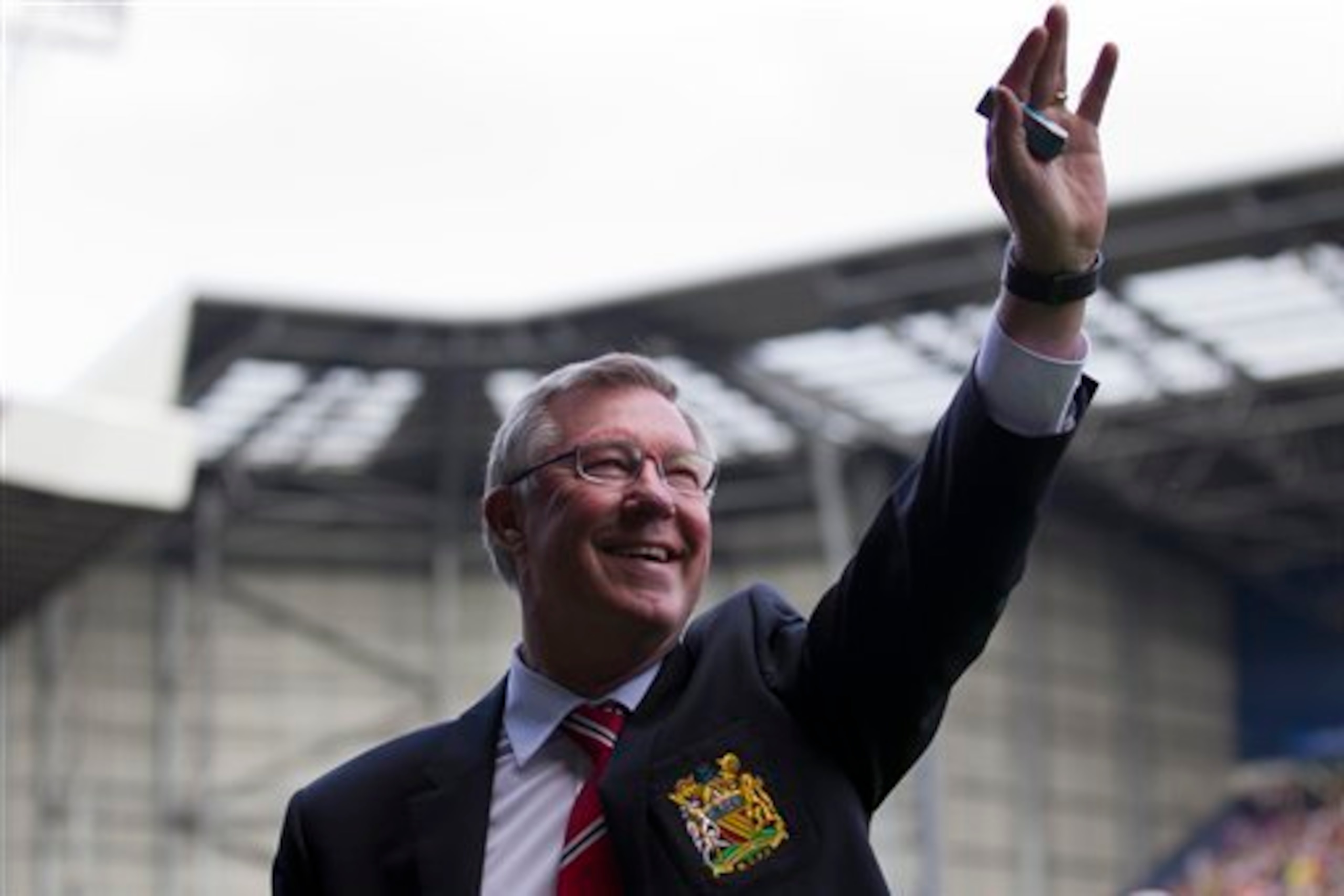
After all, there is unlikely to be another Sir Alex Ferguson arriving any time soon.
Custom table data per Statto.com.
.jpg?w=2560 "Packers WR Reed Out for Season")