

Areas Where Arsenal Are Actually Worse Than Last Season
Arsenal are a better team than last season.
The notion cannot be disputed.
Before the season started, Chelsea were odds-on favourites to retain their crown. That thinking has all but evaporated. Taking their place was Manchester City, who stormed from their starting blocks but returned to the pack. The primary winners from these happenings reside in north London, specifically its red half.


.jpg?w=2560)
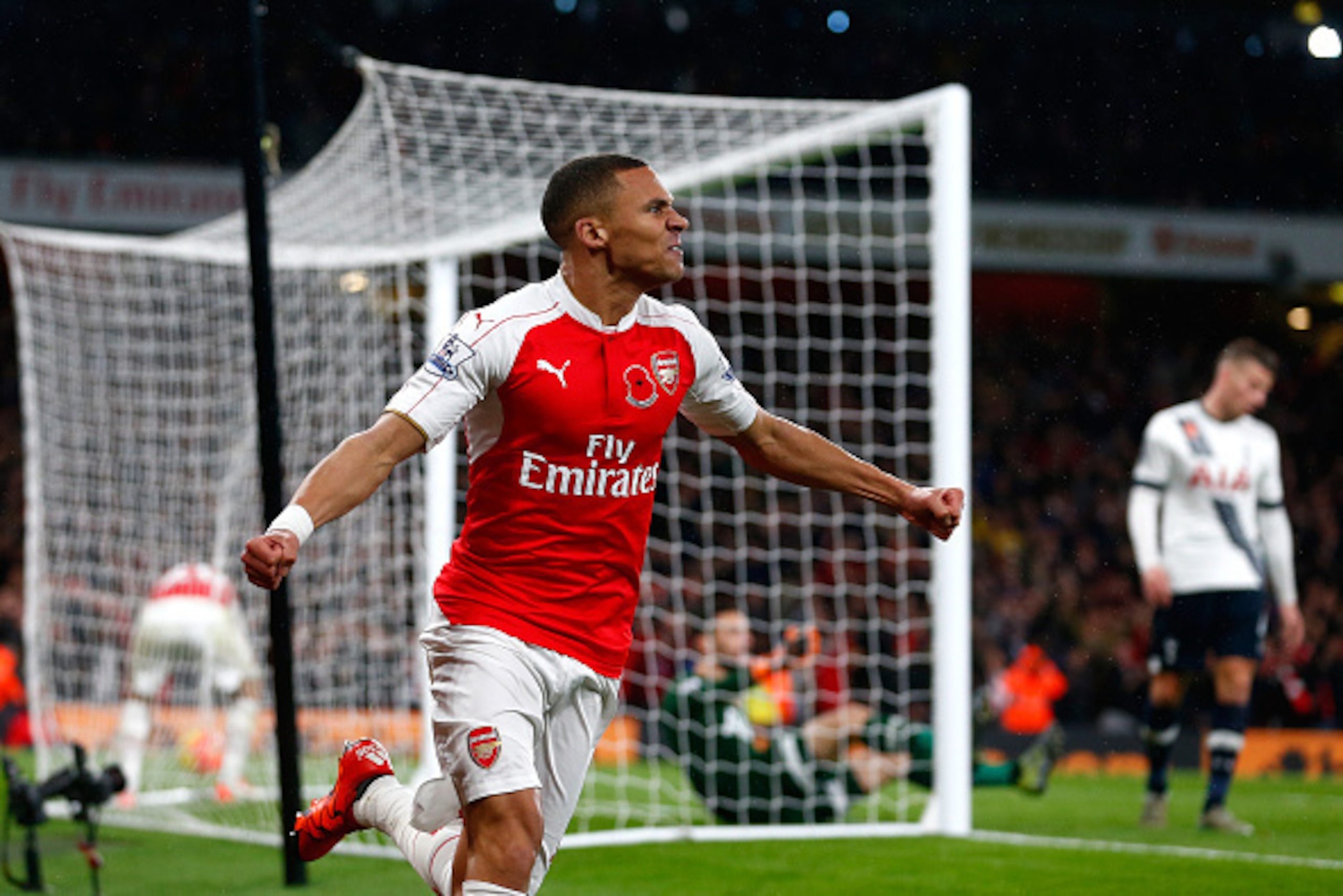
Arsene Wenger's side are outside first place by a margin of four in the goal-difference column. After a dozen matches, there appears every reason to consider the Gunners title challengers, and some might be so bold as to call them title favourites.
If critiques must be levied against Arsenal, one must look at their 3-0 loss vs. Sheffield Wednesday in the League Cup.
Last season, however, they were eliminated in the same stage—albeit vs. Premier League competition—by Southampton. Yes, this season could be considered worse, on a relative scale, but a third-round exit is still a third-round exit.
To find Arsenal's one major regression from 2014/15, we must leave England and investigate Europe.
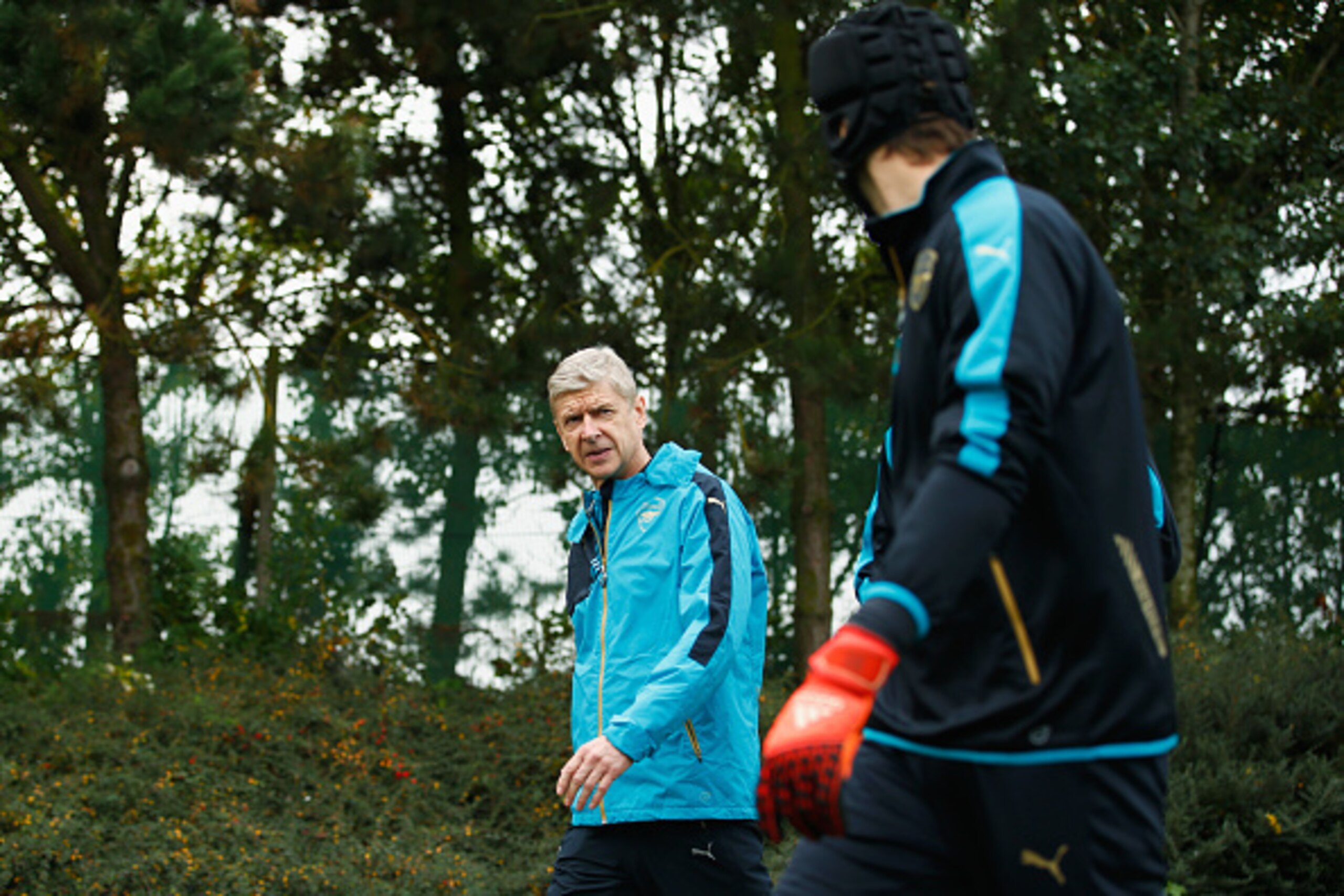
Last season, after losing their first match (post-qualification) to Borussia Dortmund at the Westfalenstadion, Wenger went unbeaten in the Champions league group stage. In a group with the aforementioned Germans, Galatasaray and Anderlecht: Arsenal won four, drew one and lost one—finishing with 13 points, placing second.
Losing away to Dortmund is understandable (as they have arguably the best home-field advantage in world football), and there was a three-goal lead that disappeared against Anderlecht at home, but barring those glitches, the campaign (pre-knockout football) was largely successful.
This season, though, the Champions League has proven exceedingly more arduous for the Gunners.
Given Dinamo Zagreb, Olympiakos and Bayern Munich in this season's group stage, Arsenal are currently flirting with Europa League football. Losing to the Croatian and Greek champions in the opening matches, then splitting wins with the defending German champions, Wenger's three-point haul from four matches is a considerable decline from 2014/15's output.
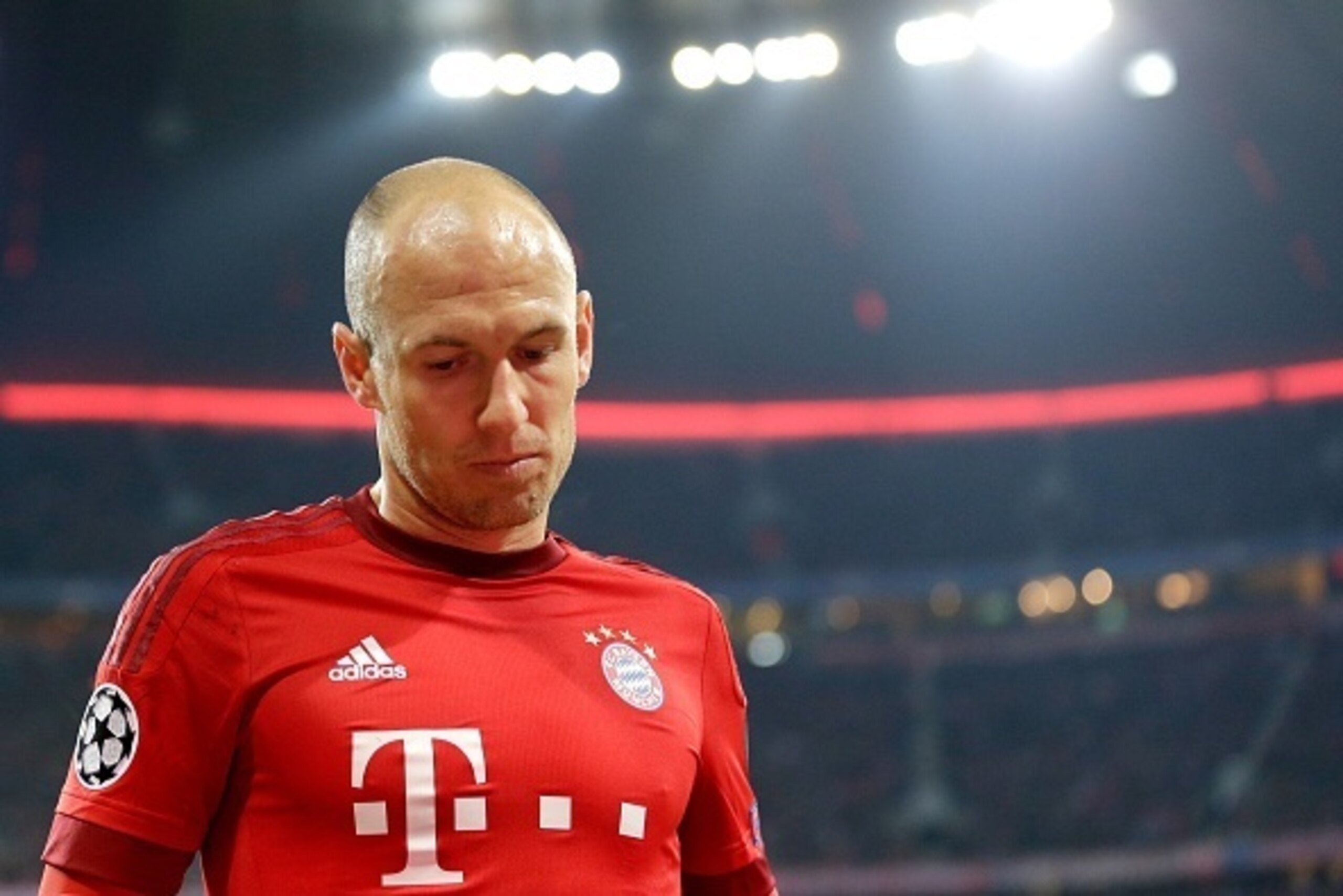
A handful of Arsenal supporters might suggest their French manager has prioritised the Premier League over all other competitions, therefore issuing weakened sides vs. Zagreb and Olympiakos. Wenger has not won the league since 2003/04 and likely views England's title race as wide open.
If resting players for EPL matches wins his club the title, one can be confident in saying his fanbase will not revolt.
Arsenal were also better in the transfer market last season. Being the only club in major European football who did not buy an outfield player this summer, the north Londoners have proven that fact irrelevant to date, but games will come in a hurry after the season's third international break.
Last year the likes of Alexis Sanchez, Calum Chambers and Gabriel Paulista arrived at the Emirates, giving Arsenal much-needed squad depth. This year, invariably suffering from an injury plague, outfield reinforcements are required but limited.

The January transfer window is an awkward, inauspicious time to acquire players (see Kim Kallstrom), as they have the capacity of going sideways without notice. Wenger signing marquee names in the winter has never been his modus operandi, so expecting him to change in 2016 is folly.
Were Arsenal to avoid playing Europa League football this season—as the Thursday-Sunday schedule would place their already beleaguered squad under further pressure—they have placed themselves in fantastic position to push for the Premier League.
Wenger has areas to improve—as there always are—but his repairs are not as dire as others across England's top flight, which bodes well heading into the holiday schedule and beyond.
*Stats via WhoScored.com; transfer fees via Soccerbase where not noted.

.jpg?w=2560 "Viral Rams Coach Vid 🖕")


.jpg?w=2560 "Injury-stricken Seahawks signing veteran RB")
