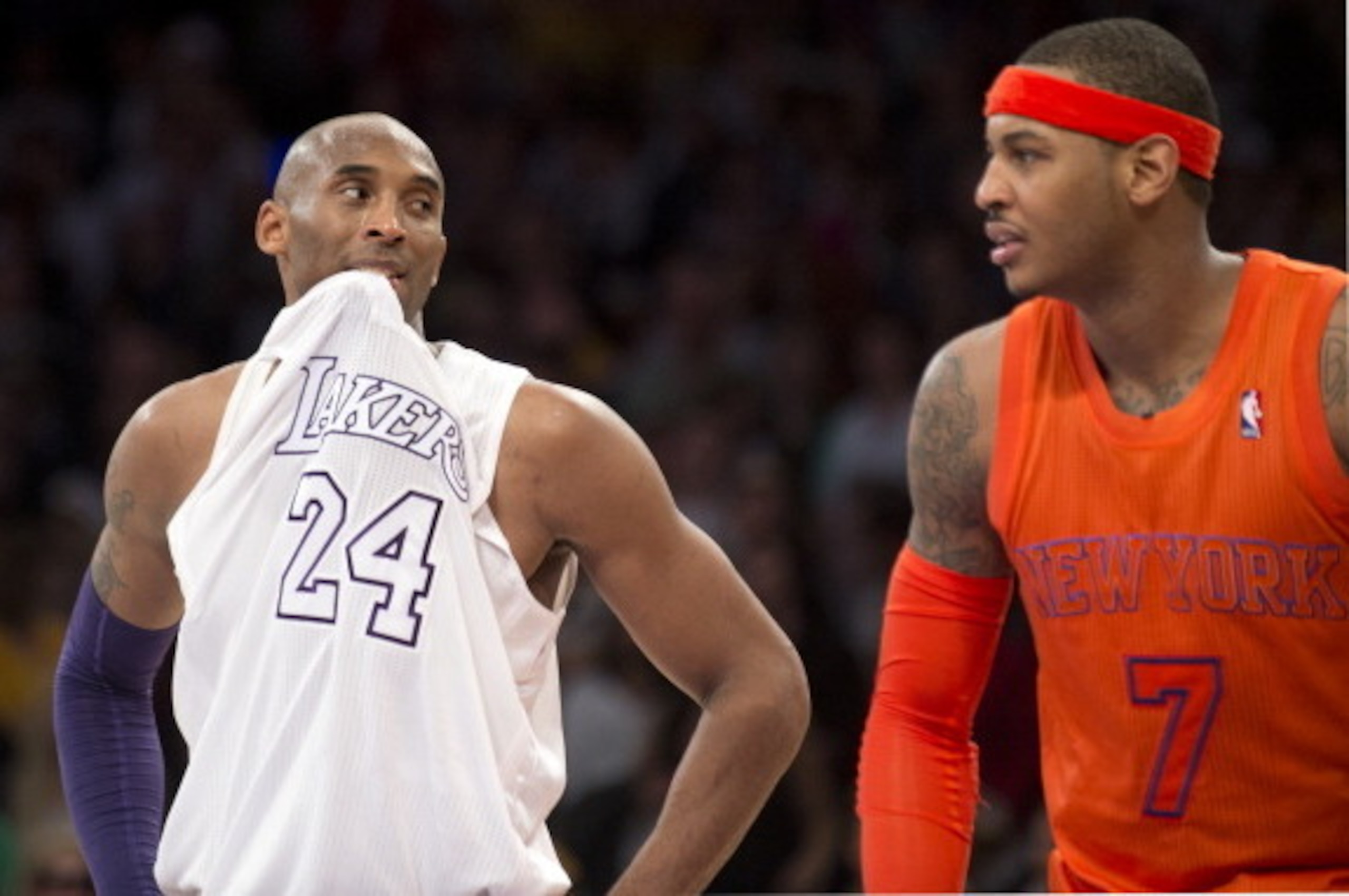

Ranking the Worst NBA Contracts Entering 2015-16 Season
Bad NBA contracts come in many forms, and there are lots of ways to define them.
One way would be to go all analytical, creating a dollar-for-unit-of-production metric that could tell us how much cash a team was shelling out per projected win share.
We'll leave that kind of math to somebody else.
Instead, we'll take more of a holistic approach, which, don't worry, will still focus on raw dollars.
In order to crack these rankings, a contract should pay a player too much money (the longer the term, the better) for the production he'll offer going forward. If the contract takes up enough cap space to significantly restrain a team's future flexibility, that'll be a factor. And if the player being overpaid somehow hurts the team in the locker room or stunts the growth of a teammate, all the better.
Well, all the worse, actually. But you get the idea.
As anyone reading about NBA contracts knows, we're in a strange salary-cap spot these days. The amount teams can spend is skyrocketing, and in two years' time, an average starter will be collecting something like $15 million per season.
That makes it hard to call any contract truly awful in this pre-cap-spike era.
Might as well try anyway.
8. The One-Year-Left Crew
1 of 8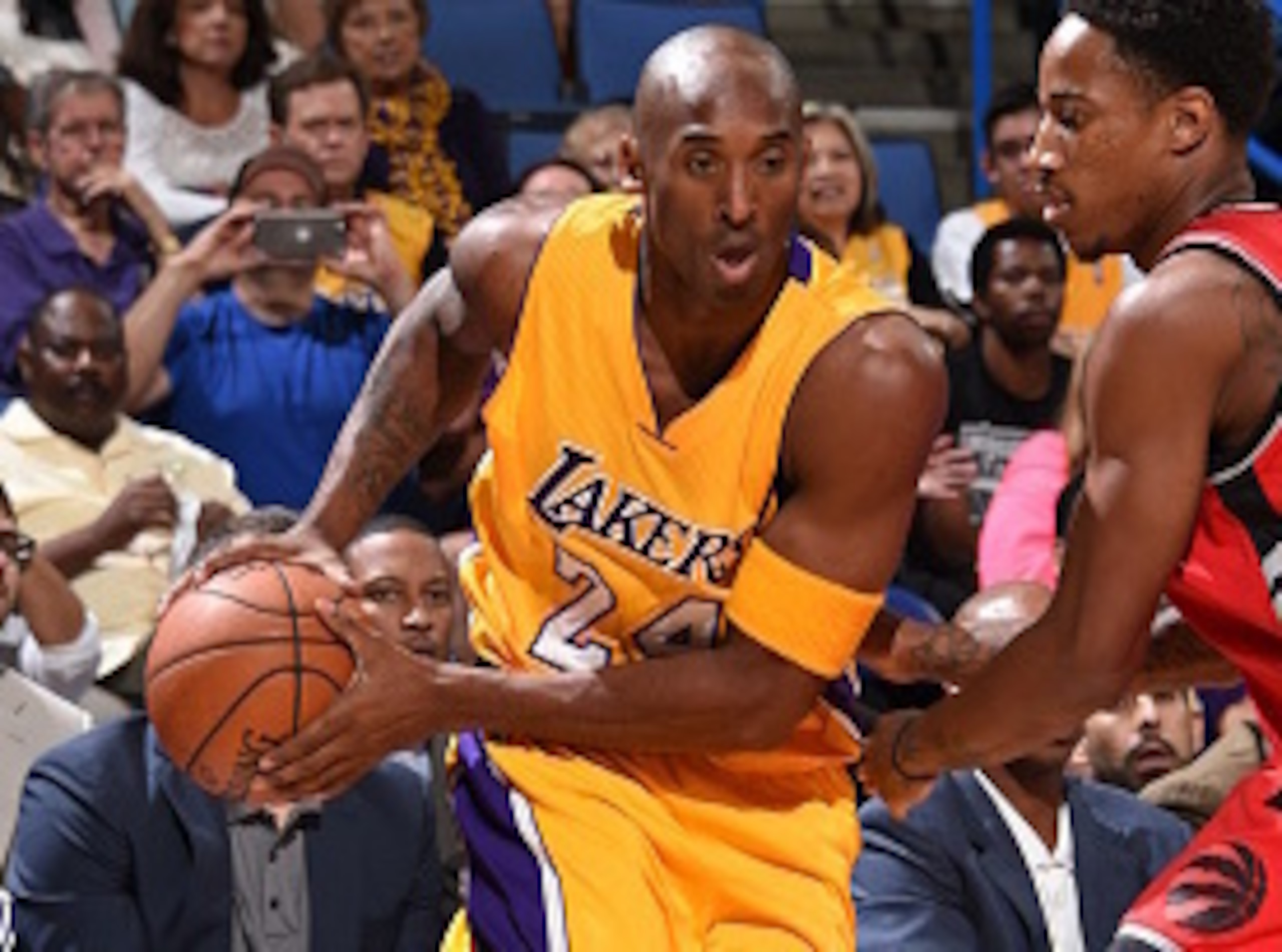
Kobe Bryant and Joe Johnson will rank first and second in player salary this season, with the former checking in at a cool $25 million and the latter a hundred grand short of that. Neither produces at a level that justifies such massive checks, but it's hard for a contract to be a true team-crippler if there's only one year left on it.
The Los Angeles Lakers can get to the business of truly rebuilding once Bryant's big bucks are off the books next summer (assuming they don't lavish him with another ridiculous deal), and the Brooklyn Nets can look to add more free-agent help once Johnson's cash isn't holding them back.
Wasting a year because of a bad contract isn't ideal, but at least it's only a year.
You could also toss David Lee, Roy Hibbert and Eric Gordon into this group, as all three will collect salaries just over $15 million in 2015-16. Those are big numbers, but not nearly as big as Bryant's or Johnson's. And considering both Lee and Hibbert were traded this offseason, their salaries clearly weren't so large as to make them major burdens to a roster.
These expiring guys get a pass.
Now, on to the albatross deals.
7. Omer Asik, New Orleans Pelicans
2 of 8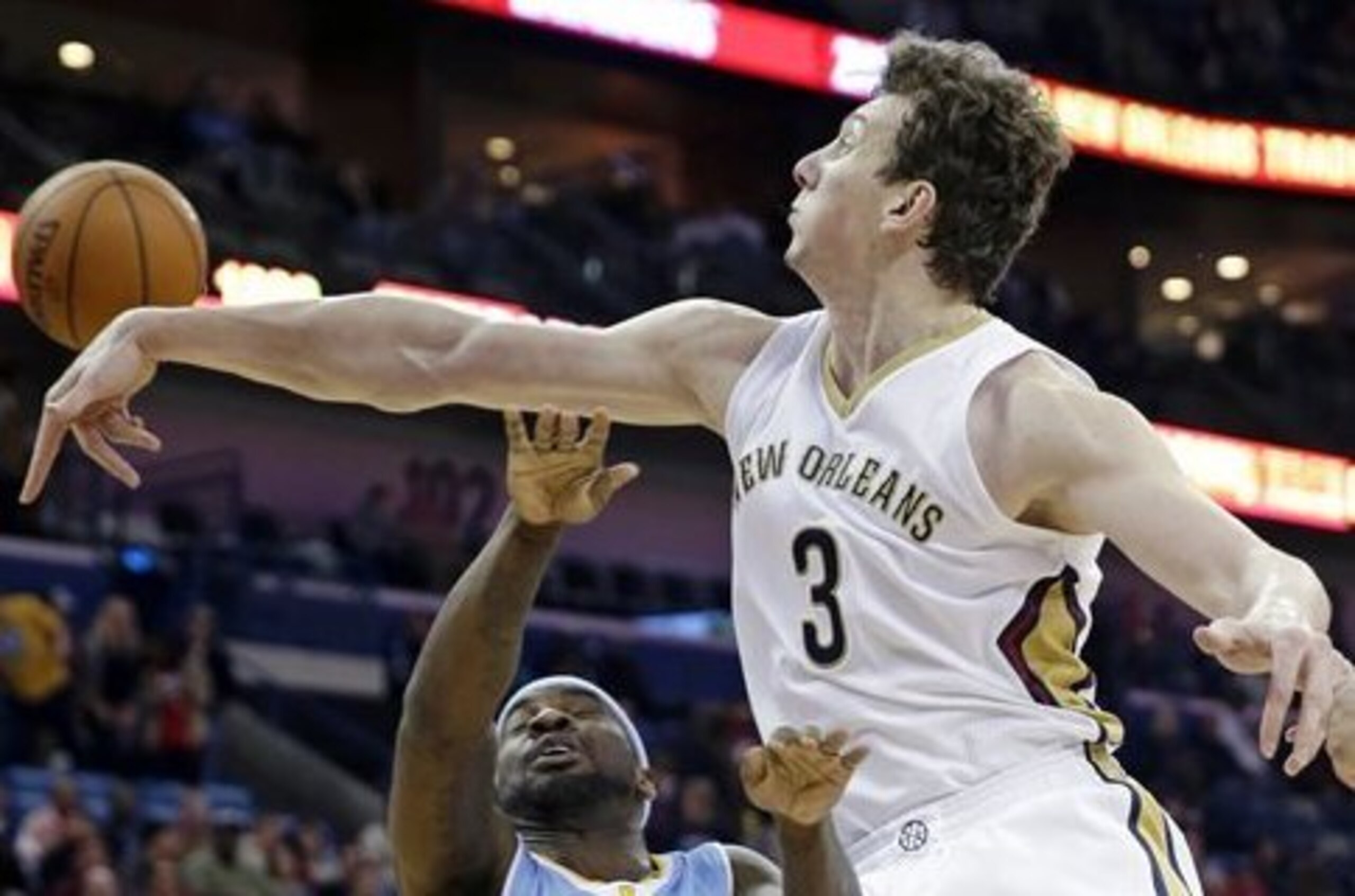
Contract: Five years, $58 million; signed July 2015
There are some tricky terms to parse out here, but if you go through the details of Omer Asik's contract, it turns out it might not be the seriously overpaid deal it looked like at first.
David Fisher of The Bird Writes broke it all down, and the relevant facts are these:
For starters, Asik is only guaranteed $44 million. He's unlikely to reach the incentives that would lead to larger payouts, and the final year of the deal is only guaranteed for $3 million. That means for the first four years of the contract, Asik will represent a cap hit of just $10.25 million per season, which would be the equivalent of $7 million under last season's cap structure.
That's a good price for a center who, when healthy, has always been a very strong rebounder and usually a useful defender.
So, how is it that Asik's deal winds up here?
One reason and one reason only: It's my personal mission to see Anthony Davis utilized as a next-generation stretch 5 as often as possible, and investing in a traditional center means the New Orleans Pelicans aren't ready to embrace the future yet.
Asik is in the way of Davis' progress—in the way of his destiny, really.
It's like the Pelicans have Michelangelo sitting right there, waiting to paint the Sistine Chapel ceiling, and they're hiding his brushes. They're banging Mozart's piano with a hammer to knock it out of tune. I mean, why on Earth would you...
This is making me emotional. Better move on.
6. Reggie Jackson, Detroit Pistons
3 of 8
Contract: Five years, $80 million; signed July 2015
Reggie Jackson is athletic, skilled with the ball and still young enough (he's 25) to take another step forward in his development as the Detroit Pistons' point guard of the future.
He performed well for head coach Stan Van Gundy down the stretch last season, averaging 17.6 points and 9.2 assists per game on 43.6 percent shooting—all of which were improvements over the numbers he put up for the Oklahoma City Thunder before Detroit snagged him in a trade.
Unfortunately, Jackson has never featured a reliable jump shot (career three-point percentage of 29.4 percent on 652 attempts), and the chilly sendoff he received from Kevin Durant last season raised questions about his locker room demeanor.
"It was pretty easy," Durant told reporters when asked about Jackson's exit. "We felt like everybody wanted to be here except for one guy. So it wasn't like everybody was going crazy at shootaround."
A guard who can't shoot and may not have been the best teammate in the past will eat up five years of hefty cash from the Pistons.
Maybe this will work out, but that's a lot of money for a player with a couple of serious question marks.


5. Derrick Rose, Chicago Bulls
4 of 8
Contract: Five years, $94 million; signed December 2011
There are two seasons and $41.4 million left on the max extension Derrick Rose signed four years ago, and the fact that those two seasons are now burdens instead of blessings shows how easily a great contract can become a terrible one.
When Rose inked this deal, he was a superstar and an MVP with enough youth to suggest he could get even better. That was in 2011, and we all know how the ensuing seasons played out.
Now, Rose is one of the league's least efficient shooters (40.5 percent from the field and 28 percent from long range in 2014-15), and his ability to get to the foul line is mostly gone. He attempted just 3.7 free throws per game last year, just better than half of what he averaged at his MVP peak.
Rose can still do a few things well, but his poor shooting alone makes his contract a massive overpay.
The Chicago Bulls belong to Jimmy Butler now, and the team's new superstar isn't jazzed about the work habits of its old one.
According to Joe Cowley of the Chicago Sun-Times:
"According to the source, Butler considers Rose a friend, but "doesn't have a lot of respect for his work ethic." In Butler's mind, Rose was considered the face of the franchise, and if the face of the franchise wasn't busting his butt in practice every day, especially last season, what was the message to the rest of the team?
"
Production that's wildly out of step with compensation is one thing. Rubbing the new face of the franchise the wrong way is another. Combine the two and you've got good reason to rank Rose ahead of both Jackson and Asik here.
At least there are only two years left.
4. Tristan Thompson, Cleveland Cavaliers*
5 of 8
Contract: Who knows?!
We have to reach a little here, seeing as Tristan Thompson hasn't yet signed a new contract with the Cleveland Cavaliers. Consider this a bet that when he ends his holdout, Thompson's new deal will pay him significantly more than he's worth.
This isn't a hit on the Canadian big man. He's never been hurt, can defend inside and bother guards on switches, and he proved his offensive rebounding could almost be an offense unto itself in last year's NBA Finals. It's just that because Thompson turned down a reported five-year, $80 million offer, we have to assume when he eventually signs, it'll be for more than that—and possibly the full max of approximately $94 million.
Cleveland already has Kevin Love inked to a $110 million agreement, and he plays Thompson's position. Timofey Mozgov showed he could be a true defensive anchor at center last year, and the Cavs will have to leave money aside to pay him when he hits free agency this summer.
And with LeBron James representing another dominant option at the 4 (if he wants to play there), it's insane to give Thompson more than the Cavs have already offered if he's effectively the fourth-best big man in the rotation.
At the same time, Thompson knows the stakes. Cleveland has to win now, because James is at the end of his prime. Both Love and Mozgov are dealing with recovery from offseason surgery, which makes the frontcourt potentially thin.
If the Cavs falter early, they'll panic and overpay Thompson—at which point we can remove the asterisk from his ranking here.
3. Enes Kanter, Oklahoma City Thunder
6 of 8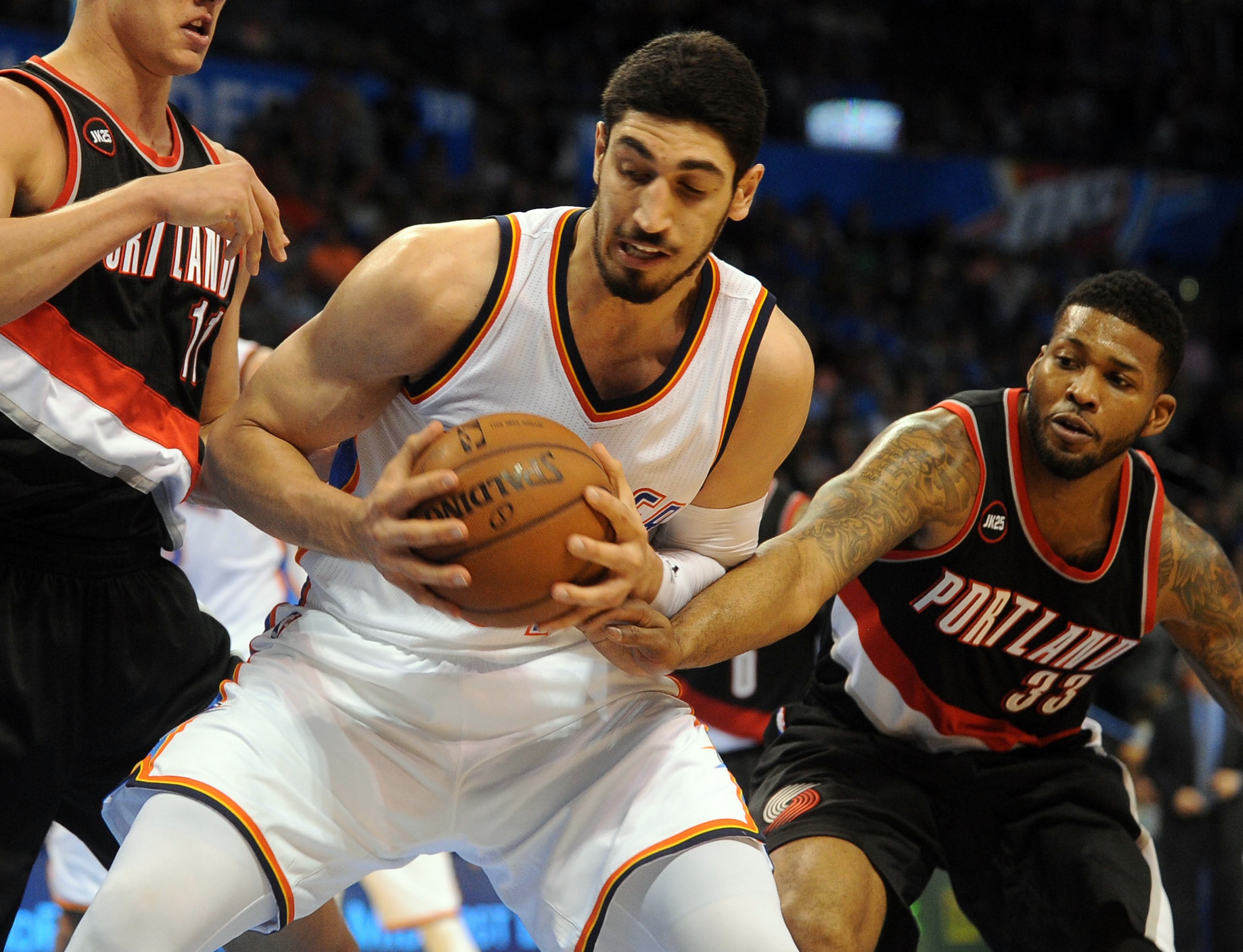
Contract: Four years, $70 million; signed July 2015
It didn't have to be this way. The Thunder could have let Enes Kanter stalk off to the Portland Trail Blazers, with whom he inked an offer sheet in July. But because they gave up assets to get him last season, and because they couldn't otherwise replace him in free agency, the Thunder matched Portland's offer sheet—assuring themselves of four years of stat-stuffing points and rebounds and a gaping hole on defense.
Trading for Kanter didn't make a lot of sense in the first place, and paying him like a star (when he's almost certainly going to come off the bench) makes less.
Basketball Insiders' Ben Dowsett offered up a persuasive analogy: "Kanter's presence offensively, especially alongside OKC's top talent, feels a bit like adding a turbocharger to an already-souped-up Lamborghini that still needs a steering wheel, radio and passenger seats installed—and using most of the owner's remaining budget to do so."
According to NBA.com, both the Utah Jazz and Thunder were better with Kanter on the bench last year. So even if his specifically odd fit doesn't persuade you he's a bad deal for OKC, the fact that he was objectively a net-negative player in two different environments last season should.
It's possible Kanter's signing was also motivated by a desire to show free-agent-to-be Durant that the Thunder were willing to spend big to surround him with talent. But all it really shows is that OKC is making terrible moves (see also trading for Dion Waiters) at the worst time.
If you're Durant, you shouldn't be encouraged by management's decisions.
Kanter will produce the kinds of cosmetic stats that casual fans associate with real value. It's what he does. But the Thunder are basically paying $70 million for four years of empty numbers.
2. Wesley Matthews, Dallas Mavericks
7 of 8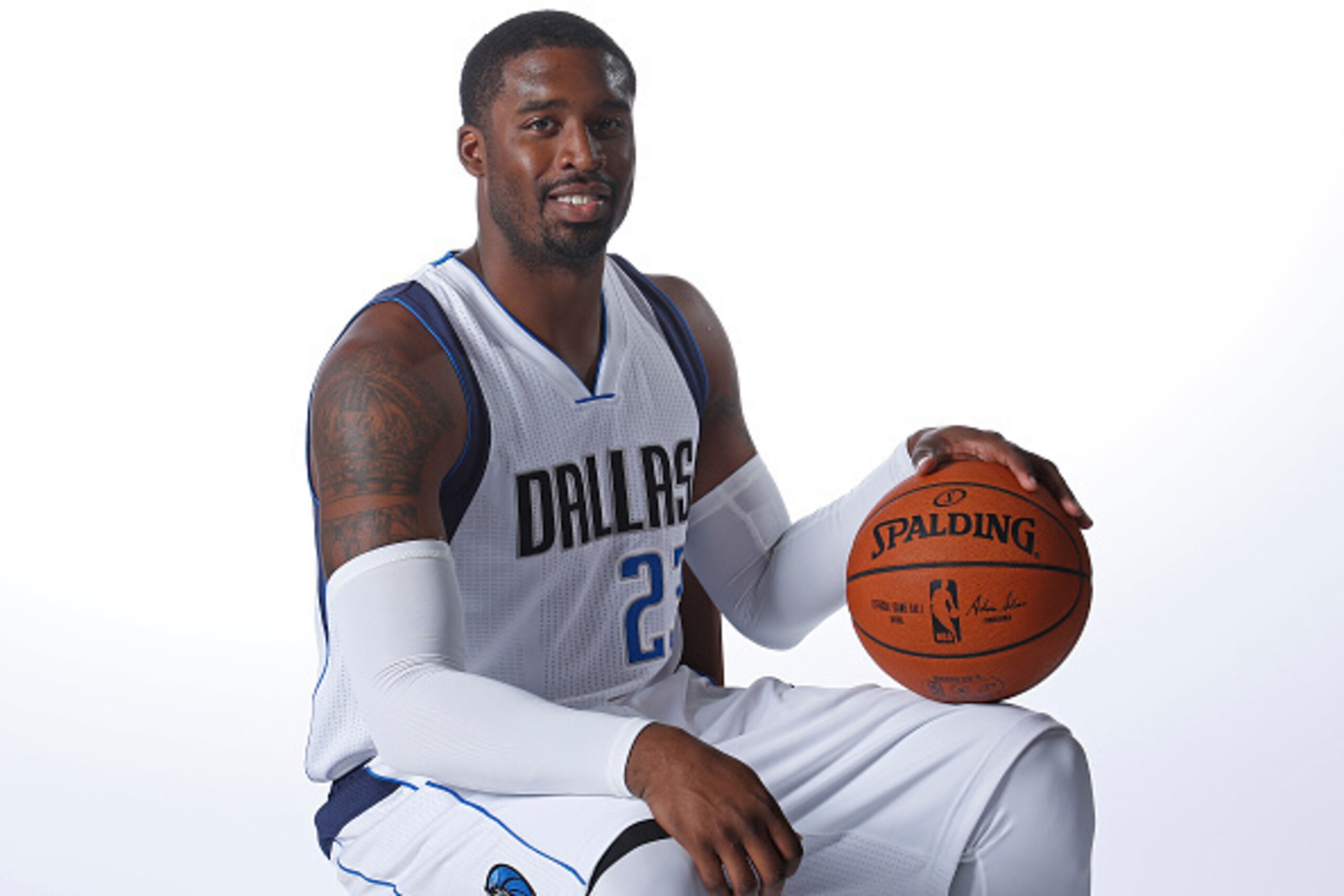
Contract: Four years, $70 million; signed July 2015
Having just finished lambasting the Thunder for signing Kanter to an identical deal, there'd have to be some pretty serious escalating factors to justify an identical contract being ranked even higher on the scale.
And there are.
Wesley Matthews was a terrific player before he tore his Achilles last March. A defensive stud who drilled a ton of threes at a high rate of efficiency, he provided everything you could want from a non-superstar wing. He was a key reason the Blazers were fringe title contenders before he got hurt.
But he'll be 29 when the 2015-16 season starts, which suggests his very best years are most likely behind him.
Oh, and he's also coming off what is probably the most devastating injury an NBA player can suffer.
One player, Dominique Wilkins, returned to his previous form after a blown Achilles tendon. That's the list. One guy.
Everyone else who's ever felt that fateful phantom kick to the back of their leg—from Christian Laettner to Chauncey Billups to Elton Brand to Bryant—never got their pre-injury grooves back. In fact, none even came close.
It would be terrific if Matthews bucked the trend and played like his old self over the next four years, but the likelier scenario is that the Mavs just paid $70 million for someone who might not give them anything more than end-of-the-rotation production—if that.
Because the risk of getting almost nothing from the investment is real, Dallas' decision to sign Matthews for that much money is worse than anything we've seen so far.
1. Carmelo Anthony, New York Knicks
8 of 8
Contract: Five years, $124 million; signed July 2014
Were you expecting somebody else?
The first year of Carmelo Anthony's massive deal didn't turn out so great. His season ended in February with a knee injury, and the New York Knicks went 17-65.
There's little reason to expect things to go better over the next four.
Even without the knee troubles, Anthony enters this season at age 31, toting a game that doesn't lend itself to winning in the modern NBA. High-volume shooters who stop the ball, don't defend consistently and, most of all, haven't shown the willingness to play a diminished role are anathema to on-court success.
Playing at his absolute best and surrounded by serious talent, Anthony led the Knicks to 54 wins and a playoff series victory in 2012-13. Given Anthony's age and injury concerns, as well as the Knicks' ho-hum supporting cast, expecting a repeat of even that modest achievement is crazy.
If Anthony is your team's best player (and the way he plays means he always has to be, which is the real problem), you've committed to a ceiling that comes in well below championship level.
The Knicks made a mistake paying nearly max money to Anthony (Melo took $5 million off the final figure), who's on the wrong side of the aging curve and has yet to prove he can be anything but an alpha figure on his team.
No contract in the NBA eats up this kind of cash for this many years with such a small expected return.
All salary information courtesy of BasketballInsiders.com.
Follow Grant Hughes on Twitter @gt_hughes.

.jpg?w=2560 "OBJ Calls Out Giants After Release")

.jpg?w=2560 "Rap: Lions, LaPorta End Contract Talks")

.jpg?w=2560 "Report: Baker May Miss Up to 6 Weeks")