The Most Cursed Uniforms in NBA History
NBA jerseys may not be the ultimate indicators of success and failure, but wearing the wrong one can lead to a doomed period in a franchise's history.
Sure, the players who are actually spending time dribbling the ball up and down the court matter most. The coaching staff can have a big impact on a title hunt. The schemes and health of the roster often help determine how high a team can rise.
But jerseys can either curse or bless a team. Maybe.


For entertainment's sake, let's pretend they really can. Let's imagine a world in which correlation actually does indicate causation, which allows us to blame poor designs, atrocious color schemes and inexplicable pattern changes for the misfortunes of basketball teams. It's more fun that way.
The history of the NBA is littered with iconic jerseys, ones that have sparked plenty of successful seasons. You likely can't help but think of trophies when you imagine the Chicago Bulls threads of the 1990s. Shaquille O'Neal and Penny Hardaway should spring to mind when you picture the Orlando Magic's pinstripes. The list goes on and on.
However, a few designs stand out as ignominious and unforgivable mistakes. Those are the ones we're most interested in here, and the following jerseys, in no particular order, are the ones that corresponded with—for our purposes, read: caused—the biggest dry spells and most depressing periods in the history of their franchises.
If you're a fan of one of these teams and see it pull a cursed jersey out of the hamper for a throwback night, go to Las Vegas and bet your life savings on the opposition.
Atlanta Hawks Lose that Cartoon Feel (1999-2007)
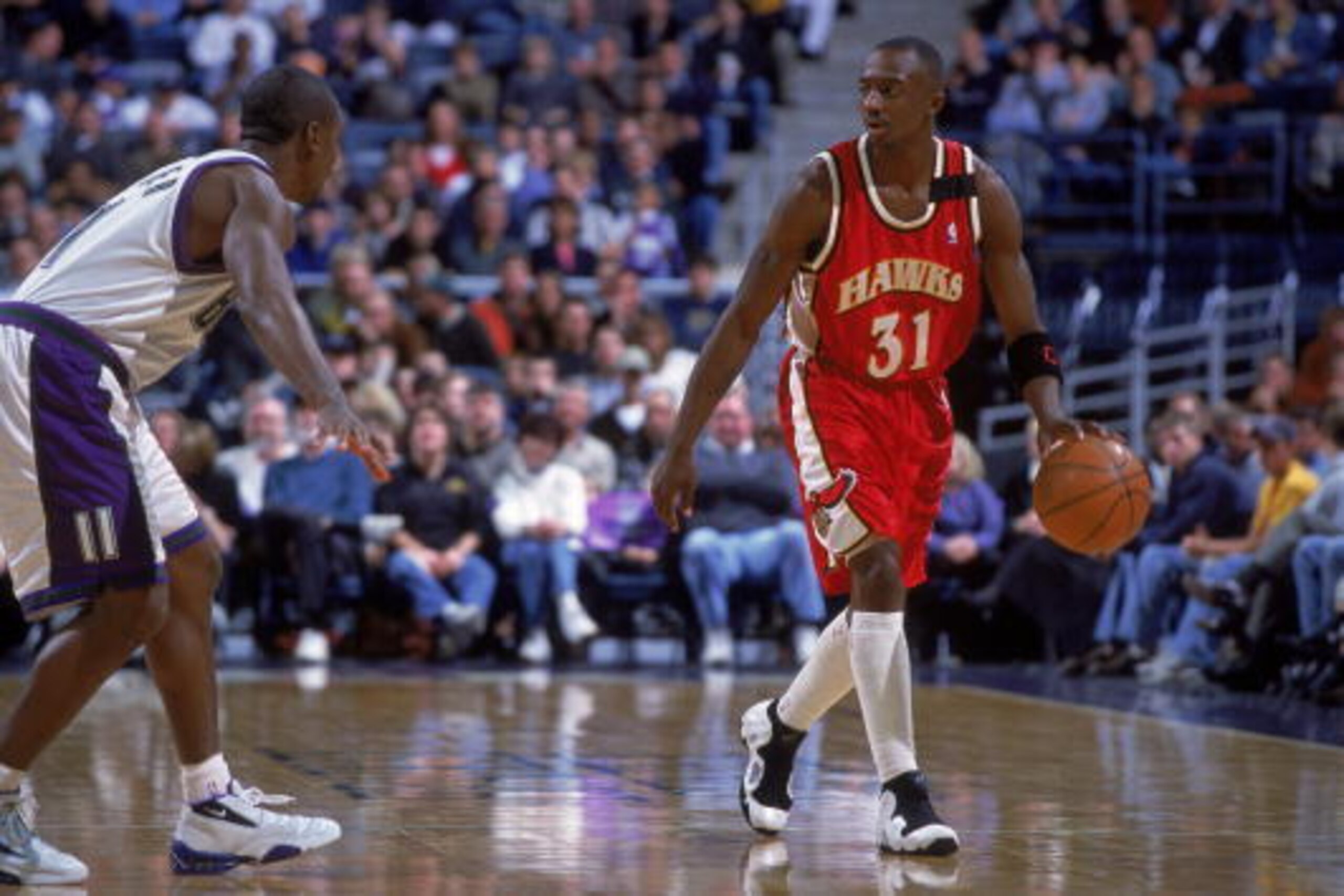
Though the Atlanta Hawks entered the 1990s with Dominique Wilkins on the roster and the famed Pacman logo displayed proudly on each pair of shorts, the franchise began changing things up every few years.
After 1991-92, the diagonal stripes were cut from the design in favor of a slanted team name on the front of the jersey. Simultaneously, the stripes were stricken from the shorts, replaced by two panels that ran along the sides.
It wasn't problematic, as the Wilkins era seamlessly transitioned into the Mookie Blaylock period. During the three years in which the new jersey existed, the Hawks averaged 47.3 wins and made it to the playoffs each year.
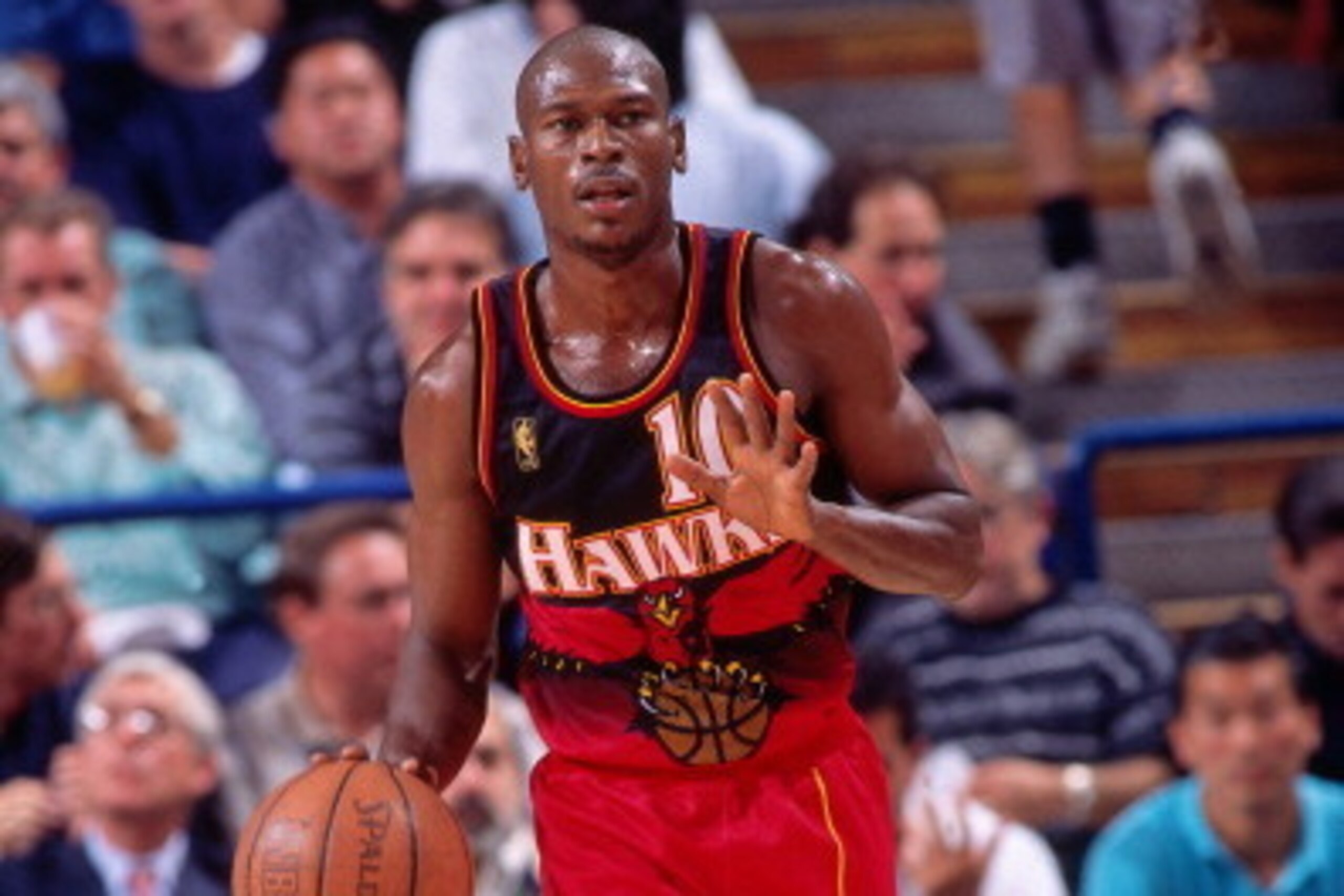
The next change—the addition of the cartoon bird and lightning marks on the panelling—followed the same pattern. While the jerseys looked fantastic—vintage '90s, if you will—the Hawks kept making the playoffs each year they used them.
But the problematic alteration came just prior to the 1999-00 season, when the Hawks lost every part of the uniform design that made them unique, opting for a rather plain look both home and away. There were no cartoon birds or Pacman logos. There were no lightning bolts on the sides.
It was as simple as it gets:
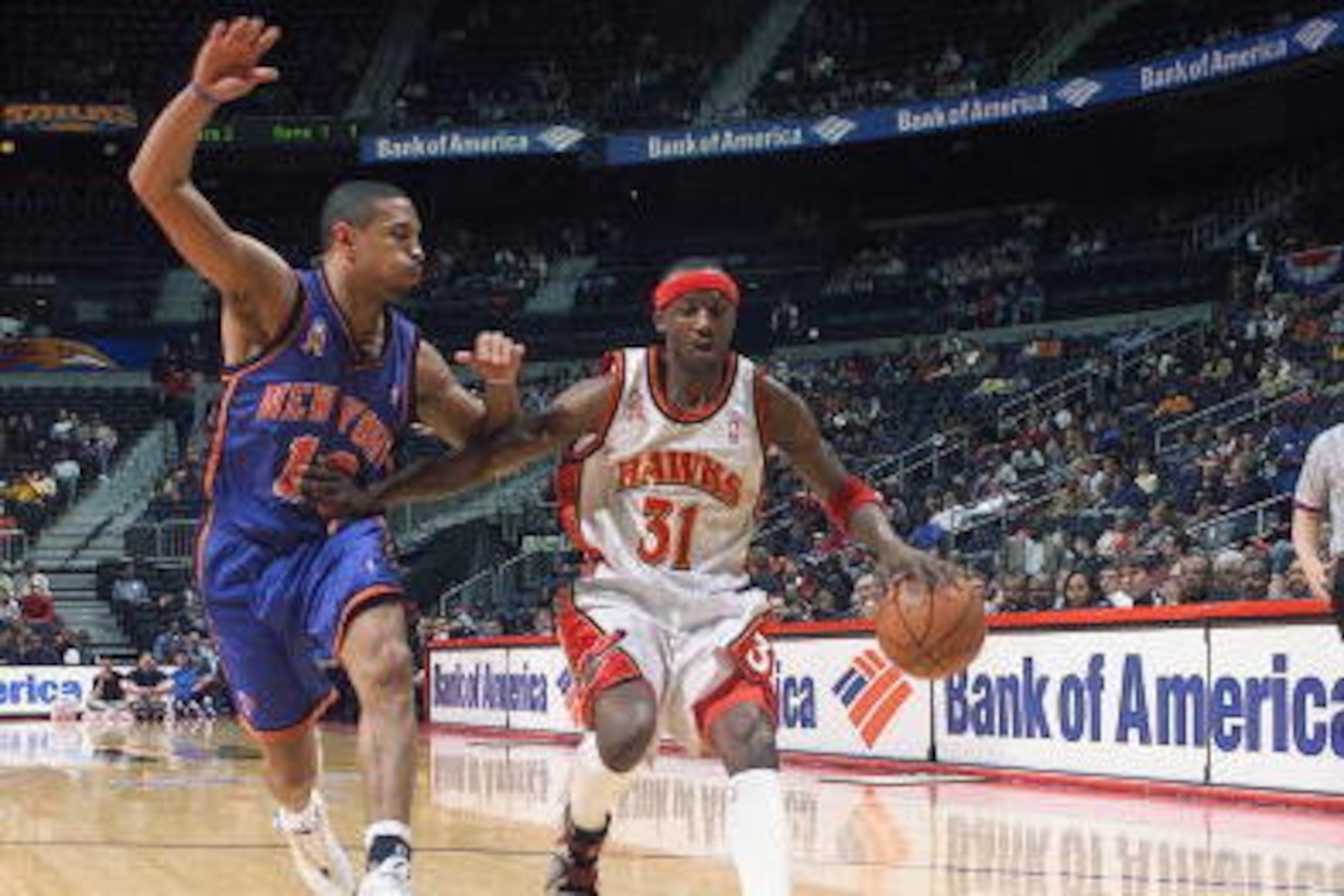
Should it be even remotely surprising that the new jerseys coincided with the beginning of Atlanta's eight-season playoff drought?
A subtle change—adding a second logo to the shorts rather than displaying players' numbers on one leg—took place for the 2002-03 venture, but it wasn't until the Hawks made blue the primary jersey color that they'd get back into the playoffs.
Red is often treated as the color indicative of a deficit. Of course Atlanta constantly found itself on the losing end while wearing jerseys with a red base and nothing particularly unique added to them.
Cleveland Cavaliers' Radical Change (1981-83)
During the early part of the Cleveland Cavaliers' history, the franchise used some fairly iconic jerseys. With a gold base at home and wine on the road, the colors were easily recognizable, and the panelling along the sides made them even more unique from 1974-75 through 1980-81. It was impossible not to notice the tricolored stripes running up and down the tops and bottoms alike.
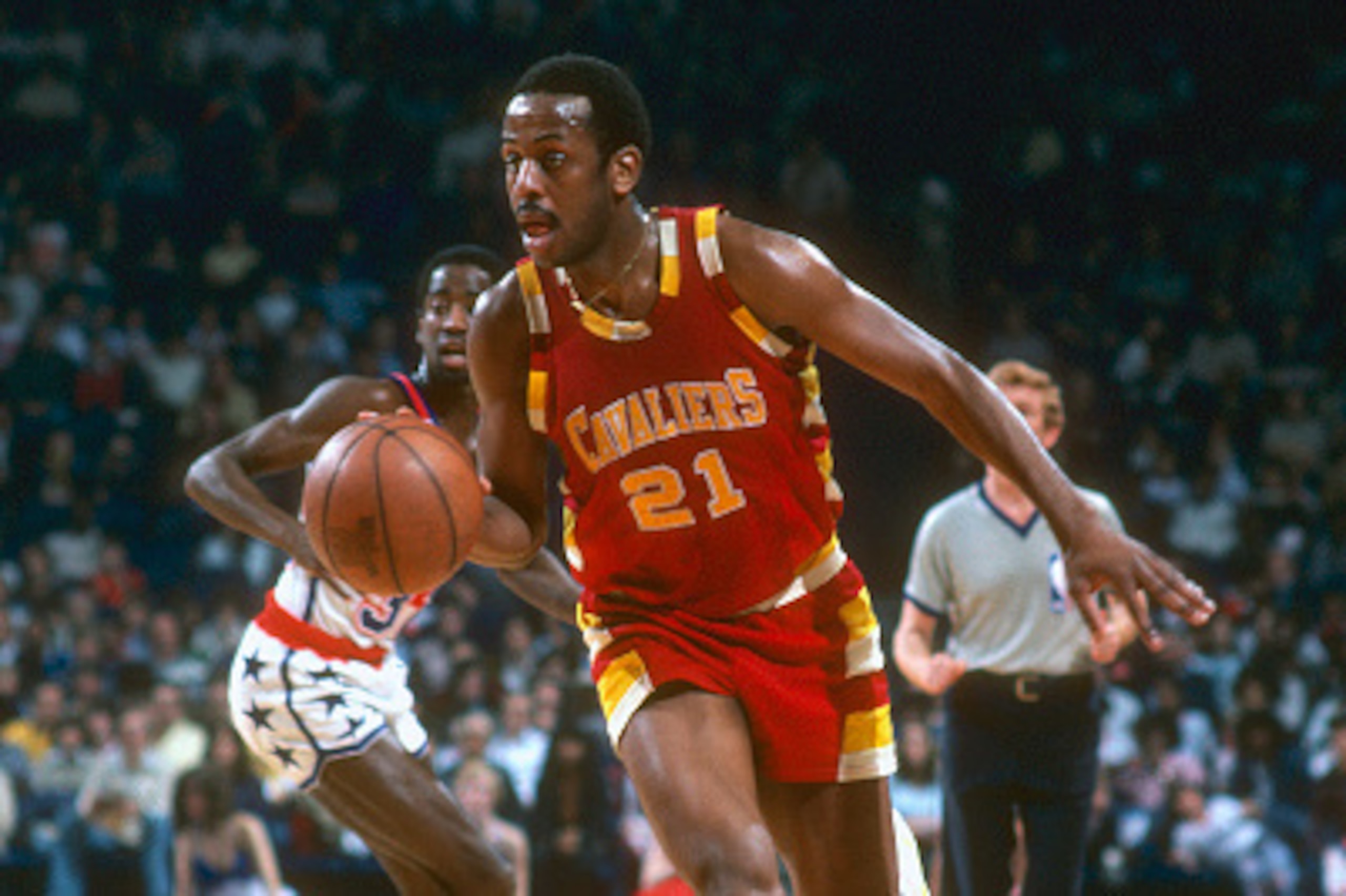
While wearing those uniforms, Cleveland had made the only three playoff appearances in franchise history, highlighted by a run to the Eastern Conference Finals in 1976.
But the Cavs were trending in the wrong direction and opted for a change prior to the 1981-82 season. At home, the instantly familiar gold base was changed to a more muted tone, and the side-spanning stripes were eliminated, replaced by two generic ones across the chest in red and white.
The look was entirely new, and it seriously messed with the mojo of the already struggling organization.
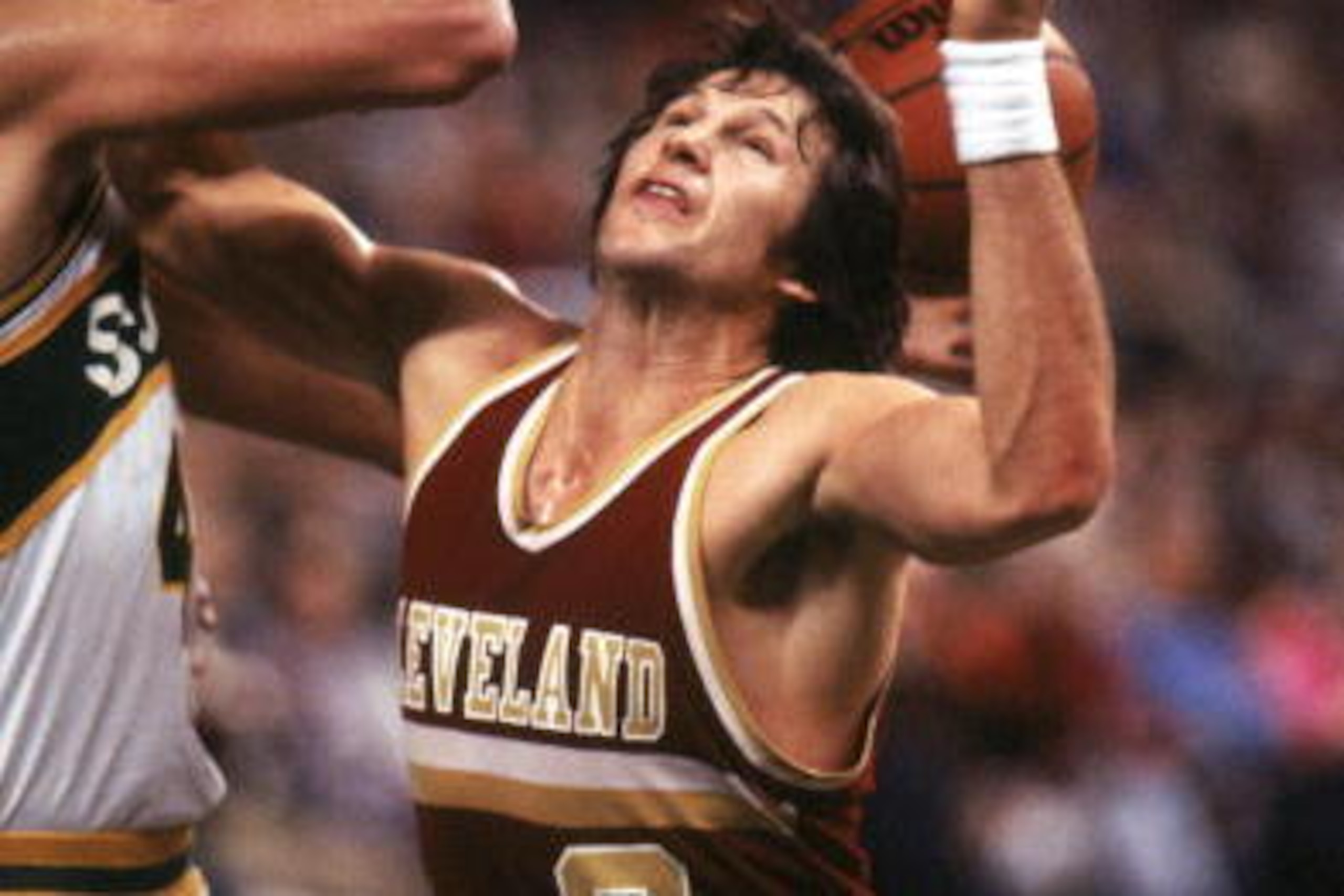
Naturally, the first season featuring the mixed-up look was an unmitigated disaster.
Cleveland lost game after game en route to a 15-67 record that tied the debut season for the worst mark in franchise history—one that still stands to this day. Don Delaney, Bob Kloppenburg, Chuck Daly and Bill Musselman all spent time on the sidelines as the head coach, while James Edwards, Geoff Houston, James Silas, Kenny Carr and Bill Laimbeer earned the team's top five spots for win shares.
Tom Nissalke took over as the head coach for the follow-up campaign, but the Cavs only managed to improve by eight victories. The two-year stretch of futility remains tied with the first two seasons in franchise history as the worst ever for Cleveland.
After just two years in those putrid uniforms, the Cavs altered them to the more famous versions from the '80s—a white base with orange lettering and a ball above the "V" at home, and a similar design with the colors flipped on the road.
It only took them two years to get back into the playoffs.
Minnesota Timberwolves Go Green (2008-10)
Technically, the Minnesota Timberwolves have five team colors: black, silver, blue, white and green. They all make sense, given the presence of the trees that have existed in the primary logo for a while now.
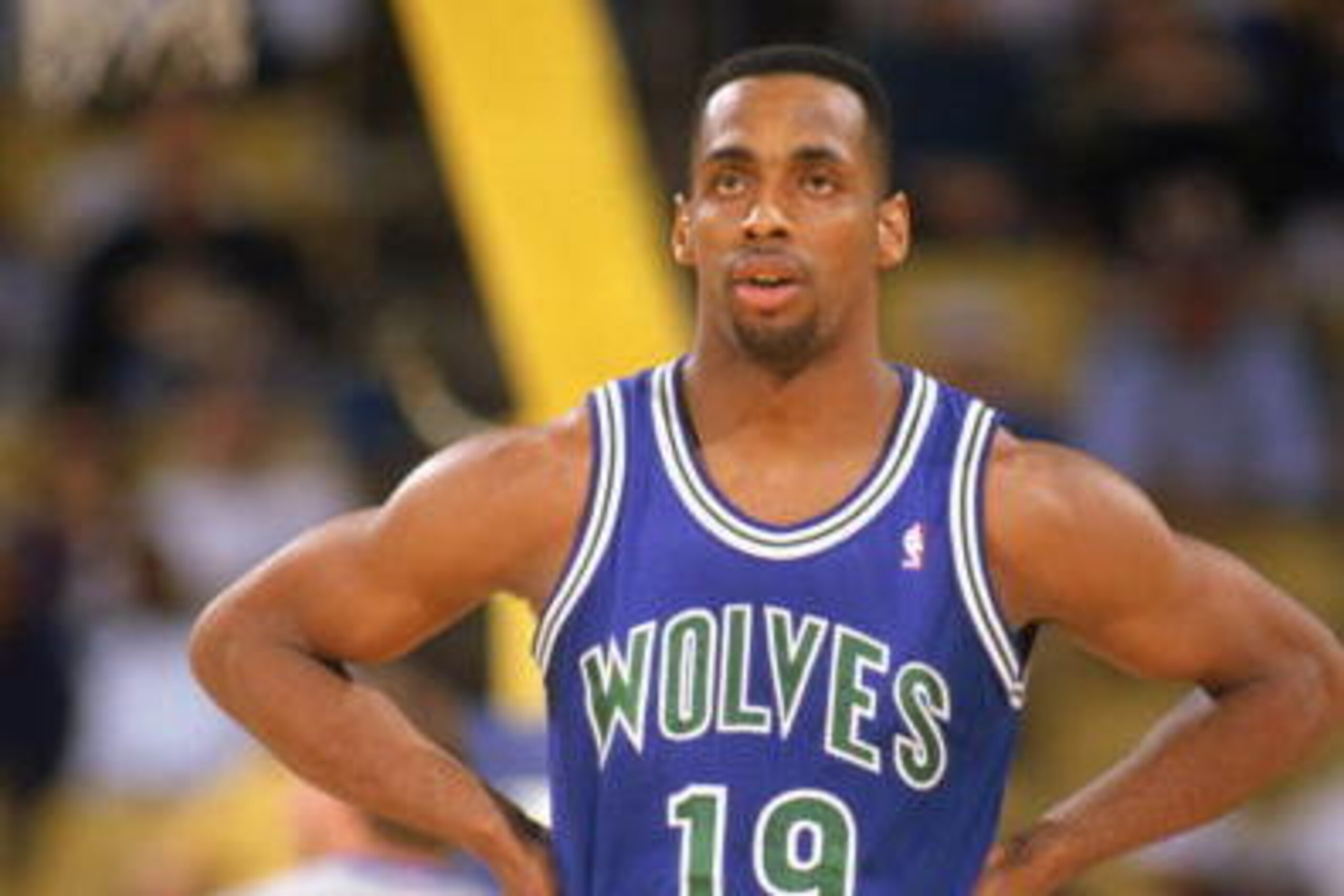
Still, green is not typically the first color that comes to mind for Minnesota, which could be because it's almost always been used so minimally and aesthetically in the jerseys. At the franchise's inception, it served as the color of the text, as well as the trim on the shorts and the waistband. But even with that presence, it faded into the background of blue and wasn't really meant to stand out.
When the Wolves changed the font to become more jagged, green remained an accent color—nothing less, and nothing more.
But before the 2008-09 season, the franchise made a second alteration. This time, green wasn't going to sit back and watch the other colors dominate. It was determined to lead an affront on the eyeballs of everyone who attended games at the Target Center.
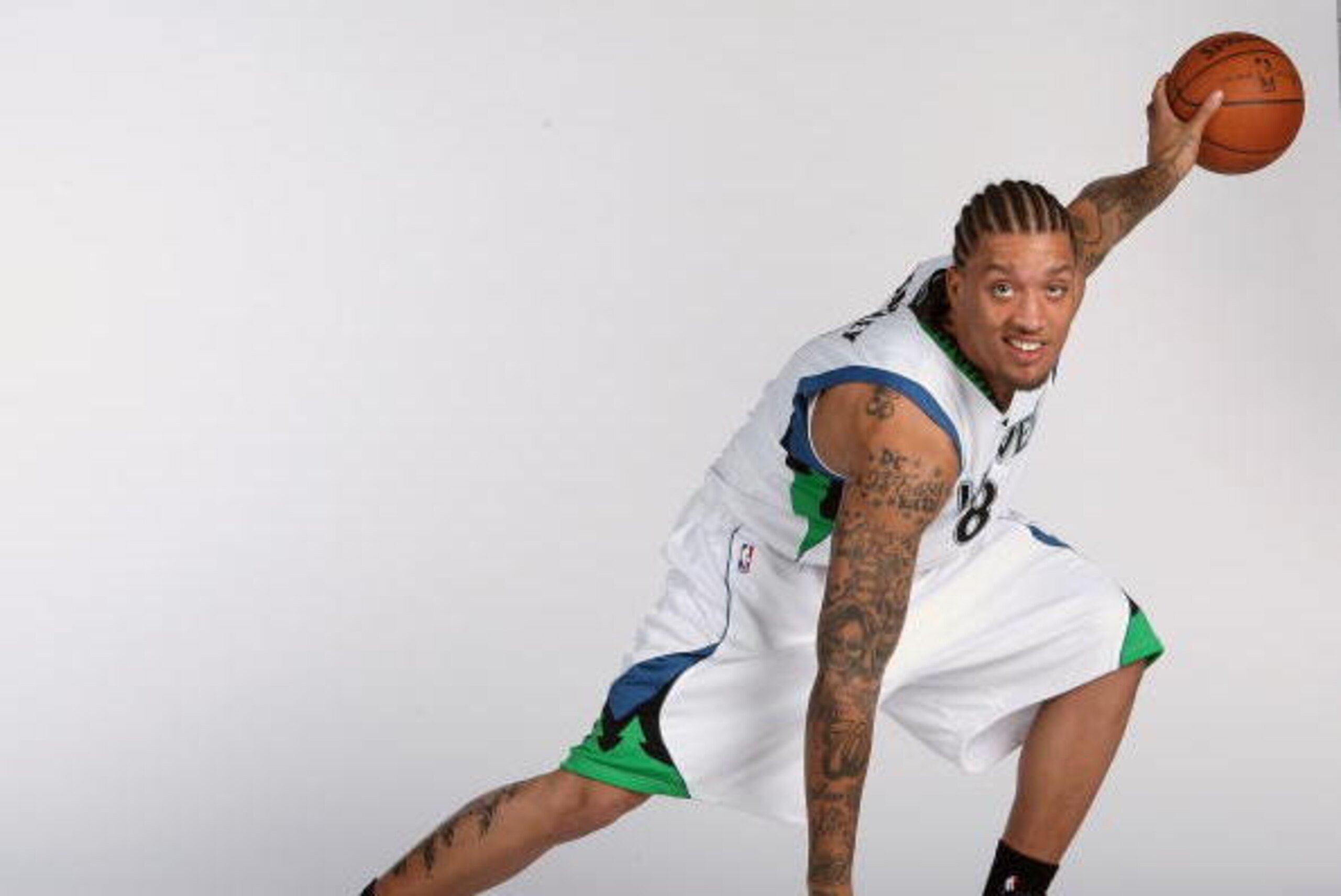
In the home uniforms, it was part of the panels just under the armpits and at the very bottom of the shorts. For the road jerseys, the same was true, and the accents on the collar stood out even more.
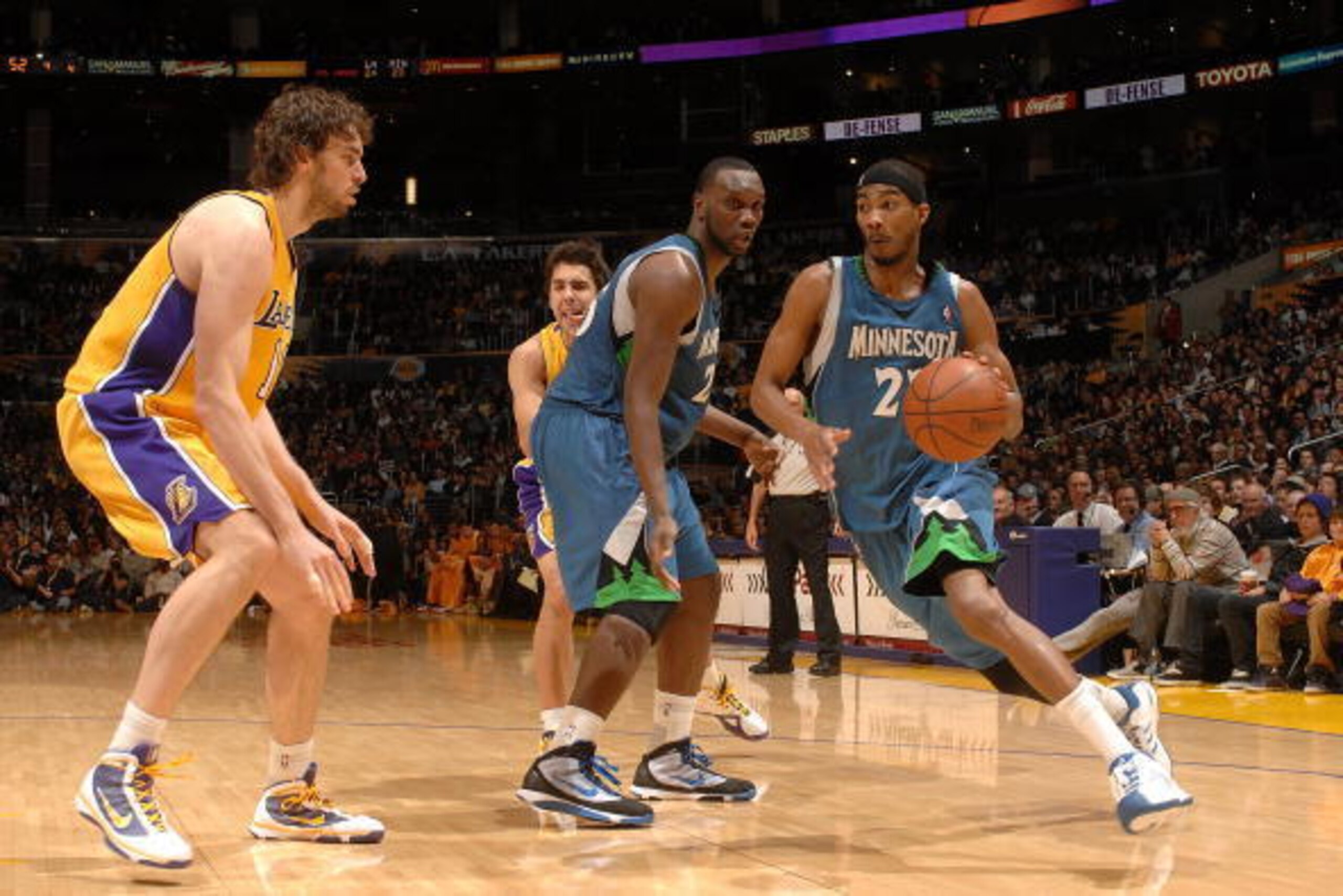
Going green didn't work, and those eyesores lasted for only two seasons before the color was removed entirely from the uniforms. Today, not a speck of green exists in either the home or road jerseys, popping up only when the franchise uses alternates or throwbacks.
Can you blame the front office? In 2008-09, Minnesota struggled its way to just 24 wins. One year later, it got even worse, finishing with a 15-67 record that remains tied with the 1990-91 campaign as the worst mark in franchise history.
Changing the uniforms to their current forms didn't immediately get the 'Wolves out of the dumps in 2010-11, but they did steadily improve for four seasons before moving out of the Kevin Love era and into a rebuild with plenty of young, talented pieces.
That's far better than the hopelessness that existed while green assaulted the eyes of everyone who tuned into what was so often a Minnesota loss.
Detroit Pistons (1978-81) and Golden State Warriors (1997-2002) Add Some Charge
Lightning bolts aren't always good ideas.
They've worked for Harry Potter's famed forehead. They aided a few teams in their quests for success throughout NBA history. But in the wrong hands, they can look totally tacky, spurring on declining win totals and plenty of frustration.
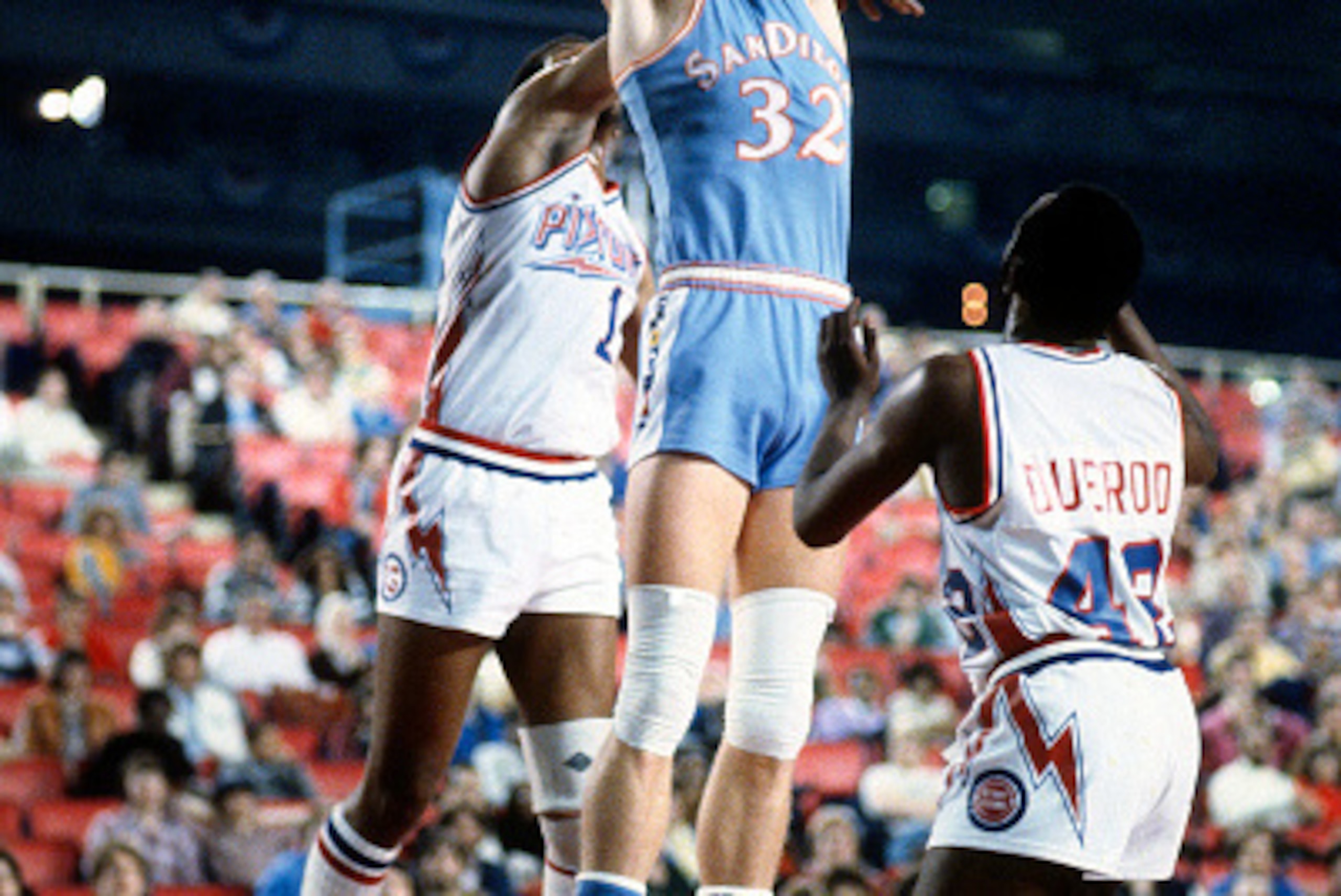
Such was the case for the Detroit Pistons when they turned the third and final letters of their nickname into lightning bolts and had a third one underlining the entire word "Pistons."
Prior to the 1978-79 season, Detroit had fairly stock uniforms, using the typical red-white-and-blue color scheme with some stripes along the sides. It worked for the blue-collar city, as Bob Lanier consistently kept the Pistons in playoff contention.
But after the addition of the stormy features, Detroit plunged into futility for three seasons before caving and going back to a design quite similar to the previous one. During that short span, it went a putrid 67-179, giving it a winning percentage of just 0.272.
For perspective, the 1993-94 Pistons are the only squad in franchise history who failed to top that average mark.

However, the Pistons aren't alone in the failed lightning endeavors; the Golden State Warriors joined them at the start of the 1997-98 campaign.
Throughout the history of the Bay Area franchise, the jerseys haven't changed that much. The same, presently used circular logo adorned the middle of the uniforms for decades, albeit with slightly different colors and more subtle features that changed slightly around the rightful centerpiece. But they went for a radical alteration prior to the 1989-90 campaign, letting Run TMC drop the traditional logo and play with "Warriors" embroidered across their chests in diagonal fashion.
It worked. The Dubs were either in the playoffs or just outside up until 1996-97, when they presumably became a bit emboldened by the success of the first major change.
Starting with the 1997-98 season, the Warriors went to work with more cartoonish text featuring a lightning bolt inexplicably running across the top of the nickname. There's no such thing as overlining rather than underlining, but it sure seems as if that's what Golden State was going for. As if that weren't enough, the uniforms also displayed a garish jagged pattern running down the left side.
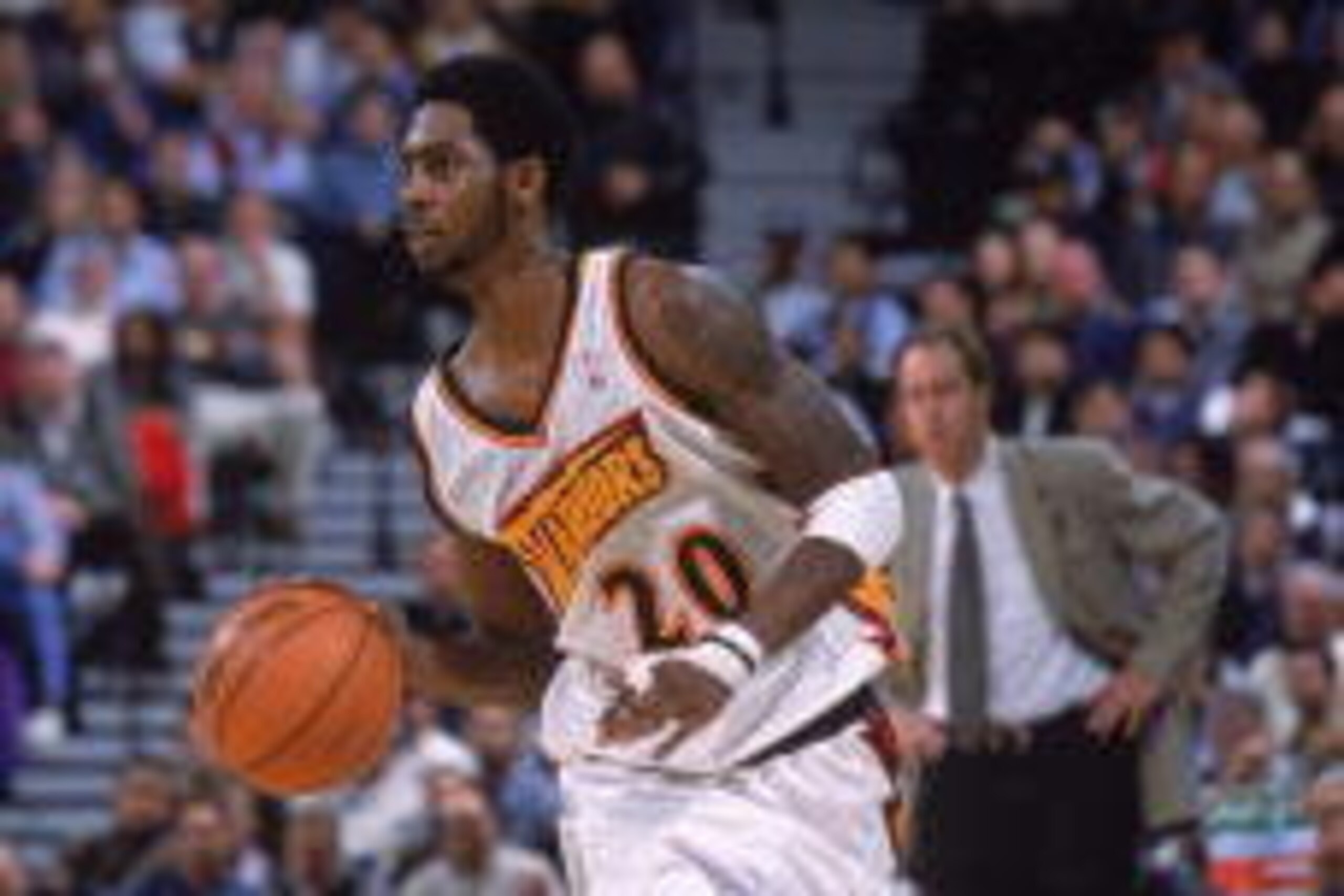
"The Warriors went lightning-on-lightning-on-lightning in 1997, trying to get on the Thor bandwagon before it was cool," Cory Collins wrote for Sporting News while ranking the jerseys of the 1990s. "It didn't work."
The franchise immediately plunged into futility, winning just 19 games throughout the initial season. During the other four go-rounds in which these monstrosities remained proudly displayed, they won 21, 19, 17 and 21 games, giving the lightning-clad Dubs a combined record of 97-281 (0.257).
Once they got rid of the gaudiness and simplified the jerseys for the 2002-03 season, Golden State immediately began falling in just below .500.
What else could've led to such a reversal of fortunes? It had to be the uniforms.
All stats, unless otherwise indicated, come from Basketball-Reference.com. Information about jerseys was derived from the databases of SportsLogos.net.
Adam Fromal covers the NBA for Bleacher Report. Follow him on Twitter:@fromal09.

.jpg?w=2560 "NBA Gambling Charges")

.jpg?w=2560 "Jonathan Taylor Landing Spots")
.jpg?w=2560 "NFL House in Paris Closes for Protests (AP)")

.jpg?w=2560 "Trevon Diggs Cut by Seahawks")