

NBA Prospects Who Are out of Time in 2015-16
At some point, NBA teams need to see some results. These prospects have yet to establish any value or sell their development and potential over the last few years.
Thus, one more disappointing season could lead to major career setbacks for the following players.
We went through all of the youngsters who are entering make-or-break years and separated them based on the level of trouble they may be in.
Some could be fighting for their NBA lives in 2015-16. There is also a small group of former lottery picks—the "upside downers"—who need breakout seasons to prevent teams from thinking they've already peaked. And lastly, we have a pair of former second-round picks who, after clinging for two years in the league, could be in jeopardy of losing their grip.
Except for two fourth-year players (who were young when drafted), we only considered those with one or two seasons of pro experience.
Cup of Coffee
1 of 11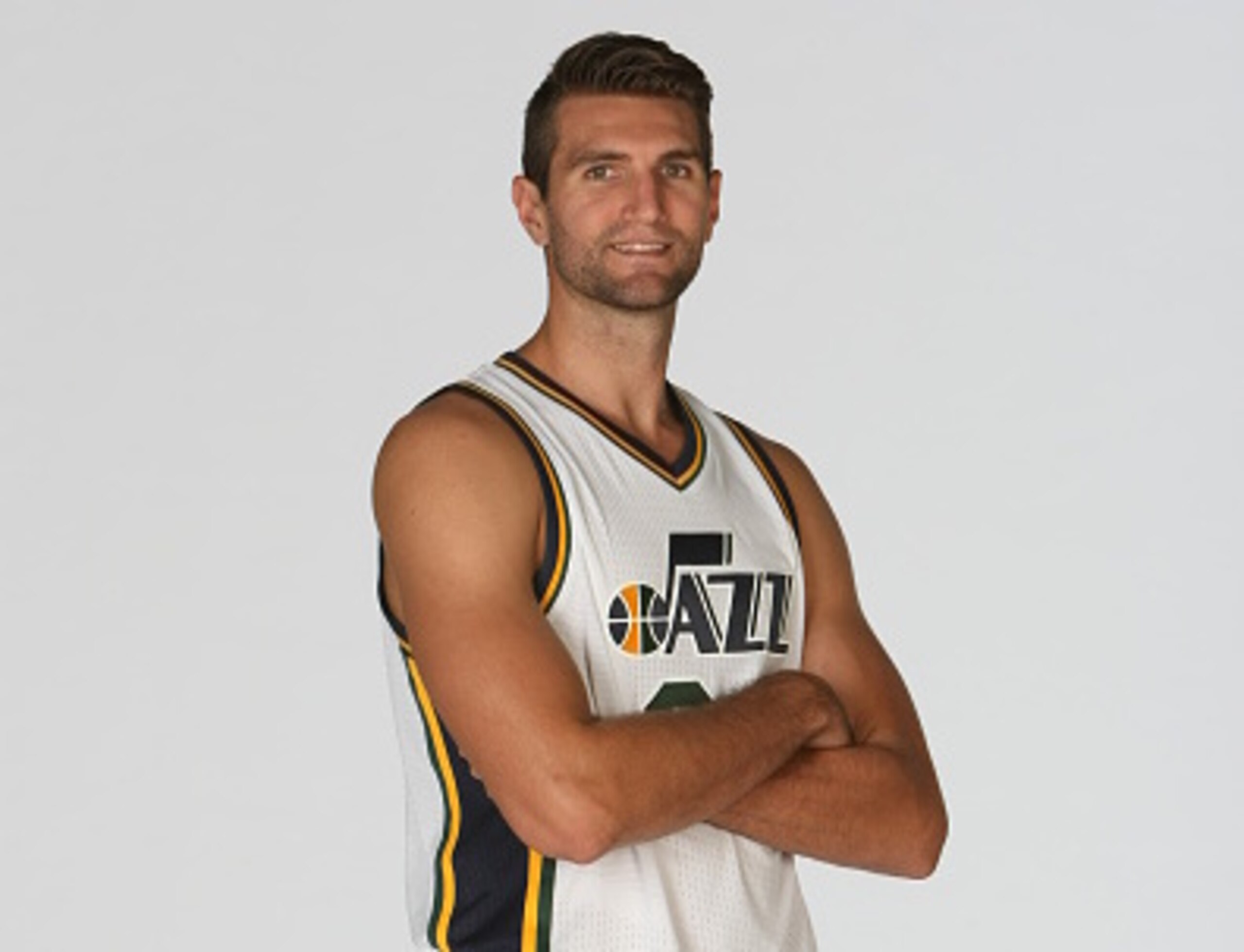
Jeff Withey, Utah Jazz, C
There was hope Withey would emerge as a viable backup center, but after two seasons, he's become tough to buy as an NBA talent.
Withey will be 26 years old in March and averaged less than four points and a block in each of his first two years.
The Jazz picked him up this summer. His NBA future could come down to whether he can beat out Jack Cooley and Tibor Pleiss for minutes behind Rudy Gobert.
Ryan Kelly, Los Angeles Lakers, PF
Kelly found a roster spot with the Lakers due to his stretch-4 potential—only he's never made more than 34 percent of his threes.
A stiff overall athlete, Kelly doesn't offer much else in terms of creating, scoring (33.7 percent from the floor), rebounding or defending.
Unless he improves his shooting consistency in 2015-16, it could mean the end of the NBA road for Kelly once his contract expires after the season.
Upside Down
2 of 11
Cody Zeller, Charlotte Hornets, PF
Zeller didn't do enough as a sophomore to help alleviate the concerns raised the season before.
He averaged 7.6 points and 5.8 rebounds during his second year in the league. Now, it seems possible or even likely that Zeller, the 2014 No. 4 pick, loses the starting job to an incoming rookie (Frank Kaminsky).
Zeller hasn't been much of a force down low, and he's done nothing to sell himself as a stretch big, having made one three in 144 games and just shot 34.2 percent in the mid-range.
Trey Burke, Utah Jazz, PG
After a disappointing rookie season in Utah, Burke arguably regressed in 2014-15, when his field-goal percentage dipped from 38 percent to 36.8 percent. The size and athleticism of the pro game have really gotten to him.
Burke has been awful around the rim, where he's shot below 50 percent each season. And he just hasn't been accurate enough from outside to compensate for his struggles in the paint or trouble at the defensive end.
With Dante Exum expected to miss the year with an ACL injury, Burke will get another chance to prove himself as a starter. But if he can't turn the corner in 2015-16, his second contract will reflect backup point guard value.
Kentavious Caldwell-Pope, Detroit Pistons, SG
The No. 8 pick from the 2013 draft, Caldwell-Pope sold scouts on his scoring and shooting ability out of Georgia. But he's shot below 41 percent from the field and 35 percent from three in each of his first two years.
Caldwell-Pope did look better as a sophomore (12.7 points per game), but unless he makes a jump this year, it's tough to picture him justifying top-10 value.
Moe Harkless, Portland Trail Blazers, SF
3 of 11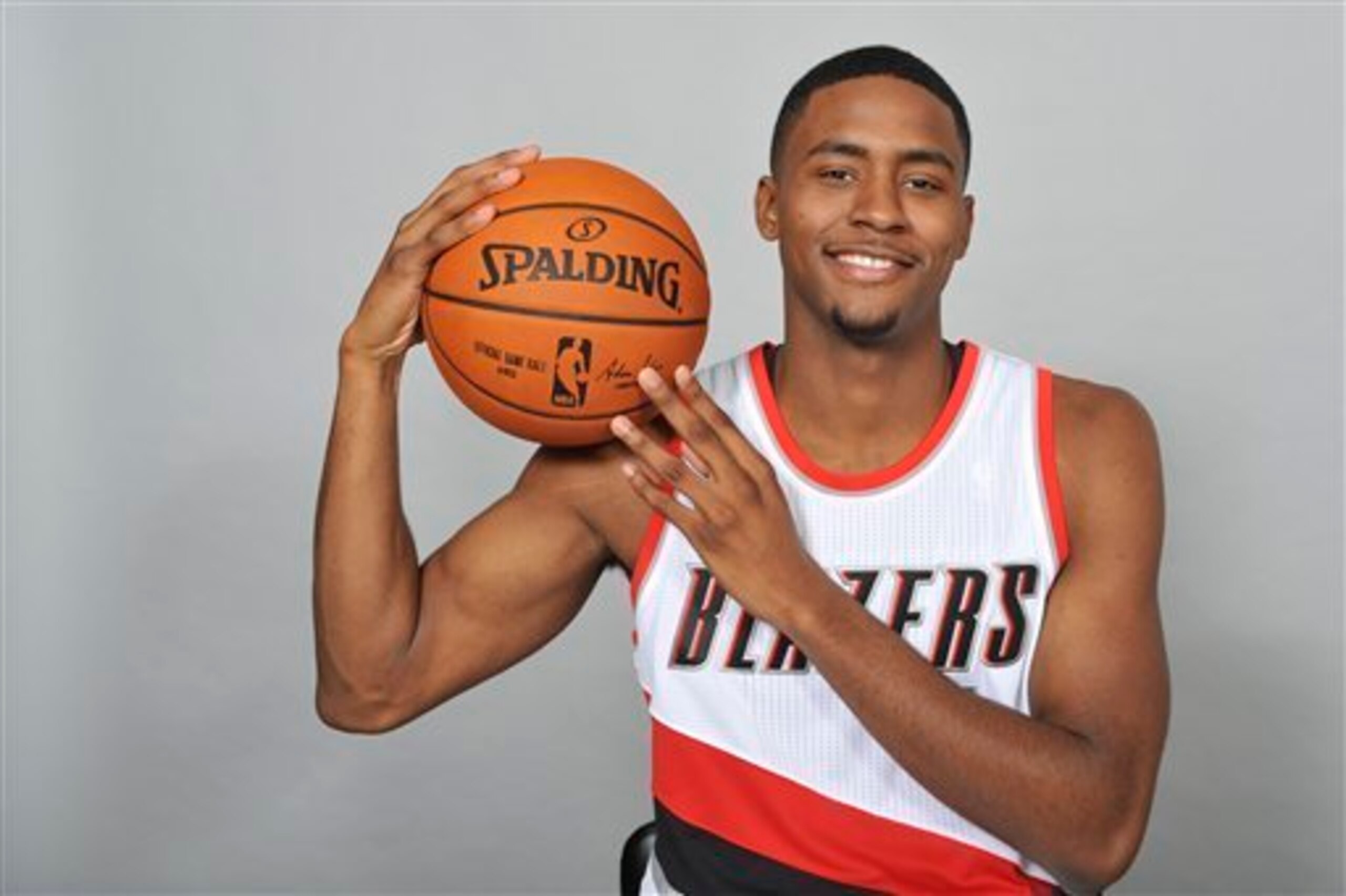
Drafted at 19 years old in 2012, Moe Harkless was destined to take time to blossom.
But now, he is three seasons deep into his career and still doesn't have much to show for it.
The Orlando Magic already wrote off Harkless this offseason and traded him to Portland, where the Trail Blazers happen to lack depth at small forward. "He’s going to get a great opportunity with us to be the player we loved coming out of the draft,” said general manager Neil Olshey via the Boston Globe's Gary Washburn.
Harkless struggled to crack Orlando's rotation over the past few seasons. You could argue his role and fit affected his development, but it's tough to argue with the numbers—last year, he shot 10-of-56 from three without making a single mid-range field goal or pull-up jumper.
This could ultimately be a make-or-break year for Harkless, whose value around the league has plummeted—something that was made evident when the Magic dealt him for a top-55-protected second-round pick.



Perry Jones III, Boston Celtics, SF
4 of 11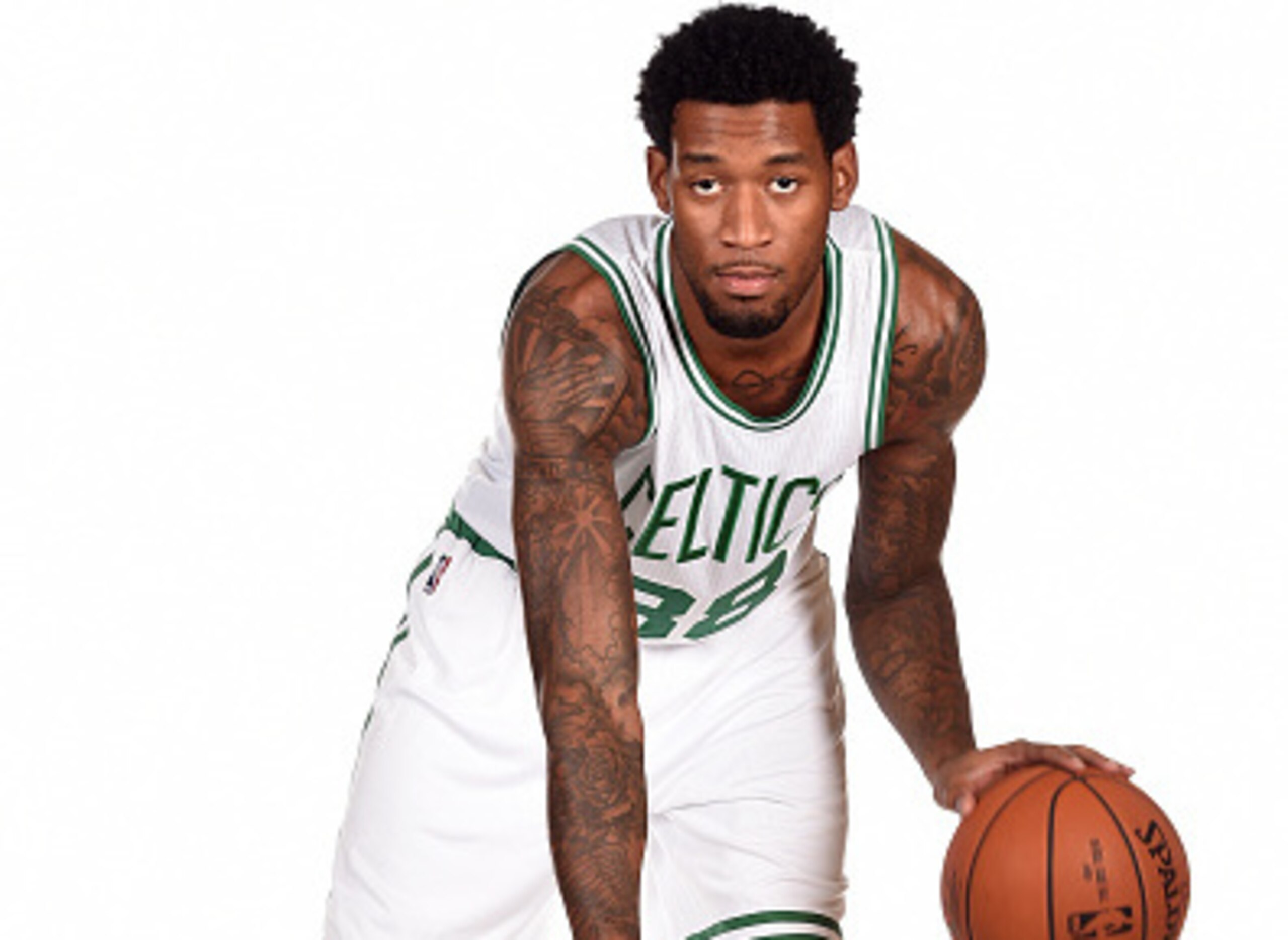
Time is running out for Perry Jones III, who's made very few strides through three NBA seasons.
Though attractive due to his 6'11" size and face-up skill set, Jones' perimeter game just hasn't come around, from his shot-creating ability to his shooting stroke. He connected on just 14 of 60 threes a year ago and has never established himself as a defensive asset or presence inside.
He now finds himself competing for a roster spot in Boston, where the Celtics already dress Jae Crowder, James Young and Evan Turner on the wing.
Though he's just 24 years old, at some point, teams will want to see production before showing a willingness to even consider investing. And that might mean playing somewhere outside the NBA.
Jones might need a breakout year to guarantee NBA job security in 2016-17.
Anthony Bennett, Toronto Raptors, SF/PF
5 of 11
Having struggled badly as a rookie and then been waived by the 16-win Minnesota Timberwolves, Anthony Bennett is in some trouble.
The fear now is that he just doesn't fit in. Bennett lacks post skills and authority inside, and he hasn't developed out on the perimeter, where his shooting stroke (30.4 percent from three) and off-the-dribble game have looked weak.
And he just isn't a good enough athlete or defender to help compensate for his offensive inefficiency.
Bennett will join the Toronto Raptors for 2015-16 on a one-year deal worth the league minimum. And with Patrick Patterson, Luis Scola, DeMarre Carroll and James Johnson all presumably locked into the rotation, it could take an injury for Bennett to get a real opportunity.
If he can't make an impression with his third NBA team, he could struggle to generate interest from a fourth.
Glenn Robinson III, Indiana Pacers, SG/SF
6 of 11
Glenn Robinson III will enter his second NBA season wearing his third NBA jersey.
He played just 25 games for the Minnesota Timberwolves before they waived him for Justin Hamilton. The fact that the Philadelphia 76ers—a team with time to wait and minutes to go around—chose not to extend him an offer for 2015-16 was somewhat of a red flag.
His stock has only declined since 2013. Robinson now just appears to be fighting for roster spots after once being viewed as a prospect with lottery-type upside.
Unfortunately, Paul George, Chase Budinger, C.J. Miles and even rookie Joseph Young will make it tough for Robinson to receive opportunities. And it's fair to question how many more he'll get, since he's shown minimal development since his freshman year at Michigan.
Solomon Hill, Indiana Pacers, SF
7 of 11
We've seen flashes from Solomon Hill, but not enough, and not the exciting kind that are going to convince general managers to remain patient.
His jack-of-all-trades reputation from college has carried over, only it works against him as a player looking to fill an NBA specialist reserve role. He just doesn't do any one thing great.
Hill shot 39.6 percent from the floor as a sophomore with the Pacers. He lacks one-on-one shot creativity, shooting accuracy (32.67 percent from three) and above-average defensive potential.
He'll also be 25 years old in March, which makes you wonder just how much upside is left for Hill to hit.
If he spends the year on the bench in another season off the radar, Hill could be looking for NBA work by this time next year.
Reggie Bullock, Detroit Pistons, SG/SF
8 of 11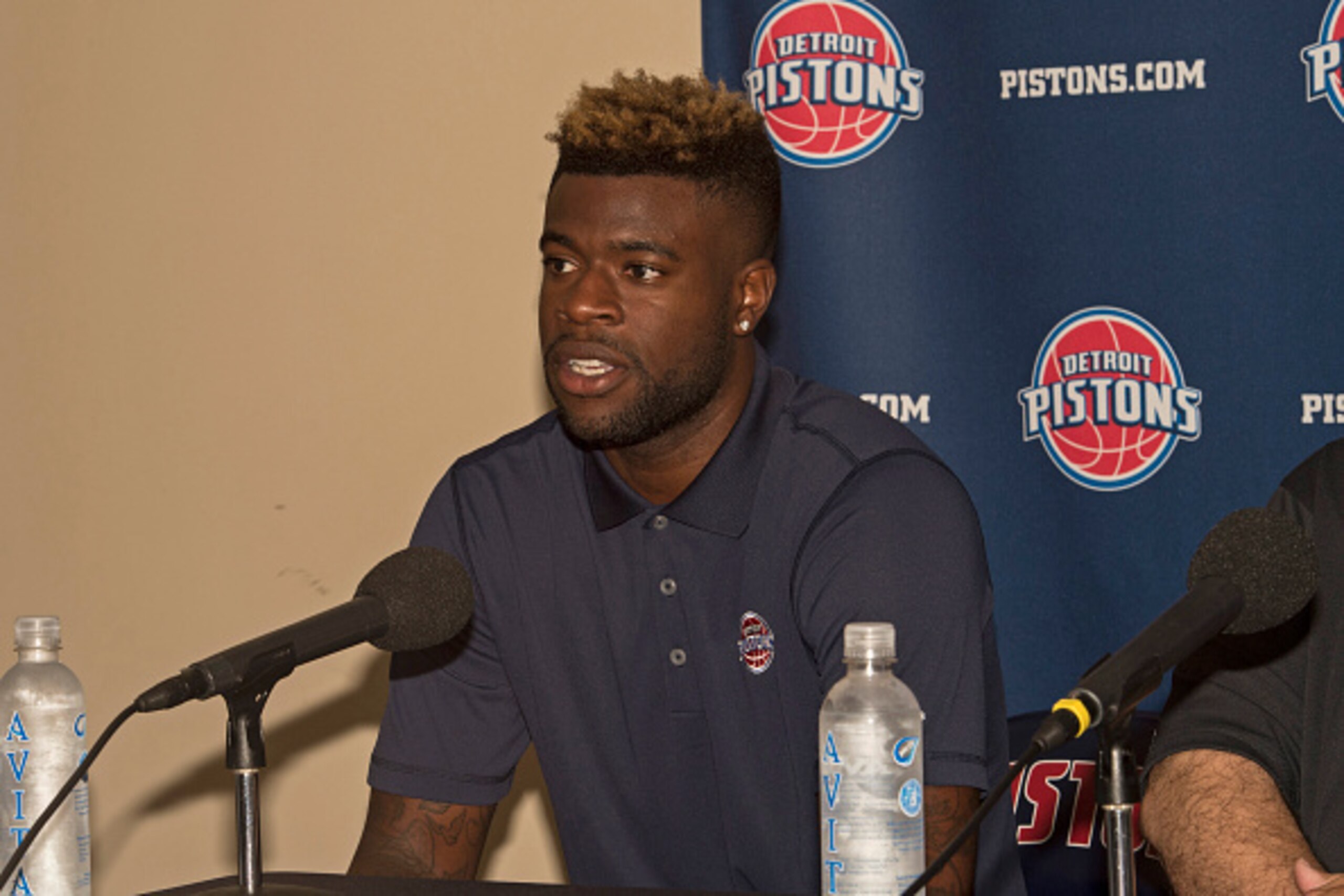
Reggie Bullock failed to rise up the depth chart through 68 games played with the Los Angeles Clippers. So they sent him to Phoenix, where he managed to shoot 1-of-16 in 75 total minutes.
In two years, he had gone from being viewed as a first-round prospect with upside to expendable. The Suns would soon send Bullock to the Detroit Pistons as a throw-in over the summer. And now he could be fighting for an NBA job.
The competition at shooting guard and small forward in Detroit might be the stiffest he's faced. To get minutes, Bullock will have to move ahead of Marcus Morris, Stanley Johnson, Kentavious Caldwell-Pope and Jodie Meeks—and that's if he makes the final roster.
Bullock has demonstrated little scoring or playmaking ability, and outside of a 25-game stretch in L.A. last season, we haven't seen the knockdown-shooting accuracy he sold NBA scouts on at North Carolina.
If he can restore his image as a three-point specialist and shot-maker, his strengths will hold value to someone. But unless Detroit moves him to a team that lacks depth on the wing, he could be looking at a third consecutive season stuck in irrelevance.
Sergey Karasev, Brooklyn Nets, SG/SF
9 of 11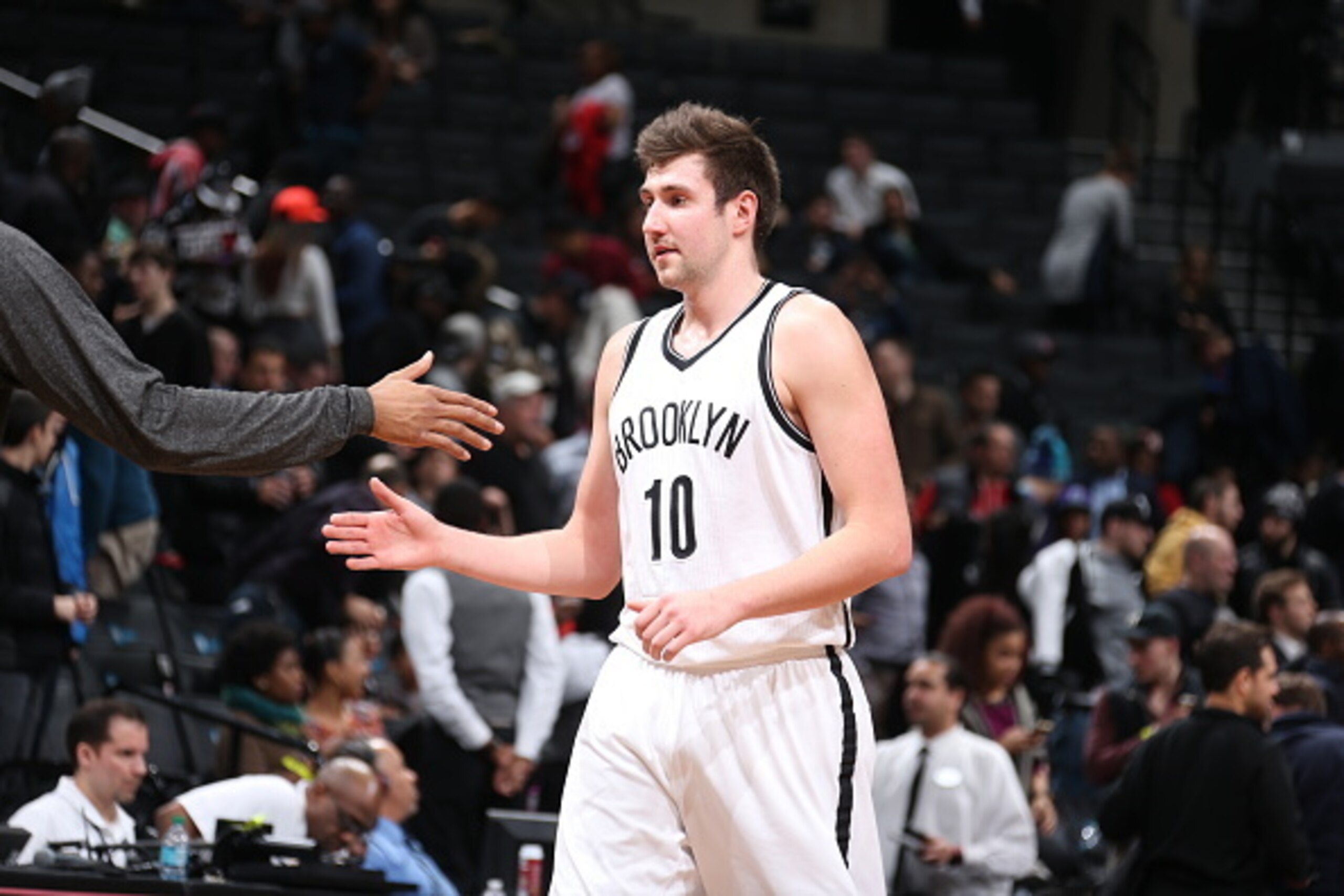
Though only 21 years old, Sergey Karasev, the 2013 No. 19 pick, has barely made a peep through two NBA seasons.
The Cleveland Cavaliers traded Karasev just one year after drafting him. He then suffered a brutal injury in March—a dislocated patella and torn MCL—which may ultimately set back his NBA career.
He'll start his third season buried on Brooklyn's depth chart behind Joe Johnson, Rondae Hollis-Jefferson and Bojan Bogdanovic.
Even when healthy, Karasev has showcased little playmaking ability or shooting accuracy (20-of-73 from three in 55 games) for a vulnerable defender.
At some point—potentially after one more invisible season—teams are going to stop looking at age and start focusing on a lack of production, development and upside.
Shane Larkin, Brooklyn Nets, PG
10 of 11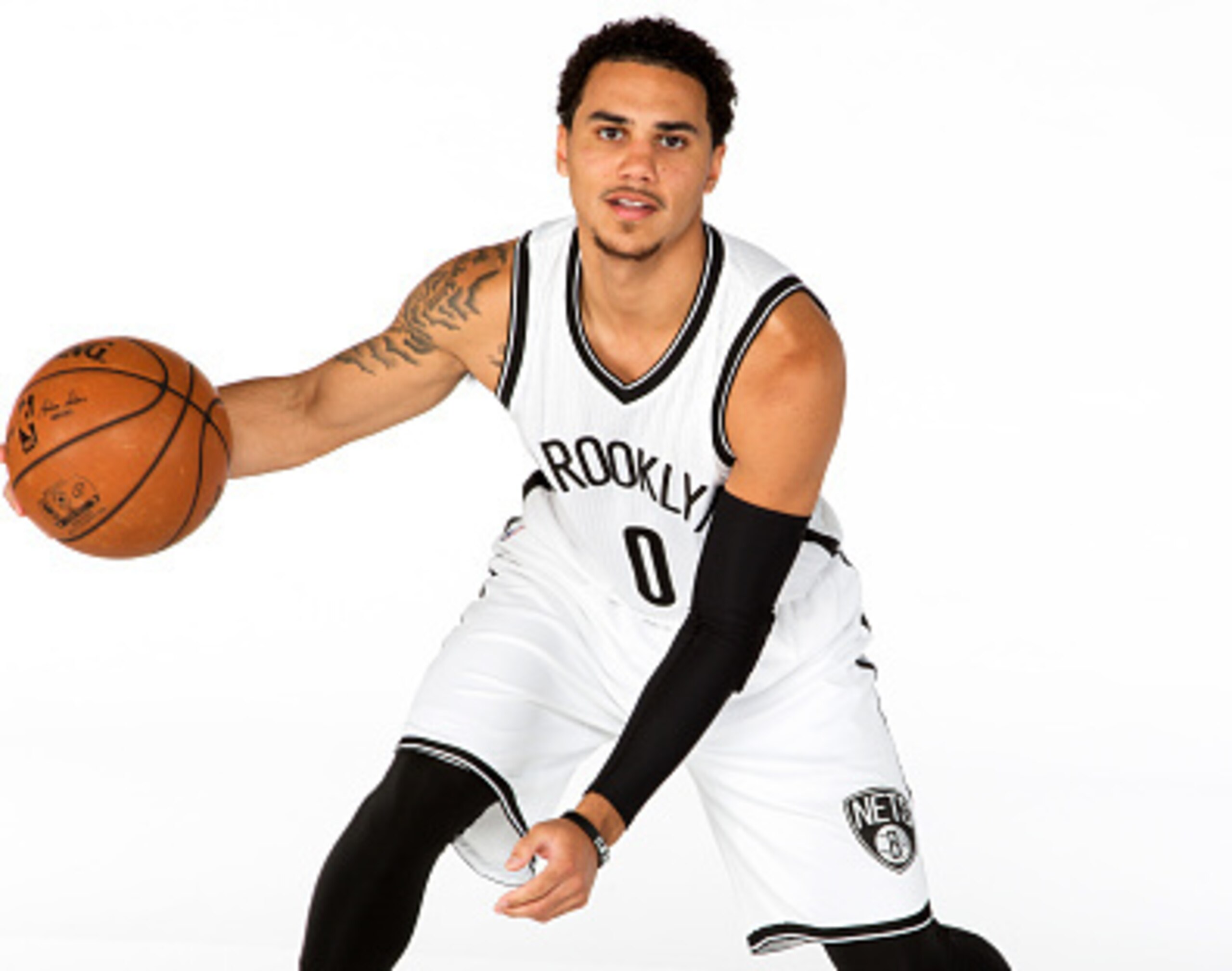
Shane Larkin was one of the hottest prospects around draft time in 2013 after lighting up the combine during athletic testing. Unfortunately, it hasn't translated to much production or an overall positive impact.
The Dallas Mavericks were quick to give up on Larkin after a year. Despite an opportunity with the New York Knicks, where he'd average 24.5 minutes, he didn't deliver much offensive firepower. Larkin put up 6.2 points and three assists per game on 43.3 percent shooting.
Knicks President Phil Jackson had this to say, according to former NBA assistant coach Charley Rosen on ESPN.com:
"He's incredibly quick but he doesn't use his speed the way he should. Shane mainly wants to get his shot off a high screen-roll situation when he should be pushing the ball and getting his shots in an open floor. Another problem is that he can't control the ball because he has such tiny hands. For sure, every team needs a small, quick guard, but there are a lot of guys like that available.
"
Larkin has struggled as a shooter since entering the league (below 32 percent from deep each year) and just hasn't been threatening enough as a playmaker.
He'll have a good shot to secure a rotation spot in Brooklyn, but the ice below him is thin. In year No. 3, it would be a bad look for Larkin if he started losing minutes to Donald Sloan or Ryan Boatright.
C.J. Wilcox, Los Angeles Clippers, SG
11 of 11
After a rookie year during which he appeared in just 21 games and 100 total minutes for the Los Angeles Clippers, C.J. Wilcox is in jeopardy of experiencing another season as a complete non-factor.
The team added Wesley Johnson, Paul Pierce and Lance Stephenson in the offseason, leaving little-to-no room for Wilcox, L.A.'s 2014 first-round pick.
It wouldn't be overly alarming, were he not turning 25 years old in December.
His showing at summer league wasn't exactly encouraging, either. Wilcox shot an ugly 34.3 percent through five games (8-of 25 from three).
A trade to a team that is looking for a shooting specialist would probably be the best thing for his career. But if Wilcox enters his third season in his mid-20s with a blank resume, he might not have many suitors knocking on his door.




.jpg?w=2560 "Weather Channel Trolls Texans-Titans 💀")
.jpg?w=2560 "Grading WWE Raw 🔠")