Formula 1 Needs More Small Teams to Give Young Drivers Experience
Part of the fun of following Formula One is the parlour game of trying to guess which drivers are heading where for the following season. For 2016, it is shaping up to be an easy game to win. Most teams have already confirmed (or at least hinted) they are staying with the same driver lineup they have this season.
That means talented young drivers like Stoffel Vandoorne and Jolyon Palmer are likely to spend another season in purgatory: ready for F1 but without a race seat.
There is no easy solution to this problem. The current teams cannot really be blamed—they take the best (or, in some cases, highest-paying) drivers available.

.jpg?w=2560)
One possible answer is to increase the number of race seats available—a difficult proposition given the current financial state of the sport.
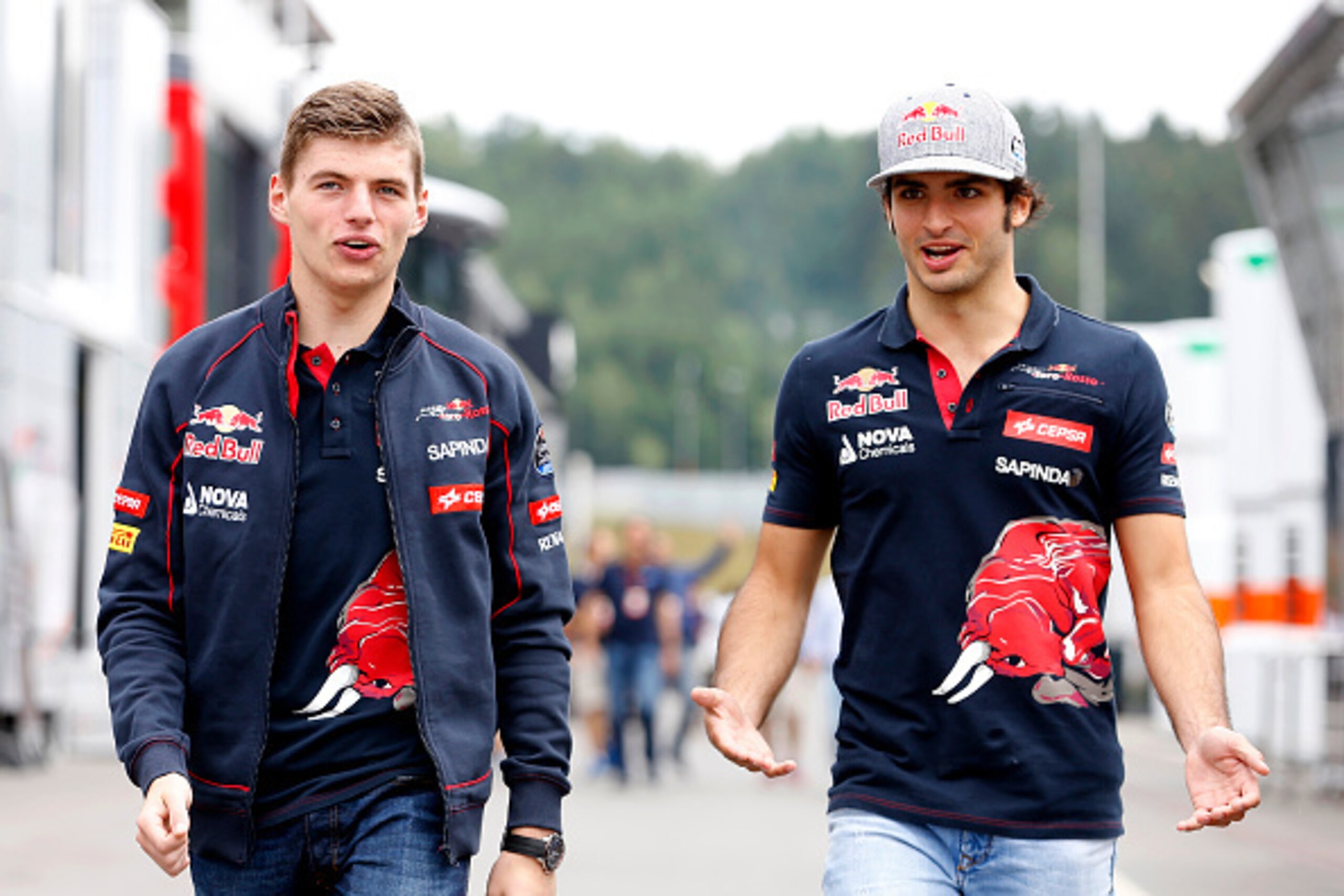
Red Bull, with their extensive driver development programme, have been the only big team consistently willing to promote drivers without F1 experience to race seats. Usually, though, it is done through Toro Rosso, Red Bull's farm team.
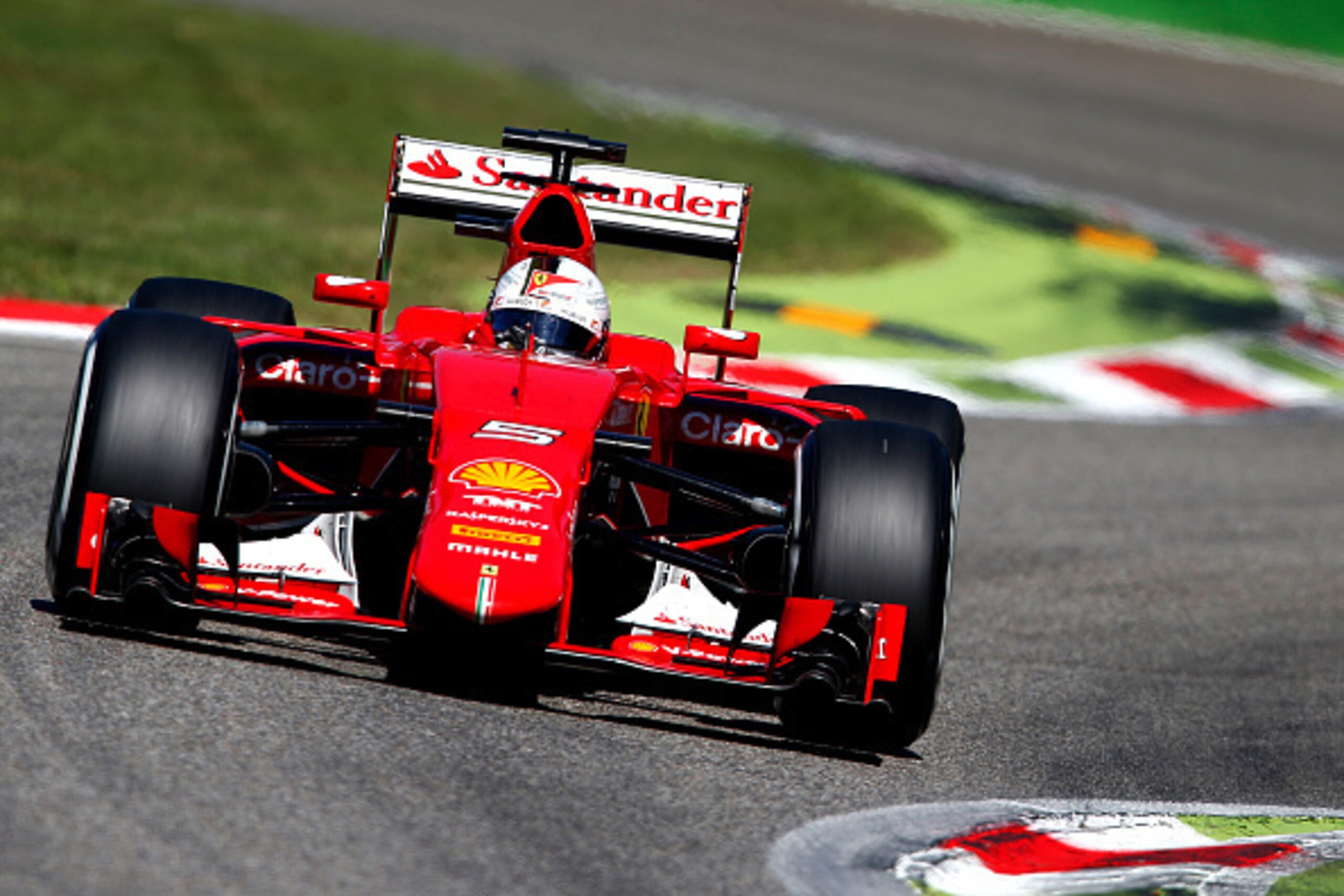
Teams like McLaren and Ferrari provide plenty of support for young drivers, but they do not have the luxury of a second F1 team for the last step of their development.
At the Italian Grand Prix Friday press conference, McLaren racing director Eric Boullier said of Vandoorne and Kevin Magnussen (who raced for McLaren last year but was bumped out of his race seat to make way for Fernando Alonso):
"Obviously we expect the four of them to race. As far as we are concerned, at McLaren we have only two cars, so there will be only two race seats. We have two world champions today and we do intend to keep them, so far. Nevertheless it’s a luxury problem to have four good drivers and we will do obviously…Kevin and Stoffel are very good drivers, both of them we expect to race Formula One but if we can’t fit or accommodate them at home we will do our best to make sure they can race next year.
"
In the past, McLaren might have paid for a seat at a smaller team to gain some race experience for one of their young drivers. Now, that is nearly impossible, as Manor are the only small independent team left.
Caterham and HRT are gone (along with several others from earlier years) and so are the opportunities they provided for young drivers coming into the sport.
The new Haas F1 Team will start racing in 2016, but they have big ambitions. Although they have a partnership with Ferrari, and the expectation is they will have a Ferrari-supported driver in their lineup, Haas are not joining F1 to be a feeder team.

"We're not being conservative," Haas chief designer Rob Taylor told Autosport's Dieter Rencken and Lawrence Barretto. "It's a race team so we've got to try our best and we've got to push the boundaries.
"Obviously there's an awareness that we don't want to stumble. We need to finish races and perform well."
Meanwhile, the Romanian team, Forza Rossa, who applied for an entry at the same time as Haas, have seemingly disappeared.
Earlier this year, the FIA opened a tender process, hoping to attract another new team for 2016 or 2017. In August, an FIA spokesman confirmed that, although two applications were received, "none of the applicants were able to meet the FIA's criteria for new teams despite being granted every opportunity of doing so, and we now consider this round of applications to be closed," per ESPN F1.
With F1's current system of revenue distribution and the difficult sponsorship market, it is very difficult for independent teams to survive. In addition to the demise of Caterham and HRT, Marussia went bankrupt last year and saw their assets auctioned off before being reborn as Manor. Sauber and Lotus have also been dealing with financial problems.
Of course, there is plenty of money in the sport. Last year, the BBC's Andrew Benson wrote that F1 brought in £1.1 billion in revenue.
The problem is that half of that money goes to the sport's shareholders—the teams never see it. The rest is divided between the teams, largely based on their performances. However, the biggest teams also receive significant bonus payments, adding to the inequality with the smaller teams.
In order to attract new teams, who can then give opportunities to young drivers, this needs to change.
In 2014, per Autosport's Rencken and Barretto, Ferrari received $120 million more than Sauber. How can the smaller teams be expected to compete with such a discrepancy?
By taking some money away from the shareholders and some away from the larger teams, the sport could guarantee a reasonable payout to the smaller teams. Along with a spending cap, this increased payout could cover their racing budgets while allowing them to compete with the big teams.
Of course, the shareholders do not care whether F1's tradition of small, independent teams survives. Nor do they care whether young drivers are given an opportunity to gain race experience.
Therefore, the big teams like Ferrari and Mercedes must take a leadership role on this issue. If they want race seats for their up-and-coming drivers, they may need to give up something to ensure those seats exist.
Click here to donate to the Wilson Family Fund in support of F1 and IndyCar driver Justin Wilson's wife and children.
Follow me on Twitter for updates when I publish new articles and for other (mostly) F1-related news and banter:



.jpg?w=2560 "Viral Rams Coach Vid 🖕")