

Not every pick made on NBA draft night is subject to unbridled optimism. Many require further scrutiny.
Some even warrant outright skepticism.
This isn't to say any selections are already doomed to fail. Youngsters who have yet to make their pro debut deserve patience.
Still, when you dig deeper into player-team pairings coming out of the 2026 NBA draft, you can't help but have questions and suspicions about certain fits. This is our attempt to spotlight these cases—and also understand them.
Atlanta Hawks: Kingston Flemings (No. 8)
1 of 5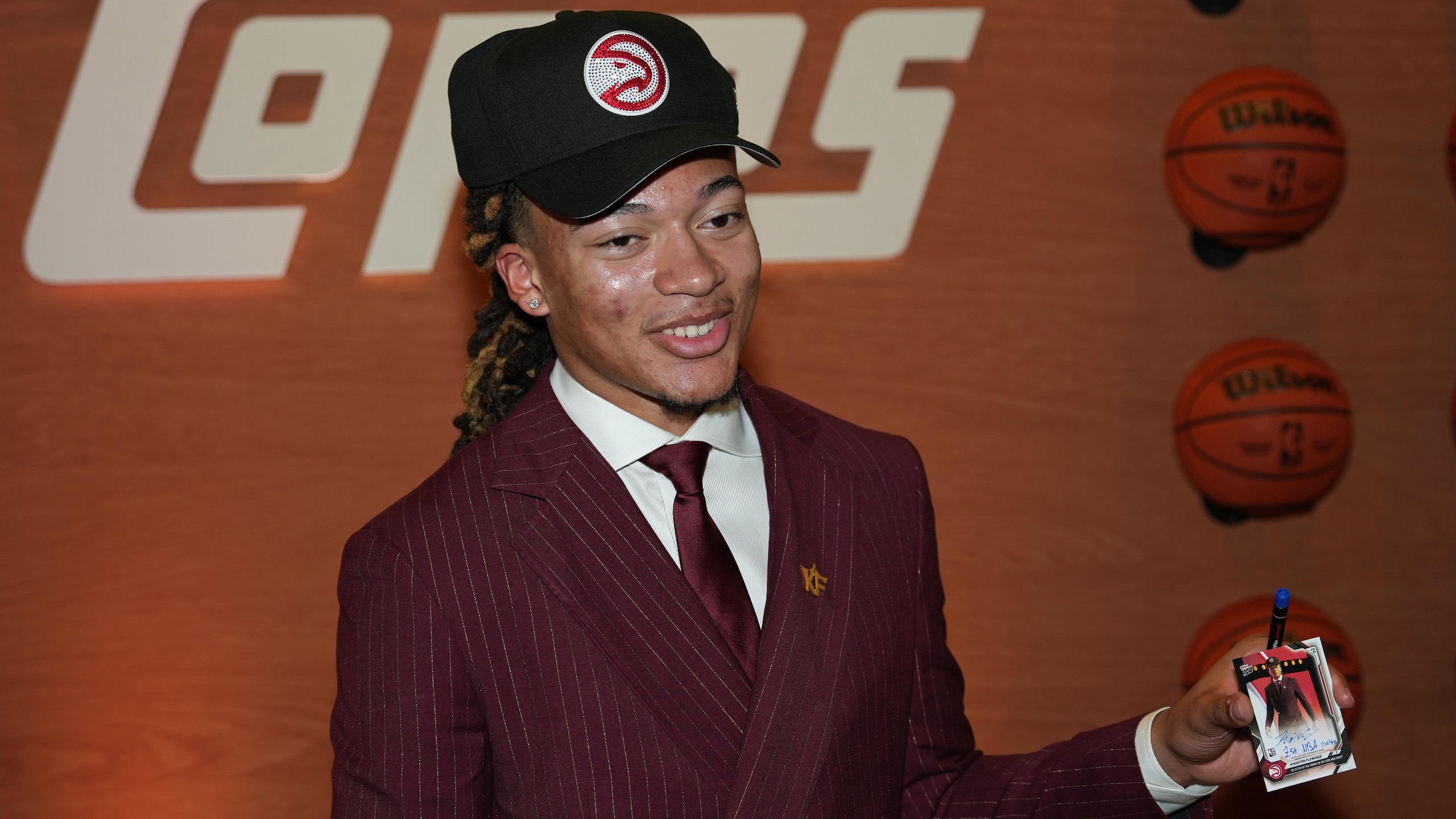
Why It's Weird
Though the Atlanta Hawks need another on-ball playmaker, Kingston Flemings is an imperfect fit. Smart draft people believe his athleticism pops, and that shaky finishing at the rim has more to do with Houston's spacing. Even if we operate under that assumption, the shooting looms as an issue.
Flemings connected on 38.7 percent of his triples at school, but attempted just 2.9 per game. His reliance on the mid-range could get iffy in lineups that feature Dyson Daniels. Staggering them is an option, but much less of a workaround if Jonathan Kuminga remains on the roster.
This says nothing of Flemings' shaky path to minutes.
For all of Atlanta's immediate expectations following a scorching-hot close to last year, it presumably wanted to use the No. 8 pick on someone who'd actually play. Flemings isn't guaranteed anything in a rotation that has Daniels, CJ McCollum, Nickeil Alexander-Walker and Aaron Wiggins. Selecting a big like Aday Mara or Hannes Steinbach might have made more of a difference.
The Case for Flemings in Atlanta
Poking holes in the "Why not a big?" argument doesn't require much effort. Drafting for need in the top 10 is typically considered a no-no, and it's not like Flemings is superfluous.
The Hawks do not have another ball-handler who does everything he does. His passing should pop amid better spacing. Both his finishing and jumper could, too.
Finding court time for the rookie is hardly impossible. The bar for cracking the regular rotation will be high, but Atlanta has personnel to insulate him against difficult on-ball defensive assignments. And Flemings can endear himself to head coach Quin Snyder by party-crashing passing lanes and jump-starting transition opportunities.
Dallas Mavericks: Morez Johnson Jr. (No. 9)
2 of 5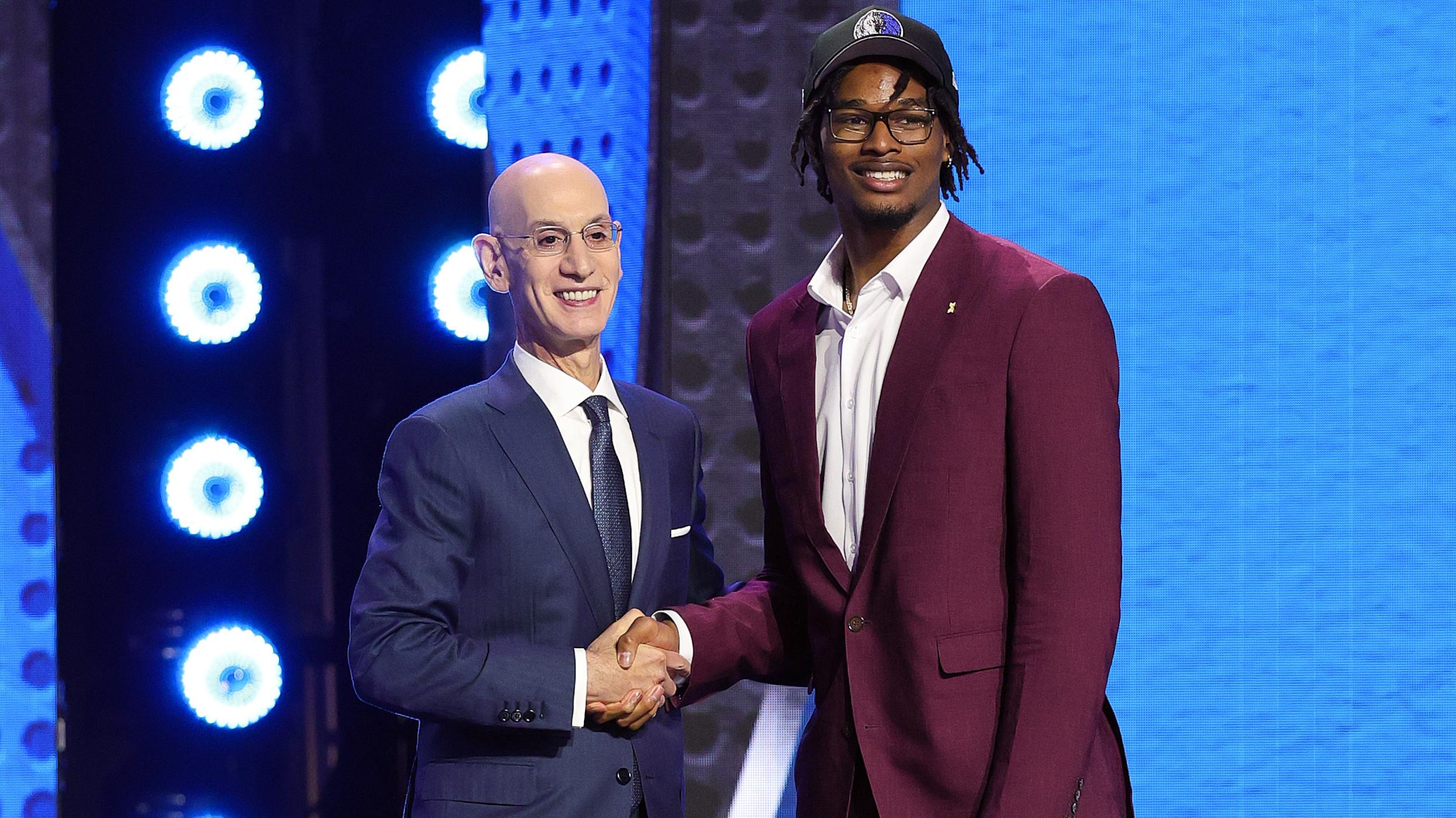
Why It's Weird
The Dallas Mavericks desperately need more outside-in ball-handling and shooting around Cooper Flagg. So, naturally, team president Masai Ujiri gravitated toward Morez Johnson Jr., the 6'9" prospect who promises exactly neither of those things.
Knocking down 12-of-35 three-point attempts at Michigan isn't proof of much. A 34.3 percent clip from downtown won't open the floor unless Johnson is lining up at the 5. And maybe not even then.
His fit gets wonkier when looking at the rest of the roster. Dallas shouldn't be concerning itself too much with fit, but it already has P.J. Washington and Naji Marshall in the tweener forward spots and won't have too much room for Johnson-at-the-5 reps if Dereck Lively II and Daniel Gafford are healthy.
The Case for Johnson in Dallas
Ujiri has made it clear the Mavs will be future-focused this summer. He and the rest of the front office could genuinely view Flagg as the only long-term keeper on the roster.
Drafting Johnson makes slightly more sense through that lens. It is downright palatable if Dallas has designs on making Flagg-Johnson the closing frontcourt. There is no ceiling on Johnson's defensive versatility—and energy. The Mavs could be impossible to score on before the end of his rookie season.
With all the consensus-best guards off the board, Dallas deserves the benefit of the doubt. At the same time, a future built around Cooper Flagg still warrants a focus on spacing, and Brayden Burries was available for the taking.
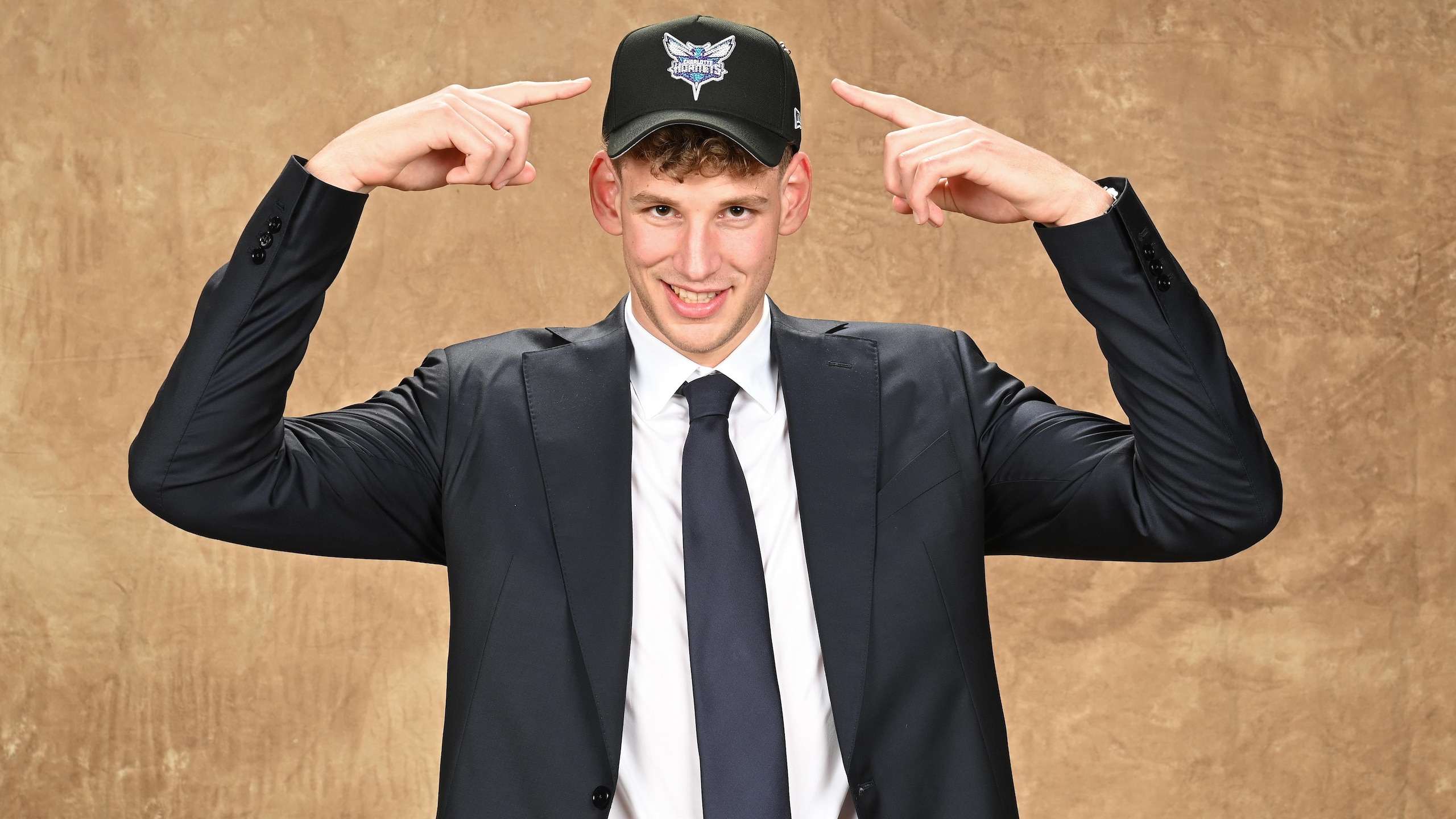
Charlotte Hornets: Hannes Steinbach (No. 14)
3 of 5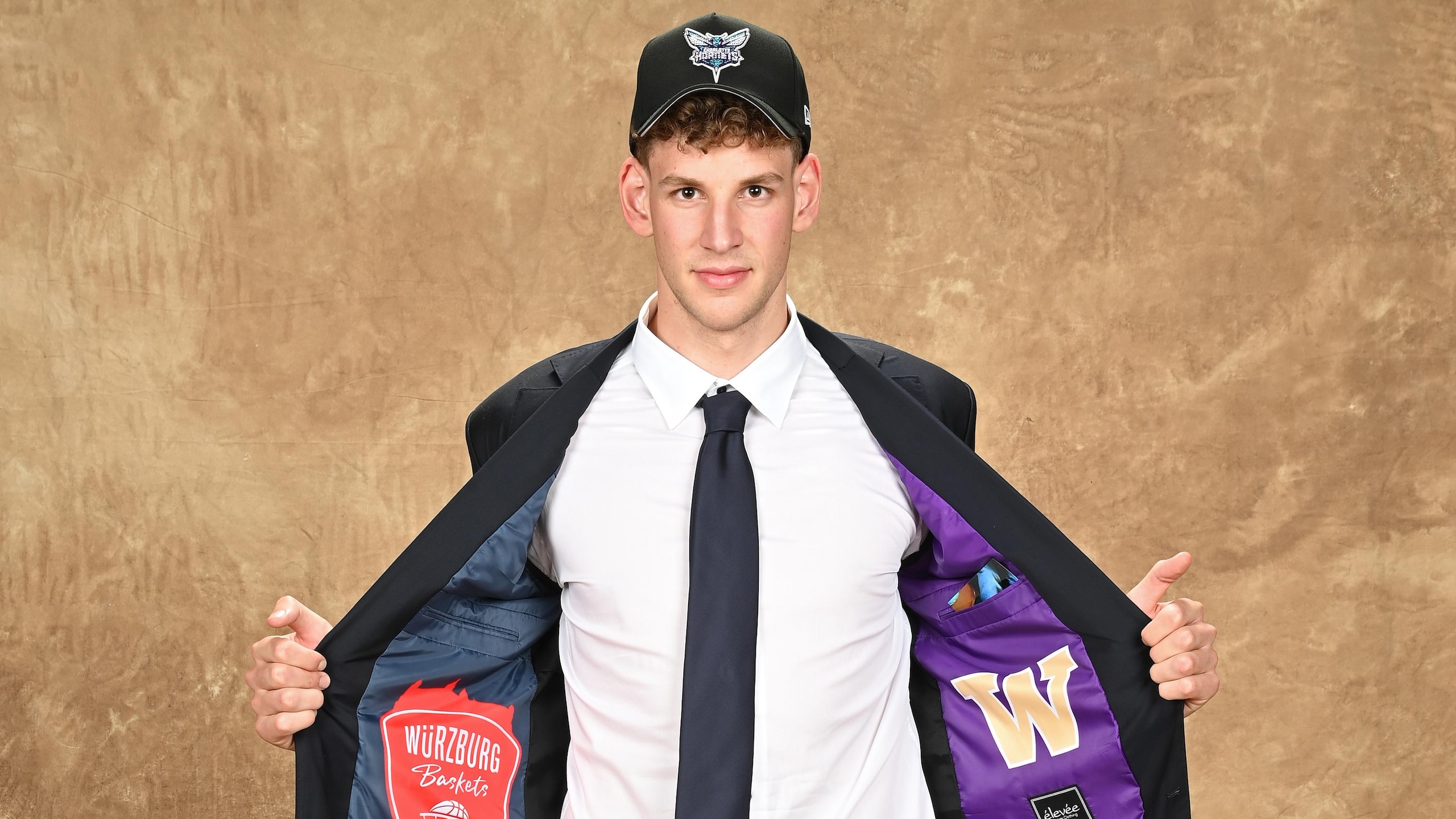
Why It's Weird
Getting bigger on the frontline is a good thing for the Charlotte Hornets. Using a lottery pick on someone who may not make enough of a defensive impact to play the 5 full-time is a different story.
Hannes Steinbach has tons of offensive craft, already flashed three-point range and gobbles up rebounds at both ends. But his rim protection leaves much to be desired, and he doesn't have the foot speed to guard in space.
Maybe the LaMelo Ball trade rumors somehow play a part in the thinking. The Hornets could need more firepower if he's on his way out. Failing that, they're not a team hard-up for the offensive value Steinbach provides.
The Case for Steinbach in Charlotte
Possession battles are all the rage now. Steinbach's boarding-crashing will create plenty of extra opportunities for what's already a dangerous offense. The functional variety he provides as a finisher at the rim and floor-spacer allows Charlotte to field all different types of lineups.
Rebounding matters at the defensive end, too. He may not be a shutdown paint protector, but he will end enemy possessions and can make quick outlet passes to kick-start transition opportunities.
Steinbach's arrival might also signal the Hornets are prepared to test out dual-big combinations or hint at a frontcourt upgrade befitting his strengths and weaknesses.
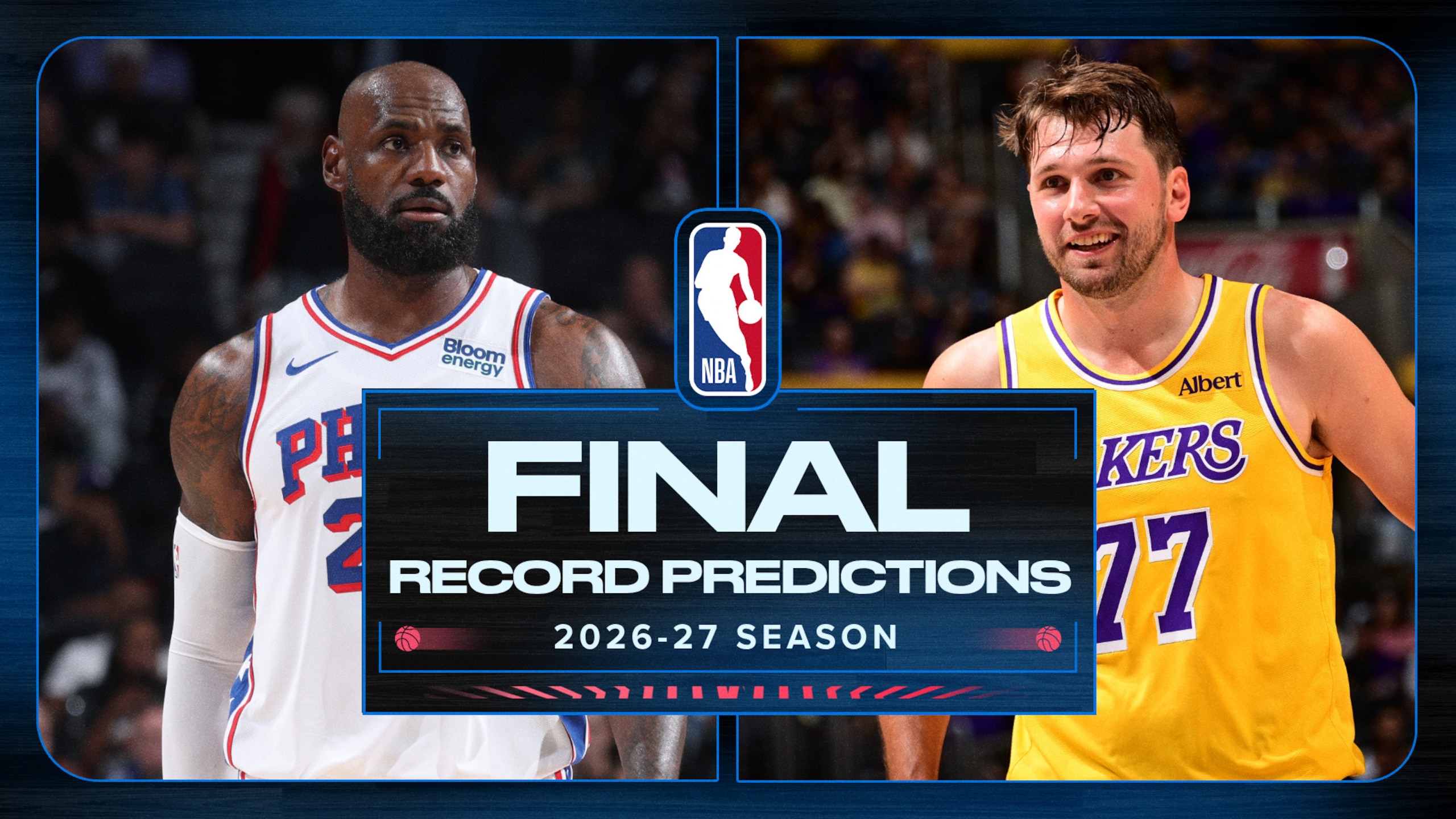
San Antonio Spurs: Tarris Reed Jr. (No. 26)
4 of 5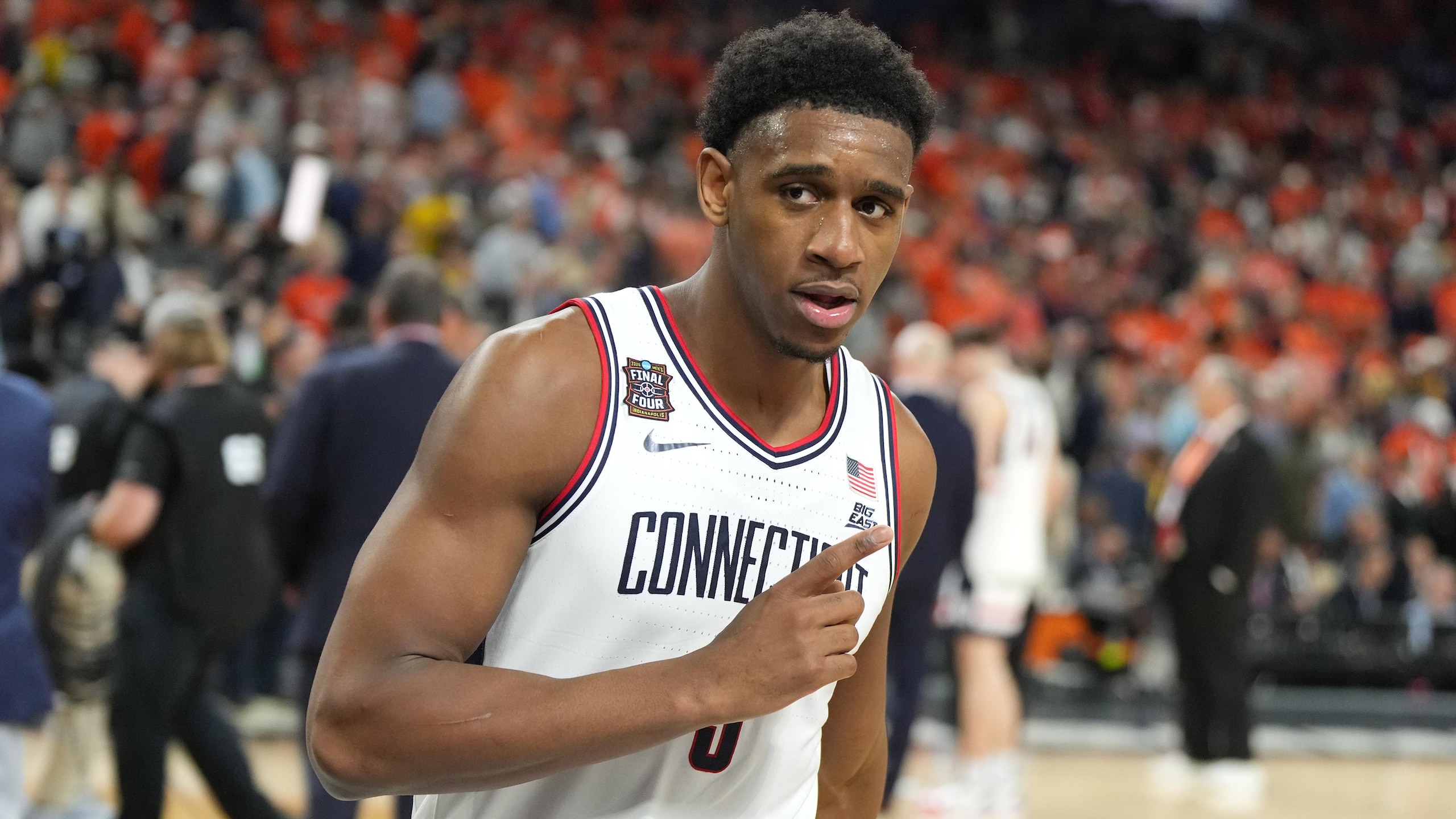
Why It's Weird
How many centers does a team with Victor Wembanyama need?
Finishing this past season with Bismack Biyombo, Kelly Olynyk and Mason Plumlee all collecting dust behind Luke Kornet was overkill. The San Antonio Spurs are on track for similar awkwardness again after trading up to grab combo-big Tarris Reed Jr. a mere six spots following their selection of Jayden Quaintance.
We could get on board with the center-fest if one of them forecasted as a shooter. Neither of them do. After taking Quaintance, it would have made more sense for the Spurs to snag a flier on Joshua Jefferson, Koa Peat or even Trevon Brazile, all of whom have more perimeter touch.
The Case for Reed in San Antonio
Kornet became barely playable for the Spurs after Round 2 of the playoffs. Wembanyama looked beyond gassed following the Western Conference Finals.
These two things are related.
Taking both Reed and Quaintance gives the Spurs two bites as the third-big apple. Wemby's stretch also opens the door for tandem minutes alongside non-shooting 4s and 5s, particularly when Stephon Castle is off the floor.
Phoenix Suns: Koa Peat (No. 30)
5 of 5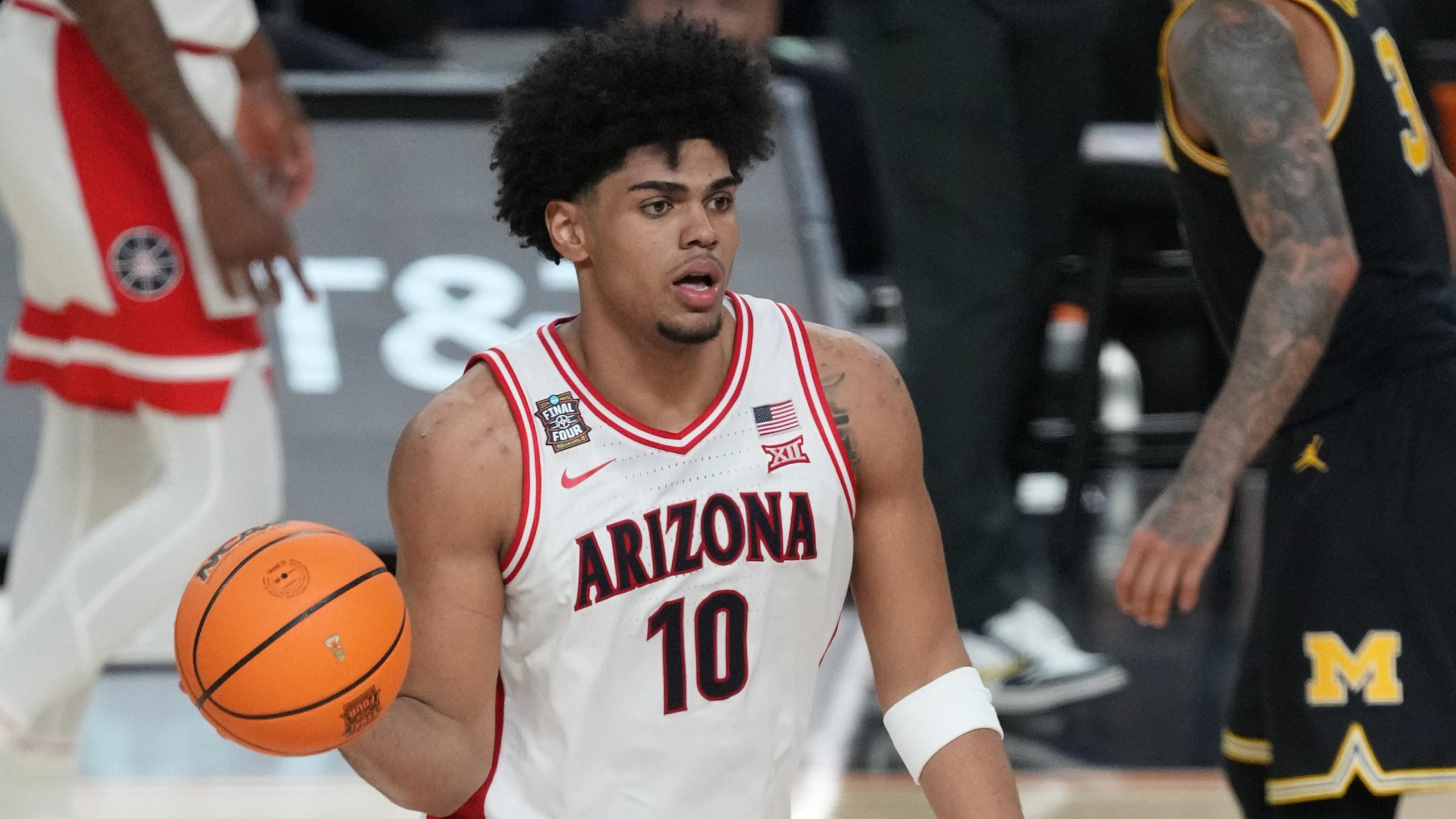
Why It's Weird
On the one hand, nobody should be overwhelmingly put off by anything that happens at No. 30; on the other, the Phoenix Suns gave up three second-rounders for the last pick of the first round, including seconds in 2029 and 2033, to select a non-shooting tweener.
The Suns, for their part, believe Koa Peat will be a "very good" shooter. That feels like a reach. As J. Kyle Mann of The Ringer noted, the 19-year-old attempted just 55 total jumpers at Arizona—47 of which came inside the arc.
Concern can be mitigated if Phoenix believes it can scale up on the defensive end. Standing 6'7", that's a mighty big if.
The Case for Peat in Phoenix
If you go back and watch Peat's offensive possessions, you come to appreciate the craft and touch he has from the center of the floor. The Suns take enough threes under head coach Jordan Ott that you can envision him spinning his way to the basket or spraying the ball out to shooters off short rolls and cut-ins.
Peat's place in Phoenix becomes instantly comfier if the plan is to deploy a stretch big in his minutes. The answer isn't Oso Ighodaro or Mark Williams (restricted), and Khaman Maluach's outside range is very much a theory.
But if we galaxy-brain it, perhaps this is a precursor to a trade for Myles Turner or Kel'el Ware or the signing of someone like Sandro Mamukelashvili or John Collins.
Dan Favale is a National NBA Writer for Bleacher Report. Follow him on Bluesky (@danfavale), and subscribe to the Hardwood Knocks podcast, co-hosted by Bleacher Report's Grant Hughes.
.jpg?w=2560 "🚨 Davante Out 6-10 Weeks")
.jpg?w=2560 "Tank Dell Playing Sunday 💯")