.jpg?w=2560)

Ranking the 25 Biggest Second-Round NBA Draft Steals of All Time
The first round of the 2026 NBA draft is now in the books, but all of the talent isn't off the board. Look no further than reigning NBA Finals MVP Jalen Brunson (33rd pick in 2018) for proof that stars can still be in the second round.
Brunson wasn't the only second-round diamond in the rough, either. Over the years, numerous stars have been taken in the second round, including more than 20 players currently in the Hall of Fame (three were inducted as coaches).
Here, we've ranked the best players in NBA history who were taken in the second round. Among them are MVPs, Defensive Players of the Year, Sixth Men of the Year, All-NBA selections and more.
Since the draft has looked wildly different over the years—Willis Reed was technically a second-round pick in 1964, even though he was one of the first 10 players off the board—we're going to focus on players drafted after the ABA-NBA merger, which occurred after the 1976 draft. By then, there were 22 teams in the league, which is much closer to the modern setup.
As far as ranking methodology is concerned, high-end performance—even if it was relatively short-lived—weighed more heavily than longevity or supportive stats. Win a major individual award or make multiple All-NBA teams? Yeah, that'll get you on the list. Being a bona fide star, especially on a championship team, also carries more weight than being a solid glue guy or reliable third or fourth option.
With that said, exceptional, sustained stats do carry weight. At times, that production separated a player with fewer individual accolades from those with more.
Top 2nd-Rounders From Before the ABA-NBA Merger
1 of 27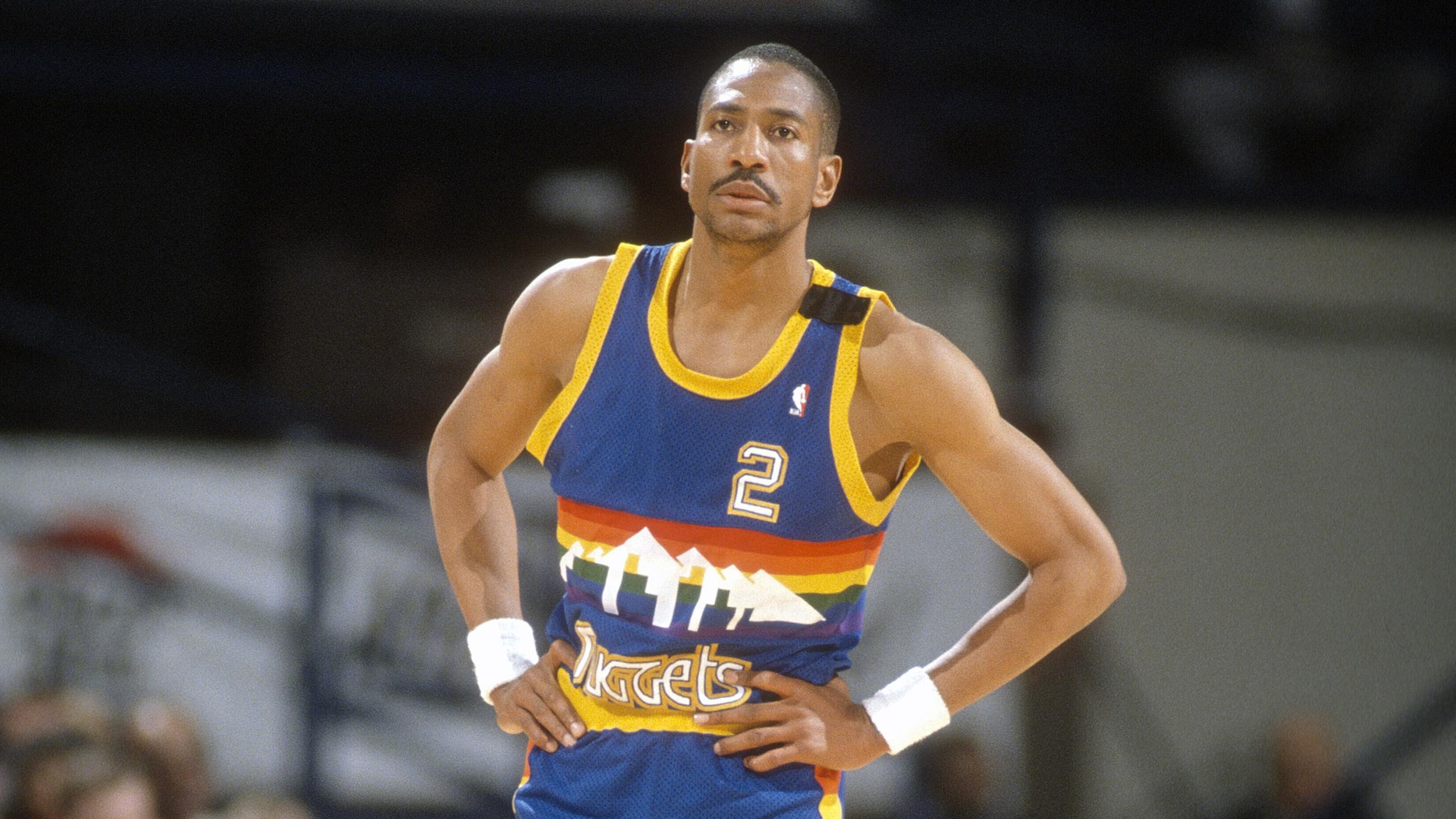
Of the Hall of Famers who were taken in the second round, more than 15 were drafted before the ABA-NBA merger in 1976. Below are some of the standouts from that group, presented in alphabetical order.
Nate "Tiny" Archibald, 19th overall, 1970: An incredible playmaker, Archibald remains the only player to lead the league in both total points (2,719) and assists (910) in the same season (1972-73), as he averaged 34.0 points and 11.4 assists per contest. He made six All-Star teams and was named All-NBA five times, with three being first-team nods.
Alex English, 23rd overall, 1976: When it comes to scoring, no second-round pick holds a candle to English. He was the most prolific overall scorer of the 1980s, and he scored 25,613 points in his 15-year NBA career—the most of any second-round pick by more than 4,000. English, who is best remembered for his time with the Denver Nuggets, made eight All-Star teams and earned three All-NBA selections.
Hal Greer, 14th overall, 1958: Second behind English in career points by a second-rounder, Greer was a star guard in the 1960s. Greer spent his whole career with the Syracuse Nationals/Philadelphia 76ers franchise, and he was Wilt Chamberlain's running mate on the 1966-67 team that dethroned the dynastic Boston Celtics in the NBA Finals.
Greer made 10 All-Star teams and seven All-NBA teams, and when he retired in 1973, he held the NBA record for the most games played (1,122).
Dennis Johnson, 29th overall, 1976: Drafted just days before the announcement of the ABA-NBA merger, Johnson is a clear casualty of our ranking timeline. Had we included him, he easily would have ranked among the top 10 second-round picks of all time.
Before he became a star in a supporting role on Boston's championship teams in 1984 and 1986, he led the Seattle SuperSonics to their first and only championship in 1979, earning Finals MVP.
Willis Reed, 10th overall, 1964: There's disagreement over whether Reed was taken eighth overall or 10th, but either way, he's arguably the best second-round pick of the pre-merger era.
Reed won Rookie of the Year honors in 1965, and by 1970, he became the first player to ever win All-Star Game MVP, league MVP and Finals MVP in the same year. He led the Knicks—his only team—to championships in 1970 and 1973 and earned Finals MVP both times, making him the only second-round pick to win Finals MVP twice.
Honorable Mentions: Calvin Murphy, Bill Sharman, Chet Walker
Post-Merger Honorable Mentions
2 of 27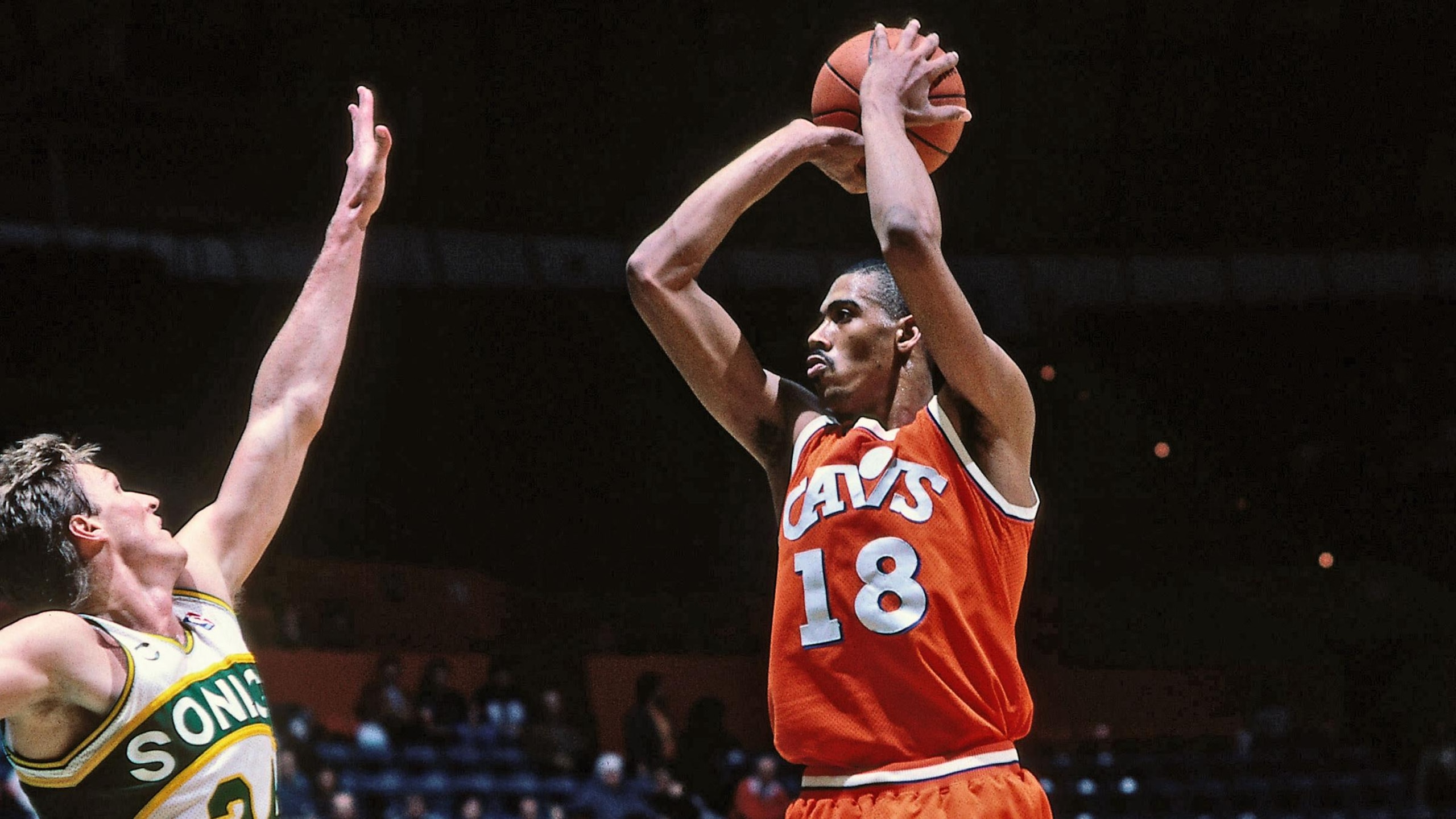
It's a testament to the depth of talent available in the second round that these rankings could have easily stretched well beyond the top 25. Below are a slew of honorable mentions, including one Hall of Famer, a pair of multi-time All-Stars and plenty of other great NBA players.
Kevin Duckworth, 33rd overall, 1986: A two-time All-Star, Duckworth was a 7-foot center who locked down the interior for the Portland Trail Blazers during their Finals runs in 1990 and 1992. He earned the league's Most Improved Player award during the 1987-88 season, but after his brief peak, Duckworth spent his last few years as a journeyman.
Jerome Kersey, 46th overall, 1984: Like Duckworth, Kersey was a pillar for the Trail Blazers during the late 1980s and early 1990s, bringing elite athleticism to the forward position. Kersey spent 17 productive years in the NBA, and he picked up a championship ring as a member of the 1998-99 San Antonio Spurs in the twilight of his career.
Dino Radja, 40th overall, 1989: Radja is the only Hall of Fame second-round pick since the ABA-NBA merger to be excluded from our top 25. With that said, he did not come over from Europe until 1993, and he only spent four seasons (224 games) with the Boston Celtics before going back overseas. He averaged 16.7 points, 8.4 rebounds, and 1.3 blocks before returning to Europe, and his induction into the Hall of Fame was largely due to his pioneer status and international success.
Jeff Ruland, 25th overall, 1980: Ruland's career was a prime example of a player's star shining brightly and burning out quickly, mostly because of unfortunate injuries. A slick-passing big man who made up the "Beef Brothers" with Rick Mahorn, Ruland earned All-Star nods in 1984 and 1985, but he only played in 332 games as injuries railroaded his career.
Hot Rod Williams, 45th overall, 1985: Williams was a highly capable sixth man for the Cleveland Cavaliers for most of his career, but his consistent, all-around contributions never vaulted him to star status. Still, his 11.0 points, 6.8 rebounds, 1.8 assists and 1.6 blocks per game over 13 seasons are fantastic production out of a second-round pick.
Other honorable mentions: Trevor Ariza, Malcolm Brogdon, Cedric Ceballos, Antonio Davis, Mehmet Okur, Norman Powell, Nick Van Exel, Mo Williams
25. P.J. Brown
3 of 27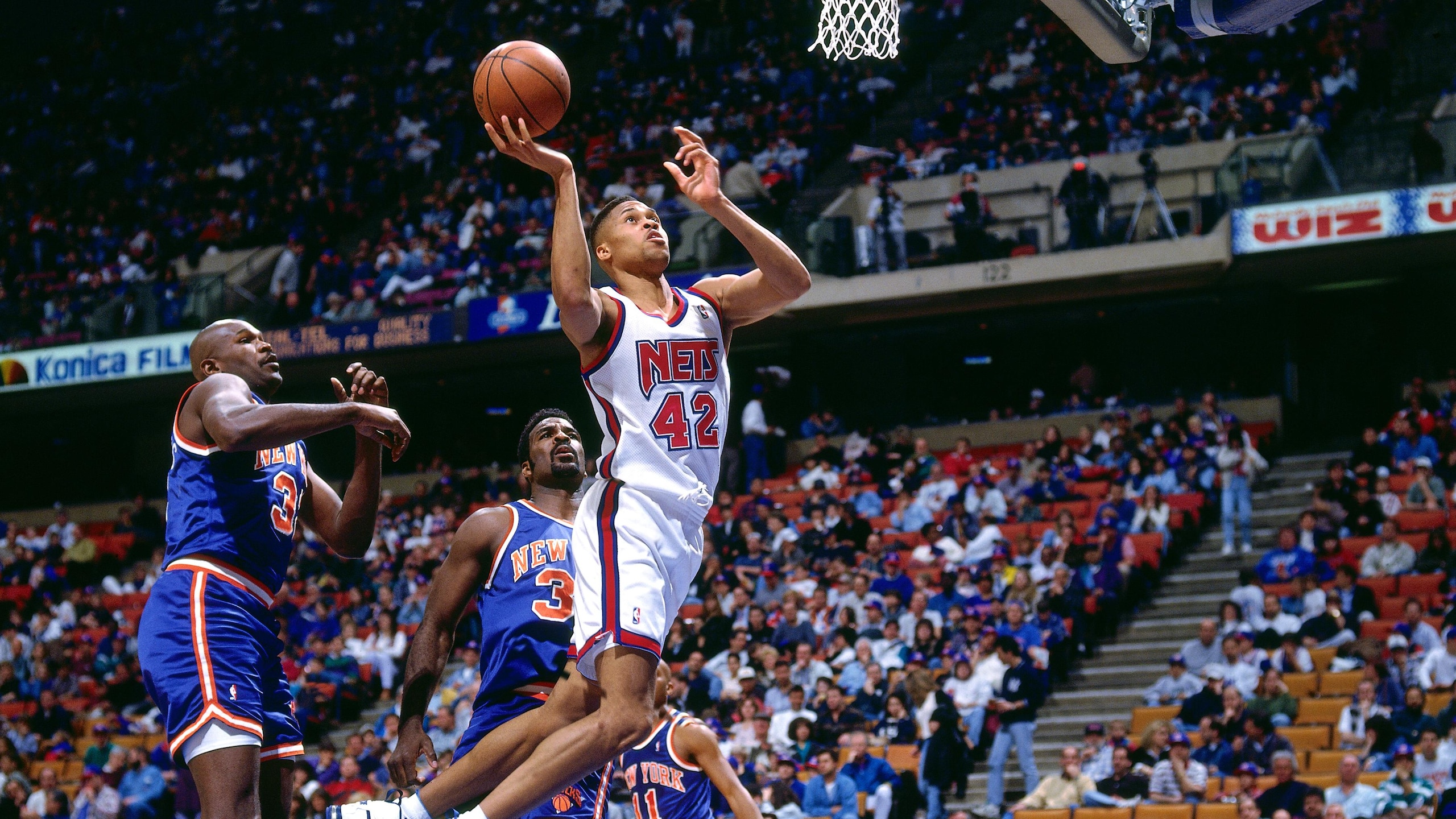
Drafted: 29th overall (New Jersey Nets, 1992)
P.J. Brown is one of only three players in these rankings who never made an All-Star team, but there's something to be said for having an elite skill set and being a consistent contributor to winning.
While he was never a No. 1 option or a star, Brown made a solid career out of being a sound, steady defensive presence at each of his six NBA stops. He averaged 9.1 points, 7.7 rebounds and 1.0 blocks per game for his career, and he earned a spot on the league's All-Defense second team three times (1997, 1999, 2001).
A selfless glue guy, Brown ranks eighth among second-round picks eligible for these rankings in win shares, and he closed out his career by earning a ring with the Boston Celtics in 2008 as a veteran leader off the bench and indispensable locker-room presence.
24. Doc Rivers
4 of 27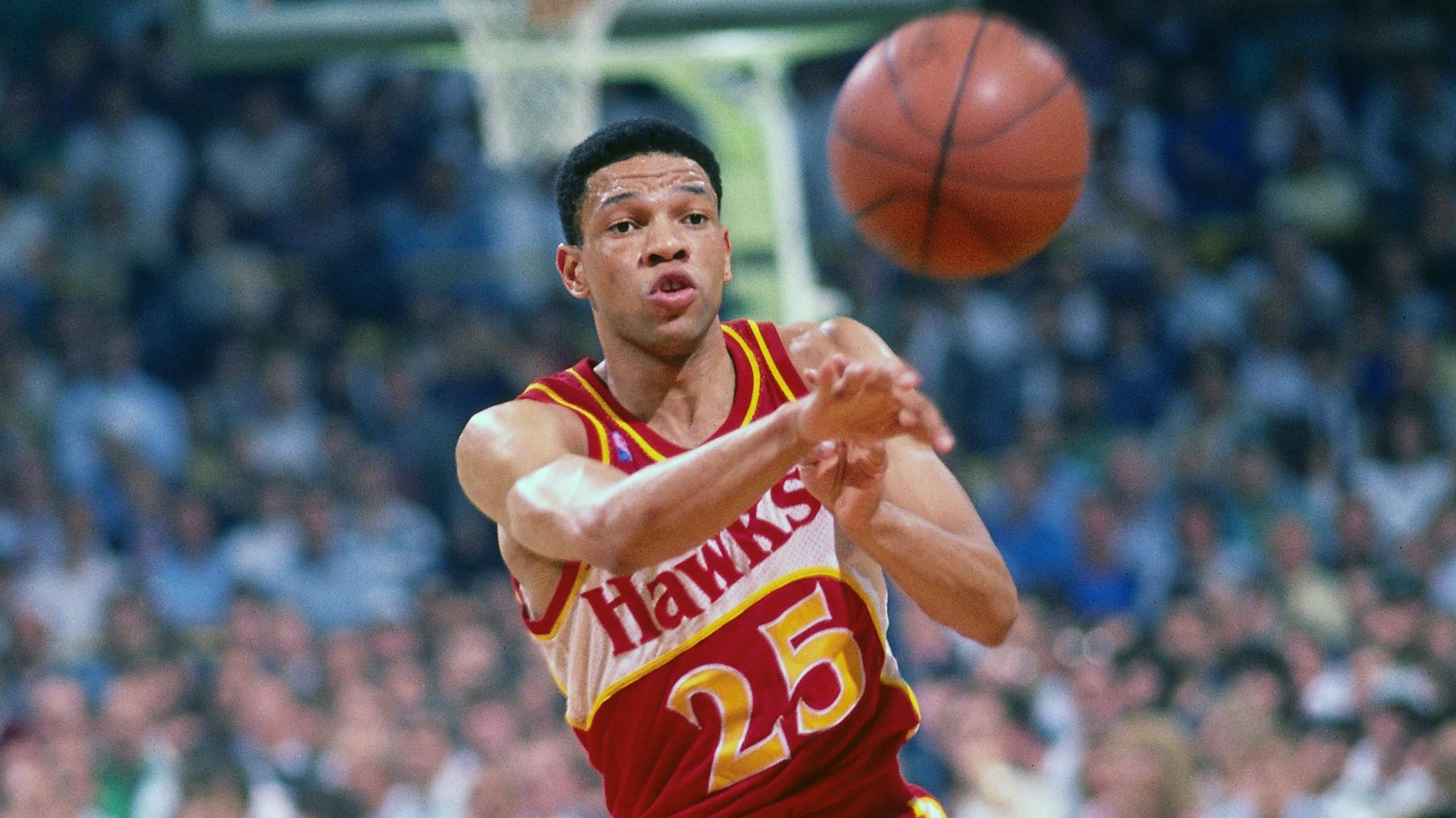
Drafted: 31st overall (Atlanta Hawks, 1983)
Doc Rivers made only one All-Star team during his 13-year NBA career, but the pass-first, reliable guard was historically great as a ball-hawking, shutdown defender.
Rivers' rebounds (3.0), steals (1.8) and blocks (0.4) per game weren't anything too absurd, but those numbers hardly tell the whole story. He often guarded the opposing team's best player.
Had Rivers played in the advanced-stats era, he might have been better appreciated for his elite defensive box plus-minus (2.19), which ranks 18th all-time. At the time of his retirement, his DBPM would likely have ranked in the top five.
It feels criminal that Rivers never made an All-Defense team in his 13 seasons. As far as accolades go, Rivers played in just one All-Star Game (1988), and he finished eighth in Defensive Player of the Year voting in 1987.
23. Michael Redd
5 of 27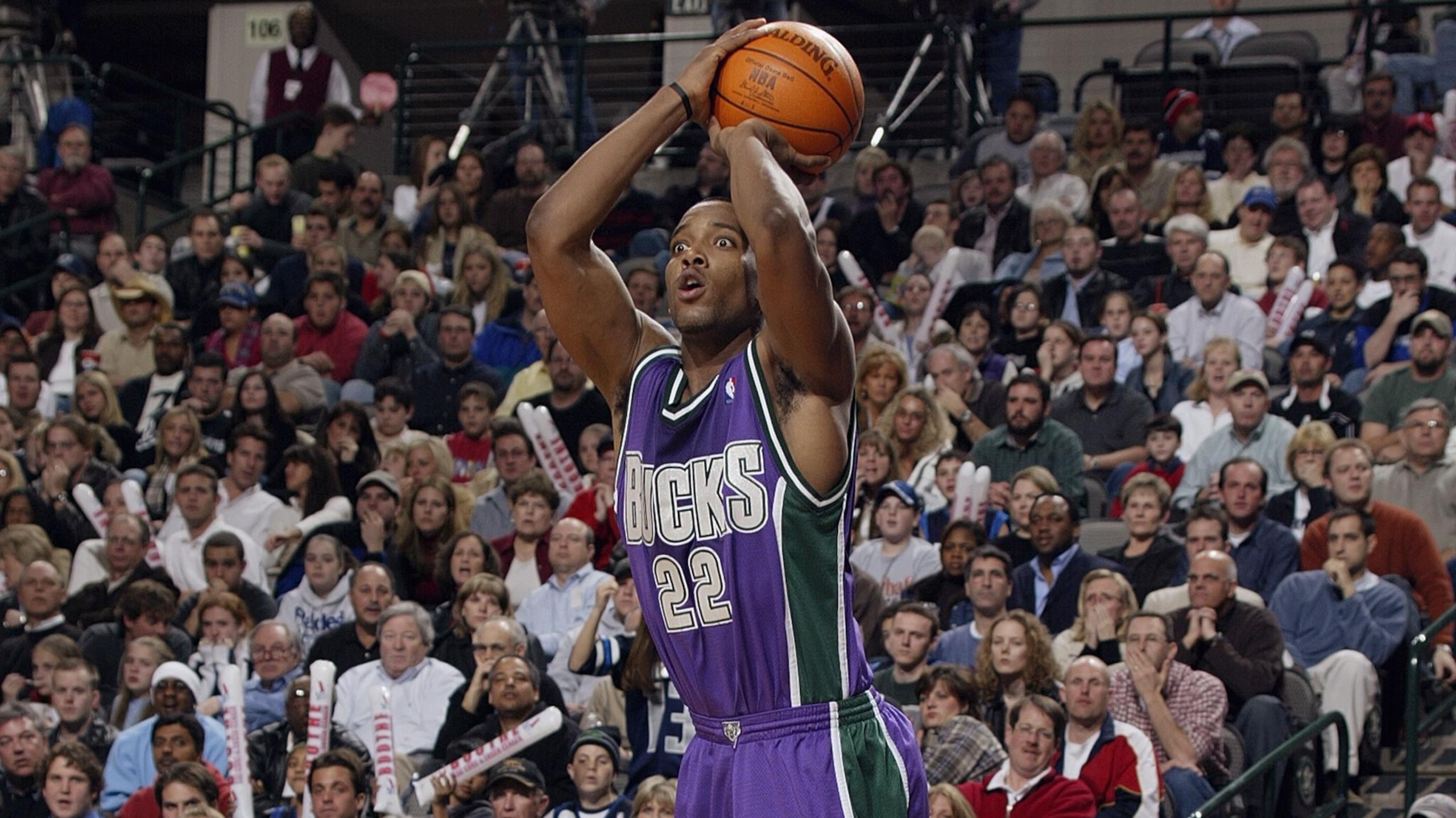
Drafted: 43rd overall (Milwaukee Bucks, 2000)
While he didn't enjoy a long career, Michael Redd did something that no one behind him in these rankings ever did—claim a spot on an All-NBA team. Redd peaked in 2003-04, which is when he made his only All-Star team and earned a spot on the All-NBA third team.
An elite scorer and Olympic gold medalist, Redd averaged 19.0 points, 3.8 rebounds and 2.1 assists over his 12-year NBA career, and he finished second in Sixth Man of the Year voting in 2003. Knee injuries significantly hampered the second half of Redd's career, though, limiting him to just 629 games—the third-fewest among players in our top 25.
If it weren't for the injuries that forced him to retire prematurely, Redd would surely rank higher on this list. Still, his 2003-04 peak is enough to vault him into the top 25.
22. Danny Ainge
6 of 27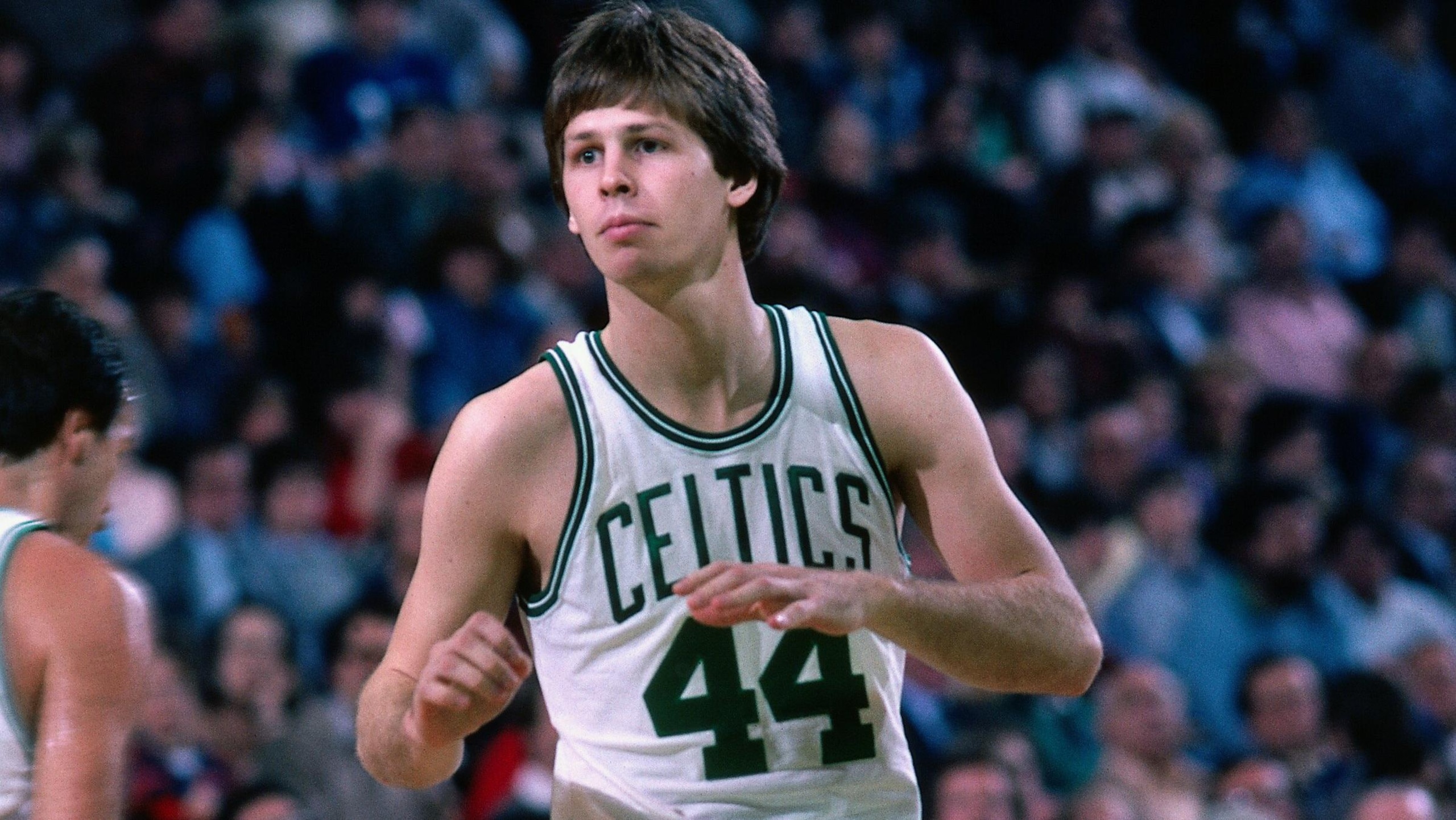
Drafted: 31st overall (Boston Celtics, 1981)
Sometimes, second-round picks thrive because they land in the perfect situation. Joining the stacked, reigning-champion Celtics in 1981 certainly put Danny Ainge in a position to succeed, and he parlayed his roster spot into a fantastic career.
Ainge slotted into an indispensable role as a stalwart defensive player and floor-stretching three-point shooter long before "three-and-D" was part of the NBA vernacular. He averaged 11.5 points, 4.0 assists, 2.7 rebounds and 1.1 steals per game over his 14-year career, and he was a key part of Boston's title runs in 1984 and 1986.
His best season, though, arguably came in 1987-88, when he shattered the NBA's three-point record with 148 triples—more than 50 more than the previous record. He made his only All-Star team that season, and he ultimately finished his career as the third player to surpass 1,000 three-pointers (1,002) while connecting on 37.8 percent of them.
21. Kyle Korver
7 of 27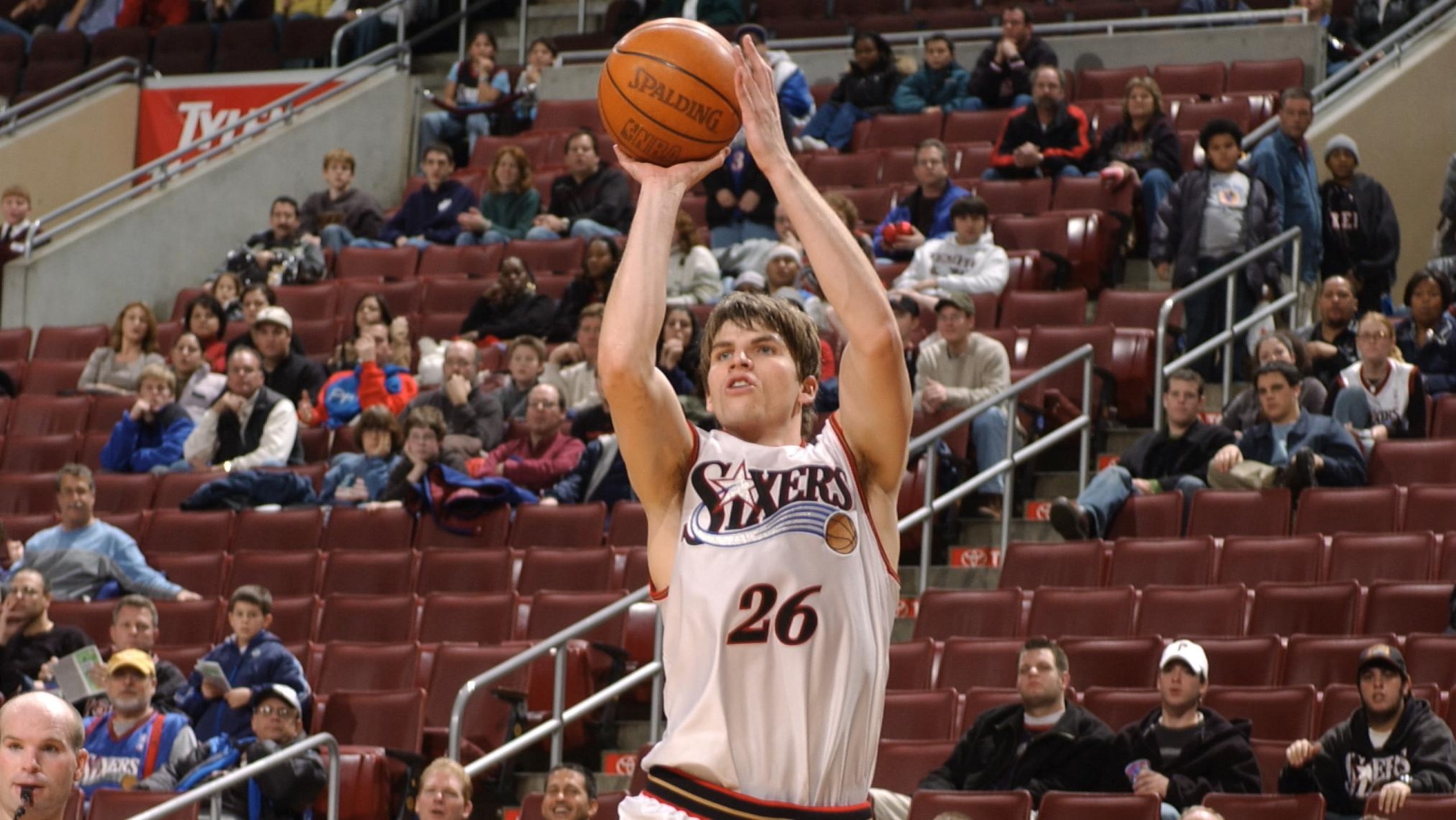
Drafted: 51st overall (Philadelphia 76ers, 2003)
Kyle Korver was never a star player. He was never expected to be a first or second option on any of his six teams across his 17-year NBA career.
However, he was an historically elite three-point shooter. Finding that kind of outlier talent late in the second round makes him an incredible pickup.
Across 1,232 regular-season games, Korver made 2,450 three-pointers, which put him fifth all-time. He wasn't just a chucker, either. He shot 42.9 percent from beyond the arc throughout his career and led the league in three-point percentage four times, making him the only player to do so. While with the Utah Jazz in 2009-10, Korver made 59 of his 110 three-point attempts, setting an NBA record with a 53.6 percentage that season.
Add in an All-Star nod in 2014-15 and an extensive (and solid) playoff history, and Korver put together a stellar career regardless of his draft status.
20. Clifford Robinson
8 of 27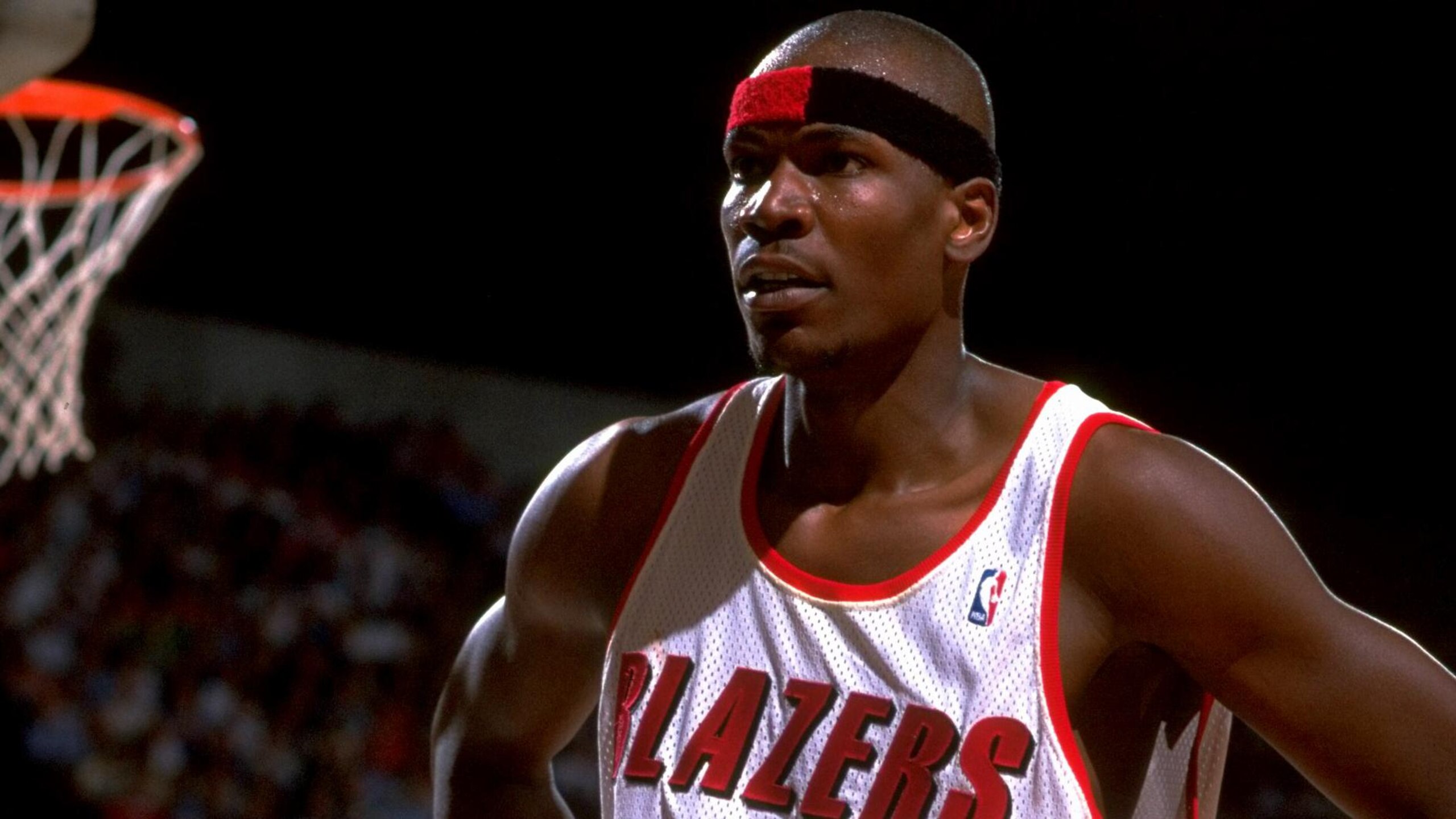
Drafted: 36th overall (Portland Trail Blazers, 1989)
No second-round pick considered for these rankings has played more games (1,380) or logged more minutes (42,561) than Clifford Robinson, and neither category was particularly close. That alone would merit consideration for this list, but Robinson was more than just a minutes-eating ironman during his 18-year career.
Robinson really broke out during his fourth season with the Portland Trail Blazers in 1992-93, averaging 19.1 points and 6.6 rebounds per game on the way to winning Sixth Man of the Year. He backed it up the next year with his first and only All-Star nod as he recorded his first of three straight seasons averaging 20-plus points.
Later in his career, Robinson settled in as a defensive anchor, finishing among the top 10 in Defensive Player of the Year voting three times and claiming a spot on the NBA's All-Defense second team twice (2000 and 2002).
19. Rashard Lewis
9 of 27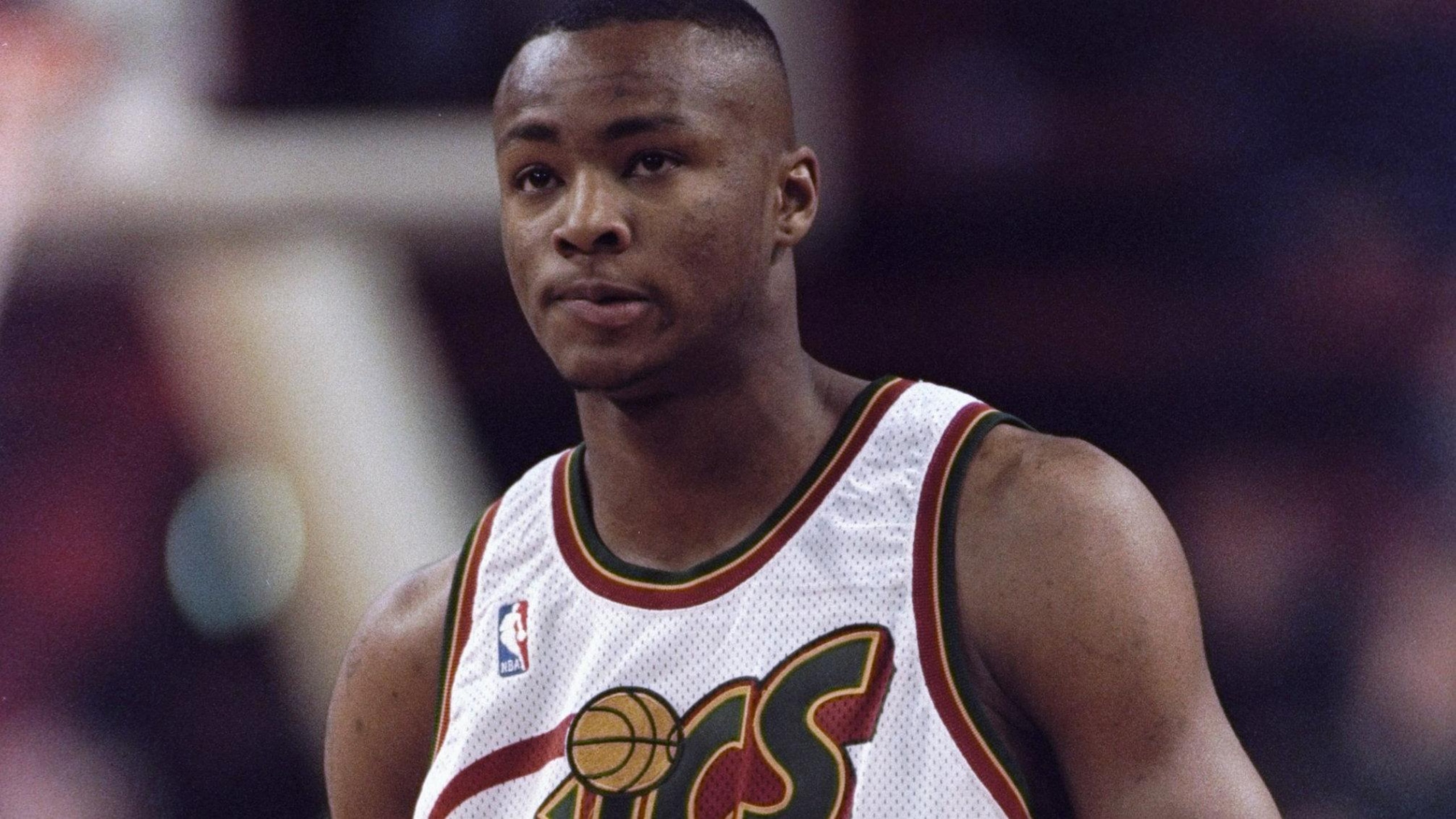
Drafted: 32nd overall (Seattle SuperSonics, 1998)
The first multi-time All-Star to appear in these rankings, Rashard Lewis was a reliable three-and-D, multi-positional big wing in the era just before that archetype became extremely valued across the league.
Lewis averaged 14.9 points and 5.2 rebounds per game during his 16-year career while shooting 38.6 percent from long range. The 6'10" wing led the NBA in 2008-09—the second of his two All-Star campaigns—in both made three-pointers (2.8) and attempts (7.0) per game as a key part of an Orlando Magic team that won the Eastern Conference.
Toward the end of his career, Lewis served as a solid veteran bench player for the Miami Heat and was part of the team's championship run in 2012-13.
18. Lou Williams
10 of 27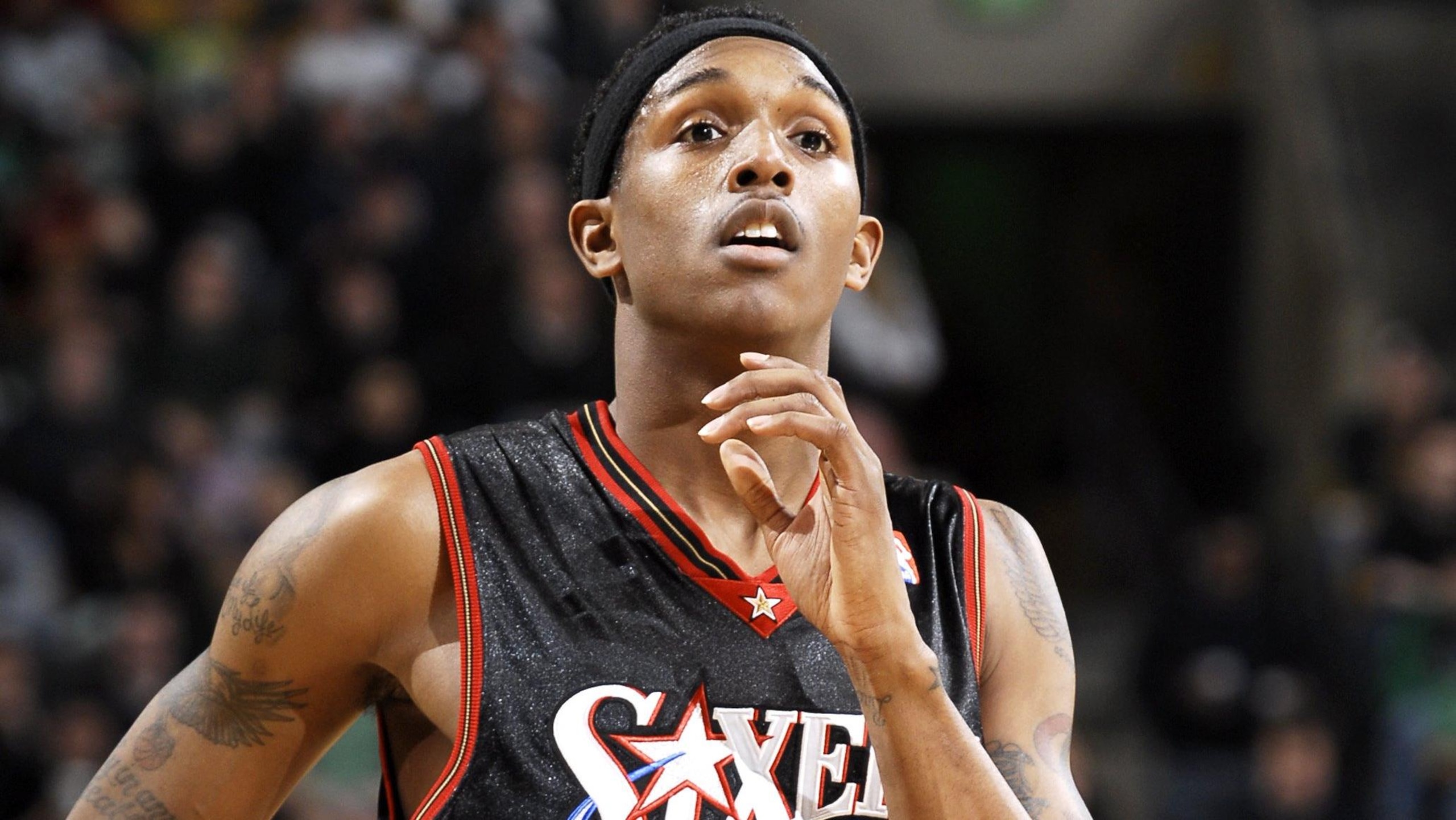
Drafted: 45th overall (Philadelphia 76ers, 2005)
The second of three players in the rankings without an All-Star appearance, Lou Williams established himself as the greatest off-the-bench scorer of all time during his 17-year NBA career.
Williams was a walking bucket, averaging 13.9 points in only 24.1 minutes per game over his 1,123 career NBA appearances. He came off the bench for more than 1,000 of those games, amassing a league-record 13,396 points off the bench.
In 2019, Williams took home his third Sixth Man of the Year award, tying Jamal Crawford as the only three-time winners of the John Havlicek Trophy. Williams also finished in the top three for that award three other times in his career.
17. Goran Dragić
11 of 27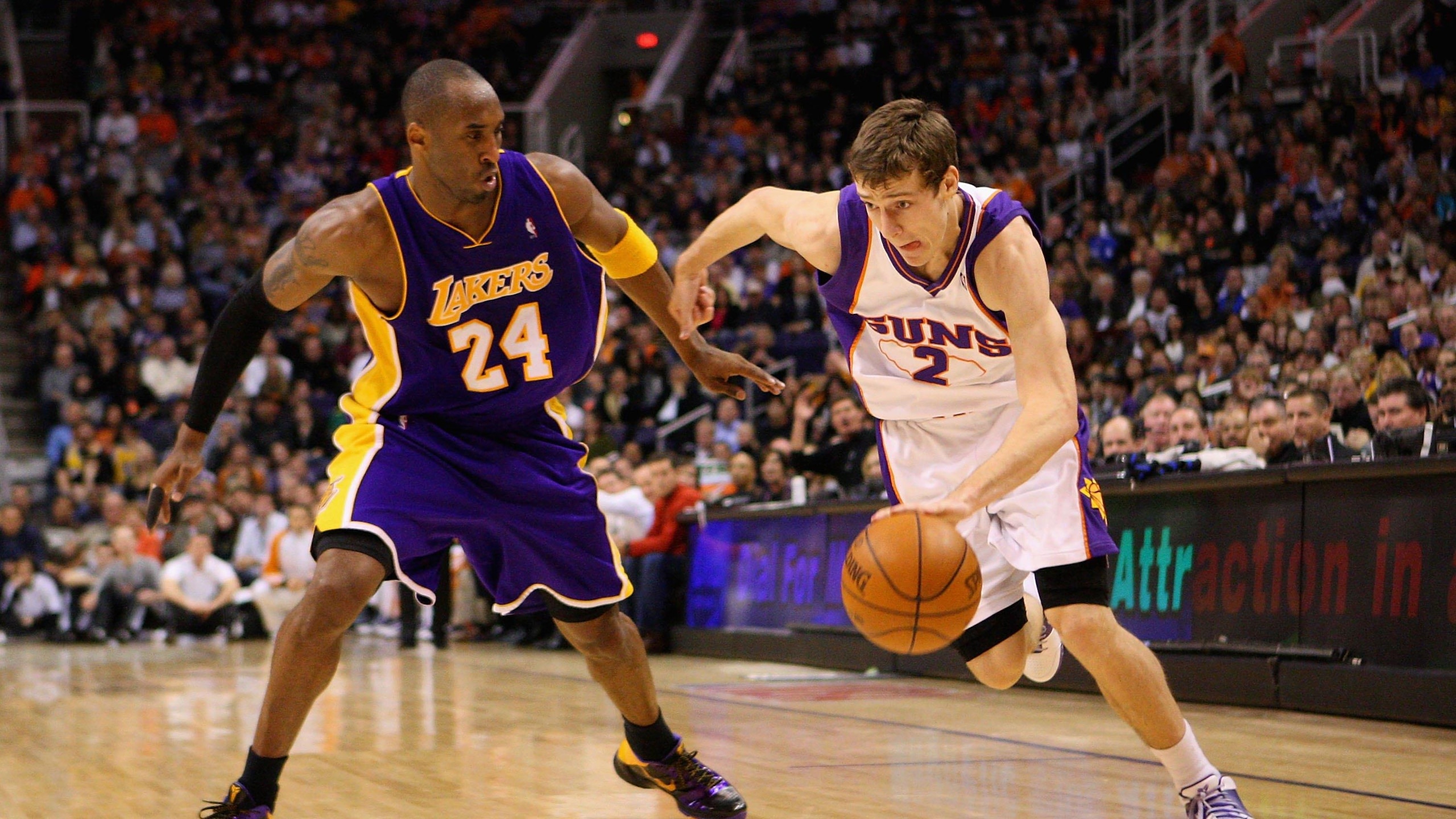
Drafted: 45th overall (Phoenix Suns, 2008)
The start of Goran Dragić's career didn't portend a spot in these rankings. He started to turn a corner in Years 4 and 5, but it wasn't until Year 6 that he truly exploded.
The lead guard of a plucky, young Phoenix Suns team in 2013-14, Dragić averaged career-bests in points per game (20.3), three-point shooting percentage (40.8) and effective field-goal percentage (56.1). While the 48-34 Suns missed the playoffs in the loaded Western Conference, Dragić cleaned up on individual accolades by earning the league's Most Improved Player award and a spot on the All-NBA third team.
Dragić remained a high-level starter for the next half-decade, and he claimed his only All-Star nod during the 2017-18 season as a member of the Miami Heat. He played a key role during Miami's run to the Finals in the bubble during the 2020 playoffs, averaging 19.1 points per game during that postseason.
16. Isaiah Thomas
12 of 27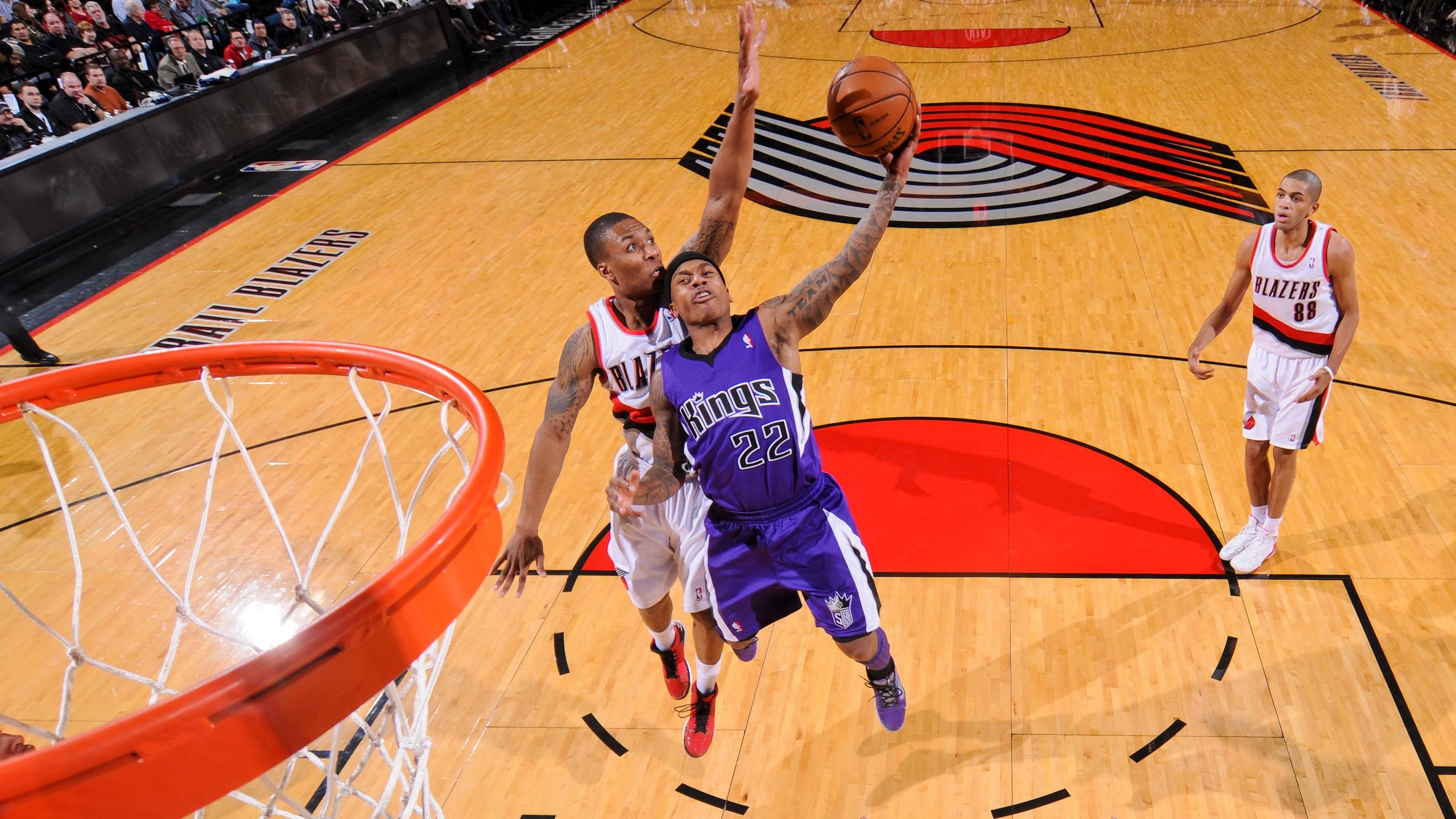
Drafted: 60th overall (Sacramento Kings, 2011)
Going from Mr. Irrelevant as the last pick of the draft all the way to the top five in MVP voting might be something we never see again. The fact that Isaiah Thomas did that while standing at 5'9" makes his rise even more unbelievable.
Thomas immediately made a name for himself by making the 2011-12 All-Rookie second team. He truly ascended to stardom in his first full season with the Boston Celtics in 2015-16, though, as he averaged 22.2 points and 6.2 rebounds per game while appearing in all 82 contests and earning his first of two straight All-Star nods.
Thomas then kicked things up a notch the next season, as he averaged a career-high 28.9 points per game, claimed a spot on the All-NBA second team and finished fifth in MVP voting.
A creative, clutch scorer, Thomas is best remembered for his heroics in the 2017 playoffs, which came after the untimely and tragic death of his 22-year-old sister. In the first game of the playoffs—one day after her death—Thomas scored 33 points in a Celtics win. A few weeks later on what would have been his sister's birthday, Thomas scored 53 points to carry the Celtics to an overtime win over the Washington Wizards in the Eastern Conference semifinals.
Thomas played only 556 games in total, and his career trailed off after that season due to injuries. But his high peak and brief position at the center of the NBA universe land him close to the top 15 of these rankings.
15. Jeff Hornacek
13 of 27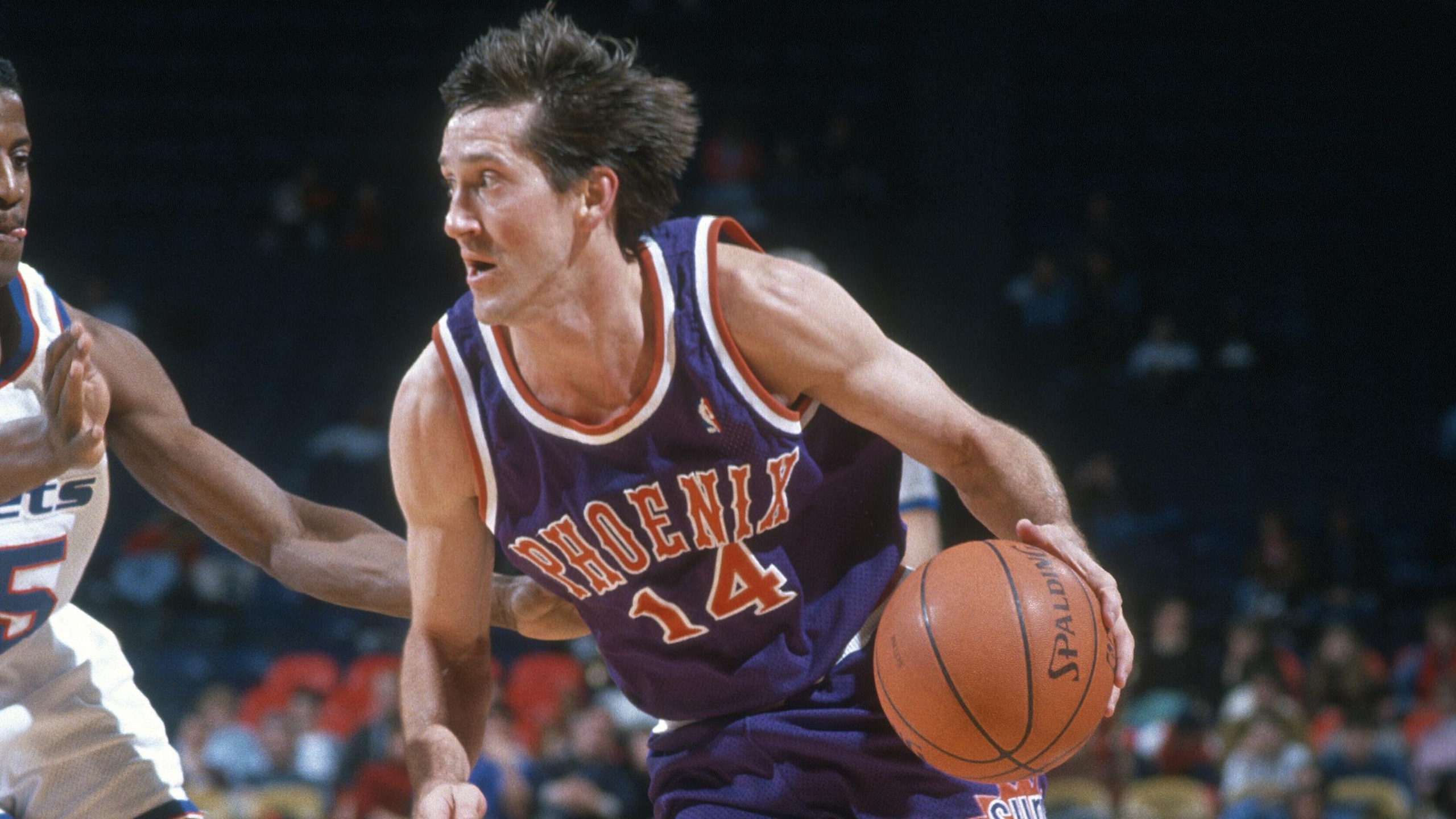
Drafted: 46th overall (Phoenix Suns, 1986)
For the most part, these rankings have elevated high-level performance and individual accolades over longevity and steady contributions to team success. However, Jeff Hornacek's career is an exception.
A sharpshooter who passed well and more than held his own on defense, Hornacek was a high-level starter for essentially the entirety of his 14-year NBA career. While he only made one All-Star team and was never a true superstar, he played a critical role on some stellar teams—namely the Utah Jazz squads that lost back-to-back Finals against Michael Jordan's Chicago Bulls.
Overall, Hornacek ranks in the top 60 all-time in value over replacement player and fourth all-time among second-round picks. Among players considered for these rankings, Hornacek is second all-time in win shares.
14. Carlos Boozer
14 of 27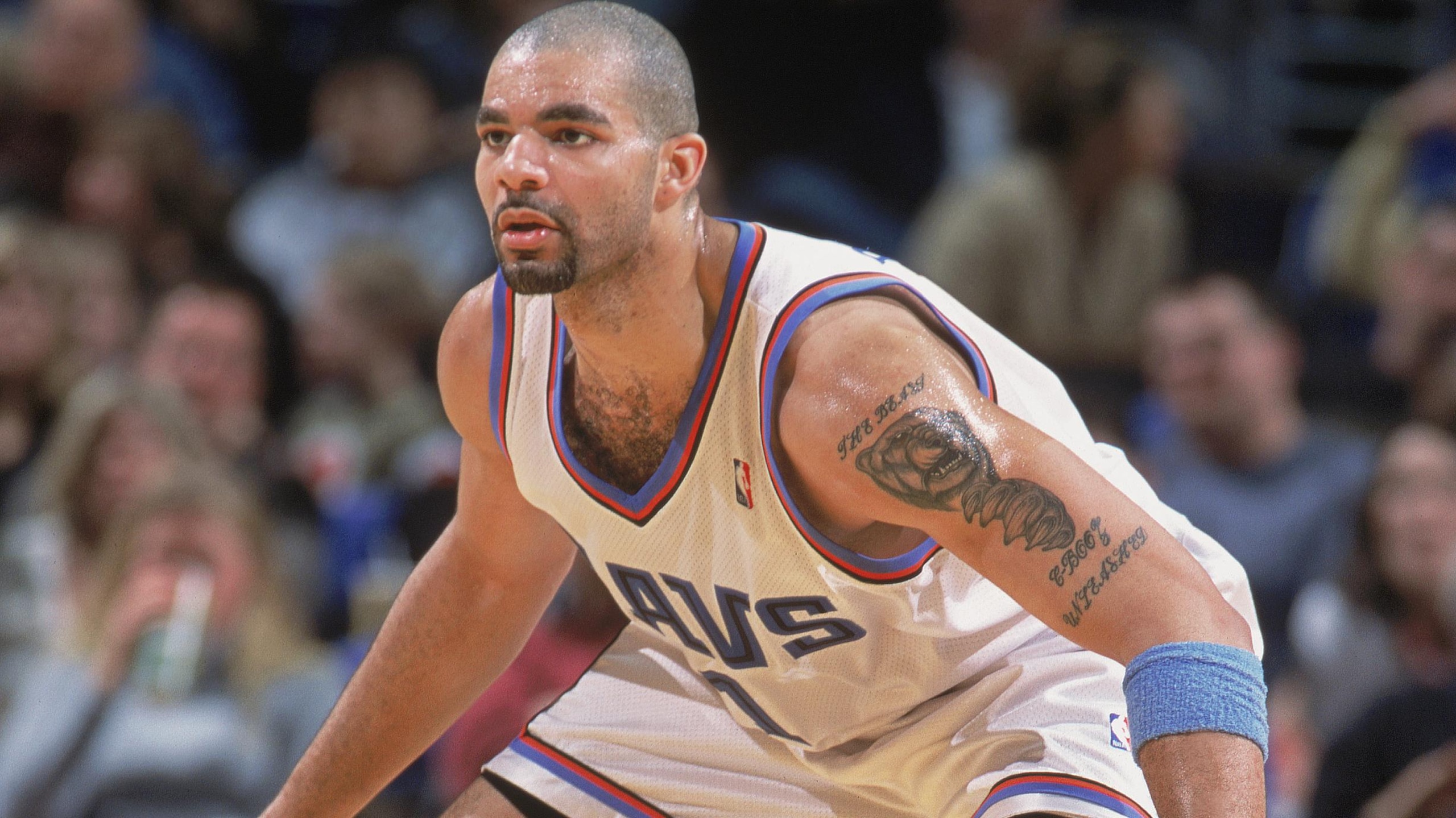
Drafted: 35th overall (Cleveland Cavaliers, 2002)
Before he was known as Cameron and Cayden's dad, Carlos Boozer had quite the NBA career for himself.
Although the elder Boozer was an All-American at Duke, he slipped to the second round. He then made the All-Rookie second team in 2002-03 and remained as a high-level starter for the next decade.
His peak came from 2006-2008 with the Utah Jazz, as the burly forward averaged a 20-plus-point double-double for two straight seasons as a back-to-back All-Star and member of the 2007-08 All-NBA third team.
Boozer, who was also part of the 2008 "Redeem Team" at the Olympics, left a legacy as a dominant interior player, slick mid-range shooter, and a reliable presence during his 13-year career spent with four different teams.
13. Khris Middleton
15 of 27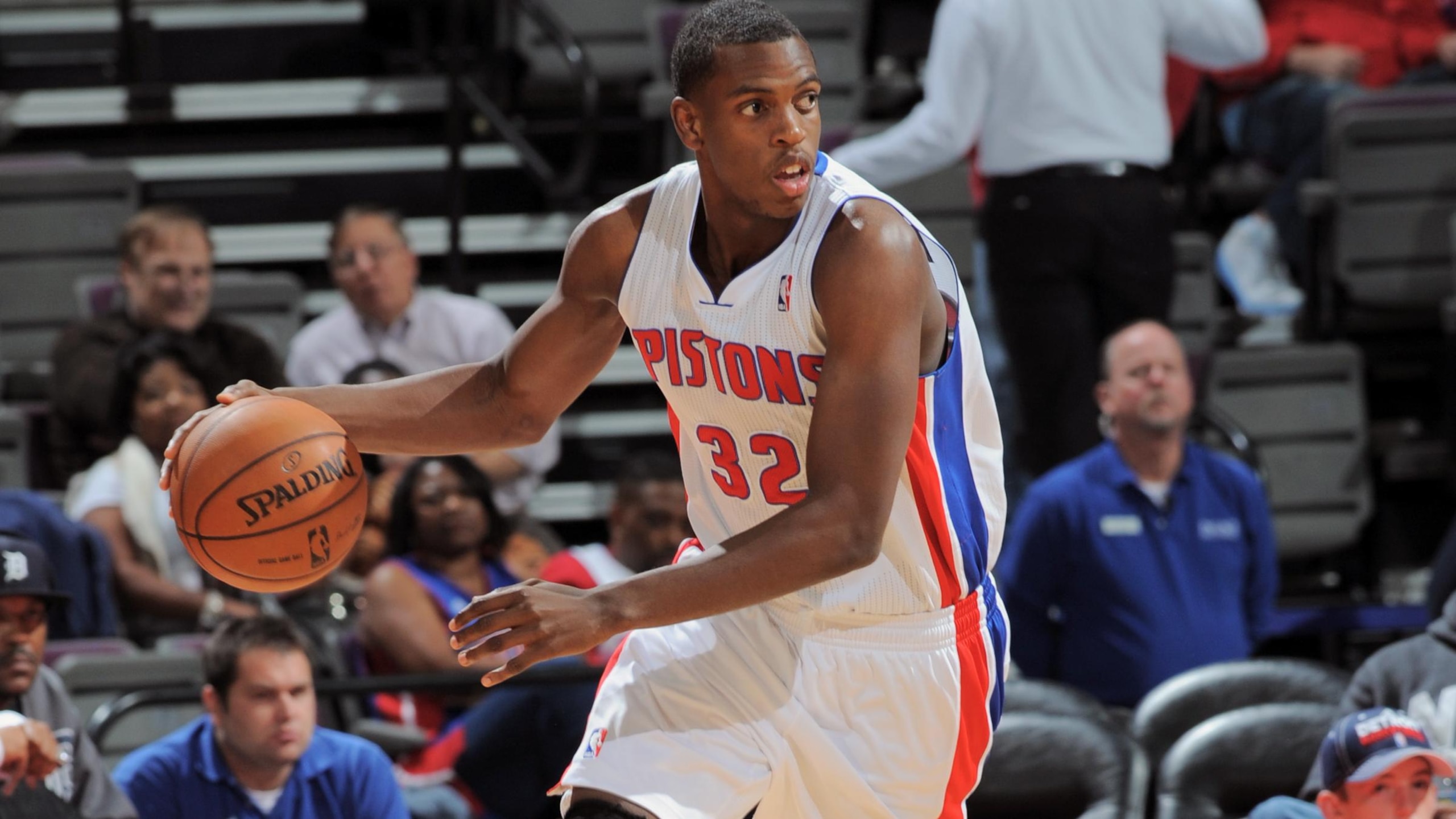
Drafted: 39th overall (Detroit Pistons, 2012)
No other player in these rankings ever spent time in the G League. But after honing his skills there during his first NBA season, Khris Middleton blossomed into a stellar mid-range iso operator, all-around star, and ultimately a champion with the Milwaukee Bucks in 2021.
Middleton, who has averaged 16.1 points, 4.7 rebounds and 3.9 assists during his (ongoing) 14-year NBA career, spent most of his career as Giannis Antetokounmpo's running mate in Milwaukee. There, the two built the Bucks into a dominant power in the East, with Middleton earning All-Star nods in 2019, 2020, and 2022.
In 2020, Middleton fell just short of the vaunted 50-40-90 club by shooting 49.7 percent from the field. He was a notable snub for All-NBA honors even though he had more votes than two players who made the cut (they were guards and he was slotted as a forward).
Middleton's playoff contributions are what put him ahead of some other players in these rankings. He was often the Bucks' fourth-quarter closer and big-shot maker, particularly during his 40-point performance in Game 4 of the 2021 NBA Finals and his 38-point night in Game 3 of the Eastern Conference Finals that included 20 points in the fourth quarter.
12. Gilbert Arenas
16 of 27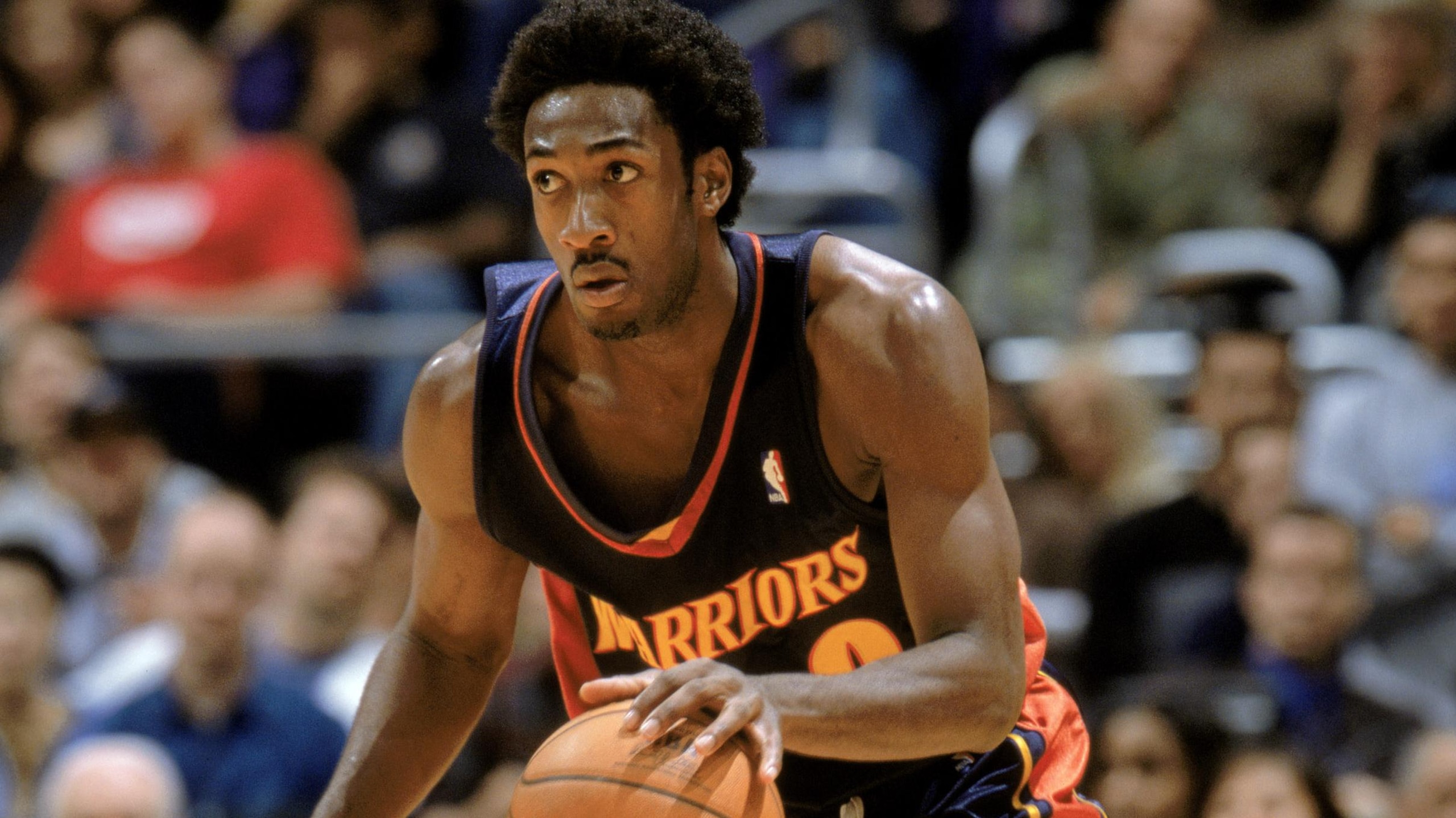
Drafted: 31st overall (Golden State Warriors, 2001)
No one in these rankings has played fewer games than Gilbert Arenas (552). That being said, few shone as brightly as Agent Zero at his peak.
After winning the NBA's Most Improved Player award in his second season, Arenas signed with the Washington Wizards to become their lead guard. Over the next three seasons, Arenas established himself as one of the top players in the league while averaging 27.7 points, 5.7 assists, 4.3 rebounds and 1.9 steals per game.
He was an All-Star in each of those years, and he also landed on three All-NBA teams—two thirds and one second. He also finished eighth in MVP voting in 2006-07.
Knee injuries derailed the rest of Arenas' career, and he was never the same after the 2006-07 season. But he was one of the league's most explosive scorers at the height of his powers, and he's one of just five players in these rankings to make three or more All-NBA teams.
11. Paul Millsap
17 of 27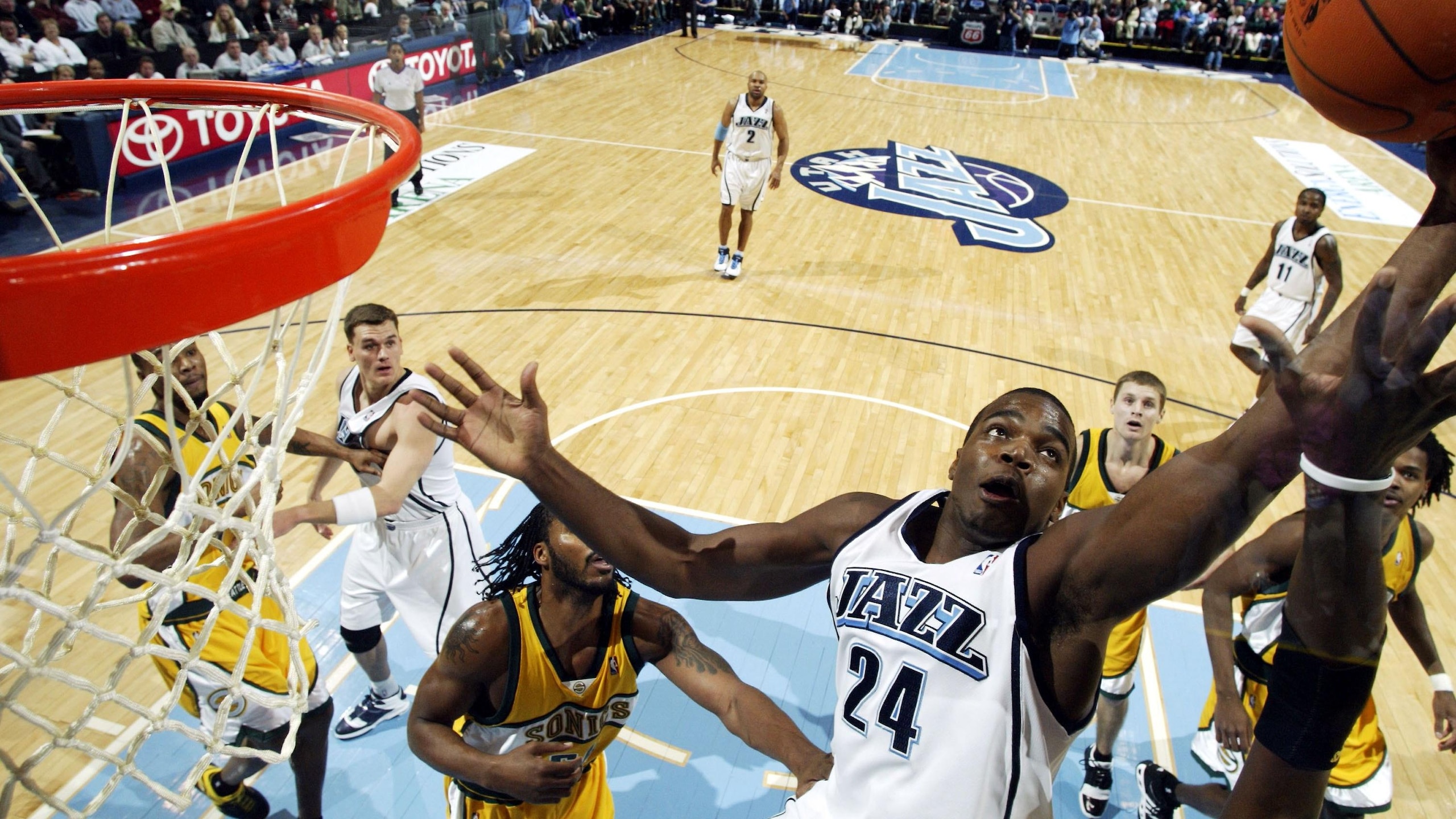
Drafted: 47th overall (Utah Jazz, 2006)
It hurts to leave Paul Millsap out of the top 10 (more on that later), but someone needs to land at No. 11.
Millsap spent 16 seasons as a do-it-all forward while spending time with five different teams. After making the 2006-07 All-Rookie second team and establishing himself as a stellar rebounder and interior player over seven years with the Utah Jazz, Millsap went to the Atlanta Hawks, where he enjoyed the finest years of his career.
Millsap was an All-Star during all four of his years with the Hawks from 2013-2017, averaging 17.4 points, 8.3 rebounds, 3.3 assists, 1.7 steals and 1.2 blocks per game. During the 2015-16 season, he also snagged a spot on the All-Defense second team and finished fifth in Defensive Player of the Year voting.
While he never achieved household-name status or appeared in an NBA Finals, Millsap was a steady, multifaceted contributor for teams that were consistently in the competitive mix. Among players in these rankings, he ranks sixth in win shares.
10. Toni Kukoč
18 of 27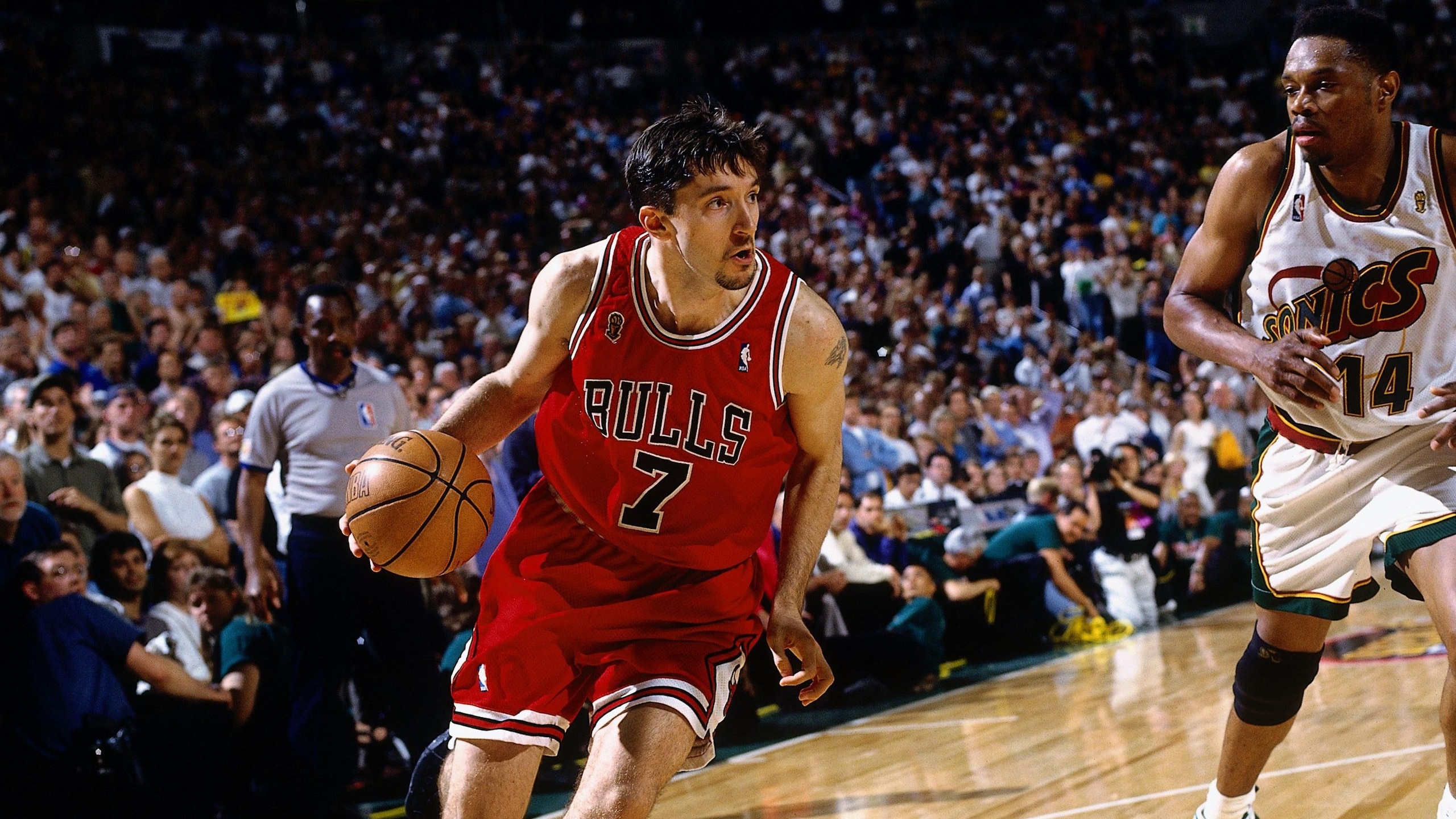
Drafted: 29th overall (Chicago Bulls, 1990)
If you feel like Toni Kukoč is a little too high here at No. 10, that's fair.
While he was the NBA's Sixth Man of the Year in 1995-96, he never made an All-Star team and never received an All-NBA nod. Outside of being a key contributor to Chicago's three-peat, the rest of Kukoč's career verged more on solid than great.
With that being said, Kukoč is enshrined in the Naismith Memorial Hall of Fame thanks to a combination of his NBA and international exploits. Since he did much more in the NBA than Dino Rajda (a Hall of Famer who was left among the honorable mentions), it didn't seem right to drop Kukoč any lower than the top 10.
9. DeAndre Jordan
19 of 27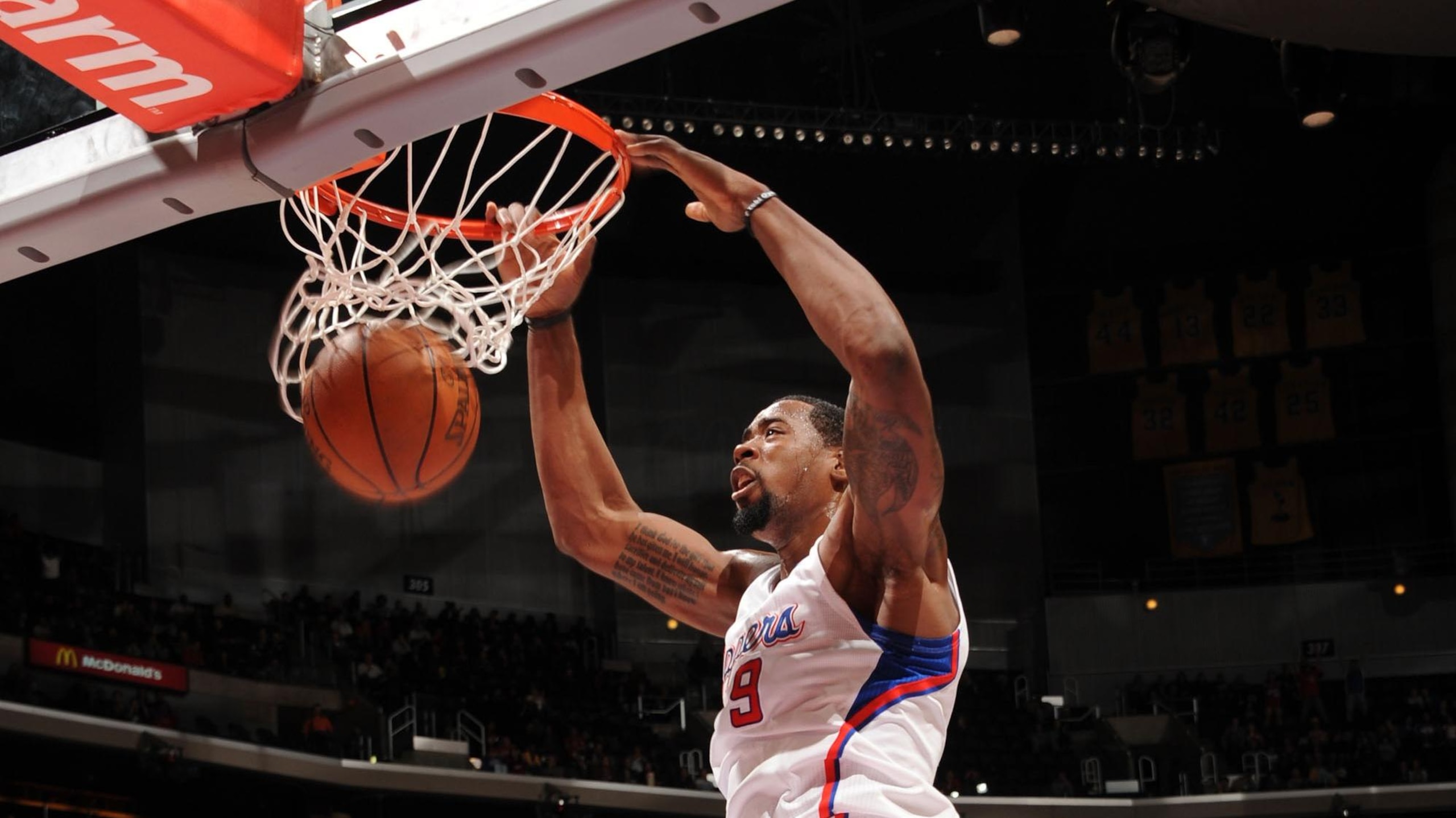
Drafted: 35th overall (Los Angeles Clippers, 2008)
For a lot of second-round picks, getting playing time comes down to being able to do the dirty work while getting limited opportunities on offense. DeAndre Jordan has made a heck of a career out of playing that role to perfection.
A 6'11" center, Jordan is one of the greatest rebounders of all time. He ranks third among all second-round picks in NBA history in total rebounds.
During the four-year stretch from 2013-2017, Jordan led the league in rebounds twice while averaging 11.8 points, 14.0 rebounds and 2.2 blocks per game. In that span, he also made three All-NBA teams (one first), appeared on the All-Defense first team twice and made an All-Star team. He also led the NBA in field-goal percentage each year, averaging 70.3 percent from the field as one of the main rim-runners for the Lob City Clippers.
With his 18-year career potentially on the verge of ending, Jordan sits as the all-time league leader in field-goal percentage (67.3), two-point field-goal percentage (67.5) and effective field-goal percentage (67.4).
8. Marc Gasol
20 of 27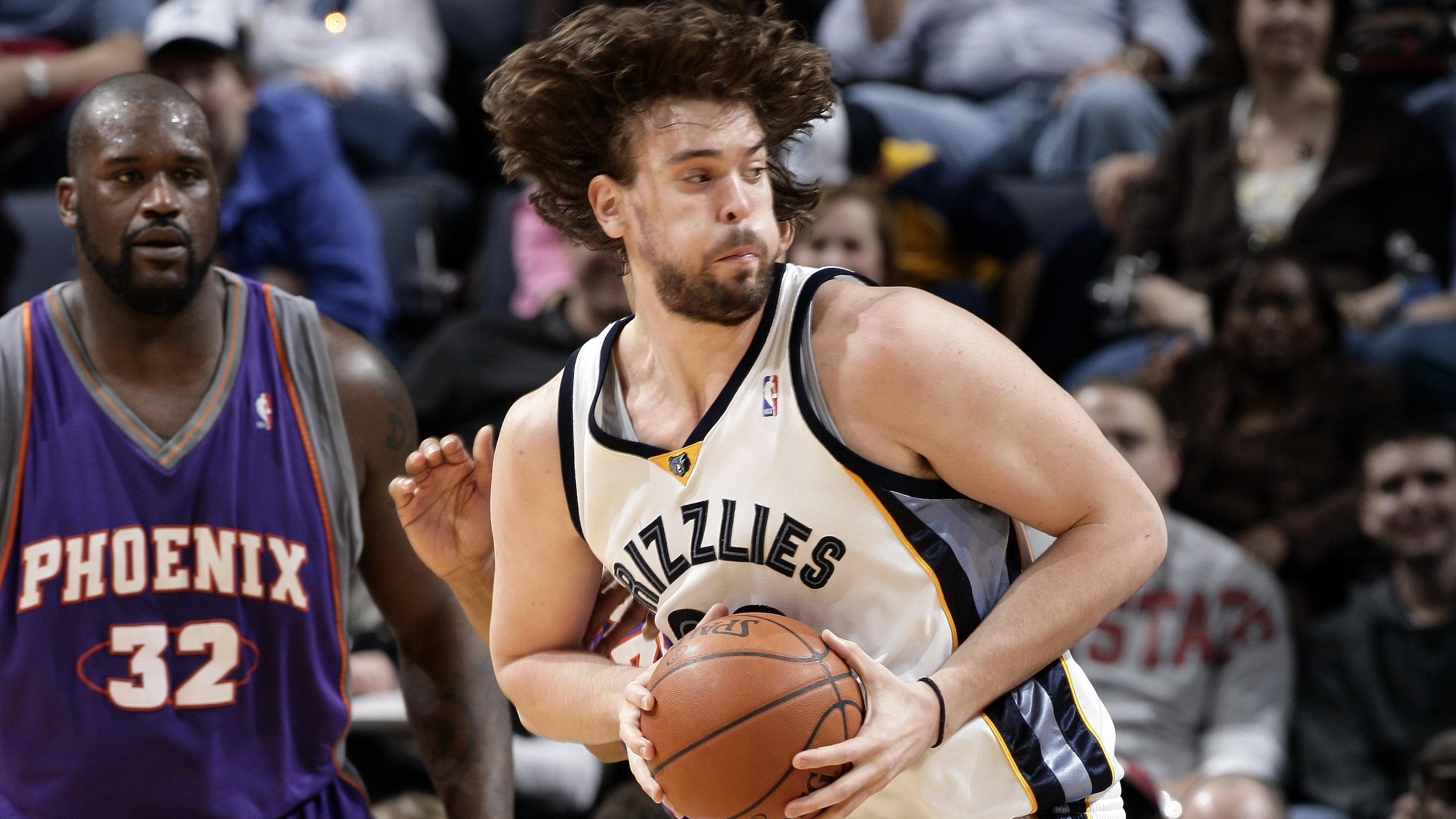
Drafted: 48th overall (Los Angeles Lakers, 2007)
If you want to flip DeAndre Jordan and Marc Gasol in these rankings, that would be fair. However, Gasol gets the nod here because of his high level of two-way success while often serving as his team's primary offensive engine as opposed to Jordan's role as a complementary offensive piece.
While he made fewer All-NBA teams (two) and fewer All-Defense teams (one) than Jordan, Gasol did achieve something Jordan never did—Defensive Player of the Year, which he won in 2012-13. Gasol was also a three-time All-Star during his 13-year career.
On the offensive end, Gasol evolved into a three-level scorer who was also dangerous because of his deft passing ability. He averaged 14.0 points, 7.4 rebounds and 3.4 assists for his career, and he was a two-way threat for the pesky, overachieving Grit-N-Grind Grizzlies throughout the 2010s before playing a key role on Toronto's title-winning team in 2019.
7. Mark Price
21 of 27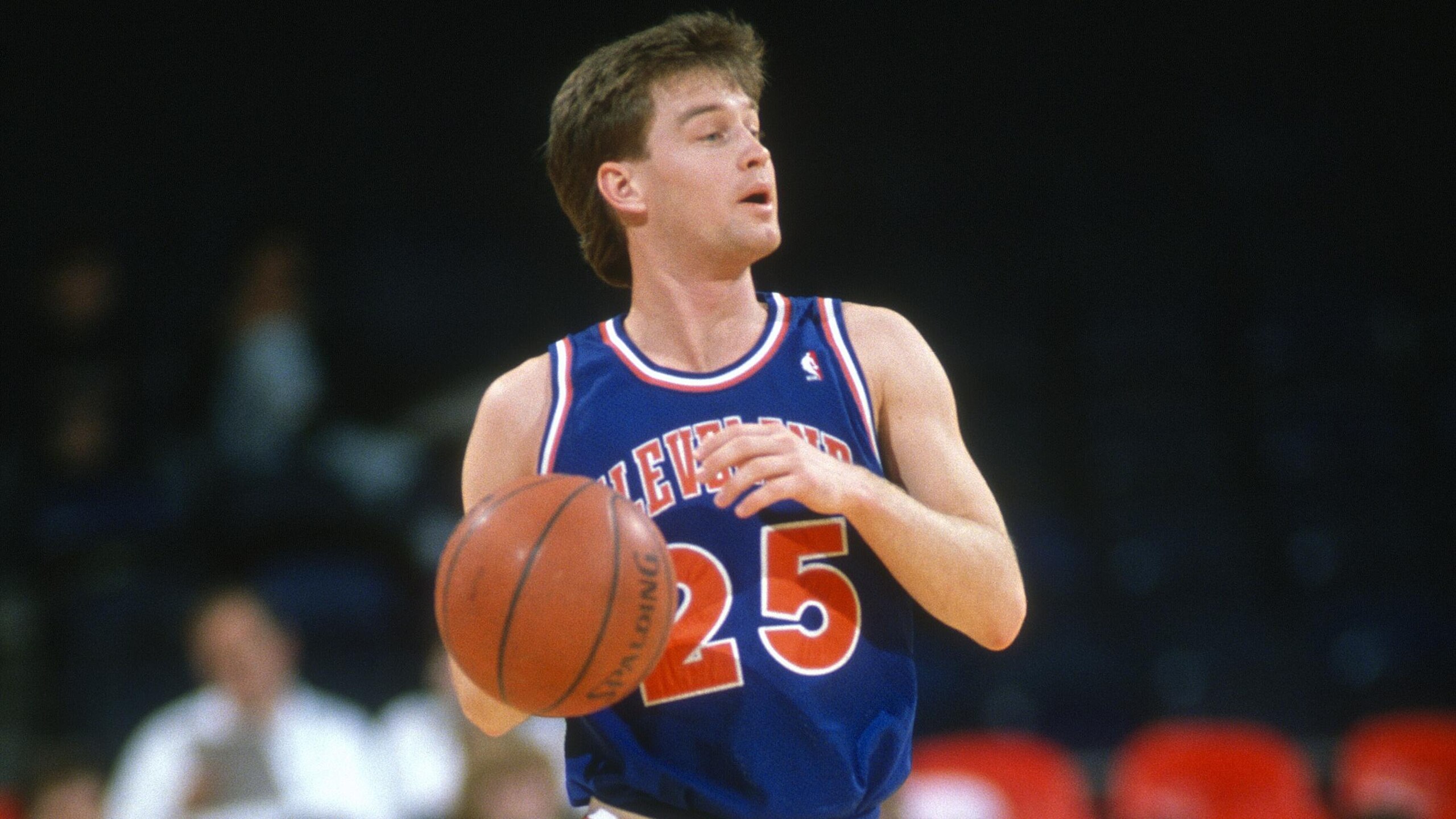
Drafted: 25th overall (Cleveland Cavaliers, 1986)
Maybe someday the Hall of Fame will come calling for Mark Price, though it feels like that day should have already come.
The first pick of the second round in 1986, Price vaulted into the top 10 of the MVP voting and onto the All-NBA third team by his third season when he compiled the league's second-ever 50-40-90 season. Then, over three seasons from 1992-93 through 1994-95, Price averaged 17.6 points and 7.7 assists while shooting over 40 percent from three-point range.
He earned three more All-Star nods over that span, made three more All-NBA teams (one first, two thirds), and finished in the top 10 of MVP voting each year.
Though his career was derailed by injuries and his Cleveland Cavaliers never broke through against the Detroit Pistons and Chicago Bulls, Price was a legitimate star during the late 1980s and early 1990s. The fact that he started his career as a second-round pick makes his trajectory all the more impressive.
6. Maurice Cheeks
22 of 27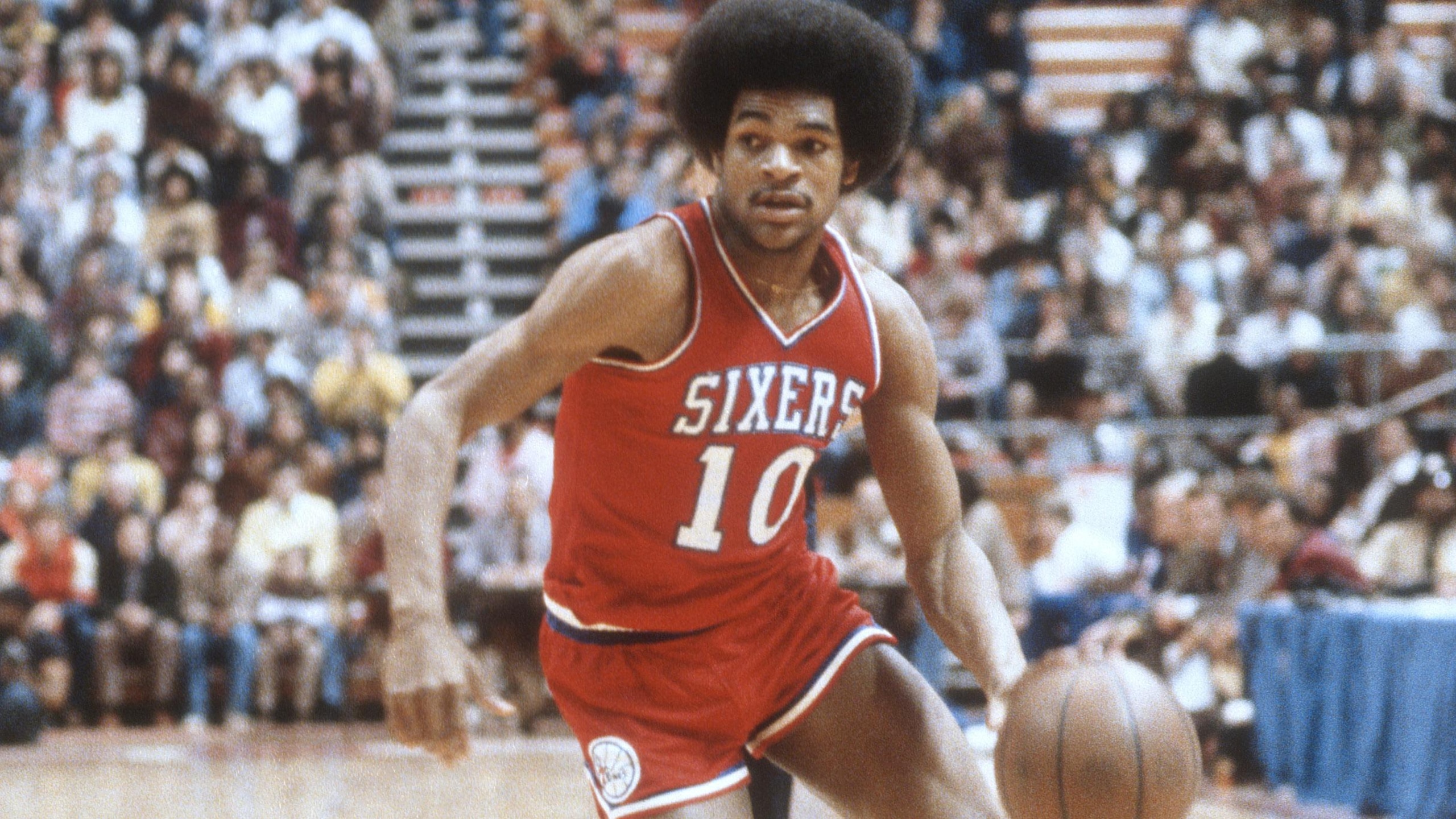
Drafted: 36th overall (Philadelphia 76ers, 1978)
When it comes to two-way contributions, Maurice Cheeks was easily one of the best point guards of the 1980s—a status that took him all the way to the Hall of Fame.
Cheeks truly broke out as the do-it-all point guard for the 1982-83 champion Philadelphia 76ers, and his star only rose from there. During his prime from 1982-1988, Cheeks made five All-Defense teams (four firsts) and played in four All-Star Games, though he never made an All-NBA team—in large part because the league didn't start recognizing a third All-NBA team until after the 1988-89 season.
For his career, Cheeks averaged 11.1 points, 6.7 assists and 2.1 steals per game over 15 seasons. By the time he retired in 1993, Cheeks was the league's all-time steals leader with 2,310 takeaways.
5. Draymond Green
23 of 27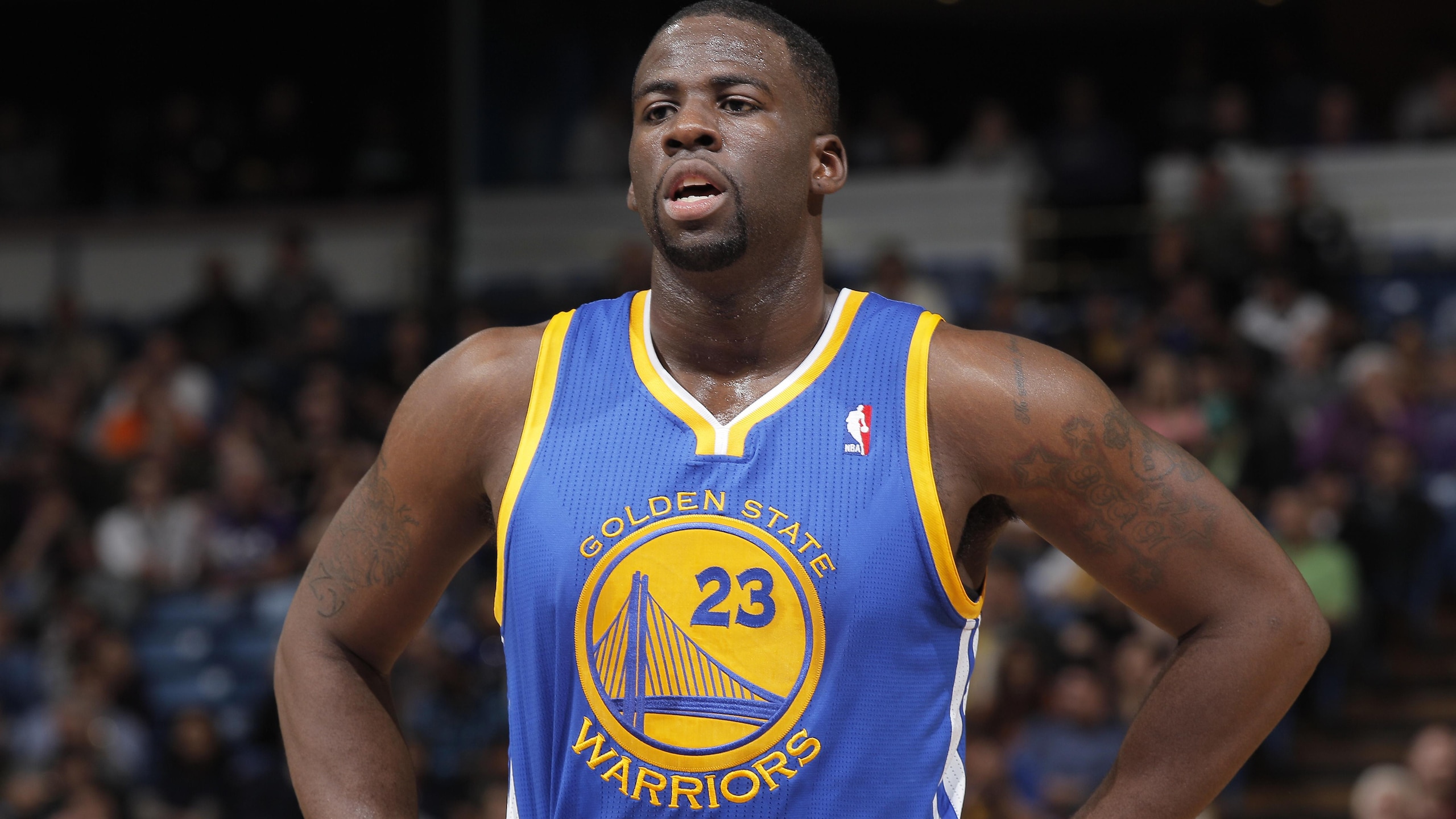
Drafted: 35th overall (Golden State Warriors, 2012)
Counting stats don't tell the full story of Draymond Green's impact on the NBA. His career averages of 8.7 points, 6.8 rebounds, 5.6 assists, 1.3 steals and 1.0 blocks per game don't jump off the screen.
While Green isn't among the all-time greats in any particular category, his value comes from the fact that he can do everything at a high level. His Swiss army knife capabilities unlocked the Golden State Warriors' "Death Lineup" and was a huge part of their four championship runs.
Green, who's nominally a 6'6" forward, was at the forefront of the modern positionless revolution with his ability to play all over the floor. His versatility allows him to play and defend all five positions, earning him nine All-Defense nods, a spot in four All-Star Games, a pair of All-NBA selections in 2016 and 2017, and the Defensive Player of the Year award in 2017.
With Stephen Curry and Klay Thompson (and later Kevin Durant) as Golden State's scoring engines, Green provided the heart and soul of the Warriors' dynasty. While his mouth, swinging limbs and swagger occasionally landed him in trouble or cast him as a villain, Green has undeniably put together a Hall of Fame career as a trailblazing player and second-round pick who made an extraordinary impact.
4. Dennis Rodman
24 of 27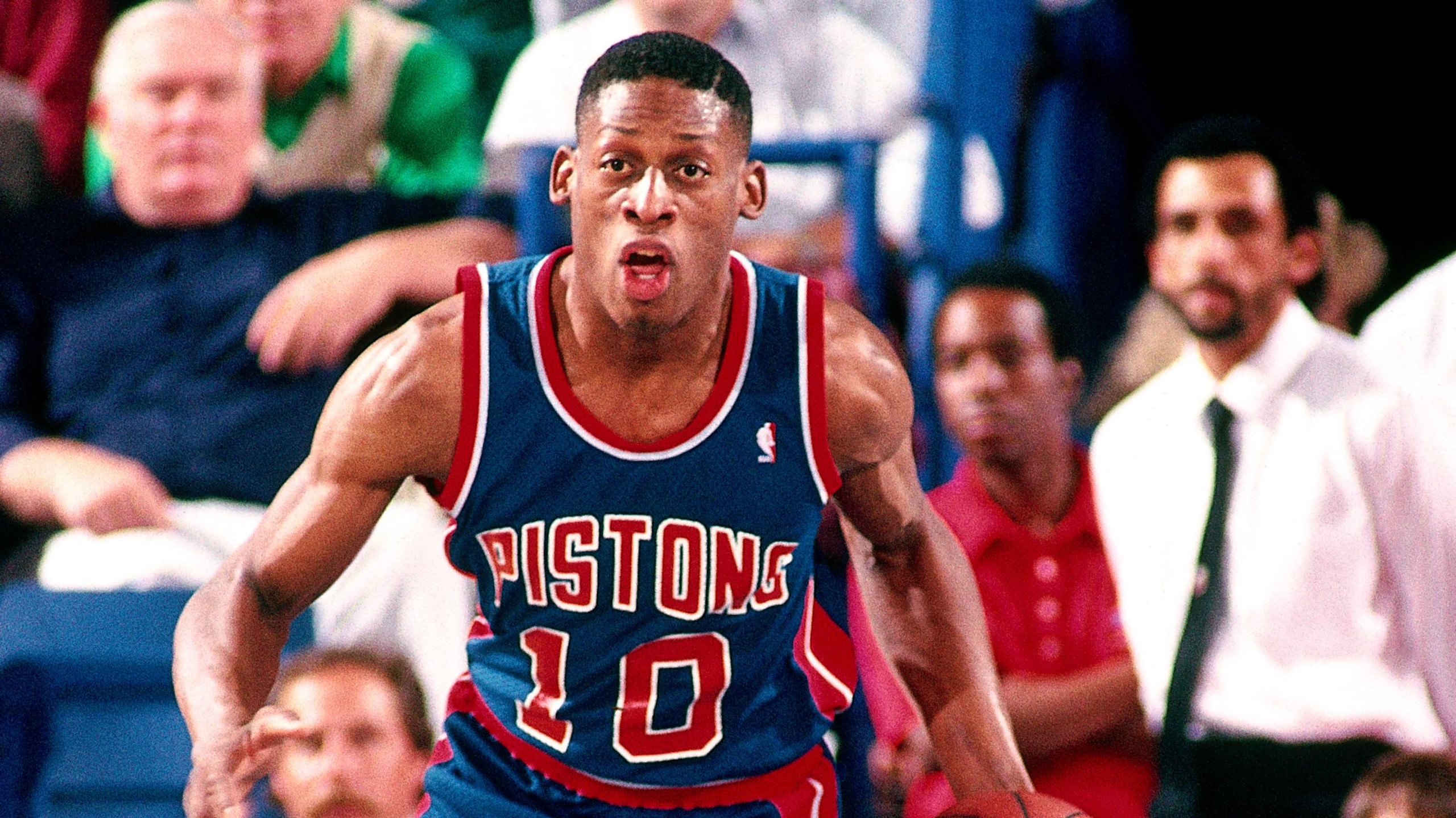
Drafted: No. 27 overall (Detroit Pistons, 1986)
Before Draymond Green, Dennis Rodman was the archetype of the athletic, versatile, pesky forward. That being said, while Green's strength came chiefly from his versatility, Rodman was both versatile and historically elite in one particular skill.
He was one of the best rebounders ever to play in the NBA.
A two-time Defensive Player of the Year with the Bad Boys Pistons of the late 1980s and early 1990s, "The Worm" made a name for himself as a tenacious rebounder, intense hustler and a do-it-all defensive anchor. However, Rodman was often almost totally invisible on offense, which was demonstrated to the extreme in November 1993 when he ripped down 49 rebounds in a two-game span…while scoring zero points in those games.
A five-time champion (two with Detroit, three with Chicago) and Hall of Famer, the 6'7" Rodman led the NBA in rebounding for seven straight seasons from 1991-92 through 1997-98. He was selected to the All-Defense team eight times over 14 seasons (seven firsts), made two All-NBA third teams and earned spots in two All-Star Games.
Rodman ranks second all-time among second-round picks in career rebounds (11,954), trailing only Paul Silas, the 12th overall pick in 1964. His 13.1 rebounds per game rank 10th all-time and first among players since the ABA-NBA merger.
In terms of dominating a particular skill, no one in these rankings—and very few players at all—can hold a candle to Rodman's prowess as a rebounder.
3. Manu Ginóbili
25 of 27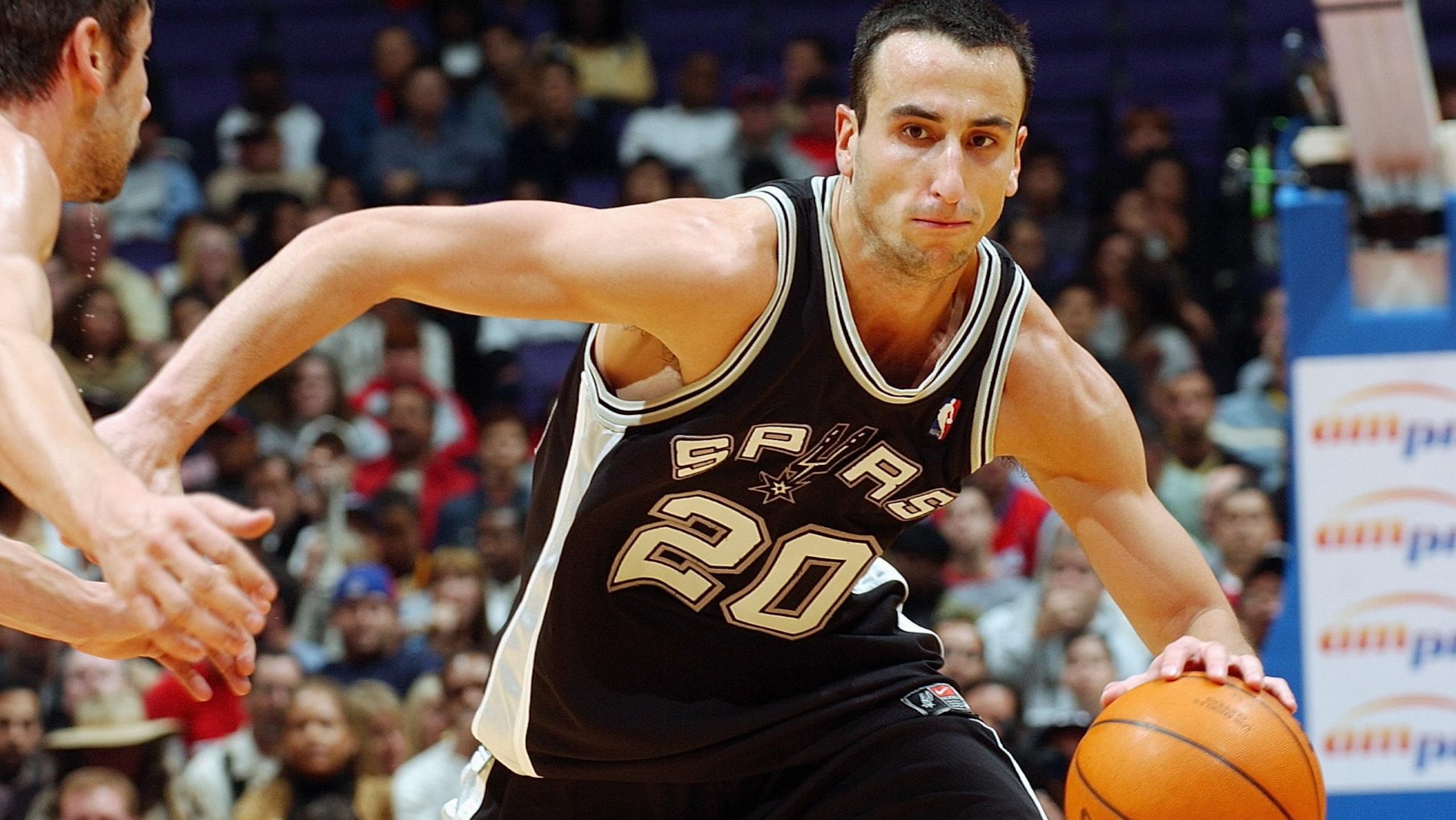
Drafted: 57th overall (San Antonio Spurs, 1999)
If these rankings were purely about outperforming a given draft slot, Manu Ginóbili might be No. 1 in perpetuity.
As the 57th pick in the 1999 draft, Ginóbili was the second-to-last pick of the night, a spot often reserved for draft-and-stash players who may not ever make it to the league. By the time he retired, Ginóbili had arguably put together the best career of anyone from that draft class, one only seriously rivaled by No. 9 overall pick Shawn Marion.
Like many late second-round picks, Ginóbili spent three seasons playing in Italy before joining the San Antonio Spurs. But when he did arrive, he immediately established himself as a reliable force off the bench, as he helped the Spurs win the 2003 title.
From there, he settled in as one of the steadiest sixth men in league history. He came off the bench for most of his 16 seasons with the Spurs on the way to becoming a two-time All-NBA player (both third team), two-time All-Star and a perennial contender for Sixth Man of the Year, which he won in 2008.
As great as Ginóbili was in the regular season, though, his postseason prowess and role as one of the dynastic Spurs' "Big Three" really put him over the top. Ginóbili ranks eighth in league history in postseason games played (218), and he owns the record for the most playoff wins by a second-round pick (135).
Ginóbili didn't just ride other players' coattails, either. Overall, he owns the records for the most career playoff points, rebounds, assists, steals and three-pointers made off the bench. During the 2007 playoffs, he became the first player since 1971 to record 200-plus points, 100-plus rebounds and 50-plus assists in a single postseason. For his career—which included four championships—Ginóbili averaged 14.0 points, 4.0 rebounds, 3.8 assists, and 1.3 steals during the playoffs.
When he retired as a shoo-in Hall of Famer in 2018, Ginóbili was widely regarded as the greatest second-round steal of all time. He was a proven star on the biggest stages in a way that no other second-round pick had ever been, particularly given his draft slot. Add in the fact that he is undeniably the best South American to ever play in the NBA—and led Argentina to the gold medal in 2004—and it was hard to imagine anyone topping him on this list.
One of the two men ahead of him was already in the league, though, and the other was drafted just a couple of months after he played his final game.
2. Jalen Brunson
26 of 27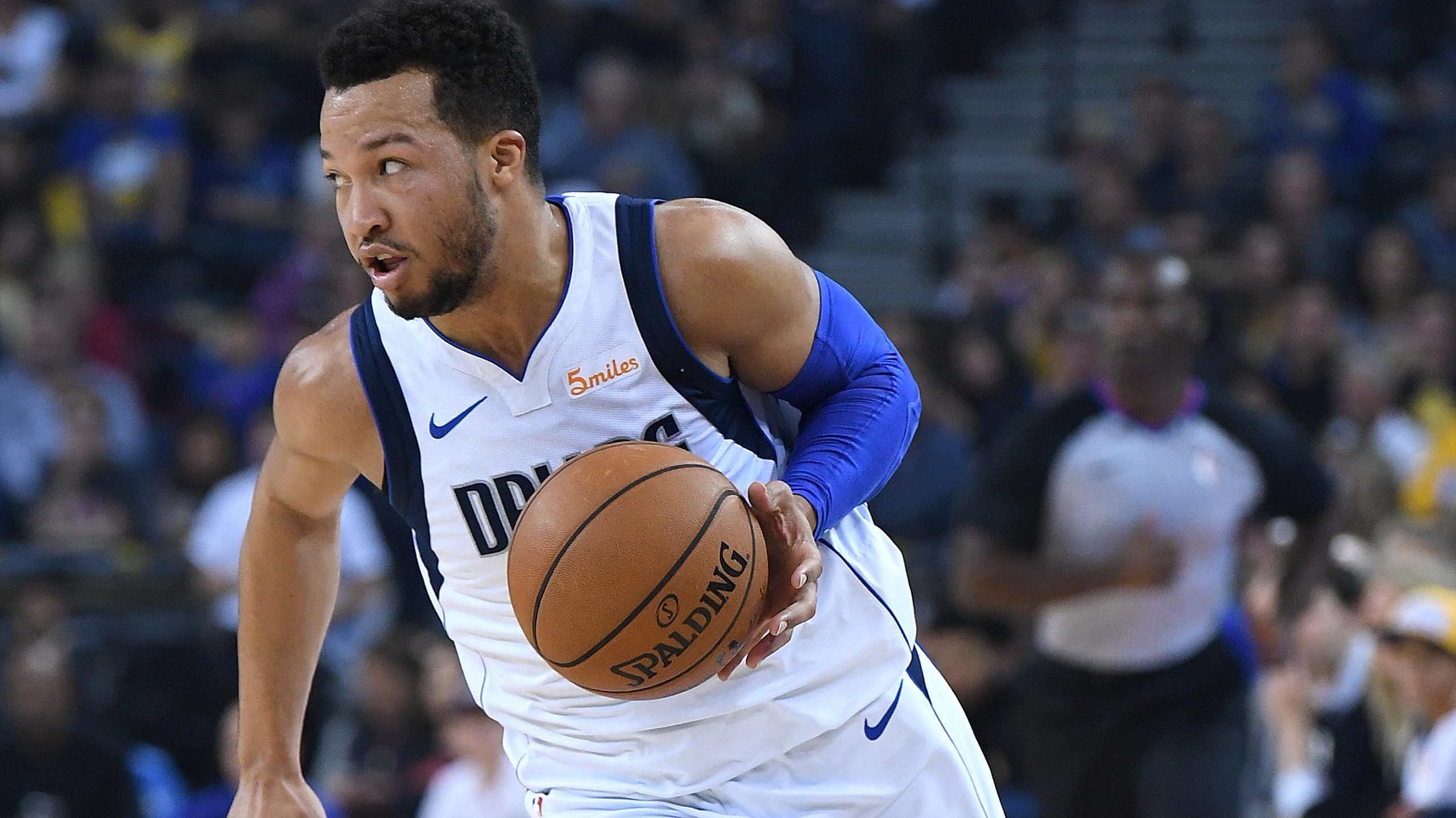
Drafted: 33rd overall (Dallas Mavericks, 2018)
Had this been written before the 2026 NBA Finals, Manu Ginóbili likely would be in this spot thanks to the full breadth of his career achievements, particularly in the postseason.
But as great as Ginóbili was, Jalen Brunson surges ahead thanks to his regular-season accomplishments, status as a Finals MVP and unquestioned star of the team he took to the championship, and the fact that he's still at the peak of his powers with plenty of years left to add to his resume.
Brunson, or as Google would correct, "Captain Clutch Brunson," truly started to ascend as a scorer and lead playmaker during his fourth and final year with the Dallas Mavericks. After signing with the New York Knicks the following summer, Brunson shouldered even more of a load and proved himself as more than up to the challenge.
Over his four years in New York, Brunson has continually pushed the Knicks further in the playoffs each year, culminating in his virtuoso 45-point performance in the series-clinching Game 5 in the 2026 Finals. Brunson was New York's go-to guy throughout the Knicks' playoff run, and his 28.4 points per game led everyone in the 2026 playoffs.
More than that, Brunson was dominant when he needed to be. He averaged 9.9 points in the fourth quarter during the 2026 playoffs and racked up 38 "clutch" points with the score within five points in the final five minutes. Before the announcement of Finals MVP, there was no question that Brunson would get the nod as just the fourth second-round pick of all time (second drafted after the ABA-NBA merger) to win the award.
During the regular season, he's earned three straight second-team All-NBA nods, appeared in three straight All-Star Games, and—to the surprise of no one—earned the Clutch Player of the Year award in 2025. Those accolades alone eclipse the regular-season awards earned by Ginóbili and most other players in these rankings, and there's no reason why Brunson should be slowing down anytime soon.
While Ginóbili and Brunson are arguably very close for the No. 2 spot on this list now, a few more years of sustained success from Brunson—and maybe another championship or two—should put that argument to bed.
However, neither is currently all that close to the man occupying the top spot.
1. Nikola Jokić
27 of 27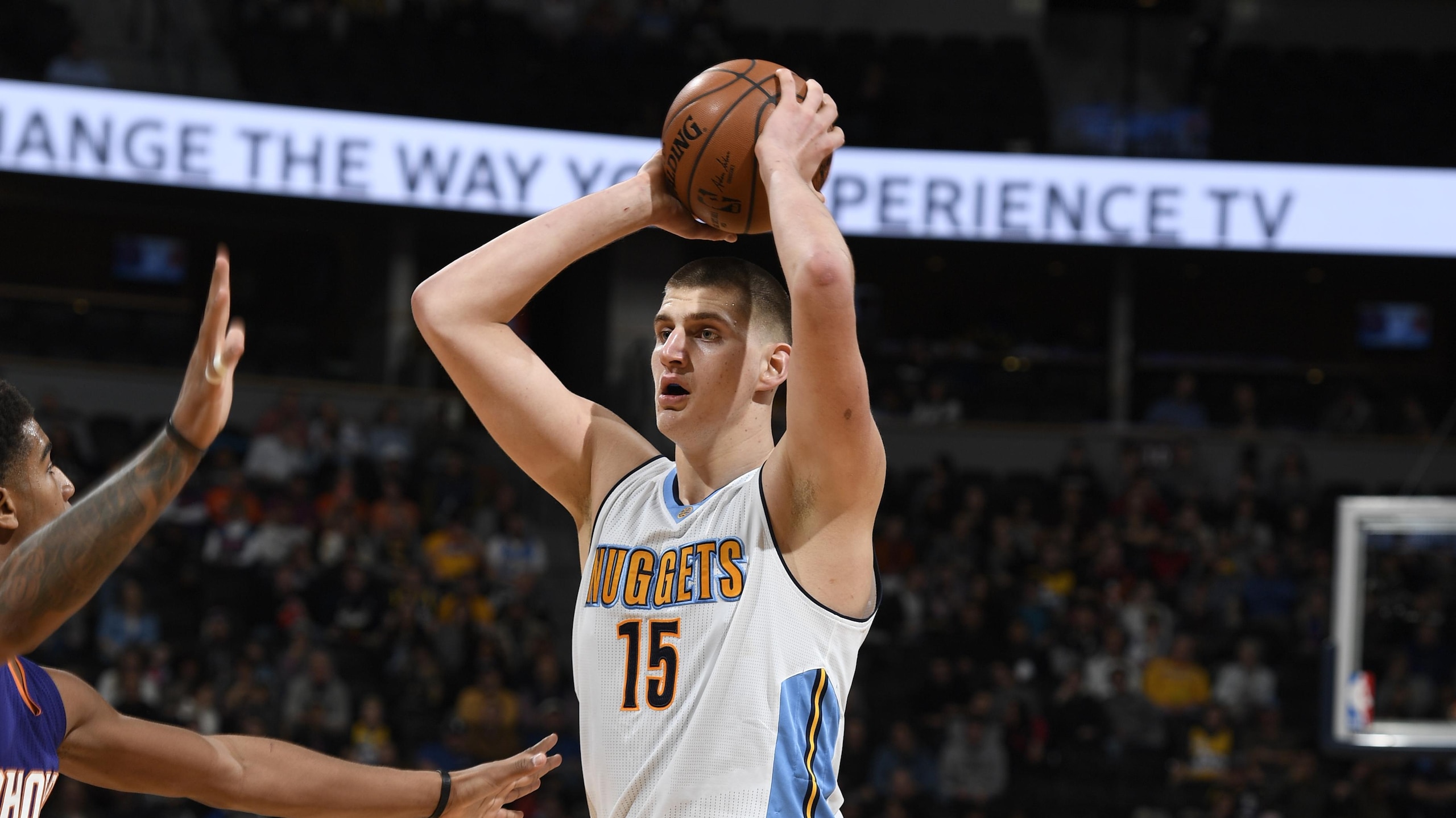
Drafted: 41st overall (Denver Nuggets, 2014)
Realistically, could it be anyone else?
Nikola Jokić went from having his selection preempted by a Taco Bell commercial to becoming a three-time MVP, Finals MVP, and lock for the Hall of Fame in the span of a decade—and he's still going strong.
Without taking any of Jokić's future success into account, his legacy as the greatest second-round pick of all time is going to be nearly impossible to top. Upon winning his first MVP award in 2021, he cemented himself as the lowest-drafted player to ever win the award.
Adding two more MVPs is just preposterous, as no second-round pick has ever won more than one MVP. The only second-round MVP prior to Jokić was Willis Reed, who was a top-10 pick in 1964.
Factor in eight All-NBA selections (six firsts!) and eight All-Star nods, and Jokić's legend only grows. The fact that no non-lottery pick from the 2014 draft has so much as sniffed an All-Star selection further separates Jokić as a once-in-the-history-of-the-league kind of pick.
When picking in the second round, teams are generally looking for a serviceable player. To pick up an all-time great triple-double machine, one of the greatest passers of all time (not just among big men), and the best player in your franchise's history is beyond any team's expectations.
Jokić is all of that and more. It's hard to imagine any second-round pick ever surpassing him.
.jpg?w=2560 "🚨 Davante Out 6-10 Weeks")
.jpg?w=2560 "Tank Dell Playing Sunday 💯")