
WWE's Usage of AI is Bad News For the Entire Pro Wrestling Industry
WWE's recent use of AI is a sobering indication of where pro wrestling and the rest of the entertainment industry are heading.
Artificial intelligence has sparked a controversial debate about its practical and ethical uses in media and content creation. It certainly has its pros and cons, but it's hard to ignore the prevalent concerns of cost-cutting, layoffs, and a decline in originality.
This technological advancement can be a useful tool that increases productivity, allowing us to perform tedious tasks more quickly and efficiently. However, it shouldn't ever replace talented writers, artists, graphic designers, videographers, and animators.
TOP NEWS

Predicting MITB Cash-Ins 💼
WWE Survivor Series Predictions 🔮
Updated Crown Jewel Predictions 🔮
It has never been that easy for creative individuals to make a living in their competitive fields, and AI adds a new hurdle that will put a lot of them out of work. That's why it was so disappointing to see WWE air a vignette during the latest episode of NXT that was seemingly created with generative AI.
This isn't the first time the company has used it. Still, the fact that it's becoming normalized, even in professional wrestling, is sad.
Out With The Old, In With The New
In October 2025, Dave Meltzer of the Wrestling Observer reported (h/t Justin Deagle of Yahoo Sports) WWE would begin implementing AI in its creative process. Although many fans initially scoffed at the rumor, TKO President and COO Mark Shapiro recently confirmed that integrating artificial intelligence is a "major priority."
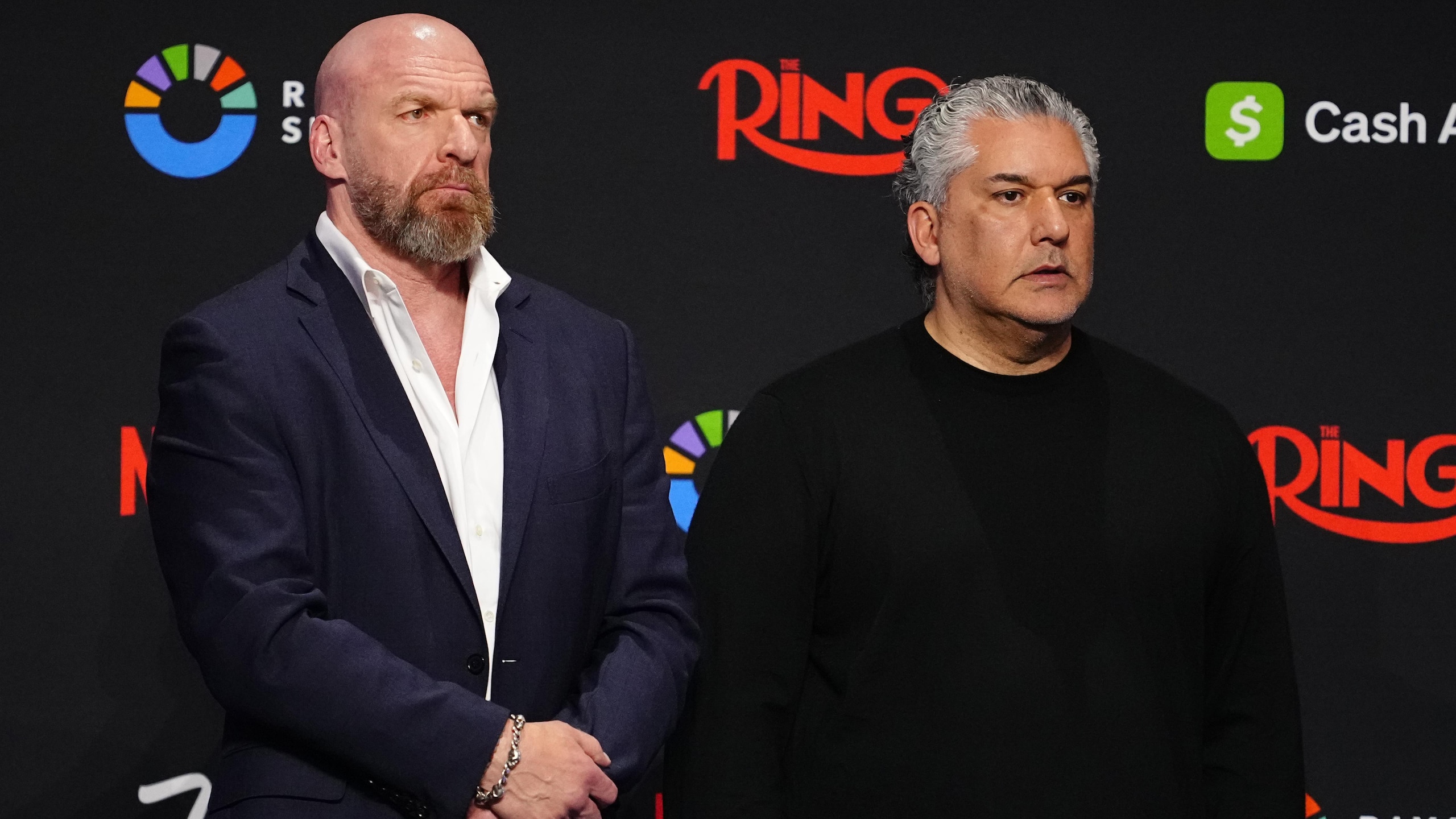
"Nick Khan and Triple H are using AI for storylines with the WWE," Shapiro said. "What's resonating? What superstars are resonating? In what pockets of the country are they resonating? That helps us with, obviously, our content, our editorial, our creative, our mapping, our touring, and of course, maximizing revenue and getting our product out to the fans most in need of it."
During the same week, NXT aired the aforementioned vignette for Zaria, which quickly drew backlash online. Using AI for data and analytical purposes is reasonable, but its implementation in production and storyline development is worrying.
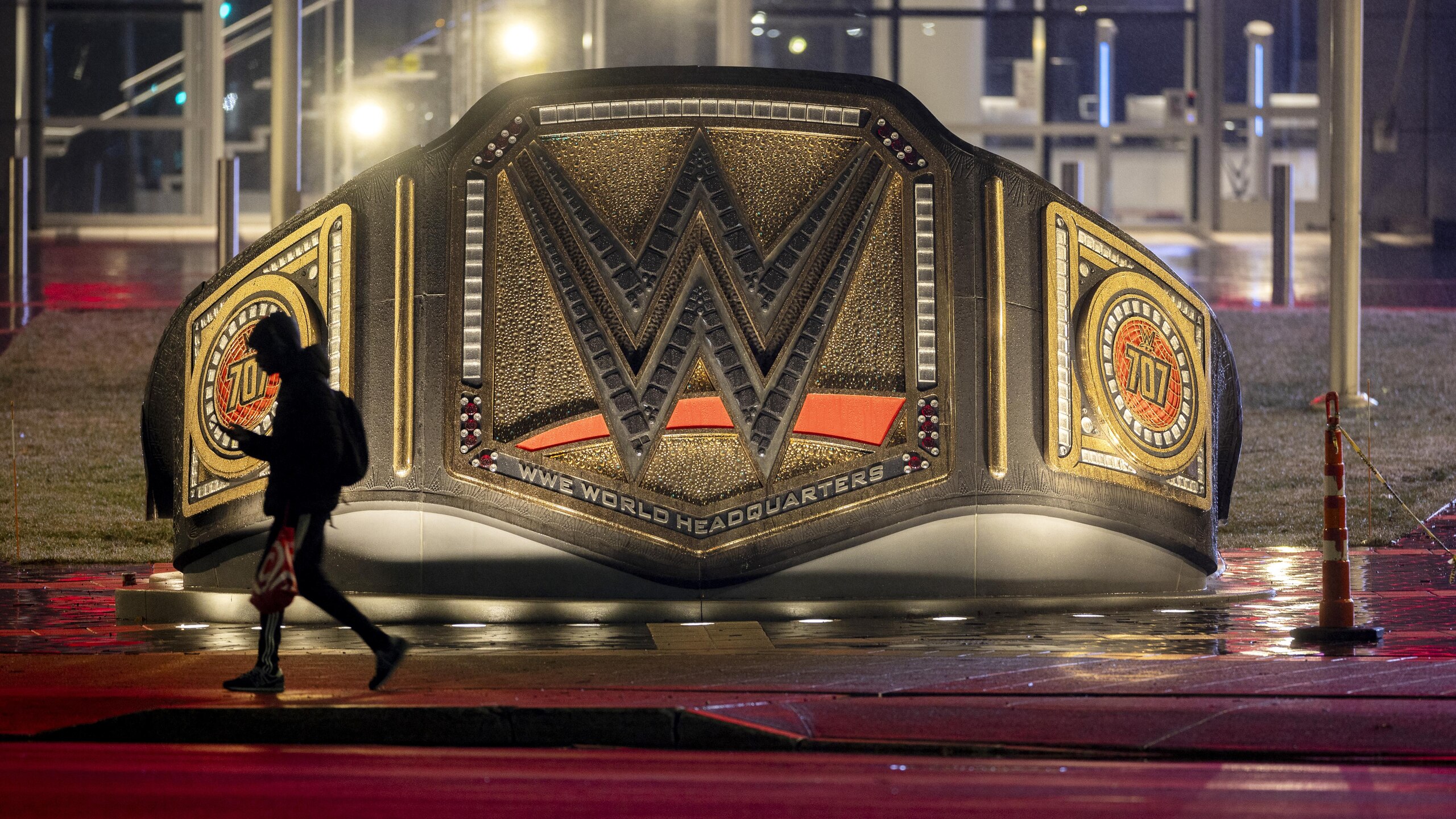
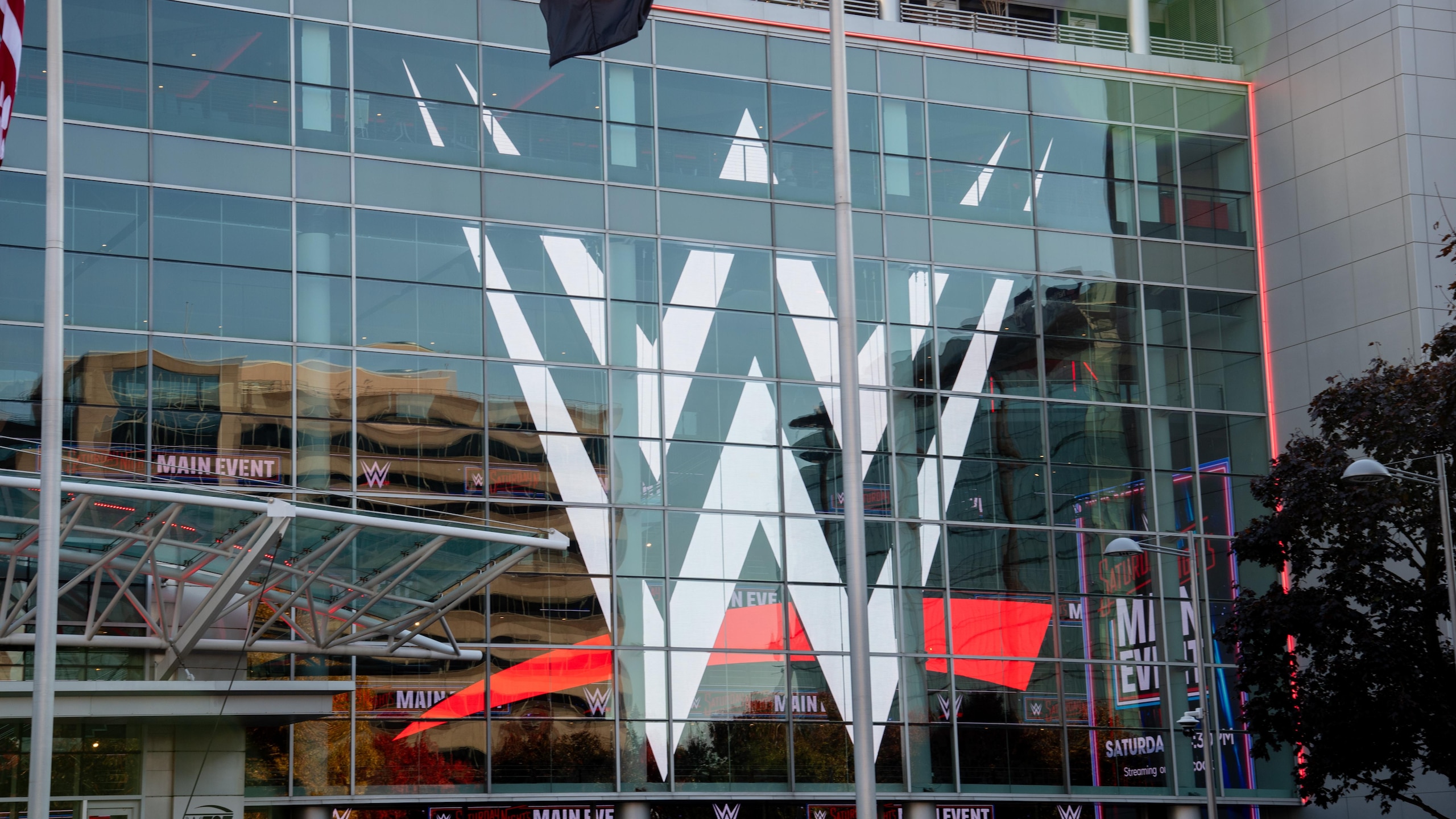
Under TKO, WWE has become significantly more commercial. Ticket prices have risen dramatically since the merger, there is increasingly prominent advertising on the mat and throughout shows, and brand partnerships are visible almost everywhere you look.
As such, it shouldn't come as much of a surprise that the company will attempt to slash expenses and embrace AI. We don't know the proper context yet. However, the very idea of its use in a creative capacity lends credence to criticism that the product has become soulless and homogenized.
The Unavoidable Reality
You can barely do the most mundane things anymore without coming across a request to use AI to make it easier. It's on our phones, laptops, TVs, emails, and social media accounts as an ever-present sign of the times.
It's inescapable. The chances are that you're probably using some form of it regularly, whether you know it or not, because it's convenient.
Sure, it's cheaper and easier for small creators to use AI to create thumbnails and graphics than it is to find and pay a reliable artist. Unfortunately, that will eventually make it twice as hard for freelance graphic designers to make ends meet.
The harsh reality is that many small business owners justify this because they don't have the money or resources. That's why there is so much AI-generated art on YouTube, for example.
A billion-dollar company like WWE has the means to hire the best video editors, though. There is no excuse for creating a video package for Zaria that doesn't live up to its well-earned reputation for high production value.
It's especially troubling because AI has led to upheaval in the creative industries, and WWE sets the standard for the smaller promotions. When the industry leader openly uses AI, other companies will do so to cut costs, too.
It feels inevitable, and that uncertainty is terrifying for many creative professionals who don't know how these developments will affect their careers. It's another example of how difficult it has become to turn to something as seemingly niche as wrestling to escape the bigger issues dominating current events.
.jpg?w=2560 "Buzz: MHJ Hired Agents for Trade")
.jpg?w=2560 "AD Trolls Bears WR on IG 😂")
.jpg?w=2560 "Report: Steelers WR to Miss 'Weeks'")
.jpg?w=2560 "Viral Dan Campbell Presser 💙")


.jpg?w=2560 "Cam Ward Says He's Not A Loser")