.jpg?w=2560 "Vikings Draft Football")

Restacking 2026 NFL Draft's Worst Classes To Improve Team's Grade
The NFL draft is all about perception, specifically perceived value in relation to where a talent is selected. The setup compounds with each subsequent pick and tends to determine how successful a franchise's class is once draft weekend comes to a close.
While an emphasis lies on each organization's initial selection, usually in the first round, general managers also focus on another factor, which is properly stacking the class to maximize opportunity.
A general manager's job extends beyond simply making the picks. He and his staff must develop an understanding of value in approximation to other team boards, while having a good feel for where players will be selected.
"Over the last three years or so, more teams seem to be drafting the same as the Ravens," Baltimore general manager Eric DeCosta said. "There seems to be an alignment in some ways of boards. Some of that may be based on modeling and analytics with more data being used. Some of that data—which is industry data—and various things. ... What we've found over the last couple of years, we had some players who were outlier players, meaning we'd like them more than consensus boards. ... In most of those cases, those players were drafted closer to where we had them by other teams."
Outliers tend to be viewed poorly in real time, even if the NFL is on a different page compared to the general audience.
However, a draft class can look entirely different and be deemed more acceptable just by restacking the order of the selections, thus framing them in a more favorable light. With that in mind, Bleacher Report decided to take the lowest-graded classes from the 2026 draft and reimagined what they'd look like if the respective team had stacked its class differently.
Jacksonville Jaguars
1 of 5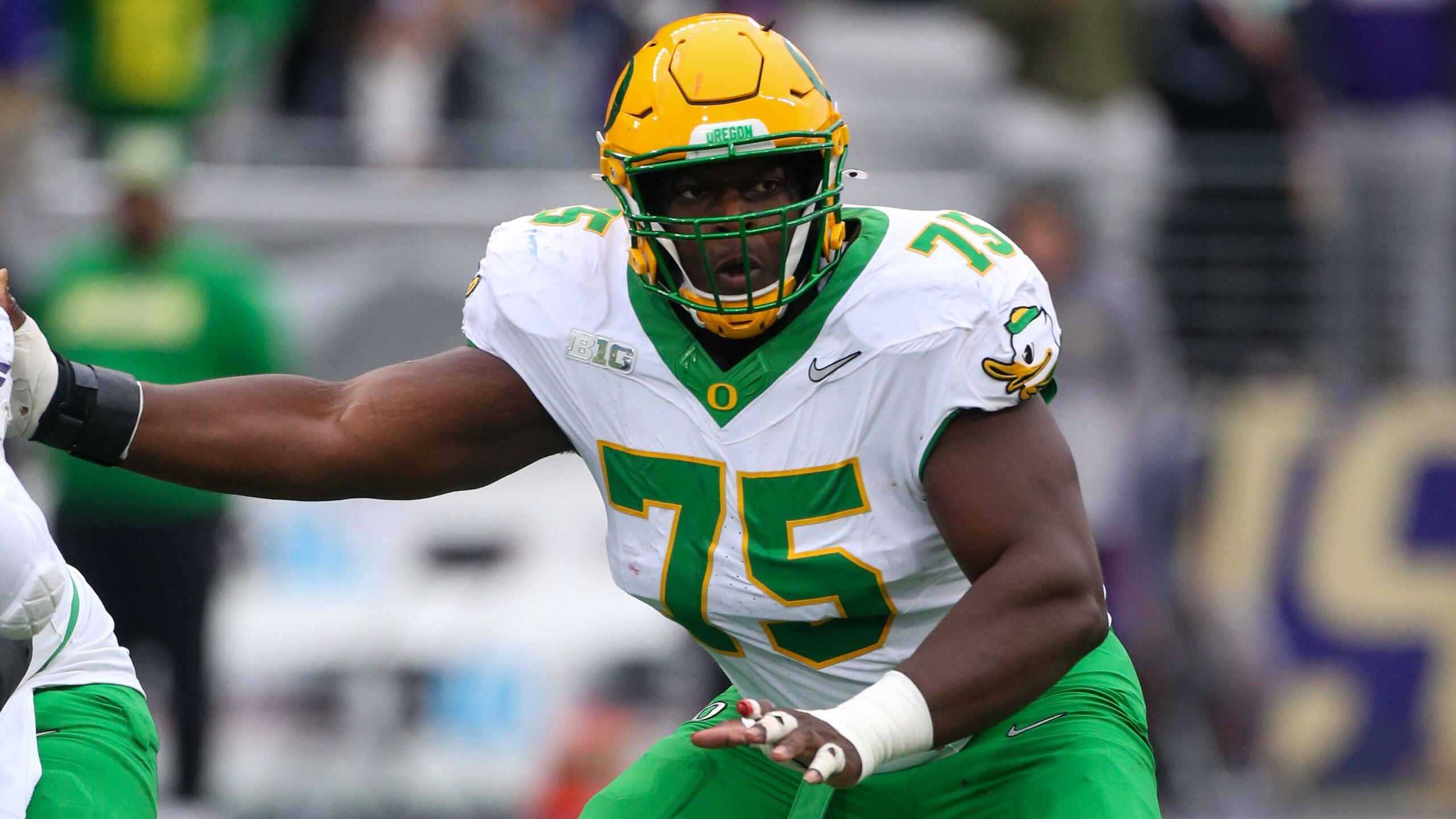
Round 2 (No. 56): IOL Emmanuel Pregnon, Oregon
Round 3 (No. 81): WR Josh Cameron, Baylor
Round 3 (No. 88): S Jalen Huskey, Maryland
Round 3 (No. 100): TE Tanner Koziol, Houston
Round 4 (No. 119): DL Albert Regis, Texas A&M
Round 5 (No. 164): TE Nate Boerkircher, Texas A&M
Round 6 (No. 191): DL Wesley Williams, Duke
Round 6 (No. 203): WR CJ Williams, Stanford
Round 7 (No. 233): Edge Zach Durfee, Washington
Round 7 (No. 240): LB Parker Hughes, Middle Tennessee State
No team took more lumps throughout draft weekend than the Jacksonville Jaguars, because the organization was all over the board with some of its selections, particularly with its initial two choices.
Jacksonville decided to jump on Texas A&M tight end Nate Boerkircher far earlier than expected, because he's a cultural fit and helps the team's offense evolve thanks to his in-line prowess. Meanwhile, the team's front office wanted to ensure his selection since other franchises seem to be doing something similar.
Still, Boerkircher and even Jacksonville's second pick, defensive tackle Albert Regis, came across as massive Day 2 reaches after the team didn't make a selection in the first round thanks to last year's Travis Hunter trade.
What if those two were chosen later and two other prospects were slid up the board, which aligned more with their perceived value?
Oregon's Emmanuel Pregnon has Week 1 starting potential. He's a hulking guard, who brings a level of physicality not currently seen along Jacksonville's offensive interior.
The Bleacher Report Scouting Department had Pregnon graded as the 62nd overall prospect and a top-five interior line prospect (which included Francis Mauigoa, who may eventually end up at right tackle).
In Round 3, Josh Cameron, whom the team chose three rounds later, presented the ball-winning skills and powerful YAC creator to warrant Day 2 consideration. He can be seen as a different skill set to pair with Hunter, Brian Thomas Jr., Jakobi Meyers and Parker Washington.
Then, the tight end discussion re-enters the conversation. Obviously, the tide is turning in how NFL teams view the position. The Jaguars weren't the only organization to jump on a more traditional Y-option sooner than expected. Jacksonville just became the poster child for doing so.
However, the Jags also added Tanner Koziol in the same class. Koziol is a massive target at nearly 6'7" and the most productive collegiate receiver among this year's tight end class. Typically, a talented target that can affect the passing game held more value in recent years. A shift had started to occur, but Koziol was still viewed more favorably during this year's draft lead-up.
Even with the realignment, this specific class wouldn't be overly exciting. However, it would have been viewed as rock solid from top to bottom instead of the worst class among all 32 teams.
Minnesota Vikings
2 of 5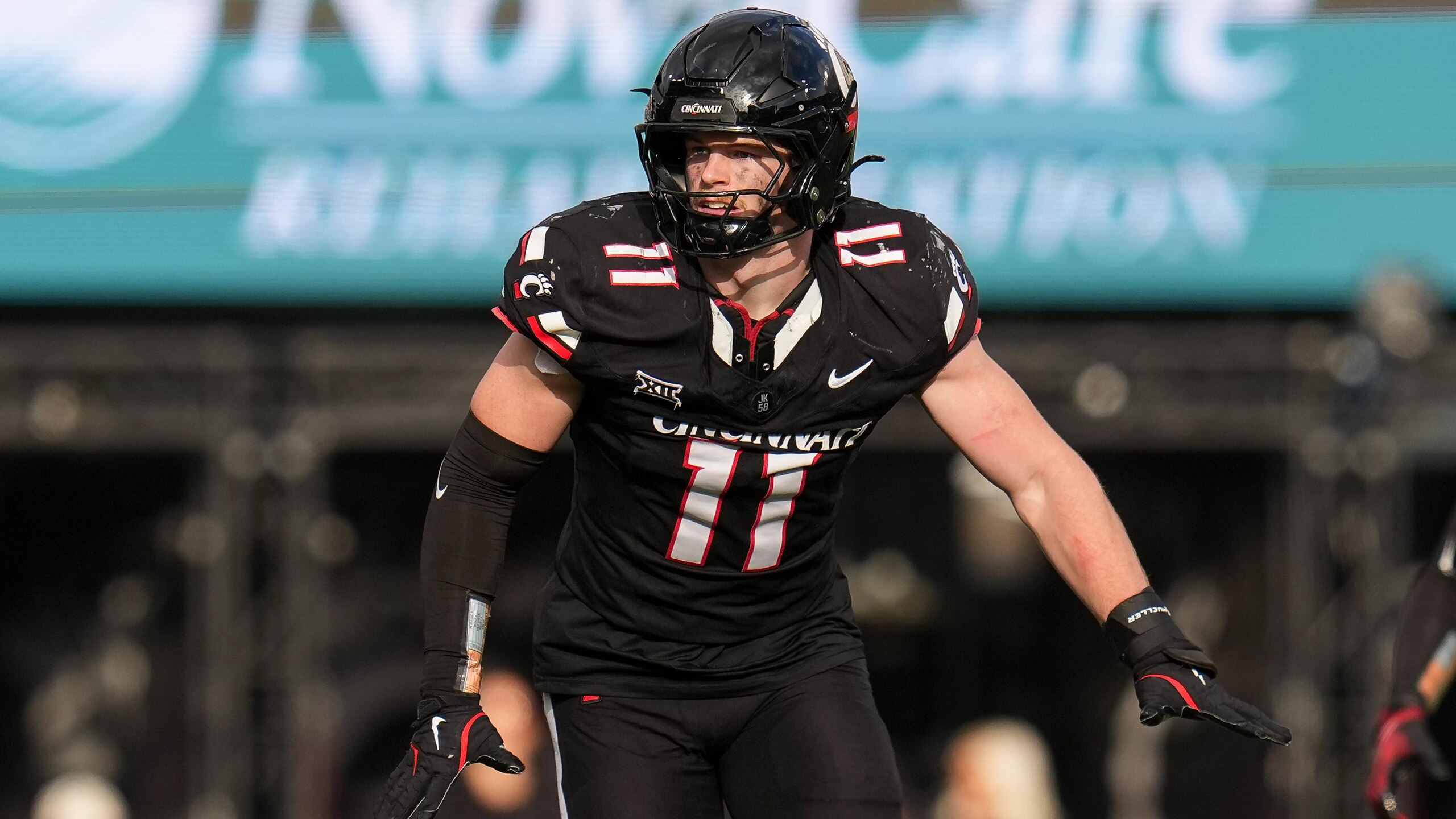
Round 1 (No. 18): LB Jake Golday, Cincinnati
Round 2 (No. 51): DL Caleb Banks, Florida
Round 3 (No. 82): S Jakobe Thomas, Miami
Round 3 (No. 97): DL Domonique Orange, Iowa State
Round 3 (No. 98): OT Caleb Tiernan, Northwestern
Round 5 (No. 159): CB Charles Demmings, Stephen F. Austin
Round 5 (No. 163): FB Max Bredeson, Michigan
Round 6 (No. 198): RB Demond Claiborne, Wake Forest
Round 7 (No. 235): IOL Gavin Gerhaardt, Cincinnati
The Minnesota Vikings were the only team other than the Jacksonville Jaguars to warrant a D among B/R's draft class grades. The primary issue with Minnesota's approach centered on the franchise's first-round pick, though a little tweaking later in the process could have also helped.
Caleb Banks' selection with this year's 18th overall pick is a swing for the fences by the Vikings. Organizational decision-makers weren't wrong when it rationalized the pick by stating that "you don't find guys like this" upon discussing the defensive tackle's combination of size, length and athleticism.
The problem lies with the fact that Banks has dealt with foot injuries for the last three years, missing some time in 2023, '24 and '25, as well as his pre‑draft preparation after breaking a bone in his foot at the NFL Scouting Combine. His selection with a top-20 pick is a gargantuan risk, because foot problems don't tend to get better for massive human beings.
Conversely, Jake Golday also presented an impressive physical profile and significant upside to warrant discussion for first-round consideration. Ultimately, the linebacker slid a bit, but he was ranked among the B/R Scouting Department's top 40 prospects.
At nearly 6'5", 239 pounds, with a 9.84 relative athletic score and experience as an edge-rusher and covering the slot, his selection in the first round may still have been seen as a reach but would not have been viewed anywhere near the same risk.
Meanwhile, the risk of taking Banks on Day 2 lessens because the investment is lowered.
By also moving safety Jakobe Thomas and cornerback Charles Demmings up a little, the Vikings will have looked like they prioritized the secondary more than they actually did since the unit was a glaring concern entering the NFL draft.
Thomas' selection as the team's third choice, instead of fifth, shows a little more confidence in a prospect who could start as a rookie.
Pittsburgh Steelers
3 of 5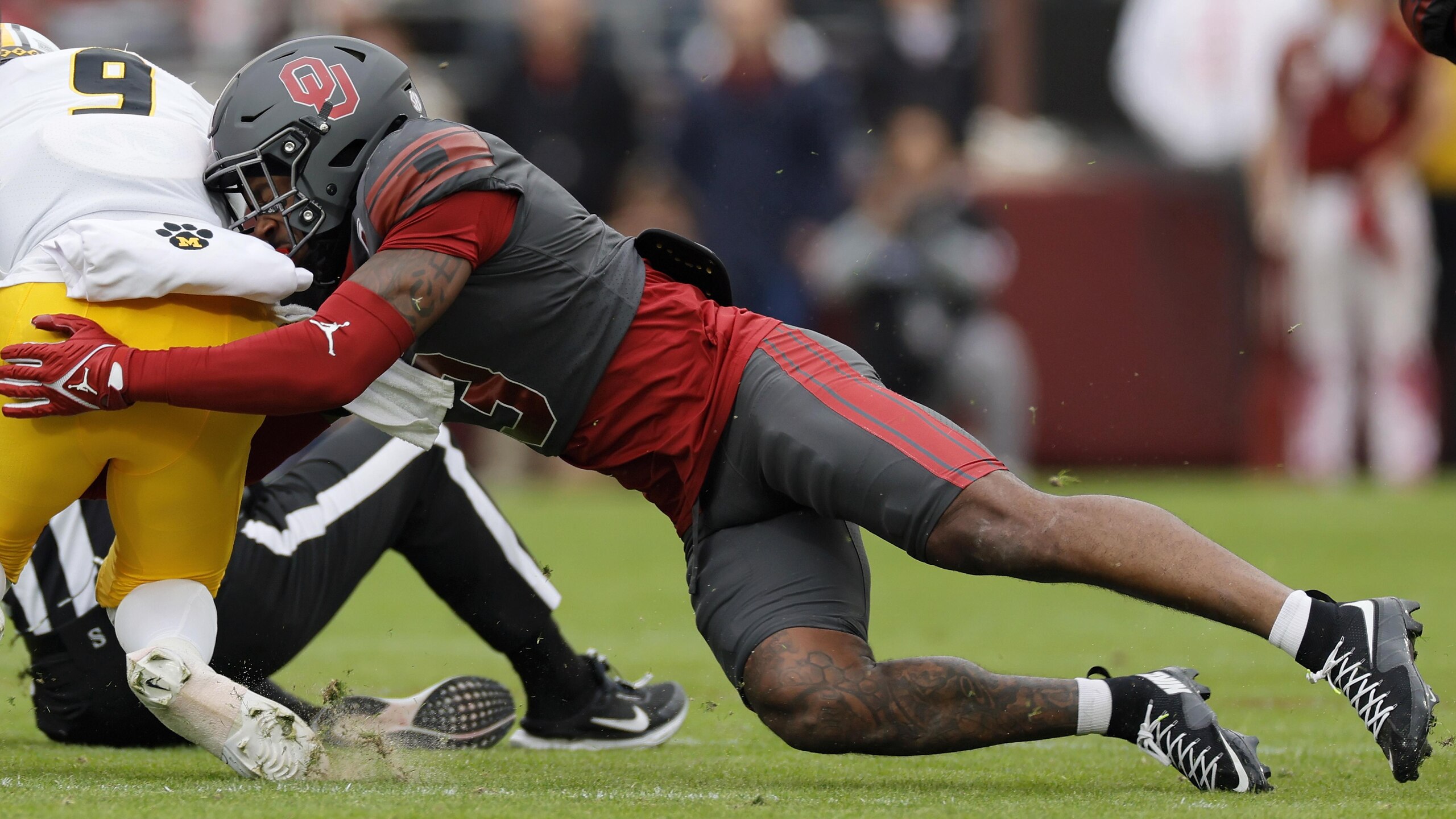
Round 1 (No. 21): OT Max Iheanachor, Arizona State
Round 2 (No. 47): WR Germie Bernard, Alabama
Round 3 (No. 76): QB Drew Allar, Penn State
Round 3 (No. 85): CB Daylen Everette, Georgia
Round 3 (No. 96): IOL Gennings Dunker, Iowa
Round 4 (No. 121): S Robert Spears-Jennings, Oklahoma
Round 5 (No. 169): WR Kaden Wetjen, Iowa
Round 6 (No. 210): TE Riley Nowakowski, Indiana
Round 7 (No. 224): RB Eli Heidenreich, Navy
Round 7 (No. 230): DL Gabriel Rubio, Notre Dame
The Pittsburgh Steelers fell into a trap set by the Philadelphia Eagles, which overshadowed a lot of what the team accomplished with its 10 draft picks.
Really, Pittsburgh did an astute job finding good value with most of its selections and the majority of the class didn't seem out of place. However, it's now public knowledge the Steelers planned to draft Makai Lemon with their first-round pick only to be sniped by the Eagles, while on the phone with the wide receiver.
Max Iheanachor was a prospect most expected to land in the first round thanks to his outstanding movement skills and growth potential. At the same time, he's a developmental option who may not immediately address a need depending on Broderick Jones' recovery from a neck injury. Still, the Arizona State product was a viable alternative at that particular slot.
The team then made a move in the second round to acquire Germie Bernard after seeing De'Zhaun Stribling and Denzel Boston quickly come off the board to start the second round.
Pittsburgh needed a quarterback and invested in Drew Allar with the team's initial third-round pick. Daylen Everette had the athletic profile and experience playing in the SEC to warrant the next selection. Gennings Dunker rounded out the Steelers' third round and could become a fan favorite in Pittsburgh.
The draft's third day is where some maneuvering could be done to improve the look of this class.
The idea of adding a talented return specialist at the start of Day 3 likely didn't sit well with many. By contrast, Robert Spears-Jennings has the right mentality at safety to fit in as part of Pittsburgh's roster, even if safety wasn't a major position of need.
From there, the opportunity to stack niche performers like Wetjen, Riley Nowakowski and Eli Heidenreich comes across as better value when they're situated in the fifth round or later.
.jpg?w=2560 "Packers 49ers Football")
.jpg?w=2560 "Lions Cardinals Football")
San Francisco 49ers
4 of 5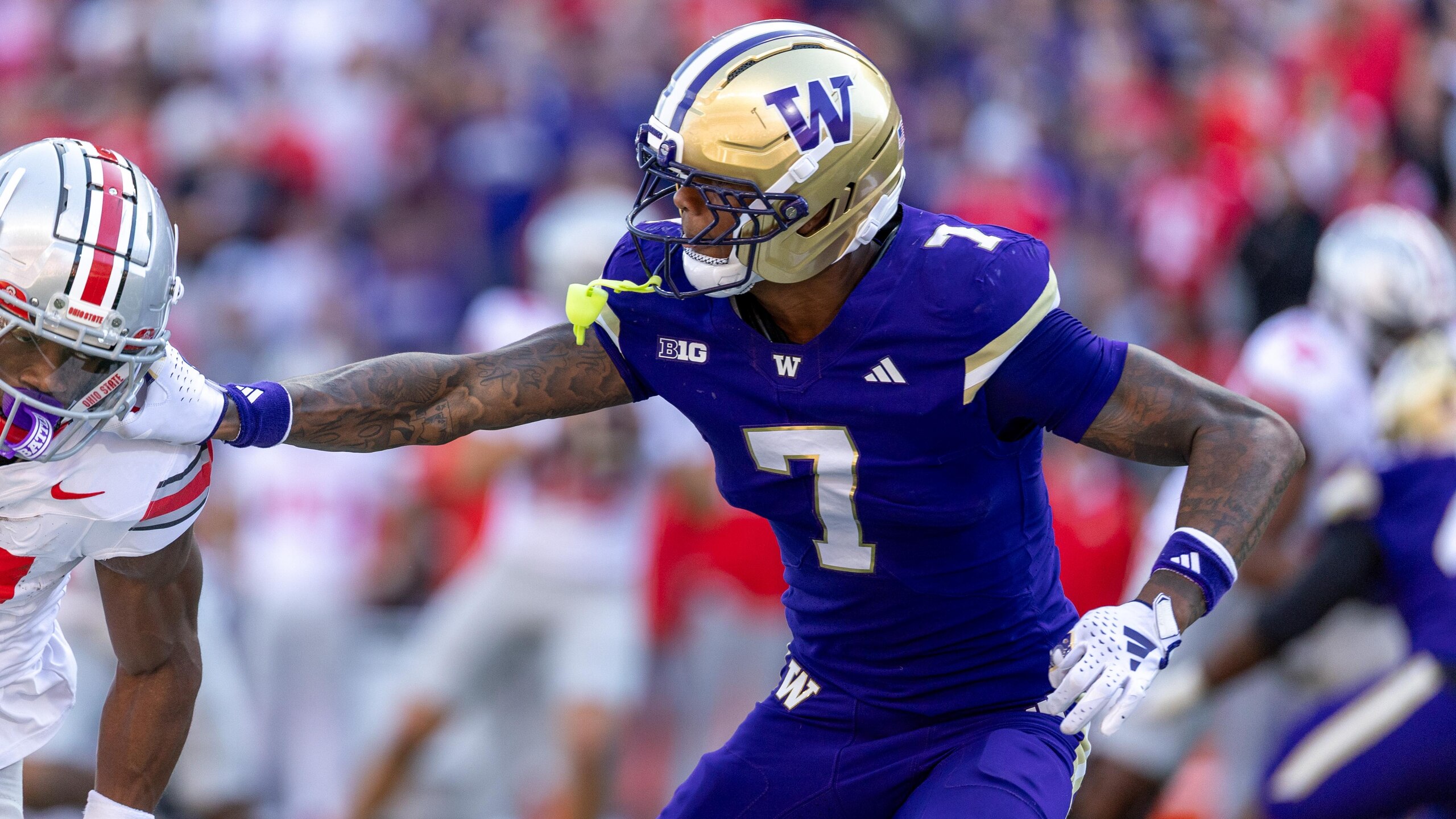
Round 2 (No. 33): WR De'Zhaun Stribling, Ole Miss
Round 3 (No. 70): Edge Romello Height, Texas Tech
Round 3 (No. 90): CB Ephesians Prysock, Washington
Round 4 (No. 107): DL Gracen Halton, Oklahoma
Round 4 (No. 127): IOL Carver Willis, Washington
Round 4 (No. 139): RB Kaelon Black, Indiana
Round 5 (No. 154): IOL Enrique Cruz Jr., Kansas
Round 5 (No. 179): LB Jaden Dugger, Louisiana
The San Francisco 49ers' draft class is difficult to save when an argument can be made that all but one of their eight selections were at least slight reaches.
To be fair, the Niners' initial choices of De'Zhaun Stribling and Romello Height went in their expected rounds.
Obviously, franchises are more than willing to take a chance on a prospect with Stribling's athletic profile sooner rather than later. After all, the 6'2", 207-pound receiver is a physical target, who ran a sub-4.4-second 40-yard dash and posted a 9.57 relative athletic score.
Meanwhile, Height brings a very specific skill set as a pass-rush specialist to a team that desperately needed more juice off the edge after finishing dead-last in sacks last season.
Both may have been overdrafted to some degree, but those decisions made sense, particularly after San Francisco chose to trade out of the first round. Stribling is more explosive than Omar Cooper Jr., who San Francisco could have chosen instead of trading out. Ironically, the team moved down to find a slightly better slotting for its preferred wide receiver prospect.
The 49ers' best value pick came late in the fourth round when they landed cornerback Ephesians Prysock, who brings a combination of size, length and athleticism rarely seen at the position. San Francisco's top three corners are all under 6'0", while Prysock stands over 6'3", with arms over 33 inches long. The B/R Scouting Department had him graded as a top 100 pick.
Prysock's elevation was met with Kaelon Black's descent.
Black was tremendous for the Indiana Hoosiers, particularly late in games as the national champion's closer. He grinds out the tough yards and always fights his way forward. However, he wasn't the team's starter and provided next to nothing as a receiver.
Those two basically swapping spots made the entire class look a little more salvageable from a value perspective while specifically addressing needs at two premium positions on Day 2.
Miami Dolphins
5 of 5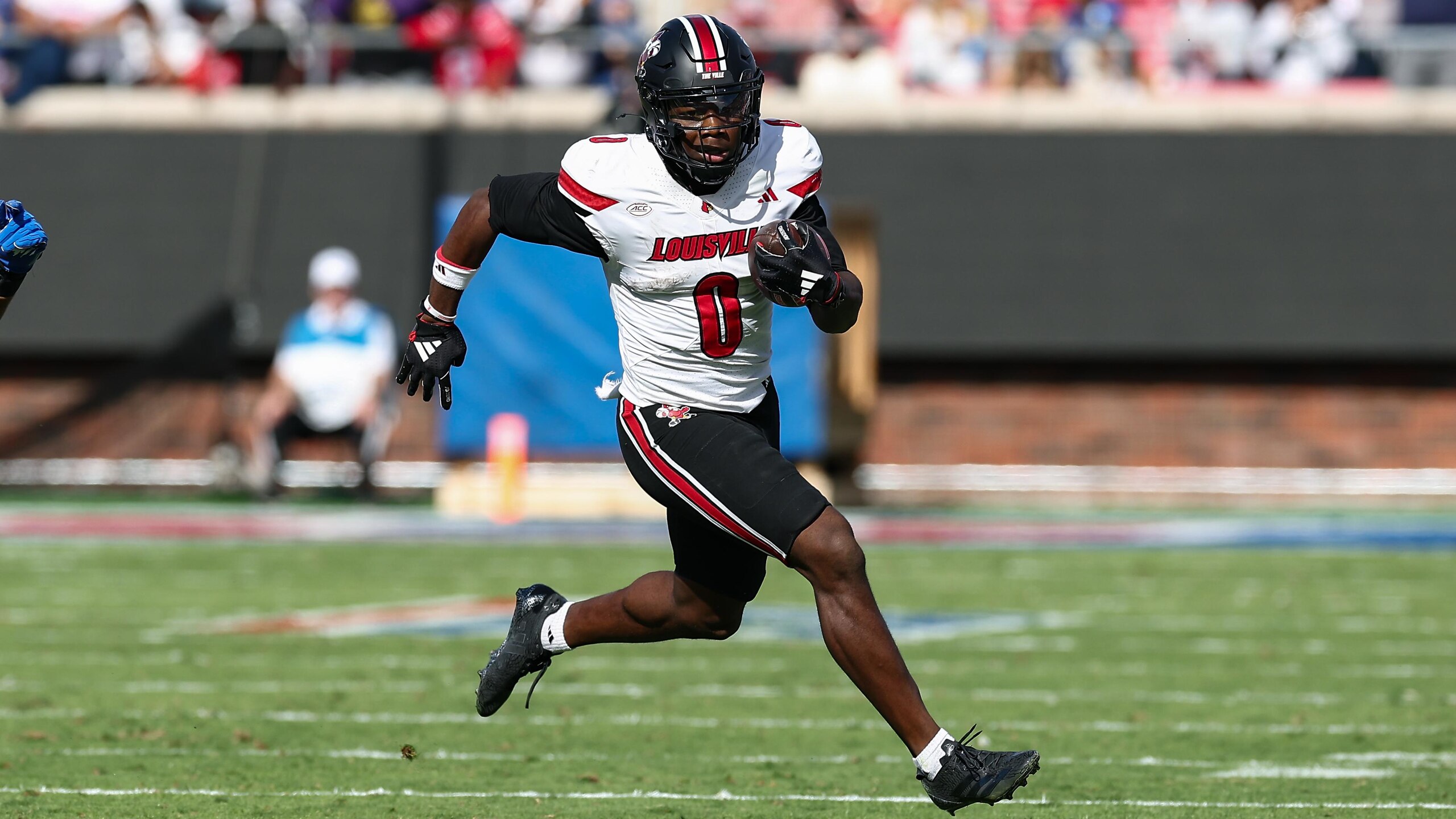
Round 1 (No. 12): OT Kadyn Proctor, Alabama
Round 1 (No. 27): CB Chris Johnson, San Diego State
Round 2 (No. 43): LB Jacob Rodriguez, Texas Tech
Round 3 (No. 75): WR Chris Bell, Louisville
Round 3 (No. 87): TE Will Kacmarek, Ohio State
Round 3 (No. 94): LB Kyle Louis, Pittsburgh
Round 4 (No. 130): WR Caleb Douglas, Texas Tech
Round 4 (No. 138): S Michael Taaffe, Texas
Round 5 (No. 158): WR Kevin Coleman Jr., Missouri
Round 5 (No. 177): DL Max Llewellyn, Iowa
Round 5 (No. 180): IOL DJ Campbell, Texas
Round 6 (No. 200): LB Trey Moore, Texas
Round 7 (No. 238): TE Seydou Traore, Mississippi State
The Miami Dolphins need a DeLorean to go back in time to rectify the top of this year's draft class. Since that's impossible, a little shuffling can help the 13-player class make more sense.
The decision to pass on Caleb Downs with the 11th overall pick and trade the selection to the Dallas Cowboys—thereby intentionally missing out on the class' No. 1 overall prospect—became the worst move of the three-day event. Miami couldn't go anywhere but up from that point.
The selections of Kadyn Proctor, Chris Johnson and Jacob Rodriguez were in line with expectations for each of those prospects. Proctor will have the most pressure on his shoulders, because A) he was Miami's top pick and B) he may need to perform at an All-Pro level for Dolphins fans to forget about Downs.
From that point, the team's decisions were all over the place.
For a squad in desperate need of weapons at wide receiver, Caleb Douglas shouldn't be viewed as a potential WR1. He isn't strong enough physically, suffers from concentration drops and lacks instant acceleration to fill that role.
Instead, Chris Bell does present that caliber of potential. The Louisville product is a tank in the open field, but he slid in the draft due to a torn ACL. If not for the injury, he could have been a late first-/early second-round selection.
After Bell, Will Kacmarek and Kyle Louis fit specific roles that will allow them to contribute early in their careers. Kacmarek is a good in-line blocking tight end, while Louis can be a nickel or dime 'backer to thrive in coverage.
Douglas and safety Michael Taaffe can then be viewed as second or third options at their respective positions. The final five reordered picks can build out the bottom of Miami's roster, while providing some developmental upside.
A poor start hampered the Dolphins' first draft under the watchful eyes of new general manager Jon-Eric Sullivan and first-year head coach Jeff Hafley. The organization added a lot of talent, though it likely failed to maximize what was available in every round.
.jpg?w=2560 "Steelers Browns Football")
.jpg?w=2560 "Texans Titans Football")
.jpg?w=2560 "Buzz: MHJ Hired Agents for Trade")
.jpg?w=2560 "Chargers Fall to 0-5 🤢")