.jpg?w=2560)

New 2026 NBA Mock Draft with Dallas Mavericks Winning Lottery Simulation, No. 1 Pick
With the NBA Play-In Tournament behind us, the lottery picture is complete.
Now there are 14 fanbases who can plan ahead for plenty of sweating, praying, good luck charm-rubbing and finger-crossing when the lottery will be held on Sunday, May 10.
That group improbably features the defending champion Oklahoma City Thunder, who hold the Los Angeles Clippers' first-round pick. The Atlanta Hawks will be watching with close eyes, too, since they'll get the more favorable of the Milwaukee Bucks' and New Orleans Pelicans' first-round picks.
Despite losing their own pick, the Clippers still have a dog in this race, though. They could walk away with the Indiana Pacers' first, but only if it lands between picks Nos. 5-9. Otherwise, it stays in the Circle City.
There are a lot of things that can go really right or terribly wrong once the ping-pong balls drop. To help highlight that, we're breaking out Tankathon's lottery simulator to get a hypothetical feel for the 2026 talent grab. With a wild amount of movement among the top eight picks, this test drive feels more like a thrill ride.
Here are the teams that have won the No. 1 pick in our simulations so far:
1. Dallas Mavericks: AJ Dybantsa, SF, BYU
1 of 30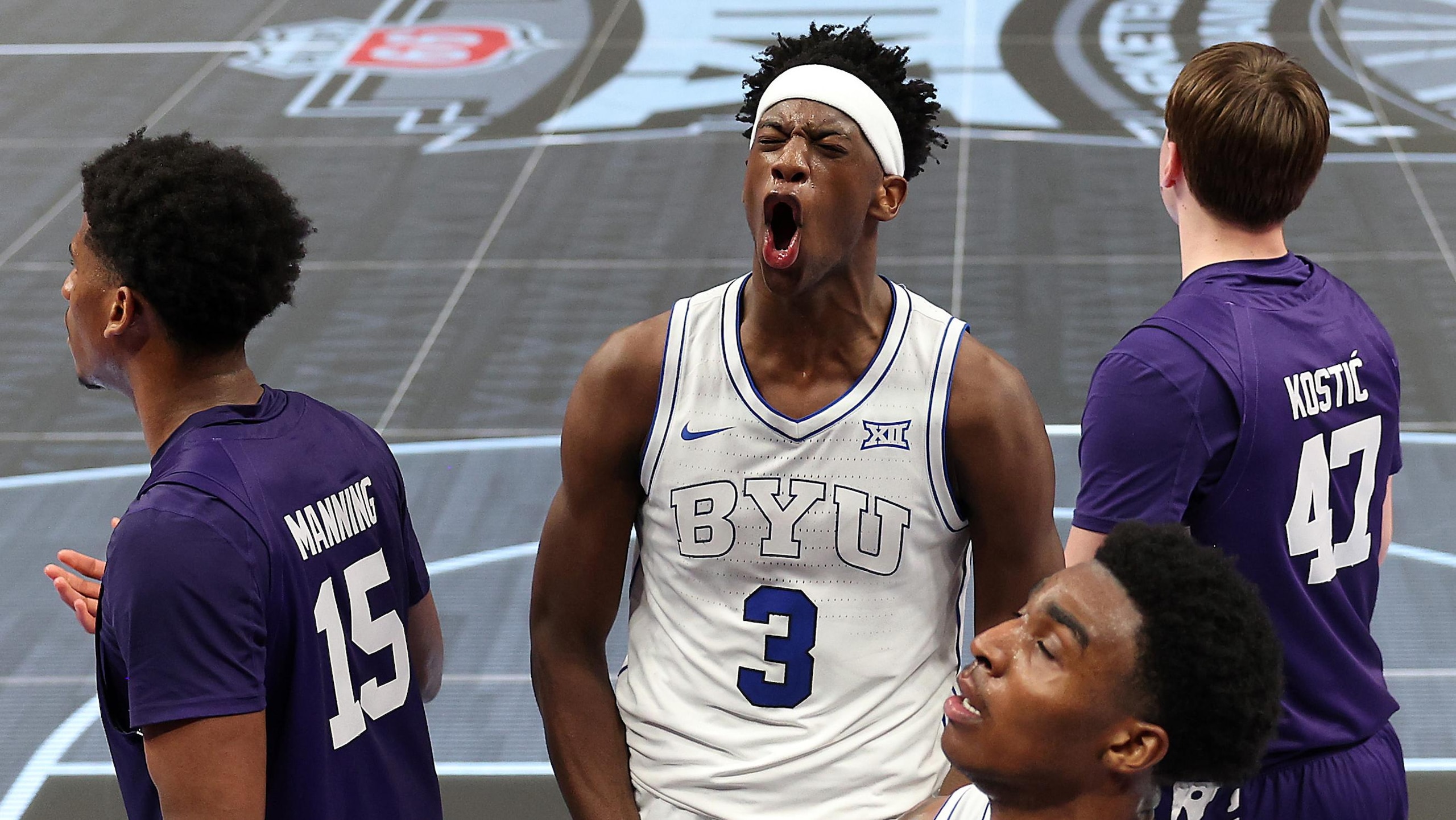
A second consecutive No. 1 pick for the Mavericks? Let the conspiracy theories fly, folks. Seriously, though, how incredible would this be for the franchise? Look, that Luka Dončić will always be remembered as a disaster, but Cooper Flagg has already shown cornerstone potential, and Dybantsa has all of the qualities needed to do the same.
He's a 6'9" three-level scorer who can create shots and has the physical makings of a versatile defensive weapon. It's hard to speak about his potential without sounding hyperbolic. The super condensed version—and most important takeaway—is that he has a real chance to be a full-fledged superstar.
Between Flagg's versatility and Dybantsa's forever coveted archetype, Dallas could rebuild this roster however it wants. Or maybe the Mavs mess around and become a force in the Western Conference already next season if Dybantsa hits the ground sprinting and Kyrie Irving shows no ill effects from the ACL tear he suffered in March 2025.
2 Memphis Grizzlies: Darryn Peterson, SG, Kansas
2 of 30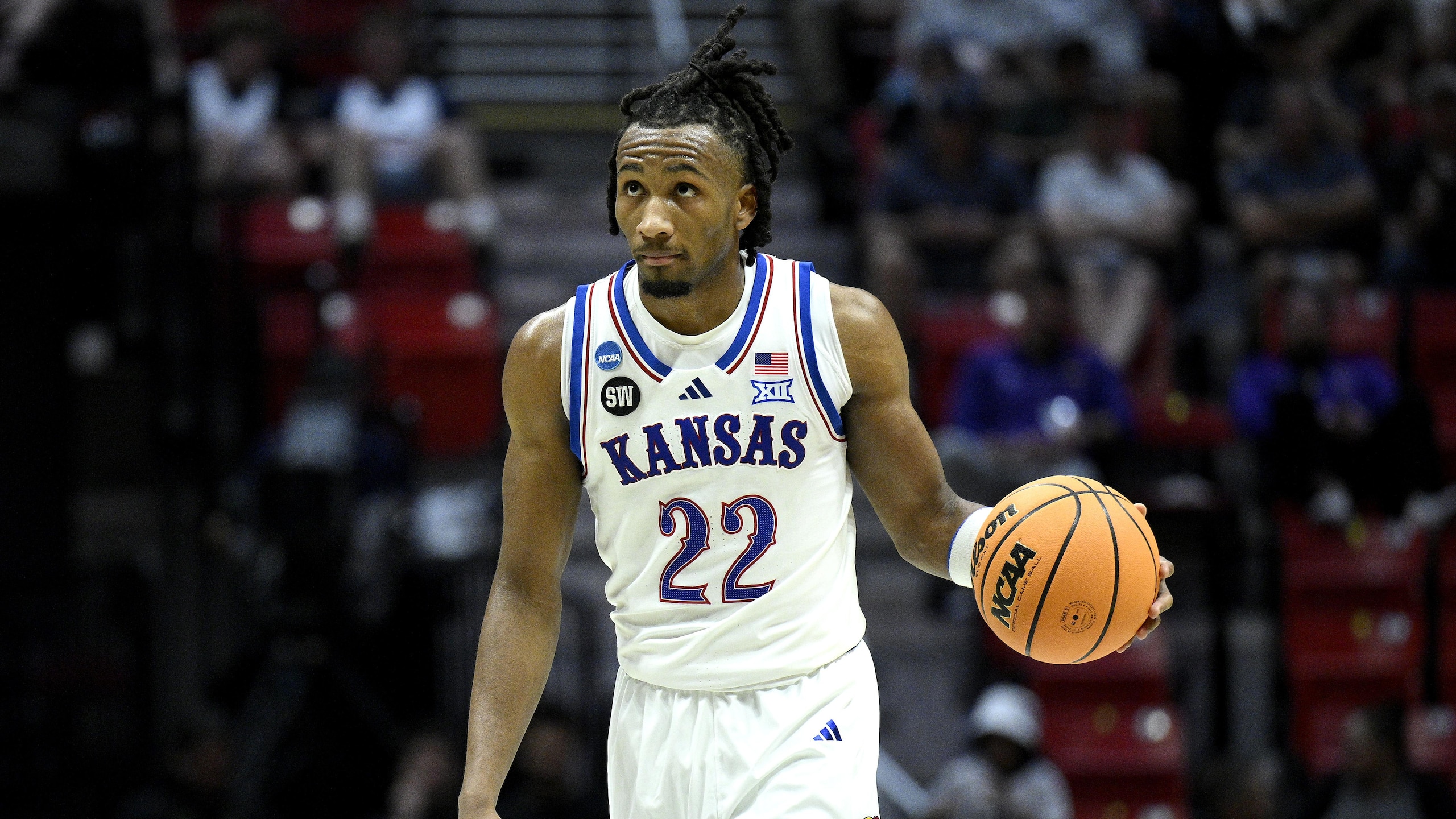
Would the Grizzlies get discouraged by Peterson's injury issues after encountering so many availability problems with Ja Morant? It's possible, but those shouldn't be enough to let Peterson get past them.
The Grizzlies shopped Morant at the deadline, with general manager Zach Kleiman telling reporters that was done with "organizational direction" in mind. In other words, Memphis has effectively closed its Morant chapter, it's just waiting on a trade partner to help script that conclusion.
Peterson could be the perfect prospect to help turn the page. If not for those health hiccups, he might've been the best prospect in this class. He is an electric shot-maker who just so happens to also be a willing and able defender. And while he didn't show this a lot at Kansas, his prep career showcased both dynamic finishing and advanced playmaking, too.
3. Sacramento Kings: Darius Acuff Jr., PG/SG, Arkansas
3 of 30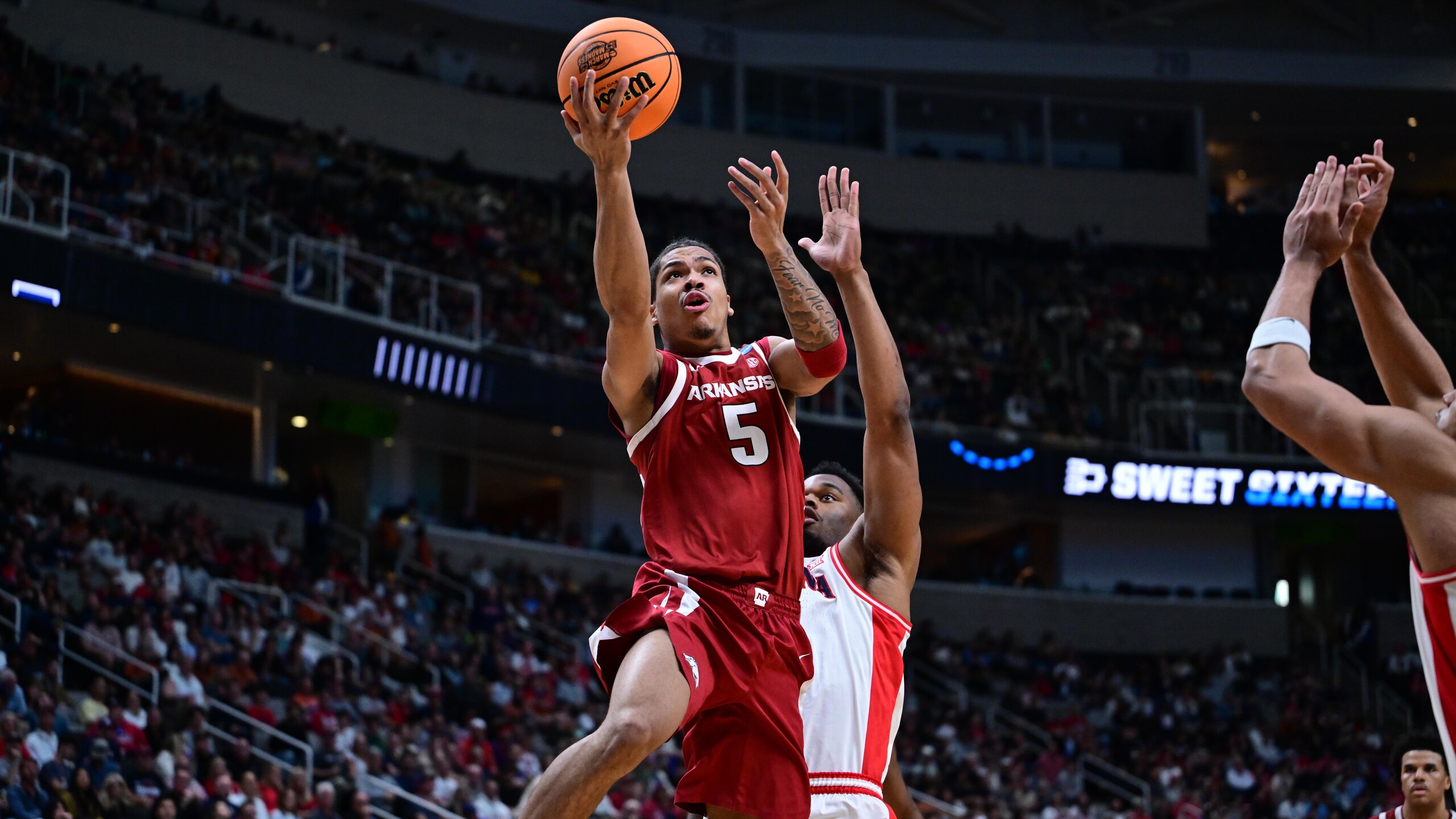
Groupthink says a three-prospect tier sits atop this draft. And Acuff isn't included in that mix. But if anyone where going to zig away from a consensus zag, it'd certainly be the Kings, right?
Could they live to regret leaving Cameron Boozer (and Caleb Wilson) on the board? Without question. That said, the Kings are desperate for star power and a primary shot creator, and this dart throw at Acuff might just be a bull's-eye on both fronts.
His physical gifts might be underwhelming, but his on-court abilities are immense. He's a consistent advantage-creator, and he capitalize on all of those chances as a shooter, distributor and downhill attacker. If the Kings are worried at all about how Boozer's game will translate or Wilson's offensive ceiling, they might feel emboldened to place a big bet as Acuff's ability to pilot an overdue overhaul.

4. Washington Wizards: Cameron Boozer, PF, Duke
4 of 30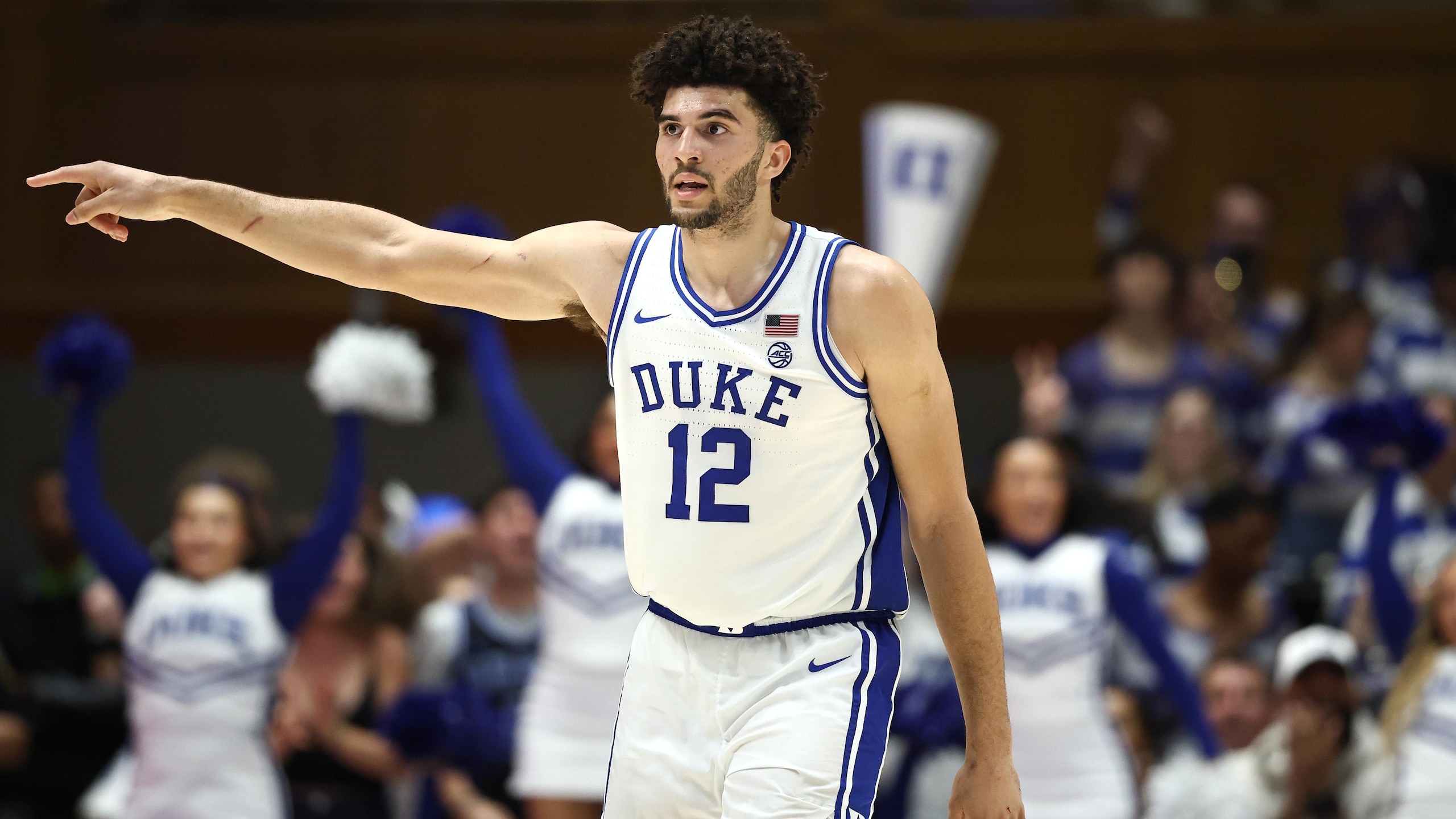
While initially bummed by their league-worst record only delivering the No. 4 pick, the Wizards would be overjoyed if the actual draft went down like this. They're clearly eager to change the culture—discounted deals for Trae Young and Anthony Davis are still major win-now accelerators—and Boozer has been a big winner at every level.
Washington may not ask him to serve in an offensive-hub capacity, but it should be confident about his ability to handle that role whenever needed.
He'll face challenges with his non-elite vertical explosion and cloudy defensive outlook, but he might be the best problem-solver in this class. This level of polish, poise and production is almost never available four picks into a talent grab, but here we are.
5. Los Angeles Clippers (via IND): Caleb Wilson, PF, North Carolina
5 of 30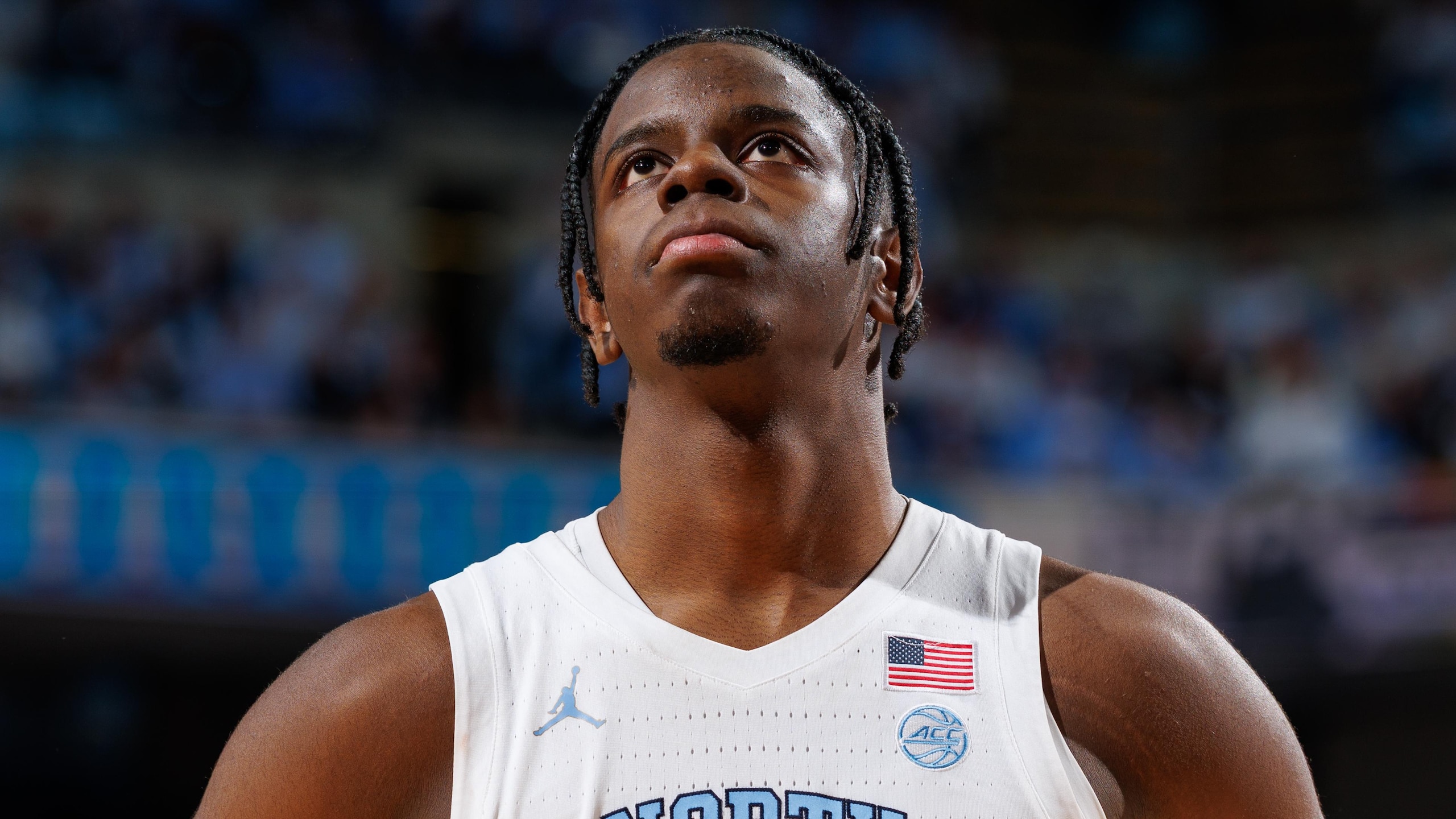
Before getting to Wilson and the Clippers, a quick word of caution for Pacers fans: We've run through a few different lottery simulations at this point, and this is far from the first that has this pick slipping away from Indiana. That hardly means it's definitely going to happen, but you all might want to brace yourselves for the possibility.
As for L.A., this feels like launching two home runs off a single pitch: first landing the highest pick it can get and then seeing Wilson wiggle out of the top four.
He's an explosive athlete and fiery competitor who handles double-duty as a powerful dunker and a soft shooter on turnaround shots. He should be a versatile switcher and defensive playmaker right away, and his open-floor ball-handling hints at some really high-end outcomes for his offense.
6. Brooklyn Nets: Keaton Wagler, PG/SG, Illinois
6 of 30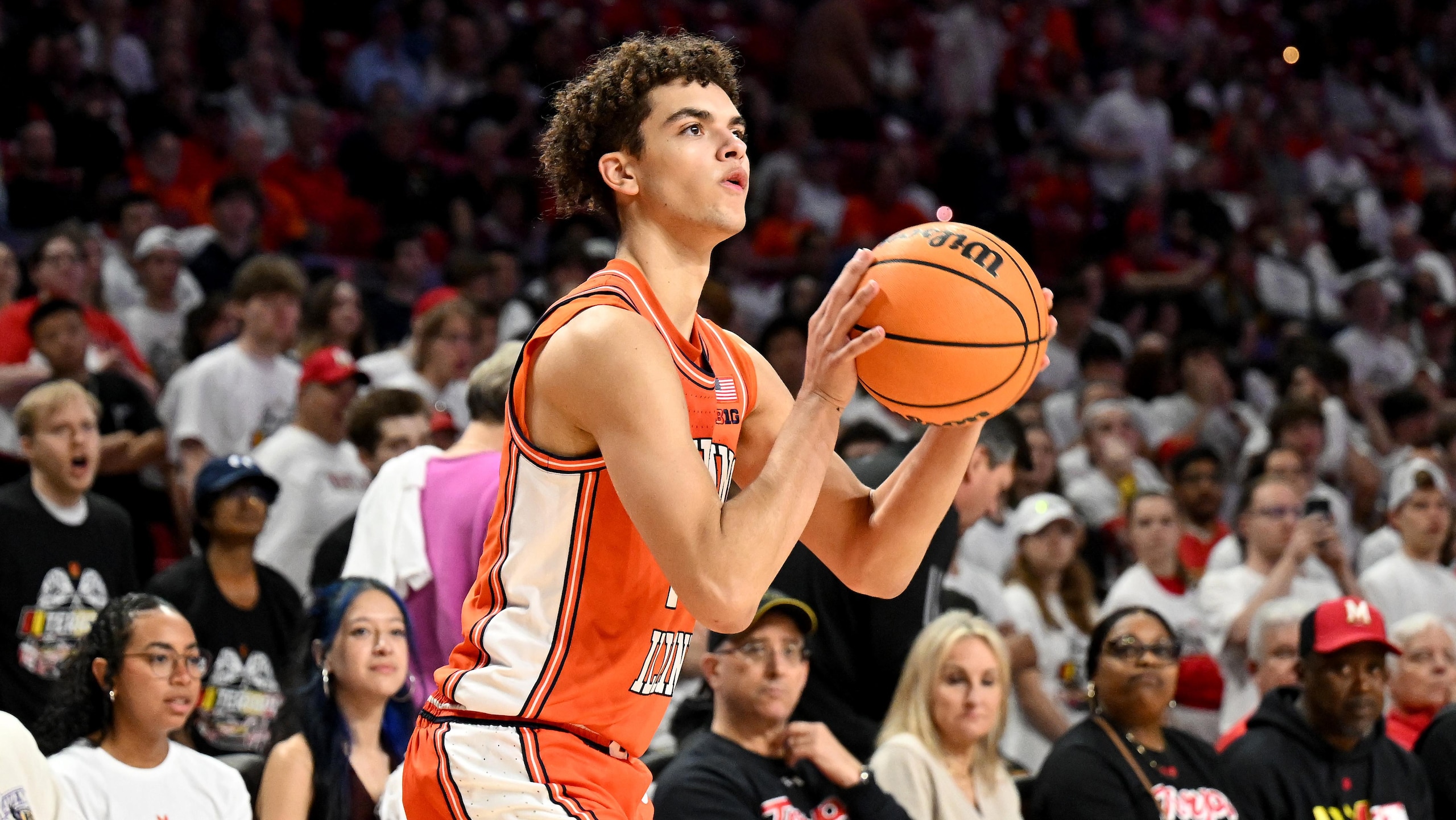
After loading up on playmakers during last year's draft, the Nets could be in the market for a play-finisher. Wagler's consistency and range on his three-point shot can help him fill that role, but Brooklyn would want to find him a ton of on-ball opportunities, too.
The Illini didn't see the full scope of his impact until they deployed him as a lead guard. Despite not being particularly strong nor bouncy, he made things happen inside the arc with his pace and direction changes, floor vision and finishing craft.
Brooklyn might offer something close to a best-case scenario for Wagler. He wouldn't have to capitan the ship right away, so if his physical challenges felt overwhelming, he'd have help navigating them. But as soon as he showed he was ready for a featured role, there'd be no one on the Nets blocking his path.
7. Utah Jazz: Kingston Flemings, PG, Houston
7 of 30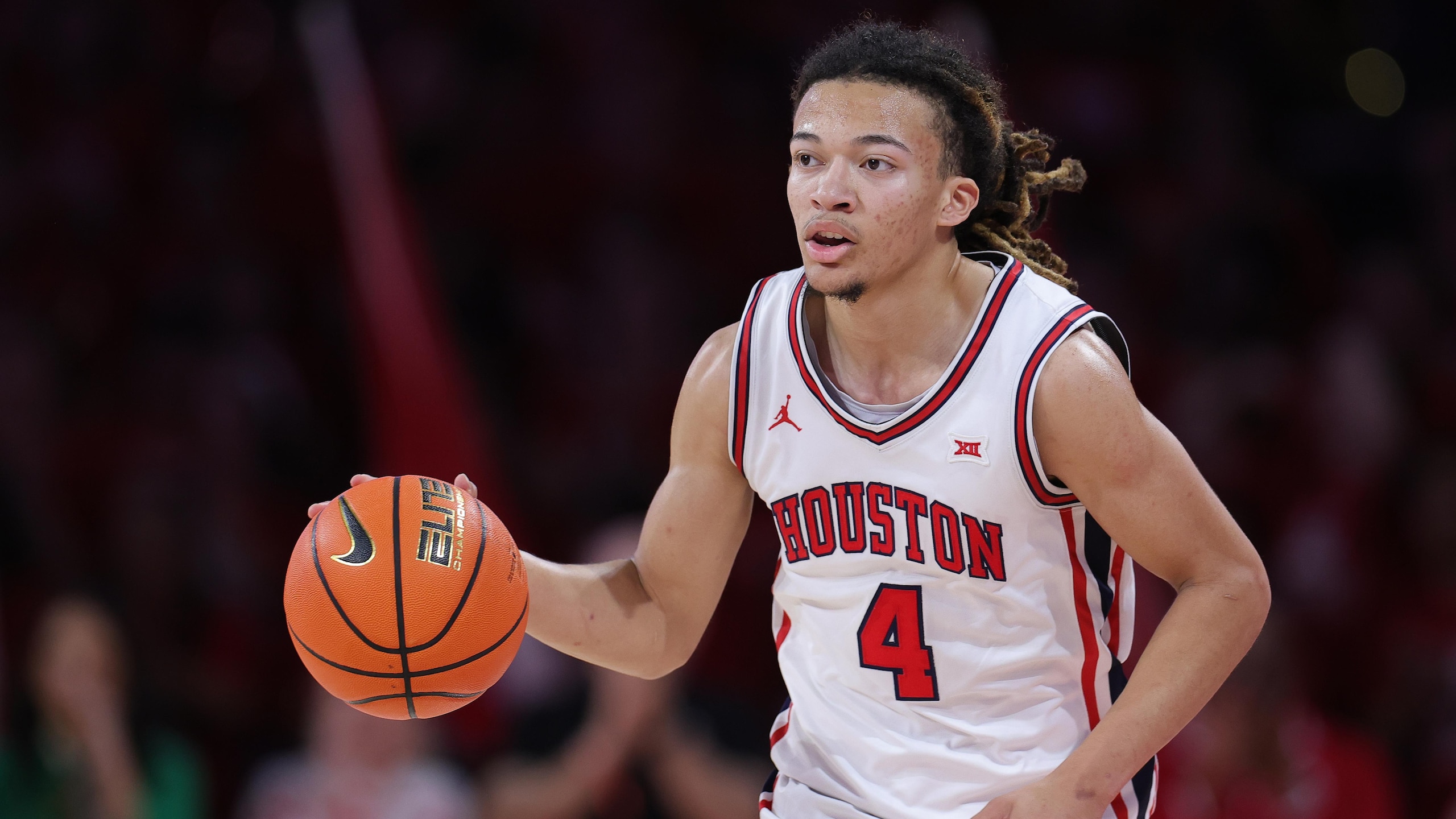
The last of the four consecutive clubs to fall three spots in this lottery simulation, the Jazz may not lament their lack of luck as much as the others. Between the Jaren Jackson Jr. trade, the rise of Keyonte George, the steadiness of Lauri Markkanen and the flashes from Ace Bailey, they don't need a savior the way their fellow cellar-dwellers do.
They could, however, be in the market for a tone-setting floor general, and that's the rosiest description tagged onto Flemings. He already makes veteran-like reads with the basketball, so Utah could entrust him with fairly heavy minutes early and believe he'd find ways to positively impact winning.
He has some of the best burst in this class and the processing ability needed to mentally slow down while physically zipping around. If he can up his perimeter volume and fine-tune his shot selection, he could be a steal—even this early in the draft.
8. Atlanta Hawks (via NOP): Mikel Brown Jr., PG/SG, Louisville
8 of 30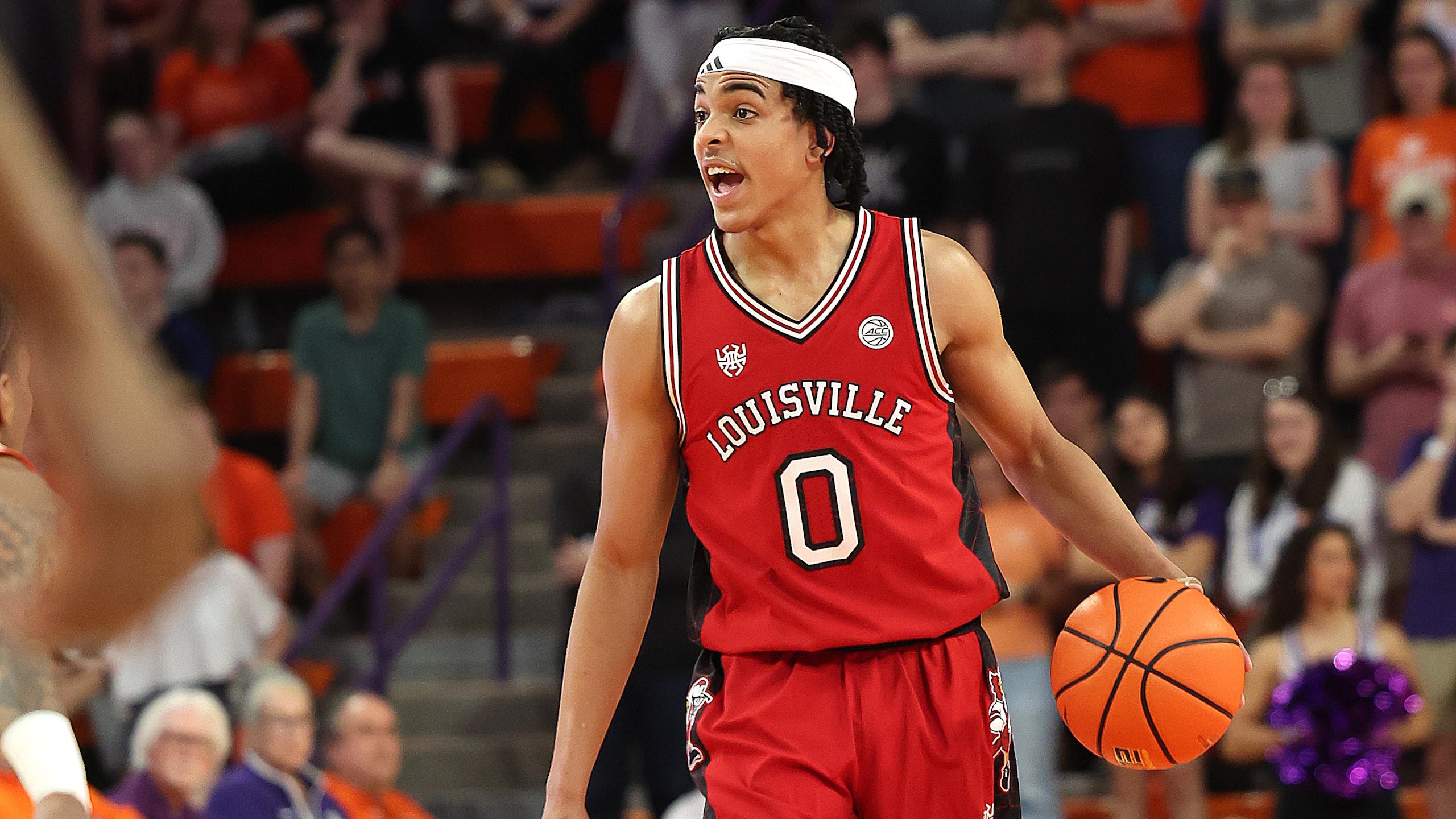
The Hawks might be hoping their real pick—the more favorable between Milwaukee and New Orleans—lands a little higher than this. That said, they should be pleased that they remain in the right range to potentially land their post-Trae Young long-term lead guard.
Atlanta is a highlight factory in the open floor, but things can get a little clunky in the half court, where it ranked 15th in offensive efficiency, per Cleaning the Glass. And it really has trouble making something out of nothing, as it managed a league-worst 0.80 points per 100 possessions on isolations.
Offensive creativity is a glaring need, and that might be Brown's greatest strength (or at least a 1A-1B skill along with shotmaking). He's still mastering the art of consistency, but the flashes of pick-and-roll creation and launch-from-anywhere scoring range could one day allow him to serve as a primary offensive engine.
9. Chicago Bulls: Nate Ament, SF, Tennessee
9 of 30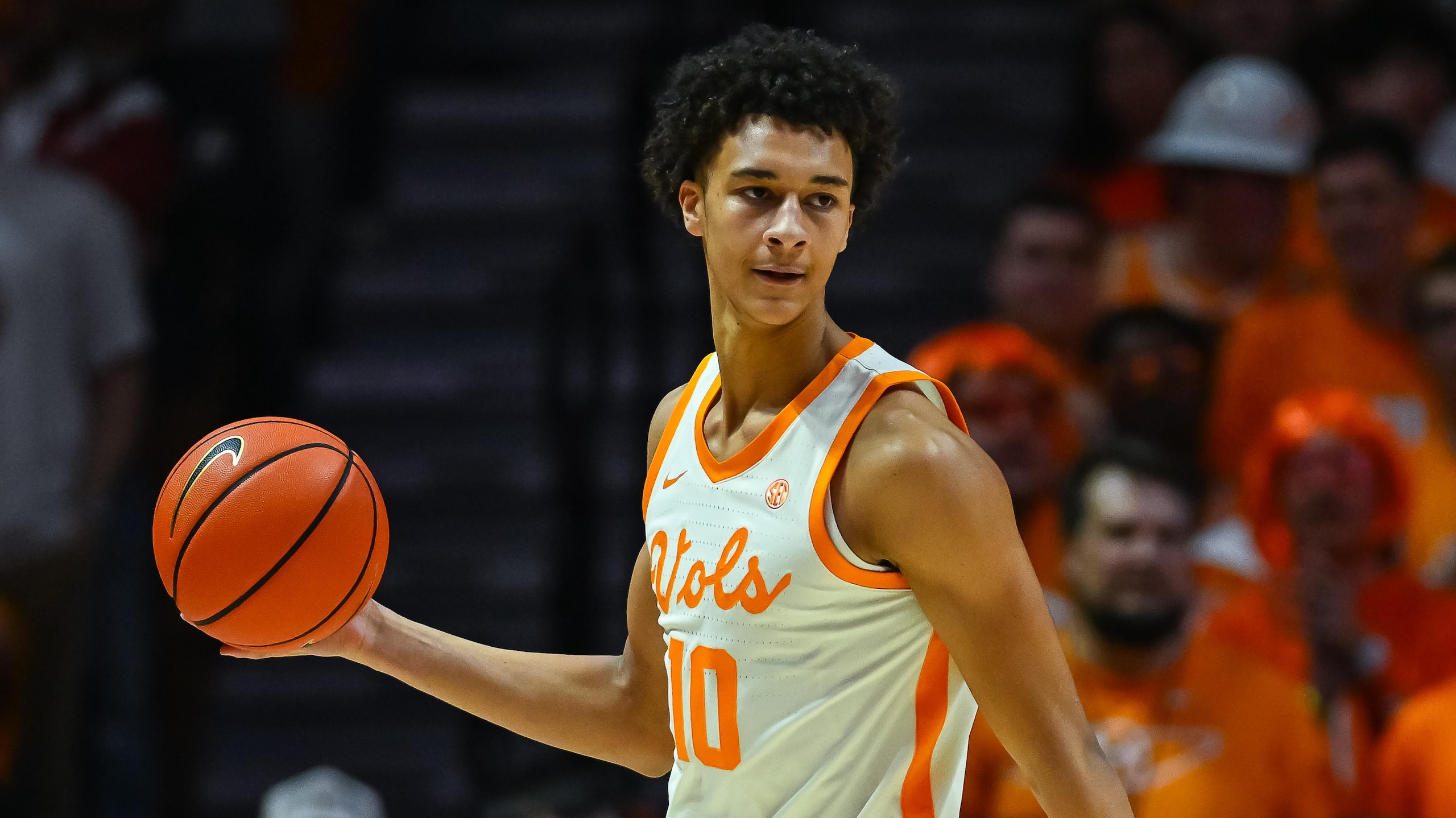
The Bulls could use some lottery luck as they head down the rebuilding road (finally!), but they didn't find any in this simulation. They did, however, avoid any slippage, so they're still able to take a relatively sizable swing on upside with Ament.
He is raw and inconsistent, and his upside is more theoretical than tangible, but you don't need the wildest imagination to picture a 6'10" swingman who can handle and shoot on the move figuring things out in a major way.
A disappointing, up-and-down season at Tennessee doesn't necessarily define anything about the kind of NBA career he'll have. He needs time and patience, but Chicago should have plenty to offer.
10. Milwaukee Bucks: Brayden Burries, SG, Arizona
10 of 30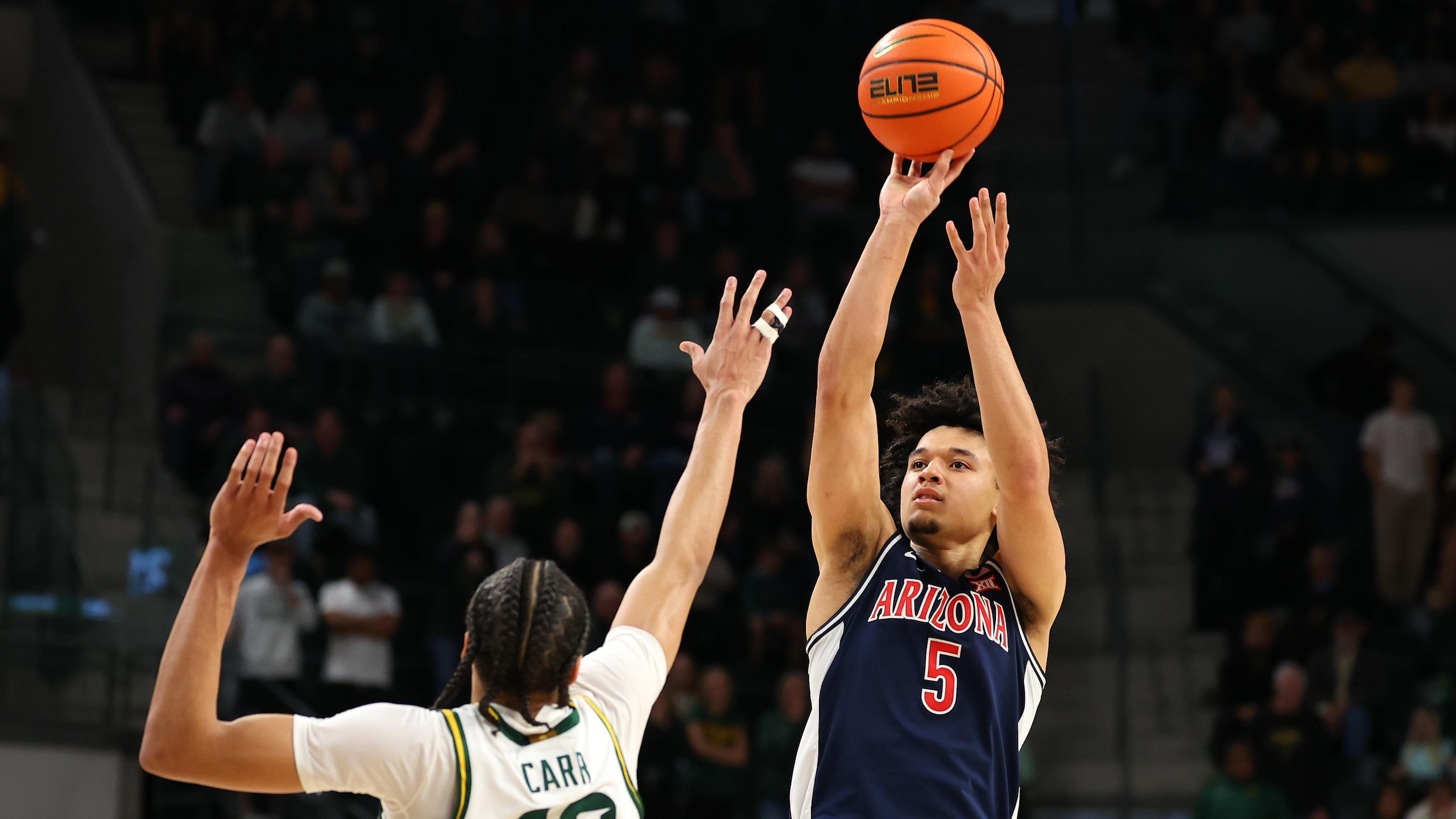
Would the Bucks try flipping this pick for established NBA talent that might convince Giannis Antetokounmpo to extend his stay in Milwaukee? Theoretically, sure, but the more we read about that rocky relationship, the more it seems like a split is imminent.
The fun part about this pick projection, though, is that Burries could fit with the Bucks whether Antetokounmpo leaves or not.
If the two-time MVP sticks around, Burries could slot into a useful Swiss Army knife-style support role. And if Antetokounmpo bolts, the Bucks could let Burries to explore every inch of his underrated upside as an on-ball creator.
11. Golden State Warriors: Yaxel Lendeborg, PF, Michigan
11 of 30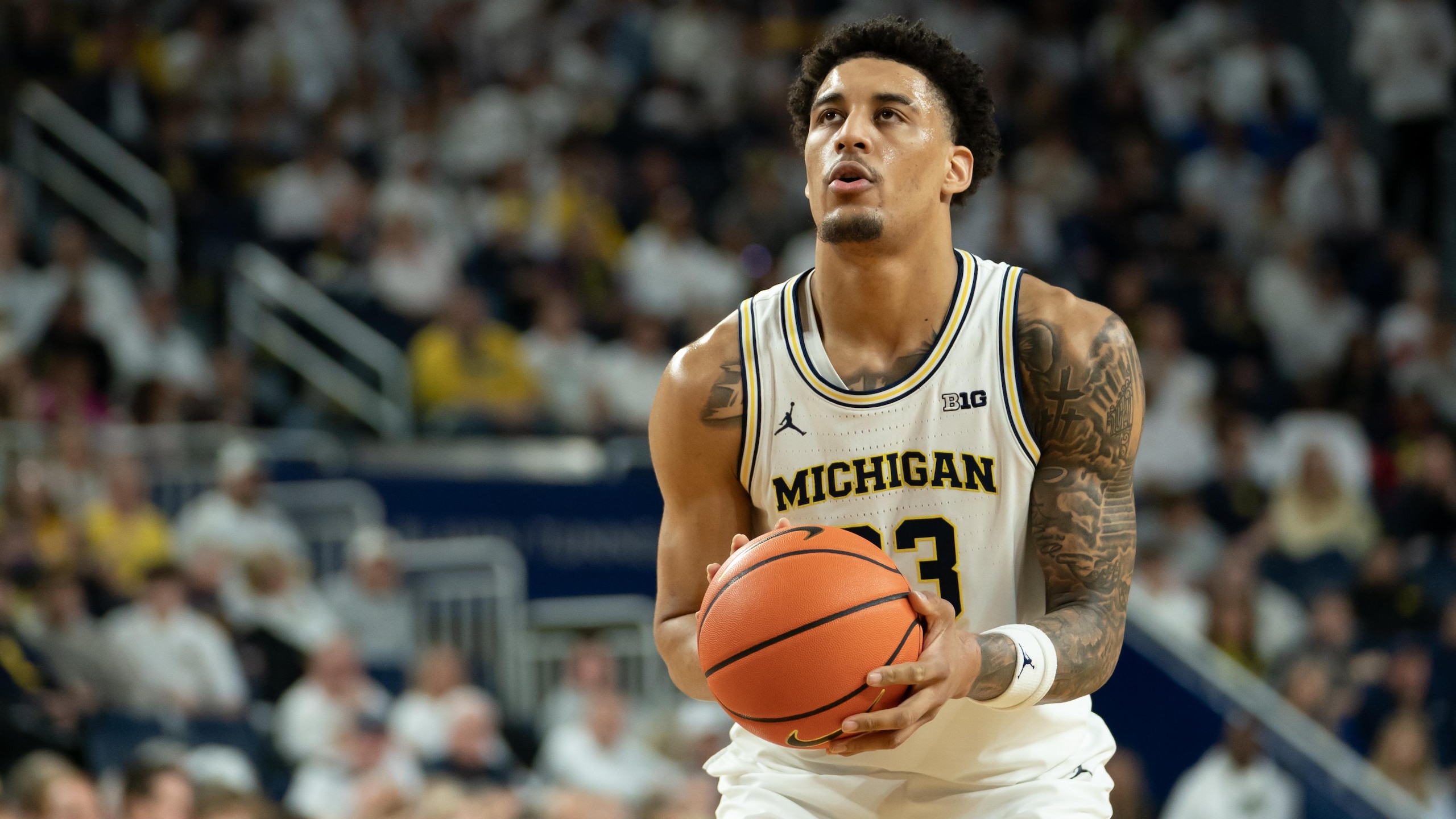
When the Warriors come on the clock, upside and long-term potential will get buried behind a prospect's chances of having an instant impact. In other words, they'd be less worried about Lendeborg's age (24 in September) and much more excited by all the different ways his tools and talents might translate already next season.
He boasts NBA-ready length and athleticism, plus a polished skill set that covers most everything needed on the court. He offers two-way playmaking, improved outside shooting, rebounding, hustle and, as Yahoo Sports' Kevin O'Connor put it, "do-it-all upside."
12. Oklahoma City Thunder (via LAC): Aday Mara, C, Michigan
12 of 30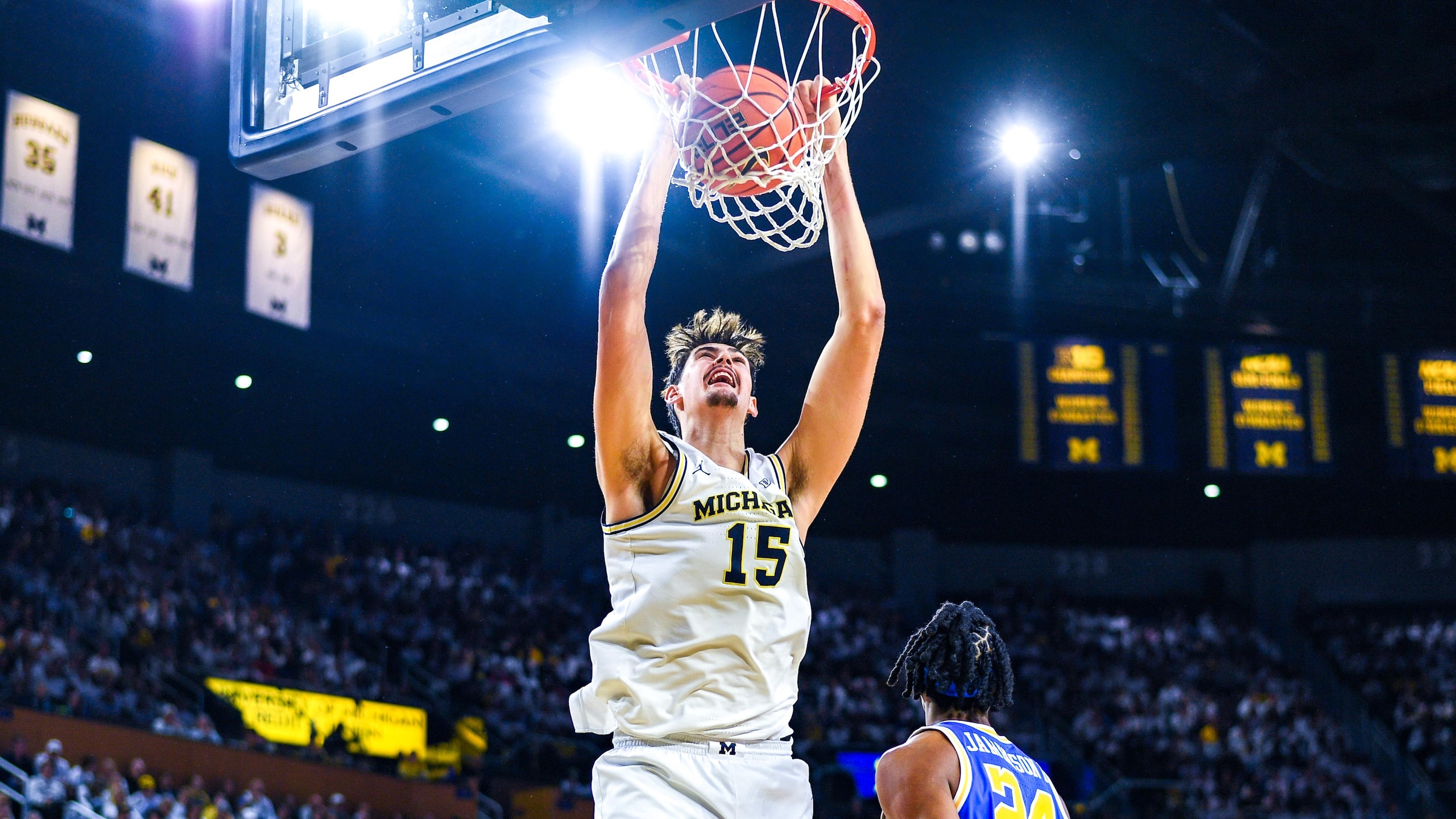
The Thunder, improbably still collecting assets from the July 2019 trade that sent Paul George to the Clippers, will soon add a lottery pick to what might already be the Association's best roster. Since they really don't have glaring needs, they could place one of the draft's more interesting wagers—like on Mara electrifying the interior as a shot-blocker, lob-finisher and sneaky-smart passer.
He is enormous (7'3") and incredibly skilled for his size. His length alone makes him an obvious asset as a shot-blocker, lob-finisher and low-post scorer, but it's his ability to read the floor and make dot-connecting passers that helps him stand out among other mountains in the middle.
13. Miami Heat: Hannes Steinbach, C, Washington
13 of 30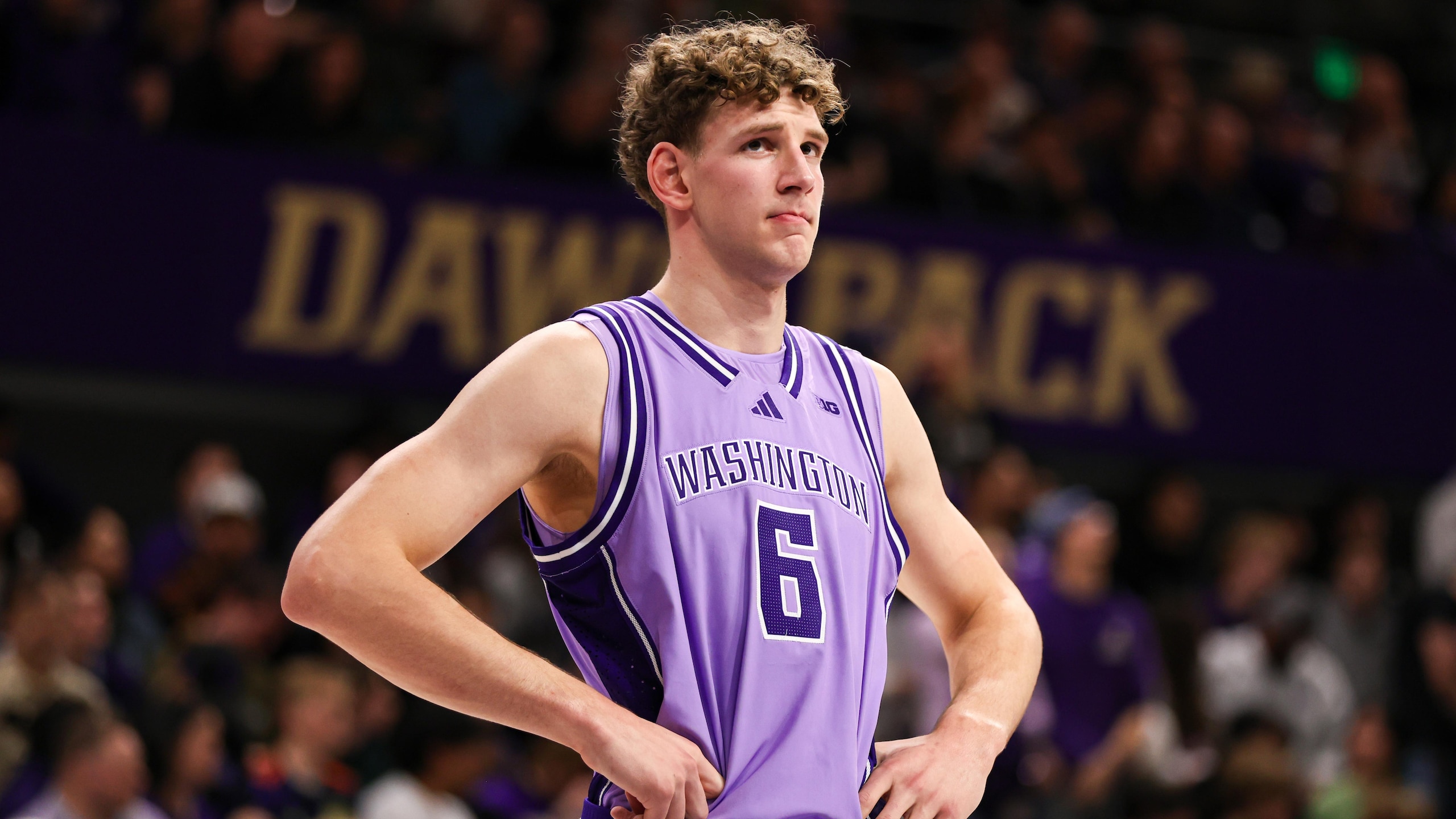
The Heat might have all sorts of questions around their backcourt—will they keep Norman Powell? extend Tyler Herro?—but their frontcourt needs some attention, too. Kel'el Ware seems entirely untrusted by the coaching staff, and if Miami ever ditches this mediocre run for a long-term rebuild, maybe Bam Adebayo is a sneaky summer trade candidate.
Enter Steinbach. He is sort of the anti-Ware in that his shooting is shaky and his rim protection is nonexistent, but he's also the anti-Ware in terms of being incredibly consistent with his levels of engagement and activity. Steinbach is skilled and hardworking around the rim, and there's a chance he'll be a spacer at some point.
14. Charlotte Hornets: Karim Lopez, PF, New Zealand Breakers
14 of 30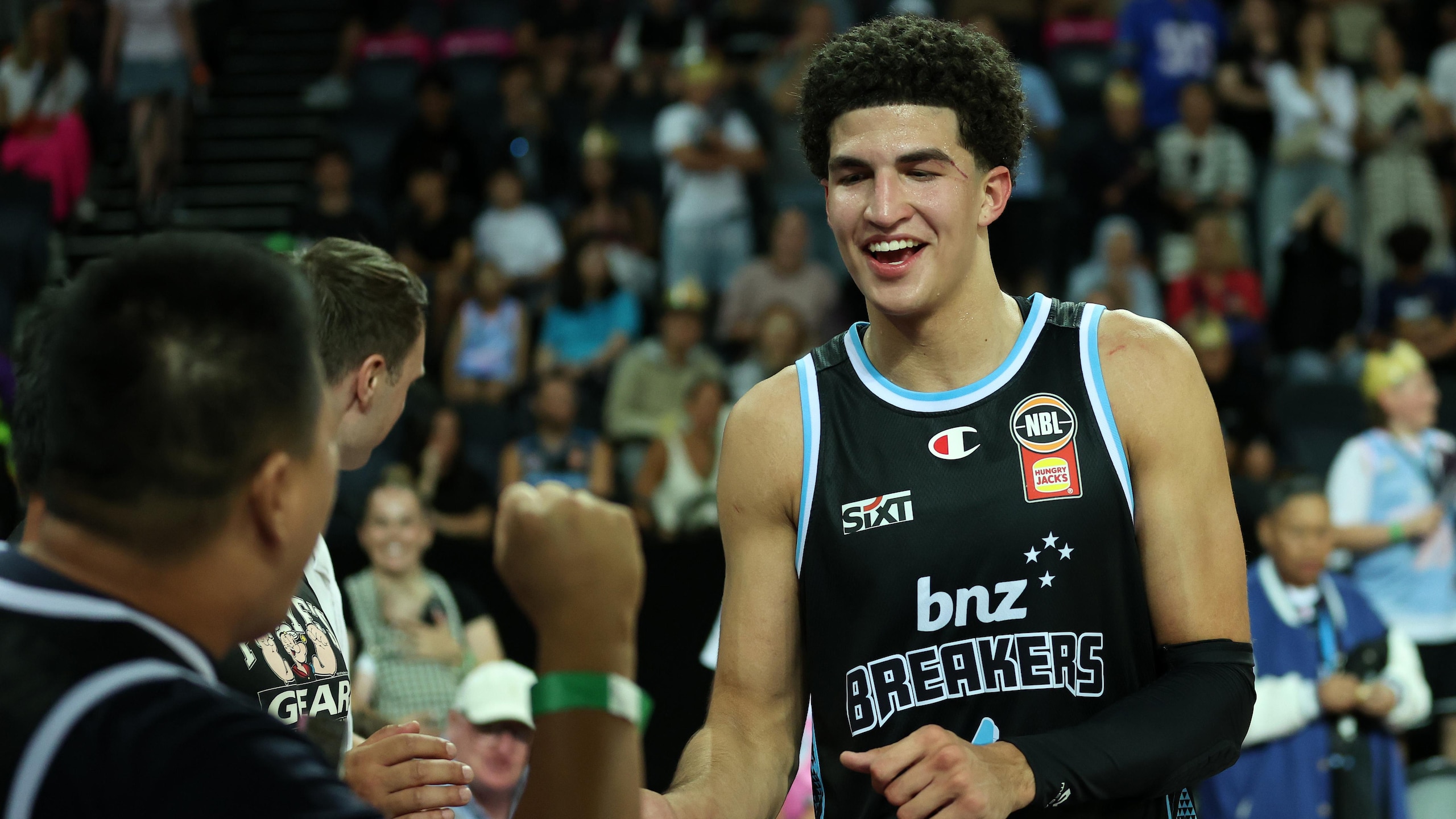
The Hornets clearly found a winning formula—built largely around their perimeter play and offensive output. A team-first forward with size, physicality and feel could better help this frontcourt complement the team's top talents.
He plays within the confines of his strengths and weaknesses, and he shifts his approach however it will best help the team. His off-ball activity and defensive versatility are the kinds of traits that can help him impact what's already a good team.
15. Chicago Bulls (via POR): Labaron Philon Jr., PG/SG, Alabama
15 of 30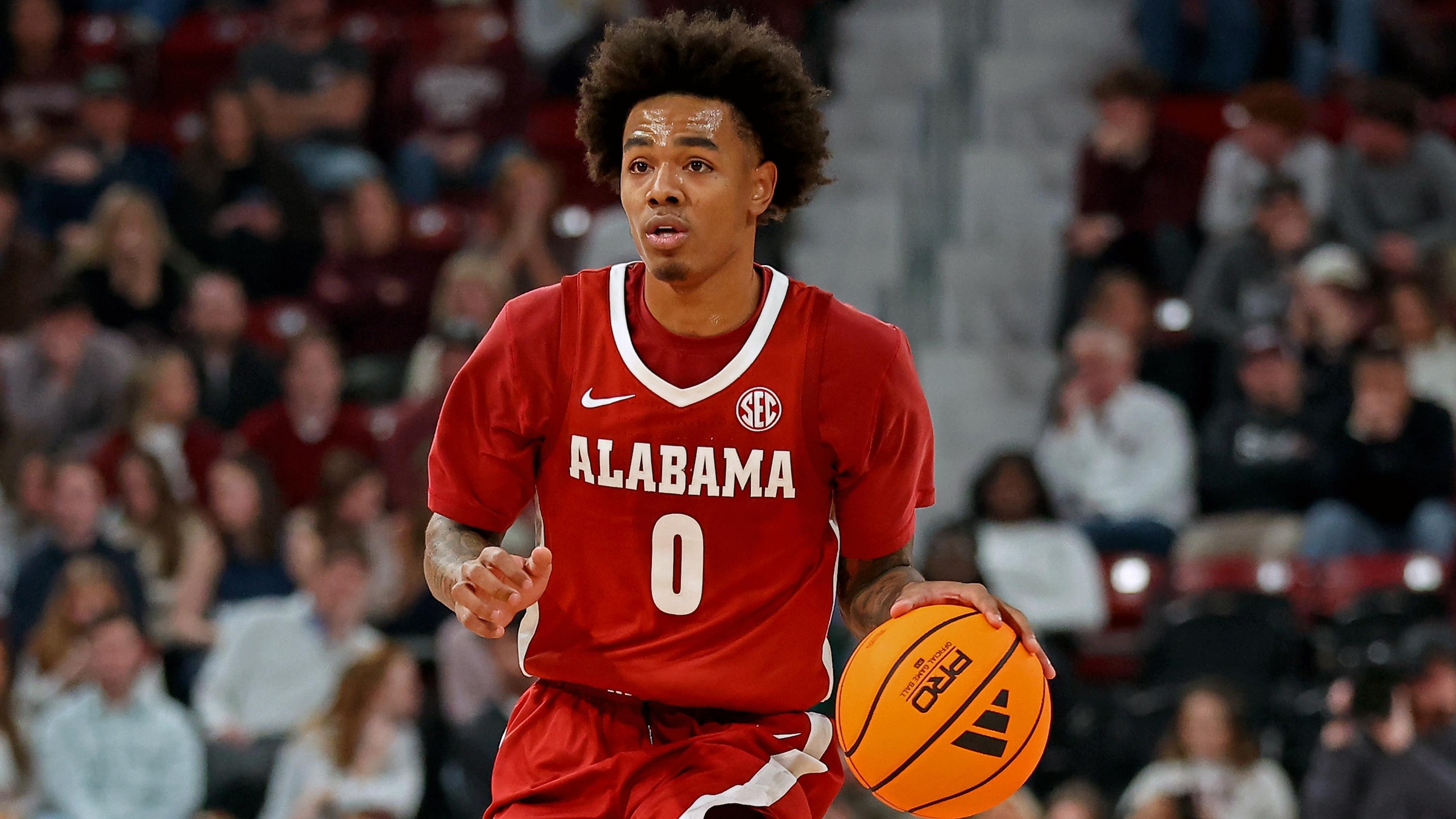
This pick, swapped during a 2021 trade of Larry Nance Jr., is finally changing hands. And it couldn't come at a better time, since the Bulls are behind the other rebuilders in terms of stockpiling young talent.
Their upside-driven draft approach continues with Philon, who needs to bulk up his frame and probably dial back his neon-green-light approach. If developed correctly, though, he could one day provide all-over-the-court scoring and the right blend of vision and feel to orchestrate an offense.
16. Memphis Grizzlies (via ORL): Braylon Mullins, SG, UConn
16 of 30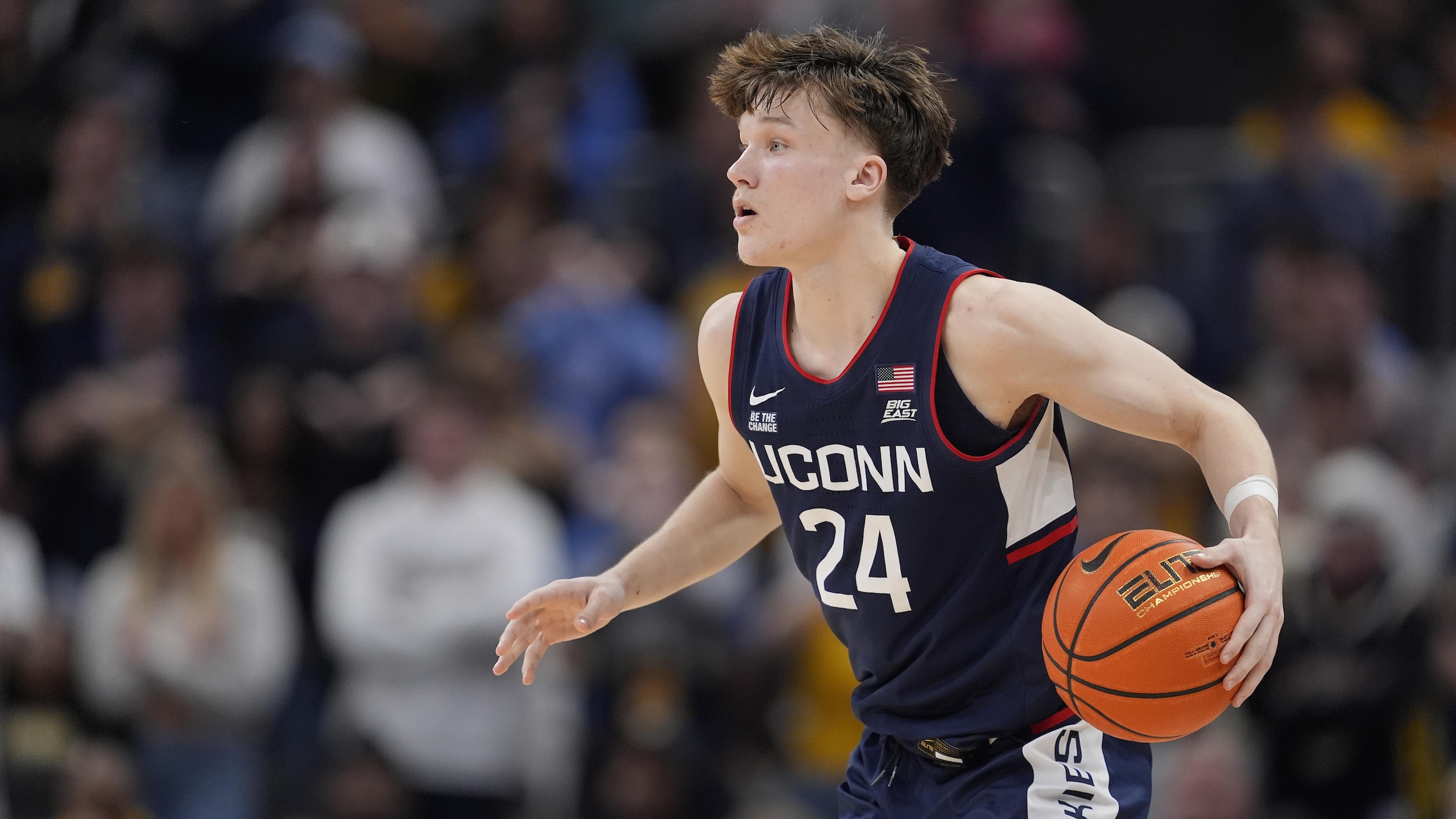
While the Grizzlies would give Darryn Peterson the keys to the offense, they'd also like to provide him with some breathing room. Mullins looks like the perfect prospect to supply it.
If he stays in this draft, he might be its best shooter, and he understands what it takes to maximize that skill. His off-ball movement never stops, and he has enough confidence to launch from wherever he finds an opening.
17. Charlotte Hornets (via PHO): Thomas Haugh, SF/PF, Florida
17 of 30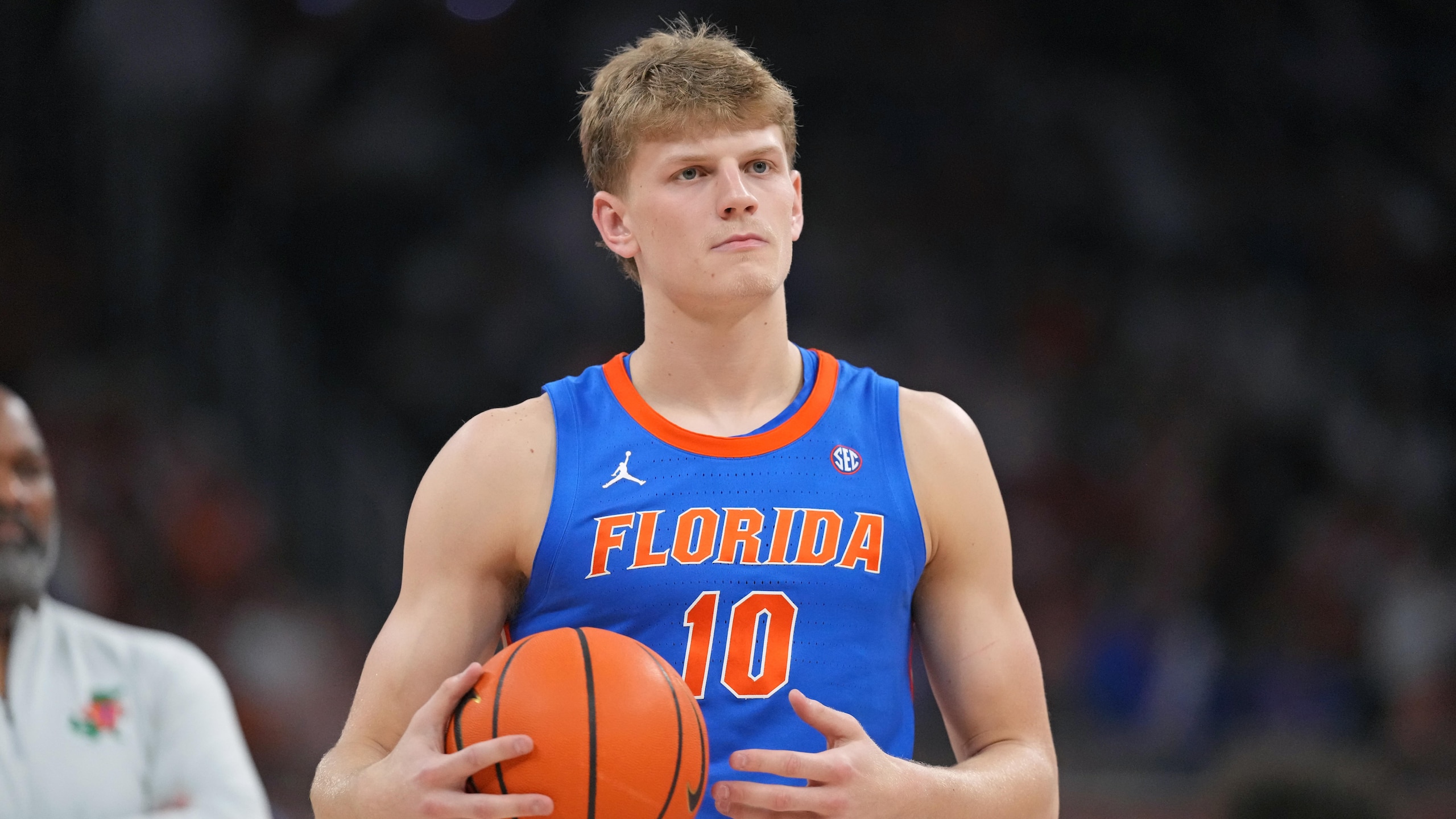
While the Hornets already picked up a hustle-hard forward, they might just want to double-down on the archetype. This roster already showed enough promise to convince the front office that it should simply be hunting for missing pieces.
If Haugh's three-ball comes alive, he should be a simple plug-and-play support piece. He has a great motor, powerful finishing and enough flashes of creation to think he won't be entirely dependent on his teammates to find him scoring chances.
18. Oklahoma City Thuder (via PHI): Jayden Quaintance, PF, Kentucky
18 of 30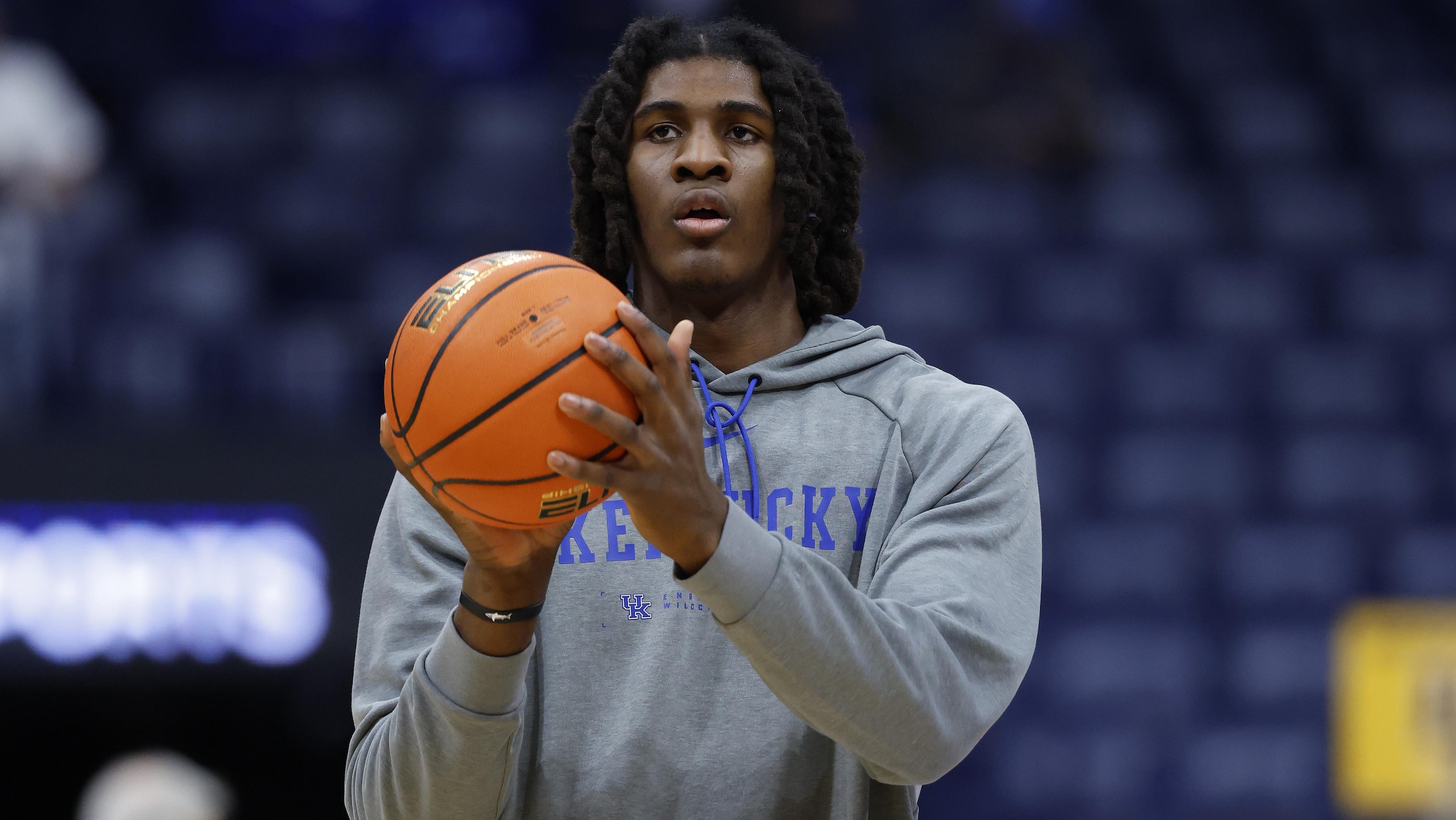
While the financial crunch could be coming for the Thunder this offseason, they have no obvious reasons for wanting to trim this roster. If they don't have any immediate depth concerns, then, they could essentially go the redshirt route again, this time buying low on Quaintance.
His last season-plus were ravvaged by a nasty knee injury in Feb. 2025, but prior to that injury, he was showing best-in-class defensive potential—as a 17-year-old freshman. His offense is in the blueprint-sketching stage of being under construction, but his defense might feature both switch-everything versatility and intimidating paint protection.
19. San Antonio Spurs (via ATL): Cameron Carr, SG, Baylor
19 of 30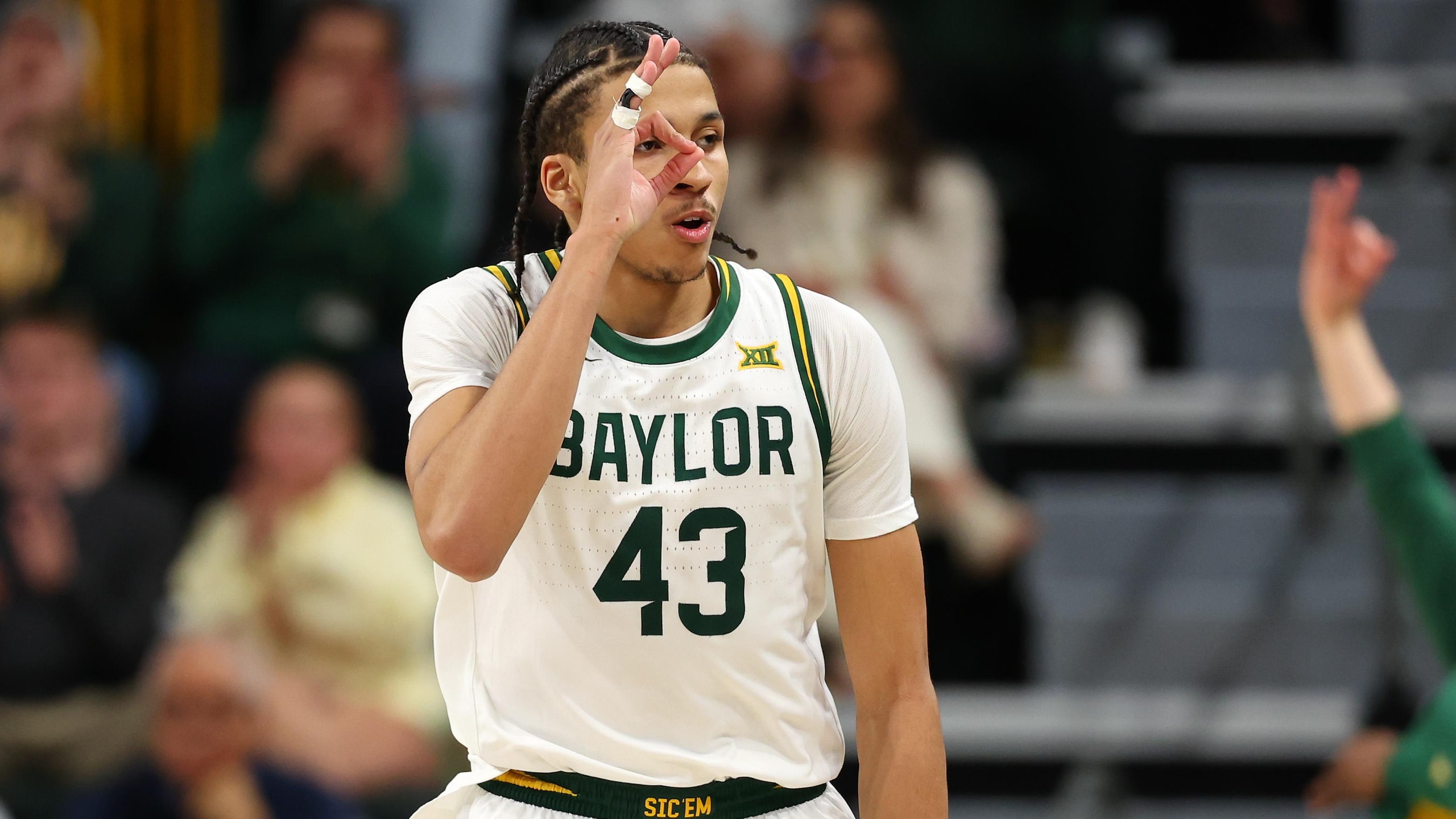
The first question the Spurs have with any roster decision is how that player can help Victor Wembanyama. The second reads almost the same only Wemby's name is swapped out for the club's downhill-attacking guards.
The solution to both might be the same: provide floor-spacing. Carr can surely bring that, but he might add even more as an explosive finisher with good feel and some encouraging flashes of ball-handling.
20. Toronto Raptors: Christian Anderson, PG, Texas Tech
20 of 30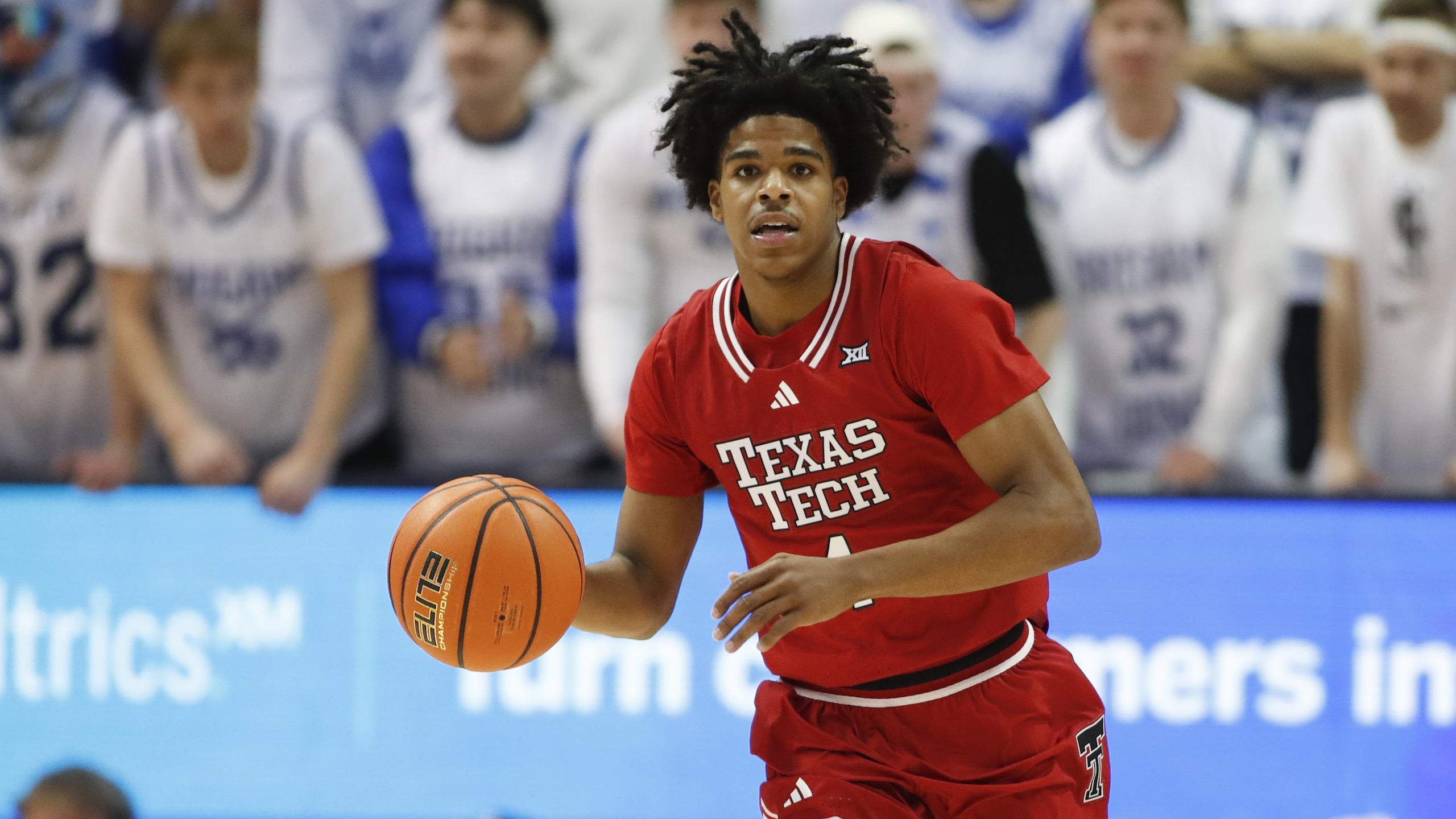
Anderson isn't your typical Raptor. Their preferred prospects are bigger, longer and more disruptive on the defensive end.
They're also generally far more limited as scorers and shooters, which is why Toronto might want to break the mold here. This offense needs a jolt of both, and Anderson can scratch those itches while adding some creativity and pick-and-roll navigation, too.
21. Detroit Pistons (via MIN): Bennett Stirtz, PG, Iowa
21 of 30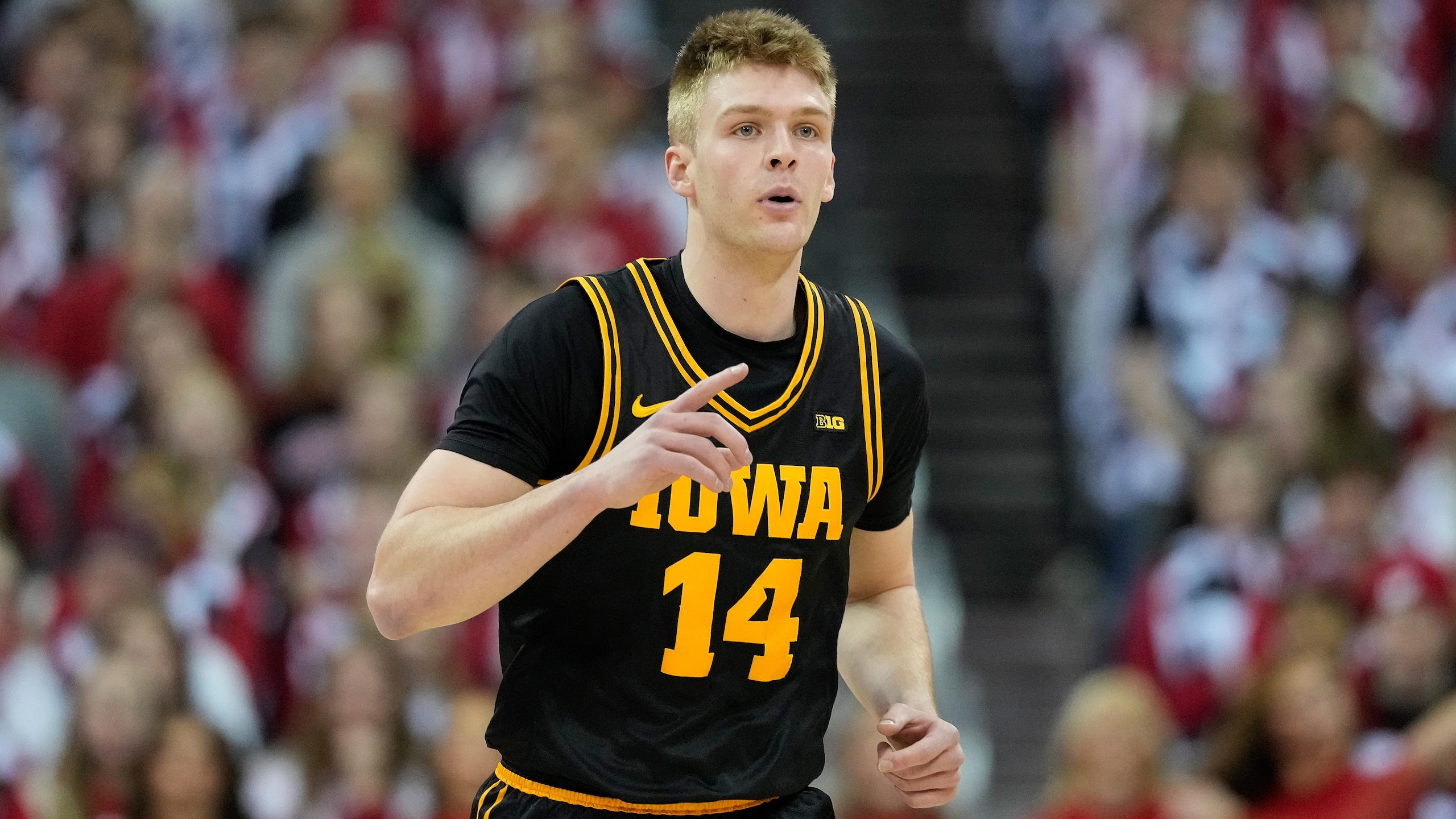
While the Pistons can't solve the questions about their support scoring and creation here, they can find some help with both. So long as Stirtz isn't overwhelmed by this league's physicality, he'll be an asset as a lights-out shooter and savvy ball-mover.
With his game, he should be helpful in both on-ball and off-ball roles. And the Pistons, who are basically big and feisty everywhere, would be better able to handle his limitations than most.
22. Atlanta Hawks (via CLE): Motiejus Krivas, C, Arizona
22 of 30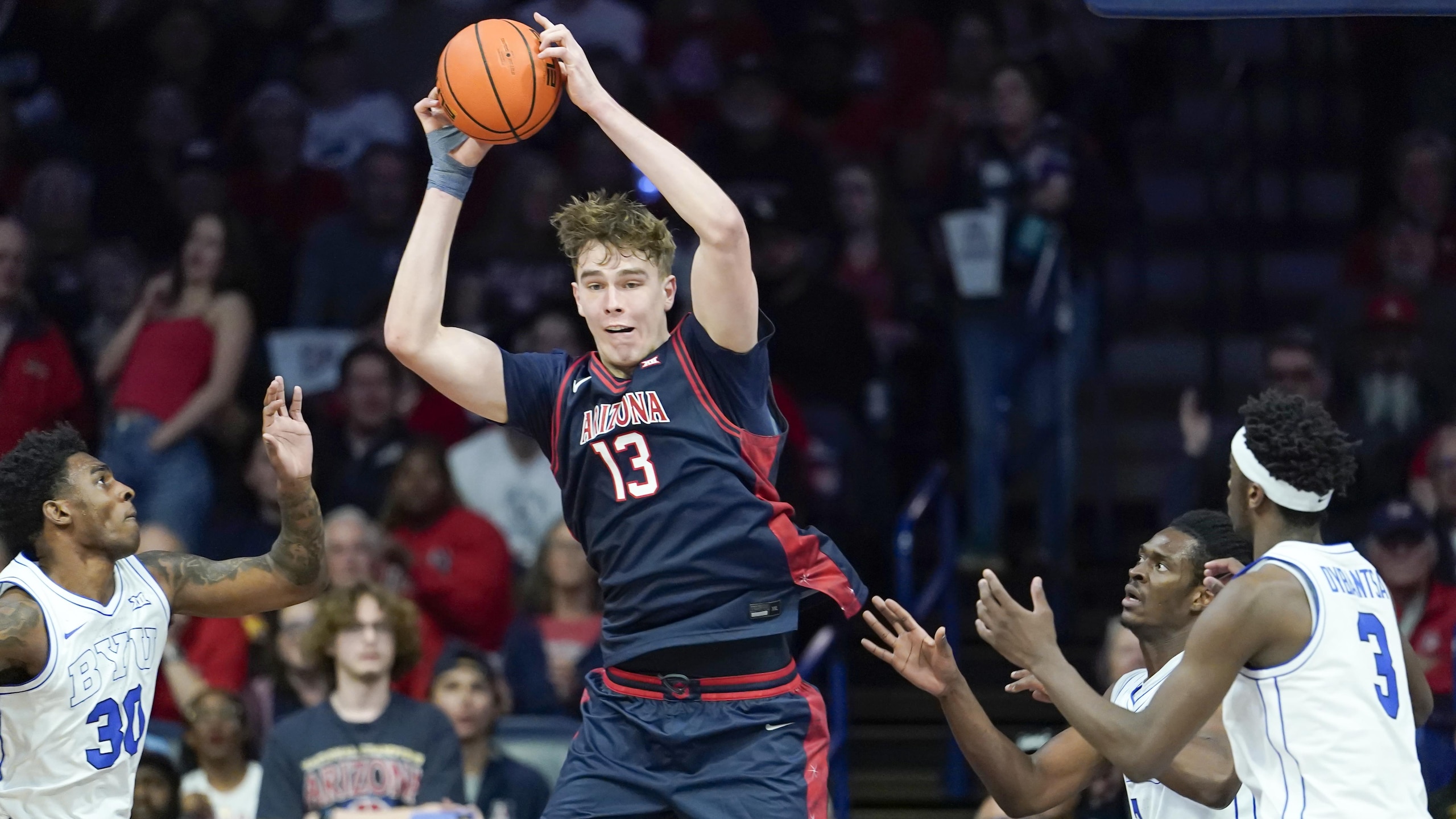
The Hawks might have a good amount of length, but they don't have a physical force quite like Krivas. Though, to be fair, not a lot of teams do—he's a 7'2", 260-pounder who operates like a barricade around the basket.
There are a lot of throwback interior-based traits in his game, but they are complemented by modern flashes of shooting touch and passing vision.
23. Philadelphia 76ers (via HOU): Koa Peat, PF, Arizona
23 of 30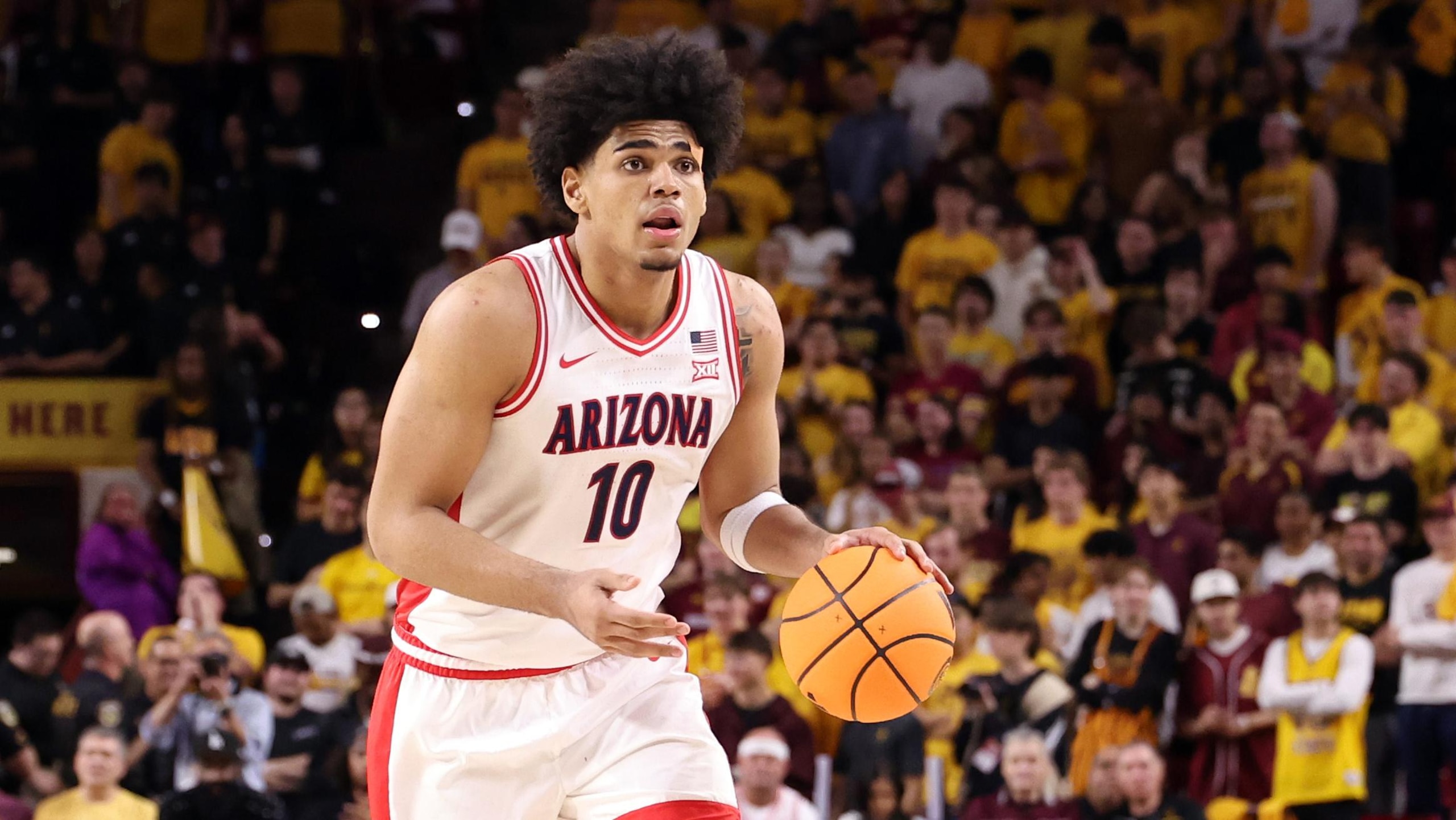
Peat's ceiling perhaps dropped several stories over the course of the college basketball season. Had he showcased better shooting range and more creativity, he could've been a lottery pick.
But Philadelphia might forgive that lack of upside as it might covet team-first role players, anyway. And that's where Peat can still shine bright. He is a play-finishing scorer, a willing and able passer and a versatile defender.
24. New York Knicks: Ebuka Okorie, PG, Stanford
24 of 30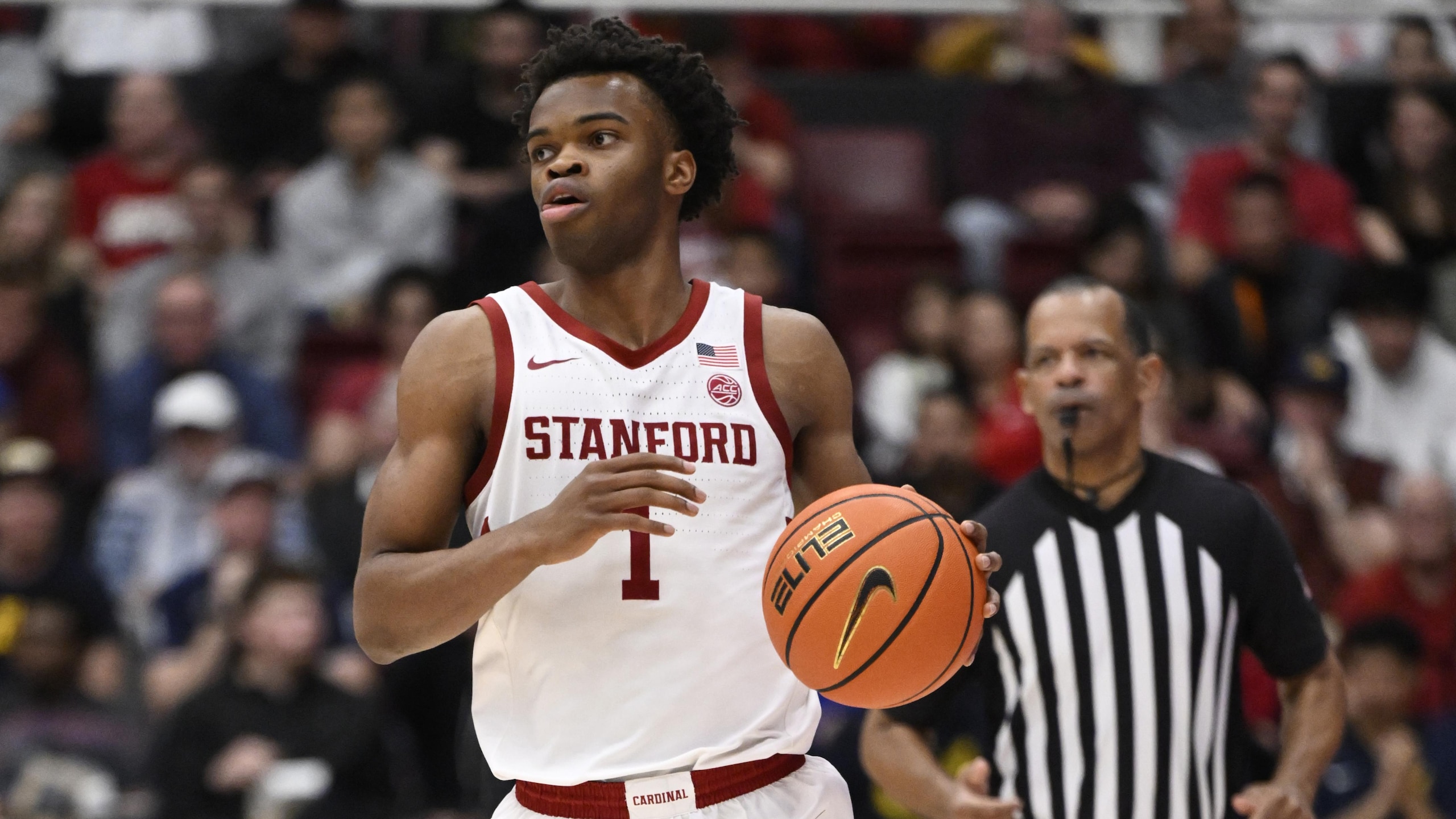
If the Knicks think about filling a need here, a backup backcourt prospect makes sense. They seem unconvinced that Tyler Kolek can hang in a regular rotation role, and free agency could poach away all three of Landry Shamet, Jose Alvarado (player option) and Jordan Clarkson.
Okorie could fill one of those spots, and perhaps one day push for a starting spot if he aces his developmental tests. He needs to dial back his ambitious shot selection, but if he does, he has obvious spark-plug potential with his shiftiness, burst and pull-up shooting.
25. Los Angeles Lakers: Patrick Ngongba II, C, Duke
25 of 30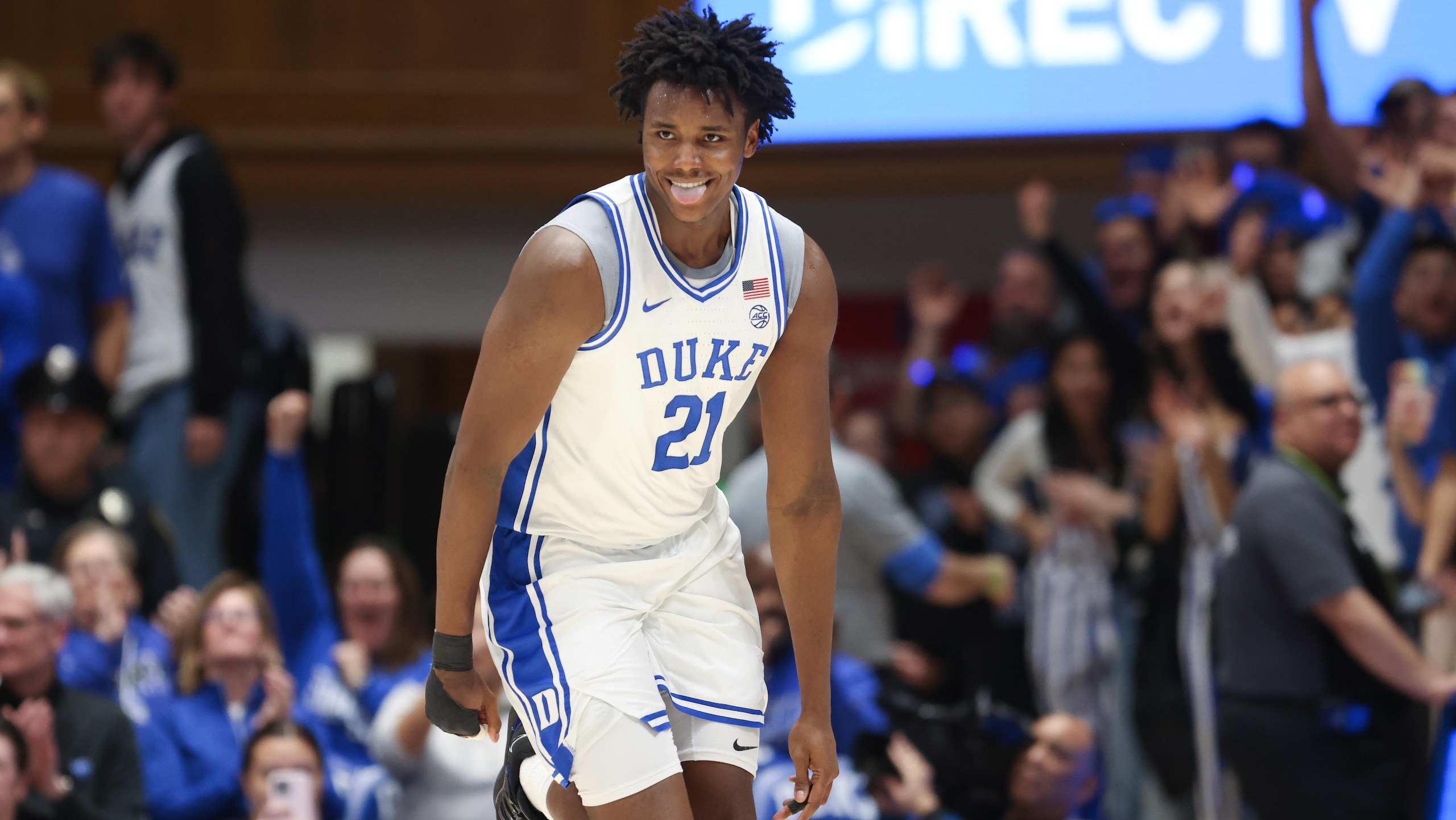
If the draft board breaks right, the Lakers probably need to turn this pick into a big-man prospect. They should've seen enough to know by now that Deandre Ayton and Jaxson Hayes aren't the ideal long-term pick-and-roll partners for Luka Dončić.
Ngongba isn't super explosive, but with his screen-setting, finishing and short-roll passing, he could handle those duties just fine. Add solid-to-better rim protection to the mix, and L.A. could have a consistent two-way contributor at center.
26. Denver Nuggets: Dailyn Swain, SF, Texas
26 of 30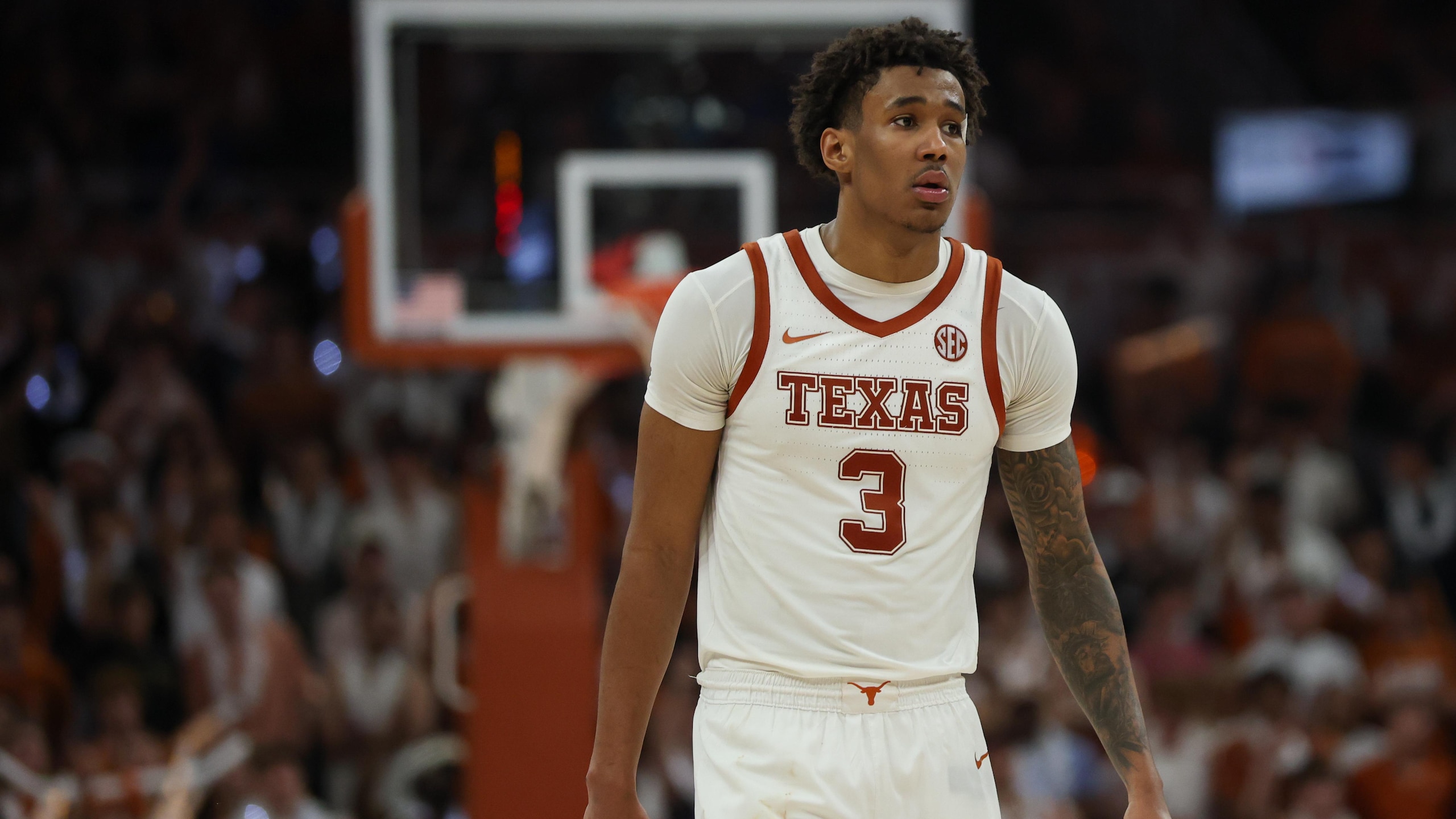
The Nuggets will continue running any and every offensive action through Nikola Jokić (as they should), but they'd still take self-sufficient scorers if given the option. Swain would give them that choice.
His isolation attacks were elite this past season, as he seemingly always sniffs out an avenue to the basket and knows how to finish there even when he can't just flush it through. He might need to find a three-ball to have real staying power in this league, but his downhill relentless and defensive activity should help him contribute without one for now.
27. Boston Celtics: Chris Cenac Jr., PF/C, Houston
27 of 30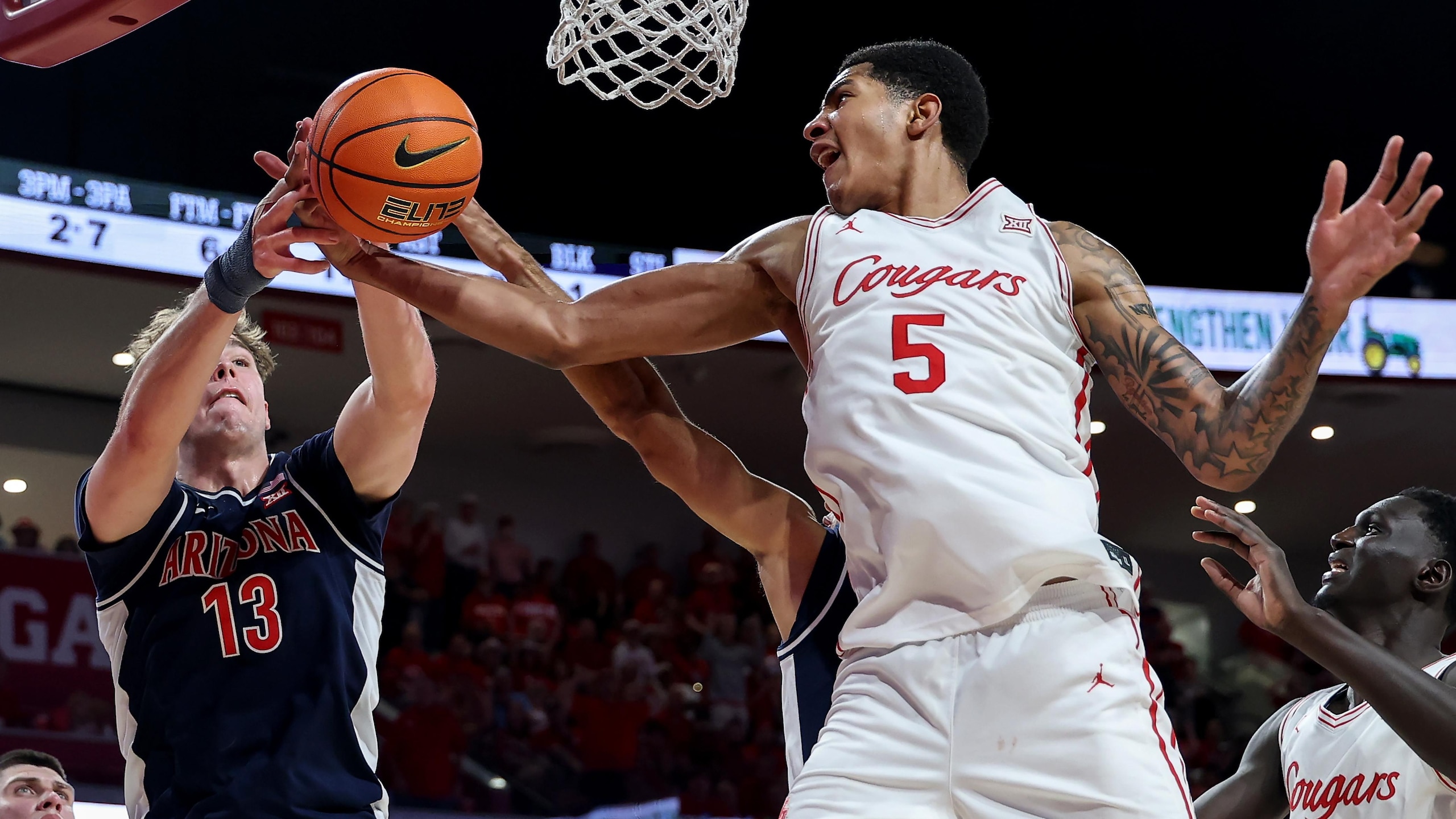
The Celtics saw (way) better-than-expected results from their centers and reserves this season, but they could still seek out reinforcements. In fact, they might feel more comfortable taking a swing on a prospect like Cenac, since it wouldn't be a total disaster if he failed to deliver on his potential.
But if he can figure it out—more than anything, if he can find consistency with his outside shot—then Boston could add another expectation-shatterer to the mix. Armed with big-man length and a wing's fluidity, his versatility and tools could dazzle in a stretch-combo-big role.
28. Minnesota Timberwolves (via DET): Tyler Tanner, PG, Vanderbilt
28 of 30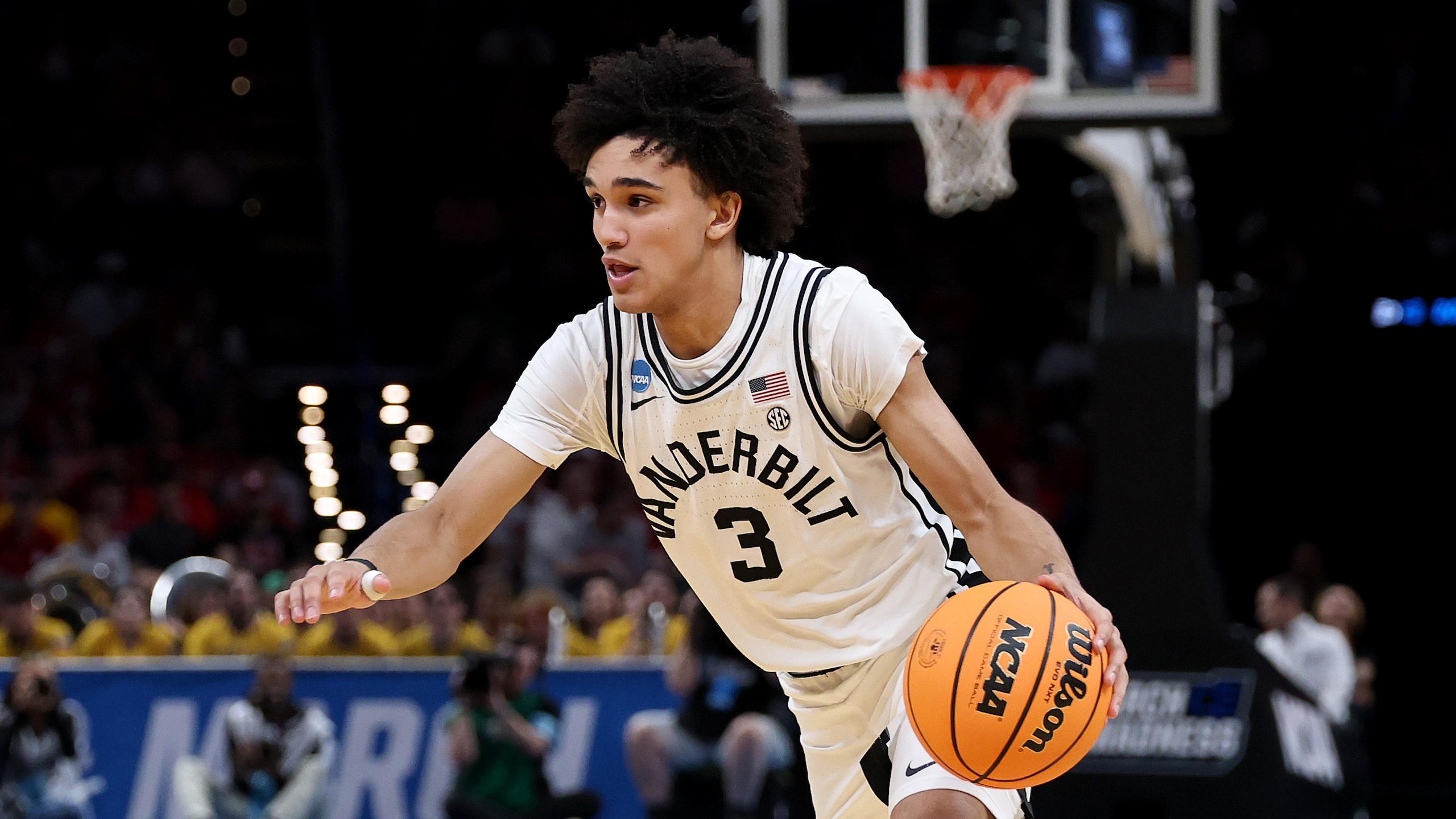
Tanner is, in NBA terms, tiny (6'0", 170 lbs), but his motor, shot-making and bounce all make you want to believe he can overcome the physical challenges he'll encounter.
His three-ball is fiery, his finishes are highlight reel-fillers and his on-ball defense is as pesky as possible. The Wolves' need to diversify their offensive menu is big enough to think they'd be willing to wager on Tanner finding a way.
29. Cleveland Cavaliers (via SAS): Isaiah Evans, SF, Duke
29 of 30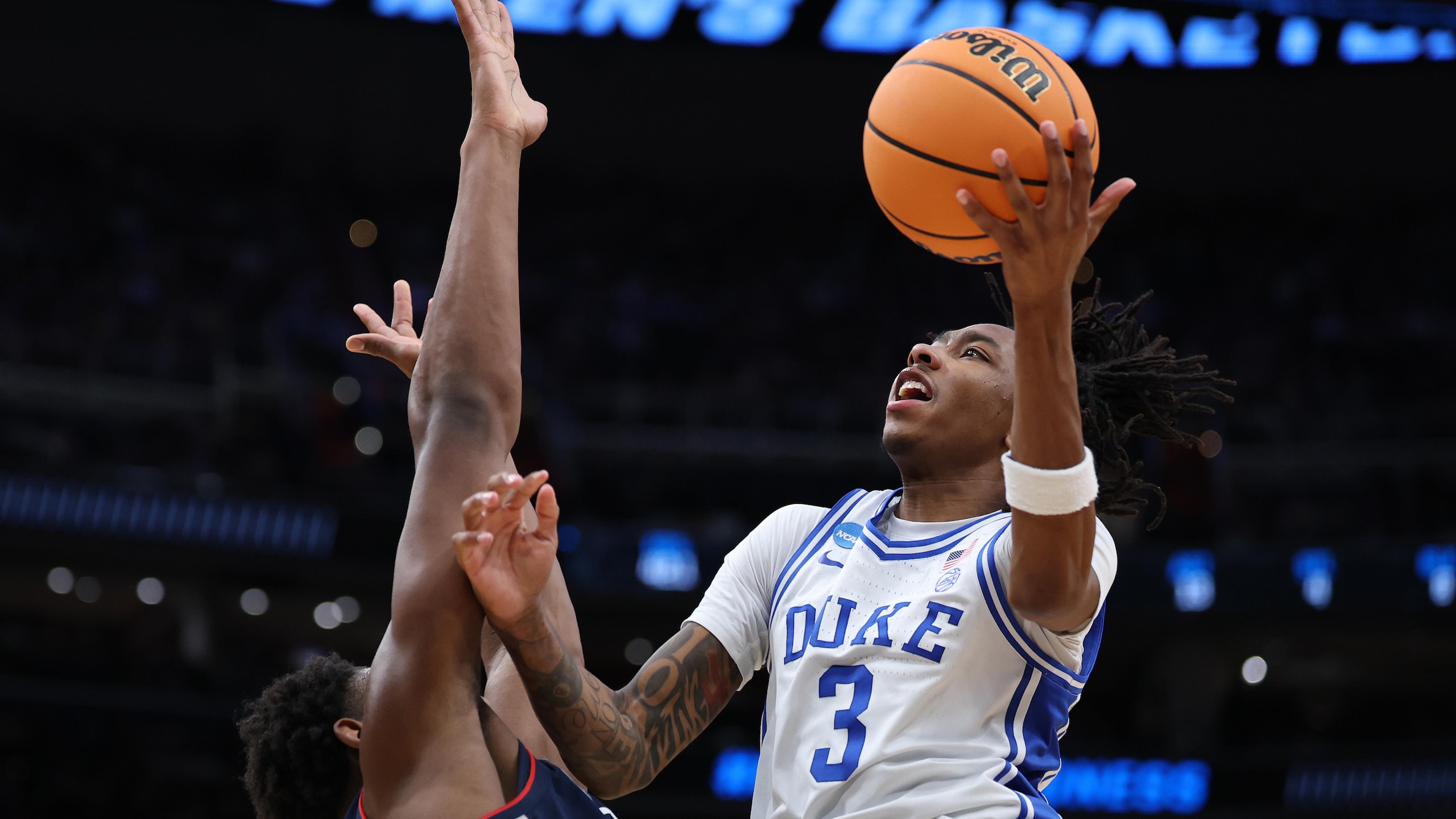
Unless the Cavaliers are considering major subtractions to their core—and if they flame out of the playoffs early again, they might be—it probably makes sense to keep pumping resources into the wing position.
Evans is a 6'6" shotmaker with a rapid release who understands how to free himself away from the ball. He has also taken strides with his on-ball game, too, so he might offer at least a little creation down the line.
30. Dallas Mavericks (via OKC): Meleek Thomas, PG/SG, Arkansas
30 of 30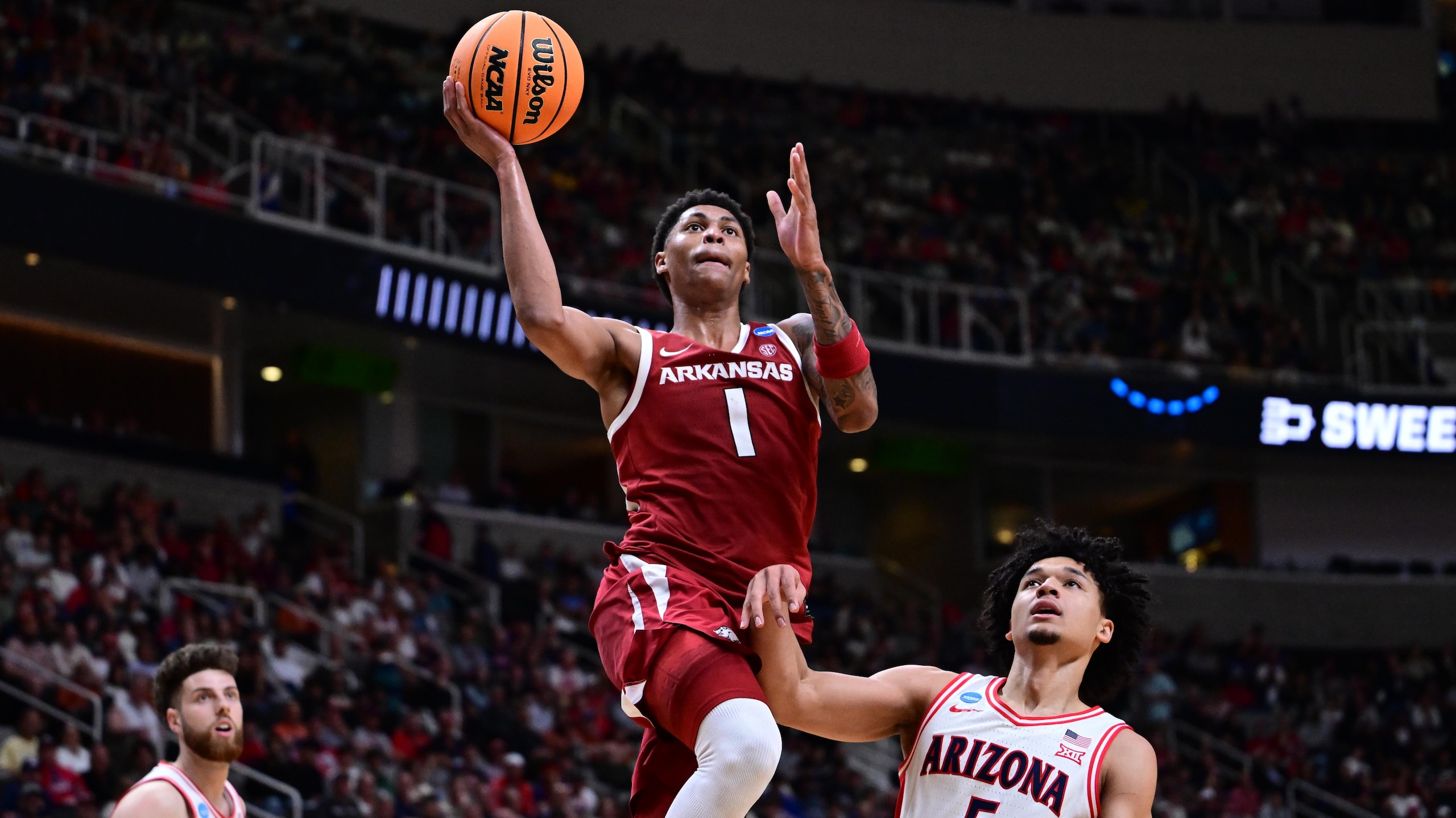
Thomas can clearly light it up, but there are questions about his ability to generate offense. The Mavericks not even worry about that aspect of his game, though, since they could get all the table-setting they need out of Kyrie Irving, Cooper Flagg and AJ Dybantsa.
Thomas is a gifted shotmaker who competes on the defensive end. It'd be easy to plug him into a spark-plug role, especially knowing that he'd provide more resistance than that label typically implies.

.jpg?w=2560 "AD Trolls Bears WR on IG 😂")
.jpg?w=2560 "Buzz: MHJ Hired Agents for Trade")
.jpg?w=2560 "Report: Steelers WR to Miss 'Weeks'")
.jpg?w=2560 "Viral Dan Campbell Presser 💙")
.jpg?w=2560 "Cam Ward Says He's Not A Loser")