.jpg?w=2560)


Decision time is sneakily creeping up on the club fortunate enough to nab the No. 1 pick of the 2026 NBA draft.
So, which team will be the lottery's luckiest? Well, Tankathon's lottery simulator just offered up a fascinating answer.
A better-late-than-never rebuilder leapfrogged a whole heap of loss-collectors, giving hope to a fanbase that will struggle to summon much without a lottery jackpot. On the other end of the lottery, a couple of the more egregious tankers (including one that just endured an 83-point outburst) will be left asking whether it was all worth it as they're denied access to this draft's most prized prospects.
Let's trace these highs and lows with an updated mock draft based on this simulated selection order.
1. Chicago Bulls: AJ Dybantsa, SF, BYU
1 of 30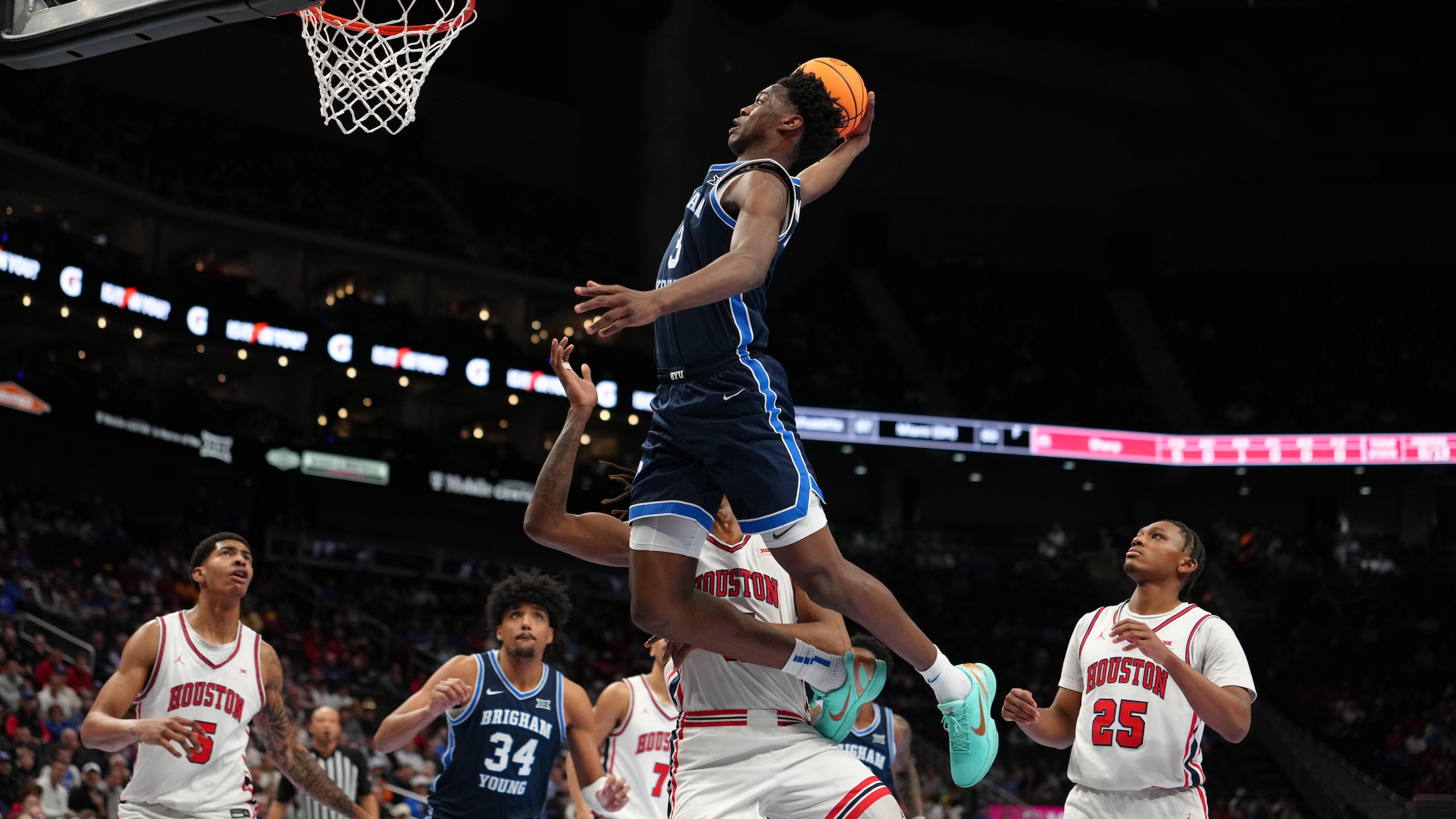
If the Bulls strike lottery gold, folks might be parading through the Windy City streets as soon as the big win is announced. Chicago needs high-end talent in the worst kind of way, and its delayed acceptance of the inevitability of its rebuilding project would deny access to that type of prospect without divine intervention from the basketball gods.
Here, though, the hoop gods' generosity grants Chicago a mega-prospect with, as sacrilegious as this may sound, McGrady-ian potential. Dybantsa is an athletic 6'9" advantage-creator who can get wherever he wants and comfortably shoot over just about anyone. He makes so many trips to the free-throw line. His shoes have surely left an imprint by now.
He could level up his defense and overall consistency, but that could be copied and pasted into the breakdown of any NBA-bound teenager. He may not have the spot on everyone's board, but there are reasons an Eastern Conference executive recently called him an "easy No. 1" and "special," per ESPN's Tim Bontemps and Brian Windhorst.
2. Brooklyn Nets: Darryn Peterson, SG, Kansas
2 of 30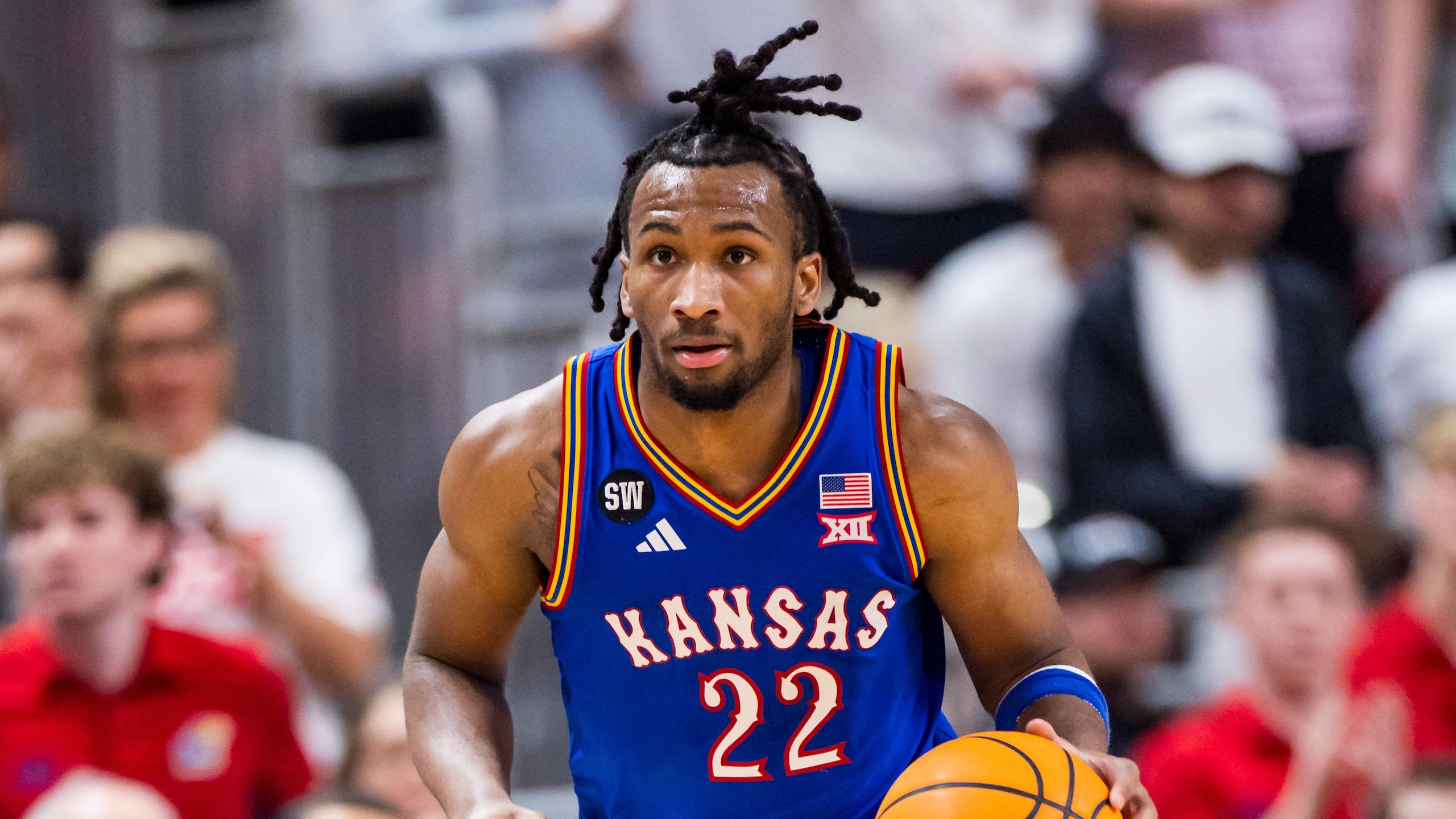
There is, to me, a two-player tier at the top of this draft, making the second overall selection the simplest to mock. Oh, and even if some franchises might value Cameron Boozer's polish, poise, and good-to-great-everywhere production, Brooklyn doesn't feel like one of them. Not when the Nets need a true centerpiece to lead their organizational overhaul.
Can the oft-unavailable Peterson stay upright enough to guide this group? That's unfortunately a fair question for now, but his upside and ability should make them eager to find out. Because if he approaches his full potential, he'll be an annual All-Star and very possibly the best player on a good or even great team.
He can be a two-way star with knockout-powered, three-level scoring punch. His shot is smooth off the catch or the dribble, his handle is advanced, and his physical tools feel unfair for a 19-year-old combo guard. His availability concerns are real, but the fact that they exist and he's still strongly in the running to be the No. 1 pick in a draft everyone loves says everything you need to know about his NBA outlook.
3. Indiana Pacers: Cameron Boozer, PF, Duke
3 of 30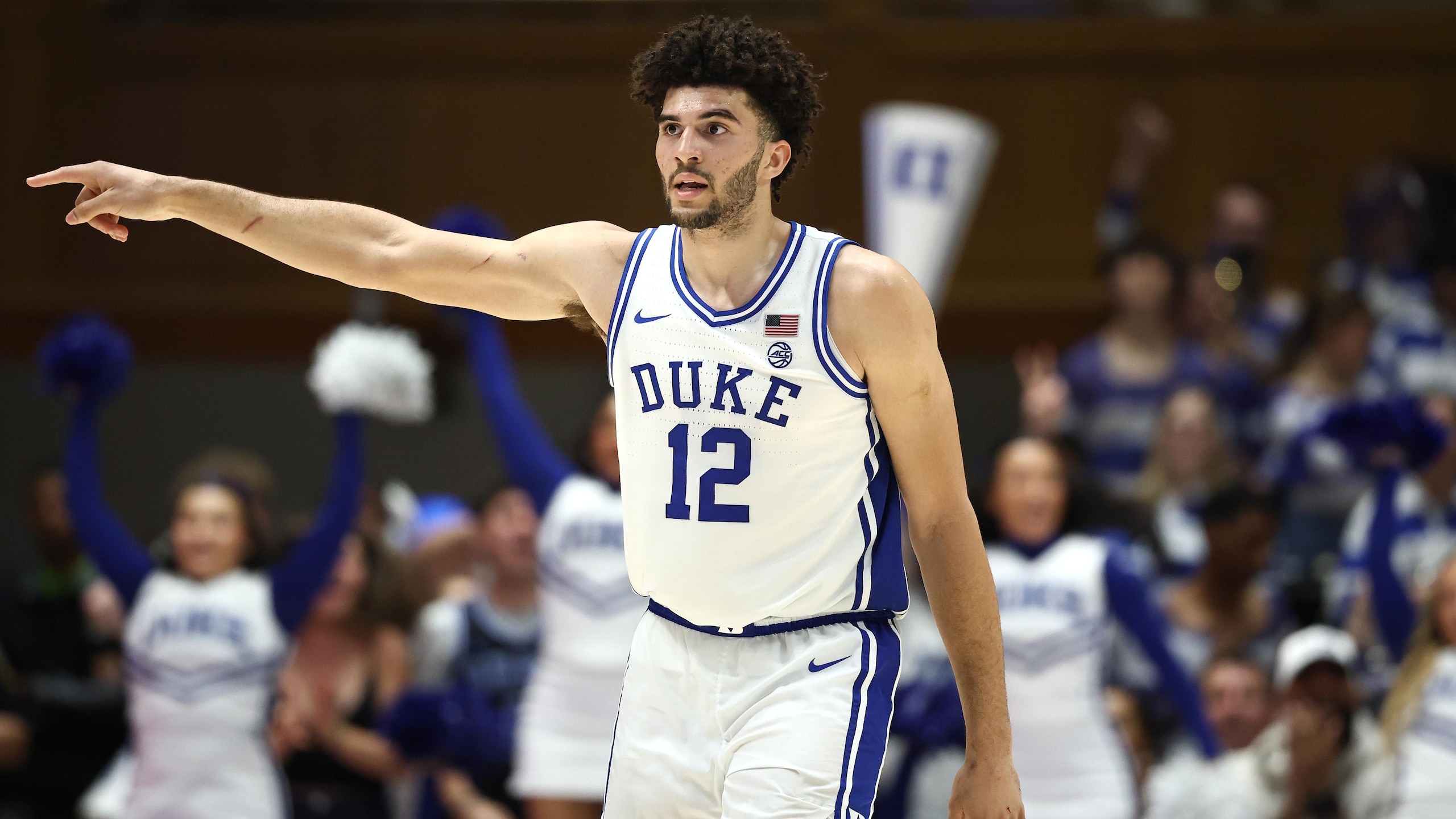
If the Pacers are among those who believe there are three elite prospects atop this draft, then they'd be ecstatic to land anywhere in the top three. And they might be bigger fans of Boozer than most, since his polish and production suggest an ability to contribute right away, which has to be hugely appealing for a club presumably hoping to re-enter the championship chase with a healthy Tyrese Haliburton next season.
Boozer has been the best player on the best team in college basketball—as an 18-year-old freshman. His stat sheet shows so many high-end strengths (22.5 points on 56.5/40.9/77.5 shooting, with 10.2 rebounds and 4.2 assists), and no discernible glaring weaknesses.
Without elite length or vertical explosion, he'll be physically tested at the next level like he's never been. That said, he might be the safest prospect to ticket toward stardom. The question is more about whether he can ever level up to superstardom.
4. Utah Jazz: Caleb Wilson, PF, North Carolina
4 of 30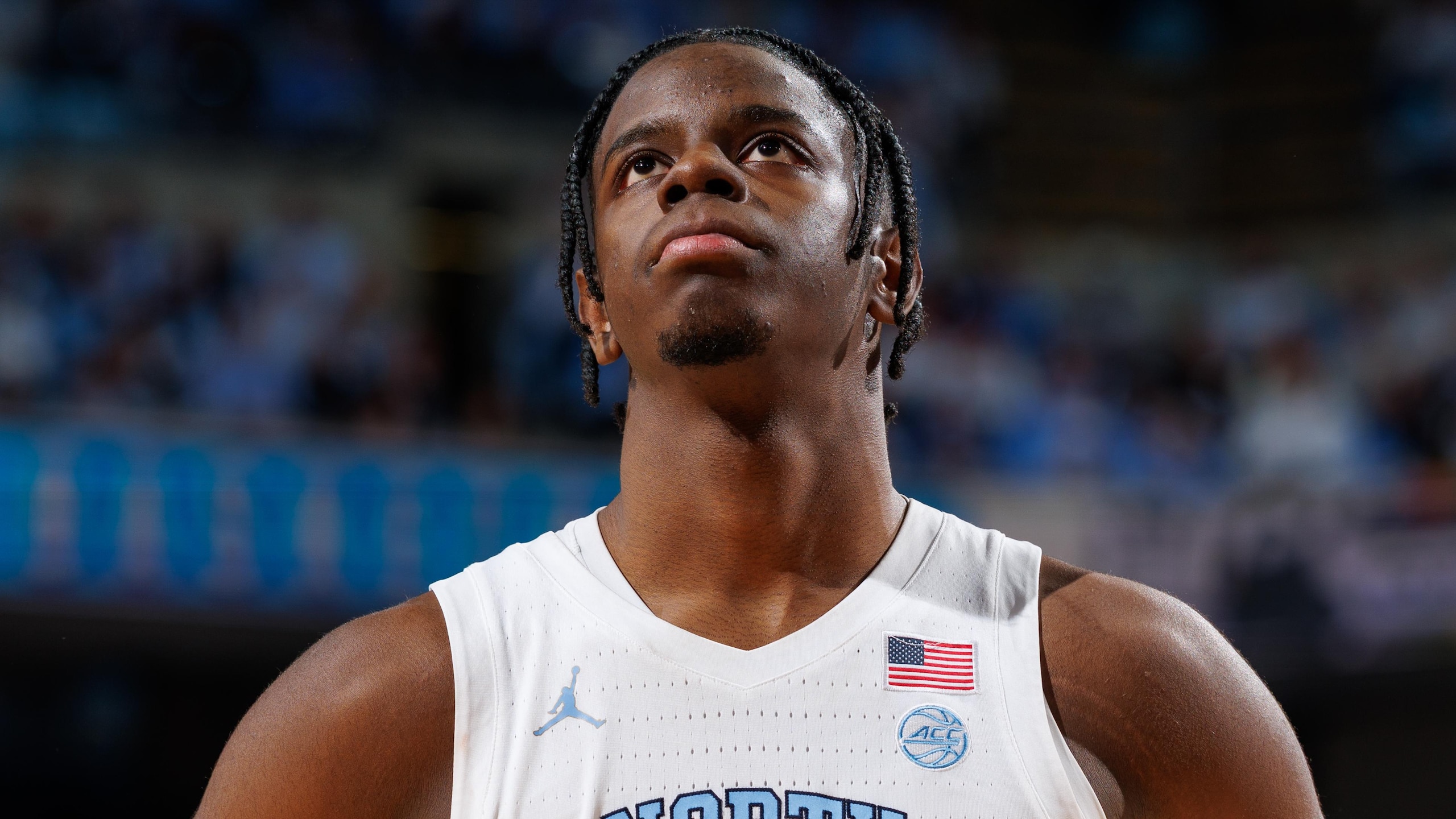
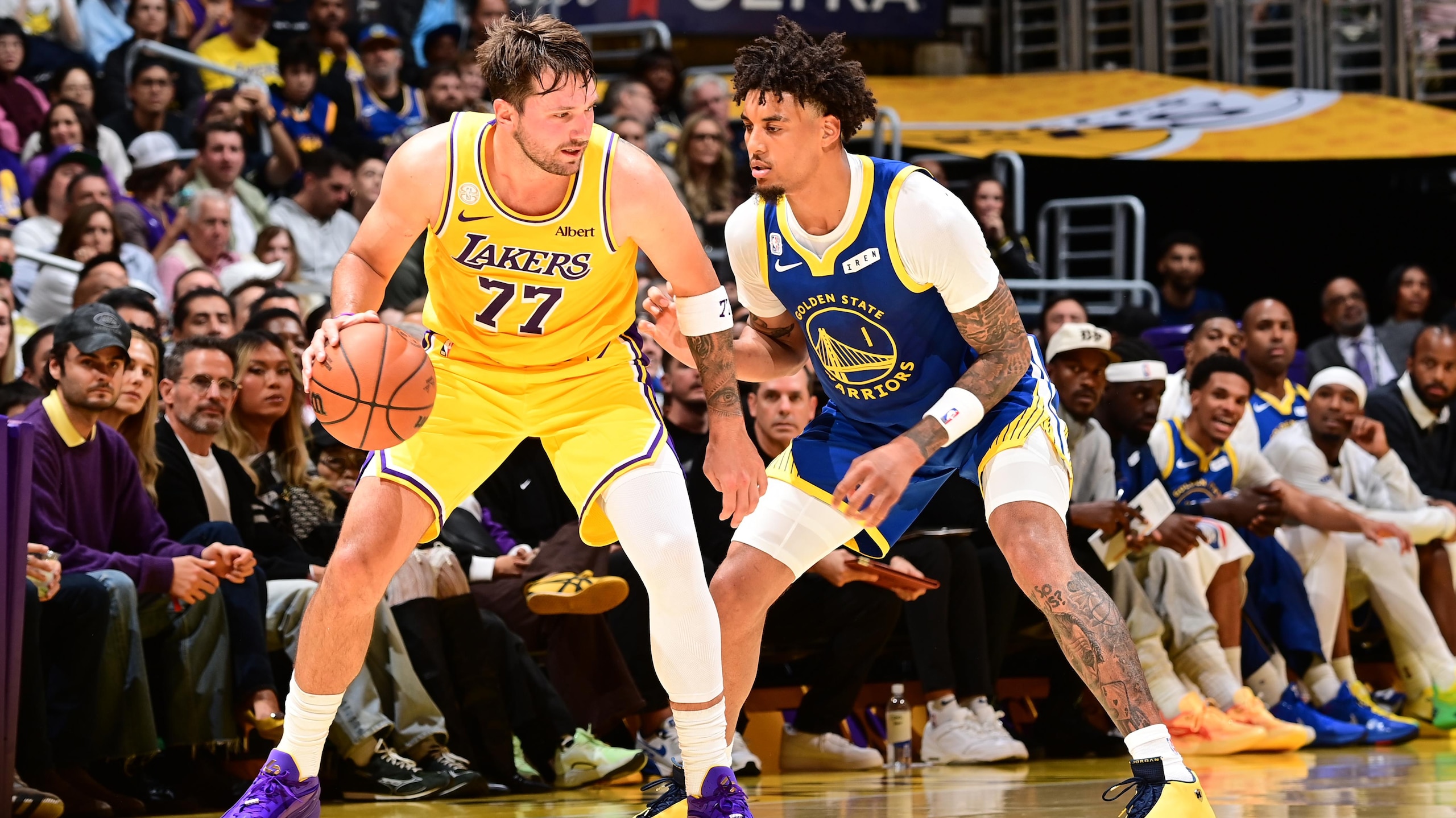
Assuming the first three picks go as planned, the No. 4 pick could spark some debate in Salt Lake City. Because while Wilson feels like the best prospect on the board, he could be tricky on a club with Lauri Markkanen and Jaren Jackson Jr. already on the frontcourt (and Walker Kessler quite possibly returning in restricted free agency).
In the end, though, look for Utah to back-burner any fit concerns and just grab the best prospect available. There are times when it makes sense for a young tanker to start considering roster construction, but being on the heels of four consecutive losing campaigns isn't one of them.
Wilson can energize his way into early minutes with top-shelf athleticism and a perpetually revved-up motor. And should he make strides with his shooting touch and off-the-dribble creation, he could one day allow Utah to roll out some really funky jumbo-sized frontcourt combos.
5. Washington Wizards: Kingston Flemings, PG, Houston
5 of 30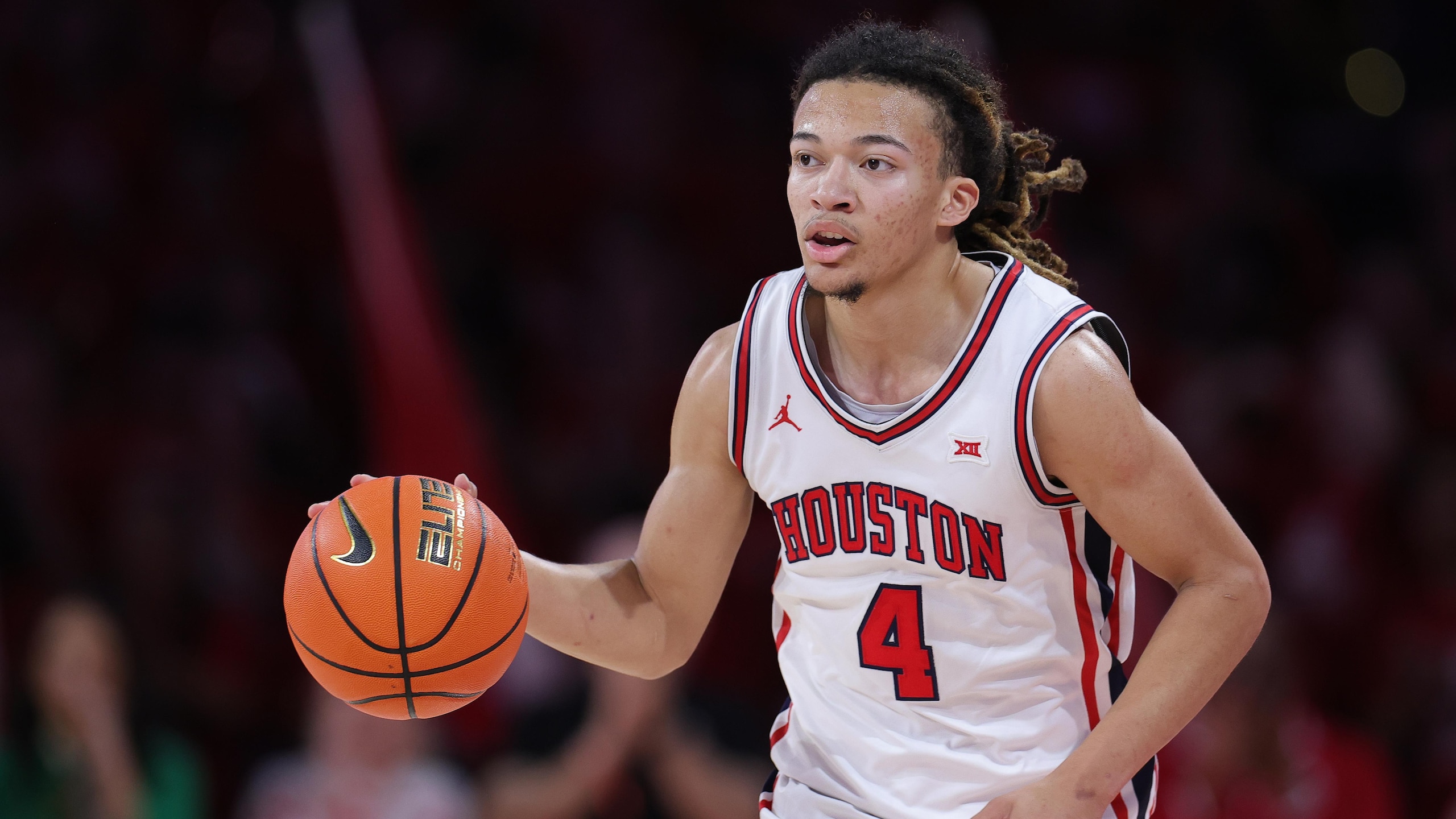
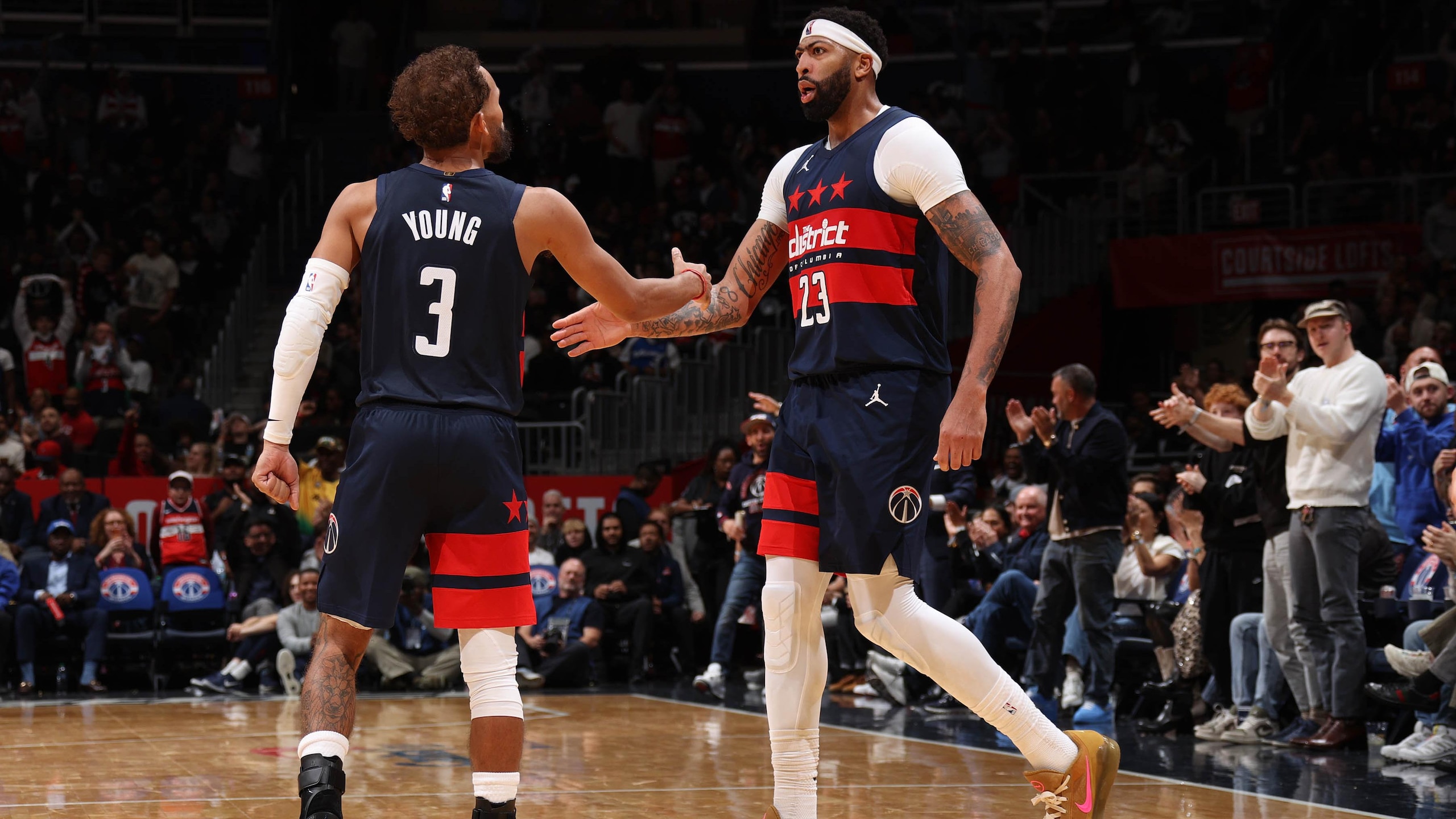
Assuming the Wizards see Trae Young as a long-term keeper—admittedly, a premature assumption on our part—they'd bemoan a fall to No. 5 more than most. Because the next batch of prospects are all lead and combo guards, none of whom would offer the snuggest fit alongside Young.
As with Utah, though, the pursuit of blue-chip talent wins out, and Washington adds Flemings as a best-player-available pick.
His shooting is a bit of a question, but his explosion is next-level, and his floor generalship is growing by the game. There's real head-of-the-snake potential in him, and if Washington ever wants to pivot away from its Young experiment, then Flemings could serve as a relentless, tenacious tone-setter.
6. Sacramento Kings: Keaton Wagler, PG/SG, Illinois
6 of 30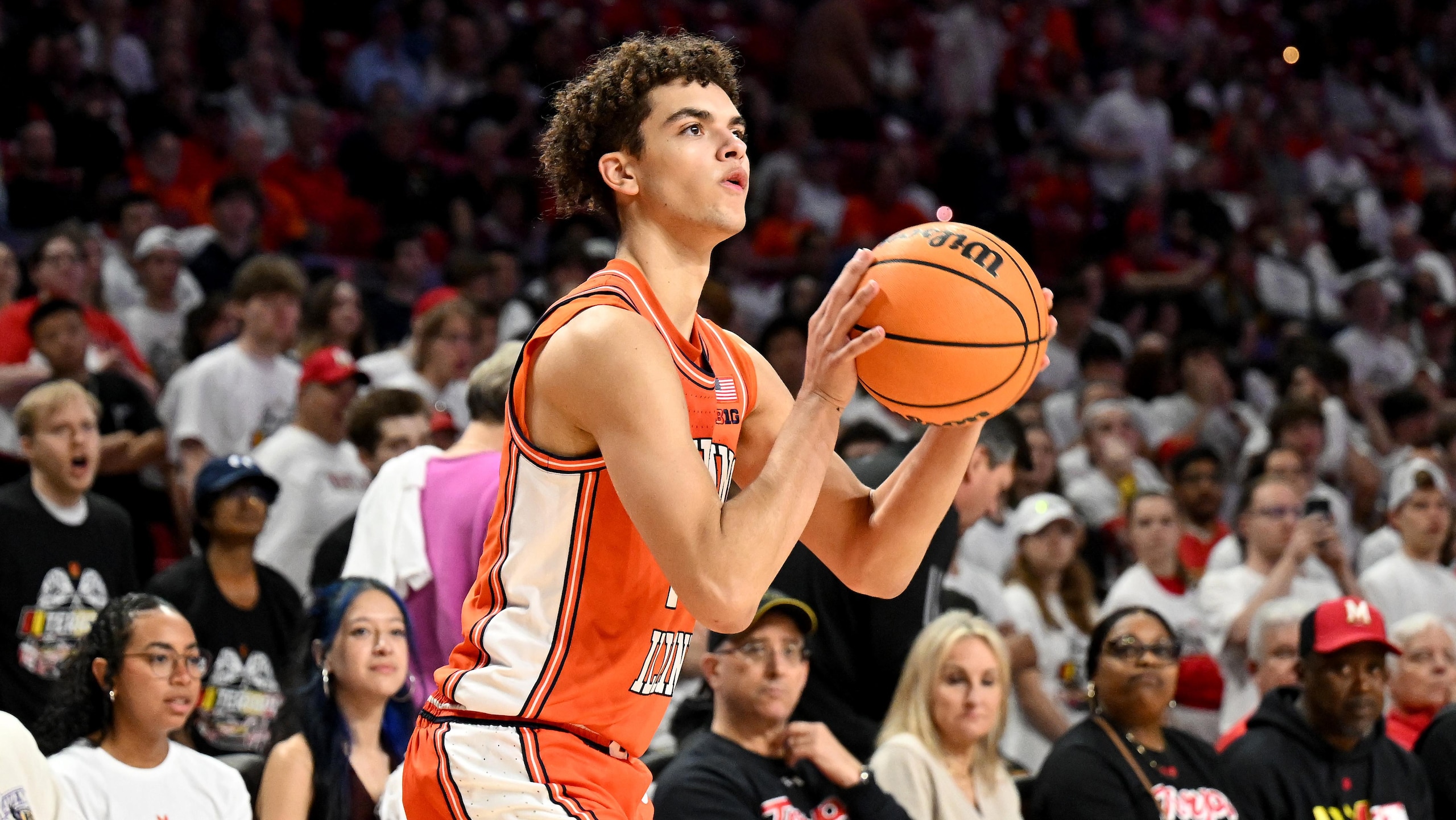
ESPN's Jeremy Woo recently described Sacramento as being "in search of a new face of the franchise" and as having "quite a bit riding on this lottery." Slipping to No. 6, then, would feel like a particularly powerful gut punch.
That said, Wagler would loom as a pretty solid consolation prize. He's been hard-charging up draft boards throughout the season, hinting at having some of the highest-end outcomes among his career range of possibilities.
He's all talent over tools—save for his length as a possible 6'6" lead guard—but his bag is fascinating. He ranks as both a head-turning shot-maker and a deft creator off the dribble for himself and his teammates. He has to get stronger and more reliable on defense, but as Woo noted, "the blueprint is there for him to become an NBA backcourt fixture."
7. Atlanta Hawks (via NOP): Darius Acuff Jr., PG/SG, Arkansas
7 of 30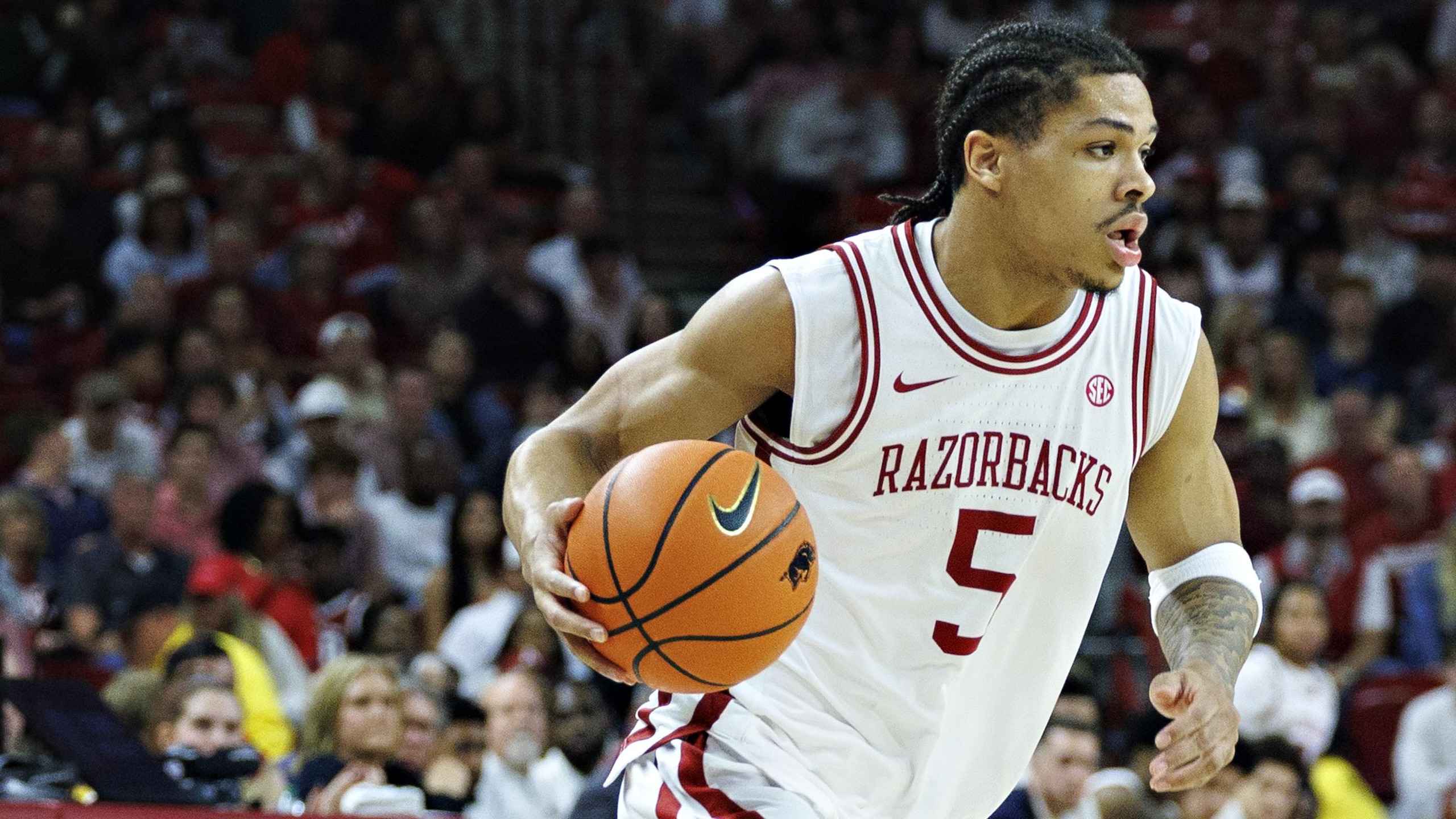
After just separating from Trae Young this season, could the Hawks get behind the idea of another small-ish lead guard (6'2") with non-elite athleticism? If this is how the draft board breaks, then they probably should be.
There are guard prospects with better tools than Acuff, but his skills seem the most ready in this prospect tier. He can seemingly find his own shot whenever he wants, and he's been just as productive creating scoring chances for his teammates.
While isolations and pick-and-rolls might be his best comfort spots, he also has a sure enough outside shot to add value off the ball. That latter part is important if he's headed to Atlanta, where the Hawks seem (understandably) committed to building a Jalen Johnson-centered attack.
8. Dallas Mavericks: Mikel Brown Jr., PG/SG, Louisville
8 of 30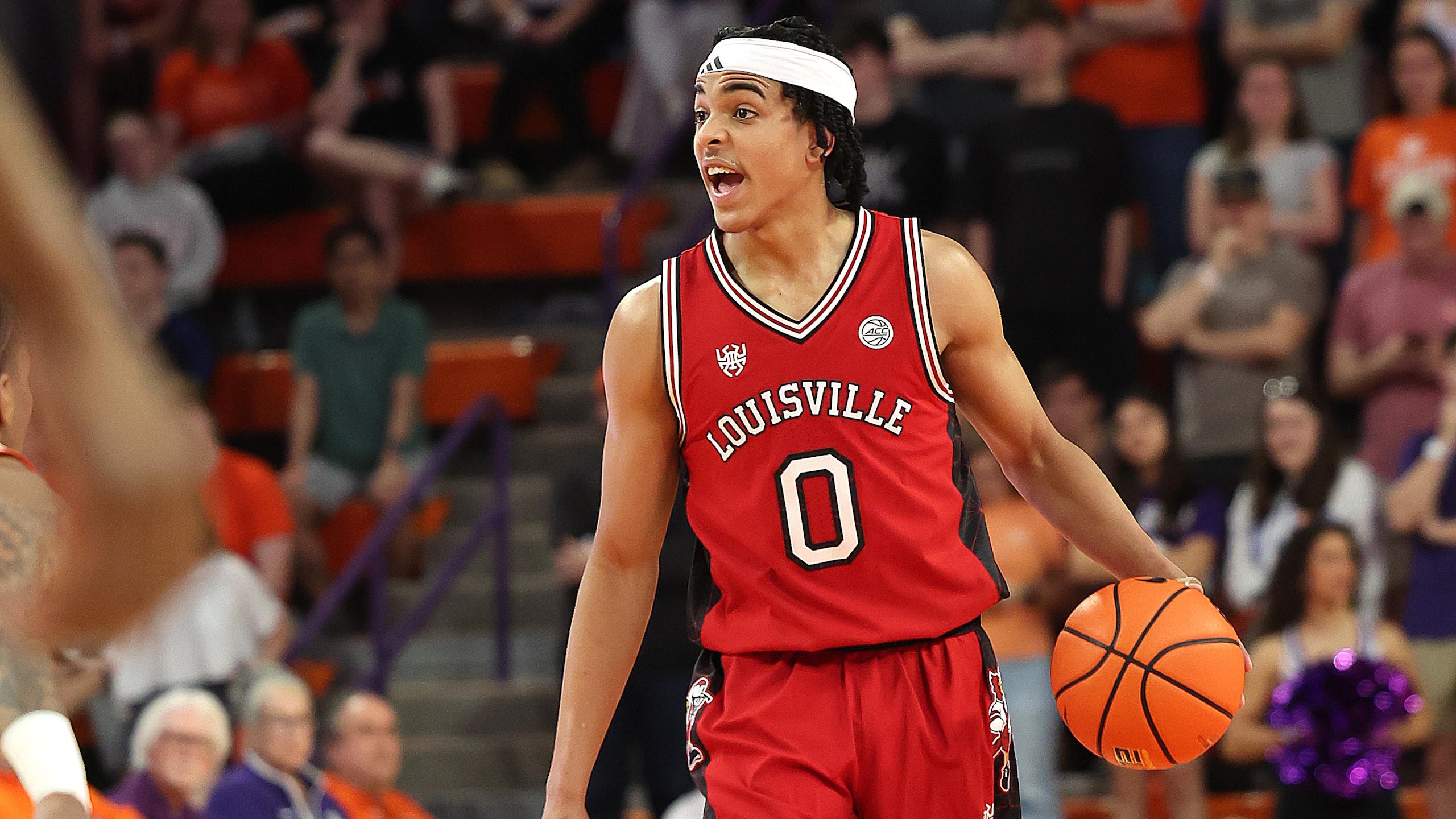
A lingering back injury might ding Brown's draft stock a bit, but assuming nothing alarming surfaces in his medicals, his upside should ensure things don't spiral. He's a legitimate 6'5" lead guard with fiery outside shooting and the willingness to share the rock with scorers around him.
His in-the-gym shooting range would help the Mavs stretch defenses out. Dallas needs players who can pull attention away from Cooper Flagg. Brown not only checks that box, but he's also a sharp enough passer to find Flagg some easy scoring chances, too.
Kyrie Irving's presence complicates the fit a tiny bit, but multi-playmaker offenses are all the rage in the modern Association. Plus, any defensive concerns tied to this guard group could be mitigated by all the length, mobility, and intimidation featured in this frontcourt.
9. Memphis Grizzlies: Nate Ament, SF, Tennessee
9 of 30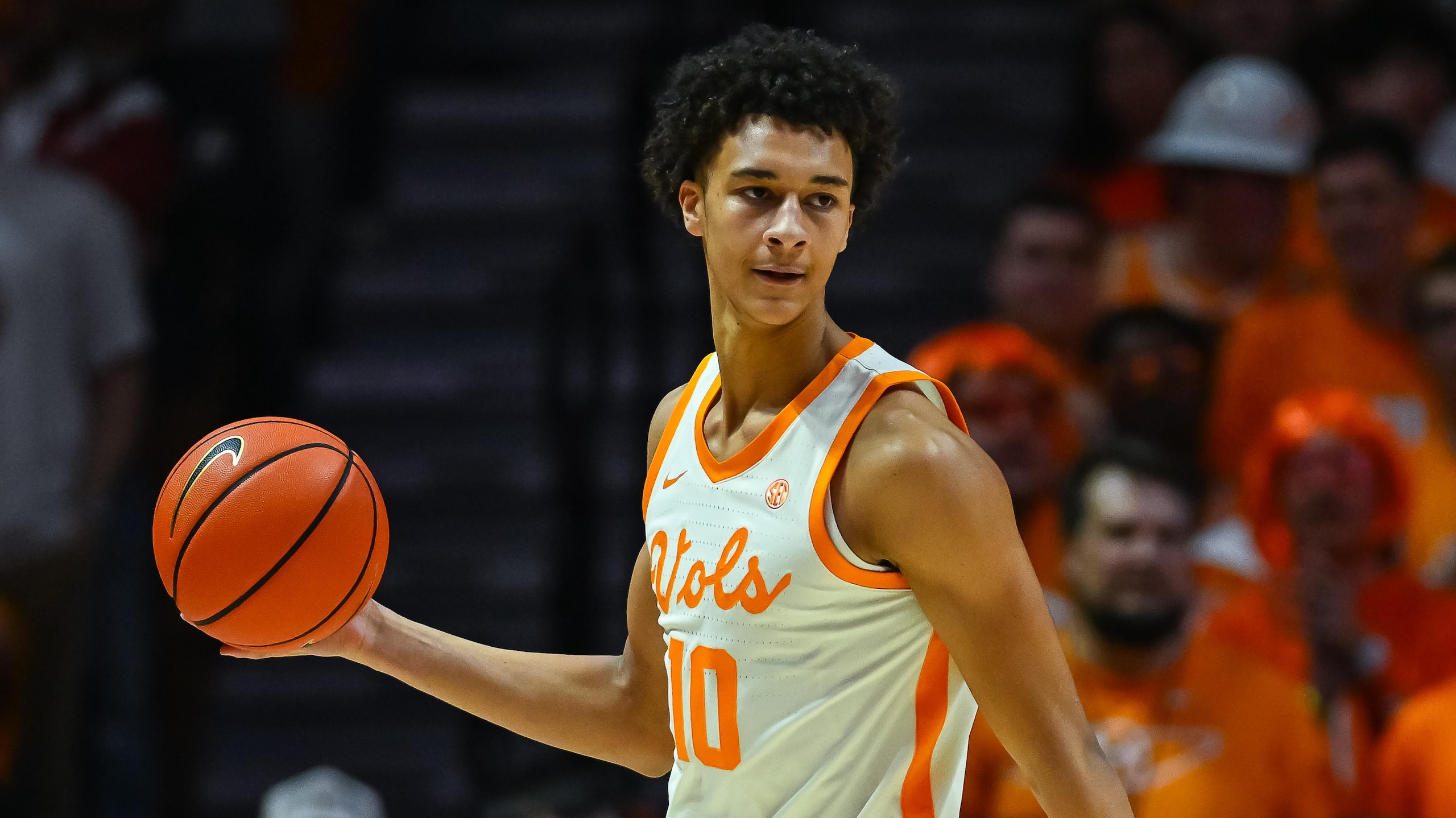
The Grizzlies could try playing it a little safer here, but...like, why? As soon as they find a taker for Ja Morant, they'll complete an aggressive overhaul that started with last summer's Desmond Bane trade. This isn't quite a blank-slate rebuild, but the cupboard is kinda empty when it comes to sky-high ceilings.
Could Ament address that need? His hit-or-miss season prevents automatically answering in the affirmative, but imaginations will forever run wild with 6'10" wings who can dribble, pass, and shoot.
He isn't as explosive as you'd like in the big-wing archetype, but anti-gravity bounce isn't always required of NBA stars. Size-skill remains a highly coveted combo, and when Ament has it rolling, that's exactly what he provides.
10. Milwaukee Bucks: Yaxel Lendeborg, PF, Michigan
10 of 30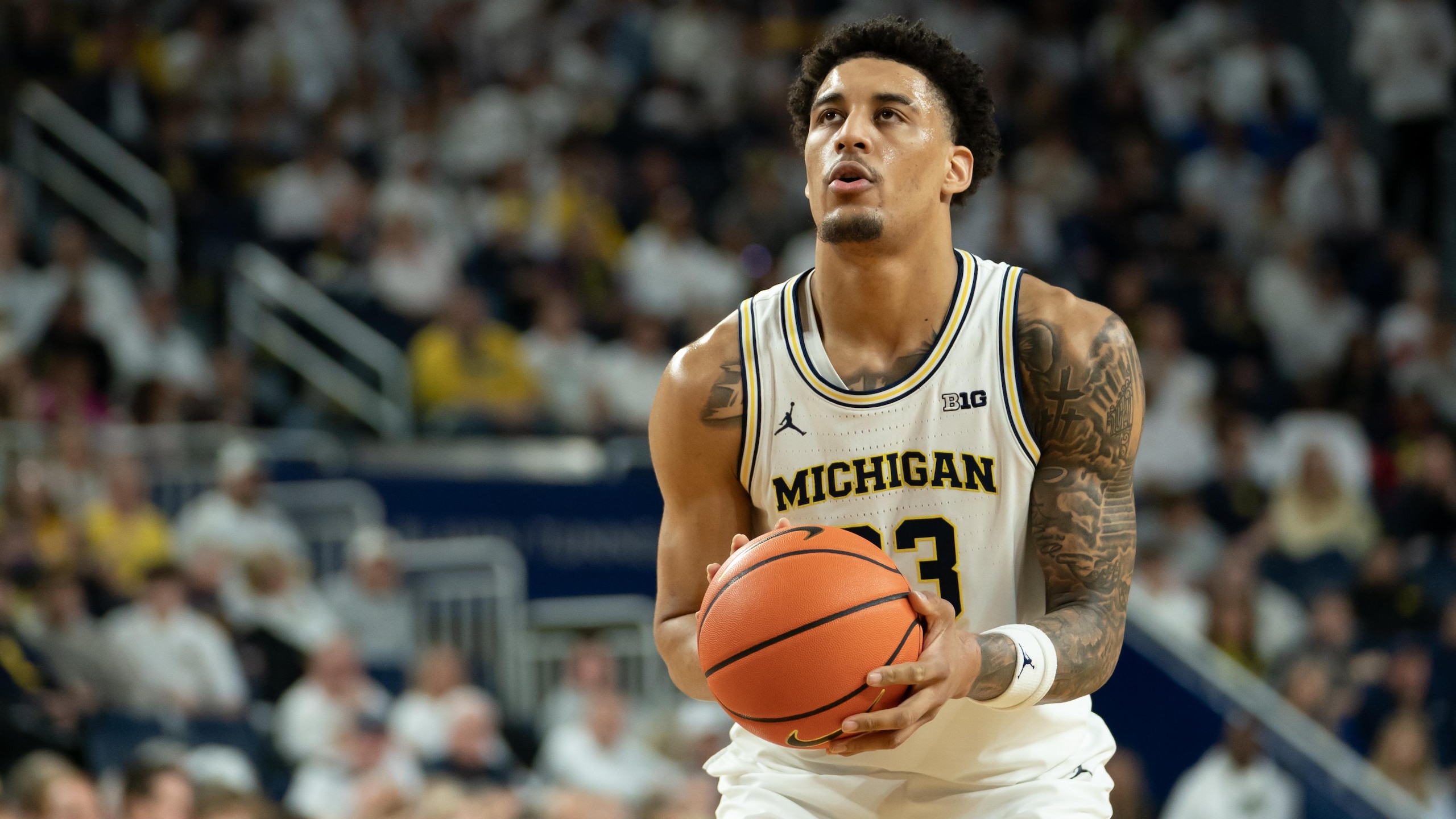
Given Milwaukee's standing demand to field a contending-caliber roster around Giannis Antetokounmpo, you have to think the Bucks would be willing to hear offers for their first-round pick. But if they're outside the first and second prospect tiers as they are here, would that be enough trade capital to even optimistically think they'd have a shot at a missing piece?
Maybe they decide they'd just get more win-now mileage out of Lendeborg, who looks like a readymade role player. He can clearly contribute to winning (check Michigan's dominant 31-2 record for evidence of that), and if his three-point shot keeps improving, he provides so much of what Milwaukee would want from a support player.
He is versatile and disruptive on defense, active on the glass, and fully capable of being a two-way playmaker. He might bump into his ceiling faster than most, as he'll turn 24 before he plays his first NBA game, but the Bucks may not care if they think he can help Antetokounmpo right away.
11. Portland Trail Blazers: Brayden Burries, SG, Arizona
11 of 30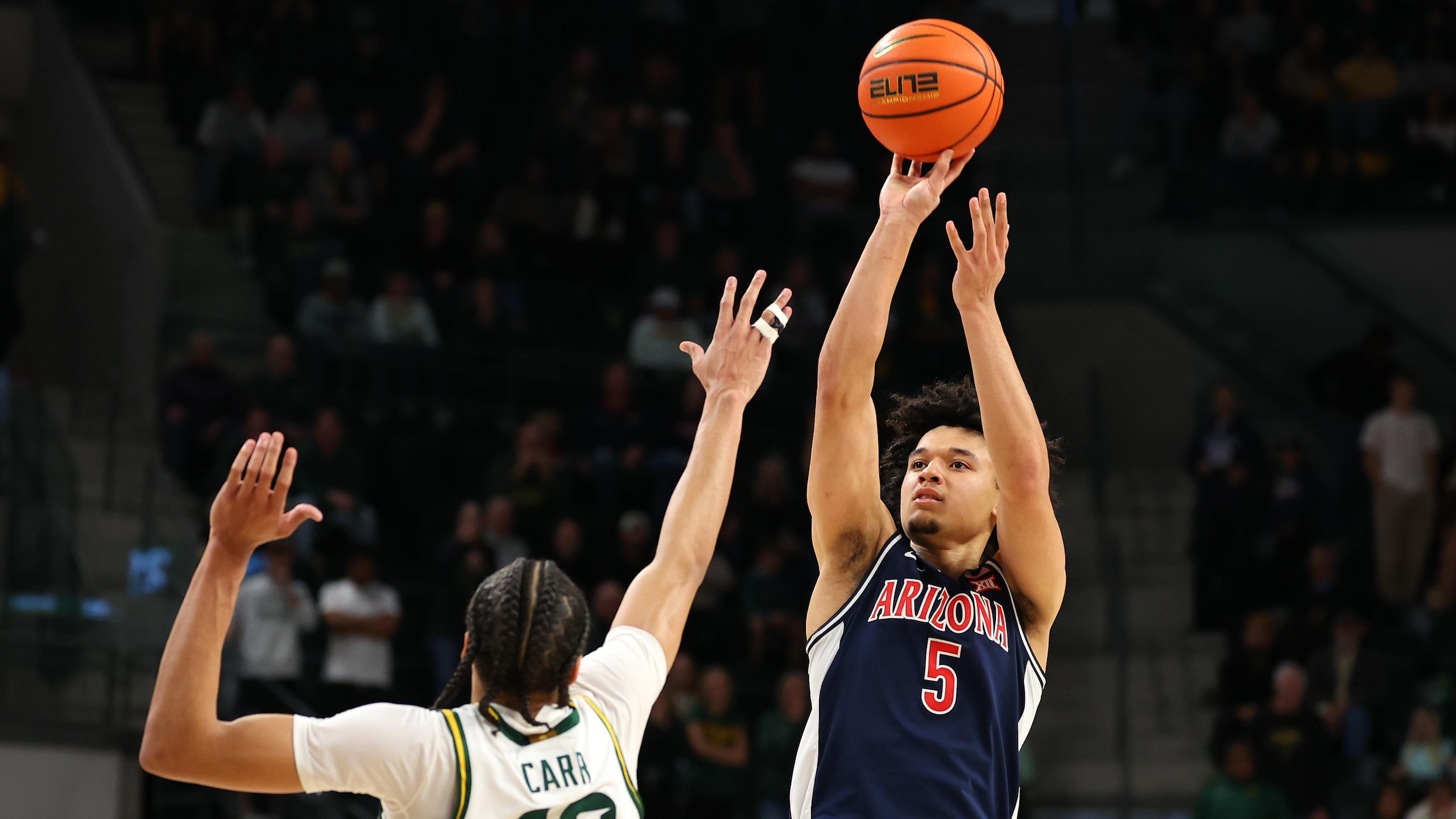
Burries rebounded from a slow start in time to earn All-Big 12 first-team honors as a freshman. In conference games alone, he paired a 49.4/37.4/84.1 shooting slash while more than doubling his turnovers with assists.
More skilled than explosive, he can feast on catch-and-shoot chances while adding a good amount of on-ball utility. He can navigate around screens, move the basketball, and bully his way to the rim.
Between Deni Avdija's All-Star ascension and Damian Lillard's addition for next season, the Trail Blazers could be ready for a leap next season. Burries looks like an instant-impact addition who can help fuel that rise.
12. Golden State Warriors: Koa Peat, PF, Arizona
12 of 30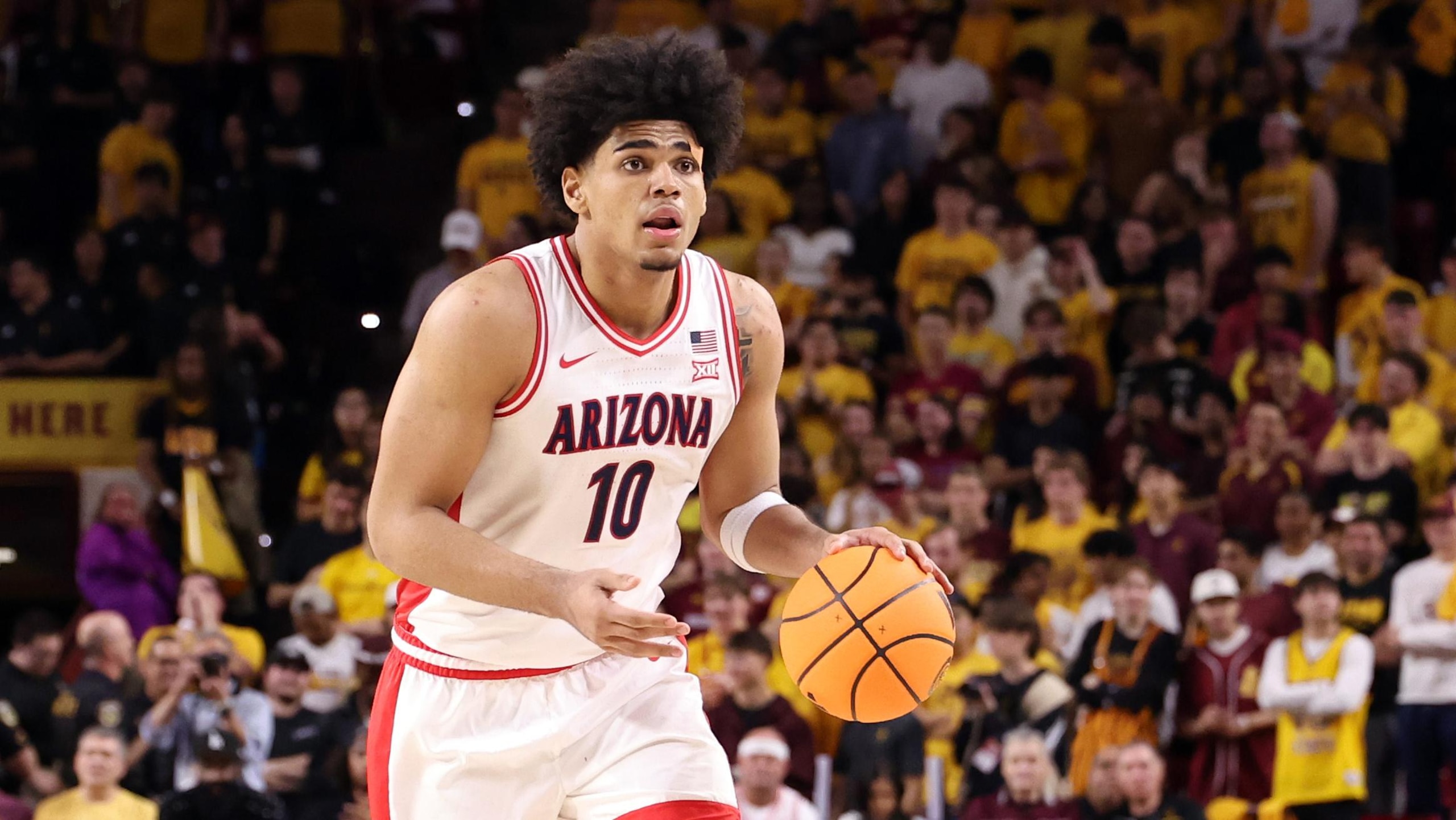
If Peat had any level of efficiency or volume in his outside shot, this draft pick could be a home run. Since he has shown neither of the above, it might register more as a solid single or even a legged-out double.
The Warriors have standing needs for his physicality and force, and his feel and versatility should be simple system fits. He can create out of the short roll, perhaps allowing Golden State to start moving away from Draymond Green as Stephen Curry's primary screen-setter.
If the Warriors could live with a non-shooting glue guy, Peat could be a reliable member of their 2026-27 rotation.
13. Charlotte Hornets: Jayden Quaintance, PF/C, Kentucky
13 of 30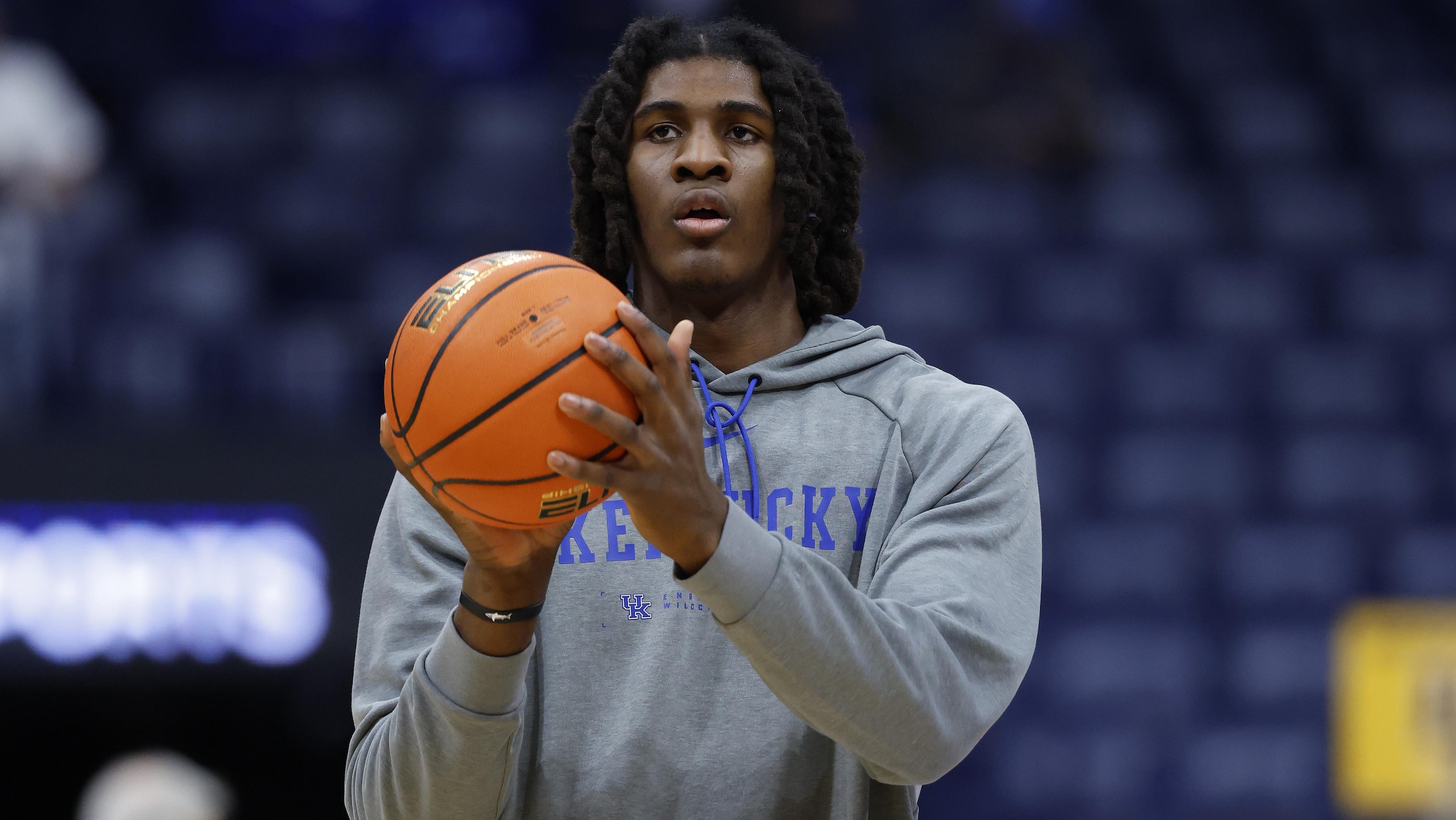
Despite being a second-year player with a seemingly defined NBA role, Quaintance looms as one of the bigger mysteries on the board. That's at least partly because his freshman year was shortened and his sophomore campaign was effectively wrecked by an ACL tear. Oh, and at 18 years old, he's still younger than most freshmen.
It'd be nice to have more data and a better gauge of his development, but maybe it isn't especially needed. He looks like a versatile, bouncy, shot-blocking rim-runner, and even if his offensive arsenal never expands, it's easy to see how he can add value in that role.
With the Hornets seemingly having an elite offense under their belt already, it'd make sense to focus on defense here—while quietly hoping Quaintance can add more driving and shot-making down the line.
14. Oklahoma City Thunder (via PHI): Karim Lopez, PF, New Zealand Breakers
14 of 30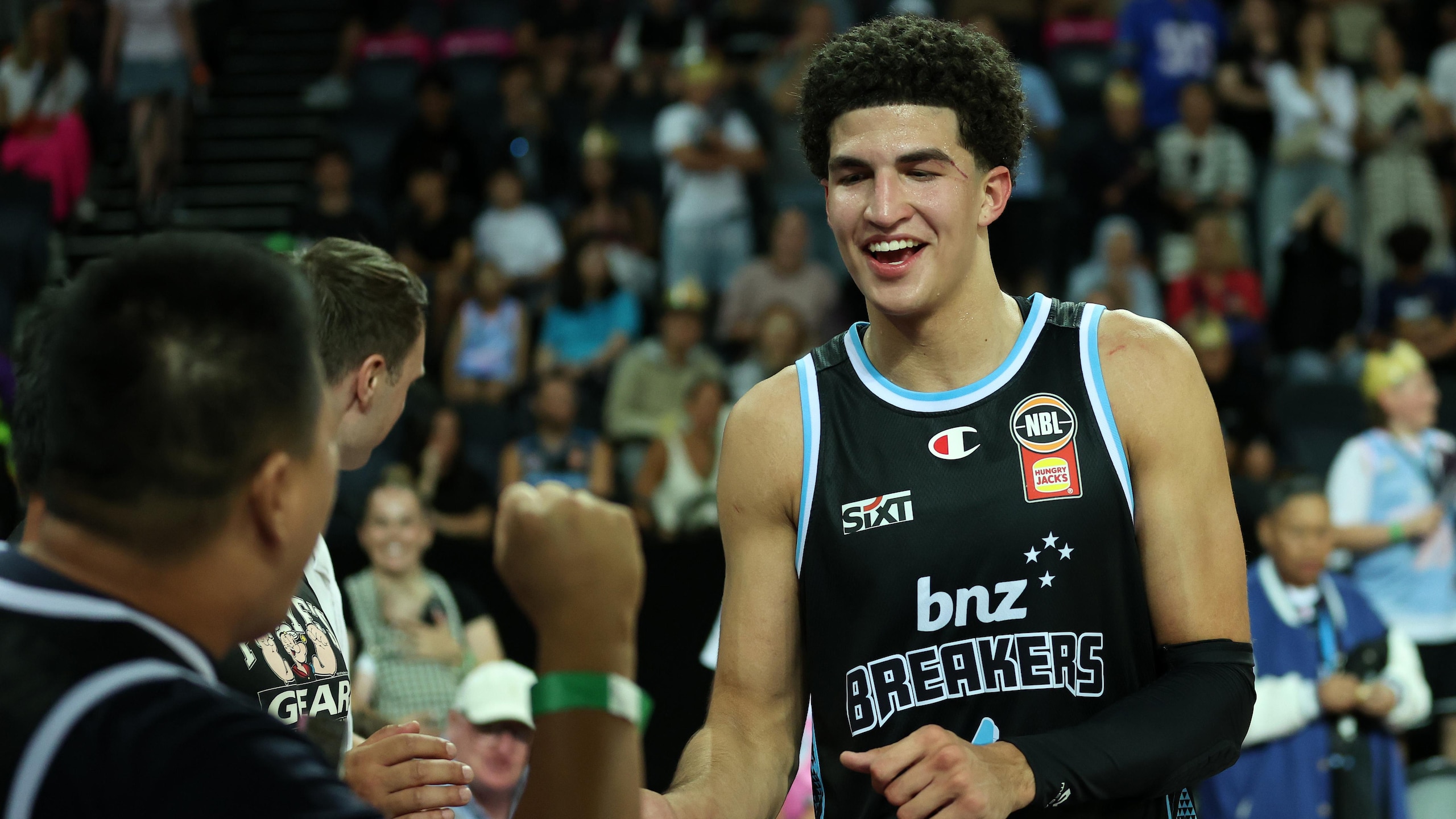
If Oklahoma City makes some cost-cutting subtractions this summer, it might have to use the draft's last lottery pick on a need-filler. As things stand, though, the Thunder's absurd depth gives them an opportunity to take another big swing as they did with Nikola Topić and Thomas Sorber.
At 6'8" and 225 pounds, Lopez looks the part of an NBA forward—as an 18-year-old. His handles and force point toward real bully-ball potential, but he's also a capable shooter and connective passer.
His NBA role is a bit tricky to pin down, since he's neither a knockdown shooter nor a nimble mover. Betting on his size and skill, this developmental system sounds like an awfully interesting wager, though.
15. Oklahoma City Thunder (via LAC): Braylon Mullins, SG, UConn
15 of 30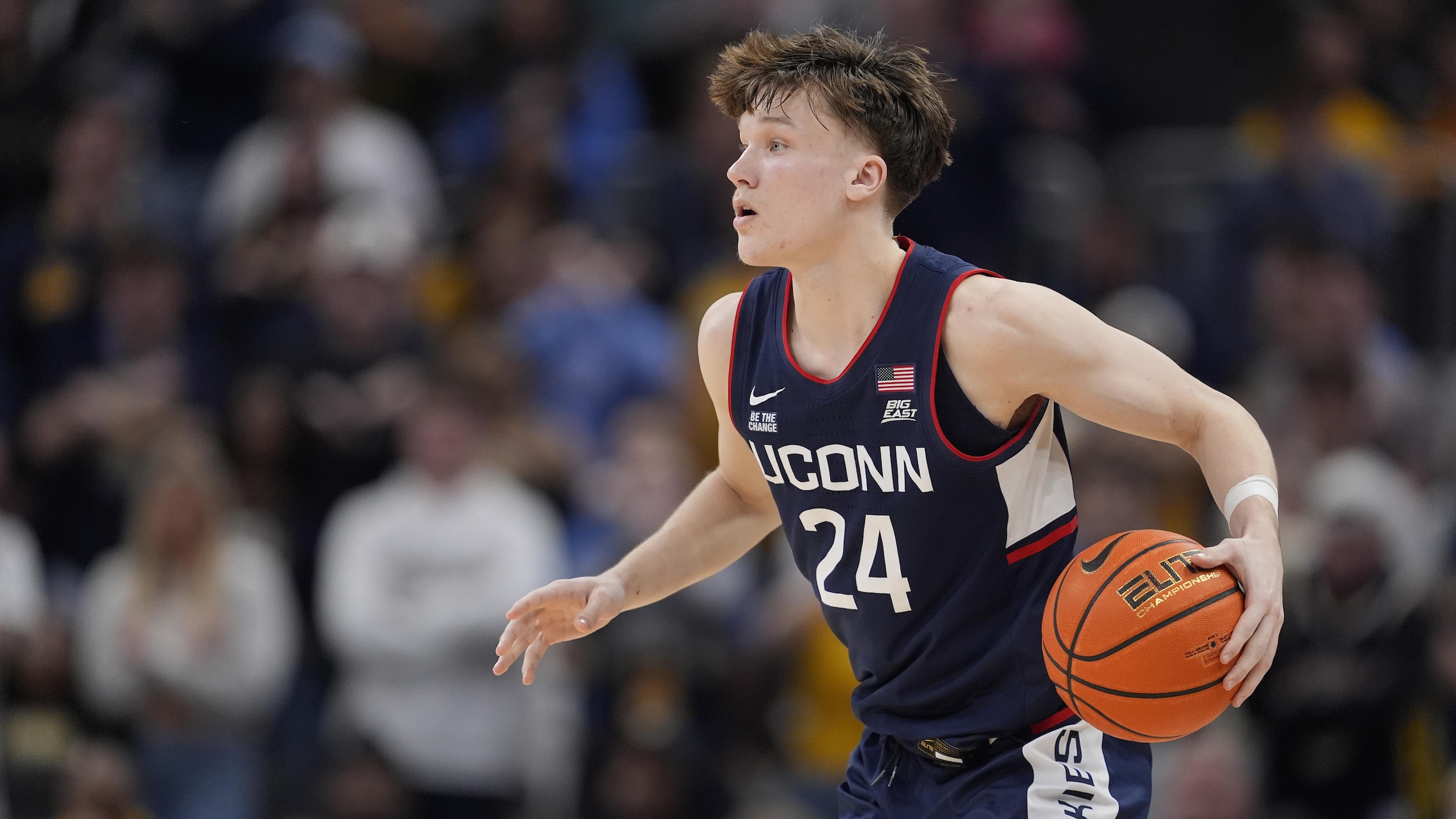
Mullins could consider sticking around for a sophomore season that might allow him to expand his role and improve his stock ahead of a seemingly weak 2027 draft. Then again, there are worse gigs than being a floor-spacing specialist on a team with annual championship aspirations.
He's a lights-out movement shooter, and he could post silly shooting rates by playing off megatalents like reigning MVP Shai Gilgeous-Alexander and Jalen Williams.
16. San Antonio Spurs (via ATL): Hannes Steinbach, C, Washington
16 of 30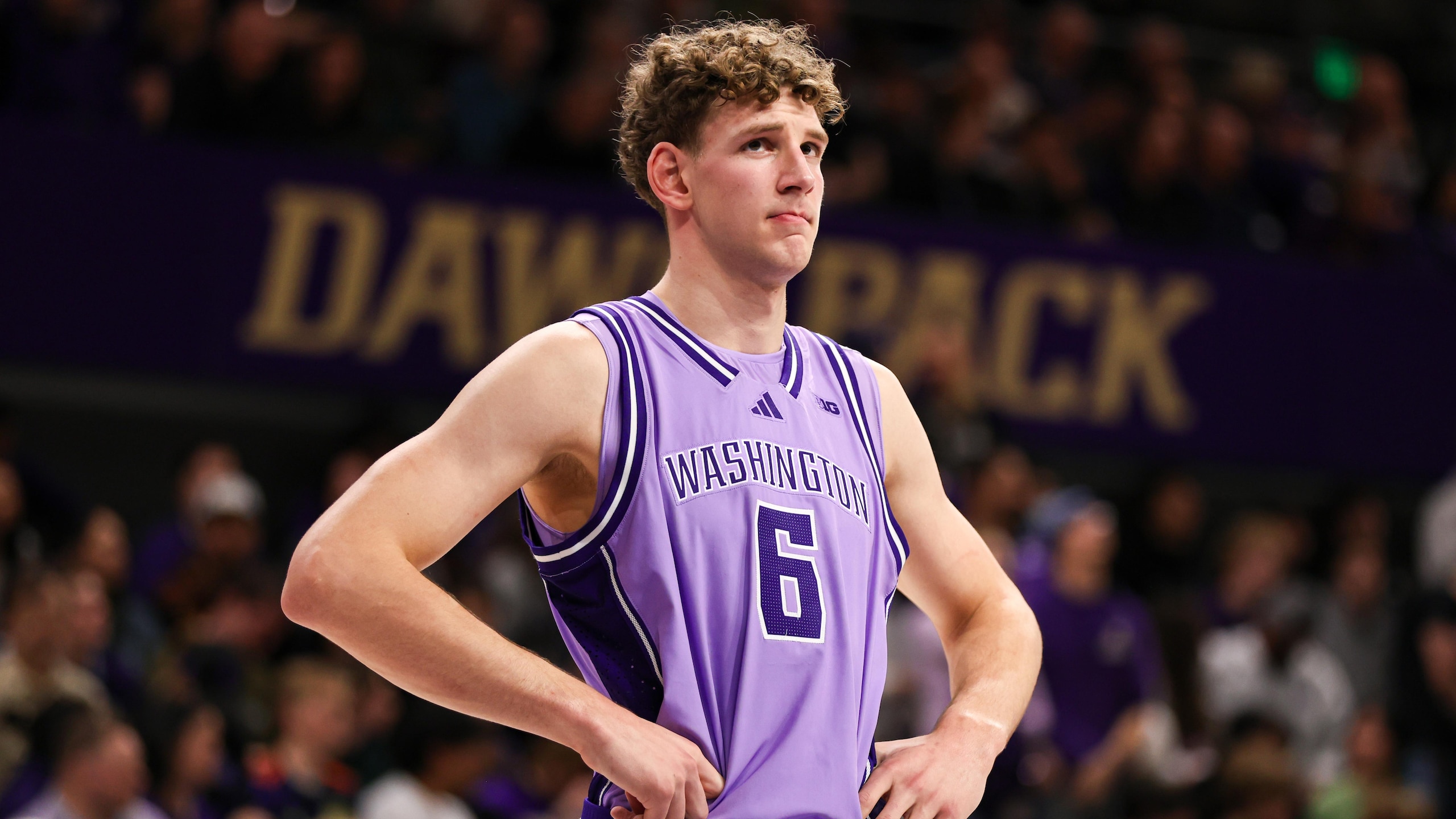
If the Spurs like having size and heft behind (and sometimes alongside) Victor Wembanyama, Steinbach has plenty to offer.
His ceiling probably isn't enormous, but he's already a skilled bag who can function as a streak-free glass cleaner and an interior finisher. Defense could always be a challenge, but distance shooting may enter the equation at some point.
17. Miami Heat: Cameron Carr, SG, Baylor
17 of 30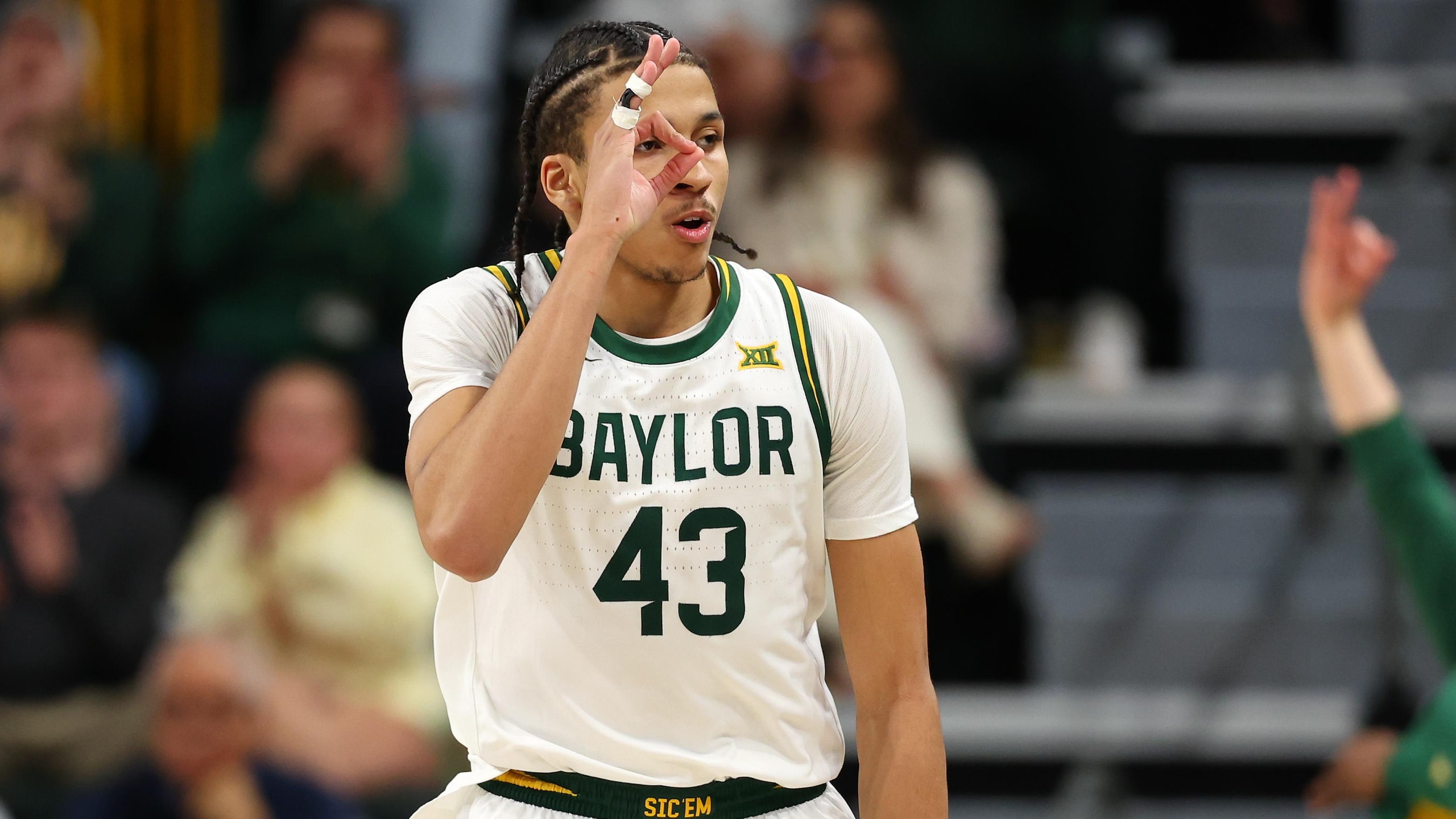
Carr has size (6'5"), length (7'2" wingspan), athleticism, and a fiery three-ball. Even if his skill tree never branches out, that's already an interesting combination for a support guard.
If he harnesses any kind of defensive playmaking—and you know the Heat would work him hard on that end—he could be a real steal, since he might already be an asset as a play-finisher.
18. Toronto Raptors: Thomas Haugh, SF/PF, Florida
18 of 30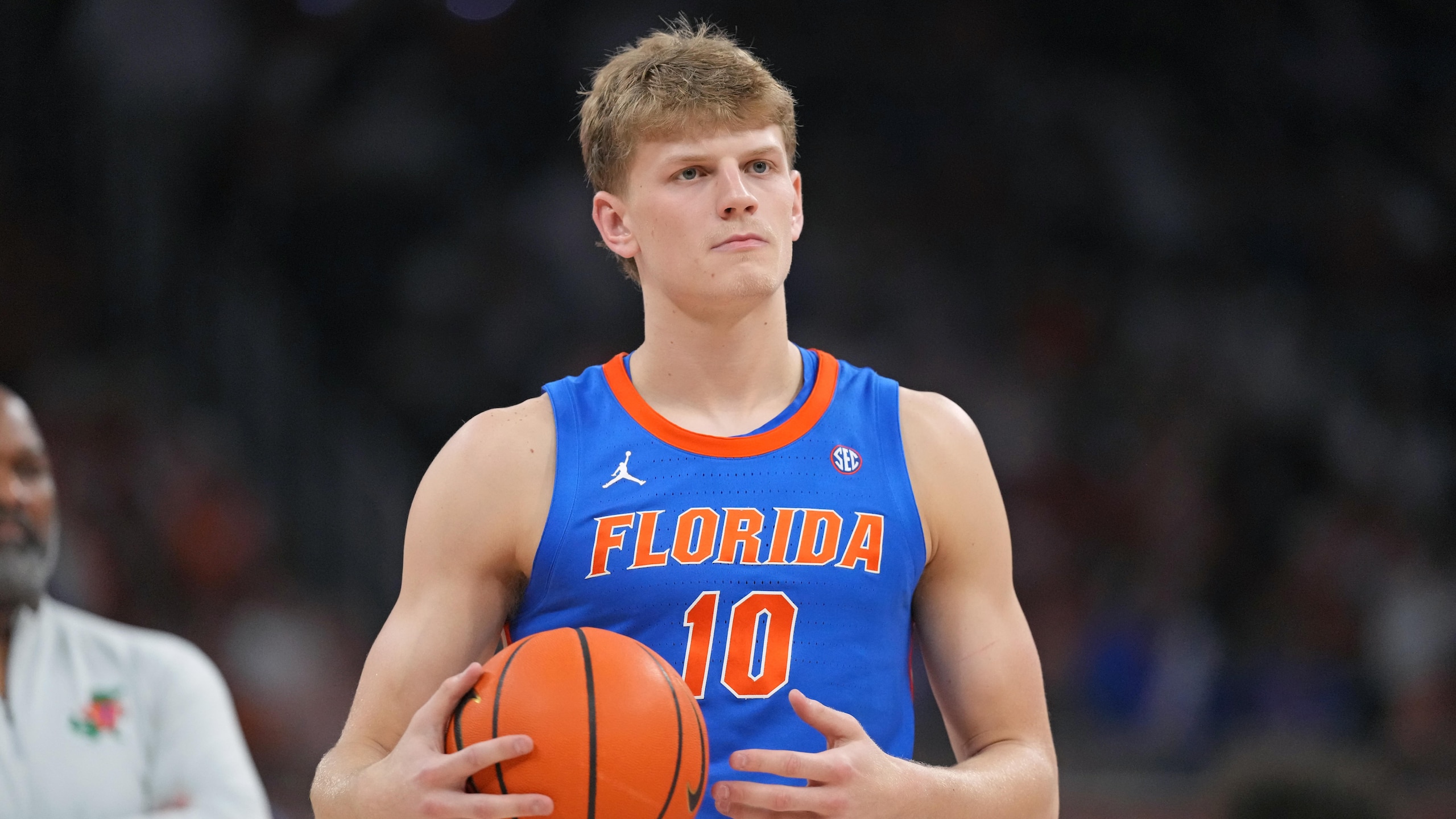
This feels on the lower end of Haugh's draft range, but as an older wing (23 this summer) without a super-reliable three-ball (33.1 percent), a mini-skid seems possible.
The Raptors would surely be thrilled to stop the slide, even if he'd join a crowded rotation of lanky forwards with questionable range. He fits their preferred mold of hustle-hard defenders who can finish in transition and play within themselves.
19. Memphis Grizzlies (via ORL): Labaron Philon Jr., PG/SG, Alabama
19 of 30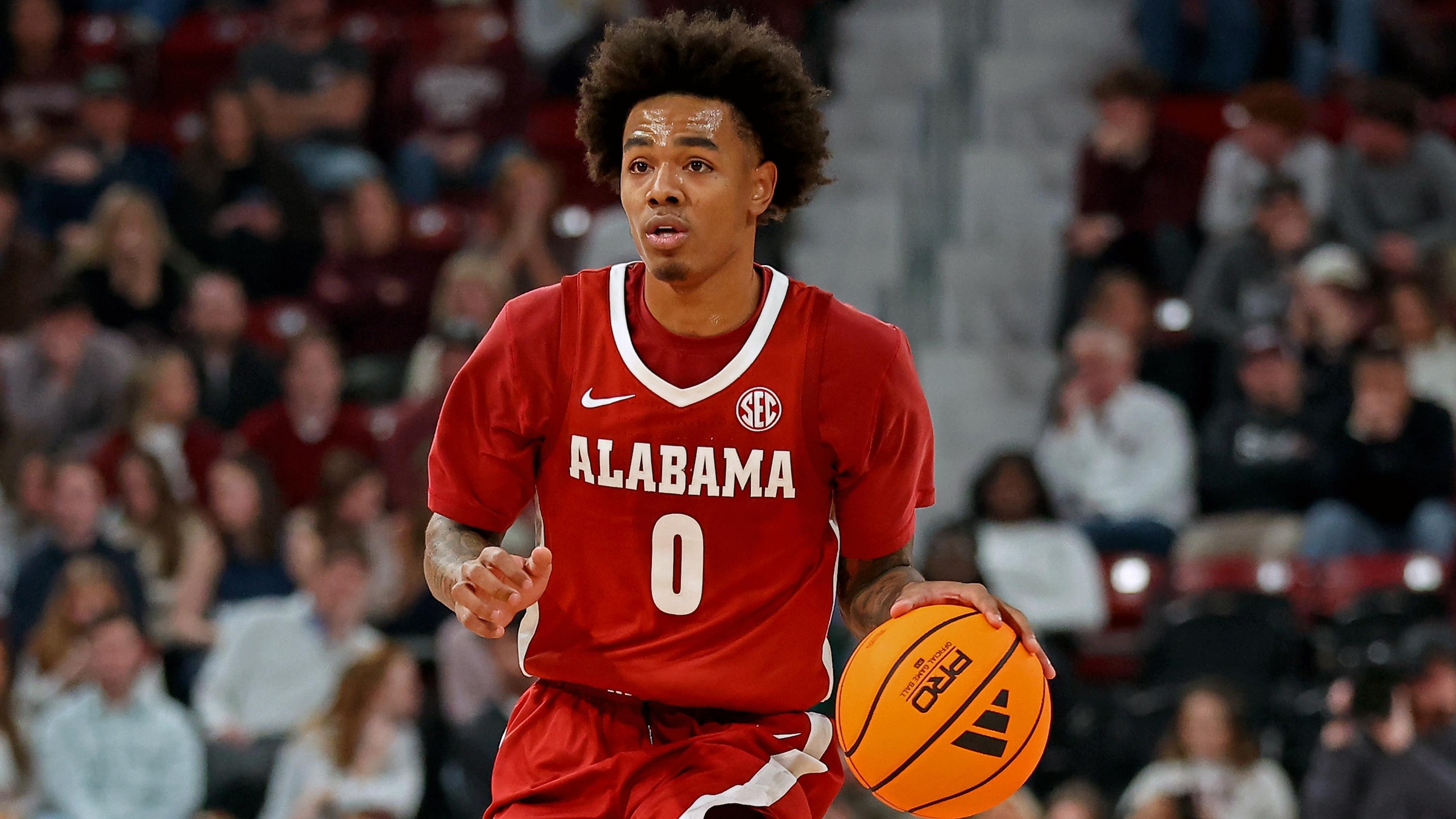
Could Philon hear his name called a lot earlier than this? No question. He makes the short list of this season's most dynamic scorers in college basketball; if he had better touch from the foul line, he'd be pairing his 21.7 points per outing with the famed 50/40/90 shooting slash (he's at 50.9/40.2/78.7).
His defense has regressed this season. His featured role has probably inflated his offensive numbers, but he's a real talent. The primary reason he isn't mocked higher is the quantity and quality of the guards in this draft.
20. Charlotte Hornets (via PHO): Chris Cenac Jr., PF/C, Houston
20 of 30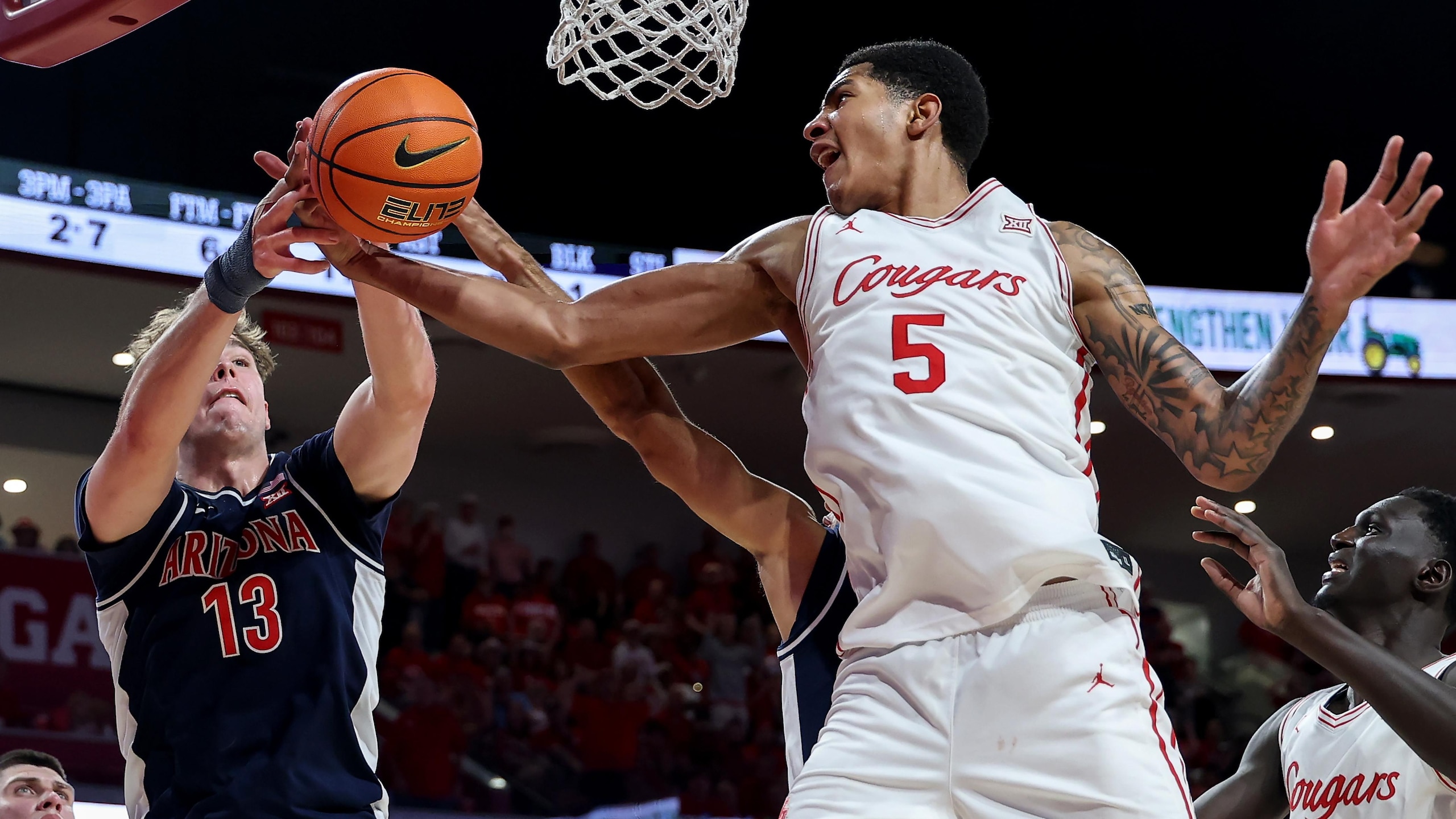
Remember when there were legitimate questions about Charlotte's frontcourt rotation? Well, follow this blueprint, and Buzz City may have just turbo-charged a batch of bigs that has already exceeded expectations.
With the right amount of development and buy-in, he could be a dream pick-and-choose partner for LaMelo Ball, since Cenac can finish above the rim or shred nets from three.
21. Denver Nuggets: Bennett Stirtz, PG, Iowa
21 of 30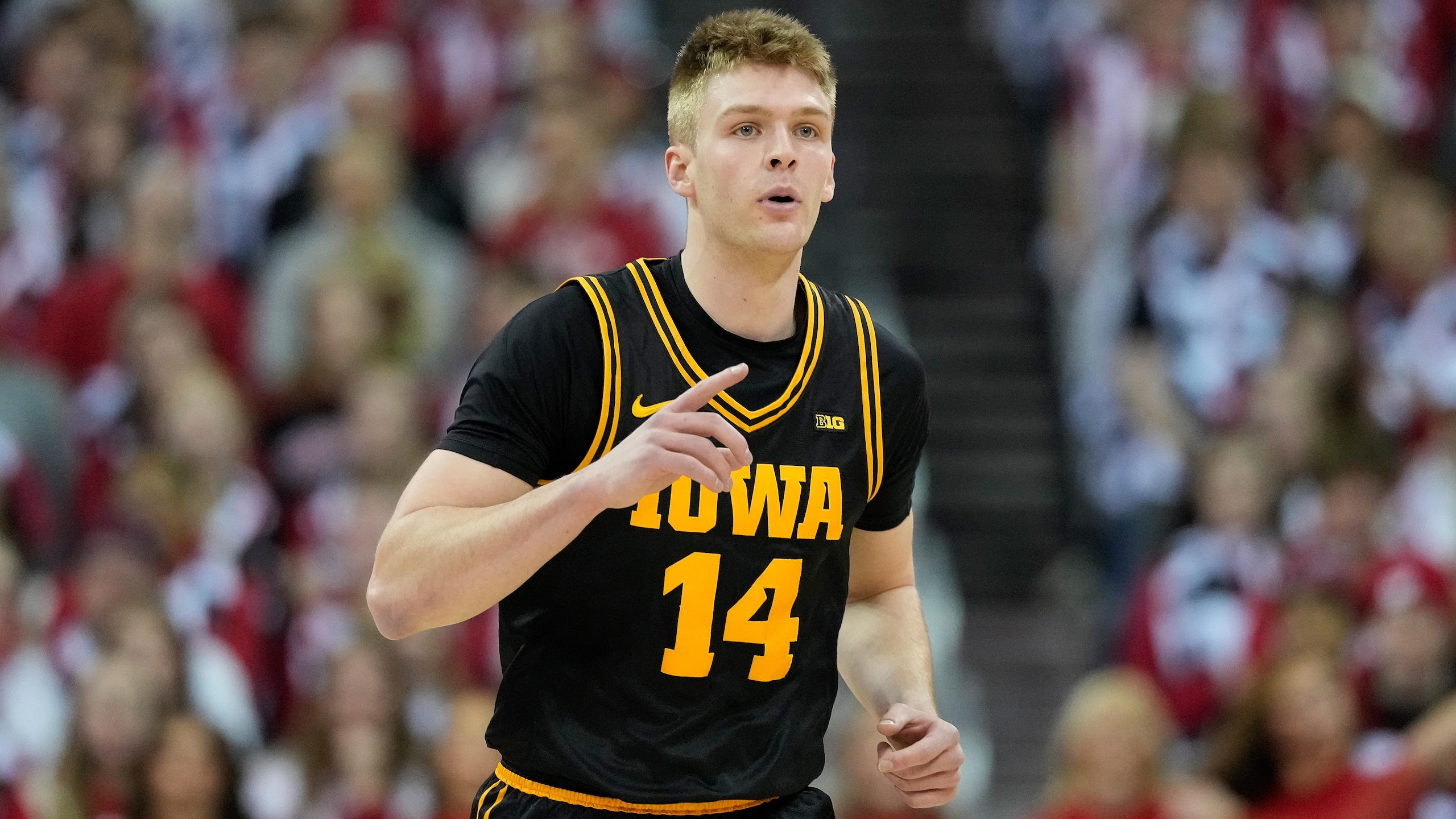
Stirtz may have starred at multiple collegiate stops, but he won't have stardom awaiting him at the highest level. He could, however, step into a rotation role as a rookie and perk up an offense that struggles even treading water when Nikola Jokić needs a breather.
Stirtz is an NBA shooter right now. The hope is that his feel and vision will allow him to run an NBA offense, too. If he's a multiple box-checker on offense, Denver will live with his defensive limitations.
22. Detroit Pistons (via MIN): Christian Anderson, PG, Texas Tech
22 of 30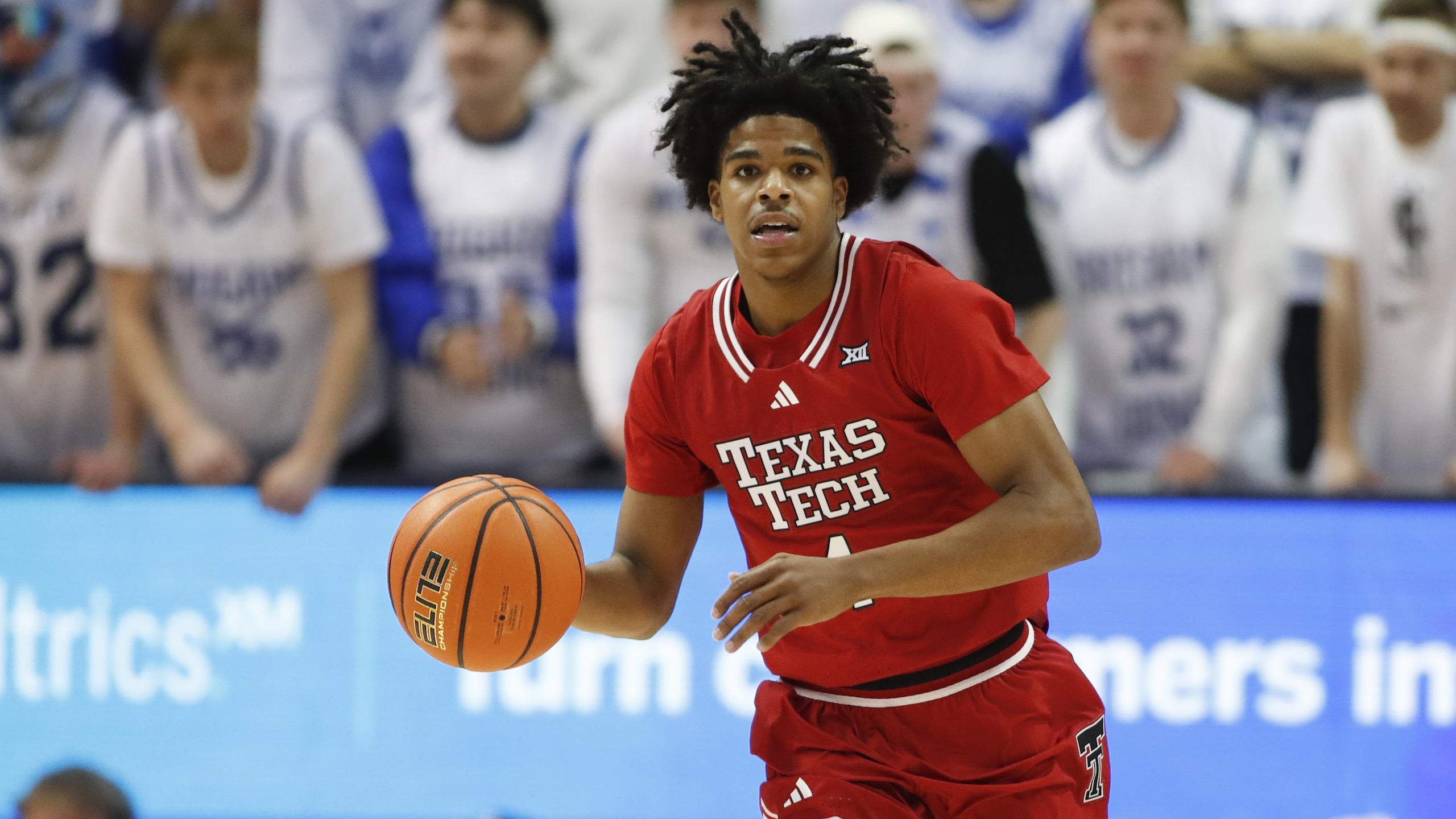
Anderson doesn't have a lot of size or explosiveness, but his ability to play on or off the ball could make him an intriguing target for the Pistons. They have a standing need for non-Cade Cunningham creation, and they'd prefer to find it from someone who can play with and behind their MVP candidate.
Anderson has deep range on his shot, ingenuity off the bounce, and the ability to change directions and speeds like a remote control car. His physical limitations will have him drafted later than his skills and stats say he should go.
23. Atlanta Hawks (via CLE): Amari Allen, SF/PF, Alabama
23 of 30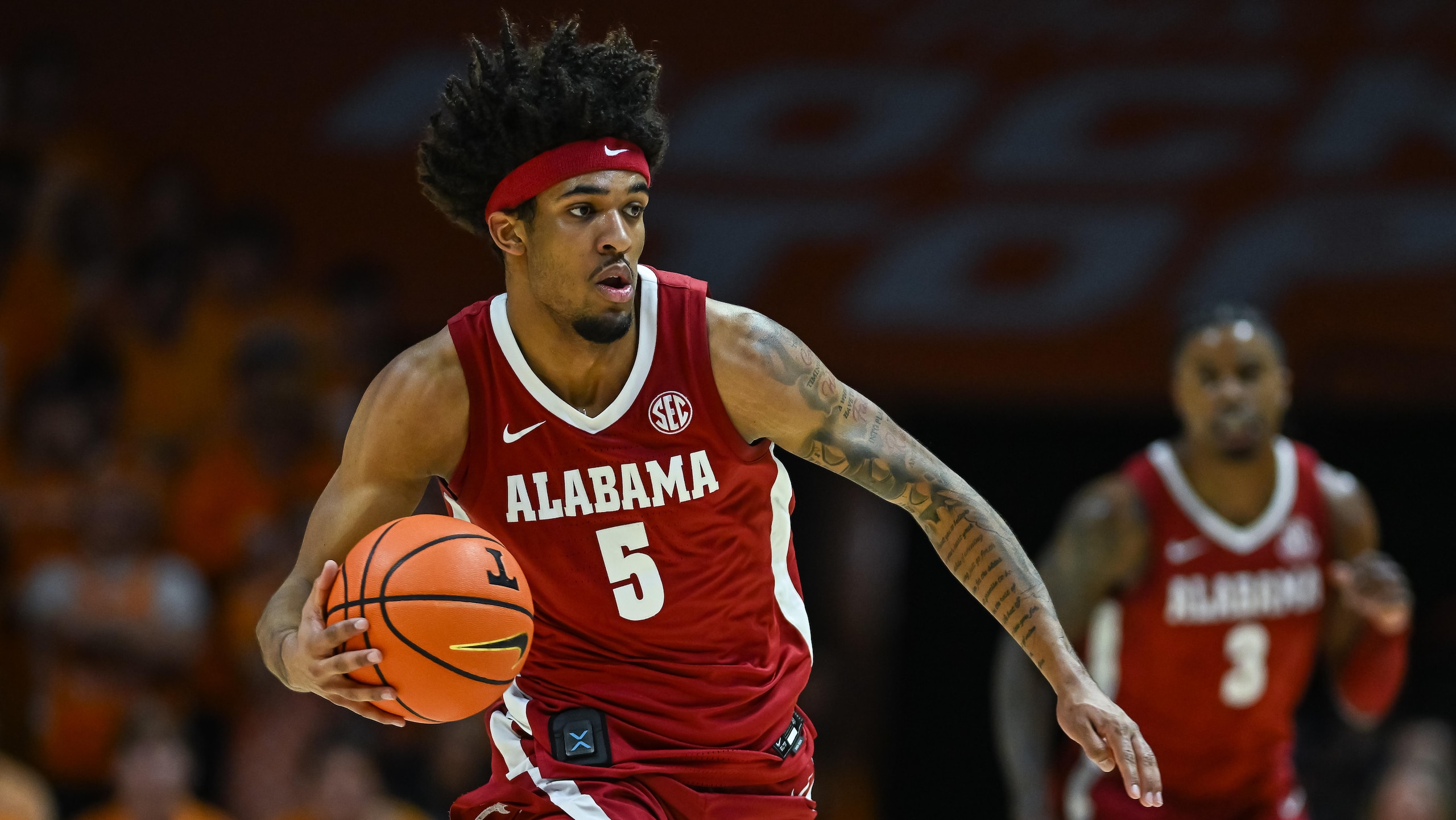
The Hawks have a rising star in Jalen Johnson, and this mock draft may have already delivered a future one in Darius Acuff Jr. They could be more than fine with a role player, especially one with such projectable talents as Allen possesses.
He seems to have the skills and size needed to settle into a three-and-D role, plus the handles and vision hinting at his ability to grow beyond that.
24. Philadelphia 76ers (via HOU): Aday Mara, C, Michigan
24 of 30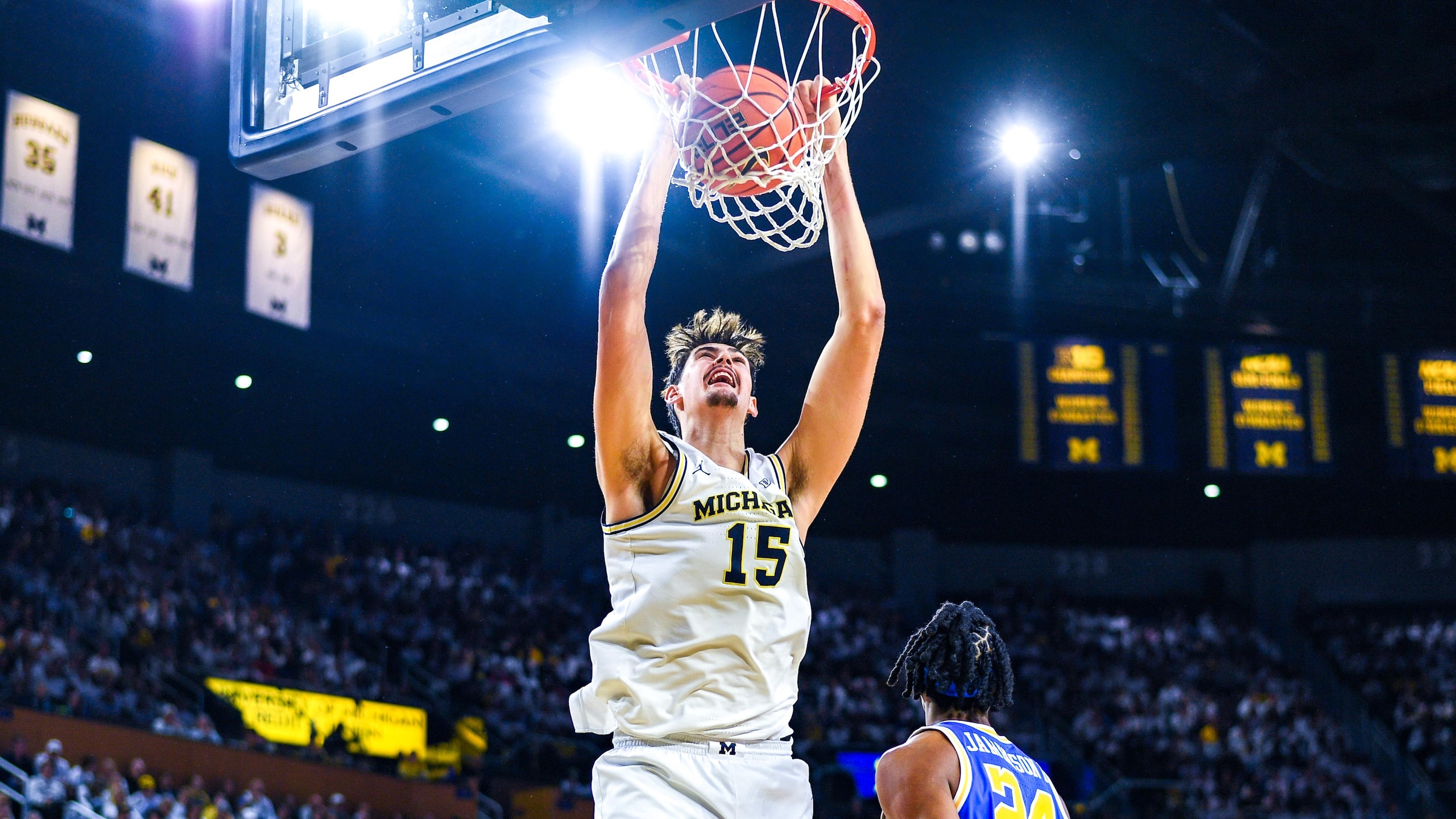
Could the NBA game prove too fast for Mara? Maybe, but his feel allows him to process things quickly, and he basically keeps the rim Saran-wrapped at all times.
His offensive range may not extend beyond the restricted area—he's shooting below 60 percent from the line for the second straight season—but it really doesn't need to. He'll make an offensive impact, anyway, as a finisher, rebounder, and quick-thinking passer.
25. Los Angeles Lakers: Dailyn Swain, SF, Texas
25 of 30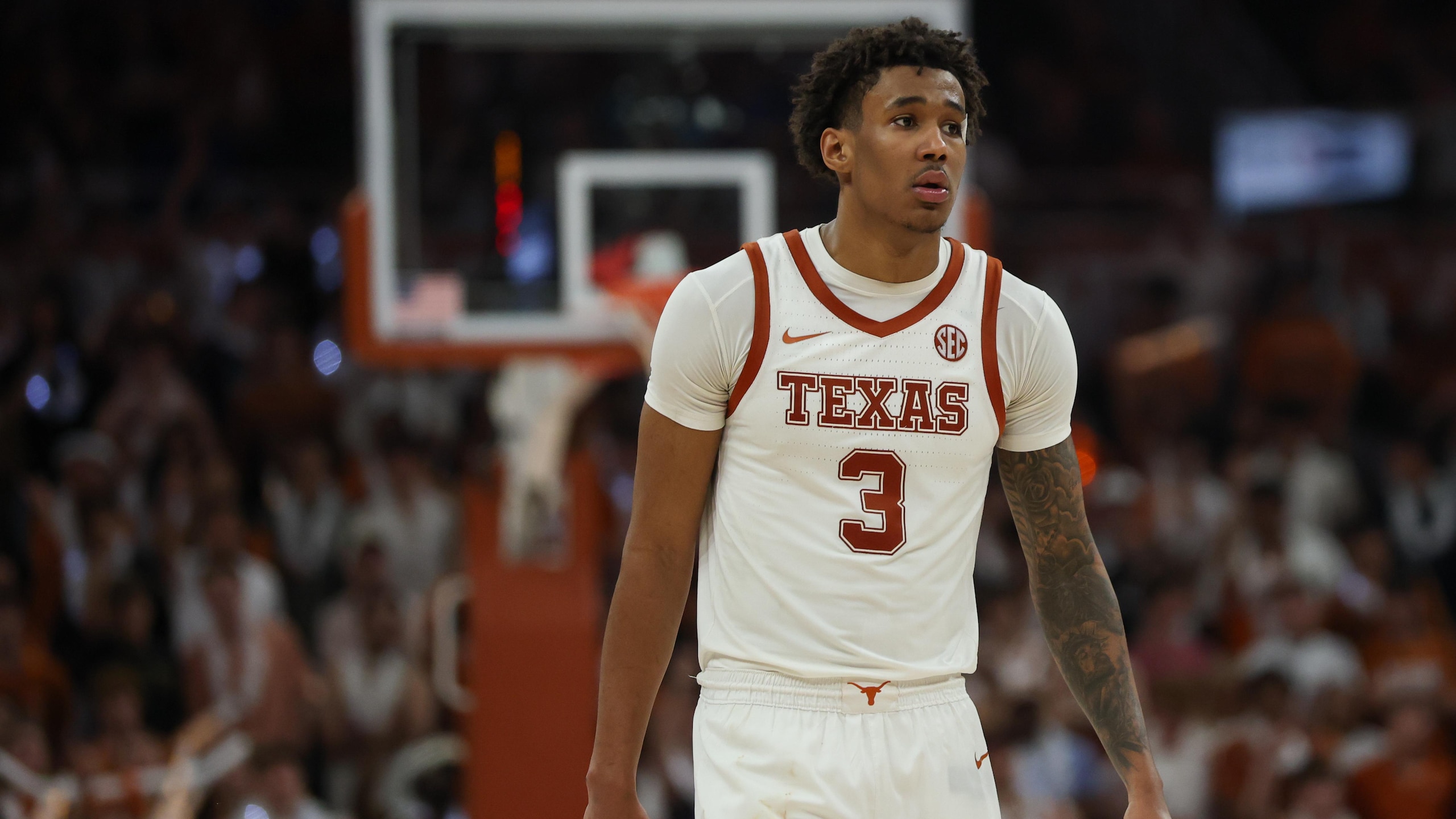
If the Lakers leave the draft without addressing their 20th-ranked defense, their decision-makers might want to start freshening up their résumés, especially if a plug-and-play stopper like Swain is on the board.
He's a 6'8", 220-pound defensive playmaker. He needs to dial back his risk-taking and sustain his shooting gains, but his positional size, athleticism, handles, and finishing already have him in an interesting place.
26. New York Knicks: Morez Johnson Jr., PF/C, Michigan
26 of 30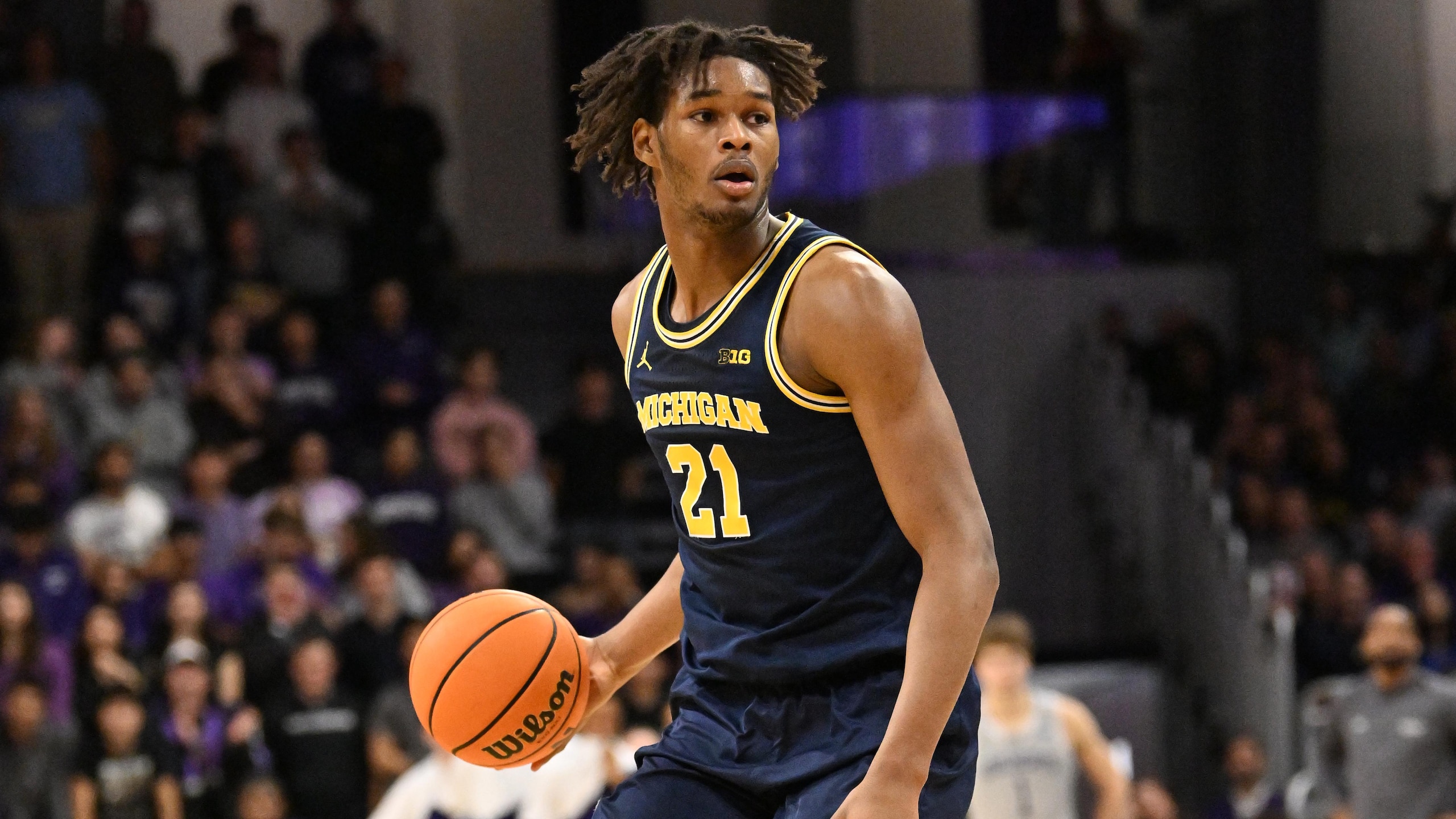
Johnson's fit in the modern game is a little iffy, as a 6'9" combo big with limited offensive range. But he's long and strong enough to play bigger than his size, and his offensive outlook isn't hopeless.
"His offensive role will be limited, but he's knocked down spot threes (10-of-24 on the season) and finishes simple plays around the basket," ESPN's Jeremy Woo wrote. "With NBA teams pivoting back toward double-big lineups, Johnson should have long-term utility and provide immediate depth."
27. Boston Celtics: Motiejus Krivas, C, Arizona
27 of 30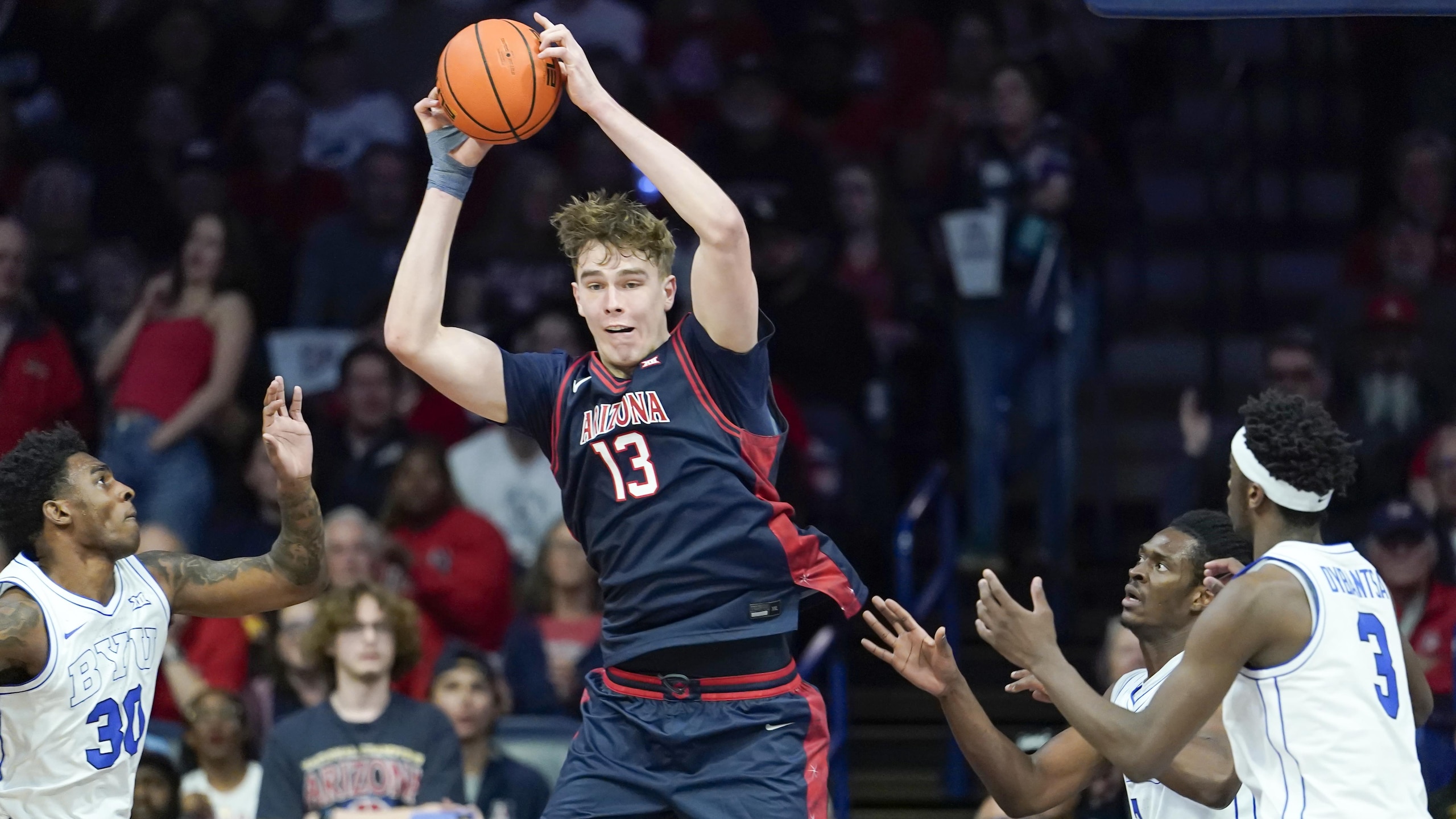
The Celtics have arguably received better-than-expected production from their collection of post players, but they still figure to address the 5 spot this offseason. And turning a late first into Krivas could be a really smart way to do it.
He is a master of verticality, and as a 7'2", 260-pounder. He has plenty to pull from in that department. Krivas' offense is mostly interior finishing, but his career 77.3 free-throw percentage highlights his soft touch.
28. Minnesota Timberwolves (via DET): Tyler Tanner, PG/SG, Vanderbilt
28 of 30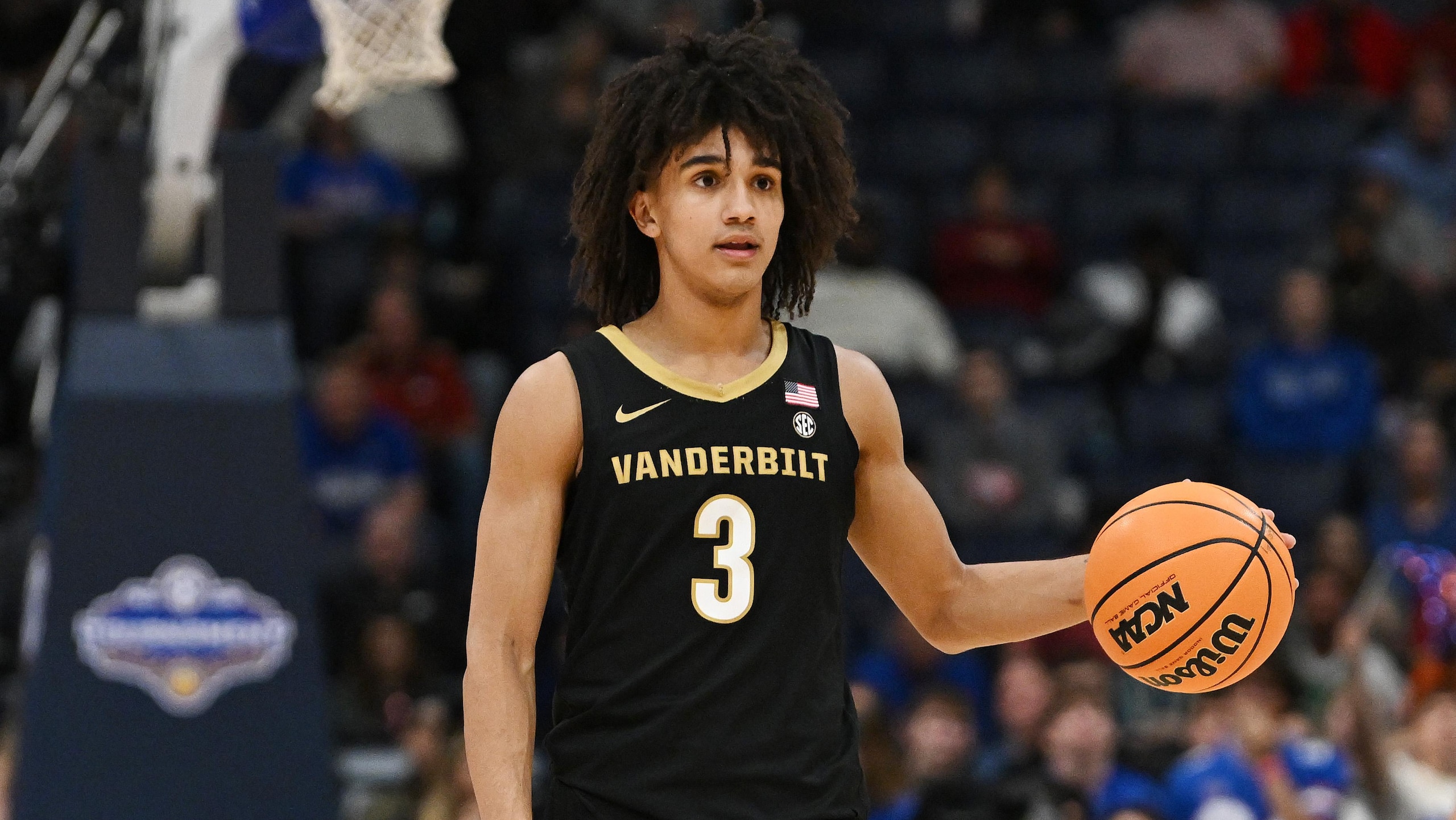
Mocks that don't connect the Timberwolves with a guard prospect at this pick probably aren't doing it right. Because this crop of backcourt prospects runs deep enough for Minnesota to nab an intriguing one this late into the talent grab.
Now, Tanner lasts this long for a reason—he's listed at 6'0", 175 lbs—but he is athletic, feisty, and productive on both ends. He'll be targeted relentlessly, but his athleticism and physicality might help him hang on, and his well-rounded skill set gives him a real shot at success.
29. Cleveland Cavaliers (via SAS): Isaiah Evans, SG/SF, Duke
29 of 30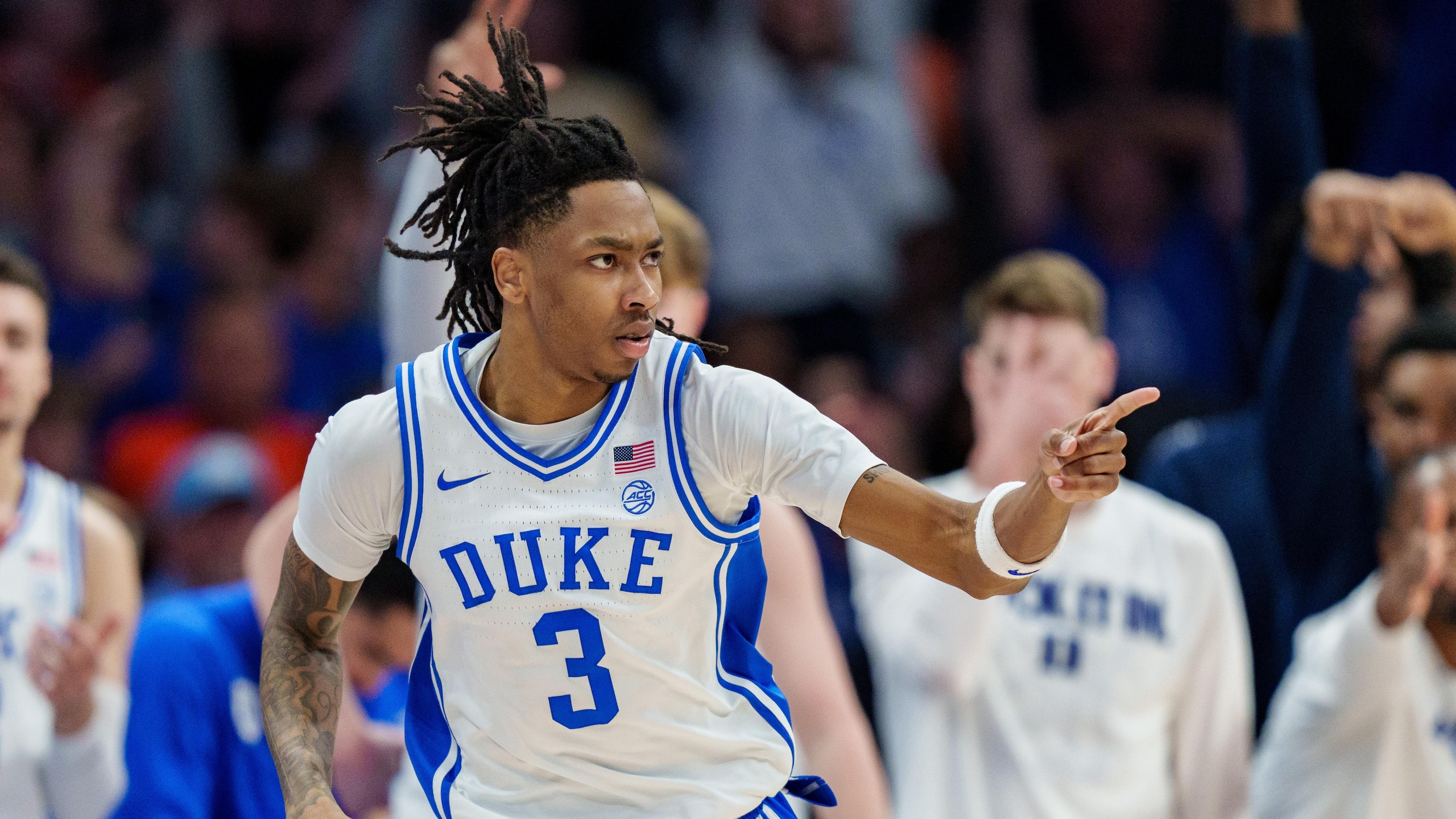
This wing class isn't very deep, which could give Evans a by-default boost. The bigger draw, though, is the shooting and slashing he's providing as the second option on a Blue Devils squad that certainly looks like the country's best.
It's a lot of spacing, off-ball moving, and play-finishing, and not much else, but that's decent value at this stage of the draft.
30. Dallas Mavericks (via OKC): Tounde Yessoufou, SF, Baylor
30 of 30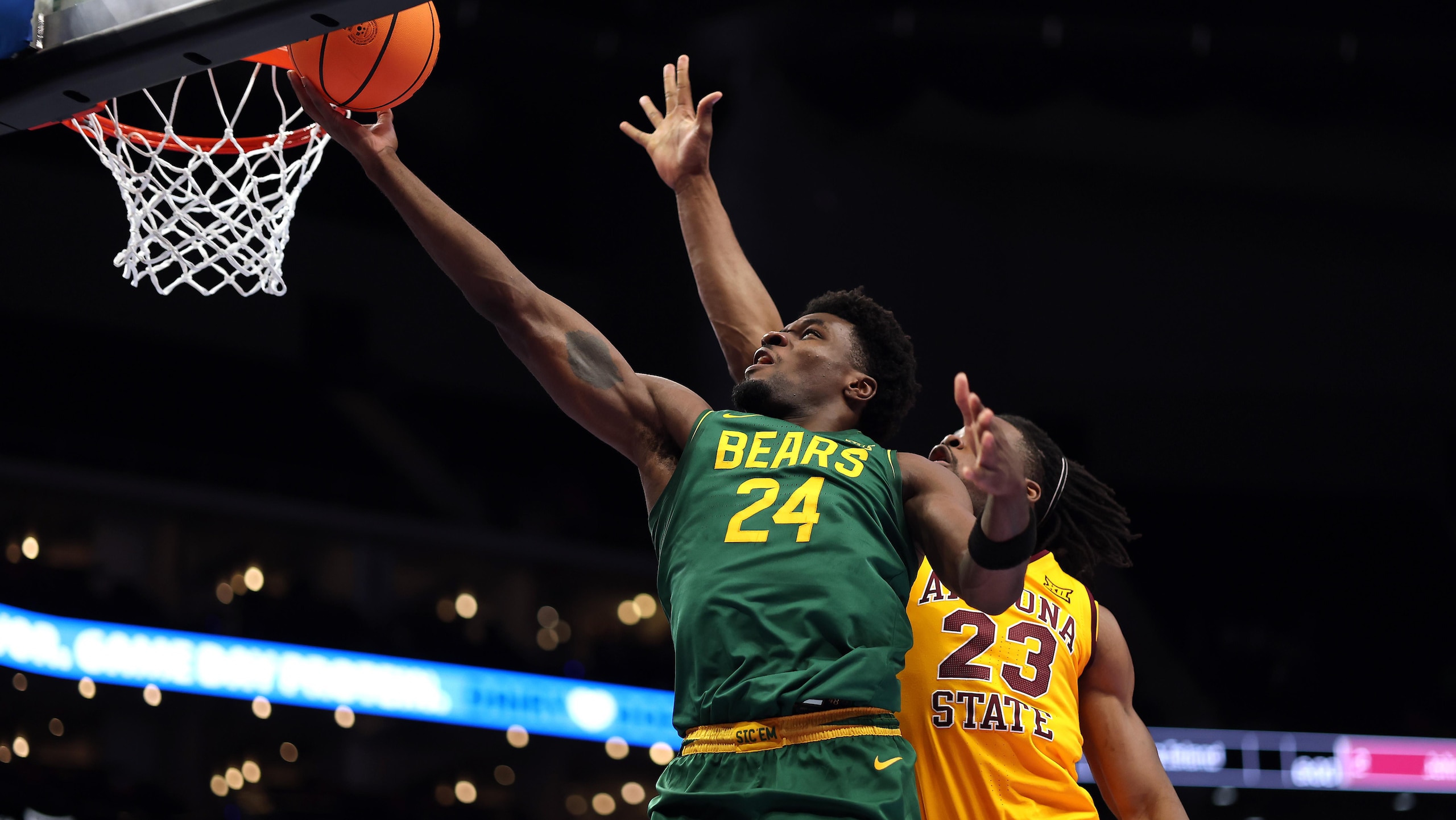
Maybe the Mavericks' decision-makers feel differently, but they feel primed for some big swings at this draft. Between the depth of this draft class and the fact Dallas won't control its own first-rounder again until 2031, this might be the Mavs' best hope for expanding their core around Cooper Flagg.
Yessoufou has more tools than helpful talent right now, but his athleticism gives him a decent margin for error as he develops. If everything breaks right, he could be a downhill attacker, an open-court asset, a possession-extending offensive rebounder, and a defensive playmaker—and, if we're getting greedy, at least a semi-consistent outside shooter, too.

.jpg?w=2560 "Report reveals list of next NFL international locations")
.jpg?w=2560 "Breaking News")