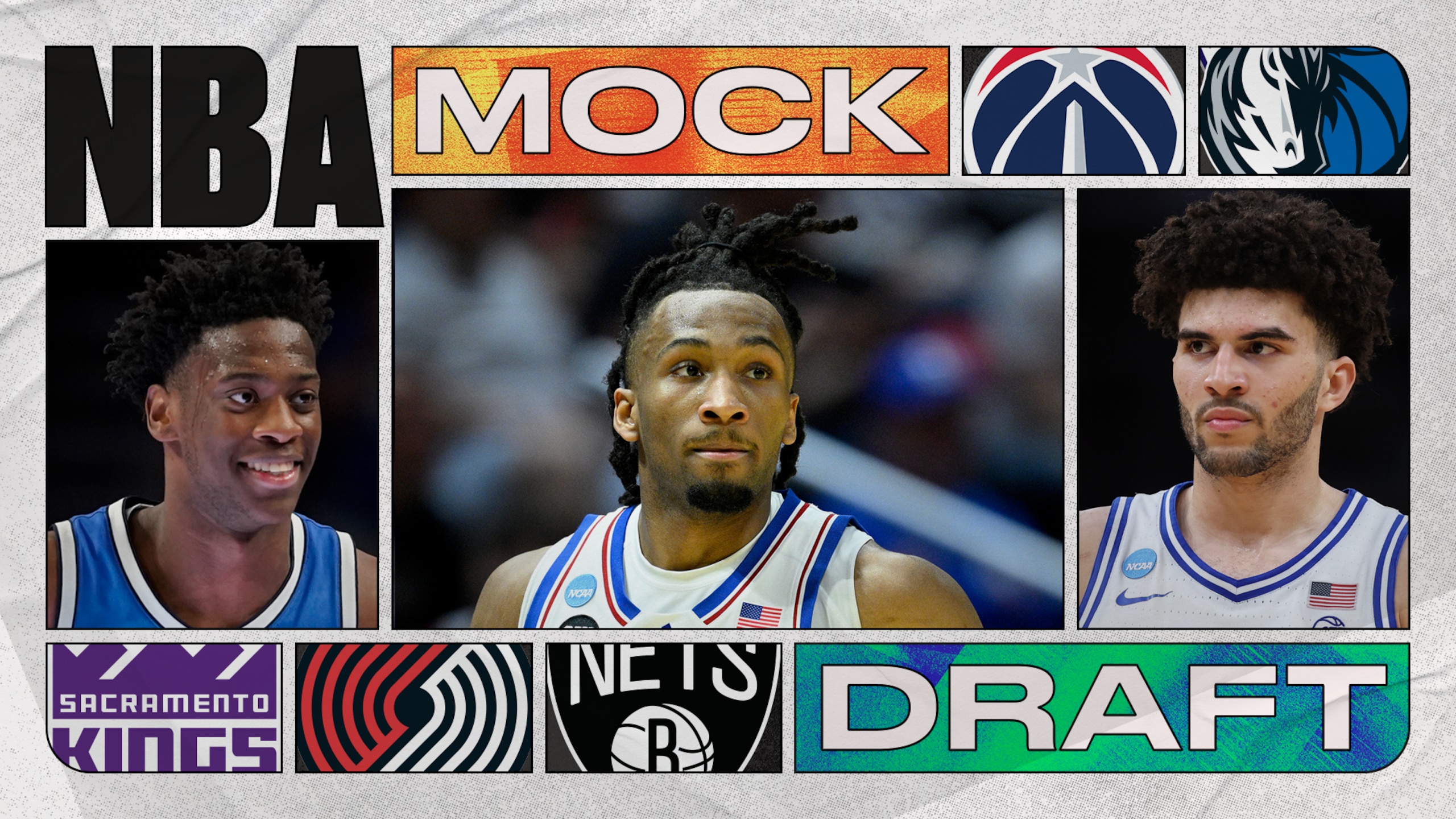


NBA scouts will keep plenty busy during the weekend's prospect-rich Final Four.
While you never want to put too much weight on a single-game evaluation, a huge showing under college basketball's brightest lights could still impact the upcoming draft board.
Maybe Keaton Wagler goes berserk and cements himself as a top-five prospect. Perhaps a steamrolling showing from Arizona locks Brayden Burries into the top 10 and Koa Peat into the lottery. Or if Braylon Mullins goes all-out onions again, he might push for top-10 consideration.
There's so much these prospects—and all those training at home to show-out on the workout circuit—can still do to move up (or down) the board. And speaking of movement, teams will likely swap selection spots, too, when the ping-pong balls get sorted out.
To imagine how things might lock, let's fire up Tankathon's lottery simulator to sort the order for this mock. Without spoiling too much, the Dallas Mavericks and Portland Trail Blazers were easily the biggest winners, while the Indiana Pacers ran unopposed as the clearest (and most crushed) losers.
1. Washington Wizards: AJ Dybantsa, SF, BYU
1 of 30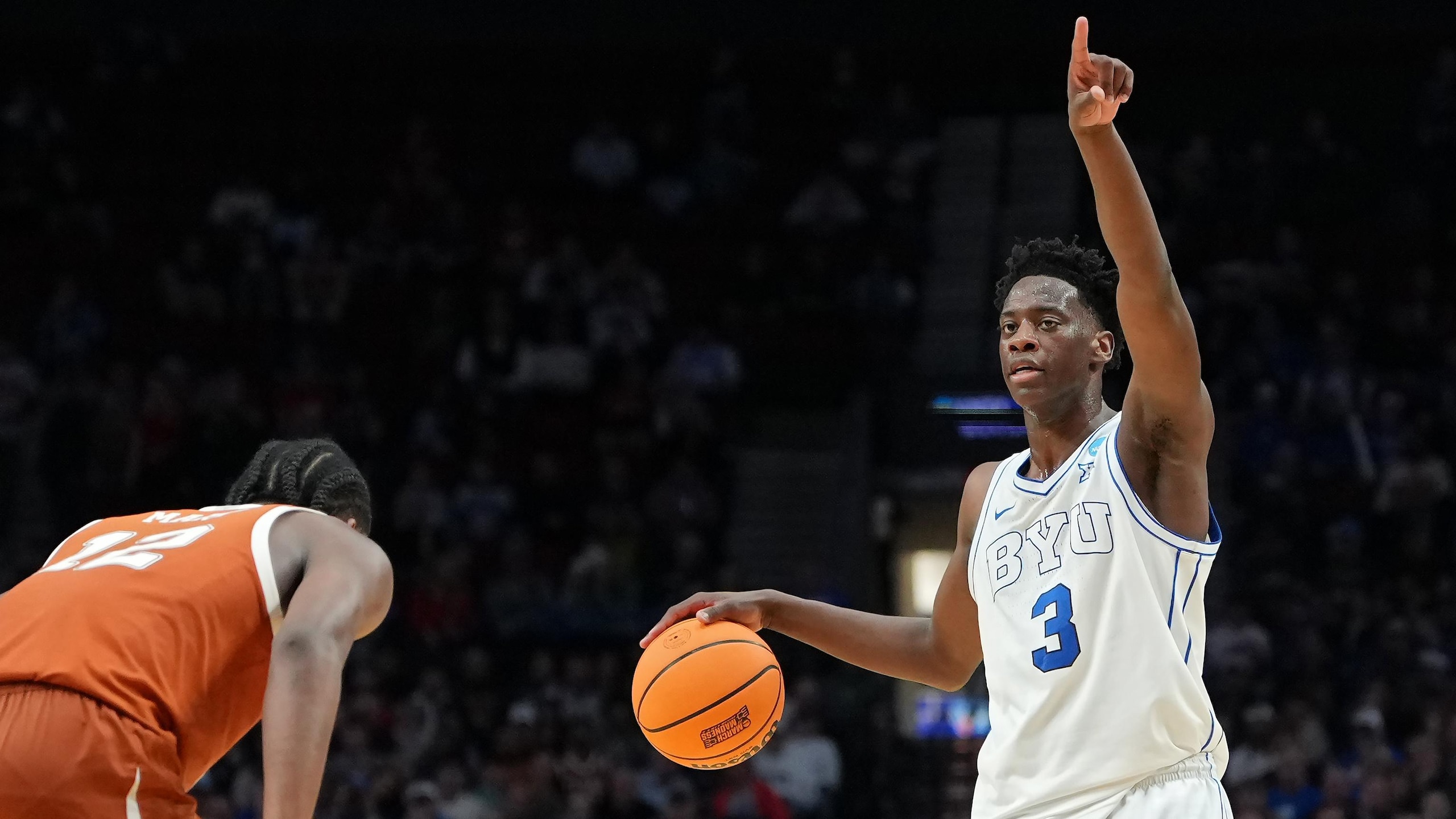
After trading for both Trae Young and Anthony Davis this season, the Wizards are clearly hoping to pivot out of their tank-fueled rebuild. Snagging the lottery's jackpot prize and getting Dybantsa as a possible finishing piece on the wing would lock Washington into must-watch territory for the 2026-27 campaign.
The Tracy McGrady clone paced the nation in scoring this season—as a teenaged freshman on a top-25 team. Dybantsa pairs unfair fluidity with explosive athleticism, then maximizes every bit of his physical gifts with a far-ranging skill set featuring creation, handling and three-level scoring.
The deeper things have moved into draft season, the less likely it's seemed there's a real debate of who's going No. 1. Franchises are forever on the hunt for toolsy and skilled big wings, and Dybantsa aces that archetype while still possessing ample room for further evolution.
2. Dallas Mavericks: Darryn Peterson, SG, Kansas
2 of 30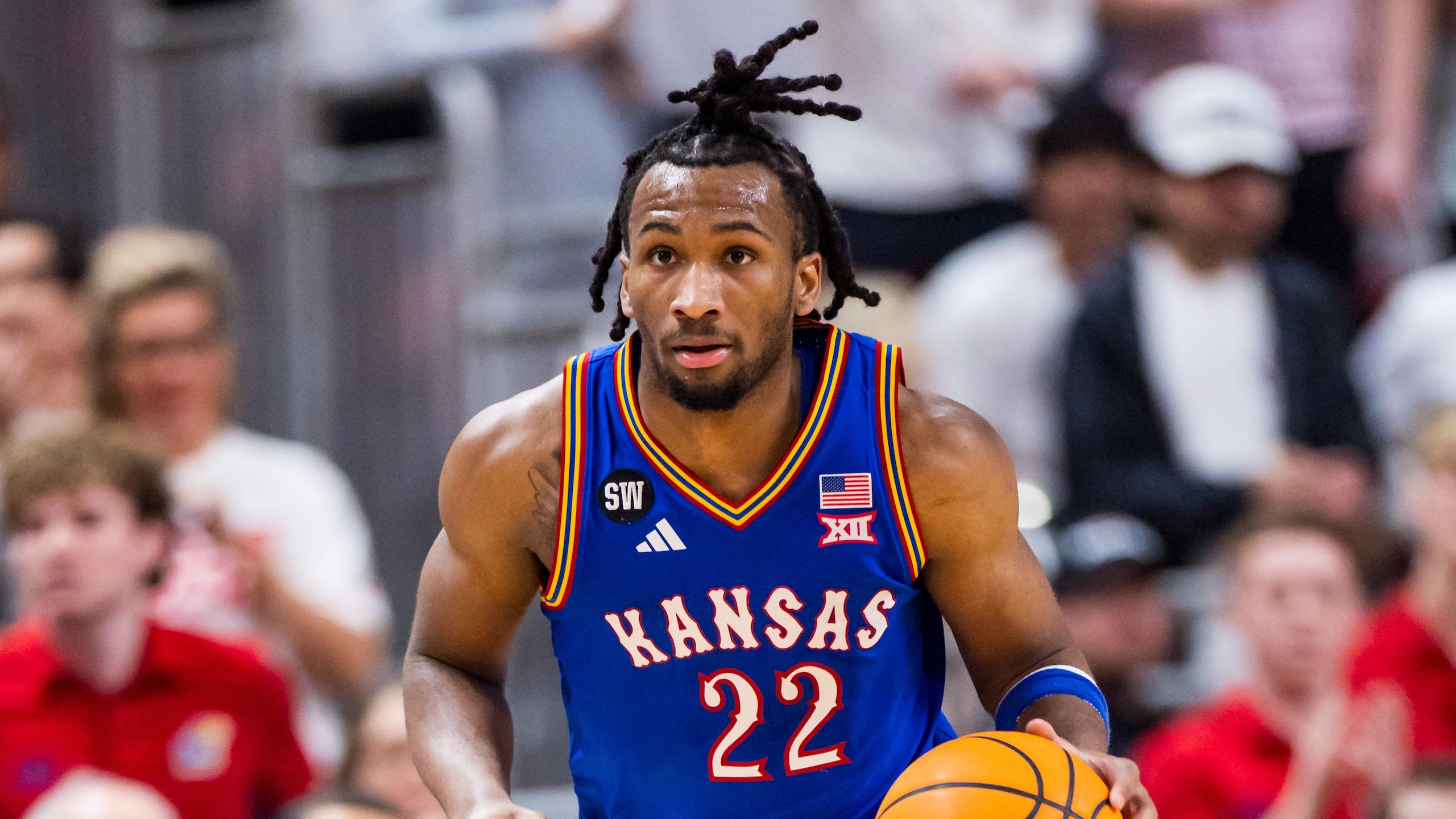
All eyes will be on the medicals with Peterson after his stop-and-go season with the Jayhawks. It still feels foolish from this perspective to let him fall out of the top two, but Yahoo Sports' Kevin O'Connor noted that "league sources have said since midseason that there's a chance Peterson could slip." O'Connor notably also mocked Peterson at the No. 5 pick.
Assuming Peterson's medical reports don't raise red flags, though, it's hard to envision the Mavericks letting him pass by. They need a co-star for Cooper Flagg, and Peterson could be elite in that role. Having filled an off-ball role with the Jayhawks and an on-ball roll on college, Peterson could both complement Flagg and keep things humming with this season's top pick needs a break.
Peterson powered though physical limitations and spotty spacing to average 20.2 points while shooting 38.2 percent from three. His shotmaking looks special, his defense is pesky and his finishing could be electric if the vertical pop he showed during his prep career returns.
3. Sacramento Kings: Cameron Boozer, PF, Duke
3 of 30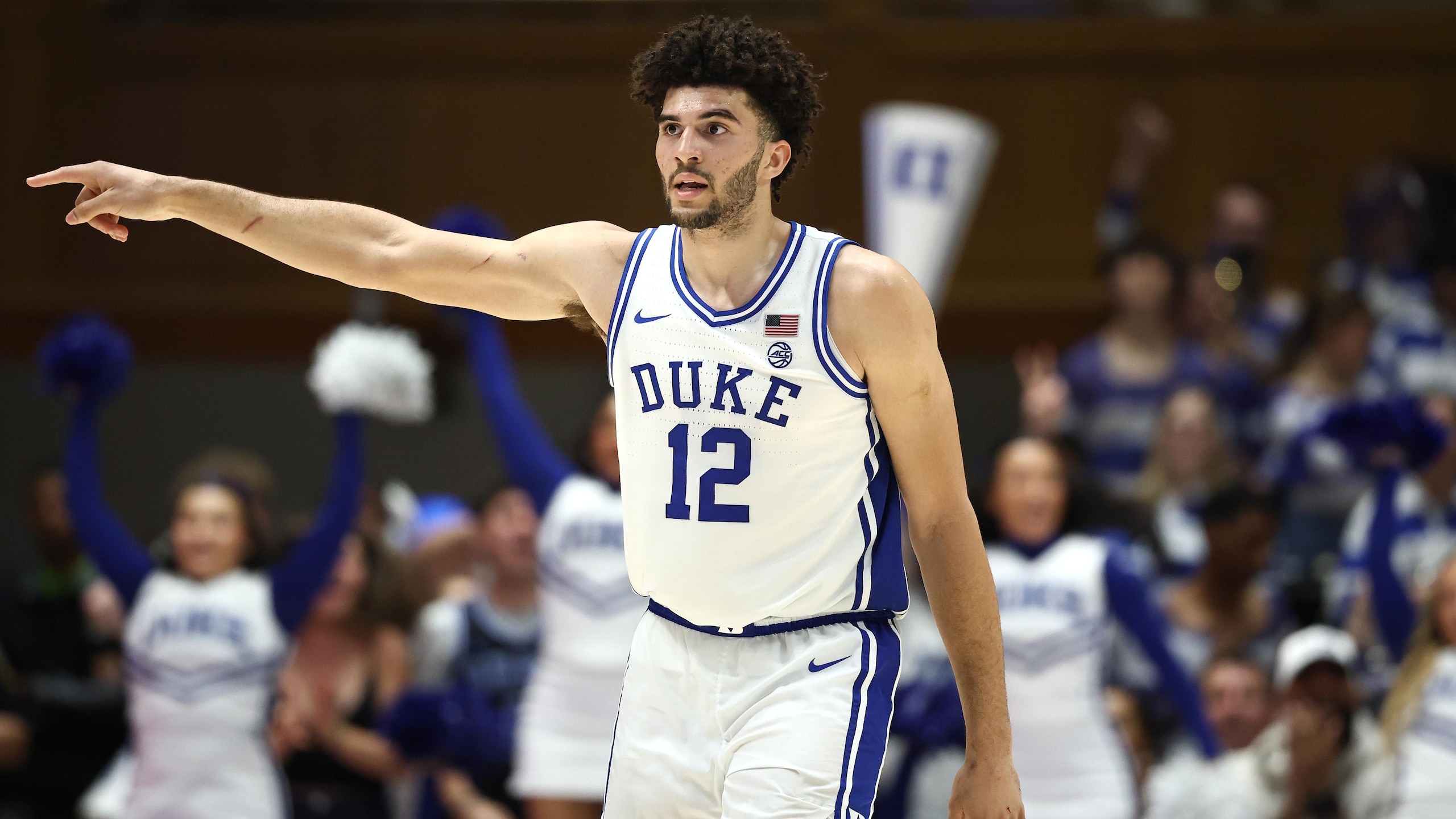
The Kings could be tempted to overthink this. If they agree with the skeptics who question Boozer's long-term potential, they might consider letting him pass by and trying to fill their De'Aaron Fox-sized hole at point guard here.
This still assumes, though, that logic will win out in Sacramento. (Never a safe assumption, by the way.) Boozer's production, polish and winning pedigree should combine to form an irrefutable argument here.
Skill-wise, there are almost no holes in his game. He packs a paint-to-perimeter scoring punch, shares the ball, crashes the glass and creates advantages for himself and his teammates. His physical tools are still iffy, though, and they could make it tricky for him to find a comfortable defensive fit.

4. Portland Trail Blazers: Caleb Wilson, PF, North Carolina
4 of 30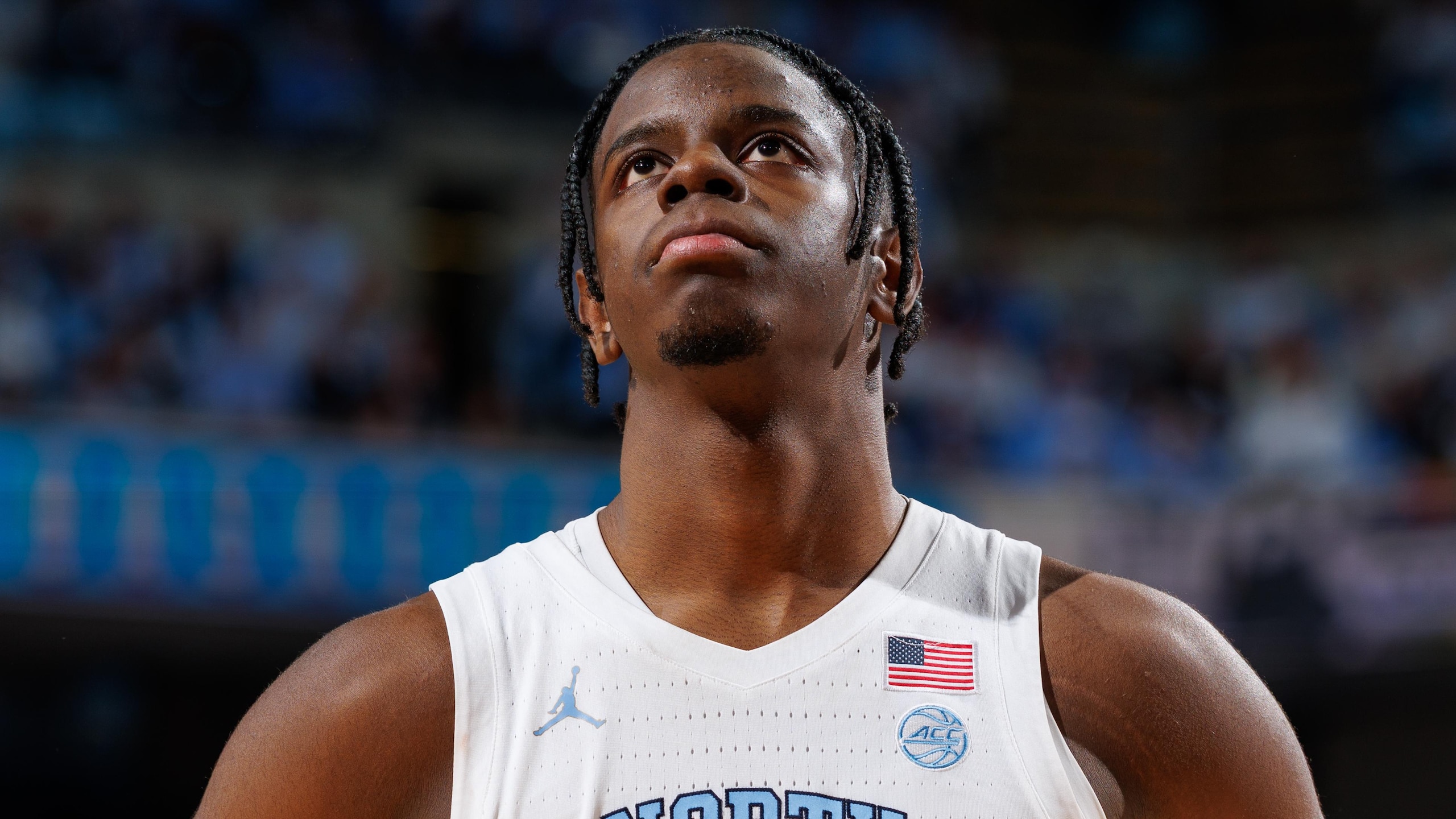
A season-ending thumb injury theoretically put Wilson into out-of-sight, out-of-mind territory, but evaluators won't forget how objectively awesome he looked before going down.
He might be the best athlete in this class. When he wasn't keeping the poster-printing business going, he was routinely stuffing his defenders in a locker. He dunks everything in sight, thrives in transition and never quits on a play.
Portland's lottery winnings here could mean good fortunes for Wilson, too. He needs a little time to impact the game with more than explosion and energy—shooting and handling are big swing skills—and the Blazers are deep enough up front to not ask too much from him too quickly.
5. Brooklyn Nets: Darius Acuff Jr., PG/SG, Arkansas
5 of 30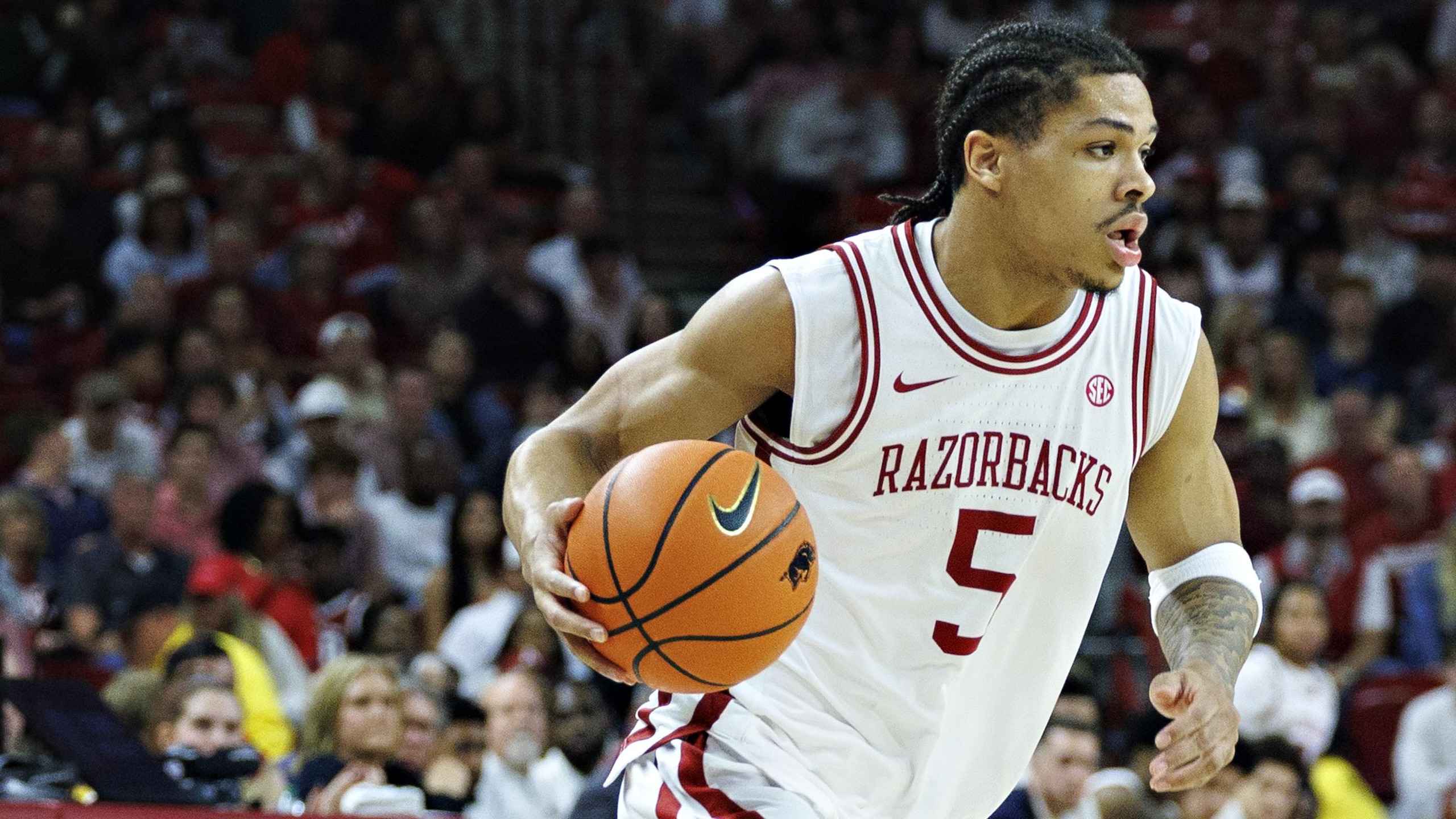
Acuff arguably helped himself as much as any prospect during the college basketball season's final stretch. The 49-burger he served up in mid-February was a real head-turner, and he basically kept cooking up offensive delicacies from there. Over his final seven outings (six in SEC or NCAA Tournament play), he averaged 29.6 points on 46/47.8/84.3 shooting.
When O'Connor pushed Peterson out of his top four, he filled the void by slotting Acuff third overall. "He looks like a future All-Star who can toggle between a score-first or pass-first approach," O'Connor wrote.
The Nets might have a lot of young talent, but they're still awaiting a true franchise face. Acuff might be exactly that, and he'd be a super-fun fit with Egor Dёmin, since both look capable of thriving on or off the ball.
6. Los Angeles Clippers (via IND): Keaton Wagler, PG/SG, Illinois
6 of 30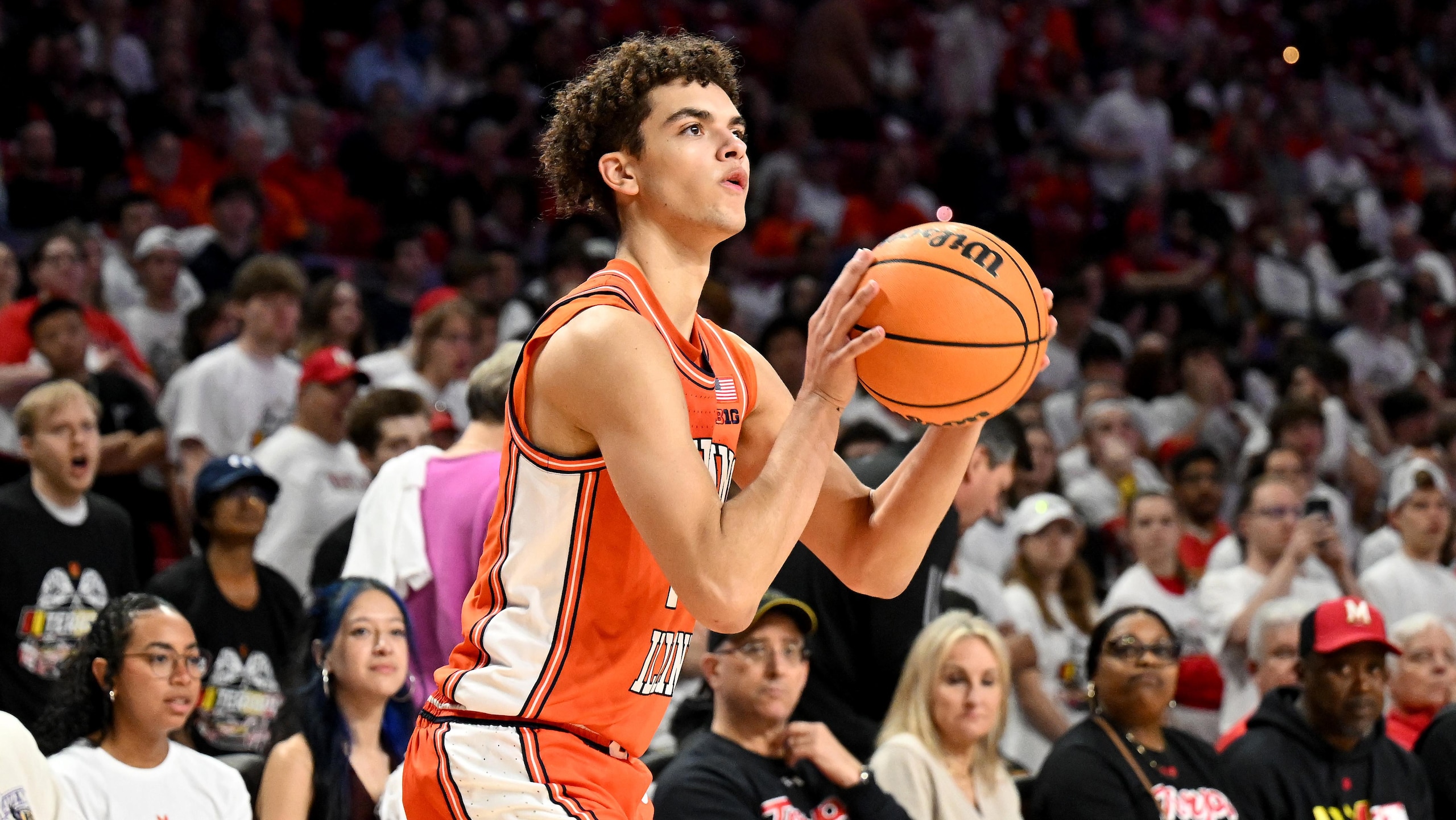
Before getting into Wagler, let's take a quick pour-one-out pause on behalf of the Pacers. Because if the ping-pong balls don't bounce their way, they don't merely slide down the board, they're suddenly out of a first-round pick, which is protected for selections 1-4 and 10-30.
This also arguably calls for some bottle popping on the Clippers' behalf, because this is close to a best-case scenario for them. It's not just about getting the No. 6 pick, it's having access to Wagler, a 6'6" combo guard who has spent the season rocketing up draft boards on which he wasn't initially included.
Save for his size, there's nothing notable in his physical profile, and maybe that murks up his long-term fit with Darius Garland. Or perhaps they'd just be overpowered while splitting on-ball and off-ball reps, since Wagler impresses with his feel, shooting, under-the-rim finishing and slippery play style.
7. Utah Jazz: Kingston Flemings, PG, Houston
7 of 30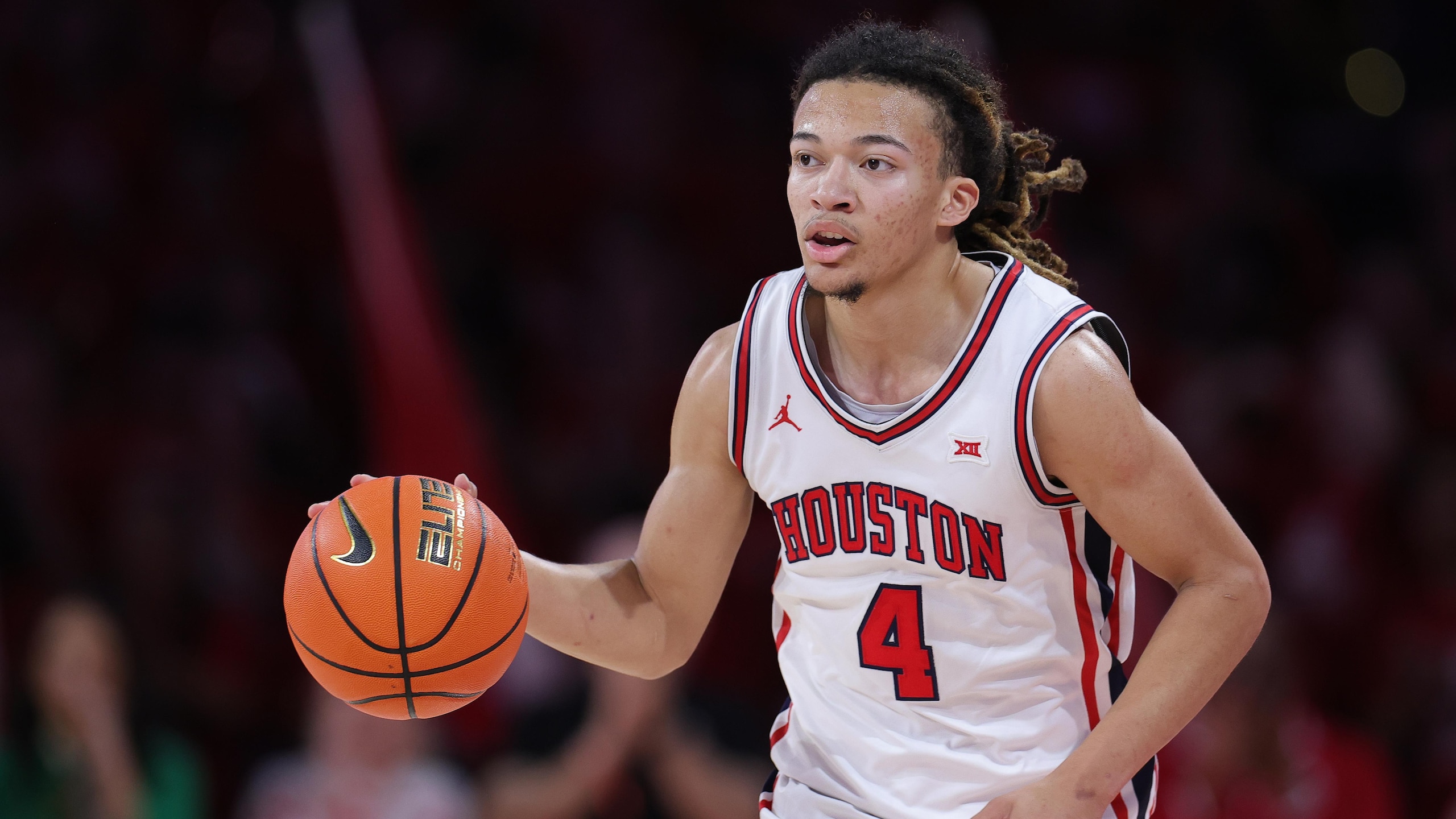
If there weren't questions about Flemings' shooting potential, he probably wouldn't fall this far. He is a 6'4" tone-setting lead guard who can play faster than most without losing control.
It feels like NBA teams—even ones with the kind of win-now intentions Utah will presumably carry into next season—can entrust him to pilot their offense already. He has blow-by burst and the right blend of vision and instincts to leverage those openings into clean looks for himself or his teammates.
And even if upping his volume wound up dropping his shooting rates (38.7 percent from three, 84.5 percent at the line), the Jazz could be equipped to handle that. They shouldn't be hurting for shooting with Jaren Jackson Jr. joining Lauri Markkanen and Keyonte George in the first five.
8. Atlanta Hawks (via NOP): Mikel Brown Jr., PG/SG, Louisville
8 of 30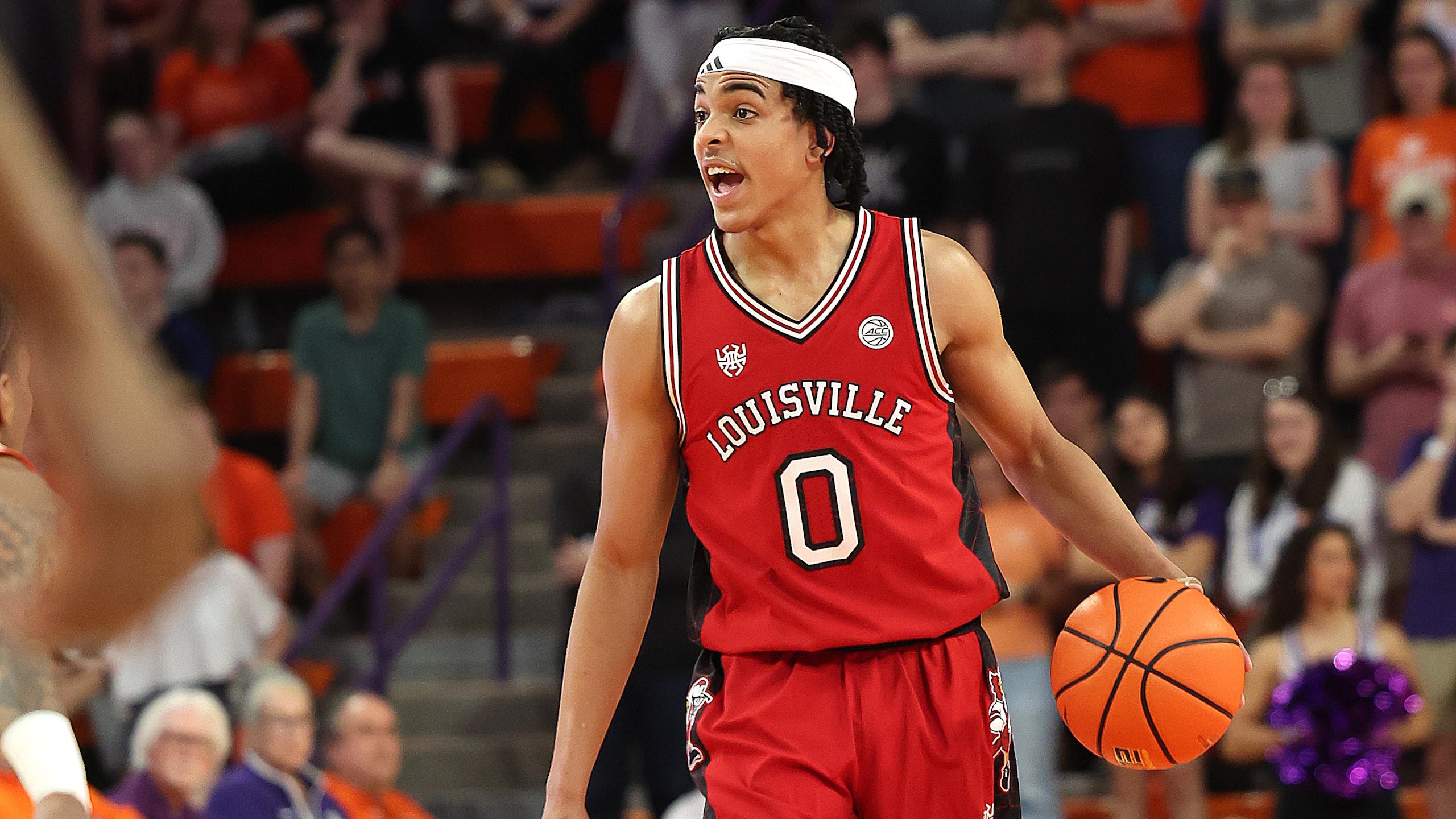
There's some eye-of-the-beholder variance in the evaluations of Brown. Some will see the inconsistency and forgettable efficiency and decide he's not the right player for them.
The Hawks, though, could envision a plug-and-play replacement for Trae Young. Especially if they cut Brown some slack for his up-and-down stat line, since he was battling a back injury and shouldering a sizable offensive burden.
If Atlanta envisions lead-guard potential, there's plenty to like about a 6'5" shotmaker with creativity and deep range. And even if it's unconvinced he can be a full-time floor general, that shouldn't be a deal-breaker when the offense already runs through Jalen Johnson.
9. Memphis Grizzlies: Nate Ament, SF, Tennessee
9 of 30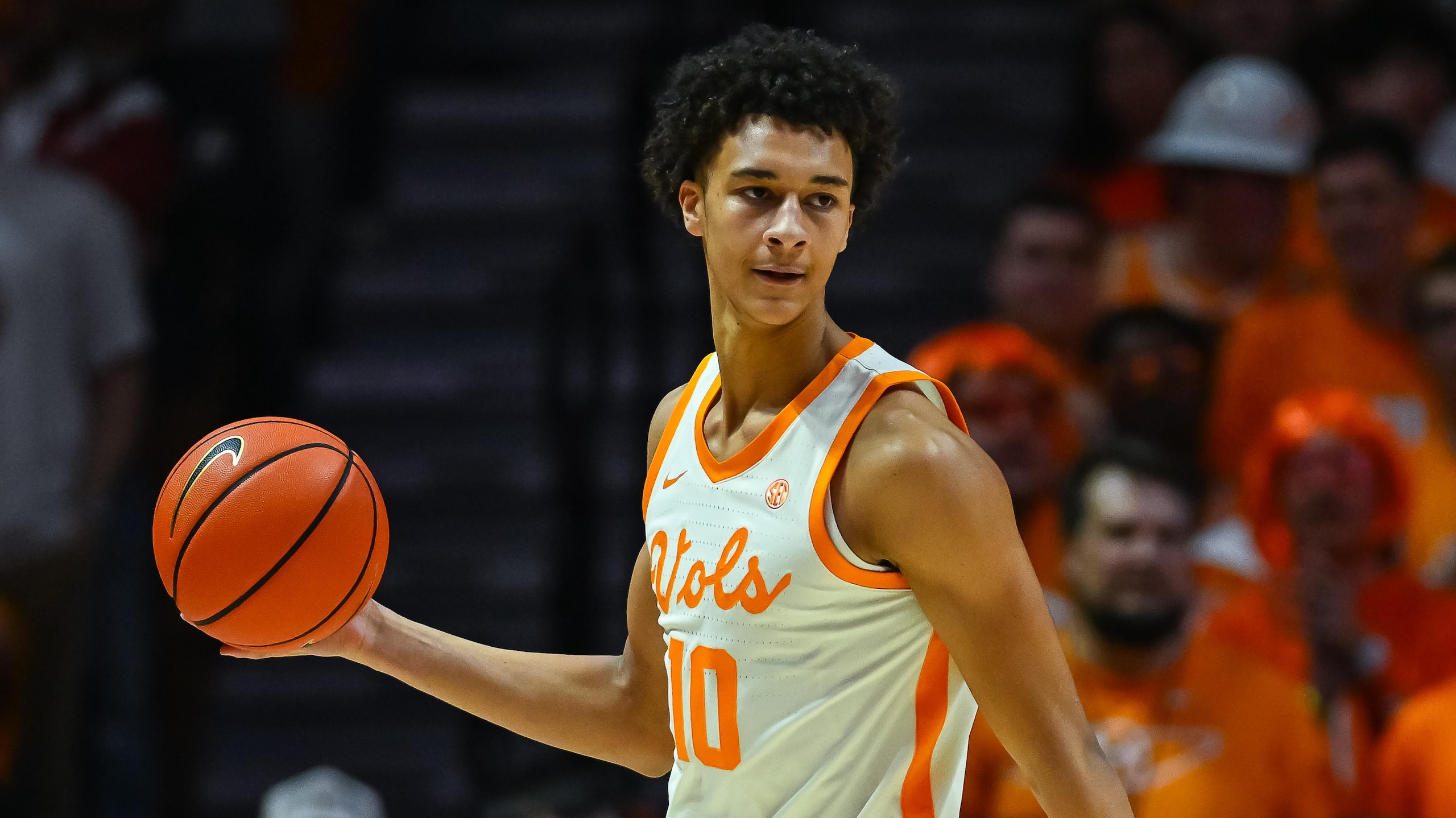
Taken as a whole, Ament's freshman run at Tennessee underwhelmed. He had top-five buzz heading into it and exited it without consensus top-10 status. That's what can happen when a 6'10" forward shoots below 40 percent from the field.
That said, there wildly encouraging flashes in between his deer-in-headlights start and momentum-killing ankle injury in late February. That's when scouts were reminded why they already had stock invested. Players his size with dribble-pass-shoot skills don't come around often and are highly valuable if they can max out their potential.
With the Grizzlies sitting a(n overdue) Ja Morant trade away from an organizational overhaul, they're as primed as anyone to take a big swing.
10. Chicago Bulls: Brayden Burries, SG, Arizona
10 of 30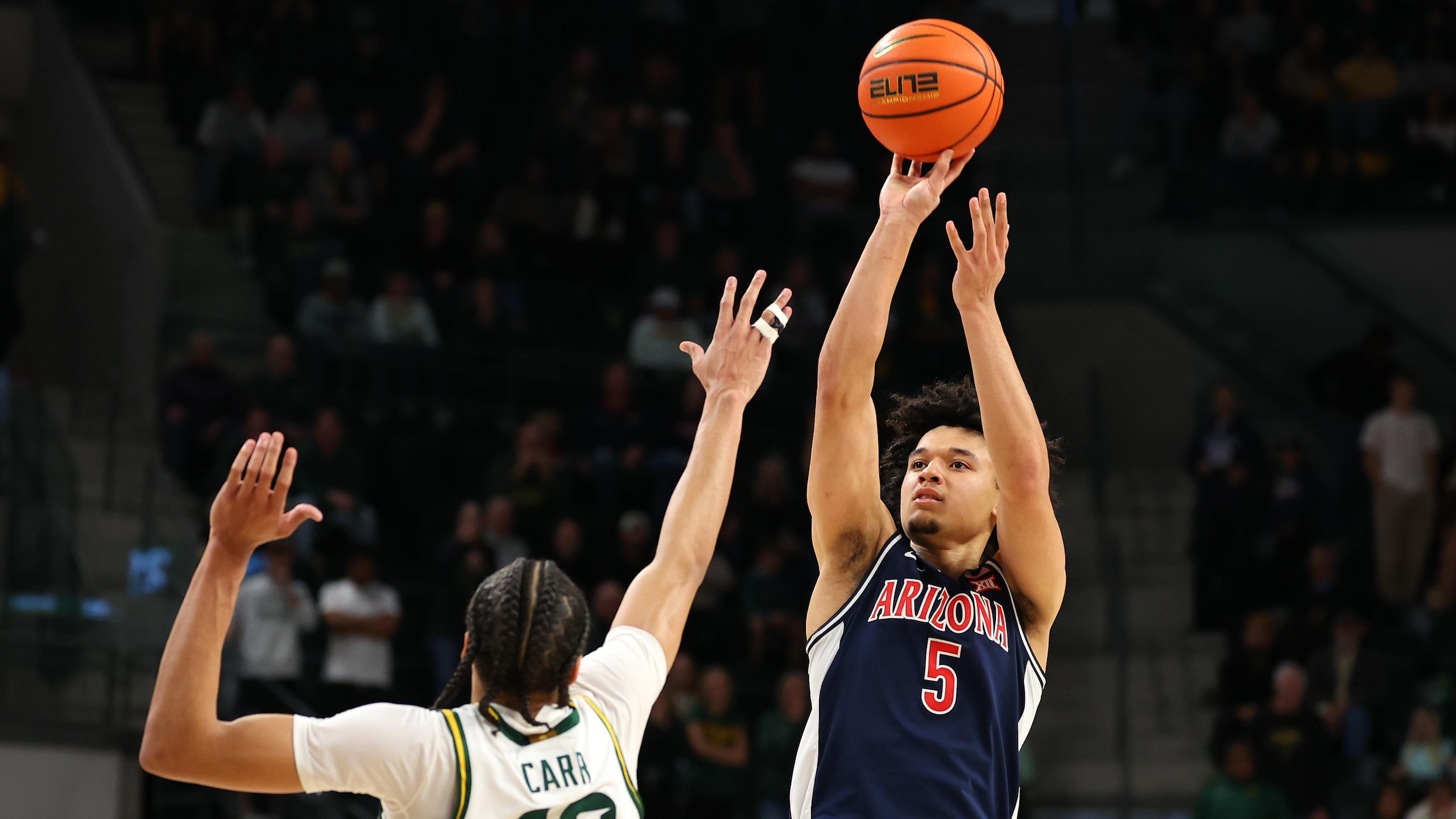
The Bulls would love to go star-chasing in this draft, but they'd need lottery luck to do it. And since they didn't get any here, they instead snatch up Burries and feel like they maybe just snatched up a backcourt fixture for the next decade.
He doesn't wow with physical gifts (he's 6'4" and not explosive), but he brings a wealth of basketball skills and a razor-sharp competitive edge. He understands how to get to his spots, and he won't force the issue when he gets denied.
While upside would be ideal for Chicago, what it really needs are more keepers. Burries surely looks like the latter, and he might offer some of the former if he can continue improving his ball skills.
11. Milwaukee Bucks: Labaron Philon Jr., PG, Alabama
11 of 30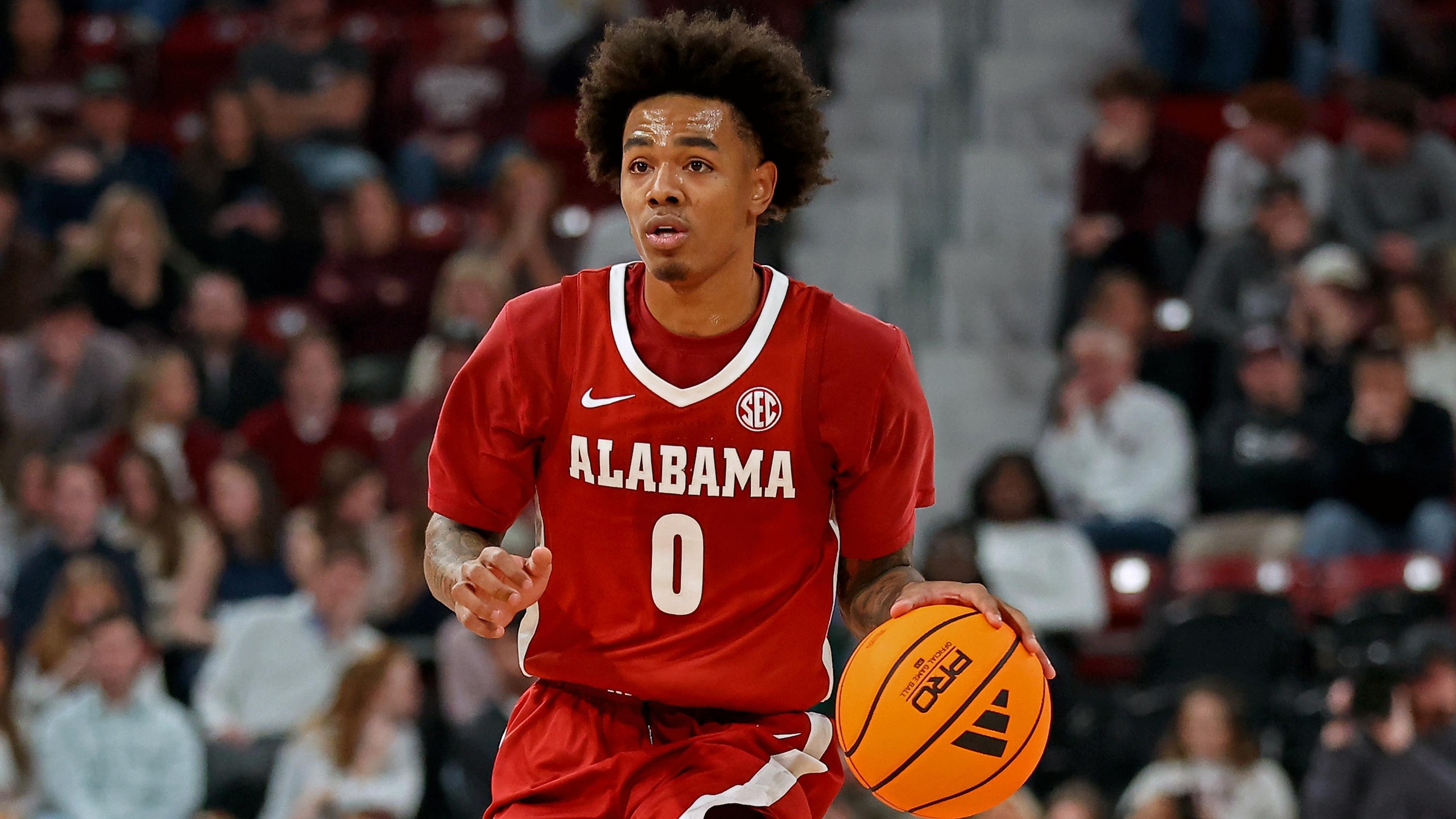
Philon made four appearances in this NCAA Tournament. In three of them, he poured in at least 28 points. In the other, he had 12 assists. Even if it's tricky to take his numbers at face value—since he's working with a neon-green light that he won't have at the NBA level—it's also probably foolish to dismiss them outright.
Do the Bucks need another offense-first guard in the mix? That's debatable, but this probably isn't—A roster this top-heavy should almost always take the best player available. And if Milwaukee moves this pick to get Giannis Antetokounmpo some help, Philon is exactly the kind of prospect a trade partner could be moving up to get.
12. Golden State Warriors: Koa Peat, PF, Arizona
12 of 30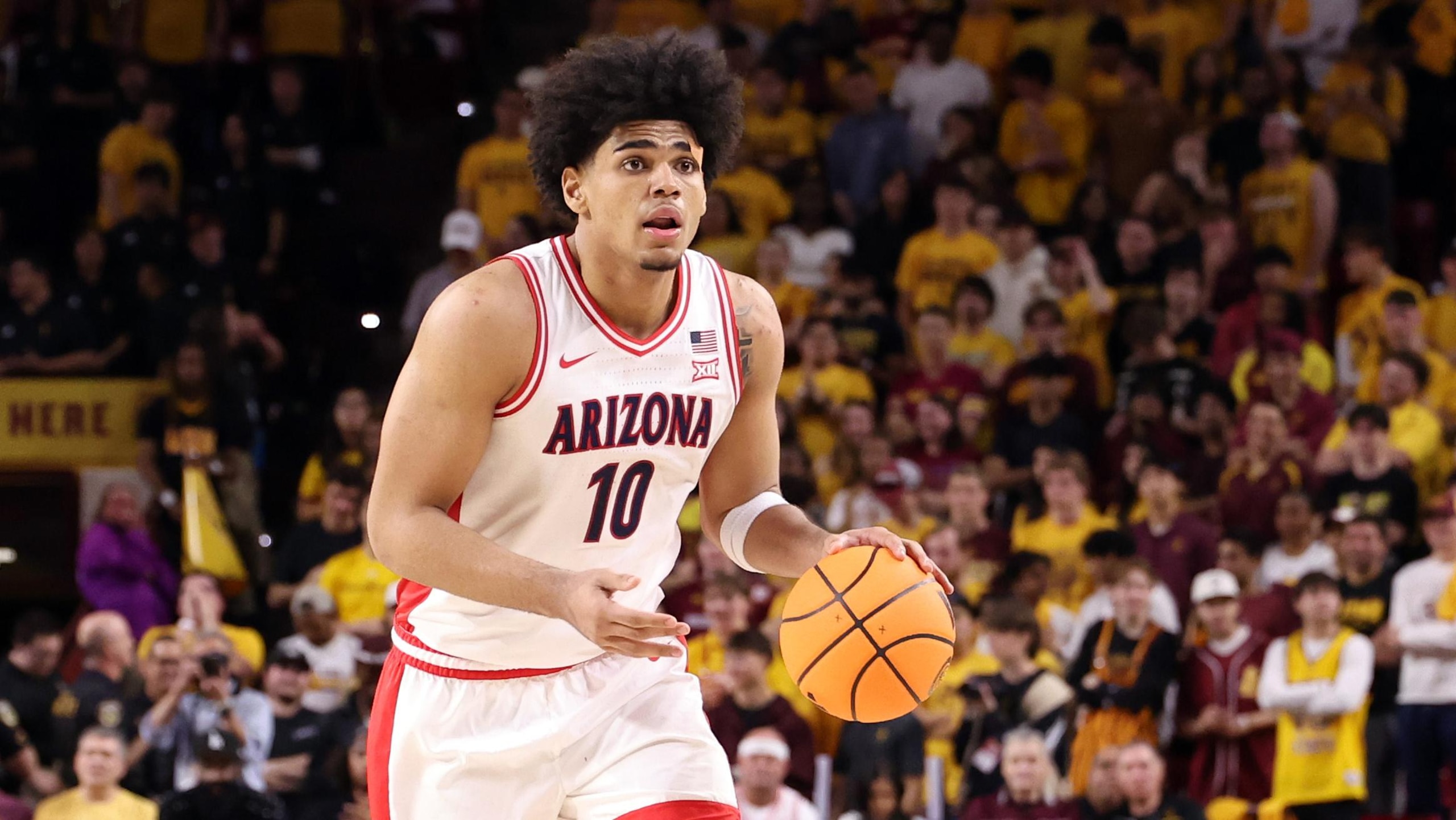
If the Warriors keep this pick, they'll almost certainly invest it in someone who can contribute to winning right away. With Peat being one of the primary reasons Arizona ranks as one of the top teams in the nation—an ascension Steve Kerr has appreciated up close—you can see how Golden State would be drawn to his complementary skills.
Now, the Dubs (and other NBA teams) would probably like him even more if he had a reliable three-ball, but he brings so much else to the hardwood that they might be willing to live with that omission. If they are, they could get a physical, versatile, competitive forward who knows what's required to help a winning program complete the puzzle.
13. Miami Heat: Cameron Carr, SG, Baylor
13 of 30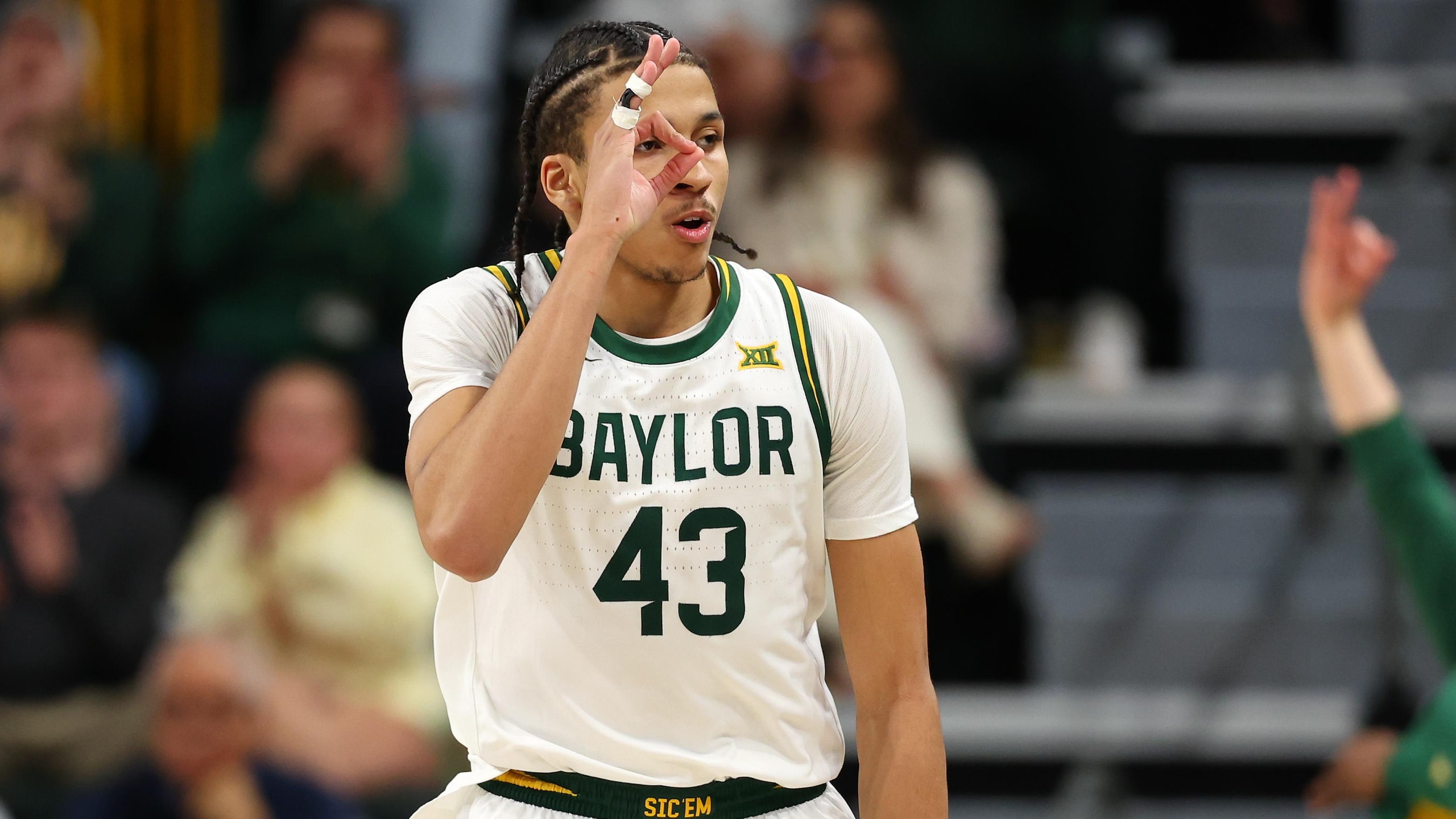
With free agency awaiting Norman Powell and another round of potentially awkard talks perhaps sitting ahead of Tyler Herro, Miami might need to think backcourt here. The draft board still needs to break right, obviously, but it does here with the athletic, sweet-shooting Carr making a decent case as the best prospect on the board.
The closer this talent grab gets, the earlier you'll see Carr getting mocked. He may not have layers upon layers of skills, but a 6'5" net-shredder with bounce sort of sells itself. And getting to Miami could be great for him, since the Heat's conditioning program might be exactly what he needs to fill out his 175-pound frame.
14. Memphis Grizzlies (via ORL): Braylon Mullins, SG, UConn
14 of 30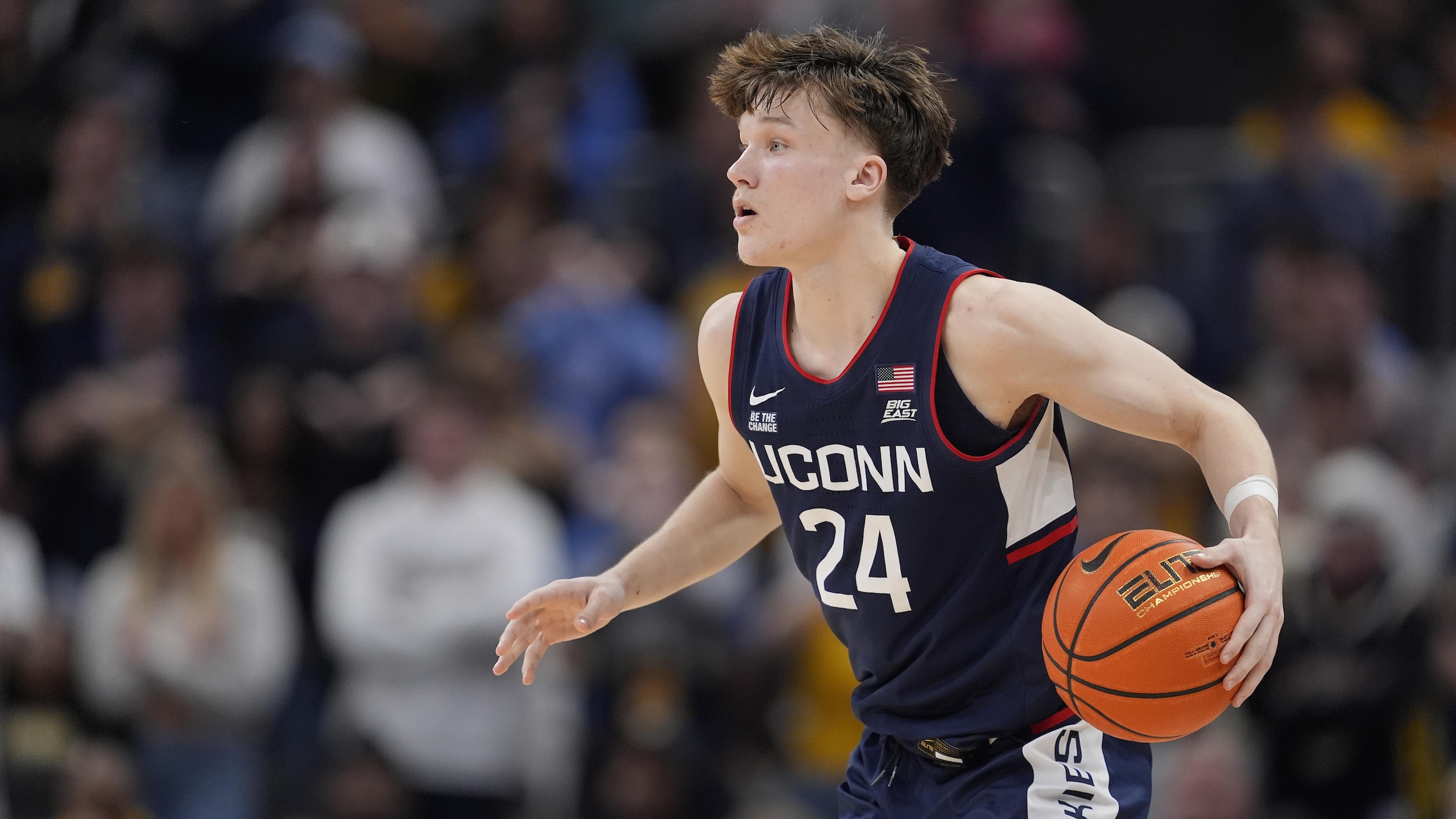
March is magical for a lot of reasons, but here's one that might not always come to mind: Have a moment on this stage, and it sort of trumps everything else. Like, did anyone realize (or care) that Mullins was 4-of-23 from distance in this tournament before dropping that dagger against Duke? Of course not. That's already a legendary shot.
For him to pull in that moment speaks to both his supreme confidence and his in-the-arena range. He competes defensively and has some handles, so he doesn't have to serve as only a shooting specialist. Still, the Grizzlies could use more breathing room as they rebuild their offense.
15. Oklahoma City Thunder (via LAC): Jayden Quaintance, PF, Kentucky
15 of 30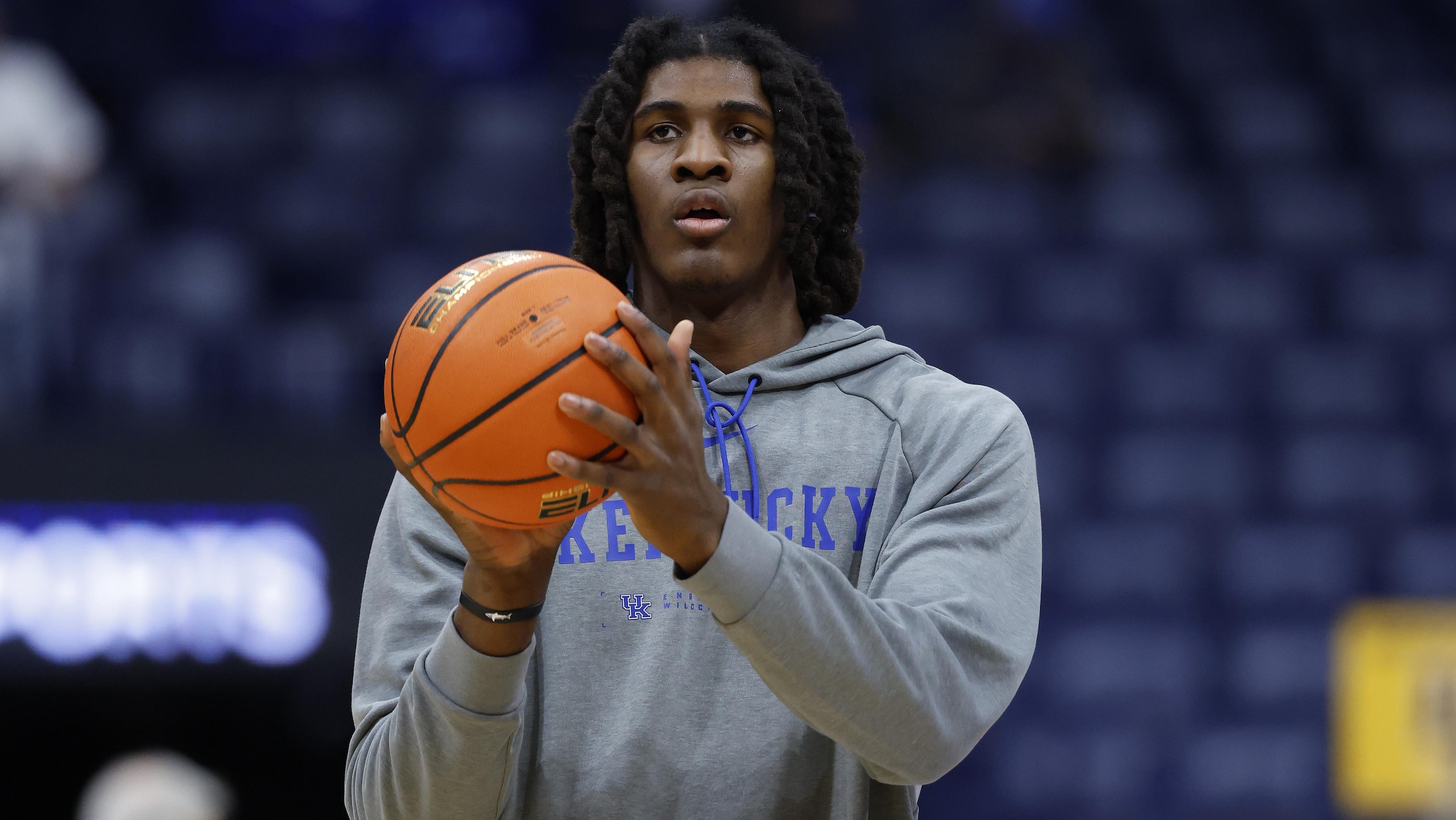
Oklahoma City often winds up with more draft picks than available rotation spots, so the Thunder have been more willing than most to take medical risks (and, usually, hand out medical redshirts). Add another to the list here with Quaintance, who suffered a devastating knee injury as a freshman and suited up just four times as a sophomore.
There are questions about both his availability and the state of his offense, but his defense could be special. Before the injury, he showed explosive ability around the basket and impressive mobility away from it.
16. Charlotte Hornets: Yaxel Lendeborg, PF, Michigan
16 of 30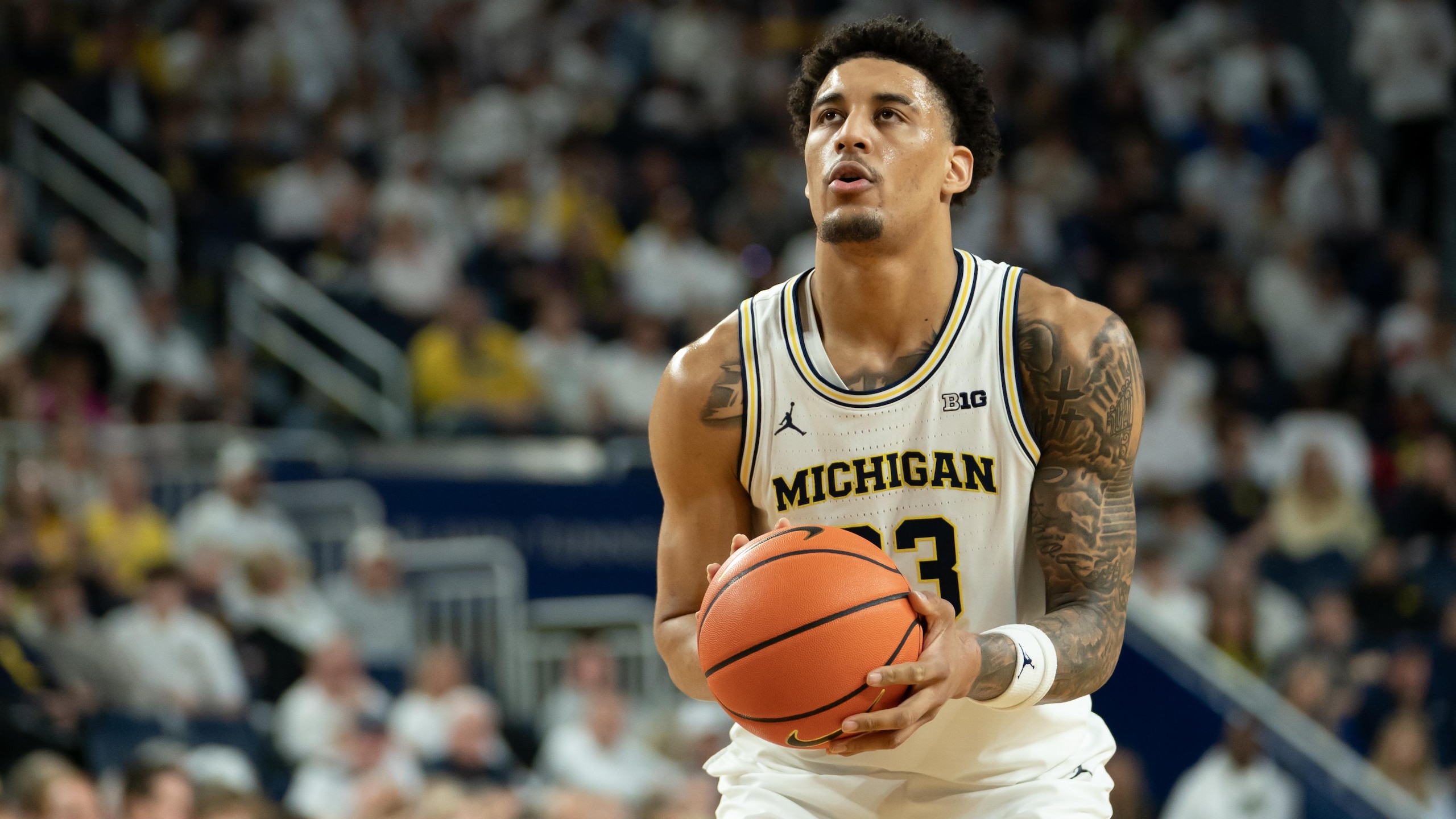
The Hornets don't have to search for upside. Between LaMelo Ball, Kon Knueppel and Brandon Miller, they might be set on stars. So, if they're looking to fill in the cracks around them, it would make tons of sense targeting Lendeborg as a big, long, bouncy glue guy.
He's a versatile, relentless contributor at both ends, and he wouldn't have trouble finding his role—even if it changed from night to night. And, honestly, if he finds consistency with his outside shot, he might force his way into Charlotte's growing constellation, too.
17. Toronto Raptors: Hannes Steinbach, C, Washington
17 of 30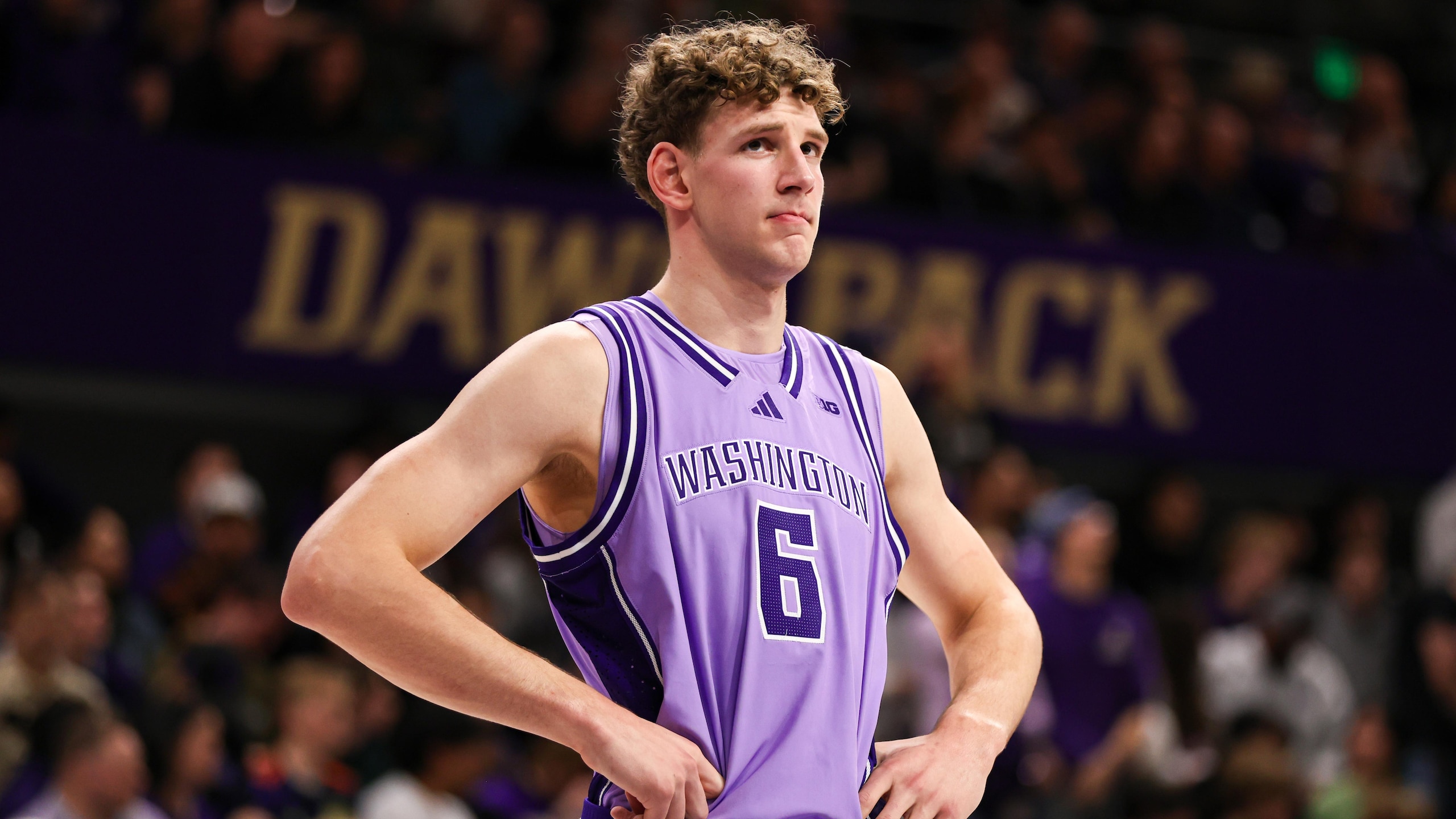
Whether the Raptors want protection for Jakob Poeltl's injury trouble or an eventual replacement, Steinbach can provide both.
There might be bouncier bigs, but there are few with better feel—especially at 19 years old. He'll provide interior buckets and boards right away, and the hope is he'll add three-point splashing to that mix sooner than later.
18. Charlotte Hornets (via PHO): Dailyn Swain, SF, Texas
18 of 30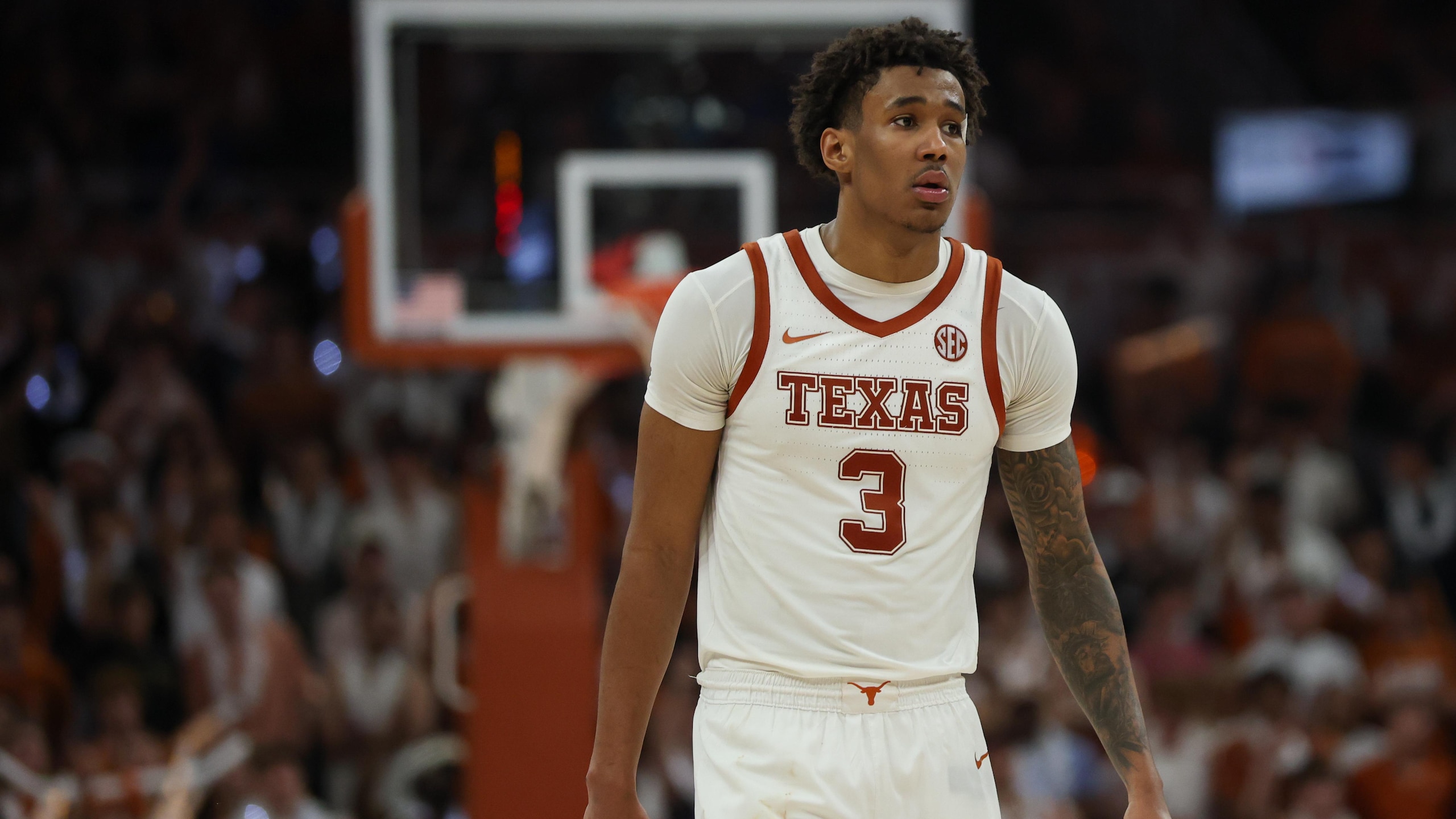
Swain brings some really good qualities to the hardwood. He is slippery and strong going to the rim and creative on the end of his downhill drives. He can find shots for teammates, finish them from midrange and make plays defensively.
What he can'd do is shoot from distance, and it's hard to say if he'll ever have that in the arsenal. For a team with as much firepower as Charlotte has, though, a versatile stopper and inside-the-arc scorer should check enough boxes.
19. Oklahoma City Thunder (via PHI): Thomas Haugh, SF/PF, Florida
19 of 30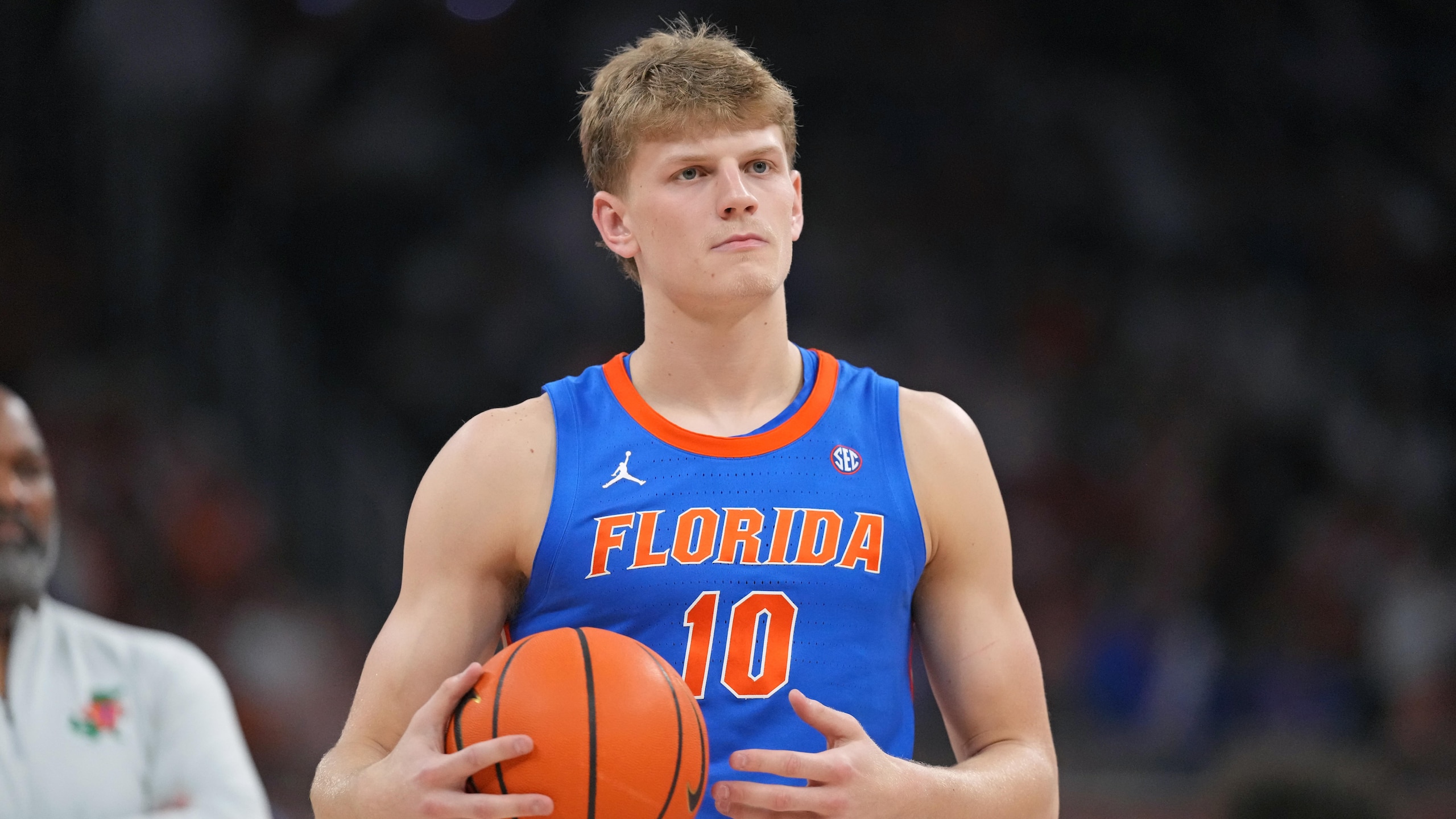
Is this the summer when the Thunder start watching their spending? With Jalen Williams and Chet Holmgren starting to collect their max extensions next season, and Shai Gilgeous-Alexander's supermax kicking in the following year, that time could be coming soon.
In other words, as deep as Oklahoma City currently appears, it might have a pressing need for cheap, reliable contributors sooner than later. Haugh could be up to that task. He's a hard-work glue guy at heart, and he'd get even more helpful in a complementary role if he can up his shooting consistency.
20. San Antonio Spurs (via ATL): Aday Mara, C, Michigan
20 of 30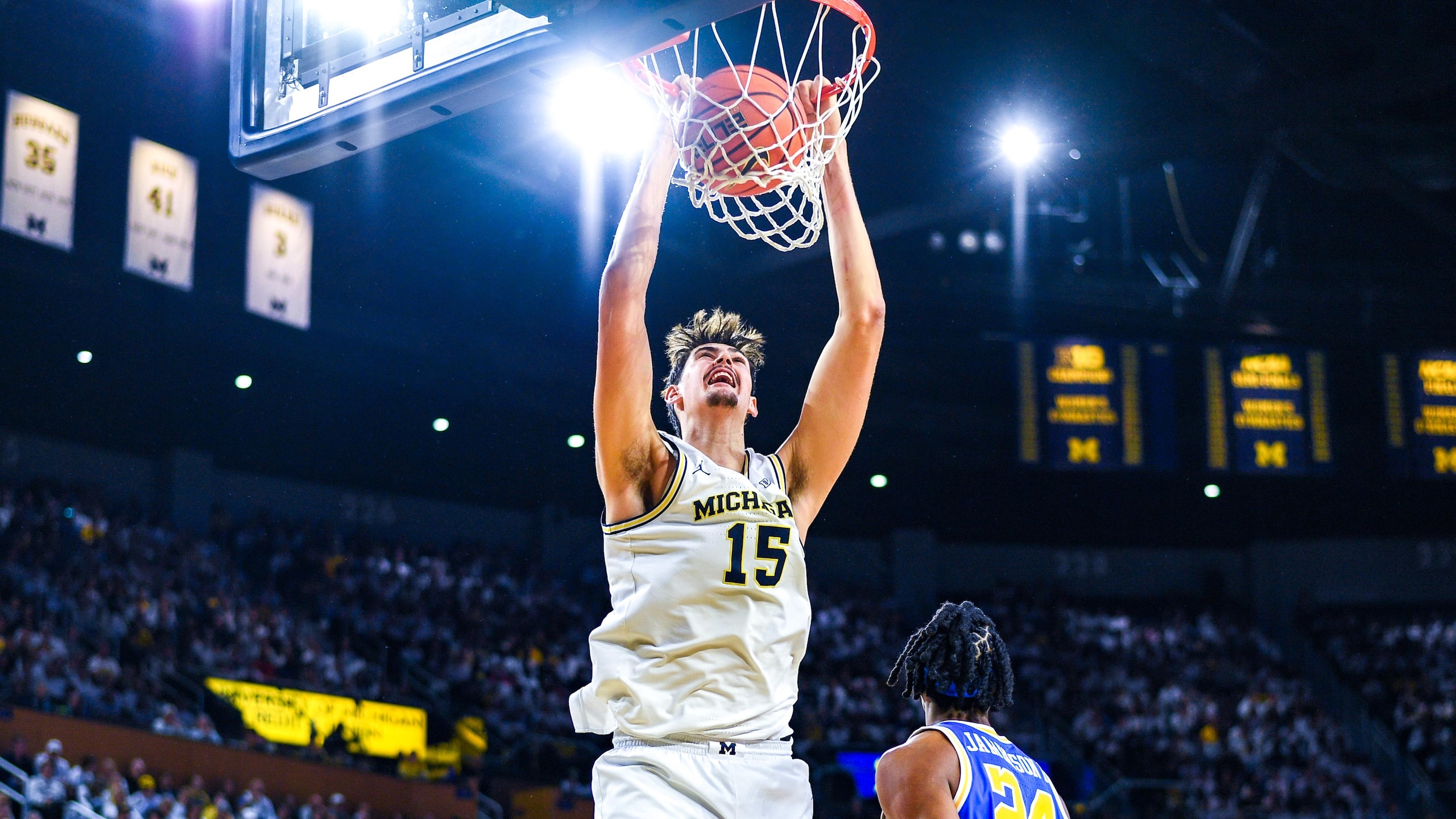
The Spurs clearly like having other interior options behind Victor Wembanyama, and they might need new alternatives with free agency awaiting Kelly Olynyk, Bismack Biyombo and Mason Plumlee.
Mara is another impossibly long defender and finisher, and while his perimeter gifts are limited—he can't shoot or move well in space—he does have great vision for a big.
21. Detroit Pistons (via MIN): Karim Lopez, PF, New Zealand Breakers
21 of 30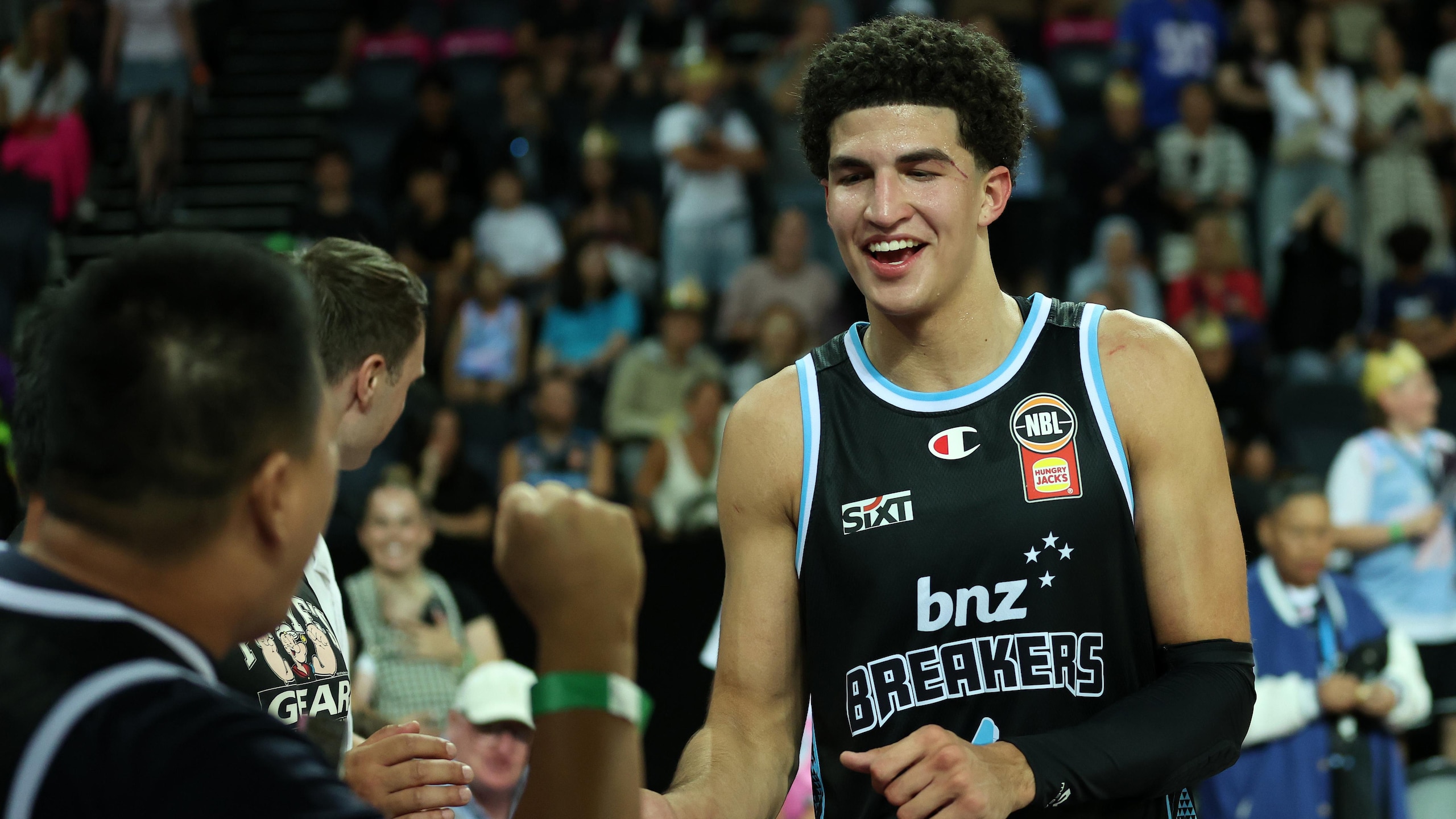
The Pistons probably prefer to shooting and creation here, and Lopez won't necessarily provide either one.
So, why take the swing? Because he fits Detroit's mold of playing with strength and tenacity, and he should have one of the higher ceilings as a scorer at this stage of the draft. His shooting is far from hopeless, by the way; it just needs some work.
22. Atlanta Hawks (via CLE): Morez Johnson Jr., PF/C, Michigan
22 of 30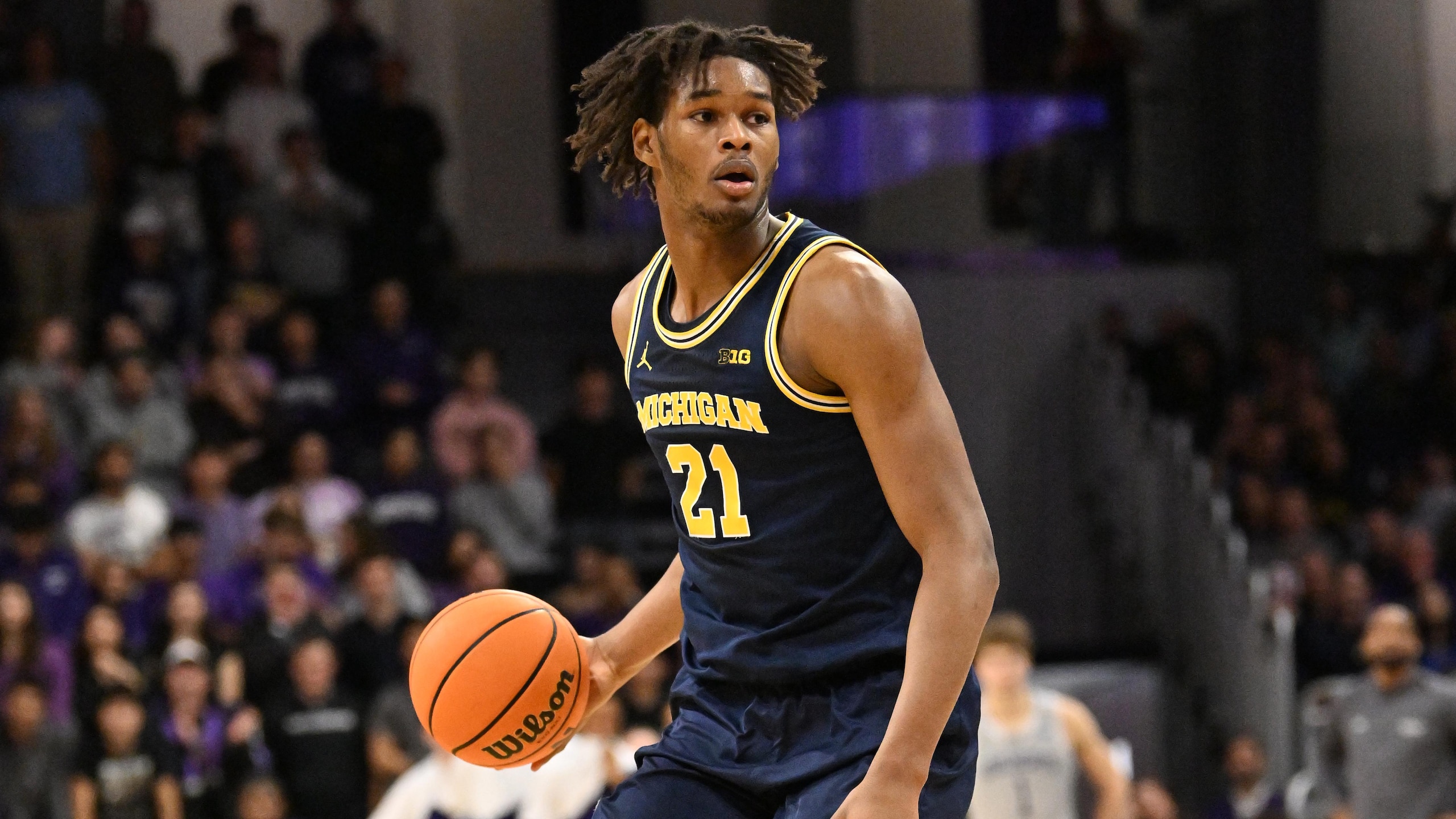
After adding a Trae Young replacement earlier in this draft, Atlanta can lean further into the long, lanky, disruptive identity it has formed without him here. Johnson is a team-first player through and through. He's a bit of a 'tweener on offense (not a shooter, maybe not big enough to play the 5), but he's also maybe the best Swiss Army knife defender in this draft.
"I think he's the best defender on one of the three best defenses in college basketball," The Athletic's Sam Vecenie wrote. "He's tremendous as a post defender, flying around in help and showcasing switchability on the perimeter. He's an incredibly versatile player on that end."
23. Philadelphia 76ers (via HOU): Patrick Ngongba II, C, Duke
23 of 30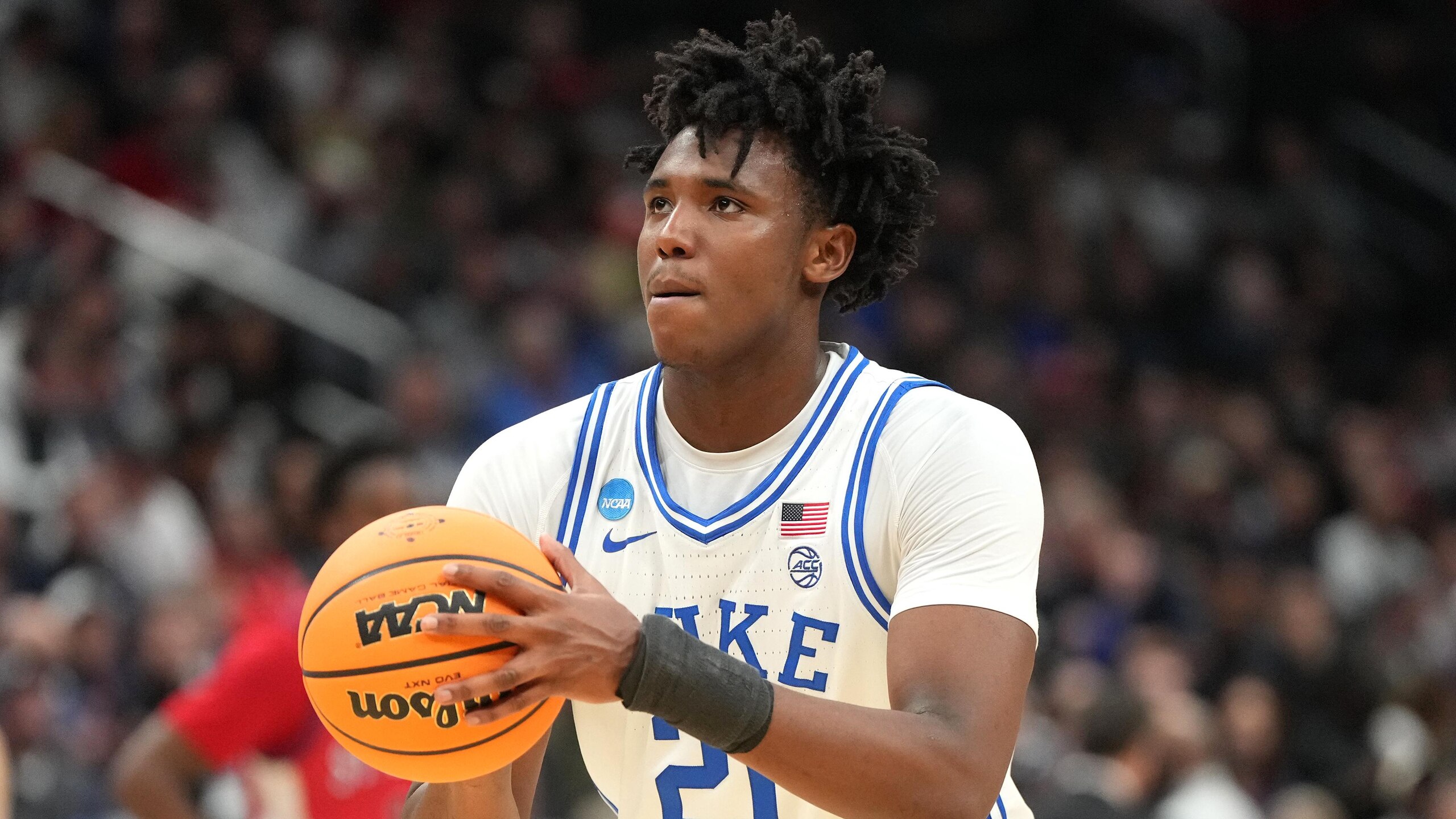
The Sixers can never have too many options behind Joel Embiid, and they certainly wouldn't if Andre Drummond departs in free agency.
Ngongba could help fill that backup big man void, though. His history of foot injuries will be a worry—especially for a team already having trouble keeping one center upright—but if he's healthy, he's a great dirty-worker. He runs hard, and he plays hard, but there's also purpose and mindfulness in all of that hustle.
24. New York Knicks: Chris Cenac Jr., PF, Houston
24 of 30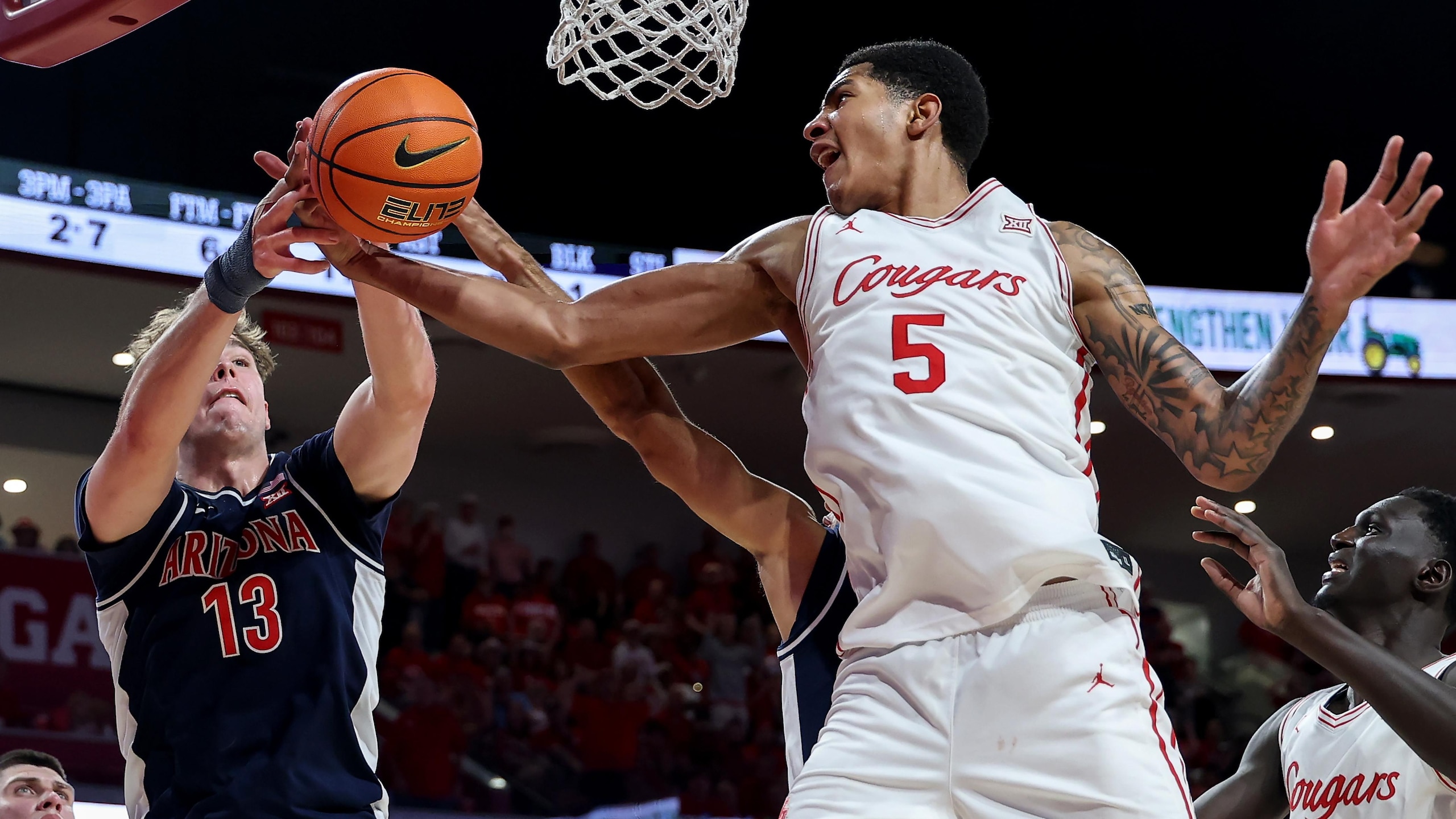
Cenac didn't quite have the freshman campaign he arguably could have, and maybe that gives him a reason to run it back with Houston and try again in the (notably shallower) 2027 draft. If he stays in the draft, though, teams will be drawn to his blend of wing-like athleticism and big-man length.
He'd be great if he embraced the less-glamorous work around the interior a bit more, but if he ever does, he has significant inside-out potential. And the Knicks probably need to target a big, since Mitchell Robinson could be a free-agency flight risk, and Karl-Anthony Towns might be a scapegoat trade candidate if they flame out of the playoffs early.
25. Denver Nuggets: Bennett Stirtz, PG, Iowa
25 of 30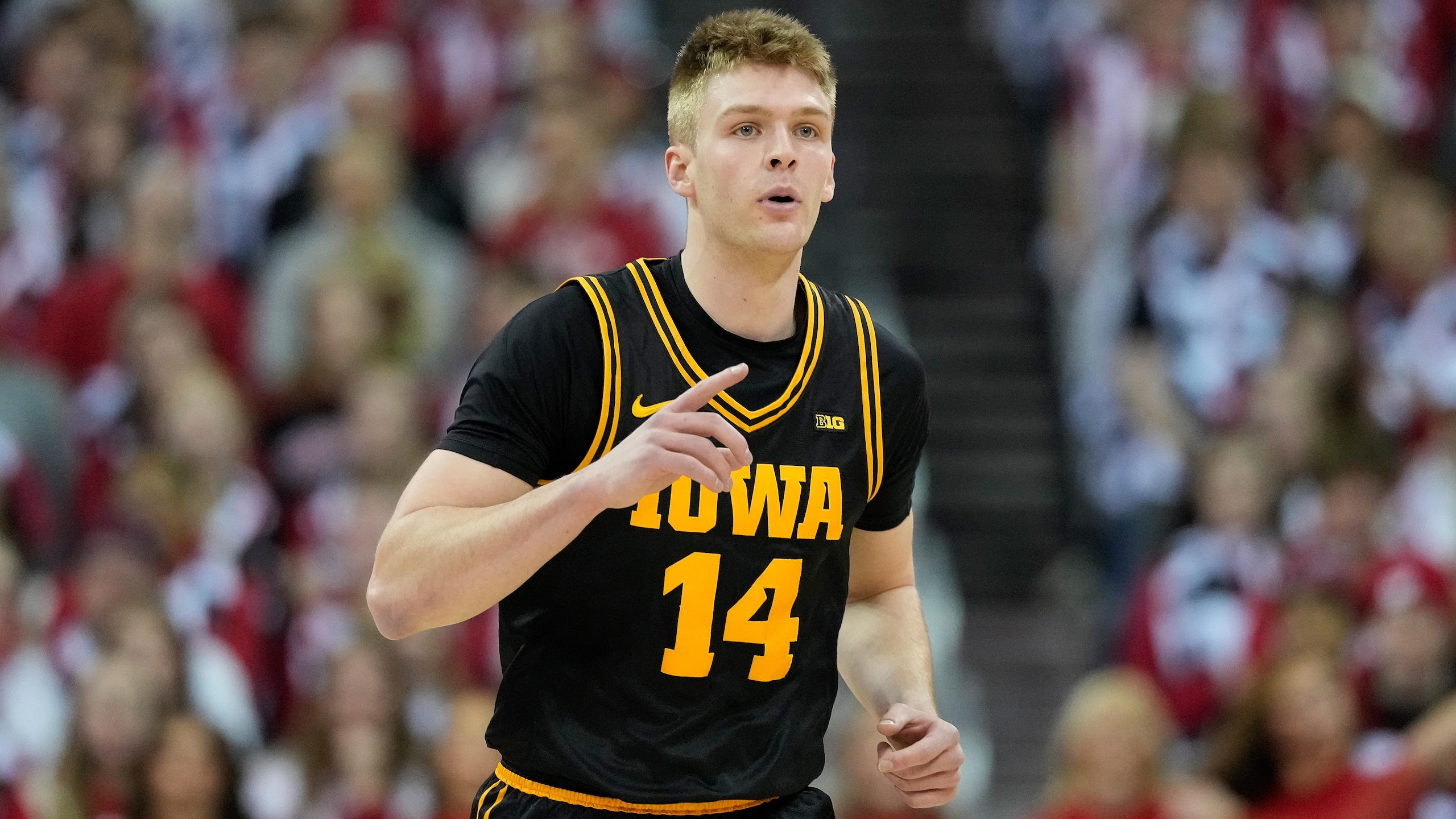
The Nuggets always need ways to keep things afloat without Nikola Jokić, and Stirtz could help with that. What really locks in this pick is the fact he could be just as good in an off-ball role alongside the three-time MVP.
He reads the game at a high level, shoots it from everywhere and keeps defenses off-balance with smart, simple passes or show-and-go pump-fakes. As long as the NBA doesn't physically overwhelm him, he should be a fit as a second unit's lead guard and a shotmaking connector when not running the show.
26. Los Angeles Lakers: Amari Allen, SF/PF, Alabama
26 of 30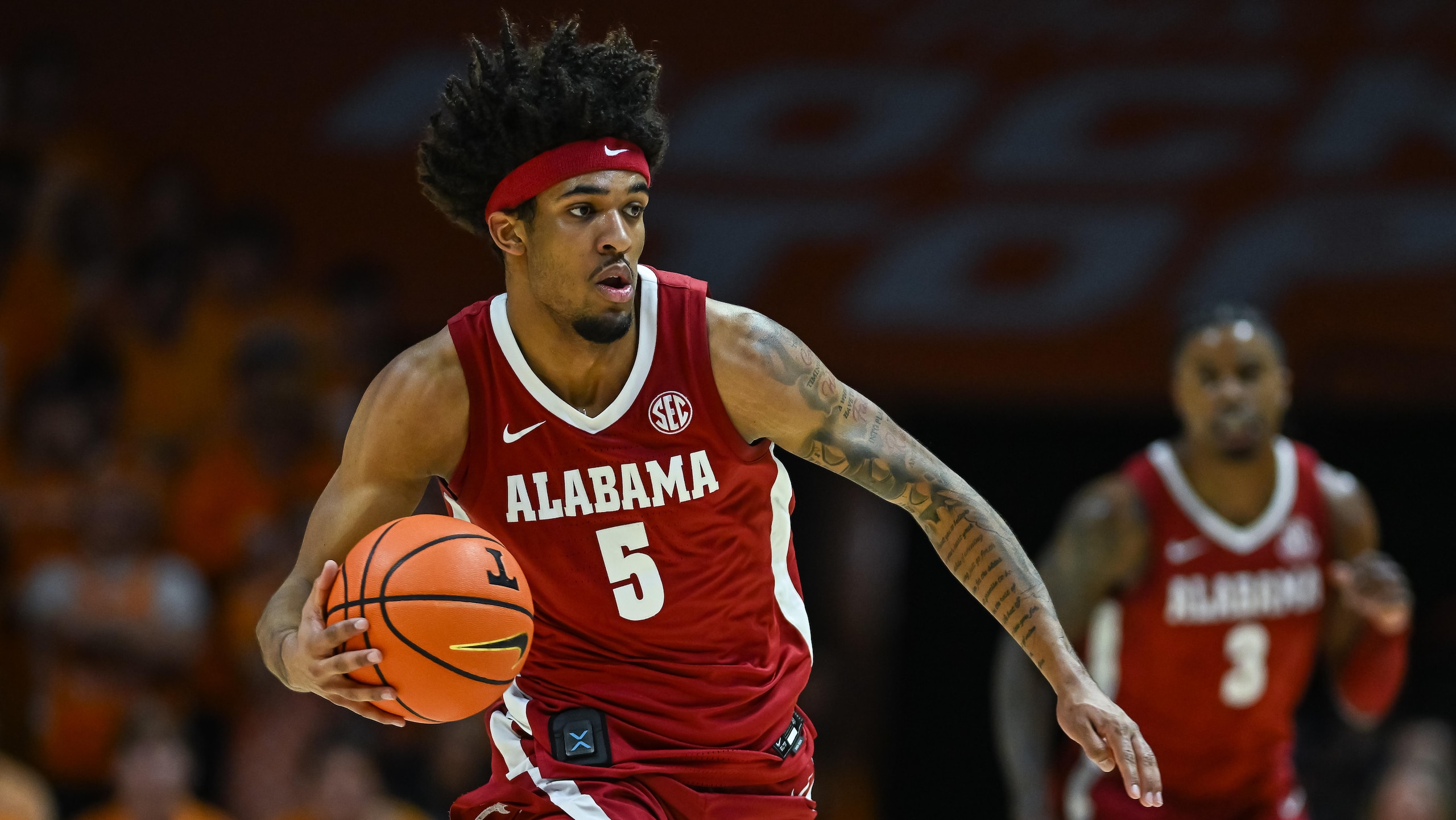
As the Lakers look to really fashion this roster around Luka Dončić, they'll need to target quite a few areas. Allen should help them attack some of the biggest: defensive versatility and perimeter shooting.
He has a pretty compelling three-and-D outlook, and he has shown some handling and ball-moving chops that suggest he could grow beyond that.
27. Boston Celtics: Motiejus Krivas, C, Arizona
27 of 30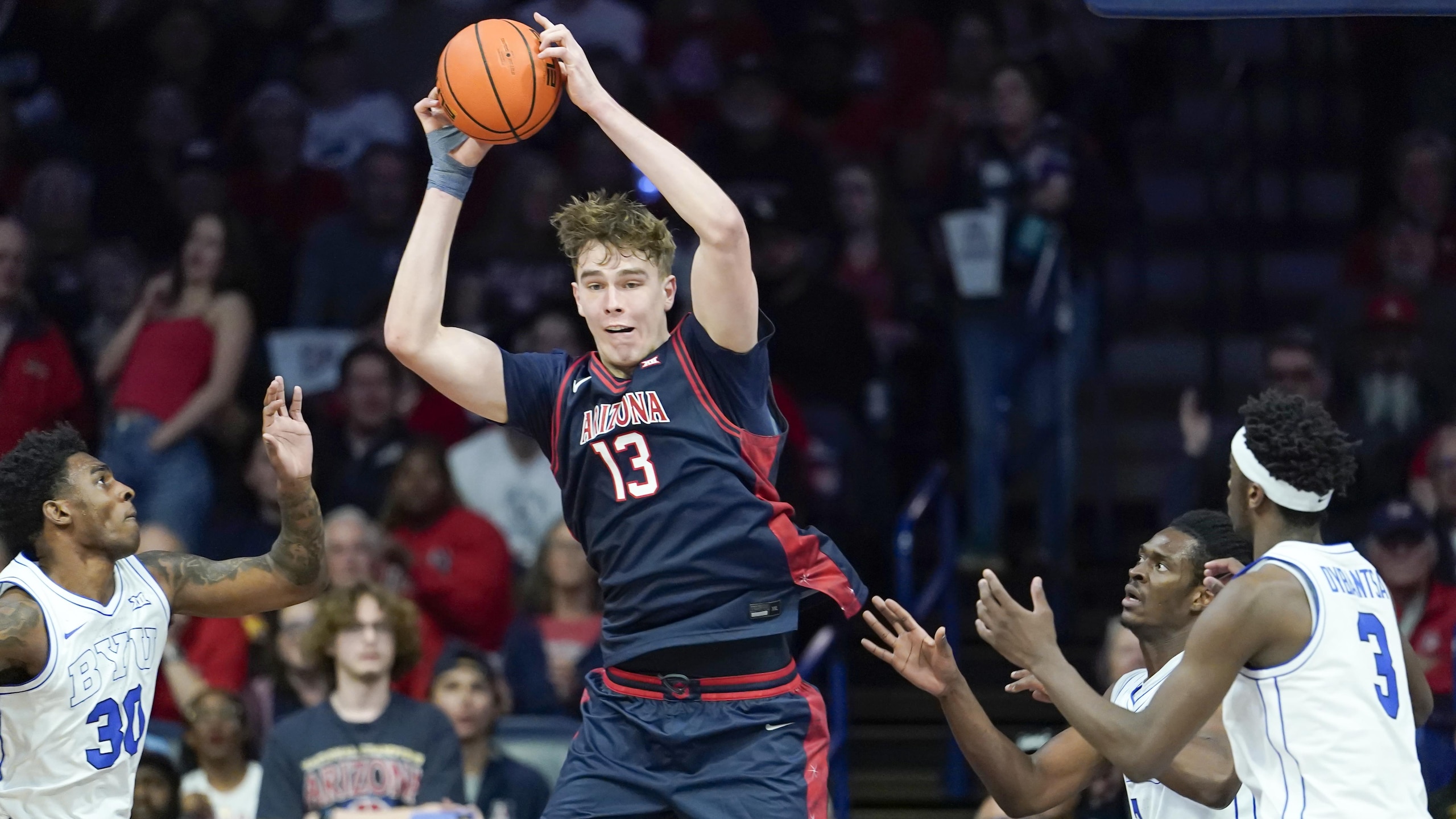
The Celtics have gotten more mileage than expected out of most of their roster this season, and the center rotation is clearly no exception. It also isn't so loaded that it should keep Boston from adding a big man in a draft that looks strong at the position.
Krivas, who stands 7'2", plays a sizable part in this draft's interior depth. He allows next-to-nothing at the basket, and he has flashed soft shooting touch on the offensive end.
28. Minnesota Timberwolves (via DEN): Christian Anderson, PG, Texas Tech
28 of 30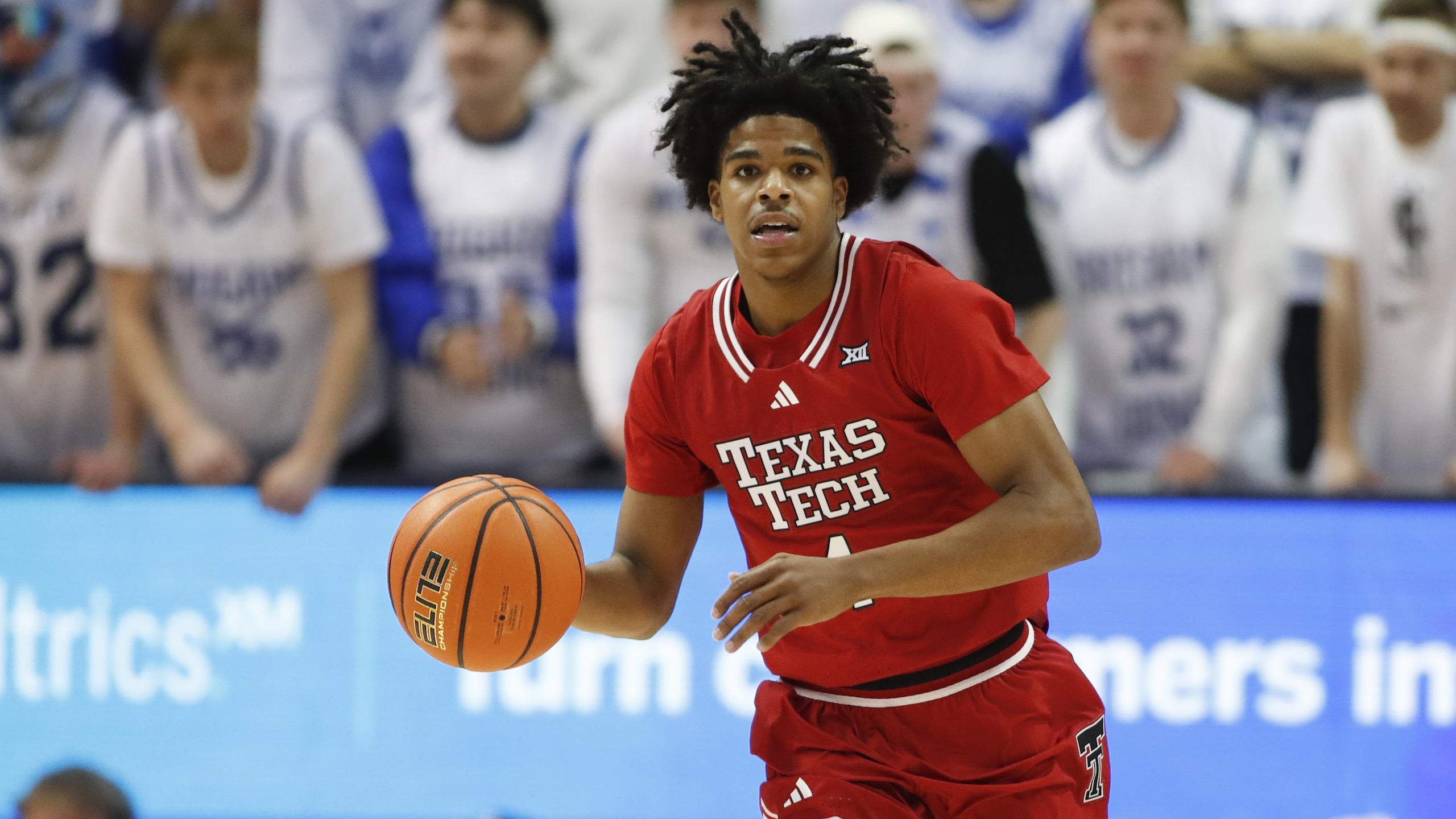
The Wolves will surely hope to attack the point guard position with their first-round pick. And they'd be ecstatic if they could do so with Anderson, who shot 41.5 percent from three on high volume and averaged the country's fourth-most assists this season.
His physical tools are underwhelming, but his offensive bag is loaded. He's a good enough shooter to add value as an off-ball marksman, but he can make things happen on the ball with his pick-and-roll creation and ability to change speeds.
29. Cleveland Cavaliers (via SAS): Joshua Jefferson, PF, Iowa State
29 of 30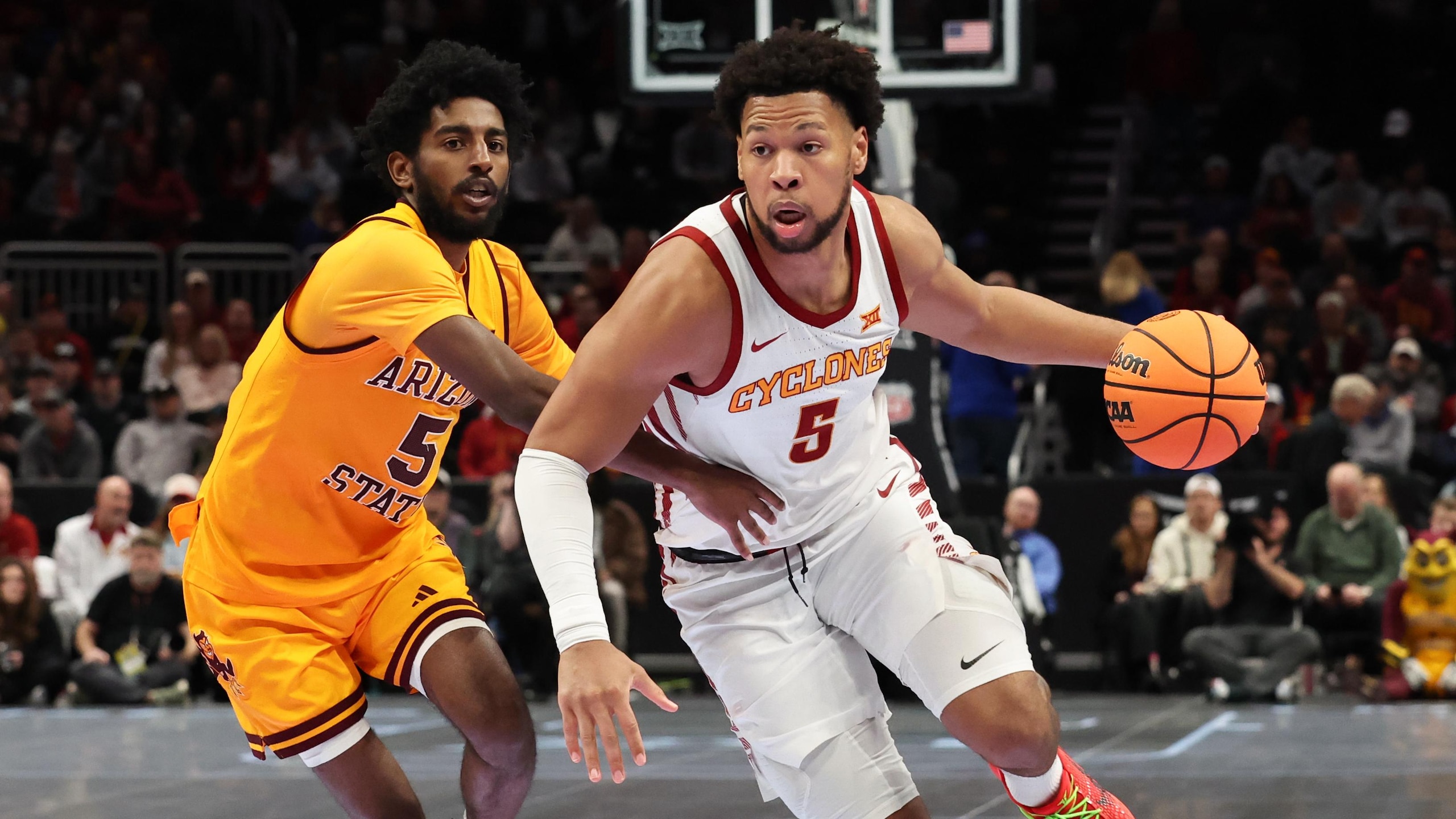
The Cavaliers could try targeting a wing in this spot, but if they have Jefferson as the best prospect on the board, they could grab him and hope he overpowers their frontcourt.
As long as the NBA game isn't too fast for him, he's skilled in just about every way. He offers force and finesse, spacing and table-setting, short-area quickness and one-step-ahead awareness. There's a universe in which he could enhance what both Evan Mobley and Jarrett Allen already bring.
30. Dallas Mavericks (via OKC): Isaiah Evans, SF, Duke
30 of 30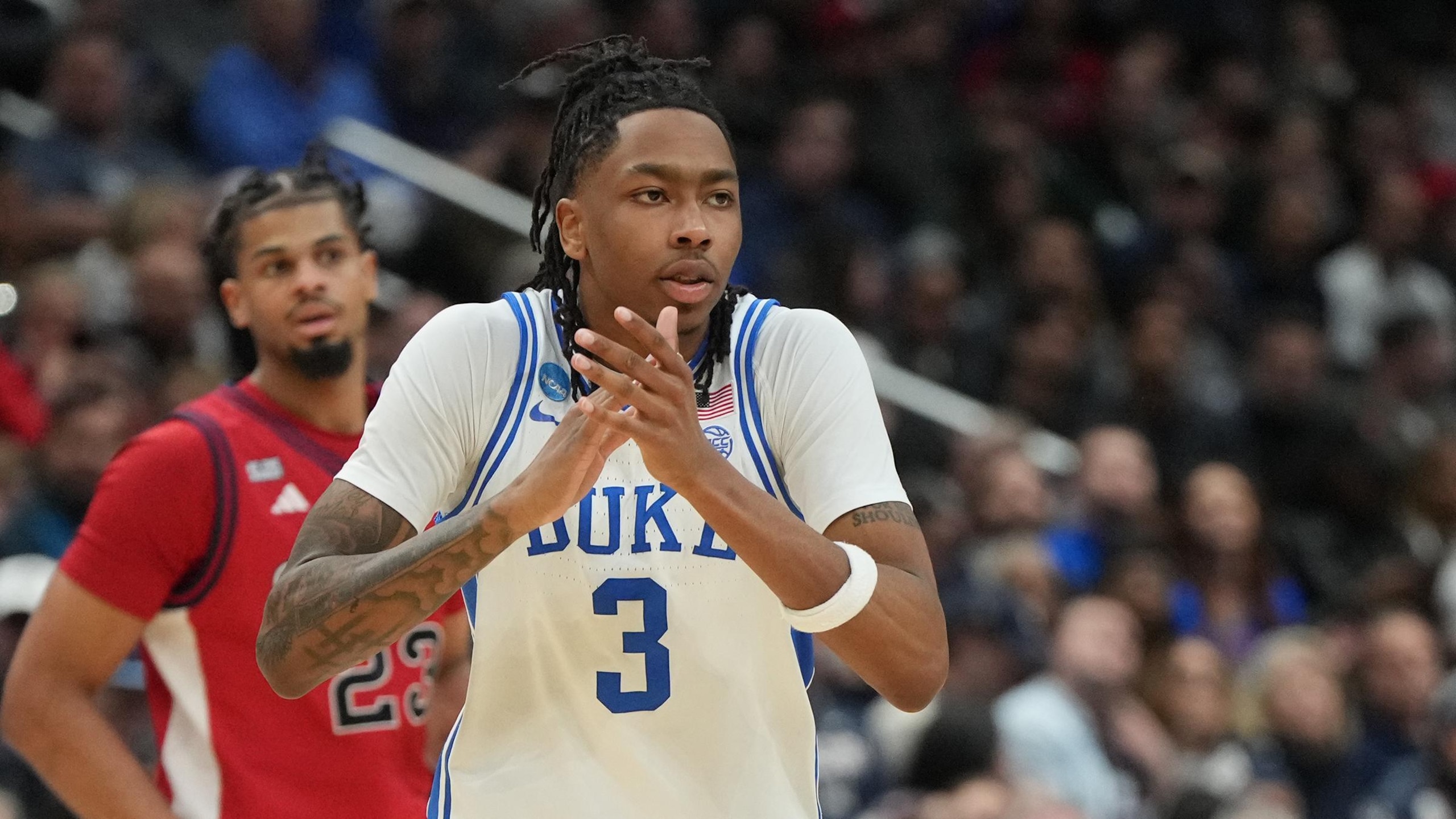
Will Evans be a three-point specialist? Maybe. But it's hard to imagine the Mavericks would be complaining, since they'll need shooters who can draw defensive attention away from Cooper Flagg (and Kyrie Irving, for however long he sticks around).
The hope, though, is that the growth Evans made on the ball this season is merely a hint of much more to come. Because if he's a knockdown shooter and a capable creator, then he's a steal with this mock draft's final pick.
.jpg?w=2560 "Purdy Becomes Highest-Rated QB EVER 🤩")
.jpg?w=2560 "Grading WWE Raw 🔠")