.png?w=2560)


Now that was an NBA trade deadline.
Anthony Davis is joining the...Washington Wizards. Seriously. James Harden is a member of the Cleveland Cavaliers. Darius Garland is on the Los Angeles Clippers. Jaren Jackson Jr. is headed to the Utah Jazz. Ivica Zubac is on the Indiana Pacers.
Buyers sold. Sellers bought. There was plenty of other chaos, too.
To help you make sense of the bedlam that unfolded, we're here to mark up every single deal. Our red pens will take every element into account: draft compensation, cap sheets, new-player fits on the court, team directions, short- and long-term ramifications—you name it, the grades provided will consider it.
Let us now go forth and pass reflexive judgement, together.
Anthony Davis to the Washington Wizards
1 of 28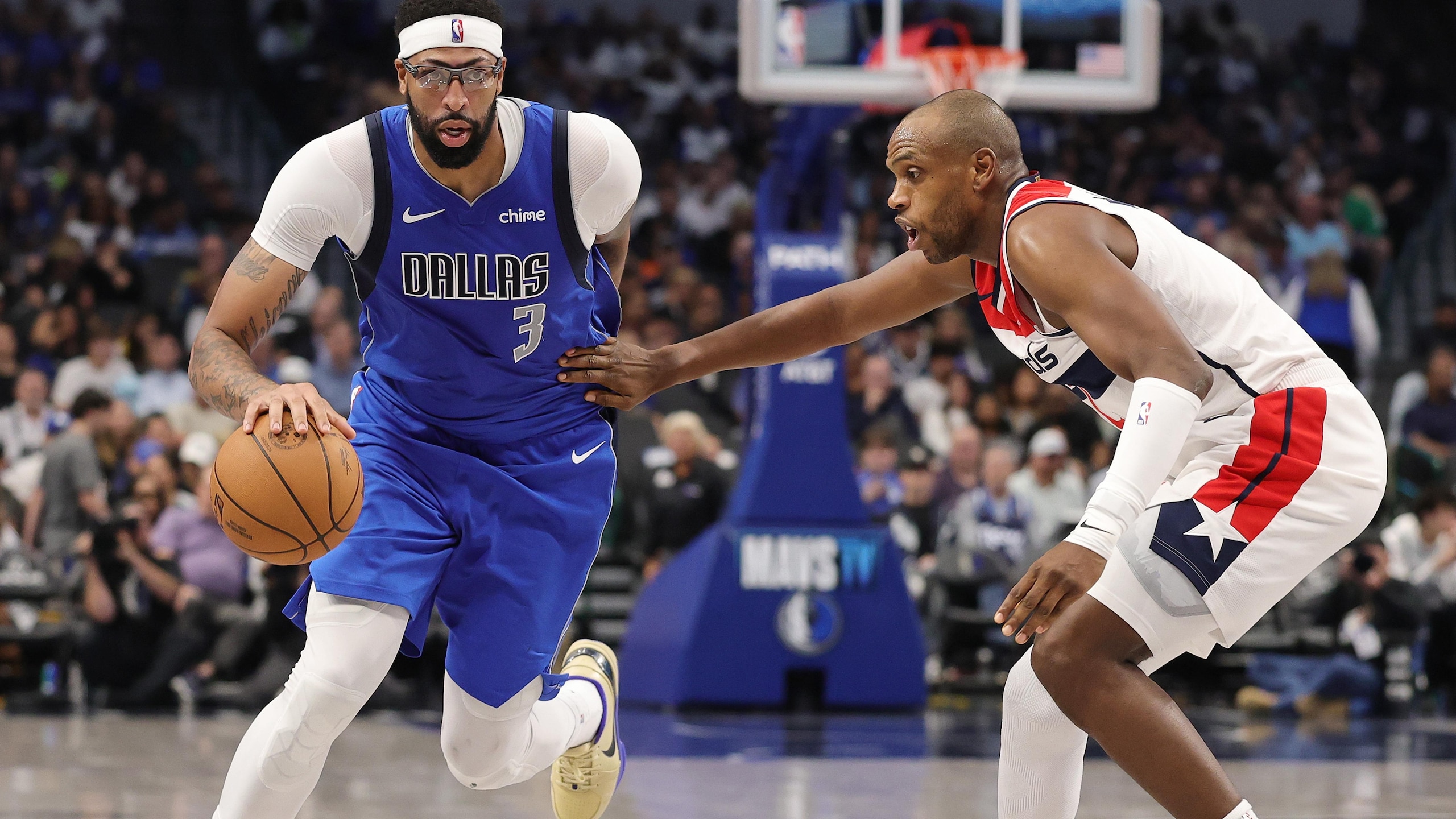
Dallas Mavericks Receive: Marvin Bagley III, Malaki Branham, AJ Johnson, Khris Middleton, Oklahoma City's 2026 first-round pick, Phoenix's 2026 second-round pick, Chicago's 2027 second-round pick, Houston's 2029 second-round pick, Golden State's 2030 first-round pick (top-20 protection; turns in 2030 second if not conveyed)
Washington Wizards Receive: Anthony Davis, Dante Exum, Jaden Hardy, D'Angelo Russell
*Full breakdown of these grades can be found here.
Grades
Mavericks: D-
Grading this for the Mavs is difficult. On the one hand, Davis' return is inextricably tied to the Luka Dončić debacle from last season. They have now turned one of the NBA's top-five players into, essentially, Max Christie, the No. 30 pick in June's draft, the Los Angeles Lakers' 2029 first, a could-be-fake 2030 Golden State Warriors first and three seconds. That's, um, not great.
On the other hand, Nico Harrison isn't running Dallas' front office anymore. The new, decentralized regime is picking up the pieces from the smoldering wreck he left behind.
Counterpoint to the counterpoint: Team governor Patrick Dumont is a constant. He and everyone else knew the Luka trade backfired by last summer (insofar as they didn't know it from the moment the move was made). He allowed the Mavs to begin the season with Harrison still in power anyway.
Had Dumont acted sooner, the Mavs could have gotten more for Davis than what might amount to one first-round pick, four seconds, tax relief and overall financial flexibility. Even now, it's fair to question whether they could have gotten more if they were willing to take on longer-term money.
This isn't about claiming Dallas deliberately ghosted on better offers. It's about acknowledging flawed processes that have enabled generational fumbles.
Wizards: B+
Kudos to anyone who had the Wizards acquiring Trae Young and Anthony Davis on their 2025-26 bingo cards. That acid trip must've been incredible.
This is yet another move that suggests Washington intends to be a hell-raiser next season. That is wildly unsettling knowing it entered the year without an undeniable franchise tent pole on the roster. It would be a stretch to say Davis or Young gives the Wizards one now. They are at most medium-term guiding lights.
Still, the acquisitions are not as counterintuitive when looking at the opportunity cost. Like the Young trade before it, the Davis deal sees Washington surrender zero core prospects. Actual picks are going out the door, but that Thunder selection—which is technically the less favorable of Oklahoma City, Houston and the Clippers—will convey at No. 30. The Warriors pick might not even convey.
So much will be determined by whether the Wizards extend Davis (2027-28 player option) and Young (2026-27 player option), and how much each player gets. For now, while both these transactions feel odd, they are only bad deals if you believe Washington was going to extract more value out of its cap space this summer than the acquisition of two stars who, while imperfect, fill actual voids.
James Harden to the Cavs, Darius Garland to the Clippers
2 of 28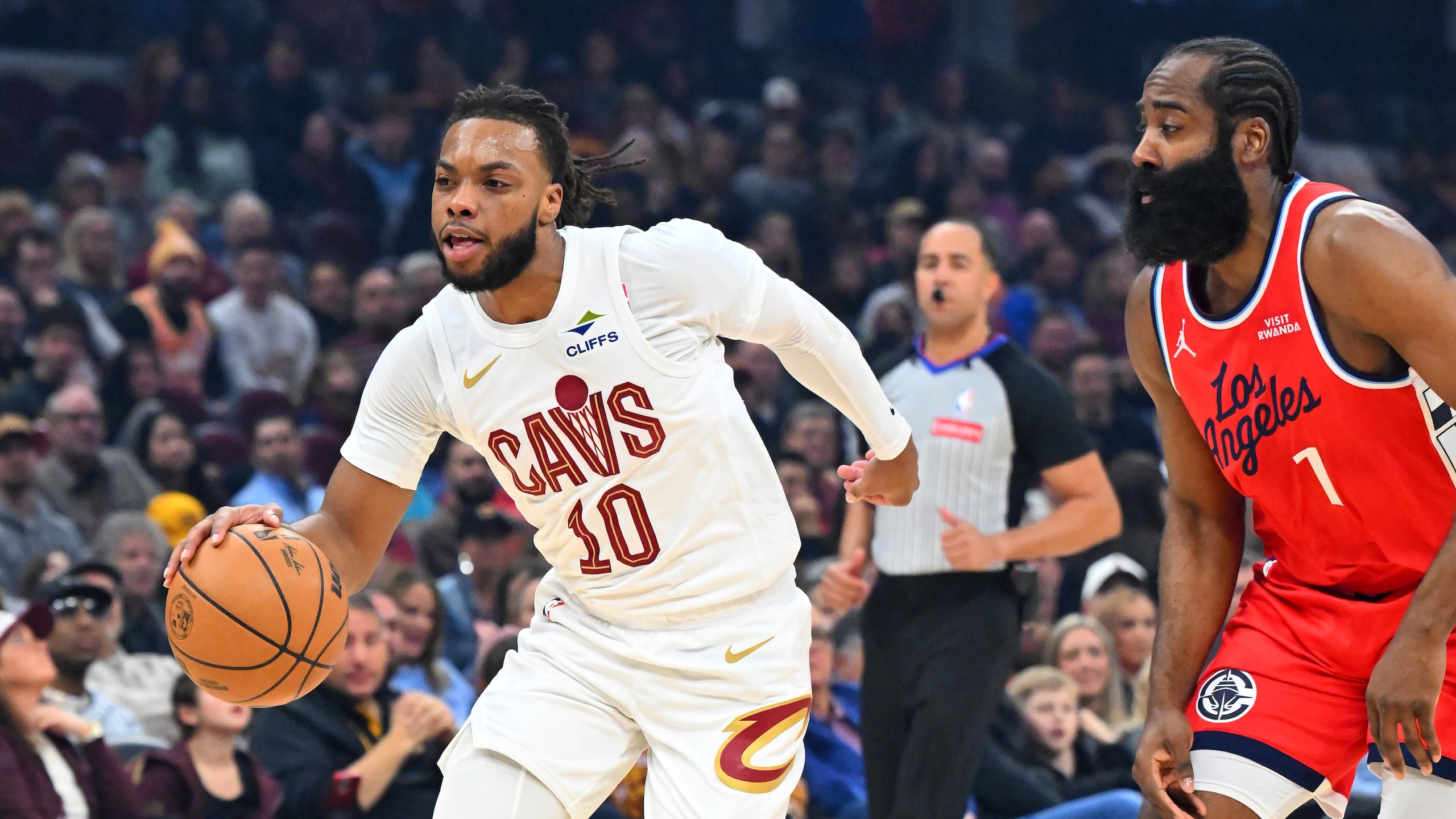
Cleveland Cavaliers Receive: James Harden
Los Angeles Clippers Receive: Darius Garland, 2026 second-round pick
*Full breakdown of these grades can be found here.
Grades
Cavs: D+
James Harden is more durable than Darius Garland. He is having a better season than Darius Garland. These two points are not up for debate.
Harden is also a decade older. And the player who requested a trade. Somehow, someway, the Cavs are the team giving up a draft pick here. The optics are…not great.
Charitable interpretations will point to Cleveland being much better with Garland off the floor. This is the first time in his career that's ever been true. Unless there's a more sinister update on his big toe or another injury, this reeks of desperation. (Or a supercharged bet on Jaylon Tyson, which to be honest, I'd respect.)
The Cavs, of course, have every incentive to be desperate. Donovan Mitchell might not stick around if this team produces another early playoff exit. Harden will allow him to ferry much lighter playmaking and on-ball workloads and should develop punishing chemistry with both Evan Mobley and Jarrett Allen.
Even with all of this in mind, it's still too short term for my tastes. Harden asked out of L.A. because he wants a longer deal. If this is a sign the Cavs will give it to him, when he turns 37 in August, yeesh. If it's instead a signal that they prefer the financial flexibility of his partially guaranteed player option this summer ($13.3 million) to the two years and $87.1 million left on Garland's deal, well then that's a double-triple-quadruple yikes.
Clippers: A
Surrendering what is currently the better player for an injury-prone guard usually wouldn't be worth a W. This is a gamble on the Clippers' part, but it's one they had no choice other than to make.
Harden wanted out, again, because that's what happens when you get in the James Harden business. Garland's injury track record is a red flag. That the Clippers are receiving a draft pick here is equal parts stroke of genius and absolutely harrowing. A variation of "What don't we know about his medicals?" should be voicing itself on a loop inside everyone's minds.
Again, though, Harden boxed the Clippers into a corner with his trade request. If they weren't going to pay him beyond this season or next, they had to move him. Shipping him out for draft picks was a non-starter—not because they shouldn't, but because which team is forking over the moon for a 36-year-old Trade Request King?
This isn't just about Garland being a decade his junior. He was an All-Star (and All-NBA snub) just last season. He is worth this flier unless we find out following his physical that he swallowed all of his toes on a dare. Or something.
Jaren Jackson Jr. to the Utah Jazz
3 of 28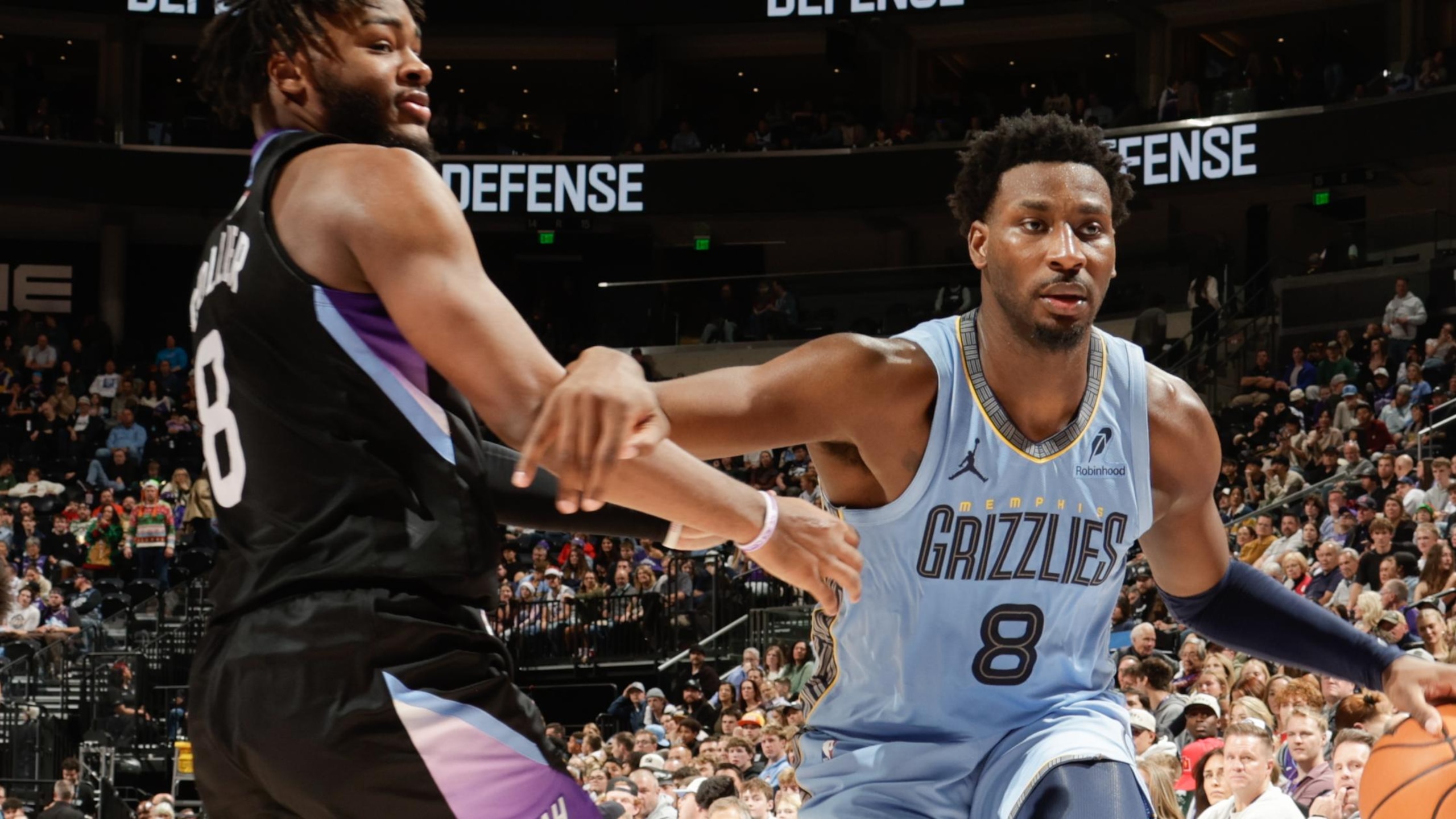
Utah Jazz Receive: Jaren Jackson Jr., John Konchar, Jock Landale, Vince Williams Jr.
Memphis Grizzlies Receive: Kyle Anderson, Walter Clayton Jr., Taylor Hendricks, Georges Niang, Lakers' 2027 first-round pick (top-four protection), 2027 first-round pick (most favorable of Cleveland and Minnesota), Phoenix's 2031 first-round pick
*Full breakdown of these grades can be found here.
Grades
Grizzlies: D+
Three first-round picks, two first-round prospects and plenty of financial flexibility, replete with a monstrous traded player exception, sounds like a lot. It's not.
Only one of these firsts has any real upside, and it won't convey for another half-decade. At 22, Walter Clayton Jr. is old for a rookie and not having the cleanest season. Much of the long-term sheen has worn off Taylor Hendricks after last year's right leg injury.
Tearing it down is a reasonable call for the Grizzlies. Accepting a hors d'oeuvres-style haul for your franchise tent pole? Not so much.
Jazz: B+
Hitting the "accelerate" button when you're contending for top-four lottery odds is cognitively dissonant...unless you're the Jazz.
Utah is surrendering one crown-jewel asset (2031 Phoenix) to land someone who effectively complements its other Core Four players. A mushrooming cap sheet will be a concern, but the team has until 2027-28 to figure it out. There's also a chance new deals for Walker Kessler (RFA this summer) and Keyonte George (extension eligible this summer) don't run as lofty as we might think.
Any team rolling out Jackson, Kessler, George, Lauri Markkanen and a more experienced Ace Bailey next season is a threat to make real noise. Rebounding issues Jackson imposes are mitigated by great positional size. The same goes for using Markkanen at the 3. Acquiring Vince Williams Jr. helps the defense, as will continued improvement from Bailey.
The 2026-27 Jazz will push the bill even further if, as expected, they retain this year's top-eight-protected pick and add another higher-level talent. They also have assets left in the clip if they decide to make other moves. And if all fails, Jackson and Markkanen should retain most of their trade value as years tick off their current contracts. This is a home-run swing without the downside of one.
Kristaps Porziņģis to Golden State and Jonathan Kuminga to Atlanta
4 of 28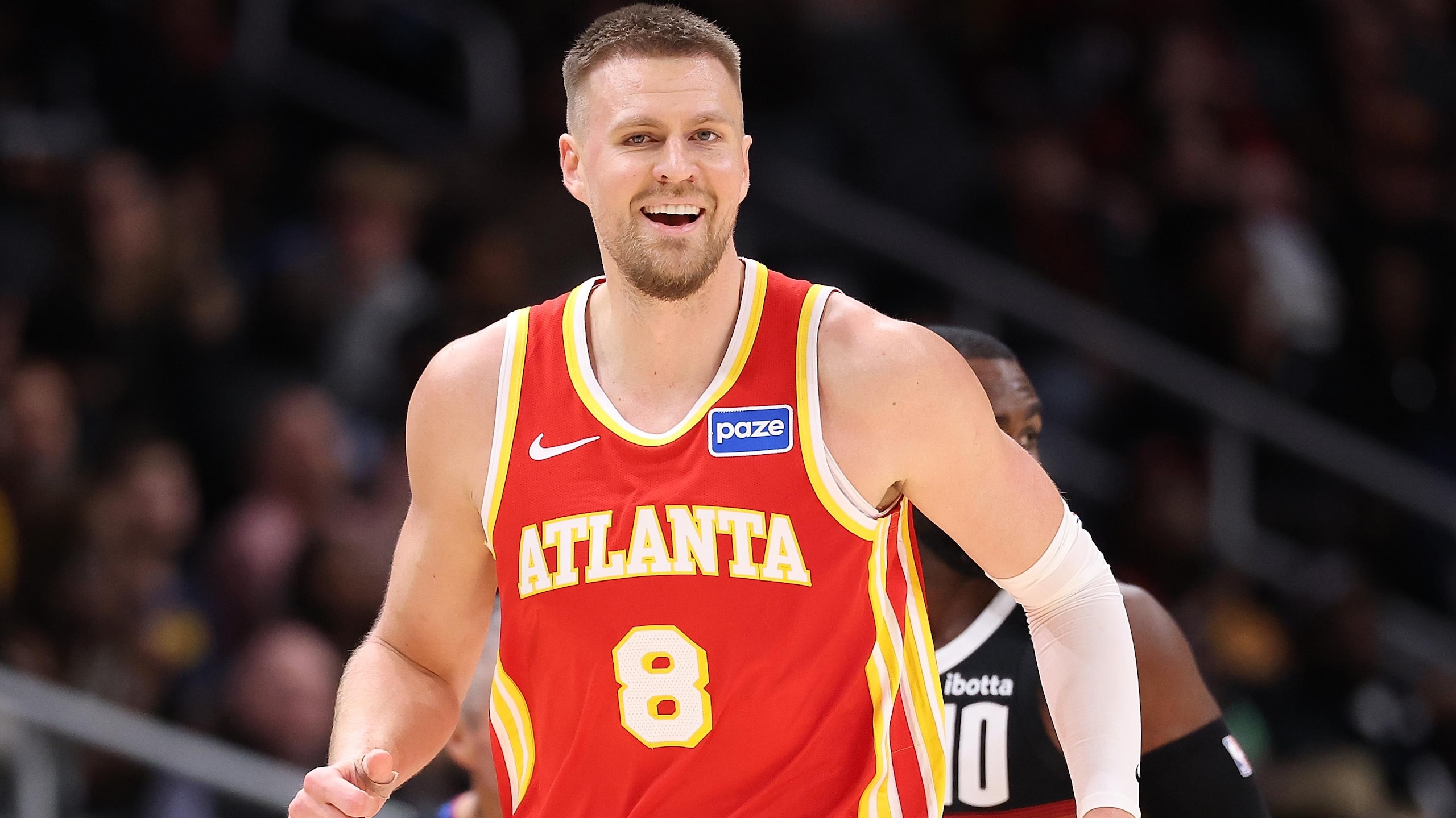
Golden State Warriors Receive: Kristaps Porziņģis
Atlanta Hawks Receive: Buddy Hield, Jonathan Kuminga
*Full breakdown of these trades can be found here.
Grades
Hawks: C
Kristaps Porziņģis' availability has not been great this season, which is why the Hawks were a candidate to go out and trade for another big man in the first place. Instead, they flipped a center for a cursory look at a combo forward, a guard and no bigs.
Atlanta's offense has not looked so hot since the Trae Young trade—and to be sure, it wasn't any great shakes before that. Jonathan Kuminga has on-ball moments that make you go "Whoa," and Buddy Hield can buoy the team's efficiency with his gravity. Overall, though, this feels…aimless.
Minimal harm will be incurred if that's the case. Kuminga has a team option for next season while Hield is guaranteed just $3 million. The Hawks could also view their salaries as vessels through which they make a bigger trade over the summer. They did not have that option with Porziņģis, who is entering unrestricted free agency.
Planning that far ahead would be interesting. It could prove genius. The immediate basketball implications just don't inspire much confidence.
Warriors: A
This trade would have hit much differently if Jimmy Butler never suffered a torn ACL. Porziņģis' availability is a coin-toss proposition, but his meld of rim protection and floor-spacing would be ideal for lineups featuring both JB and Draymond Green.
To be fair, the KP-Draymond frontcourt remains super intuitive. Porziņģis just can't float the minutes without Stephen Curry that Butler could. That's fine, especially given what the Warriors gave up.
Kuminga became a lost cause for this team, and Hield has tumbled down the nightly pecking order. Porziņģis can also ferry some self-creation from the mid-post, and he compromises neither the floor-spacing nor defense in fuller strength lineups.
Ivica Zubac to the Indiana Pacers
5 of 28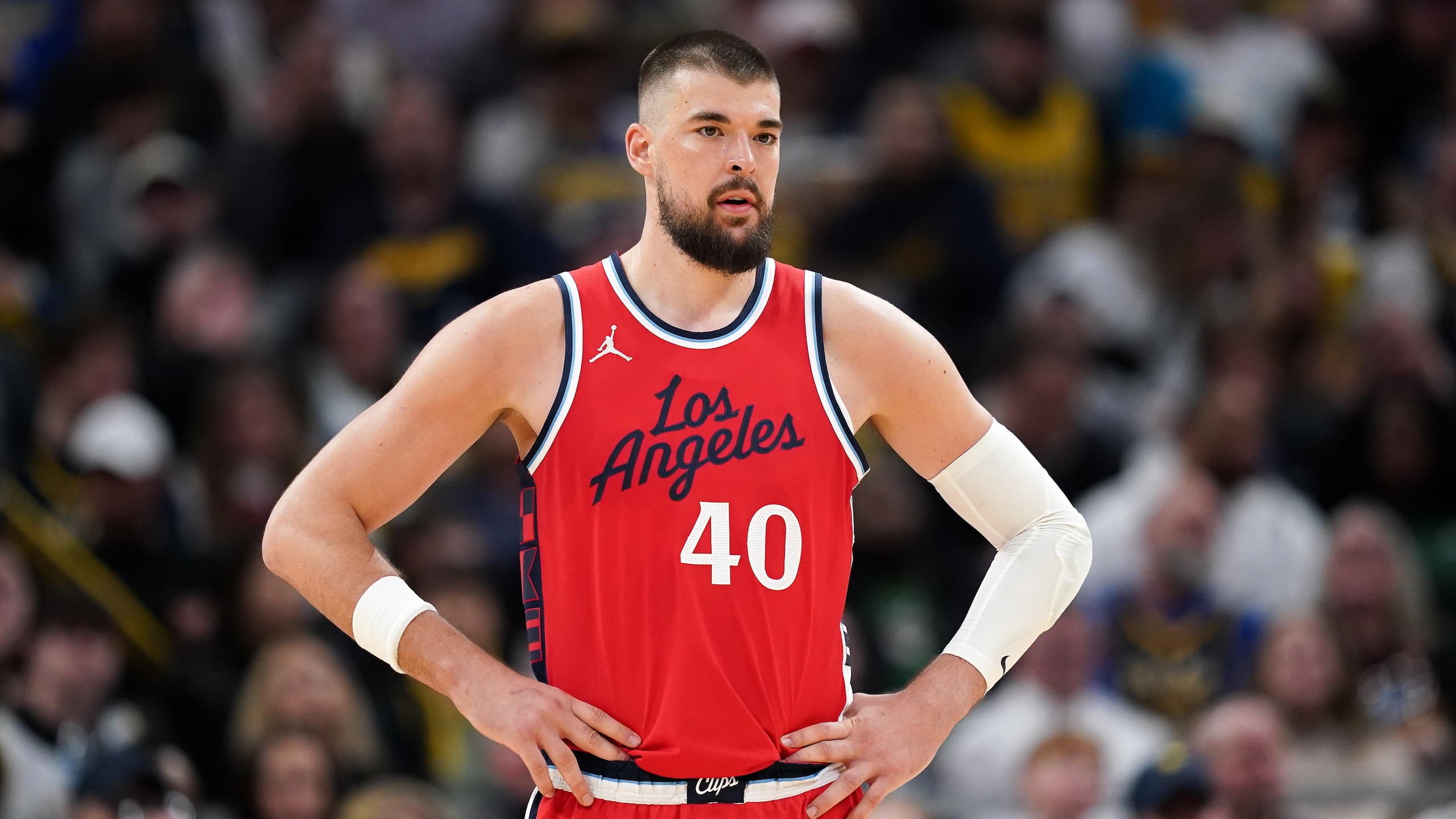
Indiana Pacers Receive: Ivica Zubac, Kobe Brown
Los Angeles Clippers Receive: Isaiah Jackson, Bennedict Mathurin, 2026 first-round pick (protected Nos. 1 to 4 and 10 to 30; turns into unprotected 2031 first-round pick if not conveyed), Dallas' 2028 second-round pick, 2029 first-round pick
Grades
Pacers: D+
Cellar-dwellers making aggressive moves is nothing new for this trade deadline. The Utah Jazz did it. Ditto for the Washington Wizards. Neither Utah nor Washington, though, gave up any of its own first-round picks or has a franchise cornerstone working his way back from a torn Achilles injury.
Indiana did, and it does.
This is a truly fascinating deal from a notoriously conservative franchise, a transaction that I'm still attempting to reconcile, internally, while I grade it. Zubac does just about everything the Pacers want in a big man. He provides rim protection, some defensive mobility away from the paint and bruising-yet-balletic half-court finishing. His post game continues to verge on a hidden gem, and he's expanded his playmaking reads over the past two or three years.
Zubac does deviate from Indiana's frenetic half-court style that propelled it to within one win of a title. But he has functioned in higher-octane Clippers systems before (see: the first part of last season) and isn't someone Indy will have to wait on to cross half-court. The motile heft he brings on the glass will serve the Pacers well—and might even convince head coach Rick Carlisle to prioritize the offensive glass.
Is this the right time for Indy to be all-in adjacent? And is Zubac the right player for whom to do it? These points are debatable.
The Pacers are betting an awful lot on returning to title-contender relevance once Haliburton rejoins the fold next season. That is not the soundest gamble when he's coming off an Achilles injury.
Moving on from Bennedict Mathurin is ancillary. He is about to be a restricted free agent and never truly fit Indy's functional motif. The latter could be said about Zubac, too. The Pacers are gaining dextrous force, under team control for an additional two seasons, but shrinking the floor in the process. Zubac and Pascal Siakam are not the most intuitive fit. While they don't quite occupy the same space, they won't be entirely out of each other's way, either.
Indy will almost assuredly keep this year's pick, allowing it to add a higher lottery prospect to the program. But two unprotected first-rounders for a non-star is a lot. Perhaps the Pacers have safeguarded themselves against disaster by kicking out the commitments to 2029. If things go wrong upon Hali's return, they'll have a reboot grace period. It just won't be a long one.
The spirit of what the Pacers are attempting to do here is admirable. The risk-reward profile just doesn't seem to line up.
Clippers: A
Extracting two unprotected first-rounders for a non-star from a Pacers squad that faces a somewhat-murky future is great work by the Clippers. We have a tendency to overromanticize selloffs, but even with Zubac earning less than 13 percent of the salary cap through 2027-28, this was a can't-miss offer.
Taking a flier on Mathurin has its own merits, too. The Clippers needed another self-starter before trading James Harden. That need only mushroomed after flipping him for Darius Garland, whose checkered health bill throws another variable into the equations.
Los Angeles leaves the trade deadline inside $1 million of the luxury tax. It'll probably shave off that much on draft night.
Less clear is the franchise's immediate direction. This is the move of a seller, but if Garland and Kawhi Leonard are both healthy, the Clippers can be competitive. And they have every incentive to be. Oklahoma City controls the rights to L.A.'s next two firsts.
In many ways, the draft obligations make this more commendable. The Clippers are clearly playing a longer game despite being incentivized to think shorter term. Granted, it's a longer game that gets easier to stomach in the interim knowing they'll probably stumble ass backwards into a West play-in spot no matter what.
Oh, and with Zubac off the books, they now have just over $50 million in guaranteed money on the ledger for 2027-28. The preceding summer figures to be a busy one for them.
Nikola Vučević to Boston, Anfernee Simons to Chicago
6 of 28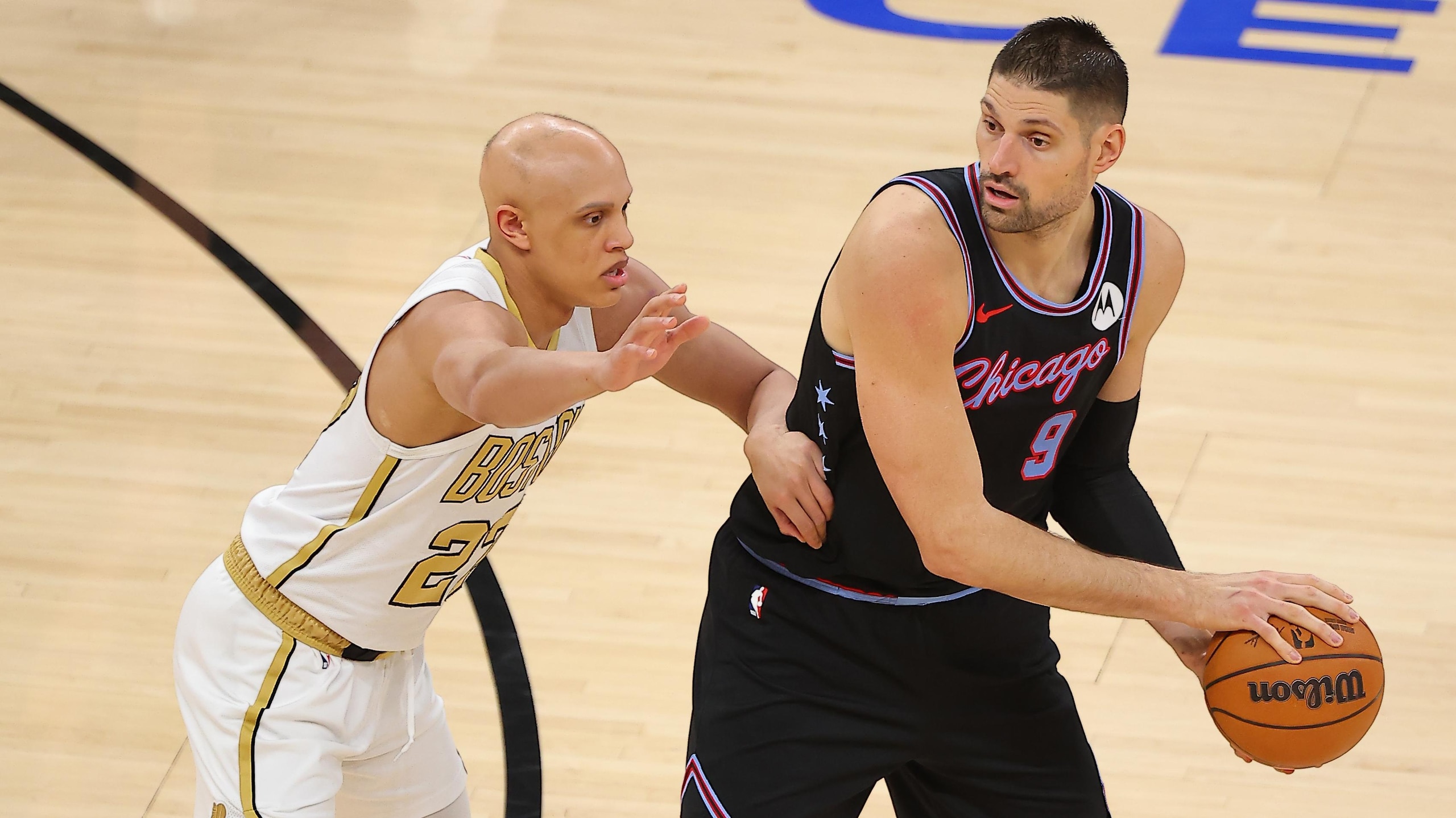
Boston Celtics Receive: Nikola Vučević, Denver Nuggets' 2027 second-round pick
Chicago Bulls Receive: Anfernee Simons, 2026 second-round pick (most favorable from Minnesota, New Orleans, New York and Portland)
*Full breakdown of these grades can be found here.
Grades
Celtics: B-
Shedding $6.2 million in salary by going from Anfernee Simons to Nikola Vučević slashes the Celtics' tax bill by more than $20 million. It also pulls their cap sheet below the first apron, enabling them to sign someone who's making more than the non-taxpayer mid-level exception if they get waived and hit the buyout market.
This alone is unspectacular, particularly while giving up a pick. You'd prefer to see Boston altogether duck the tax. But the Celtics are filling a need on the frontline, too. As good as their center-by-committee approach has been, Vooch offers more proven stretch and, most critically, a hefty presence on the defensive glass—which is arguably Beantown's biggest need of all.
Bulls: A-
If anybody needs a guard, multiple league sources tell me the Bulls have, approximately, all of them.
This marks the third time in just a few days Chicago is using its flexibility beneath the tax to take on money in exchange for draft picks or restoration-project fliers (Jaden Ivey). These are not the types of returns that will generate clickbaity headlines, but they're a harbinger of a notoriously shortsighted front office thinking longer term—and with more self-awareness.
Trae Young to the Washington Wizards
7 of 28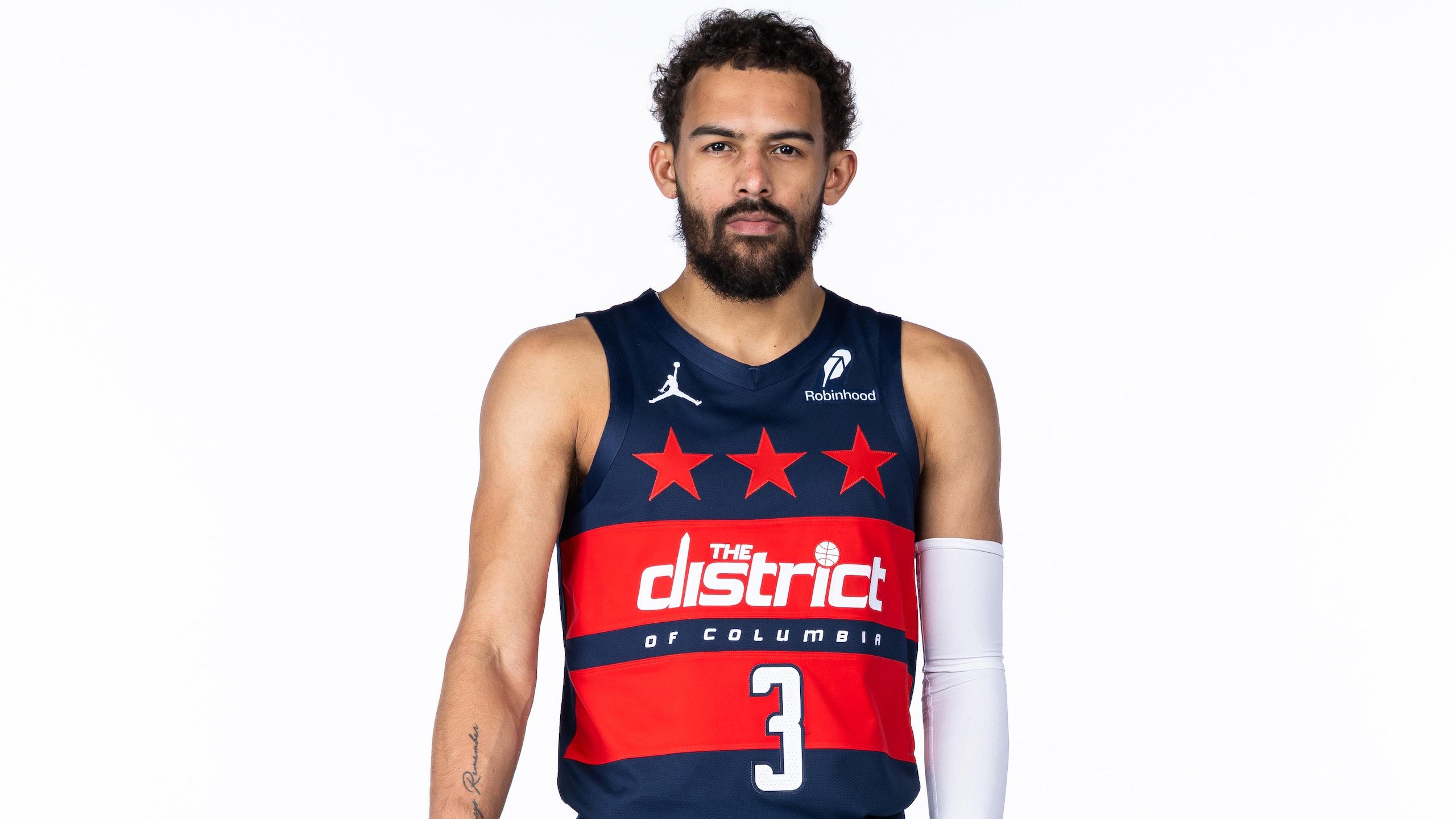
Atlanta Hawks Receive: Corey Kispert, CJ McCollum
Washington Wizards Receive: Trae Young
Grades
Atlanta Hawks: C
If this is the best the Hawks could do for Young, it's clear they should have moved him at any point over the previous two or three years in which his name cropped up in the speculation factory. The optics for them are not great.
Yet, they are now set up for more than $25 million in cap space next summer and no longer have to worry about re-signing Young to an even-tougher-to-move contract should he decline his player option. In the meantime, the bet is that more scalable players such as McCollum and Kispert can keep their offense afloat while not taking as much away on defense.
That bet is so far looking…meh. The Hawks have been solid on defense since the trade but are hovering around the bottom five in offensive efficiency. This feels like a move that'll ultimately be judged on the merits of what the front office does with the added flexibility it carved out.
Washington Wizards: B+
Taking on Young is a calculated gamble. On the one hand, the Wizards are getting a 25-and-10 talent who won't impact their lottery odds this season, because he's not playing, while preserving the path to more than $45 million in cap space this summer.
On the other hand, Young has never veered too far from his ball-dominant style. Though his live-dribble playmaking streamlines the job descriptions of those around him, blending his heliocentric leanings with more complementary usage will be critical to optimizing—or at least not infringing upon—the development of the rest of the roster.
*Check out a more extensive breakdown of this trade right here.
Jared McCain to the Oklahoma City Thunder
8 of 28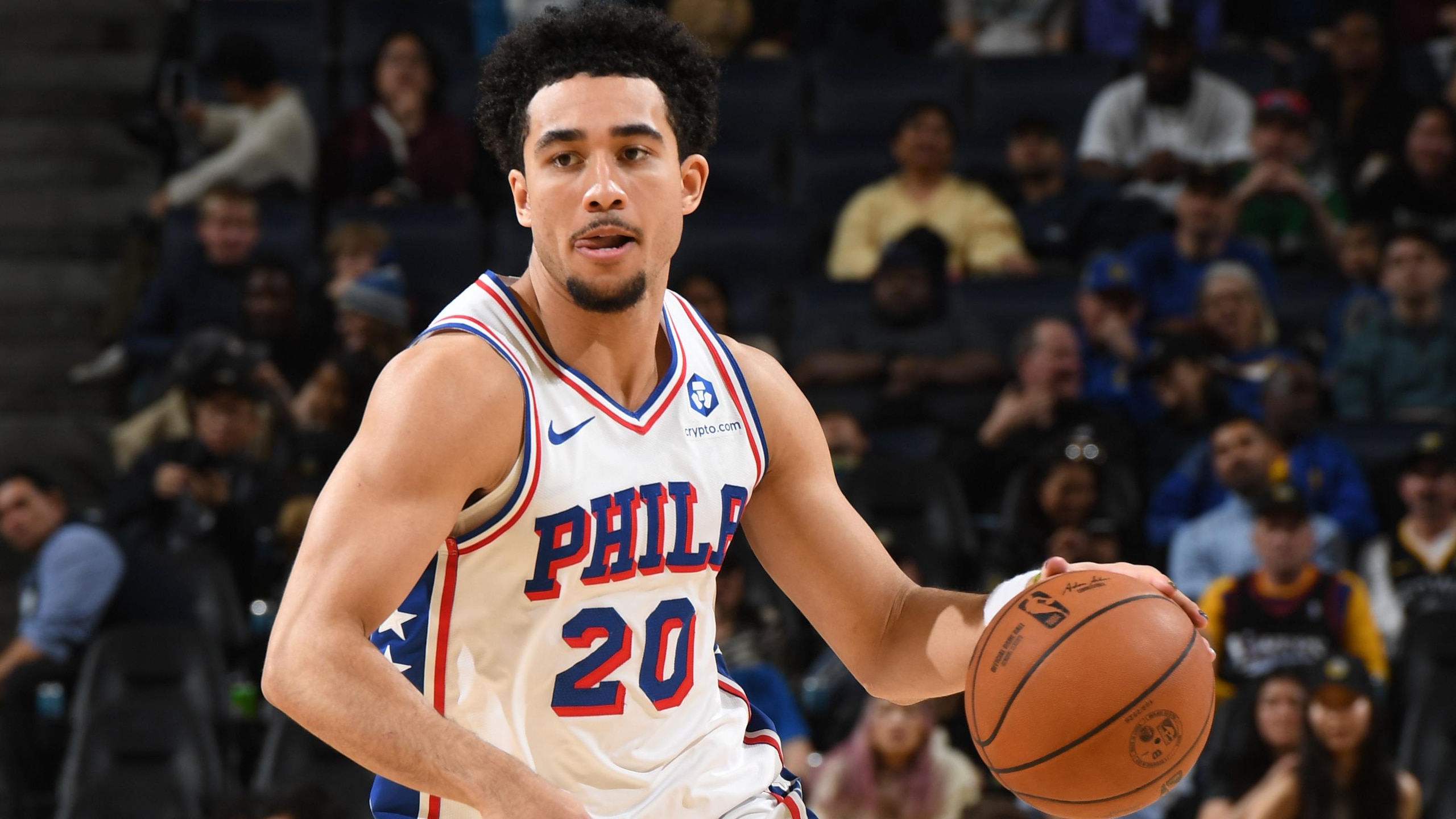
Charlotte Hornets Receive: Ousmane Dieng
Oklahoma City Thunder Receive: Jared McCain, Mason Plumlee
Philadelphia 76ers Receive: Houston's 2026 first-round pick, 2027 second-round pick (most favorable of Houston, Indiana, Miami and Oklahoma City), Milwaukee's 2028 second-round pick, Oklahoma City's 2028 second-round pick
*Note: OKC is trading Dieng for Plumlee separately and then waiving Plumlee to make room for McCain. We're grading this as one trade anyway.
Grades
Hornets: A
Picking up Ousmane Dieng isn't just proof the Hornets love trading for the Thunder's end-of-bench players. He was used in the deal that landed them Coby White from the Chicago Bulls.
Thunder: A
Another incredibly shrewd trade from Sam Presti's Thunder? Who'd have thunk it?!
McCain isn't having the greatest year, but he's a heartbeat removed from contending for Rookie of the Year honors. According to BBall Index, he ranked in the 79th percentile of self-created scoring efficiency prior to a left knee injury ending his 2024-25 campaign. This brand of shot-making could go a long way for a Thunder offense that has imploded without Shai Gilgeous-Alexander, and at a time when both he and Jalen Williams are dealing with injuries.
Oklahoma City's end looks even better when factoring in McCain's cost-controlled rookie deal. He has two more years left, valued at a total of $11.2 million. His affordability will come in handy if and when the Thunder need to cut ties with more expensive members of their core.
There is room for doubt if—and only if—you believe they could have done better with the Rockets pick (projected to be at No. 26).
Sixers: D+
Congratulations to the Sixers for once again ducking the luxury tax! All it took was…Paul George getting suspended for 25 games and salary-dumping last year's half-season Rookie of the Year favorite.
Nabbing a first-round pick for McCain amid sophomore struggles is solid. His value was further complicated by Philly's guard glut. There was little room for him to actualize his highest-end outcome if Tyrese Maxey, VJ Edgecombe and, potentially, Quentin Grimes are all in front of him.
Yet, picks with limited upside aren't worth a victory lap. If the Sixers are lucky, they might use the No. 26 selection to get…someone who's almost as good as McCain can be!
The Sixers no doubt had a mandate to skirt the tax. If McCain was going to be collateral damage, it should have been a can't-miss type offer. This isn't that. More than anything, this is cheapness in excess.
Jose Alvarado to the New York Knicks
9 of 28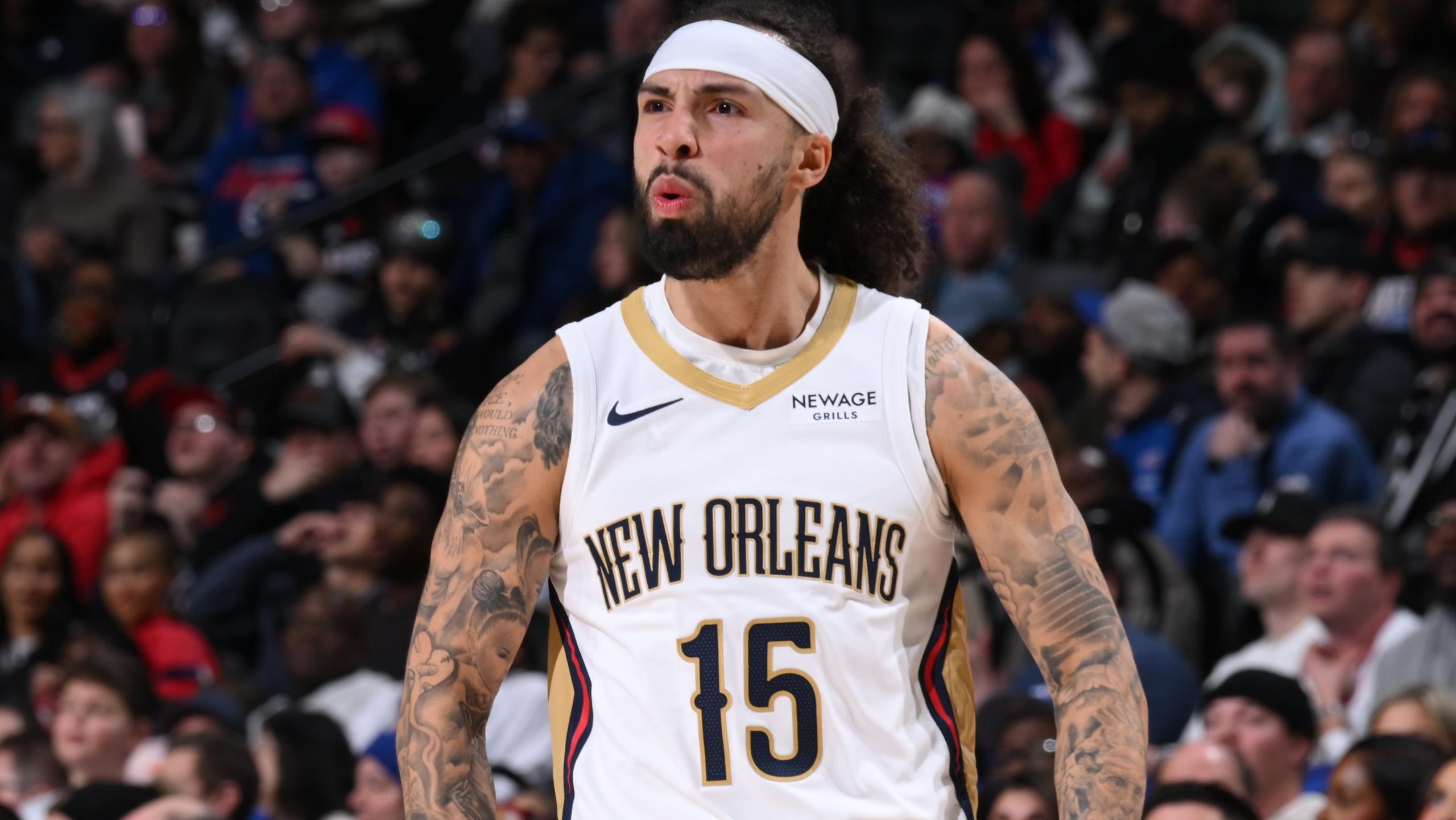
New Orleans Pelicans Receive: Dalen Terry, 2026 second-round pick (least favorable of Detroit, Milwaukee and Orlando)*, 2027 second-round pick (second or third most favorable of Houston, Indiana, Miami and Oklahoma City)*
New York Knicks Receive: Jose Alvarado
*Note: James L Edwards III of The Athletic reports the second-round picks headed to New Orleans are in 2026 and 2027. As of now, it's not clear whether this refers to the protected Washington Wizards first-rounder that turns into 2026 and 2027 seconds if it doesn't convey. These grades assume that is NOT the outgoing compensation.
Grades
Pelicans: C
New Orleans will tell you it's not flat-out rebuilding. Its roster and record tells a different story. If the front office wants us to believe this group will be competitive in the near term, this isn't a move you make.
Netting two seconds for a reserve guard is solid value in a vacuum. Getting out from under Jose Alvarado's $4.5 million player option for 2026-27 might be part of the calculus, too. The money is more than fine, but New Orleans remains closer to next year's tax than any team hovering around the bottom of the standings would like to be.
This grade spikes a tick if it turns out the Pelicans are getting the top-eight-protected Wizards pick that becomes a 2026 and 2027 second if (read: when) it doesn't convey. Washington could be good next season, but the 2026 selection will land in the early 30s.
Knicks: A
New York has essentially turned two second-rounders and Guerschon Yabusele into a pesky point-of-attack defender who can do more as a playmaker than Jordan Clarkson or Deuce McBride while cutting salary. That's a W. Alvarado's postseason value depends largely on his deep ball falling, but he's at a manageable 36.5 percent from downtown over the past three years.
This trade also couldn't come at a better time. McBride is undergoing surgery to address a core muscle injury and won't return until at least the playoffs, according to Fred Katz of The Athletic. The Knicks need someone other than Landry Shamet to handle the point-of-attack workload on defense, and Alvarado is more than qualified.
Beyond all of that, New York now drops more than $1 million beneath the second apron. That will allow it to be a player on the buyout market (for anyone not originally earning $14.1 million or more).
The optics aren't as rosy if the Knicks lose Alvarado in free agency. This is a move you should only make if you believe he'll opt in—and potentially extend. Yet, even if he leaves, this deal became necessary from the Big Apple's perspective the moment it realized Deuce wouldn't be ready to rock anytime soon.
Luke Kennard to Los Angeles and Gabe Vincent to Atlanta
10 of 28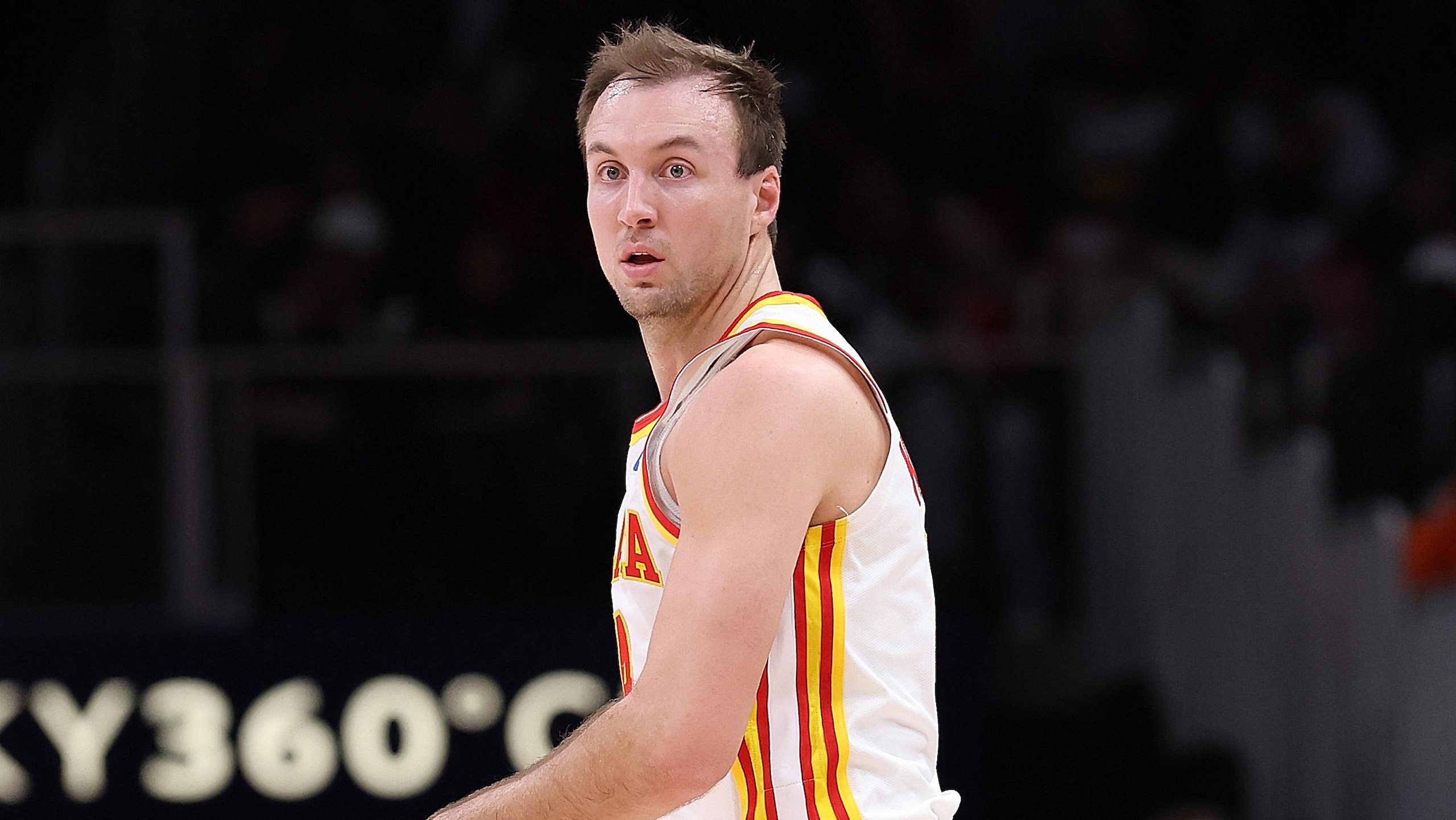
Los Angeles Lakers Receive: Luke Kennard
Atlanta Hawks Receive: Gabe Vincent, 2032 second-round pick
Grades
Lakers: A
Luke Kennard can absolutely help a Los Angeles Lakers team currently ranked 20th in the league in three-point percentage. He's second all time in career three-point percentage and currently leads the league in 2025-26 at 49.7 percent.
He certainly doesn't help L.A.'s issues with perimeter defense, but flanking Luka Dončić or Austin Reaves' playmaking with that kind of flamethrower will make the Lakers a nightmare to defend.
Getting him for one of the worst rotation players in the league this season and a second-round pick (they still have their firsts in case Giannis Antetokounmpo is available this summer) is an obvious win for the Lakers.
Hawks: D
The deal makes less sense for the Atlanta Hawks. They could use a more traditional 1 after dealing Trae Young earlier this season, but Luke Kennard had little stints as a higher-volume playmaker with the Memphis Grizzlies and Detroit Pistons. Atlanta has been a little better with Kennard on the floor this season. And he's just a better player than Vincent.
Giving him up for a far-flung second-rounder and a guard who may not be able to get on the floor feels like a whiff.
—Andy Bailey
Ayo Dosunmu to the Minnesota Timberwolves
11 of 28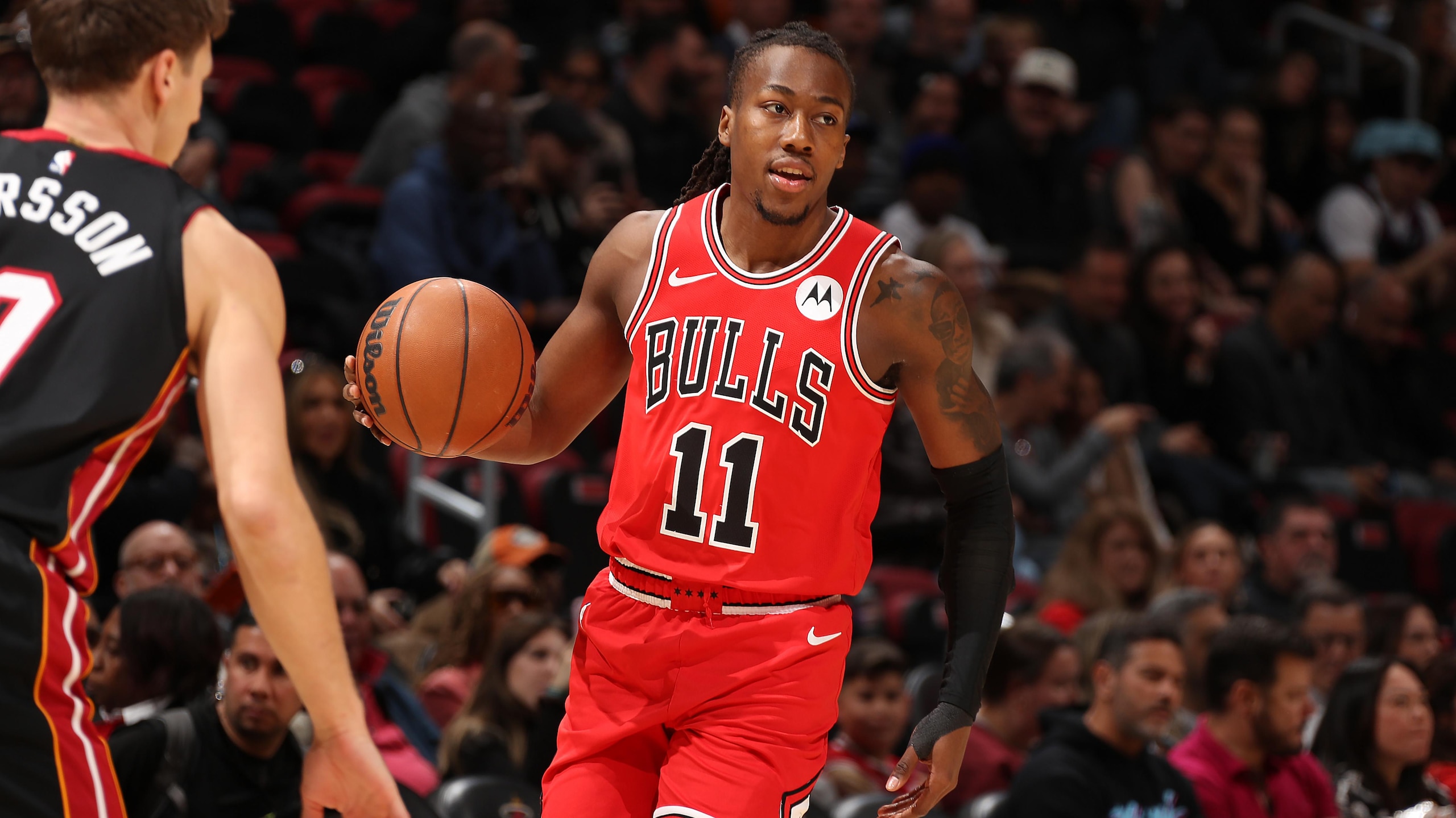
Chicago Bulls Receive: Rob Dillingham, Leonard Miller
Minnesota Timberwolves Receive: Ayo Dosunmu, Julian Phillips
Grades
Bulls: A-
You're not alone if you're still wrapping your head around the Bulls acting like a functional basketball team. This is new to all of us. And it's glorious.
Dosunmu is a talented two-way guard who was unlikely to net Chicago an outright first-rounder even if he had more than this season left on his deal. Extracting four second-rounders out of Minnesota is huge—and brings the Bulls' tally to nine second-rounders (and counting) acquired during trade deadline week.
The incoming player value is tertiary. That's a bizarre thing to say when Rob Dillingham isn't yet two years removed from being drafted eighth overall, but it's the truth.
Even so, the 6'3" guard is only 21. During his best moments with the Timberwolves, he flashed shifty on-ball navigation as well as the ability to quickly get off it. With the Bulls in full-on experimental mode, he should get plenty of reps even with Josh Giddey and Jaden Ivey still both on the roster.
Leonard Miller, meanwhile, once upon a time blurred the line between combo forward and big man. He has not shown much at this level, but Chicago's frontcourt has room for experimental projects.
Timberwolves: B
The Mike Conley dump initially seemed like a precursor to something bigger. That renders this anti-climactic unless Minnesota has more business to come.
Still, Dosunmu plugs a clear void in the rotation as a capable ball-handler. He doesn't have as much jiggle and joggle as Dillingham or Bones Hyland and isn't the same type of game manager as Conley. But he can get downhill and use the defense's reaction to make plays for others without registering as too ball-dominant. He also adds to the team's defensive optionality, as someone who can guard up, without compromising half-court floor balance.
The price paid is on the steeper end. The optics of moving Dillingham, in particular, for Dosunmu aren't great. But the former had become a sunk cost. And for the Timberwolves, specifically, there's real value in landing Dosunmu ahead of free agency. They wouldn't have the flexibility to sign him otherwise if they didn't pull off this deal.
Coby White to Charlotte and Collin Sexton to Chicago
12 of 28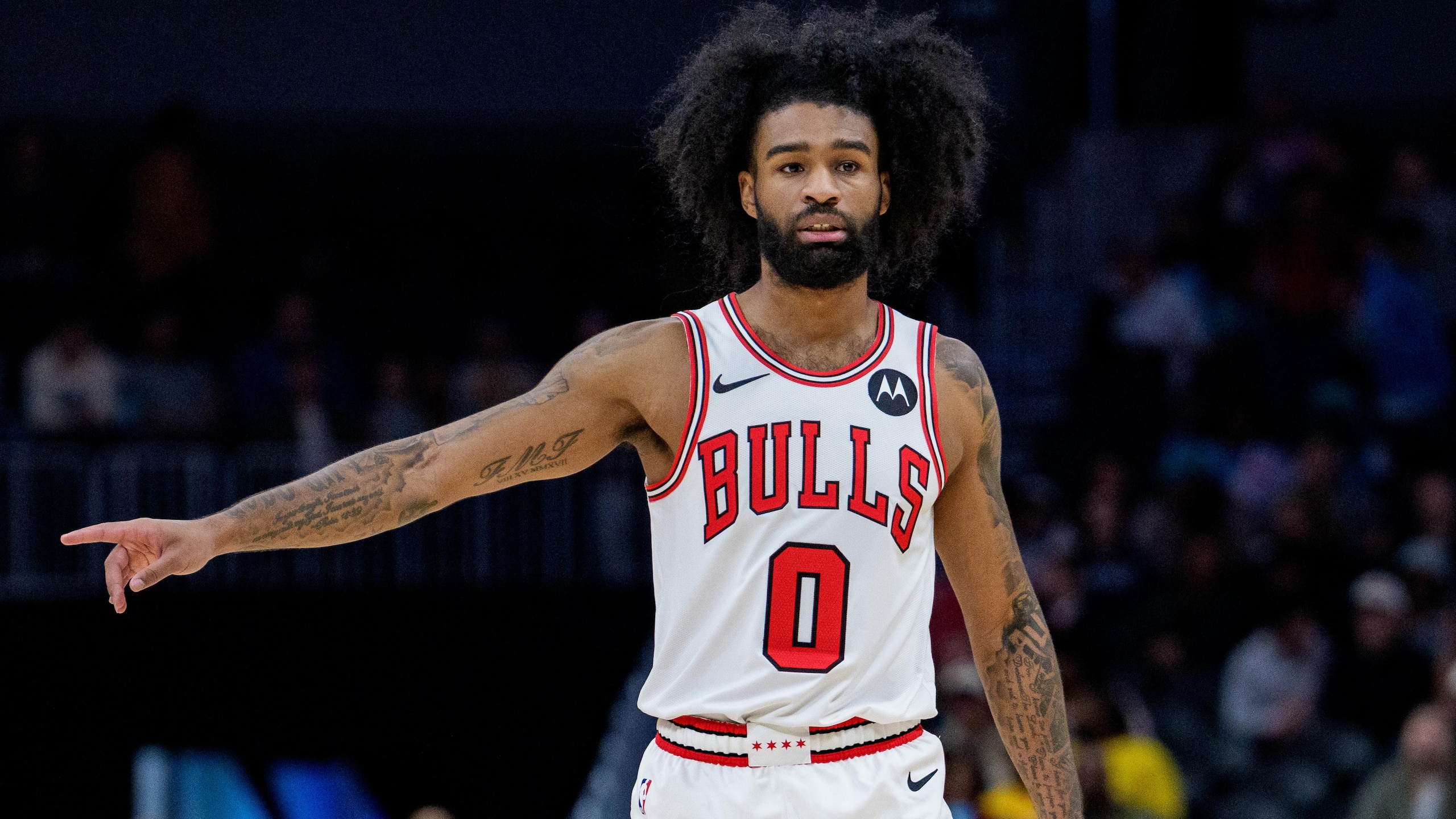
Charlotte Hornets Receive: Mike Conley, Coby White
Chicago Bulls Receive: Ousmane Dieng, Collin Sexton, 2029 second-round pick (least favorable of Charlotte and Denver), Denver's 2031 second-round pick, New York's 2031 second-round pick
Grades
Bulls: A
We can quibble over whether the Bulls should have traded Coby White sooner. They almost certainly would have received a first-round pick if they did. But this return exceeds the value of a first-rounder in totality.
Two of those second-rounders have real upside when looking at the long-term horizons of Denver and New York. Dieng might seem like a throw-in, but Chicago is light on frontcourt bodies and he's spit out some interesting moments as a small-ball 5 in Oklahoma City the past couple of seasons. Taking a flier on him ahead of restricted free agency and as the Bulls are clearly reorienting their trajectory is shrewd.
Oh, also: Collin Sexton is genuinely good! This is the fourth consecutive season in which he's averaging over 20 points per 36 minutes while downing more than 50 percent of his twos and 39 percent of his threes. Stephen Curry, Kevin Durant and Kawhi Leonard are the only players matching that streak.
Sexton could have enough value for the Bulls to re-flip on his own before Thursday at 3 p.m. EST. If he stays put, they can look at re-signing him to a reasonable contract, hope to prop up his sixth-man value and then trade him.
Hornets: B
This deal is not bad for the Hornets, but it's fair to question whether White is enough of an upgrade over Sexton to warrant giving up three second-rounders as part of the equation.
Yours truly leans yes, albeit just slightly.
Sexton is currently the more efficient scorer, including when it comes to self-created shot-making. Scaling forward, though, White should have more to offer as a from-scratch jump-shooter and can be used in more ways off the ball if the Hornets run him alongside LaMelo Ball and/or Kon Knueppel.
More recently, White's body of offensive work comes against a higher degree of defensive difficulty. Teams are not as likely to game plan around Sexton. The contract White signs in free agency will have a lot to say about the fate of this deal, but overall, he's the younger and more malleable player. This is a reasonable gamble for a (suddenly surging!) Hornets team to make.
Xavier Tillman Sr. to the Charlotte Hornets
13 of 28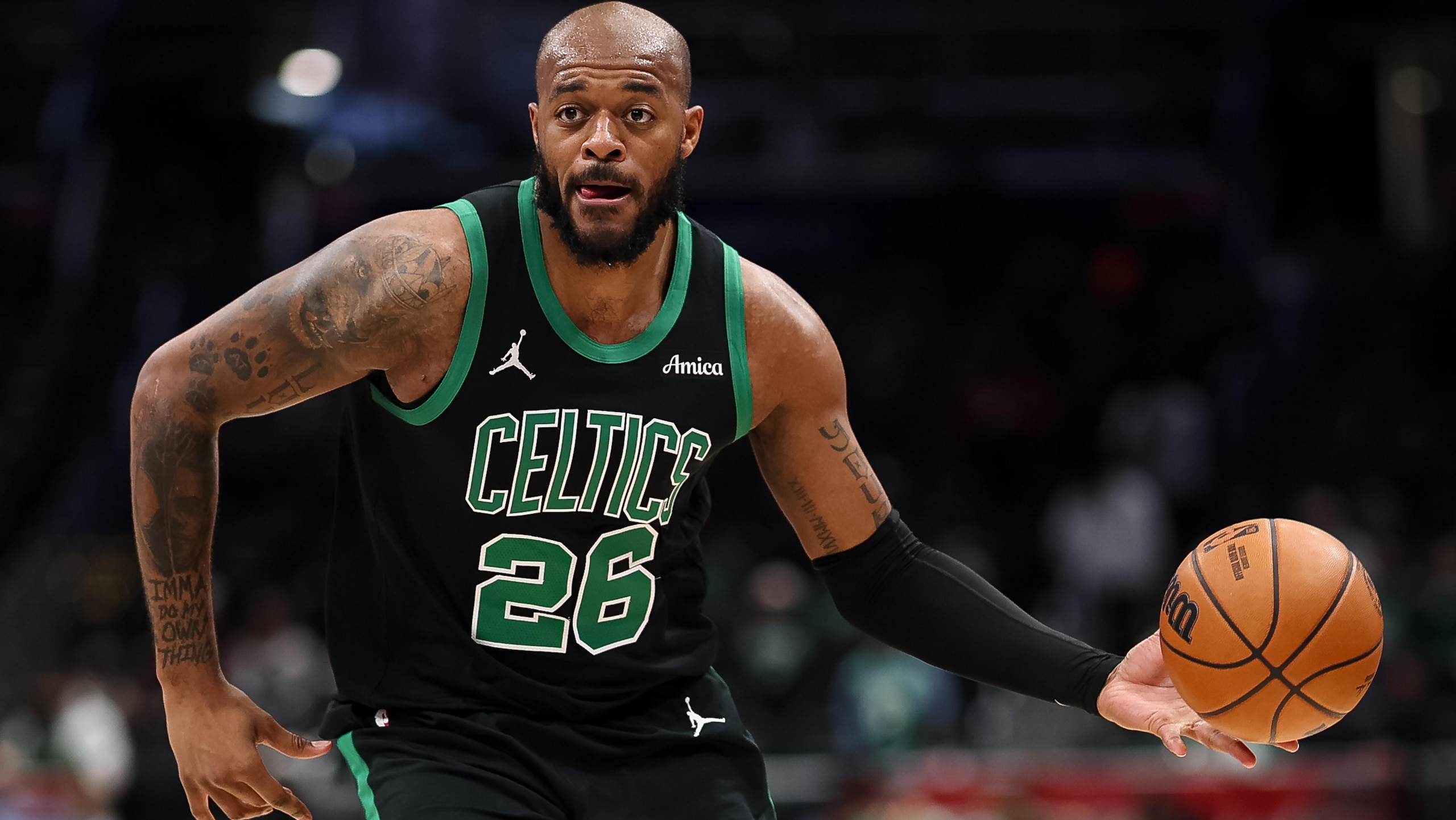
Boston Celtics Receive: Out of the tax
Charlotte Hornets Receive: Xavier Tillman Sr., $3.5 million cash
Grades
Celtics: B+
Well, the Celtics did it: After beginning this season with a payroll projected to hit $540 million in salary and luxury-tax payments, they will now cost a total of under $190 million after ducking the tax entirely. That's respectable work knowing they didn't give up any premiere draft equity to make it happen and are still contending for a top-two seed in the Eastern Conference.
Hornets: C
So much for the Hornets having enough room beneath the tax on draft night to utilize that $7 million traded player exception they created when shipping out Tyus Jones. Ah, well. What fanbase doesn't love a few million bucks for helping another team elide the tax?
Tyus Jones to the Dallas Mavericks
14 of 28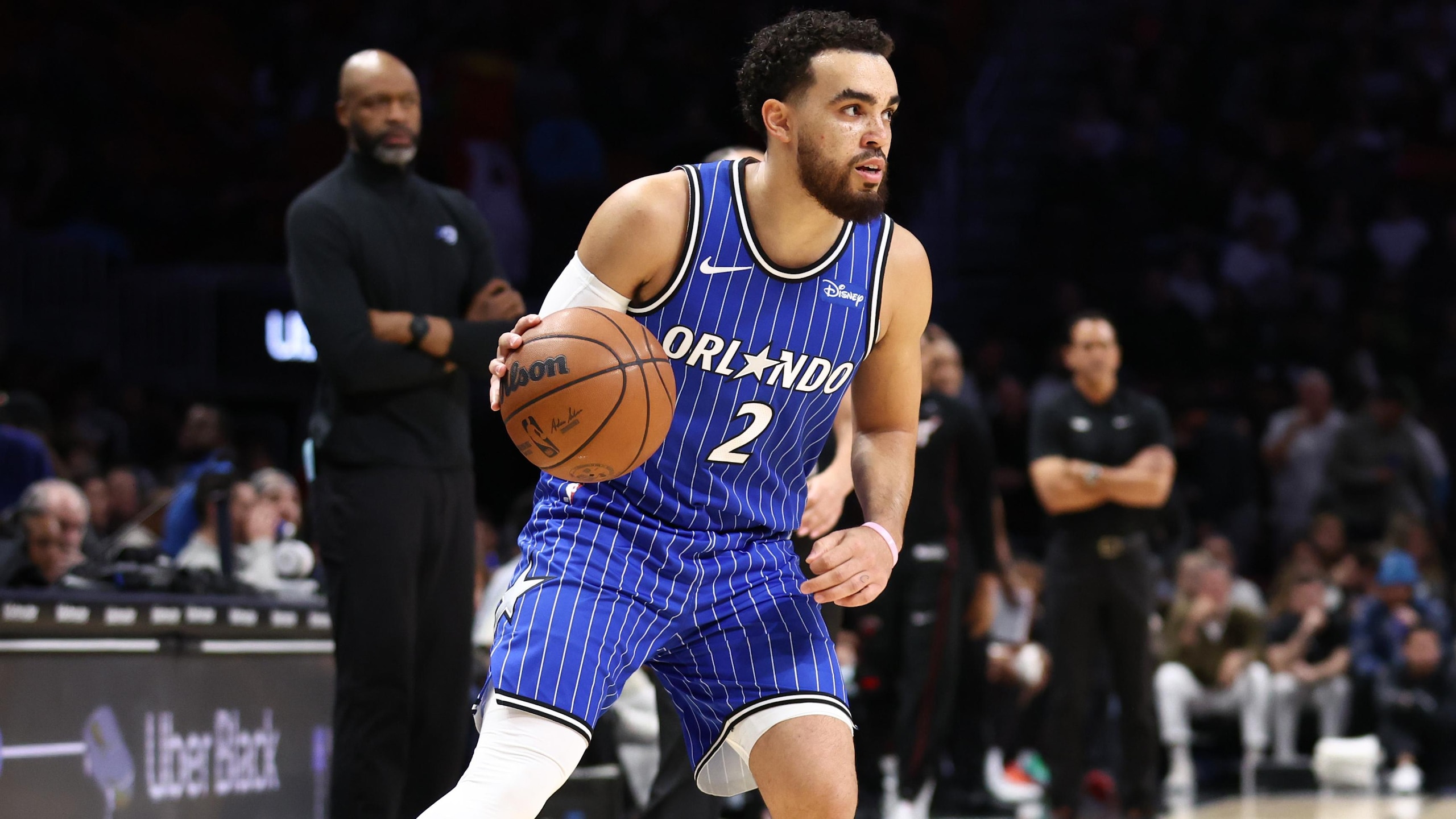
Charlotte Hornets Receive: Malaki Branham
Dallas Mavericks Receive: Tyus Jones
Grades
Hornets: B
Tyus Jones is much better than he's shown this season. The rust that comes with playing for the Orlando Magic is, apparently, real.
This is not excellent value for the Hornets. They also continue to have so many guards it doesn't matter. Jones wasn't going to get much run with LaMelo Ball, Coby White and Kon Knueppel on the roster. Mike Conley is still in town, too. (For now.)
Creating a $7 million trade exception is always useful. It's doubly shrewd for a team that's still $7.1 million below the tax and able to gobble up more money on draft night.
Mavs: A
The flexibility Dallas created with the Anthony Davis trade allowed them to take on extra money. Using that maneuverability on Jones is a good call.
He will not suddenly remedy the Mavs' at-times clumpy offense. But he gives them a tried-and-true offensive organizer whose stint in Orlando feels more like a fluke.
If anyone has an adult-in-the-room game, it's Jones. Cooper Flagg and, well, everyone else in Dallas should reap the benefits.
Guerschon Yabusele to the Chicago Bulls
15 of 28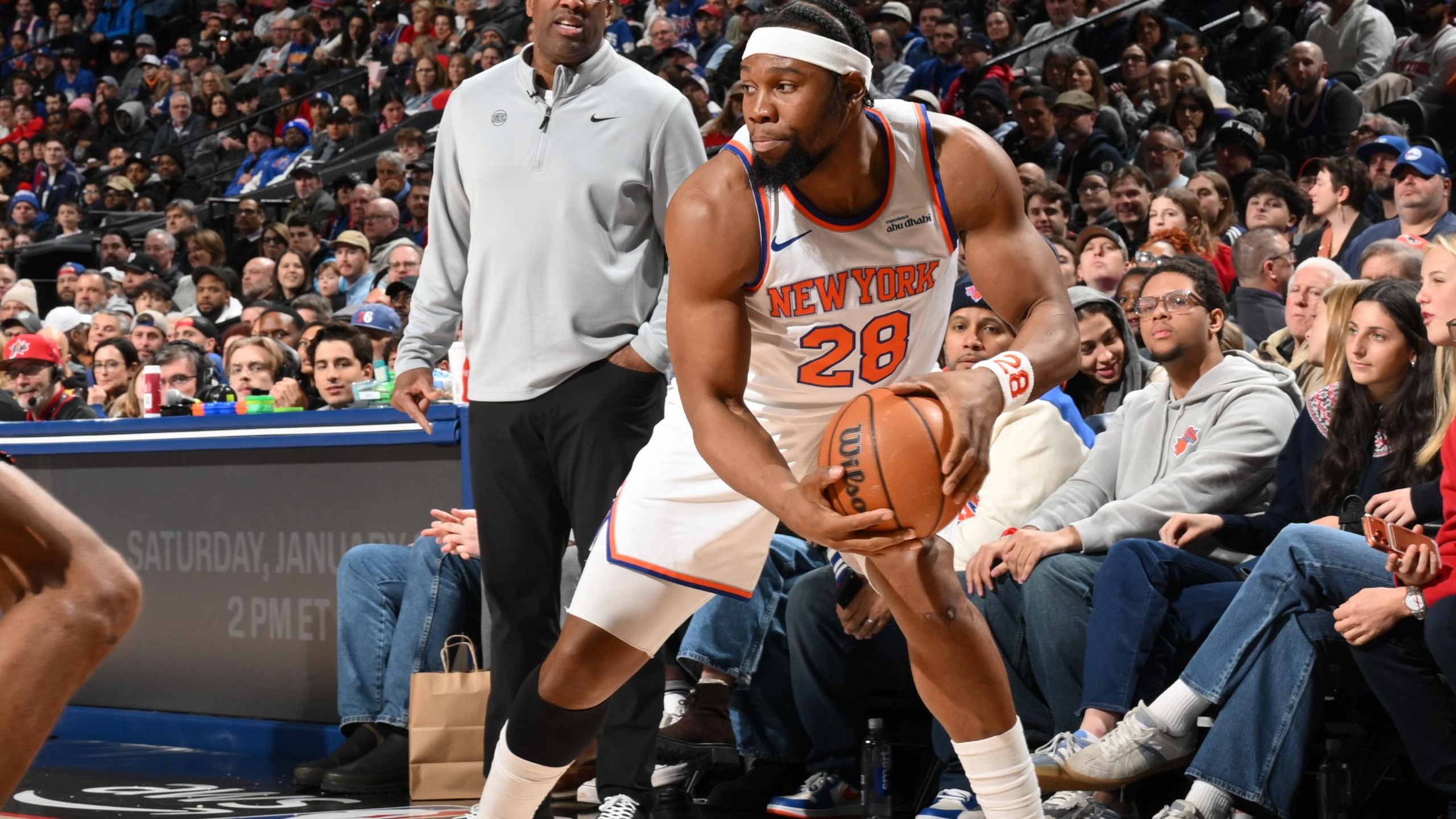
Chicago Bulls Receive: Guerschon Yabusele
New York Knicks Receive: Dalen Terry
Grades
Bulls: C
Not getting an asset to take on Guerschon Yabusele's 2026-27 player option would be considered a giant whiff in most circumstances. The Bulls, however, are teeming with guards and wafer thin up front after shipping Nikola Vučević to the Boston Celtics. Yabusele fills a positional need.
For what it's worth, there's always a chance he recaptures some of the magic from last year, when he shot 38 percent from three and showcased traces of a bruising-yet-balletic floor game. If he remains a non-factor, his $5.8 million salary next season barely puts a dent in Chicago's gobs of cap space—which can still reach north of $60 million.
Knicks: A
It had become clear Yabusele's player option for next season was going to undermine the Knicks' trade deadline. Most teams would have required an asset to take him on and then more assets to send out a player New York actually wants.
The Knicks are splitting their aims with this move. They get off Yabusele without including a second-round pick while increasing their maneuverability beneath the second apron by around $100,000. They can now shop Dalen Terry's $5.4 million expiring contract, plus seconds, for a back-of-the-rotation upgrade and, potentially, additional savings.
New York's only downside is its inability to aggregate Terry alongside other salaries. It could have increased the amount of money coming back in prospective trades by attaching Pacome Dadiet or Jordan Clarkson to Yabu's contract.
Then again, both Dadiet and Clarkson are cheap enough to slide into small exceptions if the Knicks stumble upon a splashier scenario. The inability to aggregate Terry only really becomes a problem if the front office is trying to land someone making eight figures. And even then, everyone outside the starting five is on small enough salaries that New York can capitalize on the myriad cap exceptions floating around.
De'Andre Hunter to Sacramento, Keon Ellis to Cleveland, Dario Šarić to Chicago
16 of 28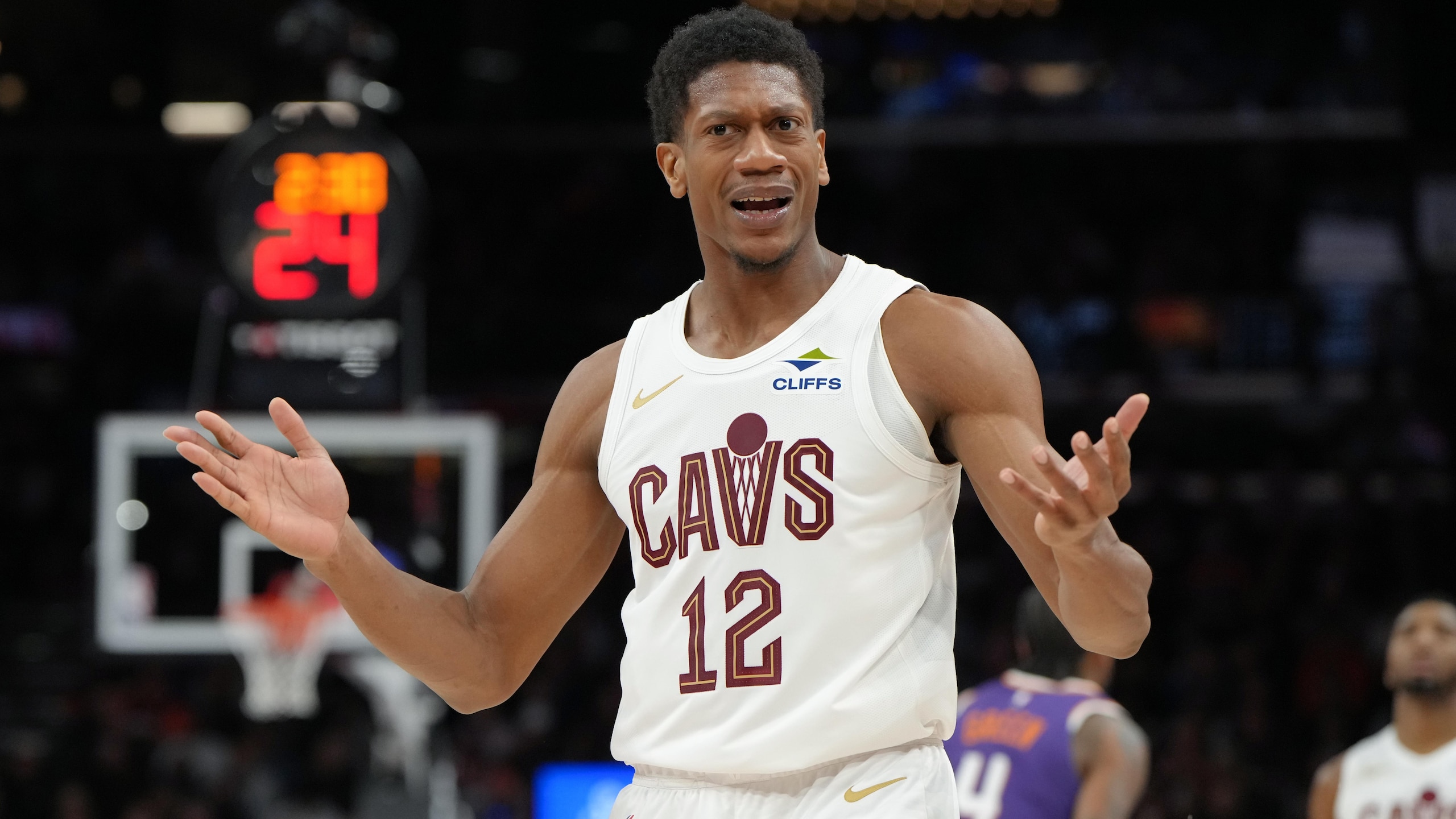
Chicago Bulls Receive: Dario Šarić, 2027 second-round pick (from Denver, via Cleveland), 2029 second-round pick (least favorable of Detroit, Milwaukee and New York, via Sacramento)
Cleveland Cavaliers Receive: Keon Ellis, Dennis Schröder
Sacramento Kings Receive: De'Andre Hunter
Grades
Chicago Bulls: A
Your eyes do not deceive you. The Bulls—yes, the Bulls—are taking on money in exchange for draft picks.
It doesn't matter how juicy the seconds will be. Not really. Taking Šarić into what remains of the Zach LaVine exception—and waiving Jevon Carter to make room for him—is a level of asset accumulation the notoriously shortsighted Chicago front office seldom shows.
Don't sleep on the Bulls moving forward. It has tons of expiring contracts, as well as $8 million-plus under the tax.
Cleveland Cavaliers: B+
Trading wings for guards is never the cleanest idea, but the Cavs are making out pretty well here. Hunter's defensive reputation has never lived up to his 6'7" frame. It's also tough to call him plug-and-play on offense when he likes to take shots Cleveland doesn't need and isn't making the ones it does.
Make no mistake, the Cavs are doing this for the financial savings. They shave $50-plus million in salary and tax off their cap sheet, something team governor Dan Gilbert will be thrilled with.
Ellis doesn't match Hunter's size, but he can capably pester 1s, 2s and some 3s. He's due for a raise after this season and could wind up being a rental. The opportunity cost is low enough for that to be OK. Both he and Jaylon Tyson are more viable three-and-D options at this point than Hunter.
Schröder's paint pressure can help secondary units and arms the Cavs with a ball-handling alternative to Craig Porter Jr. and the wildly disappointing Lonzo Ball. Catch him on the right night, and he'll offer plenty of point-of-attack resistance.
Going from Hunter's $24.9 million next season to Schröder's $14.8 million positions Cleveland to skirt the second apron next year. Accomplishing that while deepening the rotation at the expense of a low-end second-round pick is a job well done.
Sacramento Kings: D
It turns out having a trillion guards and minimal wings isn't a smart way to build an NBA team. Who knew?!
Hunter is having a down year but fills a positional need. He is more expensive than Schröder next season, but lopping off the latter's partial guarantee in 2027-28 maximizes the Kings' cap-space potential. Though they're now a tax team next year, there's no way that stands.
Forking over assets when you're arguably giving up the two best players is uninspiring. Then again, the second-round pick doesn't have much upside.
Losing Ellis is most painful. Sacramento could have probably fetched more if it moved him over the summer or at last year's deadline. By now, though, he wasn't going to net more second-round equity, and the Kings certainly weren't going to re-sign him. Choosing to get off Schröder and decongesting the guard glut over bagging, say, two seconds is a reasonable call to make.
And yet, we can't let the Kings off the hook. This is the culmination of a series of recently terrible decisions: not declining Ellis' team option to make him a restricted free agent; flipping Jonas Valančiūnas for Šarić to jimmy up more flexibility; and then using that flexibility on a deal for Schröder that's aged about as well as last year's midseason play‑in hopes.
Jaden Ivey to Chicago, Kevin Huerter to Detroit & Minnesota is Up to Something
17 of 28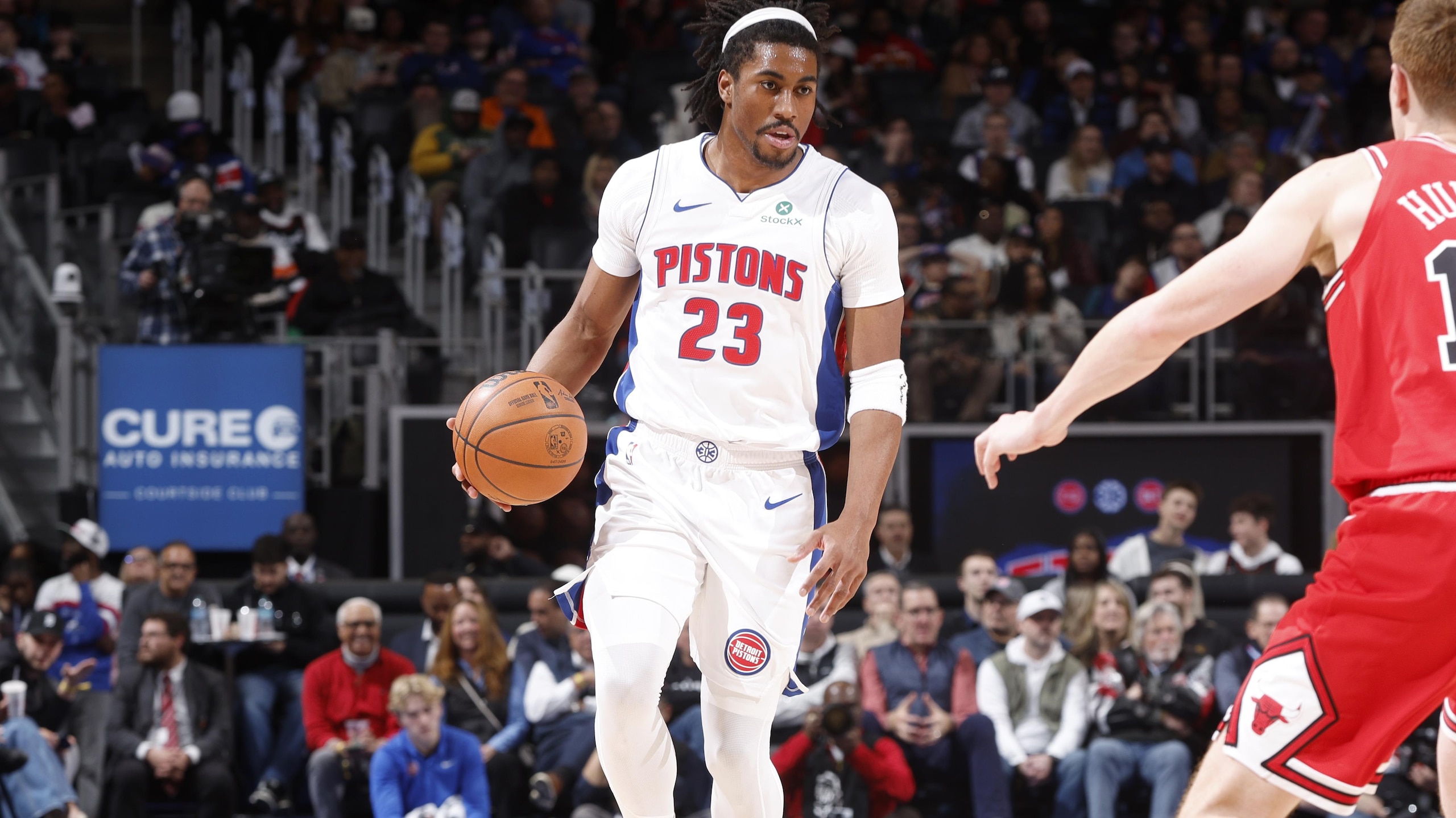
Chicago Bulls Receive: Mike Conley, Jaden Ivey
Detroit Pistons Receive: Kevin Huerter, Dario Šarić, 2026 first-round swap (via Minnesota)
Minnesota Timberwolves Receive: Create $10.8M trade exception
Grades
Bulls: B+
Mere days after taking on Dario Šarić in exchange for two second-round picks, the Bulls are turning him and Kevin Huerter into a flier on Jaden Ivey.
Who are these Bulls and what have they done with the shortsighted mess of a franchise we've come to love to loathe?
Chicago's guard glut remains out of control with Mike Conley, Coby White, Ayo Dosunmu, Anfernee Simons and Josh Giddey on the roster. The grade could rise if this gets sorted out. Its cap-space situation for this summer is now best categorized as fluid, too.
All of this is to say: More moves are coming. And based on how the Bulls are prioritizing seemingly bigger-picture priorities so far, we're not going to hate them.
Pistons: A-
Shout-out to Pistons lead executive Trajan Langdon for continuing to make the most out of flexibility beneath the tax. Detroit has added another shooter on a sizable expiring contract it can flip in another trade while somehow also nabbing a first-round-pick swap it might actually exercise—all for the reasonable price of taking on Šarić and cutting the Jaden Ivey cord.
The latter opportunity cost is the only pain point. You can argue the Pistons should have traded Ivey sooner, when his value was higher. That window of opportunity was slim, if it ever existed at all.
Ripping off the Band-Aid simplifies Detroit's offseason ahead of his restricted free agency while setting them up to do other things right now.
Timberwolves: A-
There is something emotionally icky about sending Mike Conley to Chicago, of all places. From the it's-a-business perspective, though, the Timberwolves are setting themselves up quite nicely.
Minnesota is dipping beneath the first apron, which affords it the ability to take on (some) money in subsequent trades or paves the way for it to entirely duck the tax. Dropping down a projected seven spots in the first round just to skirt the tax would be uninspiring. Our grade is a bet that lead executive Tim Connelly has grander plans.
Lonzo Ball to the Utah Jazz
18 of 28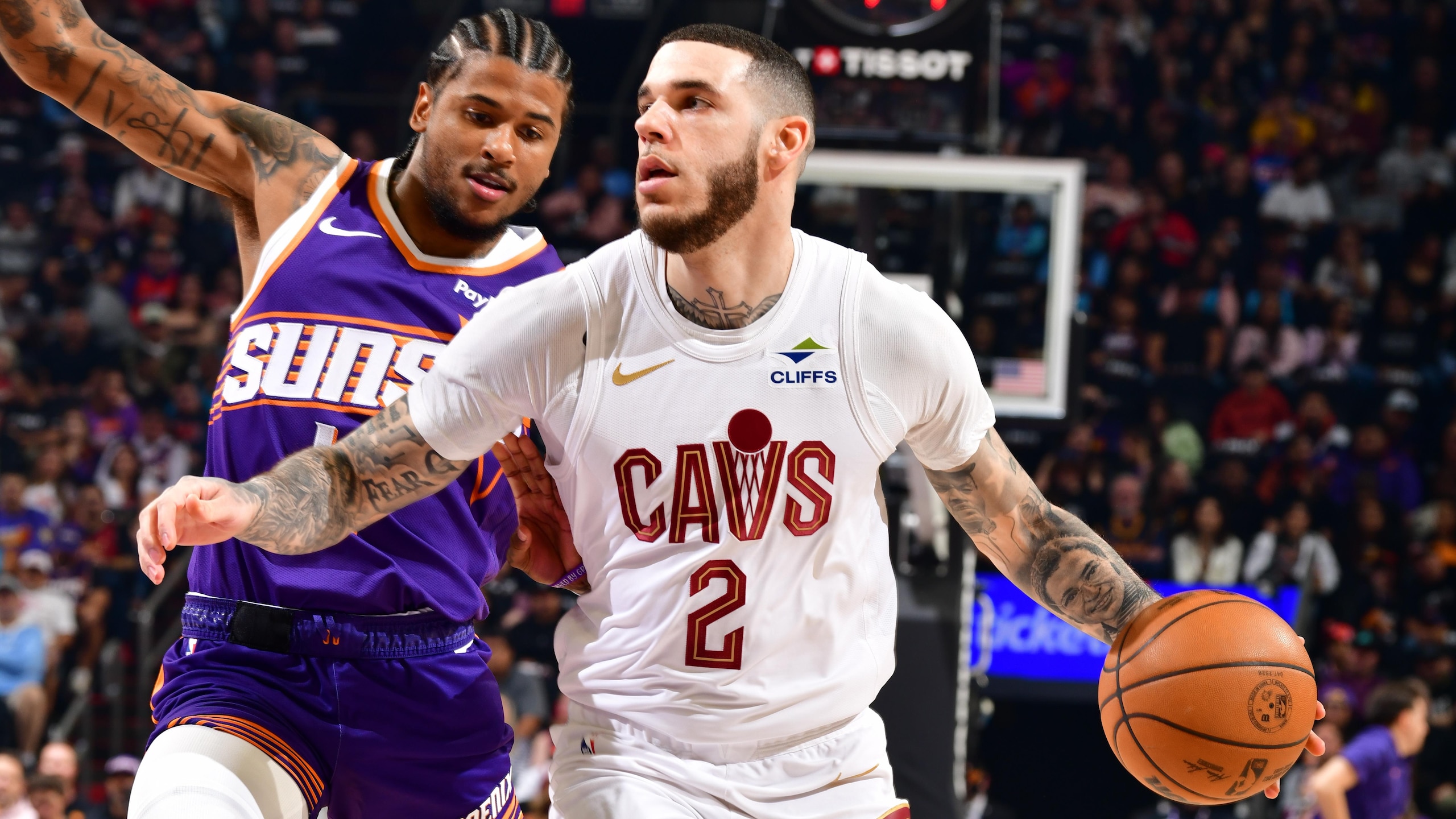
Atlanta Hawks Receive: Jock Landale
Cleveland Cavaliers Receive: $10 million traded player exception
Utah Jazz Receive: Lonzo Ball, 2028 second-round pick, 2032 second-round pick, cash (via Atlanta)
Grades
Hawks: A
Jock Landale was quietly having a solid season before he got caught up in the Memphis Grizzlies' whatever-ing of their future. He's shooting 38 percent from deep on nearly three attempts per game, and while he doesn't offer top-tier rim protection, he's able to hold his own when yanked away from the basket.
Getting that from a center on the league's minimum is a worthwhile investment no matter what. It's an even bigger deal for the Hawks as they navigate topsy-turvy availability from Kristaps Porziņģis.
Cavs: C
We have to detach what it's costing the Cavs to dump Lonzo Ball from the price they paid to land him (Isaac Okoro). This blow is further softened knowing they are already up two more guards after landing Keon Ellis and Dennis Schröder.
Once we account for all of that, this is still…meh.
Cleveland is saving more than $60 million by offloading Lonzo's $10 million salary. Hooray for Dan Gilbert! But this cost-cutting shindig is stripping the Cavs of their final two movable second-round picks. That's a not-insignificant price paid to wash off an expiring contract and then still be in the second apron.
Perhaps Cleveland isn't done. It's now inside $4 million of skirting the second apron. Can it make up the difference without any more second-round equity to send out? Guess we'll see.
Jazz: A
Stockpiling additional draft equity is a smart move by a Jazz squad clearly looking to hit the ground running next season.
Second-rounders can be finishing touches for larger deals or, as Cleveland is proving here, rebalancing the cap sheet. Utah now has nine of these thingies over the next seven drafts.
Eating $10 million in money isn't nothing, but the Jazz have more than enough flexibility beneath the tax to accommodate it. At least one of these Cavs picks is far enough out that it could land in the top half (or better) of the second round. Also: Lonzo may not cost Utah the full $10 million freight if he's willing to give back money to facilitate a buyout.
Nerds like myself might quibble over losing Landale, but Jusuf Nurkić is playing well enough that he may rarely have seen the light of day.
Trayce Jackson-Davis to the Toronto Raptors
19 of 28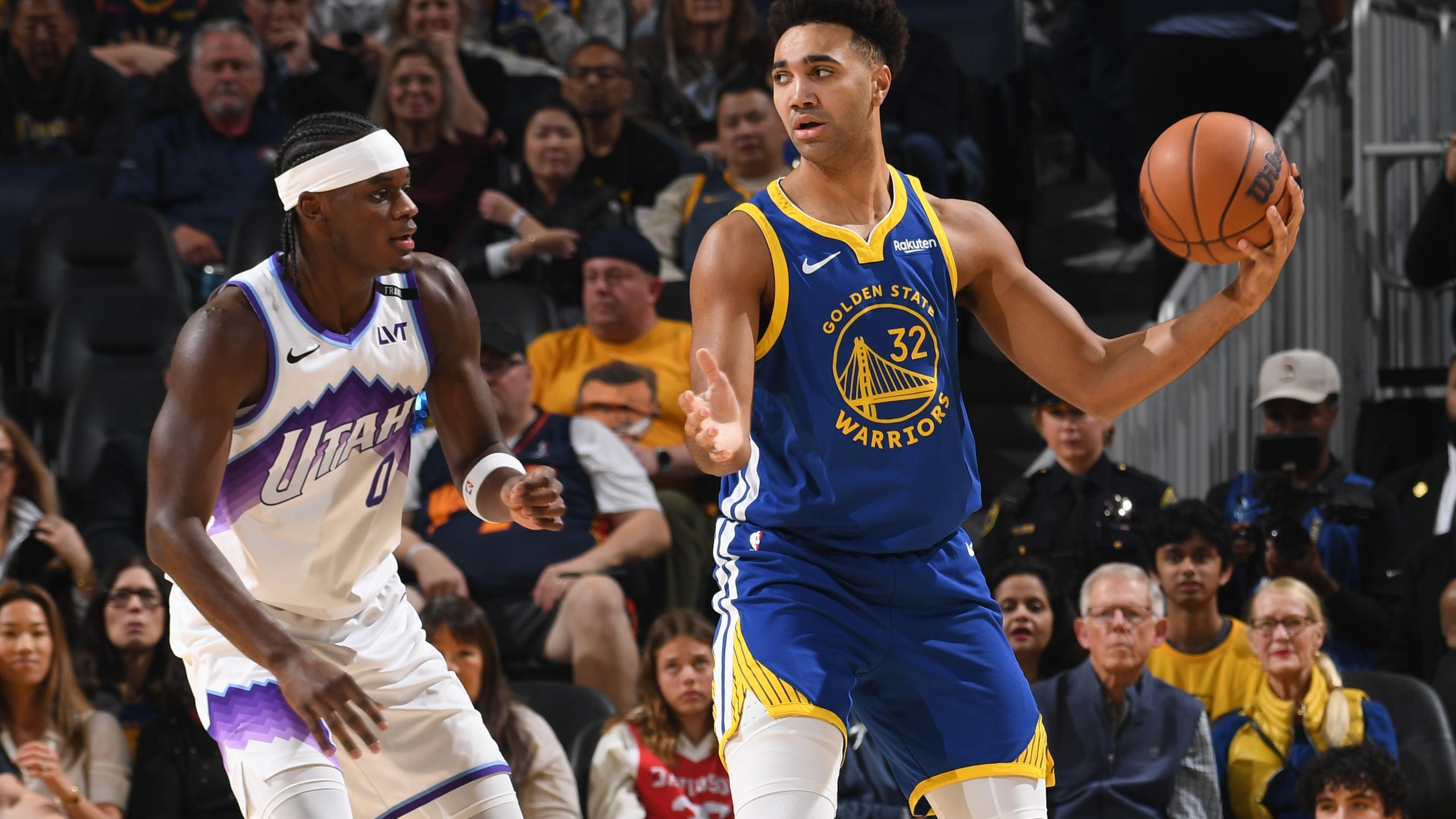
Golden State Warriors Receive: Los Angeles Lakers' 2026 second-round pick
Toronto Raptors Receive: Trayce Jackson-Davis
Grades
Warriors: B+
Kristaps Porziņģis isn't available enough for the Warriors to deal away big men willy-nilly after acquiring him. That's not what they're doing here. Trayce Jackson-Davis wasn't part of the rotation before the KP deal. That wasn't going to change after it.
Scooping up another second-rounder, chiseling out additional room beneath the second apron and finishing the KP and TJD trades with two open roster spots is good business. The "B+" nods to the fact that we have to see what the Warriors do with this extra maneuverability, and that they might've left some value on the table with TJD by being unable to eke out enough spacing to consistently play him alongside another non-shooter.
Raptors: B+
Landing TJD makes the Ochai Agbaji dump look a lot better for the Raptors. They effectively shipped out two seconds to elide the luxury and add a big with understated playmaking vision who should need to play while Jakob Poeltl deals with a back injury.
Viewed together, the opportunity cost of both trades remains a little uncomfortable. The 2032 second Toronto gave up to wipe Agbaji's money off the ledger is far enough out to have mystery-box appeal.
That can't have any bearing in this space. The Raptors unloaded a mid-to-late second-rounder to grab a much-needed big who's on the books for sub-$2.5 million this season and next. That's a quality on-the-margins move.
Chris Paul to Toronto and Ochai Agbaji to Brooklyn
20 of 28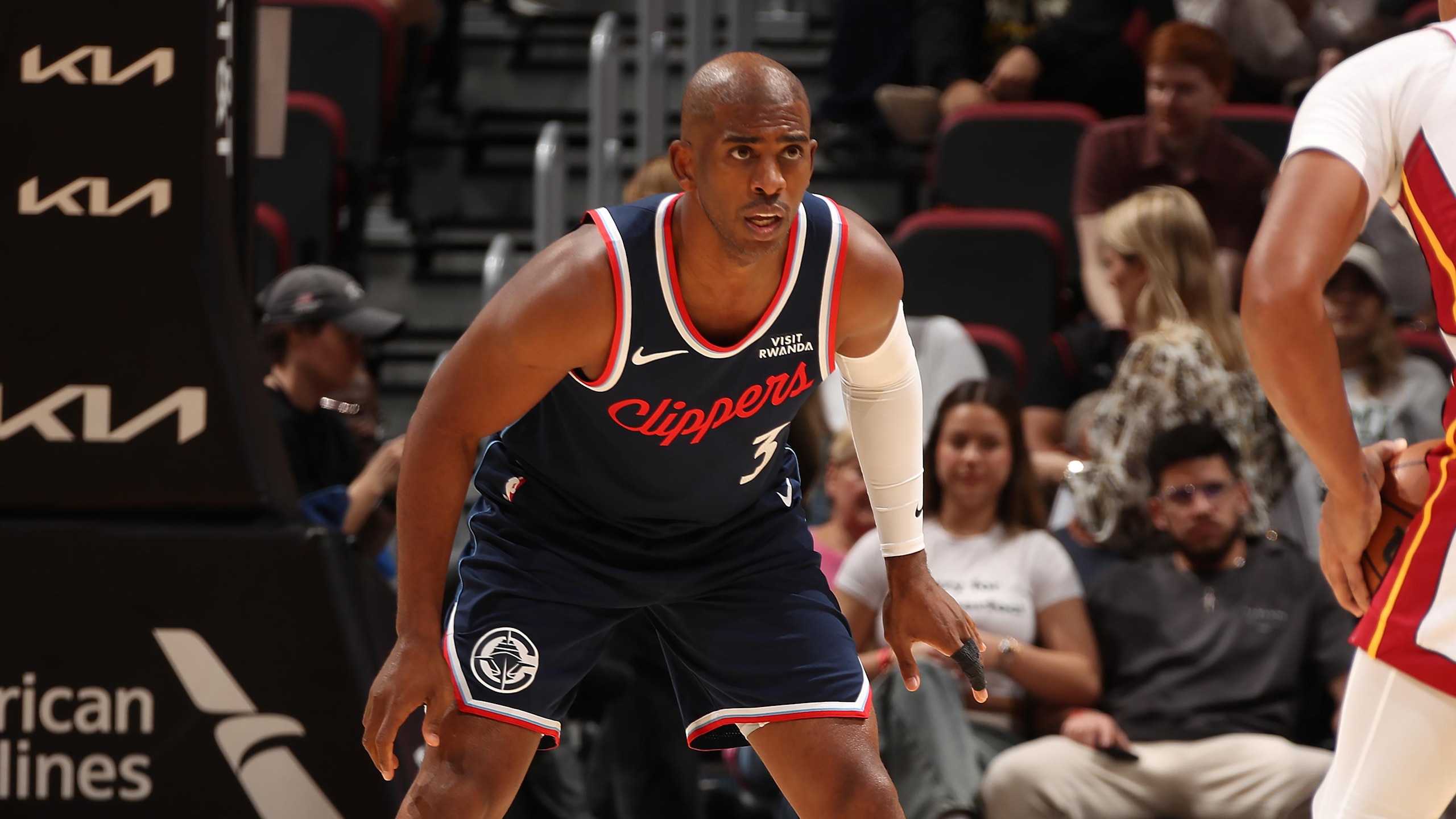
Brooklyn Nets Receive: Ochai Agbaji, Toronto's 2032 second-round pick, cash considerations (via Clippers)
Los Angeles Clippers Receive: $2.3 million traded player exception
Toronto Raptors Receive: Chris Paul
Grades
Nets: A
Brooklyn has tons of flexibility to burn. It can take Agbaji into cap space or its room exception. Getting cash and a distant second-rounder is worth the $6.4 million add-on—particularly when head coach Jordi Fernandez will find a way to squeeze Agbaji's defense into the rotation, his shaky offense be darned.
Something else to file away: Brooklyn has yet to add any money to its books that stretches past this season. There's plenty of time for this to change. If it doesn't, it suggests the Nets have bigger goals for the $40-plus million in cap space they can carve out this summer.
Clippers: A
Chris Paul has not been around the Clippers since the beginning of December, rendering him something less than expendable. Finding a taker for his minimum deal without including any draft compensation is a win on its own. And it's not L.A.'s only, or even, biggest victory.
Shedding Paul now gives the Clippers enough room beneath the first apron to convert the two-way contracts of Kobe Sanders and Jordan Miller, both of whom have played meaningful roles in the team's midseason rebirth.
Raptors: D
Everyone and their third cousin's neighbor's goldfish knew the Raptors were going to slink beneath the luxury tax line. They needed to shed less than $1 million to do so.
Ditching a way-out-into-the-future second-rounder to do it is a little alarming. Now, this does give Toronto the ability to take on more money in subsequent trades. It's a little over $3.1 million clear of the tax, and that number could rise if they find a taker for CP3, who won't be reporting to the team.
We'll still need to see what, if anything, it does with that wiggle room before downgrading the opportunity cost of saving money for Maple Leafs Sports & Entertainment.
Tyus Jones to the Charlotte Hornets
21 of 28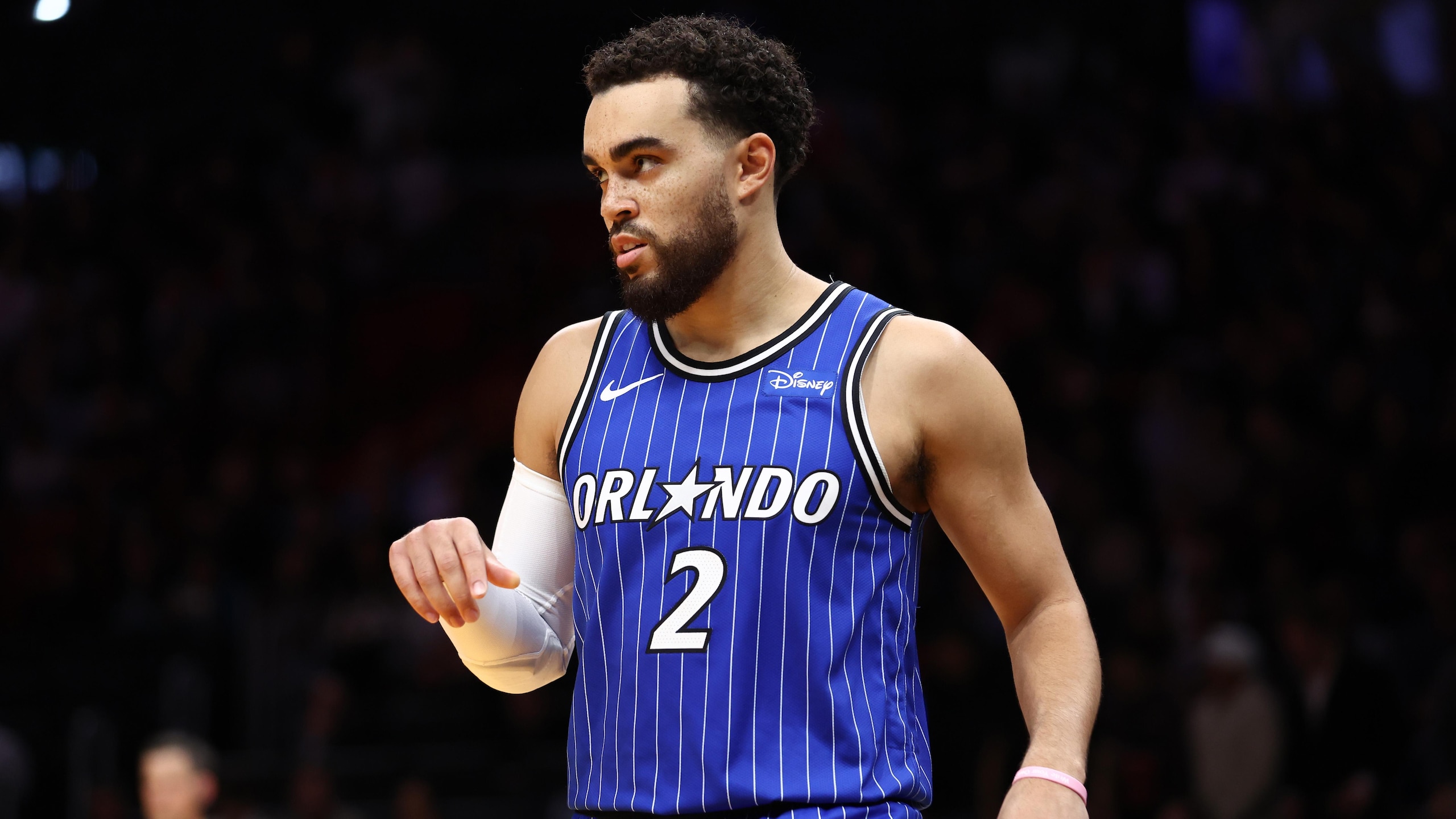
Charlotte Hornets Receive: Tyus Jones, 2027 second-round pick (least favorable of Boston and Orlando), Orlando's 2028 second-round pick
Orlando Magic Receive: $7 million traded player exception
Grades
Hornets: B
Charlotte is almost as guard-heavy as Chicago at this point with Coby White, Mike Conley and Tyus Jones now added to the docket. The latter two might not stick, and even if they do, this trade is all about the picks.
The Hornets now have 11 first-rounders and 14 second-rounders in their possession over the next seven years. They are going to be a player on the trade market in the not-too-distant future. If they aren't, it's because things are going incredibly well with the current core, in which case those picks become paramount to accumulating cost-controlled complements around more expensive cornerstones.
These particular seconds have limited upside, if not no upside at all. The 2028 Orlando second could be interesting if the Magic continue battling health and fit issues in the seasons to come. It's no biggie if these are vanilla seconds, either. Charlotte still has around $5 million in space beneath the tax, so this framework isn't nuking its flexibility.
Magic: B
I'm not usually in the business of celebrating teams for dragging themselves beneath the tax. (Looking at you, specifically, Philly.) I'm making an exception in this case, though.
Orlando's core becomes prohibitively expensive next season. Paolo Banchero's max extension kicks in, and Franz Wagner, Desmond Bane and Jalen Suggs are already on massive deals.
Slinking beneath the tax this year delays the repeater clock from starting. This matters if you want the Magic to bankroll this group or just continue shuffling the deck with the intent to win for the foreseeable future.
And whereas compensation for midseason salary dumps can be on the higher end, not one of Orlando's outgoing second-rounders profiles as a selection that will land in the top 42 of the draft.
Oklahoma City Plays the Draft Rights Game with Utah
22 of 28
Oklahoma City Thunder Receive: Balša Koprivica
Utah Jazz Receive: Cash considerations
Grades
Thunder: A
Balša Koprivica is a 25-year-old Serbian center currently playing in Turkey. The Thunder did not acquire him to lure away Nikola Jokić 2027 free agency.
Teams always need to send or receive something from any other squad involved in a trade. Draft rights to players likely never coming to the NBA can be useful to satisfy this criteria in three-, four-, five-, six-, seven-, eight-team extravaganzas.
If we're being honest, Oklahoma City putting another one of these tools in its backpocket should terrify the rest of the league for what might be coming next.
Jazz: A
This trade might be problematic if the Jazz didn't have the draft rights to any other players to include in trades. They do. They also have, roughly, a quadrillion seconds.
Cash considerations aren't celebrated outside Chicago's front office. Yet, with Utah now on the hook for Lauri Markkanen and Jaren Jackson Jr. as well as eventual paydays for Walker Kessler and Keyonte George, we know they're not cheaping out. Acquiring some extra scratch, in that case, is a good call.
Josh Minott to the Brooklyn Nets
23 of 28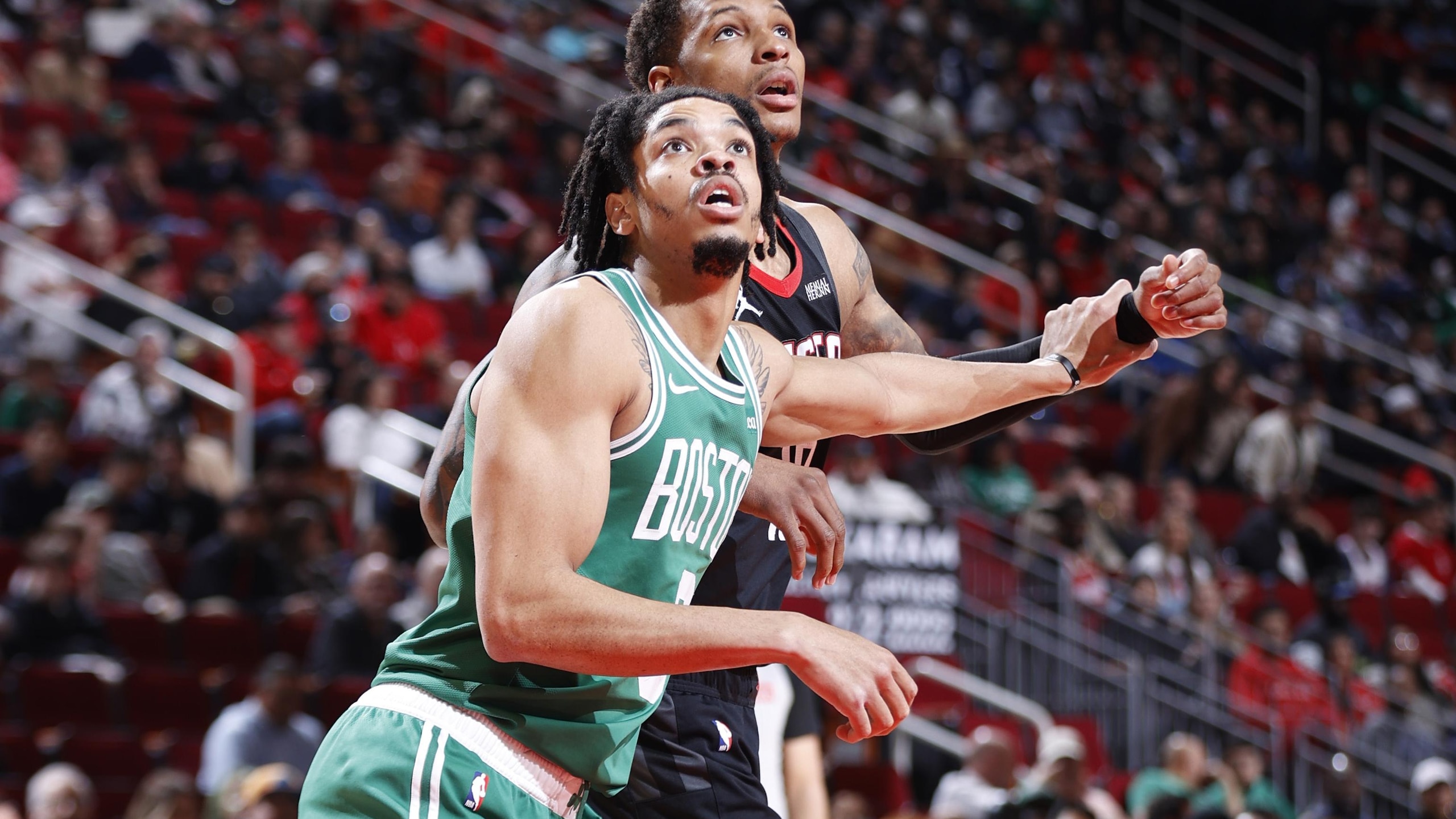
Boston Celtics Receive: $2.3 million traded player exception
Brooklyn Nets Receive: Josh Minnott
Grades
Celtics: C+
Josh Minnott had some interesting moments in Boston to start the season but fell out of the rotation by Christmas. Moving him opened up yet another roster spot, one of which has already been filled by Amari Williams, and didn't come at the expense of a draft pick.
The Celtics exit the deadline less than $2 million into the luxury tax. Somebody is getting traded on draft night.
Nets: B+
Head coach Jordi Fernandez loves himself a rangy defender and is getting another in Josh Minott. Though not getting a second-round pick (as far as I've seen) is a bit of a bummer, the 23-year-old hybrid wing-big is someone who should not only play, but have a chance of sticking in Brooklyn beyond this year.
Hunter Tyson to the Brooklyn Nets
24 of 28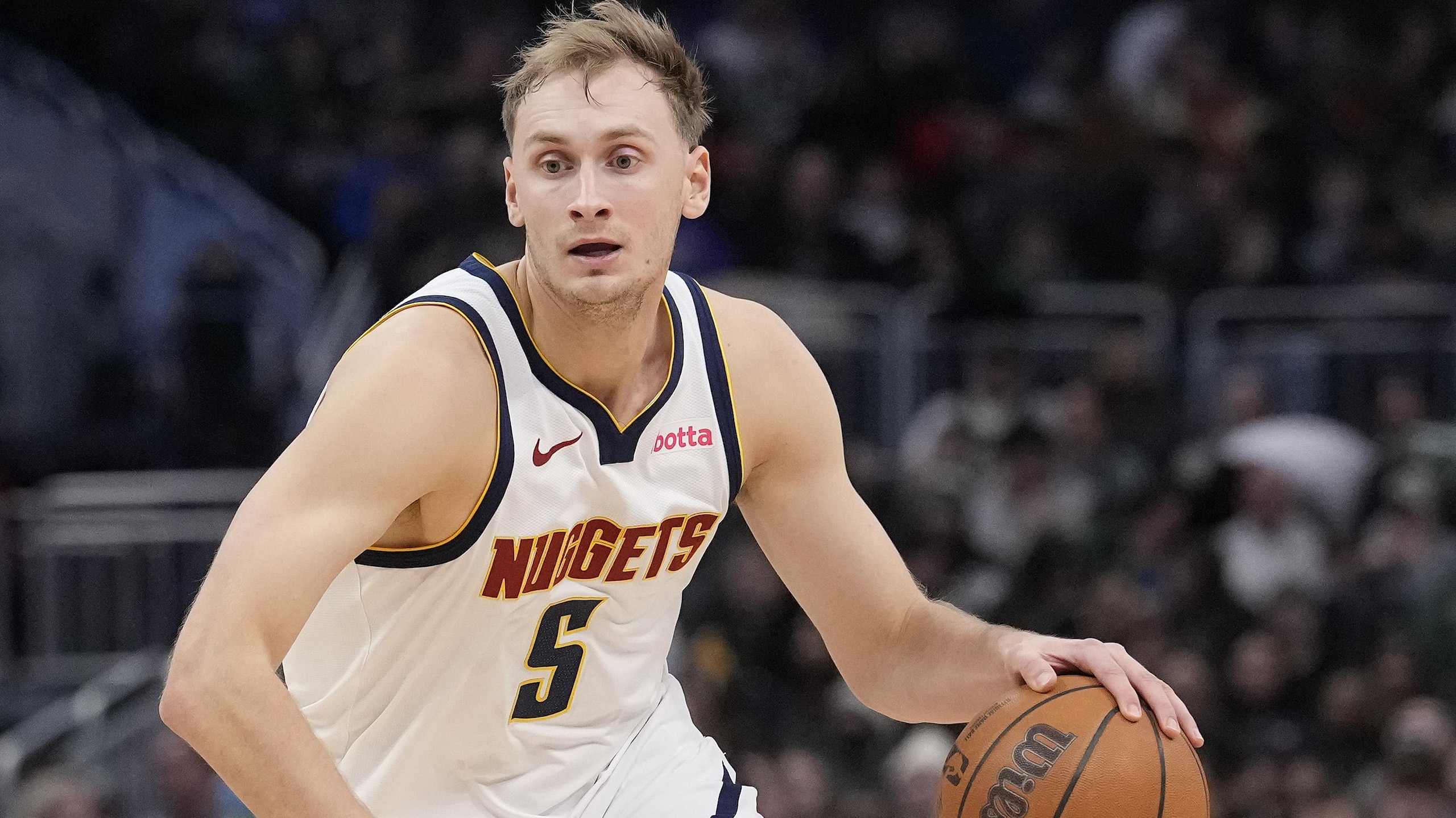
Brooklyn Nets Receive: Hunter Tyson, 2032 second-round pick
Denver Nuggets Receive: 2026 second-round pick (less favorable of Atlanta and Los Angeles Clippers)
Grades
Nets: A
Brooklyn has flexibility to spare and is getting a distant second to swallow the salary of someone to whom it's not beholden past this season. Holding onto the outgoing second-rounder would have been ideal but is worth surrendering for another bite at Denver's post-Nikola-Jokić draft apple.
Nuggets: A
Denver now sits around $1.8 million below the luxury tax. That's enough money to sign two pro-rated veteran contracts, a terrifying notion for the rest of Western Conference depending on what the buyout market looks like.
Giving up a second that post-dates the Jokić era incites a little queasiness, but it's offset by the acquisition of another second that can be used to finish off a future move or fill out next season's roster on the cheap.
Nick Richards to Chicago, Cole Anthony to Phoenix and Ousmane Dieng to Milwaukee
25 of 28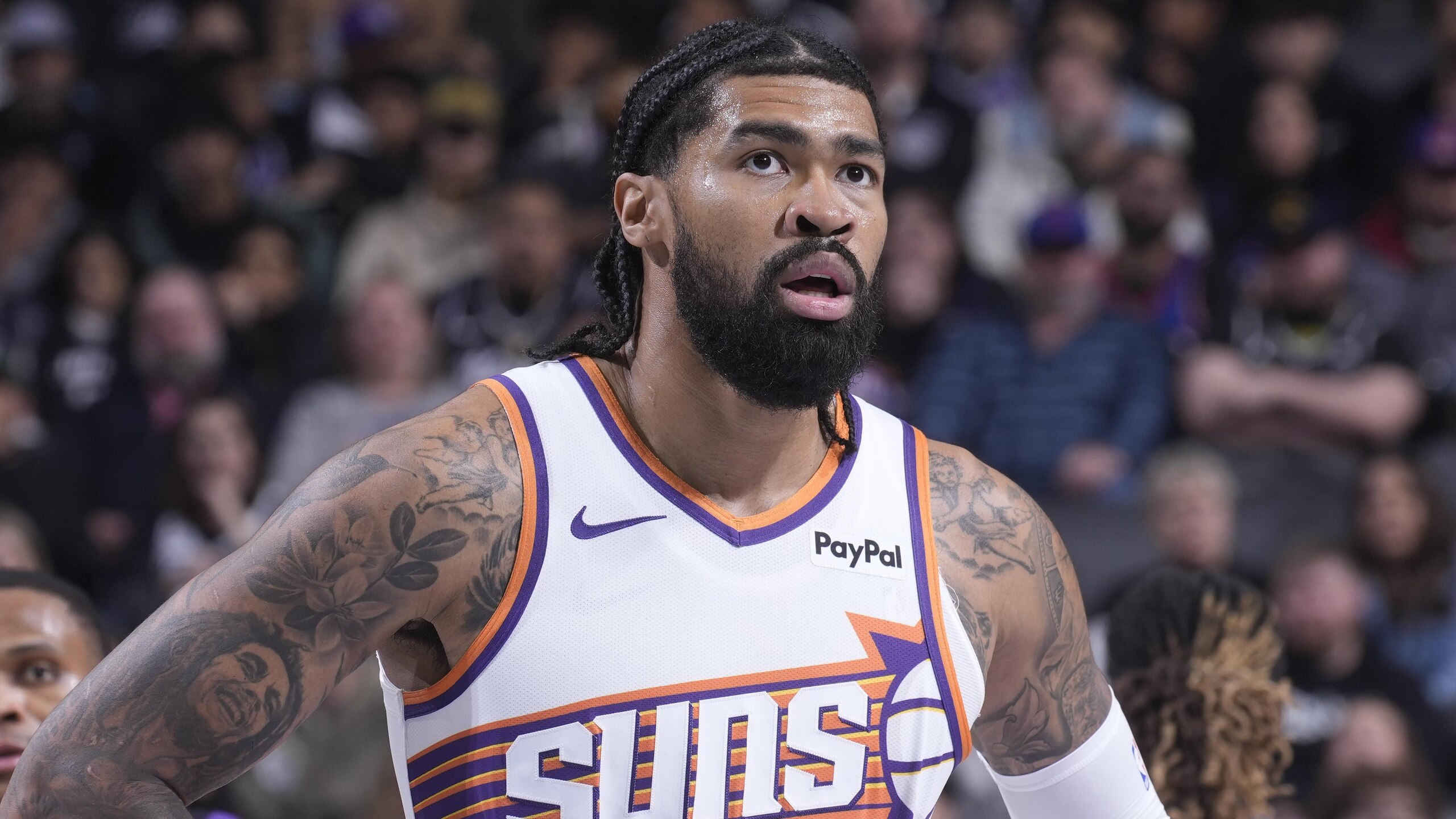
Chicago Bulls Receive: Nick Richards
Milwaukee Bucks Receive: Ousmane Dieng, Nigel Hayes-Davis
Phoenix Suns Receive: Cole Anthony, Amir Coffey
Grades
Bulls: C
Chicago has plenty of available center minutes after trading Nikola Vučević to the Boston Celtics. Nick Richards can gobble up a nice share of those reps.
But Ousmane Dieng is the more intriguing prospect for his transition flashes and defensive portability alone. Though chances of him morphing into a keeper were slim, it might've made a touch more sense for the Bulls to hold onto the higher-upside swing.
Bucks: D
Shortly after ESPN's Shams Charania wrote that the Bucks were going to hold onto Giannis Antetokounmpo through the deadline, this anti-blockbuster went through, and it's awfully hard to see why.
All fie of the contracts involved expire after this season. Cole Anthony is the only player of the bunch who's gotten rotation minutes this season.
This trade, essentially, does nothing for Milwaukee in the short or long term. Ousmane Dieng and Nigel Hayes-Davis won't push the Bucks into the play-in and convince Giannis to stick around after this season. And both are already on the downward slope of their developmental curves.
Maybe either or both will be significantly better for Milwaukee than they were for the Phoenix Suns, but right now, this feels like a trade that was done just to do stuff.
Suns: A
This isn't a high-impact deal for the Phoenix Suns, but turning two players who have almost nothing to do with their far-better-than-expected 2025-26 into a decent-sized wing (Coffey) and a potential heat-check scorer who's still just 25 years old (Anthony) is a smart bit of business.
The Suns basically got a shot at two potential rotation players for free...while getting out of the tax.
—Andy Bailey
Eric Gordon to the Memphis Grizzlies
26 of 28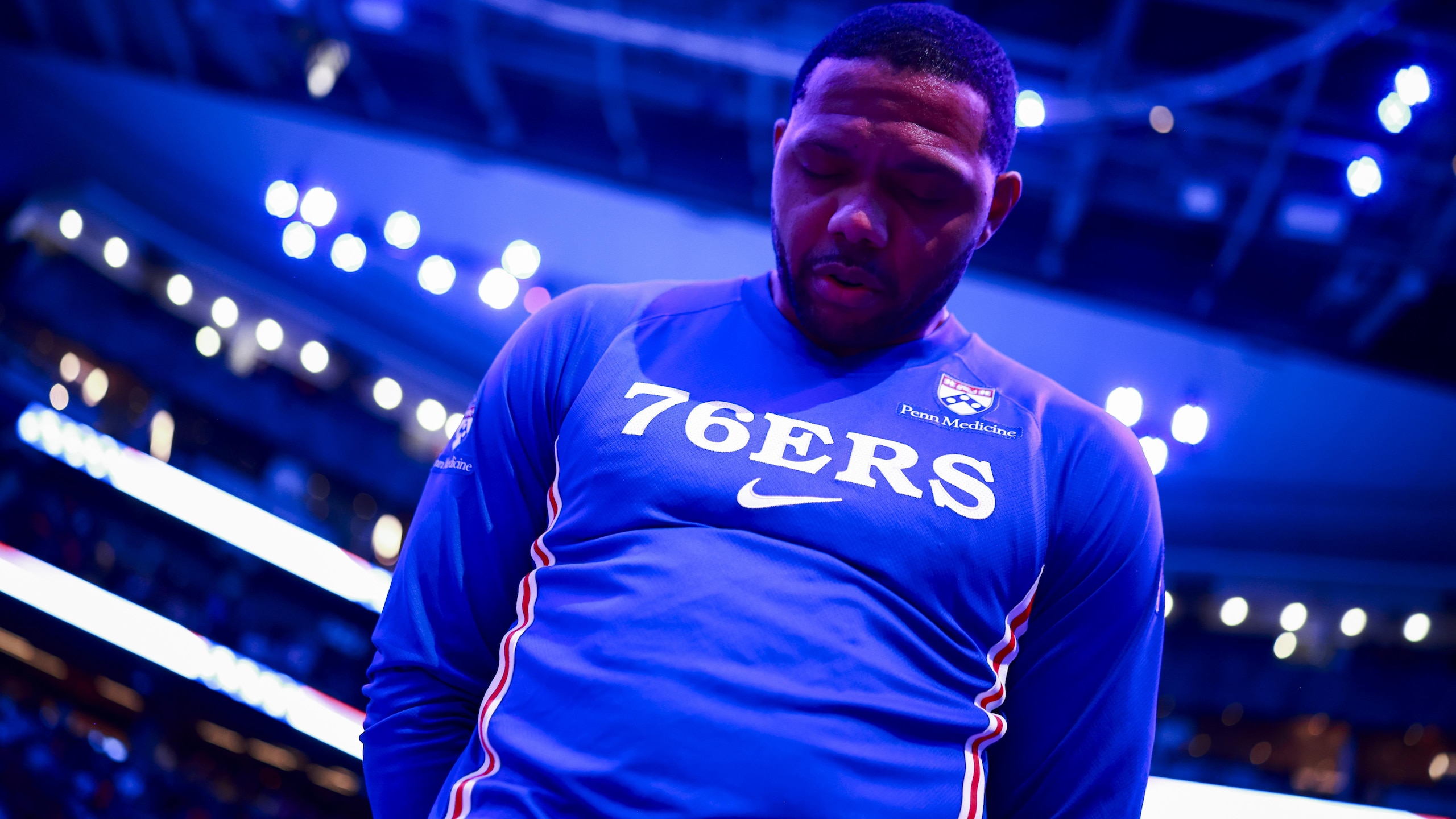
Memphis Grizzlies Receive: Eric Gordon, 2032 second-round swap
Philadelphia 76ers Receive: Draft rights to Justinian Jessup
Grades
Grizzlies: D
I mean…sure?
Memphis has flexibility to spare and isn't going anywhere this season, and shorting another team's long-term future for a minimum is…fine. It loses luster, though, when that team has Tyrese Maxey and VJ Edgecombe.
Frankly, not getting an outright second-rounder to facilitate a penny-pinching organization's roster-spot carousel, two-way conversions and buyout-market intentions is a failure.
Sixers: A
Salary dumps are lame. Except when they don't cost an outright draft pick while affording you the flexibility to convert Dominick Barlow to a standard deal and then fill out an additional two roster spots on the buyout market.
Unlike the Jared McCain dump, this is great work by Philly.
Chris Boucher to the Utah Jazz
27 of 28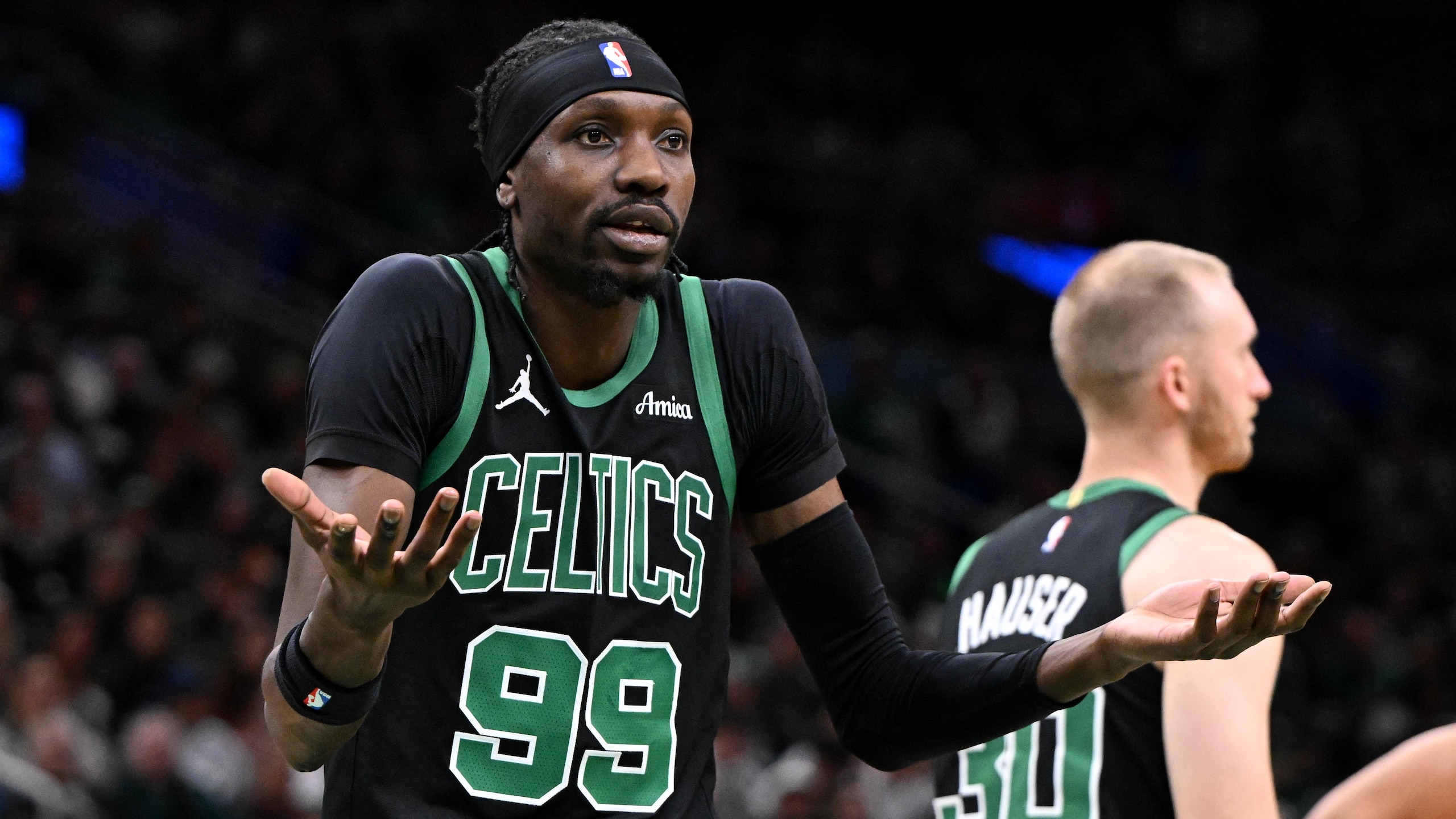
Boston Celtics: $2.3 million traded player exception
Utah Jazz Receive: Chris Boucher, Denver's 2027 second-round pick
Grades
Celtics: C
Chris Boucher never managed to carve out a spot in the Boston Celtics' by-committee frontcourt rotation. Dealing him shaves the tax bill while opening up a second roster spot, which makes Beantown an incredibly intriguing buyout destination now that it's underneath the first apron.
Protest the average grade if you're so inclined. It can certainly rise if the Celtics end up with the greatest buyout-market run of all time. Otherwise, spitting out a second to shave off a league-minimum contract is understandable but not a work of transactional art.
Jazz: A+
Those of us (me) who believe (me) that Boucher can still provide minutes as a lengthy floor-spacing big (me) and anarchic defender (me) will love this addition for the Jazz (me). Even those people (still me) need to recognize that this is more about bagging yet another second-round pick.
Utah is now sitting on 10 seconds over the next seven drafts. For a team that's about to get more expensive and, by extension, face more internal and external pressure to improve, having these little diddies in the bank could prove to be useful for cherry-topping future moves.
Vít Krejčí to the Portland Trail Blazers
28 of 28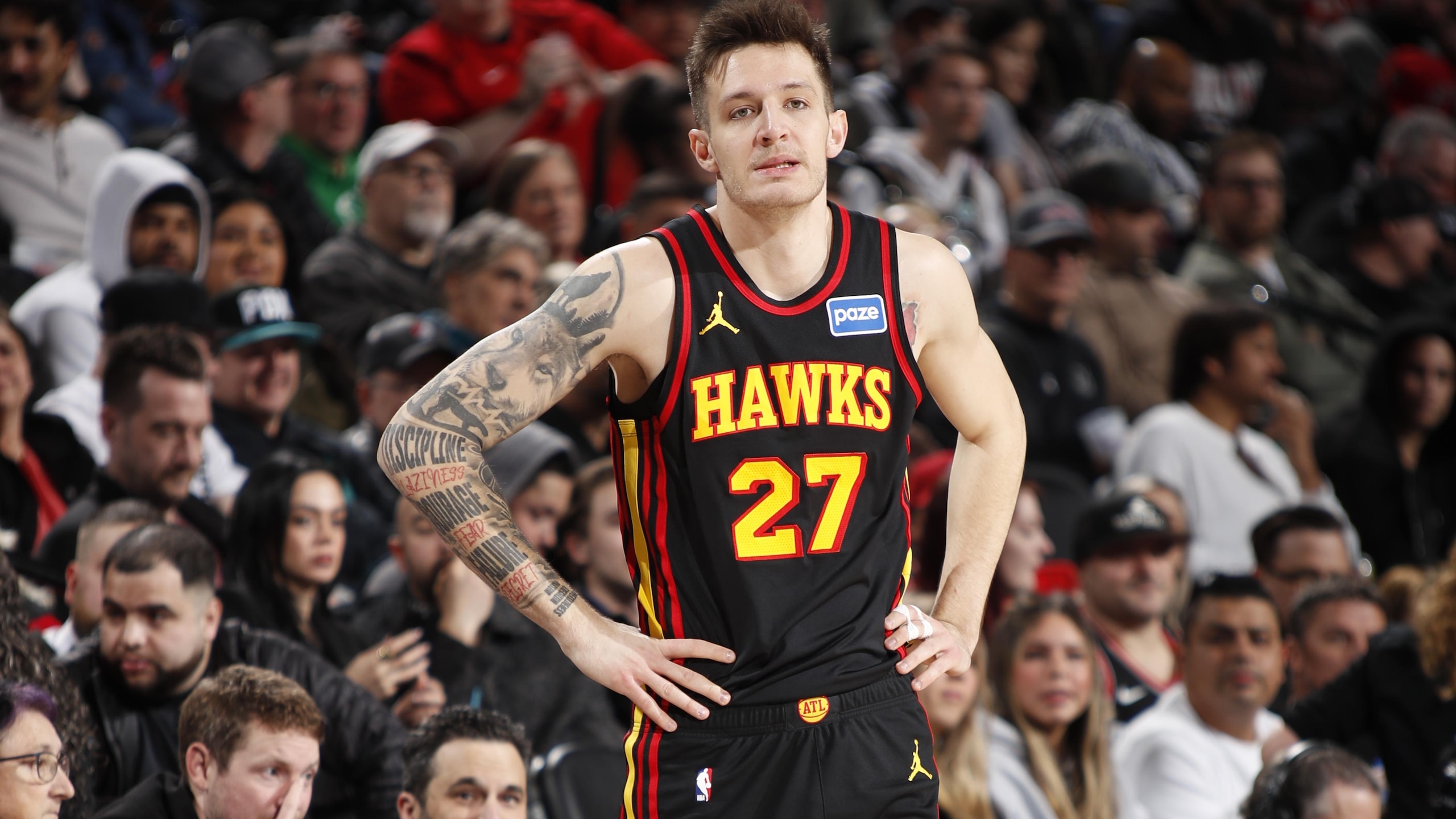
Atlanta Hawks Receive: Duop Reath, Portland's 2027 second-round pick, New York's 2030 second-round pick
Portland Trail Blazers Receive: Vít Krejčí
Grades
Hawks: D
Framing Krejčí as expendable because the Hawks have Corey Kispert galaxy-brains this transaction. Atlanta doesn't have a ton of shooting or secondary ball-handlers under contract beyond this season and just got rid of a 6'8" 25-year-old, with two team-controlled years left on his deal, who can check both boxes for at least small pockets of time.
Scooping up two sort-of-intriguing seconds is semi-interesting, but unless this represents the beginning stages of a grander plan, the move is unspectacular knowing that Reath is done for the season following right foot surgery.
Blazers: A+
Adding a 6'8" ball-handler shooting north of 40 percent from deep is always a good idea. It is an even better idea when he's owed south of $6 million through 2027-28 and two of your team's primary ball-handlers—Scoot Henderson and Damian Lillard—have yet to play this season.
With this basically being a cap-neutral deal for the Blazers, there's no downside unless you think Portland or New York will absolutely suck during the years in which those seconds are going out.
Dan Favale is a National NBA Writer for Bleacher Report. Follow him on Bluesky (@danfavale), and subscribe to the Hardwood Knocks podcast, co-hosted by Bleacher Report's Grant Hughes.
.jpg?w=2560 "Every Team's Biggest Surprise So Far 😲")
.jpg?w=2560 "Aiyuk Slammed by Ex-Teammates 😬")
.jpg?w=2560 "Harbaugh Not in Hot Seat")