.jpg?w=2560)

Grading Blockbuster Anthony Davis Trade Between Dallas Mavericks and Washington Wizards

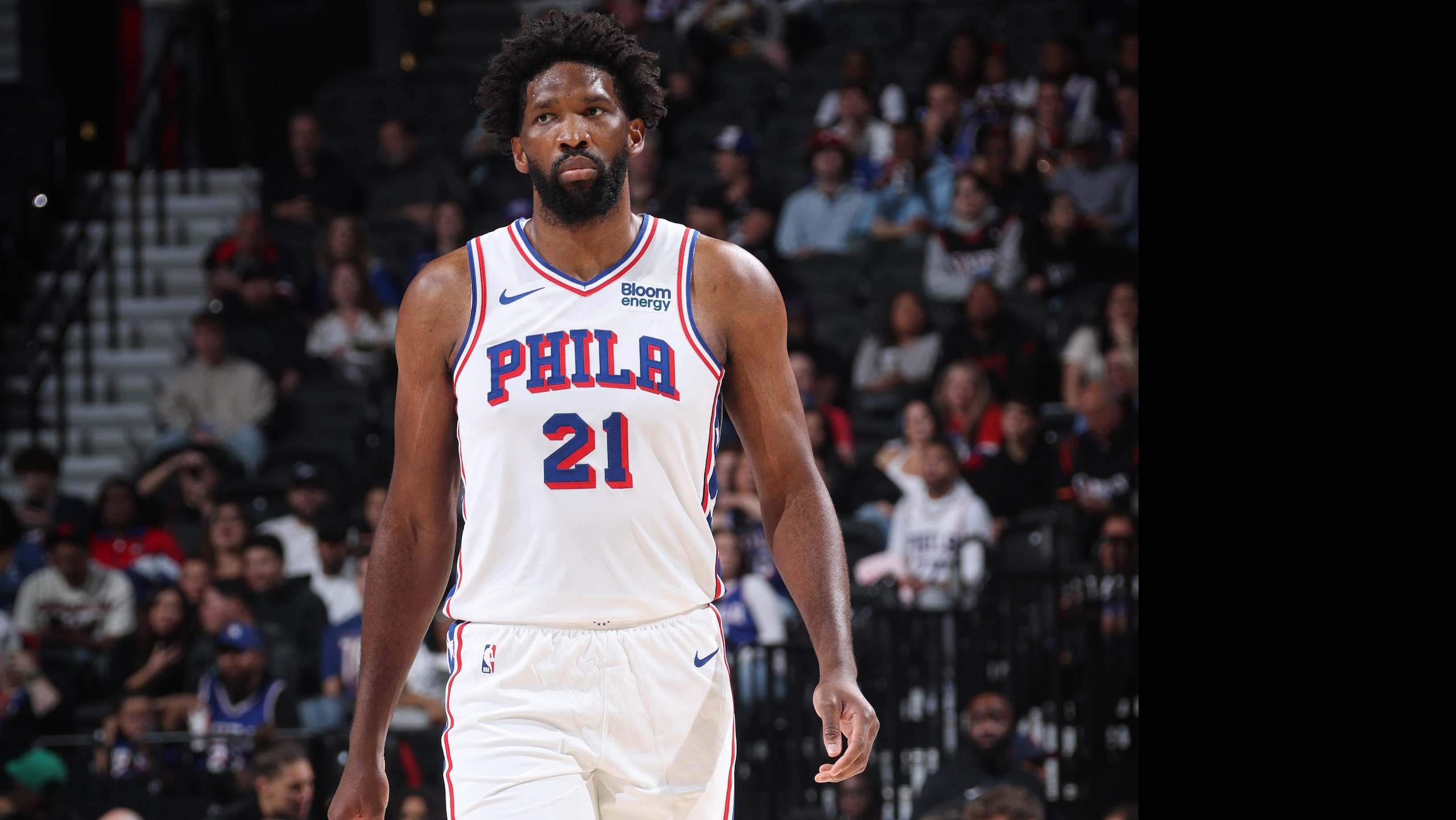
It turns out the 2026 NBA trade deadline hasn't delivered enough surprises, so the Dallas Mavericks are dealing Anthony Davis to the Washington Wizards.
Yes, those Wizards. The Wizards that already traded for Trae Young. Them.
As first reported by ESPN's Shams Charania, Washington is sending four players, two first-round picks and three second-round picks to Dallas in exchange for AD, D'Angelo Russell, Jaden Hardy and Dante Exum.
How did each team fare in this deal? Let's uncap a fresh red pen and find out.
Full Trade Details
1 of 3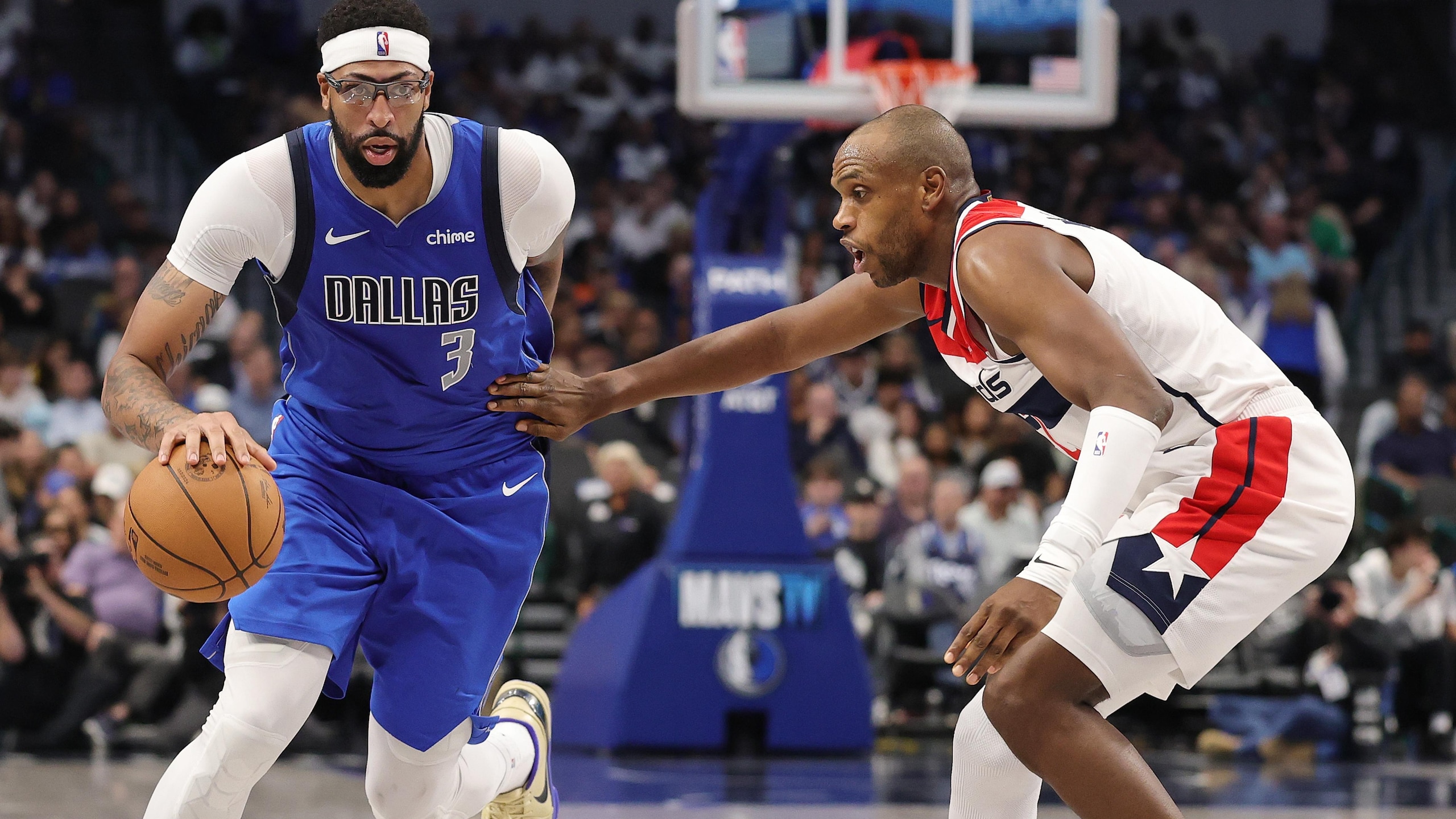
Dallas Mavericks Receive: Marvin Bagley III, Malaki Branham, AJ Johnson, Khris Middleton, Oklahoma City's 2026 first-round pick, Phoenix's 2026 second-round pick, Chicago's 2027 second-round pick, Houston's 2029 second-round pick, Golden State's 2030 first-round pick (top-20 protection; turns in 2030 second if not conveyed)
Washington Wizards Receive: Anthony Davis, Dante Exum, Jaden Hardy, D'Angelo Russell
Dallas Mavericks: D-
2 of 3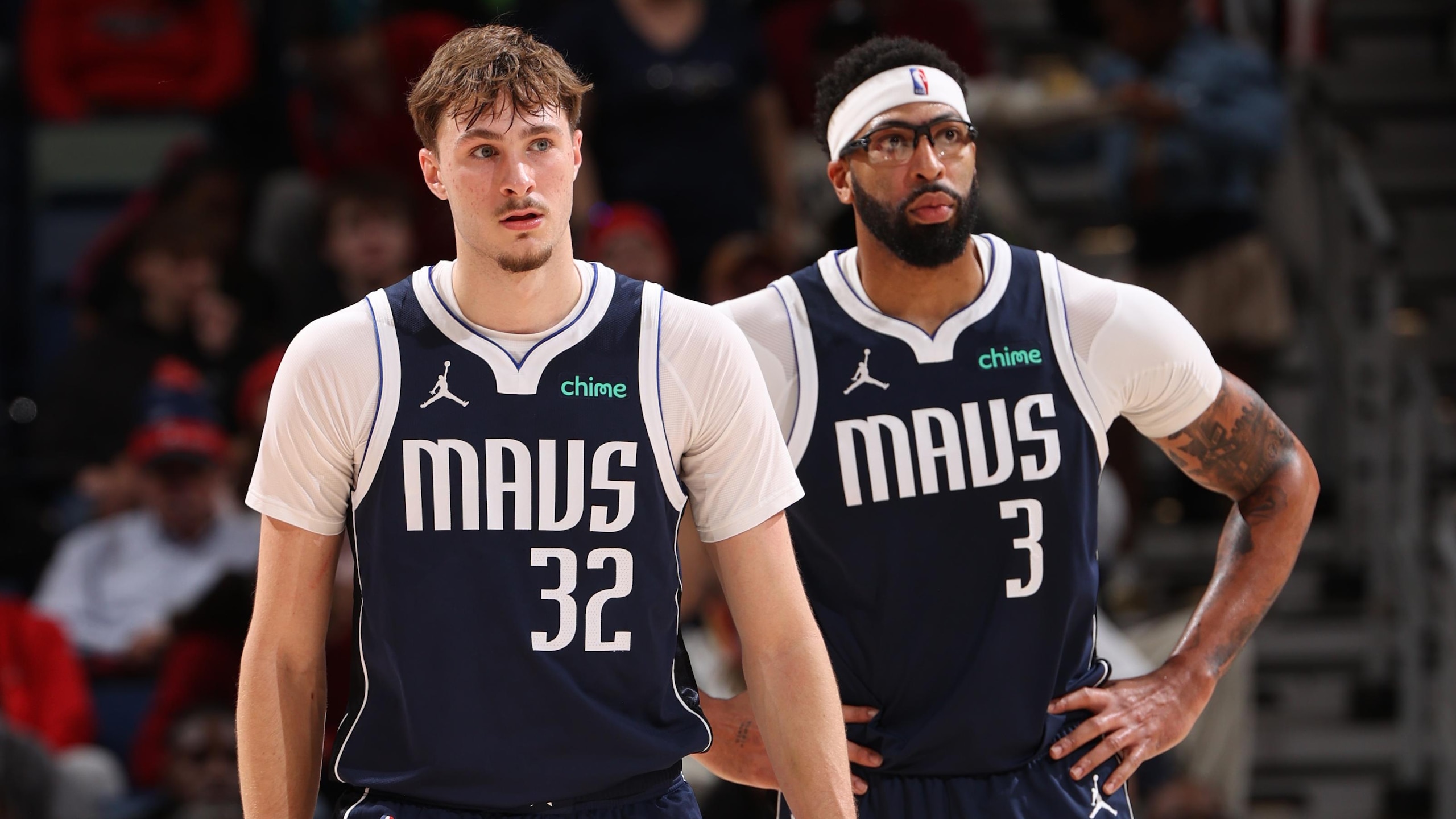
Grading this for the Mavs is difficult. On the one hand, Davis' return is inextricably tied to the Luka Dončić debacle from last season. They have now turned one of the NBA's top-five players into, essentially, Max Christie, the No. 30 pick in June's draft, the Los Angeles Lakers' 2029 first, a could-be-fake 2030 Golden State Warriors first and three seconds. That's, um, not great.
On the other hand, Nico Harrison isn't running Dallas' front office anymore. The new, decentralized regime is picking up the pieces from the smoldering wreck he left behind.
Counterpoint to the counterpoint: Team governor Patrick Dumont is a constant. He and everyone else knew the Luka trade backfired by last summer (insofar as they didn't know it from the moment the move was made). He allowed the Mavs to begin the season with Harrison still in power anyway.
Had Dumont acted sooner, the Mavs could have gotten more for Davis than what might amount to one first-round pick, four seconds, tax relief and overall financial flexibility. Even now, it's fair to question whether they could have gotten more if they were willing to take on longer-term money. Restocking the pick deck should have been a bigger priority when Dallas doesn't control its own after 2026 until 2030.
Davis' value moving forward is the sole hangup. You could argue he wouldn't have fetched much more this past summer. His desire for an extension is well-established. More critically, so is his injury history. He has appeared in 60 games (or the shortened-season equivalent) just once in the past six years. He might have finished this year making only 20 appearances even if he stayed in Dallas.
Going on 33 this March, suitors may have been scared away in droves whether he was made readily available in June or January. But the Mavs ultimately let things get to a point in which people knew that they wanted to, that they had to, trade him. At the bare minimum, they squandered some semblance of leverage.
This isn't about claiming Dallas deliberately ghosted on better offers, or about grading this move in the shadow of the Luka trade. It's about acknowledging flawed processes that have enabled generational fumbles and forced the franchise into a position in which it must sell the idea it can effectively utilize flexibility to optimize the Cooper Flagg timeline despite continued evidence it hasn't earned the benefit of the doubt.
Washington Wizards: B+
3 of 3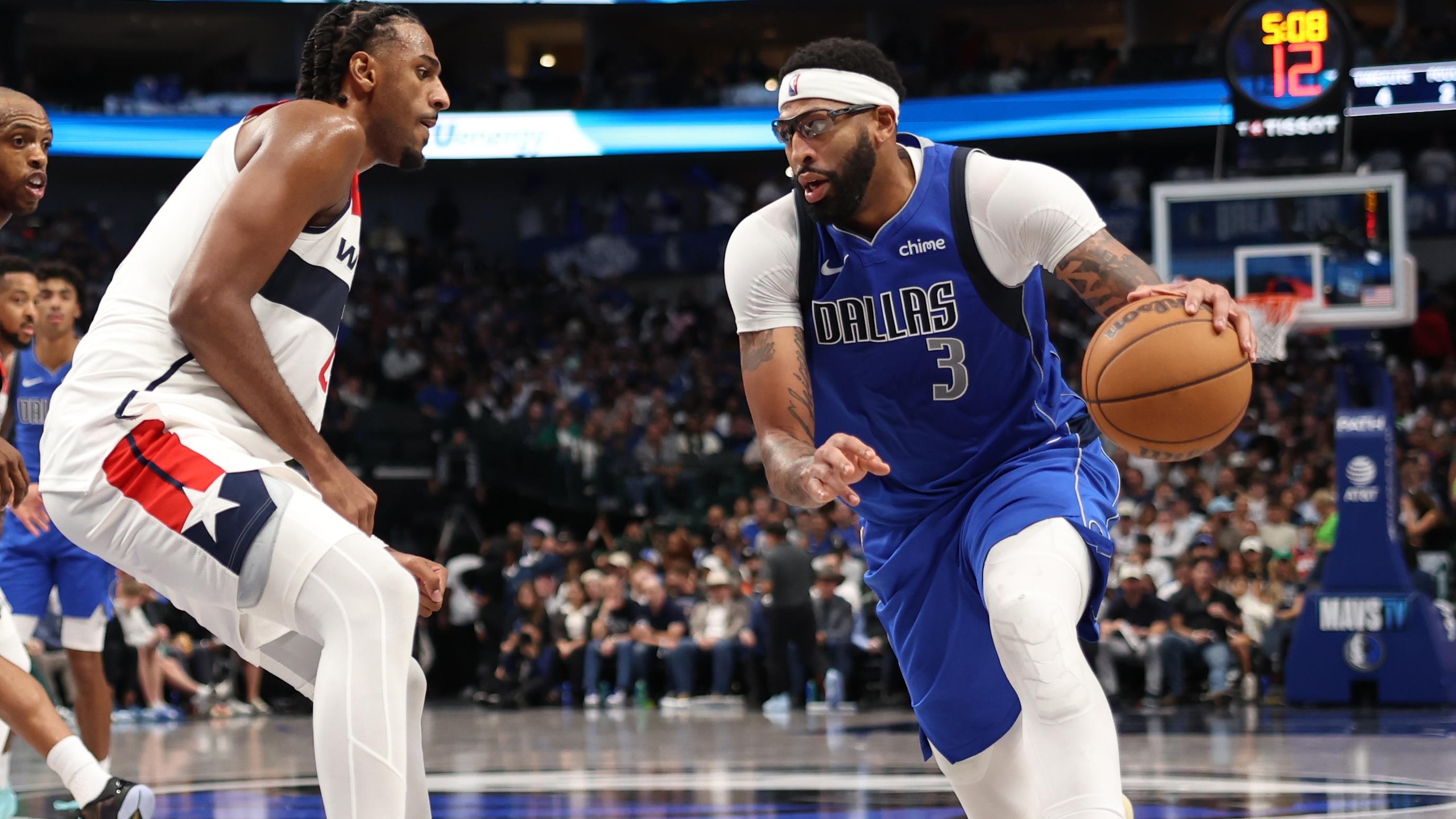
Kudos to anyone who had the Wizards acquiring Trae Young and Anthony Davis on their 2025-26 bingo cards. That trip must have been incredible.
This is yet another move that suggests Washington intends to be a hellraiser next season. That is wildly unsettling knowing it entered the year without an undeniable franchise tent pole on the roster. It would be a stretch to say Davis or Young gives the Wizards one now. They are at most medium-term guiding lights.
Still, the acquisitions are not as counterintuitive when looking at the opportunity cost. Like the Young trade before it, the Davis deal sees Washington surrender zero core prospects. Actual picks are going out the door, but that Thunder selection—which is technically the less favorable of Oklahoma City, Houston and the Clippers—will convey at No. 30. The Warriors pick might not even convey.
Davis should be a cleaner fit than Young to boot. His offense isn't predicated as much on having the ball, and he can rove between the 4 and 5. Alex Sarr will need to bump his three-point volume back up for he and AD to effectively coexist on offense, but that's doable. Young's presence will also streamline any functional warts. His passing creation always benefits bigs, even inside lineups with clunkier spacing.
The defensive connection between Sarr and AD could be wild. They can trade off between roaming and protecting the back line, and having them both helps insulate Washington against teams targeting Trae Young.
So much will be determined by whether the Wizards extend Davis (2027-28 player option) and Young (2026-27 player option), and how much each player gets. Are they long-term mainstays? Distressed big names Washington will rehabilitate and reflip later? Time will tell.
For now, while both these transactions feel odd, they are only bad deals if you believe the Wizards were going to extract more value out of their cap space this summer than the acquisition of two stars who, while imperfect, serve actual purposes.
Dan Favale is a National NBA Writer for Bleacher Report. Follow him on Bluesky (@danfavale), and subscribe to the Hardwood Knocks podcast, co-hosted by Bleacher Report's Grant Hughes.
.jpg?w=2560 "Every Team's Biggest Surprise So Far 😲")
.jpg?w=2560 "Aiyuk Slammed by Ex-Teammates 😬")
.jpg?w=2560 "Harbaugh Not in Hot Seat")