
Every NBA Team's 'What If' Star of the Century
The NBA has always been haunted by ghosts of "what if?" What if Derrick Rose's knees had held up? What if Greg Oden's body hadn't betrayed him? Since 2000, every team has had that player. The one whose potential still hangs like a question mark.
Causality is random. Sometimes it's cruel fate: an ACL in April, a broken foot in training camp, or landing under the wrong coach at the wrong time. Other times it's just the thin line between potential and bust. Think of Oklahoma City's heartbreak in the 2010s or the 76ers' "Process" draft casualties. Those players linger as myths—even sometimes folk heroes to their fans.
The "What If" star is part of every team's story, a chapter impossible to ignore when you talk about the last 25 years of basketball. So let's go there. We're cracking open every franchise's biggest "what if" since 2000, and reliving the stories that never got written.
Atlanta Hawks: Marvin Williams
1 of 30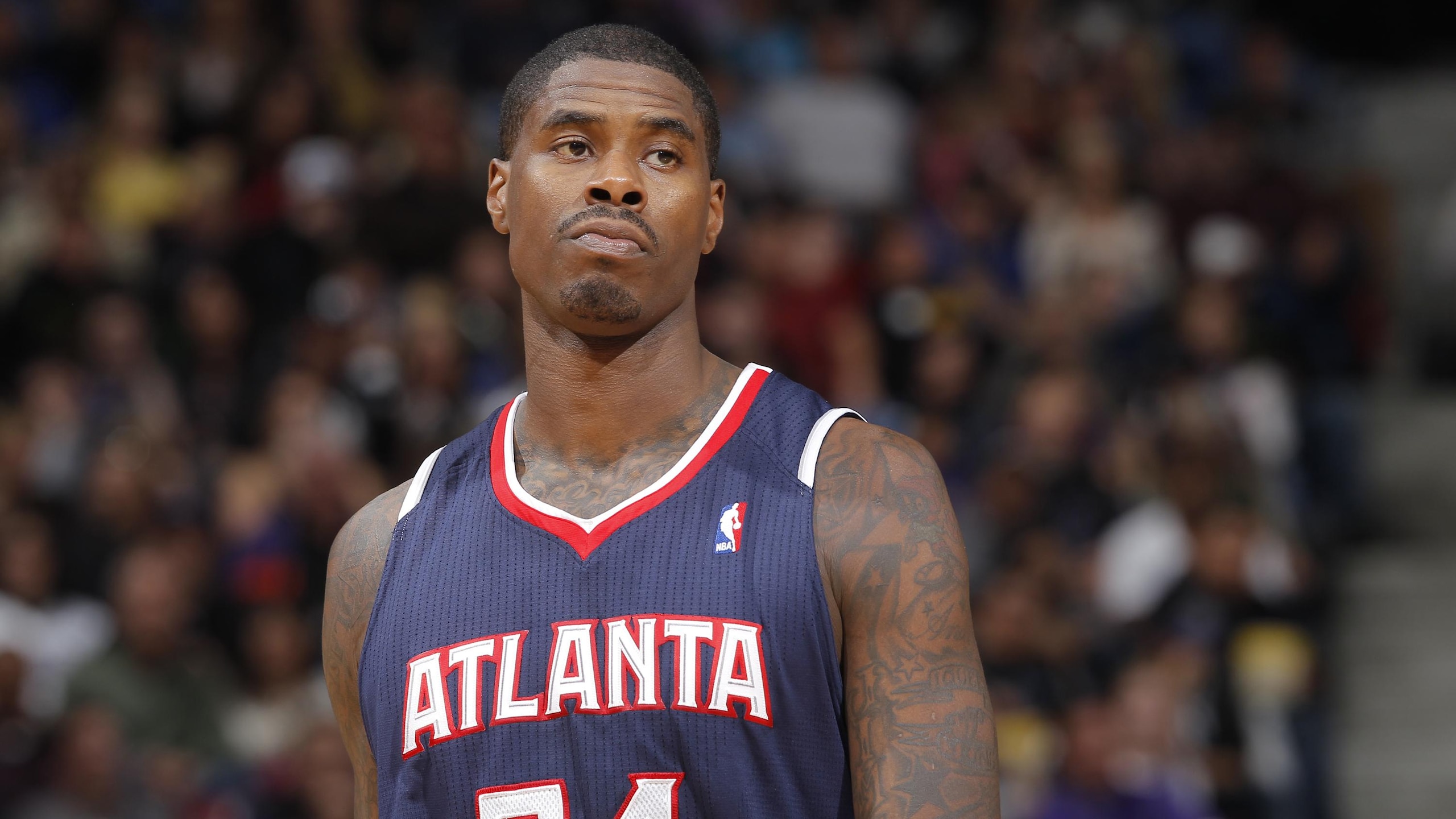
Marvin Williams' player type, a switchable, rangy wing with a shooter's touch who can score off Iverson cuts, is a modern profile. If drafted today, Williams would not only remain a lottery pick, he might also headline an offense built around his skill set instead of adjusting to the half-court grind of the mid-2000s.
Williams was the most promising player on the North Carolina team that won the 2005 national title. The Hawks saw that vision and selected him No. 2 overall. He joined a roster full of energetic young players like Josh Smith, Al Harrington and Josh Childress, plus newly signed star Joe Johnson. In 2025, that blueprint resembles a dark-horse playoff team in the East.
But the NBA was a different landscape in the 2000s, and Williams was forced into a passive role within isolation sets built around Johnson. Instead of experimenting with small-ball lineups with Williams in the pinch post and at the elbows, he was relegated to catch-and-shoot shots that did not match his upside.
Used differently, Williams could have anchored a switch-heavy defense that disrupted passing lanes while complementing Johnson's shooting at the point of attack. Ironically, that sounds a lot like today's Hawks. Atlanta's middling identity in the 2000s makes this a low-ceiling "what if," but used properly, he might have been that era's version of current Hawk Jalen Johnson.
Boston Celtics: Gordon Hayward
2 of 30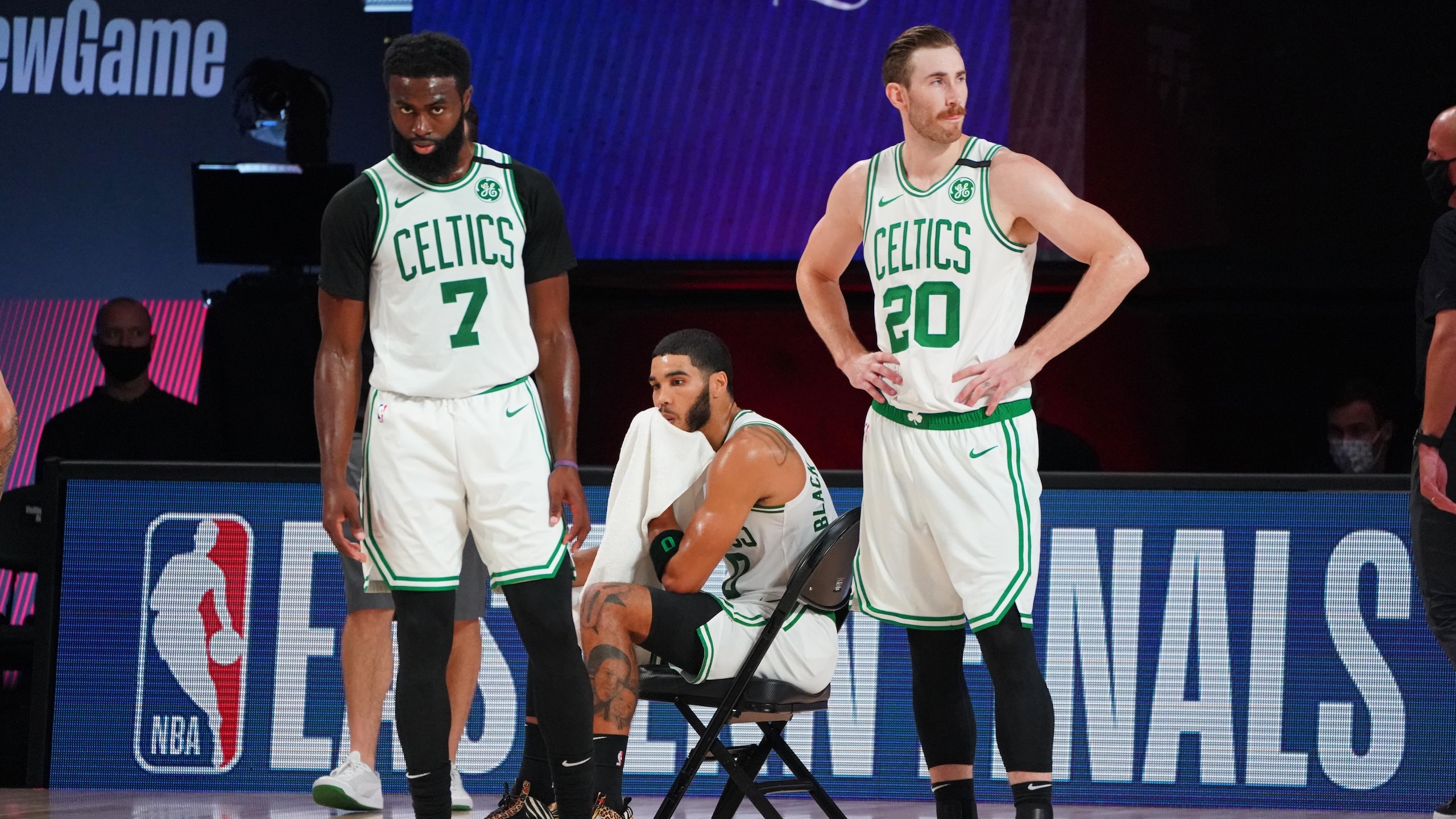
The Jaylen Brown and Jayson Tatum duo was always talented enough to win a ring. It could have happened earlier. The timeline shifts if things go differently just six minutes into opening night in 2017. In his Celtics debut, Gordon Hayward, a former Utah Jazz star, broke his leg. The injury kept him sidelined for Boston's playoff run and robbed him of the chance to become the reliable second option.
It was not all on Hayward. Newly arrived Kyrie Irving was still learning how to be the lead voice, balancing superstardom with the responsibilities of guiding a young roster with championship aspirations.
On paper, though, the fit was dreamy. Hayward was fresh off his first All-Star nod in Utah, averaging 22 points per game. Add him as a versatile scorer, Irving as the closer, and two high-ceiling wings in Brown and Tatum alongside veteran center Al Horford, and Boston looked positioned to dominate the East.
Instead, the dream crashed with Hayward. His injury forced him to miss the entire season, and when he returned, Brad Stevens' insistence on starting him disrupted a fragile balance. A tense locker room followed, eventually pushing both Hayward and Irving out the door.
Boston pivoted again, resetting its core around Brown and Tatum. The better part of a decade later, in 2024, that same duo finally delivered the championship that once seemed destined to come much sooner.
Brooklyn Nets: Kyrie Irving
3 of 30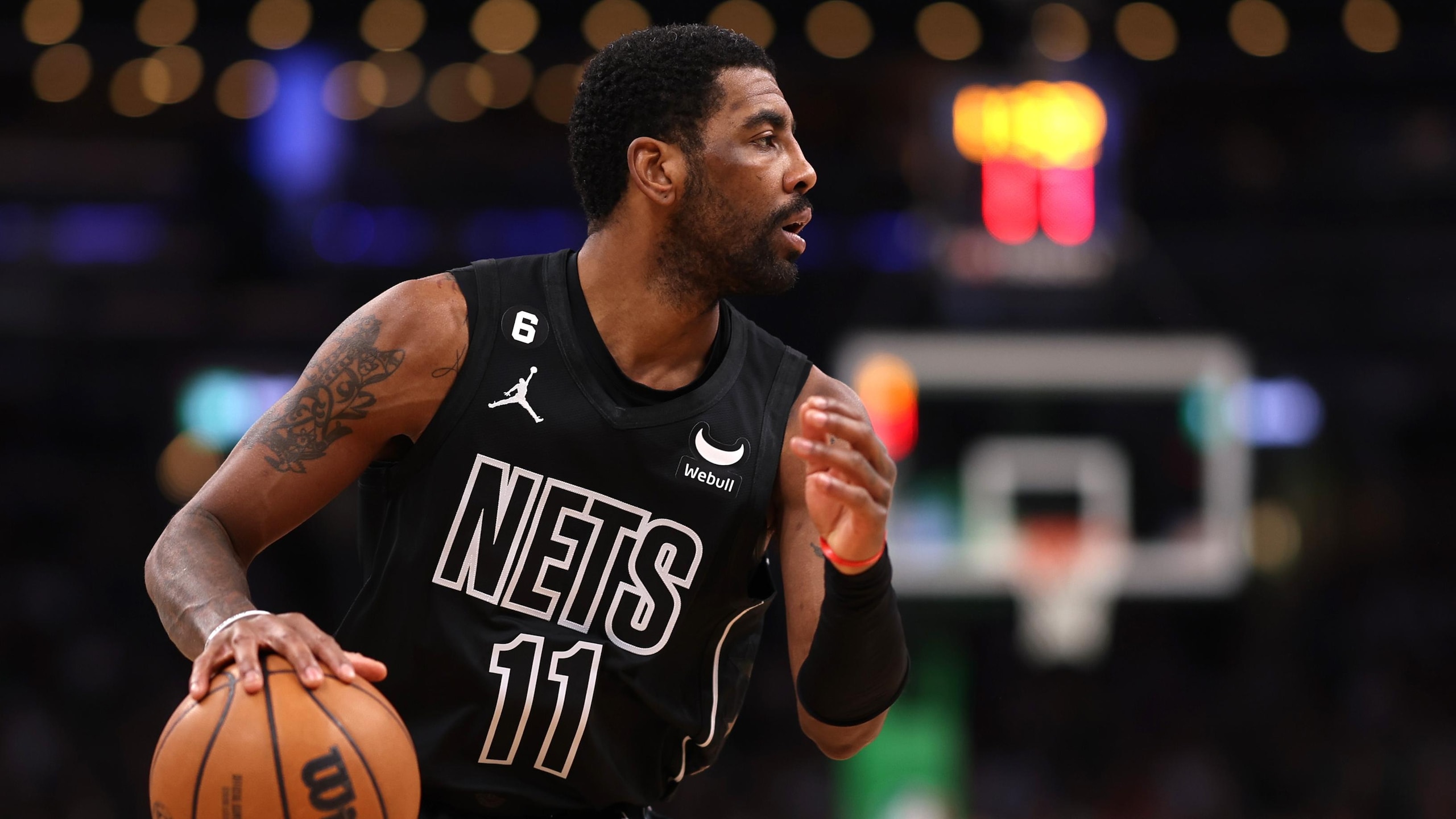
Kyrie Irving's time in Brooklyn was messy, for reasons both within and beyond his control. His refusal to get vaccinated during the pandemic, his outspoken views and his retweeting of an antisemitic movie all made him a lightning rod.
The media framing and internal team messaging was at times unnecessarily messy, yet he still had some massive failings as a leader. He was the loudest voice convincing Kevin Durant to join him with the Nets, but he later made headlines by suggesting he expected to share in the team's "co-management."
Once the franchise traded for James Harden, the roster looked poised to rival the "Heatles" as the best of the century. Instead, off-court issues and Irving's contradictions in part drove Harden out after just one season, with KD eventually asking out too.
The trio played just 16 games together.
Now in Dallas, Irving has shown the type of teammate he can be. He was always beloved by fellow players, but now fans can see it for themselves. If Irving had matured sooner, he could have avoided the storm that followed him with the Nets.
He, Durant and Harden were together in their primes and could have contended for years. Unfortunately for Nets fans, he needed growing pains to become the man he is today, and the franchise is worse off for it.
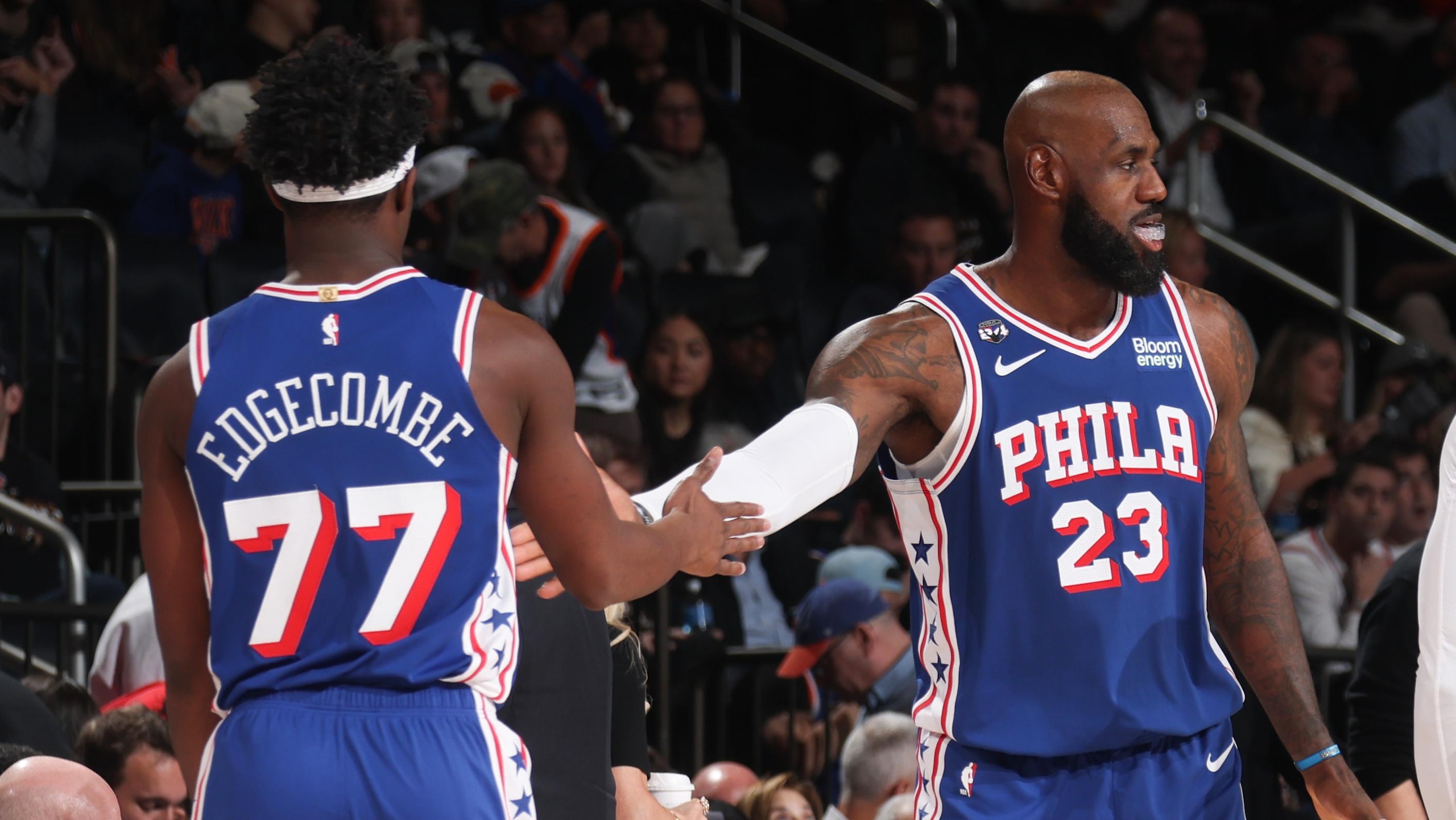
Charlotte Hornets: Emeka Okafor
4 of 30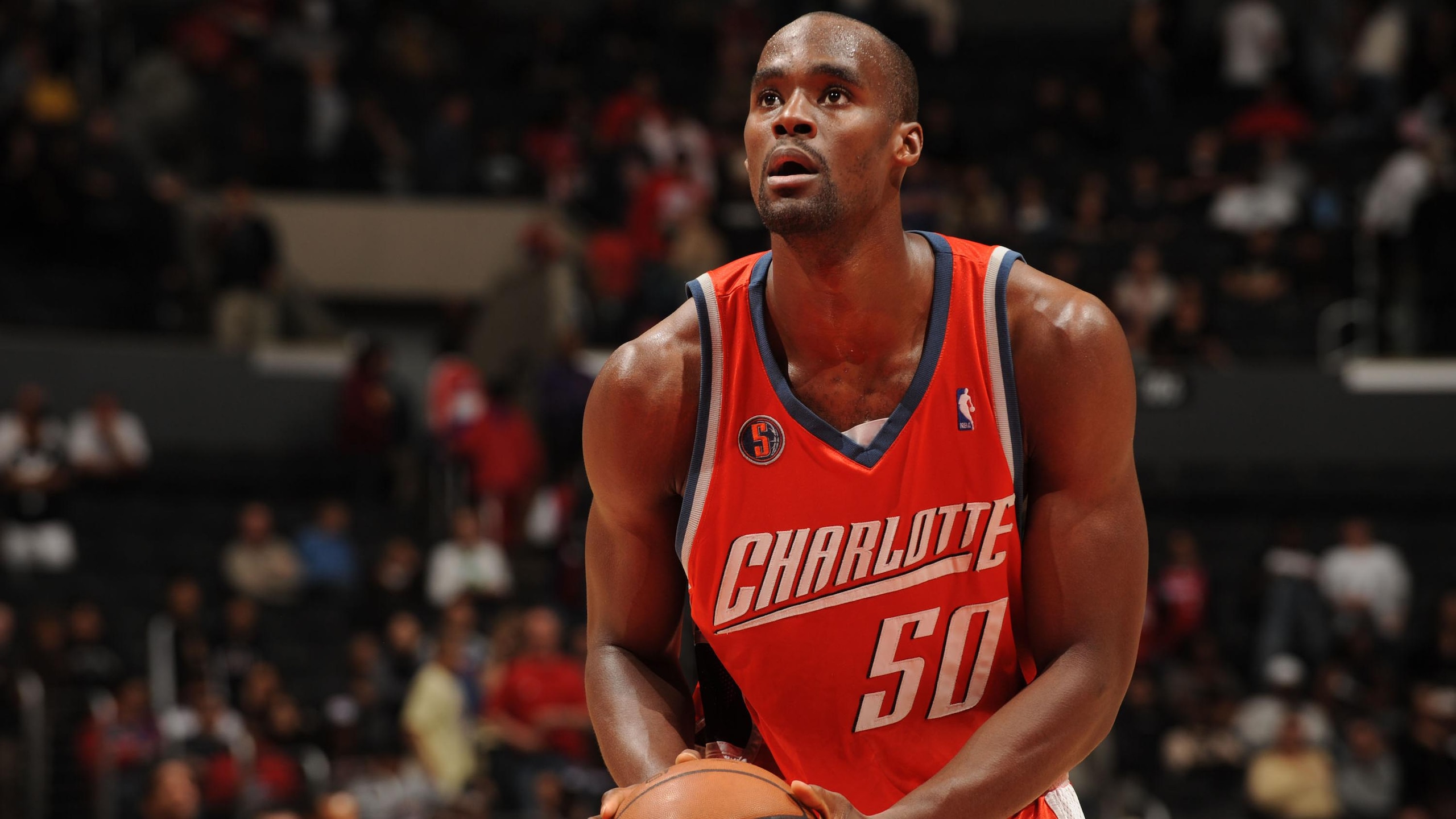
No offense to Emeka Okafor, but this might be the most insignificant "what if" of the century. That is no fault of his, but rather the systemic ineptitude of the Hornets franchise. With only three playoff wins in the last two decades, the blame sits squarely with ownership. Insert Michael Jordan crying meme.
The Hornets had the chance to draft the face of their franchise with the No. 2 pick in 2004. Looking at the board, none of the players selected after Okafor blossomed into true superstars. He was the prototypical big of that era, a defensive anchor with rim protection and NCAA championship pedigree joining an organization still in its infancy. Things could have gone differently if they had landed the No. 1 pick and taken Dwight Howard.
The former UConn big man arrived in Charlotte to join a team devoid of talent on both sides of the ball. His rookie highs were real, including 19 straight double-doubles from Nov. 21 through Jan. 1 and a strong showing in All-Star fan voting with more than 400,000 votes.
Like many names on this list, injuries eventually took their toll. Okafor missed most of his second season with an ankle injury. If healthy, the era might have positioned him as one of the best bigs of his time, in the mold of Elton Brand. Without an elite point guard—no shade to Raymond Felton—or any real star power around him, he was asked to do too much, stretching himself into injury-prone purgatory.
Chicago Bulls: Derrick Rose
5 of 30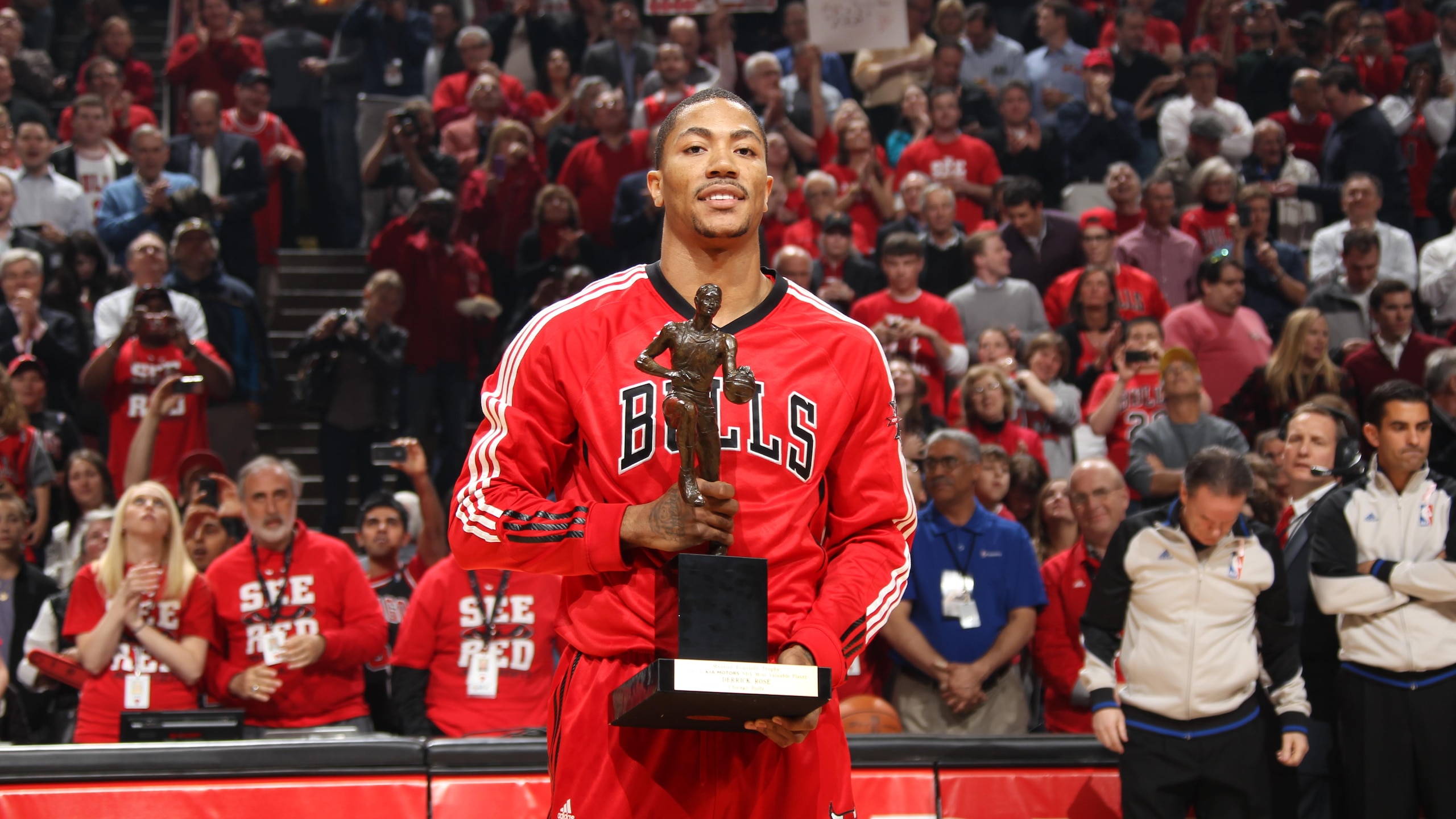
There is no question Derrick Rose tapped into his potential. Out of the gate, he was electric, winning Rookie of the Year in 2009 and injecting unstoppable scoring into a Chicago roster starved for offense. Rose quickly became the most dominant offensive point guard of the early 2010s, reshaping the position.
When D-Rose dunked, he threw it down with violence. He broke your spirit. While his Bulls never produced a championship roster, there were stretches when it felt like he could will victories on his own, a one-man machine in red and black.
He became the league's youngest MVP in 2010-11, posting 25.0 points and 7.7 assists per game while leading the Bulls to an NBA-best 62-20 record. All while starters Carlos Boozer and Joakim Noah sat for significant chunks of the season.
That is what made his 2012 knee injury so seismic. It disrupted basketball history, rewriting the arc. The Miami Heat suddenly had no true challenger in the East. In Game 1 of the first round against the Philadelphia 76ers, Rose tore the ACL in his left knee while trying to elevate. He had to be helped off the court.
The Bulls were up 12 with 1:22 remaining when it happened. Rose was on the verge of a triple-double, finishing with 23 points, nine assists and nine rebounds in 37 minutes. Chicago never recovered.
He missed all of 2012-13 and suffered meniscus tears in 2013 and '15.
A diminished D-Rose still showed flashes, dropping buckets until his final season in 2024, but he was never the same. His 2010–11 MVP campaign remains one of the most dominant guard performances in modern NBA history. Nobody could stop Derrick Rose but Derrick Rose. Poignant. Painful.
Cleveland Cavaliers: Carlos Boozer
6 of 30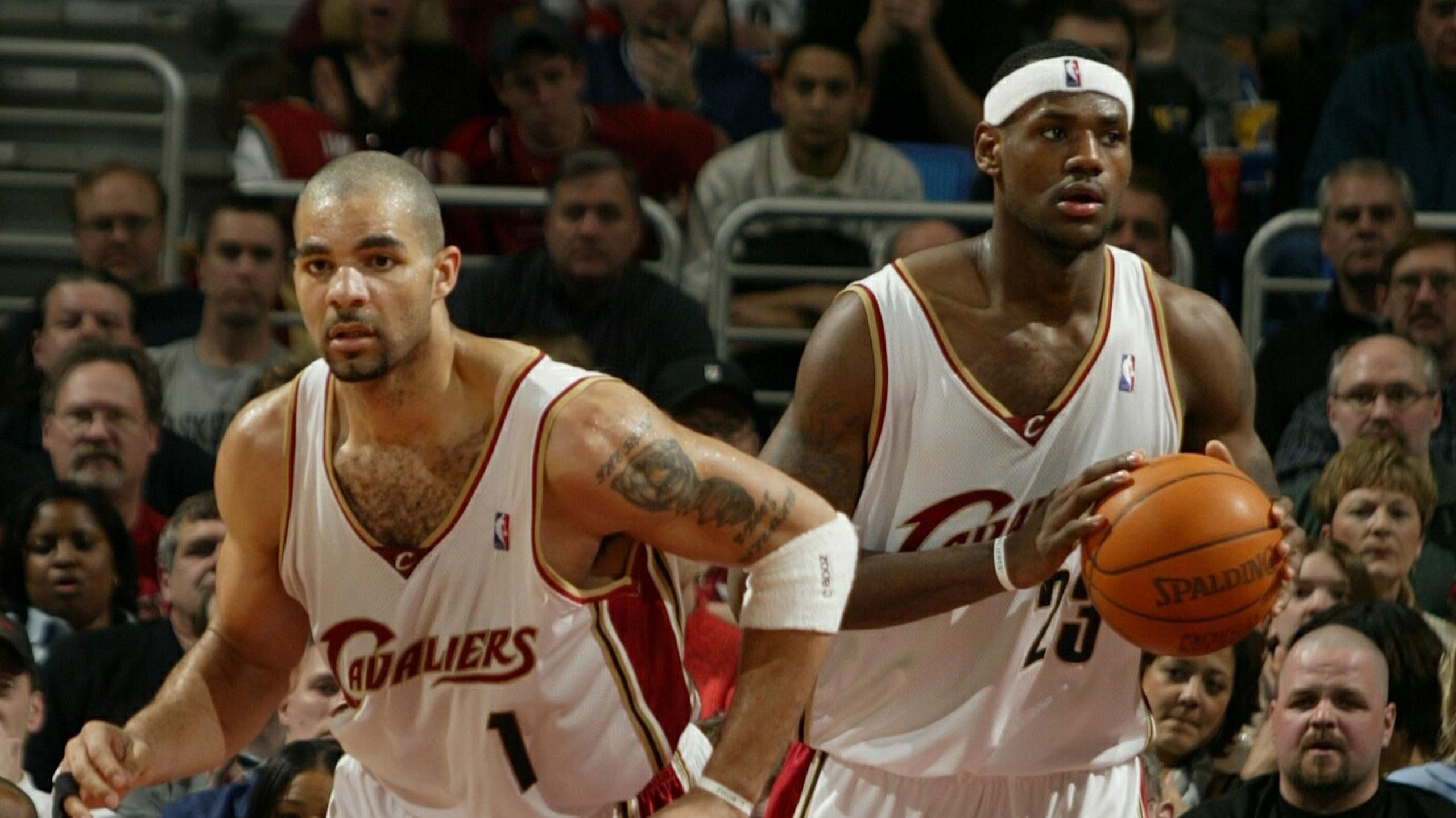
Carlos Boozer was supposed to be Cleveland's frontcourt anchor next to a teenager named LeBron James. Plucked in the second round in 2002, he quickly became a double-double machine, flashing soft touch and relentless rebounding. His Duke pedigree suggested a long Cavs future.
Instead, his 2004 free-agent exit became one of the league's most infamous betrayals. Cleveland declined his cheap option, reportedly with a handshake deal to re-sign him. Utah swooped in with a six-year, $68 million offer, and Boozer left. The Cavs lost him for nothing, just before LeBron's second year.
Imagine Boozer and LeBron together in their early 20s, one of the game's greatest paired with an All-Star power forward. Instead, the Cavs cycled through stop-gaps Drew Gooden, Donyell Marshall and Antawn Jamison while LeBron shouldered the entire burden.
Boozer's departure altered the first Cleveland chapter of LeBron's career. No Boozer meant more wasted years, more desperate trades (Shaquille O'Neal, anyone?) and ultimately no championship until well after The Decision.
Boozer became a two-time All-Star in Utah, part of a deadly duo with Deron Williams, giving Jazz fans the exact thing Cavs fans were promised, a reliable 20-and-10 machine.
Dallas Mavericks: Steve Nash
7 of 30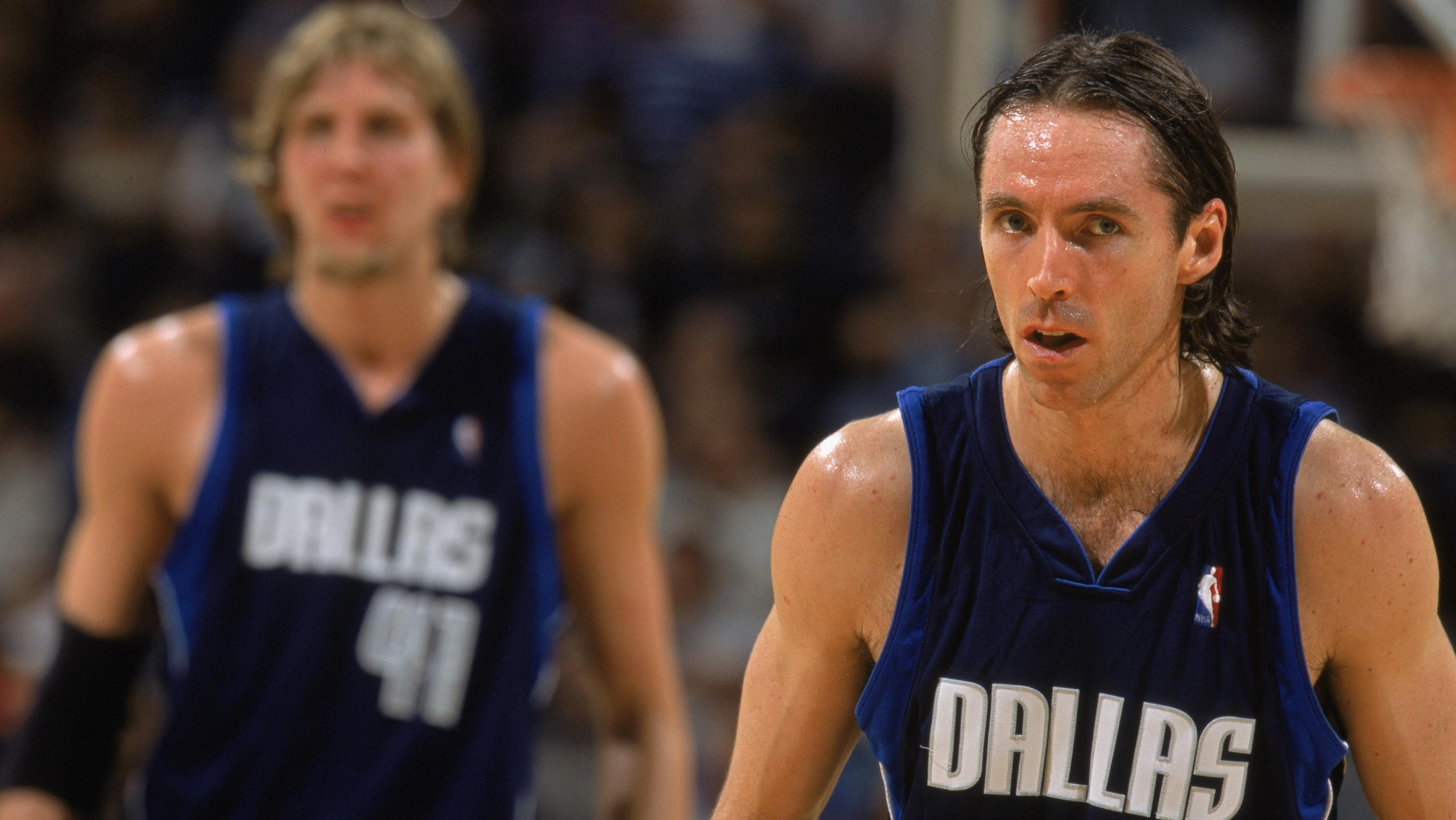
The Dallas Mavericks' "what if" is Mark Cuban's to own. It's also the most profound "what if" of them all. In 2004, the former club owner let Steve Nash walk because he listened to a pack of team doctors warning Nash's back would not hold up.
Instead, Nash went to Phoenix, won two MVPs and reinvented NBA offense.
Imagine Nash and Dirk Nowitzki perfecting their pick-and-roll in their primes. Picture the 2006 Finals against Miami with Nash, not Devin Harris, running the show. Nash's clutch shooting and relentless tempo alongside Dirk's spacing would have been unguardable.
Cuban's gamble on durability cost Dallas and Dirk one more championship. The doctors were wrong. Nash had nearly a decade of elite play left, and the Mavericks had the perfect co-star all along. Phoenix got the glory of the Seven Seconds or Less Suns. The irony is that Nash outlasted several of the "healthier" guards Cuban kept around.
It is not a stretch to think Dallas could have won multiple titles had it kept Nash.
Denver Nuggets: Michael Porter Jr.
8 of 30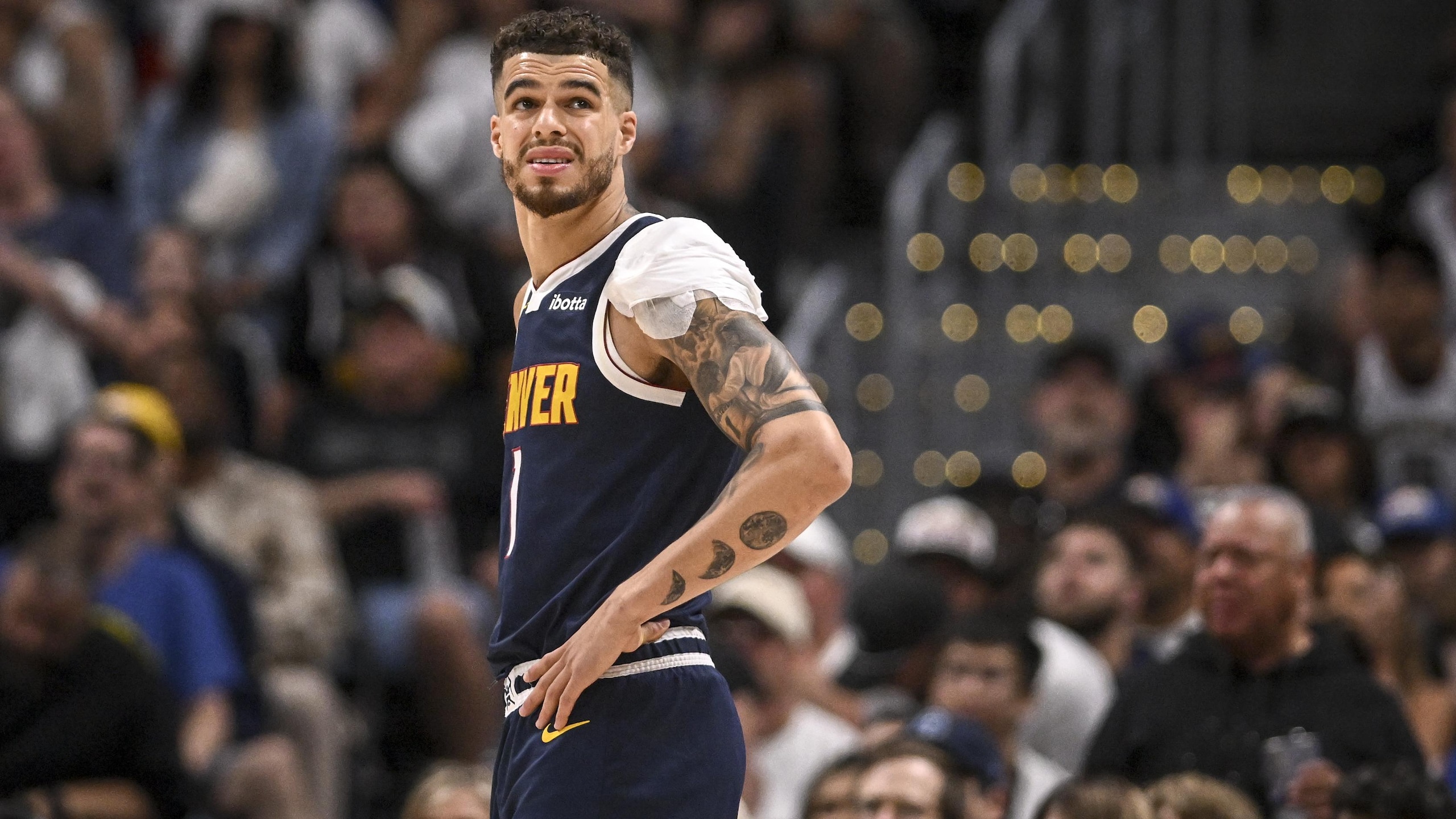
Michael Porter Jr. is the rare "what if" on a championship team. The Nuggets finally broke through in 2023 with Nikola Jokić and Jamal Murray healthy, but that title came in spite of Porter.
Drafted in 2018 as a high-risk, high-reward swing—bad back, sky-high ceiling—he was supposed to be the third star, a Kawhi Leonard-lite wing who could help turn Jokić's brilliance into a dynasty. Instead, Porter became a study in frustration.
The red flags were there before the draft, and in Denver came the back surgeries, missed seasons and inconsistency. Even when healthy, his effort and focus often seemed absent. He flashed talent but too often looked like a max-contract overpay drifting through playoff games. When he speaks up, it is usually on a podcast, and his comments invite questions about priorities.
What if Porter had locked in? Alongside Jokić and Murray, a fully realized MPJ could have tilted Denver toward multi-championship territory. Instead, he lingers as the question mark in the middle of their greatest triumph.
Detroit Pistons: Darko Miličić
9 of 30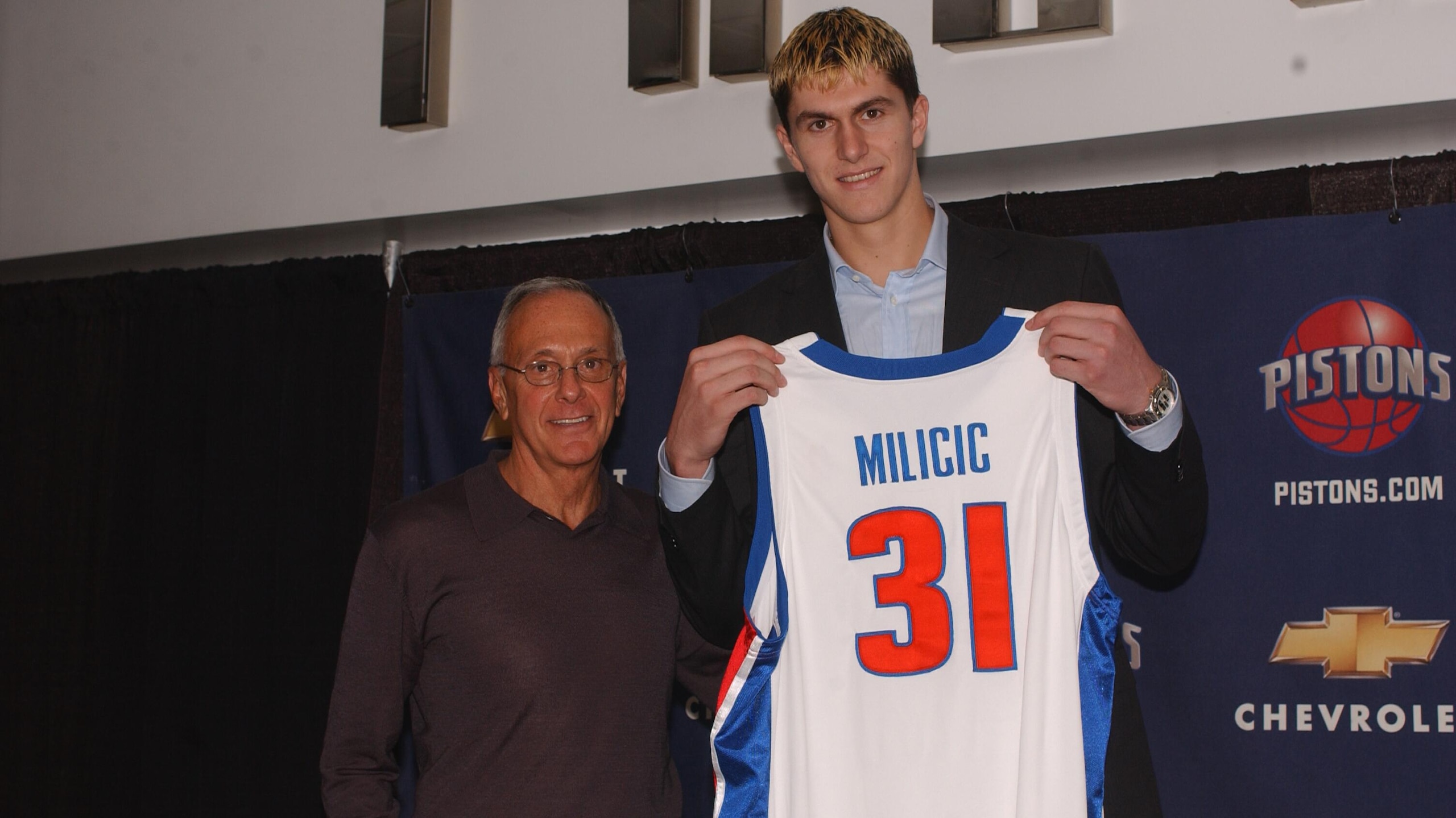
Darko Miličić is a human time capsule of blond frosted tips and oversized suits. The early-2000s NBA obsession with finding the next European unicorn nearly ended with him. Drafted No. 2 in 2003—between LeBron James and Carmelo Anthony—he landed on a championship-ready Pistons roster. Detroit won it all his rookie year, but Miličić's role came in mop-up duty as the "human victory cigar."
The plan was simple: groom him behind Ben and Rasheed Wallace until he blossomed into a first-option scorer, bridging eras for the Pistons. On paper, it made sense. A 7-footer with fluid footwork, rim touch, shot-blocking instincts and stretch potential. He had the tools to be a two-way star.
But the mentality never matched the tools. He reinforced every stereotype of soft European bigs, never earned coach Larry Brown's trust, and never came close to fulfilling the promise of his draft slot.
What if Detroit had taken Anthony instead? Imagine a Pistons team with Melo's scoring next to Chauncey Billups, Rip Hamilton, Tayshaun Prince and the Wallaces. Maybe it's not just one championship, but a potential Eastern Conference run? Instead, Miličić became the punchline in the greatest draft in NBA history.
Golden State Warriors: James Wiseman
10 of 30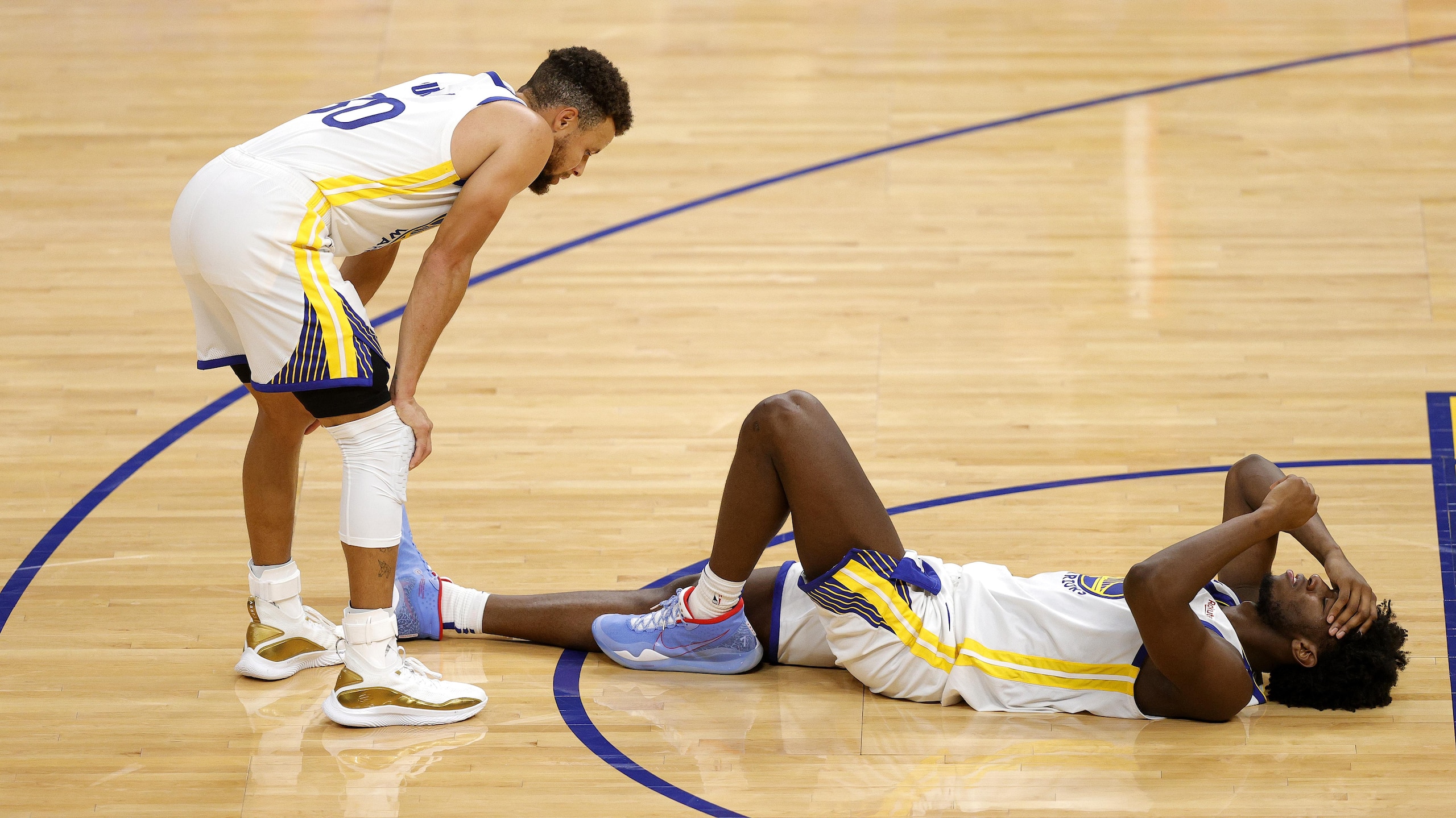
The Warriors took him at No. 2 in the 2020 draft, a 7-footer with bounce, touch and mobility, a potential franchise big to slot alongside Stephen Curry, Klay Thompson and Draymond Green as the dynasty aged. Instead, he became a harsh reminder that fit and timing matter.
Golden State needed a player ready to help immediately, someone who could extend the title window while Curry was still in his prime. But Wiseman was a project. He played just three games at Memphis and then spent most of his rookie season getting lost in Steve Kerr's offense and looking overwhelmed defensively. By year two injuries piled up. Knee surgeries, setbacks and long layoffs flatlined his development.
The perception around Wiseman's body language worsened the conversation. They won a title with him in 2022, but he was a constant reminder of who the Warriors passed on: LaMelo Ball, Tyrese Haliburton and Anthony Edwards, guards who could have thrived in Kerr's system, running with Curry and unlocking even more chaos.
Golden State tried to juggle two timelines, grooming Wiseman while chasing rings, and it never clicked.
What if Wiseman had been the two-way monster his scouting report teased? What if he had embraced the work and put his head down? What if they'd traded the pick? No one can wonder more than Coach Kerr.
Houston Rockets: Dwight Howard
11 of 30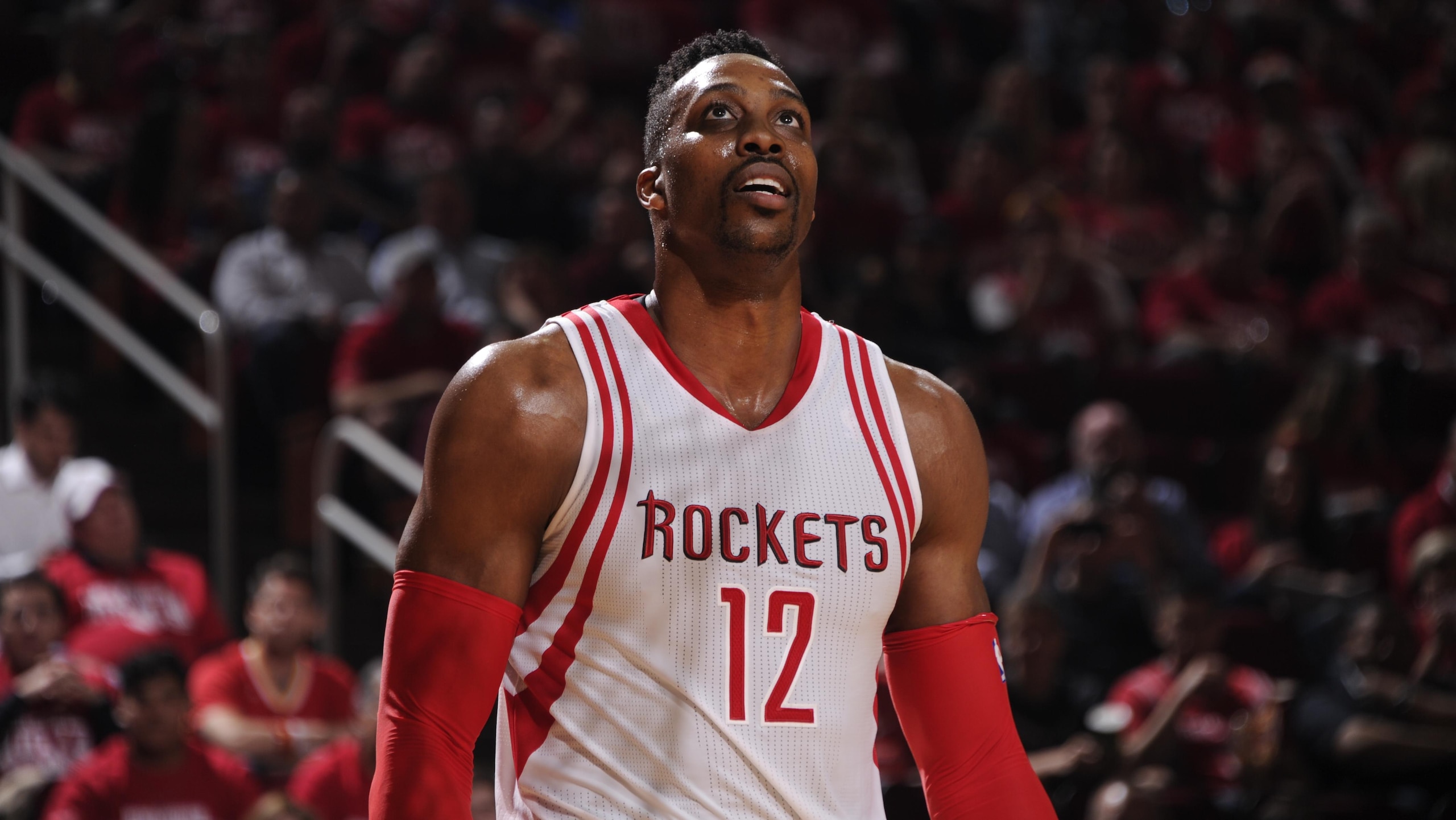
When Houston landed Dwight Howard in 2013, the vision was electric: his rim-rattling presence paired with James Harden's scoring wizardry to form a two-headed monster inside and out. Daryl Morey had to feel the hairs on his neck stand up. The Rockets finally had a rim protector and co-star to power a title run. Over a decade later, we're only left with "what if."
Statistically, Howard was still productive in Houston. Over 183 regular-season games, he averaged 16.0 points, 11.7 rebounds and 1.6 blocks per game. He dominated the glass and punished opponents inside with his trademark power. Back and knee issues derailed him in his second season, limiting him to 41 games in 2014–15.
By the 2015 playoffs, he was clearly laboring as a reduced version of the three-time Defensive Player of the Year from Orlando. Houston often got a frustrated big playing through pain.
Howard's decline in mobility and his defensive lapses in the postseason meant he was never the steady center Houston needed.
Had he been healthy, imagine playoff series where his rebounding and interior defense turned close losses into wins. Harden struggled at times as a playoff closer. If Howard had been his Orlando self, fewer games would have been close.
Instead, the Rockets papered over Howard's inconsistencies with small-ball lineups and three-point volume, and the inside game lost its bite when any series tightened. The "what if Dwight stayed healthy" hangs heavy. For Houston, he was a peak-potential anchor who never went full Superman.
Indiana Pacers: Danny Granger
12 of 30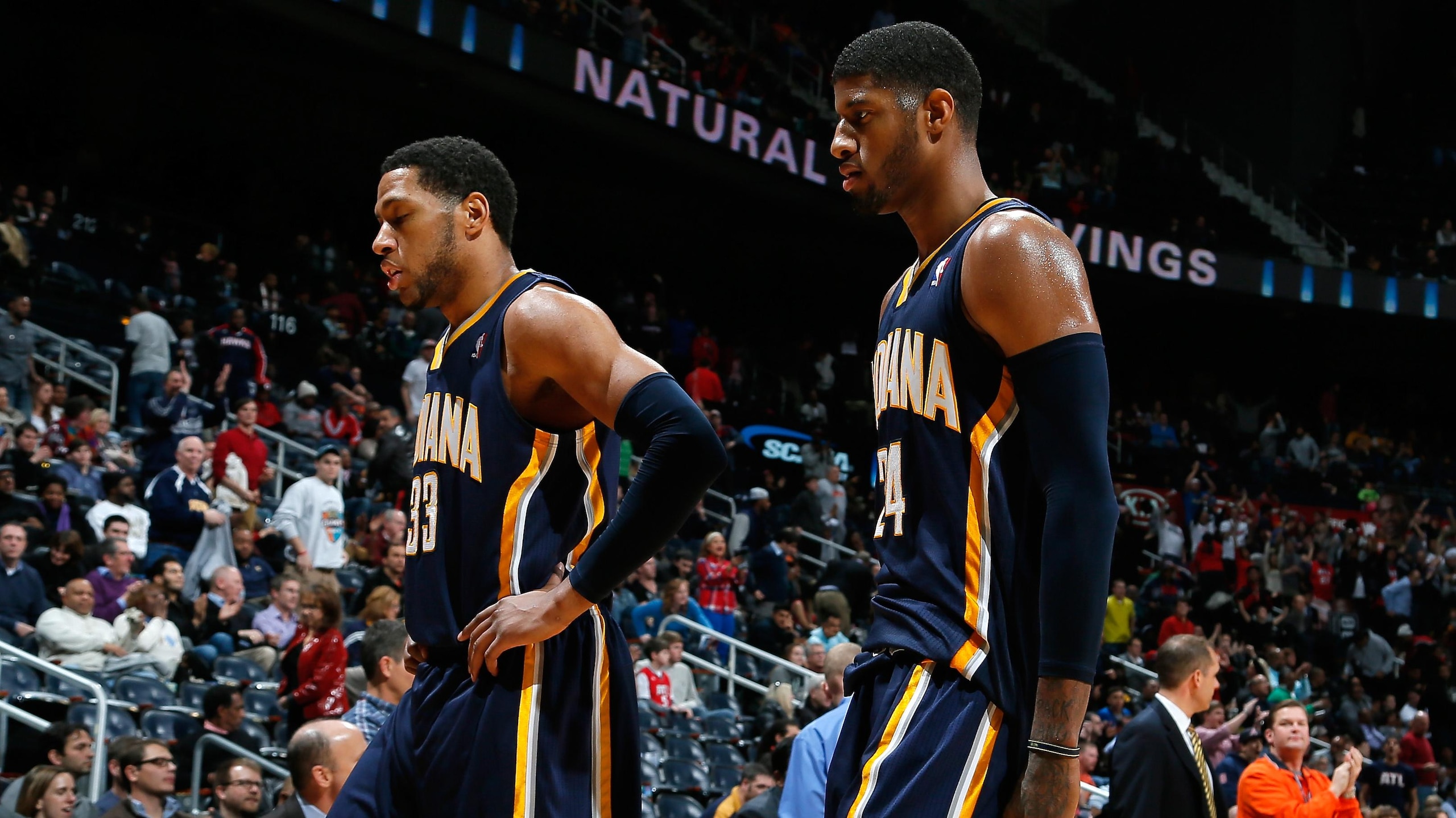
Real hoop heads know how good Danny Granger was. Drafted in 2005, he became a quiet killer in Indiana. By 2009, he averaged 25.8 points per game, earning Most Improved Player and an All-Star nod. With a smooth jumper and elite instincts on defense, things looked promising. But it wasn't meant to be.
First the knees went, then the ankles cracked, while surgeries stacked up until he never fully recovered. From 2012 on, Granger played in just 46 games across two seasons. Once the Pacers rose with Paul George, Roy Hibbert and Lance Stephenson pushing the Heat to the brink in the Eastern Conference Finals, Granger was sidelined. A prime stolen by chronic pain. He became salary-filler in a 2014 deadline trade, ending up as a footnote on the team he once headlined.
For years, Granger was Indiana's best player, battling through roster turnover and rebuilding seasons. He was supposed to be the star next to George, forming the only perimeter tandem capable of matching the Heat. George and Granger would have been a dynamic wing duo, both severe defenders and three-level scorers.
That is a potential Finals team. And since the Pacers are one of the clubs that have never won a title, it hurts bad. This was the best iteration since Reggie Miller retired in 2005. Instead, Granger became a cautionary tale, and the Heat never had a serious threat in the East until LeBron left.
Los Angeles Clippers: Paul George
13 of 30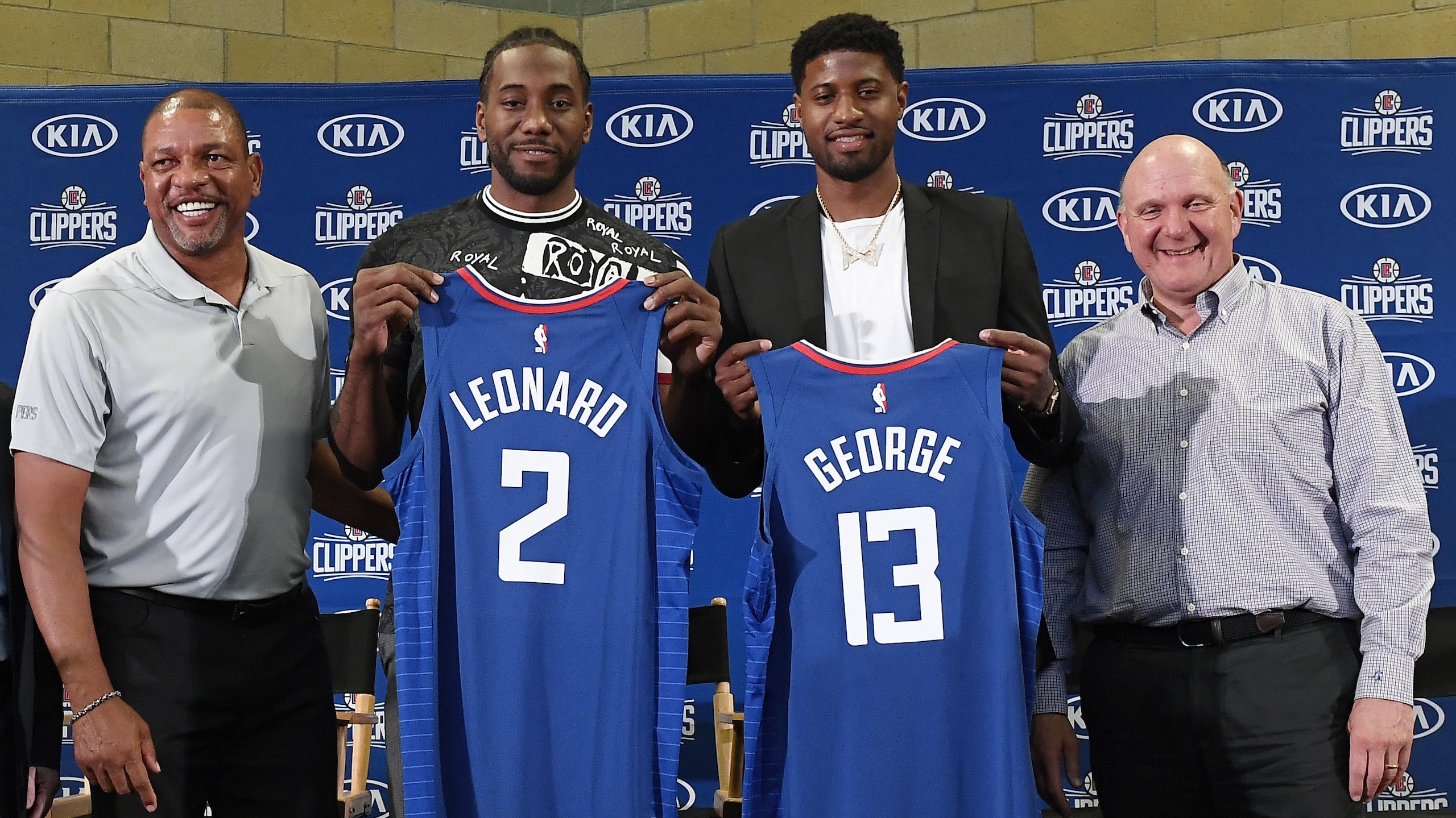
What a mess. Current Kawhi Leonard context notwithstanding, the Paul George trade remains one of the worst deals in NBA history. The Clippers gave up a slew of first-round picks and a future league and Finals MVP in the haul that went to Oklahoma City, while George never appeared to care about winning at the level the price demanded.
It is a curious case of passivity, considering George is from Los Angeles and Leonard insisted that any team signing him also trade for George. It's hard to believe George was once an MVP candidate in Oklahoma City and a first option in Indiana. Pairing him with Leonard in his prime seemed destined to produce at least one championship.
Instead, injuries and mileage pulled down his athletic burst. His defense stopped being world-class. His three-point regression earned him the mocking "Playoff P," and worse "Podcast P" labels as his podcast brand became a distraction when combined with inconsistency.
When George left as a free agent to Philadelphia for nothing in 2024, the saga reached its fitting conclusion. Worse, the other team in the George trade, the Thunder, won it all in 2025 behind former Clippers draft pick and Finals MVP Shai Gilgeous-Alexander.
Los Angeles Lakers: Chris Paul
14 of 30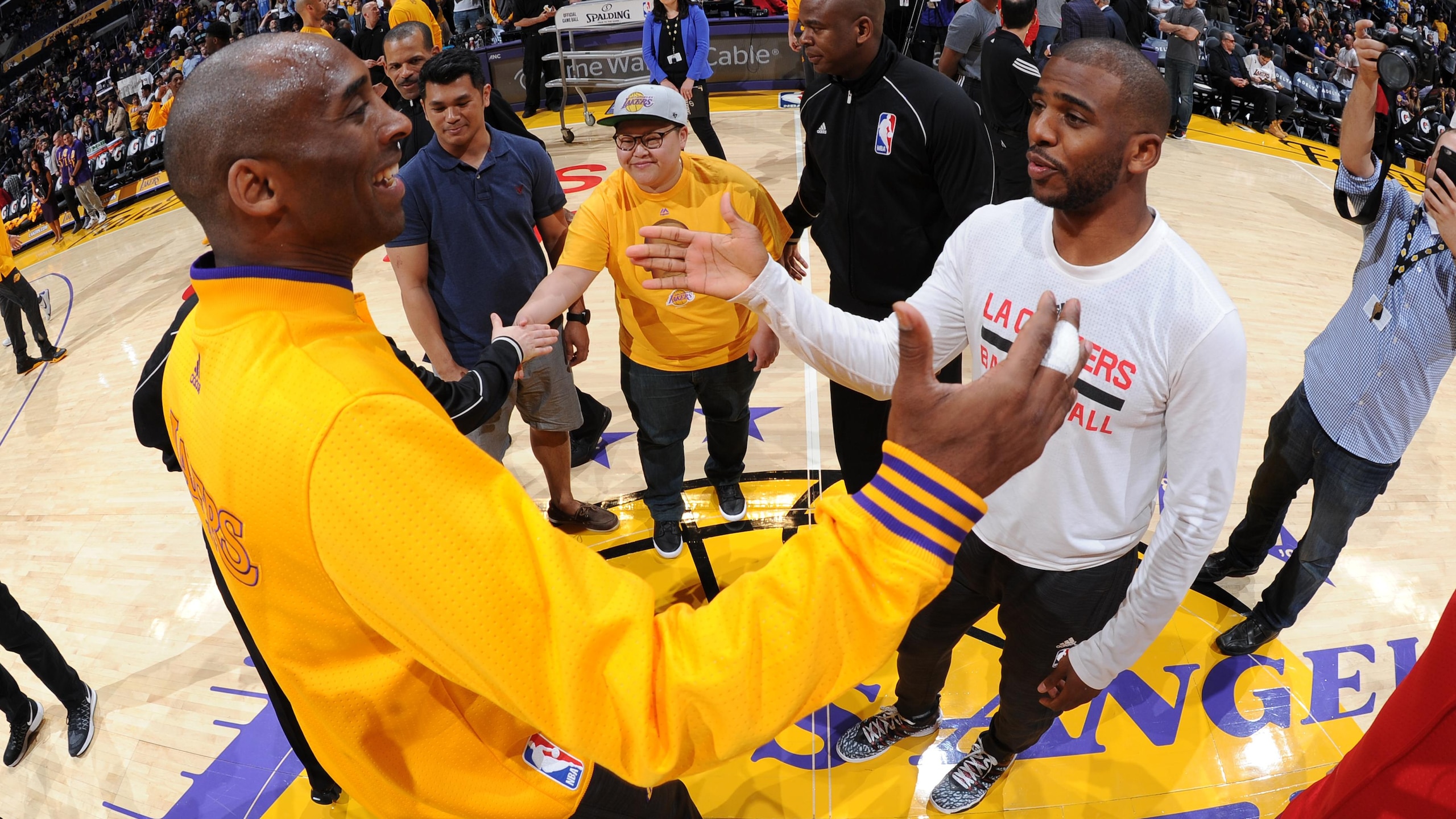
Kobe Bryant had reason to be angry about this one. The date was Dec. 8, 2011. The NBA had just crawled out of a 161-day lockout. Owners and players had agreed to a 10-year labor deal after a bruising fight over money and power that felt like the biggest story in the sport.
It wasn't. Not even close.
That same night, the league, under commissioner David Stern, acting as steward for the New Orleans Hornets, vetoed a blockbuster deal. A three-team trade that would have delivered Chris Paul—already a top-tier point guard seven years in—to the Los Angeles Lakers was blocked with force. In late 2011, the Lakers still believed they could reload around Bryant. Paul would have been the best guard Bryant ever played with, by far.
For six chaotic days, the Lakers thought they had Paul. Then came the veto from the very top. Suddenly, the other Los Angeles team in the building, long mocked as cursed and irrelevant, swooped in. By week's end, the Clippers had Paul, and the balance of L.A. basketball shifted.
Ostensibly, the trade was blocked to preserve parity. A Paul and Bryant partnership would have been God mode for the West. At the very least, the Lakers would have avoided the quick erosion that followed. Paul was entering his prime, and his on-ball gravity might have stretched Bryant's career another few years.
The biggest "what if," especially for Bryant, is whether Paul could have helped him tie his mentor, Michael Jordan, with six championships.
Memphis Grizzlies: Rudy Gay
15 of 30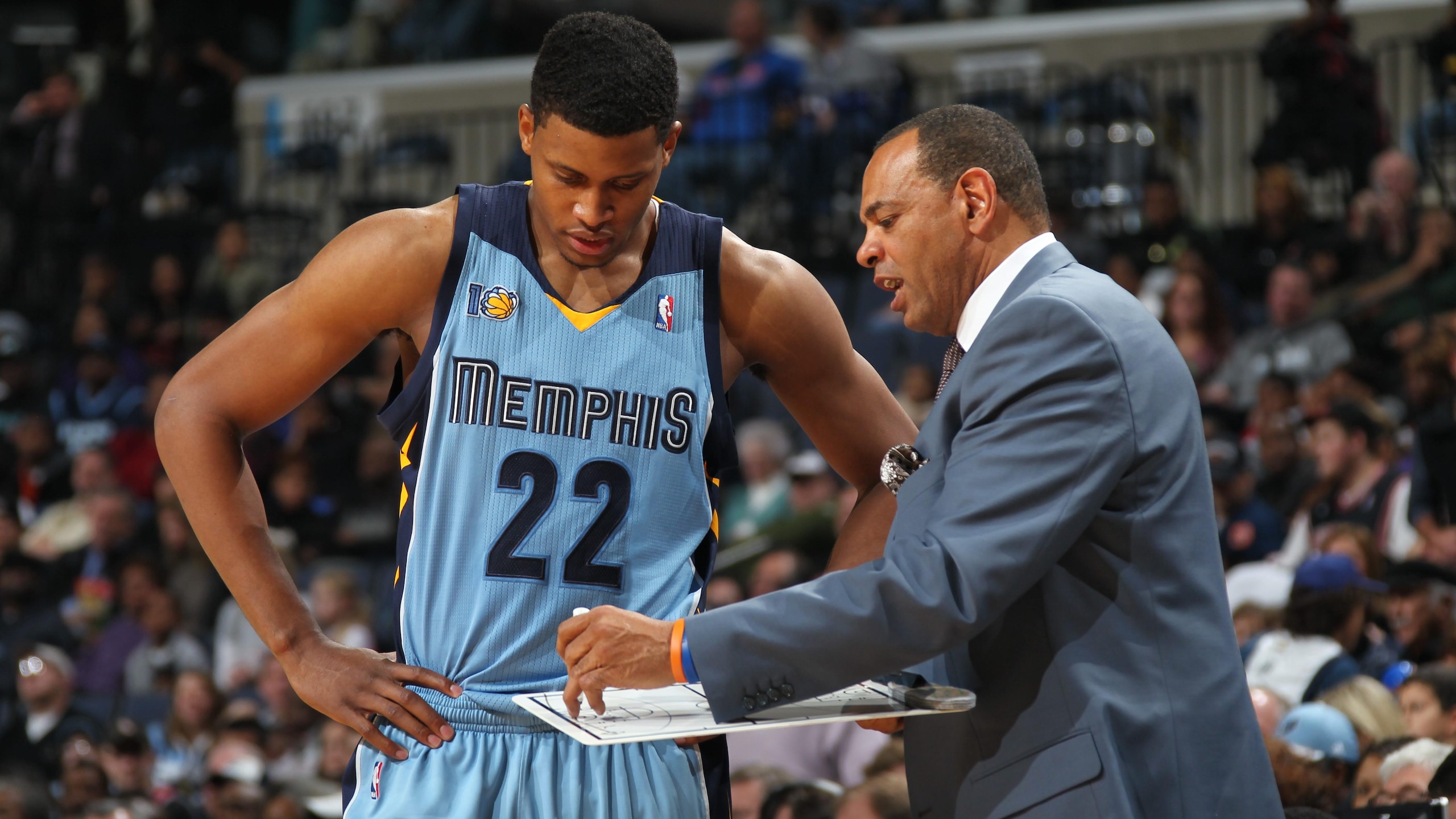
Rudy Gay is the rare "what if" whose entire career is the "what if." Drafted with the size and shot-making to be a perennial All-Star, Gay always looked like he was a single breakout away from superstardom. He had the smooth jumper and the isolation bag. On paper, he was the prototype wing every team in the mid-2000s wanted.
Gay was not a bust. Nor was he bad in any way. He was good, sometimes very good. Just never great. Never transcendent. He could get you 18 a night without breaking a sweat. But the Grizzlies during the Grit and Grind era, led by Zach Randolph, Mike Conley and Marc Gasol, needed a star on the perimeter. Gay was drafted to be that guy.
He never lived up to that billing. The team truly peaked after he was traded. Everywhere he went he was solid but left you wondering if there was another gear he never found. If he had developed into a Paul George-level scorer, something he had the tools to be, the Grizz could have been contenders, not just second tier behind the Thunder, Clippers and Spurs.
This one is simple: What if talent that looks like stardom does not translate to winning impact? What if the smoothest 20-point scorer in the gym doesn't move the needle when it matters?
Miami Heat: Michael Beasley
16 of 30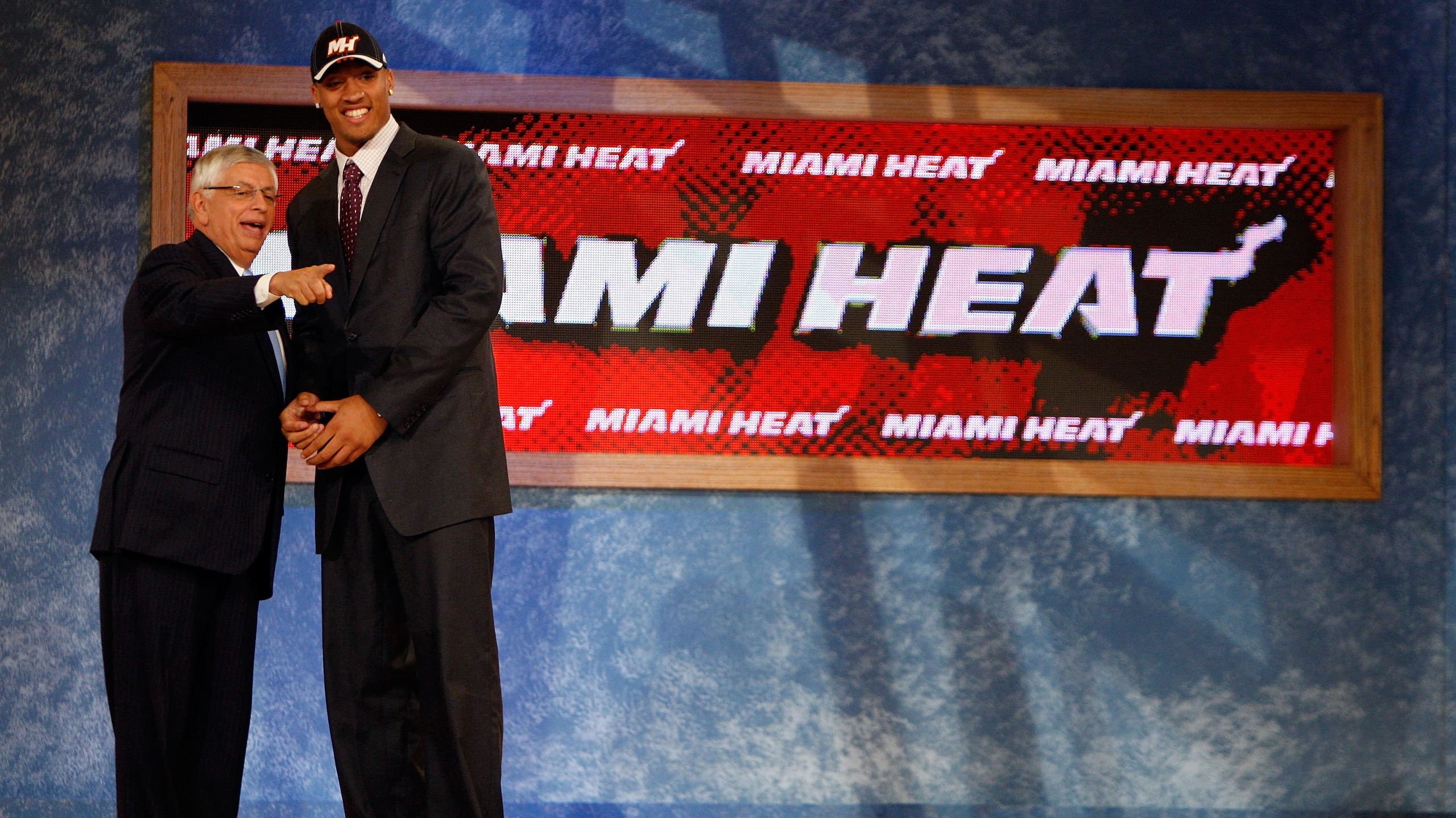
Michael Beasley was the other prize of the 2008 draft, the one-two punch with Derrick Rose that would shape the next decade. Miami grabbed him second overall, betting on a 6'9" scorer with guard skills to become a modern matchup problem. On paper, he had the tools to be Dwyane Wade's running mate and the franchise's fulcrum to the future.
Instead, off-court distractions and a lack of humility kept Beasley from stabilizing as a star. By the summer of 2010, his value had plummeted so far that Miami moved him for two second-round picks, clearing the cap space necessary to sign Chris Bosh and LeBron James. By the time he returned to Miami for later stints, his reputation and role were limited.
Here is the kicker: If Beasley had developed as projected, the Heat front office would have had options. He could have been flipped for a first-round pick instead of two seconds, giving Pat Riley ammunition to add a genuine fourth option, maybe a steadier point guard than Mario Chalmers, or a real center to balance out the roster.
Or Miami could have simply kept him, slotting Beasley next to the Big Three. Imagine a starting five with Wade, LeBron, Bosh, Beasley and any serviceable big, scoring, shooting and athleticism that would have been unguardable.
Always a bucket, Beasley drifted into journeyman territory. For the Heat, the "what if" is how much more the Big Three-era might have had if his trajectory gave them another chess piece.
Milwaukee Bucks: Jabari Parker
17 of 30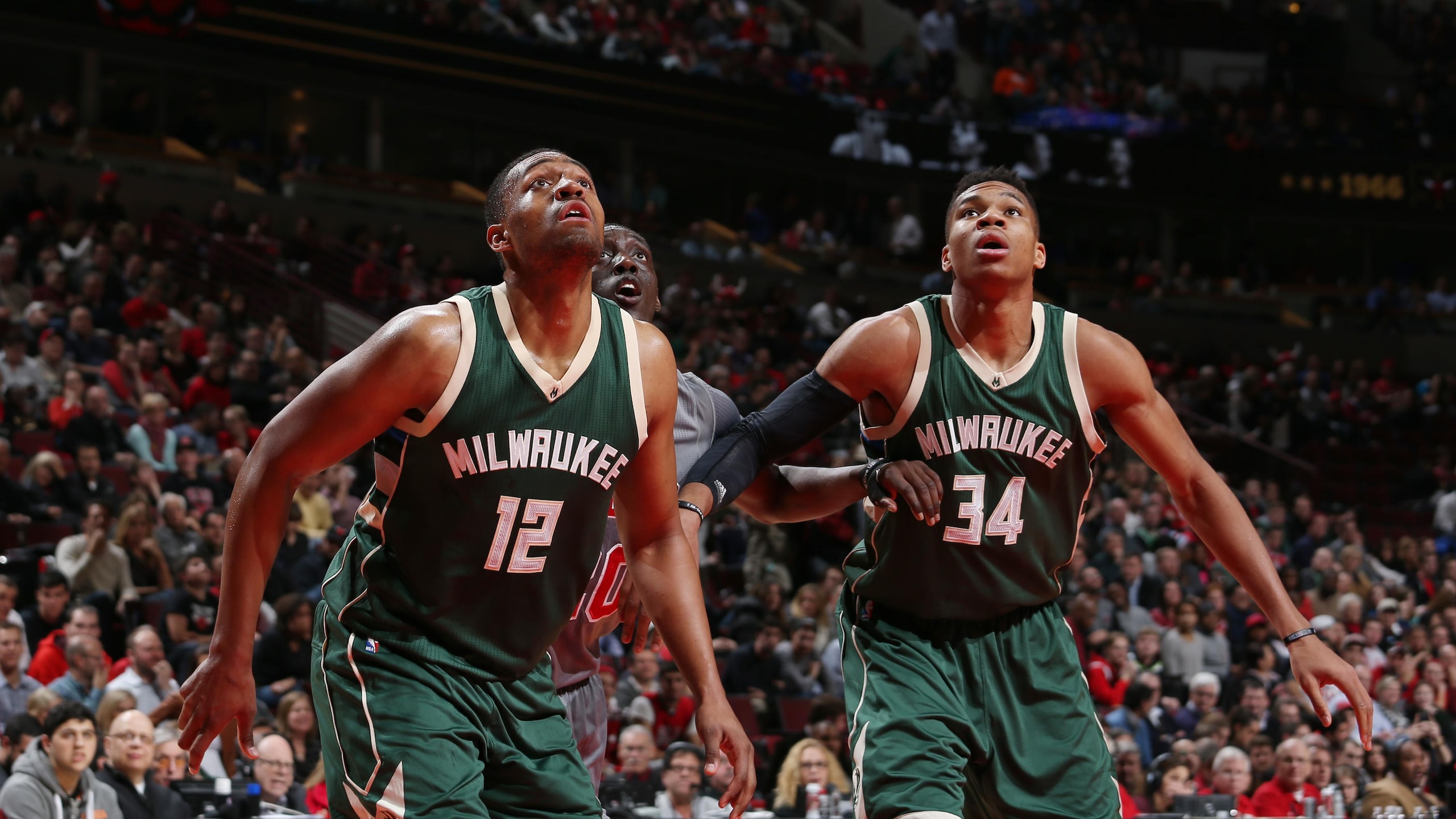
Before Giannis Antetokounmpo became a two-time MVP, before Khris Middleton hit dagger after dagger on the biggest stage, the Bucks thought their franchise cornerstone was Jabari Parker. Taken second overall in 2014, Parker had the polished scoring game, a 6'8" forward who could handle, slash and get buckets in bunches.
And for flashes, he was just that. A healthy Parker looked like the perfect complement to a young Giannis, but eventually his knees betrayed him. Two torn ACLs in three years turned Parker's career into a cycle of rehabs. By the time Giannis ascended into superstardom, Parker was gone, reduced to a journeyman bouncing around the league.
Imagine Parker developing alongside Giannis. A fully realized Parker, healthy and scoring 20 a night, would have given Milwaukee a legitimate set of primary options. A core with length, defense, shooting and multiple creators. A group that could have gone toe-to-toe with the Warriors or LeBron's Cavs before the Bucks' 2021 breakthrough.
Instead, Milwaukee's rise had to be carried almost entirely by Giannis' development. Parker, once seen as a future face of the league, became the player Bucks fans still dream about.
Minnesota Timberwolves: Karl-Anthony Towns
18 of 30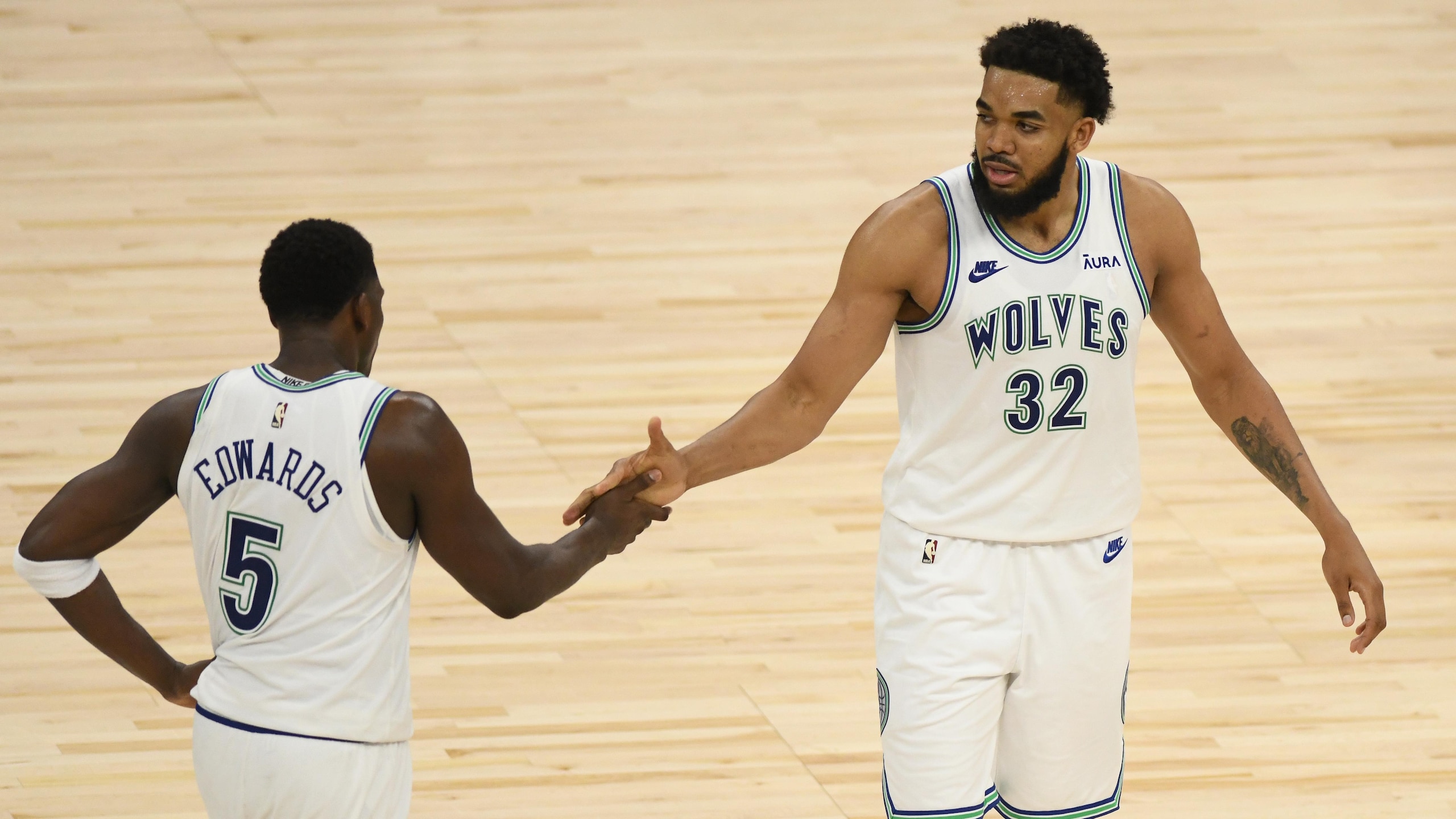
No slight to Julius Randle, who was excellent in the playoffs for the Timberwolves last postseason. Karl-Anthony Towns was simply the cleaner fit. He and Anthony Edwards shared a yin-and-yang chemistry, a rhythm that complemented each other's games. There is hope Randle can continue to adjust around Edwards, but with Towns it was seamless.
Towns could close games as a 5. Randle cannot. Towns' rebounding was elite, and his pick-and-roll chemistry with Edwards was natural. Add his shooting, which maximized both Edwards and Rudy Gobert, and you had a frontcourt puzzle piece that made too much sense.
Towns has shown in New York that he can groove with anyone and still be a force offensively. In Minnesota, he was the franchise cornerstone, drafted and developed from scratch, carrying the Wolves to their first postseason since 2004.
Having a big who could swing between both frontcourt positions was invaluable. It made the Gobert trade defensible as an all-in move. Randle is an All-NBA talent, but he is not as malleable. Towns proved he could thrive under different coaches and systems while stretching the floor in a way modern champions demand. Since 2017, every title team has leaned on a center who could shoot. Minnesota had that potential with KAT. The team lost it when it shipped him to the Knicks.
What makes it worse is the trade was not about basketball. Towns did not force his way out; he was moved for financial reasons. Yes, his contract was large, but not enough to justify downgrading talent and fit in the middle of a championship window.
In the end, the Timberwolves chose the balance sheet over basketball sense, and that's the biggest "what if" of all.
New Orleans Pelicans: Zion Williamson
19 of 30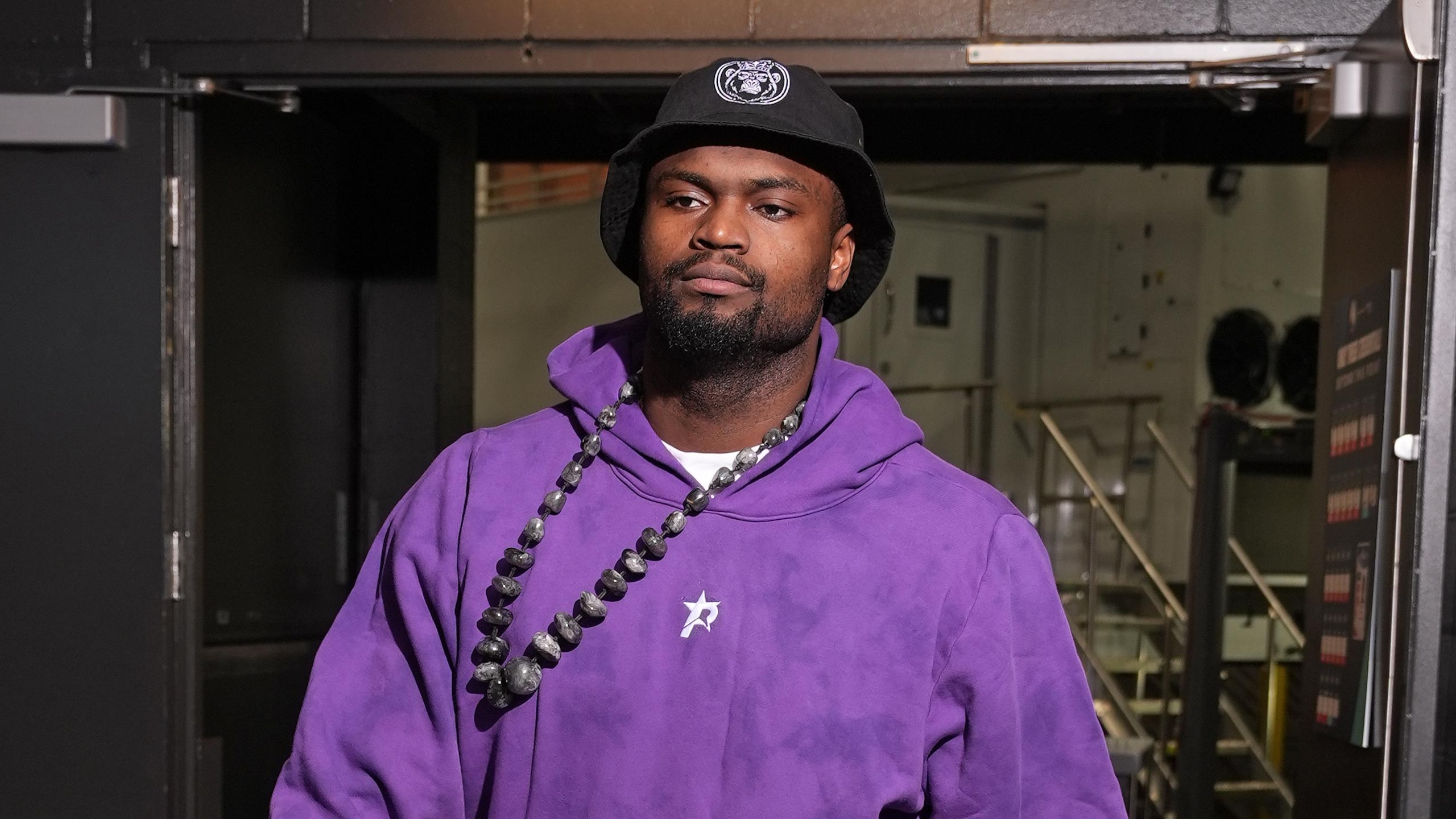
Zion Williamson isn't just the Pelicans' biggest "what if." He's the "what if" of this current era. No player since LeBron James had entered the league with this much hype or gravitational pull. Zion was supposed to be a human highlight reel who could lift the Pelicans into relevance and give the NBA its next global superstar. When he is at his best, he is all of that, an unstoppable force at the rim, a mismatch who scores with absurd efficiency.
The numbers back it up. In just 24 games as a rookie, Zion averaged 22.5 points on 58 percent shooting, becoming the first teenager in league history to post that scoring volume and efficiency. He did it without a reliable three, bullying grown men with a combination of strength, speed and touch around the rim.
The issue is the qualifier, "in just 24 games." Up to this point, Zion has only played in 214 out of 472 possible games in his young career.
Obviously, the problem with Zion isn't on the court. It's how rarely he's on it. Injuries, conditioning and other distractions have turned his career into an open question. But when he plays, he looks like an MVP.
Zion's saga goes beyond New Orleans. It is about how fragile potential can be in a league built on superstars. That's why he's basketball's biggest what if since 2000.
New York Knicks: Amar'e Stoudemire
20 of 30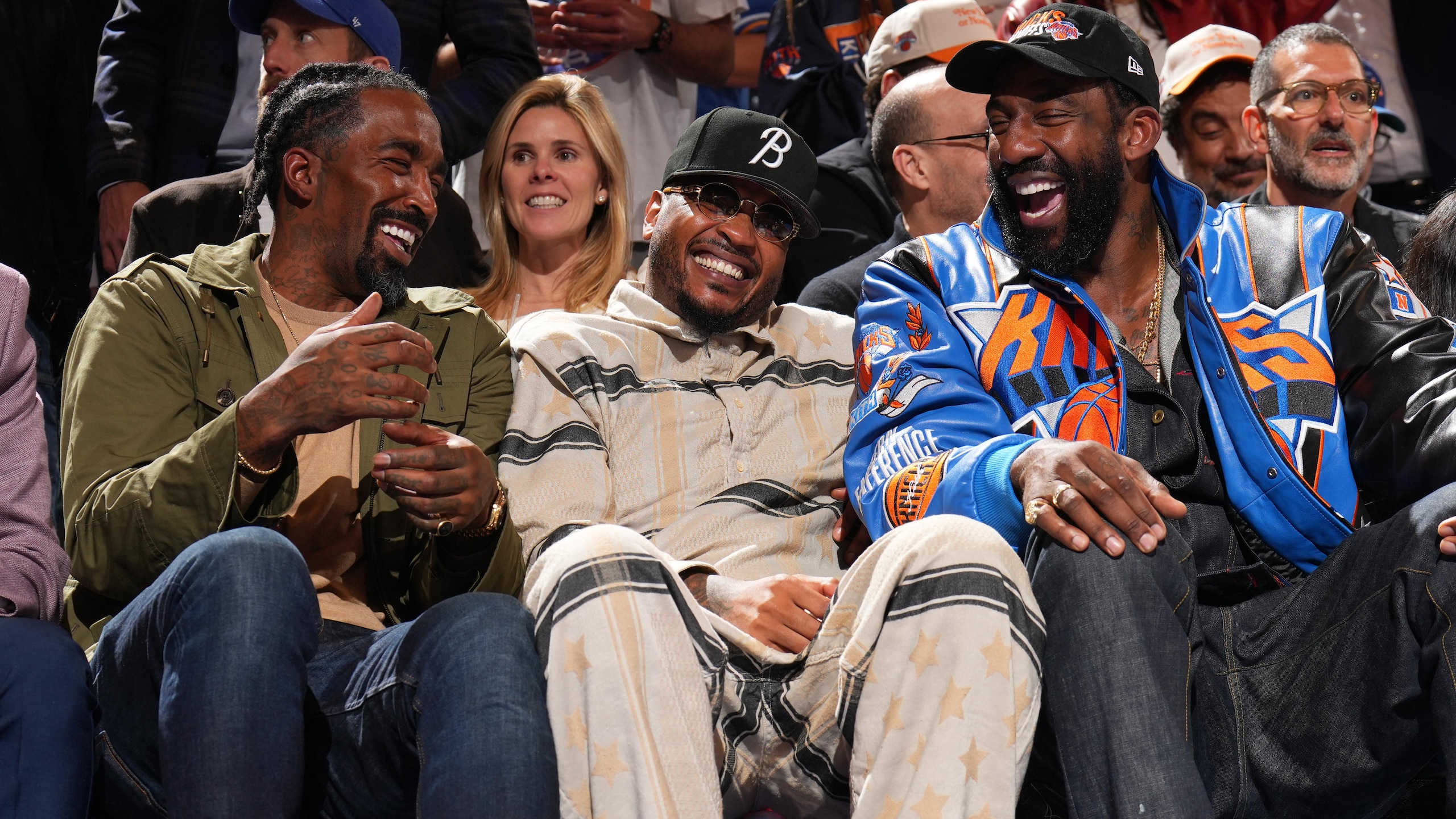
"The Knicks are back," Amar'e Stoudemire told reporters in the summer of 2010. For a city that had suffered through a decade of false starts and punchlines, it felt like a resurrection. Stoudemire was the star who finally chose Madison Square Garden.
For the first half of that 2010–11 season, he looked like every bit of it. Stoudemire averaged 26 points and nine rebounds through the first three months, rattled off nine consecutive 30-point games and vaulted into MVP conversations. The Garden buzzed with life again. He was the face of the Knicks' rebirth.
But, the deal that brought him in was flawed from the start. New York signed Stoudemire to a maximum contract without including an injury clause, despite a history of knee problems and microfracture surgery.
It was a massive gamble, and one that backfired almost immediately. By the time Carmelo Anthony arrived in 2011, Stoudemire's body was already breaking down. Without an MVP-level playmaker like former teammate Steve Nash running the show, his game struggled to adjust. The Melo and Stoudemire pairing never clicked, with both players needing touches and midrange space the other could not provide.
The what-if is glaring. What if the Knicks had gotten three or four years of that MVP-caliber Stoudemire instead of just half a season? Surrounded by shooters, that core could have been dangerous in the Eastern Conference.
Instead, Stoudemire became another symbol of Knicks dysfunction, a reminder of how fleeting hope can be at Madison Square Garden under James Dolan.
Oklahoma City Thunder: Tyson Chandler
21 of 30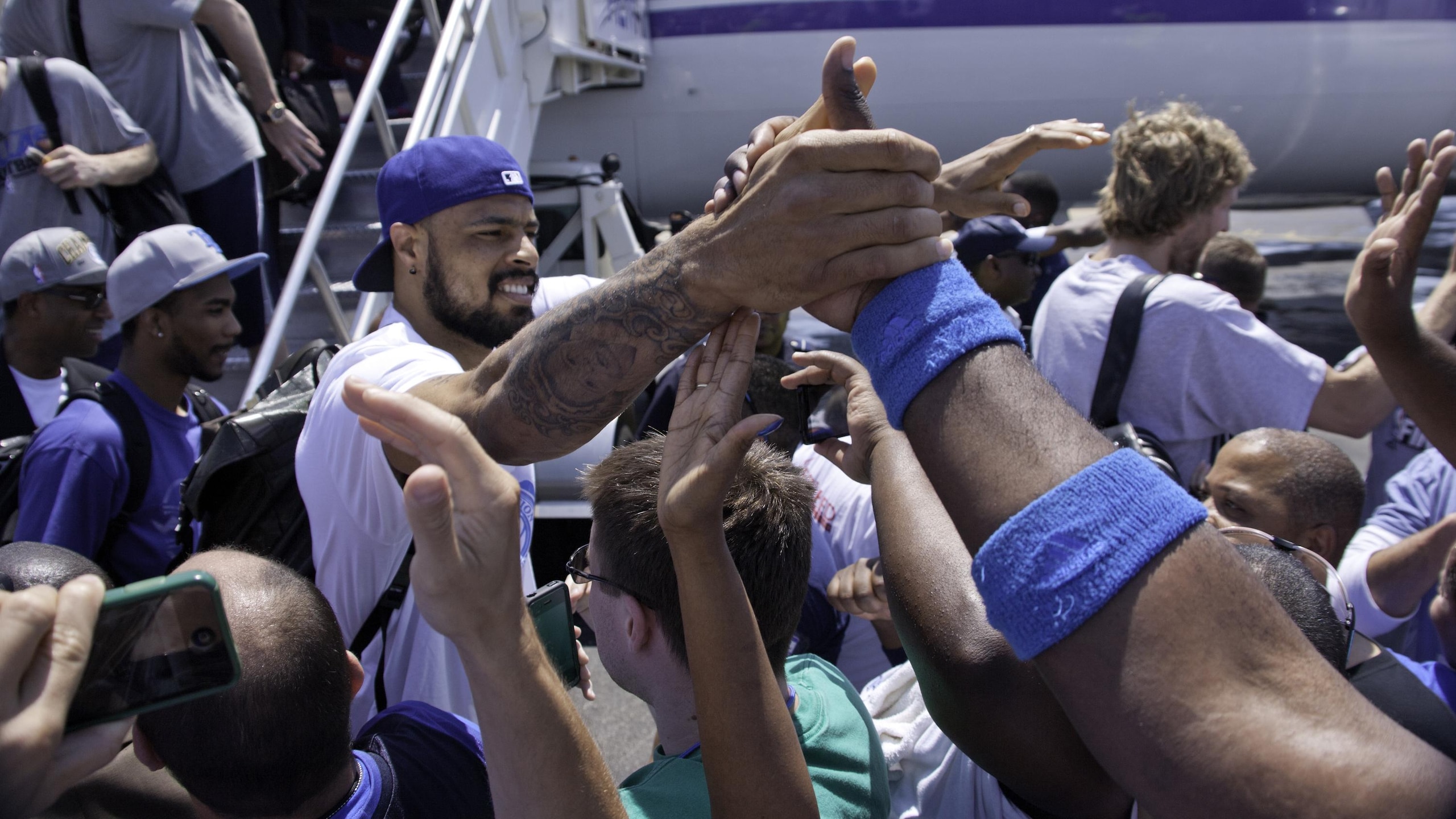
Most "what if" players actually wore the jersey. Unfortunately for the Kevin Durant and Russell Westbrook era, Tyson Chandler never suited up for Oklahoma City. In 2009, he came within a failed physical of changing the course of Thunder history.
At the time, OKC was just beginning its rise, a young team with Durant, Westbrook and Jeff Green figuring out who they were. They had scoring and athleticism. What they lacked was a defensive anchor in the middle. Chandler, still in his prime, was supposed to be that missing piece.
The Thunder agreed to a deal with New Orleans that would have landed the 7-footer in Oklahoma City. Then came the veto from the medical staff when team doctors flagged his big toe.
The irony is obvious. Chandler went on to win a title with Dallas in 2011, anchoring the defense that toppled LeBron's Heat. The Thunder kept searching for their rim protector until Serge Ibaka grew into the role. Imagine those early OKC teams with Chandler's rebounding, rim protection and lob-finishing instead of....Kendrick Perkins. The 2012 Finals appearance might not have been a one-off. Maybe it is the Thunder, not the Mavericks, who dethrone Miami.
The what-if stings because it was so close. The outgoing trade package for Chandler was spare parts, which means Green, later traded for Perkins, could have been retained or flipped for another piece down the line. It hurts worse that a conference rival ended up with Chandler and a championship, while the Durant and Westbrook Thunder never won.
Orlando Magic: Grant Hill
22 of 30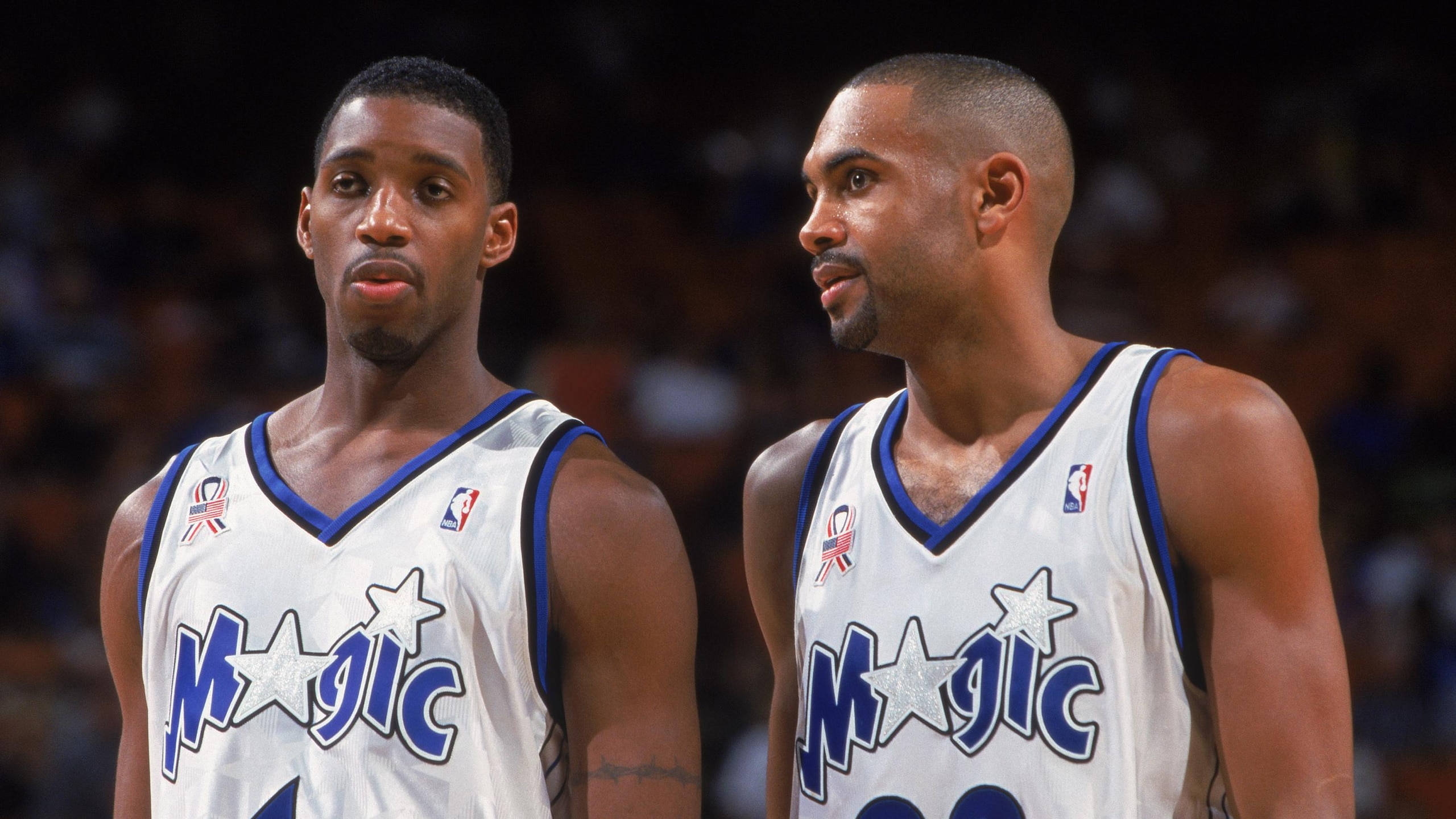
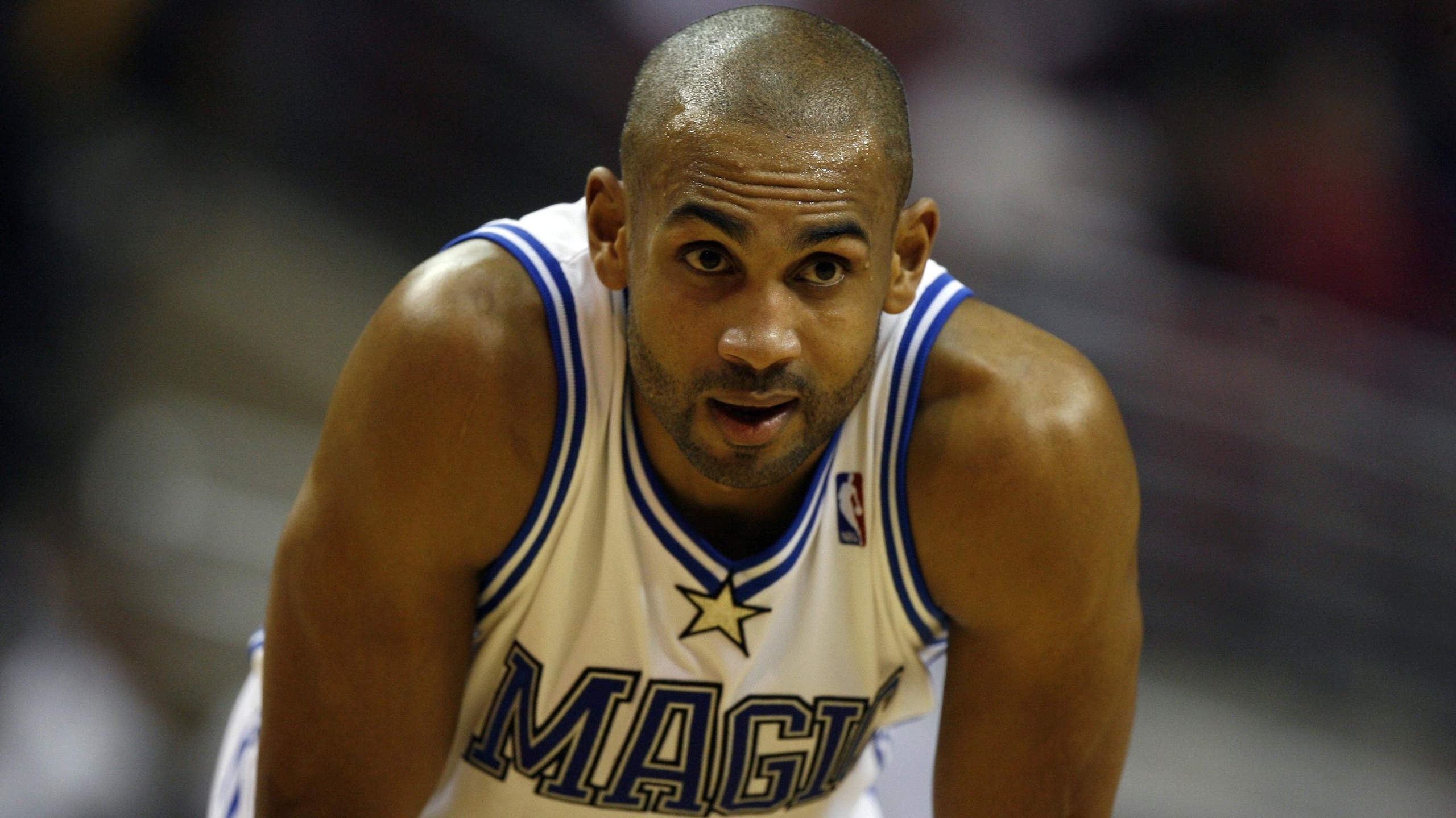
In the summer of 2000, the Orlando Magic thought they had pulled off a coup. Grant Hill, a perennial All-Star and one of the most complete players of his generation, was leaving Detroit to team up with a young Tracy McGrady. For a franchise still chasing the ghost of Shaq and Penny, this was supposed to be the rebirth. They had two superstars in their primes, a blueprint for title contention.
Back then, NBA teams were rarely built with multiple stars. You had one cornerstone, maybe two if you were lucky, and you hoped smart role players filled the gaps. The Magic were lucky. They had two. McGrady's shot-making and Hill's all-around brilliance should have made Orlando a favorite overnight.
But years of heavy minutes in Detroit had already taken their toll, and a devastating ankle injury turned into a nightmare. Hill played just 47 games in his first three seasons with the Magic, missing entire years while undergoing multiple surgeries. By the time he returned in anything close to full health, McGrady was carrying the team alone, winning scoring titles while losing early playoff series.
In Hill's case, the what-if is staggering. Imagine him building upon the best season of his career, playing alongside McGrady's scoring brilliance. Two 6'8" point forwards with elite vision and versatility. That duo could have been as dynamic as Kobe and Shaq, or at least good enough to challenge the Eastern Conference powers of the early 2000s.
Philadelphia 76ers: Ben Simmons
23 of 30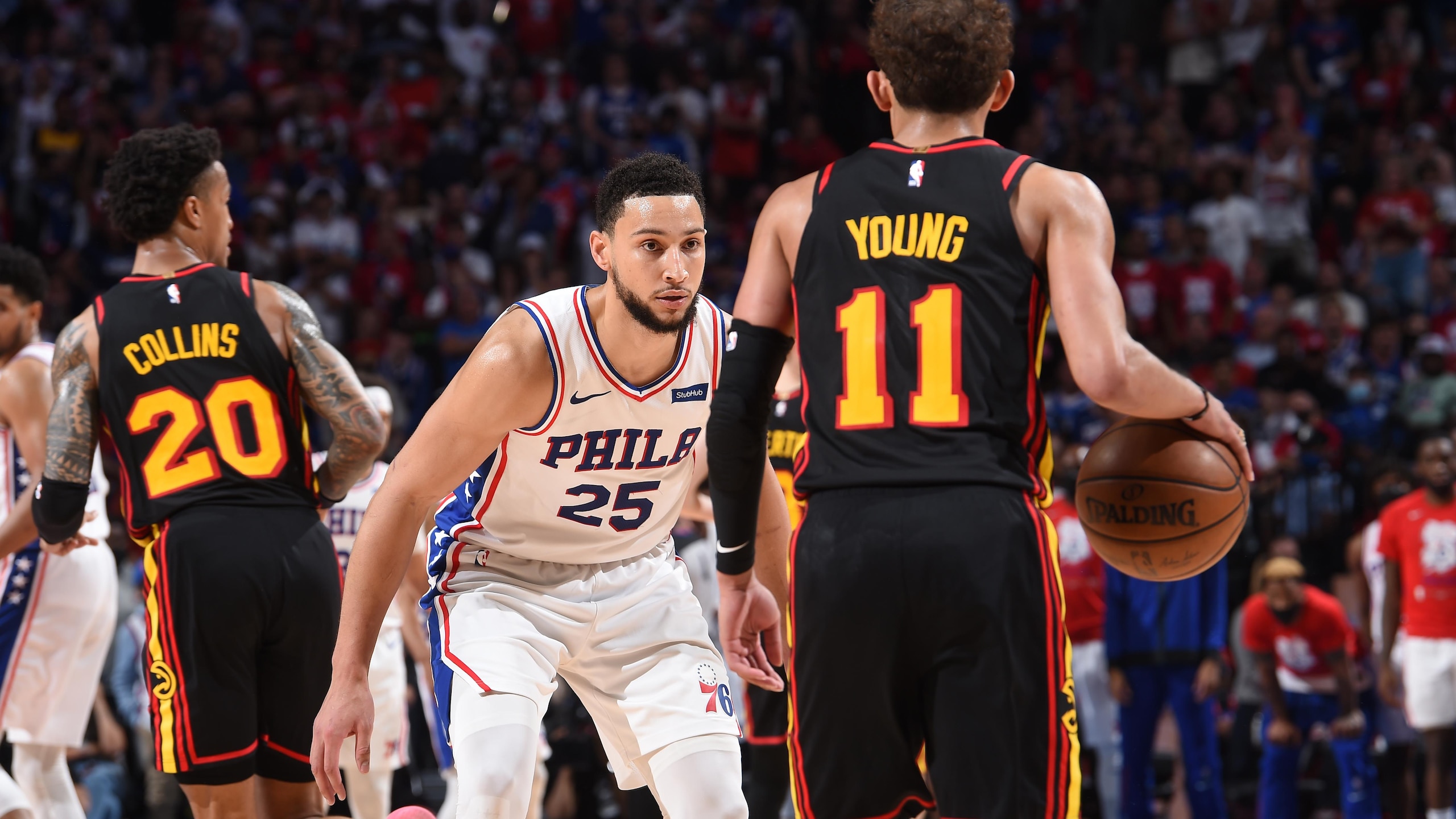
"The Process" was supposed to end with a parade down Broad Street. Years of tanking was designed to deliver stars, and in Ben Simmons the Sixers believed they had found one. A 6'10" point guard with Magic Johnson's vision and LeBron James' athleticism? That's why Simmons was picked first overall in 2016 as Joel Embiid's perfect running mate.
Ignoring the injury that kept him out his first year in the NBA, Simmons won Rookie of the Year in 2018, made three straight All-Star teams and gave Philly the best point-of-attack defender in the league. With Embiid dominating the post and Simmons attacking in the open floor, the Sixers had a one-two punch that few, if any, in the East could counter.
But the fissures quickly became faults. Simmons never developed a jumper, never even threatened one, and by the playoffs, defenses learned to shrink the floor around him. The breaking point came in 2021 against Atlanta, when he passed up an uncontested dunk in Game 7. The Sixers eventually moved him for short-term asset James Harden, burning more of Embiid's prime in the process.
What if Simmons had embraced the jumper, even a basic corner three, to keep defenses honest? What if his offensive game grew to match his elite defense and playmaking? Philadelphia might have had a championship core built from The Process instead of a blueprint for how not to build a team.
Phoenix Suns: Joe Johnson
24 of 30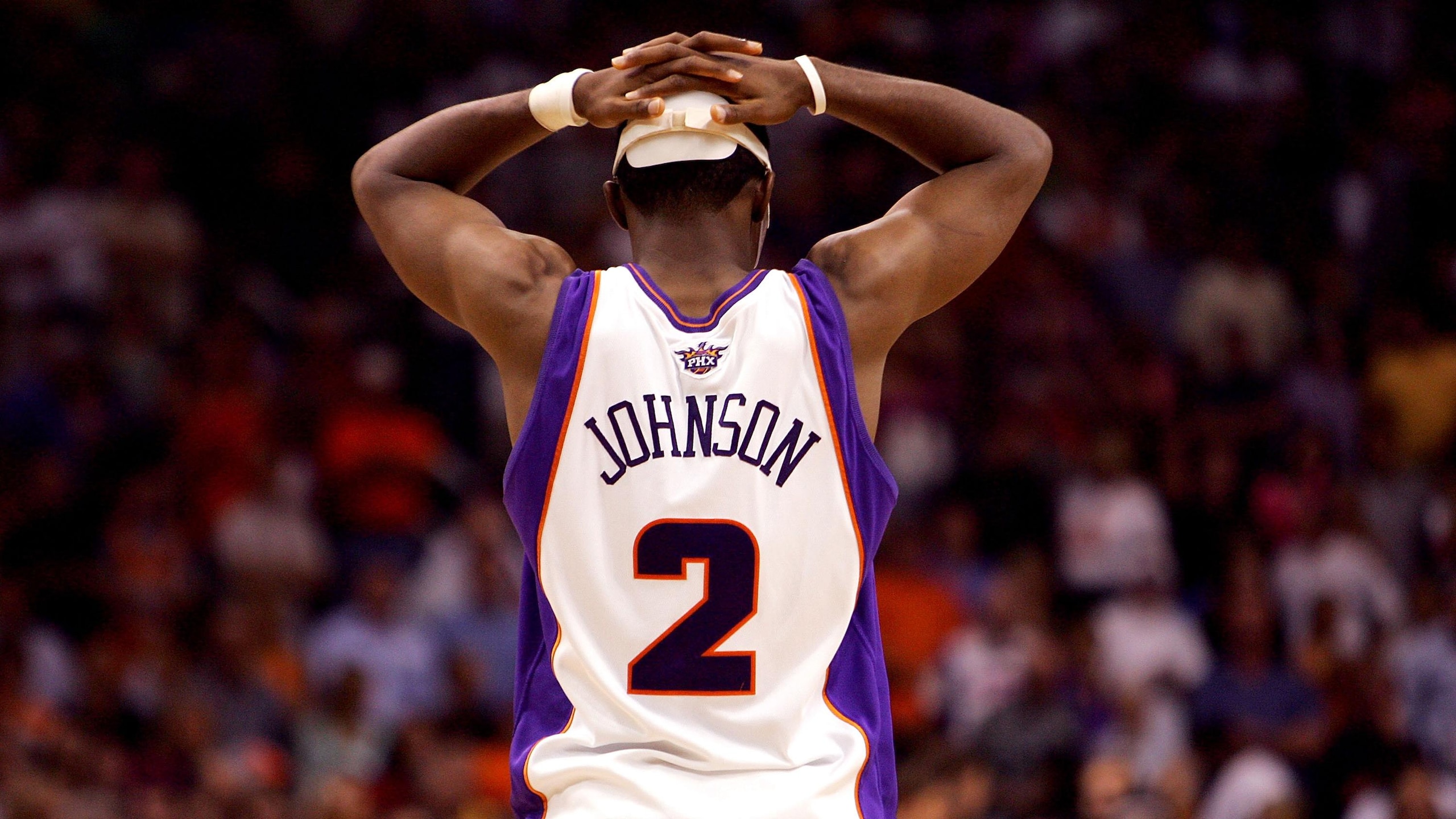
The "Seven Seconds or Less" Suns were already ahead of their time with how they played. Two-time MVP Steve Nash ran the show alongside rim-running Amar'e Stoudemire and Shawn Marion doing everything in between. But tucked inside that offensive chaos was Joe Johnson—a smooth 6'7" scorer who could handle, shoot, play-make and defend.
In 2005, just as the Suns were on the cusp of contention, Johnson was allowed to walk out the door. He wanted a bigger role and more money than Phoenix was willing to give, and the Suns shipped him to Atlanta in a sign-and-trade. Getting back Boris Diaw and draft picks was nice, but it wasn't the future All-Star who averaged 20-plus a night for nearly a decade.
This what-if was avoidable. Imagine if Johnson stayed in Phoenix, giving Nash another knockdown shooter and secondary closer? His size and versatility would have patched some of the defensive holes that haunted those Suns teams. His scoring would have taken pressure off Amar'e. A Suns core of Nash, Johnson, Marion and Stoudemire might have had enough to finally break through in the West.
Joe Johnson isn't remembered as Phoenix's cornerstone. But in a different timeline, he could have been the piece that turned Mike D'Antoni's offense into a ring.
Portland Trail Blazers: Greg Oden
25 of 30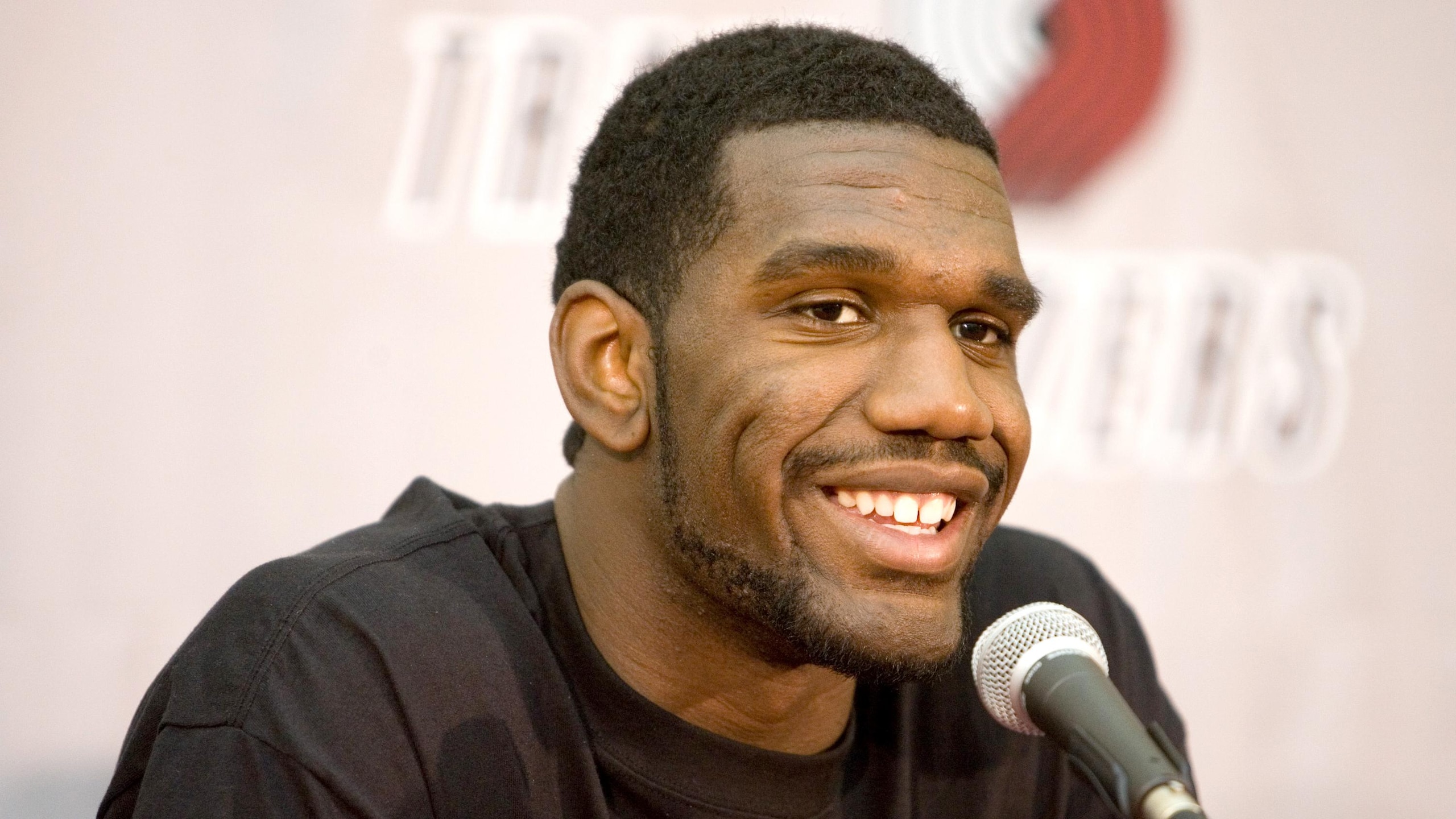
Sometimes a "what if" is history repeating itself. In 1984, the Portland Trail Blazers passed on Michael Jordan to take Sam Bowie, choosing the safe, traditional center over the future Hall of Fame scoring wing. In 2007, they did it again. Faced with Kevin Durant's generational scoring talent, Portland went with Greg Oden, a traditional center with high upside. We know how both decisions turned out.
Oden was a force at Ohio State, averaging 15 points, nine rebounds and nearly four blocks per game. The idea was to pair him with Brandon Roy and LaMarcus Aldridge and try to own the post-Kobe Bryant Western Conference for years.
But things broke bad fast, as Oden needed knee surgery before his rookie year. He never truly recovered. In five NBA seasons, Oden played just 105 games. It felt like every comeback attempt was followed by a setback or another injury.
Oden's rim protection and rebounding alongside Aldridge's midrange game and Roy's perimeter shot-creation might have made Portland a perennial Western Conference contender. Maybe even a Finals team.
By the time Durant won his first MVP in Oklahoma City, Oden was a bust. It never felt fair. It was his body that failed him, not his game. But that's the history of Portland centers (Bowie, Bill Walton, Arvydas Sabonis, Jermaine O'Neal), and NBA 7-footers. The list is littered with careers changed by injuries.
Sacramento Kings: Gerald Wallace
26 of 30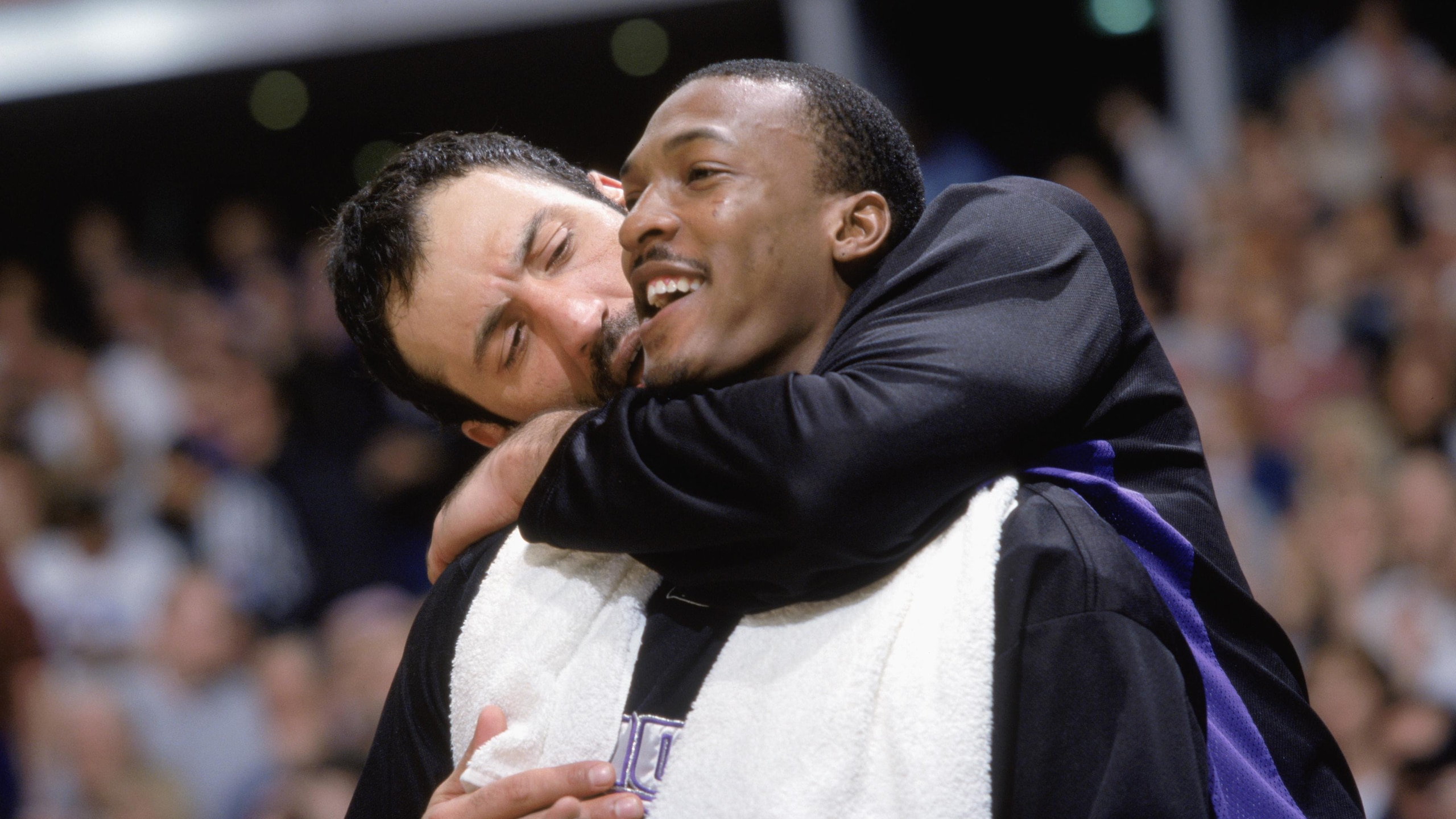
Sometimes the best "what if" stories come from the role players who got away. In the last 25 years, Sacramento hasn't had much success to hang on to, but the early-2000s Kings were the exception.
They were a near-champion with Mike Bibby, Chris Webber, Vlade Divac and Peja Stojaković—loaded with shooting and skill but not much athleticism after Webber. Ace defender Doug Christie often had to guard Kobe Bryant on an island, with little relief behind him.
If Gerald Wallace had blossomed earlier in Sacramento the way he did in Charlotte, the Kings might have had the ultimate swing piece. A phenomenal athlete, Wallace eventually became an All-Defensive First Team player and All-Star. Dropping that version of him into those heated Los Angeles Lakers playoff battles could have changed everything.
Instead of Christie exhausting himself chasing Kobe, Wallace's length and speed could have tilted the series. Paired with the Kings' offensive firepower, Wallace's explosiveness might have been the missing piece that pushed Sacramento over the Lakers and into the Finals. Especially if he had actualized by the controversial 2002 Western Conference Finals.
And if the Kings had broken through, Wallace's presence could have extended their window beyond 2002, giving them the youthful legs and defensive bite to keep contending while the veteran core aged. He was the kind of player Sacramento never really replaced.
San Antonio Spurs: Richard Jefferson
27 of 30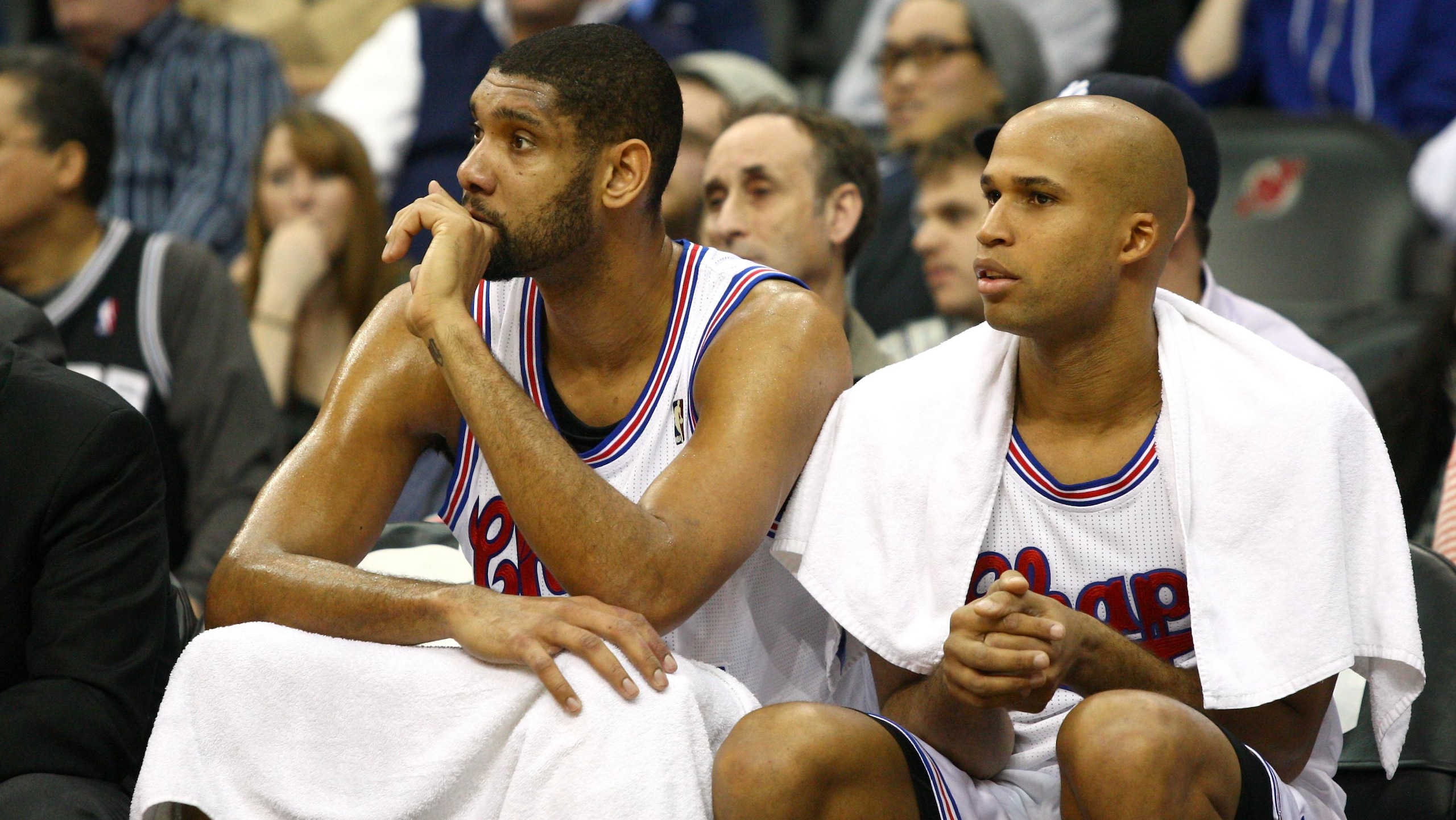
Some might expect to see Kawhi Leonard here, but truth be told, he left as San Antonio's veteran core was aging out. A Leonard-LaMarcus Aldridge duo wasn't beating the Warriors or claiming another chip. Richard Jefferson, though, is a different story.
When the Spurs traded for him in 2009, he was in his athletic prime, a high-flyer with Finals experience from New Jersey. The expectation was that he'd give Tim Duncan, Tony Parker and Manu Ginóbili the wing scoring and defensive versatility they needed to stretch their dynasty by another banner. Instead, Jefferson never truly meshed with Gregg Popovich's system. He often looked hesitant in a Spurs offense that demanded quick decisions.
If Jefferson had played up to his potential, San Antonio could have bridged the gap between the 2007 title team and the 2014 redemption squad. A confident, aggressive Jefferson slashing and finishing alongside the Big Three would have alleviated pressure on Duncan's aging legs and given Parker and Ginóbili more spacing. The Spurs had structure and coaching in droves. The missing piece was a wing in his prime who could swing a playoff series.
Another title would've cemented them ever more firmly as the league's gold standard for sustained greatness.
Toronto Raptors: Andrea Bargnani
28 of 30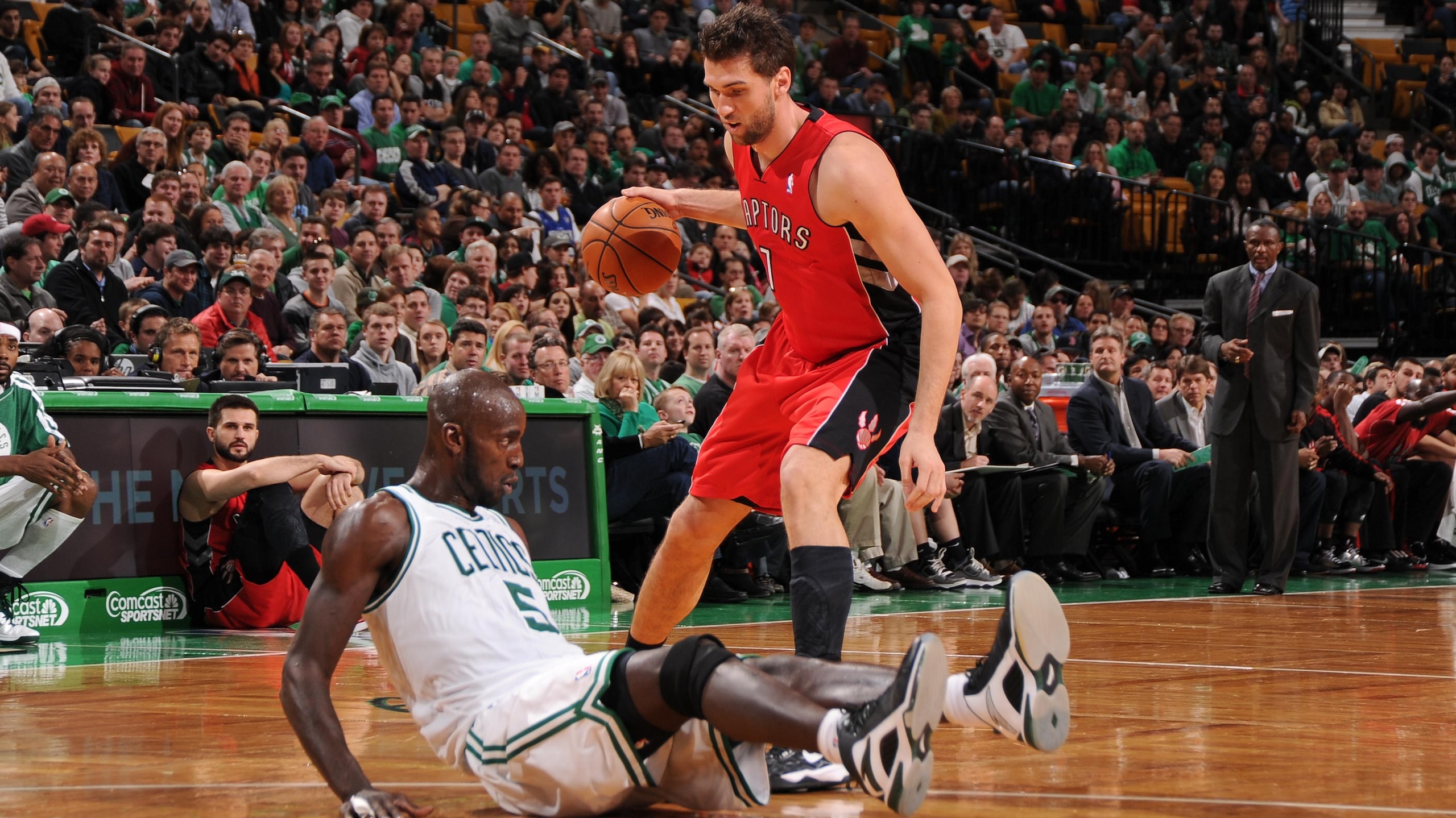
Andrea Bargnani. The Raptors' first-ever No. 1 overall pick and maybe the most spectacular "what if" in franchise history—if by "what if" you mean, what if they had taken literally anyone else.
To be fair, late-2000s and early-2010s basketball still believed in the power of the double-big lineup. You paired size with more size and hoped it worked. Bargs was supposed to stretch the floor next to Chris Bosh and eventually become Toronto's Toni Kukoč, or better.
But Bosh bolted for Miami in 2010 and Bargnani was thrust into a "franchise cornerstone" role that exposed every flaw. He averaged 1.3 assists per game and the on/off numbers were brutal, routinely in the negatives (minus-314 in 2010-11). Raptors fans will recall the more minutes he played, the more they lost. He might actually be the biggest net negative in Raptors history, because he played so many minutes while being so terrible.
And yet, the greatest "what if" might actually be: What if Masai Ujiri hadn't conned the Knicks into trading for him? The deal for Marcus Camby, Steve Novak, Quentin Richardson, a first- and two second-rounders is still one of the finest heists in Raptors history.
Bargnani's draft class was a wasteland up top (Adam Morrison, Tyrus Thomas, Shelden Williams), but it also had LaMarcus Aldridge, Rajon Rondo, Paul Millsap. So yeah, the Raptors could've had an actual cornerstone instead of years of convincing themselves that Bargnani was secretly going to put it all together.
Utah Jazz: Deron Williams
29 of 30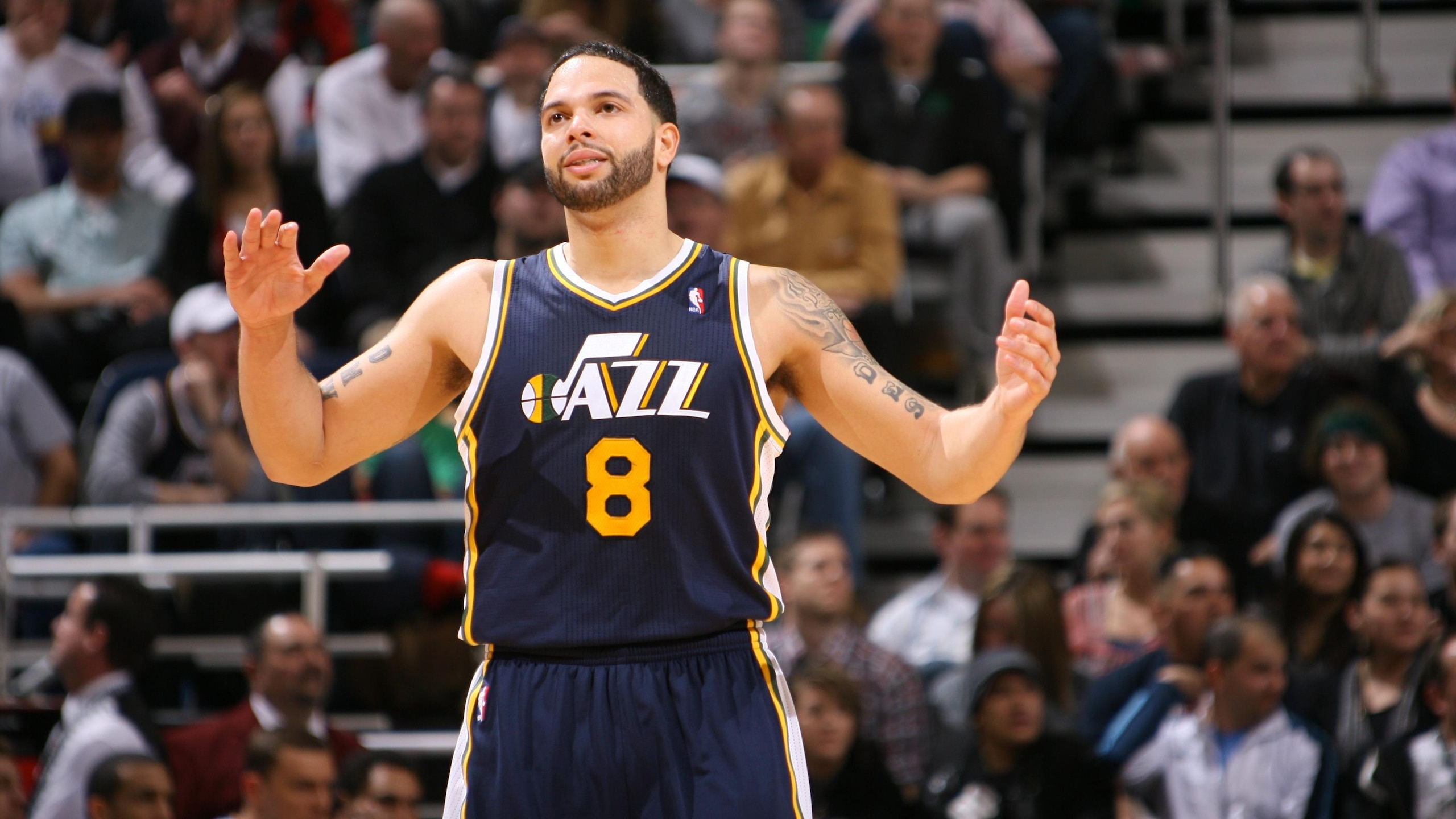
Before the drama, there was a stretch from 2007 to 2010 in Utah when Deron Williams looked like the best point guard in basketball. Bigger than Chris Paul, better defense than Steve Nash, more polished than the new wave of Derrick Rose and Russell Westbrook. He ran Jerry Sloan's offense like a surgeon, averaging double-digit assists while putting up 20 a night. The Jazz looked like a playoff demon.
But the story turned fast as Williams' relationship with Sloan frayed, and the legendary coach abruptly retired midseason in 2011 following an incident where Williams called a different play than what Sloan ordered.
A few days later, Utah shipped Williams out to Brooklyn. From there, it felt like he was constantly running uphill against injuries, conditioning issues and his Utah reputation.
What if Williams and Sloan had continued to coexist? That Jazz roster was low-key stacked: Carlos Boozer, Mehmet Okur, Andrei Kirilenko and later Paul Millsap. The Jazz offense was perfectly suited for Williams' pick-and-roll mastery.
When he ran it in his final full season in Utah, the Jazz shot nearly 50 percent from the field, compared to just above 45 percent in his first year in Brooklyn. That difference alone shows how his game elevated everyone around him. If that core stays together under Sloan's discipline, Utah might have broken through in a Western Conference dominated by Kobe's Lakers and Duncan's Spurs.
Instead, Williams is the ultimate reminder: Timing only matters if the player's mentality matches their talent.
Washington Wizards: Michael Jordan
30 of 30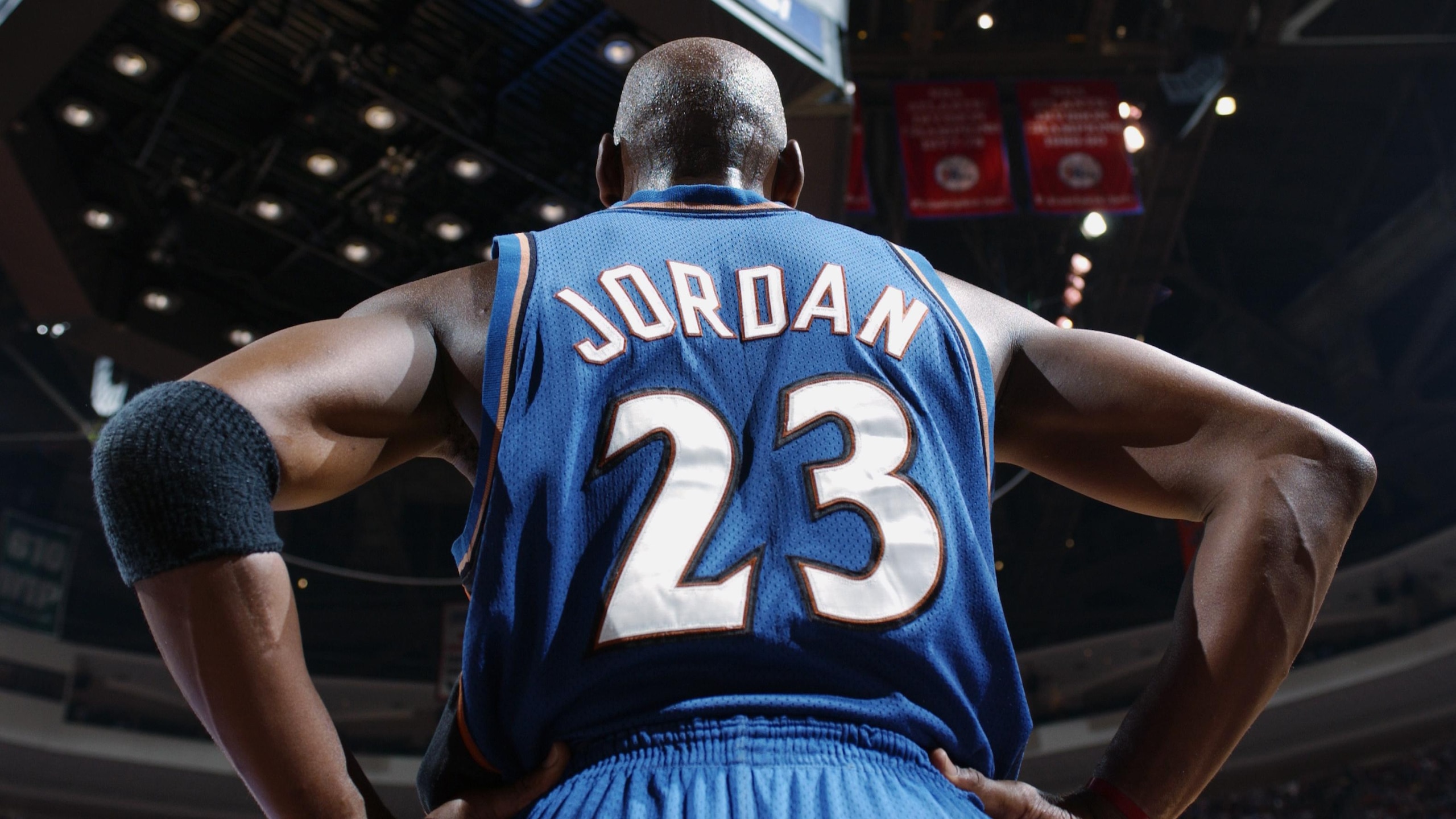
Some "what-ifs" aren't about talent. Even at 38, Michael Jordan put up 20 a night and sold out arenas. The real "what if" was whether Jordan, the executive and elder statesman, could evolve into a mentor who elevated the next generation.
Spoiler: Ha!
As described in the biography When Nothing Else Matters (2004), Jordan's return turned the Wizards' rebuild into a one-man soap opera. Practices became spectacles of his ego, where Jordan demanded respect but rarely gave it. He famously belittled the 19-year-old Kwame Brown, reducing him to tears instead of developing his confidence.
Rip Hamilton, who would later blossom into an All-Star and NBA champion in Detroit, recalled being held back and criticized rather than guided. Jordan's hubris wrecked the Wizards' momentum as a young team.
Washington had promising pieces and the gift of a No. 1 overall pick. If Jordan had shifted from ruthless competitor to mentor, the Wizards could have laid a foundation for a real playoff run in the early 2000s. Instead, he chased his own last hurrah, and the franchise spun off script.
What if Jordan had checked his ego at the door? What if he evolved his leadership style for the next generation? But that was never going to happen. Jordan wasn't built for humility, and Washington wasn't built to win.