

The college sports landscape has been completely reshaped by the introduction of Name, Image and Likeness (NIL) rules in 2021 that allow collegiate student-athletes to claim their piece of the tremendous revenue pie that college athletics generates.
However, those newfound revenue streams for college athletes have also created the need for oversight and regulation.
The House v. NCAA settlement that was formally approved in early June represents a significant step toward a more structured NIL world. It's worth diving into all the notable takeaways from that ruling, as the new rules go into effect as of July 1.
Here, we've compiled a quick rundown of everything the average sports fan needs to know about the new set of rules governing NIL across college sports.
Schools Can Now Directly Pay Athletes Through Revenue Sharing
1 of 6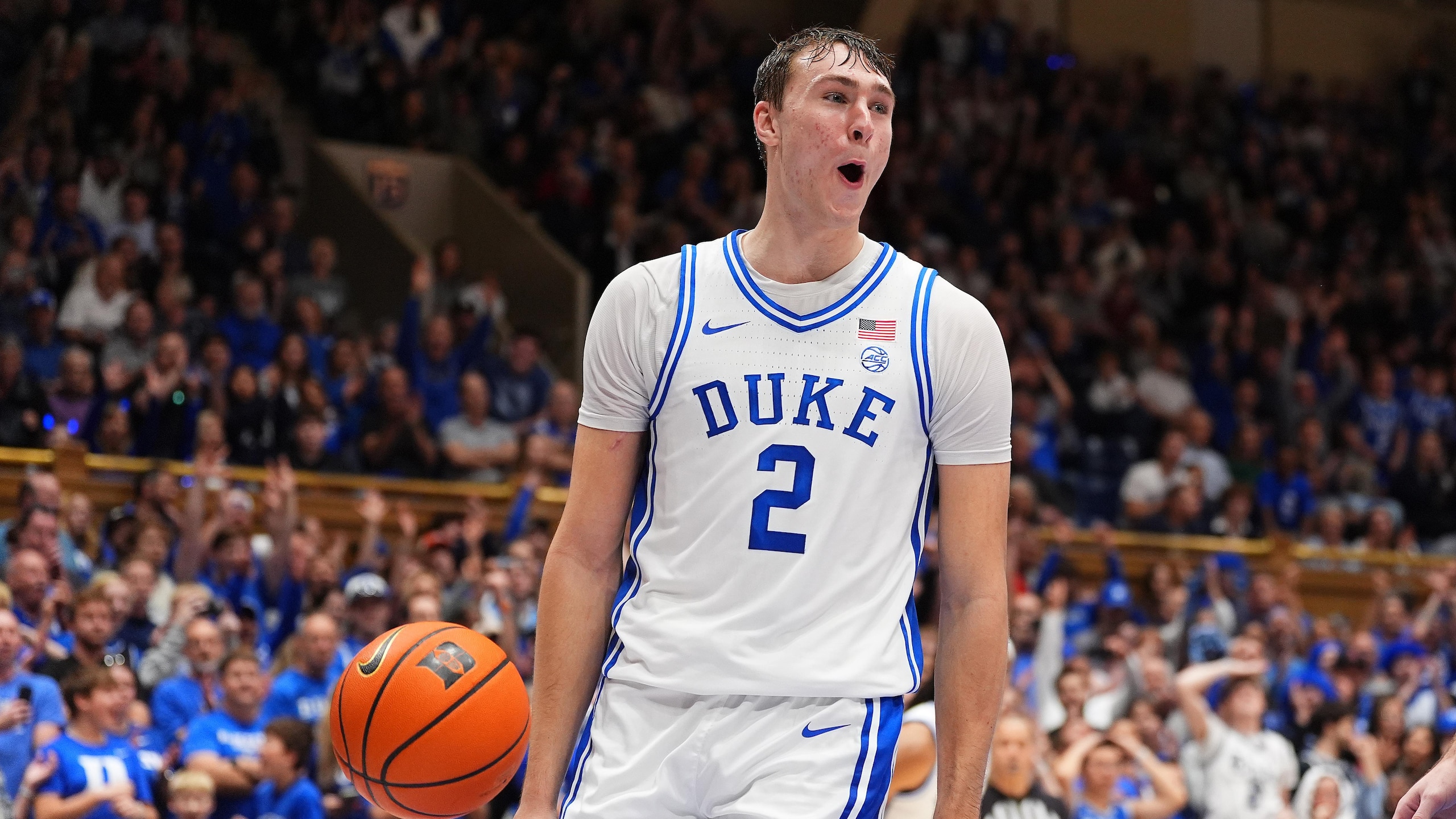
In recent years, the closest thing to an organized NIL payment system stemmed from boosters forming groups that were referred to as "NIL collectives" to distribute money to athletes.
As of July 1, schools will be able to cut out that middleman and pay their athletes directly.
The NCAA will pay $2.8 billion over the next 10 years in damages to athletes who competed from 2016 up to today. Going forward, each school can now pay athletes directly up to an annual capped limit.
That limit is expected to start at $20.5 million per school in 2025-26 and steadily increase by as much as 4 percent annually over a decade-long deal.
Athletes can still receive traditional scholarships, so these payments will be in addition to the long-standing system of awarding student-athletes with full or partial tuition and other academic payments.
"NCAA president Charlie Baker and others believe the deal will help schools regain control and tamp down the skyrocketing, largely unregulated market for paying college players through third parties," Dan Murphy of ESPN wrote.
Each school now needs to figure out how to divvy up that money across all sports.
No Plan for Sport-Specific Spending Caps or Floors
2 of 6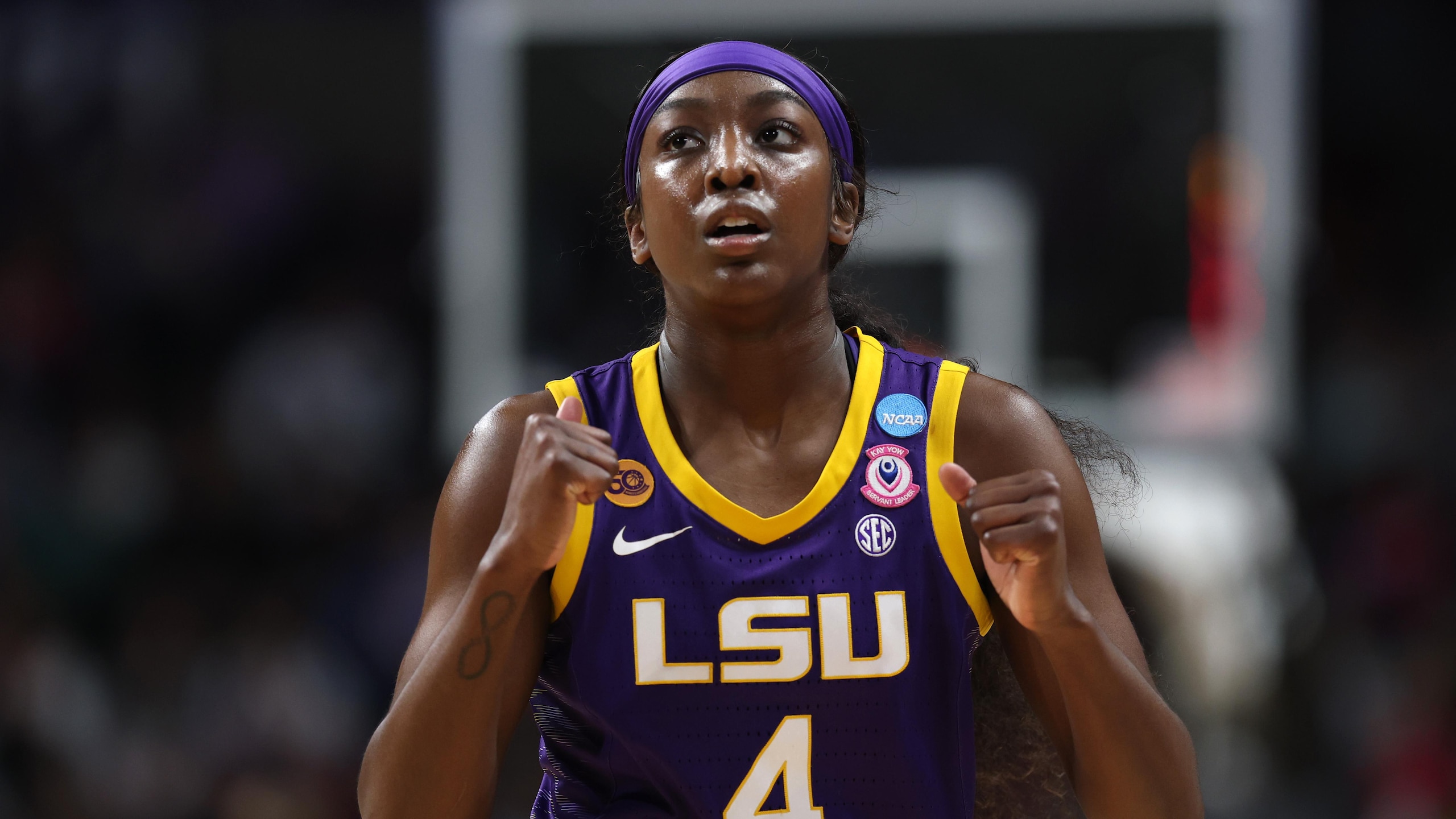
For now, there is no plan to put a cap or a floor on how much of that $20.5 million pool schools need to spend on each specific sport. That means the bulk of it will likely be funneled into football and men's basketball, which stand as the biggest earners among college athletics by a sizable margin.
"Many of the schools will follow a familiar formula: approximately 75% to football, 15% to men's basketball, 5% to women's basketball and 5% to the other sports," John Talty of CBS Sports wrote. "There is no requisite to spend in that fashion, however, and different schools may prioritize some sports over others."
Some quick math to put that into context:
Football: $15.375 million
Men's Basketball: $3.075 million
Women's Basketball: $1.025 million
Other Sports: $1.025 million
Using the ACC as an example, it will be interesting to see how a traditionally basketball-centric school like Duke will opt to distribute its money relative to a more football-focused school like Clemson.
More Scholarships, New Roster Size Limits
3 of 6
One of the biggest takeaways outside of schools now directly paying athletes is the removal of scholarship limits for each sport.
The impact here is twofold, as teams no longer have restrictions on how many scholarships they can hand out. They also now have the freedom to give partial scholarships in sports that were not classified as "equivalency sports" in the past like football, basketball and volleyball.
The trade-off is a hard cap on roster size, which will impact each sport differently.
Let's use football as an example.
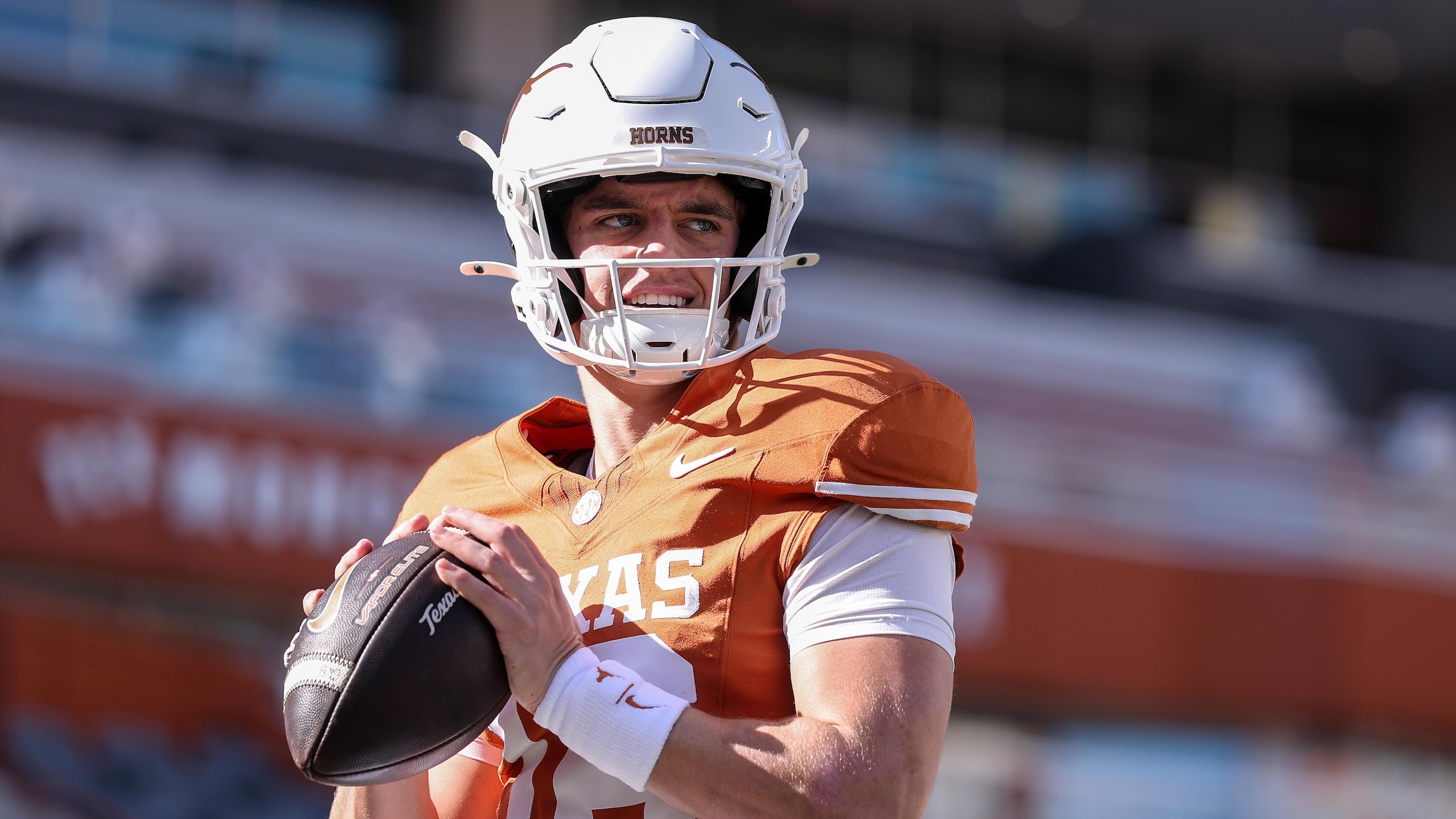
Teams were limited handing out a maximum of 85 scholarships in years past, but rosters could swell to as large as 140 players with walk-ons accounting for a significant portion of the athletes on the field each Saturday.
Moving forward, football rosters will be capped at 105 players. While all of them will now be eligible to receive a scholarship, that does mean fewer spots for walk-ons.
.jpg?w=2560)

Any Third-Party NIL Deal Over $600 Will Be Reviewed
4 of 6
Since athletes will still have the freedom to pursue third-party NIL deals outside of the payments they receive directly from the school—think local commercials and things of that sort—some level of oversight is needed.
Say hello to NIL Go.
"The clearinghouse that Deloitte has established will be known as NIL Go, which will be used to verify whether deals between athletes and boosters or associated entities are for a valid business purpose rather than a recruiting incentive," wrote Pete Thamel and Jeff Passan of ESPN.
Any deal in excess of $600 will be reviewed, with the potential for external arbitration if any disputes arise as a result of those reviews.
That should help regulate the sudden influx of cash flowing into the hands of student athletes from outside sources and help further remove influence from the hands of boosters and those without any official school affiliation.
Former MLB Executive Will Be In Charge of Enforcement
5 of 6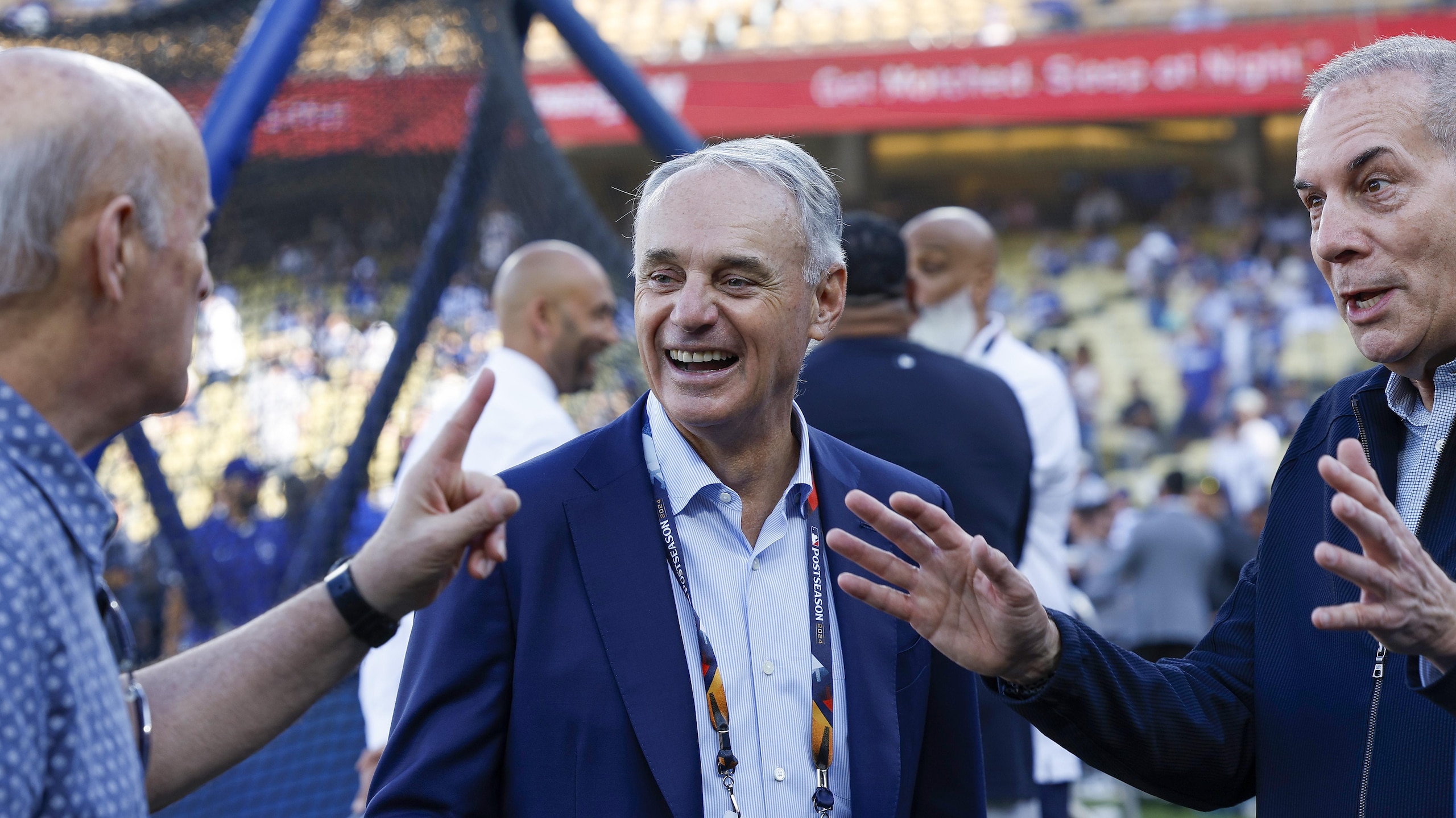
Enforcement of all these freshly minted rules and regulations will fall to a newly formed organization known as the College Sports Commission.
Former MLB executive Bryan Seeley was named CEO of that organization shortly after the House v. NCAA settlement was officially approved.
"Seeley is MLB's executive vice president, legal & operations, and he brings investigative experience, which will be key in this role," wrote Pete Thamel and Jeff Passan of ESPN.
Seeley is expected to immediately become one of the most prominent figures in college sports. He will be tasked with building out investigative and enforcement teams to patrol the new-look college sports landscape.
"Bryan is an exceptional choice to lead the College Sports Commission," MLB commissioner Rob Manfred said in a statement (via ESPN). "During his time at MLB, Bryan demonstrated unparalleled integrity, a commitment to fairness, and the ability to navigate complex challenges with precision and care. I have no doubt he will bring the same level of excellence to the College Sports Commission. College sports will greatly benefit from Bryan's expertise and vision."
The success of this new college sports world hinges heavily on his ability to enforce the new slate of rules.
The New World Begins on July 1
6 of 6
The new NIL rules officially go into effect on July 1, 2025.
All schools in the ACC, Big 12, Big Ten and SEC, along with Notre Dame, were required to opt into the new rules. Other schools will have the option to opt in or out, but schools that decide against embracing the new rules will face obvious recruiting limitations relative to schools that do pay players directly.
One important note, courtesy of Carter Bahns of CBS Sports:
"The NCAA's new roster limit rules include legislated exemptions for current athletes with remaining eligibility, ensuring they will not lose their roster spots if their teams must constrict to fall within the House settlement's outlined roster sizes. This, in effect, 'grandfathers' them in while schools adapt over time to the new regulations."
That was a major hurdle in the House v. NCAA settlement. Thousands of athletes were expected to be cut from rosters if they weren't grandfathered in while the rules are adapted.
There are still remaining hurdles, including whether to designate college athletes as employees now that they are being paid directly by their institutions, but these new rules stand as a major step toward a more structured NIL world.
.jpg?w=2560 "Trevon Diggs Cut by Seahawks")

.jpg?w=2560 "NFL House in Paris Closes for Protests")