
Winners and Losers of the House v. NCAA NIL Settlement in College Sports
The landscape of college sports has been altered forever. For the first time in the history of collegiate athletics, student-athletes will soon become eligible to be directly paid by their schools.
This is one of the direct results of the landmark House v. NCAA settlement, a trio of class-action lawsuits against the NCAA centering around unjust Name, Image and Likeness (NIL) constrains, antitrust issues and the NCAA's ban on payment for athletic services. The plaintiffs consolidated their cases, and last year they agreed to settle with the NCAA.
Friday's decision was more than five years in the making, and it cleared the way for a new era in college athletics. There's a lot to unpack with all the changes that are set to take place beginning July 1, so let's take a look at some winners and losers from the settlement.
Winner: Student-Athletes, Especially Football and Basketball Players
1 of 7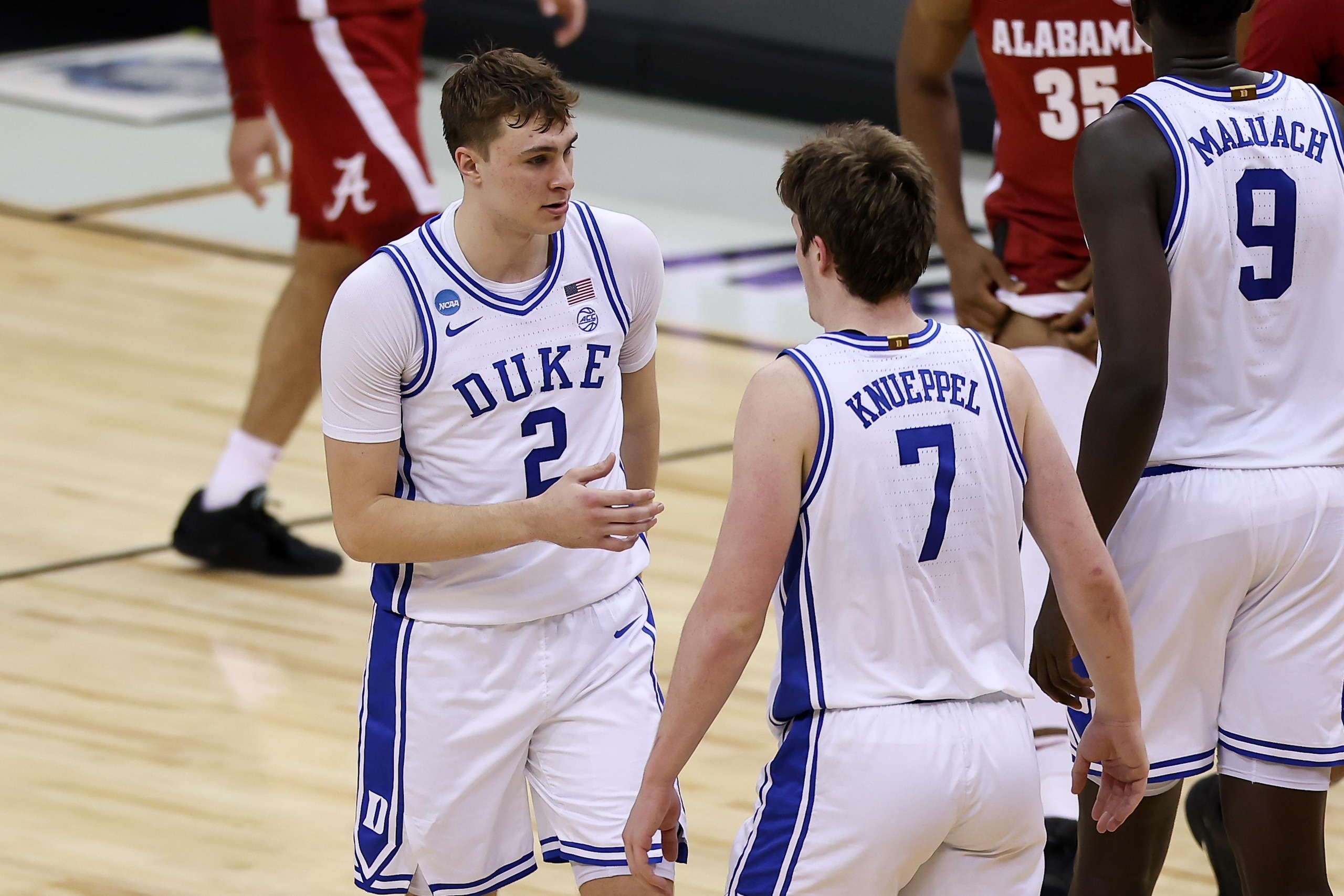
The core element of the House v. NCAA settlement is that the NCAA will pay out $2.576 billion to the settlement damages classes and also begin a 10-year term in which Division I schools will be able to directly pay student-athletes with a pool (read: salary cap) of up to 22 percent of the Power Five conference schools’ average athletic revenues each year. That 22 percent figure is estimated to be approximately $20.5 million in 2025-26.
Any payments from that pool would be on top of existing benefits. So, student-athletes will still be able to receive full-tuition scholarships, free room and board, grants, academic support, nutrition, medical resources, etc. They'll also still be able to get paid via NIL deals (more on that later).
Overall, this is a win for student-athletes in their decades-long fight for revenue-sharing. They'll finally get a piece of the pie.
The biggest pieces of pie, though, have been reserved for the revenue-producing sports—football, men's basketball, and to a lesser extent women's basketball. Players from those sports are receiving 95 percent of the settlement payments.
For most Power Four schools, a majority of their $20.5 million salary cap will undoubtedly be spent on those sports as well, with football likely—and unsurprisingly—getting the largest allocation.
Loser: Unreasonable NIL Deals and Deep-Pocketed Boosters
2 of 7
Four years ago, the NCAA began allowing players to profit off their name, image and likeness. It was a watershed moment of its own, but it lacked the necessary guardrails and opened the floodgates for corruption while failing to protect both schools and student-athletes.
The opportunity to pay athletes via NIL spurred collectives of boosters at colleges around the country to pool their money to hand out what amounted to pay-to-play deals with little oversight and few protections for involved parties. Those deals also did not have to be commensurate to a given player's value on the market or impact on their team.
As part of the House settlement, the NCAA is aiming to tame the Wild West of NIL.
Under the settlement, the NCAA is partnering with the College Sports Commission on enforcement of a new NIL policy that would track and evaluate all deals valued over $600. According to an NCAA statement, "The new enforcement entity will use the system to help it evaluate whether these deals are within a reasonable range of compensation and made with the purpose of using a student-athlete's NIL to advance a valid business purpose, as outlined in the proposed settlement."
How exactly this new enforcement entity will sort the real deals from the unreasonable ones is not yet clear, and plenty of people are understandably dubious. But at the very least, this new system should make it harder for deep-pocketed boosters to simply throw money at players—or pull it back—without any oversight.
Winner: Men's Basketball and Other Sports at Non-Football Schools
3 of 7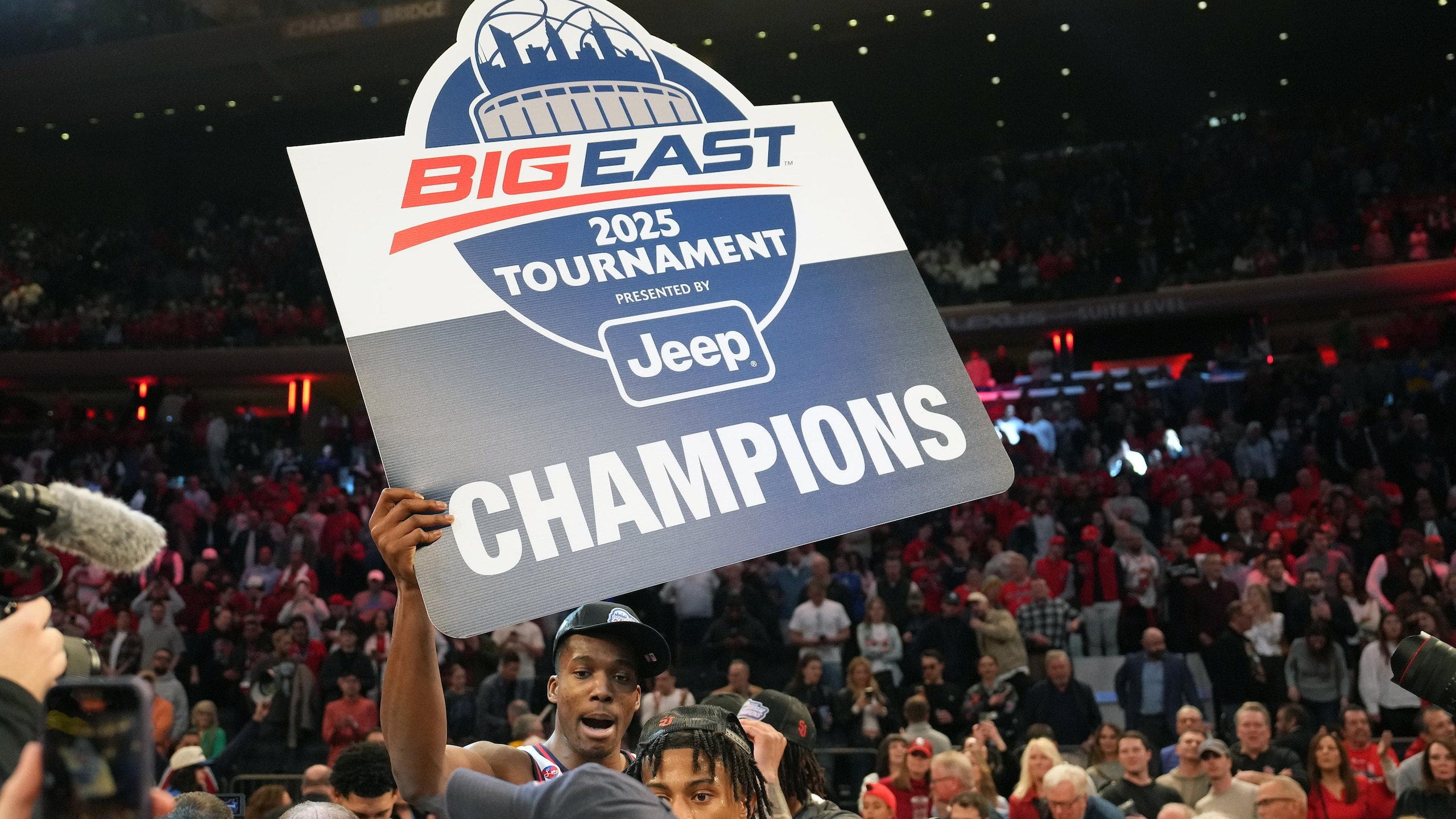
If all schools only have a $20.5 million revenue-sharing salary cap to work with, and most Power Four schools invest heavily into football—the biggest revenue-driver in college athletics by a wide margin—then what happens at the schools that either don't have football, play at the FCS level or don't invest in it?
Well, for the most part, their men's basketball programs are likely to receive a windfall and an advantage over their football-focused peers. While football-playing schools might only have $1-2 million to devote to men's basketball, schools where men's basketball is the main bread-winner could spent multiple times that amount.
"As many as a dozen non-power league Division I schools—many of them in the Big East—are planning to spend at least $5 million on their men’s basketball roster next year, with a smaller group hoping to reach the $6 million and $7 million marks, those with knowledge of the plans told Ross Dellenger of Yahoo Sports.
That difference could give recruits a clear financial incentive to matriculate to basketball-centric schools, resulting in a power shift in the sport. With that said, it's also possible that Power Four schools will sell their recruits on the opportunity to make additional money with NIL deals, although they'll have to pass the scrutiny of the new NIL clearinghouse.
Outside of men's basketball, non-football schools will have more wiggle room to invest in other sports, too. Programs will have the opportunity to invest more heavily in sports like women's basketball, baseball, hockey and softball, which could help them create new powerhouses in those sports or others.
.jpg?w=2560)

.jpg?w=2560 "Election 2024 Julie Pace Column")
Loser: Men's Basketball Programs at Power 4 Schools
4 of 7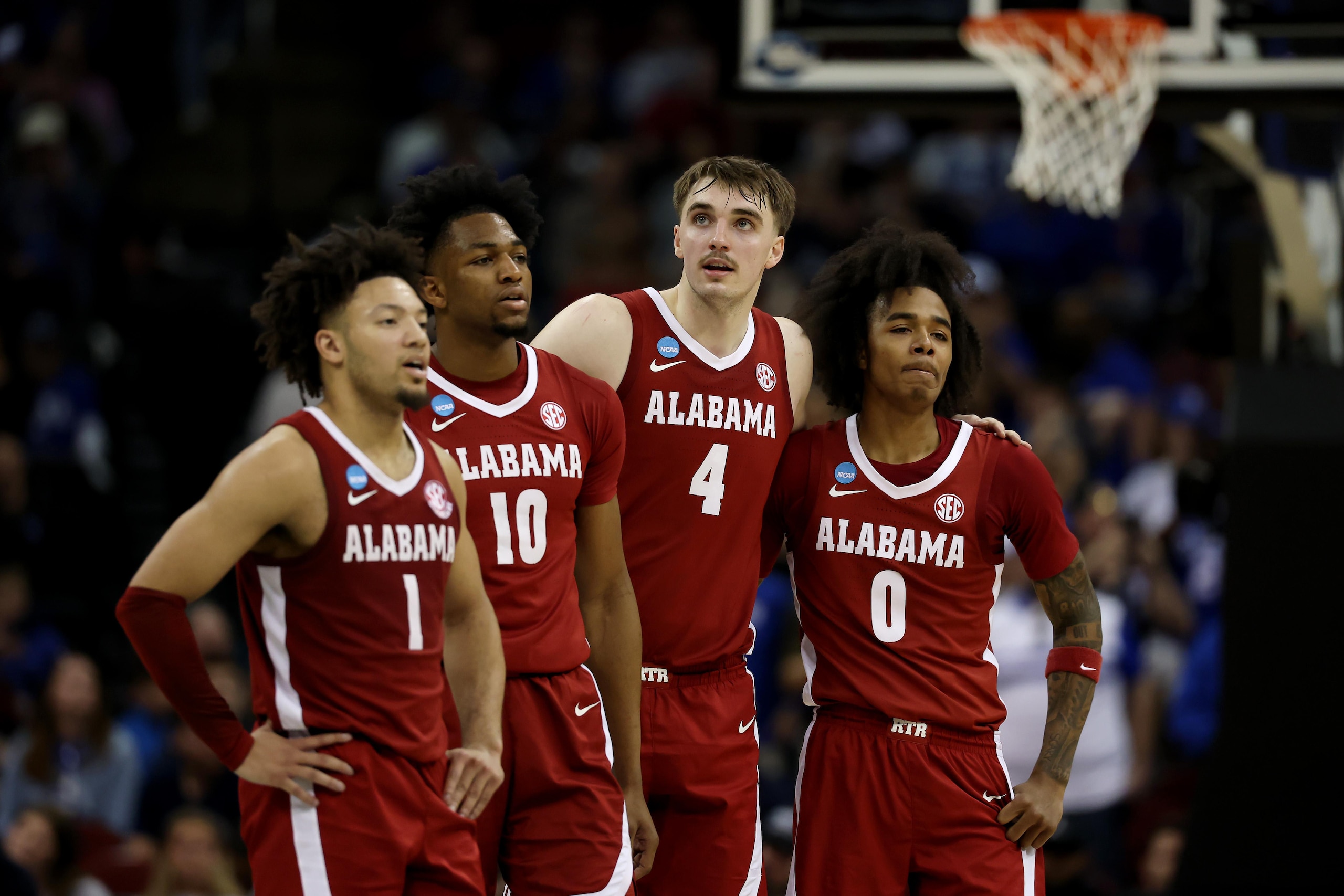
While men's basketball programs at non-football schools—predominantly those outside the Power Four—will likely get a spending boost from the House settlement, basketball teams at the football-minded schools of the Power Four could take a hit.
The student-athletes at those schools will still be able to take part in revenue sharing, but they'll likely be getting a smaller cut than players at "mid-major" schools.
Can those traditional powers sell recruits on their superior brand, tradition, facilities, support, etc. as well as the possibility for more lucrative NIL deals? Or will recruits opt for the higher guaranteed pay of basketball-focused schools?
In a sport that thrives on parity, particularly during the anything-can-happen NCAA tournament, the gap between the haves and the have-nots may be closing slightly as a result of the House settlement.
Loser: Non-Revenue Sports and Walk-Ons
5 of 7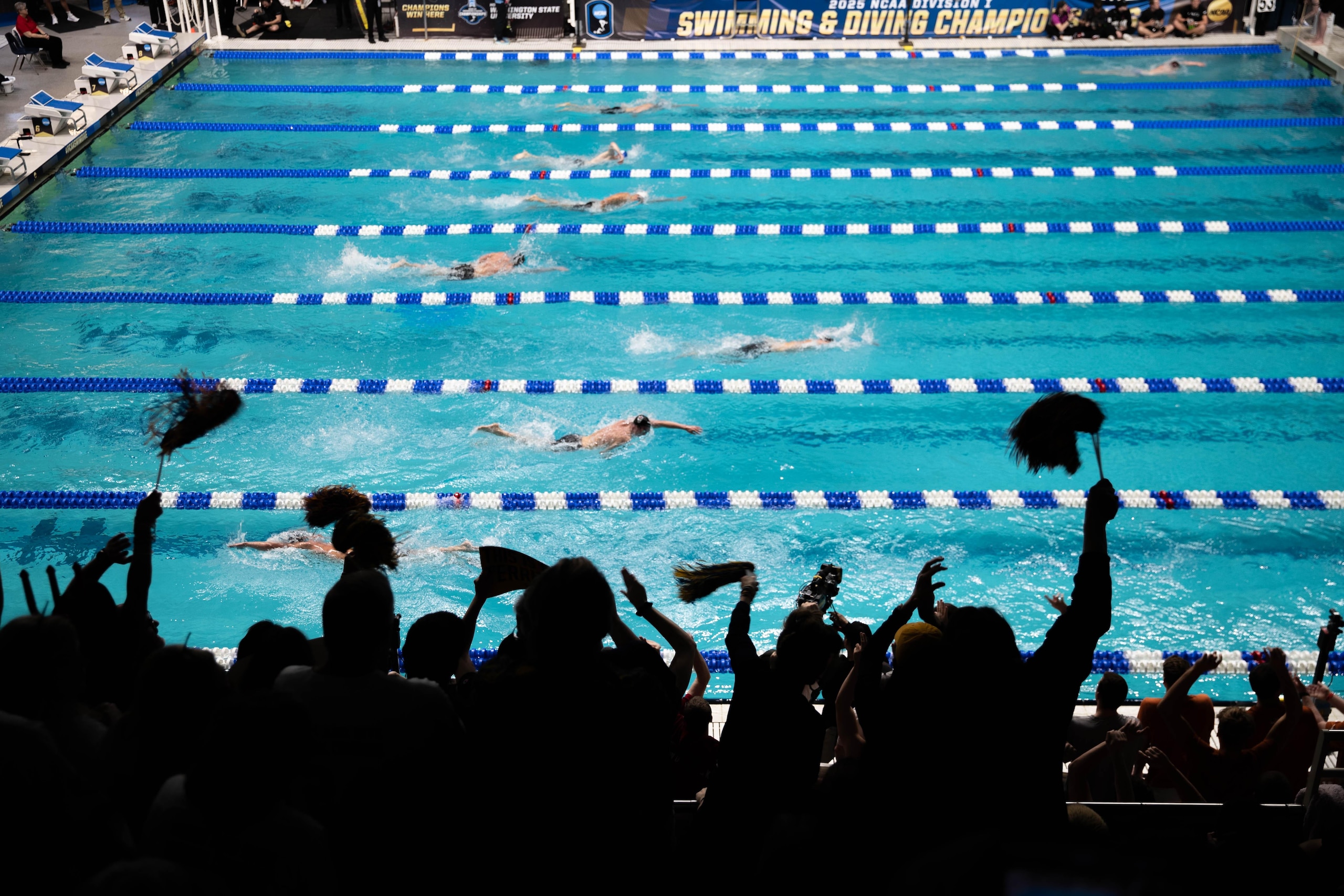
The "House" in the eponymous House v. NCAA case is Grant House, a former swimmer at Arizona State. The unfortunate irony of the settlement is that non-revenue sports like swimming will be largely be negatively impacted across the board.
Not only are athletes outside of football, men's basketball and women's basketball only receiving 5 percent of the settlement funds, but as part of the settlement, schools will no longer be limited on the number of full scholarships they can allocate to a particular sport. They'll instead have roster caps, although all of those roster spots could be filled by student-athletes on full scholarships, which wasn't the case before.
Full scholarships for everyone...that's a win, right? Well, not exactly.
Roster limits will invariably lead to major cuts in many non-revenue sports. In sports like swimming, a roster limit of 30 men and 30 women will mean cuts at most programs where they usually carry 40-plus athletes—and maybe more in certain conferences like the SEC, where they decided on an even smaller roster limit of 22.
With these new roster limits, walk-ons will likely become a thing of the past as programs carefully fill their slots with pre-selected players. However, as part of the settlement, current student-athletes will not be subject to the roster limits for the duration of their collegiate athletic careers.
While some schools could choose to invest in filling a non-football/basketball sport's roster with full-scholarship players—think Oklahoma softball, Boston University hockey or Johns Hopkins lacrosse—many won't do that. Rather, it's more likely that certain non-revenue sports may be cut entirely.
If a school is spending more money and sending more resources to sports like football, men's basketball and women's basketball, it has to come from somewhere. The unfortunate reality is that colleges may opt to reallocate scholarships, trim down or eliminate their other sports programs.
Winner: Former Student Athletes (At Least Those from 2016 and Later)
6 of 7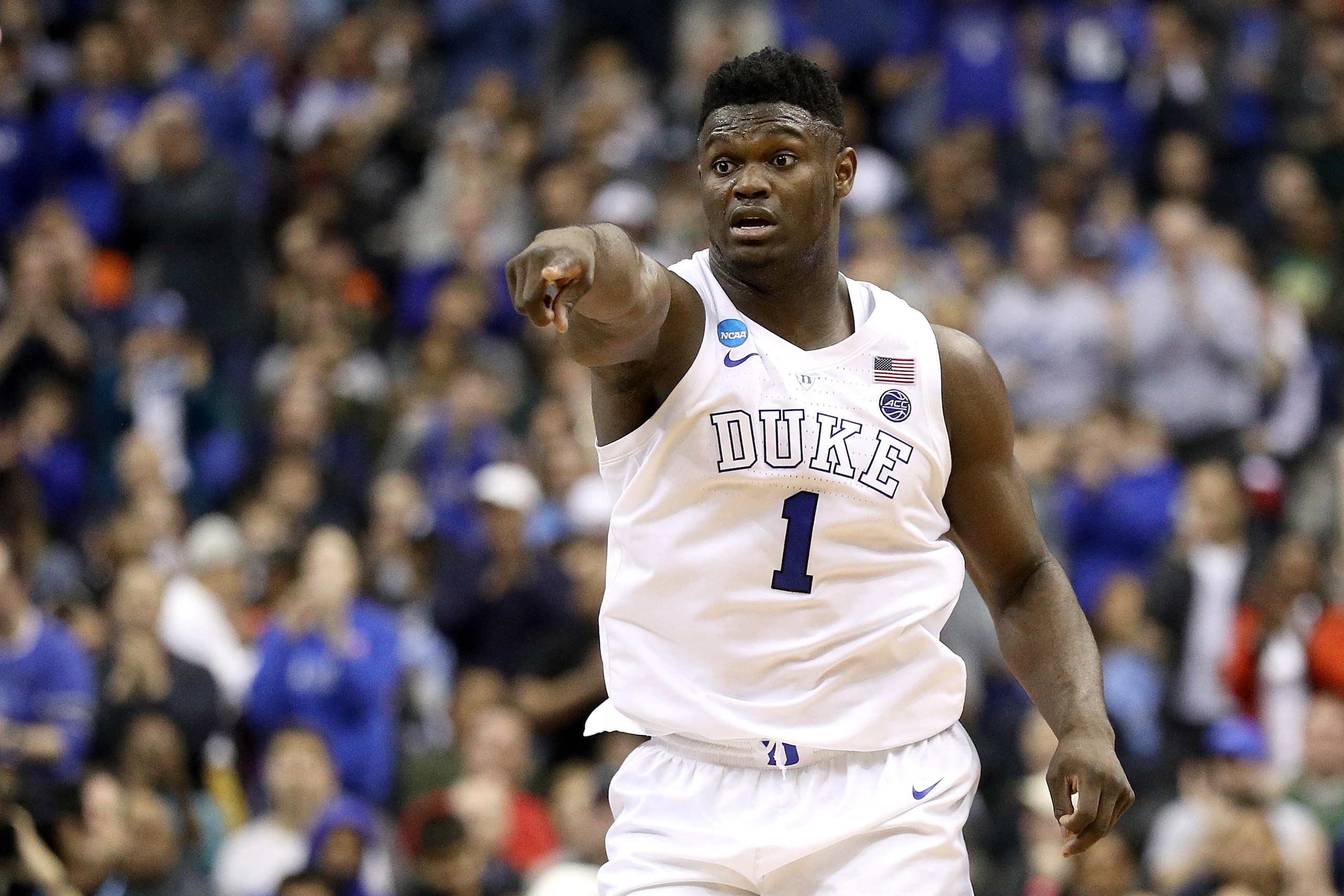
The House settlement is going to change a lot of things for current and future student-athletes. That much is abundantly clear.
However, it's also going to impact a particular subset of former student-athletes, too. As part of the $2.576 billion settlement agreement, anyone who competes, will compete of has competed on a Division I team since June 15, 2016—and has opted into the settlement class—is eligible to receive a payment.
Most of that money ($1.815 billion) will be allocated toward a Broadcast NIL Fund stemming from TV rights deals for football, men's basketball and women's basketball. The money will be doled out based on sport played, conference, and the years in which a given student-athlete played. Those who played all of their seasons since 2016—particularly Power Four football players—may be coming into significant money.
There will also be a Video Game Fund ($71.5 million) to be split among football and men's basketball players and a Lost NIL Opportunities Fund ($89.5 million). The remaining $600 million will go to an Additional Compensation Net Settlement Fund, of which 95 percent will go to football, men's basketball and women's basketball players while the other 5 percent will go to players from other sports.
Winner/Loser: Schools or Leagues that Opt Out
7 of 7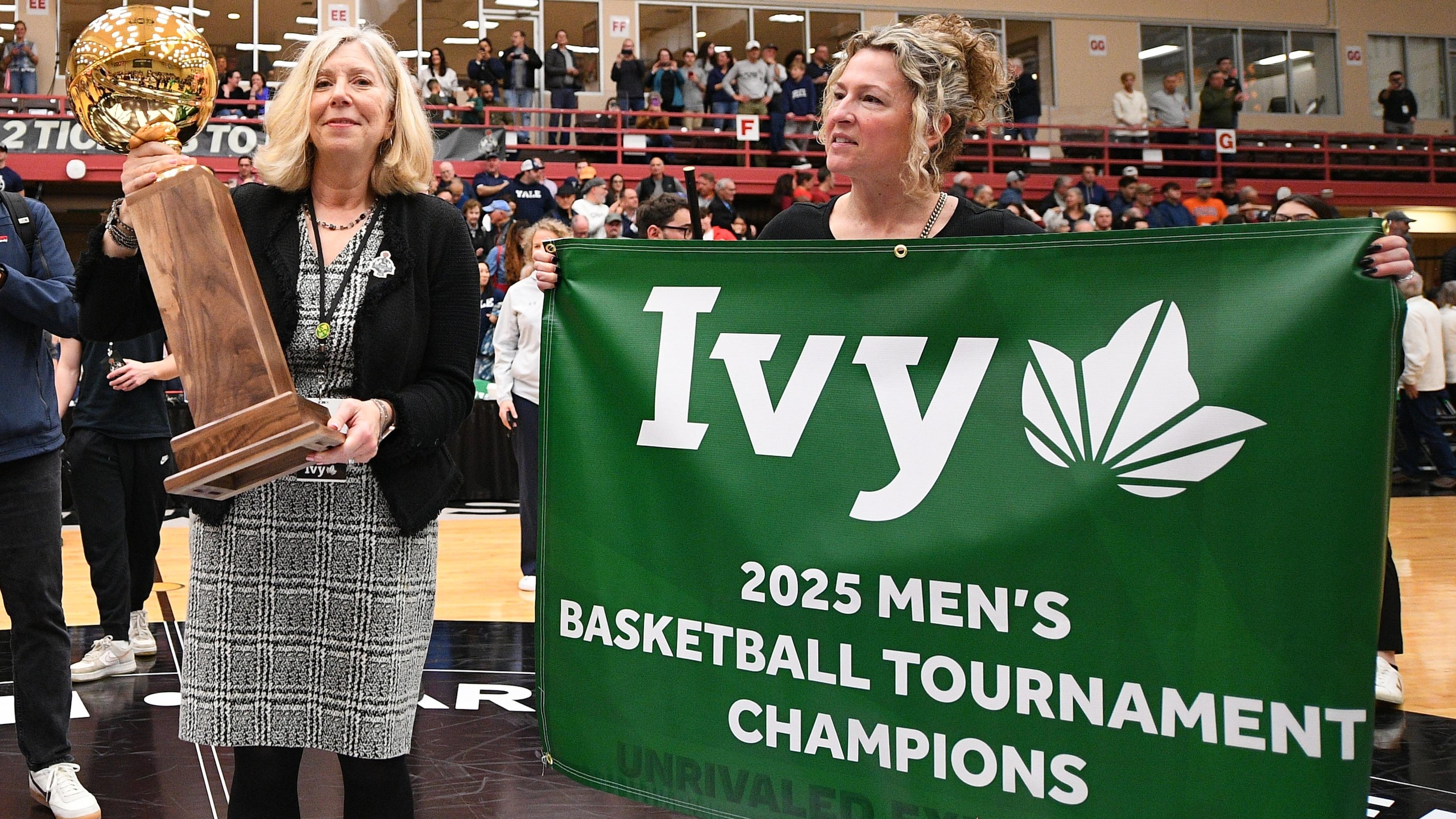
The ACC, Big Ten, Big 12, SEC and Pac-12 are named defendants in the House case, which means they are required to participate in the terms of the settlement. Any other conferences or teams that would like to participate will have to opt in.
While most conferences and schools are expected to opt in, some aren't on board yet. In particular, the Ivy League—which already is an outlier in that it doesn't provide scholarships to its student-athletes—has already announced that it will not opt in.
"This decision to 'not opt in' means the Ivy League and its schools ... will continue to provide an educational intercollegiate athletics model that is focused on academic primacy and the overall student-athlete experience," Ivy executive director Robin Harris wrote.
Meanwhile, other conferences and schools face an extended deadline of June 15 to fully opt in or out of the settlement. Opting in would open up those schools to revenue sharing (read: paying players) as well as the roster limits designated by the settlement. Schools like North Dakota and Siena have signaled that they plan to opt out while other schools, including the Horizon League, intend to opt in. Some, like VCU, intend to opt in but spend less than the full $20.5 million in potential revenue sharing.
For players at schools that opt out, there will be some winners and some losers. Those who participate in sports like football, men's basketball and women's basketball will miss out on getting paid as part of the revenue-sharing process. However, those who participate in other sports may get to keep competing as opposed to having their team's roster or even their whole sport slashed to clear room in the budget for the revenue-generators.
Maybe opting out will mean those schools get left in the dust of the changing landscape. But it also might protect those schools—all of which will likely be smaller in the grand scheme of college athletics—from being constrained by a set of rules that ultimately don't benefit them.
Right now, it's too soon to know, which is why many programs are still mulling the decision.

.jpg?w=2560)