

The Masters has its tradition. The British Open has its weather.
And the PGA Championship has its history of unheralded winners.
But when it comes to the U.S. Open, another thing comes to mind:
Competitive torture.
The USGA's annual championship places a premium on a player's ability to make shots and stay cool under pressure while facing razor-thin fairways, gnarled rough and ruthless pin positions on supersonic greens.
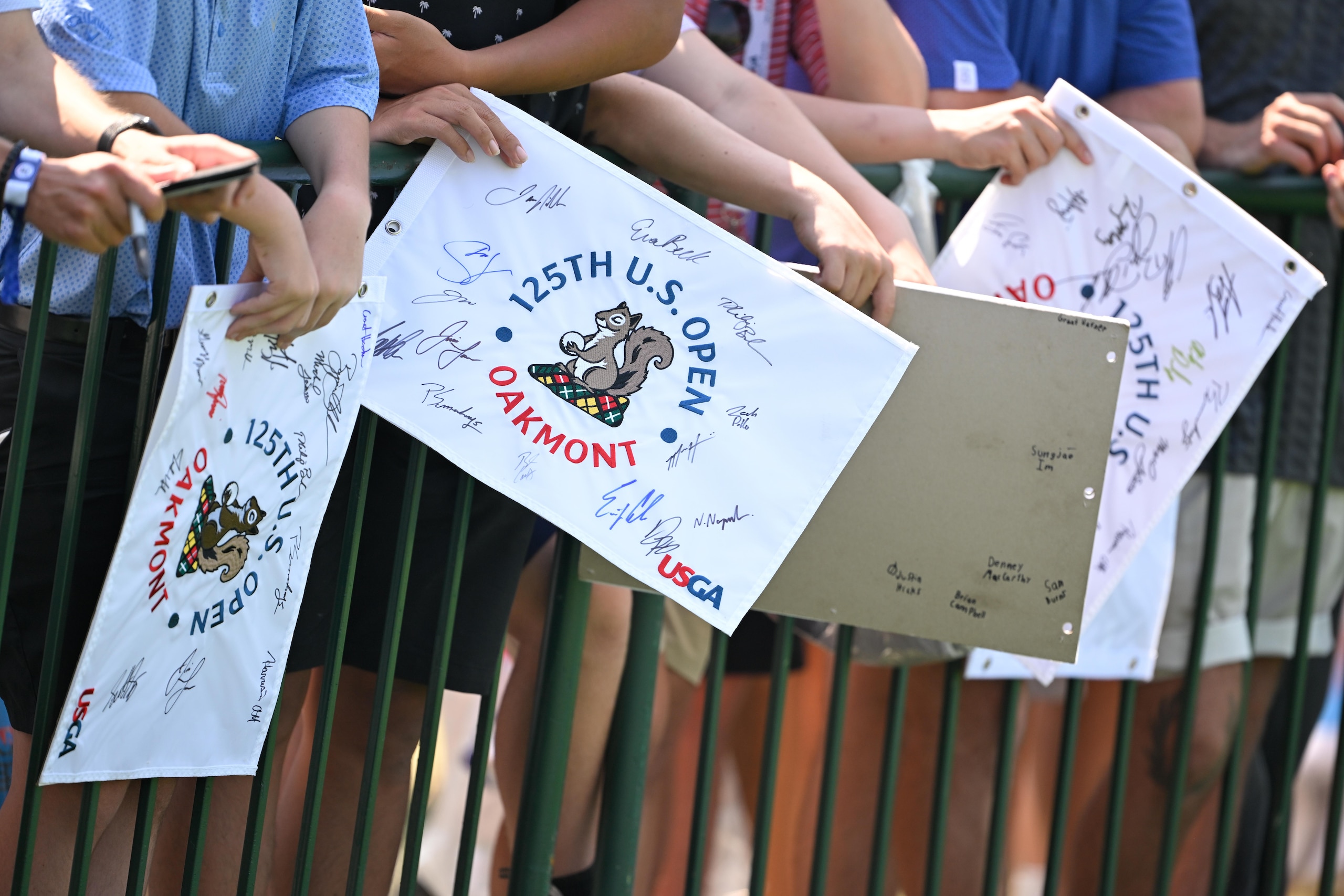
A field of 156 is testing its mettle this week at Oakmont Country Club in suburban Pittsburgh, and the arrival of the event's 2025 edition set the B/R golf team thinking about the hardest courses to host through its first 124 incarnations.
Factors considered included signature elements of each facility alongside results from past U.S. Opens held at each. The 10 courses included have already hosted 52 in addition to (spoiler alert) the one that teed off Thursday.
Take a look at what we came up with and drop a thought of your own in the comments.
10. Bethpage Black (Old Bethpage, N.Y.)
1 of 10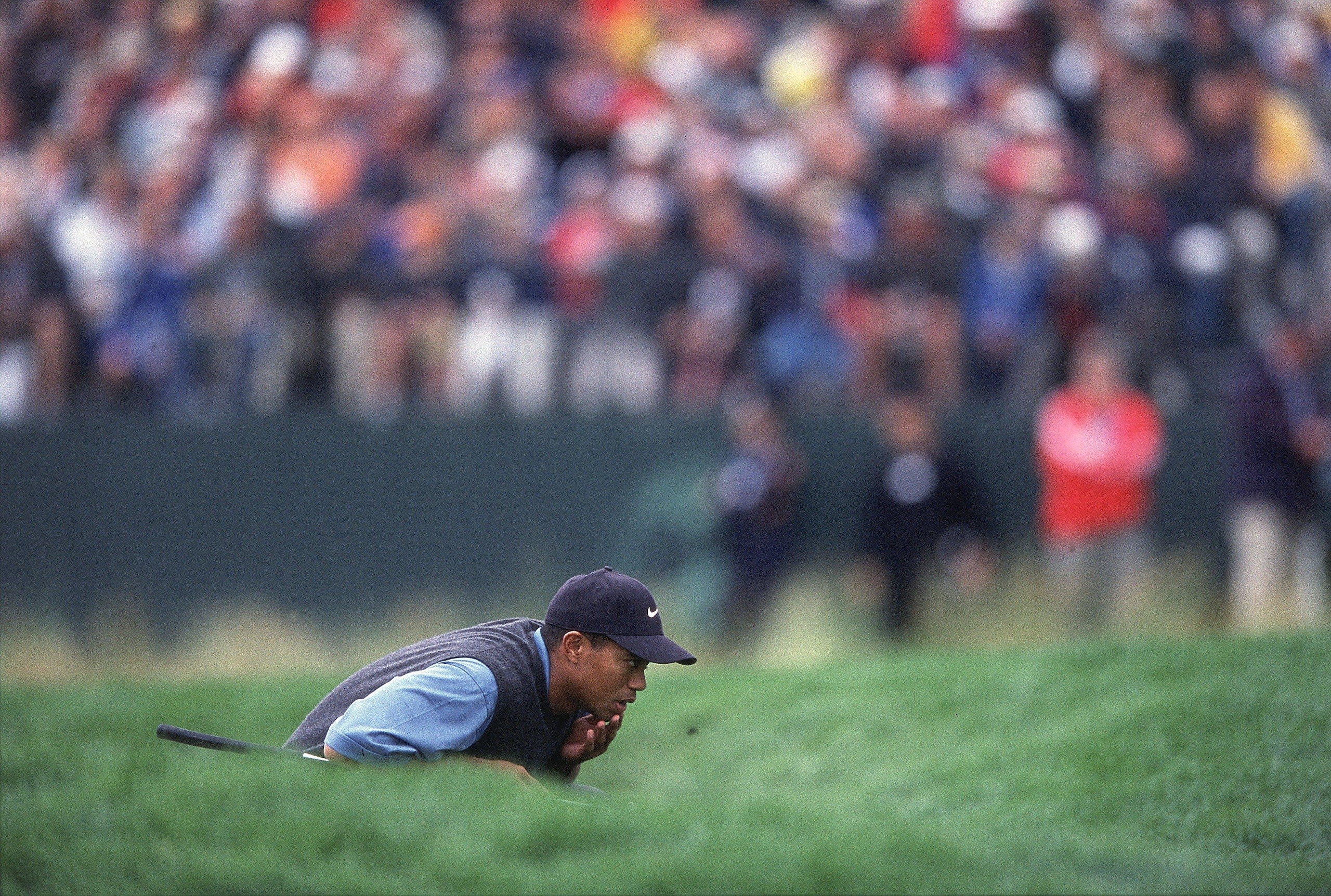
Times hosted: 2
Highest winning score: -3 (Tiger Woods, 2002)
Lowest winning score: -4 (Lucas Glover, 2009)
Thinking of heading out to Long Island to play Bethpage Black?
Pack comfortable shoes.
The 18-hole layout is nearly 7,500 yards long and hilly, with three par-3 holes longer than 200 yards alongside one par-5 that exceeds 600. Then there are the especially sandy bunkers and the New York crowd that can be, well...a New York crowd.
Tiger Woods was the only player to break par on the way to winning in 2002, while Lucas Glover's surprise win seven years later was marked by several delays prompted by torrential springtime rains.
9. Pinehurst No. 2 (Pinehurst, N.C.)
2 of 10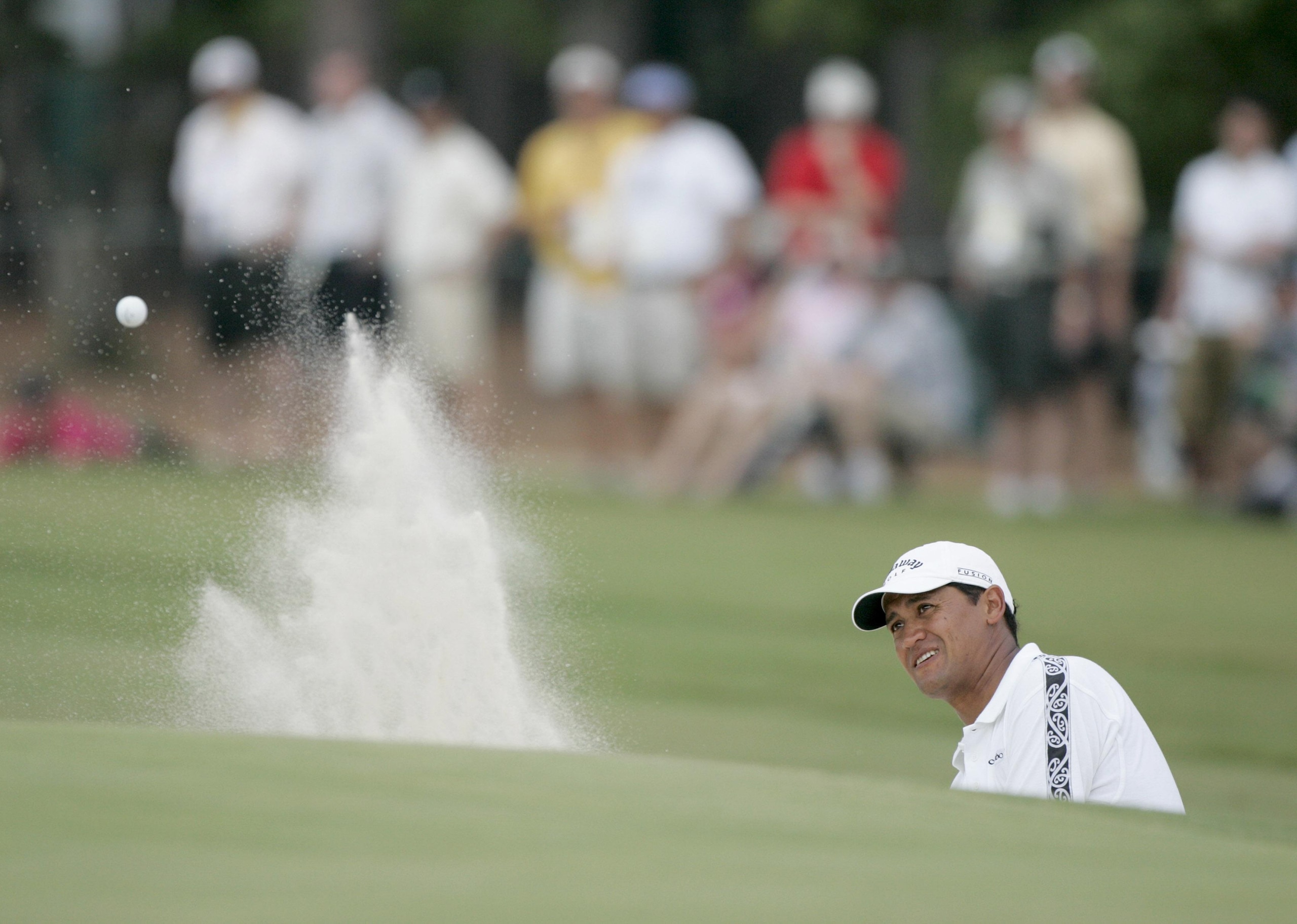
Times hosted: 4
Highest winning score: E (Michael Campbell, 2005)
Lowest winning score: -9 (Martin Kaymer, 2014)
The U.S. Open has come to Pinehurst No. 2 four times, and golfers will head there again in both 2029 and 2035. The significant takeaway from each and every trip to North Carolina? The greens. Oh, the greens.
Rather than the typical surroundings consisting of thick patches of rough, the greens at Pinehurst are rimmed by undulating collection areas that allow mishit balls to roll another 10 yards—reminiscent of a British Open layout.
Though Martin Kaymer was able to post a 9-under score to win in 2014, he was eight shots clear of his nearest pursuer, and 2005 winner Michael Campbell finished atop the field at even par.
8. Southern Hills (Tulsa, Okla.)
3 of 10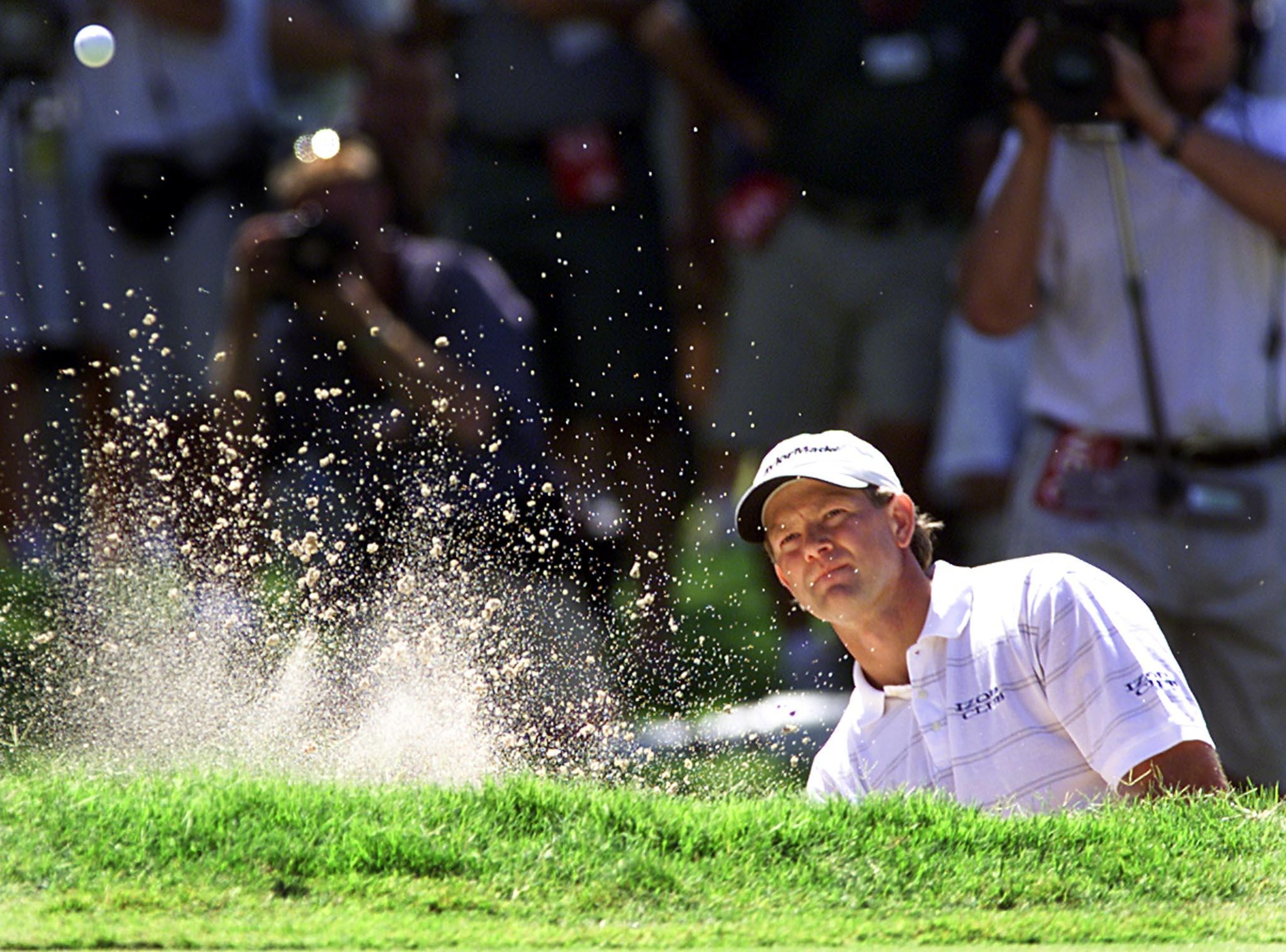
Times hosted: 3
Highest winning score: +3 (Tommy Bolt, 1958)
Lowest winning score: -4 (Retief Goosen, 2001)
Accurate tee shots are a must at the three-time U.S. Open host facility in northeastern Oklahoma, where nearly every hole veers to the right or left. And once on the green, players are subject to the undulations named "Maxwell Rolls" in honor of Depression-era course architect Perry Maxwell.
The 1958 tournament was played amid oppressive late spring heat and winner Tommy Bolt was the only player in the field not to record a score of 75 or over across four rounds. Meanwhile, the 2001 event, won in a Monday playoff by Retief Goosen, was noteworthy in that it ended the "Tiger Slam" when Woods finished tied for 12th, seven strokes off the pace.


.png?w=2560)
7. Olympic Club (San Francisco, Calif.)
4 of 10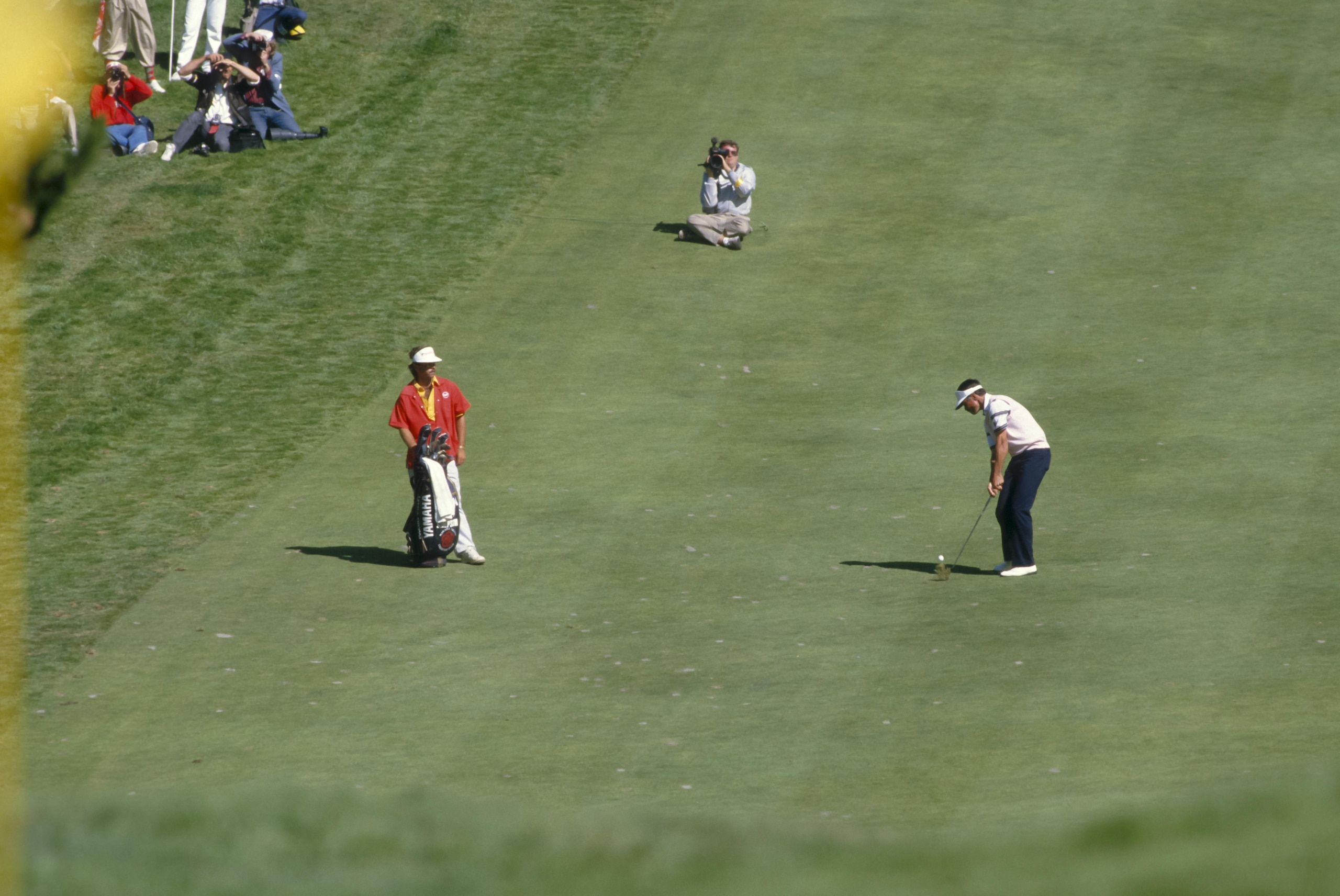
Times hosted: 5
Highest winning score: +7 (Jack Fleck, 1955)
Lowest winning score: -3 (Scott Simpson, 1987)
The Olympic Club's signature element is its collection of signature elements.
Its fairways are perilously narrow and nearly all feature a dogleg in one direction or the other, which is counterintuitive to the slope of terrain that tends to be in the opposite direction. Throw in the thick northern California air and the typically treacherous U.S. Open greens and rough, and you have yourself a challenge.
The 1955 and 1966 events each went to playoffs, the 1998 tournament was won by Lee Janzen at even par, and Webb Simpson was an unheralded winner in 2012 after he posted four birdies over the last 13 holes to win by a shot over Graeme McDowell and Michael Thompson.
6. Oakland Hills (Bloomfield Hills, Mich.)
5 of 10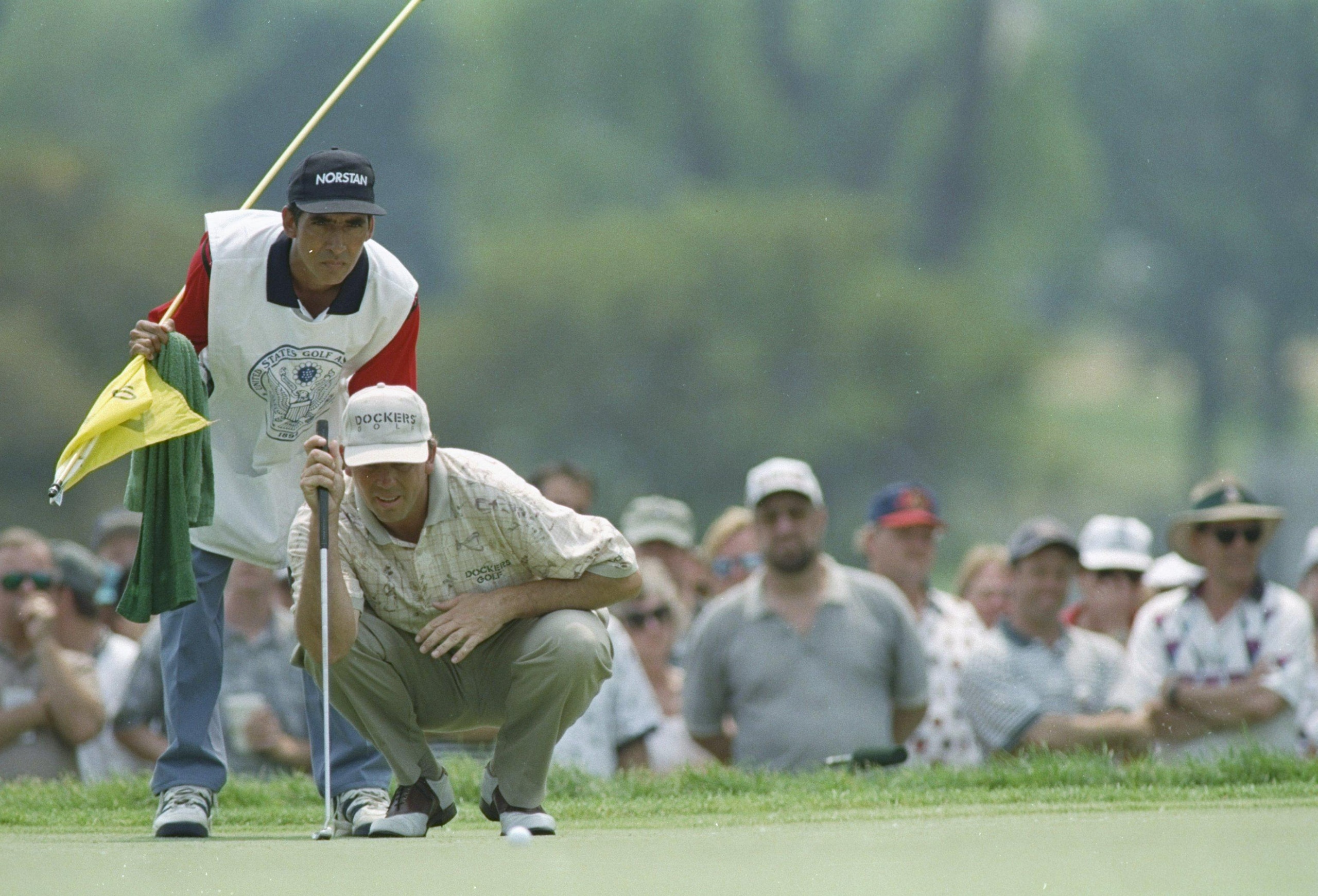
Times hosted: 6
Highest winning score: +9 (Cyril Walker, 1924)
Lowest winning score: -7 (Ralph Guldahl, 1937)
Another U.S. Open course with particularly challenging greens? Check.
Jack Nicklaus and Tiger Woods both regard Oakland Hills as one of the toughest major-championship venues for putting variety, thanks to its severe contours and speed.
The tournament has been played there six times with two more on the USGA's agenda for 2034 and 2051.
It was the 1951 event that certified its reputation as a monster, with only two under-par rounds posted by the entire field, including a clinching 67 by winner Ben Hogan, who told the wife of designer Robert Trent Jones that "if your husband had to play golf on the courses he designs, your family would be in the breadline."
5. Pebble Beach (Pebble Beach, Calif.)
6 of 10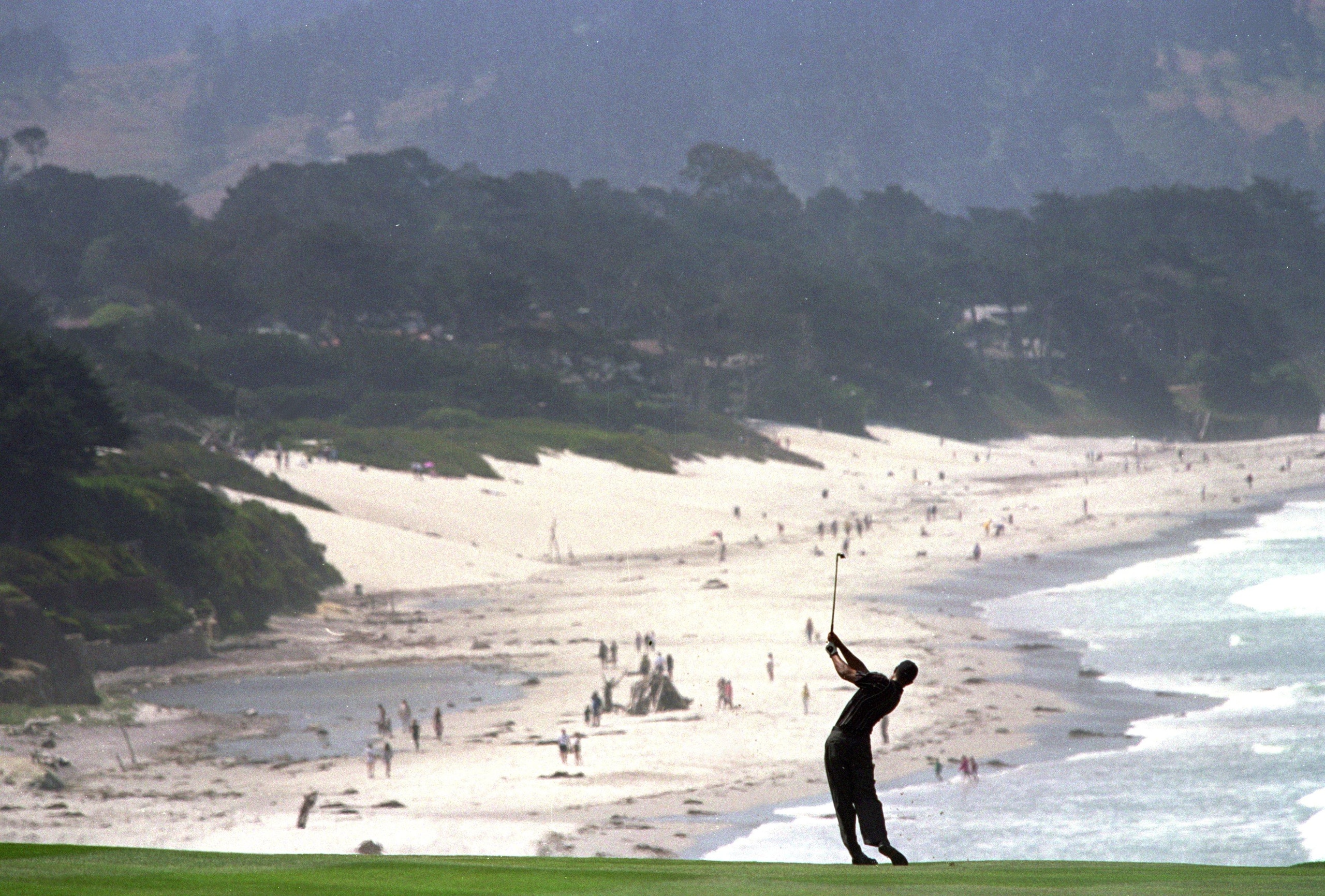
Times hosted: 6
Highest winning score: +2 (Jack Nicklaus, 1972)
Lowest winning score: -13 (Gary Woodland, 2019)
It may be the most picturesque course in America.
But an easy photo opportunity, it is not.
If you get hypnotized by the magnificent views of the Pacific Ocean, you may not notice the tiny putting surfaces that average 3,500 square feet—among the smallest on the PGA Tour. Meanwhile, the two par-5s on the back nine are hardly birdie magnets. In fact, Nos. 14 and 18 rank among the hardest on the course for different reasons, with the former running uphill away from the water and the latter turning to the left as it hugs the rocky shoreline.
Tiger Woods' win in 2000 was his magnum opus, with a winning score of 12-under that was 15 shots ahead of his nearest challenger.
4. Merion (Ardmore, Pa.)
7 of 10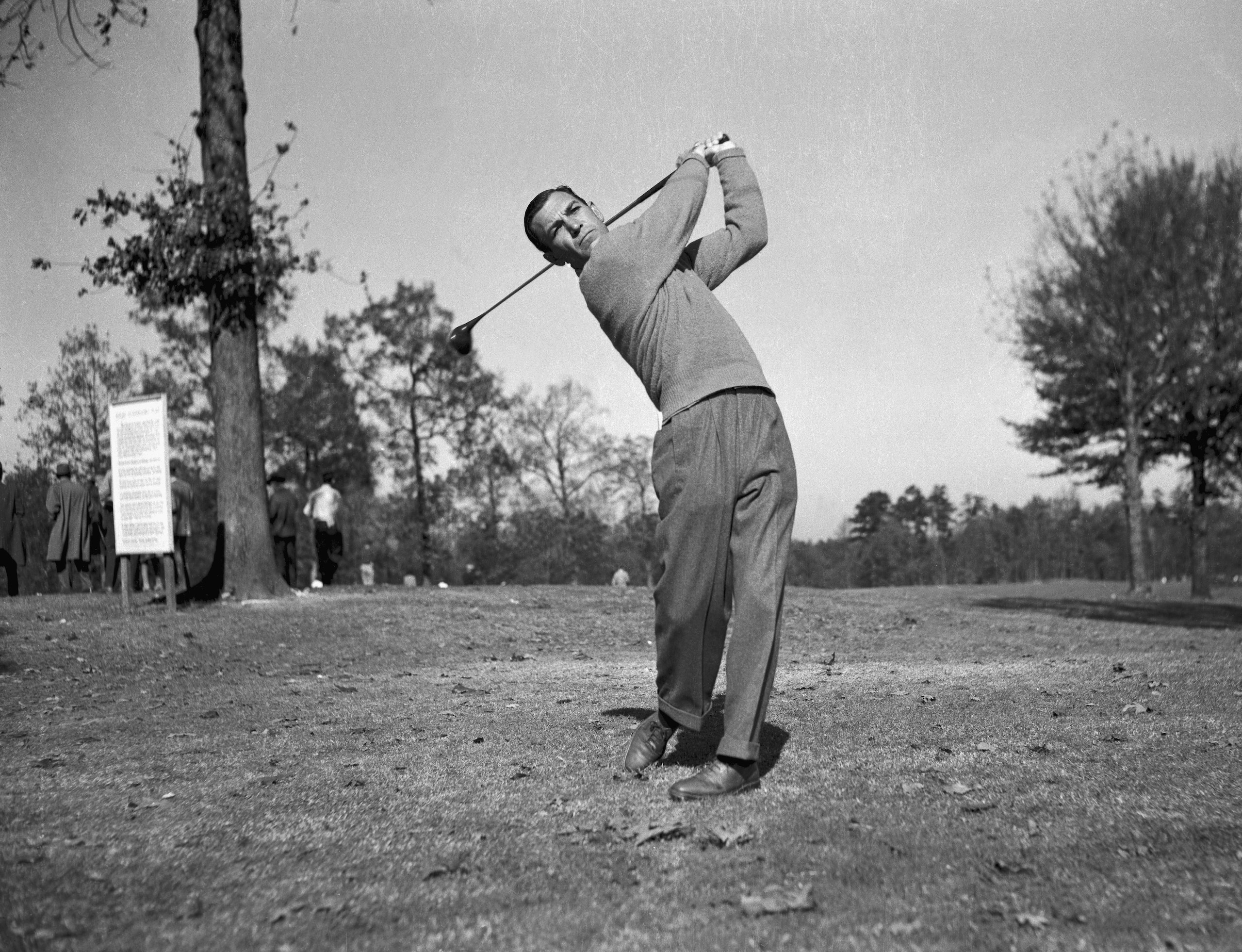
Times hosted: 5
Highest winning score: +13 (Olin Dutra, 1934)
Lowest winning score: -7 (David Graham, 1981)
No less an authority than Golf Digest has ranked Merion among its 100 greatest golf courses each year since the mid-1960s, so it's no surprise that it'd be included among the toughest U.S. Open tests given that the event has been there five times.
Measuring in just shy of 7,000 yards, the course is particularly challenging given its tight contours that yield twisting fairways. Also high on the angst-causing list are multiple instances of treacherous rough on the way to perilously canted greens.
Merion was also home to one of the sport's most memorable moments in 1950, when Ben Hogan returned from a near-fatal auto accident to par the 72nd hole and force the 18-hole playoff that he ultimately won.
3. Shinnecock Hills (Southampton, N.Y.)
8 of 10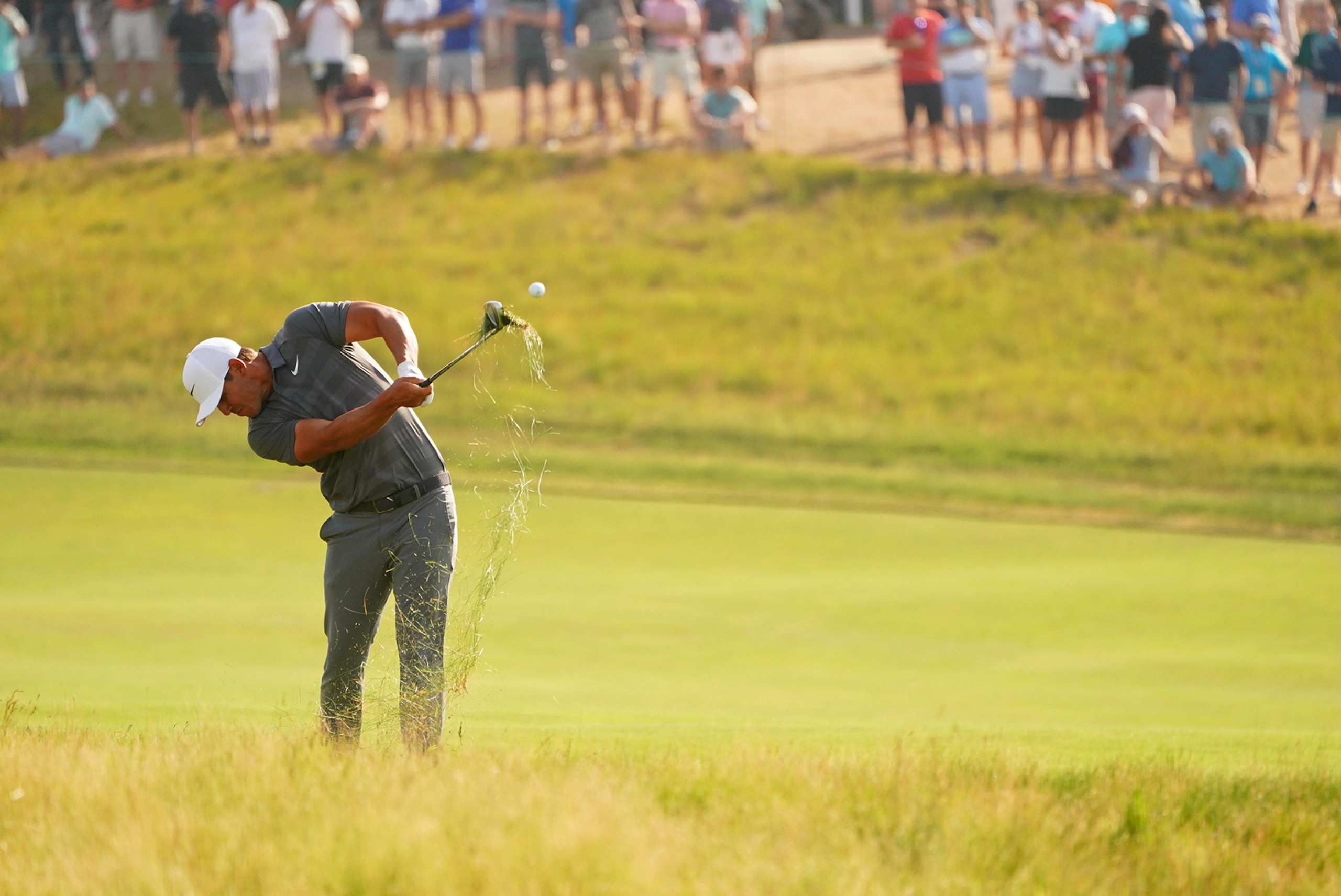
Times hosted: 5
Highest winning score: +1 (Brooks Koepka, 2018)
Lowest winning score: -4 (Retief Goosen, 2004)
The U.S. Open returns to Long Island in 2026 after an eight-year absence, but you needn't expect a sudden outpouring of nostalgia for the windy terrain and uneven greens that have bedeviled players across five previous events.
Add to that the USGA's unpredictability when it comes to course setup from day to day, making a challenging situation even worse.
Brooks Koepka was the last champion to finish over par when he came in at 1-over at Shinnecock Hills in 2018, one year after he'd equaled the tournament record of 16-under at Erin Hills in Wisconsin.
2. Oakmont (Oakmont, Pa.)
9 of 10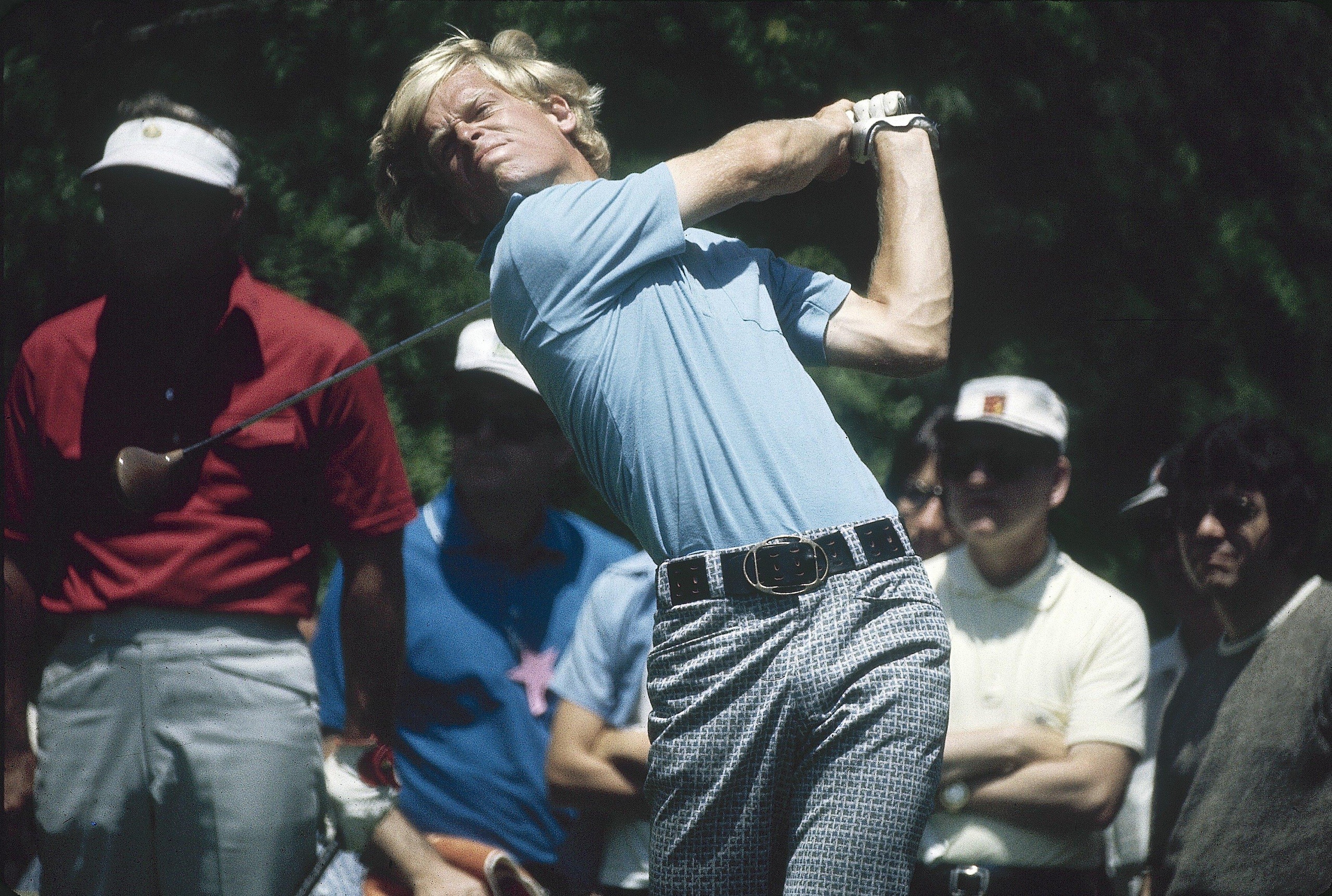
Times hosted: 9
Highest winning score: +13 (Tommy Armour, 1927)
Lowest winning score: -5 (Three times, 1953, 1974, 1994)
It's the 10th go-round for the U.S. Open this year at Oakmont, the unique course that's been visited for the event more than any other.
Nearly every worthwhile golf publication considers the western Pennsylvania gem as one of the most difficult in the country, thanks in no small part to signature bunkers named "Church Pews" and "Big Mouth" and the section of the Pennsylvania Turnpike that separates several holes from the rest of the course.
Three of the first nine tournaments at Oakmont ended in playoffs, including Jack Nicklaus' coming-out party, a victory over reigning world No. 1 Arnold Palmer in 1962. Eleven years later, Johnny Miller's final-round 63 catapulted him from six strokes behind to a one-shot win over John Schlee.
1. Winged Foot (Mamaroneck, N.Y.)
10 of 10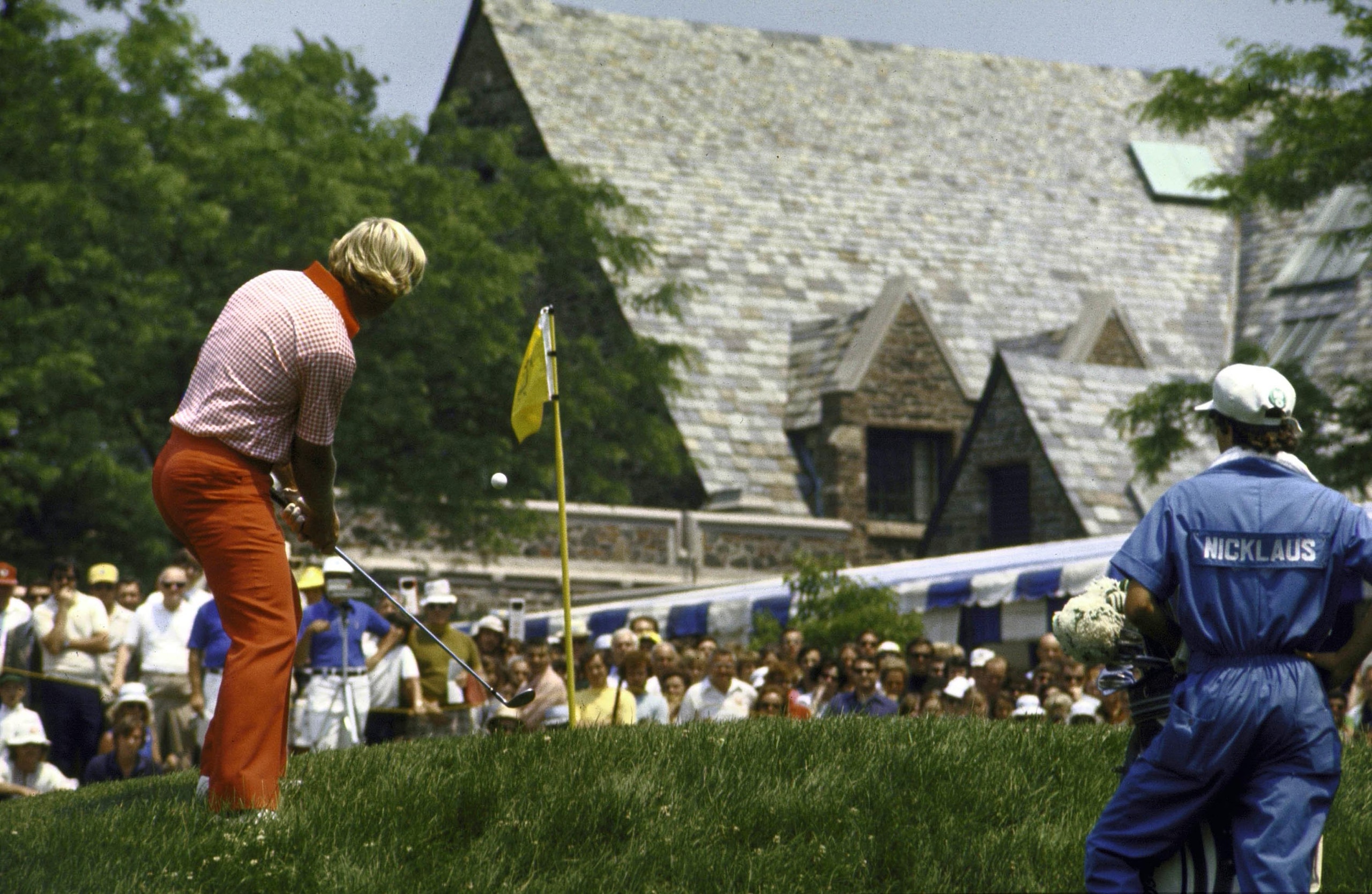
Times hosted: 6
Highest winning score: +7 (Hale Irwin, 1974)
Lowest winning score: -6 (Bryson DeChambeau, 2020)
You know you've got a tough course when it inspires not only nightmares, but books, too.
The torture chamber known as Winged Foot sits about 25 miles northeast of midtown Manhattan in Westchester County, and its contoured greens are a particular trial for golfers' short games and nerve endings.
A year after Johnny Miller torched Oakmont for a final-round 63, the USGA's demonic setup prompted sportswriter Dick Schaap to label the 1974 event The Massacre at Winged Foot. Hale Irwin's winning score of 7-over par was the highest ever for a U.S. Open at the facility, and, among the 15 players tied for the top 10 finishing positions, only four managed even a single round under par.
Oh, by the way...the shuddering returns in 2028. Tick, tick, tick.




.jpg?w=2560 "Malik Beasley Negotiating Plea Deal (AP)")