
John Cena, Bianca Belair Revealing the Spirit of ECW Is Alive and Well in Modern WWE
Before hardcore wrestling defined it, ECW captivated fans and made headlines through intensely emotional storytelling.
Acclaimed manager-turned-revolutionary promoter Paul Heyman took a ragtag group of outcasts and misfits, accentuated the positives of their performances, told gripping stories based on realism, employed shocking twists and delivered a product that kept fans filing into a bingo hall at the corner of Swanson and Ritner in Philadelphia for just under a decade.
Tommy Dreamer, Raven, The Sandman, Taz, Sabu, The Dudley Boyz and Shane Douglas could all work, but what made ECW truly special was the gritty, raw and emotional storytelling that separated it from the glossy, sanitized product offered by WCW and WWE.
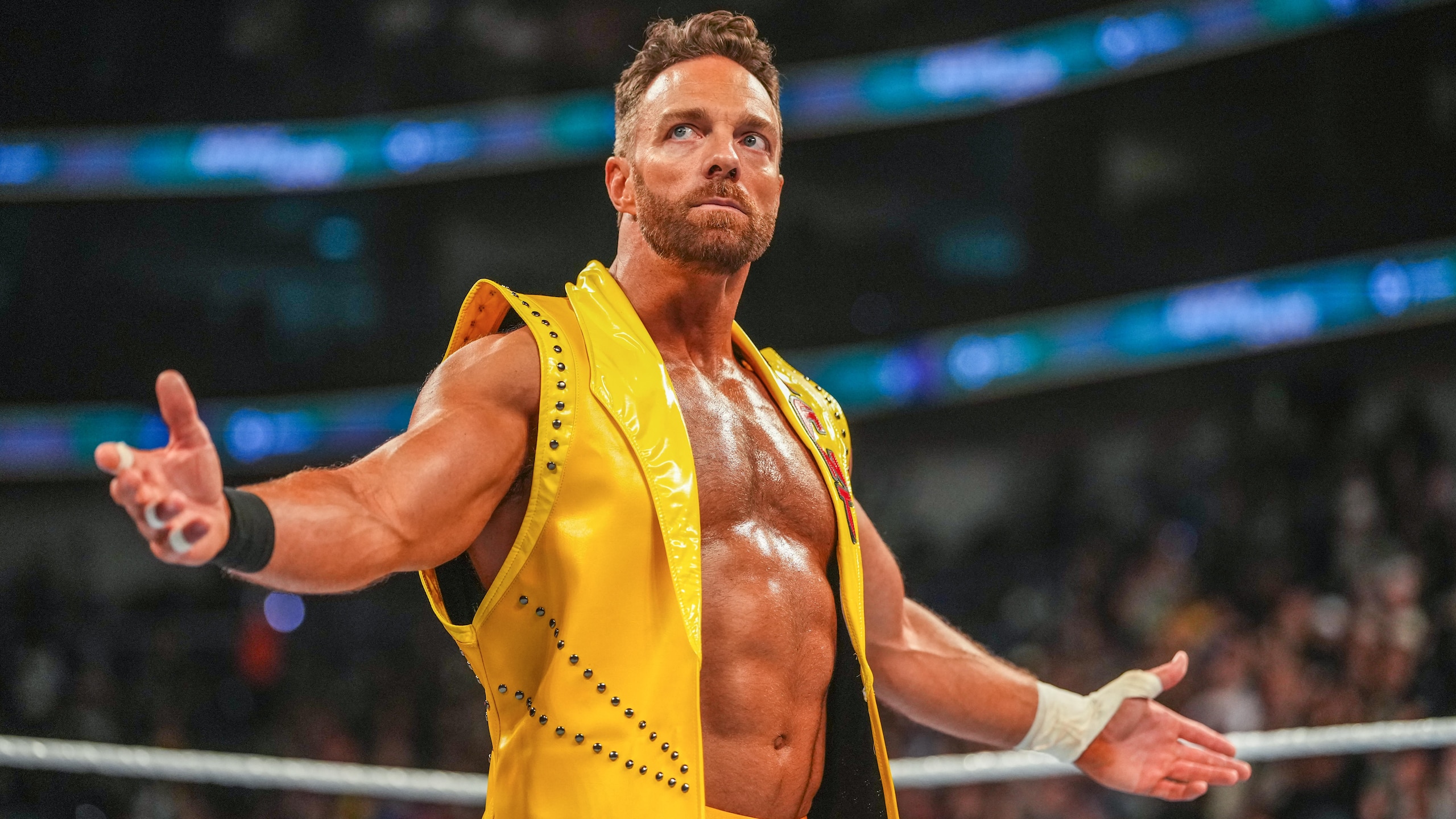
Ironically, it's that emphasis on story and forging an emotional connection with the audience that has the latter on its hottest, most financially rewarding run ever, assisted by the performances of a megastar like John Cena and one of the top performers in today's WWE, Bianca Belair, among others.
We witnessed it with The Bloodline saga, where the oppressive rule of Roman Reigns helped him rise to power as undisputed WWE universal champion for nearly four years before that same oppression cost him his family (Jey Uso), his minion (Sami Zayn) and his title at WrestleMania 40.
Appropriately, the genius of extreme, Heyman, was intricately involved in the creative behind that story, ensuring every little detail was accounted for. He was influential in bringing the best out of Reigns as a character and performer and even carried parts of the story on his own as his Wiseman.
The success of that story-driven epic has given life to other heavy drama, story-driven programs.
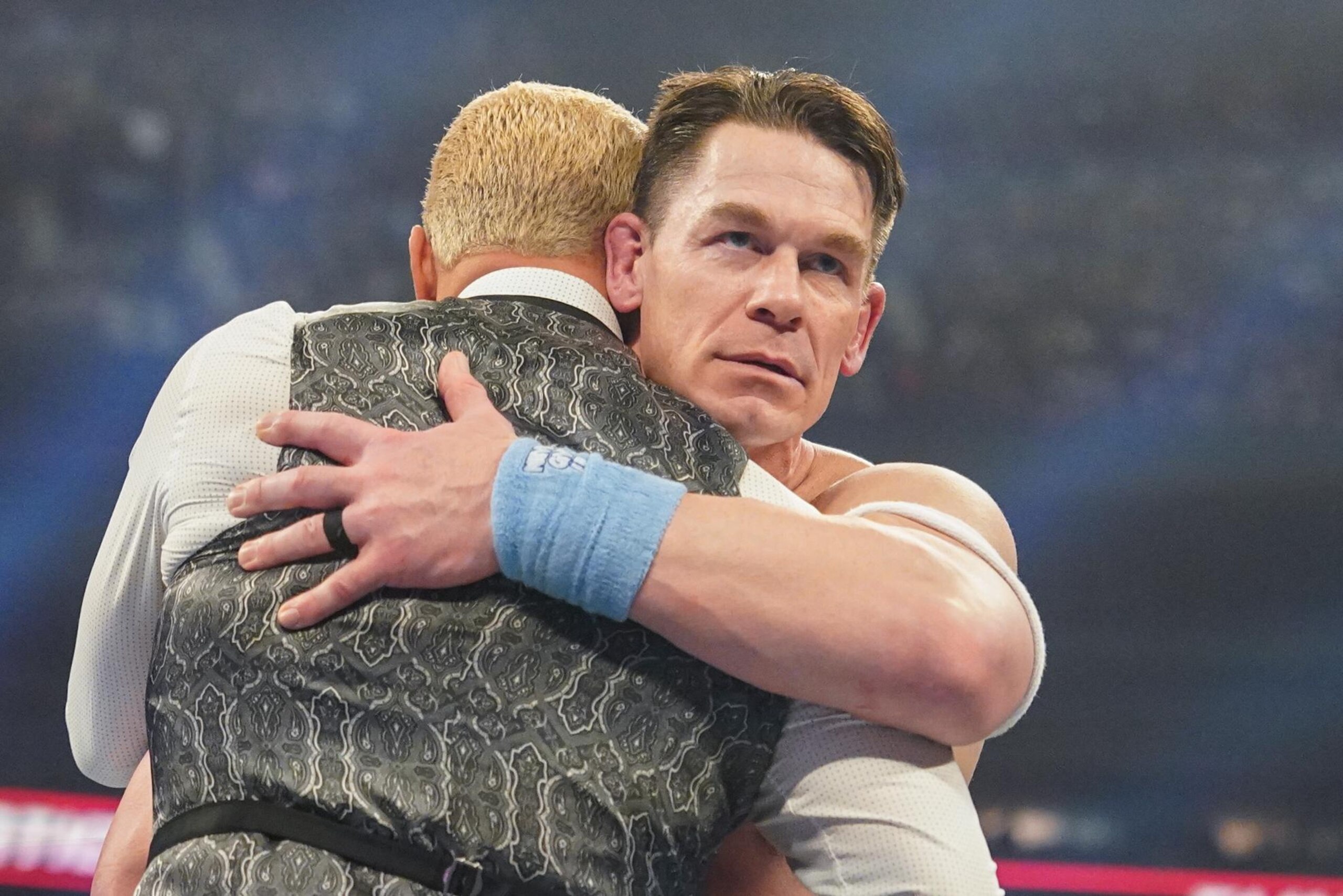
We have seen it with The Rock and Cody Rhodes, which recently featured the iconic Cena heel turn that started with a warm embrace of The American Nightmare before a single shift in facial expressions took the beloved superhero of WWE and turned him into a soulless pawn of The Final Boss.
Belair and Naomi earned rave reviews for an in-ring promo in which tears flowed as The Glow admitted she was behind a vicious attack that sent Jade Cargill through the windshield of a car and put her out of action for months.
The investment of the performers helped solidify the connection with the audience. Fans cared about both stories and now eagerly anticipate the next chapters.
The improvement in acting ability has certainly helped, too, as evidenced by that Belair-Naomi segment, which looked as much like a Hollywood production as it did a pro wrestling angle.
The emphasis on facial expressions, body language and emotion has helped improve the product and get fans to buy into what the performers are selling in a way that worked so well for ECW during those early days. Who can forget Sandman's lip quivering as a bruised and battered Dreamer picked himself off the mat and asked for another caning to the back?
The belief in what is said and done and how it is expressed has always been a trademark of CM Punk's performances. Look no further than the promo he cut the night after Elimination Chamber as he unleashed his verbal wrath on Cena, The Rock and Seth Rollins amid the crushing blow to his WrestleMania main event dreams.
It created buzz, had fans in the arena roaring in approval and was key to the success of the unstoppable brawl with The Visionary that followed.
WWE has always been a storytelling company, a pro wrestling promotion that leaned heavily on theatricality and entertainment value to get over with audiences and stay there. It lost its way in the mid-to-late 2000s, largely settling for one dimensional booking and lacking substance.
The new creative regime under Triple H, certainly with input from Heyman, has rediscovered the deeper, more meaningful storytelling method, beginning with the injection of emotion and attitude into promos and angles.
It has been essential to WWE's momentous run and will continue to be so for the foreseeable future. Just as it was for Heyman and ECW in the 1990s, when his penchant for developing stories that his audience could understand and relate to sparked a revolution in the pro wrestling business.
It's no surprise one of the greatest storytellers in wrestling history is still very much involved in the creative process, nor that he is hands-on with one of the stars of the industry's bright future: Bron Breakker.
"I have Heyman spend a lot of time with him to help develop him with his promos, to help develop his character, to help push him in a direction. Then Paul talks to me and talks to the writers about where do we want to take that, and then he’s the conduit for where we want to go to that talent," Triple H told Alex Weprin of The Hollywood Reporter.
It is just one way Heyman continues to inject the same spirit he brought to the upstart promotion in Philadelphia into a WWE product that is a global phenomenon.
"Even if the scene is only with me, I'm there to advance the story and explain it to you in sound bites that hopefully go viral so that more people can have access to it," he told Weprin.
As long as Heyman remains invested, cultivating stories and playing some role in releasing them to the audience, the spirit of ECW will live on...much to the benefit of WWE fans, Superstars and the company as a whole.
.jpg?w=2560 "WWE Money in the Bank Grades Graphic")
.jpg?w=2560 "Cam Ward Says He's Not A Loser")
.jpg?w=2560 "Chargers Fall to 0-5 🤢")

.jpg?w=2560 "Grading MHJ Trade 📝")