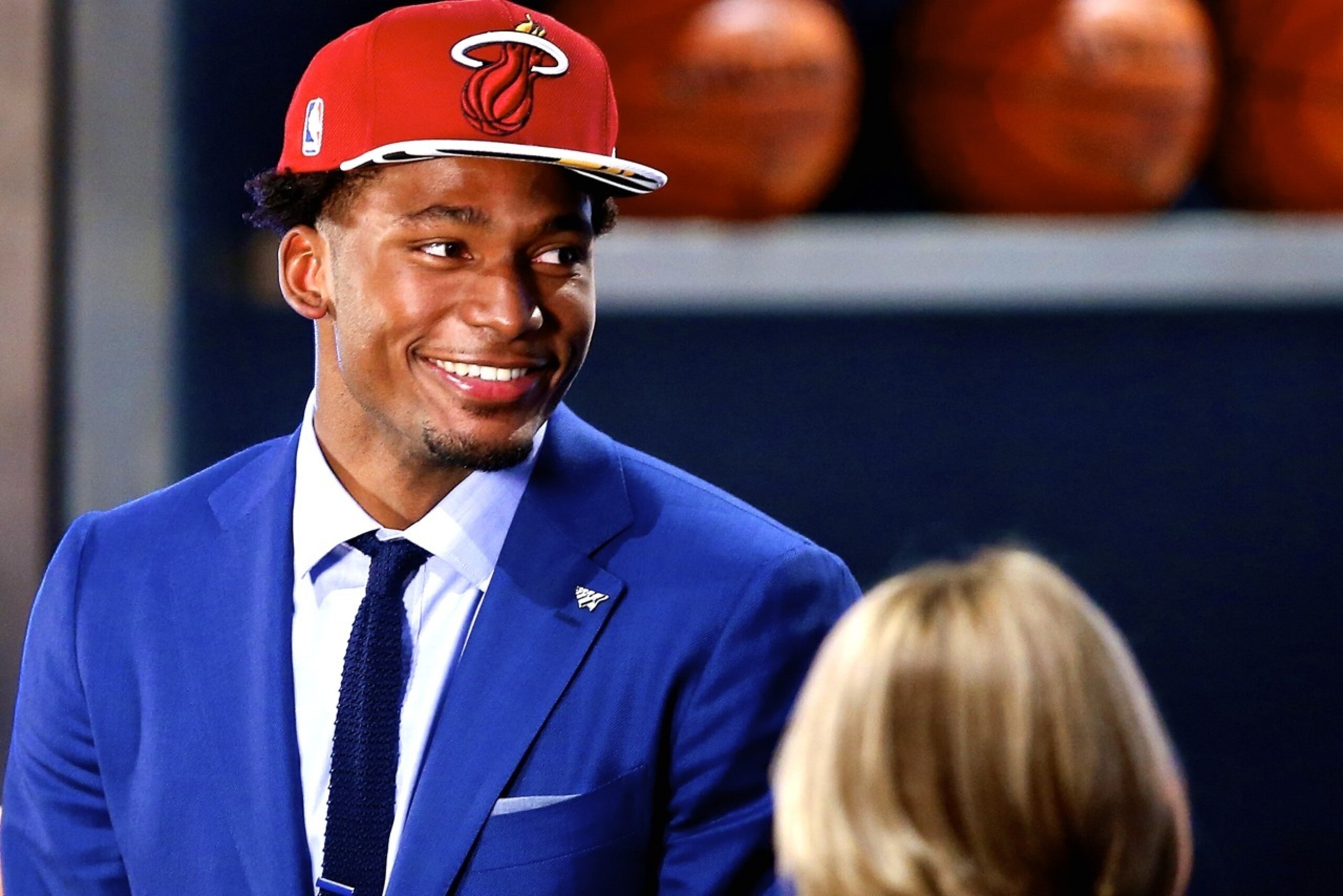


At first blush, it seems like Luol Deng's decision to return to the Miami Heat is bad news for rookie Justise Winslow.
It was certainly a surprise, as these rapid-fire tweets from ESPN.com's Marc Stein indicate:
TOP NEWS

J-Dub Suffers Gruesome Injury
Melo's Quote on Confidence 😎
Mazzulla Weighs In on Brown-Tatum Drama
If you've recovered from whiplash yet, you can pretty easily see the reasons why a Deng return would be less than ideal for Winslow.
Deng in the Way?

For starters, they share a position. Though it's possible Winslow's size and strength (6'7", 230 lbs) will allow him to play some power forward, he figures to spend the bulk of his time at the 3—which is where Deng's been a starter for over a decade.
There's a financial component, too. Deng will collect $10 million in the final year of his deal, and though there are always exceptions, it's often difficult for teams to redistribute minutes from highly paid players to those who aren't compensated as well.
As the No. 10 overall pick, Winslow is slated to make approximately $11.2 million over his first four years with the Heat (the third and fourth years of his deal are team options), according to Jason Belzer of Forbes.
If Miami wants to get the most for its money in the short term, it'll give Deng the minutes his salary dictates. And if the goal is moving him for other pieces at some point during the season, Deng will need playing time to pump up his value.
Either way, there's more urgency to play Deng than there is to play the 19-year-old Winslow this season.
Playing in a contract year ahead of a massive cap spike in the summer of 2016, Deng may be especially motivated to perform well. Combined with the Heat's short-term investment, a strong season from Deng might make it difficult for Winslow to find as much time on the court as he otherwise would have.
If Deng had gone into free agency this summer, Winslow would have had the inside track to a starting gig.
Deng Shows the Way
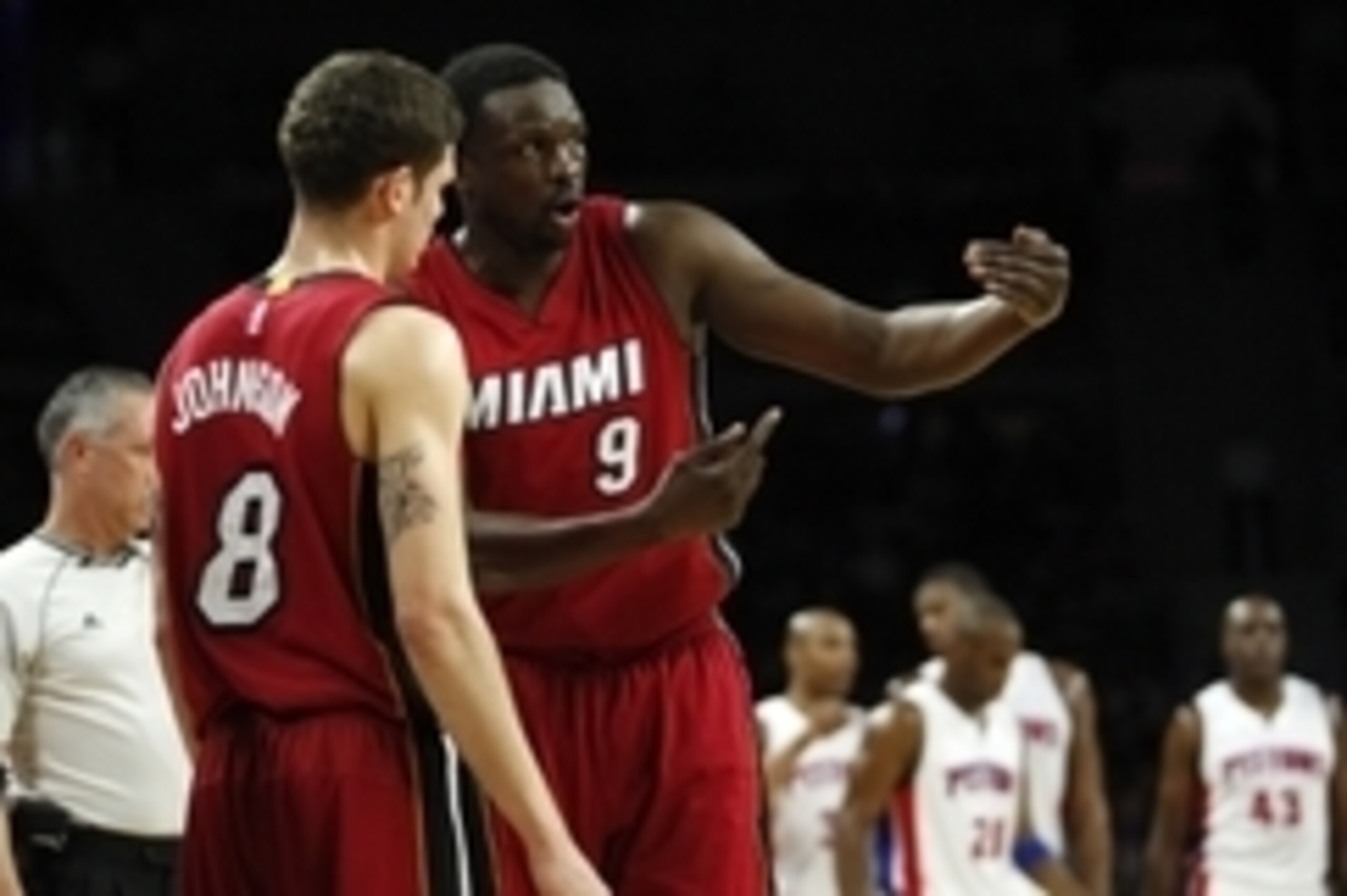
Here's the thing, though: From Winslow's perspective, the positives of playing alongside Deng outweigh the negatives.
As mentors go, Deng is as solid as they come—a reputed workhorse who built his career (and sacrificed his body) doing whatever was asked of him. During his prime years with the Chicago Bulls, he routinely ranked among the league leaders in minutes per game, ranking first in 2011-12 (39.4) and 2012-13 (38.7).
Those weren't easy minutes, either.
Deng was an All-Star in 2012 and 2013, shouldering a major scoring load for a gritty Bulls offense while handling the toughest opponent on the wing. He earned second-team All-Defense honors in the 2011-12 season for his efforts.
Injuries have slowed him a bit (he missed 10 games last year), but his shooting touch has never been better, per Tom Haberstroh of ESPN.com:
Winslow, from the same Duke program and featuring some of the same unselfish do-what-it-takes spirit as Deng, has a perfect role model for his rookie season. The fact Deng is still a productive player means Winslow won't just hear about how to be a pro.
He'll see it in action.
Besides, everything we know about Winslow indicates he's the kind of player who'll want to earn his role.
Jonathan Givony of DraftExpress weighed in:
"Winslow has continued to improve every single time we've seen him, as he has a reputation for being an absolute gym rat, and will certainly continue to work on his game as his career progresses. He's also an extremely intelligent player who is highly unselfish, executes extremely well offensively, and has won in every single place he's been.
"
If anything, being denied huge minutes will motivate Winslow.
Deliberate Development
Playing a reserve role behind Deng next year could also allow Winslow to progress at a measured pace, which is good news for the Heat. It's an often-overlooked truth that rookies, with few exceptions, don't help their teams all that much.
For example, only Nikola Mirotic (17.9), Jordan Clarkson (16.9) and Nerlens Noel (15.0) posted player efficiency ratings at or above the league average of 15.0 while playing at least 500 minutes last season, according to Basketball-Reference.com. Barring a surprising breakout from Winslow, it's a near certainty Deng will be the better player next season.
If the Heat can use a bench role to put Winslow in optimal situations, preferably favorable matchups against second-unit players, perhaps they'll get more than break-even production from him. Succeeding in a more controlled role could also help Winslow's confidence.
There's something to be said for jumping into the deep end, and Winslow's grit indicates he'd survive full immersion. But a more deliberate acclimation is probably best for rookies as a general practice.
Perspective is important here. The Heat have a good problem on their hands because they had the great fortune of snatching Winslow at a draft slot few suspected he'd reach.
ESPN.com's Tom Haberstroh and Kevin Arnovitz captured some of the surprise on draft night:
And Bleacher Report's Ethan Skolnick touched on the Duke product's readiness:
Heat president Pat Riley lauded Winslow's skills and invoked a comparison that should have the rest of the league trembling, per Couper Moorhead of Heat.com:
"[Justise] can guard all four positions. You saw something in the Finals this year that was a little different when you had a 6'7" forward playing center with four very versatile perimeter players around him. Justise is similar to Draymond Green in that way."
Winslow is going to be a major part of the Heat's future, and while a year of study under a proven vet might not bring the instant gratification more anxious Heat fans would prefer, it's best in the long run.






.jpg?w=2560 "Latest Peyton-Colts Rumors")

