Why Cricket's Duckworth-Lewis Method Is Outdated and Needs a Complete Overhaul
There has been little to complain about during the one-day series between England and New Zealand.
The two sides produced plenty of runs and the odd close finish, all the while playing the game in the right spirit. It was good, tough cricket, yet there was a great deal of respect shown between the sets of players.
The crowds, and the media, lapped it up. It helps when England are doing well, of course, but the Kiwis won new fans with the way they handled themselves, both on and off the field.
.jpg?w=2560 "Seahawks Chiefs Football")


However, there was one small gripe over the course of the five matches.
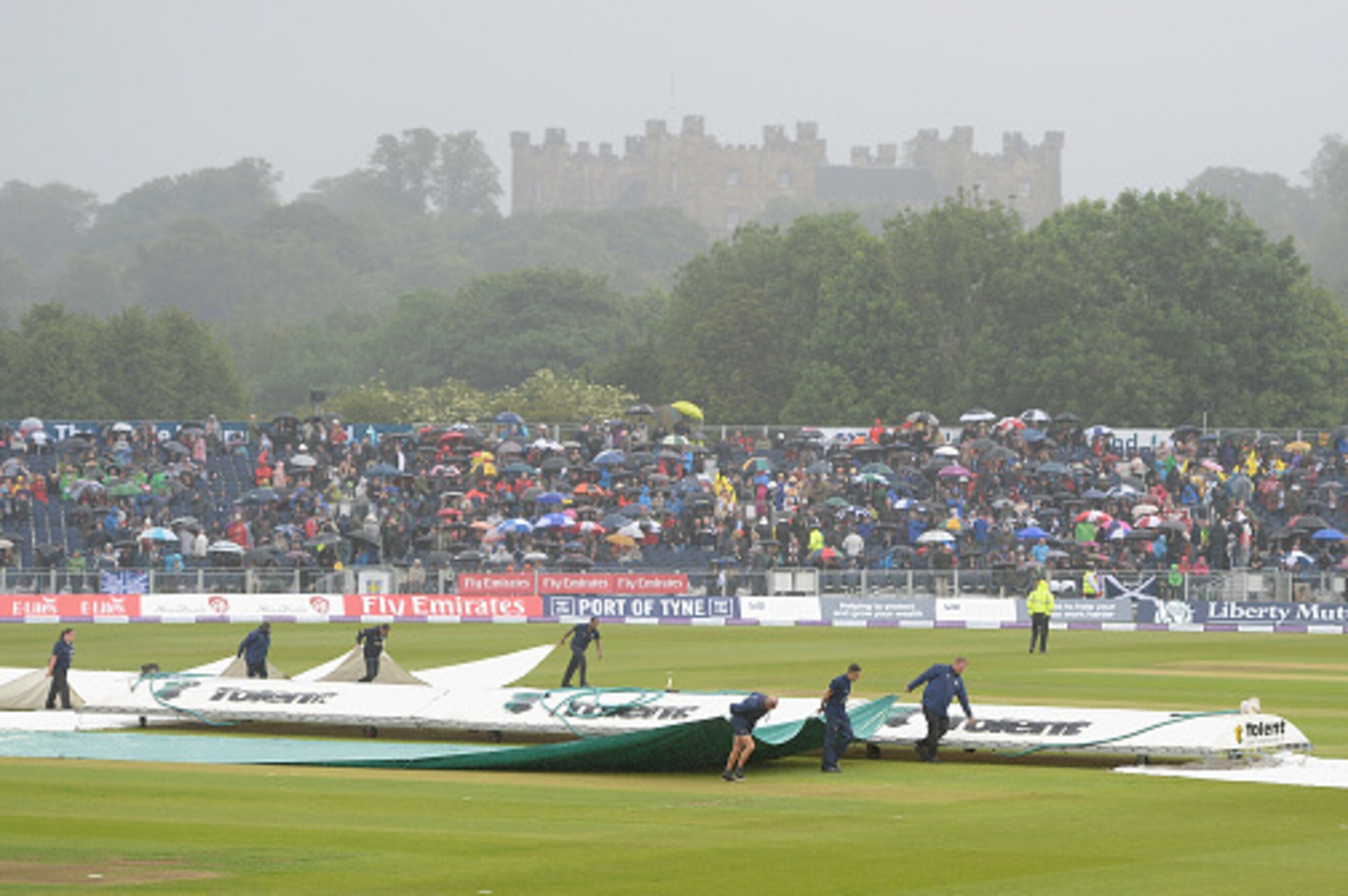
The one certainty in England is that rain will get involved at some point. In Test cricket, there is the chance to make up lost time over the course of the match, but that possibility is not there in 50 or 20-over cricket.
The Duckworth-Lewis system is meant to be there to give the match officials a helping hand when the weather intervenes (or any other delays, for that matter).
Named after the pair of statisticians who came up with it—Frank Duckworth and Tony Lewis—the system is a formula designed to calculate corrected totals after an interruption.
BBC Sport has an excellent guide to explain when, and how, it is used.
To summarise, if it rains and the match has to be cut short, there’s a way to work out how many the team batting second should then be chasing in their shortened innings.
Steve Stern modified the initial calculations to take into account modern scoring rates, resulting in it now being named the Duckworth-Lewis-Stern method.
To mathematicians it might make sense. To cricket fans, however, it is just confusing. The basic premise is easy to understand, but the final sums don't always seem to add up.
Even professional cricketers don’t seem to be able to fully grasp it.
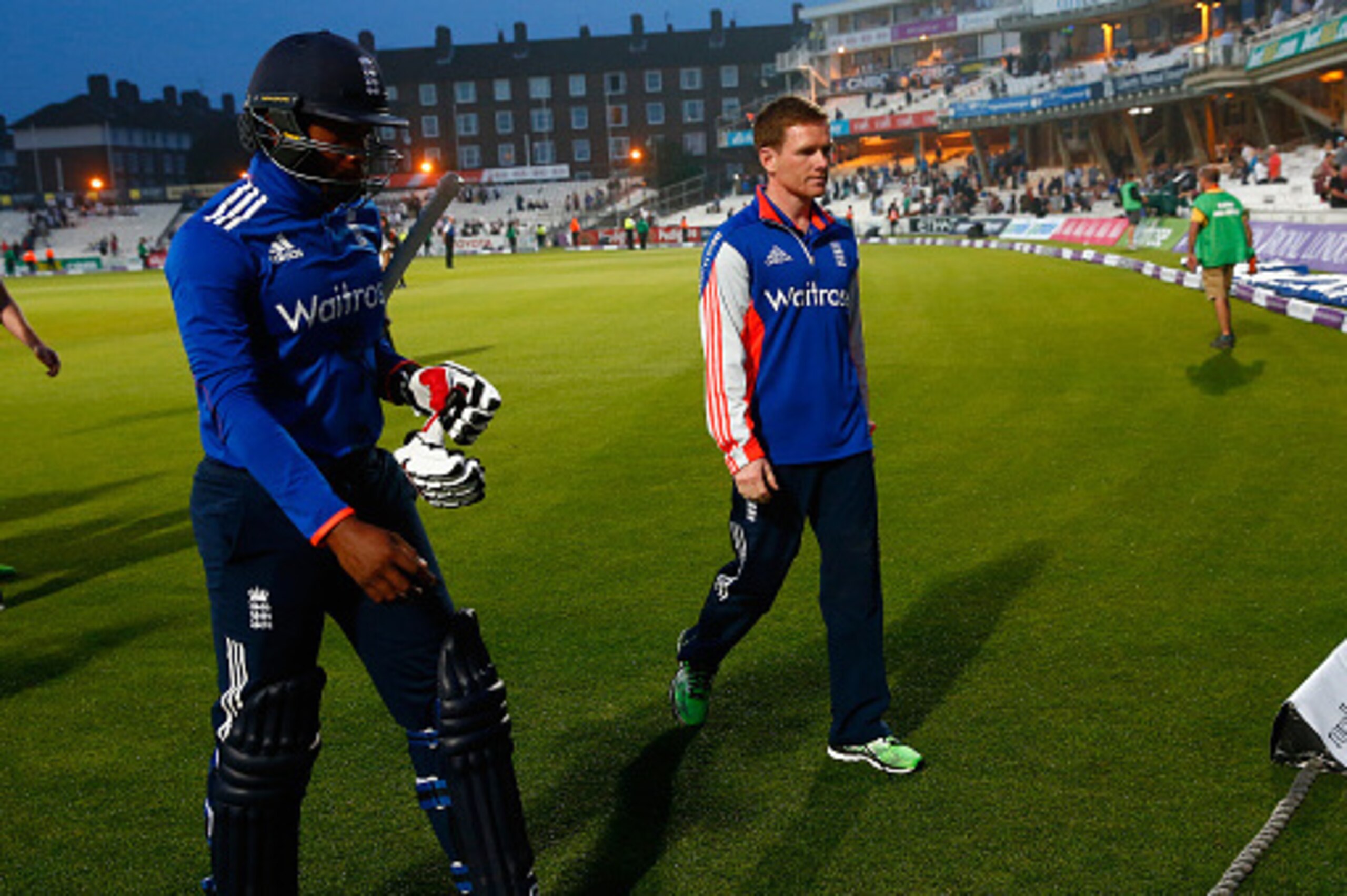
During the recent series, England—seven wickets down—needed a further 54 runs from 37 deliveries to win the second ODI when the heavens opened and the action was suspended at the Oval.
When play resumed, the hosts found themselves suddenly requiring 34 from 13. They fell short in the final reckoning, much to the frustration of their captain, Eoin Morgan, per Nick Hoult of the Telegraph:
"To have 34 to chase in 13 balls, given we were set up and the guys were in and momentum was with us, made it disappointing it rained.
I don’t understand Duckworth-Lewis. I don’t think anybody does. It is part of the game you can’t change.
As the game evolves in 50 overs cricket the Duckworth-Lewis could certainly be looked at.
"
The D-L-S system was needed again in the final, deciding match of the series.
After New Zealand made 283 for nine, England’s target was revised to 192 from 26 overs following a lengthy delay in between innings.
In the end, the home side managed to achieve their goal, winning the match with three wickets and six balls to spare.
Many on Twitter, however, cannot get their heads around the D-L-S way of working:
"If it rains at some point England will need 674 runs, two boxes of quiche and a nine darter to win the ODI under Duckworth-Lewis
— Matthew Lond (@ml__1985) June 17, 2015"
Ian Preston, a Professor in the Department of Economics at UCL (University College London), believes the major issue with the current system is that it does not factor in the likelihood of a team winning.
In the case of the second ODI, England would argue that, while they still had plenty of work to do, momentum was swinging their way. Adil Rashid and Liam Plunkett were striking the ball nicely, plus the Black Caps were running out of front-line bowling options in the closing overs.
Sadly, the Duckworth-Lewis-Stern formula does not take such things into account.
The new equation meant New Zealand only had to get away with one over from part-time seamer Grant Elliott, while Rashid and Plunkett both perished quickly knowing they had no choice but to go for broke.
Preston suggested, per his article in The Conversation, that a ruling he devised with Jonathan Thomas would “necessarily adjust targets differently depending on how many runs have already been scored.”
Describing his system, he went on to explain: "It acknowledges that loss of run-scoring resources needs to be compensated, but resources are valued in terms of what matters to teams, which is the probability of winning, rather than—as under Duckworth-Lewis—the expected run total in one of the innings."
Cricket fans do not really need to understand how it is all calculated.
They just want a method where it doesn't seem as if one side is being punished for something (in this case rain) that is out of their control.
The threat of rain should not factor into a captain's decision at the toss, either. While looking up, rather than down at the pitch, may be a necessity in Tests, one-day fixtures should be played in conditions that are the same for both sides.
It is a fine balance to try and do right by both the batting and bowling teams, but something needs to be done.
Twenty20 cricket has changed the way we think about scoring runs. Having to go at a required rate of 10-an-over seemed nigh-on impossible not so long ago. Now, most teams will happily accept such an equation.
Anything is possible now, particularly with only four fielders allowed outside the inner circle. The rules need to catch up and factor in how limited-overs cricket has moved forward.
In truth, the best thing would be for it not to rain at all. That, though, is definitely too much to ask for during an English summer.