Biggest Surprises of Miami Dolphins Offseason so Far
The 2015 NFL offseason was a surprising one across the board for the Miami Dolphins.
What started out as an offseason where it looked like the push would be to retain their free agents and restrain their spending turned out to be the opposite.
Instead, entire positional units were overhauled, big contracts were given out, some good players were lost, while others were signed.
The offseason isn't over yet, but the bulk of it (free agency's first two waves and the NFL draft) have come to an end. Here's a look at the five biggest surprises of the Miami Dolphins' 2015 offseason, ranked from least surprising to most surprising based on expectations.
5. Miami Says Goodbye to Jared Odrick
1 of 5
I thought the Dolphins would re-sign Jared Odrick.
Yes, Odrick had his issues with the coaching staff at times in 2014, but the Dolphins wanted him back, and Odrick seemed to want to come back as well.
So what happened? Suh happened. Once Miami signed Ndamukong Suh, everything changed as the Dolphins decided to spend the rest of their money on other positions while Odrick shopped around for a new home.
Jacksonville wound up being the place for Odrick, and it's a very good fit for both parties. The Dolphins did do well to revamp their defensive line, too, as along with the Suh acquisition, they drafted Jordan Phillips in the second round, then signed C.J. Mosley, Suh's former teammate in Detroit.
4. Miami Loses Charles Clay
2 of 5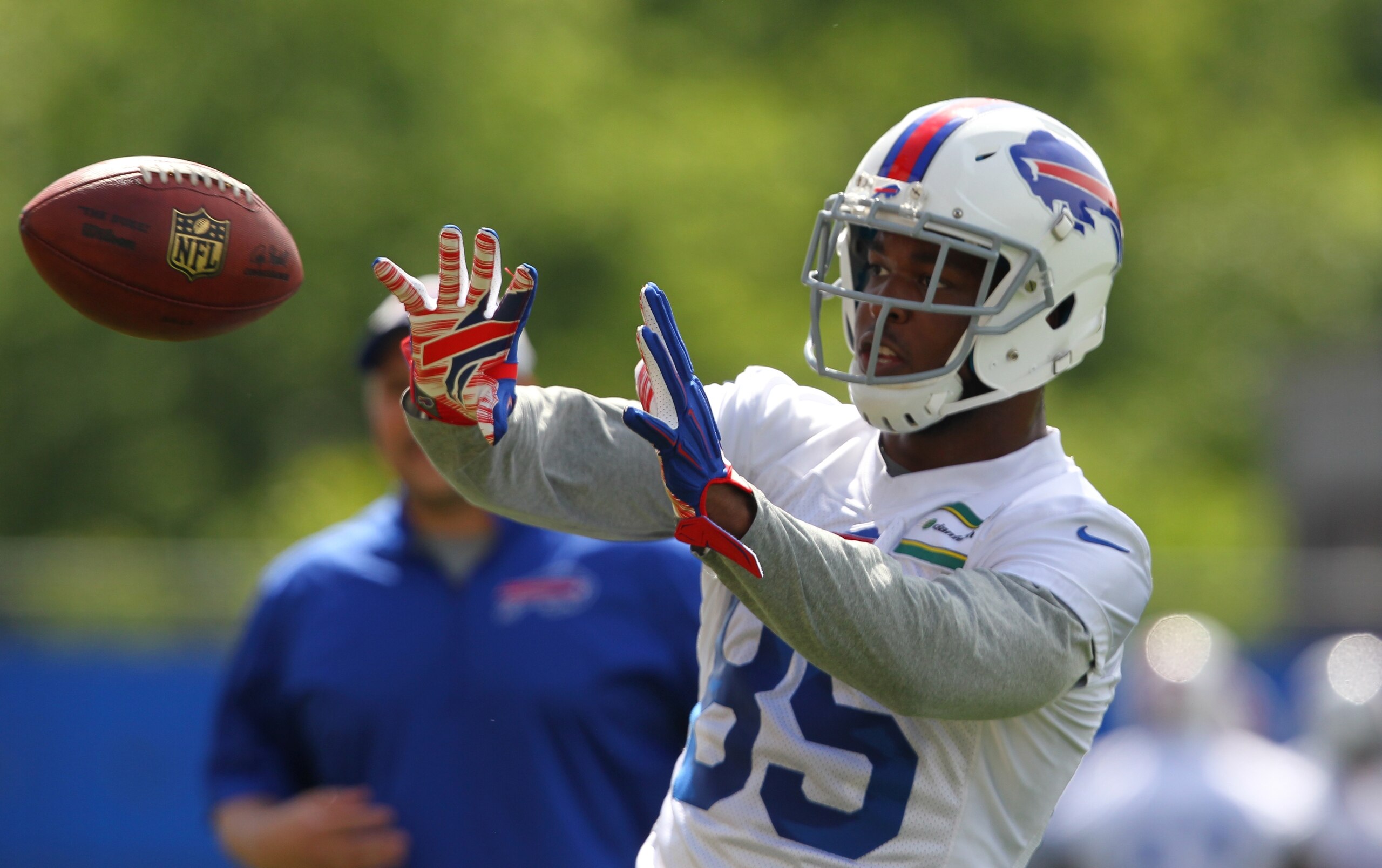
You could make the argument that Jared Odrick was not Miami's primary target at defensive lineman, but rather their contingency plan in case they lost out on Ndamukong Suh.
Charles Clay on the other hand was not Miami's Plan B. He was as much a primary target in free agency as he has been on the field the last two seasons.
The Dolphins attempted to work out a multiyear contract with Clay prior to the start of free agency, and it was expected that an agreement would come between both parties.
That agreement never came, and the Dolphins placed the transition tag on Clay, at $7.071 million, giving Miami the right to match any offer made to the tight end.
This is a case where the Dolphins seemed to underestimate the market, as the Buffalo Bills instantly jumped on the opportunity to sign Clay.
Part of doing that was the fact that the Bills could use a weapon like Clay in their offense, but another part of that was the fact that had the Dolphins matched the offer for Clay, who wound up signing a five-year, $38 million deal with the Bills, Miami would've faced a 2016 cap hit of $13.5 million.
With the Dolphins already committing huge 2016 money to Suh, as well as the contract they wound up signing Ryan Tannehill to later in the offseason, this was not a number Miami was willing to pay out.
The shock in this is the fact that such an offer likely doesn't get made had Clay been allowed to explore the open market on his own. Would Buffalo have been interested in Clay? Absolutely, but it's likely that any deal it'd attempt to sign him to would've been more attainable for the Dolphins to match.
3. No Big Moves in the Secondary
3 of 5
The secondary was a bit of a problem for the Dolphins in 2014, as their lack of depth caught up to them, resulting in a defensive collapse down the stretch that kept them away from the playoffs.
Then come the offseason, they lost Jimmy Wilson to free agency while Cortland Finnegan called it quits, thus leaving the Dolphins short a nickleback and starting corner.
Wilson and Finnegan weren't exactly world-beaters, but they could play, and if you would've guessed that Miami would attempt to sign a replacement for Finnegan while drafting another corner in the early rounds, it would've been a smart guess.
None of those things really happened. Instead, Miami used its first-round pick on wide receiver DeVante Parker instead of available cornerbacks Kevin Johnson and Marcus Peters, then traded down and picked Jordan Phillips in Round 2 over staying put and drafting Utah's Eric Rowe, Miami of Ohio's Quinten Rollins or Florida State's Ronald Darby.
Miami did make some secondary moves, such as signing former Steeler Brice McCain, then using three of its four fifth-round picks on cornerback Bobby McCain, safety Cedric Thompson and wide receiver-turned-corner Tony Lippett.
That should improve the depth, but Miami will still be counting on either Jamar Taylor or Will Davis to start alongside Brent Grimes in 2015, and as the last two seasons have shown us, that's a bit of a gamble due to injury history and the lack of any impact plays by either player when they're in the game.
.jpg?w=2560 "Nolan Wells Lawsuit")

2. No Big Moves at Linebacker
4 of 5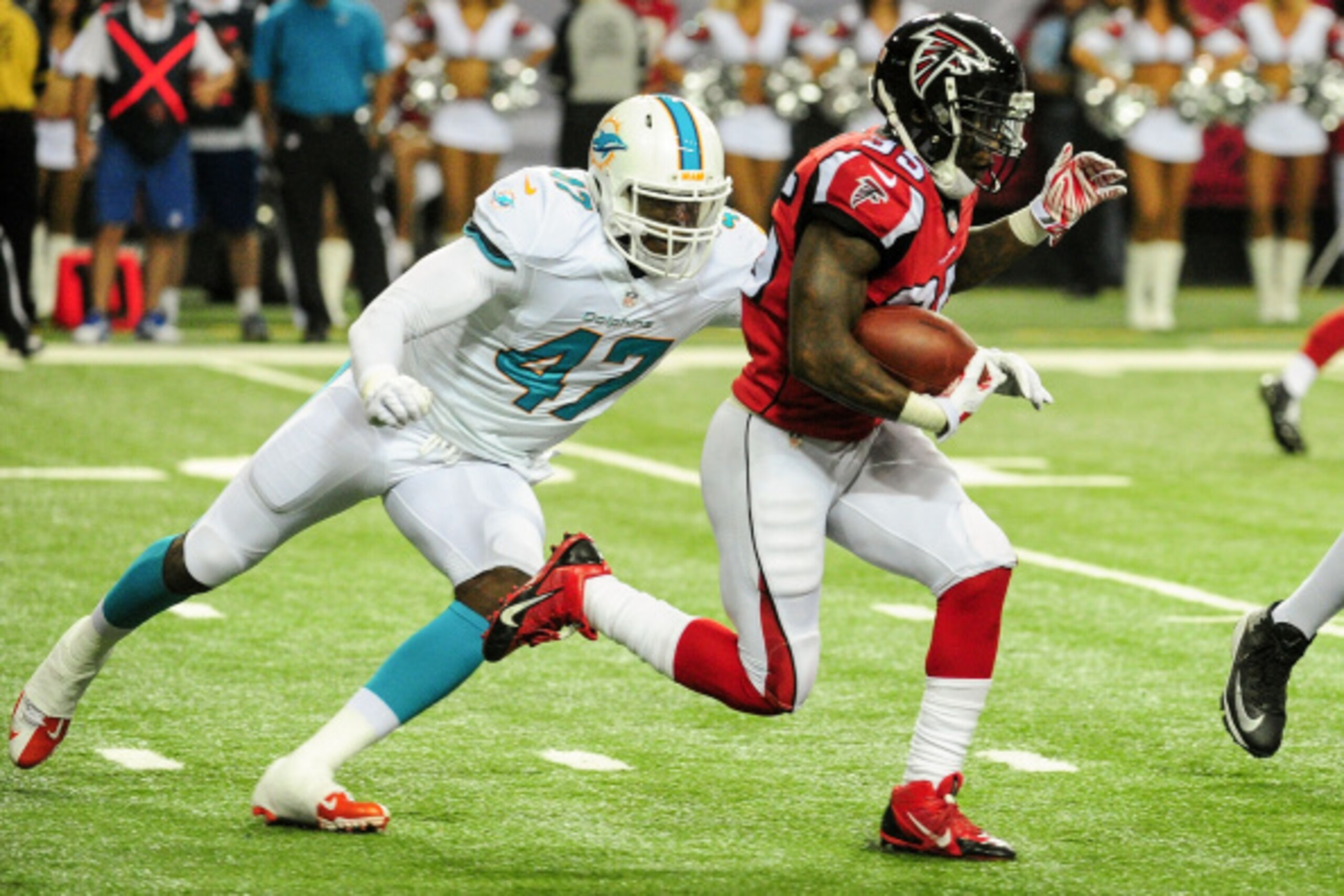
The linebacker position was another weakness in the Dolphins defense in 2014.
In fact, the unit was considered so weak that the big moves had more to do with who they let go of at the position and not who they signed.
Miami signed Spencer Paysinger from the New York Giants, as well as a handful of undrafted free agents.
That was the extent of their moves at linebacker. They didn't use an early-round pick on one and other than Paysinger, none were signed in free agency.
Considering that the linebacker position has been an issue for Miami the last two seasons, one would think it would've been more proactive in addressing it.
Instead, Miami is addressing it in-house. It only really needed to add one more starter, and so far it feels that Chris McCain is capable of taking that role.
1. Getting Assets in Exchange for Failed Signings
5 of 5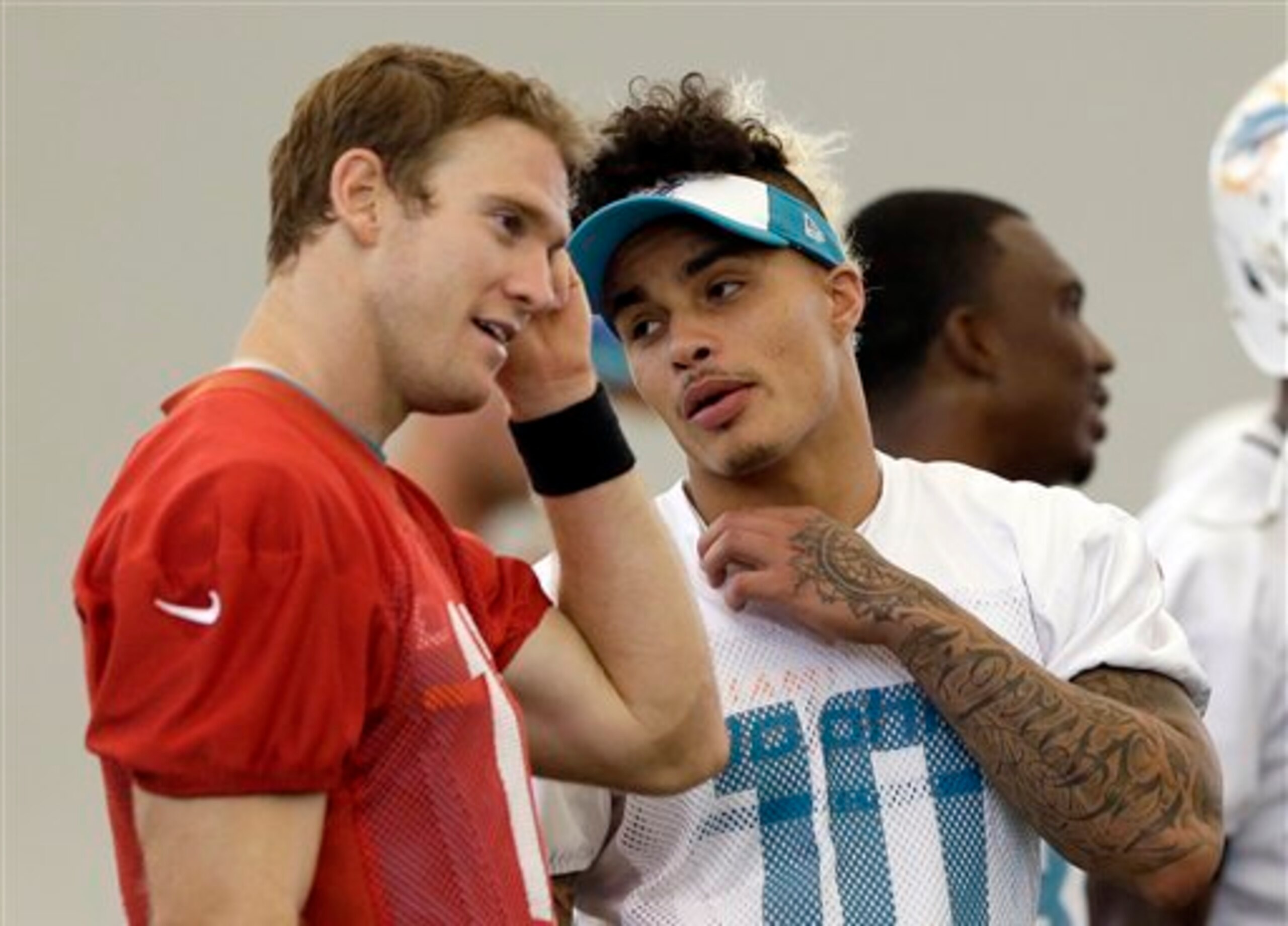
Miami had to address its salary-cap situation, and the easiest thing to do was to re-evalute at the free-agent class of 2013.
Of Miami's big-ticket signings that year, only Brent Grimes remains on the team.
Philip Wheeler was released, as was wide receiver Brandon Gibson.
The two biggest players from that offseason though were Mike Wallace and Dannell Ellerbe.
That the Dolphins released the players they did wasn't a surprise, nor would it have been a surprise had they cut Wallace and Ellerbe as well.
The surprise came in the fact that they were able to move both of those contracts and actually do well in picking up assets.
Ellerbe was traded to New Orleans along with a third-round pick in exchange for wide receiver Kenny Stills. One would think that the third-round pick would've been enough for Stills, whereas there wouldn't be any way to acquire Stills for Ellerbe straight up. Either way, the deal was consummated, and Miami had slashed money off the books while picking up a young up-and-coming receiver who is either the same age or younger than many of the receivers in this year's draft and has already proven himself at the NFL level.
The next trade was one that sent Mike Wallace to Minnesota along with a seventh-rounder in exchange for a fifth-rounder.
Once again, that was money that came off the books, while at the same time Miami moved up in the draft from the seventh round to the fifth.
Wallace had some success in Miami, but overall he wasn't a fit and was paid too much, while Ellerbe never caught on in Miami during his tenure there. The fact that Miami was able to shed those contracts, while still acquiring good talent, is the biggest surprise of the offseason due to those onerous contracts.
Salary information provided by Spotrac.com.
.jpg?w=2560 "Chargers Bills Football")
.jpg?w=2560 "Bills Browns Camp Football")