Per Mertesacker and Mikel Arteta Lifting the Cup a Fitting Symbol of New Arsenal
It's been more than a week since Arsenal lifted their second FA Cup trophy in as many seasons. But it was the sight of the two men who raised the silverware that lingers in the memory as a significant image.
Per Mertesacker and Mikel Arteta clasping one side of the trophy apiece can be taken as a symbol of a new Arsenal. Or at least it can be considered the launching pad for the return to winning silverware and any success that may be pending next season.
Mertesacker and Arteta, the vice- and full captain, were the most fitting figures to hoist the trophy high at Wembley. In many ways, they are the most significant signings the Gunners have made in the last five years.


As screams of Mesut Ozil, Alexis Sanchez and even Laurent Koscielny echo my way, allow me to present some context for that statement.
Consider first the landscape at Arsenal when Mertesacker and Arteta arrived on deadline day of the 2011 summer transfer window. Arsene Wenger had seen his squad ripped apart by the high-profile departures of a trio of key players.
Left-back Gael Clichy splitting for Manchester City generated the fewest headlines. Yet despite how prone he was to critical calamities, Clichy was a mainstay in defence.
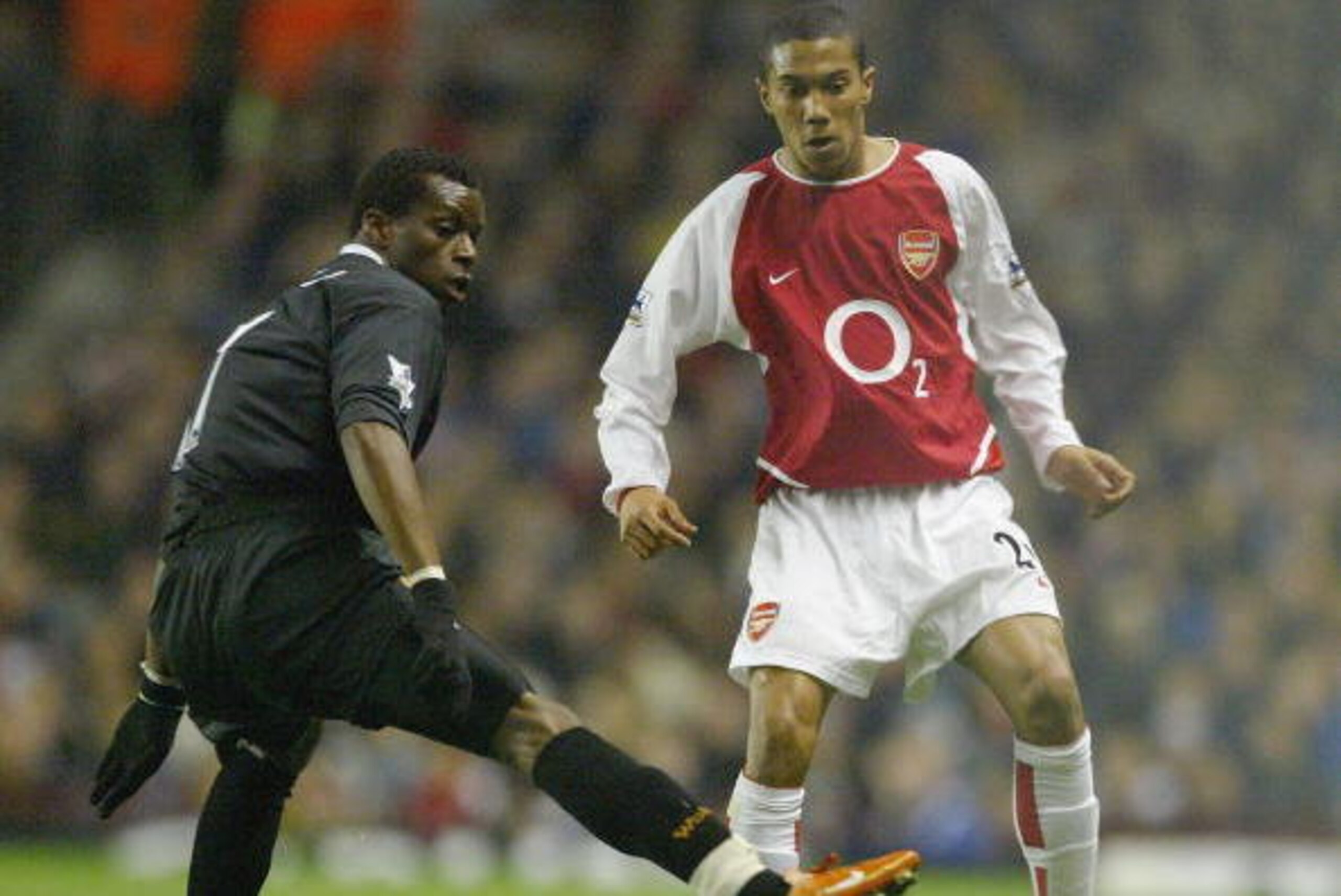
More than that, he was also a symbol of the transfer policy that defined Arsenal from 2003 to '11. Signed for a snip as an unknown teenager from Cannes in 2003, the young Frenchman became one of Wenger's famed projects.
He collected a winner's medal the last time the Gunners lifted the Premier League trophy back in 2004. Clichy had been thrown into the mix early in trademark Wenger fashion.
As much as Arteta and Mertesacker would later come to symbolise the start of another era, Clichy was symbolic of the leap of faith Wenger and the Arsenal board demanded from fans as they counted the pennies during the move from Highbury to the swanky new Emirates Stadium.
Seeing one of his carefully developed prospects jump ship to chase the money at a Premier League rival had to hurt Wenger. But Clichy's sale was nothing compared to how hard Cesc Fabregas walking away hit the Gunners boss and his squad.
Fabregas was more than just a great find as a teenage bargain taken away from Barcelona in 2003. He became the poster child for Wenger's new era.
Those who doubted the Frenchman's ability to still win and compete on a budget were asked to consider Fabregas' development from callow youth to world-class creative talisman as ample proof.
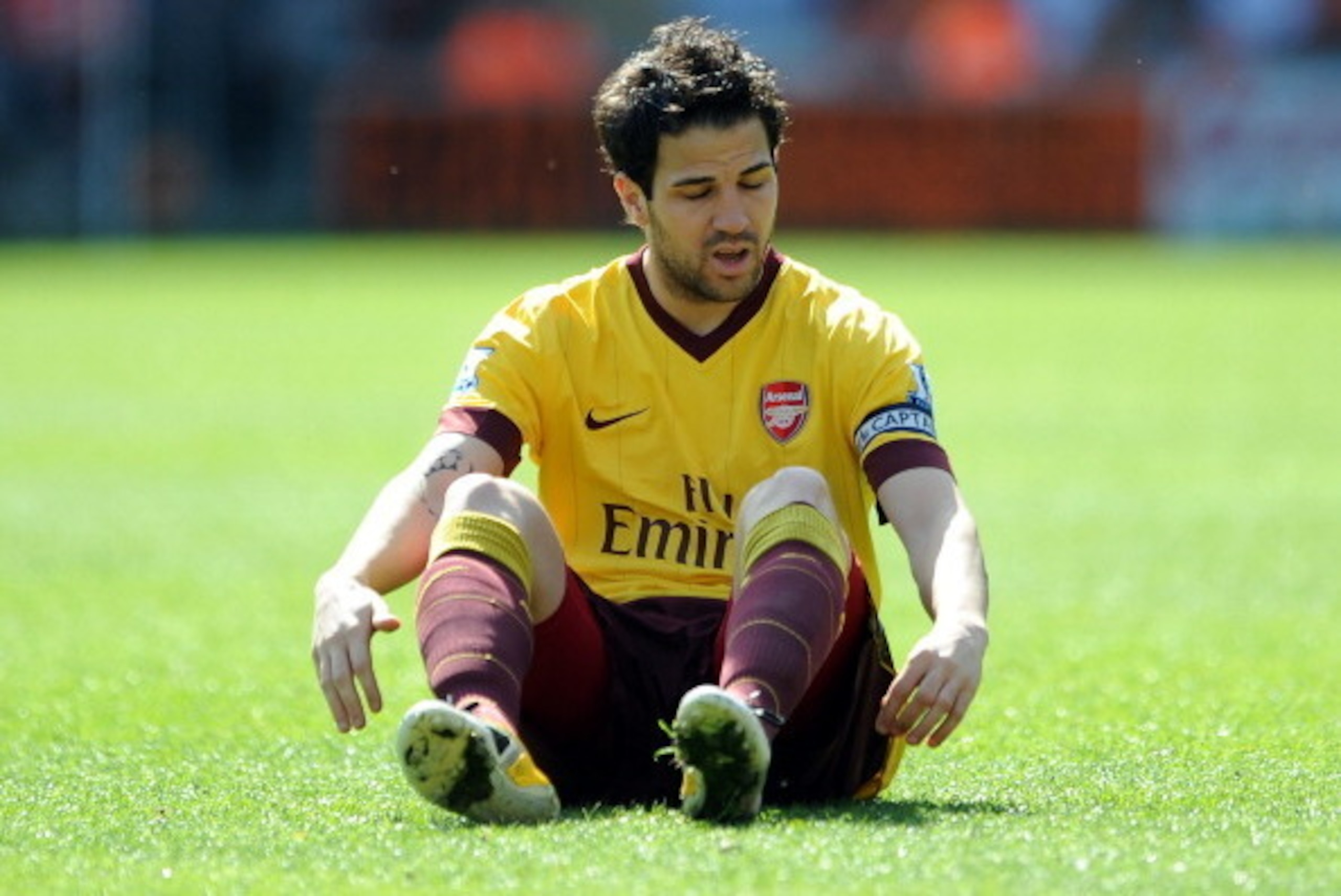
But that development wasn't just about adding another line of praise to Wenger's career resume. Fabregas had become the heartbeat of Arsenal. If, off the pitch, he symbolised the manager's new method for building a team, on it he redefined the way the Gunners played.
With Fabregas as the fulcrum, Arsenal went from the direct, pacy, power football Wenger's teams used to batter the Premier League in 1997/98, 2001/02 and 2003/04 to a more intricate game.
The Fabregas-led Gunners became defined by elaborate combination passing and endless, patient cycles of possession. They would never physically dominate opponents but would always look to finesse teams with technical artistry.
The actual and symbolic blow caused by Fabregas' exit lasted for the next two seasons and is only really now in the club's rear view. At the time, though, Wenger didn't even have the chance to create a seamless transition with Samir Nasri.
Having stuck by the pint-sized Frenchman during three seasons of inconsistency, injury and questionable temperament, Wenger was ready to make Nasri the driving force of his team.

He was repaid by watching the gifted attacking midfielder join Clichy in the sky-blue half of Manchester.
Having lost three essential building blocks from one era, Arsenal were in tatters. The manager seemed rocked and that transmitted to a patchwork squad.
The Gunners began the 2011/12 campaign with a 0-0 draw at Newcastle United before falling to a 2-0 home defeat against Liverpool, Nasri's last game. But the worst soon followed.
When Arsenal were ripped apart by Manchester United at Old Trafford and Wenger looked up at a scoreboard reading 8-2, he must have feared the end was near. A team that had trodden water in the top four during a transitional phase now looked closer to finally falling out of that bracket than at any time before or since.
Desperate times weren't just calling for desperate measures. It was a full-throated shout aimed directly at a beleaguered manager.

Arsenal needed stabilising. Enter Mertesacker and Arteta, two unfashionable veterans but experienced pros made of the right stuff.
They were the highlights of a late trolley dash that saw Wenger frantically pluck everything that caught his eye off the shelves. Make no mistake, no matter how it's spun now, Arsenal's late splurge on the final day of that transfer window was a desperate one.
But it was also the signal for a change in tack in Wenger's recruitment policy. Arteta and Mertesacker didn't arrive at Arsenal as the barely-out-of-their-teens prodigies Wenger had previously stockpiled.
Instead, they were battle-worn veterans who had toiled for years in European football's middle tier. Mertesacker arrived in north London as a 26-year-old former skipper at Werder Bremen. Arteta was older still when the 29-year-old inked a deal worth £10 million to leave Everton for the Gunners.
These weren't signings made with an eye on the future. Neither player offered much, if any, resale value nor a lot of room for personal improvement in their respective games.
But they signalled the start of more signings in the 24-30 age bracket. Lukas Podolski, Olivier Giroud, Santi Cazorla and Nacho Monreal all followed the next season as Wenger continued to redefine the makeup of his squad.
This was a major shift in policy from Wenger, one he has received too little credit for. For an indication of just how much his transfer philosophy has changed, consider the response he gave when asked about the possibility of signing 29-year-old midfielder James Milner back in mid-May, per Arsenal's official site: "Twenty-nine is not old."
Such a response would have been unthinkable from the Gunners chief between 2003 and 2011.
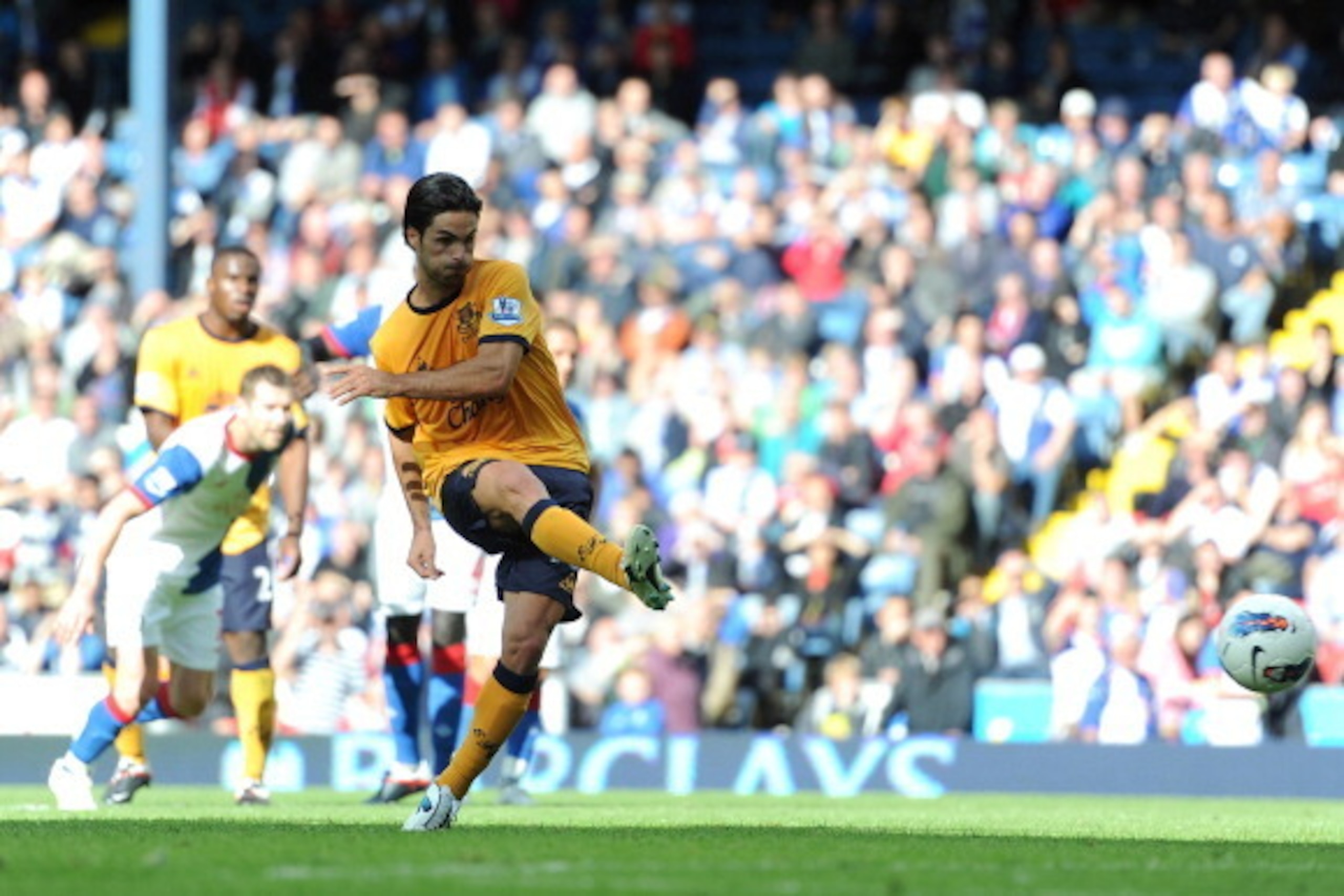
But all that changed when Arteta and Mertesacker arrived as calming old heads capable of steadying the ship. That's just what they did, albeit after enduring the initial bump of a 4-3 away defeat to Blackburn Rovers.
Yet even after starting the season with one draw and three defeats from four league games, Arsenal finished the campaign in third place. The effect Arteta and Mertesacker had on the squad was a major reason why.
They were never going to be marquee players on the pitch, but both have played a vital role in changing the personality of the squad for the better. The duo have fostered a greater sense of unity and camaraderie that's been particularly obvious during the last two campaigns.
Since Mertesacker and Arteta arrived, Arsenal have become a very tight-knit bunch. Some will argue this squad is short on elite talent, but there are no longer any questions about the effort and spirit of the group.
That pattern was reversed in the years prior to Mertesacker and Arteta. Back then, the Gunners had enough talent to win prizes but never enough togetherness and resolve to cross the line.
The divisions in successive squads were obvious. William Gallas and Kolo Toure always looked like very uncomfortable and begrudging defensive partners.
Gallas also never got along with fellow Frenchman Nasri. Meanwhile, the dislike between Robin van Persie and Emmanuel Adebayor was only ever barely contained while they represented the same club.
The true extent of the hostilities often only became really obvious when one of the antagonists left. Nasri's frosty relationship with Gallas was symbolised by the refusal to shake hands before a north London derby in 2010, when the latter was suited up for Tottenham Hotspur.
Of course, few will ever forget the malicious nature of Adebayor and Van Persie's reunion clash when the former played for Manchester City in 2009.

But even before everything became so public, the warning signs of a fractured squad were painfully obvious.
Substitutes often shared no words while warming up. Groups of senior players in attendance to watch League Cup matches were shown huddled together in uncomfortable and resentful silence.
The Arsenal players of that era just never looked as though they particularly liked one another.
The contrast with the present-day group is night and day, and it's been created by Arteta and Mertesacker. On and off the pitch, the pair have done everything they can to emphasise one thing: team.
They apparently broke up the cliques apparent in the club's restaurant to create a more unified atmosphere: "Arteta and Mertesacker reputedly took the initiative to reorganise the tables at the training ground restaurant to break down barriers and facilitate integration and team spirit." (from Arsene and Arsenal: The Quest to Rediscover Past Glories, by Alex Flynn and Kevin Whitcher, page 18, Vintage Sports Publishing, 2014).
On the field, Arteta and Mertesacker have been true leaders. They've sacrificed themselves for the good of the team.
For Mertesacker, that's meant playing the role of hall monitor at times. He's never been shy about taking his mates to task if it means encouraging them to give more.
Who can forget the big defender balling out friend and international colleague Mesut Ozil for refusing to acknowledge the away fans after Arsenal were beaten 6-3 by Manchester City in December 2013?
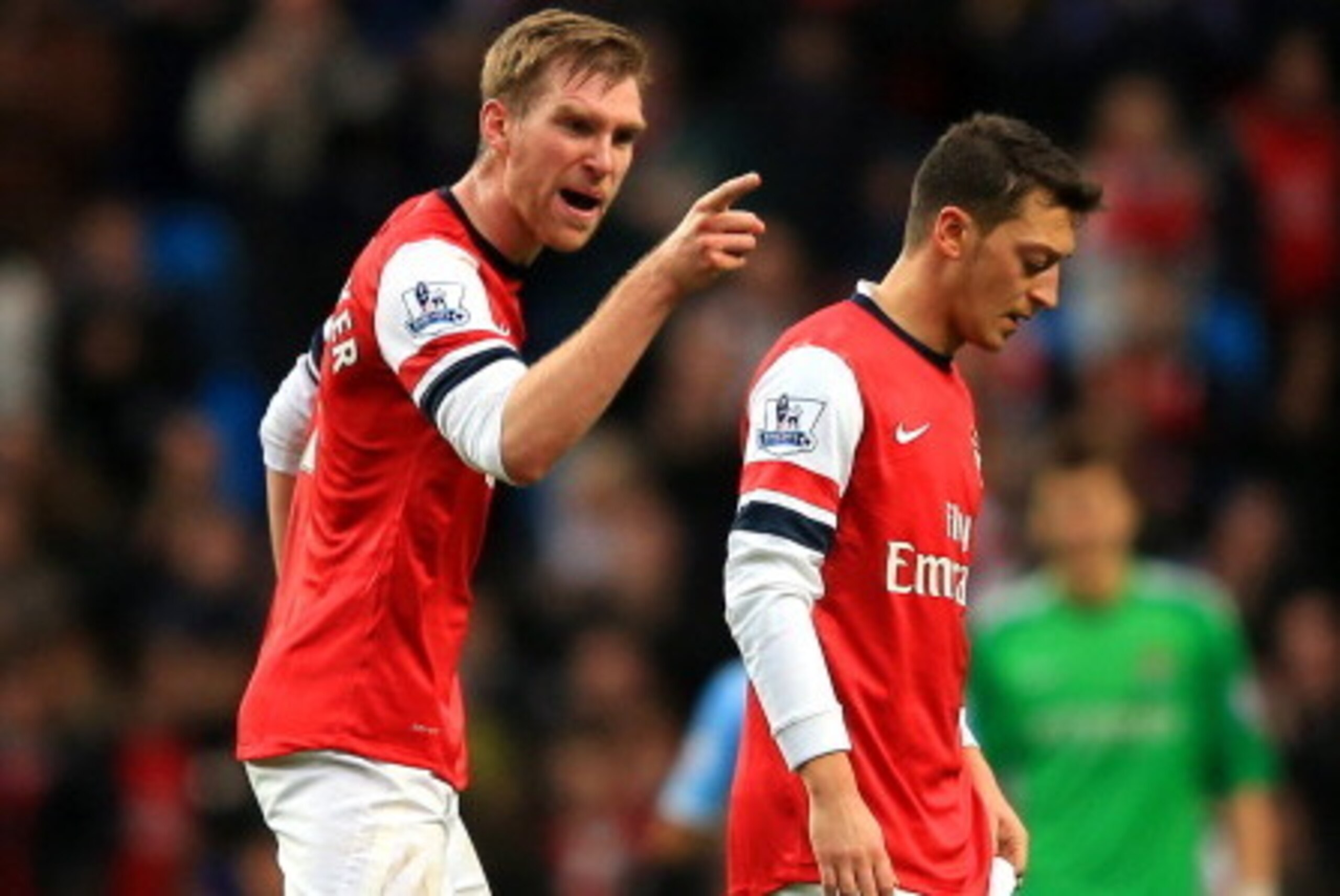
Or what about him ripping Yaya Sanogo's arm away from his face, as the young striker cowered before a free-kick against Fenerbahce earlier that same season?
Writing for ESPN FC that year, Arseblog founder Andrew Mangan described how Mertesacker had established a greater commitment to getting things right at the back:
"Seeing him and Bacary Sagna in heated discussion, as we did in a recent fixture, might be an unedifying sight to some, but that kind of communication is vital. Simple things are sorted out as they happen. Mertesacker pulling down Yaya Sanogo's arm in a wall, for example. It seems obvious, but many will remember Cesc Fabregas conceding a penalty in a north London derby for the very same thing.
"
As for his own performances, Mertesacker has to be one of the most criminally unappreciated players of his generation. Despite boasting enough medals to fill 10 players' careers, he's still chided for his lack of pace.
Mertesacker is still treated as the weak link of the Arsenal defence, even though his calmness and authority are essential qualities next to Koscielny. The Frenchman can often let his eagerness get the better of him and Mertesacker provides a counterpoint to that hectic style.
Even when Koscielny was injured for most of the first half of last season and Mertesacker tried to hold the fort together alongside a series of converted full-backs, he never complained. Despite no rest after Germany's World Cup campaign and a club manager practically throwing darts at a board to decide his partner week to week, Mertesacker never complained.
Instead, he continued to try and steady the ship as best he could and lead by example.
Arteta did the same when he willingly converted to a defensive role in midfield for the first time in his career, following Alex Song's decision to let Barcelona show him the money on the eve of the 2012/13 season.
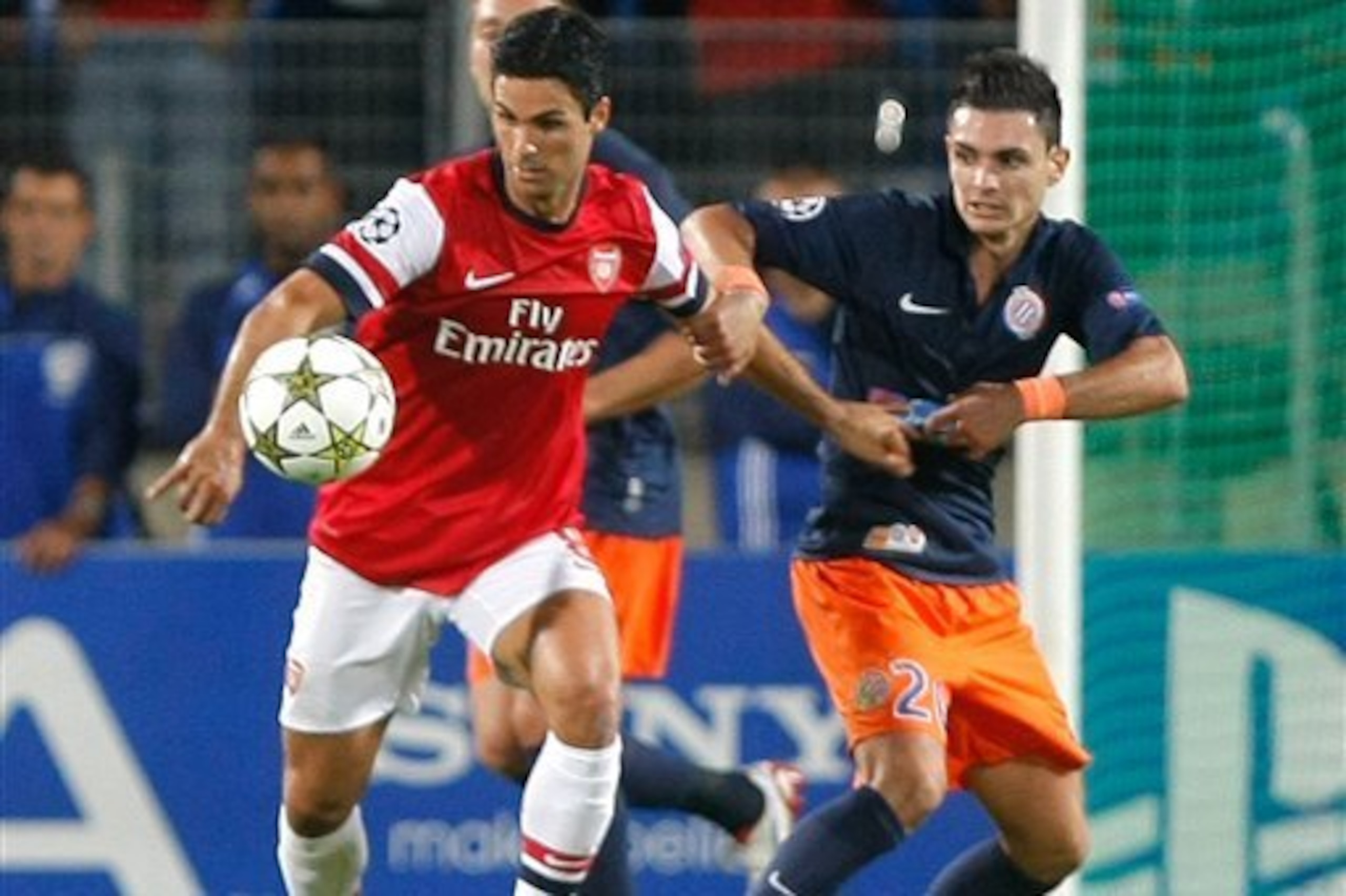
For the sake of the team, Arteta sacrificed his forward-thinking instincts and quickly redefined his game to perform a vital but largely thankless task. Despite taking to a position previously alien to him very well, Arteta has come in for some merciless criticism from sections of Arsenal's support.
These are probably the same hipsters who view signing Morgan Schneiderlin as the difference between a trophyless season and winning the quadruple.
But Arteta steadied the ship when it needed to be righted. The 2012/13 season was one of major transition after Song and Van Persie decided to opt for pastures new.
Wenger certainly appreciated the sacrifices Arteta made to keep the Gunners afloat in the top four, as he explained to Nik Brumsack of the club's official site: "He is a winner and he does what it takes to win, it’s as simple as that. If he sees that he has to sit to allow us to be efficient, he will do it."
Both on and off the pitch, Mertesacker and Arteta have made Arsenal whole again. It's no coincidence the greater emphasis on team has coincided with winning trophies again, just like it's no coincidence a squad more ready for a fight has made late goals a speciality the last two years.
Of course, talent still matters above all else. Ozil and Sanchez have given Arsenal the match-winners every successful team needs.

But match-winners alone aren't enough. Every top side must also be underpinned by the right values, the right leaders.
Arteta and Mertesacker have those values and they've used them to bring the squad closer together. That togetherness is now essential to today's new Arsenal.
Mertesacker offered the perfect symbol of it at Wembley when he insisted Arteta joined him to lift the cup. It was a gesture that touched the experienced Spaniard, per Arsenal's official site: "I didn’t want to do it but Per asked me to go up there with him. I thought it was his day and an opportunity for him to get that feeling that I had last year with the Community Shield. I’m really proud and really grateful. It’s a happy day and the best way to finish the season."
Two leaders together led the celebrations for a unified squad. There's no better symbol of how much Arsenal have changed for the better since 2011.





.jpg?w=2560 "Latest Peyton-Colts Rumors")