


Tom Thibodeau was inflexible, resistant to managerial input and wildly successful as the head coach of the Chicago Bulls.
And because that third thing didn't matter as much as the first two, he's out of a job.
In isolation, the Thibs-Bulls split was the result of incompatible ideologies. Thibodeau wanted to coach the way he always had, and his bosses wanted him to change. Pretty simple, really.

More broadly, though, Thibodeau's ouster signals what may be the end of an era in which coaches with his old-school skills and hard-line approach have wide appeal.
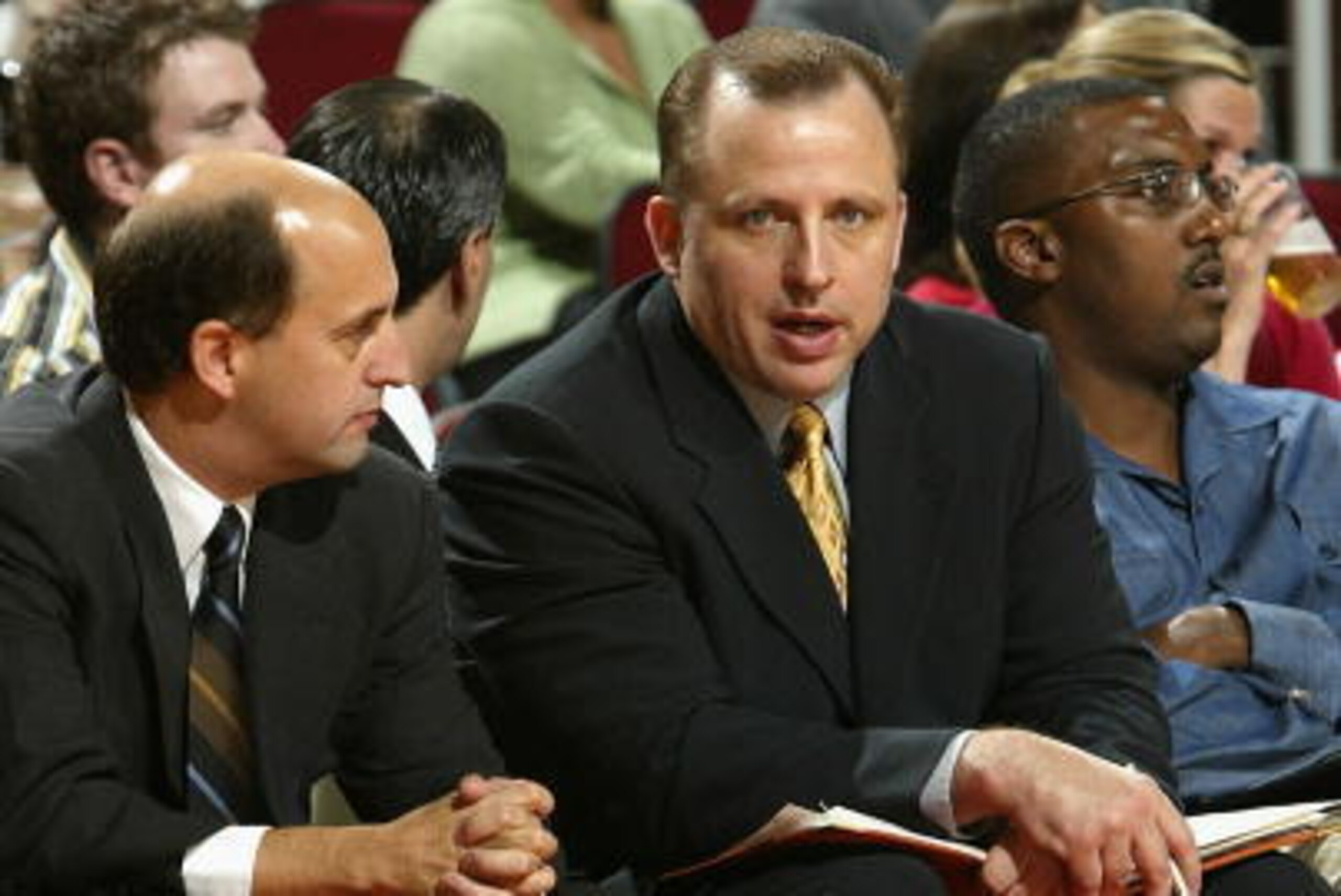
"Old school" is a broad term. Think of Thibodeau as one example and Jeff Van Gundy, for whom Thibs was an assistant for over a decade in New York and Houston, as another. They preach defensive structure and accountability above all else. They prefer totalitarian rulership, they demand heavy minutes from stars and they resist input from management.
Analytics? Rest? Not so much, thanks.
For coaches like Van Gundy and Thibodeau, you forge through willpower, hard work and hours upon hours of drilling the details.
"When I played there, practice was tough," Rip Hamilton, who spent two seasons with the Bulls from 2011-13, told Mike McGraw of the Arlington Heights Daily Herald. "I never experienced anything like that until I actually got to Chicago. It's well-documented that practices are a little too long, they're a little too hard and things like that."
When outsiders (who also happened to be signing Thibodeau's checks) wanted to weigh in on his methods, conversations were, apparently, not productive. That's what led to Bulls owner Jerry Reinsdorf ethering Thibs in the release announcing his firing:
"While the head of each department of the organization must be free to make final decisions regarding his department, there must be free and open interdepartmental discussion and consideration of everyone's ideas and opinions. These internal discussions must not be considered an invasion of turf, and must remain private.
"
Thibodeau won 65 percent of his games with the Bulls, and he did it his way. That second part was the problem.
Van Gundy has been out of head coaching work since 2007, largely by choice. Yet the one job he showed real interest in, the New Orleans Pelicans opening, went to Alvin Gentry, older than Van Gundy and a retread in his own right. What separates Gentry from Van Gundy and other throwback coaches, though, is his reputation as a laid-back, offensively inventive, largely ego-less leader who used his time as an assistant to prove he could work collaboratively.

"If you talk to him, he's casual, he's funny. He tells a lot of long stories," Warriors assistant Bruce Fraser said of Gentry, per Ramona Shelburne of ESPN.com. "You can be baited into thinking he's the fun older guy who has just hung on. But the reality is, he's a wizard. He's sharp."
The Pelicans could have hired Thibodeau if they'd wanted to; he was fired two days before Gentry got the job, and his removal felt imminent weeks in advance. But they didn't.
New Orleans doesn't have to elaborate on its reasons for passing over Thibodeau and his gaudy winning percentage, but it obviously valued Gentry's collection of skills more highly than Thibodeau's—or Van Gundy's, for that matter.
The Pelicans situation is just one example of a broader trend. Dictatorial skills aren't in demand anymore.
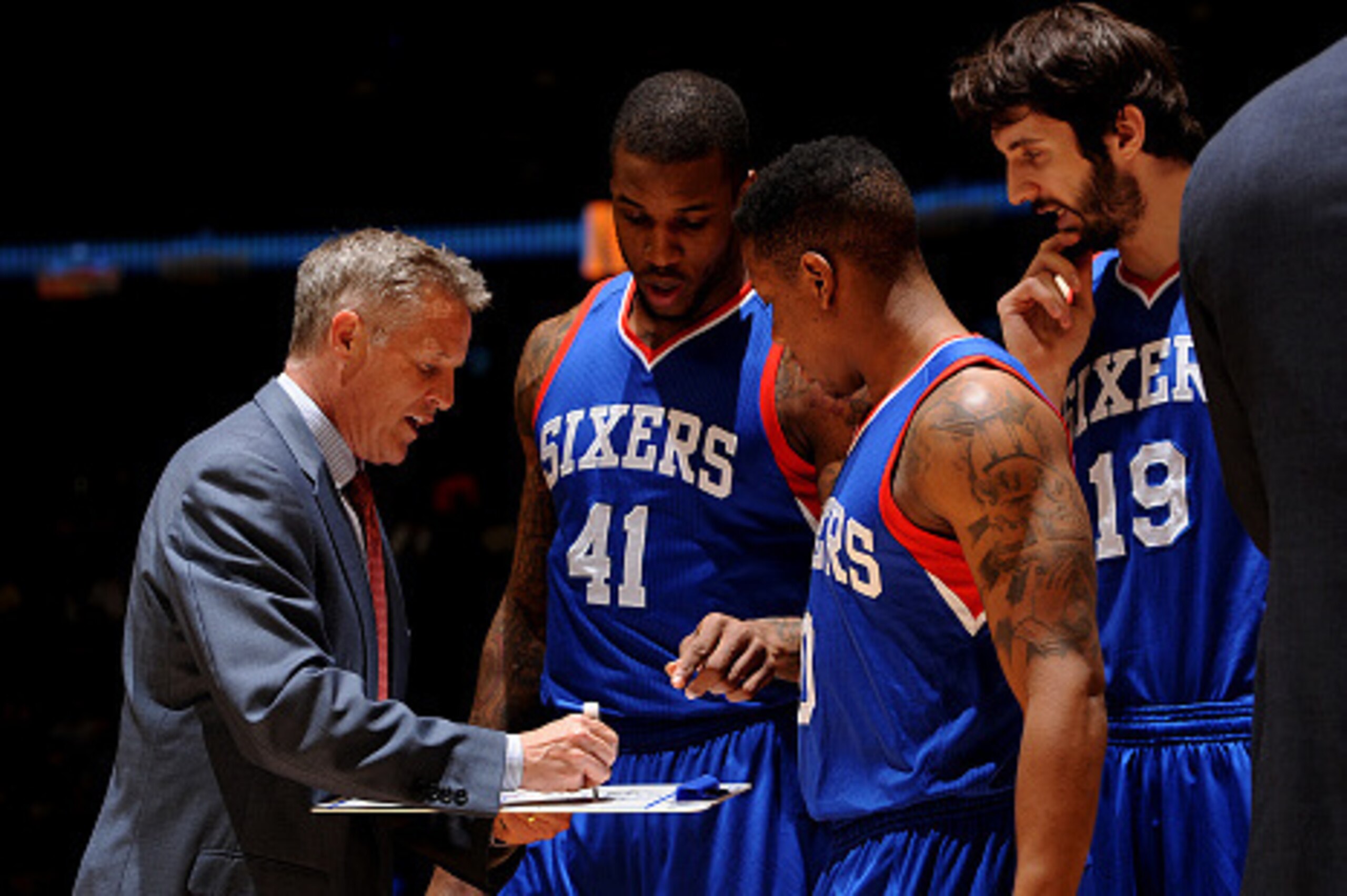
Philadelphia 76ers head coach Brett Brown told Bob Cooney of Philly.com:
"That fundamental formula still exists, but the resources that you apply to it are far greater. I came into the league and there were three of me [directors of development], and now every team probably has two or three. It's like hitting coaches in baseball; shooting coaches are going to be the emerging thing. I think that nearly half of the NBA teams have an isolated, dedicated shooting coach. We're going to blink and, in 5 years, everybody is going to have one of those, too. Development just spins off on so many areas with so many people nowadays.
"
Brown offers a hopeful template. He has adapted to a changing league, and he probably owes some thanks to Gregg Popovich, under whom he worked for years with the San Antonio Spurs.
Pop's demeanor and insistence on accountability are as old school as it gets, but the Spurs have been on the vanguard of analytics, sports science and innovation longer than any other team—largely because he's allowed them to be.
Not everyone's so malleable, though, which means throwbacks might have to settle for short-term jobs they wouldn't otherwise want if they'd like to keep working.
Take Scott Skiles' recent hiring by the Orlando Magic as one example. Skiles is as old school as they come; everything about him—from his demeanor to his look—says so.
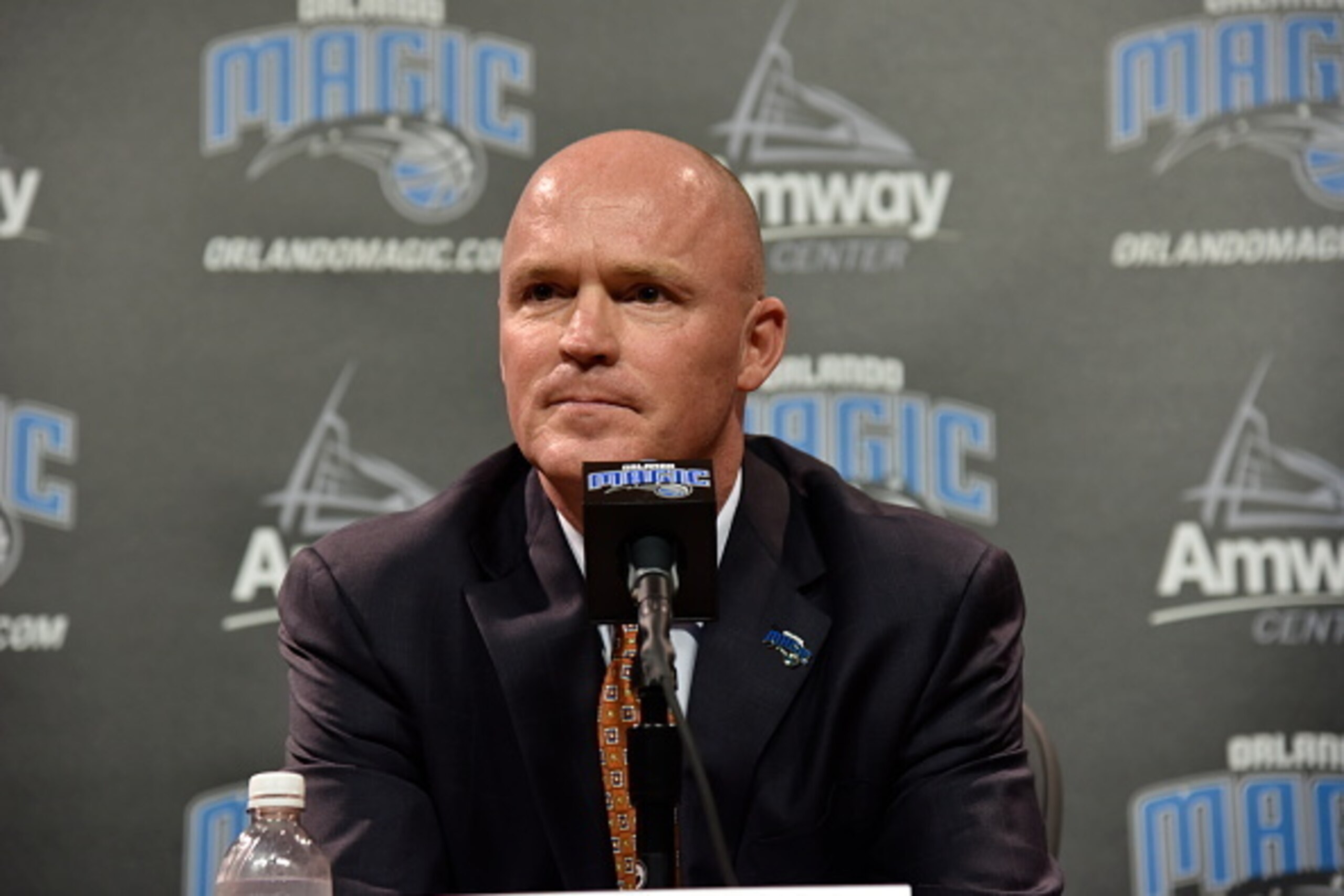
But he's taking over a young team with modest expectations. His track record suggests he'll instill structure on both ends of the court but may not be around long enough to do more.
Dan Feldman of NBC Sports explains: "He doesn't have the record of player development the young Magic could use. But he should improve their defense, burn out everyone (including himself) and then cede way to Jim Boylan as interim coach. We've seen this too many times to expect anything different."
Skiles has never lasted longer than five full seasons in any spot, and he lost his job midseason in each of his last two stops.
Maybe this is the future for old-school coaches who don't adapt like Brown. Maybe they'll be used as tone-setters, guys who whip the troops into shape and then leave before they wear down or wear out their welcome with management.
Mark Jackson built something and had to hand it over to Steve Kerr.
Thibodeau ceded control to Fred Hoiberg.
If the trend holds, coaches like Thibodeau—who want autonomy, control and freedom to coach how they see fit—would face the irony of being mere parts of a larger system, a step in a process out of their control.
It's hard to imagine that's an appealing option.
If Thibodeau or Van Gundy or any other coaches of their ilk get jobs in the future, it'll be because they convince front offices they're ready to be flexible, or because a specific team wants the kind of discipline they'll bring—for a limited time only.
Look around the league. The coaching profiles of Kerr, Brad Stevens, Erik Spoelstra, Hoiberg, Popovich and even Rick Carlisle all feature youth, innovation, flexibility or all three.
Rigid autocrats like Thibs and Van Gundy are facing extinction in an NBA ecosystem that prizes adaptability and cooperation above everything else.
Grant Hughes covers the NBA for Bleacher Report. Follow him on Twitter @gt_hughes.



.jpg?w=2560 "Chiefs, Steelers Eye WR Trades")



.jpg?w=2560 "Latest Peyton-Colts Rumors")