

The NBA draft goes through three different phases. First, players go through measurements and workouts during the combine to solidify their stock. That's followed by the lottery determining where teams are going to pick, leading into the final stage when the marriage between a player and team begins.
Following the results of Tuesday's draft lottery, we have entered the third phase of the draft. There's still one month to go before teams add talent to solidify their future on draft night, which happens on June 25, but the anticipation has kicked up a notch.
| 1 | Minnesota Timberwolves | 31 | Minnesota Timberwolves |
| 2 | Los Angeles Lakers | 32 | Houston Rockets (from New York Knicks) |
| 3 | Philadelphia 76ers | 33 | Boston Celtics (from Philadelphia 76ers) |
| 4 | New York Knicks | 34 | Los Angeles Lakers |
| 5 | Orlando Magic | 35 | Philadelphia 76ers (fromOrlando Magic) |
| 6 | Sacramento Kings | 36 | Minnesota Timberwolves (from Sacramento Kings) |
| 7 | Denver Nuggets | 37 | Philadelphia 76ers (from Denver Nuggets) |
| 8 | Detroit Pistons | 38 | Detroit Pistons |
| 9 | Charlotte Hornets | 39 | Charlotte Hornets |
| 10 | Miami Heat | 40 | Miami Heat |
| 11 | Indiana Pacers | 41 | Brooklyn Nets |
| 12 | Utah Jazz | 42 | Utah Jazz |
| 13 | Phoenix Suns | 43 | Indiana Pacers |
| 14 | Oklahoma City Thunder | 44 | Phoenix Suns |
| 15 | Atlanta Hawks (via Brooklyn Nets) | 45 | Boston Celtics |
| 16 | Boston Celtics | 46 | Milwaukee Bucks |
| 17 | Milwaukee Bucks | 47 | Philadelphia 76ers (from New Orleans) |
| 18 | Houston Rockets (via New Orleans Pelicans) | 48 | Oklahoma City Thunder |
| 19 | Washington Wizards | 49 | Washington Wizards |
| 20 | Toronto Raptors | 50 | Atlanta Hawks (from Toronto Raptors) |
| 21 | Dallas Mavericks | 51 | Orlando Magic (from Chicago Bulls) |
| 22 | Chicago Bulls | 52 | Dallas Mavericks |
| 23 | Portland Trail Blazers | 53 | Cleveland Cavaliers (from Portland Trail Blazers) |
| 24 | Cleveland Cavaliers | 54 | Utah Jazz (from Cleveland Cavaliers) |
| 25 | Memphis Grizzlies | 55 | San Antonio Spurs |
| 26 | San Antonio Spurs | 56 | New Orleans Pelicans (from Memphis Grizzlies) |
| 27 | Los Angeles Lakers (via Houston Rockets) | 57 | Denver Nuggets (from Los Angeles Clippers) |
| 28 | Boston Celtics (via Los Angeles Clippers) | 58 | Philadelphia 76ers (from Houston Rockets) |
| 29 | Brooklyn Nets (via Atlanta Hawks) | 59 | Atlanta Hawks |
| 30 | Golden State Warriors | 60 | Philadelphia 76ers (from Golden State Warriors) |



Now that the draft order has been set, the attention then shifts to the players and what they can do in the NBA. Everyone has a set of strengths and weaknesses coming into the league, with the stars being able to highlight the strengths and hide the deficiencies.
This year's draft class features a number of players who have a long way to go before reaching their ultimate ceiling, which is what makes this time of year so fun to watch. Here are the top prospects who have the most to prove when they get to the NBA.
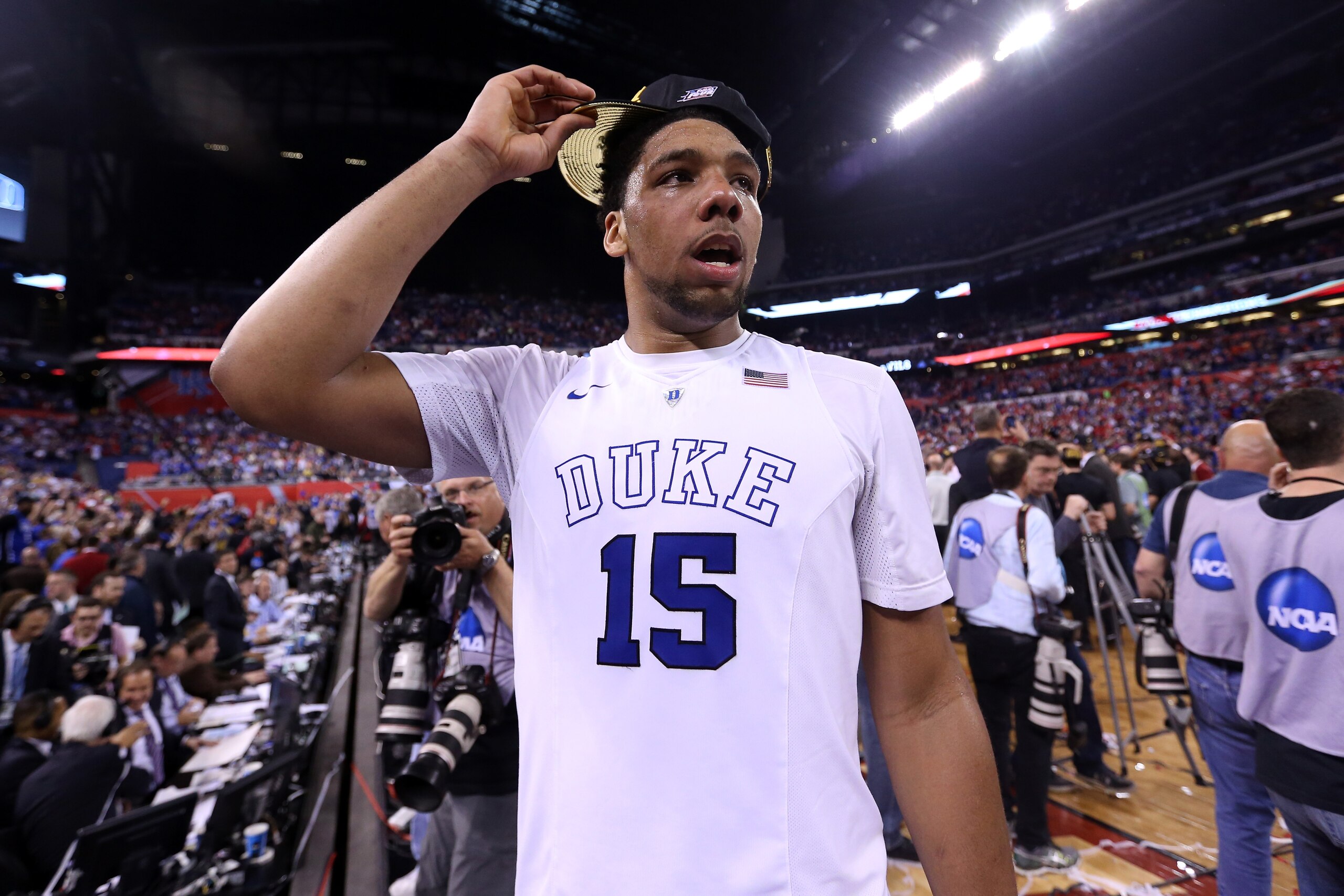
Jahlil Okafor, C, Duke
Jahlil Okafor has had quite a year. The Duke freshman began his college career as one of the top recruits in the country and playing a position that NBA scouts always covet because it's so hard to find impact talent. There's a reason Greg Oden was taken ahead of Kevin Durant in 2007, for example.
The star center averaged 17.3 points and 8.5 rebounds per game in helping Duke to win a national championship, but his stock peaked early, which has led him to seemingly "settle" for being the No. 2 player in the class.
Okafor's biggest problems coming into the NBA are his speed and struggles defending athletic big men, as ESPN's Chad Ford wrote following Duke's title win:
"After a dominant first weekend, when he dropped 21 points on Robert Morris and 26 points on San Diego State, he cooled down considerably. He had 10 or fewer points in three of the Blue Devils' four final tourney games, including 10 points and just three rebounds in 22 minutes versus Frank Kaminsky and Wisconsin. Foul trouble plagued Okafor in the title game, but so did his inability to guard the quicker, more agile Kaminsky.
"
Despite Okafor's defensive struggles, he's still a tremendous offensive asset with size and length to create easy shots under the basket. The lack of top-shelf athleticism and lapses on defense create problems for teams trying to determine his ultimate ceiling.
Based on the numbers and scouting reports, Okafor seems to have a lot in common with Orlando center Nikola Vucevic. The 24-year-old has averaged a double-double in each of the last three seasons but has never had a value over replacement player (VORP) higher than 1.6.
For perspective, Nerlens Noel had a 1.6 VORP this season for Philadelphia. If it's assumed that Okafor goes first or second overall, he is expected to produce like a superstar. That means he can't have those lapses that came during the NCAA tournament.
To be fair, Okafor is just 19 years old and has room to improve. He may not be a finished product yet, but the current product leaves more to be desired than the raw numbers would suggest.
Emmanuel Mudiay, PG, China
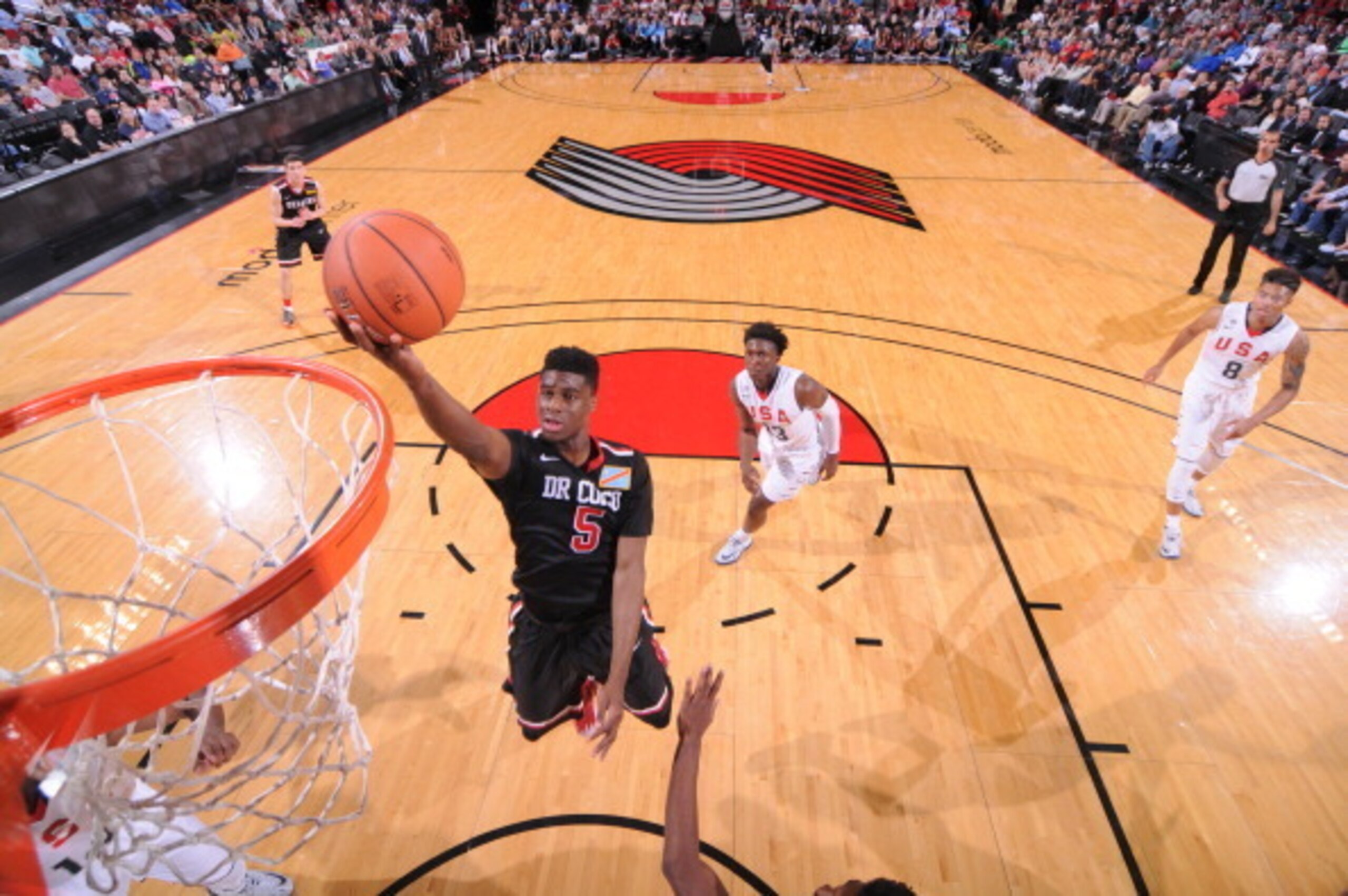
The greatest mystery in the top five is Emmanuel Mudiay. Teams certainly have an idea of what the young point guard is capable of doing after scouting him in China, but fans will treat him similarly to how they observed Dante Exum coming out of Australia.
Mudiay certainly has video to show from the United States, as he played high school ball in Texas and was the No. 1 recruit, per 247 Sports, ahead of players such as Okafor and Karl-Anthony Towns in last year's class before playing in China after academic issues may not have allowed him to play right away for SMU.
The comparisons for Mudiay are certain to make fans excited, as Tim Bontemps of the New York Post quoted ESPN's Fran Fraschilla naming two high-profile point guards who share similar traits with the 19-year-old.
“[D'Angelo Russell's] not the athlete that Emmanuel Mudiay is, but Mudiay is the big, strong, quick, physical coast-to-coast [Deron Williams] in his prime, Jason Kidd-type of point guard," Fraschilla said.
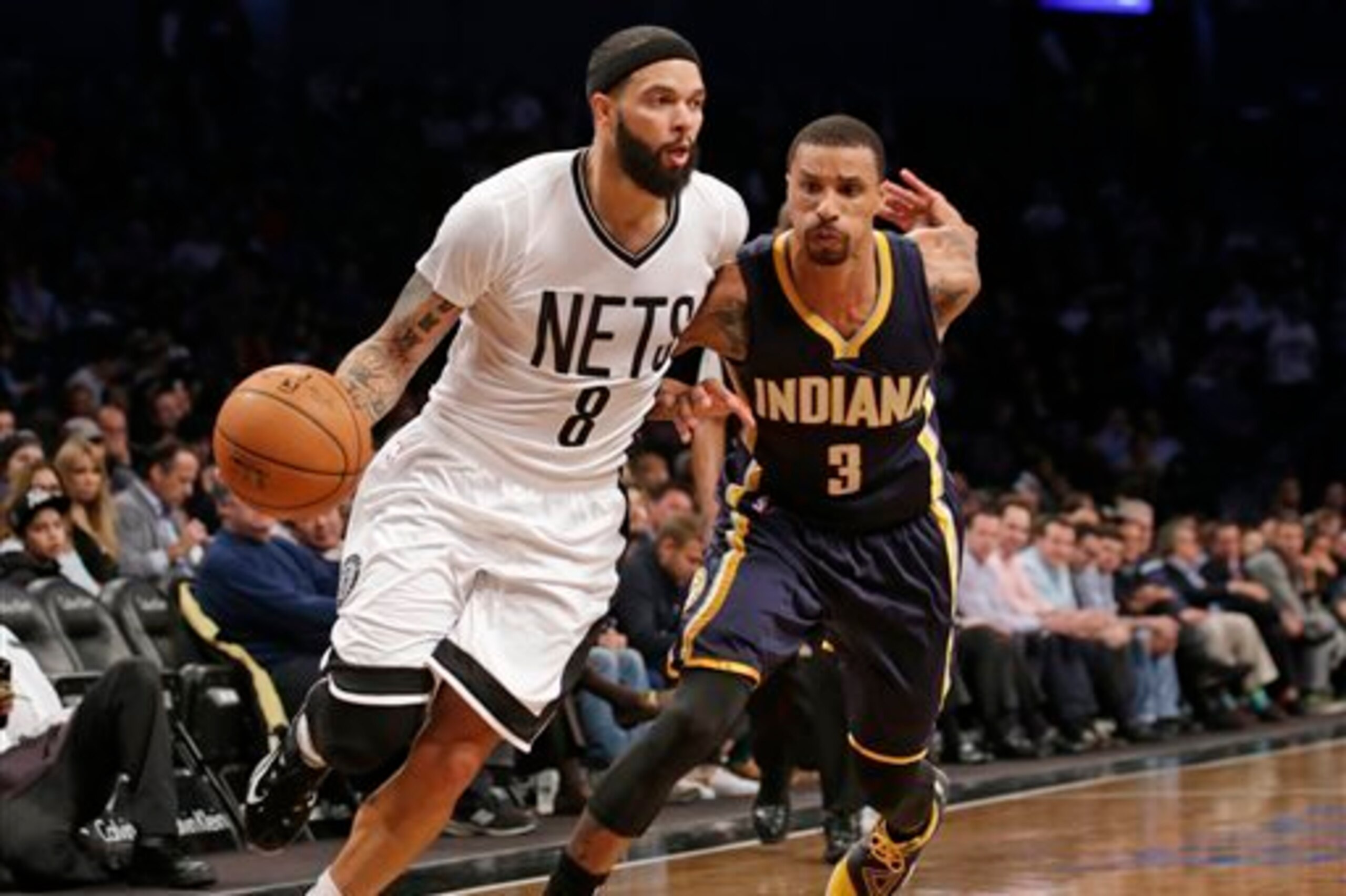
Deron Williams' name in 2015 is likely to make fans cringe, but there was a four-year stretch from 2007 to 2011 when he averaged a double-double.
As high as the ceiling looks for Mudiay, one talent evaluator did tell Bontemps that playing in China didn't do much for his development because it's hard to judge the competition he was going against.
“The competition level is key,” the talent evaluator said. “Russell played high-level Division I basketball, and with Mudiay, who knows? How good is he? Who knows? Is he really the fourth best guy? Who the blank knows.”
That's the question Mudiay will continue to face until he gets in the NBA. It's hard to say he made a mistake going to China, especially since he made $1.2 million for the experience, but he suffered an ankle injury during the season that limited his time on the court.
Mudiay had all the hype in the world coming out of high school and retains a lot of it despite a lost year in China. It's on him to prove that last year was just a blip on the radar instead of an indication the future is bleak.
Justin Anderson, SF, Virginia
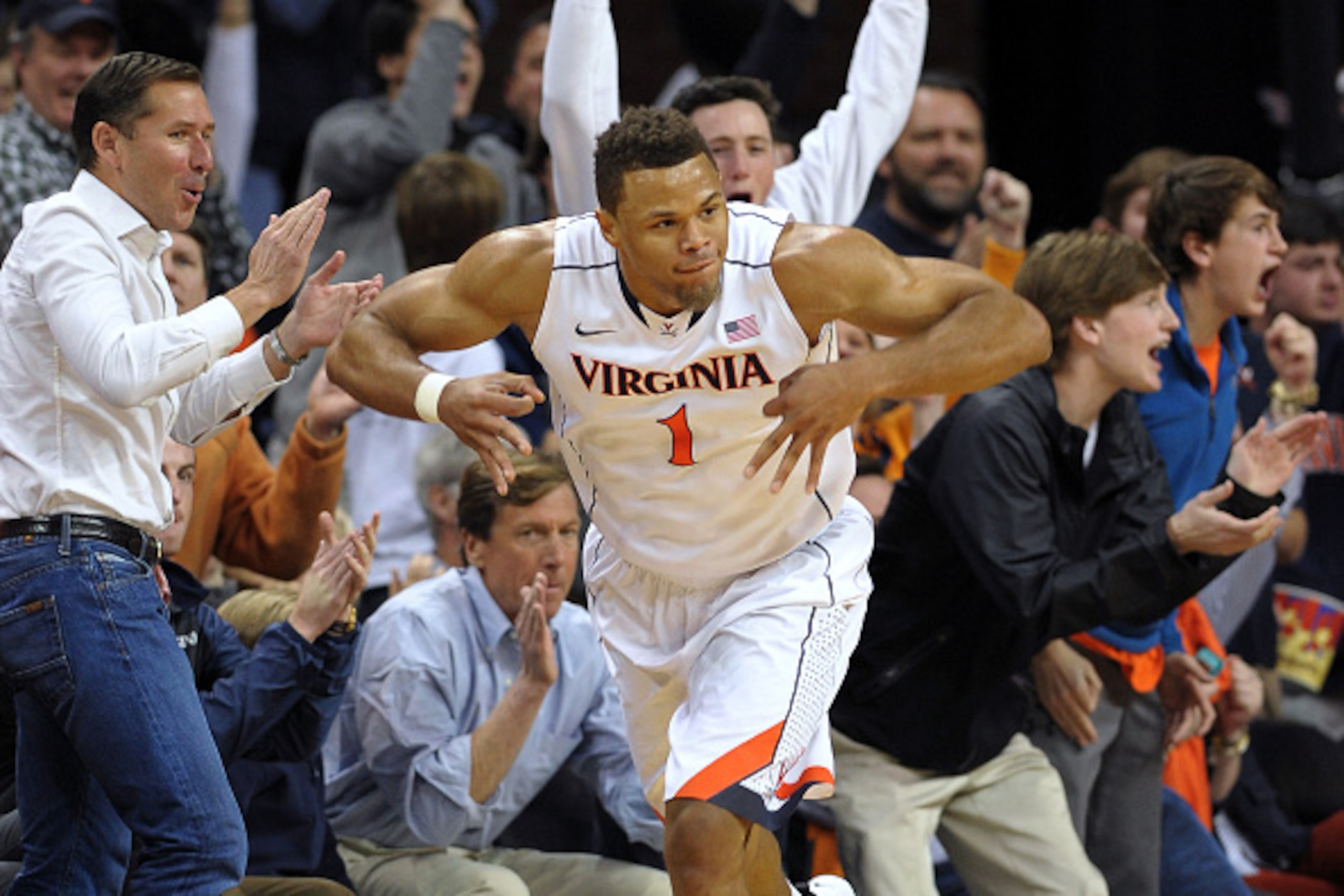
Justin Anderson is in a similar situation to Okafor's. He was a star in college, playing an instrumental role in Virginia's rise to one of the top teams in college basketball over the last two years and improved his stats every season.
The issue facing Anderson is he never shot as well as he did last season with a 46.6 overall shooting percentage and 45.2 percent from three-point range. It was an exponential increase, especially from beyond the arc, where he shot between 29.4 percent and 30.3 percent in his first two seasons with the Cavaliers.
Scott Howard-Cooper of NBA.com sees Anderson as having a strong package of skills for an NBA wing and projected the Virginia star to go 24th overall to Cleveland:
"This is the Justin Anderson the NBA had waited to see. It took until his junior season, but Anderson added a three-point game to become a scoring threat, shooting 45.2 percent from behind the arc. That and his work on the other side of the ball makes him a 3D prospect -- three-pointers and defense, a good combination for a wing.
"
The defensive is a given for Anderson, as that's a prerequisite for anyone who plays basketball at Virginia. His shooting cooled off considerably late in the season, as he went 1-of-9 from beyond the arc in the ACC and NCAA tournaments.
Anderson was recovering from an appendectomy in early March and missed seven games with a broken finger that certainly played some role in his cooling down. The problem becomes figuring out how much it was because of the injuries and how much it was because of the law of averages catching up to him.
As long as Anderson remains a defensive stud, he will carve out a future in the NBA. His shooting touch will determine whether he turns into a solid starter or role player.
College stats via ESPN, and VORP stats via Basketball-Reference.

.jpg?w=2560 "Raiders Could Start Mendoza")

.jpg?w=2560 "Rodgers Iced Out on Plane 💎")
.jpg?w=2560 "🚨 Week 8 AP Top 25 Poll")
.jpg?w=2560 "Fantasy Waiver Wire Stars 🤩")
.jpg?w=2560 "Packers Safety Slams Refs 🤬")
